









Shiitake mushrooms, a common edible fungus in daily diets, are loved not only for their unique flavor and texture but also for their rich nutritional value and potential medicinal effects, attracting much attention in the health field. AHCC, short for Active Hexose Correlated Compound, is a remarkable substance extracted from shiitake mushrooms. It is a standard extract for culturing shiitake mushroom mycelium, containing various nutrients, including low molecular weight oligosaccharides, polysaccharides, amino acids, lipids, and minerals, with α-glucan as its main component. Due to its diverse biological activities, AHCC exhibits unique effects in immunomodulation, anti-tumor activity, and anti-oxidation, becoming a research hotspot in recent years. Below, we will discuss in detail the many uses of shiitake mushroom extract AHCC.
Health and Wellness: Building a Strong Defense for the Body
Immune Regulation: Activating Immune Cells
In our bodies, the immune system is like an army protecting health, and AHCC acts as an excellent commander, activating immune cells such as macrophages, NK cells, and T lymphocytes to enhance the immune response. Macrophages are like “scavengers” on the battlefield; AHCC can bind to specific receptors on the surface of macrophages, triggering intracellular signaling pathways and activating them, thereby enhancing phagocytosis and more effectively engulfing and clearing pathogens such as bacteria and viruses. It also releases cytokines such as tumor necrosis factor-α (TNF-α) and interleukin-1 (IL-1), further regulating the immune response and stimulating the activation and proliferation of other immune cells. NK cells are “special forces” fighting tumors and viral infections; AHCC can increase their activity and number, promoting the release of cytotoxic substances such as perforin and granzymes, directly destroying the cell membranes of tumor cells and virus-infected cells, leading to apoptosis. T lymphocytes play a crucial role in specific immunity. AHCC can promote their proliferation and differentiation, assist in antigen recognition, and regulate the balance of T lymphocyte subsets, such as increasing the number and activity of helper T cells (Th cells). This enhances the body’s ability to recognize and attack specific pathogens, comprehensively boosting the immune system’s fighting power and helping the body resist various diseases.
Antioxidant: Scavenging Free Radicals
During life processes, the human body constantly produces free radicals, such as superoxide anion radicals and hydroxyl radicals. These act like “troublemakers” in the body; excessive accumulation can attack intracellular macromolecules, leading to oxidative damage and subsequently triggering various diseases and aging. AHCC possesses powerful antioxidant capabilities, capable of capturing these free radicals and acting as a “protective shield” for cells. Studies have shown that AHCC can react with free radicals through its chemical structure, converting them into stable substances, thereby reducing the damage of free radicals to cell membranes, proteins, and nucleic acids. Simultaneously, AHCC can enhance the activity of the body’s own antioxidant enzymes, such as superoxide dismutase (SOD) and glutathione peroxidase (GSH-Px). These enzymes work synergistically to strengthen the body’s antioxidant defense system, effectively building a strong antioxidant defense line, delaying cell and tissue aging, and preventing cardiovascular diseases, neurodegenerative diseases, and other conditions related to oxidative damage.
Improving Gut Function: Regulating Gut Microbiota
The gut is known as the body’s “second brain,” and the balance of gut microbiota is crucial for health. AHCC plays an important role in this regard. It acts as a prebiotic, promoting the growth and reproduction of beneficial bacteria such as Bifidobacteria and Lactobacillus. These beneficial bacteria are like “good residents” in the gut, helping to digest food, synthesize vitamins, and enhance intestinal barrier function. AHCC provides them with a suitable growth environment, increasing their quantity and variety, allowing the beneficial gut microbiota to flourish. Meanwhile, AHCC inhibits the growth and colonization of harmful bacteria such as E. coli and Salmonella in the intestines by competing for nutrients and producing antibacterial substances. This reduces the damage to the intestinal mucosa caused by toxins produced by harmful bacteria, preventing intestinal infections and inflammatory bowel disease, maintaining the integrity of the intestinal mucosal barrier, and enabling the intestines to perform normal digestive and absorptive functions, providing the body with sufficient nutrition and fundamentally ensuring health.
Assisted Anti-tumor Treatment: Inducing Tumor Cell Apoptosis
Cancer is one of the major diseases threatening human health, and AHCC has shown unique potential in anti-tumor treatment. It can exert its auxiliary anti-tumor effect through multiple pathways, among which inducing tumor cell apoptosis is an important link. AHCC can act on tumor cells, altering the permeability of the mitochondrial membrane, releasing apoptosis-related factors such as cytochrome C, activating the endogenous apoptosis pathway, and promoting the self-destruction of tumor cells; it can also inhibit the proliferation of tumor cells, blocking their division and growth processes, thereby slowing down the development of tumors. In addition, AHCC can enhance the body’s anti-tumor immune response, improve the ability of immune cells to recognize and kill tumor cells, and mobilize the immune system to better resist the occurrence and development of tumors. Although AHCC cannot replace traditional tumor treatment methods, as part of a comprehensive treatment plan, it can help cancer patients regulate bodily functions and improve their quality of life to a certain extent.
Liver Protection: Repairing Liver Cells
The liver is an important metabolic organ in the human body, undertaking multiple functions such as detoxification, metabolism, and synthesis. However, various factors in modern life, such as chemicals, drugs, and alcohol, can damage the liver. AHCC has a protective effect on the liver. When the liver is damaged, it can increase the activity of antioxidant enzymes in the liver, reduce the content of lipid peroxidation products such as malondialdehyde, reduce the oxidative damage of free radicals to liver cells, and promote the repair and regeneration of liver cells. At the same time, AHCC can also regulate the liver’s glucose and lipid metabolism, maintain stable blood sugar, reduce the accumulation of lipids in the liver, and prevent liver damage caused by metabolic diseases such as fatty liver and diabetes. For people with liver diseases such as hepatitis and cirrhosis, as well as those who frequently drink alcohol or take medication for a long time due to work or lifestyle habits, AHCC can help maintain the normal physiological state of the liver, reduce the risk of liver disease, and protect liver health.
Food Sector: Enhancing Food Added Value

Nutritional Fortification: Adding Nutrients
In today’s pursuit of healthy eating, consumers are paying increasing attention to the nutritional content of food. AHCC, as an extract rich in various nutrients, provides the food industry with a new option for nutritional fortification. It contains various monosaccharides such as glucose, mannose, and galactose, as well as small amounts of protein and minerals, all of which are essential nutrients for maintaining normal physiological functions. Adding AHCC to everyday foods such as bread, biscuits, and beverages can significantly enhance the nutritional value of the food, providing consumers with a richer nutritional intake. For example, adding AHCC to some energy bar products not only replenishes carbohydrates for energy, but its protein and mineral content can also supplement other key nutrients for sports enthusiasts or busy office workers, meeting their diverse nutritional needs in a fast-paced life and expanding the function of food from simply satiating to nutritional supplementation.
Promoting Nutrient Absorption: Optimizing Intestinal Digestion
The intestines are an important site for the human body’s digestion and absorption of nutrients, and the health of its microecological environment directly affects the efficiency of nutrient absorption. AHCC excels in improving the gut microbiota environment. It promotes the growth and reproduction of beneficial bacteria such as Bifidobacteria and Lactobacillus. These beneficial bacteria play a vital role in the gut, helping to break down food, produce short-chain fatty acids, promote intestinal peristalsis, and enhance intestinal digestion and absorption. When AHCC is applied to fermented foods such as yogurt and fermented milk beverages, it works synergistically with the probiotics already present in these products to further optimize the gut environment, aiding in the absorption and utilization of other nutrients in food, such as vitamins, minerals, and proteins. For example, adding AHCC to calcium-rich dairy products promotes intestinal calcium absorption, allowing the body to better absorb and utilize the abundant calcium in dairy products, improving the nutritional utilization rate of food, enabling consumers to obtain more nutrients from food, truly achieving efficient nutrient absorption, and laying a solid foundation for a healthy life.
Other Potential Applications: Expanding Possibilities

Besides the areas mentioned above, AHCC also shows potential applications in other fields. In animal husbandry, AHCC can be used as a feed additive to enhance animal immunity, reduce disease incidence, and improve farming efficiency. For example, in poultry farming, feed with added AHCC can enhance poultry’s disease resistance, reduce mortality due to disease infection, and improve meat and egg quality, providing consumers with healthier and higher-quality poultry products. In aquaculture, AHCC helps improve the immunity and stress resistance of aquatic organisms such as fish and shrimp, enabling them to maintain good growth even in the face of adverse environments such as changes in water quality and pathogen invasion, reducing losses during the farming process.
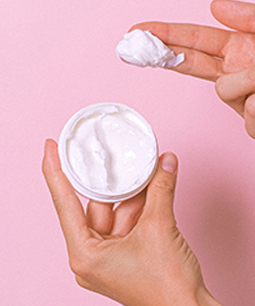
In the field of cosmetic raw materials, AHCC’s antioxidant and immunomodulatory properties also have unique application value. It can be added to skincare products to help the skin resist free radical damage, delay skin aging, and reduce the appearance of wrinkles, age spots, and other signs of aging. Meanwhile, AHCC can regulate the skin’s immune function and enhance its barrier function. For sensitive skin, it can alleviate allergy symptoms, enhance skin tolerance, and make the skin healthier and more stable. Furthermore, its ability to promote cell repair and regeneration helps improve skin texture and radiance, making the skin smoother and more delicate. It provides the cosmetics industry with a natural and effective functional ingredient, meeting consumers’ needs for healthy, safe, and highly effective skincare products. With ongoing research, it is believed that the potential value of AHCC in more fields will be further explored and applied, bringing more benefits to human health and life.
Summary and Outlook: The Immense Potential of AHCC

In conclusion, shiitake mushroom extract (AHCC), with its unique components and diverse bioactivities, has demonstrated important uses and value in multiple fields such as health care and food. In the health care field, it maintains human health from multiple aspects, including immune regulation, anti-oxidation, improving intestinal function, assisting in anti-tumor treatment, and liver protection, providing people with new options for disease prevention and strengthening their constitution. In the food sector, AHCC enhances the nutritional value and quality of food through fortification and improved nutrient absorption, meeting consumer demand for healthy foods and injecting new vitality into the innovative development of the food industry. Furthermore, AHCC is also showing promise in potential applications such as animal husbandry and cosmetic raw materials, demonstrating broad application prospects.
With continuous advancements in science and technology and in-depth research, it is believed that the potential value of AHCC in more fields will be further explored in the future. In medical research, it is expected that more large-scale, multi-center clinical trials will be conducted to delve into the specific mechanisms of action and optimal usage of AHCC in disease prevention and treatment, providing more evidence for the development of new therapeutic drugs and methods. In the food sector, the synergistic effects of AHCC with other functional ingredients will be continuously explored to develop more innovative foods with specific functions and nutritional values to meet the health needs of different populations. Simultaneously, in other emerging fields, such as biopharmaceuticals and agriculture, AHCC may also achieve new application breakthroughs, providing new ideas and methods for solving problems in these fields. In conclusion, AHCC, as a natural extract with enormous potential, will undoubtedly bring more surprises and benefits to human health and life in future research and applications.
