









Spermidine, also known as spermidine, is a naturally occurring polyamine bioactive substance with a relative molecular mass of 145.25. At room temperature, it is a colorless and hygroscopic liquid with a boiling point of around 129°C. It is miscible with water, ether, and ethanol.
The discovery of spermidine is a fascinating story. In 1678, Antonie van Leeuwenhoek first observed crystalline substances in human semen using a homemade primitive microscope. In 1924, these crystalline substances were identified as spermine phosphate. Later, during the artificial synthesis of spermine, spermidine was discovered, and its natural existence has since been confirmed in numerous biological materials. In the mid-1960s, the Galston research group at Yale University conducted systematic research on plant polyamines, including spermidine, discovering their effects on stimulating plant growth and preventing aging. A French-Austrian team found that continuously adding spermidine to the drinking water of mice extended their median lifespan, even if the addition was started in middle age. In 2009, an Austrian research institute discovered that spermidine has a life-extending effect on fruit flies. In 2016, scientists won the Nobel Prize in Physiology or Medicine for their discovery of the mechanism of autophagy. Spermine is believed to extend lifespan precisely because it can activate the autophagy process, enabling the degradation and recycling of cellular components.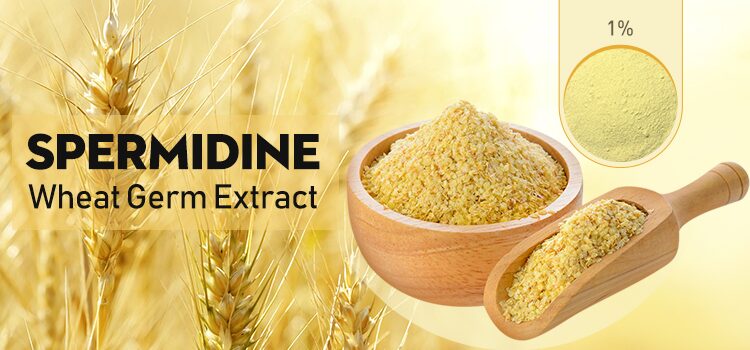
The Relationship Between Wheat Germ Extract and Spermidine
Wheat germ is an excellent source for extracting spermidine. Although wheat germ accounts for only a small percentage of the entire wheat grain, approximately 2.5%, it is rich in nutrients. Every 100 grams of wheat germ contains 100-200 mg of spermidine, a level that is outstanding among many natural foods. In the wheat growth process, the wheat germ plays a crucial role in germination. To promote cell division and growth, it naturally requires a large amount of bioactive substances like spermidine, making wheat germ a “rich mine” of spermidine.
Spermidine extracted from wheat germ has many advantages. In terms of purity, advanced solid-liquid extraction processes can effectively remove impurities, obtaining high-purity spermidine. Some high-quality wheat germ extracts achieve high spermidine purity standards, meeting the stringent requirements of scientific research, pharmaceuticals, and high-end health product production. From an activity perspective, the spermidine in wheat germ extract retains good biological activity. This is because the gentle conditions during extraction minimize damage to the structure and activity of spermidine, allowing it to more effectively participate in various cellular physiological activities after entering the human body. For example, it efficiently activates autophagy, clears cellular waste, and keeps cells young and vibrant.
Compared to spermidine extracted from other sources, spermidine in wheat germ extract has unique advantages. Spermine obtained from microbial fermentation may suffer from complex fermentation processes, difficulties in product separation, and the potential introduction of contaminating microorganisms. Wheat germ, on the other hand, has a clear source, relatively simple components, and a mature extraction process, consistently providing high-quality spermidine with greater assurance in terms of safety and stability.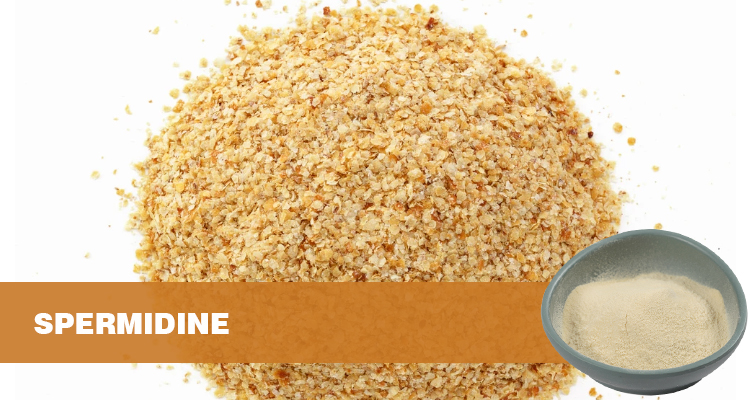
Analysis of Applicable Population
(I) Elderly Individuals
As people enter old age, their bodily functions, like a machine that has been running for many years, gradually experience various forms of “wear and tear.” Cellular autophagy weakens, oxidative stress and inflammation levels increase, leading to age-related problems such as cognitive decline and increased risk of cardiovascular disease. Spermidine acts like a high-level lubricant for this “aging machine,” effectively alleviating many symptoms of aging.
Regarding cognitive function, Professor Reinhart’s team in Australia conducted a multicenter, double-blind experiment, recruiting 85 elderly individuals from six nursing homes. These individuals were randomly assigned to different groups and given different doses of spermidine. Cognitive function was assessed through memory tests, and the elderly were divided into four groups: no dementia, mild dementia, moderate dementia, and severe dementia. Simultaneously, spermidine concentrations in blood samples were measured. The results showed that spermidine concentration was significantly correlated with cognitive function in the no-dementia group, and elderly individuals with mild to moderate dementia showed a significant improvement in cognitive level after ingesting high doses of spermidine. Research from the University of Graz in Austria has also found that continuously supplying spermidine to 24-month-old mice (equivalent to old age in humans) through drinking water allows spermidine to cross the blood-brain barrier and improve the results of various cognitive and behavioral tests in the mice.
From the perspective of overall physical decline, spermidine enhances autophagy, clears accumulated waste and damaged organelles within cells, maintains normal cellular function, and thus slows down the aging process. Related animal experiments have shown that elderly mice that have been supplemented with spermidine for a long time have significantly better physical indicators such as muscle strength and endurance than control mice that have not been supplemented, and have lower levels of inflammation-related factors. These studies fully demonstrate that spermidine has a significant effect on improving cognitive function and delaying physical decline in the elderly, making it a powerful “helper” for the elderly to maintain health and improve their quality of life.
(II) People with Low Immunity
Immunity is the “protective shield” of human health. When immunity is low, it’s like a leak in the shield, allowing pathogens such as bacteria and viruses to easily invade, leading to frequent illnesses and a decreased ability to recover. Spermidine plays a crucial role in regulating the immune system, acting as a “regulator” of the immune system.
At the level of immune cells, spermidine promotes the proliferation and differentiation of immune cells such as T cells and B cells, enhancing their activity. When the body is attacked by pathogens, T cells can more quickly recognize and attack infected cells, while B cells can produce antibodies more rapidly to fight off pathogens. For example, during flu season, some people with weakened immune systems are prone to repeated influenza infections. Appropriate spermidine supplementation can enhance the activity of their immune cells, enabling them to more effectively recognize and eliminate the influenza virus, reducing the chance of infection. Even if they do get infected, the symptoms are relatively milder, and the recovery time is shorter.
From a practical perspective, a study observed a group of office workers with low immunity who worked long hours under high pressure. One group was given spermidine supplementation, while the other served as a control. After a period of time, the group that supplemented with spermidine had a significantly lower incidence of colds, coughs, and other illnesses than the control group, and recovered from illnesses much faster. This indicates that spermidine can genuinely enhance the immune function of people with weakened immune systems, helping them better resist disease and protect their health.
(III) Individuals with Poor Liver Function
The liver is the body’s “chemical factory,” undertaking vital responsibilities such as metabolism and detoxification. When liver function is impaired, it’s like a chemical factory malfunctioning; toxins cannot be metabolized and excreted in a timely manner, and nutrient metabolism will also be disrupted, affecting health. Spermidine has a significant effect on maintaining liver health, much like providing a repair tool for a malfunctioning “chemical factory.”
From the perspective of promoting liver cell regeneration, research published in *Liver Transplantation* by Japanese researchers shows that in a rat liver resection model, rats given spermidine showed significantly stronger liver regeneration capacity than the control group. This is because spermidine can activate the autophagy mechanism of liver cells, providing the necessary substances and energy for cell repair and regeneration, promoting faster proliferation of liver cells and repair of damaged tissue. In terms of enhancing liver metabolism and detoxification, spermidine can lower serum aspartate aminotransferase (AST) and alanine aminotransferase (ALT) levels, reducing liver inflammation and damage, and enabling the liver to perform metabolic and detoxification functions more efficiently. For alcoholics, alcohol causes significant damage to the liver, and long-term alcohol abuse can easily lead to alcoholic liver disease. Speridine supplementation can help repair damaged liver cells, enhance the liver’s ability to metabolize alcohol, and reduce the continuous damage of alcohol to the liver. Long-term medication users also face the problem of increased liver burden, as drug metabolites may damage the liver. Speridine can help the liver better process these metabolites and protect liver function.
(IV) High-risk groups for cardiovascular disease
High-risk groups for cardiovascular disease, such as patients with hypertension, hyperlipidemia, and obesity, are often troubled by cardiovascular problems and constantly face the risk of cardiovascular disease attacks. Speridine acts as a “protector” of the cardiovascular system, playing a positive role in lowering cholesterol and improving blood circulation. In terms of lowering cholesterol, spermidine can regulate lipid metabolism, reduce blood cholesterol and triglyceride levels, and lower the risk of atherosclerotic plaque formation. A 2016 study published in *Arteriosclerosis* confirmed that spermidine can reduce lipid accumulation in atherosclerotic plaques. Spermine can also regulate vascular endothelial cell function, promote nitric oxide release, dilate blood vessels, and lower blood pressure. Research published in *Nature Medicine* shows that spermidine can reduce cardiac hypertrophy, improve diastolic function, protect the heart, and reduce the incidence and mortality of cardiovascular disease.
From actual data, a study tracked a group of high-risk individuals for cardiovascular disease, with one group supplementing with spermidine and the other not. After a period of time, the group supplementing with spermidine showed significant improvements in blood pressure and blood lipid levels, and a significant reduction in the risk of cardiovascular disease attacks. This strongly demonstrates the significant benefits of spermidine for high-risk groups for cardiovascular disease, effectively reducing their risk of developing cardiovascular disease and safeguarding their health.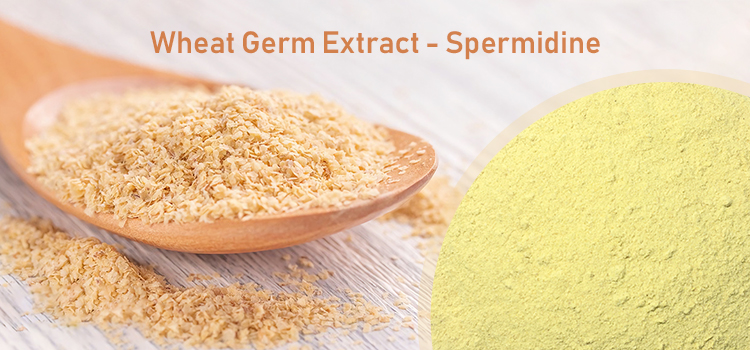
(V) People with Hair Loss
Hair loss troubles many people, affecting their personal image and self-confidence. The hair follicle growth cycle, like the growth process of a plant, has an anagen (growth) phase, a catagen (transitional) phase, and a telogen (resting) phase. When the hair follicle growth cycle is disrupted and it prematurely enters the telogen phase, hair loss occurs. Spermidine plays a “regulatory” role in the hair follicle growth cycle and can effectively improve hair loss.
A study published in *Dermatology Practical & Conceptual* in 2017 showed that oral spermidine has a functional effect on human hair follicles. During the study, the degree of hair loss was measured by assessing the number of hair bulbs and using a hair-plucking test. The results showed that in the spermidine treatment group, the number of hair bulbs increased by more than 50% between the start of treatment (T0) and 3 months later (T1); after 3 months of spermidine treatment, the level of the proliferation marker Ki-67 increased, and the level of the apoptosis marker c-Kit decreased. This means that spermidine can prolong the hair follicle growth phase, inhibit hair follicle cell apoptosis, and promote hair growth. Experimental results show that oral spermidine can achieve significant effects in just 90 days, bringing new hope to hair loss treatment and giving those suffering from hair loss a glimmer of hope for improving their hair loss and regaining thick, healthy hair.
(VI) Sports Enthusiasts
Sports enthusiasts pursue higher athletic performance and faster physical recovery. For them, spermidine acts like an “accelerator” on their athletic journey, enhancing muscle strength and improving athletic ability. Spermidine participates in intracellular protein synthesis, providing sufficient raw materials for muscle growth and repair. During exercise, muscles suffer some damage; spermidine can promote the repair and regeneration of damaged muscle cells, reducing muscle fatigue and soreness. It can also improve mitochondrial function, providing more energy for muscle movement and enhancing muscle endurance.
For example, studies have shown that supplementing athletes with spermidine significantly improves muscle strength and endurance, and shortens post-exercise fatigue recovery time after a period of training. Some fitness enthusiasts who have consistently maintained a fitness routine have reported improvements after supplementing with spermidine. They reported being able to lift heavier weights during strength training, experiencing enhanced endurance during long-distance running, and recovering faster after exercise, allowing them to focus more efficiently on their next training session. These cases clearly demonstrate that spermidine significantly improves the performance of fitness enthusiasts, helping them break through performance plateaus and achieve better results in their sports.
Precautions for Consumption
While spermidine offers numerous benefits, caution is advised when consuming it due to individual differences. Tolerance and reactions to spermidine vary among individuals; some may be more sensitive, so intake should be moderate. Excessive spermidine intake may cause discomfort such as nausea, vomiting, headache, and gastrointestinal upset. If you wish to increase your spermidine intake through dietary supplements, always consult a doctor or nutritionist first.
For individuals with specific health conditions, such as pregnant and breastfeeding women, current research on the effects of spermidine on the fetus and infant is limited. To avoid potential risks, it should be used cautiously under the guidance of a doctor. For individuals with liver or kidney dysfunction, the metabolism and excretion of spermidine in the body primarily depend on liver and kidney function; spermidine supplementation may increase the burden on these organs. If you are taking other medications, spermidine may interact with certain drugs, affecting their efficacy or causing adverse reactions, such as antidepressants and antihistamines. Therefore, always inform your doctor about any medications you are taking before consuming spermidine and follow their instructions.
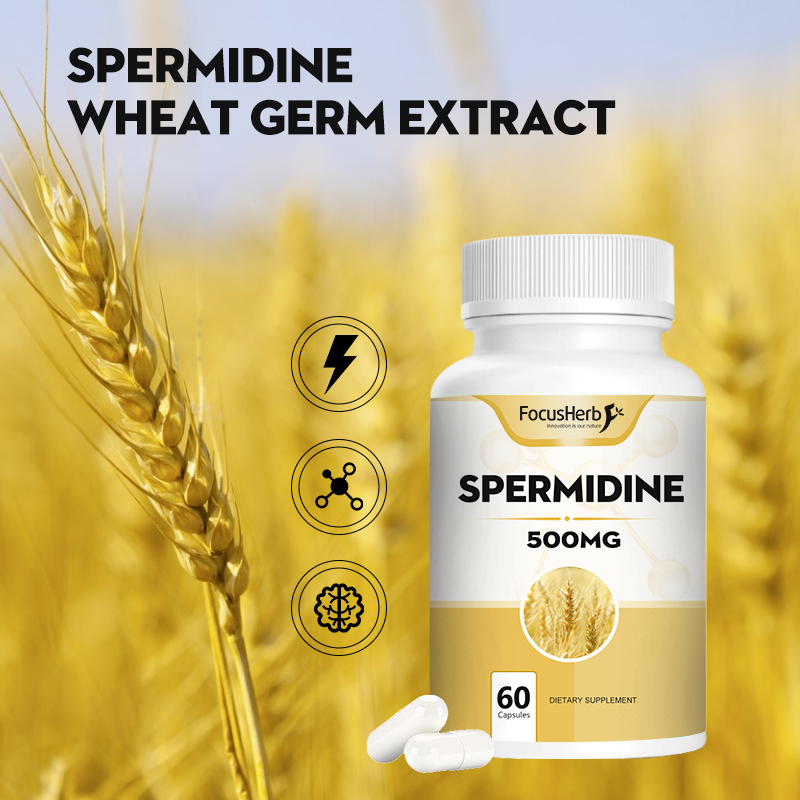 Spermidine, an extract from wheat germ, demonstrates significant value in multiple health fields due to its unique bioactivity. It has positive effects on the elderly, those with weakened immunity, those with poor liver function, those at high risk of cardiovascular disease, those experiencing hair loss, and sports enthusiasts, providing strong support for improving their physical condition and quality of life. With ongoing research and technological advancements, the application prospects of spermidine in the health field will become even broader.
However, when supplementing with spermidine, it is essential to follow scientific methods and recommendations, taking it appropriately according to individual circumstances. Avoid blindly following trends and excessive supplementation to ensure the safe and effective enjoyment of the health benefits of spermidine, allowing it to better safeguard our healthy lives.
