










Satellite cells play a crucial role in muscle growth and repair. As muscle stem cells, they are normally in a resting state, but once the muscle is damaged or stimulated for growth, satellite cells are activated, proliferate, differentiate, and eventually fuse to form new muscle fibers or repair damaged muscle fibers. Spermidine acts as a precise “key” in this process, specifically promoting the activation and differentiation of muscle stem cells (satellite cells). Delving into the molecular mechanisms, spermidine, as a key precursor to hydroxybutylamine modification, has a unique pathway of action. The intracellular eIF5A protein plays a crucial role in protein translation, and spermidine can enhance the translation efficiency of the MyoD gene by eIF5A. The MyoD gene is a key regulatory gene for muscle differentiation, and its expression product, the MyoD protein, is of great significance for the activation of satellite cells. In a series of rigorous experiments, researchers discovered that spermidine can directly enhance the expression of satellite cell activation markers, such as the Pax7 gene, which is essential for maintaining the stemness and self-renewal capacity of satellite cells. Spermidine upregulates Pax7 expression, keeping satellite cells ready to respond to signals for muscle growth and repair. Similarly, the increased expression of the MyoD gene directly accelerates the differentiation of satellite cells into myocytes.
To more directly verify the effects of spermidine on satellite cells, researchers conducted mouse experiments. Inhibiting spermidine synthesis in mice yielded surprising results: the activation rate of satellite cells decreased by 40%. This indicates that without spermidine, satellite cells are difficult to activate effectively, and muscle regeneration capacity is significantly reduced. However, when mice were given exogenous spermidine supplementation, an interesting phenomenon occurred: the muscle fiber regeneration efficiency of previously aging muscles recovered to 80% of that of a younger state. This contrasting data strongly demonstrates the crucial role of spermidine in activating satellite cells and promoting muscle regeneration. It acts like a “switch” to activate muscle regeneration, allowing muscles to regain their vitality.
Bidirectional Regulation of Protein Metabolism: Building a “Highway” for Muscle Synthesis
Muscle growth and maintenance depend on the precise regulation of protein metabolism, and spermidine plays a vital “bidirectional regulator” role, acting as a “highway” for muscle synthesis, making the process of muscle growth and repair more efficient.
From the perspective of promoting synthesis, spermidine works by upregulating transcription factors such as MyoD and Myogenin. MyoD, as mentioned earlier, is a key factor in muscle differentiation, and Myogenin is equally important, playing a decisive role in the terminal differentiation of muscle cells. When spermidine upregulates these two transcription factors, it’s like pressing an “accelerator” on the gene expression of muscle structural proteins such as actin and myosin. In molecular biology experiments, researchers observed that spermidine significantly increased the transcriptional levels of related genes and dramatically increased mRNA synthesis. This enabled ribosomes to synthesize actin and myosin more rapidly and efficiently during translation. These proteins are the main components of muscle fibers, and their increased synthesis directly promotes the increase in muscle mass and volume.
Spermidine also has a unique “strategy” for inhibiting muscle breakdown: it targets and inhibits the NF-κB inflammatory pathway. When muscles are injured or in adverse conditions, the NF-κB inflammatory pathway is easily activated. Once activated, it induces the expression of muscle breakdown-related genes such as Atrogin-1 and MuRF-1. Atrogin-1 and MuRF-1 are two important ubiquitin ligases that recognize proteins in muscle and attach ubiquitin molecules to these proteins. The ubiquitin-tagged proteins are then recognized and degraded by the proteasome, leading to a significant loss of muscle protein and muscle atrophy. Spermine, by inhibiting the NF-κB inflammatory pathway, fundamentally reduces the expression of genes such as Atrogin-1 and MuRF-1, which greatly reduces the degradation of muscle fibers by the proteasome. It is like putting a “brake” on the breakdown of muscle protein, effectively maintaining the content of muscle protein and ensuring the normal structure and function of muscles.
(III) Optimizing Mitochondrial Function: Providing Sustained Energy for Muscles
Mitochondria, as the cell’s “energy factory,” are undeniably crucial for muscle cells. Muscles require a significant amount of energy during movement, growth, and repair, primarily derived from ATP produced by mitochondria through oxidative phosphorylation. Spermine plays a key role in optimizing mitochondrial function by activating the PGC-1α pathway, essentially providing sustained energy to the muscles and ensuring they maintain a constant supply of energy.
PGC-1α is an important transcriptional coactivator, acting as a “commander-in-chief” that coordinates the expression of a series of genes related to mitochondrial biosynthesis. When spermine activates the PGC-1α pathway, PGC-1α interacts with other transcription factors, promoting mitochondrial DNA replication, transcription, and the synthesis of respiratory chain proteins. This series of reactions ultimately increases the number of mitochondria in muscle cells and enhances the density of mitochondrial cristae. The cristae are crucial sites for oxidative phosphorylation in mitochondria. Increased cristae density means the mitochondria’s energy production “workshop” has expanded, enabling more efficient conversion of nutrients into ATP.
In an aging muscle model, researchers found that the mitochondrial membrane potential in the spermidine-treated group was 35% higher than in the control group. Mitochondrial membrane potential is an important indicator of mitochondrial function; a higher membrane potential means that mitochondria can more effectively perform electron transport and proton pumping, thereby improving oxidative phosphorylation efficiency. Experimental data showed that the oxidative phosphorylation efficiency in the spermidine-treated group increased by 25%, allowing muscle cells to produce more ATP, providing sufficient energy for muscle contraction, growth, and repair, and effectively delaying muscle fiber atrophy caused by insufficient energy. If we compare muscle to a car, then mitochondria are the engine, and spermidine is the high-quality fuel additive, keeping the engine running efficiently and ensuring that muscles receive sufficient power support in various physiological activities.
(IV) Anti-inflammatory and Antioxidant Effects: Building a Protective “Barrier” for Muscles
In the process of muscle growth and repair, inflammation and oxidative stress are two major obstacles. Spermidine acts as a “guardian,” building a strong protective “barrier” for muscles through its dual anti-inflammatory and antioxidant effects.
Regarding anti-inflammation, spermidine can reduce the levels of pro-inflammatory factors such as IL-1β and TNF-α. IL-1β and TNF-α are two typical pro-inflammatory cytokines. After muscle injury or excessive exercise, immune cells secrete these factors, triggering an inflammatory response. While a moderate inflammatory response helps initiate muscle repair mechanisms, excessive and prolonged inflammation can damage muscle tissue and affect normal muscle function. Spermidine reduces post-exercise muscle inflammation by regulating intracellular signaling pathways and inhibiting the secretion of these pro-inflammatory factors by immune cells. In related experiments, the serum creatine kinase (CK) peak level was reduced by 25% in the spermidine-supplemented group. Serum creatine kinase is an important marker of muscle damage; a decrease in its peak value indicates that spermidine can effectively reduce muscle damage caused by inflammation and promote muscle recovery.
Regarding antioxidant activity, spermidine enhances the activity of antioxidant enzymes such as glutathione peroxidase and superoxide dismutase (SOD). During exercise, the metabolic activity of muscle cells increases significantly, generating a large number of free radicals, such as superoxide anions and hydrogen peroxide. These free radicals are highly oxidizing; if not cleared in time, they attack biomolecules such as lipids, proteins, and nucleic acids on the muscle cell membrane, leading to lipid peroxidation damage and affecting the normal function of muscle cells. Glutathione peroxidase and SOD are important intracellular antioxidant enzymes. SOD can convert superoxide anions into hydrogen peroxide, while glutathione peroxidase can reduce hydrogen peroxide to water, thereby scavenging free radicals. Spermine enhances the ability of muscle cells to scavenge free radicals by activating the expression of related genes and increasing the activity of these antioxidant enzymes. It’s like putting a “protective suit” on muscle cells, effectively reducing the damage of oxidative stress to muscles and maintaining the structural and functional integrity of muscle cells.
The Multidimensional Effects of Spermidine on Muscle Health

(I) Accelerating Post-Exercise Repair: An “Accelerator” from Damage to Regeneration
For sports enthusiasts, the muscle soreness and fatigue after each high-intensity workout is a familiar feeling. Behind this is actually the presence of micro-injuries in the muscles. During exercise, muscle fibers are stretched and torn to varying degrees, forming micro-damage. These damages trigger a series of bodily reactions, such as the release of inflammatory factors, leading to discomfort symptoms like soreness and swelling, affecting the post-training recovery process and limiting the intensity and frequency of subsequent training. Spermidine plays a crucial role at this critical moment, acting like a highly efficient “repair master.”
Spermidine promotes post-exercise muscle repair through a clear and efficient pathway. As mentioned earlier, satellite cells are key “seed cells” for muscle repair, and spermidine can precisely promote their proliferation. In a study on exercise-induced injury in mice, researchers subjected mice to eccentric exercises, which caused significant micro-injuries in the mice’s muscles. One group of mice was then supplemented with spermidine, while the other served as a control group. During the 72-hour observation period, the expression of MyoD, a satellite cell-related neurotransmitter, was upregulated by 40% in the muscles of mice supplemented with spermidine. As a key marker of satellite cell activation and differentiation, the significant upregulation of MyoD expression indicates that more satellite cells are activated and begin to proliferate, providing ample “new blood” for muscle repair. Simultaneously, inflammation is a crucial factor affecting the speed of muscle repair, and spermidine also performs well in this regard, effectively inhibiting the release of inflammatory factors. Experimental data showed that the level of the inflammatory factor IL-6 was reduced by 35% in mice supplemented with spermidine. IL-6 is a pro-inflammatory cytokine, and its reduction significantly alleviated the inflammatory response in muscles, creating a favorable internal environment for muscle repair. Under the combined effect of these factors, damaged muscle fibers can be rapidly repaired and fused. Previously broken or damaged muscle fibers gradually regain their normal structure and function through the differentiation and fusion of newly generated satellite cells. From practical experience, athletes and fitness enthusiasts who supplement with spermidine experience significantly shorter muscle soreness relief times, recovering 24-48 hours earlier than those who don’t. This allows them to quickly return to the next training session, improving training continuity and effectiveness, and making muscles stronger through continuous training and repair.
(II) Enhancing Muscle Quality and Strength: Combating Age-Related Muscle Loss
As we age, our muscles gradually atrophy and lose strength, a condition known as age-related muscle loss or sarcopenia. Sarcopenia not only affects the physical activity of older adults and reduces their quality of life, but it is also closely related to the development of various chronic diseases, such as cardiovascular disease and diabetes, seriously threatening their health. The emergence of spermidine offers new hope in combating this age-related problem.
Intervention studies targeting individuals over 60 years of age provide strong evidence for the role of spermidine in combating age-related muscle loss. In a six-month study, researchers divided participating older adults into two groups: one group supplemented with spermidine daily, while the other group received a placebo. Six months later, encouraging results emerged: the elderly group supplemented with spermidine showed a 12% increase in lower limb muscle strength, meaning they could walk and climb stairs more easily and stably. Simultaneously, their lean body mass increased by 1.5 kg. Lean body mass, primarily composed of muscle, bone, and internal organs, indicates an effective improvement in muscle mass. Further investigation revealed a close relationship between spermidine and satellite cell aging. During aging, satellite cell function gradually declines, with reduced proliferation and differentiation capacity, a significant cause of muscle loss. Speridine can inhibit satellite cell aging and maintain muscle fiber diameter. From an epigenetic perspective, spermidine functions by maintaining heterochromatin stability. Heterochromatin is a highly condensed chromatin structure that plays a crucial role in regulating gene expression. With age, heterochromatin stability decreases, leading to abnormal expression of some age-related genes and resulting in satellite cell aging. Spermine acts like a “guardian,” stabilizing heterochromatin structure, allowing satellite cells to maintain normal function, continuously proliferate and differentiate, replenish and repair damaged muscle fibers, thereby maintaining muscle quality and strength, effectively combating muscle loss caused by aging, and enabling the elderly to maintain good physical activity and quality of life in their later years.
(III) Enhancing Athletic Performance: Breaking Through the “Bottlenecks” of Endurance and Explosive Power
Whether professional athletes pursue higher competitive results or amateur sports enthusiasts yearn to challenge themselves, breaking through the “bottlenecks” of endurance and explosive power is a constant goal for them. Spermine demonstrates unique advantages in this regard, providing new assistance in enhancing athletic performance.
1. Endurance Enhancement: By optimizing fatty acid oxidation metabolism and reducing lactic acid accumulation, it increases VO₂max by 8% for amateur runners and shortens marathon completion time by 5-7%.
Endurance sports, such as long-distance running and cycling, place high demands on the body’s energy supply and metabolic capacity. During prolonged exercise, the body needs to continuously consume energy, primarily from the oxidative breakdown of carbohydrates and fats. Spermine enhances endurance mainly by optimizing fatty acid oxidation metabolism. Under normal circumstances, in the early stages of endurance exercise, the body mainly relies on carbohydrates for energy, but as exercise time increases, carbohydrate reserves gradually decrease, making fat oxidation for energy particularly important. Spermidine activates a series of enzymes and signaling pathways related to fatty acid oxidation, promoting the entry of fatty acids into mitochondria for oxidative breakdown, improving fat utilization, and providing muscles with a more sustained and stable energy supply.
Simidine also reduces lactic acid buildup. During exercise, when the body’s energy system cannot meet the demands of exercise intensity, muscle cells undergo anaerobic respiration, producing lactic acid. Lactic acid buildup leads to muscle fatigue, soreness, and reduced exercise endurance. Spermidine regulates metabolic processes within muscle cells, enhancing mitochondrial function, enabling muscle cells to utilize oxygen more efficiently, reducing anaerobic respiration, and thus lowering lactic acid production. Furthermore, spermidine promotes lactic acid clearance, accelerates the transport of lactic acid from muscle cells to the bloodstream, and facilitates its metabolic transformation in organs such as the liver, keeping muscles in optimal working condition. Through these combined effects, spermidine significantly improves athletes’ endurance. In experiments with amateur runners, after 4 weeks of spermidine supplementation, runners’ VO₂max (maximum oxygen uptake) increased by 8%. VO₂max is an important indicator of aerobic endurance, reflecting the amount of oxygen the body can take in and utilize per minute during maximum intensity exercise. An increase in VO₂max means a runner’s aerobic metabolic capacity is enhanced, allowing for more efficient oxygen utilization to provide energy to muscles during exercise. In practice, these runners can shorten their marathon finishing time by 5-7%. Runners who previously needed a longer time to complete a race can run more easily and quickly after spermidine supplementation, breaking their previous endurance limits.
2. Enhanced Explosive Power: Promotes sarcoplasmic reticulum calcium release channel function and improves neuromuscular transmission efficiency, increasing 1RM (1 repetition maximum) by 5-8% in strength trainers.
Explosive power refers to the ability to rapidly release energy and generate maximum force in a short period of time. It is crucial in many sports, such as sprinting, weightlifting, and jumping. Spermine enhances explosive power primarily through two key aspects: promoting sarcoplasmic reticulum calcium release channel function and improving neuromuscular transmission efficiency. The sarcoplasmic reticulum is a crucial organelle in muscle cells, storing calcium ions, which play a central role in muscle contraction. When a muscle receives a contraction signal, the sarcoplasmic reticulum releases calcium ions. These ions bind to troponin, triggering a series of biochemical reactions that ultimately lead to muscle contraction. Spermidine can enhance the function of the sarcoplasmic reticulum’s calcium release channels, enabling the reticulum to release calcium ions more rapidly and in larger quantities upon receiving a signal, thus increasing the speed and power of muscle contraction. Studies on strength trainees have shown that spermidine supplementation instantly increases sarcoplasmic reticulum calcium release by 30%, providing ample “power” for muscles to rapidly generate powerful contractile force.
Simultaneously, neuromuscular transmission efficiency also significantly impacts explosive power. The transmission of nerve signals from the brain to the muscles involves a series of neuromuscular junctions, and the efficiency of this process directly determines the speed of the muscle’s response to nerve signals. Spermidine can improve neuromuscular transmission efficiency by enhancing neurotransmitter release and receptor sensitivity, allowing nerve signals to be transmitted to the muscles more quickly and accurately, reducing delays and losses during signal transmission. When nerve signals reach the muscles promptly and effectively, the muscles can react quickly and generate powerful explosive force. Combining these two effects, spermidine increases a strength trainer’s 1RM (first repetition limit) by 5-8%. 1RM is an important indicator of a strength trainer’s strength level; an increase in 1RM means the trainee can lift heavier weights, achieve better results in strength training, and demonstrate greater explosive power and athletic ability in both competitive sports and everyday fitness.
Scientific Strategies for Spermidine Supplementation
(I) Natural Food Sources: “Muscle Power” Reserves in Daily Diets
To supplement spermidine through diet to promote muscle growth and repair, a diverse range of food sources is key. These sources act like small “muscle power” reserves, providing the body with continuous support.
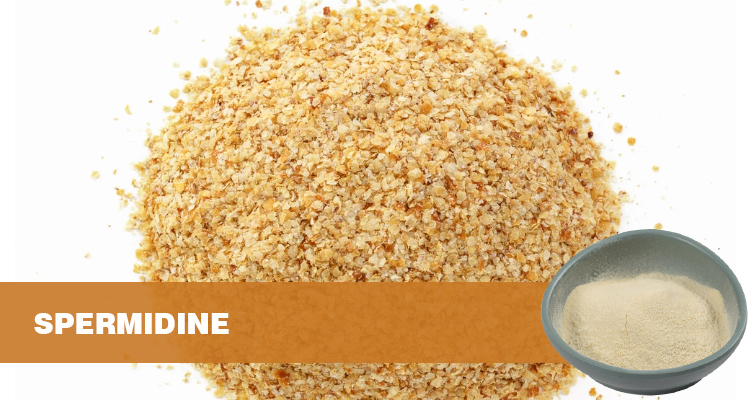
Grains and nuts are excellent sources of spermidine. Whole wheat bread, rye, and other grains contain 15-25 mg of spermidine per 100 grams. In our daily diet, we can replace some staple foods with these spermidine-rich grains, consuming 50-100 grams daily. A slice of whole wheat bread with a glass of milk in the morning is a great way to start the day with energy; rye can be a staple food for lunch or dinner, satisfying the body’s carbohydrate needs and supplementing spermidine to provide nutrients for muscle growth.
Fermented foods also play an important role in spermidine intake. Natto, a fermented soybean product with a unique flavor, and sourdough bread contain 20-30 mg of spermidine per 100 grams. Natto can be eaten directly or paired with rice, allowing you to supplement your spermidine intake while enjoying a delicious meal; sourdough bread can be a staple food for breakfast or a snack between meals. Consuming 100-150 grams of fermented foods daily can effectively increase spermidine levels in the body.
Seafood is also an important source of spermidine. Sardines, oysters, and other seafood contain 10-15 mg of spermidine per 100 grams. Sardines can be pan-fried, deep-fried, or grilled, and various cooking methods retain their rich nutrients; oysters can be steamed or grilled with garlic for a delicious flavor. Eating seafood 2-3 times a week not only satisfies your taste buds but also provides vitality for muscle growth.
While plant sprouts have a relatively low spermidine content, they are refreshing and delicious, and rich in other nutrients. Soybean sprouts and alfalfa sprouts contain 8-12 mg of spermidine per 100 grams. Using them as salad toppings not only enhances the flavor and nutrition of the salad but also provides a spermidine supplement. When making a salad, add some lettuce, cucumber, tomato, and other vegetables, along with soybean sprouts or alfalfa sprouts, and drizzle with a delicious salad dressing. A healthy and delicious spermidine-supplementing meal is ready; 50 grams daily is sufficient.
(II) Nutritional Supplement Selection: Key Points of Precision Intervention
When daily diet cannot meet the spermidine requirement, nutritional supplements become an important option for precision intervention. Several key points require special attention during the selection process.
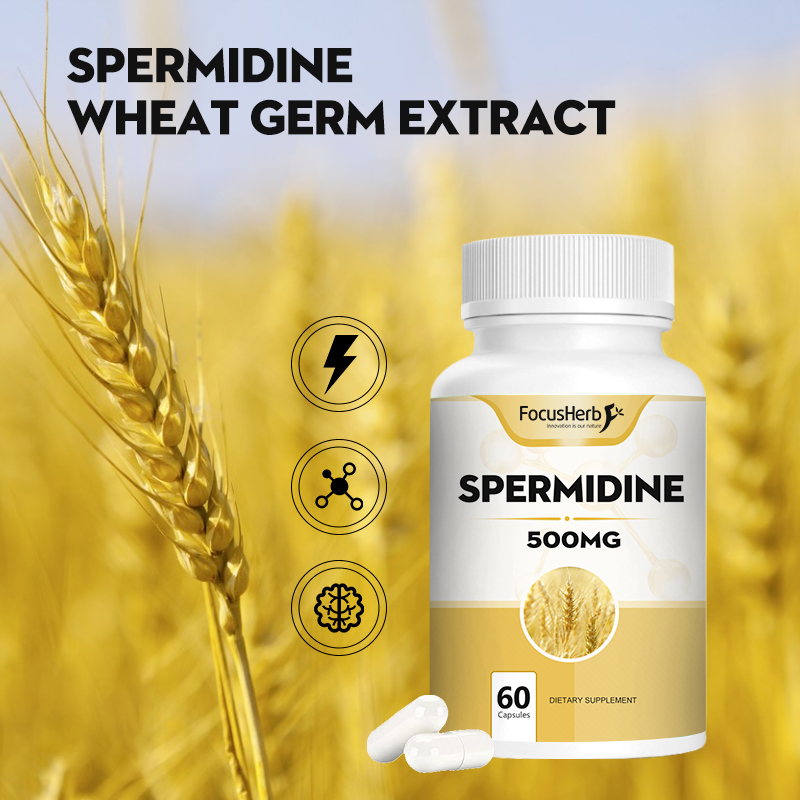
Regarding dosage form and purity, high-purity (≥95%) naturally derived preparations are our first choice, such as rice germ extract. The bioavailability of these preparations is 30% higher than synthetic preparations, allowing for more effective absorption and utilization by the body. Moreover, naturally derived preparations avoid potential allergens that synthetic preparations may contain, making our supplementation process safer and more reliable. When choosing nutritional supplements, always carefully check the product label to confirm its purity and source.
Synergistic formulations allow spermidine to exert a greater effect in promoting muscle growth and repair. Combined with creatine, which promotes ATP regeneration and provides more energy for muscle activity; combined with HMB, which inhibits muscle breakdown and protects muscle tissue; and combined with vitamin D, which regulates satellite cell differentiation and enhances spermidine’s activation of satellite cells. When these ingredients work synergistically, muscle synthesis efficiency can be increased by 40%. When purchasing nutritional supplements, you can choose compound formulations that already contain these synergistic ingredients, or combine them yourself under the guidance of a professional.
Different needs correspond to different dosage guidelines. During routine maintenance, consuming 50-100mg of spermidine daily can maintain normal levels of spermidine in the body, providing a basic guarantee for muscle health. For sports enthusiasts, during the exercise recovery phase, taking 150-200mg of spermidine within 30 minutes after training allows the body to absorb nutrients more effectively, enabling spermidine to quickly enter muscle cells and promote muscle repair and growth. For individuals seeking aging intervention, taking 200-300mg of spermidine daily with meals for 3-6 months as a cycle reduces the irritation of spermidine to the gastrointestinal tract and improves its absorption rate. Through long-term supplementation, it effectively combats muscle loss and other problems caused by aging.
(III) Synergistic Effect with Exercise: The Golden Rule for Maximizing Muscle Gains
The synergistic effect of spermidine and exercise is the golden rule for maximizing muscle gains. Like a perfectly matched pair, they work together to optimize muscle growth and repair.
Supplementing with spermidine before training prepares you for upcoming high-intensity workouts. Speridine can increase satellite cell reserves, keeping more satellite cells ready to respond to muscle growth and repair signals. It also enhances training-induced muscle damage repair signals, laying a good foundation for post-workout muscle repair. It is recommended to take 50mg of spermidine one hour before training. This timing allows spermidine to exert its best effect at the start of training, making muscles more active and reducing fatigue.
During the post-workout recovery period, the combination of spermidine and protein is crucial. At this time, muscle cells need a large amount of nutrients to repair damaged tissue and promote muscle growth. Combined with protein intake, at a standard of 1.6-2.2g per kilogram of body weight, it provides sufficient “building materials” for the muscles. Spermine plays a unique role in this process, promoting transcriptional activation of the MyoD gene and creating a dual “nutrient-signaling” drive. While protein provides the building blocks for muscle synthesis, spermine accelerates this process at the genetic level. Together, they enable muscles to recover quickly and grow during the recovery period. After exercise, timely replenishment with foods or supplements containing spermine and protein, such as a glass of protein-rich milk paired with an appropriate amount of spermine supplements, can help muscles recover faster and become stronger.
Precautions: A Rational View of the Applicability Boundaries of Spermidine
(I) Applicable Population and Contraindications
While spermidine demonstrates numerous benefits in muscle growth and repair, it is not suitable for everyone. Clearly defining the applicable population and contraindications is crucial for the safe and effective supplementation of spermidine.
For fitness enthusiasts aiming to build muscle, muscles are constantly stimulated and damaged during high-intensity training, requiring strong repair and growth capabilities. Spermidine can activate satellite cells, promote muscle protein synthesis, and inhibit muscle protein breakdown, providing strong support for their muscle-building journey, helping them break through muscle growth bottlenecks more quickly and sculpt ideal muscle lines.
For middle-aged and elderly individuals, as they age, physical functions gradually decline, and muscle loss becomes a major problem. Spermidine can combat age-related muscle loss, improve muscle strength and quality, enhance their physical activity, reduce the risk of falls and other accidents, allowing them to maintain a relatively independent life in their later years.
For sports rehabilitation patients, muscle repair and functional recovery are crucial after sports injuries. Spermidine’s ability to accelerate post-exercise repair can help shorten the rehabilitation period and restore normal athletic ability and lifestyle more quickly.
However, spermidine supplementation requires extreme caution for patients with liver and kidney disease. The liver and kidneys are vital metabolic and excretory organs, and the metabolism and excretion of spermidine in the body primarily depend on liver and kidney function. Patients with impaired liver and kidney function have reduced metabolic and excretory capacity; spermidine supplementation may further burden the liver and kidneys, affecting treatment and recovery. Therefore, if these patients need spermidine supplementation, they must do so under the strict guidance of a physician, closely monitoring liver and kidney function indicators, and carefully controlling the dosage to ensure safety. Pregnant and breastfeeding women should also use spermidine with caution. Currently, research data on the safety of spermidine supplementation in pregnant and breastfeeding women is insufficient. To avoid potential adverse effects on the fetus or infant, it is recommended that this group consult a professional physician before supplementing with spermidine and weigh the benefits and risks before making a decision.
Regarding drug interactions, when spermidine is taken concurrently with immunosuppressants, it may affect polyamine metabolic pathways, thereby reducing the efficacy of immunosuppressants. This is because the mechanism of action of immunosuppressants is related to the polyamine metabolic pathway, and spermidine supplementation may interfere with this pathway, preventing the immunosuppressants from functioning properly. To avoid this, it is recommended not to supplement with spermidine within 2 hours before or after taking immunosuppressants to ensure the effectiveness and safety of the medication. Before starting spermidine supplementation, be sure to inform your doctor about all medications you are currently taking so that they can comprehensively assess the risk of drug interactions.
(II) Expected Effects and Cycle
Understanding the expected effects of spermidine at different stages allows us to view the process of spermidine supplementation more rationally, avoiding unrealistic expectations. It also helps us adjust supplementation strategies and training plans based on the effects at different stages.
In the short term, within 1-2 weeks, the most obvious effects of spermidine supplementation are reduced muscle soreness and faster recovery after exercise. This is because spermidine can quickly exert its anti-inflammatory and antioxidant effects, reducing the level of inflammatory factors in muscles after exercise, mitigating the stimulation of muscles by the inflammatory response, while enhancing the activity of antioxidant enzymes, scavenging free radicals, and reducing oxidative stress damage to muscles. The day after high-intensity training, those who supplement with spermidine will notice a significant reduction in muscle soreness compared to those who did not supplement, and can recover to normal activity levels more quickly, preparing for the next training session.
In the mid-term, during weeks 4-8, the effects of spermidine on muscles become more apparent, muscle endurance is improved, and strength training performance is enhanced. As spermidine continues to act on muscle cells, it gradually optimizes mitochondrial function, providing muscles with more energy and enabling them to maintain optimal performance during prolonged exercise, resulting in a significant improvement in endurance. In strength training, spermidine promotes the function of sarcoplasmic reticulum calcium release channels, enhancing neuromuscular transmission efficiency, allowing trainees to more effectively utilize muscle strength and complete heavier training loads, leading to a significant improvement in strength training performance.
In the long term, after three months or more, the comprehensive effects of spermidine on muscle growth and repair become fully apparent. Lean body mass gradually increases, indicating continuous improvement in muscle mass, and the body’s basal metabolic rate also increases accordingly, helping to maintain a healthy weight and body composition. Spermine also significantly slows down age-related muscle loss. Studies have shown that long-term spermidine supplementation can reduce the annual muscle loss rate from 3% to 1.5%, effectively delaying the process of muscle aging and allowing the body to maintain good muscle function and athletic ability over a long period.
(III) Avoiding Three Common Misconceptions
While spermidine has proven to be a powerful “helper” in the pursuit of muscle health and growth, we must remain rational and avoid falling into some common misconceptions to ensure that spermidine truly realizes its maximum value.
The first misconception is that spermidine can replace exercise. Exercise is irreplaceable for muscle growth; it directly stimulates muscle fibers, triggering a series of physiological responses that promote muscle growth and adaptation. Spermidine, on the other hand, enhances the stimulating effect of exercise on muscles by activating satellite cells and regulating protein metabolism. The two must work together to achieve optimal muscle-building results. If you rely solely on spermidine without exercise, your body will not receive sufficient mechanical stimulation, and significant muscle growth will be difficult to achieve. Like a car, exercise is the engine, providing power for muscle growth, while spermidine is the fuel additive, making the engine run more efficiently. Without an engine, the fuel additive is useless.
Over-reliance on spermidine is also a common misconception. While spermidine is beneficial for muscles, more is not necessarily better. Daily spermidine supplementation exceeding 500mg may cause gastrointestinal discomfort, such as nausea, vomiting, and diarrhea, affecting health. Furthermore, long-term excessive spermidine supplementation may have potential impacts on liver and kidney function. This is because spermidine metabolism requires the participation of organs such as the liver and kidneys, and excessive spermidine increases the burden on these organs. Therefore, it is recommended to regularly monitor liver and kidney function to ensure spermidine supplementation is within a safe dosage range and avoid adverse consequences from overdose.
The belief in quick results is also unwise. Muscle growth is a complex and gradual physiological process involving multiple stages such as muscle cell proliferation, differentiation, and protein synthesis, requiring time and continuous stimulation. While spermidine can promote this process, it cannot cause significant muscle changes in a short period. The expectation of seeing noticeable muscle growth after just a few days of spermidine supplementation is unrealistic. Only through continuous spermidine supplementation, combined with a scientific training plan, including appropriate training intensity, frequency, and dietary balance, can significant muscle growth and repair effects be gradually observed over a period of time.
Spermidine, acting as a “biological regulator” of muscle health, offers a valuable multi-target mechanism to activate muscle regeneration, inhibit muscle breakdown, and optimize energy metabolism, providing precise muscle maintenance solutions for those seeking to build muscle, sports enthusiasts, and the elderly. From the molecular mechanism of satellite cell activation to clinically validated efficacy, spermidine is leading the muscle health field from simple nutritional supplementation to precise intervention through “signal regulation + metabolic optimization.” Scientific supplementation, appropriate exercise, and long-term management are essential to maximizing the potential of spermidine in muscle growth and repair, opening new possibilities for improving human motor function and combating aging.
