








Taurine, a name frequently appearing in modern health discussions, has the chemical name β-aminoethanesulfonic acid, a name that hints at its chemical structure. It is a sulfur-containing non-protein amino acid, and this unique chemical identity gives it a distinctive form and function in the human body. In 1827, scientists successfully isolated taurine from ox bile for the first time, hence its name. Like a mysterious substance discovered from a treasure trove, it has since entered the realm of human research. Taurine is chemically stable and always exists in a free state in the body, like a free-spirited “lone wolf,” not participating in protein synthesis. Surprisingly, however, it is closely linked to the metabolism of cystine and cysteine, playing an indispensable role in the complex biochemical reaction network of the human body. The human body’s ability to synthesize taurine is very limited, meaning we need to obtain it from external sources. Whether through daily diet or necessary nutritional supplements, taurine integrates into our life activities in its unique way.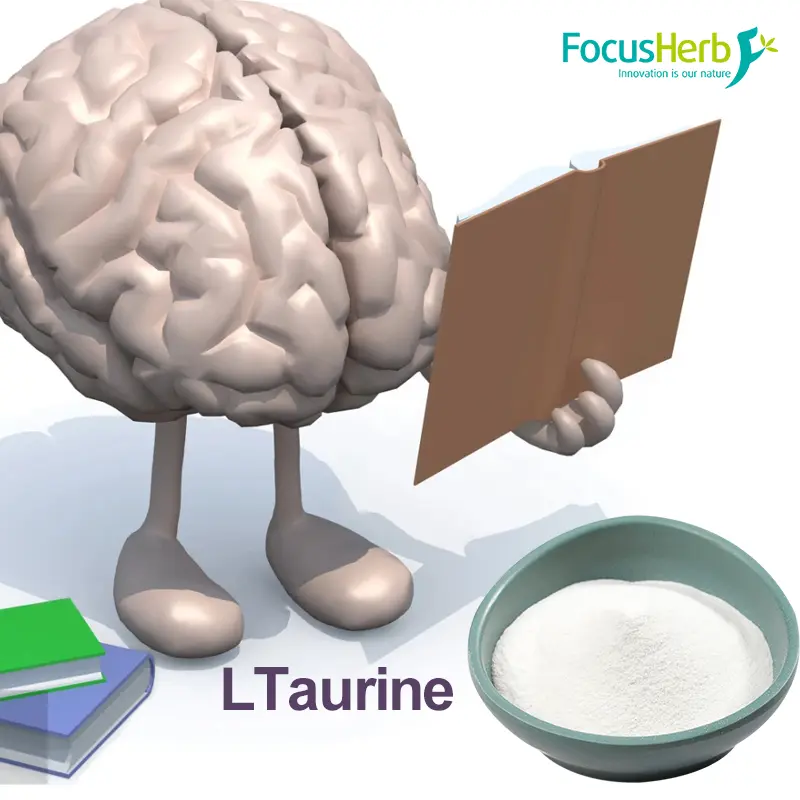
Physiological Role: A Non-Essential Yet Indispensable “Conditionally Essential Amino Acid”
Traditionally, taurine is not considered an essential amino acid that makes up proteins, but this does not diminish its crucial role in the human body; calling it a “conditionally essential amino acid” is most appropriate. During the critical period of infant development, taurine acts like a silently protective angel. It has a profound impact on infant brain development; sufficient taurine promotes the proliferation and differentiation of nerve cells, making little brains smarter and more agile. It also plays a significant role in visual development, helping infants build a clear visual world. On the “highway” of nerve conduction, taurine acts as an efficient “traffic coordinator,” regulating the release and transmission of neurotransmitters, ensuring that information travels quickly and accurately between neurons, maintaining the normal functioning of the nervous system. In the complex factory of energy metabolism, taurine participates in and assists in the efficient conversion of energy, providing sufficient power for various bodily activities. For certain groups of people, such as infants, the body’s ability to synthesize taurine is almost negligible, and they must rely on external sources. Vegetarians, due to dietary restrictions, also obtain relatively insufficient taurine from their food. In these cases, taurine becomes an essential nutrient for maintaining their health, like a vital source of water in the desert.
The Core Functions of Taurine: A Guardian of Multi-System Health
(I) Fundamental Regulation at the Cellular and Molecular Levels
1. Maintaining Cell Membrane Homeostasis
In the vast and complex “cellular kingdom” of the human body, each cell is like an independent castle, and the cell membrane is the sturdy wall of that castle. Taurine acts as a “loyal guardian” of this wall. It precisely regulates ion channels such as sodium, potassium, and calcium, acting like a skilled traffic conductor, allowing ions to enter and exit the cell in an orderly manner, thus maintaining the ion balance inside and outside the cell membrane. This balance is crucial for the integrity of the cell membrane structure, ensuring that the cell membrane is not damaged by abnormal ion flow, allowing cells to stably perform various physiological functions. Taking myocardial cells as an example, the normal contraction and relaxation of myocardial cells depend on the precise flow of ions across the cell membrane. The presence of taurine ensures the smooth progress of this process, maintaining the rhythmic beating of the heart and providing power for systemic blood circulation; in nerve cells, the stability of the cell membrane is the basis of nerve signal transmission. Taurine protects the cell membrane of nerve cells, allowing nerve impulses to be transmitted quickly and accurately between neurons, enabling us to perceive external information and make various responses.
2. Antioxidant and Anti-inflammatory Barrier
Taurine is also a powerful “antioxidant fighter,” engaging in fierce battles against “enemies” such as free radicals on the battlefield of oxidative stress in the human body. As an endogenous antioxidant, it can directly scavenge reactive oxygen species such as hydroxyl radicals and hypochlorous acid. These reactive oxygen species are like “stray bullets” on the battlefield, causing serious oxidative damage to cells, leading to lipid peroxidation, and resulting in damage to cell structure and function. Taurine acts like a strong shield, blocking these “stray bullets,” inhibiting lipid peroxidation, and reducing inflammatory responses. In this process, taurine effectively slows down the aging process of cells and protects cell health. For example, in the cardiovascular system, taurine reduces damage to vascular endothelial cells through its antioxidant effects, lowering the risk of atherosclerosis and protecting cardiovascular health; in the liver, it helps liver cells resist free radical attacks, maintaining normal liver metabolism and detoxification functions, and preventing liver diseases.
(II) Optimization of System Functions
1. The “Nutritional Guardian” of the Nervous System
In the early stages of human life, the infant brain is like a developing “magical garden,” and taurine is an indispensable “nutritional fertilizer” in this garden. It actively promotes the differentiation of neurons and the formation of synapses, allowing neurons to establish close connections and build a complex and efficient neural network. In this process, taurine regulates the activity of neurotransmitters such as γ-aminobutyric acid (GABA). GABA acts like a “speed bump” in nerve signal transmission, and taurine, through its regulation, ensures that nerve conduction speed is appropriate and information is transmitted accurately. This regulatory effect not only contributes to the normal development of the infant brain, allowing for good development of their cognitive, learning, and memory abilities, but is also of great significance for adults and the elderly. In adults, taurine can improve nerve conduction efficiency, helping people maintain a good mental state and reaction ability; for the elderly, it can assist in the treatment of emotional disorders such as anxiety and depression, slow down cognitive decline, and prevent the occurrence of neurological diseases such as Alzheimer’s disease, making their later years healthier and happier.
2. Synergistic Support for Cardiovascular Health
The heart is the “engine of life,” and taurine is the “high-quality lubricant” for this engine. It enhances myocardial contractility, allowing the heart to beat more powerfully and pump blood to all parts of the body; at the same time, taurine can also regulate blood pressure, keeping it within the normal range and reducing the burden on the heart. Taurine plays an important role in the prevention and treatment of myocardial fibrosis. It inhibits the development of myocardial fibrosis, preventing the hardening and thickening of myocardial tissue, and maintaining the normal structure and function of the heart. In terms of the cardiovascular system, taurine lowers cholesterol and triglycerides in the blood, reducing lipid deposition in the blood vessel walls, preventing the formation of atherosclerosis, and maintaining the patency of blood vessels. For patients with cardiovascular diseases such as hypertension and heart failure, taurine has become a powerful option for adjunctive therapy, working synergistically with other medications to improve the patient’s condition and enhance their quality of life.
3. Metabolic and Organ Protection Network
In the body’s metabolic “factory,” taurine participates in the β-oxidation of fatty acids, acting like an efficient “production scheduler,” promoting fat breakdown, reducing fat accumulation in the liver, lowering the risk of fatty liver disease, and protecting liver health. In the eyes, the “windows to the soul,” taurine regulates the osmotic pressure of retinal cells, maintaining the normal morphology and function of retinal cells, preventing cataracts and retinal diseases, allowing us to clearly see this colorful world. Taurine is also a “vitality booster” for the immune system; it enhances the activity of immune cells, enabling them to more effectively identify and eliminate pathogens, improving the body’s ability to fight infection, and allowing us to maintain health and stay away from disease when faced with external pathogens.
The Multifaceted Applications of Taurine: From Clinical Treatment to Daily Health Care
(I) Medical Field: Precise Dosage Forms for Disease Intervention
1. Oral Preparations: Antipyretic, Analgesic, and Cold Management
In the medical field, taurine plays an important role in various dosage forms, among which oral preparations play a key role in the treatment of early-stage colds. Taurine tablets, capsules, and granules are like “saviors” in the early stages of a cold. When we are affected by a cold and our body temperature begins to rise slightly, in a state of low fever (below 38.5℃), these oral preparations can come in handy. Through their unique mechanism of action, they regulate the body’s thermoregulatory center, acting like a “cooling device” for the feverish body, allowing the body temperature to gradually return to normal. At the same time, taurine can also reduce inflammatory responses and alleviate various uncomfortable symptoms caused by colds, such as headaches and muscle aches, providing some relief to patients. However, it must be made clear that oral taurine preparations are only an auxiliary treatment method; they cannot replace the treatment of the underlying cause of the cold, just like auxiliary soldiers on the battlefield, important but not a substitute for the main force. When using them, we must strictly follow medical advice and use the medication rationally to maximize the effectiveness of taurine and help us quickly overcome this “small enemy” of the common cold.
2. Topical Preparations: Auxiliary Treatment for Ophthalmic Diseases
In addition to oral preparations, topical taurine preparations—taurine eye drops—also have a unique place in the treatment of ophthalmic diseases. The eyes are the windows to the soul, and taurine eye drops are like the “cleaners” of these windows. They mainly treat metabolic cataracts by supplementing the concentration of taurine in the eye, bringing hope to patients whose vision is blurred due to cataracts. For acute conjunctivitis, viral conjunctivitis, and other eye inflammations, taurine eye drops can also play an auxiliary anti-inflammatory role, reducing the irritation of inflammation to the eye surface and alleviating symptoms such as redness and pain, helping patients regain clear vision as soon as possible. In daily life, when our eyes feel tired and dry after prolonged use of electronic devices, taurine eye drops can also provide a soothing effect, offering moisture and protection to the eyes, keeping them healthy and bright at all times.
(II) Food and Nutritional Supplements: Widespread Applications of Functional Additives
1. Guide to Natural Food Sources
In our daily diet, many foods are excellent sources of taurine. Seafood is a “treasure trove” of taurine, with oysters being a prime example, containing as much as 300-800mg of taurine per 100 grams, like a small “nutritional bomb.” Deep-sea fish such as tuna and sardines are also rich sources of taurine; their free movement in the deep sea provides us with valuable nutrients. It is recommended to consume these seafood products 2-3 times a week, preferably using steaming or quick-frying methods, which preserves the activity of taurine and allows for both delicious taste and nutritional benefits. Animal organs are also an important source of taurine; pig liver and beef liver are rich in taurine, containing approximately 150mg/100g. However, due to the high cholesterol content in animal organs, we need to control the frequency of consumption to avoid excessive cholesterol intake, just like properly fueling the “car” of our body, without overfilling the tank. Egg yolks, dairy products (especially breast milk, which is the best source of taurine for infants), and a small amount of nuts, although relatively low in taurine content, can also contribute to our daily intake, adding up over time to contribute to overall health.
2. Applications in Fortified Foods and Health Products
In the modern food industry, taurine is widely added to various functional foods and health products to meet the health needs of different groups of people. Functional beverages often contain a large amount of taurine, with a single bottle usually containing more than 1000mg. When we feel exhausted after exercise or are mentally sluggish after staying up late working overtime, a bottle of functional beverage can quickly replenish our energy, drive away fatigue, and restore our vitality. Adding taurine to infant formula is like injecting a “smart factor” into a baby’s growth, promoting brain development and making babies smarter and more alert. Taurine in sports supplements helps athletes improve endurance and reduce post-exercise fatigue, allowing them to perform at their best on the field. However, while enjoying the benefits of these fortified foods and supplements, we must not overlook the potential risks. The recommended daily intake of taurine for adults is 100-600mg, and excessive intake may have adverse effects on the body. Furthermore, when consuming functional beverages containing taurine, it’s important to avoid excessive consumption in combination with other ingredients like caffeine, to prevent putting a strain on the nervous and cardiovascular systems. Just like properly fueling the body’s “engine,” careful consideration is needed to ensure its proper functioning.
Scientific Supplementation and Safety Warnings: The Art of Balanced and Rational Intake
(I) Applicable Populations and Recommended Dosages
Taurine has different meanings and needs for different populations, and appropriate supplementation dosages are crucial. For infants and young children, who are in a critical period of growth and development and have limited ability to synthesize taurine themselves, adding taurine to formula milk powder is especially important. According to national standards, the taurine content in every 100kJ of formula milk powder should be between 0.7 and 1.2mg. This precise dosage range provides sufficient nutritional support for the brain and visual development of infants and young children.
Athletes produce a large number of free radicals during high-intensity training and competitions, leading to fatigue and increased oxidative stress. The antioxidant and anti-fatigue properties of taurine make it an ideal nutritional supplement for athletes. It is generally recommended that athletes supplement with 500-1000mg of taurine before or during exercise to improve exercise endurance and reduce fatigue, allowing them to fully utilize their abilities on the field.
For patients with cardiovascular and cerebrovascular diseases, such as hypertension and heart failure, taurine can assist in drug treatment and improve their condition. For these patients, a daily supplement of 1-3g of taurine is more appropriate, but the specific dosage needs to be adjusted according to individual conditions and doctor’s advice, like customizing a unique “health key” for the body.
For ordinary adults, if they maintain a balanced diet, the taurine intake from daily food usually meets the body’s needs, and additional supplementation is generally not necessary. However, if supplementation is indeed needed, it is recommended that the daily intake be controlled between 100-600mg, avoiding long-term excessive intake. If the daily intake exceeds 3g, it may cause gastrointestinal discomfort, such as nausea, vomiting, and abdominal pain, bringing unnecessary burden to the body.
(II) Drug and Dietary Contraindications
When using taurine, we also need to pay attention to its interactions with other drugs and foods to avoid adverse reactions. When taurine is used in combination with diuretics, it will enhance the diuretic effect, which may lead to electrolyte imbalance in the body, especially the loss of potassium ions. Therefore, when using these two medications simultaneously, it is necessary to closely monitor electrolyte levels, promptly supplement potassium ions, and maintain the body’s electrolyte balance.
Surgical patients should use taurine cautiously during the perioperative period, as surgery can affect the body’s physiological functions, and taurine use may interfere with the body’s recovery process. Individuals with impaired liver and kidney function should also use taurine with caution, as their impaired metabolic and excretory functions can affect the metabolism and clearance of taurine in the body, leading to its accumulation and increasing the risk of adverse reactions.
Alcohol is a major enemy of liver metabolism, and when taurine is consumed with alcohol, it can increase the metabolic burden on the liver and affect its normal function. Therefore, alcohol consumption should be avoided while supplementing with taurine to allow the liver to easily complete its metabolic tasks and maintain overall health.
Revisiting Taurine: From a “Niche Ingredient” to a “Health Essential”
Taurine, a substance once relatively unfamiliar to the general public, is gradually transforming from a “niche ingredient” to a “health essential” in modern life, thanks to its unique physiological functions and wide-ranging applications. From basic regulation at the cellular level to the optimization of multi-system functions, and its deep application in diverse fields such as medicine and food, taurine acts like a master key, unlocking door after door to better health. It participates in every detail of life activities, protecting various systems of the human body. Whether it’s the growth and development of infants and young children, the health maintenance of adults, or the prevention of diseases in the elderly, taurine plays an irreplaceable role. In the future, with the continuous advancement of scientific research, we have reason to believe that taurine will demonstrate its unique charm in even more fields, making greater contributions to human health and becoming a solid force in protecting life and health. Let us move forward hand in hand with taurine on the path to health, embracing a better life.
