










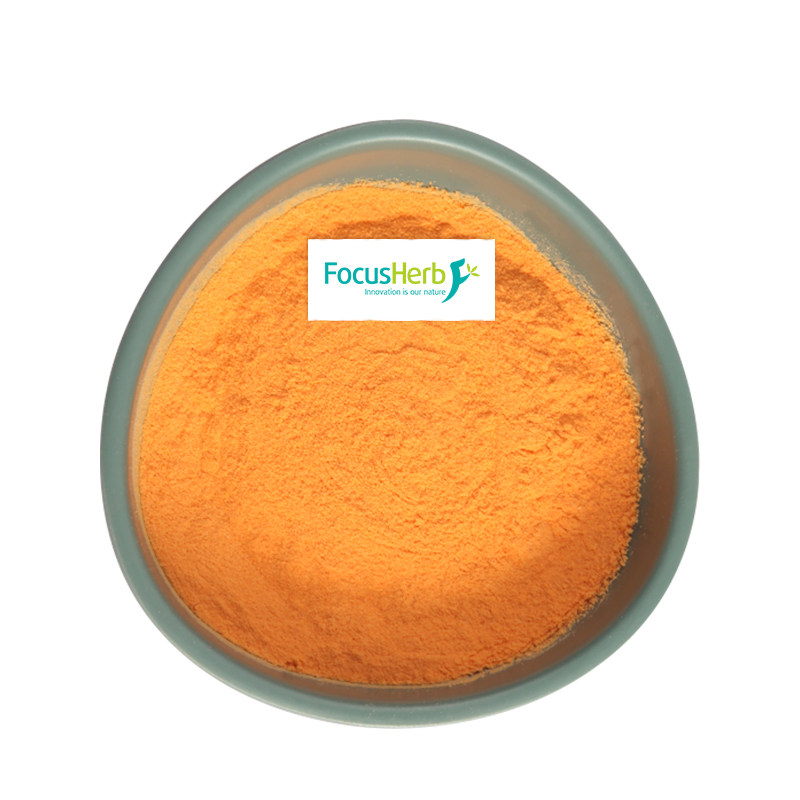
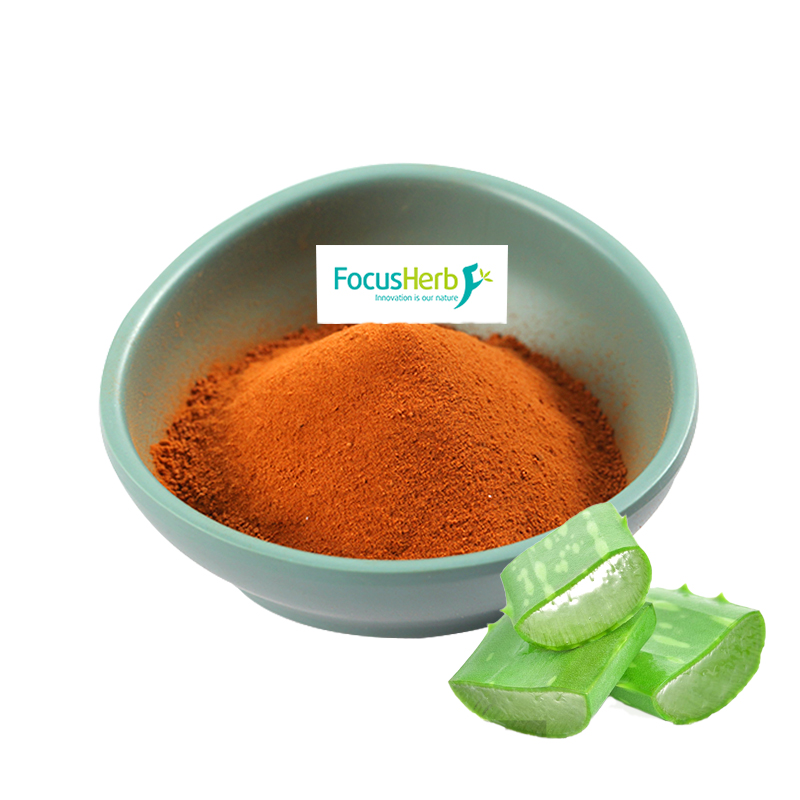
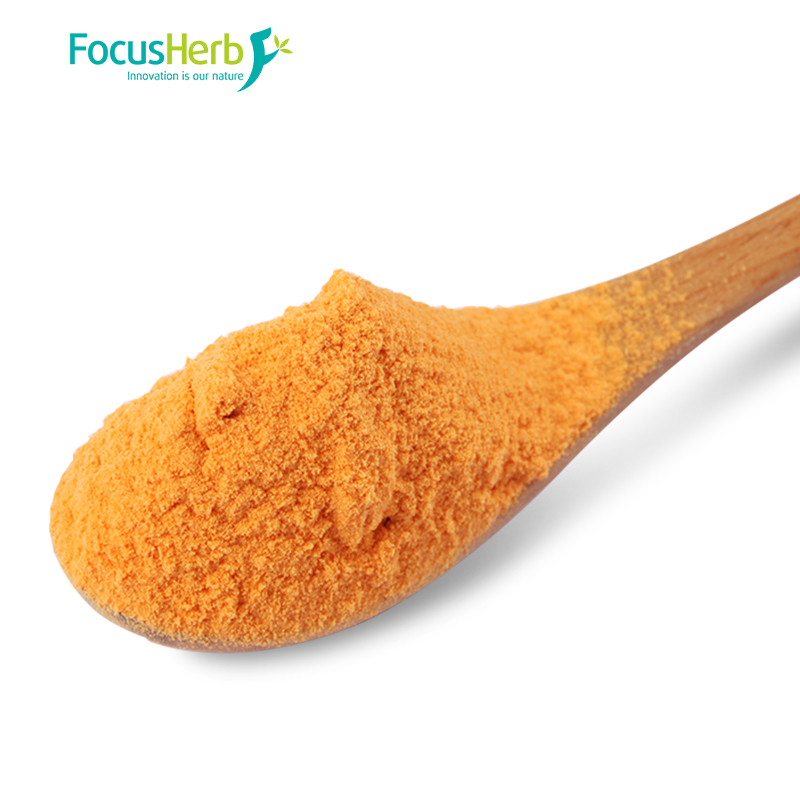
In nature’s pharmacy, aloe-emodin shines like a dazzling pearl, radiating a unique charm. It is an anthraquinone compound extracted from plants such as aloe and rhubarb, appearing as orange needle-like crystals or a yellowish-brown crystalline powder. It readily sublimates and is soluble in various solvents, including acetaldehyde, benzene, and hot ethanol.
In the pharmaceutical field, aloe-emodin acts as an all-around guardian. It possesses powerful antibacterial activity, inhibiting various bacteria such as Staphylococcus, Streptococcus, and Corynebacterium diphtheriae, thus strengthening the body’s defenses against invading pathogens. In anti-tumor applications, it also demonstrates great potential, inhibiting the biosynthesis of DNA, RNA, and proteins in cancer cells, thereby exerting anti-cancer effects against various cancers such as neuroectodermal tumors, liver cancer, and squamous cell carcinoma of the lung. Furthermore, it has the ability to regulate intestinal flora and promote bowel movements, helping many people suffering from constipation to restore smooth bowel function.
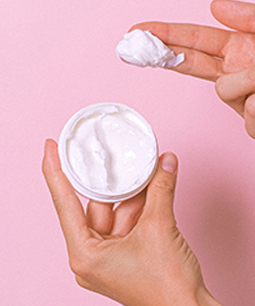
In the skincare field, aloe-emodin also plays a significant role. It can regulate sebaceous gland function, promptly inhibiting excessive sebum secretion when there is too much oil, reducing sebum production, and maintaining the skin’s water-oil balance, leaving oily and acne-prone skin feeling refreshed. Its anti-inflammatory properties can also reduce skin inflammation, indirectly regulating sebum secretion. Furthermore, it promotes skin cell metabolism, accelerating the shedding of dead skin cells and the generation of new cells, resulting in smoother and more delicate skin.
So, who exactly is suitable to benefit from this natural treasure, aloe vera extract? Let’s explore this together.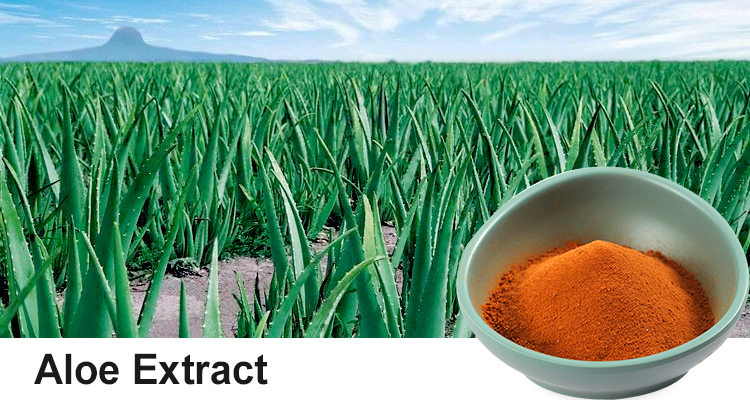
Who Favors Aloe-emodin?
A Savior for Constipation Sufferers
For those chronically plagued by constipation, aloe-emodin is a timely savior. When intestinal peristalsis slows down, stool remains in the intestines for too long, and excessive water absorption causes it to become dry and hard, leading to constipation. Aloe-emodin stimulates intestinal peristalsis, revitalizing the intestines and accelerating stool expulsion. It also promotes the secretion of intestinal fluid, softening hardened stool and making bowel movements smoother. Compared to some traditional laxatives, aloe-emodin is relatively mild. Stimulant laxatives like senna, while effective quickly, can lead to drug dependence with long-term use, potentially causing abdominal pain, diarrhea, and other discomfort, and even damaging intestinal function. Aloe-emodin, while improving constipation, has less irritation to the intestines, and when used appropriately, generally does not produce serious side effects. However, not all constipation sufferers are suitable for products containing aloe-emodin. For example, in patients with intestinal obstruction, their intestines are blocked, preventing aloe-emodin from functioning properly and potentially worsening the intestinal burden. In patients with inflammatory bowel disease, whose intestines are inflamed, using aloe-emodin may irritate the intestines and worsen their condition. Pregnant and breastfeeding women also need to be extremely cautious, as aloe-emodin may have potential effects on the fetus or infant; they must consult a doctor before use. When using laxatives containing aloe-emodin, strictly follow the instructions or doctor’s dosage to avoid overdose and adverse reactions such as diarrhea.
A Boon for Oily and Acne-Prone Skin
People with oily and acne-prone skin often struggle with skin problems, but aloe-emodin offers a glimmer of hope. Overactive sebaceous glands secrete excessive oil, easily leading to clogged pores and acne. Aloe vera extract can precisely target sebaceous glands, regulating their secretory function. When the skin produces excessive oil, it acts like an “oil-controlling guardian,” promptly inhibiting the overactivity of sebaceous glands, reducing sebum production, and addressing the root cause of excessive oil production to maintain the skin’s oil-water balance. Its anti-inflammatory effects are also significant, reducing inflammation in acne-prone areas, alleviating redness, swelling, and pain, and allowing acne to subside faster. Simultaneously, aloe vera extract promotes skin cell metabolism, accelerates the shedding of dead skin cells, keeps pores clear, reduces sebum buildup in pores, and prevents acne recurrence.
Many skincare products on the market now contain aloe vera extract, such as aloe vera gel and acne-fighting serums. Before using these products, a skin test should be performed, especially for those with sensitive skin. Apply a small amount of product behind the ear or on the inside of the wrist and observe for 24-48 hours. If no allergic reaction such as redness, swelling, or itching occurs, then normal use is permitted. When using aloe vera gel, follow the product instructions. For example, after cleansing and toning, apply an appropriate amount evenly to the face and gently massage until fully absorbed. Acne-fighting serums can be applied directly to acne-prone areas 1-2 times daily. It’s important to note that while aloe vera extract is very effective for oily and acne-prone skin, if acne is severe, such as cystic acne, relying solely on skincare products containing aloe vera extract may not achieve the desired therapeutic effect. In such cases, it’s necessary to seek medical attention promptly and undergo comprehensive treatment under the guidance of a doctor.

For those seeking to boost their immunity:
In daily life, some people are prone to illness, frequently experiencing colds and coughs, which is often a sign of weakened immunity. Aloe vera extract plays a unique role in enhancing immunity. It can activate macrophages, enhancing their phagocytic activity, enabling them to more effectively identify, engulf, and eliminate pathogens such as bacteria and viruses, thus protecting the body’s health. Macrophages act like the body’s “cleaners,” engulfing and eliminating invading pathogens to maintain immune balance. Aloe vera extract can also promote the proliferation of T lymphocytes and B lymphocytes. T lymphocytes play a crucial role in cellular immunity, while B lymphocytes primarily participate in humoral immunity. An increase in their numbers enhances both cellular and humoral immune functions, making the body’s immune system more robust.
For the elderly, whose bodily functions gradually decline with age, immunity weakens, making them more susceptible to various diseases. Aloe vera extract is a good choice for them. Furthermore, for those under high work pressure and with irregular lifestyles, such as staying up late and overworking, supplementing with products containing aloe vera extract can help boost immunity. However, it’s important to note that aloe vera extract cannot replace a healthy lifestyle. While supplementing with aloe vera extract, it’s essential to maintain a balanced diet, consuming plenty of foods rich in vitamins and protein, such as fresh fruits and vegetables, meat, and fish. Regular exercise, such as 3-5 times a week for at least 30 minutes each time, including aerobic exercise like jogging, swimming, or cycling, is also crucial. Sufficient sleep, aiming for 7-8 hours of high-quality sleep each night, is also essential for boosting immunity.
A “Combator” for Mild Inflammation
When the body experiences mild inflammation, aloe vera extract can also play an important role in adjuvant therapy. For example, in skin conditions, after insect bites, redness, swelling, and itching are symptoms of mild inflammation. Applying aloe vera gel containing aloe vera extract can quickly relieve inflammation and reduce itching. Mild sunburn causing redness and pain can also be soothed and repaired with aloe vera extract, helping the skin recover. Regarding oral inflammation, mouth ulcers can cause considerable inconvenience in daily life. The antibacterial and anti-inflammatory properties of aloe vera extract can inhibit the growth of bacteria in the mouth, reduce inflammation at the ulcer site, and promote ulcer healing. For mild oral inflammations such as gingivitis, using mouthwash containing aloe vera extract can also provide some relief.
However, aloe vera extract only has an adjunctive therapeutic effect on mild inflammation. If the inflammation is more severe, such as extensive skin infection, prolonged non-healing mouth ulcers, or systemic symptoms such as fever, aloe vera extract alone is insufficient. It is essential to seek medical attention promptly and follow the doctor’s advice for medication. When using products containing aloe vera extract for adjunctive treatment of inflammation, attention should be paid to the method and frequency of use to avoid overuse that could irritate the skin or oral mucosa. For example, when applying aloe vera gel, use it 2-3 times a day. When using mouthwash, follow the recommended dosage and frequency of use as stated in the instructions; do not arbitrarily increase the dosage.
Caution! Aloe-emodin is a “forbidden zone” for certain groups
 Caution! Aloe-emodin is a “forbidden zone” for certain groups
Pregnant women: High-risk warning
Pregnant women are like gardeners nurturing a precious seed; every change in their bodies affects the whole family. During this special period, their bodily functions become extremely sensitive. For them, aloe-emodin is undoubtedly a hidden “time bomb.” Physiologically, aloe-emodin has the property of stimulating uterine smooth muscle contractions. During pregnancy, the uterus is like a warm “little house,” carefully protecting the fetus’s growth. However, once aloe-emodin enters the pregnant woman’s body, it can act like a mischievous “troublemaker,” stimulating the uterine smooth muscle to contract continuously. This contraction is very likely to disrupt the originally peaceful environment within the uterus, increasing the risk of miscarriage. Many obstetricians and gynecologists have repeatedly emphasized that pregnant women should resolutely avoid contact with products containing aloe-emodin. This is not alarmist, but a lesson learned from countless clinical cases.
Besides its impact on the uterus, pregnant women’s gastrointestinal function is also very fragile. Aloe vera extract has a strong irritant effect on the gastrointestinal mucosa. Pregnant women who consume foods containing aloe vera extract or use related products are prone to abdominal pain, diarrhea, and other discomfort. These symptoms not only make pregnant women feel unwell but may also affect the absorption of nutrients, indirectly impacting the normal development of the fetus. If a pregnant woman’s body is likened to a finely tuned machine, then the gastrointestinal tract is a crucial link. Once gastrointestinal function is disrupted by aloe vera extract, the entire “machine” will be affected. For pregnant women who desire a healthy baby, aloe vera extract should be avoided for the safety of the fetus. There are safer and gentler ways to supplement nutrition and relieve discomfort. For example, to relieve constipation, eat more fruits rich in dietary fiber, such as apples and bananas; if you have dry skin and want to moisturize, choose gentle, non-irritating skincare products specifically designed for pregnant women.
Menstrual Women: Don’t Let “Trouble” Get Worse
A woman’s body during menstruation is like going through a small “battle” and needs careful care. However, aloe vera extract, particularly during menstruation, can become an “enemy” that makes the “battle” even more difficult. Aloe vera itself is a cold-natured plant; consuming foods or products containing aloe vera extract during menstruation is like pouring cold water on yourself in the dead of winter. From a Traditional Chinese Medicine perspective, cold pathogens easily invade the body, stagnate qi and blood, and thus worsen menstrual cramps. Many women already experience abdominal pain during menstruation due to the shedding of the uterine lining; contact with aloe vera extract at this time may exacerbate the pain, severely impacting their quality of life.
Anthraquinone glycosides in aloe vera are also a “hidden danger” that women should be wary of during menstruation. This component promotes intestinal peristalsis, and since women’s bodies are in a relatively sensitive state during menstruation, excessive intestinal peristalsis may lead to abnormal menstrual flow. For example, some women experience increased menstrual flow or prolonged periods after consuming aloe vera-related products during menstruation, leading to greater blood loss and exacerbating feelings of weakness. To avoid this, women should pay extra attention to their diet during menstruation, avoiding raw, cold, and cooling foods, especially those containing aloe vera extract. Drinking more brown sugar ginger tea is beneficial; brown sugar has blood-nourishing properties, while ginger is warming, helping to soothe the uterus, promote smooth menstrual flow, and relieve menstrual cramps. Keeping the abdomen warm, using a hot water bottle or heating pad, can also alleviate menstrual discomfort to some extent.
For those with weak gastrointestinal function: A fragile stomach cannot withstand the “torture”
People with weak gastrointestinal function have digestive systems that are like easily upset children, requiring careful handling. Aloe vera extract is undoubtedly an unbearable “stimulant” for this group. Patients with chronic gastritis already have fragile gastric mucosa; the irritant effect of aloe vera extract may further damage the gastric mucosa, causing stomach pain, bloating, nausea, vomiting, and other discomfort. This is especially true for patients with irritable bowel syndrome (IBS). Their intestinal function is disordered, and their tolerance to irritation is extremely low. The laxative component of aloe vera can disrupt the balance of gut microbiota, leading to abnormal intestinal motility and causing symptoms such as abdominal pain and diarrhea, further exacerbating their already fragile intestines.
For people with weak gastrointestinal function, maintaining gut health is crucial. In terms of diet, choose mild, easily digestible foods, such as pumpkin, which is rich in pectin and can protect the gastric mucosa from irritation; yam is also a good choice, as it has spleen-strengthening and stomach-benefiting effects, aiding digestion and absorption. In terms of cooking methods, steaming, boiling, and stewing should be preferred, avoiding frying and other greasy and irritating cooking methods. At the same time, cultivate good eating habits, eat regularly and in moderation, and avoid overeating to reduce the burden on the stomach and intestines. If gastrointestinal discomfort occurs due to accidental ingestion of products containing aloe vera, seek medical attention promptly and receive treatment under the guidance of a doctor; never self-medicate. For those with allergies: Beware of hidden “allergy bombs”
People with allergies have bodies that act like an abnormally sensitive defense system against “enemies.” Any external “stimuli” can trigger a strong reaction. Aloe vera extract, for them, could be a hidden “allergy bomb.” As a hapten, aloe vera extract, once in the body of someone with an allergic constitution, binds to proteins to form a new antigen. This antigen can trigger an excessive immune response, leading to allergic symptoms. Common allergic symptoms include itchy, red, and rashes. In severe cases, it can even cause life-threatening situations such as difficulty breathing and anaphylactic shock.
Therefore, people with allergies must perform a skin test before using products containing aloe vera extract. Apply a small amount of the product to a delicate area such as the inside of your wrist or behind your ear and observe for 24-48 hours. If no discomfort occurs, use the product cautiously. If allergic symptoms occur during use, discontinue use immediately and rinse the affected area with water. If the symptoms are mild, you can apply some calamine lotion to relieve itching; if the symptoms are severe, such as difficulty breathing or dizziness, you must seek medical attention immediately and use anti-allergy medications under the guidance of a doctor, such as oral antihistamines like loratadine or cetirizine. If necessary, you may need to receive an injection of adrenaline for emergency treatment.
Safety Usage Guidelines
 Safety Usage Guidelines
Aloe vera extract is a double-edged sword. While it brings health benefits to some, it also creates “no-go zones” for others. For those suffering from constipation, oily or acne-prone skin, weakened immunity, and mild inflammation, it’s a powerful aid in improving their condition. However, pregnant women, menstruating women, those with weak gastrointestinal function, and those with allergies should avoid it. Before using aloe vera extract, whether you are a suitable candidate or someone at potential risk, it is essential to consult a doctor or other professional. A doctor can provide scientific and reasonable advice based on your individual health condition, such as medical history and current medications, ensuring the safety and effectiveness of aloe vera extract. Only in this way can we enjoy the health benefits of aloe vera extract while avoiding potential risks, allowing this natural treasure to better serve our health.
