










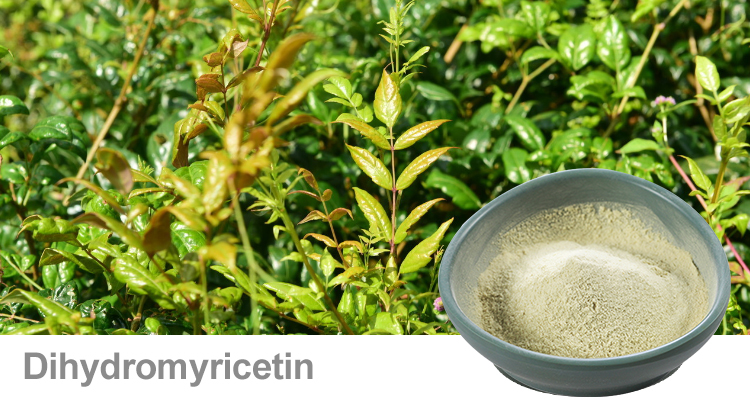
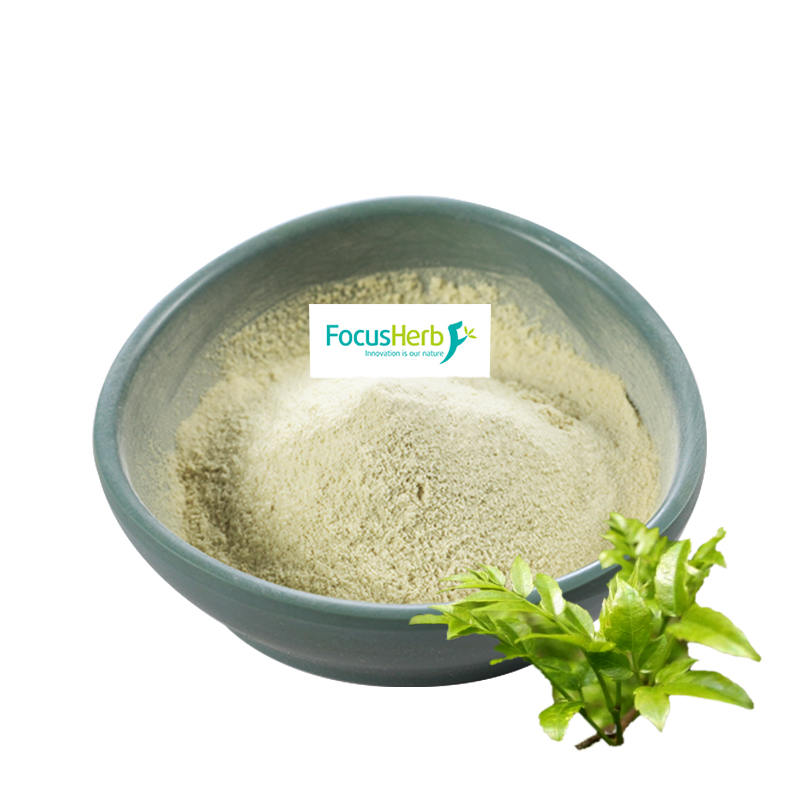
Dihydromyricetin (DMY) is a natural flavonoid compound with the chemical name 3,5,7,3’,4’,5’-hexahydroxy-2,3-dihydroflavonol, a molecular formula of C₁₅H₁₂O₈, and a molecular weight of 320.25. Its pure form is a white needle-shaped crystal with acidic properties (pH 4-5). Its solubility in water at 25°C is 4%, and its solubility is significantly increased in hot water and ethanol. It is very slightly soluble in ethyl acetate. It exhibits excellent stability under neutral and slightly acidic conditions. As the core active ingredient of vine tea, DMY’s molecular structure gives it unique biological activity, making it one of the hot topics in functional ingredient research in recent years.
DMY belongs to the dihydroflavonol class of compounds, possessing both the common and specific characteristics of flavonoids. Unlike ordinary flavonoids, the dihydropyran ring in its molecular structure gives it stronger biological activity in terms of antioxidant and anti-inflammatory properties. HPLC analysis shows that the purity of DMY in vine tea extract can reach 25% to 98%, with different purity specifications meeting the needs of various fields such as medicine, food, and cosmetics. Its special physicochemical properties lay the foundation for industrial extraction and application.
 Analysis of the Core Functions of Dihydromyricetin (DMY)
 Analysis of the Core Functions of Dihydromyricetin (DMY)
(I) Dual Protection: Antioxidant and Anti-inflammatory Effects
During life activities, the human body is constantly threatened by free radicals. These free radicals act like “troublemakers” in the body, attacking lipids, proteins, and DNA within cells, triggering oxidative stress reactions, leading to cell damage and aging. Dihydromyricetin, with its unique molecular structure, is a powerful weapon against free radicals. Studies have shown that in DPPH free radical scavenging experiments, DMY can rapidly bind to DPPH free radicals, causing the solution color to lighten, with an effective scavenging rate of over 80%, demonstrating its strong free radical scavenging ability. At the same time, in lipid peroxidation experiments, it can significantly inhibit the production of MDA, with an inhibition rate of about 50%, thereby reducing lipid peroxidation damage to cell membranes and protecting the normal structure and function of cells.
When the body is invaded by pathogens or subjected to external stimuli, an inflammatory response is triggered. However, excessive inflammation can cause damage to tissues and organs. DMY plays a key role in anti-inflammation by precisely regulating the NF-κB signaling pathway. When inflammation occurs, NF-κB is usually activated and enters the cell nucleus, initiating the transcription of inflammatory factor genes. DMY can inhibit the activation of NF-κB, preventing it from entering the cell nucleus, thereby reducing the release of inflammatory factors such as TNF-α and IL-6. In mouse inflammation model experiments, after treatment with DMY, the levels of TNF-α and IL-6 in mice were significantly reduced, and inflammatory symptoms were significantly alleviated. Furthermore, DMY also exhibits significant antibacterial activity against common pathogenic bacteria such as Staphylococcus aureus and Streptococcus pneumoniae, with an inhibition zone diameter of 10-15 mm, providing a new option for the prevention and treatment of respiratory infections, skin inflammation, and other diseases.
(II) Targeted Action for Liver Protection and Alcohol Detoxification
After entering the human body, alcohol is mainly metabolized by the liver. Ethanol is first metabolized into acetaldehyde by alcohol dehydrogenase. Acetaldehyde is highly toxic and can directly damage liver cells. Dihydromyricetin (DMY) acts like a “liver protector,” accelerating the breakdown of acetaldehyde, converting it into non-toxic acetic acid, thereby reducing the toxic effects of acetaldehyde on liver cells. Studies have shown that in animal experiments involving alcoholic liver injury, DMY intervention significantly reduced fatty degeneration and inflammatory cell infiltration in liver tissue sections of the experimental animals. The MDA content in liver tissue was significantly reduced, while the activity of antioxidant enzymes such as superoxide dismutase (SOD) was significantly increased, indicating that DMY can effectively improve alcoholic liver injury.
Activation of hepatic stellate cells is a key link in the development of fatty liver and liver fibrosis. DMY can inhibit the activation of hepatic stellate cells, reducing their synthesis and secretion of collagen fibers, thus preventing the occurrence of fatty liver and liver fibrosis. Preclinical experimental data show that after DMY treatment, the levels of liver damage markers such as ALT and AST in serum were significantly reduced, by as much as 30% to 50%, meaning that liver cell damage was effectively repaired. Because of this, DMY has become a core functional ingredient in hangover relief and liver protection preparations, bringing benefits to people who frequently drink alcohol or have poor liver function.
(III) Metabolic Regulation and Immune Enhancement
In terms of metabolic regulation, dihydromyricetin has a very significant regulatory effect on blood sugar and blood lipids. It can regulate intracellular energy metabolism by activating the AMPK signaling pathway. AMPK acts like an “energy switch” in cells; when activated, it can inhibit hepatic gluconeogenesis, reduce glucose synthesis in the liver, and simultaneously promote glucose uptake and utilization by skeletal muscle, thereby effectively lowering blood sugar levels. In terms of blood lipid regulation, DMY can inhibit the absorption of lipids in the intestines, reduce fat accumulation in the body, and regulate the activity of enzymes related to blood lipid metabolism, such as lowering triglyceride, total cholesterol, and low-density lipoprotein cholesterol levels, and increasing high-density lipoprotein cholesterol levels, improving atherosclerosis. In animal experiments, after giving DMY to mice fed a high-fat diet, the blood lipid levels of the mice were significantly improved, and the area of atherosclerotic plaques was significantly reduced. The immune system is a crucial defense line against diseases, and DMY also performs exceptionally well in enhancing the body’s immunity. It activates T lymphocytes and macrophages, making these immune cells more active and enhancing their ability to recognize and engulf pathogens. At the same time, DMY promotes the secretion of cytokines by immune cells, such as interferon-γ (IFN-γ) and interleukin-2 (IL-2). These cytokines further regulate the immune system and enhance the body’s immune response. In fatigue model experiments, experimental animals treated with DMY showed significant improvements in anti-fatigue indicators such as exhaustion swimming time and serum lactic acid levels, indicating that DMY has broad application potential in improving immunity and combating fatigue.
 Exploring the Origins of Dihydromyricetin (DMY)
 Exploring the Origins of Dihydromyricetin (DMY)
(I) The Core Plant Source – The Biological Characteristics of Vine Tea
DMY is primarily derived from *Ampelopsis grossedentata*, a plant belonging to the *Ampelopsis* genus of the Vitaceae family, commonly known as “vine tea” or “berry tea.” This plant is mostly a woody vine with cylindrical twigs, prominent longitudinal ridges, and is hairless. Its leaves are usually one to two times pinnately compound, with the basal pair of leaflets in the bipinnately compound leaves consisting of three leaflets. The leaflets are ovate, ovate-elliptical, or oblong-elliptical. It produces corymbose cymes of flowers from May to August, and nearly spherical fruits containing 2-4 seeds from August to December.
Vine tea is widely distributed in southern China, south of the Yangtze River, in areas such as Hunan, Hubei, and Guizhou. Vine tea from different regions varies in morphology and component content due to the influence of unique local climate, soil, and other natural factors. In Zhangjiajie, Hunan, a region with fertile soil, abundant rainfall, and frequent fog, the “Maoyan Berry Tea” produced there is renowned. Its total flavonoid content reaches as high as 39.25%, with DMY accounting for over 6%, making it the natural plant resource with the highest known DMY content. The local climate provides an excellent environment for the growth of vine tea; the fog shields it from excessive direct sunlight, allowing the plant to perform photosynthesis under moderate light, which is conducive to the accumulation of flavonoids and other nutrients.
As a plant with both medicinal and edible properties, vine tea has a history of over 700 years of folk consumption. In ancient times, the Tujia people, lacking access to modern medicine, discovered that drinking vine tea could alleviate some physical discomforts, and thus regarded it as a “miracle tea.” In modern times, with in-depth research on vine tea, its nutritional value and health benefits have been further explored. In 2010, vine tea received “National Agricultural Product Geographical Indication” protection, which not only highly recognized the quality of vine tea but also promoted the standardized development of the vine tea industry. Today, the cultivation and processing of vine tea have become a characteristic industry in many regions, driving local economic development.
(II) Extraction Process and Industrial Production
The process of extracting DMY from vine tea requires a series of precise and efficient techniques. The traditional ethanol extraction method utilizes the good solubility of DMY in ethanol to initially separate it from the vine tea raw material. In practice, the vine tea is crushed and added to an ethanol solution of a certain concentration. Soaking or reflux extraction is then performed under suitable temperature and time conditions to allow DMY to fully dissolve in the ethanol. Next, high-speed countercurrent chromatography (HSCCC) purification technology is used. This technique is based on the differences in the distribution coefficients of different substances in two immiscible solvent phases, enabling efficient separation of DMY. It avoids sample loss and contamination caused by stationary phase adsorption in traditional column chromatography, resulting in a DMY purity of over 98%.
In industrial production, the “heating dissolution – constant temperature column chromatography – warm water desorption” process plays a crucial role. First, the vine tea extract is dissolved at an appropriate temperature to ensure that its components are fully dispersed. Then, it is passed through a column containing a specific adsorbent. DMY is selectively adsorbed onto the column, while other impurities flow out with the solution. Warm water is then used for desorption, eluting the DMY adsorbed on the column to obtain a high-purity DMY solution. To further improve product quality and stability, membrane separation technology is combined, using membranes with different pore sizes to filter molecules in the solution, removing small molecule impurities and large molecule polymers, ensuring the stability and high yield of the DMY component.
Currently, companies in Hunan, Shaanxi, and other regions have achieved large-scale production of DMY. These companies possess advanced production equipment and a comprehensive quality control system, with a monthly output of 1000 kilograms. This not only meets the domestic market demand for natural functional ingredients but also exports to overseas markets, providing high-quality raw materials for the global health industry. With continuous technological advancements, the extraction process and production efficiency of DMY will continue to be optimized and improved to meet the growing market demand.
Dihydromyricetin (DMY): Diverse Application Scenarios
 Dihydromyricetin (DMY): Diverse Application Scenarios
(I) Pharmaceutical and Health Product Fields: Precisely Targeting Health Needs
In the field of pharmaceutical preparations, dihydromyricetin, with its unique biological activity, has become a key component in the development of new drugs. Researchers have developed a series of hangover relief and liver protection drugs based on its effects. In these drugs, dihydromyricetin accelerates the decomposition of acetaldehyde, a metabolite of alcohol, reducing its toxicity to liver cells and effectively protecting the liver. For example, microbubble tablets with dihydromyricetin as the core ingredient, using advanced nano-encapsulation technology such as zein-carrageenan composite particles, significantly improve the bioavailability of dihydromyricetin. Clinical studies have shown that these microbubble tablets can significantly alleviate symptoms of acute alcohol intoxication and effectively prevent alcoholic liver disease, providing reliable health protection for people who frequently drink alcohol.
Furthermore, dihydromyricetin also plays an important role in the development of lipid-lowering and blood sugar-lowering auxiliary drugs. It can regulate the activity of enzymes related to lipid metabolism, lowering triglyceride, total cholesterol, and low-density lipoprotein cholesterol levels, while increasing high-density lipoprotein cholesterol levels, thus effectively improving dyslipidemia. In terms of blood sugar regulation, dihydromyricetin can activate the AMPK signaling pathway, inhibit hepatic gluconeogenesis, and promote glucose uptake and utilization by skeletal muscle, thereby lowering blood sugar levels. Based on these mechanisms, researchers have developed a variety of lipid-lowering and blood sugar-lowering auxiliary drugs, providing new treatment options for patients with hyperlipidemia and hyperglycemia.
In addition to drug development, dihydromyricetin is also widely used in the production of immune-regulating health products. It can activate T lymphocytes and macrophages, enhancing their ability to recognize and phagocytose pathogens, and promoting the secretion of cytokines such as interferon-γ (IFN-γ) and interleukin-2 (IL-2) by immune cells, thereby comprehensively enhancing the body’s immunity. Many immune-regulating health products with dihydromyricetin as the main ingredient have appeared on the market and are very popular with consumers.
The anti-inflammatory and antibacterial properties of dihydromyricetin also provide new ideas for the development of drugs for respiratory tract infections and topical anti-inflammatory preparations for the skin. In the treatment of respiratory tract infections, it can inhibit the release of inflammatory factors, reduce respiratory inflammation, and simultaneously exhibit significant antibacterial activity against common pathogenic bacteria that cause respiratory infections, such as Staphylococcus aureus and Streptococcus pneumoniae, effectively alleviating symptoms of respiratory tract infections. In terms of topical anti-inflammatory preparations for the skin, dihydromyricetin can reduce skin inflammation, promote the repair and regeneration of skin cells, and has a good therapeutic effect on skin inflammatory diseases such as eczema and dermatitis.
(II) Food and Beverages: A New Direction for Functional Additives
In the food and beverage industry, dihydromyricetin, as a natural antioxidant, has shown great application potential. In the development of functional foods, it is widely used in various categories such as baked goods, sports drinks, and foods for middle-aged and elderly people. In baked goods, dihydromyricetin can effectively inhibit lipid oxidation and extend the shelf life of food. Studies have shown that bread with added dihydromyricetin has significantly lower levels of lipid oxidation under the same storage conditions compared to bread without the additive, and its shelf life can be extended by 2-3 days. This not only reduces food waste but also provides consumers with healthier and safer food options.
In sports drinks, the addition of dihydromyricetin can help athletes relieve exercise fatigue and enhance physical performance. When the human body performs strenuous exercise, a large number of free radicals are produced, which can lead to muscle fatigue and damage. Dihydromyricetin has strong antioxidant capacity and can scavenge free radicals, reducing oxidative stress damage to muscles, thereby improving exercise endurance and recovery ability. Experimental data shows that after drinking sports drinks with added dihydromyricetin, the average time to exhaustion during swimming for athletes was extended by 10%-15%, and serum lactic acid levels were significantly reduced, indicating a significant anti-fatigue effect.
For middle-aged and elderly people, as they age, their metabolic function gradually declines, making them prone to various chronic diseases. The metabolic regulatory function of dihydromyricetin makes it an ideal additive in foods for middle-aged and elderly people. It can regulate blood sugar and lipid levels, preventing the occurrence of chronic diseases such as cardiovascular diseases and diabetes. Adding dihydromyricetin to milk powder for middle-aged and elderly people can help them better control blood sugar and lipids and improve their overall health. Dihydromyricetin also possesses excellent safety and has become a candidate substance for GRAS (Generally Recognized as Safe) certification. This means it can be safely used in the field of food additives, providing more possibilities for the development of the food industry. In the future, with the increasing demand for healthy foods, the application prospects of dihydromyricetin in the food and beverage sector will be even broader.
(III) Cosmetics and Personal Care: Natural Active Skin Care Ingredient
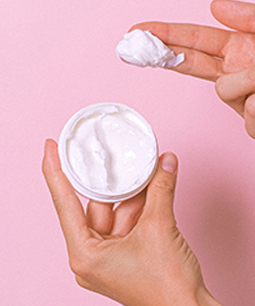
In the field of cosmetics and personal care, dihydromyricetin has become a core ingredient in many skincare products due to its antioxidant, anti-inflammatory, and collagen synthesis-promoting effects. In anti-aging skincare products, dihydromyricetin can scavenge UV-induced free radicals and reduce photoaging damage. Ultraviolet radiation is one of the main factors causing skin aging; it triggers oxidative stress reactions in skin cells, damaging collagen and elastic fibers, leading to skin sagging and increased wrinkles. Dihydromyricetin can effectively scavenge these free radicals, reduce oxidative damage, and simultaneously promote collagen synthesis, enhancing skin elasticity and firmness. In some high-end anti-aging serums, the addition amount of dihydromyricetin reaches 1% – 3%. Consumer feedback indicates that long-term use significantly reduces wrinkles and improves skin firmness.
For sensitive skin, the anti-inflammatory effect of dihydromyricetin can effectively alleviate skin allergy symptoms and enhance the skin’s barrier function. People with sensitive skin have weaker skin barrier function and are prone to inflammatory reactions caused by external stimuli, resulting in redness, itching, and other symptoms. Dihydromyricetin can inhibit the release of inflammatory factors, reduce inflammatory reactions, and simultaneously promote the repair and regeneration of skin cells, enhancing the skin’s barrier function. In anti-sensitive skincare products, dihydromyricetin, combined with other soothing ingredients, can provide gentle and effective care for sensitive skin.
In acne treatment products, the antibacterial and inflammation-regulating effects of dihydromyricetin also play an important role. The occurrence of acne is closely related to the infection of Propionibacterium acnes and inflammatory reactions. Dihydromyricetin has significant antibacterial activity against Propionibacterium acnes, inhibiting its growth and reproduction, while also regulating inflammatory reactions and reducing the release of inflammatory factors, thereby improving acne problems. Some acne treatment products containing dihydromyricetin have been clinically tested and proven to be 70%-80% effective in treating acne, bringing new hope to acne sufferers.
The water-soluble nature of dihydromyricetin makes it easy to combine with other ingredients, allowing it to be incorporated into various cosmetic and personal care products, such as serums, masks, lotions, and creams. This provides cosmetic researchers with more formulation design options, enabling dihydromyricetin to better exert its skincare effects.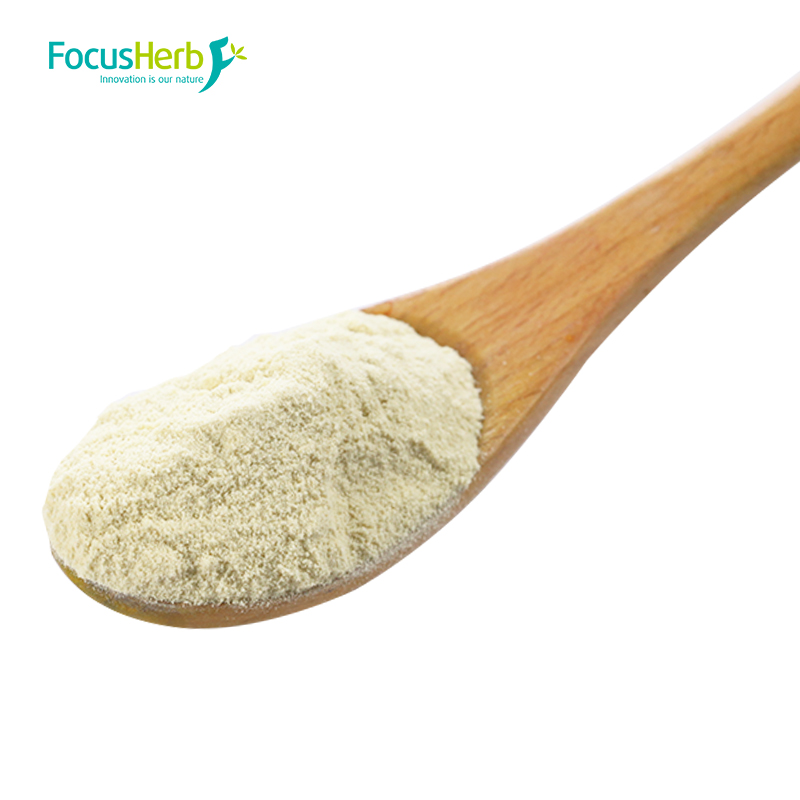
(IV) Agriculture and Animal Husbandry: Innovation in Green Additives
In the field of agriculture and animal husbandry, dihydromyricetin is gradually demonstrating its unique advantages as a green additive. In piglet farming, the application of dihydromyricetin can effectively improve the growth performance and immunity of piglets. During their growth, piglets are susceptible to various pathogens, leading to stunted growth. Dihydromyricetin can alleviate the acute phase response by inhibiting the NF-κB pathway, reducing growth inhibition caused by inflammation, and thus improving feed conversion efficiency. Studies have shown that adding an appropriate amount of dihydromyricetin to piglet feed can reduce the diarrhea rate by 30%-40% and increase the average daily weight gain by 10%-15%. This not only improves farming efficiency but also reduces the use of antibiotics and lowers food safety risks.
The antibacterial properties of dihydromyricetin also have great potential in the development of plant-derived pesticides. With increasing public concern for food safety and environmental protection, developing green and environmentally friendly plant-derived pesticides has become an important direction for agricultural development. Dihydromyricetin has inhibitory effects on various plant pathogens, such as cucumber wilt fungus and tomato early blight fungus. Developing dihydromyricetin into a plant-derived pesticide can not only effectively control crop diseases and pests but also reduce the use of chemical pesticides, lessen environmental pollution, and provide strong support for the development of organic agriculture.
(V) Scientific Research Frontier: Delivery Systems and Innovative Applications
Currently, research on nano-delivery systems for dihydromyricetin has become a hot topic in the scientific research field. Due to the poor water solubility and low bioavailability of dihydromyricetin, its application in some areas is limited. To address this problem, researchers are dedicated to developing various nano-delivery systems, such as liposomes and microcapsules. These nano-delivery systems can improve the water solubility and bioavailability of dihydromyricetin, allowing it to function more effectively. Liposomes are nanoscale particles composed of lipid materials such as phospholipids, which can encapsulate dihydromyricetin, improving its stability and solubility. Studies have shown that using liposomes to deliver dihydromyricetin can increase its bioavailability in the body by 2-3 times, providing a new way for the efficient utilization of dihydromyricetin.
The dihydromyricetin microbubble tablet project developed by the team at Zhejiang Gongshang University is a typical example of innovation in dihydromyricetin application. This project combines nanotechnology with dosage form innovation, significantly improving the bioavailability and stability of dihydromyricetin by preparing it into microbubble tablets. These microbubble tablets, upon entering the human body, can quickly release dihydromyricetin, allowing it to exert its anti-alcohol and liver-protective effects more rapidly. This project achieved a major technological breakthrough, winning the gold medal at the China National College Students’ Innovation and Entrepreneurship Competition, marking a significant step in the technological transformation of dihydromyricetin from raw material to end product, and providing a successful example for the industrial application of dihydromyricetin.
With its natural properties and diverse functions, dihydromyricetin is gradually upgrading from a traditional medicinal plant active ingredient to a star molecule in the field of health and wellness. As extraction technologies and research into its mechanisms of action continue to advance, its application boundaries in precision medicine, functional foods, and green agriculture will continue to expand, contributing the unique value of this “plant gold” to human health and sustainable development. In the future, we have reason to believe that dihydromyricetin will demonstrate its unique charm in more fields, bringing more benefits to people’s lives.
