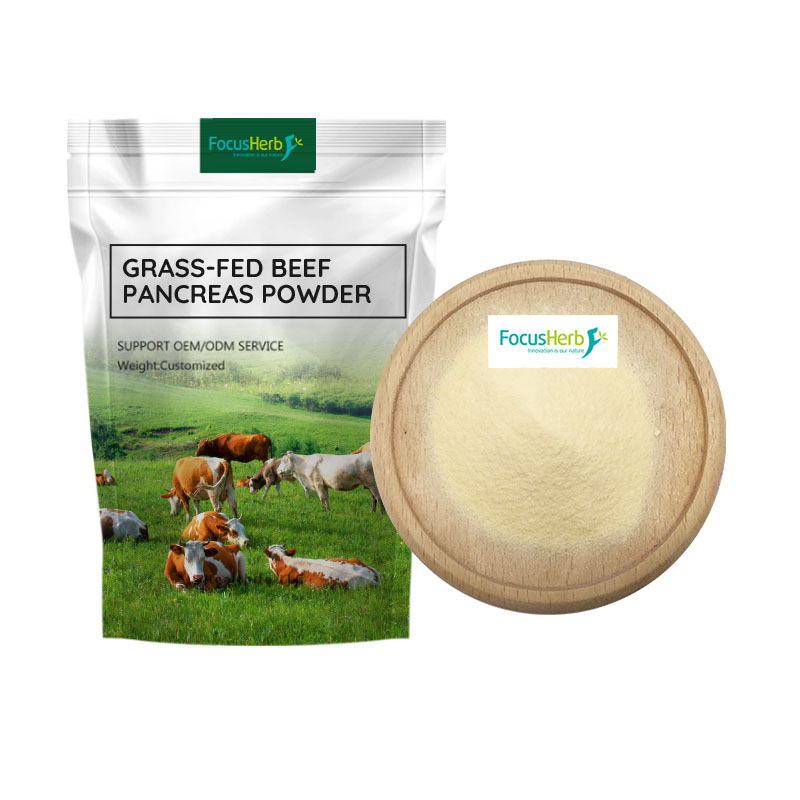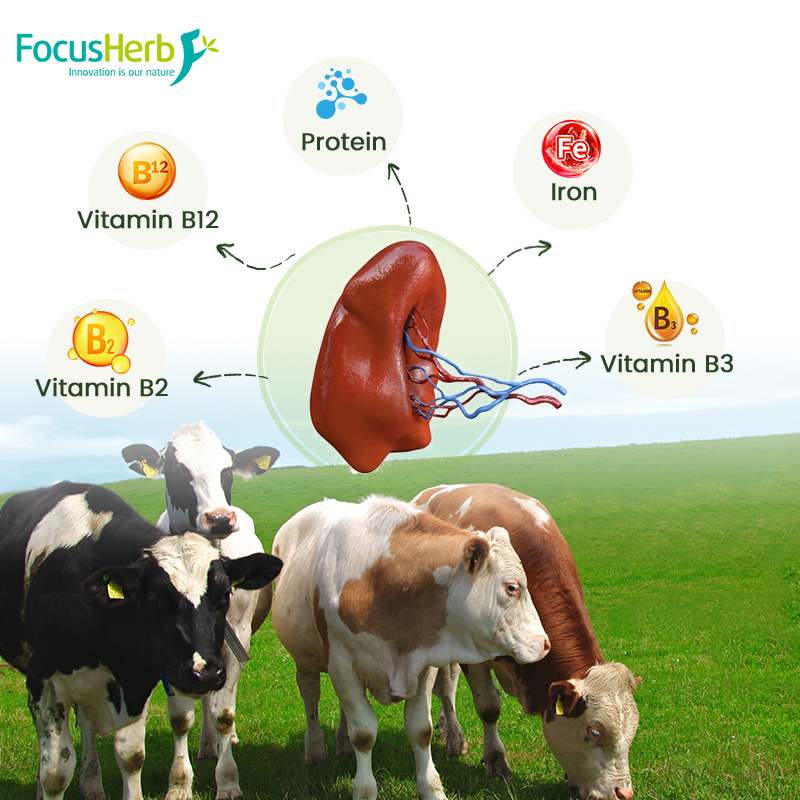


Beef liver powder: A scientific explanation of how diverse nutrients empower health.

Promote growth and development: Building the nutritional foundation for life’s growth

Sufficient and balanced nutrition is crucial for the healthy growth of children and adolescents, and beef liver powder, with its rich and diverse nutritional components, plays a vital role in promoting growth and development.

(I) High-Quality Protein Drives Tissue Construction and Repair

Beef liver powder is rich in high-quality protein, containing essential amino acids that are the building blocks of human cells and tissues, playing an indispensable role in the growth and development of children and adolescents. During periods of rapid growth, the construction and repair of bones, muscles, organs, and other tissues all rely on protein.

For example, lysine, an essential amino acid found in beef liver powder, plays a positive role in promoting calcium absorption, thus providing strong support for bone growth and development. During the critical period of children’s height growth, sufficient lysine can help bones grow better and effectively reduce the occurrence of growing pains. At the same time, the high-quality protein in beef liver powder is also important for muscle development, providing solid strength support for adolescents to actively participate in sports activities and daily physical exercise. For example, in school physical education classes, teenagers who focus on consuming foods rich in high-quality protein (such as beef liver powder) in their daily diet often perform better in sports such as running and long jump, exhibiting greater endurance and explosive power.

(II) Minerals Synergistically Promote Physiological Development

The minerals contained in beef liver powder also play a crucial role in the growth and development of children and adolescents. Calcium and phosphorus, as the main components of bones and teeth, can promote bone mineralization in synergy with vitamin D. For children, adequate intake of calcium, phosphorus, and vitamin D can effectively prevent rickets and other bone development disorders; for adolescents, it contributes to healthy bone growth and increased bone density, laying a good foundation for bone health in adulthood.

The iron content in beef liver powder is also considerable, and it exists in the form of heme iron. This form of iron has high bioavailability and is a key raw material for the synthesis of hemoglobin. Children and adolescents are in a period of rapid growth and development, and their demand for iron is relatively high. Iron deficiency can easily lead to iron-deficiency anemia, causing symptoms in children such as pale complexion, fatigue, and poor concentration, which in turn affects normal physical development and learning efficiency. The iron in beef liver powder can effectively prevent iron-deficiency anemia, ensuring that oxygen is smoothly transported to all parts of the body, providing sufficient energy for metabolism and growth. For example, some children who supplemented with iron-rich beef liver powder experienced a gradual improvement in complexion, a rosy complexion, better concentration during study, and improved academic performance.

Zinc also constitutes a certain proportion in beef liver powder. It participates in the synthesis of over 200 enzymes in the human body and plays an important role in maintaining normal muscle function, regulating appetite, and promoting the development of the reproductive system and secondary sexual characteristics. During childhood and adolescence, zinc can promote appetite, ensuring that children receive sufficient nutrients to support rapid growth. Simultaneously, zinc plays a crucial role in the development of the immune and reproductive systems, helping to improve immunity and laying a solid foundation for reproductive system development during puberty. During puberty, teenagers with sufficient zinc tend to have more normal physical development, more regular appearance of secondary sexual characteristics, and stronger resistance to diseases such as influenza.

Supporting Brain and Eye Health: Safeguarding a Dual Defense for Nervous and Visual Development

During the golden stage of growth, the brain and eye health of children and adolescents receives significant attention, impacting not only their current learning and life but also their future development. Beef liver powder, with its unique nutritional composition, plays a crucial role in supporting brain and eye health, acting like a silent guardian, building a solid defense for nerve and visual development.

(I) A “Signal Accelerator” for the Nervous System

In the mysterious and complex “command center” of the brain, the key nutrients in beef liver powder function like precise gears, working in synergy to ensure the efficient operation of the nervous system.

B vitamins, such as Vitamin B12 and folic acid, are important components of the myelin sheath, acting like a high-quality insulating material wrapping nerve fibers, accelerating the transmission speed of nerve signals. During the growth of children and adolescents, good myelin sheath development can significantly enhance cognitive abilities. For example, in the classroom, children who consume sufficient B vitamins are able to understand new knowledge more quickly, think more agilely, and perform better in learning tasks such as solving math problems and analyzing Chinese texts.

Zinc also plays an indispensable role in the brain, regulating the levels of neurotransmitters such as dopamine and glutamate. Dopamine, a neurotransmitter associated with pleasure and reward mechanisms, can motivate teenagers to explore knowledge more actively and enhance their concentration during learning. Glutamate plays a crucial role in memory formation and information transmission in the brain. Zinc improves synaptic plasticity, making the connections between neurons more stable and efficient, which is essential for the development of logical thinking and emotional management skills in teenagers. For example, when facing exam pressure, teenagers with sufficient zinc can better regulate their emotions, remain calm, and perform at their best.

Iron is equally important for maintaining normal neuronal metabolism, ensuring an adequate oxygen supply to the brain. The brain is a major energy consumer in the body, with an extremely high demand for oxygen. Iron deficiency can lead to oxygen deficiency in the brain, causing metabolic disorders in neurons and affecting attention and memory. The iron in beef liver powder can effectively prevent this, reducing the risk of attention deficit in children and adolescents. Sufficient iron can help children focus better during study, reduce distractions, improve learning efficiency, and better remember learned knowledge.

(II) The “Guardian of Light” for the Visual System

In modern society, children and adolescents face the serious challenge of excessive eye strain, with myopia and other eye problems becoming increasingly prevalent among younger people. The nutrients in beef liver powder play a vital role in protecting the visual system, safeguarding children’s bright vision.

Vitamin A is considered a core nutrient for the visual system. As a key component of rhodopsin, it directly participates in the light signal conversion process of the retina. In dimly lit environments, rhodopsin helps the eyes perceive light, allowing us to see our surroundings clearly. For children and adolescents, especially in learning scenarios involving frequent eye strain, sufficient vitamin A can effectively prevent night blindness. For example, children who consume enough vitamin A can see the text in books and the road more clearly when reading or walking at night. Vitamin A also plays a positive role in preventing myopia; it maintains the normal structure and function of the eyeball wall, enhances the sensitivity of the retina to light, and reduces the risk of myopia caused by eye strain.

Furthermore, vitamin A has powerful antioxidant properties, effectively slowing down the aging process of the lens. With age and poor habits such as prolonged use of electronic devices and close-range eye work, the lens is prone to clouding and aging, leading to eye diseases such as dry eye and macular degeneration. The vitamin A in beef liver powder can neutralize free radicals, reduce oxidative damage, provide comprehensive protection for the lens, lower the incidence of these eye diseases, and build a complete eye protection mechanism from the cornea to the optic nerve, keeping children’s eyes clear and bright, allowing them to fully appreciate the colorful world.

Enhanced Immune Defense: Activating the Body’s Disease-Fighting Ability from Multiple Dimensions

In life, our bodies act like a sophisticated defense system, constantly facing attacks from various pathogens. The multiple nutrients in beef liver powder work synergistically to activate the body’s disease-fighting ability from multiple dimensions, building a solid defense line for our health.

(I) Antioxidant Matrix Clears Free Radical Damage

Among the rich nutrients in beef liver powder, vitamins A, C, and E, along with selenium, form a powerful antioxidant network. Like a group of well-trained guards, they precisely target and eliminate “troublemakers” such as hydrogen peroxide and hydroxyl radicals. When these free radicals accumulate excessively in the body, they act like frenzied “destroyers,” attacking the structure of immune cell membranes, damaging cell membrane integrity, and affecting the normal function of immune cells. At the same time, free radicals accelerate the oxidative aging of immune cells such as T cells and B cells, significantly reducing their ability to recognize and attack pathogens.

The antioxidants in beef liver powder can promptly capture and neutralize these free radicals, protecting the integrity of immune cell membrane structures and allowing immune cells to maintain good activity and function. Clinical studies provide strong evidence for this effect; moderate intake of beef liver powder can increase the phagocytic efficiency of neutrophils by 15%-20%. As important members of the immune system, increased phagocytic efficiency of neutrophils means enhanced ability to clear pathogens. This is analogous to soldiers in battle having significantly improved combat effectiveness, enabling them to eliminate the enemy more quickly and effectively. When we are unfortunately infected with a disease, sufficient antioxidants can help us shorten the recovery period, recover health faster, and return to normal life and work as soon as possible.

(II) “Proliferation Regulators” of Immune Cells

Zinc is present in considerable amounts in beef liver powder. It plays a crucial “commander” role in the immune system, promoting T lymphocyte differentiation and cytokine secretion. T lymphocytes are one of the core forces of the immune system, playing a key role in antiviral immunity. When the body is invaded by a virus, sufficient zinc allows T lymphocytes to rapidly differentiate and activate, releasing various cytokines. These cytokines act like signalmen, summoning other immune cells to join the fight and enhancing the body’s resistance to the virus. For example, during flu season, people who regularly consume beef liver powder to supplement zinc have a relatively lower chance of contracting the flu virus, and even if they do get infected, their symptoms are relatively milder and their recovery time is shorter.

Iron is also essential in beef liver powder, participating in the synthesis of myeloperoxidase in neutrophils. Neutrophils are the “vanguard” of the immune system, and myeloperoxidase is their “powerful weapon.” When the body is attacked by pathogens such as bacteria, neutrophils quickly rush to the battlefield, using myeloperoxidase to launch a powerful attack on the bacteria, effectively killing them. Sufficient iron ensures the normal synthesis of myeloperoxidase, providing neutrophils with ample “ammunition,” strengthening their bactericidal ability, and giving the body a greater advantage in resisting bacterial infections.

Vitamin A is abundant in beef liver powder, and it plays a crucial role in regulating mucosal immunity. The mucous membranes of the respiratory and digestive tracts are the first line of defense against pathogens. Vitamin A can regulate mucosal immunity, making immune cells on the mucosal surface more active and enhancing mucosal immune function. Simultaneously, it can promote the secretion of immunoglobulins on the mucosal surface. These immunoglobulins act like a protective film, preventing pathogens from adhering to mucosal cells and reducing the chance of pathogen invasion. For children, whose immune systems are not yet fully developed, they are more susceptible to pathogens. Adequate intake of beef liver powder to supplement vitamin A has a significant effect on preventing seasonal colds and gastrointestinal infections, enabling children to grow healthier during seasonal transitions.

Optimizing Nutrient Absorption: Constructing an Efficient Metabolic Pathway

In the complex process of nutrient absorption, the nutrients in beef liver powder act like precise “gears,” working together to construct an efficient metabolic pathway. From the bidirectional regulation of intestinal function to the synergistic effect of nutrients, it comprehensively optimizes the body’s absorption and utilization of nutrients.

(I) The Bidirectional Regulation Mechanism of Intestinal Function

The amino acids and small peptide molecules contained in beef liver powder act like “growth factors” for the intestines, stimulating the growth of intestinal villi. Intestinal villi are like countless “tiny tentacles” within the intestines; their increased number and length significantly increase the intestinal absorptive surface area, allowing the intestines to more widely access and absorb nutrients from food. To put it another way, it’s like replacing a small sponge with a larger sponge with more pores, naturally greatly increasing its water absorption capacity.

Meanwhile, the dietary fiber in beef liver powder acts as an “intestinal cleanser,” promoting intestinal peristalsis. It’s like installing a powerful “propeller” in the intestines, allowing food to move quickly and smoothly, reducing the time harmful substances remain in the gut. Furthermore, dietary fiber maintains the balance of beneficial bacteria in the gut, providing them with ample “food” to thrive and inhibiting the growth of harmful bacteria, creating a healthy gut microbiome. This allows the intestines to better perform their digestive and absorptive functions, providing the body with sufficient nutritional support.

In addition, the bile acids in beef liver powder also play a crucial role. Bile acids enhance the activity of lipase, a key enzyme in fat breakdown. Increased lipase activity means that fat can be broken down into smaller molecules more efficiently, thereby increasing the absorption rate of fat-soluble vitamins (A, D, E, K) by more than 30%. Vitamin A is essential for normal vision and immune system function; Vitamin D helps with calcium absorption and bone health; Vitamin E has antioxidant properties; and Vitamin K participates in blood clotting. The increased absorption rate of these fat-soluble vitamins further promotes the body’s absorption and utilization of other nutrients, forming a virtuous cycle of “digestion-absorption-utilization,” providing comprehensive protection for human health.

(II) Synergistic Effect of Nutrients

In the nutritional system of beef liver powder, various nutrients exhibit remarkable synergistic effects, working together to maximize their benefits for human health.

Vitamin A plays a crucial role in this synergistic network. It activates intestinal calcium-binding proteins, which act like a “key” to unlock the “door” for calcium absorption in intestinal cells, promoting mineral transport. During children’s growth and development, calcium is a key element for bone growth, and Vitamin A provides strong support for children’s bone health by promoting calcium absorption. Meanwhile, vitamin B2 participates in the synthesis of coenzymes, which act as catalysts in various chemical reactions within the body, accelerating the metabolism of carbohydrates and fats. In our daily diet, ingested carbohydrates and fats need to be metabolized to convert into energy. The presence of vitamin B2 makes this metabolic process more efficient, providing the body with ample energy.

The heme iron in beef liver powder exists in a special form chelated with amino acids. This form cleverly avoids the influence of anti-nutritional factors such as phytic acid. Phytic acid is widely found in grains, legumes, and other foods. It binds with iron, forming complexes that are difficult for the body to absorb, thus reducing iron absorption. However, the heme iron in beef liver powder, chelated with amino acids, can smoothly cross the intestinal barrier and be absorbed by the body, with an absorption rate 2-3 times higher than that of plant-based iron sources. For people prone to iron-deficiency anemia, such as women, children, and vegetarians, the heme iron in beef liver powder has a targeted advantage, which can more effectively improve iron deficiency, increase hemoglobin levels, enhance the body’s oxygen transport capacity, and keep people full of energy and in good health.

Scientific Consumption Recommendations: Precisely Grasping the Healthy Balance

(I) Applicable Population and Intake Guidelines

While beef liver powder is rich in nutrients, different groups have varying needs and tolerance levels. Scientific and reasonable intake is essential to fully realize its health benefits.

For children aged 3-12, the recommended daily intake is 2-5 grams. Children in this age group are in a critical period of growth and development, and an appropriate amount of beef liver powder can provide them with high-quality protein, iron, zinc, and other nutrients necessary for growth. In practice, beef liver powder can be mixed into children’s complementary foods, such as rice cereal and vegetable puree. This increases the nutritional value of the food and improves the taste, making it more palatable for children. For example, adding a small spoonful of beef liver powder when making apple rice cereal allows the sweetness of the apple to blend with the unique flavor of the beef liver powder, providing children with a completely new taste experience.

For teenagers (13-18 years old), due to rapid physical development, the need for nutrients is higher, and a daily intake of 5-10 grams of beef liver powder is recommended. Teenagers in this age group face significant academic pressure and frequent screen time. The vitamins A and B complex, as well as minerals like iron and zinc in beef liver powder, provide ample nutritional support for their brains and eyes, improving learning efficiency and preventing eye problems such as myopia. Beef liver powder can be added to oatmeal or milk as part of breakfast, giving teenagers a energized start to the day.

Adults should consume 10-15 grams of beef liver powder daily. Office workers often experience fatigue and weakened immunity due to high-intensity work and stress. The nutrients in beef liver powder can help relieve fatigue, boost immunity, and maintain energy levels. Fitness enthusiasts have a high need for protein and other nutrients. The high-quality protein in beef liver powder provides the building blocks for muscle repair and growth, helping them achieve their ideal physique. Adults can combine beef liver powder with various ingredients to create delicious and nutritious dishes. For example, adding a suitable amount of beef liver powder when making meat sauce will result in a richer, more flavorful sauce with significantly enhanced nutritional value.

Pregnant women, as a special group, need to be extra cautious when supplementing with beef liver powder and must do so under the guidance of a doctor. The folic acid and heme iron in beef liver powder are crucial for the health of both the pregnant woman and the fetus. Folic acid can effectively prevent neural tube defects in the fetus, while heme iron can prevent anemia during pregnancy and ensure normal fetal development. Pregnant women can add beef liver powder to homemade nutritional smoothies or sprinkle some on vegetable stir-fries for dinner for easy nutritional supplementation.

As people age, their bodily functions decline, digestive function weakens, and the ability to absorb nutrients decreases. Moderate intake of beef liver powder (2-3 grams daily) can improve digestive function and prevent B12 deficiency neuropathy. Adding beef liver powder to porridge commonly consumed by the elderly, such as millet porridge or corn porridge, can enhance the porridge’s nutritional value and make it convenient for them to eat.

(II) Risk Avoidance and Quality Selection

While enjoying the health benefits of beef liver powder, we also need to be aware of potential risks and learn to choose high-quality products.

Beef liver powder is rich in minerals. When consuming it, avoid taking it with high-calcium foods such as milk and soy products; it’s recommended to wait at least two hours. This is because calcium may compete with minerals like iron and zinc in the beef liver powder in the intestines, affecting their absorption efficiency and reducing the nutritional value of the beef liver powder.

For people with high cholesterol, beef liver powder has a relatively high cholesterol content, and excessive intake may have a negative impact on cardiovascular health. Therefore, this group needs to strictly control their daily intake of beef liver powder, recommending it be limited to less than 10 grams to avoid the risks of excessive cholesterol. This should be combined with a healthy lifestyle, such as moderate exercise and a balanced diet, to maintain cardiovascular health.

When choosing beef liver powder products, processing technology and quality are key factors. Prioritize products made using low-temperature freeze-drying technology. This process removes water from the beef liver at low temperatures, preserving the active ingredients, such as vitamins and enzymes, to the greatest extent possible, thus ensuring the complete preservation of its nutritional components and maximizing its health benefits.

In addition, it’s crucial to choose brands with traceable raw materials and certified heavy metal levels. Raw material traceability allows you to clearly understand the origin of the beef liver, ensuring its safety and reliability; certified heavy metal levels guarantee the product is free of harmful heavy metals such as lead and mercury, preventing harm to the human body. When purchasing beef liver powder, carefully examine the product packaging, understanding its manufacturer, raw material source, and testing reports. Choose a trustworthy brand to ensure nutritional safety and bioavailability.

Beef liver powder, with its unique nutritional combination, demonstrates multi-target health benefits in areas such as growth and development, neuroprotection, immune enhancement, and metabolic regulation. Through scientific intake and quality control, it can be transformed into nutritional support throughout the entire life cycle, becoming an important component of modern precision nutrition diets.

A New Favorite Natural Sugar Substance: Scientific Understanding and Rational Application of Stevioside

Steviosides are natural glycoside sweeteners extracted from the leaves of the stevia plant (Stevia rebaudiana), a member of the Asteraceae family. Their history dates back hundreds of years to South America, where local inhabitants discovered the secret of stevia’s sweetness and used it as a medicinal herb and sugar substitute. Today, steviosides hold an important position in the global food industry due to their superior properties. Their most prominent advantages are high sweetness and low calories; their sweetness can be 200-300 times that of sucrose, while their calories are only 1/300th of sucrose, making them an ideal choice for those pursuing a healthy lifestyle.

Chemically, steviosides exhibit good stability. Within a pH range of 3-10, they remain stable even under high-temperature cooking and prolonged exposure to light, making them difficult to decompose. This facilitates their application in various food processing applications. In terms of solubility, steviosides are readily soluble in water and are often present as a white powder, making them easy to mix with other ingredients and evenly add sweetness to food. For example, in beverage production, they dissolve and disperse quickly, providing a refreshing sweetness.

Differentiating Advantages from Sucrose

In today’s pursuit of healthy eating, the high calorie content and blood sugar fluctuations of sucrose are receiving increasing attention. Stevioside, however, precisely address these shortcomings. From a calorie perspective, while sucrose provides energy, excessive intake leads to fat accumulation, increasing the risk of obesity and potentially triggering a series of chronic diseases such as cardiovascular disease and diabetes. Steviosides, on the other hand, produce almost no calories, ensuring minimal calorie intake. For those who need to control their weight and prevent obesity, it is an excellent alternative to sucrose. Fitness enthusiasts can replace traditional sugary drinks with beverages containing steviol in their daily diet, enjoying the sweetness without worrying about excessive calories affecting their fitness results.

Regarding its impact on blood sugar, sucrose is rapidly broken down into glucose after entering the body, causing a rapid rise in blood sugar. This is extremely detrimental to diabetic patients and those with weak blood sugar regulation. Stevioside do not participate in human metabolism and do not cause fluctuations in blood sugar. Diabetics can satisfy their sweet cravings by consuming foods containing steviol in moderation while helping to maintain stable blood sugar levels. Stevioside also have excellent dental protective properties. Sucrose is easily broken down by bacteria in the mouth, producing acid that erodes teeth and increases the risk of cavities. Stevioside, however, are not utilized by oral bacteria, effectively reducing the acidic environment in the mouth and protecting dental health, making them particularly suitable for children and those who value oral health.


Safety Analysis of Stevioside

(I) Safety Certification from Authoritative Institutions

The safety of steviol glycosides has been recognized and endorsed by numerous authoritative institutions worldwide. The U.S. Food and Drug Administration (FDA), after rigorous scientific evaluation, approved steviol glycosides for use as a safe sweetener in the food industry. The European Food Safety Authority (EFSA) has also conducted in-depth research on the safety of steviol glycosides, confirming that it has no adverse effects on human health within the prescribed usage range. The Joint FAO/WHO Expert Committee on Food Additives (JECFA) has also listed steviol glycosides as a safe food additive and established an acceptable daily intake (ADI) of 0-4 mg/kg body weight. This means that for a 60 kg adult, a daily intake of no more than 240 mg of steviol glycosides is safe.

A large amount of scientific experimental data also provides strong support for the safety of steviol glycosides. Acute toxicity tests showed that the median lethal dose (LD50) of stevioside in mice via oral ingestion was greater than 16 g/kg, far exceeding the generally accepted safe dose standard, indicating that stevioside has extremely low acute toxicity. Long-term toxicological studies also showed that no significant toxic reactions were observed in experimental animals with long-term stevioside intake, including damage to vital organs such as the liver, kidneys, and cardiovascular system, nor were any carcinogenic, teratogenic, or mutagenic risks found.

(II) Harmless in Moderation vs. Risk of Overdose

In moderate amounts, stevioside is not only safe but also has certain health benefits. It is not utilized by oral bacteria, reducing the production of acidic substances in the mouth, thus effectively preventing tooth decay and protecting dental health. For gut health, stevioside can act as a prebiotic, promoting the growth and reproduction of beneficial bacteria such as Bifidobacteria in the gut, improving the gut microecological environment, enhancing intestinal digestion and absorption, and maintaining normal intestinal physiological functions.

However, excessive intake of stevioside may also lead to some negative effects. Some people may experience gastrointestinal discomfort, such as bloating, abdominal pain, and diarrhea. This is because excessive steviosides may alter the osmotic pressure in the intestines, affecting normal intestinal motility and digestion. A small number of people may also be allergic to steviosides, experiencing allergic reactions such as rashes, itching, and shortness of breath. Although such allergic reactions are rare, they remind us to pay attention to individual differences when using steviosides. For example, people sensitive to plant components should consume small amounts of foods containing steviosides for the first time, observe their body’s reaction, and only consume them normally after confirming there are no allergic symptoms.

Health Benefits and Applications of Steviosides

(I) Core Health Values

Blood Glucose Management Assistance: Steviosides are a boon for people with diabetes or impaired glucose tolerance. Because they do not raise blood sugar levels, these individuals can safely use them to replace sucrose in their daily diet, effectively reducing refined sugar intake and thus helping to stabilize post-meal blood sugar. For example, when making drinks or desserts, replacing the added sucrose with steviol can satisfy their craving for sweetness while avoiding significant fluctuations in blood sugar. However, it must be clear that steviolsides only play an auxiliary role and should never replace regular medication. Diabetic patients should still follow their doctor’s advice and closely monitor their blood sugar when consuming foods containing steviolsides.

Weight Control Support: Among those trying to lose weight, steviolsides have become a popular sweetener due to their zero-calorie properties. It can replace traditional sugars in sugary drinks and desserts, allowing those trying to lose weight to enjoy sweet flavors while significantly reducing their daily calorie intake. Long-term consistent use may also help improve indicators related to metabolic syndrome, such as regulating blood lipids, normalizing cholesterol and triglyceride levels, stabilizing blood pressure, and reducing vascular pressure, thus contributing to overall health.

Oral Health Protection: Stevioside also plays a positive role in oral health. Its non-fermentable nature prevents it from being utilized by oral bacteria, avoiding bacterial acid production that erodes tooth enamel and reducing the risk of tooth decay at its source. Sugar-free foods containing steviol, such as chewing gum and beverages, not only provide a sweet taste but also stimulate saliva production, helping to clean the mouth and further reducing the incidence of tooth decay, making them an ideal choice for children and adolescents to protect their teeth.

(II) Food Industry Application Scenarios

Steviol is ubiquitous in the food industry. In the beverage industry, steviol is added to sugar-free cola, allowing it to maintain a refreshing taste while achieving zero sugar and zero calories, satisfying consumers’ pursuit of healthy drinks. Various functional beverages often utilize steviol to add sweetness while highlighting their health benefits, attracting health-conscious consumers. In baked goods, cakes and cookies are increasingly using steviol to replace some sucrose, allowing baking enthusiasts to enjoy these products without worrying about excessive sugar and calorie intake. In the health supplement industry, steviol is used in dietary supplements, providing a sweet option for those with specific health needs. Even condiments such as salad dressings and candied fruits rely on steviol to impart a just-right sweetness.

Steviol is also frequently used in combination with other sweeteners. When combined with fructose, the delicate sweetness of fructose complements the high sweetness of steviol, enhancing the synergistic effect and making the sweetness more natural. When combined with sorbitol, it improves the texture and flavor profile; the rich taste of sorbitol can compensate for any unpleasant aftertastes of steviol, resulting in a richer and more rounded overall flavor profile.

Recommendations for Special Populations

(I) Scientific Dosage for Applicable Populations

Ordinary adults should follow scientific dosage recommendations when enjoying the sweet taste of steviol glycosides. The daily intake should generally not exceed 4 mg/kg body weight. For example, a 70 kg adult would need approximately 280 mg of steviol glycosides daily. This satisfies their craving for sweetness while ensuring that the health benefits of steviol glycosides are fully realized within a safe range.

Children are in a rapid growth and development stage with a high metabolic rate and a greater need for nutrients. However, the functions of their organs and systems are not yet fully mature, especially their digestive system and kidney function, which are relatively weak. Therefore, parents must be cautious when children consume foods containing steviol glycosides. It is recommended to consult a doctor first and strictly follow the doctor’s specific recommendations based on the child’s age, weight, physical condition, and other individual factors. For example, children aged 4-6 are advised to limit their daily intake of sugar-free soft drinks to no more than 150 ml, and should avoid long-term, excessive consumption of foods containing stevioside to prevent potential health risks.

Pregnant and breastfeeding women have unique physical conditions. They not only need to maintain their own physiological needs but also provide sufficient nutrition for the fetus or infant. During this period, pregnant women experience a series of metabolic changes, becoming more sensitive to the intake and metabolism of various substances; the diet of breastfeeding women directly affects the composition and quality of breast milk, thus impacting the infant’s growth and development. Therefore, pregnant and breastfeeding women must consult a professional doctor before considering consuming foods containing stevioside. The doctor will comprehensively assess their physical condition, dietary habits, and the potential impact of stevioside on maternal and infant health, providing personalized and reasonable advice to ensure the safety of both mother and child.

(II) Risk Avoidance and Product Selection

When choosing stevioside products, it is essential to select products manufactured by reputable manufacturers. Reputable manufacturers typically possess complete production processes and strict quality control systems, ensuring product quality and safety. High-purity steviol glycoside products (purity ≥95%) are the ideal choice, as this reduces the intake of impurities and lowers potential risks. Avoid compound preparations containing preservatives or other chemical additives, as these additives may have adverse effects on health, especially for certain populations.

If you experience persistent abdominal pain, rash, or other abnormal reactions after consuming foods containing steviol glycosides, stop consuming them immediately and seek medical attention. Persistent abdominal pain may indicate that steviol glycosides are irritating the gastrointestinal tract, causing gastrointestinal dysfunction; a rash may be a manifestation of an allergic reaction to steviol glycosides. Seeking medical attention promptly allows doctors to accurately diagnose the cause and implement appropriate treatment measures to prevent symptoms from worsening and protect your health.

A Rational View of Steviosides: Balance and Moderation are Key

In the pursuit of healthy eating, steviosides, as an outstanding representative of natural sweeteners, have emerged in health management scenarios such as blood sugar control and weight loss due to their high sweetness, low calories, and glycemic friendliness, offering people the possibility of enjoying sweetness without harming their health. However, we must be clear that the safety and health benefits of steviosides are based on the premise of “moderate use.”

For consumers, when enjoying the sweet experience brought by steviosides, it is essential to make reasonable choices based on their own health conditions. For example, while steviosides do not cause blood sugar fluctuations, diabetic patients should not consume foods containing steviosides without restraint. They should still follow their doctor’s advice and use it as an auxiliary means of blood sugar management. Fitness enthusiasts using steviosides to control calorie intake should also be careful not to over-rely on them because of their low calorie content, neglecting the balance of their diet.

From a broader perspective, steviosides should never completely replace the role of natural fruits and vegetables in daily diets. Natural fruits and vegetables are rich in various vitamins, minerals, dietary fiber, and other nutrients, all of which are essential for maintaining normal physiological functions. For example, apples are rich in pectin and other dietary fiber, which helps with intestinal motility and digestion; oranges are rich in vitamin C, which can boost immunity. Stevioside, however, is merely a sweetener and cannot provide these comprehensive nutrients. Therefore, consumers should consider steviolside as an auxiliary tool for dietary regulation, not the entirety of a healthy diet.

Liposomal NMN:Ushering in a new era of precision delivery in the anti-aging field

Core Technology Analysis of Liposomal NMN

(I) Innovative Advantages of Liposomal Encapsulation Technology

The uniqueness of liposomal NMN lies first and foremost in its advanced liposomal encapsulation technology. This technology utilizes the special structure of Liposomal to tightly encapsulate NMN molecules, creating a robust “protective membrane.” Liposomal are microvesicles composed of a lipid bilayer, with a structure similar to cell membranes, exhibiting excellent biocompatibility. Encapsulating NMN within these vesicles not only effectively resists the erosion of gastric acid but also prevents its decomposition by digestive enzymes, greatly improving the stability of NMN in vivo.

Studies have shown that the 200-nanometer-scale liposomal nano-encapsulation technology used in liposomal NMN can resist 92% of gastric acid erosion, making the bioavailability of the NAD+ precursor 4.5 times that of ordinary products. This highly efficient protective mechanism allows NMN to smoothly reach the small intestine and be efficiently absorbed into the bloodstream, thus rapidly exerting its biological effects. Within 30 minutes of oral administration, liposomal NMN initiates cellular NAD+ synthesis, providing cells with ample energy support. This speed far surpasses that of ordinary NMN products, allowing cells to recover vitality more quickly and enhancing bodily functions.

(II) Synergistic Mechanism of Compound Formula

Besides Liposomal encapsulation technology, the compound formula of liposomal NMN is also key to its powerful efficacy. To achieve comprehensive anti-aging effects, liposomal NMN is often scientifically formulated with multiple anti-aging ingredients, forming a synergistic effect system. Taking a common formula combination as an example, Coenzyme Q10, as an important component of the mitochondrial respiratory chain, can enhance mitochondrial energy output. Working synergistically with NMN, it further improves cellular energy metabolism, revitalizing the body. PQQ promotes mitochondrial regeneration, increasing the number and activity of mitochondria, providing cells with more energy sources, and also enhancing antioxidant capacity, reducing free radical damage to cells. Nattokinase gently protects blood vessels, reduces blood viscosity, improves blood circulation, and provides sufficient nutrients to various organs, working synergistically with NMN to maintain overall health. Phosphatidylserine focuses on maintaining nerve cell function, improving memory, relieving anxiety and stress, playing an important role in the health of the nervous system, and together with NMN, slowing down the aging process at the neurological level.

These ingredients work together to form a complete closed loop of “NAD+ activation – mitochondrial energy supply – vascular protection – neuroprotection,” with multi-target synergistic effects, significantly enhancing the anti-aging efficacy of liposomal NMN compared to single-component products. They work together like a closely coordinated team, each leveraging their strengths to safeguard health and youthfulness, allowing users to gain a more comprehensive and powerful anti-aging experience while supplementing with NMN.

The Multidimensional Anti-aging Effects of Liposomal NMN

(I) Cellular Energy Activation and Rejuvenation

Liposomal NMN exhibits remarkable anti-aging performance at the cellular level. Its core mechanism of action lies in the deep activation of cellular energy metabolism. As a direct precursor to NAD+, NMN can rapidly increase intracellular NAD+ levels. NAD+ plays a crucial role in cellular energy metabolism, serving as a key coenzyme for mitochondrial function, participating in the tricarboxylic acid cycle and oxidative phosphorylation, and continuously providing energy for cellular activities.

When intracellular NAD+ levels are sufficient, mitochondrial energy output efficiency is significantly improved. Cells seem to be infused with a powerful source of vitality, allowing various physiological functions to operate efficiently. These positive changes are very noticeable in the body. Many users have reported that after consistently taking liposomal NMN for a period of time, afternoon fatigue has been significantly reduced. The drowsiness and weakness they used to feel every afternoon have gradually disappeared, replaced by abundant energy throughout the day, significantly improved work efficiency, and the ability to easily cope with various work tasks and life challenges. Sleep quality has also significantly improved, with increased deep sleep duration, allowing for more restful sleep at night and waking up refreshed in the morning, as if the body has undergone thorough repair and recharging overnight. The recovery speed of muscle soreness after exercise has also greatly accelerated. Muscle soreness that previously took several days to subside after strenuous exercise can now be relieved quickly, enabling people to participate in exercise more actively, maintain good physical condition, slow down the aging process at the cellular level, and rejuvenate the body.

(II) Metabolic Regulation and Optimization of Body Function

Metabolic disorders are one of the important factors leading to human aging, and liposomal NMN has shown powerful efficacy in regulating metabolism, providing strong support for solving this problem. Liposomal NMN can activate autophagy, a self-cleaning mechanism within cells that effectively removes accumulated metabolic waste and damaged organelles, maintaining a clean and stable intracellular environment, allowing cells to function normally. In terms of glucose metabolism, liposomal NMN increases NAD+ levels, activating key enzymes in the liver such as pyruvate dehydrogenase (PDH) and citrate synthase (CS), promoting the oxidative breakdown of glucose and helping to maintain stable blood sugar levels. It can also activate deacetylases such as SIRT1, enhancing insulin sensitivity, promoting glucose uptake and utilization, thereby improving insulin resistance and preventing and improving type 2 diabetes.

Liposomal NMN can also regulate the expression of lipid synthesis-related genes in the liver, inhibiting the activity of key lipid synthesis enzymes such as fatty acid synthase (FAS), reducing fat synthesis in the liver; and enhancing the activity of fatty acid oxidation-related enzymes, promoting the breakdown and metabolism of fat in the liver, helping to prevent and treat lipid metabolism disorders such as non-alcoholic fatty liver disease. These mechanisms of action enable liposomal NMN to comprehensively improve metabolic and obesity problems, providing a precise anti-aging solution for metabolic abnormalities and the elderly, helping them regain a healthy metabolic state and slow down the aging process. (III) Skin Anti-aging and Beauty Enhancement

The application of liposomal NMN in skincare has brought a new breakthrough to skin anti-aging. It is often combined with ingredients such as Pro-Xylane and carnosine to form a powerful anti-aging combination. The application of nano Liposomal technology plays a key role, greatly improving the penetration rate of anti-aging ingredients such as NMN, allowing them to penetrate deeper into the skin’s basal layer and directly act on skin cells to maximize their efficacy.

NMN can stimulate cellular energy, promote the recovery of mitochondrial function, and provide sufficient energy to skin cells, keeping them active. It can also promote collagen synthesis, increase skin elasticity and firmness, reduce wrinkles, and restore smooth and delicate skin. Pro-Xylane further enhances skin firmness and improves skin texture by stimulating the synthesis of collagen and glycosaminoglycans. Carnosine plays an anti-glycation role, effectively preventing skin dullness, reducing the damage of glycation products to the skin, and keeping the skin fair and radiant. These ingredients work synergistically to reduce photoaging damage and improve skin dryness, dullness, and sagging, achieving skin rejuvenation from the inside out. After using skincare products containing liposomal NMN, skin moisture content significantly increases, dryness and peeling are improved, and the skin becomes more hydrated and radiant; dull skin tone gradually brightens, revealing a healthy glow; sagging skin becomes firm and elastic, and fine lines and wrinkles gradually decrease, allowing the skin to regain youthful vitality and radiance.

Diverse Application Scenarios of Liposomal NMN

(I) A Highly Effective Choice for Oral Health Supplements

In the field of oral anti-aging health supplements, liposomal NMN has become the first choice for many people pursuing health and vitality due to its excellent high bioavailability and safety. Especially for those who suffer from chronic fatigue and cellular energy supply problems, Liposomal NMN is like a timely rain, injecting new vitality into their bodies.

In the production process, Liposomal NMN strictly adheres to extremely stringent standards. Taking Baishengtai 4th generation as an example, its production system relies on a Japanese GMP pharmaceutical-grade factory, with strict control over every production step to ensure the product’s purity reaches extremely high standards. At the same time, the product also meets the US FDA registration standards, guaranteeing the product’s quality and safety from the source. Furthermore, each batch of product must pass SGS third-party testing. During the testing process, heavy metal residues are strictly controlled to ≤0.01ppm, and microbial indicators are ≤10CFU/g, ensuring that the product is free of harmful substances and allowing consumers to take it with confidence. To give consumers greater peace of mind, the packaging of liposomal NMN is equipped with an independent traceability code. With this small code, consumers can easily scan it to check key information such as the origin of the raw materials, production batch, and testing reports in real time, truly achieving full transparency and traceability from raw materials to the consumer. This comprehensive quality control and transparent traceability system allows consumers to be fully informed and worry-free when purchasing and using liposomal NMN, allowing them to fully enjoy its anti-aging and health benefits.

(II) Innovative Breakthroughs in Functional Skincare Products

The application of Liposomal NMN in the cosmetics field has undoubtedly brought about an innovative breakthrough in functional skincare products. Represented by Zhenyantang’s anti-aging series, its NMN essence cream and double-anti-overnight set quickly became a market sensation upon launch. The success of these products is inseparable from the ingenious application of liposomal NMN technology.

Zhenyantang uses its specialized nano Liposomal technology to carefully encapsulate large-molecule anti-aging ingredients such as NMN and VC into tiny nano-sized microcapsules. This technology successfully overcomes the bottleneck of traditional skincare products’ ingredients being difficult for the skin to effectively absorb. The structure of nano-sized microcapsules is similar to that of cell membranes, possessing excellent biocompatibility. They can easily penetrate the stratum corneum and reach deep into the skin’s basal layer, delivering anti-aging ingredients directly to the cells for greater effectiveness.

In the NMN essence cream, liposomal NMN works synergistically with ingredients such as Pro-Xylane and carnosine. Lipoosomal NMN stimulates cellular energy, revitalizing skin cells; Pro-Xylane promotes collagen production, enhancing skin elasticity and making the skin firmer; and carnosine exerts its anti-glycation effect, effectively preventing dullness and maintaining a bright and radiant complexion. In addition, the product incorporates plant extracts such as Edelweiss and Centella Asiatica. These plant ingredients not only soothe and repair the skin, but also work synergistically with Western anti-aging ingredients to further enhance the anti-aging effect. At the same time, they reduce the product’s irritation to the skin, making it safe for consumers with different skin types to use. This provides consumers with a gentle yet effective new anti-aging skincare solution, helping domestic anti-aging brands break through in the fierce market competition.


Market Prospects and Industry Trends of Liposomal NMN

(I) Technology-Driven Growth of the Anti-Aging Market

With the accelerating global aging process and the continuous improvement of people’s health awareness, the anti-aging market is showing a booming development trend. Consumers’ demand for health and anti-aging is becoming increasingly urgent. They are no longer satisfied with traditional anti-aging methods, but are actively seeking more scientific and efficient solutions. Against this market backdrop, Liposomal NMN, with its advanced delivery technology and significant anti-aging effects, has quickly become the focus of market attention.

Market data shows that the global liposomal dietary supplement market reached US$365.2 million in 2024, and is expected to continue to expand at a CAGR of 7.50% from 2024 to 2031. Among them, the Asia-Pacific region, as a region with rapid economic development, a large population, and a high emphasis on health and wellness, is showing particularly outstanding growth, with a projected CAGR of up to 9.5% during 2024-2031. This growth trend not only reflects consumer acceptance of Liposomal technology but also highlights the enormous potential of liposomal NMN in the anti-aging market.

Technological innovation and product iteration are the core driving forces behind the development of the Liposomal NMN market. With continuous research, Liposomal encapsulation technology will be continuously optimized, nanoparticle size will be further reduced, and bioavailability will be continuously improved, thus making the effects of liposomal NMN more significant. New compound formulations will also continue to emerge, incorporating more ingredients with synergistic anti-aging effects, providing consumers with more comprehensive and personalized anti-aging options. These technological advancements will further stimulate market demand, drive the continuous development of the liposomal NMN industry, meet consumers’ increasingly diversified anti-aging needs, and occupy an increasingly important position in the global anti-aging market.

(II) Full-Chain Innovation from Laboratory to Market

The development history of liposomal NMN is a full-chain innovation history from laboratory research and development to large-scale production and market popularization. It embodies the wisdom and efforts of researchers and is the crystallization of the deep integration of science and technology with market demand. In the laboratory stage, researchers successfully overcame the industry challenges of low NMN absorption efficiency and poor stability through continuous exploration and innovation. They employed advanced Liposomal encapsulation technology to precisely deliver NMN molecules into cells, significantly improving its bioavailability. Simultaneously, through scientific compound formulation design, NMN was combined with various anti-aging ingredients, achieving multi-target synergistic anti-aging, laying a solid theoretical foundation for the superior efficacy of liposomal NMN.

With the maturation of the technology, liposomal NMN has entered the stage of large-scale production. Companies actively introduced advanced production equipment and technologies, establishing a strict quality control system to ensure that every batch of products meets high-quality and high-stability standards. Taking Zhenyantang as an example, its introduced automatic metering and feeding vacuum emulsification equipment ensures that easily inactivated components such as NMN are uniformly dispersed during emulsification, maintaining their activity. In the filling process, the low-temperature filling technology effectively avoids the damage of active ingredients caused by high temperatures, providing consumers with stable and reliable anti-aging products. In terms of marketing, companies optimize supply chain management and reduce production costs through innovative models such as “direct laboratory supply,” bringing high-quality liposomal NMN to the market at more affordable prices. Zhenyantang’s anti-aging single-use serum is priced at a fraction of similar international brands, yet boasts comparable anti-aging effects. Its “Anti-Aging Starter Kit” is also popular with consumers, containing a variety of anti-aging products to meet diverse consumer needs, lowering the barrier to entry and allowing more people to easily embark on an effective anti-aging journey.

This end-to-end innovation in Liposomal NMN has made effective anti-aging no longer a privilege for a select few, propelling the anti-aging field towards greater scientific rigor and accessibility. It not only brings tangible anti-aging benefits to consumers but also injects new vitality into the entire anti-aging industry, opening a new chapter in the democratization of anti-aging and allowing more people to enjoy the health benefits brought by technological advancements.

Liposomal Curcumin:A new targeted delivery solution to overcome bioavailability bottlenecks

The Core Technological Advantages of Liposomal Curcumin

(I) Revolutionary Improvement in Bioavailability

Traditional curcumin, due to its structural characteristics, has extremely low solubility in water, only 0.016 mg/mL. This makes it difficult to dissolve and disperse in the aqueous environment of the gastrointestinal tract, greatly hindering its absorption into the bloodstream. Furthermore, after oral administration, curcumin undergoes significant metabolism in the liver during its first pass, resulting in very little actual amount entering systemic circulation to exert its effects, with a bioavailability of less than 1%. This means that even with large amounts of curcumin ingested, the effective components available to the body are negligible, severely limiting its efficacy.

The emergence of liposomal technology provides a solution to this problem. Liposomal consist of a phospholipid bilayer, cleverly encapsulating curcumin within its hydrophobic core, acting like a “protective coat” for the curcumin. Taking PEG-PE modified Liposomal as an example, the hydrophilic “coating” of PEG can effectively reduce the chance of Liposomal being recognized and cleared by the immune system, prolonging their circulation time in the body. The half-life of ordinary free curcumin in the blood is only about 0.5 hours, while the half-life of PEG-modified liposomal curcumin can be increased to 6-8 hours. In an animal experiment, after administering the same dose of free curcumin and liposomal curcumin, the blood curcumin concentration was measured, and it was found that the blood concentration in the liposomal curcumin group was 10-20 times higher than that in the free group. This indicates that Liposomal not only help curcumin overcome solubility barriers but also reduce liver metabolic losses, achieving a shift from inefficient exposure to efficient accumulation, allowing curcumin to be more effectively absorbed and utilized by the human body.

(II) Targeted Delivery and Precise Drug Release

The treatment of diseases often requires drugs to act precisely on the lesion site, reducing the impact on normal tissues. Lipoosomal curcumin demonstrates unique advantages in this regard. By modifying the surface of Liposomal with targeting molecules, it’s like equipping them with a “navigation system,” enabling them to precisely locate their targets. For example, tumor cells often overexpress specific receptors, such as CD44. When Liposomal are modified with hyaluronic acid, which has a specific affinity for CD44, liposomal curcumin can specifically recognize and bind to tumor cells, achieving targeted enrichment of the drug in tumor tissue. This results in a 3-5 fold increase in local drug concentration, enhancing the inhibitory effect on tumor cells while reducing damage to normal tissues. Similarly, Liposomal modified with TAT transmembrane peptides can help curcumin penetrate cell membranes and more effectively enter the cell to exert its effects.

Besides targeting, the drug release process is also crucial. Polylactic acid-glycolic acid copolymer (PLGA) Liposomal utilize the degradable properties of PLGA to achieve precise control over the curcumin release rate. In vivo, PLGA gradually hydrolyzes, slowly releasing the encapsulated curcumin and maintaining a stable drug release over 72 hours. In contrast, traditional curcumin preparations often exhibit a “burst release effect” after entering the body, releasing large amounts of drug in a short period, leading to drug waste and potentially excessively high blood drug concentrations and adverse reactions. Liposomal curcumin, with its stable drug release characteristics, can continuously provide effective drug concentrations to the lesion site while significantly reducing systemic toxicity, thus improving the safety and effectiveness of treatment.

(III) Stability Enhancement Technology

Curcumin itself is chemically reactive and sensitive to external environmental factors such as light, heat, and acidity/alkali, making it prone to degradation and inactivation during storage and use. Under light conditions, double bonds and other structures in the curcumin molecule are easily decomposed through photochemical reactions; high temperatures accelerate molecular motion and promote degradation; different pH environments also affect the stability of the curcumin molecular structure, with decomposition particularly likely under alkaline conditions.

The double-membrane structure of Liposomal provides a robust “protective barrier” for curcumin, effectively isolating it from direct contact with the external environment and significantly improving its stability. Experimental data show that when Liposomal-encapsulated curcumin and free curcumin were placed in a pH 7.4 buffer solution for 24 hours, the degradation rate of free curcumin reached as high as 60%, while the degradation rate of liposomal-encapsulated curcumin was <5%. After storage at 40℃ for 30 days, the curcumin content retention rate of the liposomal group was >90%, while that of the free curcumin group decreased to 50%. This improved stability allows liposomal curcumin to better maintain the content of active ingredients during formulation development, whether in preparation, storage, or transportation. This provides a stable foundation for developing high-quality pharmaceuticals, health products, or functional foods, ensuring that consumers receive stable and reliable efficacy.

Diversified Preparation Processes and Quality Control

Comparison of Mainstream Preparation Methods

The preparation process of liposomal curcumin is a crucial factor determining its quality and performance. Different preparation methods have their own characteristics, and the appropriate method must be selected based on specific needs in practical applications.

The thin-film dispersion method is a commonly used method in laboratories. Its key technical point is to dissolve lipid materials such as phospholipids and cholesterol in organic solvents such as chloroform or methanol, and then evaporate them under reduced pressure in a rotary evaporator, forming a uniform thin film on the container wall. Next, a hydration medium containing curcumin is added, and hydration is carried out at a certain temperature, allowing the curcumin to be encapsulated within the Liposomal structure formed by the lipid bilayer. Finally, ultrasonic dispersion is used to uniformly disperse the Liposomal, forming a stable suspension with a particle size typically between 100 and 500 nm. This method is relatively simple to operate, does not require complex equipment, and is suitable for basic drug delivery mechanism research. It facilitates researchers in conducting preliminary explorations and optimizations of the preparation conditions and encapsulation efficiency of liposomal curcumin in a laboratory environment, such as studying the effect of different phospholipid to cholesterol ratios on the encapsulation effect of curcumin. High-pressure homogenization is more geared towards industrial production needs. First, curcumin and lipid materials are prepared into a lipid suspension. Then, under high pressure (100-200 MPa), the suspension is repeatedly circulated through a specially designed homogenizing valve or microfluidic device. Under high pressure and high-speed shear force, large Liposomal are broken down into uniformly sized small particles, with a particle size precisely controlled between 50-100 nm, and an encapsulation efficiency exceeding 90%. v prepared using this method have uniform particle size and stable quality, making them ideal for large-scale production of pharmaceutical-grade liposomal curcumin products, ensuring consistent quality across batches and meeting stringent clinical drug requirements.

The core technology of nanoprecipitation utilizes the rapid mixing of organic solvents with an aqueous phase. An organic solvent containing dissolved curcumin and lipid materials is rapidly added dropwise to an aqueous phase containing a stabilizer (such as polyethylene glycol, PEG). Due to the rapid diffusion and dilution of the solvent, the lipids and curcumin quickly aggregate to form nanoscale precipitates, i.e., Liposomal. By adjusting the degree of PEG modification and mixing conditions, a stable dispersion system with a particle size of less than 80 nm can be formed. This method does not require high-temperature treatment and can effectively protect the activity of heat-sensitive components such as curcumin, thus it is widely used in functional foods and cosmetics. Adding liposomal curcumin prepared by the nanoprecipitation method to functional foods ensures both the stability and activity of curcumin and allows for better absorption by the human body. In cosmetics, its small particle size can be utilized to promote the penetration of curcumin into the deep layers of the skin, exerting antioxidant and anti-inflammatory effects. The choice of preparation method directly affects the quality and application range of liposomal curcumin. With continuous technological development, more efficient, environmentally friendly, and cost-effective preparation technologies are expected to emerge in the future, further promoting the development of the liposomal curcumin industry.

Breakthroughs and Innovations in Multiple Applications

(I) Pharmaceutical Field: From Basic Research to Clinical Translation

In the pharmaceutical field, liposomal curcumin has shown enormous potential, gradually moving from basic research to clinical translation, bringing new hope for the treatment of various diseases.

In anti-tumor synergistic therapy, TAT peptide-modified Liposomal carrying curcumin have become a research hotspot. TAT peptides have strong transmembrane capabilities, enabling Liposomal to precisely target tumor cells. When excited by light, curcumin produces reactive oxygen species (ROS). These ROS act like tiny “bombs,” triggering a series of reactions within tumor cells and inducing apoptosis. Research data shows that compared to free curcumin, curcumin carried by TAT peptide-modified Liposomal increases the apoptosis rate by 3 times. In combination therapy, the use of this liposomal curcumin in conjunction with cisplatin Liposomal has shown remarkable effects. It not only enhances the killing effect on tumor cells but also reduces the dosage of chemotherapy drugs by 50%, significantly reducing the nephrotoxicity caused by cisplatin and improving the quality of life for patients. Preclinical studies have shown that this combination therapy regimen inhibited HepG2 liver cancer cells by up to 85%, while traditional formulations only achieved 60%, highlighting the unique advantages of liposomal curcumin in anti-tumor therapy.

In the field of anti-inflammatory and immunomodulatory effects, PEGylated curcumin Liposomal have demonstrated excellent performance. Inflammation is a crucial pathogenic mechanism for many diseases. PEGylated curcumin Liposomal inhibit the NF-κB pathway, blocking the transmission of inflammatory signals at its source. The NF-κB pathway acts as the “commander” of the inflammatory response; once activated, it prompts cells to secrete large amounts of pro-inflammatory factors, such as TNF-α and IL-6. PEGylated curcumin Liposomal can effectively inhibit the activity of the NF-κB pathway, reducing the secretion of these pro-inflammatory factors and thus alleviating the inflammatory response. In a mouse model of rheumatoid arthritis, this Liposomal achieved a 70% inhibition rate of joint swelling without causing gastrointestinal irritation like oral curcumin, which only achieved a 40% inhibition rate. This provides a safer and more effective treatment option for inflammatory diseases such as rheumatoid arthritis, and is expected to improve long-term treatment outcomes and quality of life for patients. With further research and technological advancements, the application prospects of liposomal curcumin in the pharmaceutical field will be even broader, potentially bringing benefits to more patients.

(II) Functional Foods and Health Products: A New Choice for Highly Efficient Absorption

With the increasing health awareness of the public, the demand for functional foods and health products is growing. Liposomal curcumin, with its highly efficient absorption characteristics, has become a new favorite in this field.

Metabolic syndrome has become a global health problem, encompassing various metabolic abnormalities such as insulin resistance and dyslipidemia, seriously threatening people’s health. Liposomal curcumin has shown significant improvement effects on this problem. In a study targeting individuals with metabolic syndrome, daily administration of 500 mg of liposomal curcumin yielded surprising results. The serum curcumin concentration reached 1.2 μg/mL, while that of ordinary curcumin preparations was only 0.1 μg/mL. This means that liposomal curcumin can be more effectively absorbed into the bloodstream. High serum curcumin concentrations bring a series of positive health effects. Insulin resistance is significantly improved, with a 25% reduction in HOMA-IR. This improved insulin resistance helps regulate blood sugar levels and reduces the risk of diabetes. Blood lipid levels are also effectively regulated, with an 18% decrease in LDL-C. LDL-C, often referred to as “bad cholesterol,” reduces the incidence of atherosclerosis and lowers the risk of cardiovascular disease. Liposomal curcumin achieves excellent efficacy while reducing the dosage by 75%, successfully overcoming the dilemma of “high dosage, low efficacy” inherent in traditional curcumin preparations. Consumers only need to take a small amount of liposomal curcumin products to achieve better health maintenance effects, making it highly competitive in the functional food and health supplement market. Currently, various products containing added liposomal curcumin, such as functional beverages and nutritional supplements, are available on the market and are favored by people pursuing a healthy lifestyle. In the future, with the continuous deepening of research on liposomal curcumin and ongoing innovation in product development, its application in the functional food and health supplement fields will become more widespread, providing stronger support for people’s health.

(III) Cosmetics: Transdermal Delivery and Efficacy Enhancement

In the cosmetics field, consumers have increasingly higher demands for product efficacy and safety. Liposomal curcumin, with its unique transdermal delivery and efficacy enhancement properties, has become a core ingredient in high-end anti-aging skincare products, bringing a new revolution to skin care.

TPP-PEG-PLGA Liposomal encapsulation of curcumin is an innovative application in this field. TPP, as a transdermal penetration enhancer, effectively enhances curcumin’s ability to penetrate the skin barrier; PEG’s hydrophilicity provides the Liposomal with good dispersibility and stability on the skin surface; and PLGA’s biodegradability ensures the slow and continuous release of curcumin. This carefully designed Liposomal structure increases the transdermal absorption rate of curcumin by 5 times, achieving a cumulative amount of 8 μg/cm² in the epidermis, while free curcumin is only 1.6 μg/cm². This high cumulative amount of curcumin can maintain its effect in the skin for up to 72 hours. Curcumin possesses powerful antioxidant capabilities, effectively scavenging free radicals with a DPPH scavenging rate as high as 92%. Free radicals are a major factor contributing to skin aging, damaging skin cell structure and function, leading to wrinkles, sagging, and other signs of aging. By scavenging free radicals, curcumin effectively combats oxidative stress damage to the skin, delaying skin aging. In practical applications, skincare products containing curcumin encapsulated in TPP-PEG-PLGA Liposomal can significantly improve the depth of wrinkles caused by photoaging, reducing wrinkle depth by 20% and resulting in firmer, smoother skin. Currently, many high-end anti-aging skincare brands are incorporating liposomal curcumin into their product formulations, launching a series of products with multiple benefits including antioxidant, anti-wrinkle, and skin brightening effects. These products not only meet consumers’ needs for anti-aging skin but also gain consumer trust due to their natural and safe properties. With the continuous development of cosmetic technology, liposomal curcumin is expected to be applied in more types of skincare products in the future, bringing consumers a higher quality skincare experience.


The Technological Gap with Traditional Curcumin

Liposomal curcumin, as an innovative dosage form of curcumin, differs significantly from traditional curcumin in several dimensions. These differences highlight the substantial advantages of Liposomal technology in enhancing curcumin performance.

From an absorption mechanism perspective, ordinary curcumin primarily relies on passive diffusion to cross the intestinal mucosal barrier. This absorption method is limited by curcumin’s poor water solubility and the physiological structure of the intestinal mucosa. The tightly packed intestinal epithelial cells form a natural barrier, hindering curcumin’s passage. Furthermore, digestive enzymes and the intestinal microbial environment degrade curcumin, resulting in extremely low absorption efficiency of ordinary curcumin in the intestine. Liposomal curcumin, however, utilizes the fusion properties of Liposomal with cell membranes to achieve active uptake. The phospholipid bilayer structure of Liposomal is similar to that of cell membranes. When liposomal curcumin comes into contact with cells, it can fuse with the cell membrane, directly delivering the encapsulated curcumin into the cell interior, greatly improving absorption efficiency.

Bioavailability is a key indicator for measuring drug efficacy. Ordinary curcumin has poor solubility, making it difficult to dissolve and disperse in the gastrointestinal tract, with most of it being excreted unabsorbed. Combined with the first-pass metabolism in the liver, the bioavailability of ordinary curcumin is extremely low, typically less than 1%. Liposomal curcumin, through a carrier protection mechanism, effectively reduces the degradation of curcumin in the gastrointestinal tract and the metabolic loss in the liver. The Liposomal encapsulation allows curcumin to pass stably through the gastrointestinal tract, avoiding contact with digestive enzymes and microorganisms. After entering the bloodstream, it also reduces the chance of being metabolized by the liver, increasing oral bioavailability to 10%-20%, significantly improving the effective utilization rate of curcumin.

Regarding targeting, ordinary curcumin, after entering the human body, lacks an effective targeting mechanism and is widely distributed throughout the body, making it difficult to form high concentrations at specific lesion sites. This not only reduces the therapeutic effect but may also have unnecessary impacts on normal tissues. Liposomal curcumin, however, achieves precise enrichment through receptor-mediated targeting technology. Modifying the surface of Liposomal with molecules that have affinity for specific receptors, such as CD44, allows liposomal curcumin to specifically recognize and bind to CD44 receptors on the surface of tumor cells, achieving targeted delivery to tumor tissues, increasing drug concentration at the lesion site, enhancing therapeutic efficacy, and reducing damage to normal tissues. Stability is also a significant difference between the two. Ordinary curcumin molecules are exposed and easily degraded by external factors such as light, heat, and acid. Under light conditions, the double bond structure in curcumin molecules is prone to photochemical reactions, leading to molecular structure destruction; high temperatures accelerate the thermal motion of curcumin molecules, promoting their degradation; acidic environments also affect the molecular stability of curcumin, causing structural changes. Liposomal curcumin, through the isolation and protection of a lipid membrane, effectively isolates curcumin from the external environment, avoiding direct effects of external factors on curcumin, significantly improving its stability, and ensuring that its effective component content is maintained during storage, transportation, and use.

In terms of clinical dosage, due to the low bioavailability of conventional curcumin, a high dose of 8-12 g is required daily to achieve an effective therapeutic concentration. This not only increases the financial burden on patients but may also lead to more adverse reactions. Liposomal curcumin, with its highly efficient absorption and stable properties, requires only 0.5-1 g daily to achieve therapeutic effects comparable to high doses of conventional curcumin. This represents a shift from low-efficiency, high-load to high-efficiency, low-load treatment, improving treatment safety and patient compliance. The technological differences between liposomal curcumin and traditional curcumin across various dimensions represent a qualitative leap in performance, paving new avenues for the widespread application of curcumin.

Liposomal NR: A Dual Breakthrough from Targeted Delivery Platform to Cellular Energy Revolution

Core Structure and Functional Design of Liposomal NR

(I) Nanostructure Analysis of Biomimetic Targeted Liposomal NR

The design of Liposomal NR demonstrates a high degree of innovation and scientific rigor, especially the biomimetic targeted Liposomal NR. Its unique structure, with the tumor cell membrane (CM) as the outer layer (e.g., CM-Lip@CPPO@NR@MoS₂-CS-GOx), lays the foundation for its precise delivery and functional performance in vivo. The tumor cell membrane, as a natural camouflage, possesses immune evasion capabilities and cell affinity. From a cellular perspective, the abundance of proteins, carbohydrates, and lipids on the cell membrane enables it to specifically recognize and bind to homologous tumor cells. When Liposomal NR enters the circulatory system, these camouflaged cell membranes act like an “invisibility cloak,” helping the nanoparticles evade recognition and clearance by the immune system, greatly improving their enrichment efficiency in target tissues. Related studies have shown that in animal tumor model experiments, compared with ordinary liposomes, this biomimetic targeted Liposomal NR showed a several-fold increase in accumulation at the tumor site, achieving the goal of precise localization and delivery.

(II) Synergistic Mechanism of the Multifunctional Composite Core

The internal core of the Liposomal NR is composed of a MoS₂-CS-GOx complex, and the synergistic effect between its components gives it unique functions. MoS₂, as a two-dimensional material, possesses excellent optical and catalytic activity and has potential application value in photothermal therapy, photodynamic therapy, and other fields. Chitosan (CS) modification not only improves the water solubility of MoS₂, allowing it to be better dispersed in vivo, but also enhances its biocompatibility and reduces its potential toxicity to organisms. The abundant hydroxyl and amino groups on the chitosan molecule facilitate subsequent binding with other molecules. Glucose oxidase (GOx), after being immobilized on the CS-modified MoS₂ surface, forms an enzymatic reaction center. In the tumor microenvironment, glucose levels are often high. GOx can utilize this characteristic to catalyze glucose oxidation, consuming oxygen and producing substances such as hydrogen peroxide, thus altering the local microenvironment. Meanwhile, the peroxide-sensitive compound CPPO can react under the influence of peroxides such as hydrogen peroxide, achieving conditionally controlled release of substances like NR, providing a smart, responsive strategy for tumor treatment.

(III) Optimization of Delivery of Nutritionally Supplemented Liposomal NR

In the field of nutritional supplementation, the emergence of Liposomal NR has solved the problem of low oral absorption efficiency of nicotinamide nucleoside (NR). NR, as an important precursor to NAD⁺ production, plays a crucial role in maintaining cell function, enhancing vitality and lifespan, but the low absorption efficiency of traditional oral formulations limits its efficacy. Liposome delivery systems encapsulate NR with phospholipids, forming nanoscale “liposome vesicles,” providing an effective protective barrier for NR. When Liposomal NR enters the gastrointestinal tract, the phospholipid bilayer can resist the degradation by various enzymes in the gastrointestinal tract, preventing premature decomposition of NR. Meanwhile, the structure of liposomes allows them to interact with the phospholipid bilayer on the cell surface, directly delivering NR into the cell through fusion or endocytosis, greatly improving the bioavailability of NR. Research data shows that the bioavailability of liposomal NR can be increased to over 90%, while the absorption efficiency of traditional oral formulations is often less than 10%. This significant difference fully demonstrates the enormous advantages of liposomal delivery systems in nutritional supplementation.

The Multidimensional Performance Advantages of Liposomal NR

(I) Targeted Delivery and Immune Concealment Properties

Liposomal NR exhibits superior performance in targeted delivery and immune concealment, laying a solid foundation for its application in the medical and nutritional fields. NR nanoparticles coated on tumor cell membranes (such as CM-Lip@CPPO@NR@MoS₂-CS-GOx) achieve precise recognition of homologous tumor cells through membrane surface antigens. Antigenic proteins on the tumor cell membrane act as “navigation signals,” guiding the nanoparticles to accurately locate tumor cells. When the nanoparticles circulate in vivo, these antigens specifically bind to corresponding receptors on the surface of tumor cells, enabling the nanoparticles to efficiently accumulate at the tumor site. Simultaneously, the liposome surface exhibits a near-zero mV neutral charge, significantly reducing protein adsorption. In physiological environments such as blood, charged substances are easily recognized and bound by proteins in the blood, thereby triggering an immune response or being cleared. However, the neutral charge of Liposomal NR allows it to cleverly evade the “search” of the immune system, prolonging its circulation time in the body. Related studies have shown that the circulating half-life of these nanoparticles in vivo is significantly prolonged compared to ordinary nanoparticles, greatly increasing their chances of exerting their effects at the target site.

Nutritional liposomes (NR) exhibit unique targeting advantages through precise control of particle size. Their particle size is controlled within 100-150 nm, a size range that gives them good affinity for the intestinal mucosa. At the microscopic level, the surface of intestinal mucosal cells contains many tiny pores and receptors; 100-150 nm nanoparticles can better interact with these structures, achieving efficient transmembrane absorption. Researchers have found through intestinal absorption model experiments that nutritional liposomes (NR) can rapidly penetrate intestinal epithelial cells and enter the bloodstream, providing an efficient pathway for NAD⁺ supplementation.

(II) Environmental Response and Controlled Release Capability

In complex biological environments, the environmental response and controlled release capability of liposomes (NR) make them an intelligent delivery system. The tumor microenvironment possesses many unique physicochemical characteristics, which liposomes (NRs) can cleverly utilize to achieve precise release. A decrease in pH and an increase in peroxide concentration are typical features of the tumor microenvironment. When NRs enter the tumor microenvironment, the decrease in pH alters the stability of the liposome membrane, while the increase in peroxide concentration triggers the degradation of CPPO. CPPO rapidly decomposes under the influence of peroxides, releasing the loaded drug or NR and other active ingredients, achieving precise targeting of tumor cells.

GOx also plays a crucial role in the environmental response mechanism of NRs. GOx catalyzes the consumption of glucose to produce hydrogen peroxide, further enhancing the peroxide concentration in the microenvironment. Hydrogen peroxide not only triggers the degradation of CPPO but also synergizes with the photothermal effect or electrochemical signaling of MoS₂, achieving a “dual-response” release. When MoS₂ is irradiated with light of a specific wavelength, it generates a photothermal effect, raising the local temperature and accelerating drug release. Simultaneously, the electrochemical signal of MoS₂ can interact with hydrogen peroxide, regulating the release process. This multi-factor synergistic release mechanism significantly improves the efficacy of liposomal NR in tumor treatment.

Nutritional NR liposomes, through a carefully designed sustained-release mechanism, maintain a sustained increase in blood NAD⁺ levels. Clinical studies show that after 4 weeks of supplementation, blood NAD⁺ levels increased by 84%, a significant improvement attributed to the sustained-release properties of liposomes. The phospholipid bilayer of liposomes allows for the slow release of NR, enabling it to exert its effects continuously in vivo, avoiding the metabolic burden that might result from large-volume supplementation, and providing a stable source of NAD⁺ for the body.

(III) Stability and Biocompatibility Optimization

Optimization of the stability and biocompatibility of liposomal NR ensures its safe and effective delivery in vivo. The phospholipid bilayer structure of liposomes acts as a robust “protective shell,” effectively isolating the core components from external environmental damage. In vivo, GOx enzymes are easily inactivated by various factors, and NR is readily oxidized and degraded; however, the protective effect of liposomes ensures the stability of their core components. Researchers, through stability tests of Liposomal NR under different environments, found that even under harsh conditions such as high temperature and high humidity, the internal GOx and NR maintain high activity and integrity.

The natural components of tumor cell membranes give them low immunogenicity, reducing the immune system’s rejection response to Liposomal NR. The proteins and lipids on the cell membrane are similar to the organism’s own components, making it difficult for the immune system to recognize them as foreign substances, thus reducing the probability of an immune response. Chitosan modification further enhances the biocompatibility of Liposomal NR. Chitosan, as a natural biopolymer, has good biodegradability and bioactivity. It can interact with the liposome surface to form a protective film, enhancing the stability of the liposomes while reducing their potential toxicity to the organism. In animal experiments, chitosan-modified liposomes NR were more evenly distributed in vivo and caused less damage to normal tissues and organs, fully demonstrating their advantages in biocompatibility.

Breakthroughs in the Preparation Process and Technology of Liposomal NR

(I) Mild Assembly Technology of Nanoscale Liposomes

The preparation process of nanoscale liposomes requires highly precise and mild conditions to ensure the activity and structural integrity of each component. Taking Ruixi Biotechnology’s process as an example, it has demonstrated unique technological advantages in the preparation of Liposomal NR. First, a MoS₂-CS-GOx complex is prepared through physical adsorption and cross-linking reactions. In this process, MoS₂, as a two-dimensional nanomaterial, has excellent optical, electrochemical, and catalytic properties, but its water solubility is poor. Through modification with chitosan (CS), not only is the water solubility of MoS₂ improved, but the active groups such as hydroxyl and amino groups on the CS molecule are also used to physically adsorb and cross-link with glucose oxidase (GOx) to form a stable MoS₂-CS-GOx complex. This reaction is carried out under relatively mild conditions, avoiding the destruction of enzyme activity by harsh conditions such as high temperature, strong acid, and strong alkali. Subsequently, the prepared MoS₂-CS-GOx complex was fused with CPPO-loaded liposomes. Liposomes, acting as a carrier, stably encapsulate CPPO, forming a controlled release platform while maintaining biocompatibility and structural integrity. A special fusion technique was employed to ensure the integrity of the liposome membrane was not compromised, allowing the MoS₂-CS-GOx complex to be successfully encapsulated within the liposomes. The entire process was conducted at low temperature (4°C) and neutral pH, crucial for preserving enzyme activity and membrane structural integrity. Low temperature reduces molecular activity and minimizes unnecessary chemical reactions, while neutral pH avoids the impact of pH changes on the liposome membrane and enzyme activity. Finally, the composite nanoparticles NR were assembled through fusion with the tumor cell membrane shell. The tumor cell membrane endows the nanoparticles with affinity for homologous cells and immune concealment capabilities, making them easier to localize to specific tissues or cells in vivo. Through this series of meticulously designed assembly steps, a monodisperse system with uniform particle size (PDI < 0.2) was finally achieved, laying a solid foundation for the efficient delivery and functional performance of Liposomal NR in vivo.

(II) Passive and Active Strategies for Efficient Drug Loading

Passive Drug Loading Methods (Thin Film Dispersion, Ultrasonic Method): Passive drug loading is a commonly used method in liposome preparation, especially suitable for the initial encapsulation of lipid-soluble CPPO or NR. Taking thin film dispersion as an example, phospholipids, cholesterol, and lipid-soluble drugs (such as CPPO or NR) are first dissolved in an organic solvent (such as chloroform). The organic solvent is removed by vacuum evaporation, allowing these components to form a uniform thin film on the container wall. Then, PBS aqueous solution is added for hydration. During hydration, phospholipid molecules automatically assemble to form a lipid bilayer, encapsulating the drug within. To accelerate liposome formation, reduce particle size, and adjust uniformity, ultrasonic methods are usually added to the thin film dispersion method. Ultrasonic methods utilize the energy of ultrasound to treat liposome suspensions, breaking down large liposome particles into smaller, more uniformly sized particles. This method is relatively simple to operate, requiring no special additional steps in the preparation process. However, due to uneven drug dispersion, the drug concentration inside the liposome cavity is lower than the drug concentration in the external solution, resulting in relatively low drug loading and encapsulation efficiency.

Active drug loading methods (pH gradient, ammonium sulfate gradient): For water-soluble components (such as GOx), active drug loading methods show significant advantages. Taking the pH gradient method as an example, its principle is to establish a pH gradient across the lipid bilayer. First, the liposomes are hydrated with a buffer solution of known pH, forming liposomes with a specific internal pH value. Then, the liposomes are added to a buffer solution containing a hydrophilic drug (such as GOx) at a different pH. Utilizing the different solubilities of hydrophilic drugs in buffer solutions of different pH values, transmembrane drug delivery is achieved. When a drug is in an external buffer solution, due to the change in pH, the drug exists in an electrically neutral form, exhibiting strong lipid solubility and able to penetrate the lipid bilayer membrane into the liposome. However, in the aqueous phase inside the liposome, the drug is protonated and converted to an ionic form, preventing it from returning to the external aqueous phase through the lipid bilayer. This results in drug enrichment within the aqueous phase of the liposome, significantly improving the encapsulation efficiency to over 80%. The principle of the ammonium sulfate gradient method is similar; by encapsulating ammonium sulfate to create an acidic internal and alkaline external gradient environment, weakly basic drugs (such as some chemotherapeutic drugs) are encapsulated in ionic form, effectively improving the encapsulation efficiency and reducing drug leakage.

(III) Key Technologies for Stability Optimization

Liposomes face problems such as aggregation and leakage during storage, severely affecting their performance and application effects. To solve these problems, freeze-drying technology has become an effective method. Freeze-drying technology mainly includes three stages: pre-freezing, sublimation, and secondary drying. In the pre-freezing stage, the liposome suspension is rapidly cooled to a low temperature, causing the water in it to freeze into ice crystals. In the sublimation stage, ice crystals are directly sublimated into water vapor under vacuum and appropriate heating, thus removing most of the moisture. Finally, in a secondary drying stage, residual moisture is further removed, yielding solid powdered liposomes. These solid liposomes exhibit significantly improved stability during storage, maintaining stable particle size after reconstitution and effectively reducing aggregation.

To further enhance the tumor-targeting ability of Liposomal NR, modification with ligands such as folic acid and RGD peptides is a common strategy. Taking folic acid modification as an example, folic acid receptors are highly expressed on the surface of many tumor cells. After attaching folic acid to the surface of liposomes, the liposomes can actively target tumor cells through the specific binding of folic acid to the folic acid receptor. Studies have shown that folic acid-modified liposomes exhibit a 3-fold increase in endocytosis efficiency mediated by the folic acid receptor, enabling more effective delivery of loaded drugs or NR to tumor cells and improving therapeutic efficacy. RGD peptides can specifically bind to tumor vascular endothelial αvβ3 receptors, enhancing tumor penetration and making it easier for Liposomal NR to reach tumor tissue, further enhancing its application value in tumor treatment.


Exploring the Diverse Applications of Liposomal NR

(I) Biomedical Field: Targeted Therapy and Diagnostic Platform

In the biomedical field, Liposomal NR has demonstrated enormous application potential, providing innovative solutions for targeted therapy and diagnosis. Liposomal NR loaded with arsenic trioxide (As₂O₃) or chemotherapeutic drugs, modified with MMP2 peptides and CPP penetrating peptides, has achieved effective breakthroughs in the tumor extracellular matrix barrier. The MMP2 peptide specifically recognizes matrix metalloproteinase 2 (MMP2) in the tumor extracellular matrix, and upon binding, helps Liposomal NR better penetrate the extracellular matrix and reach tumor cells. The CPP penetrating peptide possesses strong transmembrane capabilities, enabling it to carry Liposomal NR into the cell interior, achieving high drug concentrations around the cell nucleus. This precise delivery method has achieved significant results in in vivo experiments, increasing the tumor inhibition rate by 40% while significantly reducing drug toxicity to normal organs such as the liver and kidneys. As a crucial component of liposome-encapsulated NR, MoS₂’s unique photothermal properties enable the integration of photoacoustic imaging and photothermal therapy. In photoacoustic imaging, MoS₂ absorbs light of specific wavelengths, generating thermoelastic waves. By detecting these waves, precise imaging of tumor sites can be achieved, providing a high-resolution method for early tumor diagnosis. In photothermal therapy, when MoS₂ absorbs sufficient light energy, it converts it into heat energy, raising the local temperature and thus killing tumor cells. This integrated strategy of photoacoustic imaging and photothermal therapy provides an efficient and precise method for tumor treatment, reducing damage to normal tissues and improving treatment efficacy.

(II) Health Technology Field: NAD+ Enhancement and Anti-aging Applications

Liposome-encapsulated NR has significant value in the health technology field, especially in anti-aging applications. As a precursor to NAD+, NR can be efficiently converted into NAD+ through the Preiss-Handler pathway, providing sufficient energy support for cells and maintaining normal cellular function. Clinical studies have shown that daily supplementation with 300mg of liposomal NR for 4 weeks significantly increased blood NAD+ levels from 28.6μM to 52.5μM. This increase brought about a series of positive physiological changes, including significantly improved mitochondrial function, enhanced DNA repair efficiency, and effective delaying of muscle and cognitive aging.

Mitochondria are the cell’s energy factories. With age, mitochondrial function gradually declines, leading to insufficient cellular energy supply and triggering a series of age-related problems. Supplementation with liposomal NR increases NAD+ levels, activating key enzymes in mitochondria, enhancing mitochondrial respiration, improving energy production efficiency, and revitalizing cells. In DNA repair, NAD+, as an important coenzyme, participates in the activation of DNA repair enzymes, helping to repair damaged DNA and maintain genome stability. This not only helps delay cellular aging but also reduces the risk of diseases such as cancer. The emergence of liposomal NR provides a core technological breakthrough for the development of anti-aging health products and offers new hope for people pursuing a healthy and long life.

(III) Interdisciplinary Applications: Smart Materials and Delivery Systems

The responsiveness and biocompatibility of liposomes (NRs) make them promising candidates for interdisciplinary applications, offering new insights for the development of smart materials and delivery systems. In the treatment of diabetic nephropathy, silymarin-loaded Liposomal NRs have demonstrated good therapeutic effects. Diabetic nephropathy is a common complication of diabetes. Silymarin possesses various biological activities, including antioxidant and anti-inflammatory properties, and can protect kidney cells from damage. Liposomal NRs, as carriers, can precisely deliver silymarin to the lesion site in the kidney, improving drug efficacy and reducing side effects.

In the field of thrombolysis, RGD-modified reteplase Liposomal NRs have become a research hotspot. RGD peptides can specifically recognize integrin receptors on the surface of thrombi, guiding Liposomal NRs to accurately bind to the thrombus site. Reteplase is a highly effective thrombolytic drug. Encapsulation in liposomes (NR) protects reteplase from degradation during transport, while simultaneously enabling precise drug release at the thrombus site, improving thrombolytic efficacy and reducing complications such as bleeding.

Liposomal NR also has potential applications in mRNA vaccine delivery, similar to LNP technology. mRNA vaccines are a novel type of vaccine developed in recent years, offering advantages such as rapid development and simple production processes. However, mRNA molecules themselves are unstable, easily degraded, and have difficulty entering cells to exert their effects. Liposomal NR can serve as a carrier for mRNA, protecting it from nuclease degradation through its unique structure. Simultaneously, by utilizing the interaction between liposomes and the cell membrane, it efficiently delivers mRNA into the cell, initiating an immune response. This provides a universal design approach for the development of gene therapy and protein drug carriers.

Regulatory and Market Prospects

With the FDA’s continued approval of liposomal drugs (such as doxorubicin liposomes), the application of liposomal NRs in targeted drugs and functional foods is expected to accelerate. However, regulatory requirements for liposomal NRs vary across different sectors. Pharmaceutical regulatory standards are typically more stringent, requiring extensive clinical trials to verify their safety and efficacy. While regulations in the health supplement sector are relatively more lenient, they still require adherence to relevant regulations and standards. In drug applications, detailed pharmacological and toxicological research data, clinical trial reports, and other materials are required to ensure drug quality and safety. In health supplement applications, information such as the product’s active ingredients, suitable population, and methods of consumption must be clearly stated to ensure product quality and accurate labeling.

Paying attention to regulatory differences across sectors and actively communicating and cooperating with regulatory authorities are crucial for the efficient commercialization of liposomal NRs from research findings. Research institutions and enterprises need to strengthen their research on regulations and policies, establish comprehensive quality management systems, and ensure that products comply with relevant regulatory requirements. By actively conducting clinical trials and accumulating more safety and efficacy data, the credibility and market competitiveness of liposomes (NR) can be enhanced, creating favorable conditions for their widespread application in the biopharmaceutical and healthcare industries. With its unique structural design and functional integration, Liposomal NR is becoming a key bridge connecting nanobiotechnology with precision medicine/health management. Whether tackling the delivery challenges of tumor treatment or ushering in a new era of cellular energy-based anti-aging, its core value lies in achieving multiple goals of “targeted delivery, intelligent response, high efficiency, and safety” through the deep integration of materials science and biology, outlining a highly promising development blueprint for the future of the biopharmaceutical and healthcare industries.

Precise Targeting: Who Should Supplement with Creatine Monohydrate?

Creatine monohydrate, a classic supplement in sports nutrition, provides energy for high-intensity activities by increasing muscle phosphocreatine reserves. However, its effectiveness is highly dependent on individual populations. This article systematically analyzes the core populations suitable for creatine monohydrate supplementation from the perspectives of exercise needs, physiological characteristics, and nutritional structure, providing professional reference for its scientific use.

I. Populations with high-intensity exercise performance needs

Anaerobic exercise enthusiasts

(1) Strength training enthusiasts (weightlifting/resistance training)

Strength training enthusiasts are a typical beneficiary group of creatine monohydrate, especially those who focus on weightlifting and resistance training to increase muscle mass and strength. In strength training, muscles need to generate powerful force in a short time, a process highly dependent on adenosine triphosphate (ATP) for energy. However, the amount of ATP stored in human muscles is limited, only enough to maintain high-intensity contractions for a few seconds. The role of creatine monohydrate is that it can combine with phosphate in muscles to form phosphocreatine (CP), serving as a rapid source of ATP replenishment. When ATP is rapidly depleted, creatine phosphate quickly breaks down, releasing phosphate groups that bind to adenosine diphosphate (ADP) to rapidly resynthesize ATP, providing a continuous energy supply to muscles.

By supplementing with creatine monohydrate, strength training enthusiasts can significantly increase their creatine phosphate reserves in their muscles. This allows them to more effectively combat fatigue during training and shorten recovery time between sets. For example, during barbell bench press training, trainees who do not supplement with creatine may find it difficult to maintain proper form and sufficient power output after 3-4 sets due to muscle fatigue; while trainees who supplement with creatine monohydrate, due to a more abundant supply of muscle energy, are often able to complete 5-6 sets, or even more, and may also be able to increase the number of repetitions per set, thus more effectively stimulating muscle growth and strength improvement. Related research data shows that strength trainees who regularly supplement with creatine monohydrate can improve their 1RM (one-repetition maximum) test results by an average of 5%-10%, which is a considerable improvement in the fitness field that pursues strength limits.

(2) Explosive Athletes (Sprinting/Jumping/Combat Sports)

For athletes engaged in explosive sports such as sprinting, jumping, and combat sports, creatine monohydrate is also a key supplement for enhancing athletic performance. These sports are characterized by the need for extremely high muscle power output in a very short time, resulting in a huge instantaneous demand for energy, with the phosphagen system being the primary energy supply pathway. Taking sprinting as an example, during the start and acceleration phases, the athlete’s muscles need to generate powerful explosive force instantaneously, requiring rapid ATP breakdown for energy. At this time, creatine phosphate, under the action of creatine monohydrate, rapidly replenishes ATP, ensuring continuous and rapid muscle contraction. Studies have shown that sprinters supplementing with creatine monohydrate can experience a 3%-8% speed increase in the first 30 meters of acceleration after the start, which is sufficient to provide a significant advantage in intense competition.

In jumping events, such as long jump and high jump, athletes need to utilize muscle explosiveness to achieve a rapid approach run and takeoff. Creatine monohydrate can enhance muscle power output during this process, enabling athletes to jump farther or higher. In combat sports, whether it’s the speed and power of punches in boxing or the instantaneous force exertion in wrestling and judo, it all relies on the powerful explosiveness and rapid recovery ability of muscles. Creatine monohydrate not only enhances explosive power but also accelerates muscle energy recovery after repeated high-intensity sparring, allowing athletes to maintain a stable competitive state during matches, reducing technical distortions and errors caused by fatigue, and thus gaining the upper hand in the competition.

Special Nutritional Structures

Individuals with Insufficient Dietary Creatine Intake

(1) Vegetarians and Those on Low-Animal-Protein Diets

Vegetarians and those on low-animal-protein diets have significantly lower creatine intake than the general population due to their dietary habits. Creatine is mainly found in animal foods such as meat and fish. Each kilogram of raw meat contains approximately 1-2 grams of creatine. Vegetarians, however, rely primarily on plant-based foods, which contain almost no creatine. This results in them obtaining less than 0.3 grams of creatine daily from food, far below the level required to maintain normal muscle function and energy metabolism. Prolonged low creatine intake leads to lower muscle phosphocreatine reserves, making muscles more prone to fatigue and significantly limiting athletic performance during daily activities such as lifting heavy objects, climbing stairs, or engaging in simple physical exercises.

Supplementing with creatine monohydrate is a simple and effective way to improve the condition for vegetarians and those on low-animal-protein diets. By supplementing with creatine monohydrate, they can make up for the creatine deficiency in their diet, increase the phosphocreatine content in their muscles, and thus optimize muscle energy metabolism efficiency. Studies comparing the muscle strength and endurance performance of vegetarians before and after creatine monohydrate supplementation have found that after supplementation, the average number of repetitions in simple strength tests such as arm flexion and extension increased by 20%-30%, and muscle fatigue was significantly reduced. This indicates that creatine monohydrate effectively enhances their muscle function and improves their physical performance in daily life and exercise.

(2) Dietary Restriction Groups (Postoperative/Swallowing Disorders)

For postoperative patients and those with dietary restrictions such as swallowing disorders, obtaining sufficient nutrition faces many challenges. Creatine monohydrate has unique value in maintaining their muscle function. Postoperative patients are in the wound repair phase, requiring a large amount of energy to promote wound healing and tissue repair. At the same time, the body’s stress response leads to increased muscle catabolism. If sufficient nutrients, especially protein and energy-related nutrients, are not replenished in time, the risk of muscle loss will significantly increase. Patients with swallowing difficulties often struggle to meet their body’s nutritional needs through a regular diet, leading to protein-energy malnutrition and further impacting muscle mass and function.

Crecast amylase, as a single-component nutritional supplement, is easily dissolved and absorbed, making it ideal for these individuals with dietary restrictions. It can provide energy support without increasing the digestive burden. For example, postoperative patients in the early recovery phase may only be able to consume liquid or semi-liquid diets. Adding creatine monohydrate to their diet can help maintain muscle strength and mass while ensuring low-burden intake, promoting recovery. Clinical studies show that postoperative patients who supplement with creatine monohydrate experience a 15%-20% reduction in muscle strength during the postoperative recovery phase compared to those who do not supplement, and they also demonstrate better endurance performance during rehabilitation training. This helps them recover physical function more quickly and shortens the recovery period.


Age-Related Muscle Health Maintenance Groups

High-Risk Groups for Sarcopenia in Middle-Aged and Elderly Individuals

(1) Muscle Loss in Individuals Aged 50+

As people age, muscle mass and function gradually decline, which is a natural physiological process. Starting from age 50, muscle mass is lost at a rate of approximately 1%-2% per year. This phenomenon is known as sarcopenia. Muscle loss not only weakens physical strength and affects daily activities such as climbing stairs and lifting heavy objects, but also increases the risk of falls, fractures, and other accidents, seriously impacting the quality of life and independence of middle-aged and elderly individuals.

Crevicine monohydrate shows a positive effect in addressing muscle loss in middle-aged and elderly individuals. It can promote the synthesis of proteins within muscle cells, providing the necessary material basis for muscle growth and repair. At the same time, creatine monohydrate can also enhance muscle hydration, allowing muscle cells to store more water, increasing muscle volume and strength. By supplementing with creatine monohydrate, middle-aged and elderly individuals can, to some extent, slow down the process of muscle atrophy and maintain muscle mass and strength. Studies show that people over 50 years old who regularly supplement with creatine monohydrate and combine it with appropriate resistance training experience an average increase in muscle strength of 10%-15% and a significant improvement in muscle quality. This makes them more agile in daily life, better able to complete various activities, and reduces the risk of accidents caused by muscle weakness.

(2) Groups prone to muscle cramps after exercise

Middle-aged and elderly people are more prone to muscle cramps after exercise, mainly because with age, the body’s ability to regulate body temperature, electrolyte balance, and blood circulation in muscles all decline. Muscle cramps not only cause pain but may also affect the sustainability and safety of exercise. Although compound creatine products such as zinc magnesium creatine have certain advantages in regulating electrolyte balance, creatine monohydrate can also reduce the occurrence of muscle cramps through its unique mechanism of action.

Creamine monohydrate can increase the water content of muscles and enhance the hydration of muscle cells, which helps maintain the normal structure and function of muscle cells, enabling muscles to better adapt to various stimuli during exercise. When muscles are adequately hydrated, their contraction and relaxation functions are smoother, thus reducing the risk of muscle cramps. For middle-aged and elderly people, adequate water intake is crucial when supplementing with creatine monohydrate. It is generally recommended to supplement with about 100 ml of water for every gram of creatine monohydrate ingested. This can further enhance the effect of creatine monohydrate on improving muscle hydration, helping middle-aged and elderly people better maintain normal muscle function after exercise, reducing the discomfort caused by cramps, allowing them to participate in exercise more safely and comfortably, and promoting physical health.


Special Scenarios and Target Health Groups

1. Individuals with High Occupational Physical Demands

(1) Military/Police Officers and Firefighters

Military personnel and firefighters face extreme physical challenges when performing their duties. Their work often involves prolonged high-intensity physical activity, heavy lifting, and the need for explosive power when responding to sudden emergencies. During missions, they need to maintain a high level of alertness and physical coordination to ensure the successful completion of tasks and their own safety. For example, firefighters need to carry heavy equipment such as fire extinguishers and hoses for extended periods during firefighting and rescue operations; military and police personnel may need to perform high-intensity actions such as sprinting, climbing, and fighting during arrest and patrol duties, all of which place extremely high demands on their muscle strength and endurance.

Creatine monohydrate is of great importance to this group. It can store extra energy in the muscles. When their muscles require rapid energy supply during missions, phosphocreatine rapidly breaks down to release energy and resynthesize ATP, thus delaying the accumulation of fatigue. Studies have shown that military personnel and firefighters who supplement with creatine monohydrate experience an average delay of 15-20 minutes in the onset of muscle fatigue during simulated high-intensity work scenarios. This allows them to maintain accuracy and endurance for longer periods during task execution, effectively improving task completion efficiency and safety.

(2) Individuals Engaged in Prolonged Mental Work

Although creatine monohydrate primarily acts on skeletal muscle, providing energy support for muscle movement, recent research shows that it also plays an important role in brain energy metabolism. Individuals engaged in prolonged mental work, such as researchers, financial analysts, and programmers, require prolonged periods of high concentration, complex thinking, analysis, and decision-making in their daily work, resulting in significant energy consumption by the brain. Prolonged exposure to this high-load work state can easily lead to cognitive fatigue, manifested as difficulty concentrating, decreased memory, and slowed thinking, affecting work efficiency and quality.

Creatine monohydrate may cross the blood-brain barrier and support the energy metabolism of neurons. When the brain is engaged in high-intensity cognitive activity, phosphocreatine breaks down in the brain to provide additional energy to neurons, helping to maintain normal brain function and improve cognitive fatigue. Related studies have found that subjects who supplemented with creatine monohydrate showed significantly improved reaction speed and accuracy during cognitive tests lasting several hours compared to those who did not supplement, and also experienced a significant reduction in subjective fatigue. This indicates that creatine monohydrate has potential benefits for mental workers in high-pressure work environments requiring sustained concentration, helping them maintain good mental state and efficient thinking abilities during long working hours.

2. Rehabilitation and Functional Optimization Populations

(1) Patients in the Muscle Injury Recovery Period

Muscle injury is a common sports injury and disease, such as strains, sprains, and tears. Patients need to go through a long recovery period after injury to restore the normal structure and function of the muscles. During the muscle injury recovery period, patients usually need to undergo rehabilitation training, such as muscle strength training and joint range of motion training, to promote muscle repair and regeneration and restore limb motor function. However, due to decreased muscle function after injury, patients often face problems such as insufficient strength and poor endurance during rehabilitation training, affecting the rehabilitation effect and progress.

Under the guidance of a doctor, patients in the muscle injury recovery period can reasonably supplement with creatine monohydrate to help improve muscle repair efficiency. Creatine monohydrate can promote muscle protein synthesis, providing the necessary material basis for the repair of damaged muscle tissue. At the same time, it can also enhance strength performance during rehabilitation training, allowing patients to withstand greater loads during training, thereby more effectively stimulating muscle recovery. Clinical studies have shown that muscle injury patients who supplemented with creatine monohydrate while receiving rehabilitation treatment experienced a 20% – 30% faster increase in muscle strength during the recovery process than those who did not supplement, and the muscle function recovery period was shortened by an average of 1-2 weeks, which helps patients return to normal life and work faster.

(2) Individuals Maintaining Muscle Mass During Fat Loss

During the fat loss process, controlling calorie intake to create a calorie deficit is key, but this often leads to the body breaking down muscle tissue to provide energy while consuming fat, resulting in lean body mass loss. The reduction in lean body mass not only makes the body look flabby, but also lowers the basal metabolic rate, reducing the energy consumed by the body at rest, increasing the difficulty of fat loss, and making weight rebound more likely after fat loss. Therefore, maintaining muscle mass during the fat loss phase is crucial for achieving healthy and sustainable weight loss results.

Creatine monohydrate plays an important role during the fat loss phase. It promotes anabolic signaling by activating relevant signaling pathways within muscle cells, increasing protein synthesis, and reducing muscle protein breakdown. Studies have shown that individuals supplementing with creatine monohydrate during a calorie deficit experienced approximately 3-5 kg ​​less lean body mass loss over an 8-week fat loss period compared to those who did not supplement, while maintaining a higher basal metabolic rate. This indicates that creatine monohydrate can help individuals in the fat loss phase maximize muscle retention while reducing fat, optimizing body composition, leading to more ideal weight loss results and a more toned physique.

A Comprehensive Analysis of the Suitable Populations for Pomegranate Extract: Scientific Classification and Precise Adaptation Guide

People who need skin care

(I) Anti-aging and Repair Group

As we age, skin aging problems gradually become apparent. The ellagic acid and anthocyanins in pomegranate extract act as “youth guardians” for the skin. These components neutralize free radicals, slow down the skin’s oxidative stress response, and thus delay the aging process. Pomegranate seed extract, in particular, is a “master” at activating fibroblasts, stimulating the synthesis of type I collagen and elastin, restoring skin elasticity, and reducing the appearance of fine lines.

For people over 30, photoaging is a major challenge for the skin. Prolonged exposure to sunlight damages collagen and elastin fibers in the skin, leading to sagging skin and deepened fine lines. Pomegranate extract effectively combats photoaging, helping the skin maintain a youthful appearance. Clinical studies have also provided strong evidence for the anti-aging effects of pomegranate extract. After 8 weeks of continuous use of skincare products containing pomegranate ingredients, the area of ​​age spots can be significantly reduced; long-term oral intake of pomegranate juice, such as 200 ml daily, can reduce the risk of UV-induced pigmentation. This means that both topical and oral pomegranate extract can provide effective support for skin anti-aging and repair.

(II) Problem Skin Groups

Inflammatory Skin (Acne/Eczema/Sensitive Skin): Inflammatory skin is often accompanied by discomfort such as erythema and itching, causing great distress to patients. Punica granatic acid and polyphenols in pomegranate have powerful anti-inflammatory properties. They can inhibit the release of pro-inflammatory factors, thereby relieving erythema and itching caused by atopic dermatitis, as well as the inflammatory response caused by Propionibacterium acnes. For post-acne pigmentation or rosacea redness, both internal and external methods can accelerate skin repair. For example, using medical dressings containing pomegranate extract can provide gentle care for damaged skin and promote healing. However, people with sensitive skin must perform a local test before consuming or applying pomegranate extract to avoid excessive intake and irritation, as sensitive skin requires more careful care. Oily/Combination Skin (Oily/Combination Skin): Oily and combination skin often suffers from excessive sebum secretion, leading to enlarged pores, shine, and acne. Pomegranate seed oil contains pomegranate acid, which can regulate sebum secretion and improve enlarged pores and shine. Consuming fresh pomegranates directly or using skincare products containing pomegranate ingredients, such as oil-control serums, can help balance the skin’s oil and water levels, reducing the risk of clogged pores and acne caused by excessive sebum secretion. Say goodbye to oily skin and restore a refreshed look.

(III) Specific Skin Types and Care Needs

Dry/Damaged Barrier Skin: Dry skin and damaged barrier skin share the characteristic of rapid moisture loss, easily leading to dryness and flaking. Pomegranate fatty acids act like a “moisturizing guardian” for the skin, replenishing the sebum film, increasing the water content of the stratum corneum, and reducing transepidermal water loss. This is especially suitable for people with dry skin during the dry autumn and winter seasons or those who spend long periods in air-conditioned environments. To enhance moisturizing effects, it is recommended to pair it with skincare products containing Vitamin E. The two work synergistically to provide longer-lasting hydration.

Dull, sallow skin: Dull, sallow skin makes one look unwell and lacking vitality. Pomegranate polyphenols inhibit tyrosinase activity, blocking melanin synthesis. Combined with their antioxidant properties, they can effectively brighten skin tone and improve dullness. To achieve fair and radiant skin, you can consume 100-150 grams of pomegranate fruit daily to nourish your skin from the inside out; alternatively, you can use whitening products containing 0.5%-1% pomegranate polyphenols directly on the skin’s surface to give it a radiant glow.

Chronic Health Management Population

(I) Cardiovascular Health Care Population

Cardiovascular health is a key concern for middle-aged and elderly individuals, and the ellagicanine and polyphenols in pomegranate extract act as “guardians” of the cardiovascular system. These components can improve vascular endothelial function and promote nitric oxide synthesis, thereby reducing systolic blood pressure and inflammatory marker levels. Among these, IL-6 and CRP, as inflammatory markers, are closely associated with an increased risk of cardiovascular disease when their levels rise. Pomegranate extract can effectively reduce the levels of these inflammatory markers, providing strong protection for cardiovascular health.

Clinical studies have provided solid evidence for the cardiovascular health benefits of pomegranate extract. In a study of individuals aged 55-70, participants supplemented with 740 mg of pomegranate extract daily, and after 12 weeks, their systolic blood pressure decreased by an average of 5.22 mmHg. This result indicates that pomegranate extract is a very promising adjunctive treatment for patients with prehypertension or mild hypertension. However, patients taking antihypertensive medications must pay close attention to dosage conflicts when consuming pomegranate extract and should ideally do so under the guidance of a doctor. Because pomegranate extract may enhance the effects of antihypertensive drugs, leading to excessively low blood pressure, caution is essential.

(II) Metabolic Regulation Groups

Hyperlipidemia/Diabetes (Controlled Dosage Required): For patients with hyperlipidemia, pomegranate polyphenols are a boon. Clinical studies have shown that pomegranate polyphenols can help regulate blood lipids; in animal experiments, it can reduce total cholesterol by 13%-15%. This means that pomegranate polyphenols can effectively lower cholesterol levels in the blood and reduce the risk of atherosclerosis. However, while pomegranates are rich in nutrients, they are also high in sugar, containing 13 grams of natural sugar per 100 grams. This requires special attention from diabetic patients to control their intake. It is recommended that diabetic patients consume no more than 150 grams of pomegranate berries daily and avoid drinking pomegranate juice, as the juicing process concentrates the sugar, leading to a rapid rise in blood sugar. To better control blood sugar, diabetic patients should ideally consume pomegranates with meals and closely monitor blood sugar fluctuations, adjusting the amount consumed according to changes in blood sugar levels. For those with intestinal dysfunction: Intestinal dysfunction can affect digestion and absorption, causing various inconveniences. The abundant dietary fiber in pomegranates acts like a “lubricant” for the intestines, promoting peristalsis and aiding digestion. For those with intestinal dysfunction, moderate consumption of pomegranates can improve the intestinal environment and alleviate symptoms such as indigestion. However, people with constipation should be especially careful when consuming pomegranates, as the tannins in pomegranates may worsen constipation, so excessive consumption is not advisable. For patients with diarrhea, the astringent properties of pomegranates can help relieve symptoms. Traditional Chinese medicine often uses pomegranate peel decoctions to treat dysentery, chronic diarrhea, and other diseases, but it should be used under the guidance of a physician to ensure safety and effectiveness.


Special Physiological Stages for Women

(I) Mature Women and Menopausal Women

For mature women and menopausal women, pomegranate extract is like a caring “best friend,” helping to alleviate many discomforts caused by hormonal changes. Pomegranates contain natural phytoestrogens, such as ellagitannins, which can be converted into equol in the body. This substance has a similar structure to human estrogen, acting like a “gentle key” that can precisely enter the “lock” of hormone regulation in the body, alleviating menopausal symptoms such as hot flashes, palpitations, and mood swings to some extent.

To better utilize the effects of pomegranate extract, it is recommended to eat half a fresh pomegranate daily, allowing the plump berries to burst with a sweet and sour taste on the tongue, injecting vitality into the body; alternatively, diluted pomegranate juice can be consumed 3-4 times a week, allowing the nutrients to slowly flow into the body with the juice. It is important to note that when consuming pomegranate extract, caution must be exercised regarding interactions with hormonal medications. It is best to consult a professional nutritionist before consumption to ensure safety.

(II) Anti-aging and Prevention for Middle-aged and Elderly Individuals

As people age, their bodies, like machines that have been used for many years, gradually experience various forms of “wear and tear,” with oxidative stress and inflammatory aging becoming increasingly prominent. Pomegranate extract acts like a professional “repairman,” providing comprehensive “maintenance” for the bodies of middle-aged and elderly individuals. By reducing oxidative damage, it acts like a protective film on machine parts, reducing wear and tear; long-term intake can lower oxidative stress levels by 12%-18%. Simultaneously, it improves microcirculation, ensuring that all organs receive sufficient nutrients, much like providing ample lubricant to machine components, making them operate more smoothly and thus delaying the aging of organs and skin.

For middle-aged and elderly individuals over 55 who prioritize health management, pomegranate is undoubtedly an ideal health food. In daily life, it is recommended to add pomegranate seeds to salads or yogurt, allowing the nutrients of the pomegranate seeds to perfectly blend with the deliciousness of the salad or yogurt, adding a healthy and tasty touch to breakfast or afternoon tea. However, it is important to avoid swallowing pomegranate seeds whole to prevent intestinal risks. After all, the intestinal function of middle-aged and elderly people is relatively weak and requires more careful care.

Precise Analysis of the Suitable Population for Hydroxytyrosol: From Physiological Mechanisms to Scientific Applications

Target audience: Precisely segmented based on health needs

(I) Blood Pressure Management-Related Population

1. Prehypertension (Systolic blood pressure 120-129 mmHg, Diastolic blood pressure <80 mmHg)

In today’s fast-paced life, many people experience prehypertension due to long-term stress, poor dietary habits, and lack of exercise. For this group, hydroxytyrosol is a highly promising health-protecting ingredient. From a mechanism of action perspective, hydroxytyrosol acts like a diligent “vascular cleanser,” effectively scavenging free radicals in blood vessels through its powerful antioxidant capacity, reducing the attack and damage of free radicals on vascular endothelial cells, thereby maintaining the integrity and normal function of the vascular endothelium. Simultaneously, it actively promotes the production of nitric oxide (NO), which acts as a “vascular relaxant,” relaxing vascular smooth muscle and effectively reducing peripheral vascular resistance, thus maintaining blood pressure at a relatively stable level.

Clinical studies have also provided strong evidence for the benefits of hydroxytyrosol for people with prehypertension. A carefully designed randomized controlled trial selected a group of prehypertensive participants who supplemented with 10 mg of hydroxytyrosol (derived from olive leaf extract) daily for 8 weeks. Surprisingly, the participants’ systolic blood pressure decreased by an average of 5.3 mmHg, and their diastolic blood pressure decreased by 2.8 mmHg. This blood pressure-lowering effect was significantly better than that of the placebo control group. This clearly demonstrates that for individuals with prehypertension, appropriate hydroxytyrosol supplementation, while maintaining a healthy lifestyle, can effectively delay the onset of hypertension and strengthen the cardiovascular system.

2. Mild Hypertension Patients (Stage 1 Hypertension, systolic blood pressure 130-139 mmHg or diastolic blood pressure 80-89 mmHg)

Patients with mild hypertension may not experience obvious symptoms in daily life, but the potential damage to blood vessels and the heart caused by hypertension is quietly progressing. In this case, hydroxytyrosol can work synergistically with non-pharmacological treatments such as dietary adjustments and regular exercise. From the perspective of its blood pressure-lowering mechanism, hydroxytyrosol can inhibit the activity of angiotensin-converting enzyme (ACE). ACE acts as a “catalyst” for vasoconstriction, promoting the production of angiotensin II (a potent vasoconstrictor). By inhibiting ACE, hydroxytyrosol can weaken the vasoconstrictive effect, thereby lowering blood pressure. This is similar to the mechanism of action of some antihypertensive drugs (such as ACE inhibitors). Simultaneously, hydroxytyrosol can enhance the activity of bradykinin. Bradykinin is a “vasodilator,” having the effect of dilating blood vessels and lowering blood pressure. Hydroxytyrosol, by inhibiting bradykinin-degrading enzymes (such as kallikrein II), prolongs the time that bradykinin exerts its effect in the body, further synergistically lowering blood pressure.

Multiple research data have also fully confirmed the positive effects of hydroxytyrosol on patients with mild hypertension. A meta-analysis of 11 studies showed that consuming olive oil or extracts rich in hydroxytyrosol reduced systolic blood pressure by 2.1-5.6 mmHg and diastolic blood pressure by 1.2-3.4 mmHg in patients with mild hypertension, demonstrating a significant blood pressure-lowering effect. Therefore, for patients with mild hypertension, incorporating hydroxytyrosol into daily life, combined with a healthy lifestyle, is a safe and effective adjunct to blood pressure management.

3. High-risk groups for hypertension (obese/diabetic/family history)

Obese individuals often experience fat accumulation and metabolic disorders. Excessive fat releases substances that affect blood pressure regulation, significantly increasing the risk of elevated blood pressure. Diabetic patients, due to long-term hyperglycemia, suffer damage to vascular endothelial cells, leading to thickened blood vessel walls and decreased elasticity, thus causing elevated blood pressure. Individuals with a family history of hypertension are genetically more susceptible to the condition. For these high-risk groups, hydroxytyrosol can play an important preventive role. It reduces free radical damage to blood vessels through its powerful antioxidant stress-reducing capabilities, while inhibiting the abnormal proliferation of vascular smooth muscle cells, effectively preventing vascular remodeling and reducing the risk of hypertension. Especially for high-risk individuals with metabolic abnormalities or a genetic predisposition, using hydroxytyrosol as a daily preventative supplement is like putting on a “protective layer,” which can delay or prevent the onset of hypertension to some extent, adding an extra layer of protection for health.

(II) Metabolic and Weight Management Groups

1. Those who need to control calorie intake

Controlling calorie intake is a key aspect of pursuing a healthy weight and a reasonable physique. For overweight and obese individuals, reducing calorie intake while maintaining quality of life and nutritional balance is not easy. Hydroxytyrosol, as a natural low-calorie sweetener, offers a new option for this group. Its sweetness is about 50% that of sucrose, but it has a lower calorie value, meaning that while satisfying people’s sweetness needs, it does not bring the excessive calorie burden of traditional sugars. When hydroxytyrosol is added to the daily diet as a substitute for traditional sugars, such as replacing white sugar in coffee and tea, or being used to make low-sugar desserts, one can enjoy the sweet taste while effectively reducing energy intake, thus helping to control weight. Moreover, because it does not cause drastic fluctuations in blood sugar, it avoids increased hunger and fat accumulation caused by blood sugar fluctuations, providing a more stable metabolic environment for weight management. It is a powerful assistant for people who need to control their calorie intake to achieve healthy weight loss goals.

2. Diabetic Patients

Managing blood sugar for diabetic patients is like a “protracted war” that requires constant vigilance. In addition to strictly following medical advice for medication and dietary control, seeking auxiliary methods to optimize blood sugar management is crucial. Hydroxytyrosol has several positive effects for diabetic patients. On the one hand, it does not significantly raise blood sugar levels, giving diabetic patients more peace of mind when making dietary choices, without worrying about blood sugar out of control due to hydroxytyrosol intake. On the other hand, diabetic patients, due to long-term hyperglycemia, produce a large number of free radicals in their bodies. These free radicals attack vascular endothelial cells, causing vascular damage, which is a common and serious complication of diabetes. Hydroxytyrosol, with its powerful antioxidant properties, can effectively scavenge free radicals in the body, reduce oxidative stress damage to blood vessels, and help improve vascular damage related to glucose metabolism. Working synergistically with conventional methods such as diet control, it better helps diabetic patients manage blood sugar, prevent complications, and improve their quality of life, thus safeguarding their health.

(III) General Health Maintenance Population

1. Adults Focused on Cardiovascular Health

As people age, especially into middle and old age, their cardiovascular system faces more challenges. Decreased vascular elasticity and abnormal blood lipids follow, increasing the risk of cardiovascular disease. For sedentary office workers, prolonged sitting at a desk and lack of exercise slows blood circulation, making it easier for lipids to deposit in blood vessels. Those with high-salt diets also experience increased sodium ions, leading to water and sodium retention, increased blood volume, and consequently, increased cardiac burden and elevated blood pressure. All these factors threaten their cardiovascular health. Hydroxytyrosol acts as a “loyal guardian” of the cardiovascular system, precisely protecting vascular endothelial cells, maintaining normal endothelial function, and ensuring good vascular elasticity and permeability. Meanwhile, hydroxytyrosol can synergistically work with oleic acid and other components abundant in olive oil to regulate blood lipid levels, lower cholesterol and low-density lipoprotein cholesterol (LDL-C) levels in the blood, reduce lipid deposition on blood vessel walls, and prevent atherosclerosis. Therefore, for adults concerned about cardiovascular health, especially middle-aged and elderly people, sedentary individuals, and those with high-salt diets, moderate daily intake of foods rich in hydroxytyrosol (such as olive oil and olive leaf extract) or nutritional supplements containing hydroxytyrosol can provide additional protection for cardiovascular health, keeping the “engine” of life—the cardiovascular system—functioning well.

2. Applicable Scenarios for Food Additives

In the modern food industry, consumers have increasingly higher requirements for the safety and naturalness of food additives. Hydroxytyrosol, as a natural food additive, functions as a humectant and stabilizer, and has unique application value in the food processing field. Adding hydroxytyrosol to ice cream effectively improves its texture and taste, making it smoother and more delicate. It also extends shelf life and reduces quality degradation caused by moisture loss and ice crystal growth during storage. In baked goods, hydroxytyrosol enhances dough stability, improves the texture of baked goods, making them softer and more palatable, and helps maintain color and flavor, thus improving the consumer’s sensory experience. For consumers seeking natural food additives, hydroxytyrosol’s natural sources and beneficial effects make it an ideal choice. However, it’s important to note that the EU stipulates that hydroxytyrosol “should not be used in cooking, baking, or frying.” This is because its chemical structure may change during high-temperature cooking, leading to a reduction in its biological activity and function. Therefore, its use must strictly adhere to relevant regulations to ensure its safety and effectiveness in food, allowing consumers to enjoy the health benefits of hydroxytyrosol with peace of mind.


Special Considerations for Certain Populations

(I) Contraindications

1. Infants, Pregnant Women, and Lactating Women

Infants are in a critical stage of rapid growth and development. Their organs and systems are not yet fully mature, especially metabolic organs such as the liver and kidneys, which are still very fragile. Hydroxytyrosol, as a relatively special component, has shown many health benefits in adults, but its safety and suitability for infants and young children remain largely unknown. Ingesting it without proper guidance may burden their already delicate metabolic organs, interfere with normal physiological metabolic processes, and potentially have adverse effects on their physical development.

Pregnant women and lactating women have a special physical condition. They not only need to maintain their own physiological functions but also provide sufficient nutrition and a suitable growth environment for the fetus or infant. During pregnancy, a pregnant woman’s metabolism and hormone levels undergo significant changes. Whether hydroxytyrosol intake at this time will affect fetal growth and development through the placenta or interfere with the pregnant woman’s hormonal balance is currently unclear due to insufficient research evidence. During lactation, substances ingested by the mother may be passed to the infant through breast milk. However, due to a lack of relevant research, the safety of hydroxytyrosol for infants cannot be determined. Therefore, to maximize the health and safety of infants, pregnant women, and breastfeeding women, the EU explicitly stipulates that children under 3 years old, pregnant women, and breastfeeding women should not consume foods containing hydroxytyrosol to avoid potential risks.

2. Patients with Moderate to Severe Hypertension

Patients with moderate to severe hypertension have high blood pressure levels, with systolic blood pressure reaching 140 mmHg or higher or diastolic blood pressure reaching 90 mmHg or higher. At this level, hypertension already causes significant damage to various organs, putting immense pressure on vital organs such as the heart, brain, and kidneys. For these patients, standardized drug treatment is crucial for controlling blood pressure and reducing complications. Currently, there are various antihypertensive drugs available clinically, such as calcium channel blockers, ACEIs, and ARBs. These drugs have undergone extensive clinical research and practical verification, demonstrating clear antihypertensive effects and safety. While hydroxytyrosol has some effect on lowering blood pressure, its effect is relatively limited and cannot replace regular antihypertensive medications. If patients with moderate to severe hypertension rely solely on hydroxytyrosol to control their blood pressure without following their doctor’s advice to use antihypertensive drugs, their blood pressure may not be effectively controlled, potentially leading to serious complications such as cerebral hemorrhage, acute myocardial infarction, and renal failure, posing a serious threat to their lives and health. Therefore, patients with moderate to severe hypertension must strictly follow their doctor’s instructions and use hydroxytyrosol only as an adjunct to their medication. They should only utilize its potential health benefits while ensuring stable blood pressure control, and should not delay treatment due to concerns about potential health risks.

(II) Safety Boundaries

1. Intake Reference

The intake of hydroxytyrosol by the human body needs to be scientifically controlled. Currently, relevant research and practice provide a certain reference range, generally recommending a daily intake of 5-20 mg of hydroxytyrosol through olive oil or supplements. In daily life, extra virgin olive oil is an important dietary source of hydroxytyrosol. An intake of 5-20 mg of hydroxytyrosol is roughly equivalent to 20-100 g of extra virgin olive oil. However, the tolerance and optimal intake of hydroxytyrosol in the human body are affected by individual differences. Different people have different physical conditions and metabolic capacities, and their responses to hydroxytyrosol may vary. Furthermore, the safety of excessive intake of hydroxytyrosol is currently unclear. Excessive intake may have potential adverse effects on the body, such as increasing the metabolic burden on the liver and kidneys and affecting their normal function. Therefore, when consuming hydroxytyrosol, whether through dietary olive oil or by taking supplements containing hydroxytyrosol, it is recommended to follow the instructions on the product label and carefully control the intake according to individual circumstances to ensure the safe and effective health benefits of hydroxytyrosol.

2. Drug Interactions

When hydroxytyrosol is used in combination with other medications, the potential effects of drug interactions need to be carefully monitored. When hydroxytyrosol is used in combination with ACEIs (such as captopril and enalapril) and ARBs (such as losartan and valsartan), the combined effect may be enhanced because hydroxytyrosol itself has a certain antihypertensive effect, while ACEIs and ARBs also lower blood pressure by regulating the angiotensin system. The mechanisms of action of these two drugs are synergistic, so their combined use may enhance the antihypertensive effect. If this enhanced effect is not properly controlled, it can easily lead to excessively low blood pressure, causing symptoms of hypotension such as dizziness, weakness, and palpitations. In severe cases, it can even lead to syncope, affecting blood perfusion to vital organs and harming health. Therefore, when using hydroxytyrosol simultaneously with ACEIs or ARBs, patients must closely monitor blood pressure changes and adjust the dosage promptly according to blood pressure fluctuations. Ideally, this should be done under the professional guidance and close monitoring of a physician to ensure that blood pressure remains stable within a safe and reasonable range. In addition to interactions with antihypertensive drugs, hydroxytyrosol may also affect the efficacy of other drugs or cause adverse reactions when used in combination with other medications. Therefore, it is recommended that patients consult a professional physician before using these medications, informing the physician of all medications they are currently taking and their hydroxytyrosol intake, so that the physician can comprehensively assess the risks and provide reasonable medication advice to ensure medication safety.


Scientific Basis and Authoritative Certification Support

(I) Evidence-Based Medicine

1. Clinical Research Support

Numerous clinical studies have provided solid evidence for the positive effects of hydroxytyrosol on human health. In a carefully designed randomized controlled trial targeting individuals with mild to moderate hypertension, researchers divided subjects into two groups: one group received a supplement rich in hydroxytyrosol-containing olive leaf extract, and the other group received a placebo. After a period of observation, the results showed that the group taking the hydroxytyrosol supplement experienced an average reduction of 4.5 mmHg in systolic blood pressure and an average reduction of 2.2 mmHg in diastolic blood pressure. Furthermore, no significant adverse reactions were observed throughout the trial, fully demonstrating the antihypertensive effect and safety of hydroxytyrosol in individuals with mild to moderate hypertension. To further verify the antihypertensive effect of hydroxytyrosol, researchers conducted a meta-analysis, synthesizing data from multiple related studies. The results showed that hydroxytyrosol had a particularly significant effect on controlling systolic blood pressure, reducing it by 2-6 mmHg, and this antihypertensive effect showed good consistency across different studies. This series of clinical studies and meta-analyses strongly confirms the effectiveness and reliability of hydroxytyrosol in blood pressure management, providing a scientific clinical basis for its application in related fields.

2. Clear Mechanism of Action

The health benefits of hydroxytyrosol stem from its unique and comprehensive mechanism of action. Through multi-target synergistic action, it safeguards human health. From an antioxidant perspective, hydroxytyrosol acts as a “natural enemy” of free radicals in the body. With its powerful antioxidant capacity, it can quickly bind to and eliminate free radicals, effectively reducing oxidative damage to cells and tissues. For example, in vascular endothelial cells, free radicals attack cellular lipids, proteins, and DNA, leading to impaired cell function. Hydroxytyrosol can promptly eliminate these free radicals, protecting the integrity and normal function of vascular endothelial cells and maintaining healthy blood vessels.

In terms of anti-inflammation, hydroxytyrosol can inhibit the release of inflammatory factors and regulate inflammation-related signaling pathways. When the body experiences an inflammatory response, it produces inflammatory factors such as tumor necrosis factor-α (TNF-α) and interleukin-6 (IL-6). These inflammatory factors trigger a series of inflammatory reactions, damaging tissues and organs. Hydroxytyrosol can reduce the production and release of inflammatory factors by inhibiting the activation of inflammatory signaling pathways such as NF-κB, thereby alleviating the damage caused by inflammation. Hydroxytyrosol can also actively regulate vasoactive substances, inhibiting the activity of angiotensin-converting enzyme (ACE), reducing the production of angiotensin II, and weakening the vasoconstrictive effect. Simultaneously, it can promote the production of nitric oxide (NO), an important vasodilator that relaxes vascular smooth muscle, reduces peripheral vascular resistance, and thus lowers blood pressure. Furthermore, hydroxytyrosol can also help lower blood pressure by inhibiting calcium influx, reducing the entry of extracellular calcium ions into vascular smooth muscle cells, decreasing smooth muscle contractility, and causing vasodilation. This multi-target synergistic mechanism allows hydroxytyrosol to exert its health benefits from multiple aspects, unlike single-component ingredients that only act on a single target, resulting in a more comprehensive and significant effect.

(II) International Regulatory Recognition

1. EU Novel Food Ingredient Certification

In 2017, the Official Journal of the European Union published European Commission Decision 2017/2373, officially authorizing hydroxytyrosol as a novel food ingredient in oil and fat products, pursuant to European Parliament and Council (EC) Regulation 258/97. This certification is significant, as it clarifies the legal status of hydroxytyrosol in the food sector. The EU has imposed strict regulations on the scope and limits of hydroxytyrosol’s use. In fish oil and vegetable oils (excluding olive oil and olive pomace oil as defined in Annex VII, Part VIII of Regulation No 1308/2013), the maximum usage limit is 0.215 g/kg; in greases (as defined in Annex VII, Part VII of Regulation 1308/2013), the maximum usage limit is 0.175 g/kg. Furthermore, to ensure consumer health and safety, the EU requires labels to state: “1. This product is not suitable for children under 3 years of age, breastfeeding women, or pregnant women. 2. This product is not intended for cooking, baking, or frying.” These regulations ensure the safe and reasonable use of hydroxytyrosol in food and reflect the EU’s rigorous and scientific approach to regulating new food resources.

2. Natural Food Additive Properties

As a natural food additive, hydroxytyrosol has many advantages, meeting modern consumers’ demands for clean labels and natural, healthy foods. Hydroxytyrosol not only possesses antioxidant and antibacterial properties, effectively extending the shelf life of food and maintaining its quality and flavor, but it can also be used as a low-calorie sweetener and functional ingredient in the development of various health foods and dietary supplements. However, due to differences in food safety standards across countries and regions, the use of hydroxytyrosol as a food additive must strictly adhere to the relevant standards and regulations of each country. For example, in China, the use of food additives must comply with a series of regulations and standards, such as the “National Food Safety Standard for the Use of Food Additives” (GB 2760), to ensure that its use in food will not harm consumers’ health, while simultaneously guaranteeing food quality and safety, allowing consumers to enjoy foods containing hydroxytyrosol with peace of mind.

Analysis of Suitable Populations for Nervonic Acid: Scientific Classification and Precise Application Guide

Target audience: Precise matching based on neurobiological mechanisms

(I) High-Risk Groups for Cognitive Decline

Nervonic acid, as an important lipid component of myelin sheaths and synaptic structures, has potential intervention value for middle-aged and elderly individuals with mild cognitive impairment (MCI). Clinical studies have shown that exogenous nervonic acid supplementation can delay memory decline by promoting nerve conduction velocity, improving synaptic plasticity, and is particularly suitable for individuals experiencing forgetfulness, slowed thinking, or decreased daily task processing abilities. It is important to note that this group should use it correctly after a physician assesses their cognitive baseline, and avoid treating it as a panacea for brain health.

(II) Adjunctive Treatment for Neurological Diseases

In the clinical management of neurodegenerative diseases such as Parkinson’s disease and multiple sclerosis, nervonic acid can be used as a nutritional support to assist routine treatment. Its mechanisms of action include repairing damaged myelin sheaths, maintaining neuronal energy metabolism, and inhibiting neuroinflammatory responses. It is crucial to emphasize that nervonic acid cannot replace drug therapy and should be used in conjunction with existing treatment plans under the guidance of a neurologist, paying particular attention to the risk of interactions with dopamine-like drugs and immunomodulators. (III) Adolescents in the Critical Period of Brain Development

For children and adolescents aged 3 and above, nervonic acid plays a crucial role during the rapid brain development period. Studies show that nervonic acid supplementation helps optimize neural connections in the prefrontal cortex, improves concentration and information processing efficiency, and has a positive impact on students facing academic pressure such as middle school and college entrance examinations. It is recommended to choose products containing synergistic ingredients such as DHA and phosphatidylserine, and to combine this with regular sleep patterns and a balanced diet, avoiding reliance solely on nutritional supplements.

Special Scenarios: Phased Needs and Risk Assessment

(I) Functional Maintenance for Individuals with High-Intensity Brain Use

For professionals who work under high pressure for extended periods, such as programmers, the constant high-speed operation of their brains due to complex code logic can easily lead to mental fatigue, resulting in a decline in cognitive agility and coding efficiency over time. Medical personnel not only need to maintain high concentration in the operating room but also require precise analysis of patient conditions and processing of massive amounts of medical information in daily diagnoses. High-frequency decision-makers (such as corporate executives) in rapidly changing business environments need to quickly weigh the pros and cons to make decisions, leading to chronic nerve tension. For these individuals with high-intensity brain use, nervonic acid can help maintain a high level of cognitive function by relieving mental fatigue and improving nerve conduction efficiency.

However, these individuals should also be aware of some issues when using nervonic acid. Underlying conditions such as hypertension and anxiety should be ruled out before use, as blood pressure fluctuations in hypertensive patients may affect the effectiveness of nervonic acid in the body, and patients with anxiety disorders already have neurotransmitter imbalances, posing potential risks when using nervonic acid. Meanwhile, it’s important to avoid combining nervonic acid with central nervous system stimulants (such as excessive caffeine). For example, some working professionals habitually drink large amounts of coffee to stay alert; supplementing with nervonic acid at this time may lead to neurotransmitter imbalances, causing symptoms such as palpitations and insomnia.

(II) Prevention of Age-Related Neurodegenerative Diseases

For healthy elderly individuals over 65 years of age, especially those at high risk with a family history of Alzheimer’s disease, nervonic acid can be used as a preventative nutritional intervention. Epidemiological studies suggest that long-term low-dose nervonic acid supplementation may be associated with a reduced risk of β-amyloid protein deposition. Abnormal β-amyloid protein aggregation is one of the important pathological features of Alzheimer’s disease, and nervonic acid may, to some extent, delay the onset of the disease.

However, this does not mean that nervonic acid can be relied upon entirely for disease prevention. During nervonic acid supplementation, the supplementation plan needs to be dynamically adjusted through regular cognitive assessments and blood indicator monitoring. Regular cognitive assessments can use tools such as the Mini-Mental State Examination (MMSE) to understand changes in cognitive function in the elderly; blood indicator monitoring should focus on inflammatory factors, homocysteine, etc., as these indicators are related to the risk of neurodegenerative diseases. At the same time, non-pharmacological interventions such as exercise and social interaction should not be overlooked. Exercise promotes blood circulation and enhances brain energy supply; social interaction stimulates brain activity and enriches neural connections. These, along with nervonic acid supplementation, work synergistically to maintain brain health in the elderly, avoiding over-reliance on supplements while neglecting other important ways of maintaining health.

Contraindications and Cautionary Considerations: Scientific Definition of Safety Boundaries

(I) Absolutely Contraindicated Groups

Patients with a history of drug allergies and hypersensitivity reactions: This medication is contraindicated in individuals allergic to nervonic acid or any excipients in its preparations. Individuals with a history of severe allergic reactions to fatty acid metabolism-related drugs (such as omega-3 preparations) must strictly avoid it. This is because allergic reactions can range from mild symptoms like itchy skin, rashes, and erythema to life-threatening conditions such as respiratory edema and difficulty breathing. For example, in some cases of allergic reactions to drug excipients, patients developed systemic urticaria with intense itching shortly after taking nervonic acid products containing specific excipients, requiring immediate medical attention.

Patients with severe cardiovascular disease: Because nervonic acid may have a mild effect on sympathetic nerve activity, its use may increase the risk of myocardial oxygen consumption in patients with severe hypertension (blood pressure ≥160/100 mmHg), arrhythmia, or unstable coronary heart disease, and is absolutely prohibited. For example, in patients with severe hypertension, whose blood pressure remains high for a long time, the heart already bears a heavy burden. If nervonic acid is used at this time, the altered sympathetic nerve activity may further raise blood pressure, leading to a sharp increase in myocardial oxygen demand and greatly increasing the risk of serious cardiovascular events such as acute myocardial infarction.

In patients with acute mental illnesses, such as those in the manic phase, acute phase of schizophrenia, or severe anxiety and depression with suicidal tendencies, the regulatory effect of nervonic acid on the central nervous system may interfere with the assessment of the condition. Careful consideration should be given under the guidance of a psychiatrist after the mental symptoms have stabilized. In patients in the manic phase, whose emotions are extremely agitated and whose behavior is impulsive, the effects of nervonic acid may further complicate the condition, affecting the doctor’s judgment of the severity of the disease and the effectiveness of treatment, and hindering timely and accurate adjustments to the treatment plan.

(II) Patients Relatively Cautious Use

Patients with Hepatic or Renal Impairment: Nervonic acid metabolism depends on the liver enzyme system (CYP450 family). Patients with moderate to severe liver damage (Child-Pugh B/C grade) or a glomerular filtration rate <60 ml/min need to adjust the dosage according to liver and kidney function indicators to avoid drug accumulation and toxicity. In patients with moderate liver damage, due to impaired liver metabolic function, nervonic acid cannot be metabolized and converted in time, resulting in a large accumulation in the body, which in turn damages liver cells, leading to a sustained increase in transaminase levels and exacerbating liver inflammation. In cases of renal insufficiency, nervonic acid metabolites cannot be effectively excreted from the body, further increasing the excretory burden on the kidneys and impairing kidney function.

Pregnant and Lactating Women: Currently, there is a lack of safety data on nervonic acid supplementation during pregnancy. To avoid potential fetal toxicity risks, it is recommended to suspend use throughout pregnancy and lactation. Those who genuinely need it should undergo a joint evaluation by obstetrics and neurology. During fetal development, the fetus is in a rapid growth phase, and its organ systems are not yet fully mature. Nervonic acid may cross the placenta and enter the fetus, potentially affecting the normal development of the fetal nervous system or other organs. Furthermore, if a breastfeeding woman takes nervonic acid, the drug components may be passed to the infant through breast milk, posing a potential threat to the infant’s health.

For individuals with ADHD and attention deficit hyperactivity disorder (ADHD): Although some early studies mentioned the effect of nervonic acid on improving attention, the latest clinical guidelines indicate that the evidence for its intervention in ADHD symptoms is insufficient. It may also have a synergistic effect with central nervous system stimulants such as methylphenidate, leading to side effects such as increased heart rate. Therefore, its indications must be strictly controlled under the guidance of a pediatric neurologist. In actual treatment, if a child with ADHD is taking medications such as methylphenidate to control symptoms and also supplements with nervonic acid, it may cause over-excitation of the central nervous system, leading to adverse reactions such as significantly increased heart rate, insomnia, and restlessness, which is detrimental to the stability and control of the condition.