

What Is Nervonic Acid? Applications & Market Demand in Dietary Supplements

Nervonic acid, a biochemical and molecular biological term published in 2008, is scientifically known as 24-carbon-cis-15-enoic acid. It is a long-chain unsaturated fatty acid containing 24 carbon atoms and one double bond, with a melting point of 42°C. It is naturally found in nerve tissue and fish oil and is a key component of cerebrosides. Its chemical formula is C₂₄H₄₆O₂. As an important component of nerve tissue membranes, it is a marker substance of the medulla in cerebrosides. The human body cannot synthesize it and must obtain it through external intake.

Core Physiological Functions

Nervonic acid is currently recognized as the only natural substance that can repair and unblock damaged neural pathways (nerve fibers) in the brain and promote nerve cell regeneration. Its core functions are reflected in three main aspects: First, maintaining the integrity of the myelin sheath and ensuring efficient nerve impulse transmission; second, by penetrating the blood-brain barrier, repairing the detached myelin sheath, dissolving necrotic tissue within the pathways, inducing nerve fiber growth and division, and reshaping the neural network; and third, regulating inflammatory signaling pathways and improving lipid metabolism, playing a positive role in cardiovascular homeostasis and intervention for inflammatory diseases. A deficiency in nervonic acid may lead to various brain diseases such as post-stroke sequelae, Alzheimer’s disease, cerebral palsy, and memory loss.

Application of Nervonic Acid in Dietary Supplements

(I) Regulatory Basis for Application

In 2017, the National Health Commission of China listed nervonic acid as a new food ingredient, allowing its application in general food products. It stipulated that the purity of nervonic acid must be ≥85%, with a daily intake limit of ≤300 mg. The applicable scope includes edible oils, solid beverages, dairy products, and candies, but excludes infant formula. Labels must include a warning stating “Not suitable for infants and young children.” The newly revised “Catalogue of Raw Materials for Health Foods” in 2024 added nervonic acid as a functional ingredient, further promoting its standardized application in the field of dietary supplements.

(II) Common Product Forms and Formulation Design

Currently, the mainstream forms of nervonic acid dietary supplements are capsules (soft capsules, hard capsules), compressed tablets, and solid beverages. Capsule products dominate the market due to their high bioavailability and precise dosage. Formulation designs often utilize synergistic effects of multiple ingredients, commonly including DHA, ARA, probiotics, and B vitamins. For example, products combining nervonic acid with probiotics for gut-brain axis regulation have already captured 12% of the market share in 2025. In terms of production technology, the application of nanoemulsification and liposome encapsulation technologies has increased the bioavailability of nervonic acid from 32% in traditional preparations to 67%, promoting the diversification of product forms towards oral films and microencapsulated powders.

(III) Core Application Scenarios

Based on its physiological functions, nervonic acid dietary supplements have formed three core application scenarios: firstly, maintaining brain health in the elderly, developing targeted anti-aging supplements for memory decline and cognitive impairment; secondly, supporting brain development in adolescents, assisting in improving concentration and memory during the learning stage; and thirdly, combating fatigue in working professionals, alleviating symptoms such as insomnia and forgetfulness caused by mental exhaustion by improving neurological function. Furthermore, its application in the auxiliary intervention of neurodegenerative diseases is also gradually expanding.

Market Demand Analysis of Nervonic Acid Dietary Supplements

(I) Market Size and Growth Trend

The global nervonic acid market is experiencing rapid growth, with China, as a core producer and consumer, showing particularly significant market growth. Data shows that the Chinese nervonic acid industry market size reached 7.86 billion yuan in 2025 and is projected to increase to 21.45 billion yuan by 2030, with a compound annual growth rate (CAGR) of 18.3%. Dietary supplements contribute the main growth driver, with an average annual growth rate of 21%. In terms of production capacity, the total domestic nervonic acid production capacity was 850 tons in 2025, with an output of 680 tons, representing a capacity utilization rate of 80%. It is projected that by 2030, production capacity will reach 2,500 tons, and output will reach 2,000 tons to match the continuously expanding market demand.

(II) Core Drivers of Market Demand

1. Accelerated Population Aging: The annual consumption growth rate of nervonic acid health products among people aged 60 and above reached 27%, significantly higher than the average level across all age groups. The rising incidence of neurodegenerative diseases such as Alzheimer’s disease directly drives the demand for brain health supplements.

2. Increased Health Awareness: Consumers are increasingly focused on brain health and cognitive enhancement, making functional dietary supplements an important choice for daily health management and driving up the penetration rate of nervonic acid products.

3. Technological Breakthroughs Reduce Costs and Increase Efficiency: The application of technologies such as microbial fermentation and enzyme-catalyzed synthesis has reduced the production cost of nervonic acid by 62% compared to traditional processes, while increasing purity to 99.5%, laying the foundation for product widespread adoption.

4. Policy and Channel Support: The “Healthy China 2030” plan includes nervonic acid as a key supported bioactive substance, and cross-border e-commerce channels are driving product exports to exceed US$920 million by 2025, further expanding market space.

(III) Competitive Landscape and Development Trends

The market exhibits a leading concentration, with top companies such as Jiabiyou and Jindawei occupying over 43% of the market share through technological advantages. The industry’s CR5 (top five companies’ concentration) is projected to increase from 51% in 2025 to 68% in 2030. In terms of technological development, the share of production capacity using biosynthesis will increase from 18% in 2025 to 35% in 2030, with green production processes and intelligent equipment becoming the mainstream direction. In the international market, Chinese companies have obtained certifications such as EU Novel Food and FDA GRAS, and their exports primarily target high-net-worth individuals in North America and Southeast Asia, indicating significant potential for overseas market expansion.

Why Nervonic Acid Should Be the Key Ingredient in Your Brain Health Formulation

Nervonic acid, scientifically known as cis-15-tetracosenoic acid, is a long-chain monounsaturated fatty acid that has attracted much attention due to its crucial role in brain nerves. It plays an indispensable role in the brain, being a core component of the cell membranes and myelin sheaths of nerve cells, directly participating in the construction and repair of neuronal structures. At the molecular level, nervonic acid’s long-chain molecular structure endows it with unique physicochemical properties, enabling it to effectively enhance cell membrane fluidity. This fluidity is essential for maintaining the normal function of ion channels and receptor proteins on the cell membrane, as the opening and closing of ion channels and the binding of receptor proteins to neurotransmitters both depend on good cell membrane fluidity. This is analogous to the importance of unobstructed traffic arteries for the normal functioning of a city, laying a solid foundation for the efficient transmission of nerve signals.

The importance of nervonic acid is particularly prominent in the early stages of life. From the fetal stage, nervonic acid is obtained from the mother through the placenta, providing necessary nutritional support for the rapid proliferation and differentiation of neurons in the fetal brain. In infancy, breast milk becomes the main source of nervonic acid, continuing to support the brain’s development. During this stage, nervonic acid actively participates in the myelination process. The myelin sheath acts like an insulating layer surrounding nerve fibers, accelerating the transmission of nerve signals and ensuring their accurate delivery to all parts of the body. If neurons are likened to electrical wires, then the myelin sheath is the insulation; without it, the wires are prone to leakage, and signal transmission is severely affected. With the help of nervonic acid, neurons gradually establish a complex and orderly network of connections, and various brain functions are gradually perfected. Therefore, nervonic acid is considered an “essential nutrient” for early brain development, having a profound impact on the intellectual and visual development of infants and young children.

Support for the Repair and Regeneration of Neural Pathways

Besides playing a crucial role in brain development, nervonic acid is currently the only natural substance proven to repair damaged nerve fibers and promote nerve cell regeneration. This characteristic makes it extremely valuable in the field of nerve injury repair. When the nervous system is damaged by factors such as trauma, disease, or aging, the myelin sheath of nerve fibers may be destroyed, leading to obstructed nerve signal transmission and various functional disorders, such as limb numbness and muscle weakness. The remarkable aspect of nervonic acid lies in its ability to act like a skilled craftsman, rebuilding the myelin sheath and restoring function to damaged nerve fibers.

Clinical studies have provided strong evidence for this reparative effect of nervonic acid. For example, in some cases of traumatic nerve injury, patients experienced significant improvement in nerve function after nervonic acid supplementation. Professional testing revealed accelerated nerve fiber repair, gradual restoration of normal nerve conduction, reduced numbness in the limbs, and increased muscle strength, all of which are significant for improving patients’ quality of life. Furthermore, nervonic acid has also demonstrated significant adjunctive therapeutic effects for patients with peripheral neuropathy. It promotes the regeneration of damaged nerve fibers, helps alleviate symptoms, and gradually restores nerve function. In practical applications, nervonic acid can be combined with other treatment methods such as rehabilitation training to form a comprehensive treatment plan, further improving treatment outcomes and bringing new hope to patients with nerve injuries.


Scientific Evidence: Authoritative Verification of Multi-Dimensional Brain Health Benefits

Extensive scientific research and clinical practice have demonstrated significant brain health benefits across multiple dimensions, including children’s brain development, cognitive protection in middle-aged and elderly individuals, and synergistic brain nutrition, providing strong scientific evidence for its key role in brain health formulations.

(I) The Core Driving Force of the Golden Period of Children’s Brain Development

The period from 3 to 15 years old is the golden period for children’s brain development, a critical stage for neuronal myelination and synaptic pruning. The state of brain development during this period has a profound impact on a child’s future development. Related research from Tsinghua University confirms that during this critical period, a lack of nervonic acid may lead to a series of adverse consequences, such as delayed cognitive development, making it more difficult for children to understand new knowledge and master new skills than their peers; decreased learning ability, poor memory, difficulty concentrating, and impaired academic performance. Nervonic acid supplementation can effectively enhance synaptic plasticity, acting like a more efficient “highway” for the brain’s information transmission network, enhancing brain signal transmission efficiency, and thus significantly improving children’s attention and memory.

Data from parental feedback shows that the effects of nervonic acid are very significant. Many parents have reported that after their children took nervonic acid supplements for one month, their homework efficiency significantly improved. Homework that previously took a long time to complete was now finished much faster, with efficiency increasing by 30%. Simultaneously, the error rate in exams decreased by 20%, indicating that children have a more solid grasp of knowledge, fewer careless mistakes, and significantly improved learning outcomes. These data fully demonstrate the core driving force role of nervonic acid in children’s brain development, making it an important nutrient for promoting healthy brain development and improving learning abilities.

(II) A Cutting-Edge Target for Cognitive Protection in Middle-Aged and Elderly Individuals

With age, the brain function of middle-aged and elderly individuals gradually declines, and the risk of neurodegenerative diseases increases accordingly, with Alzheimer’s disease being the most common. Nervonic acid has shown great potential in preventing and improving cognitive decline in middle-aged and elderly individuals, becoming a cutting-edge research target in this field.

Nervonic acid can reduce the deposition of this harmful substance in the brain by inhibiting the toxicity of β-amyloid protein, thereby mitigating its damage to neurons. At the same time, nervonic acid can also slow down the process of brain atrophy, maintaining the normal structure and function of the brain. Clinical trials have shown that nervonic acid and phosphatidylserine (PS) work synergistically for more significant results. Phosphatidylserine is a phospholipid crucial for brain function, regulating the fluidity of nerve cell membranes and promoting the release and transmission of neurotransmitters. When nervonic acid and phosphatidylserine combine, they act like a tacit pair, working together to effectively improve short-term memory and information processing speed in middle-aged and elderly individuals.

In practical applications, 90% of users reported a reduction in forgetfulness symptoms, and they were able to remember things they used to forget much better. For patients with mild cognitive impairment, their language abilities also significantly improved, enabling them to express their thoughts more clearly and communicate more smoothly with others. These positive feedbacks further confirm the important role of nervonic acid in cognitive protection in middle-aged and elderly individuals, providing new hope and pathways for preventing and improving cognitive decline.

(III) The Core Hub of Whole-Brain Nutrition Synergy

In the field of brain health, the effect of a single nutrient is often limited, while the synergistic effect between multiple nutrients can produce a more powerful effect. Nervonic acid plays a central role in the synergistic development of whole-brain nutrition, working in conjunction with other important brain nutrients to safeguard brain health.

German research by Xecly shows that nervonic acid, along with DHA, Alpinia oxyphylla extract, and other ingredients, forms a triple protective mechanism of “repair-transmission-metabolism,” comprehensively protecting brain health. DHA, an Omega-3 fatty acid crucial for brain development and function, maintains the structural integrity of brain cells, acting like a solid foundation for the brain’s cellular structure, ensuring normal cell morphology and function. Alpinia oxyphylla extract, derived from a classic brain-nourishing herb in Traditional Chinese Medicine, retains its active ingredients through modern low-temperature extraction technology. It is effective in improving cognitive fatigue caused by spleen and kidney deficiency, helping the brain quickly recover when fatigued. Nervonic acid specifically strengthens nerve membrane repair, acting like a professional repairman, promptly repairing damaged nerve membranes and ensuring the normal transmission of nerve signals.

When these three components work synergistically, they promote more balanced development of gray and white matter in the brain. The gray matter of the brain is primarily responsible for information processing and memory storage, while the white matter is responsible for the transmission of nerve signals. Their balanced development is crucial for normal brain function. Research has found that, through the combined effects of nervonic acid, DHA, and Alpinia oxyphylla extract, cognitive flexibility increased by 40%, enabling people to adapt to new cognitive tasks more quickly, think more agilely, and significantly improve problem-solving abilities. This fully demonstrates the central role of nervonic acid in the synergistic effect of whole-brain nutrition, closely linking different nutrients to maximize brain health benefits.


The Inevitable Choice of Modern Brain Health Formulas: From Single Supplementation to Systemic Intervention

In today’s fast-paced life, brain health is receiving increasing attention. With the deepening of research into brain nutrition, modern brain health formulas are gradually shifting from single supplementation to systemic intervention. Nervonic acid, as a key component of brain health, plays a crucial role in this transformation.

(I) Overcoming the Limitations of Traditional Brain-Boosting Ingredients

Traditional brain-boosting products often focus on supplementing single ingredients, such as DHA or PS. While these ingredients each play a role in brain health, single supplementation has significant limitations. For example, DHA primarily focuses on maintaining the structural integrity of brain cells, and is relatively weak in the deep repair and efficiency enhancement of nerve signal transmission. While PS can regulate the fluidity of nerve cell membranes, its effect on myelin regeneration and repair is limited.

Complex formulas containing nervonic acid break through these limitations, covering a more comprehensive range of brain health needs. Nervonic acid not only addresses cell membrane structure issues but also fundamentally improves nerve conduction efficiency by promoting myelin regeneration and synaptic connections, providing a solid guarantee for the efficient operation of the brain. Meanwhile, to improve palatability and safety, many products containing nervonic acid use natural fruit bases, such as pineapple juice and apple juice, allowing consumers to enjoy delicious flavors while supplementing their nutrition. Furthermore, the sugar-free formula design addresses safety concerns such as blood sugar fluctuations that may arise with traditional brain-boosting products, making them more suitable for long-term use and satisfying the dual pursuit of health and taste by different groups.

(II) Precise Nutritional Solutions Tailored to the Entire Life Cycle

Due to differences in brain development and functional status, different age groups have varying nutritional needs for brain health. Nervonic acid-containing formulas can provide precise nutritional support based on the characteristics of different age groups, catering to the brain health needs throughout the entire life cycle.

For children and adolescents, this is a critical period for brain development and an important stage for the construction of neural networks. At the same time, they face high-pressure environments such as exam preparation, which can easily lead to problems such as difficulty concentrating. Nervonic acid can support the construction of neural networks, promote normal brain development, effectively improve their attention and memory, help them better cope with learning pressure, and achieve better academic results.

Working professionals face intense work pressure and complex tasks, leading to prolonged periods of mental fatigue, which can result in slow decision-making and low work efficiency. Products containing nervonic acid can alleviate mental fatigue, enhance brain activity, improve multitasking and decision-making abilities, allowing them to perform better at work and maintain a good working state.

As people age, the brain function of middle-aged and elderly individuals gradually declines, with problems such as brain atrophy and cognitive decline becoming increasingly prominent. Symptoms such as memory loss and language impairment bring many inconveniences to their lives. Nervonic acid can slow cognitive decline, improve various symptoms caused by brain atrophy, help middle-aged and elderly people maintain good cognitive function, improve their quality of life, and allow them to enjoy a happy later life.

(III) Dual Guarantee of Safety and Bioavailability

When choosing brain health products, safety and bioavailability are two crucial factors. Nervonic acid preparations produced according to international GMP standards strictly adhere to pharmaceutical manufacturing quality management practices, with rigorous control over every step from raw material procurement to product manufacturing. During the production process, the product undergoes screening for heavy metal residues and artificial additives to ensure it is free of harmful substances, giving consumers peace of mind.

To improve the bioavailability of nervonic acid, researchers have employed advanced technologies such as supercritical CO₂ extraction. This technology efficiently extracts nervonic acid from natural raw materials under low temperature and high pressure conditions, avoiding the damage to active ingredients caused by high temperatures in traditional extraction methods, resulting in a purity of over 98% for nervonic acid. Simultaneously, supercritical CO₂ extraction technology effectively improves the efficiency of nervonic acid in crossing the blood-brain barrier, increasing it by 20 times compared to traditional processes, ensuring that the active ingredient precisely reaches its target sites in the brain, fully exerting its protective effect on brain health.


Future Trends: Nervonic Acid Leads a New Direction in Brain Health Nutrition

In the field of brain health research, nervonic acid is gradually becoming a core ingredient in international brain nutrition formulations, its importance self-evident. Modern brain science research has clearly pointed out that maintaining brain health cannot be achieved by a single factor, but requires comprehensive intervention targeting multiple points. As a unique nutrient, nervonic acid possesses the dual effects of “neural structure repair + functional regulation,” making it stand out among numerous brain nutrients. From infant formula to functional foods for the middle-aged and elderly, nervonic acid is appearing more and more frequently, its application scenarios are constantly expanding, providing strong brain health support for people of different ages.

The combination of nervonic acid with traditional Chinese herbal medicine and modern biotechnology has opened a new chapter in brain health management, marking a shift in this field from the traditional “experience-based supplementation” model to the era of “precision nutrition.” Traditional Chinese herbal medicine contains rich wisdom on brain health; for example, Alpinia oxyphylla extract, when combined with nervonic acid, can exert a more powerful brain-boosting effect. Modern biotechnology has provided more advanced techniques for the extraction and application of nervonic acid, such as supercritical CO₂ extraction technology. This not only improves the purity of nervonic acid but also significantly enhances its bioavailability, allowing it to better serve brain health.

Nervonic acid, with its irreplaceable role in neural development, repair, and cognitive protection, has become a core component of brain health across age groups. In infancy, nervonic acid is a key nutrient for brain development, providing essential support for neuronal growth and myelin formation. In adolescence, it helps improve learning ability and memory, laying a solid foundation for academic development. For adults, nervonic acid can alleviate brain fatigue, improve work efficiency, and cope with various challenges in life and work. In old age, nervonic acid becomes an important line of defense against and improvement of cognitive decline, helping the elderly maintain a good quality of life.

Against the backdrop of an increasingly aging society, cognitive impairment is becoming increasingly prominent. Choosing scientifically formulated products containing nervonic acid is undoubtedly a forward-looking strategy. It is not only an investment in the critical period of brain development but also an effective means of addressing the cognitive challenges of an aging society. From structural maintenance to functional enhancement, nervonic acid is redefining the gold standard for brain health nutrition, safeguarding people’s brain health, leading a new direction in brain health nutrition, and filling us with anticipation for the future of brain health management.

Unlocking the Power of Nervonic Acid: A Breakthrough Ingredient for Cognitive Function

Nervonic acid, a substance attracting significant attention in the field of brain health, possesses a unique molecular structure and important biological positioning. At the molecular level, its chemical name is cis-15-tetracosenoic acid, which has a long chain composed of 24 carbon atoms and contains one double bond, belonging to the monounsaturated fatty acid family. This special long-chain structure endows nervonic acid with many key properties, playing an irreplaceable role in maintaining the normal physiological function of nerve cells.

In vivo, nervonic acid is mainly found in nerve tissue, especially in the brain and the myelin sheath of nerve fibers. The myelin sheath acts like an “insulating coat” surrounding nerve fibers, ensuring the rapid and accurate transmission of nerve signals. Nervonic acid, as a key component of the myelin sheath, is a core element in maintaining the integrity and normal function of this “insulating coat.” When nervonic acid levels are sufficient, the myelin sheath structure is stable, allowing for efficient transmission of nerve signals, enabling the brain to receive and process various information promptly, resulting in agile thinking and coordinated actions. A deficiency in nervonic acid can lead to damage or loss of myelin, disrupting nerve signal transmission and causing a range of neurological problems, such as cognitive impairment and memory loss.

More importantly, nervonic acid possesses a unique ability—it can cross the blood-brain barrier. The blood-brain barrier is a crucial defense for the brain, preventing many harmful substances from entering, but also restricting the passage of certain nutrients. Nervonic acid, with its unique molecular properties, successfully crosses this barrier, directly reaching the central nervous system to provide essential nutritional support to brain nerve cells. It participates in neuronal structural construction and signal transduction, fundamentally ensuring healthy brain function, making it a true cornerstone of brain nutrition.

Discovery Process and Scarcity

The discovery of nervonic acid was marked by exploration and breakthroughs. As early as the beginning of the 20th century, scientists successfully isolated nervonic acid from shark brain tissue for the first time, opening the door to human research on nervonic acid. Subsequent research revealed that nervonic acid is not unique to sharks; it is widely present in the nerve tissue of higher mammals and is crucial for the normal development and functional maintenance of the nervous system.

However, the human body’s ability to synthesize nervonic acid is extremely weak, almost negligible, so we must rely on external sources. Early on, shark brains were the primary source of nervonic acid. However, limitations on shark catches and increased awareness of marine ecological protection led to international calls for a ban on shark hunting, making this method of obtaining nervonic acid from sharks unsustainable. Furthermore, the price of nervonic acid from this source once reached as high as $1.2 million per kilogram, severely hindering its market application and widespread use.

With advancements in science and technology, scientists turned their attention to the plant kingdom. Through tireless efforts, Chinese scientist Wang Xingyan discovered over 200 bioactive components in the seeds of the ancient tree species *Acer truncatum*, including nervonic acid. Subsequently, other plants such as garlic fruit were also found to be good sources of nervonic acid. Through continuous research and optimization of plant-derived extraction technology, we are now able to efficiently extract nervonic acid from plant oils such as Acer truncatum seed oil and garlic fruit oil. This not only solves the problem of scarce nervonic acid resources, but also significantly reduces the cost of nervonic acid, laying the foundation for its widespread application in many fields such as medicine, health products, and food, allowing more people to benefit from the brain health benefits of nervonic acid.


The Bioengine of Cognitive Function: The Core Mechanism of Nervonic Acid

(I) Construction and Repair of Neural Structures

Nervonic acid can be considered a “repair master” of the nervous system. It is currently the only scientifically proven natural component capable of repairing and unblocking damaged nerve fibers, playing an irreplaceable and crucial role in the construction and repair of neural structures.

From a molecular biology perspective, nervonic acid is a key precursor substance for myelin synthesis. When nerve fibers are damaged, and myelin is lost or damaged, nervonic acid provides essential raw materials for myelin regeneration. It can enter oligodendrocytes (cells responsible for myelin formation in the central nervous system) and Schwann cells (cells responsible for myelin formation in the peripheral nervous system), and through a series of complex biochemical reactions, is transformed into core lipid components of myelin such as sphingomyelin and gangliosides, promoting the resynthesis of myelin. Just like re-insulating a damaged wire, it allows nerve fibers to regain their ability to efficiently conduct nerve signals.

Clinical studies have also provided strong evidence for this role of nervonic acid. Studies on patients with traumatic neuropathy have found that nervonic acid supplementation significantly accelerated the regeneration of myelin sheaths in damaged nerve fibers and substantially improved nerve conduction velocity. Some patients who initially experienced limb numbness and sensory abnormalities due to nerve damage showed significant symptom improvement after a period of continuous nervonic acid supplementation. Similarly, nervonic acid has demonstrated a good adjuvant effect in the treatment of peripheral neuropathy, helping patients alleviate muscle weakness and limited motor function caused by nerve conduction disorders, allowing them to gradually regain normal daily living abilities.

Furthermore, nervonic acid can promote the growth of neuronal synapses. Synapses are key structures for information transmission between neurons, and their number and function directly affect the efficiency and accuracy of nerve signal transmission. Nervonic acid, by regulating the expression of related genes, stimulates neurons to grow more synapses, increasing the number of connections between neurons. This allows nerve signals to propagate more widely and rapidly in the brain’s neural network, providing a solid structural foundation for cognitive, learning, and memory functions, helping the brain process various information more efficiently, making our thinking more agile and our reactions faster.

(II) Multidimensional Effects of Cognitive Enhancement

1. Enhanced Synaptic Plasticity: Nervonic acid’s effect on enhancing synaptic plasticity provides crucial support for improving cognitive abilities. The fluidity of brain cell membranes is essential for neurotransmitter transmission and receptor activity, and nervonic acid, with its unique molecular structure, can effectively regulate this fluidity. When nervonic acid enters the brain, it integrates into the lipid bilayer of the cell membrane, making the cell membrane more flexible and elastic, creating a more favorable environment for neurotransmitter release and receptor binding.

For example, acetylcholine is a neurotransmitter that plays a key role in learning and memory. Nervonic acid can optimize the activity of acetylcholine receptors, making them more likely to bind to acetylcholine, thereby enhancing the efficiency of neural signal transmission. During the memory encoding stage, sufficient nervonic acid helps the brain more efficiently convert external information into neural signals and accurately transmit them between neurons, enabling us to better remember new knowledge and experiences. During memory retrieval, nervonic acid helps to quickly activate relevant neural pathways, allowing stored memory information to be retrieved and recalled smoothly, greatly improving the efficiency of memory encoding and retrieval, especially having a significant positive impact on short-term memory and the ability to learn new knowledge and skills. Many students who supplement with nervonic acid-rich nutritional preparations have clearly felt an improvement in their learning efficiency in the classroom, being able to understand and master the content taught by teachers more quickly, and experiencing enhanced memory, with more solid and lasting retention of knowledge.

2. Anti-neurodegenerative Protection: In the prevention and treatment of neurodegenerative diseases, the antioxidant properties and anti-apoptotic effects of nervonic acid make it an important line of defense. β-amyloid protein deposition and free radical damage are important pathological features of neurodegenerative diseases such as Alzheimer’s disease. β-amyloid protein forms plaques in the brain, damaging connections between neurons and interfering with the transmission of nerve signals, while free radicals attack the cell membranes, proteins, and DNA of nerve cells, leading to nerve cell damage and even death.

Nervonic acid possesses powerful antioxidant capabilities, acting like a “scavenger” to capture and neutralize free radicals in the brain, reducing oxidative damage to nerve cells. Simultaneously, nervonic acid can inhibit the deposition of β-amyloid protein, preventing its aggregation and fibrosis by regulating the expression and metabolic pathways of related proteins, thereby mitigating its toxic effects on neurons and delaying the apoptosis process of nerve cells. Clinical studies have shown that in individuals with mild cognitive impairment, nervonic acid supplementation significantly improves their attention and executive functions, leading to clearer thinking and better completion of daily cognitive tasks such as focused reading and complex problem-solving. This offers new hope for preventing and delaying the development of neurodegenerative diseases.

3. Neural Network Remodeling: For patients with impaired neural pathways, such as those suffering from brain atrophy or stroke sequelae, nervonic acid offers a glimmer of hope for rebuilding neural networks and restoring bodily functions. Brain atrophy leads to a reduction in brain tissue volume, a decrease in the number of nerve cells, and damage to neural pathways, resulting in a series of problems such as cognitive impairment and motor dysfunction. Stroke causes localized cerebral ischemia and hypoxia, leading to nerve cell death and disruption of neural pathways, often resulting in severe sequelae such as hemiplegia and speech disorders.

Nervonic acid can induce nerve fibers to repair themselves. It acts like a “navigator,” guiding damaged nerve fibers to regrow and extend, finding and connecting to the correct target points, and rebuilding broken signal transduction chains. During this process, nervonic acid also promotes the proliferation and differentiation of neural stem cells, generating more new neurons to replenish the missing nerve cells in the damaged area, providing the cellular basis for neural network remodeling. With the repair of nerve fibers and the addition of new neurons, the brain’s neural network gradually restores its normal structure and function, and the patient’s language ability and limb coordination gradually recover. For example, some stroke patients, after consistently supplementing with nervonic acid and combining it with rehabilitation training, gradually regained motor function in their previously hemiplegic limbs, were able to perform simple voluntary activities, and their speech became clearer and more fluent, significantly improving their quality of life.


From Diet to Formulations: Scientific Strategies for Nervonic Acid Supplementation

(I) Differences in Natural Food Sources and Efficacy

In the pursuit of brain health and supplementing nervonic acid, natural foods are the fundamental way to obtain nervonic acid. However, different food sources show significant differences in nervonic acid content and actual efficacy.

Regarding animal sources, deep-sea fish such as salmon and tuna, as well as mammalian brain tissue, have been considered potential sources of nervonic acid. Salmon has tender flesh and is rich in various nutrients. Every 100 grams of salmon contains a small amount of nervonic acid, and it is also rich in Omega-3 fatty acids, which are beneficial to cardiovascular health and brain development. Tuna swims rapidly, and its muscle tissue also contains a certain amount of nervonic acid. Although the content is not high per 100 grams, its high protein and low fat content makes it a relatively healthy food choice. However, deep-sea fish face the risk of heavy metal pollution such as mercury. With changes in the marine environment and the emission of industrial wastewater and exhaust gases, heavy metals such as mercury are constantly accumulating in the marine food chain. Deep-sea fish, which are at higher levels of the food chain, often have excessive levels of mercury. Long-term consumption of contaminated deep-sea fish can lead to mercury accumulation in the body, damaging organs such as the nervous system and kidneys, posing a serious threat to health.

Obtaining nervonic acid from mammalian brain tissue faces significant controversy regarding animal welfare and ethics, and its extremely limited availability makes large-scale acquisition difficult. Therefore, the practical application of animal-derived nervonic acid is severely restricted.

Plant-derived nervonic acid offers a glimmer of hope, becoming a superior choice for sustainable supplementation. Acer truncatum seed oil, a prime example of plant-derived nervonic acid, contains approximately 5%-6% nervonic acid. Acer truncatum is a tree species unique to China, and its seeds, extracted using a special pressing process, yield seed oil with a considerable nervonic acid content, as well as being rich in various unsaturated fatty acids and vitamin E, offering multiple benefits including antioxidant and lipid-regulating effects. Garlic fruit oil stands out even more for its exceptionally high nervonic acid content, exceeding 47%, making it one of the highest known plant-derived nervonic acid sources. As a rare plant, the oil extracted from the fruit of the garlic clove is not only high in nervonic acid but also low in erucic acid. This ensures that garlic clove oil effectively replenishes nervonic acid while maintaining high safety, avoiding the potential health risks associated with high erucic acid levels.

In addition, nuts such as walnuts and almonds, as well as seeds like flaxseeds and perilla seeds, also contain a certain amount of nervonic acid. Walnuts have a rich flavor and are rich in protein, unsaturated fatty acids, and other nutrients. Although the nervonic acid content per 100 grams of walnuts is relatively low, regular consumption can provide the body with various nutrients and is beneficial to brain health. Almonds are nutritious and have effects such as moisturizing the lungs, relieving coughs, and promoting bowel movements; they also contain a small amount of nervonic acid. Flaxseeds are rich in Omega-3 fatty acids and dietary fiber. Although their nervonic acid content is low, long-term regular intake can also replenish nervonic acid for the brain to some extent. Perilla seeds have a unique aroma and are rich in various bioactive components. They have been used in traditional medicine to treat various diseases, and the nervonic acid they contain can also contribute to health. However, these foods have relatively low nervonic acid content. To meet the body’s nervonic acid needs solely through these foods, long-term, high-volume, and regular intake is required to achieve good supplementation results.

(II) Applicable Scenarios and Precautions for Prescription Supplementation

In certain health conditions and among certain populations, relying solely on natural foods to supplement nervonic acid may not meet the body’s requirements. In these cases, purified nervonic acid preparations become an effective and precise supplementation solution.

Among middle-aged and elderly individuals, those at high risk of cognitive decline are particularly vulnerable. With age, brain function gradually declines, the metabolic and repair capabilities of nerve cells decrease, and the synthesis and absorption of nervonic acid are also affected. Many middle-aged and elderly people begin to experience symptoms such as memory loss, poor concentration, and slowed thinking—all signs of cognitive decline. For them, nervonic acid preparations can provide more direct and efficient nutritional support to the brain, helping to maintain and improve cognitive function, slowing down the brain aging process, and allowing them to maintain clear thinking and a good quality of life.

Brain injury recovery patients are also an important target group for nervonic acid preparations. Brain injury can be caused by various factors such as trauma, stroke, and hypoxia, leading to damage to nerve cells and breakage of nerve fibers, thus affecting normal brain function. Whether it’s a traumatic brain injury caused by a traffic accident or an ischemic brain injury caused by a sudden stroke, nervonic acid preparations play a crucial role in the rehabilitation process. It can promote the repair and regeneration of damaged nerve fibers, help rebuild neural conduction pathways, and gradually restore the patient’s language, motor, and cognitive functions, improving rehabilitation outcomes and self-care abilities.

Infants and young children in their critical developmental period also require careful nurturing with nervonic acid. During infancy and early childhood, the brain is in a rapid developmental stage, with nerve cell proliferation, differentiation, and myelination proceeding rapidly. Nervonic acid, as a key nutrient for brain development, is essential for promoting neurodevelopment and improving intelligence and vision in infants and young children. Breast milk naturally contains nervonic acid, which can meet the nutritional needs of infants in their early stages. However, for infants who cannot be breastfed or whose breast milk is insufficient, as well as premature infants and children with developmental delays, supplementation with nervonic acid preparations under the guidance of a doctor can fill the nutritional gap, support their normal brain and physical development, and lay a solid foundation for future growth.

In clinical application, it is recommended that the daily intake of nervonic acid preparations be controlled between 200-500mg. This dosage range has been determined through extensive clinical trials and research, ensuring that nervonic acid exerts its effective effect in the body while minimizing the occurrence of adverse reactions. Excessive intake of nervonic acid may cause gastrointestinal discomfort symptoms in some individuals, such as nausea, vomiting, and diarrhea. This is because nervonic acid is a fat-soluble substance, and excessive intake can increase the digestive burden on the gastrointestinal tract, affecting the normal digestion and absorption of fat, leading to gastrointestinal dysfunction.

It is crucial to consult a professional physician before using nervonic acid preparations. This is especially important for individuals taking other medications such as lipid-lowering drugs or anticoagulants, who require drug interaction assessments. Nervonic acid may interact with certain lipid-lowering drugs, affecting drug metabolism and efficacy, and increasing the risk of adverse drug reactions. When used in combination with anticoagulants, it may also interfere with normal platelet function, increasing bleeding tendency. For example, some patients taking nervonic acid preparations and anticoagulants such as warfarin simultaneously may experience prolonged clotting time, increasing the likelihood of bleeding. Therefore, before using nervonic acid preparations, it is essential to inform your doctor in detail about your medication history and follow their advice for appropriate supplementation to ensure the safe and effective use of nervonic acid and safeguard your health.


Controversy and Prospect: Decoding the Scientific Boundaries of Nervonic Acid

(I) Limitations of Existing Research

While nervonic acid has demonstrated significant potential in brain health, and basic experiments and clinical observations have yielded positive results, it is undeniable that current research on nervonic acid still faces numerous limitations.

From a methodological perspective, most existing studies have relatively small sample sizes, which limits the representativeness and generalizability of the results. Small-scale studies cannot cover populations with diverse physical conditions, living environments, and genetic backgrounds, potentially leading to biased results and failing to accurately reflect the true effects of nervonic acid in a broader population. Furthermore, the study periods are generally short. For nervonic acid, which may require long-term sustained action to achieve significant effects, short-term observations are insufficient to comprehensively assess its long-term safety and efficacy. Whether long-term nervonic acid intake will have potential adverse effects on the human body, such as its impact on the function of vital organs like the liver and kidneys, and whether it will trigger other unknown health problems, currently lacks sufficient research data to support these claims.

Regarding research subjects, there is no consensus on the efficacy of nervonic acid in patients with moderate to severe neurodegenerative diseases. The causes of moderate to severe neurodegenerative diseases such as Alzheimer’s and Parkinson’s are complex, involving multiple factors including genetics, environment, neuroinflammation, and oxidative stress, and the progression of these diseases is often irreversible. While some studies have shown that nervonic acid has a certain improving effect on patients with mild cognitive impairment, its effectiveness in slowing disease progression and improving symptoms in more severe moderate to severe patients remains highly controversial. Some studies show insignificant effects, which may be related to the large-scale death of nerve cells and severe damage to neural pathways in the late stages of the disease, making it difficult to completely repair these damages through nervonic acid supplementation.

Individual differences are also a significant issue. Different individuals exhibit significant differences in the absorption efficiency and metabolic pathways of nervonic acid. Factors such as age, sex, gut microbiota, and underlying diseases all affect the body’s absorption and utilization of nervonic acid. Decreased intestinal function in the elderly may lead to poor absorption of nervonic acid; individuals with intestinal diseases have impaired intestinal barrier function, which can also affect the entry of nervonic acid into the bloodstream and its effectiveness. Furthermore, research on the synergistic mechanisms between nervonic acid and other nutrients is still limited. In the maintenance of normal brain physiological function and disease prevention, multiple nutrients work together and influence each other. Nervonic acid, DHA, and phospholipids may have a synergistic effect in promoting brain development and maintaining nerve cell function. However, in-depth and systematic research on the specific synergistic mechanisms and optimal ratios among them is still lacking, which to some extent limits the optimization of nervonic acid’s effectiveness in practical applications.

(II) Future Application Directions

Looking to the future, with the rapid development of science and technology, nervonic acid has extremely broad application prospects in many fields. In terms of extraction technology, plant extraction technology is constantly maturing. The processes for extracting nervonic acid from plants such as Acer truncatum and Cinnamomum camphora are becoming increasingly sophisticated, not only improving the extraction efficiency and purity of nervonic acid and reducing production costs, but also better protecting plant resources and achieving sustainable development. Breakthroughs in synthetic biology have also opened up new pathways for the production of nervonic acid. Through gene editing, microbial fermentation, and other technologies, the synthesis process of nervonic acid can be precisely controlled, achieving large-scale, low-cost production to meet the growing market demand.

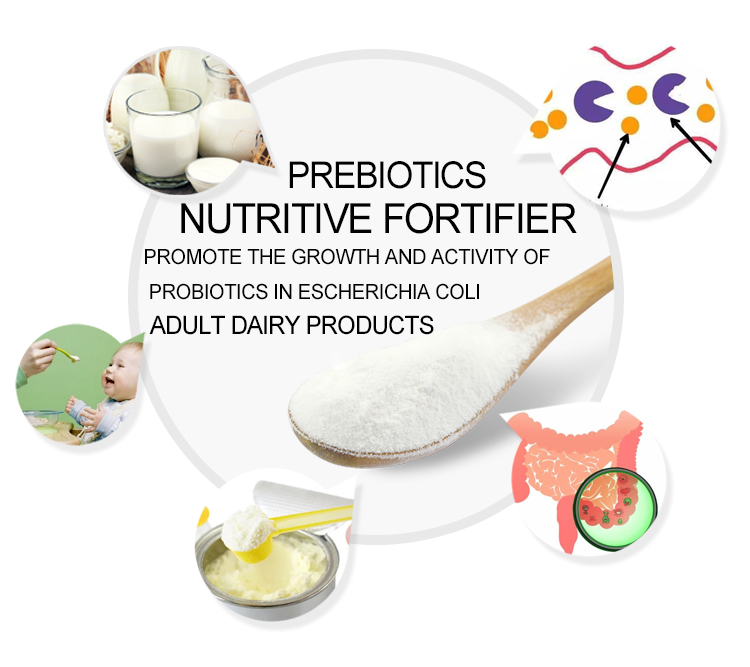
In the functional food sector, nervonic acid is expected to become a core nutritional fortifier. With the continuous improvement of people’s health awareness, the demand for functional foods continues to rise. Products rich in nervonic acid, such as milk powder, nutritional supplements, and functional beverages, will continue to emerge, providing personalized nutritional support for people of different ages and with different health needs. For students, learning aids fortified with nervonic acid can help them maintain good cognitive function and improve learning efficiency under high-intensity academic pressure. For middle-aged and elderly people, nervonic acid-fortified foods can help prevent and improve cognitive decline and enhance quality of life.

Nervonic acid will also play an important role in the pharmaceutical intermediate field. It can serve as a key raw material for synthesizing novel neuropharmaceuticals, providing new treatment strategies for neurodegenerative diseases, brain injury, and mental illnesses. Through rational combination with other drug components, nervonic acid holds promise for developing compound drugs with more significant efficacy and fewer side effects, bringing new hope to patients. Combined with the concept of precision medicine, the application of nervonic acid will become more personalized in the future. Doctors can develop precise nervonic acid supplementation plans based on factors such as the patient’s genetic testing results, health status, and disease stage, achieving a “one-size-fits-all” approach to maximize the therapeutic and health-promoting effects of nervonic acid. Nervonic acid can also be combined with lifestyle interventions such as cognitive training, aerobic exercise, and psychological intervention to form a multi-dimensional brain health management system. Cognitive training stimulates the activity of brain nerve cells and strengthens neural connections; aerobic exercise promotes blood circulation, delivering more oxygen and nutrients to the brain; and psychological intervention helps alleviate stress, anxiety, and other negative emotions, improving the brain’s internal environment. These interventions, working synergistically with nervonic acid, comprehensively protect brain health, effectively prevent and treat various brain-related diseases, and help people lead healthier and more intelligent lives.

A Rational Perspective on the “Breakthrough” Value of Nervonic Acid

Nervonic acid, a significant discovery at the intersection of neuroscience and nutrition, provides a new target for maintaining cognitive function. Its value lies not only in the efficacy of a single component but also in promoting the development of an integrated brain health strategy encompassing prevention, repair, and regeneration. From a basic research perspective, the mechanism of action of nervonic acid in the construction and repair of neural structures is clear, demonstrating good effects in cell and animal experiments. Clinical practice has also preliminarily confirmed its positive effects on cognitive improvement in specific populations, such as patients with mild cognitive impairment.

Through a combination of scientific intake and health management, nervonic acid is expected to become a key nutritional support for safeguarding human cognitive function. In daily life, a reasonable combination of natural foods rich in nervonic acid, such as plant-based oils like Acer truncatum seed oil and garlic fruit oil, can provide basic protection for brain health. For specific populations, precise supplementation with nervonic acid preparations under professional guidance can meet their individualized nutritional needs.

However, its application still needs to adhere to the principles of evidence-based medicine, avoiding overestimation or indiscriminate supplementation. Despite the promising prospects of nervonic acid, current research still has limitations, such as small sample sizes and short research periods. In the future, more high-quality, large-sample, and long-term follow-up studies are needed to further clarify the optimal application of nervonic acid in different populations and under different health conditions, so that nervonic acid can better benefit human brain health on a scientific track.

Nervonic Acid: The Essential Fatty Acid for Brain and Nerve Health Supplements

Nervonic acid occupies a unique and crucial position in the human body’s nutritional needs. Nervonic acid, scientifically known as 24-carbon-cis-15-enoic acid, is a long-chain monounsaturated fatty acid. This unique molecular structure endows nervonic acid with extraordinary physiological functions. As a key component of cerebrosides and myelin sheaths, it directly participates in the fundamental physiological processes of nerve cell membrane structure construction and nerve signal transmission. Nervonic cell membranes act as a “protective barrier” and “communication base station” for nerve cells, and nervonic acid is the core material for building this important structure, ensuring good fluidity and stability of the cell membrane and maintaining the normal morphology and function of nerve cells. Myelin sheaths act as an “insulating layer” surrounding nerve fibers, greatly accelerating the transmission speed of nerve signals and ensuring the efficient transmission of nerve commands. Nervonic acid is abundant in myelin sheaths and is an indispensable component.

Unfortunately, the human body’s ability to synthesize nervonic acid is extremely limited. With age, increased life stress, and the influence of external environmental factors, the body’s nervonic acid content gradually decreases, making it difficult to meet the needs of normal nerve tissue function. This is similar to how car parts gradually wear out, but the car cannot produce new parts to replace them on its own. Therefore, it must rely on exogenous intake to supplement them in order to maintain the health of nerve tissue. During critical periods of nerve tissue development, such as infancy, an adequate supply of nervonic acid is essential for the normal development of the brain and nervous system, directly affecting a child’s future cognitive, language, and motor abilities. When nerve tissue is damaged, such as in cases of stroke or traumatic brain injury, nervonic acid provides a crucial material basis for the repair of damaged nerves, promoting nerve fiber regeneration and functional recovery. In maintaining daily brain function, nervonic acid continuously plays a role, ensuring normal brain functions such as thinking, memory, and emotional regulation, slowing down the brain aging process, and preventing various neurological diseases.

Natural Sources and Extraction Evolution

The exploration of nervonic acid sources has gone through several stages. Early on, nervonic acid was mainly extracted from shark brains or shark oil. Since sharks are apex predators in the ocean, their brain tissue and oil contain relatively abundant nervonic acid. However, this method of acquisition faces serious challenges. On the one hand, the process of obtaining nervonic acid from sharks is technically challenging and extremely costly, causing the price of nervonic acid to soar to over $100,000 per kilogram. This undoubtedly greatly limits its commercial application and widespread use. On the other hand, with increasing awareness of marine ecological protection, sharks are strictly protected by the United Nations and many countries, and the large-scale hunting of sharks to obtain nervonic acid has been abandoned by the international community.

Under the dual pressures of environmental protection and cost, scientists have turned their attention to plant sources. Acer truncatum seed oil has emerged as one of the important plant sources for obtaining nervonic acid. The dried seeds of Acer truncatum have a high oil content, reaching 46.6%, of which a considerable amount (5.8%) is nervonic acid. It is also rich in vitamin E, making it a high-quality potential source of natural nervonic acid and vitamin E. Xanthoceras sorbifolium oil is also a good source of nervonic acid; the oil extracted from its fruit contains a certain amount of nervonic acid, thus securing a place in the supply of nervonic acid. Deep-sea fish, such as salmon and tuna, accumulate nervonic acid in their bodies due to their unique marine food chain and physiological characteristics. Nuts like walnuts and algae also contain varying levels of nervonic acid, providing diverse options for people to supplement their daily diet.

With continuous technological advancements, the extraction process of nervonic acid is constantly being innovated. Modern processes employ low-temperature extraction technology, utilizing the difference in solubility of nervonic acid and other impurities in specific solvents under low-temperature conditions to achieve efficient separation and extraction of nervonic acid, maximizing the preservation of its bioactivity and avoiding damage to its structure and function at high temperatures. Biosynthesis technology, through microbial fermentation or genetic engineering, utilizes microbial metabolic pathways to synthesize nervonic acid. This method has advantages such as high sustainability and environmental friendliness, providing new possibilities for the large-scale production of nervonic acid. These advanced extraction and production processes ensure that nervonic acid supplements possess high purity and safety, meeting consumer demand for high-quality nervonic acid products and promoting the widespread application of nervonic acid in the field of nutritional health care.


Core Efficacy: Multi-dimensional Empowerment of Nerve and Body Health

(I) Promoting Nerve Development and Repair/Regeneration

1. Protection of Nerve Structure: Nervonic acid plays a crucial role in the repair of myelin sheaths and the regeneration of axons in nerve fibers. The myelin sheath is a lipid membrane that wraps around nerve fibers, much like the insulating outer layer of an electrical wire, playing a key role in the rapid and accurate transmission of nerve signals. When nerve fibers are damaged, such as in cases of brain nerve damage caused by stroke, the myelin sheath will be lost to varying degrees, leading to obstruction of nerve signal transmission. Patients may experience motor disorders, such as limb weakness and incoordination, or speech disorders, manifesting as difficulty in speech expression and decreased comprehension. Nervonic acid can provide key raw materials for myelin sheath repair, promoting the proliferation and differentiation of oligodendrocyte precursors (OPCs) into mature oligodendrocytes. These cells will re-wrap axons, forming new myelin sheath structures, restoring the insulating properties of nerve fibers, and ensuring the unobstructed flow of nerve signal transmission pathways. Clinical studies have shown that in the rehabilitation treatment of stroke patients, a comprehensive intervention program combining nervonic acid supplementation results in more significant improvements in motor and language function compared to the rehabilitation training group alone.

In diabetic peripheral neuropathy, the hyperglycemic environment damages nerve fibers, often causing numbness and tingling in the hands and feet, a sensation akin to wearing gloves and socks. Nervonic acid can activate relevant cellular pathways, promote myelin regeneration, enhance the nerve fiber’s resistance to damage, alleviate numbness and tingling symptoms, and improve the patient’s quality of life.

2. Support for Childhood Brain Development: As a natural component of breast milk, nervonic acid plays an indispensable role in the critical stages of infant brain development. During infancy, the brain is in a state of rapid development, with neurons constantly growing and differentiating. Numerous synaptic connections need to be established between neurons to form complex neural networks, while myelin sheaths are gradually forming and maturing. Nervonic acid provides the necessary material basis for this series of physiological processes. It promotes the growth of neuronal synapses, making signal transmission between neurons more efficient, and helps improve infants’ learning abilities and memory. Studies tracking infants supplemented with nervonic acid have shown that their development in language expression and cognitive comprehension is significantly better than that of the non-supplemented group, exhibiting earlier speech development and stronger cognitive and exploratory abilities.

For premature infants or children with developmental delays, they may not have received sufficient nervonic acid and other nutrients in the womb, leading to relatively delayed brain development. Nervonic acid supplementation can serve as an effective nutritional intervention to help their brain development catch up with normal levels. Under the guidance of a professional doctor or nutritionist, appropriate nervonic acid supplementation can promote neuronal growth and myelin formation in these children, improve their reaction speed and learning ability, and lay a good foundation for future growth and learning.

(II) Improving Cognitive Function and Delaying Neurodegenerative Diseases

1. Anti-brain aging: As we age, the brain gradually ages, and the function of nerve cells begins to decline. Abnormal deposition of β-amyloid protein is an important pathological feature in the development of neurodegenerative diseases such as Alzheimer’s disease. Nervonic acid, with its unique molecular structure, can penetrate the blood-brain barrier and enter brain tissue to exert its effects. It can inhibit the aggregation and deposition of β-amyloid protein, reducing its toxic damage to neurons, thereby slowing the rate of cognitive decline in early-stage Alzheimer’s disease patients. Some studies on patients with mild cognitive impairment have found that after a period of nervonic acid supplementation, patients’ cognitive indicators such as memory, attention, and executive function improved to some extent, and their daily living abilities also improved.

Parkinson’s disease is mainly caused by damage to dopaminergic neurons in the brain, leading to a decrease in dopamine secretion. Patients experience symptoms such as tremor and rigidity, which severely affect their quality of life. Nervonic acid can regulate the function of dopaminergic neurons, promote the synthesis and release of dopamine, maintain normal neuronal activity, and alleviate the tremor and rigidity symptoms in Parkinson’s disease patients. Although nervonic acid cannot completely cure Parkinson’s disease, as an adjunct therapy, when used in combination with conventional drugs, it can improve treatment effectiveness to some extent and improve the patient’s quality of life.

2. Brainpower Enhancement: For students, office workers, and other mental laborers, the brain needs to maintain high efficiency at all times. Nervonic acid enhances the fluidity of brain cell membranes, making them more flexible and facilitating the transmission of neurotransmitters between cells. When neurotransmitters such as acetylcholine and dopamine can transmit signals smoothly, the brain’s attention, mental agility, and information processing capabilities are significantly improved. During study and work, a sufficient supply of nervonic acid allows students to concentrate better on listening and understanding knowledge, improving learning efficiency; it also helps working professionals quickly clarify their thoughts and efficiently complete complex tasks. Studies have shown that students who supplement with nervonic acid during exam preparation perform significantly better than those who do not supplement, demonstrating superior performance in memorizing vocabulary, formulas, and solving complex problems, thus better coping with high-intensity study pressure.

(III) Regulating Metabolism, Protecting Both Cardiovascular and Brain Health

1. Blood Lipid Management: Nervonic acid plays a positive regulatory role in blood lipid metabolism. It can inhibit cholesterol synthesis in the liver, reducing the endogenous production of cholesterol. Simultaneously, nervonic acid can promote the breakdown and metabolism of low-density lipoprotein (LDL, commonly known as “bad cholesterol”) in the blood, clearing it from the blood and reducing LDL levels. Triglycerides are an important component of blood lipids, and excessively high triglyceride levels increase the risk of cardiovascular disease. Nervonic acid reduces the synthesis and accumulation of triglycerides in the body by regulating the activity of enzymes related to lipid metabolism, thereby lowering blood triglyceride levels. Long-term supplementation with nervonic acid can effectively improve abnormal blood lipid conditions and reduce the risk of atherosclerosis. Atherosclerosis is an important pathological basis for cardiovascular and cerebrovascular diseases. When atherosclerotic plaques form on the blood vessel walls, it can lead to narrowing and blockage of blood vessels, causing serious diseases such as coronary heart disease and stroke. Through the regulatory effect of nervonic acid on blood lipids, the formation of atherosclerotic plaques can be reduced, protecting cardiovascular and cerebrovascular health.

2. Vascular Protection: The protective effect of nervonic acid on vascular health is manifested in multiple aspects. It can improve blood microcirculation, making blood flow more smoothly in blood vessels and providing sufficient oxygen and nutrients to tissues and organs. Vascular endothelial cells are a layer of cells lining the inner wall of blood vessels, and their health directly affects vascular function. Nervonic acid can delay damage to vascular endothelial cells, enhance their function, and enable them to normally secrete vasoactive substances such as nitric oxide, maintaining vasodilation and vasoconstriction, and preventing vasospasm and hardening. In clinical practice, for some patients with cardiovascular and cerebrovascular diseases and dyslipidemia, supplementing with nervonic acid in addition to lipid-lowering drugs can better control blood lipid levels, improve vascular endothelial function, reduce the risk of cardiovascular events, strengthen the overall health of the cardiovascular and cerebrovascular systems, and provide stronger protection for patients’ quality of life and health.

Target Population: Scientific Basis for Precise Supplementation

(I) Critical Development Period Population

1. Children and Adolescents: During childhood and adolescence, the brain and nervous system are in a rapid growth and development stage, making an adequate supply of nervonic acid crucial. Nervonic acid promotes the formation and strengthening of synaptic connections in the brain, much like building a city’s transportation network, making “communication” between neurons more efficient and frequent, laying a solid foundation for improved cognitive abilities. It also actively participates in the myelination process. Myelin acts like a high-speed “information channel” surrounding nerve fibers; the higher the degree of myelination, the faster the nerve signal transmission speed, and the stronger the child’s learning and reaction abilities. Numerous clinical studies have shown that children and adolescents who appropriately supplement their daily diet with nervonic acid often perform better in intelligence tests, academic performance, and concentration. For example, some studies on primary school students have found that after supplementing with nervonic acid, students showed significant improvement in subjects such as mathematical calculations and reading comprehension, with increased problem-solving speed and accuracy. DHA (docosahexaenoic acid) and EPA (eicosapentaenoic acid) are also fatty acids beneficial to brain development. DHA is an important component of the retina and brain, helping to improve vision and brain function; EPA indirectly supports brain health in areas such as regulating blood lipids and anti-inflammation. Nervonic acid, supplemented synergistically with DHA and EPA, provides comprehensive nutrition for brain development from different angles, mutually promoting absorption and utilization, further enhancing the promoting effect on brain development, like equipping the brain with a comprehensive nutritional “escort fleet.”

2. Pregnant and lactating women: Pregnant and lactating women are another group with an urgent need for nervonic acid. During pregnancy, the fetal brain and nervous system begin to develop rapidly. Nervonic acid, as an essential nutrient for fetal neural development, is obtained from the mother through the placenta. An adequate supply of nervonic acid can reduce the risk of birth defects, such as neural tube defects, while providing crucial support for the proliferation, differentiation, and migration of fetal brain neurons, contributing to the normal development of fetal brain structure and function. During lactation, the nervonic acid ingested by the mother is passed to the infant through breast milk, continuing to provide nutritional support for the infant’s neural development. Studies have tracked infants born to mothers who supplemented with nervonic acid during pregnancy and lactation, finding that these infants exhibited superior developmental levels in early postnatal development, including gross motor skills, fine motor skills, language, and cognition. However, pregnant and lactating women must supplement with nervonic acid under the strict guidance of a doctor, as improper dosage may have potential impacts on maternal and infant health. Doctors will comprehensively assess the pregnant woman’s individual circumstances, such as weight, nutritional status, and medical history, to provide a scientifically reasonable supplementation dosage, ensuring the safety of both mother and infant while maximizing the promoting effect of nervonic acid on fetal and infant neural development.

(II) Age-Related Decline Groups

1. Middle-aged and Elderly Groups: With increasing age, middle-aged and elderly individuals inevitably face the problem of nervonic acid loss. From a physiological perspective, as age increases, the body’s ability to synthesize nervonic acid gradually weakens, while the metabolic and repair capabilities of nerve cells also decline, leading to a continuous decrease in nervonic acid levels. This change triggers a series of symptoms related to brain aging, such as memory loss and cognitive confusion, severely impacting the quality of life for middle-aged and elderly individuals. Nervonic acid supplementation can effectively address this natural aging process. Nervonic acid provides essential nutritional support to brain nerve cells, enhancing their activity and stability, and slowing down their aging and apoptosis. Long-term nervonic acid supplementation can significantly reduce the incidence of Alzheimer’s disease and vascular dementia. A long-term follow-up study of middle-aged and elderly people in the community found that those who consistently supplemented with nervonic acid had a 30% lower risk of developing Alzheimer’s disease compared to those who did not supplement, scored significantly higher on cognitive function tests, and maintained better self-care and social abilities.

2. High-intensity brain users: Teachers, programmers, students preparing for exams, and other high-intensity brain users whose brains are constantly under high stress and fatigue. For example, teachers not only prepare and deliver lessons daily but also deal with various student questions and teaching pressures, keeping their brains constantly active. Programmers need to concentrate on coding and logical thinking for long periods, resulting in significant brain strain. Students preparing for exams face pressure to get into better schools, leading to prolonged study and excessive mental workload. Under such intense mental exertion, nervonic acid supplementation is particularly important. Nervonic acid can relieve brain fatigue by regulating the synthesis and release of neurotransmitters, allowing the brain to fully relax and recover after strenuous work. Simultaneously, nervonic acid can improve work and study efficiency, enhance the brain’s information processing capacity and memory, enabling these individuals to better cope with complex work and study tasks. For those in this state long-term, continuous nervonic acid supplementation can prevent the decline in neurological function caused by prolonged mental exertion, avoiding problems such as memory loss and difficulty concentrating, maintaining good neurological function, and providing strong support for long-term high-intensity work and study.

(III) Adjunctive Treatment for Neurological Disorders

1. Patients in the Rehabilitation Period of Stroke and Traumatic Brain Injury: For patients in the rehabilitation period of stroke and traumatic brain injury, nervonic acid plays a crucial role in their recovery. Stroke can cause rupture or blockage of blood vessels in the brain, resulting in local brain tissue ischemia, hypoxia, and necrosis, leading to impaired neurological function. Patients often experience limb motor disorders, such as hemiplegia and limb weakness, as well as speech disorders, manifesting as aphasia and slurred speech. Traumatic brain injury is caused by external force applied to the head, resulting in brain tissue damage and similar neurological dysfunction. During the rehabilitation period, nervonic acid, combined with rehabilitation training, can accelerate the recovery of neurological function. It provides the necessary material basis for the regeneration of damaged nerve fibers, promotes the repair and reconstruction of myelin sheaths, and enables nerve signals to be transmitted smoothly again. Clinical practice shows that patients who supplement with nervonic acid while receiving rehabilitation training experience faster recovery of limb coordination; previously stiff and inflexible limbs gradually become more flexible, and their language expression ability is significantly improved, enabling them to express their thoughts and needs more clearly, thus improving their self-care ability and confidence in reintegrating into society.

2. Patients with Parkinson’s disease and multiple sclerosis: Parkinson’s disease is mainly caused by the degeneration and death of dopaminergic neurons in the substantia nigra of the brain, leading to a decrease in dopamine secretion, resulting in symptoms such as tremor, rigidity, and bradykinesia. Multiple sclerosis is an autoimmune disease that attacks the myelin sheath of the central nervous system, causing nerve function impairment, resulting in symptoms such as decreased vision, limb numbness, and difficulty walking. For these two types of patients, nervonic acid can serve as an important nutritional support for drug treatment. It can regulate the function of dopaminergic neurons, promote the synthesis and release of dopamine, alleviate tremor and rigidity symptoms in Parkinson’s disease patients, and improve their motor function and quality of life. In patients with multiple sclerosis, nervonic acid helps promote myelin regeneration, reduce neuroinflammation, and slow disease progression. However, it should be noted that as a nutritional support, nervonic acid needs to be supplemented continuously for 3-6 months to show significant effects. This is because the repair and regeneration of nerve cells is a relatively slow process that requires continuous nutritional supply and time accumulation to achieve gradual improvement in nerve function, providing strong support for the patient’s long-term treatment and quality of life improvement.

Supplementation Sources: A Treasure Trove of Nervonic Acids in Our Daily Diet

1. Deep-Sea Fish: Salmon, cod, and sardines are veritable “concentrated treasure troves” of nervonic acid and Omega-3 fatty acids. Salmon has tender flesh, is rich in high-quality protein, and is also high in nervonic acid and Omega-3 fatty acids. These nutrients can reduce inflammation and damage to nerve tissue, which is crucial for maintaining the health of the brain and nervous system. Cod is also an excellent source of nervonic acid; it is low in fat, easily digested and absorbed, and very suitable for people of all ages. Sardines, though small in size, contain a great deal of nutritional energy. Their rich nervonic acid and Omega-3 fatty acids can promote blood circulation in the brain, providing the brain with sufficient oxygen and nutrients, and enhancing brain activity. Nutrition experts recommend eating deep-sea fish 2-3 times a week, 100-150 grams each time, as an ideal intake. Steamed salmon retains its original flavor and nutrients to the maximum extent; pan-fried cod is crispy on the outside and tender on the inside, with a delicious taste; canned sardines are convenient and quick, providing a readily available source of nutrition. These cooking methods are simple and easy to do, allowing people to easily obtain nutrients such as nervonic acid while enjoying delicious food, thus protecting the health of the brain and nervous system.

2. Nuts and Seeds: Walnuts, almonds, pumpkin seeds, and other nuts and seeds are natural sources of nervonic acid. Walnuts, with their unique shape, are considered a “symbol of the brain,” rich in unsaturated fatty acids, protein, and vitamin E, and also contain a considerable amount of nervonic acid. It can enhance memory and improve brain function, like injecting a source of vitality into the brain. Almonds are rich in protein, vitamins, and minerals, and their nervonic acid content helps regulate the balance of neurotransmitters, relieving anxiety and stress, allowing people to maintain a relaxed and happy mood in their busy lives. Pumpkin seeds are rich in trace elements such as zinc and magnesium, which work synergistically with nervonic acid to enhance nerve cell activity, promote nerve signal transmission, and improve the body’s reaction speed and sensitivity. To improve the absorption efficiency of fat-soluble nutrients, it is recommended to consume nuts and seeds with olive oil or flaxseed oil. For example, when making vegetable salads, adding appropriate amounts of walnuts and almonds, and drizzling with olive oil, not only makes them delicious but also allows for better absorption of nutrients. Crushing pumpkin seeds and adding them to cold dishes made with flaxseed oil not only enriches the flavor but also promotes nutrient absorption, providing the body with sufficient nervonic acid to support brain and nervous system health.

3. Plant Oils and Special Ingredients: Acer truncatum seed oil and Xanthoceras sorbifolium oil, as representatives of high-concentration plant-derived nervonic acid, have unique nutritional value. Acer truncatum seed oil is extracted from the seeds of the Acer truncatum tree and has a high nervonic acid content, reaching approximately 5%-6%. It can be eaten directly or used in cold dishes or low-temperature cooking. For example, adding a few drops of Acer truncatum seed oil when making cold vegetable dishes adds a unique flavor and replenishes nervonic acid. Using Acer truncatum seed oil when frying eggs or tofu at low temperatures adds rich nutrition to the dish without destroying its nutrients. Xanthoceras sorbifolium oil is also rich in nervonic acid; the oil extracted from its fruit is golden and clear, emitting a unique aroma, and can be used in daily cooking, bringing health and deliciousness to the family table. Blueberries are rich in antioxidants, such as anthocyanins. These antioxidants can eliminate free radicals in the body, reduce the damage of oxidative stress to nerve cells, and indirectly support nerve health, like putting a “protective armor” on nerve cells. Black fungus contains abundant dietary fiber and polysaccharides, which have anticoagulant and lipid-lowering effects, improving blood circulation, providing good blood supply to nerve tissue, and maintaining the normal function of nerve tissue. In daily diet, these special ingredients can be properly combined. For example, making blueberry yogurt by mixing fresh blueberries with yogurt allows you to enjoy a sweet and sour taste while also getting the nutrition from both blueberries and yogurt, which is very beneficial to nerve health. Stir-fried wood ear mushrooms with meat is a nutritious home-style dish. The crispness of the wood ear mushrooms and the tenderness of the meat combine to provide the body with a variety of nutrients, which work together to protect nerve health.

Spermidine: The Natural Compound That Supports Autophagy and Boosts Longevity

Spermidine is a naturally occurring polyamine compound with the chemical formula C₇H₁₉N₃, produced by the metabolism of putrescine and S-adenosylmethionine. Structurally, it resembles a meticulously constructed chemical chain, with three amino groups arranged in an orderly fashion on the carbon chain, giving spermidine its unique biological activity. This structural characteristic allows it to act like a series of delicate keys, precisely inserting into the “keyholes” of various biochemical reactions within cells, participating in key life processes such as nucleic acid and protein synthesis, and cellular homeostasis regulation. At room temperature, spermidine is a colorless liquid, as clear and transparent as pure water, but it has strong hygroscopic properties, acting like a moisture-loving sponge, rapidly absorbing moisture from the surrounding air upon exposure. In terms of solubility, it is like a “universal solvent friend,” readily dissolving in water and freely dispersing in ethanol and ether. This excellent solubility facilitates its transport and function within organisms.

Widespread Imprints of Life

Spermidine is widely distributed in nature, forming an invisible network that tightly connects numerous organisms. In the plant world, oats, tomatoes, and soybeans are all “habitats” for spermidine. It exists in a free state, freely moving within plant cells, or combines with fatty acids to form stable complexes, silently protecting the plant’s growth and development. Take oats, for example; spermidine plays a crucial role in its growth process, consistently participating in energy supply during seed germination, cell division and differentiation during seedling growth, and nutrient accumulation during maturity, providing a solid guarantee for the robust growth of oats.

In animals, spermidine also exhibits unique distribution characteristics. The heart, as the “engine” of life, beats constantly to maintain bodily functions. It is rich in spermidine, acting like a loyal “guardian,” protecting the heart’s normal function and ensuring its rhythmic contraction and relaxation, delivering sufficient blood to the entire body. In reproductive cells, sperm and eggs also contain abundant spermidine, which plays a crucial role in the maturation of reproductive cells, fertilization, and early embryonic development, acting like a “mysterious key” to unlocking the journey of new life. Furthermore, spermidine can be found in some fermented foods, such as cheese and miso. These fermented foods produce spermidine under the action of microorganisms, adding not only unique flavor but also certain health benefits.

Scientists, through in-depth research on human dietary intake, have discovered a close link between spermidine and human health. When the level of spermidine ingested by the human body is low, the risk of cardiovascular disease increases significantly. Diseases such as heart disease and stroke, which seriously threaten human health, seem to be intricately linked to spermidine deficiency. This discovery is like a beacon in the darkness, drawing greater attention to the important role of spermidine in maintaining human health and pointing the way for further in-depth research into the physiological functions and mechanisms of action of spermidine.

Spermine Activates Autophagy: The Molecular Mechanism of the Cellular “Scavenger”

(I) The Core Regulatory Network of the Autophagy Pathway

In the microscopic world of the cell, autophagy acts like a diligent “scavenger,” constantly maintaining the cleanliness and stability of the intracellular environment. Spermine, as a powerful activator of autophagy, operates through a complex and sophisticated molecular mechanism.

Spermine’s activation of autophagy is primarily manifested in its inhibition of mTOR phosphorylation. mTOR, the “mammary target of rapamycin,” is a key “brake” in the autophagy pathway. When cells are well-nourished and energetic, mTOR acts like a highly phosphorylated “commander,” effectively inhibiting the initiation of autophagy, as if telling the cell, “Supplies are plentiful; no need to clear inventory.” However, the arrival of spermine acts like a “de-stressing” operation on this “commander.” Spermine cleverly induces mTOR dephosphorylation, significantly reducing its activity. Once mTOR activity is inhibited, its binding to the ULK1/2-Atg13 complex is released. Like a rope being untied, the ULK1/2-Atg13 complex is instantly activated, initiating a crucial step in autophagy formation and setting the stage for a major cellular cleanup.

Besides regulating mTOR, spermidine also plays a vital role in histone modification. Histones, the tightly wound “spools” of DNA, directly influence gene expression through their modification status. Spermine acts like a magical “modification master,” positively altering the expression of autophagy-related genes by inhibiting the activity of the acetyltransferase EP300. EP300 acts as an “acetylation messenger,” promoting acetylation modifications in autophagy-related genes such as Atg5 and Atg7. This modification often reduces the transcriptional activity of these genes, acting like a “lock” on gene expression. The presence of spermidine successfully inhibited EP300 activity, allowing autophagy-related genes to deacetylate. Deacetylated genes act like an “open door” to expression, significantly enhancing transcriptional activity and providing ample “raw materials” for autophagosome formation.

Simidine also plays a crucial role in accelerating HDAC4 nuclear translocation. HDAC4, histone deacetylases 4, plays a vital role in regulating autophagy by shuttling between the cytoplasm and nucleus. When intracellular spermidine levels rise, it acts as a “navigator,” guiding HDAC4 rapidly into the nucleus. As the amount of HDAC4 translocated into the nucleus increases, the amount of HDAC4 in the cytoplasm decreases accordingly. This seemingly small change triggers an unexpected chain reaction. The decrease in cytoplasmic HDAC4 significantly weakens its degradation of microtubule-associated protein 1S (MAP1S). MAP1S, a key component in the autophagy process, acts as a crucial “part” in the construction of autophagosomes. Its enhanced stability provides a solid guarantee for the successful formation of autophagosomes.

On the “stage” of cellular energy metabolism, the activation of the AMPK-FoxO3 pathway is another key “plot” in spermidine-activated autophagy. AMPK, an “adenosine monophosphate-activated protein kinase,” is like a “sensitive sensor” of cellular energy status. When cells face energy deprivation, such as starvation or hypoxia, AMPK is rapidly activated, as if a “start button” has been pressed. The addition of spermidine further enhances AMPK’s activation, like “adding fuel to the fire.” Activated AMPK quickly transmits signals to the FoxO3 transcription factor. FoxO3 acts like a “gene expression commander,” rapidly entering the nucleus under the guidance of AMPK and binding tightly to the promoter regions of autophagy-related genes, thereby inducing their expression. This series of signal transduction processes resembles a precise relay race, forming a complete “energy stress – autophagy initiation” regulatory loop from cellular energy sensing to the initiation of autophagy-related gene expression. In this loop, spermidine acts as a key “catalyst,” ensuring that autophagy can be initiated promptly when cellular energy is insufficient, providing crucial support for cellular survival and stability.

(II) Precise Mechanism of Targeted Removal of Damaged Components

In the microscopic world of the cell, spermidine not only activates the autophagy pathway but also possesses a remarkable ability—precisely targeting and removing damaged cellular components. Like a super cleaner with “eagle eyes,” it can quickly identify and clean up “waste” within the cell.

The key to this precise removal mechanism lies in spermidine’s enhanced efficiency in ubiquitination labeling. Ubiquitination is like attaching a “discard label” to damaged proteins and organelles, allowing them to be precisely recognized by autophagosomes. The presence of spermidine acts like pressing the “accelerator button” for this “labeling” process. When damaged organelles such as mitochondria and endoplasmic reticulum appear within a cell, spermidine rapidly activates, promoting the activity of related enzymes and enabling ubiquitin molecules to bind more quickly and accurately to the surface of the damaged organelles. This is like giving these damaged organelles a conspicuous “warning coat,” allowing autophagosomes to easily spot them in the vast cellular environment.

Mitophytaphagy is a classic example of spermidine’s precise clearance mechanism. Mitochondria, as the cell’s “energy factory,” play a crucial role in providing energy to the cell. However, when mitochondria are damaged, such as by oxidative stress, toxins, or age-related functional decline, they become “time bombs” within the cell, not only failing to provide energy but also potentially releasing harmful substances that threaten cellular survival. At this point, spermidine steps in, acting as a “mitochondrial savior.”

Under normal circumstances, the PINK1 protein resides quietly within the inner membrane of the mitochondria, like a dormant “guardian.” However, when mitochondria are damaged, the mitochondrial membrane potential changes, a signal that acts like a loud alarm, activating PINK1. PINK1 is rapidly activated and recruits Parkin protein. Parkin protein, like a well-trained “carrier,” quickly aggregates on the surface of the damaged mitochondria under the direction of PINK1. The addition of spermidine acts as a powerful boost to this recruitment and aggregation process, enabling PINK1/Parkin protein to be recruited to the damaged mitochondrial membrane more quickly and efficiently.

Once PINK1/Parkin protein successfully aggregates, they begin a series of “operations.” Parkin protein undergoes ubiquitination modification, attaching more and denser “discard tags” to the damaged mitochondria, further enhancing the autophagosome’s ability to recognize them. Subsequently, the autophagosome acts like a giant “package,” tightly encasing the damaged mitochondria. This encapsulation process is like carefully packing a precious item, ensuring that the damaged mitochondria do not cause further damage to the surrounding cellular structures.

Finally, the autophagosome encapsulating the damaged mitochondria successfully fuses with the lysosome. Lysosomes, like the “digestive factories” within cells, possess a variety of powerful hydrolytic enzymes. When autophagosomes fuse with lysosomes, these enzymes rapidly function to thoroughly break down and digest damaged mitochondria, converting them into smaller molecules. These smaller molecules can then be reused by the cell, participating in cellular metabolism, thus achieving true “mitochondrial quality control.” Through this series of precise and orderly processes, spermidine successfully maintains cellular energy homeostasis, ensuring normal cell function and providing a solid guarantee for cellular health and survival.


Lifespan Extension Effect: Scientific Evidence from Model Organisms to Human Health

(I) The Longevity Code Across Species

The lifespan extension effect of spermidine acts like a magical “key,” unlocking the door to longevity across species and leaving a significant mark on research in numerous model organisms.

In the microscopic world of yeast, spermidine exhibits an astonishing ability to extend lifespan. Researchers, through carefully designed experiments, discovered that when yeast is given appropriate amounts of spermidine, its lifespan can be extended by up to 400%! This result is like pressing the “slow-motion” button on the yeast’s life journey, significantly extending its survival time. Delving into the underlying mechanism, we found that spermidine acts like a diligent “cellular scavenger,” effectively clearing abnormal protein aggregates accumulated within yeast cells by activating autophagy. These abnormal protein aggregates are like “waste” within the cell; if not cleared in time, they gradually accumulate, affecting normal cell function and even leading to cell death. The presence of spermidine successfully initiates the cell’s “autophagy cleanup program,” allowing yeast cells to maintain a healthy state, thereby extending their lifespan.

Nematodes and fruit flies, as classic model organisms in biological research, also provide strong evidence for the life-extending effect of spermidine. Studies have shown that when nematodes and fruit flies ingest spermidine, their median lifespan is significantly extended, with an increase of 15%-30%. In this process, spermidine acts as a powerful “antioxidant guardian,” effectively inhibiting the damage of oxidative stress to cells. Oxidative stress, like an “invisible killer” of cells, constantly attacks various biomolecules within cells, such as DNA, proteins, and lipids, leading to cellular aging and death. The addition of spermidine successfully resists the attack of oxidative stress, allowing cells to remain young and vibrant. At the same time, spermidine also acts as a “cellular senescence inhibitor,” suppressing the process of cellular senescence, allowing the cells of nematodes and fruit flies to maintain good function, thereby extending their lifespan.

Mice, as representatives of mammals, share many similarities with humans in physiological structure and function. In studies on mice, spermidine has also shown a significant life-extending effect. When spermidine was used to intervene in middle-aged mice (800 days old, equivalent to middle age in humans), researchers were surprised to find that the mitochondrial function of the mouse heart was significantly improved. Mitochondria, as the cell’s “energy factories,” directly affect the cell’s energy supply and metabolic levels. Spermine acts like a powerful “vitality source” for mitochondria, enabling them to produce energy more efficiently and providing sufficient power for the normal functioning of the heart. Simultaneously, spermidine reduced the occurrence of age-related pathological phenotypes in mice, such as decreased inflammation levels and improved organ function. These positive changes ultimately extended the median lifespan of the mice by approximately 10%. This result indicates that spermidine also has a significant life-extending effect in mammals, providing important reference for our research on healthy aging in humans.

(II) Potential Links to Human Health

The potential links between spermidine and human health are like a mysterious treasure, attracting numerous scientists to continuously explore and excavate. Epidemiological studies, as an important means of exploring disease and health-related factors, have revealed the remarkable connection between spermidine and healthy aging in humans. Researchers, through surveys and analyses of large populations, discovered that centenarians had spermidine levels as high as 30.6% in their blood, compared to only 13.2%-14.1% in the general elderly population. This significant difference acts as a bright “health signal,” suggesting a positive correlation between spermidine and healthy aging. Centenarians, as exemplars of human health and longevity, may have higher levels of spermidine in their bodies as a key reason for their ability to maintain health and delay aging.

Although clinical trials of spermidine in humans are still in their early stages, the fruitful results from animal experiments have painted a promising picture. In animal studies, spermidine acts as a versatile “health guardian,” demonstrating multiple health benefits by improving autophagy function.

Regarding kidney protection, spermidine acts as a “kidney repair master,” effectively slowing the progression of renal fibrosis. Renal fibrosis is a common pathological feature of many late-stage kidney diseases, leading to the gradual loss of kidney function. Spermine acts like a powerful “repairing force” for damaged kidney cells. By activating autophagy, it clears damaged organelles and protein aggregates from kidney cells, reducing inflammation and effectively slowing the progression of renal fibrosis, thus protecting normal kidney function.

In the field of cardiovascular protection, spermine also performs exceptionally well. It acts like a “cardiovascular health maintainer,” increasing nitric oxide (NO) synthesis to maintain proper vasodilation, lowering blood pressure, and reducing the risk of cardiovascular disease. Simultaneously, spermine can reverse arterial endothelial aging, keeping arterial endothelial cells young and vibrant, maintaining the integrity and normal function of the vascular endothelium. This series of effects acts like a strong “defense line” for the cardiovascular system, effectively protecting the health of the heart and blood vessels.

In terms of neuroprotection, spermine acts like a “neuroprotective messenger,” inhibiting the deposition of β-amyloid protein (Aβ protein). Aβ protein deposition is a key pathological feature of neurodegenerative diseases such as Alzheimer’s disease, leading to neuronal death and cognitive decline. The presence of spermidine successfully inhibited the aggregation and deposition of Aβ protein, reducing damage to neurons, thus providing a new target and hope for the prevention and treatment of neurodegenerative diseases.


Dietary Sources and Supplementation Strategies: Safe Intake and Scientific Application

(I) “Longevity Treasures” in Natural Foods

Spermidine is widely found in various natural foods, like “longevity treasures” carefully hidden by nature, waiting to be discovered and explored. Among plant-based foods, wheat germ is a veritable “rich mine” of spermidine, containing approximately 100-200 mg of spermidine per 100 grams. This high content makes it an excellent choice for spermidine supplementation. Imagine making bread with whole wheat flour rich in wheat germ for breakfast; every bite provides you with precious spermidine, laying the foundation for a vibrant day. Walnuts and almonds, among nuts, are also good sources of spermidine. The rich nutritional value of walnuts is already well-known, and the spermidine they contain further enhances their health benefits. Walnuts contain a considerable amount of spermidine per 100 grams. Enjoying a few walnuts in your leisure time satisfies your cravings while also providing a spermidine boost. Almonds are similarly rich, containing approximately 15-30 mg of spermidine per 100 grams. These spermidines play a crucial role in almond seed germination and early growth, and now contribute to our health. Soybeans and chickpeas are also significant sources of spermidine. During soybean growth, spermidine participates in key physiological processes such as protein and nucleic acid synthesis during seed development, with approximately 50-100 mg of spermidine per 100 grams. Whether consuming soybeans directly or enjoying soy products like tofu and soy milk, we ingest a certain amount of spermidine. Shiitake mushrooms, a type of mushroom, contain 40-90 mg of spermidine per 100 grams. This delicious fruit, grown in the mountains, not only adds a unique flavor to our meals but also contributes to our health.

Among animal-derived foods, fermented dairy products hold a unique appeal. Blue cheese, with its distinctive texture and rich flavor, is impressive. It boasts a high spermidine content of 262 nmol/g per 100 grams, making it an excellent source of spermidine. Aged cheddar cheese is also noteworthy, containing 80-150 micrograms of spermidine per 100 grams. When enjoying these cheeses, don’t forget the health benefits they offer. Animal offal, such as liver and heart, is also rich in spermidine. For example, beef liver contains approximately 50-80 micrograms of spermidine per 100 grams. While some may not enjoy the texture of offal, its nutritional value is undeniable. Loach, a type of seafood, also contains a certain amount of spermidine, providing more options for obtaining spermidine from animal-derived foods.

Fermented foods play a significant role in the sources of spermidine. Sauerkraut, a vegetable product fermented with lactic acid bacteria, is not only refreshingly tangy but also rich in spermidine. During fermentation, the nutrients in the vegetables are broken down and transformed by microorganisms, and the spermidine content increases accordingly, with approximately 5-15 mg of spermidine per 100 grams of sauerkraut. Miso, a traditional Japanese fermented condiment, is rich in spermidine due to the metabolic activity of microorganisms during soybean fermentation. It is often used to make miso soup, and its rich umami flavor is enhanced by the health benefits of spermidine. Natto, another traditional Japanese food made from soybeans fermented with Bacillus subtilis, contains approximately 30-50 mg of spermidine per 100 grams. These fermented foods, through metabolism by intestinal flora, can further enhance the bioavailability of spermidine in the body, acting like an “accelerator” for its absorption and utilization, allowing it to better exert its positive health effects.

(II) Research and Challenges of Spermidine Supplements

As people gain a deeper understanding of the health benefits of spermidine, exogenous spermidine supplementation is gradually gaining public attention. Research results show that exogenous spermidine supplementation exhibits good safety. In mouse experiments, researchers intervened with spermidine supplementation in mice, and no significant toxic reactions were found, providing a certain safety basis for the application of spermidine in humans. Currently, clinical research is focusing on the effects of spermidine on cognitive function and metabolic syndrome, and these studies serve as guiding lights for our exploration of spermidine’s application in human health.

However, the application of spermidine supplements also faces some challenges. Regarding dosage optimization, the recommended intake for humans is not yet clearly defined, which is like groping in the dark without clear guidance. Although animal experiments have found an effective dose of 5-20 mg/kg/day, directly applying animal experimental doses to humans is not scientifically sound because humans and animals differ in physiological structure and metabolic pathways. Furthermore, the potential interactions between spermidine supplements and other drugs must be considered. For example, anticoagulants play a crucial role in inhibiting blood clotting in the human body. However, when spermidine is used concurrently with anticoagulants, it may interfere with the normal metabolic process of the anticoagulants, affecting their efficacy and potentially increasing the risk of adverse reactions such as bleeding. Therefore, it is essential to consult a doctor or pharmacist before using spermidine supplements to ensure safe use.

Regarding delivery systems, improving the bioavailability of spermidine and reducing gastrointestinal irritation are pressing issues. The emergence of nanocarriers offers new hope for solving this problem. Nanocarriers act like tiny “transport spacecraft,” precisely delivering spermidine to target cells, significantly improving its bioavailability. For instance, liposome encapsulation technology encapsulates spermidine within liposomes. Utilizing the similarity between liposomes and cell membranes, spermidine is more easily taken up by cells, thereby enhancing its efficacy in vivo. Enteric-coated formulations are also an effective delivery method. Through special coating technology, spermidine remains stable in the acidic environment of the stomach and is only released after entering the intestines. This not only reduces the irritation of spermidine to the gastrointestinal tract, but also ensures that spermidine is fully absorbed in the intestines, providing a strong guarantee for the safe and effective use of spermidine supplements.

Redefining the Science of Aging

The discovery of spermidine reveals the molecular logic behind how natural compounds slow aging by regulating autophagy networks. From cellular-level “waste removal” to overall lifespan extension, its cross-species effectiveness and relative safety open new avenues for anti-aging research. Despite the complexity of human aging regulation mechanisms, the story of spermidine proves that the secrets to longevity may lie hidden within these seemingly tiny natural molecules.

Why Spermidine Is the Key Ingredient for Cellular Health and Longevity Formulations

Spermine, a key member of the polyamine family, is a naturally occurring polyamine compound whose unique molecular structure makes it indispensable in life activities. It is derived from putrescine. In organisms, putrescine combines with the propylamine group provided by S-adenosylmethionine (SAM) through a specific enzymatic reaction to generate spermine, which is a precursor to spermine. All three are closely linked in the polyamine metabolic pathway. Spermine has the chemical formula C7H19N3, a relative molecular mass of 145.25, and contains two or more primary amino groups. This structure gives it a positive charge, allowing it to bind with many negatively charged biomolecules in organisms, such as nucleic acids and proteins, through electrostatic interactions.

Throughout the long course of biological evolution, spermine has been widely present in various organisms, from single-celled organisms to higher plants and animals, and is an important endogenous substance for maintaining normal cellular physiological functions. In the human body, spermine is distributed in various tissues and organs, participating in a variety of physiological processes. At the cellular level, spermidine is distributed in the nucleus, cytoplasm, and mitochondria. In the nucleus, spermidine binds tightly to DNA, neutralizing the negative charge on the DNA molecule and making its double helix structure more compact and stable. This acts like a “stabilizing scaffold” for the DNA molecule, protecting it from damaging factors such as ultraviolet radiation, oxidative stress, and chemicals, reducing gene mutations and chromosomal abnormalities, and ensuring the accuracy of genetic information transmission. In mitochondria, spermidine participates in maintaining normal mitochondrial function and plays a crucial role in cellular energy metabolism and apoptosis regulation.

Spermine is mainly obtained through three pathways: endogenous synthesis, intestinal microbial metabolism, and dietary intake. The human body can synthesize spermidine gradually through its own metabolic pathways, using arginine and S-adenosylmethionine as raw materials, under the catalysis of a series of enzymes such as arginine decarboxylase and ornithine decarboxylase. Meanwhile, the gut microbiota also participates in spermidine synthesis. Gut microorganisms utilize nutrients from food for metabolic activities, producing spermidine. This microbially synthesized spermidine can be absorbed and utilized by the body, becoming one of the important sources of spermidine in the body. In daily diets, wheat germ, mushrooms, beans, and fermented foods are all excellent dietary sources of spermidine. The spermidine content varies among different foods; for example, wheat germ is relatively rich in spermidine, possibly containing several milligrams per 100 grams. In some vegetables and fruits, the spermidine content is relatively low, but a long-term balanced diet can still provide the body with a certain amount of spermidine.

As we age, the body’s physiological functions gradually decline, and the level of spermidine in the body also gradually decreases. From adolescence to middle age, and then to old age, the level of spermidine in the body shows a clear decreasing trend. Studies have shown that spermidine levels in the tissues and blood of older adults are significantly lower than those in younger adults. This age-related decline in spermidine levels is considered a potential biomarker of age-related functional decline and is closely associated with the development of various age-related diseases, such as cardiovascular disease and neurodegenerative diseases.

Spermine’s Multidimensional Protective Mechanisms for Regulating Cellular Health

(I) Activating Autophagy: The Core Pathway for Clearing “Cellular Waste”

Autophagy is an important self-degradation and recycling mechanism within cells, playing an indispensable role in maintaining cellular homeostasis and ensuring normal cellular physiological functions. It acts like a “cleaning system” within the cell, responsible for clearing damaged organelles, misfolded proteins, and pathogens—”waste”—from the cell. Spermine, as a natural autophagy inducer, plays a crucial role in activating autophagy.

From a molecular perspective, spermine mainly upregulates the expression of autophagy-related genes through multiple pathways, such as LC3 (microtubule-associated protein 1 light chain 3) and ATG5 (autophagy-related gene 5). Among these proteins, LC3 plays a key role in autophagosome formation. Spermine promotes the conversion of LC3 from its soluble LC3-I form to its membrane-bound LC3-II form, thereby facilitating autophagosome formation. ATG5 participates in the elongation and closure of the autophagosome membrane and is crucial for autophagosome maturation. Spermine enhances ATG5 expression by regulating related signaling pathways, ensuring the smooth progress of autophagosome formation. Furthermore, spermine inhibits the activity of acetyltransferase EP300 and reduces the acetylation levels of key autophagy proteins (such as ATG5 and LC3), placing these proteins in a more active state and further promoting autophagosome formation and subsequent fusion and degradation with lysosomes.

In the actual process of autophagy, spermidine-induced autophagosomes act like “packages,” encapsulating harmful substances within the cell, such as damaged mitochondria and misfolded proteins. These packages then fuse with lysosomes, where various hydrolytic enzymes act like “scissors” and “shredders,” breaking down the encapsulated substances into smaller molecules, such as amino acids and nucleotides. These smaller molecules can be reused by the cell, participating in cellular synthesis and energy metabolism, thus achieving the recycling of intracellular substances and maintaining cellular homeostasis.

This process has a significant effect on delaying cellular aging and has received strong support from numerous scientific studies. The 2016 Nobel Prize in Physiology or Medicine was awarded to scientists who discovered the mechanism of autophagy, which further demonstrates the important position of autophagy in the life sciences and the scientific validity and importance of spermidine-activated autophagy. In yeast experiments, the addition of spermidine significantly enhanced autophagy activity in yeast cells, effectively clearing intracellular “waste,” and extending the yeast’s lifespan by 30% compared to the control group. In fruit fly experiments, fruit flies supplemented with spermidine showed an average lifespan increase of 25%, and during aging, physiological indicators such as muscle function and flight ability were better maintained. This was mainly due to spermidine activating autophagy and promptly clearing damaged substances from muscle cells. In mouse experiments, spermidine supplementation also improved the aging condition of the mouse heart, extending the healthy lifespan of mice by 15%. The study found that the autophagy level in mouse heart cells was significantly increased, and damaged mitochondria and other substances were reduced, effectively protecting the function of heart cells.

(II) Antioxidant Stress: Building a Cellular Defense “Shield”

During the normal life activities of cells, they are inevitably threatened by various oxidative stresses, with reactive oxygen species (ROS) being a major culprit. Superoxide anions, hydroxyl radicals, and other reactive oxygen species (ROS) are constantly generated within cells. If not cleared in time, they act like “free radical bombs,” attacking intracellular macromolecules such as lipids, proteins, and DNA, causing oxidative damage and leading to cellular dysfunction and accelerated aging.

Spermidine, with its unique molecular structure and physiological properties, has become a powerful guardian of cells against oxidative stress. From a direct perspective, spermidine possesses a strong free radical scavenging ability. It can directly react with superoxide anions, hydroxyl radicals, and other ROS, converting these highly oxidizing free radicals into relatively stable and harmless substances, thereby reducing the direct attack of free radicals on intracellular macromolecules. This is analogous to a firefighter quickly extinguishing a “fire” caused by free radicals, preventing further expansion of oxidative damage.

Spermidine can also indirectly enhance the cell’s antioxidant defense system by regulating the activity of intracellular antioxidant enzymes. It can induce the expression of antioxidant enzymes such as superoxide dismutase (SOD) and glutathione peroxidase (GSH-Px). Superoxide dismutase (SOD) can convert superoxide anions into hydrogen peroxide, while GSH-Px can reduce hydrogen peroxide to water. Through this series of enzymatic reactions, reactive oxygen species (ROS) are gradually cleared, reducing intracellular oxidative stress levels. Spermine acts like an “antioxidant conductor,” coordinating various antioxidant enzymes to work together and build a protective “shield” for cellular antioxidant defense.

Numerous preclinical studies have provided solid evidence for the antioxidant effects of spermine. Studies on skin fibroblasts have found that when skin fibroblasts are exposed to ultraviolet radiation, they produce large amounts of ROS, leading to increased intracellular lipid peroxidation levels, manifested as increased malondialdehyde (MDA) content. MDA is a product of lipid peroxidation, and its elevated levels are one of the important markers of oxidative stress damage. After treatment with spermidine, intracellular MDA levels significantly decreased, indicating that spermidine effectively inhibited lipid peroxidation and alleviated oxidative stress damage to cell membranes. Simultaneously, the activities of intracellular antioxidant enzymes SOD and GSH-Px were significantly enhanced, further confirming the mechanism by which spermidine enhances cellular antioxidant capacity by activating the antioxidant enzyme system. Similar antioxidant stress effects of spermidine have also been observed in other cell models and animal experiments, demonstrating its important role in protecting cells from oxidative damage and delaying cellular aging.

(III) Maintaining Genome Stability: A “Safety Lock” for Genetic Information

Genomic stability is fundamental to normal cell growth, development, and functional maintenance. Damage to the genome can lead to gene mutations, chromosomal abnormalities, and ultimately, cellular senescence, apoptosis, and even carcinogenesis. Speridine plays a crucial role in maintaining genome stability, acting as a “safety lock” for genetic information.

Structurally, spermidine carries a positive charge and can bind tightly to negatively charged DNA molecules through electrostatic interactions. This binding mechanism makes the DNA double helix structure more compact and stable, acting like a “protective shell” for the DNA molecule, effectively resisting damage from external factors. When cells are exposed to ultraviolet (UV) radiation, the high-energy photons can disrupt the DNA’s base structure, leading to DNA strand breaks or base mutations; however, the binding of spermidine to DNA can reduce the direct effects of UV radiation on DNA, lowering the risk of DNA damage. Similarly, chemical substances, such as some carcinogenic chemicals, can react with DNA, causing modifications such as alkylation and oxidation, thereby affecting DNA replication and transcription. The presence of spermidine can, to some extent, prevent these chemicals from binding to DNA, protecting its integrity.

During cell division, especially in rapidly dividing cells such as intestinal mucosal cells and immune cells, accurate replication and separation of the genome are crucial. Spermidine plays an indispensable role in this process, ensuring the accuracy of DNA replication and reducing gene mutations. Simultaneously, during chromosome segregation, spermidine helps maintain chromosome structural stability, preventing abnormalities such as chromosome breakage and adhesion, ensuring smooth cell division, and allowing daughter cells to inherit complete and accurate genetic information.

In-depth molecular studies have revealed that spermidine also participates in the regulation of DNA damage repair mechanisms. When DNA is damaged, a series of repair mechanisms are initiated within the cell, such as base excision repair and nucleotide excision repair. Spermidine can promote timely DNA damage repair by regulating the activity and expression of relevant repair enzymes. In base excision repair, some glycosidases are responsible for recognizing and excising damaged bases, followed by subsequent repair synthesis by other enzymes. Spermidine can enhance the activity of these glycosidases, improving the efficiency of base excision repair, fundamentally maintaining genome stability, delaying cellular aging, and reducing the genetic risk of age-related diseases.

(IV) Regulation of Gene Expression: Reshaping the Cellular “Anti-Aging Transcriptome”

The regulation of gene expression is one of the core aspects of cellular life activities, determining cellular function, differentiation state, and response to environmental changes. During cellular senescence, the gene expression profile undergoes significant changes. The expression of some pro-inflammatory cytokines and senescence-associated secretory phenotype (SASP)-related genes is upregulated, while the expression of genes with cell protection and repair functions is downregulated. This imbalance in gene expression accelerates cellular senescence and tissue functional decline. Spermidine plays a crucial role in regulating gene expression through interaction with chromatin, reshaping the cellular “anti-aging transcriptome” and creating an internal environment conducive to cell survival and functional maintenance.

Spermidine can inhibit the expression of pro-inflammatory cytokine-related genes, such as interleukin-6 (IL-6) and tumor necrosis factor-α (TNF-α). IL-6 and TNF-α are common pro-inflammatory cytokines that play important mediating roles in inflammatory responses and cellular senescence. When cells are damaged or under stress, the gene expression of these pro-inflammatory cytokines is activated, leading to increased release of inflammatory factors, triggering a chronic inflammatory response, and further damaging cells and tissues. Spermine, by binding to specific regions of chromatin, alters chromatin structure and accessibility, inhibiting the binding of related transcription factors to the promoter regions of pro-inflammatory genes, thereby reducing the transcription and expression of pro-inflammatory cytokines such as IL-6 and TNF-α, and alleviating the damage to cells caused by chronic inflammation.

Spermine can also activate the expression of genes with cell protection and repair functions, such as autophagy, antioxidant activity, and DNA repair. Regarding autophagy-related genes, as mentioned earlier, spermidine can upregulate the expression of autophagy genes such as LC3 and ATG5, promoting the formation of autophagosomes and the degradation process of autolysosomes, thus enhancing the cell’s autophagy capacity. Regarding antioxidant genes, it can induce the expression of antioxidant enzyme genes such as superoxide dismutase (SOD) and glutathione peroxidase (GSH-Px), enhancing the cell’s antioxidant defense system. Regarding DNA repair genes, spermidine can regulate the expression of related repair enzyme genes, promoting DNA damage repair and maintaining genome stability.

This bidirectional regulatory effect is significant in different cell types. In nerve cells, spermidine can inhibit the expression of genes related to β-amyloid deposition, reducing the production and accumulation of β-amyloid protein, thereby delaying the onset and progression of neurodegenerative diseases such as Alzheimer’s disease. Studies have shown that in Alzheimer’s disease model mice, spermidine supplementation significantly reduced the content of β-amyloid protein in the brain, leading to some improvement in cognitive function. In vascular endothelial cells, spermidine can enhance the expression of the nitric oxide synthase (eNOS) gene, promoting the synthesis and release of nitric oxide (NO). NO is an important vasodilator, capable of relaxing vascular smooth muscle, lowering blood pressure, and also inhibiting platelet aggregation and thrombosis, maintaining normal vascular endothelial cell function, and delaying vascular aging.

Key Evidence and Systemic Effects of Spermidine in Delaying Aging

(I) Cross-Level Effects from Molecular Aging to Organism Rejuvenation

Spermidine exhibits significant cross-level effects in delaying aging, from the molecular level to the overall organism, providing strong evidence for its important role in the field of anti-aging.

At the molecular level, spermidine plays a positive regulatory role in key intracellular aging markers. Telomeres, as the “protective caps” at the ends of chromosomes, are closely related to the aging process of cells. As cells divide, telomeres gradually shorten, and when they shorten to a certain extent, the cell enters a senescent state. A research team at Hannover Medical School found that after long-term administration of spermidine to model organisms, the percentage of cell nuclei with shortened telomeres significantly decreased, from 9.1% ± 7.63% to 0.4% ± 0.47%, indicating that spermidine can effectively delay telomere shortening, maintain chromosome stability, and delay cellular aging at the genetic level. Mitochondria, as the “energy factories” of cells, directly affect the energy supply and metabolic level of cells. A Harvard University study showed that spermidine supplementation improved mitochondrial function by 43%, primarily due to spermidine’s ability to enhance mitophagy (PINK1/Parkin pathway), promptly clearing dysfunctional mitochondria, optimizing mitochondrial energy metabolism efficiency, providing sufficient energy to cells, and maintaining normal cellular physiological functions.

At the organ level, spermidine plays a crucial role in maintaining the function of vital organs such as the heart and pancreas. In the heart, spermidine promotes energy metabolism in cardiomyocytes, improves mitochondrial function, and enhances the heart’s contractile and diastolic capacity. Studies have shown that adding spermidine to the drinking water of 800-day-old mice (equivalent to early human aging) significantly improved mitochondrial function in the hearts of aged mice, reducing the number of damaged mitochondria through mitophagy, thereby maintaining normal heart function. In the pancreas, spermidine helps maintain the insulin secretion capacity of pancreatic β cells and regulate blood glucose levels. Pancreatic β cells secrete insulin, which is crucial for maintaining stable blood glucose levels. However, with age or under certain pathological conditions, the function of pancreatic β cells gradually declines, leading to reduced insulin secretion. Spermidine can protect pancreatic β-cells and promote normal insulin secretion by regulating related signaling pathways, thus preventing and improving age-related metabolic disorders such as type 2 diabetes.

From a holistic systemic perspective, spermidine can activate the AMPK/mTOR pathway by mimicking the fasting effect, optimizing cellular energy allocation and metabolic processes. When AMPK is activated, cells sense a relative energy deficiency, initiating a series of adaptive responses, such as enhanced autophagy and promoted fatty acid oxidation for energy; simultaneously, it inhibits mTOR, reducing protein and fat synthesis, avoiding excessive energy consumption, and making cellular energy utilization more efficient and rational. In experimental animals, spermidine supplementation significantly improved exercise endurance because it optimized muscle cell energy metabolism, increased the efficiency of muscle fatty acid oxidation, reduced lactic acid accumulation, and delayed fatigue. The risk of metabolic syndrome was also significantly reduced, manifested in improved weight control, normalized blood lipid and blood glucose levels, and reduced inflammation. These findings indicate that spermidine improves overall health and slows down the aging process.

(II) Preventive Intervention Role in Age-Related Diseases

1. Cardiovascular Health: Cardiovascular disease is a common health problem among the elderly. Spermine plays an important preventive intervention role in maintaining cardiovascular health. As a layer of cells forming the inner wall of blood vessels, the integrity and normal function of vascular endothelial cells are crucial for maintaining normal vascular physiological function. Spermine can protect the integrity of vascular endothelium by inhibiting oxidative stress in endothelial cells, reducing reactive oxygen species (ROS) levels, and minimizing oxidative damage to vascular endothelial cells. Simultaneously, spermine can enhance the activity of nitric oxide (NO) synthase, promoting NO release. NO is an important vasodilator that relaxes vascular smooth muscle, lowers blood pressure, inhibits platelet aggregation, and prevents thrombosis. In the development and progression of atherosclerosis, spermine can inhibit inflammatory responses, reduce the infiltration of inflammatory cells and the release of inflammatory factors, prevent damage to vascular endothelial cells and lipid deposition; inhibit platelet aggregation, and reduce the risk of thrombosis, thereby effectively inhibiting the formation of atherosclerotic plaques. Studies on human food consumption show that low spermidine intake is associated with a high risk of heart disease and stroke. As average spermidine intake increases, the risk of heart disease and stroke decreases, further demonstrating the protective effect of spermidine on cardiovascular health.

2. Neurodegenerative Diseases: Neurodegenerative diseases such as Alzheimer’s disease and Parkinson’s disease severely impact the quality of life of the elderly. Their pathogenesis is closely related to neuronal damage and death. In Alzheimer’s disease, the abnormal aggregation of β-amyloid protein forming plaques is one of its important pathological features. These plaques lead to neuronal damage and death, resulting in cognitive impairment and memory loss. Spermidine can promote the clearance of β-amyloid protein by activating autophagy, reducing its deposition in the brain; it also enhances the antioxidant defense system, reducing oxidative stress damage to neurons and protecting normal neuronal function. In Parkinson’s disease, abnormal aggregation of α-synuclein and mitochondrial dysfunction are the main pathological changes. Spermidine can promote the degradation of α-synuclein, improve mitochondrial function, and reduce neuronal apoptosis by regulating related pathways. In animal experiments, animals given spermidine supplementation showed significantly reduced levels of β-amyloid and α-synuclein in their brains. Simultaneously, their memory and cognitive functions were significantly improved, with enhanced learning and memory abilities, indicating that spermidine has great potential in preventing and delaying neurodegenerative diseases.

3. Metabolic and Immune Regulation: The gut microbiota, as the microbial community in the human gut, is closely related to human metabolism and immune function. Spermidine can regulate the balance of gut microbiota, promoting the proliferation of beneficial bacteria such as Bifidobacteria and Lactobacillus, inhibiting the growth of harmful bacteria, and maintaining the integrity of the intestinal mucosal barrier. Beneficial bacteria can help the human body digest food, synthesize vitamins, and regulate immunity, while the intestinal mucosal barrier can prevent the invasion of pathogens and harmful substances. Spermidine can also enhance lymphocyte activity, regulate cytokine secretion, and optimize immune system function. In cases of weakened immunity, spermidine can promote the proliferation and differentiation of immune cells, enhance their activity and function, and improve the body’s immune defense capabilities. Conversely, in cases of overactive immunity or inflammatory responses, spermidine can inhibit the release of inflammatory factors, reduce inflammation, maintain immune system balance, and delay immunosenescence. This immunomodulatory effect enables the body to better cope with the invasion of external pathogens, reducing the risk of infectious diseases; effectively controlling chronic inflammatory responses, reducing the incidence of chronic inflammation-related diseases such as type 2 diabetes and arthritis, and delaying the aging process from metabolic and immune perspectives, thus maintaining the body’s healthy state.

Why is spermidine indispensable?

In the exploration of life sciences, spermidine has become a key research focus in the fields of cellular health and anti-aging. From a cellular perspective, spermidine acts like a “key,” unlocking the door to autophagy and systematically clearing “waste” from within cells, keeping them clean and vibrant. It also acts as an “antioxidant guardian,” building a robust defensive “shield” to resist oxidative stress and protect the safety of intracellular biomolecules. Furthermore, it acts as a “safety lock,” tightly protecting the stability of the genome, ensuring the accurate transmission of genetic information and laying the foundation for maintaining normal cellular physiological functions. Finally, it functions as a “gene regulation master,” reshaping the cellular “anti-aging transcriptome,” regulating gene expression, and creating a healthy intracellular environment.

From the perspective of the entire body, the role of spermidine is even more comprehensive and profound. It exhibits significant effects across levels, from molecular aging to body rejuvenation, playing a crucial role in maintaining the function of vital organs such as the heart and pancreas. It can also mimic the fasting effect, optimizing cellular energy metabolism, improving physical endurance, and reducing the risk of metabolic syndrome. In the preventative intervention of age-related diseases, spermidine has demonstrated outstanding performance in multiple areas, including cardiovascular health, neurodegenerative diseases, and metabolic and immune regulation, offering new possibilities and hope for preventing and delaying the onset and progression of these diseases.

Extensive preclinical studies have provided a solid theoretical foundation and scientific basis for the effects of spermidine, gradually bringing it from the laboratory to the stage of formulation design. In formulation design, whether using naturally derived spermidine or synthetic preparations, factors such as bioavailability and precise dosage control must be fully considered to ensure its safety and efficacy. Regarding safety, spermidine, as an inherent component of the human body, is safe at normal physiological concentrations; however, caution is still needed for special populations such as pregnant women, breastfeeding women, and cancer patients.

With the continuous intensification of global aging, people’s attention to health and aging is increasing daily. Spermine-based precision anti-aging strategies are gradually transforming from laboratory research results into effective means of personalized health management. Spermine, as a key ingredient in cell health and anti-aging formulations, will play an increasingly prominent role in the life sciences field, providing strong scientific support for humanity’s pursuit of health and longevity. It is expected to play a greater role in the future health field and make important contributions to improving human health and quality of life.

Unlocking the Anti-Aging Potential of Spermidine: A Game-Changer for Dietary Supplements

Spermidine, a naturally occurring polyamine found in living organisms, is widely distributed in various foods, such as wheat germ, mushrooms, and dairy products. It plays an indispensable role in the human body’s life processes; however, with the relentless march of age, the level of spermidine in the body gradually declines. Related research indicates that this decline is closely linked to a series of age-related problems, such as mitochondrial dysfunction and weakened autophagy. These problems, like dominoes, trigger the decline of various bodily functions.

In 2016, the Nobel Prize in Physiology or Medicine clearly revealed the mechanism of autophagy, a discovery that illuminated the path of spermidine anti-aging research. It turns out that spermidine can cleverly activate autophagy-related genes, such as LC3 and ATG5, thereby triggering a “cleanup mode” within cells, efficiently removing damaged proteins and aging organelles, allowing cells to regain vitality and energy. Therefore, it is also known as the “cell rejuvenation switch.”

Multidimensional Anti-aging Molecular Mechanisms

1. Mitochondrial Homeostasis Regulation: Mitochondria, as the cell’s “energy factory,” play a crucial role in maintaining normal cellular function. When mitochondria malfunction, it leads to insufficient cellular energy supply, triggering a series of aging-related problems. Spermidine can enhance mitophagy, utilizing the PINK1/Parkin pathway to precisely identify and eliminate dysfunctional mitochondria, much like performing a comprehensive overhaul of the energy factory, allowing mitochondria to function efficiently again and significantly improving the efficiency of cellular energy metabolism. A remarkable study conducted by Harvard Medical School showed that spermidine supplementation improved mitochondrial function by 43%. This significant change effectively delayed aging phenotypes such as muscle atrophy and cognitive decline caused by mitochondrial degeneration, bringing new hope to the fight against aging.

2. DNA and Telomere Protection: In the core of the cell, spermidine actively participates in the DNA repair process, acting as a dutiful “gene guardian,” closely monitoring and promptly repairing DNA damage. Simultaneously, it can inhibit telomere wear. Telomeres, acting as “protective caps” at the ends of chromosomes, are closely related to cellular aging. As cells divide, telomeres gradually shorten; when they shorten to a certain extent, the cell begins to age. Spermidine, by regulating the AMPK/mTOR pathway, cleverly mimics the fasting effect, optimizing gene expression and delaying epigenetic aging—essentially putting a “slow-down” button on the cellular aging process. In animal experiments, spermidine has demonstrated powerful anti-aging capabilities, successfully extending the lifespan of yeast and fruit flies by 30%-56.3%, a figure that powerfully demonstrates its enormous potential in the field of anti-aging.

3. Systemic Anti-aging Effects: The power of spermidine lies not only in its protection and regulation of key intracellular structures and processes but also in its multiple functions, including antioxidant, anti-inflammatory, and metabolic regulation, acting like an all-around health guardian, comprehensively protecting the body’s health. In the cardiovascular system, it can improve cardiovascular endothelial function, maintain good blood vessel elasticity and patency, and reduce the risk of cardiovascular disease. In the nervous system, it can reduce the deposition of proteins associated with neurodegenerative diseases, such as effectively reducing the accumulation of β-amyloid protein in Alzheimer’s disease, slowing the progression of the disease, and providing a strong protective barrier for nerve cells. For these reasons, spermidine has been praised by the authoritative scientific journal *Nature* as a “true age protectant” and has become a focus of scientific research on anti-aging.

Breakthrough Developments in the Dietary Supplement Industry

(I) Explosive Growth in the Global Market

The spermidine supplement market is experiencing phenomenal growth globally. According to QYResearch data, the global spermidine supplement market size has successfully exceeded [a certain threshold] by 2025, reaching a considerable XX billion USD. Looking ahead, from 2020 to 2031, this market is projected to continue expanding at a CAGR of 19.9%, indicating a very promising future. Behind this explosive growth are several key driving factors.

As the global population ages, the number of people over 65 years old continues to rise, and people’s pursuit of healthy lifespan is becoming increasingly strong. They are no longer satisfied with merely the length of life, but also pay more attention to the quality of life. This shift in demand has transformed anti-aging products from a once high-end “luxury” to a “necessity” for the general public seeking health. Speridine supplements, with their remarkable anti-aging effects, have naturally become a popular choice for many consumers.

With the increasingly fast pace of modern life and constant work pressure, more and more people are in a state of sub-health, suffering from fatigue, lack of energy, and memory decline. Spermidine supplements can effectively improve these conditions. They not only help relieve fatigue and boost energy, but also play a positive role in enhancing cognitive abilities, allowing people to maintain a good mental state and work efficiency under high-pressure environments. Therefore, they are highly favored by working professionals.

On the technological level, the maturity of wheat germ extract purification technology has undoubtedly injected strong momentum into the development of spermidine supplements. This technological breakthrough has made the large-scale production of high-purity spermidine (≥98%) supplements a reality, meeting the market demand for high-quality products. Today, well-known brands such as Longevity Labs and Shinebion are leveraging diversified e-commerce channels such as JD.com International and Douyin to accurately reach consumers with their products, further promoting the prosperity and development of the market.

(II) Product Forms and Technological Innovation

1. Diversified Dosage Forms: To meet consumers’ needs in different scenarios, spermidine supplements are increasingly available in a variety of dosage forms. From traditional capsule formulations, such as those from Double Wood Supplements, which are convenient to carry and easy to swallow, suitable for everyday use; to convenient powders, like Youth and Earth’s spermidine powder, which can be flexibly mixed to meet personalized consumption needs; and to innovative compound anti-aging drinks, such as BEAUTY RUSH, which cleverly blends spermidine with other nutrients, bringing consumers a brand-new drinking experience, enjoying delicious flavor while achieving anti-aging and health benefits.

2. Synergistic Formulation Design: In the pursuit of superior anti-aging effects, spermidine supplements are no longer limited to single ingredients, but have opened up a new anti-aging mode through synergistic formulation design. Products such as KTM Platinum Pills carefully combine spermidine with multiple powerful antioxidants and anti-aging ingredients such as PQQ, ergothioneine, and resveratrol. These ingredients each play a unique role, working synergistically through multiple key pathways such as “autophagy activation + mitochondrial regeneration + inflammation suppression” to achieve a significant synergistic effect on anti-aging, providing consumers with a more comprehensive and efficient anti-aging solution.

3. Upgraded Delivery System: To address the long-standing problem of low oral bioavailability of spermidine, researchers have made bold innovations in the delivery system. Liposome encapsulation technology acts like an “invisible protective suit” for spermidine, allowing it to safely evade digestive enzymes in the gastrointestinal tract and reach its target site. Microencapsulation sustained-release technology allows spermidine to be released slowly and continuously in the body, prolonging its duration of action and improving the utilization rate of the active ingredient. The application of these advanced technologies enables spermidine to be precisely concentrated in key aging organs such as the liver and brain, fully exerting its anti-aging effects.

(III) Clinical Evidence and Enhanced Consumer Awareness

A large number of clinical studies have provided solid scientific evidence for the efficacy of spermidine supplements. A study published in *ACS Pharmacology & Translational Science* has yielded promising results. In experiments on aged mice, spermidine supplementation for four months extended the average lifespan of the mice by 17.7%, and significantly improved mitochondrial dysfunction. This data vividly demonstrates spermidine’s powerful anti-aging potential. Human trials published in *The American Journal of Clinical Nutrition* have also yielded remarkable results. After 12 weeks of continuous spermidine intake, subjects experienced a significant improvement in memory (19.2%), and a significant reduction in inflammatory factors (such as IL-6) (23%), fully demonstrating the positive effects of spermidine on human health.

These authoritative clinical data, like timely rain, have powerfully driven a shift in consumer attitudes. Previously, consumers may have purchased spermidine supplements based more on conceptual understanding; now, they are paying more attention to the actual effects of the products, gradually shifting towards “effect-driven consumption.” This shift is fully reflected in market data. In 2025, the repurchase rate of spermidine supplements reached 78%, far exceeding that of similar anti-aging products. This is not only consumers’ recognition of the efficacy of spermidine supplements, but also their firm confidence in the future development of this field.

Challenges and Future Outlook

(I) Industry Bottlenecks and Breakthrough Paths

1. Regulatory Approval Delays: Although the EU proactively included wheat germ extract in the category of new food resources as early as 2017, and clearly stipulated that the daily intake should be ≤6mg, spermidine has not yet received formal approval as a food additive in other important global markets, such as China and Japan. This regulatory lag has dampened the R&D enthusiasm of domestic enterprises, greatly restricting the R&D progress of related products in these regions. Taking the Chinese market as an example, enterprises face many uncertainties when developing spermidine-related products, and are hesitant to invest heavily in in-depth R&D and market promotion. To break this deadlock, it is advisable to refer to the approval experience of ingredients such as PQQ. Relevant departments should accelerate the safety assessment of spermidine, formulate scientific and reasonable standards, and provide clear regulatory guidance for enterprises, allowing spermidine products to smoothly enter the market and meet consumer demand.

2. High Raw Material Costs: Currently, obtaining high-purity spermidine mainly relies on wheat germ extraction technology. However, this process is costly, with each 10g of raw material costing approximately 300 yuan, keeping the production cost of spermidine supplements high and thus affecting the product’s market penetration. Encouragingly, emerging technologies such as microbial fermentation and genetic engineering are quietly emerging in laboratories. Although currently in the experimental stage, they have shown great potential. Once these technologies achieve breakthroughs and successful large-scale production, the production cost of spermidine is expected to decrease significantly. At that time, more consumers will be able to enjoy the health benefits of spermidine, and the spermidine supplement market will usher in broader development space.

3. User Education Gap: According to market research data, as many as 35% of consumers have a vague understanding of concepts closely related to the anti-aging mechanism of spermidine, such as “autophagy” and “mitochondrial protection.” This significantly affects their acceptance of spermidine supplements. After all, when purchasing products, consumers tend to choose those whose efficacy and mechanisms they can understand. To fill this gap in user education, companies and related institutions can fully utilize popular science content, such as combining Nobel Prize-winning research findings on the mechanism of autophagy in cellular science, to introduce the anti-aging principle of spermidine to consumers in an easy-to-understand way. Simultaneously, clinical data can be visualized, using intuitive charts to demonstrate the efficacy of spermidine, allowing consumers to more clearly understand the product’s value and thus increasing market acceptance of spermidine supplements.

(II) The “Next Big Thing” in the Billion-Yuan Anti-Aging Market

With the release of the “2024 China Oral Anti-Aging White Paper,” a remarkable prediction has emerged: by 2025, the size of China’s anti-aging market is expected to exceed 100 billion yuan. In this booming blue ocean market, spermidine, with its unique advantages, is becoming a new generation of star ingredient after NMN, leading a new trend in the anti-aging field.

In the future, spermidine’s development in the anti-aging market will exhibit the following major trends:

1. Precision Formulation: To meet the personalized needs of different groups, spermidine supplements will develop towards precision formulation. For the specific issue of female reproductive aging, products can add ingredients beneficial to the female reproductive system, such as coenzyme Q10 and chasteberry, to help alleviate various discomforts caused by reproductive system aging. For men’s cardiovascular health issues, incorporating coenzyme Q10 and fish oil can help improve cardiovascular function and reduce the risk of cardiovascular disease. Through this gender/age-specific product design, spermidine supplements can provide more precise anti-aging solutions for different groups.

2. Preventive Intervention: The concept of anti-aging is gradually shifting from the traditional “post-aging repair” model to a “prevention in middle-aged and young adults” model. Based on this trend, spermidine supplements will launch more low-dose daily maintenance products. These products are suitable for long-term use by young and middle-aged adults, helping them to prevent aging before signs of aging become apparent, slowing down the aging process, maintaining good health, and truly achieving the goal of “prevention is better than cure” in anti-aging.

3. Cross-industry Integration: In the future anti-aging market, spermidine will no longer be limited to the single field of dietary supplements, but will undergo deep cross-industry integration with skincare products, functional foods, and other sectors. In the skincare field, spermidine can be added to anti-aging creams, utilizing its powerful cell repair and antioxidant capabilities to provide external nourishment to the skin, promote skin cell renewal and regeneration, reduce wrinkles and sagging, and give the skin a youthful glow. In the functional food field, spermidine-fortified cereals can be developed, allowing consumers to easily ingest spermidine while enjoying a delicious breakfast, achieving daily anti-aging health maintenance. Through the construction of this all-scenario anti-aging ecosystem, spermidine will be fully integrated into people’s lives, safeguarding their health and beauty.

From Lab to Everyday Life: An Anti-Aging Revolution

The rise of spermidine marks a new stage in dietary supplements, moving from “single-ingredient hype” to “science-driven mechanisms.” Despite regulatory and technological challenges, its clear role in core aging pathways such as autophagy and mitochondrial protection, along with robust global market demand, indicates that this “longevity molecule” will reshape the anti-aging industry landscape. With the release of more clinical data and the improvement of the industry ecosystem, spermidine is expected to become an accessible key to “healthy aging” for ordinary people, ushering in a new era of delaying aging.

Black Seed Extract Thymoquinone: A Natural Powerhouse for Immune Support

In the field of natural active substances, thymoquinone (TQ), as the core active ingredient in black cumin seed extract, is a key force in enhancing human immunity due to its unique benzoquinone compound properties. It is a fat-soluble small molecule extracted from black cumin (Nigella sativa) seeds, possessing a well-defined chemical structure and stable biological activity, occupying a central position in the physiological efficacy of black cumin seeds. From a molecular structure perspective, thymoquinone’s quinone structure endows it with powerful antioxidant and anti-inflammatory activities. These two activities are the important basis for its regulation of immune function. Simultaneously, it can precisely regulate the proliferation, differentiation, and activity of immune cells, achieving multi-dimensional regulation of the human immune system.

In addition to its core immunomodulatory function, thymoquinone also possesses significant antioxidant, anti-inflammatory, liver-protective, and lipid-regulating biological activities. Among these, antioxidant and anti-inflammatory activities work synergistically with immunomodulatory functions to maintain homeostasis: antioxidant activity can reduce the damage of oxidative stress to immune cells, providing a favorable environment for the normal functioning of the immune system; anti-inflammatory activity can inhibit the damage of excessive inflammatory responses to body tissues, avoiding adverse consequences caused by immune imbalance. In addition, Thymoquinone also shows positive effects in improving gastrointestinal function and assisting in blood sugar control, making it a natural active substance with multiple health benefits.

Natural Occurrence and High-Quality Acquisition Methods

Thymoquinone is primarily found naturally in black cumin seeds, also known as black cumin. Its seeds serve as a “natural reservoir” of thyquinone, containing significantly higher levels than other natural food ingredients, making them a high-quality raw material for extracting high-purity thyquinone. Black cumin has a traditional use history of over 2000 years in Asia and the Middle East, with records of its application found in ancient Egyptian and Indian herbal medicine. The diverse health benefits of its seeds have long been recognized by traditional medicine. Under suitable growing conditions, black cumin seeds can fully accumulate active ingredients. During subsequent processing and extraction, a well-designed process can maximize the preservation of thyquinone’s bioactivity.

In daily diets, black cumin seeds can be directly used as a source of thyquinone. For example, they can be sprinkled on bread, salads, roasted vegetables, or added to curry, rice, or stews. They can also be taken with warm water and honey; their slightly bitter and nutty flavor can enhance the taste of dishes. However, the intake of thymequinone through conventional consumption is limited, and its fat-soluble nature results in low absorption and utilization rates when consumed directly, making it difficult to meet the body’s precise needs for thymequinone.

Black cumin seed extract, with its high thymequinone content, strong activity, and high absorption and utilization rate, has become the preferred method for efficiently supplementing thymequinone. Through modern bio-extraction technology, thymequinone can be precisely separated and purified from high-quality black cumin seeds, while retaining some synergistic active ingredients (such as saponins and alkaloids), further enhancing its immunomodulatory effects. Whether for the general population focused on daily health maintenance and wishing to enhance immunity, or for groups with weaker immunity and specific health needs, black cumin seed extract thymequinone preparations can provide a scientific supplementation of thymequinone.

The Core Mechanism of Immune Regulation by Thymicin

(I) Activation and Proliferation Regulation of Immune Cells

The core function of the immune system relies on the synergistic action of various immune cells. The activity of immune cells such as macrophages and lymphocytes directly determines the body’s immune defense capabilities. Thymicin, as an “activator” of immune cells, can precisely target key immune cells, enhancing their proliferative capacity and activity, and strengthening the body’s immune defenses.

Macrophages, as the “vanguard” of the immune system, are responsible for recognizing, phagocytizing, and clearing pathogens and foreign substances. Thymicin can significantly activate the activity of macrophages, enhancing their phagocytic capacity and antigen-presenting function, allowing macrophages to more efficiently recognize and clear harmful substances invading the body, while simultaneously transmitting antigen information to other immune cells, initiating subsequent immune responses. Furthermore, thymicin can promote the proliferation and differentiation of lymphocytes. T cells and B cells within lymphocytes are the core forces of specific immunity. T cells can directly kill cells infected by pathogens, and B cells can secrete antibodies that specifically bind to pathogens. Thymicin, by promoting lymphocyte proliferation, increases the number of immune-active cells and enhances the body’s specific immune response capabilities.

(II) Precise Regulation of Inflammatory Factor Balance

Inflammation is a crucial defense mechanism of the body’s immune system. However, excessive or persistent inflammation can lead to immune imbalance, damage to tissues, and even trigger various diseases. One of the core immunomodulatory advantages of Thymoquinone is its ability to precisely regulate the secretion of inflammatory factors, maintaining a balanced inflammatory response and achieving a “anti-inflammatory without suppressing immunity” effect.

The nuclear factor-κB (NF-κB) signaling pathway is a core pathway regulating inflammatory factor secretion. Thymoquinone achieves precise regulation of the inflammatory response by inhibiting the overactivation of this pathway. Under normal conditions, NF-κB is in a resting state; when the body is stimulated by pathogens, NF-κB is activated and enters the cell nucleus, initiating the transcriptional expression of pro-inflammatory factors. Thymoquinone can directly act on key nodes of the NF-κB signaling pathway, inhibiting its activation process, thereby reducing the release of pro-inflammatory factors and promoting the expression of anti-inflammatory factors, thus maintaining the balance of inflammatory factors.

Under the regulatory effect of Thymoquinone, the secretion of pro-inflammatory factors such as tumor necrosis factor-α (TNF-α), interleukin-1β (IL-1β), and interleukin-6 (IL-6) is significantly reduced. These pro-inflammatory factors are key substances that trigger inflammatory responses and lead to tissue damage. Simultaneously, Thymoquinone can promote the expression of the anti-inflammatory factor interleukin-10 (IL-10), which can inhibit excessive immune responses and reduce inflammatory damage. This dual regulatory effect of “suppressing pro-inflammation and promoting anti-inflammation” allows Thymoquinone to effectively balance the body’s inflammatory response, avoid the adverse consequences of immune imbalance, and provide a stable environment for the normal functioning of the immune system.

Experimental data fully validated the immunomodulatory effects of Thymoquinone: In a collagen-induced rat arthritis model, administration of Thymoquinone at doses of 25 mg/kg and 50 mg/kg significantly reduced the levels of pro-inflammatory factors such as IL-1β and TNF-α in rat serum, while significantly increasing IL-10 expression. Simultaneously, joint swelling symptoms were effectively alleviated, and tissue oxidative damage indicators were significantly improved, with statistically significant differences (P<0.05). This indicates that Thymoquinone can precisely regulate the immune system and enhance the body’s immune defense capabilities by modulating the balance of inflammatory factors and maintaining the stability of the oxidation-antioxidant system.


The Multidimensional Protective Effects of Thymicone on the Body’s Immune Health

(I) Enhancing the Body’s Anti-Infection Capacity

Infection is one of the main challenges faced by the body’s immune system. Thymicone significantly enhances the body’s resistance to pathogens by activating immune cells and strengthening the immune response. Its activated macrophages can more efficiently engulf bacteria, viruses, and other pathogens, reducing their proliferation and spread within the body; the promoted proliferation of lymphocytes can rapidly produce specific antibodies and immune effector cells, precisely clearing the source of infection and shortening the infection process.

Clinical studies have shown that thymicone has an auxiliary effect in improving the condition of people with recurrent respiratory infections, reducing the frequency of infection attacks and alleviating infection symptoms. This effect is closely related to its ability to enhance immune cell activity and balance the inflammatory response. For people who are prone to colds and have weak immunity, scientific supplementation with thymicone can effectively improve the body’s anti-infection capacity, building a solid first line of defense for health.

(II) Alleviating Chronic Inflammation-Related Damage

Chronic inflammation is an important contributing factor to many chronic diseases (such as arthritis, cardiovascular disease, diabetes, etc.). Long-term inflammatory damage can impair the body’s tissue function and affect the normal operation of the immune system. Thymicin, with its potent anti-inflammatory activity, can effectively alleviate chronic inflammatory responses, reduce the damage caused by inflammation to the body, and protect immune cell function, thus maintaining immune system homeostasis.

In arthritis model experiments, thymicin significantly alleviated joint swelling in rats, reduced the levels of inflammatory factors and oxidative damage indicators in joint tissues, and improved joint function. This effect validates its alleviating effect on chronic inflammation. Furthermore, thymicin can also protect the function of vascular endothelium, liver, and other tissues and organs by reducing inflammatory responses, thereby reducing multi-system damage caused by chronic inflammation and indirectly maintaining the overall functional stability of the immune system.

(III) Assisting in the Regulation of Immune Imbalance

Immune imbalance is a core manifestation of immune system dysfunction, including various states such as excessive immune activation (e.g., autoimmune diseases) and weakened immune function. By precisely regulating the balance of immune cell activity and inflammatory factors, thymicin can assist in regulating the body’s immune imbalance, allowing the immune system to return to homeostasis.

For autoimmune diseases caused by excessive immune activation, Thymoquinone can reduce the attack of immune cells on the body’s own tissues and alleviate disease symptoms by inhibiting the NF-κB signaling pathway and reducing the release of pro-inflammatory factors. For individuals with weakened immune function, it can activate immune cells, promote their proliferation, and enhance the immune system’s defense capabilities. It is important to note that patients with autoimmune diseases have complex conditions and should use Thymoquinone-related products under the guidance of a professional physician.


Scientific Intake and Safety Guidelines for Thyquinone

(I) Principles of Dietary Supplementation and Preparation Use

Scientific intake of thyquinone is key to maximizing its immunomodulatory effects. For the general health-conscious population, basic supplementation through daily diet is recommended, with appropriate combinations of thyquinone-rich foods such as black cumin seeds. For example, black cumin seeds can be sprinkled into salads, yogurt, hummus, or added to tea for brewing, providing both thyquinone supplementation and enriching the flavor of the diet.

It is important to note that cooking methods significantly affect the activity of thyquinone in black cumin seeds. High-temperature frying and prolonged stewing will damage the molecular structure of thyquinone, reducing its activity and content. Therefore, low-temperature cooking or raw consumption is recommended, such as cold salads, short-time stir-frying, or directly grinding black cumin seeds and consuming them to maximize the retention of its active ingredients.

For individuals with specific supplementation needs, such as the elderly with weakened immunity, those with recurrent respiratory infections, or those suffering from chronic inflammation, thyquinone preparations derived from black cumin seeds can be chosen. When choosing products, prioritize those manufactured by reputable companies with authoritative testing and certification to ensure accurate Thymoquinone content, high purity, and absence of harmful impurities. Dosage should be individualized, adjusted according to age, physical condition, and health needs. It is recommended to use under the guidance of a professional physician or nutritionist to avoid blindly supplementing excessively.

Special reminder: Individuals currently taking anti-inflammatory drugs, immunosuppressants, or other chronic disease medications should inform their doctor before using Thymoquinone preparations to assess drug interaction risks and ensure medication safety and supplementation effectiveness. Patients with autoimmune diseases should exercise extreme caution and use only under the guidance of a doctor to avoid interfering with disease treatment.

(II) Contraindications and Monitoring for Special Populations

Special populations should exercise extreme caution when using Thymoquinone, prioritizing the principle of “safety first.” Due to limited safety research data, pregnant and lactating women are advised against using Thymoquinone preparations indiscriminately to avoid potential impacts on fetal or infant development. If supplementation is necessary, a comprehensive evaluation by a professional physician is required.

Individuals with impaired liver or kidney function have weakened metabolic and detoxification abilities, and the metabolism of thyme requires the participation of both the liver and kidneys. Using thyme preparations in this population may further burden their liver and kidneys, leading to accumulation of the compound and adverse reactions. Therefore, individuals with impaired liver or kidney function should undergo a comprehensive liver and kidney function assessment, use the product cautiously under close medical supervision, and have their liver and kidney function indicators checked regularly.

Individuals with allergies should be aware of the risk of allergic reactions. If allergic to black cumin seeds or thyme-related products, allergic symptoms such as skin itching, rashes, and difficulty breathing may occur after use. Such individuals should absolutely avoid using the product. For first-time users of thyme preparations, it is recommended to start with a small dose to observe for any adverse reactions. If no abnormalities are observed, normal use can then proceed.

Long-term use of high doses of thyme preparations may cause mild gastrointestinal discomfort, such as nausea, bloating, and diarrhea. If such symptoms occur, the dosage should be adjusted immediately or use should be discontinued. To ensure safe use, long-term users are advised to regularly monitor their health indicators, including liver and kidney function and immune function, to identify potential risks and adjust the supplementation regimen accordingly. It is important to emphasize that the efficacy of Thymoquinone described in this article is based on preclinical studies and animal experimental data. Thymoquinone preparations, derived from black cumin seed extract, are dietary supplements and cannot replace medication for disease treatment. In practical application, it is essential to follow evidence-based medicine principles and use Thymoquinone rationally under professional medical guidance to ensure it truly becomes a powerful aid in enhancing immunity and promoting overall health.

Wheat Germ Extract Spermidine: the ultimate antioxidant for cell health

In the vast field of bioactive substances, spermidine, with its unique polyamine compound properties, stands as a core force in protecting cellular health. It is a naturally occurring active substance synthesized from the amino acids arginine and proline, widely present in organisms, playing an indispensable role, especially in cell growth, division, and metabolism. From a molecular structure perspective, multiple amino groups in the spermidine molecule constitute its core active site. These amino groups act as precise “free radical scavengers,” endowing it with powerful antioxidant potential and simultaneously regulating key intracellular physiological pathways, achieving multi-dimensional protection of cellular health.

Beyond its core antioxidant function, spermidine’s most remarkable bioactivity is its activation of autophagy. Autophagy acts as a “cleaning system” within cells, promptly removing damaged organelles and abnormal proteins, maintaining cellular homeostasis. Spermidine can awaken this “cleaning system” by regulating related signaling pathways, thus slowing down the cellular aging process. Furthermore, spermidine possesses significant neuroprotective activity, inhibiting neuroinflammatory responses, regulating neurotransmitter balance, building a strong defense for nervous system health, and also showing positive effects in improving cardiovascular health.

Natural Presence and High-Quality Acquisition Methods

Spermidine is widely distributed in the bodies of plants and animals in nature, but its content and bioavailability vary significantly depending on the source. Wheat germ is considered a “natural goldmine” of spermidine, with a much higher spermidine content than ordinary foods, making it a high-quality raw material for extracting high-purity spermidine. As the core nutrient region of wheat seeds, wheat germ contains the essential nutrients needed for seed growth and development. Under suitable growing environments and processing techniques, the activity of spermidine can be preserved to the maximum extent.

In daily diets, legumes, nuts, and fermented foods also contain small amounts of spermidine, such as soybeans, peas, almonds, and fermented products like natto and kimchi. These foods can serve as basic sources of spermidine. However, it is important to note that the spermidine content in ordinary foods is low and easily affected by cooking methods, making it difficult to meet the body’s precise needs for spermidine.

Wheat germ extract, with its high spermidine content, strong activity, and high absorption and utilization rate, has become the preferred method for efficiently supplementing spermidine. Modern bio-extraction technology allows for the precise separation and purification of spermidine from high-quality wheat germ, while retaining some synergistic active ingredients to further enhance its health benefits. Whether for the general population focused on daily health maintenance or for groups with specific health needs, spermidine preparations derived from wheat germ extract can provide a scientifically sound source of spermidine.


Spermine’s Multidimensional Antioxidant Defense Mechanism

(I) Direct Protection Against Exogenous Free Radicals

During human metabolism, reactive oxygen species such as superoxide anion radicals (O₂⁻) and hydroxyl radicals (·OH) are continuously generated. These free radicals act like “destructive molecules,” constantly attacking intracellular biomolecules such as lipids, proteins, and DNA, causing oxidative damage and accelerating cellular aging and disease. Spermine acts like a “frontline defender,” leveraging its molecular structure advantages to actively eliminate free radicals.

The amino group in spermine molecules has strong reducing properties, enabling it to directly react with free radicals in the body. By donating electrons, it converts free radicals into relatively stable substances, thereby terminating their attack on cells. Especially for lipid free radicals generated during lipid peroxidation, spermine can precisely bind to them, blocking the lipid peroxidation chain reaction, reducing the level of lipid peroxidation products, effectively protecting the integrity of cell membranes, and preventing cells from losing normal function due to membrane structure damage.

(II) Activation and Regulation of the Endogenous Antioxidant System

The antioxidant effect of spermidine is not limited to directly scavenging free radicals; its core advantage lies in its ability to activate the body’s own endogenous antioxidant system, constructing a three-dimensional defense network of “internal and external synergy,” and fundamentally enhancing the cellular antioxidant capacity. This “internal defense before external defense” regulatory mechanism makes antioxidant defense more durable and efficient.

The nuclear factor E2-associated factor 2 (Nrf2)-antioxidant response element (ARE) signaling pathway is the “core command system” of the human body’s antioxidant defense system, and spermidine is the key to activating this pathway. Under normal conditions, Nrf2 binds to Kelch-like epichlorohydrin-associated protein 1 (Keap1) in the cytoplasm and is inactive. When stimulated by oxidative stress, spermidine can promote the dissociation of Nrf2 from Keap1. The activated Nrf2 rapidly enters the cell nucleus, binds to ARE, and initiates the transcription of a series of antioxidant genes.

Under the regulation of spermidine, the expression and activity of key antioxidant enzymes such as superoxide dismutase (SOD), glutathione peroxidase (GPx), and catalase (CAT) are significantly upregulated. SOD can convert superoxide anion radicals into relatively harmless hydrogen peroxide (H₂O₂); GPx can utilize reduced glutathione (GSH) to reduce H₂O₂ to water, and spermidine can also regulate intracellular GSH levels, providing sufficient substrate for GPx; CAT can rapidly decompose H₂O₂ into water and oxygen, preventing its conversion into more toxic hydroxyl radicals. Furthermore, spermidine can induce the expression of antioxidant proteins such as heme oxygenase-1 (HO-1) and glutamate-cysteine ​​ligase (GCL), further strengthening the endogenous antioxidant defense.

Experimental data fully validated the regulatory efficacy of spermidine: in relevant animal model experiments, spermidine supplementation significantly increased SOD activity and GPx activity in body tissues, and substantially reduced the levels of oxidative stress markers. This indicates that spermidine can effectively stimulate the body’s own antioxidant potential, synergistically working with direct free radical scavenging mechanisms to comprehensively reduce oxidative stress damage and provide lasting protection for cell health.

Spermine’s Multidimensional Protective Effects on Cellular Health

(I) Autophagy Activation and Aging Delay

Autophagy is a core physiological process for maintaining cellular health. With age, the capacity for autophagy gradually declines, leading to the accumulation of damaged organelles and abnormal proteins within cells, accelerating cellular aging. Spermine, as an “activator” of autophagy, can precisely regulate autophagy-related signaling pathways, awakening the cell’s “self-cleaning” function.

Spermine initiates the autophagy process by regulating the activity of key signaling molecules such as mammalian target of rapamycin (mTOR), promoting the efficient operation of the cell’s “cleaning mechanism.” This mechanism promptly removes aging and damaged organelles and misfolded proteins, while simultaneously recycling degradation products to provide energy and nutrients to the cell. This activation of autophagy effectively delays the cellular aging process and maintains normal cellular physiological functions. Studies have found that spermine supplementation can significantly extend the lifespan of model organisms and improve aging-related physiological indicators, fully demonstrating its outstanding efficacy in delaying cellular aging.

(II) Targeted Protective Effects on Nerve Cells

Nerve cells are extremely sensitive to oxidative damage. Oxidative stress and neuroinflammation are important triggers for nerve cell damage and the development of nervous system diseases. Spermidine, with its dual antioxidant and anti-inflammatory activities, acts as a “guardian” of nerve cells, protecting the health of the nervous system from multiple dimensions.

Spermidine can directly scavenge free radicals generated during nerve cell metabolism, reducing the damage of oxidative stress to nerve cell membranes and organelles. Simultaneously, by activating the Nrf2 signaling pathway, it enhances the nerve cells’ own antioxidant defense capabilities, reducing the risk of oxidative damage. Furthermore, spermidine can precisely inhibit the activation of inflammatory signaling pathways such as nuclear factor κB (NF-κB), reducing the release of pro-inflammatory factors such as tumor necrosis factor α and interleukins, thus calming neuroinflammatory responses. In terms of neurotransmitter regulation, spermidine can promote the synthesis and release of beneficial neurotransmitters, maintain neurotransmitter balance, and enhance the signal transduction function of nerve cells, which has positive significance for preventing and improving neurodegenerative problems.

(III) Synergistic Protection of the Cardiovascular System

The health of the cardiovascular system is closely related to oxidative stress and inflammatory responses. Spermidine, through its multidimensional biological activities, provides comprehensive protection for the cardiovascular system. On the one hand, spermidine’s strong antioxidant capacity can inhibit oxidative damage to vascular endothelial cells, protecting the integrity of the vascular endothelium. On the other hand, spermidine can regulate the function of vascular smooth muscle cells, inhibit abnormal proliferation, and maintain normal vascular elasticity.

Furthermore, spermidine can reduce the risk of thrombosis by inhibiting excessive platelet aggregation, while simultaneously regulating lipid metabolism, reducing lipid deposition on the vascular wall, and slowing the progression of atherosclerosis. Experimental studies have shown that spermidine supplementation can improve cardiovascular function indicators in animal models, reduce the risk of cardiovascular disease, and provide strong protection for cardiovascular health.


Scientific Intake and Safe Application Guidelines for Spermidine

(I) Principles of Dietary Supplementation and Preparation Use

Scientific intake of spermidine is key to maximizing its health benefits. For the general health-conscious population, basic supplementation through daily diet is recommended, with a balanced intake of spermidine-rich foods such as wheat germ, legumes, nuts, and fermented foods. Wheat germ can be added directly as a complementary food, such as to porridge or rice, or ground into powder and brewed for consumption, which better preserves its nutritional activity.

It is important to note that cooking methods significantly affect the activity of spermidine in food. High-temperature frying and prolonged stewing will damage the molecular structure of spermidine, reducing its activity and content. Therefore, low-temperature cooking methods are recommended, such as steaming, cold dishes, and short-time stir-frying, to maximize the preservation of spermidine activity in food.

For individuals with specific supplementation needs, such as the middle-aged and elderly, office workers, and those with specific health management needs, spermidine preparations made from wheat germ extract can be chosen. When choosing spermidine products, prioritize those from reputable manufacturers with authoritative testing and certification to ensure accurate content, high purity, and absence of harmful impurities. Dosage should be individualized, adjusted according to age, physical condition, and health needs. It is recommended to use under the guidance of a professional physician or nutritionist to avoid blindly supplementing excessively.

Special reminder: Individuals taking anticoagulants, antihypertensive drugs, or other chronic disease medications should inform their doctor before using spermidine preparations to assess drug interaction risks and ensure medication safety and supplementation effectiveness.

(II) Contraindications and Monitoring in Special Populations

Special populations should exercise extreme caution when using spermidine, prioritizing the principle of “safety first.” Due to limited safety research data, pregnant and lactating women are advised against using spermidine preparations indiscriminately to avoid potential impacts on fetal or infant development. If supplementation is necessary, a comprehensive evaluation by a professional physician is required.

Individuals with impaired liver or kidney function have weaker metabolic and detoxification functions, and the metabolism of spermidine requires the participation of the liver and kidneys. Spermidine preparations may increase the burden on the liver and kidneys in individuals with impaired liver or kidney function, leading to accumulation of the substance in the body and causing adverse reactions. Therefore, individuals with liver or kidney dysfunction should undergo a comprehensive liver and kidney function assessment first, use the product cautiously under close medical monitoring, and have their liver and kidney function indicators checked regularly.

Individuals with allergies should be aware of the risk of allergic reactions. If allergic to wheat germ or spermidine-related products, allergic symptoms such as skin itching, rash, and difficulty breathing may occur after use. Such individuals should absolutely avoid using the product. For first-time users of spermidine preparations, it is recommended to start with a small dose to observe for any adverse reactions. If no abnormalities are observed, normal use can then proceed.

Long-term use of high doses of spermidine preparations may cause mild gastrointestinal discomfort, such as nausea, bloating, and diarrhea. If such symptoms occur, the dosage should be adjusted immediately or use should be discontinued. To ensure safe use, long-term users are advised to have regular monitoring of their physical indicators, including liver and kidney function and coagulation function, to identify potential risks and adjust the supplementation regimen accordingly.

It is important to emphasize that the efficacy of spermidine described in this article is based on preclinical studies and animal experimental data. Speridine preparations derived from wheat germ extract are dietary supplements and cannot replace medication for disease treatment. In practical application, it is essential to follow the principles of evidence-based medicine and use it rationally under professional medical guidance to ensure that spermidine truly becomes a powerful aid in protecting cellular health and promoting overall well-being.