Cinnamon Extract 3% Polyphenols – Cinnamomum Cassia Bark Extract

Cinnamon Extract 3% Polyphenols, also named Cinnamomum Cassia Bark Extract, is botanical extract refined from dried bark of Cinnamomum cassia, supplied as uniform brown powder with polyphenol content quantified at 3% via validated HPLC testing. This low-concentration standardized grade is formulated specifically for low-dosage continuous addition in flavor base, beverage and everyday cosmetic premix, differing from high-polyphenol (10%~40%) grades targeted for concentrated supplement blends. We also provide alternative high polyphenol customized extracts to match varied formulation demands.

This page covers botanical origin, complete physical & chemical specifications, extraction workflow, compositional features, industrial applicable fields, packaging, storage and full certification & analytical documentation.

Botanical Source & Full Industrial Specifications

Raw material originates from commercially cultivated Cinnamomum cassia in subtropical planting zones. Brief crop climate reference included for raw material traceability background.

  • Botanical Name: Cinnamomum cassia
  • Used Plant Part: Dried Bark
  • Marker Compound: Total Polyphenols
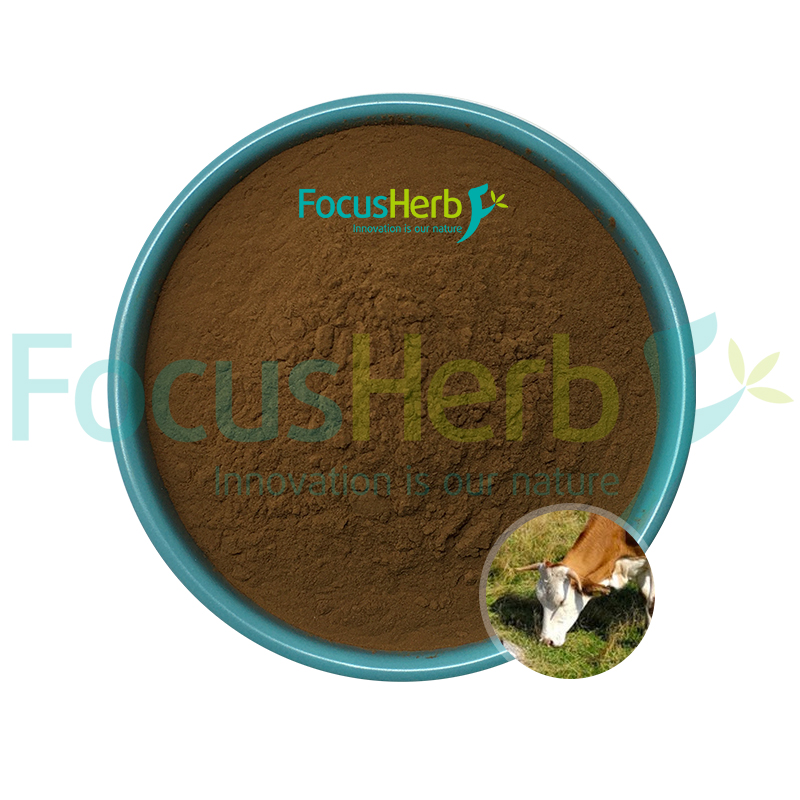
  • Appearance: Uniform brown fine powder
  • Standard Spec: 3% Polyphenols, Tested by HPLC according to in-house validated analytical procedures
  • Alternative Custom Grades: 10%,20%,30%,40% Polyphenol cassia extract upon order
  • Sieve Size: 80 mesh standard, customizable mesh options
  • Bulk Density: 0.45~0.65 g/ml
  • Loss on Drying: ≤6.0%
  • Total Ash: ≤7.0%
  • Heavy Metal Limits: Lead ≤2ppm; Arsenic ≤2ppm; Cadmium ≤0.3ppm; Mercury ≤0.1ppm
  • Microbiological Control: Total Plate Count ≤10,000cfu/g; Yeast & Mold ≤100cfu/g; E.coli/Salmonella: Negative per gram
  • Processing Notes: Non-GMO processed, no intentionally added major allergens, non-irradiated production
  • Certifications: ISO, HALAL, KOSHER, EU Organic & NOP, HACCP compliant production

Why Select 3% Polyphenol Cinnamon Extract

Higher-content cassia extracts (10%~40% polyphenols) feature concentrated phenolic fractions and are designed for high-addition concentrated dietary formulations. The 3% standardized grade maintains the natural native ratio of bark-derived aromatic and phenolic substances matching raw cassia’s inherent composition:

  • Suitable for continuous low-dose incorporation into regular seasonings, ready-to-drink beverages and daily oral care bases without overshadowing original product flavor profile;
  • Ideal for cosmetic base compounding requiring mild botanical incorporation instead of high concentrated phenolic loading;
  • Cost-efficient for large-batch food mass production where consistent trace botanical markers are needed without elevated polyphenol concentration.

Raw Material & Standard Extraction Process

Dried cassia bark is pre-screened to eliminate foreign debris before food-grade solvent extraction and low-temperature concentration. Finished powder goes through standardized milling and sifting to lock consistent particle distribution; all production workflows follow HACCP site sanitation rules with batch-wise intermediate QC sampling.

Phytochemical Characteristics

This extract contains naturally occurring cinnamaldehyde and polyphenolic fractions inherent to cassia bark, contributing characteristic phenolic composition to formulation systems. Its fixed particle specification enables even physical blending within dry powder and liquid carrier bases. Explore our spice botanical extract series for additional cassia and cinnamon variant extracts of varied polyphenol concentrations.

Formulation Performance & Applicable Fields

  • Food & Beverage Systems: Imparts native cassia spice character to seasonings, baked goods and formulated drinks while introducing inherent phenolic components into finished matrices;
  • Nutraceutical Powder Blends: Uniform particle distribution supports homogeneous mixing in multi-component powder premixes;
  • Cosmetic & Oral Care Raw Materials: Compatible with aqueous and emulsion-type cosmetic carriers for botanical ingredient incorporation.

All typical formulation ranges used by manufacturers may vary depending on local regulations and product design; final inclusion percentages require independent factory formulation trials.

Industrial Application Coverage

3% Polyphenol Cinnamon Extract is widely deployed across conventional food seasoning, ready-mix beverage, compound bulk powder and cosmetic raw material manufacturing.

Packaging Details

  • Small Batch Pack: 1kg sealed aluminium foil bag
  • Bulk Industrial Pack: 25kg cardboard drum lined with double food-grade inner plastic bags

Sealed packaging reduces exposure to ambient moisture and oxygen to retain stable physical specs throughout transit and storage.

Storage Regulation & Shelf Stability

  • Storage Condition: Keep unopened original packaging sealed in cool, dry, shaded storage space; avoid sustained high temperature and humid surroundings
  • Unopened Shelf Life: 24 months under recommended storage environment

Technical Document Support

Full documentation supplied per shipment to assist global registration and factory incoming inspection:

  • HPLC batch test CoA documents
  • Complete TDS & MSDS technical files
  • ISO, HALAL, KOSHER, EU/NOP organic certification copies
  • HACCP factory compliance manufacturing records
  • Microbiology & heavy metal analytical test reports

Core Product Advantages

  • Fixed validated specification: 3% polyphenol tested via validated HPLC procedures with consistent batch analytical data;
  • Full traceable physical & microbial indexes: All core physical and safety parameters listed for client incoming QC verification;
  • Multi-market certification set: Complete certification portfolio satisfies EU, US and most regional import compliance rules;
  • Dual-grade supply capacity: Standard 3% stock plus customizable high polyphenol extract production;
  • Flexible bulk & sample service: Lab-scale free samples and flexible bulk order arrangements available.

FAQ

What is your standard MOQ for bulk cinnamon extract?

Standard bulk MOQ starts at 1 full 25kg drum; smaller trial orders are negotiable upon customer demand.

How long is typical production lead time after formal order confirmation?

In-stock items ship within 3~5 working days; custom-spec production requires 7~15 working days based on order volume.

Are free lab samples available for formulation testing?

Small free testing samples (10g~50g) can be arranged, customers cover international courier cost optionally.

What is shelf life once original packaging is opened?

After opening, reseal tightly and consume within 6 months under recommended cool dry storage.

Can you provide residual solvent test data upon request?

Residual solvent analytical reports can be attached to batch CoA per buyer’s requirement.

Is organic-certified Cinnamomum cassia extract available?

EU & NOP certified organic grade can be produced against custom bulk orders.

Can particle mesh size be customized from standard 80 mesh?

40~120 mesh adjustable processing available for tailored formulation needs.

Summary

Cinnamon Extract 3% Polyphenols is standardized Cinnamomum cassia bark powder with fully documented physical, heavy metal and microbiological specifications, validated polyphenol content via formal HPLC testing. Formulated to match natural cassia compositional balance for low-dose food, beverage and cosmetic incorporation, it serves as cost-effective bulk botanical raw material for global formulators. FocusHerb supplies bulk wholesale cassia extract with full analytical files and sample support. Browse our full natural spice extract catalogue for extra cinnamon and cassia extract variants.

Organic Blackcurrant Powder vs Acai Powder: Full Formulation Comparison

Organic blackcurrant powder and organic acai powder are two of the most widely used premium superfruit powders in clean-label food, beverage, and supplement formulation. Both deliver natural purple color, rich plant-based antioxidants, and versatile functional value for modern product development. However, their natural nutritional profiles, sensory characteristics, physical solubility, formulation compatibility, and ideal use cases differ significantly.

有机黑加仑粉

Basic Origin & Raw Material Background

Organic Blackcurrant Powder

Blackcurrant powder is processed from Ribes nigrum L., a temperate berry grown primarily in European and New Zealand regions. Commercial grades include whole-fruit freeze-dried powder, spray-dried juice powder, and concentrated extract powder. Formulation quality varies greatly based on drying method, fruit maturity, and post-processing filtration. In general, freeze-dried whole-fruit variants retain a more comprehensive spectrum of native berry compounds, with a characteristic tart, layered natural berry flavor.

Organic Acai Powder

Acai powder is produced from Euterpe oleracea, a tropical palm fruit native to the Amazon basin. Most commercial acai powder is pulp-based, processed through freeze-drying or low-temperature drying. Unlike most common berries, acai features a unique fatty acid-rich profile with low natural sugar and a subtle, nutty, cocoa-like flavor. Its sensory and nutritional traits make it a popular choice for creamy, thick-textured superfood formulations.

Core Nutritional Profile Comparison

The two superfruit powders serve entirely different nutritional roles in formulation. All descriptions below follow FDA and EFSA-compliant nutrient positioning, avoiding medical or therapeutic claims.

Comparison Item Organic Blackcurrant Powder Organic Acai Powder
Key Natural Compounds Rich in plant-based anthocyanins, polyphenols, and naturally occurring vitamin C High in unsaturated fatty acids, dietary fiber, vitamin A/E, with moderate anthocyanin content
Anthocyanin Abundance Levels vary by region, ripeness, and processing method; premium freeze-dried grades feature high anthocyanin density Contains anthocyanins but generally lower in total pigment concentration compared to premium blackcurrant powder
Macro Nutrient Traits Low fat, water-soluble nutrient dominant, balanced natural fruit sugars High healthy fat, high fiber, low natural sugar, higher overall caloric density
Primary Functional Positioning Supports daily antioxidant status, visual wellness, and normal immune function Supports daily wellness, gut health, and balanced nutritional intake for meal replacement formulas

Sensory & Physical Formulation Properties

Flavor Profile Differences

Blackcurrant Powder: Features a distinct tart-sweet berry taste with strong flavor layering. Its natural acidity helps balance sweet bases, reduces flat sweetness, and adds refreshing berry notes to beverages and confectionery.

Acai Powder: Delivers a mild, earthy, nutty-cocoa flavor with minimal acidity. The neutral, creamy taste profile blends well with plant milk, yogurt, and grain-based formulas without introducing tartness.

Solubility, Clarity & Color Performance

Blackcurrant Powder: Fine freeze-dried blackcurrant powder generally provides better water solubility and beverage clarity than acai powder. Final drink transparency is still affected by dosage, particle fineness, pectin content, filtration process, and liquid base conditions. It produces a bright, adjustable violet-red tone under acidic formulation environments.

Acai Powder: Contains natural insoluble fiber and pulp residues, which tend to create cloudy or suspended textures in liquid bases. It delivers a deep, muted purple color but is not ideal for transparent beverage applications. Its strength lies in thick, creamy, opaque formulations.

Best Application Scenarios for Each Powder

Ideal Use Cases for Blackcurrant Powder

Blackcurrant powder is preferred in formulas that prioritize clean visual appearance, bright berry flavor, and anthocyanin-based antioxidant enrichment. It is widely adopted in clean-label beverages, fruit teas, functional berry drinks, natural color replacement formulas, and gummies requiring transparent or semi-transparent visual effects.

Ideal Use Cases for Acai Powder

Acai powder excels in formulas focused on texture, satiety, and fatty acid nutrition. It is the top choice for acai bowls, smoothies, meal replacement blends, yogurt mixes, granola toppings, and high-fiber superfood blends where cloudiness and thickness are desirable product characteristics.

Recommended Usage Levels by Application

The below dosage ranges serve as general industrial formulation references for common commercial applications. Actual usage levels vary according to formula design, sensory targets, and regional regulatory requirements.

Application Type Organic Blackcurrant Powder Organic Acai Powder
Functional Beverages & Fruit Teas 0.5 – 3% 1 – 5%
Clean-Label Gummies & Confectionery 2 – 8% 1 – 3%
Smoothies & Frozen Blends 1 – 5% 3 – 10%
Yogurt & Dairy Blends 1 – 4% 2 – 8%
Meal Replacement Blends 1 – 3% 3 – 10%

Sourcing & Supply Chain Comparison

For commercial manufacturers and bulk purchasers, ingredient origin stability, seasonal risk, and price volatility are core decision factors beyond formulation performance. The following neutral supply chain comparison helps brands avoid production interruption and control procurement costs.

Sourcing Factor Organic Blackcurrant Powder Organic Acai Powder
Main Origin EU, New Zealand Brazil Amazon Basin
Annual Supply Stability Generally supported by established cultivation and processing industries in Europe and New Zealand May experience greater variability due to regional climate and local harvest management
Seasonal Production Risk Low seasonal fluctuation with stable year-round raw material availability Medium risk; concentrated harvest periods can lead to periodic supply tension
Price Volatility Relatively steady, backed by mature industrial chains and predictable harvest cycles May experience greater variability due to harvest concentration and export logistics

Processing Impact on Powder Quality

For both ingredients, freeze-dried whole-fruit processing better preserves native flavor, nutrients, and natural properties compared to high-temperature spray drying. Most spray-dried fruit powders utilize carrier agents to improve drying efficiency, which dilutes natural nutrient density and may reduce clean-label compliance. Formulators should match powder grade (freeze-dried vs spray-dried) according to final product requirements.

For detailed technical processing differences, refer to: Freeze-Dried vs Spray-Dried Blackcurrant Powder: Key Differences & Best Uses.

How to Superfood Powder Selection Decision?

This table delivers one-click ingredient selection guidance for commercial R&D and bulk sourcing, covering product positioning, formulation needs and supply demands.

Product Formulation Requirement Recommended Powder Core Reason
Clean transparent beverages, fruit teas Blackcurrant Powder Superior water solubility, adjustable natural purple-red color, no suspended impurities
Transparent/semi-transparent clean-label gummies Blackcurrant Powder Balanced tart-sweet flavor, stable color rendering, excellent candy base compatibility
Antioxidant & visual wellness functional formulas Blackcurrant Powder Higher anthocyanin density, focused on water-soluble antioxidant nutrition
Thick smoothies, acai bowls, creamy yogurt blends Acai Powder Mild nutty flavor, insoluble fiber creates rich, thick mouthfeel without tartness
Meal replacement & high satiety superfood blends Acai Powder High healthy fat & dietary fiber, low sugar, strong satiety performance
High-fiber gut health functional products Acai Powder Significantly higher fiber content than blackcurrant powder, supports daily gut wellness
Long-term stable bulk procurement & cost control Blackcurrant Powder Relatively steady pricing and year-round supply with minimal seasonal disruption
Multi-nutrient compound superfood formulas Both (Blended) Combine blackcurrant’s anthocyanin advantages with acai’s fiber & healthy fat nutrition

How to Choose Between Blackcurrant & Acai Powder

Choose Blackcurrant Powder if your project requires natural plant-based coloring, bright berry flavor, good water solubility, transparent beverage visuals, or antioxidant-focused clean-label positioning.

Choose Acai Powder if your formulation targets meal replacement, creamy texture, high fiber and healthy fat nutrition, earthy superfood flavor, or opaque thick smoothie-style products.

Blended Formulation Option: Many premium superfood brands combine both powders to merge anthocyanin antioxidant benefits and acai’s fiber & healthy fat nutrition, creating multi-dimensional nutritional and flavor complexity.

Frequently Asked Questions

Which has higher antioxidant content, blackcurrant or acai powder?

Both contain abundant natural antioxidants. Premium freeze-dried blackcurrant powder typically delivers higher anthocyanin concentrations, while acai offers a unique fatty acid and fiber-based nutritional antioxidant profile.

Which powder is better for clear beverages?

Blackcurrant powder generally provides better solubility and clarity performance. Acai powder’s natural insoluble fiber tends to create cloudiness and suspension in liquid bases.

Which powder works better for gummies?

Blackcurrant powder is more suitable for most gummy lines due to its adjustable color, balanced tart flavor, and better compatibility with candy bases. Acai is less commonly used for transparent gummy applications.

Are acai powder’s healthy fats absent in blackcurrant powder?

Yes. Acai’s rich unsaturated fatty acid profile is its unique nutritional advantage, while blackcurrant powder focuses on water-soluble vitamins and polyphenolic antioxidants.

Can blackcurrant and acai powder be used together?

Absolutely. Blended formulas create balanced superfood nutrition, richer flavor depth, and more marketable multi-benefit product positioning.

Which powder is better for smoothies?

Acai powder is the preferred option for most smoothie recipes. Its mild nutty flavor, creamy texture, and insoluble fiber blend perfectly with milk, yogurt, and frozen fruit, creating thick, rich, and filling smoothies. Blackcurrant powder works well for light, refreshing fruity smoothies but cannot match acai’s textured mouthfeel.

Which powder is higher in dietary fiber?

Organic acai powder contains significantly higher dietary fiber than blackcurrant powder. Its natural pulp and fiber content make it ideal for high-fiber functional formulas that support daily digestive wellness.

Which powder works best in meal replacement formulas?

Acai powder is more suitable for meal replacement products. Its combination of healthy unsaturated fats, high fiber, and low natural sugar provides strong satiety and balanced sustained nutrition, which are core requirements for meal replacement positioning. Blackcurrant powder focuses more on antioxidant enrichment rather than satiety support.

Final Thoughts

Blackcurrant powder and acai powder are both high-value organic superfruit ingredients, yet they serve distinct formulation purposes. Blackcurrant powder stands out for soluble antioxidants, natural coloring capability, bright berry flavor, and clean liquid formulation performance. Acai powder excels in texture enrichment, dietary fiber, healthy fatty acids, and meal-replacement-style superfood products. Understanding their neutral technical differences allows formulators to select, substitute, or combine both powders to match precise product positioning, formulation needs, and market trends.

Looking for certified organic freeze-dried blackcurrant powder in bulk? Contact our team for free formulation samples, technical data sheets, and customized wholesale pricing for your product lines.

How to Use Blackcurrant Powder in Gummies | Formulation & Production Tips

Clean-label gummy development has become one of the fast-growing segments in the confectionery industry. As brands phase out synthetic colors, artificial flavors, and chemical additives, natural berry powders have become a preferred option for upgrading gummy formulas. Freeze-dried organic blackcurrant ingredient is suited for gummy production, thanks to its stable pigment content, standardized physical and microbial indicators, authentic tart berry taste, and clean whole-fruit composition.

This data-driven guide focuses on practical formulation parameters, verified dosage ranges, industrial production processes, stability observations, and troubleshooting for berry powder infused gummies. It serves as a technical manual for R&D formulators and bulk manufacturers to produce stable, high-yield, clean-label confectionery. Most performance notes originate from internal formulation trials; formal third-party test documentation is available upon request.

Black currant powder

Why Use Whole-Fruit Blackcurrant Powder for Gummy Formulations

Gummy formulas have strict requirements for color stability, flavor consistency, ingredient purity, microbial safety, and texture performance. Standardized organic blackcurrant fruit powder brings practical formulation advantages, fully compliant with premium clean-label and fruit-based confectionery production standards.

1. Synthetic-Free Natural Color Alternative

Blackcurrant natural pigments deliver a consistent violet-red hue that works as an alternative to FD&C synthetic red and purple colorants for clean-label coloring. Under standardized weak-acid gummy systems (pH 3.0–4.0), finished batches maintain tight color consistency during commercial runs, enabling zero-synthetic-color, vegan, and non-GMO labeling to enhance market competitiveness. Minor batch-to-batch color variation stays within acceptable industrial tolerance per internal production checks.

2. Multi-Layered Natural Berry Flavor Taste Optimization

Whole-fruit freeze-dried blackcurrant powder retains the original sour-sweet balanced flavor of fresh blackcurrants, offsetting the cloying sweetness of traditional sugar-based gummies. It provides prominent top notes of fresh berry and subtle bottom notes of mild tartness, creating a refreshing aftertaste. Compared with single artificial flavorings, it reduces taste fatigue and adapts to all-age consumer taste preferences.

3. Quantifiable Nutritional Profile Reference

All nutritional figures below reflect typical values pulled from recent batch COA paperwork. Standard organic blackcurrant formulation ingredient carries typical nutritional markers:
> Typical anthocyanin content: 10–30 mg/g (equates to 1%–3% by weight, batch dependent; exact values listed on individual batch COA)
> Vitamin C: 10–30 mg/g, Total Polyphenols: 40–80 mg GAE/g (typical lab results, batch-specific data available on COA)
Naturally occurring anthocyanins are plant pigments widely used in fruit-based confectionery formulations.

4. Thermal & Texture Compatibility for Mass Production

With fine 80-mesh particle size and low moisture profile, organic berry powder disperses evenly in gelatin, pectin, and sugar bases without agglomeration, precipitation, or gritty texture. It matches high-speed industrial pouring and molding processes, helps achieve a smooth and uniform texture of finished gummies and supports consistent product quality in mass production.

5. Year-Round Bulk Supply Without Seasonal Fluctuations

Fresh blackcurrants are limited by harvest seasons and perishable properties, causing raw material shortages and price volatility. Standardized whole-fruit blackcurrant powder supports continuous bulk supply all year round, matching large-scale, uninterrupted gummy production schedules.

Freeze-Dried vs Spray-Dried Blackcurrant Powder for Gummies

Freeze-dried powder is often selected for premium gummy formulations because it typically contains no carrier agents and provides higher flavor intensity. Many commercial spray-dried powders may contain maltodextrin carriers, which can dilute pigment content, reduce color saturation, weaken flavor intensity, and cause gummy transparency decline and surface fogging. In contrast, freeze-dried whole-fruit powder is clean-label processed with no added maltodextrin or artificial carriers, supporting steady flavor, color, and nutritional retention of finished products.
For detailed technical differences, view our in-depth comparison: Freeze-Dried vs Spray-Dried Blackcurrant Powder: Key Differences & Best Uses.

Standard Product Specification Sheet

Below are industrial-grade typical indicators for our bulk organic freeze-dried blackcurrant powder, fully compliant with international food-grade gummy production requirements; exact batch specifications refer to corresponding COA documents:

  • Moisture Content: <5% (low moisture avoids agglomeration and shelf-life mold growth)
  • Particle Mesh Size: 80 Mesh (uniform fineness for smooth gummy texture)
  • Anthocyanin Content: Typical range 1%–3% (10–30 mg/g), batch dependent | Final specification referenced on batch COA
  • Brix Value: Typical 18–22 °Bx, subject to seasonal raw fruit maturity; final data per COA
  • Total Plate Count (TPC): Typically <5000 cfu/g (batch-specific data refer to official COA)
  • Mold & Yeast: <100 cfu/g
  • Heavy Metals: Typical values within food-grade limits; full batch data refer to batch-specific COA
  • Certification & Compliance: Organic, Vegan, Non-GMO certified; suitable for clean-label formulations

Note: Full COA and batch test reports are available upon request.

Anthocyanin Thermal Stability Guidance From Internal Lab Trials

Internal laboratory testing confirmed anthocyanins degrade gradually with rising heat within standard gummy aqueous matrices (fixed pH near 3.5, consistent hold time for testing).

  • Under controlled 40°C processing, anthocyanin retention sits near maximum achievable levels
  • Internal laboratory testing indicated anthocyanin retention above 90% under controlled 60°C processing conditions
  • Temperatures climbing above 70°C trigger measurable nutrient loss and visible color shift; exposure near boiling leads to substantial anthocyanin breakdown

Core Production Rule: Add blackcurrant formulation ingredient only after the gummy base cools down to below 60°C to maximize color stability and nutritional retention.

pH Value & Color Performance Reference Chart

Blackcurrant anthocyanin color presentation is highly pH-dependent based on routine bench formulation work at ambient room temperature:

  • pH 2.5 – 3.0: Bright crimson red
  • pH 3.0 – 4.0: Vivid violet red (optimal stable color for commercial gummies)
  • pH 4.0 – 5.0: Soft purple red
  • pH 5.0 – 6.0: Dull purple tone
  • pH ≥7.0: Grey purple (unacceptable for commercial products)

Shelf-Life Stability Observations From Internal Storage Trials

Internal stability studies observed anthocyanin retention levels above 80% after 12 months under controlled dark, constant-temperature sealed storage conditions using finished gummies formulated at pH 3.0–3.8; actual shelf performance shifts with packaging choice and ambient warehouse environment.

Recommended Dosage Range by Gummy Product Type

Dosage is classified by product positioning, covering daily light flavor, standard flavor, blackcurrant fruit-infused, and pure colorant formulas, suitable for mass production and laboratory formula debugging:

Gummy Product Type Recommended Dosage Formulation Purpose & Effect
Light Flavor Daily Gummies 0.5% – 1.2% Present natural faint berry flavor, soft light violet-red color, low-cost daily snack formula
Standard Berry-Flavored Gummies 1.2% – 2.0% Balanced sweet-sour taste, moderate color saturation, mainstream commercial formulation option
Blackcurrant Fruit Gummies 2.0%+ Raise natural pigment concentration, form dark violet-red tone for premium confectionery positioning
Clean-Label Coloring Gummies 1.0% – 2.5% Works as natural pigment replacement, stable color tone, compliant with clean-label standards

Commercial Sample Gummy Formula

Below is a mature mass-production standard blackcurrant berry gummy formulation validated across multiple representative pilot-scale trials, with stable texture, color and taste, applicable to industrial production:

  • Gelatin (200 Bloom): 8.0%
  • High Fructose Corn Syrup: 45.0%
  • White Granulated Sugar: 35.0%
  • Citric Acid: 1.0% (adjust pH to 3.0–4.0)
  • Freeze-Dried Blackcurrant Powder: 2.0% (standard dosage for balanced flavor & color)
  • Natural Berry Flavor: 0.5%
  • Purified Water: QS (quantity sufficient, as needed)

Representative Pilot Batch Example & In-Plant Production Notes

Data below compiled from repeated small-to-medium pilot-scale formulation runs across our in-house development facility:
Base trial benchmark: mid-size pilot batches formulated with consistent ingredient ratios for process validation
Core trial setup: Pectin-based gummy base calibrated to typical industrial solids and pH targets
Key In-Plant Manufacturing Observation
When berry-rich blackcurrant powder was introduced into gummy base above 75°C without pre-slurrying, finished gummies showed noticeable color loss and muted berry flavor; addition below 60°C following standardized pre-dispersion delivers consistent color and flavor across trial batches.

How Much Blackcurrant Powder Is Needed Per Ton of Gummies?

Calculations below built around industry-standard inclusion rates to help procurement teams forecast raw material intake and preliminary costing:
Standard mainstream gummy (2.0% loading): 20 kg blackcurrant powder per 1000 kg finished gummies
Low-dose coloring-only formulation (0.8% loading): roughly 8 kg powder per ton of finished product
High-nutrient blackcurrant fruit gummy (custom high loading): variable powder volume based on customized formulation targets
Note: Final raw material consumption varies with customized formulation.

Gummy Full Manufacturing Process Flow

Standard industrial workflow for blackcurrant-infused clean-label gummies, widely adopted across mid-to-large confectionery factories:

  1. Raw Material Inspection (powder, sweetener, gelling agent incoming QC check)
  2. Blackcurrant Powder Pre-Dispersion with warm dilute sugar syrup
  3. Gel Base Preparation (gelatin/pectin hydration + sugar cooking)
  4. Base cooling down to target <60°C before dry-sensitive ingredient addition
  5. Pre-slurried blackcurrant powder blending into cooled gummy base
  6. Full homogenization and minor pH fine-tuning with citric acid
  7. Automated depositing into forming molds
  8. Controlled ambient cooling + full demolding
  9. Secondary surface conditioning (where required by recipe)
  10. Sealed opaque packaging
  11. Final finished goods batch QC testing

Targeted Application Segments

Blackcurrant Powder for Pectin Gummies

Pectin-based gummy recipes occupy a large share of modern plant-based confectionery. Blackcurrant powder serves as dual-purpose raw material for pectin gummies, supplying inherent purple pigment and natural fruit notes. Formulators fine-tune pH between 3.0~3.6 to stabilize pectin crosslinking while preserving natural color expression; pre-slurry processing remains essential to avoid disrupting the gel network within pectin gummy matrices.

Blackcurrant Powder for Vegan Gummies

Vegan confectionery excludes animal-derived gelatin, relying entirely on pectin, agar and plant-based gelling agents. Organic blackcurrant fruit powder matches vegan certification requirements, functioning as natural flavor source and natural purple colorant for vegan gummies. Formulation teams commonly adjust powder loading according to target shade and berry taste intensity without introducing non-vegan additives.

Natural Purple Color for Gummies

Brands removing synthetic purple food dyes source natural purple color for gummies from pigment-rich fruit raw materials, among which freeze-dried blackcurrant powder is a widely accepted option. Its inherent violet-red to purple hue shifts predictably with formula pH, letting developers customize finished gummy color without artificial pigment additives for clean-label market compliance.

Blackcurrant Gummy Formulation

Blackcurrant gummy formulation centers on controlled fruit powder incorporation and low-temperature feeding rules to retain native pigment composition. Formulators prioritize pre-dispersion and post-cooling addition to limit thermal degradation of natural pigments, aligning batch color and nutritional consistency with standard fruit-based confectionery specs.

Organic Fruit Powder for Confectionery Manufacturing

Organic fruit powder for confectionery manufacturing covers gummy, candy and soft confection applications. Organic blackcurrant powder fits mainstream clean-label production rules, acting as multi-functional raw material to enrich flavor, deliver inherent color and add naturally sourced polyphenols across varied confection production lines.

Pectin Gummies vs Gelatin Gummies: Blackcurrant Powder Application Differences

Formulators regularly select between gelatin and pectin bases when developing blackcurrant gummies, with each matrix bringing unique formulation constraints for fruit powder incorporation. Gelatin-based gummies remain a common conventional option, offering elastic chew and broad temperature tolerance; blackcurrant powder disperses readily within gelatin’s aqueous base with standard pre-slurrying procedures, and the formula’s natural pH window (3.2–4.0) aligns with natural pigment color performance.
Pectin gummies dominate the vegan, clean-label marketplace and require tighter pH control between 3.0–3.6 for proper gel setting. High fruit loading can destabilize pectin cross-linking, so formulators cap blackcurrant inclusion based on in-house trial outcomes for pectin-based recipes versus flexible loading ranges seen in gelatin blackcurrant fruit gummies. Powder pre-dispersion becomes even more critical in pectin systems, as undispersed berry solids disrupt gel network formation and create uneven texture across finished vegan gummies. For brands targeting plant-based positioning, freeze-dried blackcurrant fruit powder works as a single-source natural color and flavor without synthetic additives.

Common Scale-Up Mistakes From Real-World Formulation Trials

Working alongside multiple confectionery developers, recurring formulation errors often emerge during lab-to-factory scale-up, directly impacting finished blackcurrant gummy quality:
Mistake 1: Adding berry powder during base cooking stage
Many new manufacturers combine fruit powder alongside sugar and gelling agents at boil temperatures. Extended high heat exposure triggers severe pigment degradation, resulting in dull final color and diminished natural berry notes in finished goods. Best practice waits until base cools below 60°C for powder incorporation.
Mistake 2: Skipping pre-dispersion to save production time
Direct dry addition into thick hot syrup causes instant powder clumping. Undissolved berry aggregates remain trapped inside gummies, creating gritty mouthfeel and inconsistent color distribution from batch to batch. Pre-slurrying with warm dilute syrup eliminates nearly all particle-related defects.
Mistake 3: Over-adjusting citric acid for extra tartness
Excess citric acid pushes formula pH below 2.8; while natural pigments stay bright red, extreme acidity accelerates pectin breakdown in vegan gummies and shortens shelf stability significantly.

Regional Regulatory & Labeling Guidance

United States (FDA GRAS Framework)

Permitted label phrasing for finished gummy products:

  • Contains naturally occurring anthocyanins from organic blackcurrant fruit powder
  • Serves as natural color and flavor sourced from whole blackcurrant

Prohibited claims to avoid FDA compliance risk: any wording referencing eye fatigue relief, blue light treatment or curative antioxidant effects.

EU Market (EFSA Food Ingredient Rules)

Permitted label phrasing for finished gummy products:

  • Natural freeze-dried blackcurrant fruit ingredient for confectionery use
  • Naturally contains fruit polyphenols and vitamin C

Prohibited claims: all medicinal or therapeutic health descriptions without formal EFSA health claim authorization.

Professional Gummy Formulation & Production Technical Tips

Pre-Dispersion Treatment (Key to Smooth Texture)

Direct dry powder addition into high-viscosity gummy base will cause severe agglomeration and granular texture, a frequent scaling mistake seen during customer formula rollout. Standard industrial process: Disperse blackcurrant fruit powder with 3–5 times warm water (40–50°C) or low-concentration sugar solution, stir evenly to form a fine slurry, then pour into the main gummy base and stir fully to avoid granular residue.

Strict Temperature Control for Nutrient & Color Retention

Based on laboratory thermal stability data, strictly control the feeding temperature below 60°C. High temperature above 70°C will cause rapid pigment degradation, resulting in color fading and reduced natural nutritional content, affecting finished product quality.

pH Fine Adjustment for Optimal Color Gamut

Pigment color performance is highly pH-dependent. Weakly acidic environment (pH 3.0–4.0) presents bright, stable violet-red tone; neutral or weakly alkaline environment will lead to dull color and gray tone. Formulators can adjust citric acid dosage to fix pH within the optimal range for consistent batch color.

Natural Sweetener Matching for Healthy Formula Upgrade

Blackcurrant has natural mild tartness. Matching with erythritol, stevia, or honey can balance sour and sweet taste, develop zero-sugar, low-calorie healthy gummy formulas, enrich product differentiation, and cater to fitness and children’s healthy snack markets.

Common Production Problems & Solutions

Gummy Color Fading During Shelf Life

Causes: High-temperature feeding (>60°C), long-term UV light exposure, unstable formula pH deviation.
Solutions: Strictly control feeding temperature ≤60°C; adopt opaque aluminum foil packaging; fix formula pH at 3.0–4.0.

Gritty Texture & Fine Particles

Causes: Insufficient powder dispersion, oversized particle size.
Solutions: Adopt 80-mesh fine whole-fruit powder + pre-slurrying process; filter the mixed base with 100-mesh screen before pouring.

Unstable Batch Color Difference

Causes: Manual uneven feeding, inconsistent dispersion time.
Solutions: Standardize fixed-proportion automatic feeding system and unified pre-dispersion process to ensure stable batch color consistency.

Product Line Reference

  • Blackcurrant Fruit Gummies: Formulated with naturally sourced blackcurrant fruit pigments for clean-label confectionery development
  • Polyphenol-Rich Fruit Gummies: Rich in natural polyphenols and vitamin C, formulated for everyday nutritional snack options
  • Kids Clean-Label Fruit Gummies: Zero artificial color, zero synthetic flavor, zero chemical additives, safe low-sugar children’s snack
  • Zero-Sugar Low-Calorie Fruit Gummies: Zero sugar, low calorie, high natural nutrition, for fitness and weight management groups

Frequently Asked Questions

Can blackcurrant powder be used in gummy candy production?

Yes. Standard 80-mesh whole-fruit blackcurrant powder is a clean-label ingredient for gummies, providing stable natural violet-red color, pure layered berry flavor, and naturally occurring anthocyanin nutrition.

What dosage of blackcurrant powder is suitable for gummies?

Standard commercial formulas adopt 1.2%–2.0% for balanced flavor and color; customized blackcurrant fruit gummy recipes can increase loading per formulation goals; pure coloring formulas apply 1.0%–2.5%.

Will blackcurrant powder make gummies grainy?

With 80-mesh ultra-fine whole-fruit powder paired with standardized pre-slurrying process, granular texture can be effectively avoided to deliver consistent smooth mouthfeel.

Does blackcurrant gummy color fade easily?

When processed and stored under appropriate conditions, color stability is generally good throughout normal commercial shelf life. Under standardized production (≤60°C feeding, pH 3.0–4.0) and opaque packaging, finished gummies retain strong color and over 80% anthocyanin after 12 months of controlled storage per internal stability trials.

How does freeze-dried powder compare with spray-dried powder for gummies?

Freeze-dried whole-fruit blackcurrant powder contains no maltodextrin carriers, supporting higher pigment retention, purer flavor, higher color saturation, and better clean-label compliance relative to many spray-dried alternatives.

Industry Practice Reference

This guide combines internal formulation observations with commonly accepted confectionery manufacturing practices used throughout the global food manufacturing industry. All shared formulation tips, stability guidelines, and production best practices align with standard clean-label confectionery development and raw material application conventions.

Procurement Note

Manufacturers needing bulk organic freeze-dried blackcurrant powder for gummy mass production can submit an inquiry to request free samples and professional technical support.

Final Thoughts

Freeze-dried whole-fruit blackcurrant powder works as a cost-effective clean-label and fruit-based upgrade solution for modern gummy formulations. It can help manufacturers replace artificial colors and reduce reliance on artificial flavors, adds naturally occurring anthocyanin, polyphenol and vitamin C nutrition, and brings unique sweet-sour berry taste to gummies. With standardized dosage control, pre-dispersion process, temperature and pH parameter management, manufacturers can produce stable, high-quality, market-competitive berry powder confectionery. For brands focusing on clean-label, zero-addition, and natural snack positioning, bulk organic blackcurrant powder provides reliable raw material supply and professional full-process technical support.

Blackcurrant Anthocyanins Explained: Composition, Stability & Food Formulation Applications

Anthocyanins are the primary functional phytochemicals that establish blackcurrant as a premium clean-label berry ingredient across the food and beverage sector. These water-soluble plant pigments deliver the fruit’s characteristic deep violet-red color and notable antioxidant properties, making blackcurrant anthocyanins widely applied in functional drinks, nutritional supplements, gummy confectionery and natural colorant systems.

Blackcurrant anthocyanins possess a distinct compound composition. Under standardized in vitro test conditions, they demonstrate strong free-radical scavenging capacity and favorable formulation compatibility compared with anthocyanins sourced from other common berries. This comprehensive guide targets food formulators and bulk raw material buyers, covering the chemical profile, potential functional properties, processing impacts, stability performance and commercial use cases of blackcurrant anthocyanins.

Black currant powder

What Are Blackcurrant Anthocyanins?

Blackcurrant anthocyanins belong to a class of natural phenolic flavonoids, endogenously synthesized in the peel and pulp of Ribes nigrum L. fruits. In nature, these pigments protect fresh berries against UV radiation, microbial invasion and oxidative damage during growth. When incorporated into food formulations, they retain inherent antioxidant characteristics.

Different from ingredients containing single-type anthocyanins, blackcurrant features a complex blend of multiple anthocyanin subtypes, forming a synergistic antioxidant system. Blackcurrant anthocyanins are typically dominated by delphinidin- and cyanidin-based glycosides, with relative proportions varying significantly depending on berry cultivar, growing region (Northern Europe, UK, China), ripeness, and post-harvest processing conditions. The four primary anthocyanin glycosides present in fresh and processed blackcurrant fruit include Delphinidin-3-rutinoside, Cyanidin-3-rutinoside, Delphinidin-3-glucoside, and Cyanidin-3-glucoside.

Commercially available freeze-dried blackcurrant powder effectively preserves these natural active pigments, which serve as the core selling point for blackcurrant-based functional food products.

Full COA Standard Technical Specifications (HPLC Tested)

Below are standardized B2B-grade specifications for bulk organic blackcurrant powder, fully aligned with international food ingredient audit and COA documentation requirements:

Parameter Specification
Total Anthocyanins (HPLC) 10% / 15% / 25% / 35% customizable
Main Active Components Delphinidin & Cyanidin glycosides (majority fraction)
Color Value (E1%1cm, 520nm) ≥ 450 (varies by anthocyanin grade)
Moisture Content ≤ 5.0%
Water Solubility 100% fully water-soluble, no residue
Particle Size 80–200 mesh (customizable)
Raw Material pH (1% Aqueous Solution) 3.0 – 4.0 (natural acidic)
Bulk Density 0.4–0.6 g/cm³
Heavy Metals Pb ≤ 2ppm; As ≤ 1ppm; Cd ≤ 0.5ppm; Hg ≤ 0.1ppm
Microbial Limits Total Plate Count ≤ 1000cfu/g; Yeast & Mold ≤ 100cfu/g; E. coli Negative
Residual Solvents Not detected (zero solvent addition)
Shelf Life & Storage Stability 24 months sealed (cool, dry, dark conditions); 12 months stability guaranteed after opening

Why Blackcurrant Anthocyanins Stand Out Among Berry-Derived Variants

While most berries contain anthocyanins, blackcurrant-derived anthocyanins gain recognition in premium food formulation for three key characteristics:

1. Diversified Compound Profile

Blackcurrant does not rely on a single anthocyanin constituent. Its rich glycoside composition delivers a broad-spectrum antioxidant effect and good biological compatibility. Relevant in vitro assays indicate this complex profile may support the regulation of oxidative stress in the human body, distinguishing it from generic berry powders with simple single-pigment structures.

2. Good Aqueous Dispersibility

As water-soluble pigments, blackcurrant anthocyanins can be easily incorporated into liquid formulas such as beverages and liquid supplements. It should be noted that the oral bioavailability of anthocyanins is generally low (less than 1%). Nevertheless, research shows their circulating metabolites may exert biological activities, with absorption pathways differing from those of fat-soluble plant antioxidants.

3. Dual Function: Nutrition & Natural Coloring

Blackcurrant anthocyanins act simultaneously as functional nutritional ingredients and clean-label natural colorants. Manufacturers can reduce the usage of synthetic additives, simplify ingredient lists and enhance the clean-label attributes of finished products.

Bilberry Extract

Potential Functional Research Directions

Existing in vitro, animal, and preliminary human studies have investigated blackcurrant anthocyanins for multiple physiological associations. All functional descriptions below are framed as ongoing research topics, not confirmed health benefits, complying with global food labeling and advertising regulations.

Natural Antioxidant Capacity

Blackcurrant anthocyanins are studied for their potential association with neutralizing reactive oxygen species (ROS) and mitigating cellular oxidative stress in in vitro models. As a natural antioxidant ingredient, it aligns with mainstream superfood and clean-label formulation trends focused on daily wellness ingredient profiling.

Visual Fatigue Research Correlation

Preliminary studies suggest potential benefits related to visual fatigue regulation linked with blue light exposure, although comprehensive clinical evidence remains limited. Blackcurrant anthocyanins are continuously investigated in relation to retinal microcirculation status in human observational trials.

Exercise Oxidative Stress Modulation

Clinical observations and preliminary trials indicate blackcurrant anthocyanin supplementation is researched for potential association with relieving exercise-induced oxidative stress, though standardized large-scale human validation is still ongoing.

Daily Physiological Maintenance Research

Long-term anthocyanin intake is investigated in relation to age-related physiological function changes, with preclinical data indicating potential supportive effects on bodily homeostasis.
Elderberry Extract

How Processing Affects Anthocyanin Retention

Anthocyanins are heat-sensitive active substances. Drying technology directly impacts the final anthocyanin content and activity, which further determines product grade and application scenarios.

Freeze-Drying

Low-temperature vacuum freeze-drying avoids thermal degradation. Under optimized low-temperature vacuum processing conditions, this technology can retain up to 85–95% of natural anthocyanins, polyphenols and vitamins in whole blackcurrants. Freeze-dried powder maintains complete functional activity and stable color performance, ideal for high-end functional formulas with strict requirements on nutritional efficacy.

Spray-Drying

High-temperature spray-drying will partially damage the molecular structure of heat-sensitive anthocyanins. Combined with conventional dextrin dilution, spray-dried blackcurrant powder presents lower anthocyanin concentration and activity, with a typical retention rate roughly between 60% and 75%. It is mainly applied to common flavoring formulas without strict functional demands.

For more technical comparisons, refer to our article: Freeze-Dried vs Spray-Dried Blackcurrant Powder: Key Differences & Best Uses.

Color & Stability Guide for Food Formulators

The color expression and stability of blackcurrant anthocyanins vary significantly under different pH, temperature and light conditions. The detailed stability profile is summarized below:

Influence Factor Stability Performance Formulation Remarks
pH 2.0 – 4.0 Excellent Presents bright violet-red, the most applicable range for fruit teas and functional drinks
pH 4.5 – 5.5 Moderate Slight hue shift occurs, acceptable for general berry formulations
pH 6.0 – 7.0 (Neutral) Poor Prone to gradual fading and browning, not recommended for long-term shelf-stable neutral formulas
pH > 7.0 Very poor Obvious blue discoloration and rapid pigment degradation
Temperature ≤ 60°C Good Over 90% anthocyanin retention after 30 minutes constant temperature treatment
Temperature 80°C Moderate Approximately 75% anthocyanin retention
Temperature 100°C Poor Only 50% – 60% anthocyanin retention after high-temperature sterilization
Strong Light Poor Accelerates pigment fading and molecular degradation
Oxygen Exposure Moderate Induces slow oxidation and gradual color shift over shelf life

Production & Storage Recommendations:

For commercial production, adopt low-temperature processing. Use opaque packaging and vacuum/nitrogen filling to preserve anthocyanin activity and color stability throughout the shelf life. Neutral formula bases are not recommended for products requiring long-term color consistency.

Top Commercial Applications of Blackcurrant Anthocyanins

1. Antioxidant Functional Beverages

Anthocyanin-rich blackcurrant powder is widely used in ready-to-drink antioxidant drinks, berry-flavored functional water and daily health beverages to highlight natural plant antioxidant ingredient attributes and clean-label formulation advantages.

2. Eye-Care Functional Foods

Commonly added into eye-care gummies, chewable tablets and protective beverages targeting students and office staff exposed to long hours of screen time, formulated based on ongoing visual fatigue-related ingredient research.

3. Sports & Fitness Nutrition

Applied in sports drinks, recovery powder blends and fitness supplements as a natural antioxidant ingredient for post-exercise formula optimization.

4. Clean-Label Natural Colorants

Replace synthetic red and purple pigments in snacks, candies and dairy products to achieve pure plant-based coloring and comply with global clean-label standards.

Frequently Asked Questions

What are the main applications of blackcurrant anthocyanins?

Blackcurrant anthocyanins serve as natural antioxidant ingredients and clean-label plant-based colorants for food and beverage formulation. They are widely researched for potential physiological correlations with visual comfort and post-exercise oxidative status regulation.

Does blackcurrant contain high levels of anthocyanins?

Yes. Blackcurrant is recognized as a temperate berry with high natural anthocyanin density. Optimally processed freeze-dried whole-fruit powder retains the maximum level of these active pigment compounds.

Will blackcurrant anthocyanins fade in beverage products?

Anthocyanins are inherently sensitive to light, heat and neutral/alkaline pH environments. Color fading and degradation may occur under extreme processing and storage conditions. Low-temperature production and opaque, vacuum-sealed packaging can effectively maintain color stability during the product shelf life.

Which type of blackcurrant powder retains more anthocyanins: freeze-dried or spray-dried?

Optimally processed freeze-dried blackcurrant powder maintains significantly higher anthocyanin content and structural activity than spray-dried variants, making it the preferred choice for high-end functional and clean-label products.

Can blackcurrant anthocyanins replace artificial food colorants?

Yes. The natural violet-red tone of blackcurrant anthocyanins serves as a compliant clean-label alternative to synthetic purple and red colorants for food and beverage production.

Final Thoughts

Blackcurrant anthocyanins are the core functional component that differentiates high-quality organic freeze-dried blackcurrant powder from ordinary fruit powder ingredients. Featuring a unique variable glycoside composition, measurable in vitro antioxidant capacity and dual functionality of nutrition and natural coloring, this raw material enables food brands to develop competitive clean-label, functional and visually appealing products.

A clear understanding of anthocyanin chemical characteristics, stability rules and processing impacts helps formulators select qualified raw materials and optimize product formulation and positioning.

If you are looking for bulk organic blackcurrant powder with standardized high anthocyanin content, please contact our team. We provide free product samples, full COA & HPLC specification reports and customized wholesale solutions for your formulations.

References

1.Anthocyanin composition and antioxidant activity of common temperate berries. Journal of Agricultural and Food Chemistry, 2022, 70(18): 5621-5630. 

2.Effects of blackcurrant anthocyanins on visual fatigue induced by blue light exposure. Nutrients, 2023, 15(7): 1689.

3.Thermal and pH stability of blackcurrant anthocyanins in food matrix. Food Chemistry, 2022, 387: 132891. 

Freeze-Dried vs Spray-Dried Blackcurrant Powder: Key Differences & Best Uses

When sourcing organic blackcurrant powder for commercial beverage, gummy, or supplement formulation, food manufacturers and formulators mainly choose between two mainstream processing techniques: freeze-dried and spray-dried blackcurrant powder. Though both are widely applied berry ingredients, they differ greatly in raw material basis, nutrient retention, flavor layering, label compliance, and application adaptability. Processing selection directly affects final product taste, shelf stability, clean-label eligibility, and overall formulation quality.

This professional comparison guide breaks down the practical differences between the two blackcurrant powder types, helping bulk buyers and R&D teams select cost-effective, formulation-matched ingredients. For complete specifications and certification files, refer to our core guide: Organic Blackcurrant Powder: Benefits, Applications & Freeze-Dried Bulk Supply Guide.

有机黑加仑粉

What Is Freeze-Dried Blackcurrant Powder?

Freeze-drying (lyophilization) is a low-temperature vacuum dehydration technology that removes moisture from fresh, ripe blackcurrants via sublimation. Qualified freeze-dried blackcurrant powder is processed with 100% whole blackcurrant fruit, without carriers, fillers, or synthetic additives during production.

The subzero processing environment helps protect heat-sensitive nutrients, including natural anthocyanins, vitamin C, and polyphenols, retaining the original fruit flavor and pure violet-red color. With a clean formula and sound nutritional retention performance, the ingredient sees broad use in organic, clean-label, and high-nutrition functional food projects.

What Is Spray-Dried Blackcurrant Powder?

Spray drying is a high-efficiency, high-temperature drying process for mass production of fruit powder. Most commercial spray-dried blackcurrant powder is processed from blackcurrant juice concentrate, with maltodextrin added as a drying carrier to prevent powder agglomeration and improve production yield.

High-temperature atomization will cause partial degradation of anthocyanins and natural vitamin C. The finished powder features milder fruit flavor, weaker color saturation, and lower nutritional density, making it suitable for cost-sensitive bulk formulas with loose clean-label requirements.

Freeze-Dried vs Spray-Dried Blackcurrant Powder: Full Comparison Table

The structured comparison below delivers intuitive technical differences to support fast ingredient screening and formulation matching.

Comparison Feature Freeze-Dried Blackcurrant Powder Spray-Dried Blackcurrant Powder
Raw Material Base 100% Whole Blackcurrant Fruit Fruit Juice Concentrate + Dextrin Carriers
Additive Content No artificial additives or carriers Maltodextrin commonly added
Processing Temperature Low-temperature vacuum drying High-temperature atomization drying
Anthocyanin & Vitamin Retention Sound natural nutrient retention Partial heat-induced nutrient loss
Natural Fruit Flavor Rich, layered tart-sweet berry taste Light, simple, less concentrated flavor
Color Performance Rich natural violet-red tone Faded, low-saturation color
Clean-Label Compliance Fully compliant (pure fruit formula) Limited compliance (contains carriers)
Production Cost Relatively higher Relatively lower
Best Application Scenarios Premium organic beverages, functional supplements, clean-label gummies, plant-based dairy Bulk snacks, compound seasonings, instant drinks, baked goods

Key Advantage Breakdown

Why Choose Freeze-Dried Blackcurrant Powder

Freeze-dried blackcurrant powder performs well in the premium functional food market for its pure formulation and complete nutritional profile. Without dextrin, fillers, or additives, it retains the full nutritional structure of fresh blackcurrants, preserving abundant natural anthocyanins and polyphenols. Its authentic flavor and vibrant natural color help brands develop quality clean-label products with transparent ingredient lists. It delivers steady formulation effects for functional drinks, nutritional gummies, and organic supplement lines.

Why Choose Spray-Dried Blackcurrant Powder

Spray-dried material fits large-scale, cost-controlled production. It features good water solubility and low unit cost, ideal for instant beverage powders, baked foods, and compound seasonings that do not require strict organic or clean-label standards. Although its nutritional value and flavor purity are relatively ordinary, it works well for standard fruit flavor fortification and low-margin product lines.

Formulation Selection Guide

Select freeze-dried material for product lines positioned as organic, vegan, clean-label, and high-nutrition, including functional beverages, antioxidant supplements, and plant-based dairy products.
Select spray-dried material for cost-controlled bulk formulas, instant fruit drinks, common flavored snacks, and products that allow legal carrier additives.

Typical Customer Applications

The following are practical formulation cases from long-term cooperative food and supplement manufacturers, covering mainstream commercial application scenarios for reference:

  • Premium Functional Beverage Project:

A European beverage manufacturer incorporated our freeze-dried blackcurrant powder at a 3% inclusion rate in low-sugar functional berry drinks to replace synthetic colorants and artificial flavorings. The final product maintained stable violet-red color and consistent berry flavor throughout 12 months of normal shelf storage, and supported customer clean-label product positioning.

  • Clean-Label Gummy Production:

A North American nutritional confectionery brand adopted our additive-free freeze-dried blackcurrant powder for anthocyanin-fortified organic gummies. With a 2.5% formula dosage, the product formed natural color without artificial pigments, and meets vegan and organic certification requirements.

  • Bulk Instant Drink Formula:

Multiple food manufacturing enterprises use our spray-dried blackcurrant powder for mass-produced instant solid drinks and baked flavor powder formulas. The material’s high solubility and low cost structure support stable batch flavor uniformity and high-efficiency continuous production.

Frequently Asked Questions (FAQ)

Product & Formulation FAQ

Is freeze-dried blackcurrant powder typically retains more heat-sensitive nutrients than spray-dried powder?

Yes. Freeze-dried material contains no auxiliary additives and retains more heat-sensitive natural nutrients, with higher nutritional density and ingredient purity.

Does spray-dried blackcurrant powder contain additives?

Most commercial spray-dried versions contain food-grade maltodextrin as a drying carrier, which narrows its scope for clean-label application compared with freeze-dried alternatives.

Which option suits beverage formulation better?

Freeze-dried powder fits well for high-end functional and organic beverages due to its pure flavor and clean formula. Spray-dried powder is more suitable for cost-effective instant drink systems. See detailed guidance: How to Use Blackcurrant Powder in Beverages: Dosage, Mixing & Formulation Tips.

Can freeze-dried powder replace spray-dried powder in all formulas?

Freeze-dried powder can replace spray-dried material in most premium formulations to lift product quality. However, formulation adjustments on solubility, dosage, and cost structure may be required for instant drinks and baking systems, where spray-dried powder shows better adaptability.

Why does freeze-dried powder have a higher market price?

Low-temperature vacuum freeze-drying requires longer production cycles and higher energy consumption. Adopting 100% whole-fruit raw materials with zero additives also pushes up production costs, alongside sound nutritional retention and batch stability.

Sourcing & Customization FAQ

Can I get free samples before bulk order?
Yes. Free samples are available for formulation testing and quality verification, with customers covering shipping cost.

Do you support OEM/ODM and private label services?
Yes. We provide flexible OEM, ODM, and private label services including customized packaging, formula adjustment, and finished product processing.

Can particle size and solubility be customized?
Custom particle sizes and solubility performance are available to match beverage, baking, and solid powder formulation systems.

What is your annual production capacity for blackcurrant powder?
Our annual production capacity for berry powder series reaches over 80 tons, supporting stable and continuous bulk shipment for global clients.

Can you provide complete certification and batch test documents?
Yes. Each batch is delivered with full documents including COA, TDS, MSDS, nutrition facts, and third-party test reports.

Is customized ingredient fortification available?
We support customized anthocyanin concentration and nutrient standard adjustment according to client formulation requirements.

Core Product Technical & Sourcing Parameters

Below are verified, industry-matched technical indicators with standard test methods and B2B procurement terms for bulk evaluation:

Verified Nutritional Specifications (Freeze-Dried Blackcurrant Powder)

  • Natural Anthocyanins (HPLC): 3.5%–6% ; Custom 25% anthocyanin extract available
  • Natural Vitamin C (Titration): 120–180 mg/100g
  • Total Polyphenols (UV): 8%–12%
  • Moisture: ≤5%
  • Total Microbial Count: ≤10,000 CFU/g
  • Pesticide residue & heavy metals: Compliant with applicable EU and US food safety requirements.

B2B Procurement Standard Terms

  • MOQ: 25kg; customized bulk order support for 100kg+
  • Packaging: 1kg/aluminum foil bag, 5kg/food-grade bag, 25kg/fiber drum (double food-grade inner bag)
  • Shelf Life: 24 months under specified storage conditions
  • Storage Requirements: Sealed, cool and dry place, avoid direct sunlight and high temperature
  • Production Lead Time: 7–15 working days after order confirmation

Manufacturing & Quality Assurance at FocusHerb

FocusHerb specializes in standardized berry powder and plant ingredient manufacturing. We operate independent production and quality control workflows for blackcurrant products, with a diversified raw material supply system to support steady bulk delivery of organic food ingredients for global clients.

Raw Material Sourcing & Screening

We implement GAP-compliant planting management and strict raw material screening for blackcurrant sources. All fresh fruits pass pre-production detection on purity, maturity, and active ingredient content to control unqualified materials at the source.

Standardized Production System

Our 4,000 ㎡ GMP-standard workshop is equipped with professional freeze-drying, spray-drying, purification and powdering equipment. All blackcurrant powder production follows standardized SOP to keep consistent batch performance in fineness, color and solubility.

Testing & Third-Party Verification

Core nutrient and safety tests are completed via HPLC and UPLC laboratory equipment. We cooperate with SGS, Intertek and Eurofins for regular third-party batch verification. Each shipment is attached with complete COA, TDS, MSDS and nutritional test reports, realizing full supply chain traceability.

R&D Capability

We invest 5%–10% of annual revenue in process optimization and product iteration. The professional formula lab supports customized indicator adjustment, solubility improvement and formula matching for customer-specific beverage, gummy and supplement projects.

Authoritative Qualifications

Our production system holds EU Organic, NOP Organic, Kosher, Halal, ISO9001, ISO22000 and HACCP certifications, meeting mainstream global food import and clean-label standards.

Final Thoughts

The core gap between freeze-dried and spray-dried blackcurrant powder lies in nutrient retention, formula purity and application adaptability. Freeze-dried powder matches well with high-end clean-label and functional food demands, while spray-dried powder fits cost-efficient bulk production. Selecting the proper processing solution helps brands balance product quality, market positioning and production cost.

Need bulk organic blackcurrant powder or customized formulation solutions? Contact our team for free samples, verified test reports and tailored wholesale pricing.

How to Use Blackcurrant Powder in Beverages: Dosage & Formulation Tips

Freeze-dried organic blackcurrant powder is one of the most popular clean-label berry ingredients for beverage formulation. Valued for its excellent water dispersibility, authentic tart-sweet berry flavor and plant-based violet-red color, it works perfectly for commercial RTD drinks, functional beverages and homemade recipes. Unlike spray-dried variants with added dextrin carriers, pure freeze-dried blackcurrant powder delivers full-spectrum fruit characteristics without artificial additives. This comprehensive guide covers professional usage, standard dosage, mixing techniques, practical recipes and troubleshooting, serving as a practical reference for beverage manufacturers, formulators and brand owners.

Organic Blackcurrant Powder

Why Beverage Manufacturers Prefer Freeze-Dried Blackcurrant Powder

Beverage brands across the globe choose freeze-dried blackcurrant powder for five key practical and market-oriented advantages.

  • Natural Color Replacement: Its inherent violet-red pigment acts as a clean alternative to synthetic red and purple food colorants, helping brands simplify ingredient lists and meet natural product demands.
  • Fruit Flavor Enhancement: It delivers pure, authentic berry taste without artificial flavorings, adding rich layered notes to all kinds of drink bases.
  • Clean Label Formulation: Produced from whole blackcurrant fruit with no extra additives, it supports short, transparent ingredient statements for organic and premium product lines.
  • Nutritional Fortification: Loaded with naturally occurring anthocyanins and vitamin C, it adds plant-based nutrition to finished beverages.
  • Year-Round Supply Stability: As a processed fruit powder, it is free from seasonal picking limits, enabling continuous mass production and stable inventory all year round.

Why Add Blackcurrant Powder to Beverage Formulations

Before exploring specific usage methods, it is essential to understand the unique advantages of blackcurrant powder that make it superior to other fruit powders for beverage applications. These core benefits explain why global beverage brands increasingly adopt this ingredient in their product lines.

1. Clean-Label & Pure Natural Attributes

Our organic blackcurrant powder is made from 100% whole freeze-dried blackcurrants, with no added sugar, no dextrin, no artificial flavors, colors, or preservatives. It holds EU Organic, NOP Organic, Halal, and Kosher certifications, fully meeting the clean-label, plant-based, and vegan product standards that dominate the current beverage market. It helps brands simplify ingredient lists and enhance product premium positioning.

2. Excellent Water Dispersibility for Stable Drinks

Processed via advanced freeze-drying and fine 80-mesh milling, the powder features a delicate texture and great water dispersibility. It mixes evenly in cold and warm water without agglomeration, precipitation, or floating residue, ensuring a smooth, uniform drink texture. This solves the common pain points of coarse fruit powder and poor solubility in commercial beverage production.

3. Dual Functional Value: Flavor + Nutrition + Color

Blackcurrant powder integrates three core values of beverage formulation. It provides authentic tart-sweet berry taste to enrich flavor layers. Blackcurrant powder naturally contains anthocyanins and other plant compounds commonly valued in berry-based beverage formulations. It also offers a natural violet-red hue to replace synthetic food colorants, realizing multi-purpose application in one ingredient.

4. High Formulation Compatibility

It is highly compatible with water, tea bases, dairy liquids, plant-based milk, and various beverage raw materials. It will not produce peculiar smell or texture conflict with other ingredients, supporting diversified compound beverage development and rich product differentiation.

Common Beverage Types for Blackcurrant Powder Application

Organic blackcurrant powder is highly versatile and adaptable to almost all mainstream beverage categories. The following are the most mature and high-demand application scenarios for commercial mass production and daily use.

RTD Functional Beverages

Ready-to-drink functional beverages are the largest commercial application scenario for blackcurrant powder. Brands can add the powder to pure water bases to produce vitamin-enriched berry drinks and daily health beverages. The stable dispersibility ensures long-term shelf stability of finished RTD drinks without layered precipitation.

Sports & Energy Beverages

As a natural nutritional ingredient rich in vitamin C and polyphenols, blackcurrant powder is widely used in sports hydration drinks and daily energy beverages. It optimizes the single taste of traditional sports drinks, and creates low-sugar, clean-label sports beverage products. Its natural color also improves the visual appeal of transparent energy drink bases.

Fruit Teas & Herbal Teas

Blackcurrant powder perfectly matches various tea bases, including green tea, black tea, oolong tea, and herbal tea. It can be used to brew compound fruit tea series, balancing the astringency of tea bases with its unique sour-sweet taste. For commercial milk tea and fruit tea brands, the powder can realize standardized flavor production, avoiding taste instability caused by fresh fruit seasonal differences, while reducing fresh material loss and storage costs.

Smoothies & Blended Beverages

For homemade smoothies and commercial blended berry drinks, blackcurrant powder is an efficient nutritional fortifier. It can be mixed with various fruits, yogurt and plant milk to enrich nutritional density and flavor hierarchy. The fine powder texture will not affect the thick and smooth taste of blended drinks.

Dairy & Plant-Based Milk Drinks

Blackcurrant powder is compatible with yogurt drinks, fermented milk, pure milk, oat milk, almond milk and other plant-based milk products. It can develop berry-flavored dairy beverages and plant milk drinks, covering the market demand for fruity healthy dairy products. The freeze-dried pure fruit formula ensures product taste stability and safety.

Recommended Dosage of Organic Blackcurrant Powder

Structured dosage reference for different beverage categories, suitable for both commercial production and daily blending.

Application Recommended Dosage
Smoothies 1–3%
Fruit Tea 0.5–1.5%
RTD Beverages 0.8–1.5%
Sports Drinks 0.5–1.2%
Dairy Drinks 1–2%
Powder Drink Mixes 2–5%

Professional Mixing Methods

Different beverage scenarios correspond to different mixing ratios and operating methods. Standardized usage can maximize the flavor, color, and nutritional advantages of blackcurrant powder while avoiding common formulation problems.

Basic Universal Mixing Method

Add corresponding dosage of organic blackcurrant powder to warm or cold water, stir evenly or shake vigorously for 10–15 seconds. Warm water (below 40°C) is recommended for faster dispersion, while cold water is suitable for cold drink production. High-temperature boiling water is not recommended, as excessive temperature may affect natural plant compounds and cause flavor loss.

Commercial Beverage Operation Tips

For large-scale production, follow the dosage table above and adjust slightly based on expected flavor intensity and color saturation. When preparing bulk liquid bases, pre-disperse the powder with a small portion of liquid first to prevent caking before full blending.

Compound Beverage Matching Skills

When formulating compound beverages, blackcurrant powder can be paired with other berry powders to enrich the formula. It can also be matched with honey, erythritol and other natural sweeteners to adjust taste, realizing low-sugar and zero-sugar product formulas. Avoid excessive collocation with strong-taste ingredients to prevent covering the unique berry flavor of blackcurrants.

Simple Blackcurrant Beverage Ideas

These easy recipes cover mainstream drink types, ideal for product development reference and daily use, covering common long-tail search terms for drink recipes.

  1. Berry SmoothieMix 5g blackcurrant powder, fresh banana and oat milk, blend thoroughly for a creamy, nutrient-rich smoothie.
  2. Blackcurrant Fruit TeaAdd 2g blackcurrant powder to brewed green tea, stir well for a refreshing fruity tea drink.
  3. Sports Recovery DrinkCombine 3g blackcurrant powder with coconut water, suitable for post-workout hydration and nutrition supplement.
  4. Yogurt Berry ShakeBlend 4g blackcurrant powder with plain yogurt to create a thick, flavorful berry yogurt drink.

Common Formulation Problems & Solutions

In beverage formulation and daily use, improper operation may cause minor problems. The following are targeted solutions to ensure optimal use effect.

Powder Agglomeration & Poor Dispersion

This problem is mostly caused by direct pouring into a large amount of liquid. The solution is to pre-disperse the powder with a small amount of liquid to form a uniform paste, then add the remaining liquid and stir evenly, which completely avoids agglomeration and floating powder.

Ununiform Color & Fading

Blackcurrant anthocyanins are sensitive to strong light and high temperature. Long-term exposure to sunlight or overheating will cause slight color fading. Commercial production can adopt low-temperature sterilization and opaque packaging to lock color and nutrition, ensuring stable product appearance during shelf life.

Sour Taste Too Strong

Pure blackcurrant powder has a natural tart taste. For public taste-oriented products, appropriately reduce the powder dosage or add a small amount of natural zero-calorie sweeteners to balance the taste, retaining the fresh berry flavor.

Frequently Asked Questions (FAQ)

Can blackcurrant powder dissolve in cold water?

Yes. The fine freeze-dried powder features excellent dispersibility and mixes evenly in cold water without residue.

Does blackcurrant powder change beverage color?

Yes. It brings a natural violet-red tone to drinks, and can be used as a plant-based colorant in various beverages.

How much blackcurrant powder should I add to drinks?

Dosage varies by drink type. Please refer to the dosage table above for standard proportions for commercial and homemade use.

Can blackcurrant powder be used in RTD beverages?

Absolutely. It has stable properties and long shelf performance, making it widely used in ready-to-drink beverage production.

Is freeze-dried blackcurrant powder better than spray-dried powder for beverages?

Freeze-dried powder uses pure whole fruit with richer flavor and better dispersion. Spray-dried powder usually contains dextrin, which may dilute taste and purity. Freeze-dried versions are preferred for high-end clean-label beverages.

Final Thoughts

Organic freeze-dried blackcurrant powder is a versatile, high-value ingredient for modern beverage development. With its excellent water dispersibility, pure natural flavor, plant-based color, and rich nutritional properties, it can be flexibly applied to various beverage categories from commercial RTD products to daily homemade drinks. By adopting standardized mixing ratios and professional formulation skills, manufacturers can create clean-label, nutritious, and differentiated berry beverage products that fit the global health consumption trend.

Looking for bulk organic blackcurrant powder for beverage formulation?

Contact our team for free beverage formula samples, detailed specification sheets, and customized wholesale pricing for your production needs.

Top 10 Ways to Use Organic Lion’s Mane Powder

Organic Lion’s Mane Powder is a popular natural mushroom ingredient sourced from Hericium erinaceus, a fungus with a long history in traditional wellness routines around the world. This fine, pure powder keeps the natural properties of the original mushroom and has become a staple for many people who prefer plant-based daily supplements.

Think of organic lion’s mane powder as a simple addition to your everyday diet and lifestyle. Just like choosing quality ingredients for your meals, picking pure mushroom powder helps you build a steady wellness routine. It blends easily with most foods and drinks, making it effortless to include in your day no matter how busy you are.

Organic Lion’s Mane Powder

What is Organic Lion’s Mane Powder?

Organic Lion’s Mane Powder is made from organically grown lion’s mane mushroom fruiting bodies. It goes through gentle processing to turn whole mushrooms into a smooth powder, with no artificial fillers, synthetic additives or extra starch added.

This natural powder contains a rich mix of natural compounds found in lion’s mane mushroom. These naturally occurring substances have been widely researched in nutritional studies, and the ingredient is commonly seen in daily wellness formulas across the market.

Why Choose Organic Lion’s Mane Powder?

Lion’s mane mushroom has been valued in traditional wellness practices for generations. Today, it remains a favored option for those looking for gentle, plant-based ingredients to complement their daily lifestyle.

Many wellness lovers turn to this organic powder as part of their routine for daily mental comfort and overall well-being. It works naturally alongside your body’s daily rhythm, suitable for long-term, regular use.

Lion’s Mane Mushroom Basics

Also known as bearded tooth mushroom, lion’s mane grows in natural forest environments. High-quality organic lion’s mane powder retains the mushroom’s original earthy flavor and natural nutrients. Strict organic growing standards and low-temperature processing help preserve its natural characteristics.

People choose organic variants mainly for clean sourcing and pure ingredients. Whether you use it alone or mix it with other superfood powders, it fits well into diverse daily diets.

Key Features of Quality Organic Lion’s Mane Powder

Premium organic lion’s mane powder consists of pure mushroom fibers and natural nutritional compounds. Top-grade products stick to single-source raw materials without unnecessary blends.

It features a mild, earthy taste that won’t overpower your food or drinks. Its fine texture allows quick mixing, which is one of the reasons it is so popular for daily use. For suppliers and bulk buyers, consistent quality and organic certification are always core standards.

How to Enjoy Organic Lion’s Mane Powder

1. Add to Coffee & Latte

Many users prefer adding lion’s mane powder to morning coffee as part of a steady work or study routine. Stir a small portion into hot coffee or creamy latte, and it blends well with the coffee’s flavor. This simple match is a top pick for anyone who wants to add natural mushroom ingredients to their morning drink.

2. Mix into Smoothies

Smoothies are another wonderful carrier for organic lion’s mane powder. Toss the powder together with fresh fruits, yogurt or plant milk into a blender. The natural sweetness of fruits softens the mushroom’s earthy notes, creating a tasty and nourishing drink for breakfast or a midday snack.

3. Blend with Herbal Tea

If you are a tea lover, try stirring lion’s mane powder into your favorite herbal tea. Warm tea helps the powder dissolve evenly, and sipping it slowly makes for a relaxing moment in the afternoon or evening. It is a great choice for those who stay away from caffeinated drinks.

4. Sprinkle on Oatmeal & Porridge

A light sprinkle of lion’s mane powder on warm oatmeal, rice porridge or grain bowls works perfectly. The warm texture of porridge pairs naturally with the mushroom powder, turning a simple staple meal into a more nourishing option. This method is family-friendly and easy to prepare every day.

5. Stir into Homemade Soups

When cooking vegetable soup or broth, add a small amount of lion’s mane powder during the cooking process. It melts into savory flavors without changing the taste of your soup. This is an ideal way to use the powder for people who prefer savory meals over sweet beverages.

6. Use in Homemade Baking

You can incorporate organic lion’s mane powder into homemade bread, muffins or energy bars. A moderate amount adds extra natural nutrition to baked goods. It is a creative way to let your whole family enjoy this mushroom ingredient in daily treats.

7. Combine with Nut Butter

Stir lion’s mane powder into almond butter, peanut butter or cashew butter. Spread the mixed butter on whole-grain bread or crackers for a quick, filling snack. The creamy texture of nut butter complements the powder well, and this combo is easy to take on short outings.

8. Create Custom Mushroom Blends

Many wellness enthusiasts mix lion’s mane powder with other popular mushroom powders to make custom blends. Combining different organic mushroom powders brings more diverse natural nutrients, and you can adjust the ratio according to your personal taste and routine.

9. Take Before Yoga & Meditation

Lots of people enjoy a small serving of lion’s mane powder 30 minutes before yoga or meditation sessions. Paired with deep breathing and gentle movement, it becomes a nice part of your relaxation and mindfulness routine.

10. Use Portable Sachets for Travel

For frequent travelers or office workers, pre-pack the powder into small portable sachets. You can easily take and mix it with water or drinks anywhere you go. This keeps your daily routine consistent even when you are away from home.

Conclusion

There are plenty of practical ways to add organic lion’s mane powder to your daily life. The 10 easy methods above cover drinks, meals, snacks and lifestyle scenarios, so you can always find a way that fits your habits. Simple, regular use lets you fully enjoy this natural organic mushroom ingredient.

We supply bulk organic lion’s mane powder and related mushroom raw materials for nutraceutical, cosmetic and pharmaceutical industries. We also offer wholesale lion’s mane powder and customized mushroom blends to meet different business demands. If you are looking for a reliable organic lion’s mane supplier or mushroom extract manufacturer, feel free to contact us by email at admin@xafhbio.com.

Disclaimer: This content is for lifestyle and recipe reference only. Organic Lion’s Mane Powder is a natural food ingredient, not a medical product. It is not intended to diagnose, treat, cure or prevent any disease. Please consult a professional healthcare provider if you have special health conditions.

Grape Seed Extract 95% OPC | Proanthocyanidins Powder | Vitis Vinifera

Grape Seed Extract 95% Proanthocyanidins (OPC), sourced from the seeds of Vitis vinifera L., is a premium botanical polyphenol powder obtained through food-grade ethanol extraction. This violet red fine powder is standardized to 95% proanthocyanidin compounds based on internal analytical specifications, one of the most widely standardized botanical polyphenol ingredients used in cosmetic and nutritional formulation systems. Manufacturers prioritize this standardized grade for stable batch consistency and formulary compatibility across cosmetic and plant-based nutritional product lines. We also provide grape seed extract in multiple ratios to cover diverse industrial formulation demands.

This page covers botanical origin, industrial specifications, ethanol extraction technology, ingredient authentication, formulation characteristics, application dosage, packaging stability and compliance documentation.

Grape Seed ExtractBotanical Source & Core Industrial Specifications

Raw material is sourced from mature, traceable grape seeds of Vitis vinifera L. Every production batch follows standardized extraction and purification procedures to ensure consistent physical and compositional uniformity.

  • Botanical NameVitis vinifera L.
  • Plant Part Used: Seed
  • Key Compounds: Proanthocyanidins (OPC), natural polyphenols
  • Appearance: Violet red fine powder
  • Standard Spec: 95% proanthocyanidin compounds (internal HPLC standard)
  • Alternative Grades: 4:1~100:1 ratio extracts, 80% total polyphenols
  • Extraction Solvent: Food-grade Ethanol
  • Test Method: HPLC analytical verification available upon request
  • Processing Standards: Non-GMO, Non-irradiation, No intentionally added major allergens
  • Manufacturing Compliance: Produced in facilities operating under FDA-registered manufacturing systems, compliant with Kosher, HALAL, ISO industrial standards

Raw Material & Ethanol Extraction Process

We select mature, impurity-free grape seeds as the primary raw material, implementing strict raw material screening and cleaning protocols. The entire extraction process adopts food-grade ethanol solvent, which selectively retains natural polyphenolic and proanthocyanidin fractions while reducing unnecessary impurities. Low-temperature concentration and hygienic milling preserve the ingredient’s original powder color and compositional integrity, supporting stable performance in downstream formulations.

Ingredient Authentication & Batch Consistency

Grape seed extract is prone to adulteration and compositional inconsistency across the industry. Our standardized 95% OPC grade adopts strict batch verification mechanisms to guarantee ingredient authenticity and industrial usability.

  • HPLC fingerprint verification: Each batch is matched against standard reference fingerprints to avoid compositional deviation and adulteration.
  • Raw material traceability: Seed sourcing origin and processing records are retained for full batch traceability.
  • Proanthocyanidin oligomeric profile control: Stabilized oligomeric fraction distribution ensures consistent formulation behavior.
  • Adulteration screening: Routine detection for foreign plant additives and synthetic polyphenol adulterants.

Phytochemical Characteristics

This high-standard grape seed extract is characterized by naturally occurring polyphenolic compounds and proanthocyanidin fractions. These inherent botanical components provide stable formulation compatibility, allowing the ingredient to integrate smoothly within cosmetic systems, powder blends and liquid nutritional formulas. For extended botanical ingredient solutions, explore our natural polyphenol ingredient series for matched antioxidant-grade raw materials.

Formulation Performance

  • Cosmetic Formulation Adaptability: Uniform fine powder texture supports even dispersion in aqueous and emulsion-based skincare systems, helping maintain formulation stability during storage.
  • Nutritional & Beverage Formulation: Functions as a standardized botanical additive for plant-based blends and functional beverage systems, helping maintain formulation stability during storage.
  • Universal Compatibility: Stable physical properties enable flexible pairing with vitamins, plant extracts and common formulation carriers.

Industrial Application & Reference Dosage

Grape Seed Extract 95% OPC is widely adopted in cosmetic manufacturing, nutritional powder blending, functional beverage production and baked food formulation. All dosage data serves as industrial reference only; final proportions should be validated through independent formulation testing.

  • Skincare & Personal Care Formulas: 0.05% – 0.3% (w/w)
  • Nutritional Supplement Powder Blends: 1% – 5% (w/w)
  • Functional Beverages & Fermented Drinks: 0.02% – 0.15% (w/w)
  • Bakery & Dairy Botanical Fortification: 0.1% – 0.4% (w/w)

Packaging Specification

  • Small Batch Packaging: 1kg aluminium foil bag
  • Bulk Industrial Packaging: 25kg cardboard drum with double inner plastic bags

Fully sealed packaging isolates moisture, light and oxygen interference, protecting powder uniformity and compositional stability during transit and long-term storage.

Stability & Storage Guidelines

  • Storage Conditions: Store sealed in cool, dry, dark and well-ventilated environments; avoid high temperature and humid exposure.
  • Shelf Life: 24 months under original unopened industrial packaging.

Technical Documentation & Compliance Support

Each shipment is equipped with complete industrial documents to support global market registration and factory inspection:

  • HPLC batch analysis reports
  • Full CoA, TDS and MSDS documentation
  • Kosher, HALAL and ISO compliance certificates
  • Non-GMO, non-irradiation and allergen-controlled production records

Product Advantages

  • Standardized high-grade proanthocyanidin content: Stabilized 95% OPC specification based on internal HPLC standards, avoiding unstable low-content batches.
  • Pure ethanol extraction process: Retains natural polyphenol components without residual solvent interference.
  • Strict anti-adulteration control: HPLC fingerprint screening ensures ingredient authenticity.
  • Global compliance system: Multi-standard certification supports EU, North American and mainstream market access.
  • Flexible bulk supply: Custom specifications, free sample service and stable large-scale production capacity.

FAQ

What is OPC in grape seed extract?

OPC refers to oligomeric proanthocyanidins, the core polyphenolic fractions naturally present in Vitis vinifera grape seeds. It is the primary standardized marker for high-grade grape seed extract used in cosmetic and nutritional formulation industries.

What is the difference between OPC and total polyphenols?

Total polyphenols represent the overall phenolic content of grape seed extract, while OPC specifically refers to oligomeric proanthocyanidin fractions. High-OPC grades focus on concentrated active oligomeric components, delivering more standardized formulation performance.

Is grape seed extract powder water soluble?

Standard grape seed extract powder features good water dispersibility and compatibility in aqueous solutions, beverages, and powder blend systems, adapting to most cosmetic and nutritional formula types.

What extraction solvent is used for this 95% OPC grape seed extract?

This premium grade adopts food-grade ethanol extraction, which effectively purifies proanthocyanidin fractions while maintaining ingredient safety and purity for global food and cosmetic compliance.

How should grape seed extract powder be stored?

To preserve compositional stability, store the powder in sealed packaging under cool, dry and dark conditions, avoiding high humidity and direct light exposure.

What is the typical specification for industrial-grade grape seed OPC?

Common industrial specs include 80% total polyphenols and 95% proanthocyanidins. The 95% OPC grade is widely used for high-standard cosmetic and premium nutritional formulations.

Is grape seed extract suitable for cosmetic formulations?

Yes. Standardized grape seed polyphenol and proanthocyanidin ingredients are widely integrated into skincare and personal care formulas for stable formulation compatibility and botanical ingredient enrichment.

Summary

Grape Seed Extract 95% OPC is a high-standard botanical polyphenol ingredient derived from Vitis vinifera seeds. With strictly verified batch authenticity, ethanol-purified composition and multi-industry formulary adaptability, it serves as a reliable botanical additive for cosmetic manufacturers and nutritional product factories worldwide. FocusHerb supplies bulk wholesale grape seed extract with full compliance documents and stable long-term bulk delivery. Explore our full range of antioxidant botanical raw materials for more standardized polyphenol ingredient solutions.

Organic Ceylon Cinnamon Powder – Low Coumarin True Cinnamomum Zeylanicum Powder

Organic Ceylon Cinnamon Powder, botanically defined as Cinnamomum zeylanicum (True Cinnamon), is a premium organic spice and food-grade botanical powder milled from certified organic cinnamon bark. Characterized by a mild, sweet woody flavour and delicate warm aroma, this ingredient stands out from conventional cinnamon due to its naturally low coumarin profile and clean sensory performance. It is widely formulated in seasonings, baked goods, botanical formulations and flavored beverage systems. Manufacturers increasingly prefer low-coumarin Ceylon cinnamon for long-term beverage and botanical formulation systems where ingredient consistency and regulatory compliance are priorities. We also supply corresponding ceylon cinnamon extract to support high-purity formulation requirements.

This page presents botanical taxonomy, quantified physical & chemical specifications, low-coumarin differentiation, analytical testing standards, sensory characteristics, industrial dosage guidance, packaging and storage stability.

Ceylon Cinnamon Powder

Botanical Source & Core Industrial Specifications

Raw material originates from Cinnamomum zeylanicum Bl., belonging to the Lauraceae family. All batches are processed from organically cultivated bark and verified through professional analytical testing for consistent industrial-grade quality.

  • Botanical Name: Cinnamomum zeylanicum (True Ceylon Cinnamon)
  • Appearance: Fine, uniform brown powder
  • Mesh Size: 80–100 mesh (customizable)
  • Moisture Content: ≤ 10.0%
  • Total Ash: ≤ 5.0%
  • Volatile Oil Content: 0.5%–1.5%
  • Key Phytochemicals: Cinnamaldehyde, cinnamyl acetate, natural polyphenols
  • Testing Standard: HPLC or GC analytical verification available upon request

Low Coumarin Differentiation | Ceylon Cinnamon vs Cassia Cinnamon

The most critical industrial and safety advantage of authentic Ceylon cinnamon is its naturally low coumarin content, a core differentiator from common Cassia cinnamon varieties.

Commercial Cassia cinnamon typically contains high coumarin levels that require strict dosage control in long-term food applications. In contrast, Cinnamomum zeylanicum features significantly reduced coumarin levels compared with Cassia varieties, consistently complying with strict international coumarin limit standards. This low-coumarin true cinnamon profile makes organic Ceylon cinnamon powder the preferred option for premium botanical formulations, daily-consumption beverage products, and long-term plant-based food systems that demand stable, low-risk ingredient inputs.

For projects requiring concentrated aromatic components, we provide standardized cinnamon volatile oil concentrate with graded volatile oil specifications and full analytical documentation.

Organic Raw Material Processing & Quality Control

All cinnamon bark raw materials follow organic cultivation protocols, with no synthetic fertilizers, pesticides or chemical additives applied during growth. Raw bark undergoes manual sorting, impurity removal and hygienic low-temperature milling to preserve the ingredient’s natural smooth sensory profile and inherent phytochemical composition. The entire production process complies with food-grade sanitation standards, ensuring stable particle uniformity and consistent aroma retention across batches.

Sensory & Phytochemical Characteristics

Organic Ceylon Cinnamon Powder delivers a balanced, delicate spice expression compared to harsh, strong Cassia cinnamon. It features a sweet woody taste, mild warm aroma, and excellent dispersion performance in both dry powder and liquid systems.

Rich in naturally occurring polyphenolic compounds and volatile terpenoids, this ingredient is commonly integrated into plant-based blends, botanical food formulations and premium seasoning systems. Its natural volatile oil composition contributes to formulation stability in finished food systems, maintaining consistent physical and sensory performance throughout storage.

Industrial Application & Reference Dosage Guidance

With its mild flavour, low-coumarin safety profile and versatile compatibility, organic Ceylon cinnamon powder adapts to multiple commercial food production scenarios. All dosage ranges serve as industrial formulation references, with final ratios determined by independent product testing.

  • Bakery & Seasoning Products: 0.1% – 1.0% (w/w)
  • Functional Powder Blends & Plant-Based Formulations: 0.2% – 0.8% (w/w)
  • Flavored Beverage Formulations: 0.03% – 0.3% (w/w)

Packaging Specification

  • Small Batch Package: 1kg per aluminium foil bag
  • Bulk Industrial Package: 25kg per cardboard drum, lined with double inner plastic bags

Sealed packaging effectively isolates moisture, oxygen and external contaminants to protect aroma integrity and powder stability during transit and storage.

Stability & Storage Guidelines

The ingredient maintains stable physical properties, sensory characteristics and phytochemical composition under recommended storage conditions.

  • Storage Conditions: Store sealed in a cool, dry, well-ventilated environment; avoid direct sunlight and excessive humidity
  • Shelf Life: 24 months under original unopened packaging

Technical Documentation & Certification Support

Each shipment is accompanied by complete industrial documents to support global food safety compliance and product registration:

  • HPLC / GC analytical test reports
  • Full CoA, TDS and MSDS files
  • Organic certification documents
  • Microbiological and heavy metal residual test data

Manufacturing & Technical Advantages

  • Authentic low-coumarin Ceylon source: True Cinnamomum zeylanicum bark material, differentiated from high-coumarin Cassia variants
  • Certified organic grade: Compliant with international organic food ingredient standards
  • Stable sensory consistency: Low-temperature milling preserves delicate warm aroma and balanced flavour
  • High formulation compatibility: Uniform mesh size ensures smooth dispersion in dry blends and liquid beverage systems
  • Full documentation support: Complete certification and testing files simplify global market access

Summary

Organic Ceylon Cinnamon Powder is a premium true cinnamon ingredient defined by its low coumarin profile, organic certification, delicate woody aroma and stable formulation performance. Featuring significantly reduced coumarin levels compared with common Cassia cinnamon varieties, it is highly favored in premium seasoning, plant-based formulation and botanical beverage manufacturing. FocusHerb supplies bulk organic Ceylon cinnamon powder for food manufacturers, beverage brands and botanical formulation companies worldwide. FocusHerb supplies consistent, authentic organic Ceylon cinnamon powder with standardized processing and full technical compliance. Explore our complete organic cinnamon ingredient range for more graded specifications and botanical spice solutions.