Kale powder has quietly emerged as a new favorite among those pursuing a healthier lifestyle. From its humble beginnings as a niche health ingredient, it has gradually entered the mainstream consciousness, frequently appearing on social media, on health bloggers’ lists, and on the shelves of major health food stores, sparking intense curiosity about its benefits. Whether fitness enthusiasts seek post-workout nutrition or office workers seek a convenient health supplement during their busy lives, kale powder has become a popular choice, seemingly a magical key to a healthier life, inspiring people to explore its secrets. Its rapid success in the competitive health and wellness industry has earned it widespread popularity.
Kale Powder’s Nutrient Treasure Trove
Kale powder is a concentrated treasure trove of nutrients, packed with numerous essential nutrients for human health.
The vitamin family plays a crucial role in kale powder. Vitamin A, a rich source of vitamin A, acts as a guardian of the eyes, maintaining normal vision and preventing eye diseases like night blindness. It also helps maintain smooth, delicate skin and a radiant complexion. It also plays a key role in the immune system, strengthening the body’s defenses against pathogens. Vitamin C, a powerful antioxidant, effectively scavenges free radicals, reduces cellular oxidative damage, and slows the aging process. It also promotes collagen synthesis, making the skin more elastic, and aids in iron absorption, making it crucial for preventing iron-deficiency anemia. Vitamin K, on the other hand, is essential for bone health. It promotes calcium absorption and utilization, aiding calcium deposition in bones, strengthening bone structure, and reducing the risk of osteoporosis. It also plays a key role in blood clotting. In the event of an injury or bleeding, vitamin K quickly activates the clotting mechanism to reduce bleeding. Kale powder also excels in terms of minerals. Calcium is a major component of bones and teeth. Adequate calcium intake helps maintain bone strength and density, preventing rickets in children and osteoporosis in adults. It’s crucial for growing children and the elderly, whose bones are becoming increasingly fragile. Iron is a key component in the production of hemoglobin, which transports oxygen to various tissues and organs throughout the body. Iron deficiency can lead to iron-deficiency anemia, causing symptoms such as fatigue, dizziness, and pale complexion. The iron in kale powder replenishes this “hematopoietic raw material” and ensures normal oxygen transport.
In addition, kale powder is rich in various antioxidants, such as flavonoids and glucosinolates. These antioxidants act like “cleaners” for the body, neutralizing free radicals and reducing their damage to cells and tissues. This helps prevent chronic diseases such as cardiovascular disease and cancer, and maintains a healthy and balanced state of the body. These rich nutrients work together to protect human health, which is also the fundamental reason why kale powder has attracted so much attention.
The Intrinsic Logic of Immunity Boosting
The reason kale powder can help boost immunity is based on a rigorous and sophisticated logic, primarily due to its rich and unique nutrients that play a key role in the human immune system.
Vitamin C, the star immune-boosting ingredient in kale powder, makes numerous important contributions. It actively participates in numerous metabolic processes in the body. For example, in the production and maintenance of immune cell function, vitamin C acts as an “energy booster” for these cells. It promotes the production of white blood cells, including lymphocytes and neutrophils. These white blood cells are the “workhorse” of the immune system, responsible for identifying, engulfing, and destroying invading pathogens such as bacteria and viruses. When the body is threatened by external pathogens, adequate vitamin C ensures that white blood cells function quickly and efficiently, strengthening the body’s defenses against pathogens. Furthermore, vitamin C’s powerful antioxidant properties are crucial for maintaining immune system cells. Acting as a “guardian shield,” vitamin C neutralizes free radicals produced in the body, reducing damage to immune cells caused by oxidative stress, keeping immune cells in optimal fighting condition and enabling the immune system to function normally and stably. In addition to vitamin C, other nutrients in kale powder work together to boost immunity. Vitamin A also plays an essential role in the immune system, helping to maintain the integrity of epithelial tissues, such as the mucous membranes lining the respiratory, digestive, and genitourinary tracts. These mucous membranes are the body’s first line of defense against invading pathogens. Vitamin A acts like a sturdy “armor” to protect this defense, effectively blocking pathogens from invading and establishing a home in the body, potentially causing disease.
Iron, a mineral, is also crucial for boosting immunity. Iron is a key component in the production of hemoglobin, which transports oxygen to various tissues and organs throughout the body, including cells in the immune system. When iron is sufficient, immune cells receive an adequate oxygen supply, maintaining optimal metabolism and function, allowing them to efficiently perform their immune defense tasks. However, iron deficiency impairs immune cell function, weakening the body’s defenses and making it easier for pathogens to take advantage. Kale powder contains a variety of antioxidant compounds, such as flavonoids and glucosinolates, which together build the body’s antioxidant network, further enhancing immunity. These antioxidants neutralize excess free radicals, mitigate the damage caused by oxidative stress to the immune system, and maintain the normal structure and function of immune cells, keeping the immune system in optimal defense at all times, ready to respond to external pathogens. It is precisely because of the synergistic effect of these nutrients, which works together to maintain and enhance the human immune system from multiple angles and levels, that kale powder demonstrates its remarkable efficacy in boosting immunity.
Comparison with Other Nutritional Supplements
In the field of nutritional supplements, kale powder offers unique advantages over other common supplements, but it also has certain limitations.
A significant advantage of kale powder over traditional vitamin and mineral supplements is the naturalness and diversity of its nutrients. Many commercially available vitamin and mineral supplements are synthetic products of a single or a few nutrients, whereas kale powder is made from dehydrated and ground natural kale, preserving the plant’s rich nutritional profile. In addition to common vitamins and minerals, it also contains a variety of antioxidants and dietary fiber. These ingredients work synergistically in their natural state, better meeting the body’s needs for balanced nutritional absorption. For example, when supplementing with vitamin C, synthetic vitamin C supplements may only provide pure vitamin C. However, the vitamin C in kale powder, combined with other antioxidants (such as flavonoids), delivers a more potent antioxidant effect and a more comprehensive immune-boosting effect. However, kale powder may not match the content of certain nutrients in high-concentration single-nutrient supplements. For example, for those who need a large amount of calcium, some specialized calcium supplements contain significantly higher amounts than kale powder, allowing them to meet the body’s calcium needs more quickly.
Compared to protein supplements like egg white powder, kale powder offers advantages in its low calorie content and high fiber content. Protein powder is primarily used to supplement protein and is particularly important for those who require high amounts of protein for muscle repair and growth, such as fitness enthusiasts, athletes, and those recovering from surgery. However, protein powder is typically high in calories and lacks other nutrients, such as dietary fiber. Kale powder is extremely low in calories and rich in dietary fiber, which helps promote intestinal motility and improve digestion. While providing nutritional support, it can also help maintain gut health and weight management. For those who need nutritional support but are concerned about calorie intake, or who want to improve intestinal function, kale powder is a better choice. However, kale powder cannot compare to egg white powder in terms of protein content and quality. Protein powder has a high protein content and an amino acid profile that more closely matches human needs, making it more effective in providing the body with the protein it needs to build and repair tissues. However, kale powder, with its relatively low protein content, cannot be used as a primary protein source to meet high protein needs.
Compared to fresh kale, kale powder’s greatest advantage lies in its convenience and shelf life. Fresh kale requires proper storage to prevent it from spoiling, and it also requires tedious steps like washing and cooking, which can be inconvenient for the fast-paced modern lifestyle. Kale powder, on the other hand, is easy to store, has a longer shelf life, and can be prepared and consumed anytime, anywhere, making it convenient and suitable for busy office workers, travelers, and others. However, kale powder is inferior to fresh kale in terms of taste and the activity of some nutrients. Fresh kale has a crisp and tender texture and can be eaten raw or cooked into a variety of delicious dishes, providing a more enjoyable dining experience. Furthermore, some nutrients, such as certain enzymes, may be more active when fresh, potentially providing more direct health benefits.
Proper Supplementation for Maximum Effectiveness
To fully realize kale powder’s immune-boosting benefits, proper supplementation is crucial, requiring careful attention to several aspects, including brewing method, consumption time, combination techniques, and integration with a healthy lifestyle.
When brewing kale powder, the water temperature is crucial. It’s recommended to use warm water between 70 and 80°C. This is because excessively hot water, such as just boiling water, can destroy some heat-sensitive nutrients in the kale powder, such as vitamin C and some antioxidants, reducing its nutritional value. On the other hand, excessively cold water, such as cold water, can prevent the kale powder from fully dissolving, causing it to clump, affecting taste and nutrient absorption. To brew, first pour an appropriate amount of warm water into a cup, then slowly add the kale powder. Gently stir with a spoon or stirrer to ensure the powder is completely dissolved. This creates a nutritious kale powder drink.
Regarding the timing of consumption, different times of day offer different benefits. Consuming kale powder on an empty stomach in the morning is a good choice because it’s rich in dietary fiber. Drinking it on an empty stomach in the morning can act as a “cleansing force” to the intestines, effectively promoting gastrointestinal motility, helping to expel stool, and relieving constipation. It also kick-starts the metabolism for the day, replenishing nutrients and allowing you to face the day with energy. It can also be consumed before meals. A cup of kale powder can increase satiety, which can unconsciously reduce food intake during meals. For those trying to manage weight, it’s a good way to help manage calorie intake. Drinking a cup of kale powder during afternoon tea can not only refresh the mind, but also replenish nutrients needed for the afternoon and relieve fatigue. Consuming kale powder in the evening can help promote digestion, allowing the stomach to complete its digestive work more efficiently at night, thereby improving sleep quality. However, be careful not to consume it immediately after dinner or in excess, as this can overload the stomach and disrupt sleep. It’s recommended to consume it in moderation 2-3 hours before bed.
There are also many considerations when pairing kale powder. It can be combined with a variety of foods, not only improving the taste but also enhancing its nutritional value. For example, kale powder can be paired with yogurt. The sweet and sour taste of yogurt can offset the subtle vegetable flavor of kale powder, making it easier to swallow. Yogurt is also rich in probiotics, which, combined with the nutrients in kale powder, can better maintain a balanced intestinal flora and promote intestinal health. It’s also a great choice to pair it with fruit juice, such as apple or orange juice. The sweetness of fruit juice can enhance the flavor of kale powder drinks. Fruit juice is rich in vitamins and natural sugars, and when combined with kale powder, it provides a more comprehensive nutritional boost. Additionally, adding kale powder to breakfast cereal or sprinkling it on salads can enhance the nutritional value and flavor of your food.
However, it’s important to understand that kale powder is only part of a healthy diet and shouldn’t replace a balanced diet and healthy lifestyle. A diverse diet, including grains, meat, fish, fruits, and vegetables, is essential to ensure a comprehensive nutritional profile. At the same time, it’s important to maintain a moderate amount of exercise, aiming for at least 150 minutes of moderate-intensity aerobic exercise per week, such as brisk walking, running, and swimming. You can also do some strength training to build muscle strength and improve your metabolism. It’s also important to get enough sleep. 7-8 hours of high-quality sleep per night is crucial for repairing and strengthening the immune system. During sleep, the body repairs and regulates itself, helping to maintain normal immune system function. Additionally, it’s important to minimize stress. Chronic high stress levels can suppress the immune system. Meditation, yoga, and music can help relieve stress and maintain a balanced mind and body. Kale powder supplementation can only be combined with a balanced diet, moderate exercise, adequate sleep, and a positive attitude to maximize its effectiveness, keeping the body healthy and energetic and effectively boosting immunity.
Myth or Reality? A Rational Approach to Kale Powder
Kale powder does have significant positive effects in nutritional supplementation and immune support. Its rich nutritional profile acts like a comprehensive health supplement, providing multifaceted support for the body, from boosting immunity and promoting intestinal health to providing antioxidant benefits and maintaining bone health. It holds unique value in the field of health and wellness.
However, we should approach kale powder with caution and avoid over-hyping its benefits. While nutritious, it’s not a panacea. It can’t solve all health problems, nor should it replace a balanced diet and a healthy lifestyle. For example, while it contains a certain amount of protein, athletes and fitness enthusiasts who require high levels of protein to maintain muscle mass and strength need more than just kale powder. They also need to get enough protein from high-quality protein sources like meat, fish, and legumes.
Furthermore, kale powder carries some risks. Some people may be allergic to kale, experiencing symptoms such as rashes, itching, and difficulty breathing. Excessive consumption of kale powder may overload the gastrointestinal tract, leading to digestive issues such as bloating and diarrhea. Kale is rich in vitamin K, which may affect the efficacy of anticoagulants such as warfarin, so caution and close monitoring are recommended.
Thus, kale powder can be a valuable aid in the pursuit of health, but it is by no means the sole reliance. We must understand its benefits and limitations and integrate it appropriately into our daily lives, combining it with a balanced diet, adequate exercise, adequate sleep, and a positive attitude. Only then can we truly achieve the goal of a healthy lifestyle and maintain optimal health.
Fucoidan, a miraculous substance originating from the ocean, is gradually gaining attention and becoming a new favorite in the health field. Extracted primarily from marine brown algae such as kelp, wakame, mozuku, and ascophyllum, it is a sulfate-containing polysaccharide. Its primary components are fucose and sulfate groups, along with smaller amounts of xylose, mannose, galactose, arabinose, and glucuronic acid. Some also contain protein, sodium, magnesium, calcium, and potassium, among other metal ions. In brown algae, fucoidan typically exists as small droplets within the interstitial tissue or intercellular mucus matrix and is secreted from the leaf surface. It is one of the unique physiologically active components of brown algae.
However, the content of fucoidan in brown algae is extremely low, reaching only approximately 0.1% in fresh kelp and around 1% in dried kelp, making it extremely valuable. Furthermore, the content, structure, and composition of fucoidan vary depending on the species, climate, location, and even the part of the same variety. For example, the fucoidan content in kelp leaves is higher than in the neck. Affected by the growing season and origin, the fucoidan content is higher from July to December and relatively lower from March to April. The sulfate groups in kelp produced in Qingdao and Fujian, my country, are primarily located at the C-4 position, while those in kelp produced in Dalian are primarily located at the C-2 and C-3 positions.
Although extraction is challenging, technological advancements have led to the development of various extraction methods, such as water extraction, acid extraction, enzyme extraction, microwave-assisted extraction, and ultrasound-assisted extraction. These methods are often combined in production to maximize fucoidan yield. The extracted fucoidan typically contains impurities such as proteins and pigments, necessitating fractional purification using chromatographic column methods such as gel filtration chromatography and ion exchange chromatography. The discovery of fucoidan dates back to 1913, when Professor H. Kylin of Uppsala University in Sweden first extracted fucoidan from kelp. Since then, many researchers have devoted themselves to the study of fucoidan, gradually revealing its biological activities in more than 20 aspects, including enhancing immunity, anti-tumor, improving gastrointestinal health, anti-coagulation and lowering blood lipids, anti-oxidation and anti-aging. This has also made fucoidan widely regarded as one of the best sources of health foods and marine medicines.
The Scientific Principles of Fucoidan’s Immunity Enhancement
(I) Activating Immune Cells
When fucoidan enters the intestine, it interacts with specific receptors on the surface of immune cells there, much like a key fitting into a keyhole. This interaction is recognized by the immune cells and generates activation signals. Natural killer cells (NK cells) are important immune cells in the body. They can directly kill target cells without prior antigen exposure and play a key role in antiviral and anti-tumor immunity. Fucoidan can activate the cytotoxicity of NK cells, enhancing their ability to kill virus-infected and tumor cells.
B cells are antibody-producing cells in the immune system. They produce specific antibodies that bind to antigens and eliminate them. Fucoidan can stimulate the activation and proliferation of B cells, leading to the production of more antibodies and amplifying the body’s humoral immune response. T cells, which play a central role in cellular immunity, include different subsets such as helper T cells, cytotoxic T cells, and regulatory T cells. Helper T cells secrete cytokines, assisting the activation and function of other immune cells; cytotoxic T cells directly kill pathogen-infected cells or tumor cells; and regulatory T cells regulate the intensity of the immune response to prevent overactivation. Fucoidan can promote T cell activation and differentiation, enhancing cellular immunity and enabling the body to more effectively respond to invading pathogens.
(II) Promoting Immune Cell Differentiation and Proliferation
Fucoidan can promote the differentiation and proliferation of immune cells, replenishing the immune system with more “fighting power.” For example, macrophages are a key immune cell, performing multiple functions, including phagocytosis and digestion of pathogens and antigen presentation. Fucoidan can activate cell membrane receptors such as Toll-like receptor 4 (TLR4) and Dectin-1, triggering downstream mitogen-activated protein kinase (MAPK) signaling pathways, such as extracellular signal-regulated kinases 1/2 (ERK1/2), p38, and nuclear factor-κB (NF-κB). This promotes macrophages to transition from the G₁ phase to the S phase (a critical stage in the cell cycle), accelerating their proliferation and thereby enhancing their ability to phagocytose pathogens and eliminate foreign bodies.
The proliferation and differentiation of T/B lymphocytes are crucial in adaptive immunity. Fucoidan can stimulate antigen-presenting cells, such as dendritic cells, to release cytokines such as interleukin-2 (IL-2) and interleukin-6 (IL-6), activating the phosphatidylinositol 3-kinase/protein kinase B (PI3K/Akt) pathway in T cells, promoting T cell proliferation and differentiation into effector T cells. Fucoidan can also directly act on B cells, upregulating cyclin D1 expression to accelerate B cell proliferation and differentiation into plasma cells, providing a cellular foundation for antibody production. The normal differentiation and proliferation of immune cells is fundamental to maintaining immune system balance and function. In this way, fucoidan helps enhance overall immune function, enabling the body to better respond to challenges from various pathogens.
(III) Regulating Immune Factors
Fucoidan can regulate the levels of inflammatory factors in the body, playing a “regulatory” role in the immune response. Interleukin-1β (IL-1β), interleukin-6 (IL-6), interleukin-10 (IL-10), and tumor necrosis factor-α (TNF-α) are all important inflammatory factors, each playing a different role in the immune response. IL-1β and IL-6 have pro-inflammatory effects, activating immune cells and promoting the release of inflammatory mediators, triggering an inflammatory response. TNF-α can induce apoptosis and regulate immune cell activity, playing a crucial role in anti-infection and anti-tumor immunity. IL-10 has anti-inflammatory properties, inhibiting immune cell activation, reducing the production of inflammatory factors, and preventing excessive inflammatory responses.
When the body is infected by pathogens or in an inflammatory state, fucoidan can regulate the expression of these inflammatory factors, maintaining a balanced level. In a model of enteritis, fucoidan can downregulate the expression of pro-inflammatory factors IL-1β, IL-6, and TNF-α, while upregulating the expression of the anti-inflammatory factor IL-10, thereby alleviating intestinal inflammation and promoting intestinal mucosal repair. This regulatory effect on inflammatory factors enables fucoidan to balance the body’s immunity, ensuring the immune system’s effective defense against pathogens while preventing damage caused by excessive immune responses.
Reasonable Supplementation, Safe Benefits
(I) Suitable Populations and Contraindications
Due to its significant immune-boosting properties, fucoidan is suitable for a wide range of individuals. For those with compromised immunity, such as those experiencing chronic sub-health, prone to fatigue, frequent colds, or slow wound healing, fucoidan can revitalize their immune systems, enhance resistance, and reduce the risk of disease. For middle-aged and elderly individuals, whose physical functions gradually decline and their immunity also decreases, fucoidan can help maintain normal immune system function, reduce their risk of disease, and improve their quality of life. For office workers who face long periods of high stress, often working late, and experiencing mental stress, which can compromise their immunity, fucoidan can help alleviate fatigue, enhance immunity, and better cope with work-related stress.
However, fucoidan supplementation is not suitable for everyone. Pregnant women experience unique physiological conditions during pregnancy, requiring extra caution with their nutrient intake. Fucoidan may potentially affect the fetus, so its use should be conducted under the strict guidance of a doctor. Breastfeeding women should also be aware that fucoidan may be passed to infants through breast milk and affect their healthy development, so they should follow their doctor’s advice. Children are in a critical period of growth and development, and their bodily functions are not yet fully mature. The safety and effectiveness of fucoidan in children have not been fully verified. Therefore, it is not recommended to supplement children without authorization. If necessary, it should be done under the evaluation and guidance of a professional doctor. Furthermore, people who are allergic to fucoidan may experience allergic reactions such as rashes, itching, and difficulty breathing. Such people should strictly avoid exposure to fucoidan.
(II) Proper Supplementation Methods
Currently, fucoidan supplements are available in a variety of forms, including capsules, oral liquids, tablets, and powders. Different forms of supplements require slightly different methods of administration. Capsules and tablets are typically taken with warm water, making them easy to carry and store, making them suitable for people with fast-paced lifestyles, such as busy mornings or on the go. Oral liquids offer a better taste, are easily absorbed, and can be taken directly, making them a good option for those who dislike swallowing pills. Powdered fucoidan can be mixed with water, milk, juice, or other beverages to suit individual taste, adding a more enjoyable and flexible consumption experience.
Generally, the recommended daily intake of fucoidan ranges from 5 to 20 grams. However, this is only a rough guideline; the specific intake should be considered based on individual factors such as physical condition, age, gender, and the presence of specific health conditions. For example, those with weaker constitutions or severely weakened immune systems may need to increase their intake with the advice of a doctor. Those in good health who simply want to use fucoidan to maintain immunity can suffice by consuming the lower recommended amount. To ensure safety and effectiveness, it’s best to consult a professional doctor or nutritionist before taking fucoidan supplements. They can develop a personalized supplement plan based on your individual situation to achieve optimal health outcomes. At the same time, fucoidan is not a drug and cannot replace medication. If you already have a condition, you should still follow your doctor’s treatment plan, take medication on time, and combine it with a healthy lifestyle and appropriate nutritional supplements to promote recovery.
The Future Potential of Fucoidan
As a marine active substance with remarkable immune-boosting properties, fucoidan has demonstrated tremendous value in scientific research and practical applications. Existing research indicates that fucoidan effectively enhances immunity through multiple mechanisms, including activating immune cells, promoting their differentiation and proliferation, and regulating immune factors, providing strong support for human health. The in-depth exploration of immune cells and immune factors in basic research, as well as the remarkable clinical benefits demonstrated for radiotherapy patients and immunocompromised individuals, fully demonstrate the importance of fucoidan in the field of immune health.
Looking ahead, fucoidan holds enormous potential for development in health foods and pharmaceuticals. Within the health food sector, with rising health awareness, demand for immune-boosting foods is growing. Due to its natural, safe, and effective properties, fucoidan has the potential to become a core ingredient in health foods, enabling the development of a wider range of products, such as fucoidan oral liquids, fucoidan soft capsules, and fucoidan functional beverages, to meet the health needs of diverse populations. In the medical field, fucoidan’s immunomodulatory effects may enable it to play a greater role in disease prevention and treatment. For example, fucoidan may become a new therapeutic option for the prevention and treatment of diseases associated with weakened immunity, such as infectious diseases and chronic inflammation. It may also serve as an adjunct therapy, used in combination with traditional medications to enhance therapeutic efficacy and reduce side effects.
Although significant research progress has been made on fucoidan, much remains to be explored. In the future, scientists may further delve into the structure-function relationship of fucoidan to uncover more of its biological activities and mechanisms of action. Continuous innovation and optimization of extraction and purification technologies are also needed to improve fucoidan yield and quality, reduce production costs, and facilitate large-scale application. Further clinical trials are needed to verify the safety and efficacy of fucoidan in different populations and diseases, providing a more solid scientific basis for its application in medicine and health food. As a precious marine treasure, fucoidan provides us with new ways and hope to maintain our health. I believe that in the future, with the continuous deepening of research and the continuous expansion of applications, fucoidan will play an even more important role in human health.
Fisetin is a unique and precious element in nature’s miraculous treasure trove. Fisetin, also known as fisetin, is a plant flavonol from the polyphenolic flavonoids family. It is a fat-soluble natural compound whose unique chemical structure endows it with numerous special properties and functions.
Fisetin is widely available, primarily found in plants such as the Anacardiaceae family, including the Cotinus coggygria and the Cotinus coggygria. As early as 1833, fisetin was successfully isolated and extracted from the succulent tree, a discovery that opened the door to its research and application. Besides Anacardiaceae plants, it is also widely found in various vegetables and fruits, such as strawberries, apples, onions, and cucumbers, making these everyday foods an important source of fisetin. Strawberries contain a relatively high level of fisetin, approximately 1-2 mg per 100 grams. This makes them not only a delicious fruit but also a great source of fisetin. Pumpkin is also a rich source of fisetin, which plays a positive role in maintaining good health. Apples, onions, and cucumbers, while containing relatively low levels of fisetin, can contribute to the accumulation of fisetin in the human body through long-term consumption, significantly benefiting health. Fisetin is also found in some traditional herbal remedies, used in traditional medicine to treat a variety of ailments. Some of their efficacy may be related to the presence of fisetin.
Senescent Cells: The Body’s “Time Bomb”
Senescent cells play a crucial role in the aging process, like a “time bomb” quietly placed within the body, gradually posing a serious threat to health over time.
Senescent cells exhibit a series of distinctive characteristics. Morphologically, they often increase in size and become irregular, like a formerly regular balloon that has been overinflated and distorted. Inside the cell, the nucleus increases in size, the nuclear membrane infolds inward, and the chromatin shrinks and darkens in color, as if the nucleus, the cell’s “command center,” has become chaotic and its function has declined. The number of mitochondria decreases, while their size increases. Mitochondria, the cell’s “energy plants,” decrease in efficiency, much like a significant drop in a factory’s production capacity. Simultaneously, a decrease in intracellular water causes cell atrophy, significantly slowing metabolism and the pace of various life activities. The activity of most enzymes decreases, making many biochemical reactions difficult to carry out normally, much like a machine running without lubricant. Furthermore, pigments gradually accumulate within the cell, forming substances such as lipofuscin, darkening the cell’s color and affecting its normal function. The harmful effects of senescent cells cannot be underestimated. Their accumulation in the body is a major cause of many age-related diseases. Senescent cells release the senescence-associated secretory phenotype (SASP), a cocktail of cytokines, chemokines, and proteases. The local inflammatory response triggered by the SASP is like an “inflammatory storm” raging through the body. This inflammatory response interferes with the function of surrounding normal cells and disrupts tissue homeostasis. In skin tissue, the accumulation of senescent cells affects dermal fibroblasts, reducing their ability to synthesize collagen. This leads to a loss of skin elasticity, increased wrinkling, and sagging and dryness. This is why skin condition gradually deteriorates with aging.
From a broader perspective of human health, senescent cells are closely linked to numerous serious diseases. In the cardiovascular system, endothelial cells are stimulated by the inflammatory factors secreted by senescent cells, resulting in reduced secretion of vasodilators such as nitric oxide, leading to vasoconstriction dysfunction. Furthermore, inflammation promotes platelet aggregation and thrombosis, significantly increasing the risk of cardiovascular diseases such as coronary heart disease and myocardial infarction. In the nervous system, the inflammatory factors released by the large accumulation of senescent cells in the brains of Alzheimer’s patients attack nerve cells, disrupting the structure and function of synapses, leading to an imbalance in neurotransmitters and ultimately causing cognitive impairment and memory loss. In diabetes, senescent cells can affect the normal function of pancreatic islet cells, reducing insulin secretion and efficiency, causing imbalances in blood sugar regulation, and ultimately triggering or worsening diabetes. Senescent cells act like hidden “time bombs” in the body. They accumulate with aging, their unique characteristics and the harmful factors they release gradually disrupting normal physiological functions and tissue homeostasis, becoming a major contributor to various age-related diseases and severely threatening people’s health and quality of life. This highlights the importance and urgency of clearing senescent cells in anti-aging and disease prevention.
The Miraculous Effects of Fisetin
Direct Elimination of Senescent Cells
Fisetin, like a precise “cell hunter,” possesses the remarkable ability to directly eliminate senescent cells. Its mechanism of action is sophisticated and complex. The persistence of senescent cells in the body stems from their upregulation of the SCAP network, an anti-apoptotic pathway that prevents them from undergoing normal apoptosis. Fisetin cleverly targets this mechanism by blocking the PI3K/Akt/mTOR pathway, effectively severing the anti-apoptotic signaling pathway in senescent cells, preventing the smooth transmission of these signals. Simultaneously, fisetin activates SIRT1, effectively triggering the apoptotic program within the cell. These two synergistic effects successfully block the SCAP network, an anti-apoptotic pathway. Senescent cells, seemingly without a protective shield, are forced to follow their natural course and undergo apoptosis, effectively eliminating them.
Numerous scientific experiments have provided solid evidence for the direct efficacy of fisetin in eliminating senescent cells. In cell experiments, researchers exposed cultured senescent cells to fisetin and, after observation for a period of time, were surprised to find a significant decrease in the number of senescent cells. Advanced cell-based assays, such as senescence-associated β-galactosidase (SA-β-Gal) staining, visually demonstrated that the senescent cells treated with fisetin showed a significant decrease in SA-β-Gal staining, indicating a decrease in the expression of characteristic markers of senescent cells and effective inhibition of senescent cell activity. In animal experiments, a mouse experiment conducted by a research team at West China Hospital was particularly noteworthy. The researchers randomly divided 70 mice of similar age and health into four groups. One group was designated as the fisetin-supplemented group. The mice were regularly given 100 mg/kg of fisetin to observe differences in their responses compared to the other three groups. After a 28-day experiment, the results were astonishing. Nearly 90% of senescent cells were eliminated in mice regularly supplemented with fisetin. Mentally, these mice were more active and agile, no longer sluggish like typical mice of the same age. In athletic tests, their endurance and speed were significantly improved. Their skin became firmer and smoother, and their hair thicker and more lustrous. Bone density and strength tests showed significant improvements, approaching the level of young mice. These experimental results fully demonstrate the powerful effect of fisetin in directly eliminating senescent cells, laying a solid foundation for its application in the anti-aging field.
Antioxidant and Anti-inflammatory: A Two-Pronged Approach
Fisetin possesses powerful antioxidant and anti-inflammatory properties, acting like a “double shield” for the body and playing a crucial indirect role in delaying aging.
From an antioxidant perspective, fisetin is a worthy “killer” of free radicals. Free radicals are highly reactive molecules in our bodies. They are naturally produced during cellular metabolism and are also stimulated by external factors such as ultraviolet radiation, environmental pollution, and unhealthy lifestyle habits (such as smoking and alcoholism). Like troublemakers, free radicals possess high oxidative activity and attack various biomolecules within cells, such as lipids, proteins, and DNA in cell membranes. When free radicals oxidize lipids in cell membranes, the membrane’s structure and function are damaged, altering its permeability and impairing the normal exchange of substances inside and outside the cell. Oxidative protein alters its structure and function, inhibiting the activity of many enzymes and disrupting normal biochemical reactions within the cell. Oxidative damage to DNA can trigger genetic mutations and increase the risk of diseases such as cancer. Fisetin’s molecular structure contains multiple phenolic hydroxyl groups, which possess unique chemical properties. These phenolic hydroxyl groups can donate hydrogen atoms to bind to free radicals, reducing them to relatively stable molecules. This effectively scavenges free radicals, terminates free radical chain reactions, and reduces oxidative damage to cells. Fisetin can also activate intracellular antioxidant enzyme systems, such as superoxide dismutase (SOD), glutathione peroxidase (GSH-Px), and catalase (CAT). These antioxidant enzymes work synergistically within the cell. SOD converts superoxide anions into hydrogen peroxide, which GSH-Px and CAT then decompose into water and oxygen, further enhancing the cell’s own antioxidant defenses and maintaining intracellular redox balance.
Fisetin also exhibits excellent anti-inflammatory properties. When the body is injured, infected, or otherwise stimulated, an inflammatory response is triggered. During inflammation, immune cells are activated, releasing a variety of inflammatory factors, such as interleukin-1β (IL-1β), interleukin-6 (IL-6), and tumor necrosis factor-α (TNF-α). These inflammatory factors act as “alarm signals” within the body, triggering an inflammatory response that causes symptoms such as redness, swelling, fever, and pain in the local tissue. Moderate inflammation is a self-protective mechanism of the body, helping to eliminate pathogens and repair damaged tissues. However, if the inflammatory response becomes uncontrolled, persistent chronic inflammation can cause serious harm to the body, disrupting normal cellular function, disrupting tissue homeostasis, and accelerating cellular and tissue aging. Fisetin can inhibit inflammatory signaling pathways, primarily by inhibiting the activation of nuclear factor-κB (NF-κB). NF-κB is a key transcription factor that plays a central role in the inflammatory response. It normally binds to the inhibitory protein IκB and exists in an inactive form in the cytoplasm. When cells are stimulated by inflammation, IκB is phosphorylated and degraded, releasing NF-κB, which then enters the cell nucleus, binds to specific DNA sequences, and initiates the transcription and translation of inflammation-related genes, leading to the massive production of inflammatory factors. Fisetin can prevent IκB phosphorylation, thereby inhibiting NF-κB activation and preventing it from entering the cell nucleus. This, in turn, reduces the production of inflammatory factors and alleviates the inflammatory response. Fisetin can also modulate immune cell function, promoting macrophage polarization toward the anti-inflammatory M2 type, enhancing their anti-inflammatory and tissue repair abilities, reducing the release of inflammatory mediators, and alleviating the damage caused by inflammation.
The antioxidant and anti-inflammatory effects of Fisetin have important indirect implications for delaying aging. Oxidative stress and chronic inflammation act as two key contributors to the aging process, mutually reinforcing each other in a vicious cycle that accelerates aging. By scavenging free radicals and inhibiting inflammation, Fisetin can effectively mitigate the damage caused by oxidative stress and chronic inflammation to cells and tissues, maintaining a stable internal environment and creating favorable conditions for normal cellular metabolism and function, thereby indirectly delaying the aging process. During skin aging, long-term oxidative stress and inflammation can lead to the degradation of collagen and elastin fibers, causing a loss of elasticity, wrinkles, and sagging. Fisetin’s antioxidant and anti-inflammatory properties can reduce free radical damage to skin cells, inhibit the destruction of collagen and elastic fibers by inflammatory factors, promote collagen synthesis, and maintain skin elasticity and firmness. In the cardiovascular system, oxidative stress and inflammation can damage vascular endothelial cells and promote the development of atherosclerosis. Through its antioxidant and anti-inflammatory properties, fisetin can protect endothelial cells, lower blood lipids, inhibit platelet aggregation, reduce the risk of cardiovascular disease, maintain cardiovascular health, and ultimately slow overall aging.
Activating Longevity Proteins and Regulating Cellular Pathways
Fisetin exerts unique anti-aging effects at the cellular level. Its key mechanism lies in activating longevity proteins and regulating cellular pathways.
Among the many longevity proteins, SIRT1 is particularly important, playing a central role in regulating cellular aging. SIRT1 belongs to the silent information regulator 2 (Sir2) protein family and possesses deacetylase activity, capable of deacetylating a variety of substrate proteins, thereby regulating their activity and function. Fisetin activates SIRT1, a process that involves a complex series of cellular signaling pathways. Once inside cells, fisetin interacts with specific receptors or molecules, triggering a signaling cascade. This reaction activates several kinases within the cell, which in turn act on the SIRT1 gene promoter, enhancing its transcriptional activity and increasing SIRT1 protein expression. Activated SIRT1, through deacetylation of various substrate proteins, exerts a range of beneficial effects on cells. It regulates cellular metabolism, enhancing energy efficiency and maintaining optimal cell function under limited energy supply. It also enhances cellular antioxidant capacity by regulating the activity and expression of antioxidant enzymes, improving free radical scavenging and reducing oxidative stress damage. SIRT1 also plays a key role in DNA repair, recruiting related repair proteins to the damaged site, promoting DNA repair and maintaining genomic stability. These synergistic effects effectively delay cellular aging. In addition to activating SIRT1, fisetin also plays a crucial role in regulating cellular pathways such as mTOR. mTOR is a serine/threonine protein kinase involved in regulating numerous important physiological processes, including cell growth, proliferation, metabolism, and autophagy. Under normal circumstances, mTOR regulates cell metabolism and growth by sensing intracellular signals such as nutrients, energy levels, and growth factors. When cells are well-nourished and rich in growth factors, mTOR is activated, promoting protein synthesis, cell growth, and proliferation. However, when cells are nutrient-deficient or exposed to stress, mTOR activity is inhibited, and cells initiate autophagy, degrading damaged organelles and proteins to maintain cell survival and homeostasis. However, with aging, the mTOR pathway tends to become overactivated, leading to excessive cell growth and proliferation, consuming excessive energy and nutrients, while also inhibiting autophagy, causing the accumulation of damaged organelles and proteins within the cell and accelerating cellular aging. Fisetin inhibits overactivation of the mTOR pathway by interacting with key molecules in the mTOR signaling pathway, blocking signal transmission and thus maintaining mTOR activity at a moderate level. When mTOR activity is inhibited, cellular metabolism and growth are properly regulated, preventing excessive consumption. Simultaneously, autophagy is activated and enhanced. Autophagy acts as a cellular “scavenger,” clearing damaged organelles (such as mitochondria and the endoplasmic reticulum) and misfolded proteins. The accumulation of these substances within cells is a key hallmark of cellular aging. By enhancing autophagy, fisetin helps maintain a clean and stable internal environment of cells, reducing the accumulation of aging-related substances and delaying the onset of aging at the cellular level.
Fisetin’s mechanisms of activating the longevity protein SIRT1 and regulating cellular pathways such as mTOR provide a deep understanding of its anti-aging effects at the cellular and molecular level. This provides a microscopic basis for understanding the anti-aging effects of fisetin and an important theoretical foundation for the development of fisetin-based anti-aging interventions.
Research Progress and Clinical Applications
Currently, research on fisetin in the anti-aging field is in full swing, demonstrating tremendous potential. Its findings also offer new hope for clinical application.
In the area of skin anti-aging, a wealth of research data and clinical case studies are encouraging. Studies have shown that fisetin can exert significant anti-aging effects through multiple pathways. It stimulates fibroblasts to produce collagen, injecting new vitality into the skin’s “support structure,” increasing collagen density and making the skin firmer and more elastic. Experimental data show that after using skincare products containing fisetin for a period of time, subjects’ skin collagen content increased significantly, wrinkle depth decreased significantly, and skin elasticity improved. Fisetin also inhibits the activity of matrix metalloproteinases (MMPs). MMPs act like “destroyer molecules” in the skin, breaking down collagen and elastic fibers in the extracellular matrix. Fisetin’s inhibition of MMPs acts like a shackle on these “destroyer molecules,” reducing collagen and elastic fiber degradation and thus delaying skin aging. In a clinical trial involving 50 middle-aged women, one group used a skincare product containing fisetin, while the other used standard skincare products. After three months of use, the group using the fisetin-containing product experienced an average 15% increase in skin firmness, a 10% reduction in wrinkle depth, and significant improvement in skin radiance, while the control group experienced relatively minimal changes. This study demonstrates the significant anti-aging effects of fisetin and provides strong theoretical and practical support for the development of novel anti-aging skincare products.
Fisesetin has also demonstrated remarkable neuroprotective effects, offering new hope for the treatment of neurodegenerative diseases. Multiple studies have demonstrated its potential therapeutic potential for neurodegenerative diseases such as Alzheimer’s disease and Parkinson’s disease. In Alzheimer’s research, fisetin has been shown to inhibit the aggregation and deposition of β-amyloid protein (Aβ). Abnormal aggregation and deposition of Aβ is a key pathological hallmark of Alzheimer’s disease. It forms senile plaques, disrupting the structure and function of nerve cells and leading to cognitive impairment. Fisetin, through its unique molecular structure, interacts with Aβ, preventing its aggregation and reducing the formation of senile plaques, thereby protecting nerve cells. In an animal study, administration of fisetin to mice with an Alzheimer’s disease model significantly reduced Aβ deposition in the brains of the mice and significantly improved cognitive abilities, demonstrating improved learning and memory in behavioral tests such as the water maze. Fisetin also regulates neurotransmitter levels, increasing acetylcholine (ACh). ACh is a neurotransmitter that plays a key role in learning and memory. ACh levels are typically reduced in the brains of Alzheimer’s patients, leading to impaired neural signaling. By promoting ACh synthesis or reducing its breakdown, fisetin enhances neural signaling and helps improve cognitive function. Fisetin can inhibit dopaminergic neuronal apoptosis in Parkinson’s disease. Massive dopaminergic neuron apoptosis is one of the primary pathological changes in Parkinson’s disease, leading to decreased dopamine secretion and symptoms such as movement disorders. Through its antioxidant and anti-inflammatory properties, fisetin protects dopaminergic neurons, reduces apoptosis, and maintains normal dopamine secretion, thereby improving symptoms in Parkinson’s patients. Fisetin’s protective effects have been observed in several cell and animal studies in Parkinson’s disease models. Although fisetin’s neuroprotective properties are still in the preclinical research stage, these findings lay a solid foundation for its future application in the treatment of neurodegenerative diseases, potentially making it a new and effective treatment for these diseases.
Fisetin has also demonstrated positive research progress in cardiovascular protection and metabolic regulation. In terms of cardiovascular protection, fisetin can lower blood lipids, inhibit platelet aggregation, and reduce the formation of atherosclerosis. It can regulate the expression of genes related to lipid metabolism, lowering blood cholesterol, triglycerides, and low-density lipoprotein levels while increasing high-density lipoprotein levels. This acts like a comprehensive “cleansing” of the cardiovascular system, reducing lipid deposition in blood vessel walls. In terms of metabolic regulation, fisetin can improve insulin resistance and regulate blood sugar levels. By activating relevant signaling pathways and enhancing insulin sensitivity, it enables cells to better uptake and utilize glucose, thereby maintaining stable blood sugar levels. This is of great significance for the prevention and treatment of metabolic diseases such as diabetes. Although fisetin has demonstrated numerous advantages in anti-aging and related disease treatments, clinical application still faces several challenges. Fisetin’s low bioavailability is a major factor limiting its widespread application. Due to its chemical structure, it has certain limitations in absorption, distribution, metabolism, and excretion in the body, resulting in a relatively low effective dose that enters the bloodstream and reaches target organs for its effects. Various methods are currently being actively explored to improve the bioavailability of fisetin. For example, nanotechnology, such as nanoparticles, can increase its solubility and stability, improving its absorption efficiency in the body. Drug delivery systems are also being developed, with novel drug carriers such as liposomes and microspheres encapsulating fisetin for targeted delivery and increased concentration in target tissues. The safety and side effects of long-term use of fisetin also require further investigation. Although current studies have shown that fisetin is safe within a certain dosage range, more clinical studies are needed to assess the potential risks of long-term use.
Research progress on fisetin in the anti-aging field is encouraging, with significant results in various areas, including skin anti-aging and neuroprotection. Although clinical application faces some challenges, with continued research and technological advancements, we believe that fisetin will play an even more important role in the future of anti-aging and disease treatment, bringing greater benefits to human health.
Future Outlook and Reflections
Research findings on fisetin in the anti-aging field have opened up broad prospects for its application in multiple fields and have also prompted in-depth reflection on its future development.
In the health supplement sector, fisetin holds enormous development potential. With rising health awareness, demand for health supplements is growing, particularly those with demonstrated anti-aging benefits. Health supplements based on fisetin have the potential to become a daily health maintenance and anti-aging option. Fisetin can be combined with other natural antioxidant and anti-inflammatory ingredients, such as vitamin C, vitamin E, and grape seed extract, to create multivitamin tablets or soft capsules, enhancing their health benefits and meeting the needs of diverse populations. However, the current health supplement market is mixed, and consumer trust in these products varies widely. To ensure market acceptance of fisetin health supplements, it is necessary to strengthen quality regulation to ensure product safety and efficacy. Establishing rigorous quality standards and testing systems ensures consistent fisetin content and reliable quality across each batch. At the same time, we should increase publicity efforts to raise consumer awareness of the health benefits of fisetin. Through scientific promotion and education, we should educate consumers about its efficacy, suitable patients, and usage methods, guiding them to make rational choices.
Skincare products are also an important area for the application of fisetin. As mentioned earlier, fisetin has significant anti-aging effects on the skin, stimulating collagen production, inhibiting matrix metalloproteinase activity, reducing wrinkles, and improving skin elasticity. In the future, as research into the mechanism of action of fisetin deepens, more effective anti-aging skincare products are expected to be developed. Fisesetin can be combined with moisturizing ingredients such as hyaluronic acid and ceramide to create moisturizing anti-aging creams, serums, and other products. During the production process, formulas and processes must be optimized to ensure the stability and activity of fisetin in skincare products. The skincare market is currently highly competitive, with numerous brands and consumers demanding high quality and effectiveness. To stand out in the market, continuous innovation is necessary, enhancing the technological content and user experience of products. Through clinical trials and user feedback, we can continuously improve our products to meet consumer demand for anti-aging skincare. The pharmaceutical field represents the most challenging yet promising application area for fisetin. Research findings on fisetin’s neuroprotective, cardiovascular, and metabolic effects offer new avenues for treating chronic diseases such as neurodegenerative diseases, cardiovascular disease, and diabetes. For example, in the treatment of neurodegenerative diseases, fisetin can inhibit β-amyloid aggregation and regulate neurotransmitter levels, laying the foundation for the development of novel therapeutic agents. However, developing fisetin into a clinical drug faces numerous challenges, such as the low bioavailability mentioned above. Further research is needed into the pharmacokinetics and pharmacodynamics of fisetin, and innovative drug delivery systems can be used to improve its bioavailability and targeting. The safety and side effects of long-term use of fisetin also require extensive clinical trials to ensure that the drug’s safety and efficacy meet clinical standards.
Research on fisetin in the anti-aging field provides a foundation for its application in health supplements, skincare products, and pharmaceuticals. Despite these challenges, with continued advancements in science and technology and in-depth research, we believe that fisetin will make even greater contributions to human health and beauty in the future.
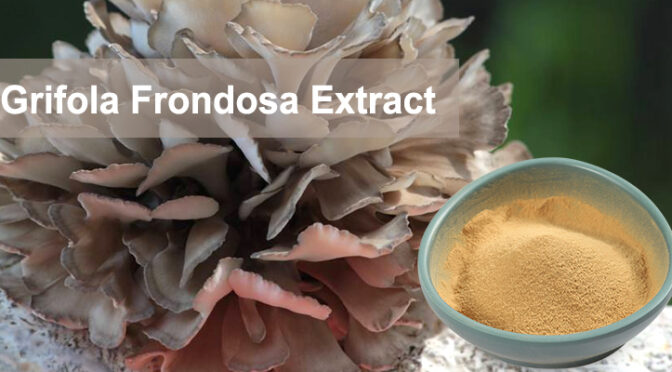
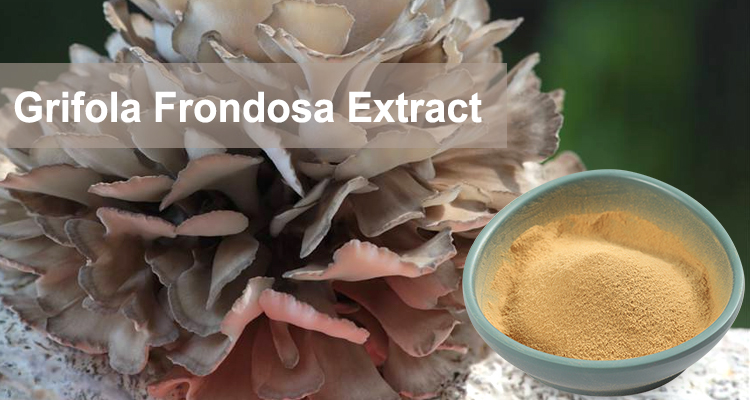
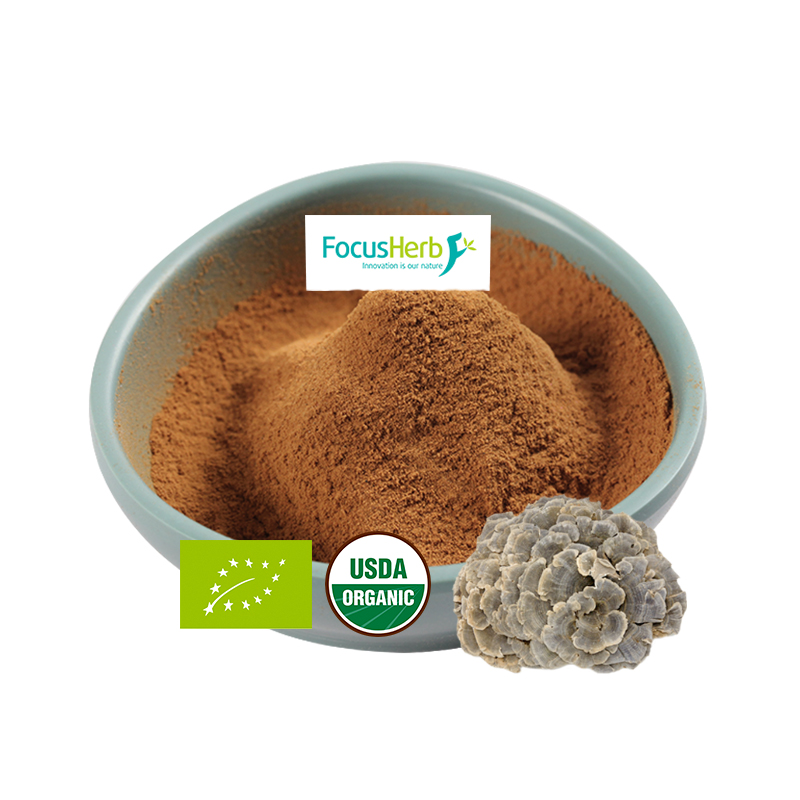
The fleshy fruiting body of the maitake mushroom is a unique sight, resembling a work of art meticulously crafted by nature. It has a short stalk and branches in a charming, lotus-shaped, cascading pattern. It measures 9-18 cm tall and 2-11 cm wide, with an average weight of 300-1400 grams per flower, resembling a giant blossom. When young, it resembles a pure fairy, appearing milky white to off-white. As it matures, it takes on a mysterious veil, turning off-white or gray-brown. Its cap is fan-shaped, initially covered in fine, hardened hairs that dry. Over time, it becomes smooth and adorned with distinctive radial striations, with thin, slightly inward-curling edges, resembling a delicate lacework crafted by nature. Its hyphae are forked, with branch-like septa, while its spores are smooth, oval, and colorless, resembling sparkling gemstones under a microscope. This remarkable fungus prefers to inhabit the moist, humus-rich sandy loam of broadleaf forests, resembling a refined hermit recluse. Summer and autumn are the peak seasons for the maitake mushroom, where it often grows wild on the roots or stumps of Fagaceae trees and broadleaf trees, including chestnut, oak, castanopsis, and cycad. It coexists harmoniously with these trees, creating a harmonious natural landscape. In my country, it inhabits Guizhou, Hebei, Yunnan, Sichuan, Fujian, and Jilin. Globally, it can also be found in Japan, Singapore, and Europe.
Maitake mushroom holds a unique place in Japanese culture, like a shining pearl. Since ancient times, it has been a tribute to the Japanese imperial family, highly revered and considered a precious symbol. Many fascinating legends surround the origin of its name. The Japanese book “Konjaku Monogatarishu” records that wild maitake mushrooms are mildly poisonous, and that when consumed, they cause people to dance. Hence the name “maitake” (maitake mushroom) in Japanese, adding a touch of mystery to the plant. Another romantic theory is that the shape of the mushroom cap, or fruiting body, resembles petals dancing in the wind, or the skirts of a fairy, giving it the name of lightness and beauty. Others say that maitake mushrooms are rich in nutrients and very rare in the wild, and that those who harvest them will be so excited that they dance to express their joy and excitement.
Exploring the Extraction Process
(I) Analysis of Traditional Processes
Maitake Mushroom Extact processes have been the cornerstone of the preparation of maitake mushroom extracts, laying the foundation for research and application. Water extraction and alcohol precipitation and alkaline extraction are typical examples.
Water extraction and alcohol precipitation are commonly used in traditional Chinese medicine extraction, and are also common in extracting maitake mushroom polysaccharides. The process is relatively straightforward: First, the maitake mushroom material is pretreated, such as by washing, drying, and pulverizing, to allow for adequate water contact. Subsequently, an appropriate amount of water is added, and extraction is carried out under heating and stirring, typically at a temperature of 60-100°C for 1-4 hours, allowing the polysaccharides and other components in the maitake mushroom to fully dissolve in the water, forming an aqueous extract. The aqueous extract is then filtered to remove insoluble impurities. Afterward, ethanol is added to the filtered aqueous extract to achieve a certain alcohol content (typically 50% to 90%). Since the solubility of active ingredients such as polysaccharides decreases in high-concentration ethanol, and impurities such as proteins and starch are even less soluble in alcoholic solutions, they precipitate first. These impurities can then be removed through solid-liquid separation methods such as centrifugation or filtration, resulting in a refined polysaccharide extract. This method, based on the solubility differences between different substances in water and ethanol, cleverly separates active ingredients from impurities. Its advantages are significant. Water and ethanol are commonly used and inexpensive extraction agents, resulting in relatively low costs. The process is also simple and easy to master, requiring minimal operator skill. Furthermore, it effectively extracts multiple active ingredients from maitake mushrooms, achieving relatively high extraction efficiency. However, as no one is perfect, the alcohol precipitation process requires a large amount of alcohol, which poses safety risks. Some active ingredients may be precipitated and removed, resulting in loss of active ingredients. The alcohol precipitation process also generates a large amount of waste, which has a certain impact on the environment. Furthermore, the purity of the extract is still low, requiring further purification.
Alkali extraction uses an alkaline solution to extract the components of Grifola frondosa. The Grifola frondosa is first pulverized, then an appropriate amount of alkaline solution, such as sodium hydroxide or potassium hydroxide, is added. Extraction is performed under a certain temperature and stirring conditions, generally between 30 and 70°C, for approximately 1 to 3 hours. The alkaline environment disrupts the Grifola frondosa cell structure, releasing components such as polysaccharides. After extraction, filtration is also performed to remove residue. The extract must then be neutralized and the pH adjusted to neutral to prevent the alkalinity from affecting subsequent experiments or applications. The principle of alkaline extraction is based on the ability of alkaline substances to disrupt cell walls and solubilize certain components. This method can extract components that are difficult to extract using water extraction and alcohol precipitation, broadening the range of extracts. However, alkaline conditions may damage the structure of components such as polysaccharides, affecting their biological activity. Alkaline reagents used during the extraction process may remain, requiring rigorous impurity removal, increasing the complexity of the process.
(II) Highlights of Innovative Processes
With the rapid advancement of technology, innovative processes such as enzymatic hydrolysis and ultrasound-assisted extraction have emerged as bright new stars in the field of maitake mushroom extraction.
Enzymatic hydrolysis, a unique “biological scissors,” utilizes enzymes to promote the breaking of molecular bonds (i.e., hydrolysis) by adding water, thereby obtaining specific products. Commonly used enzymes in maitake mushroom polysaccharide extraction include cellulase, papain, and pectinase. Cellulase, for example, acts on the cellulose component of the maitake mushroom cell wall, breaking it down and facilitating the release of polysaccharides. In practical applications, the type and dosage of enzyme must be determined, as different enzymes have different cleavage sites and reaction conditions. Through single-factor experiments and multi-enzyme orthogonal experiments, the optimal enzymatic conditions for cellulase were found to be: enzyme concentration 0.5%, enzymatic hydrolysis time 80 minutes, enzymatic hydrolysis temperature 60°C, and pH 5.5. The optimal enzymatic hydrolysis conditions for papain were: enzyme concentration 1%, enzymatic hydrolysis time 80 minutes, enzymatic hydrolysis temperature 50°C, and pH 6.5. The optimal enzymatic hydrolysis conditions for pectinase were: enzyme concentration 0.5%, enzymatic hydrolysis time 80 minutes, enzymatic hydrolysis temperature 40°C, and pH 4.5. Based on these results, multi-enzyme orthogonal experiments were conducted to determine the optimal conditions for the enzymatic extraction of Grifola frondosa polysaccharides: enzymatic hydrolysis temperature 50°C, enzymatic hydrolysis time 80 minutes, cellulase concentration 0.75%, papain concentration 1.25%, pectinase concentration 0.25%, and pH 5.5. Under these optimal extraction conditions, the yield of Grifola frondosa polysaccharides reached 10.96%. Enzymatic hydrolysis offers the advantages of high polysaccharide extraction rates, mild reaction conditions, and minimal damage to the polysaccharide structure. It can efficiently extract polysaccharides under mild conditions, preserving their biological activity to the greatest extent possible. However, the high cost of enzymes and their relatively high production costs have limited their application in large-scale industrial production.
Ultrasound-assisted extraction is also a novel extraction technique. When ultrasound propagates through a liquid, it continuously compresses and stretches the medium, causing the resulting cavities to collapse, resulting in localized high temperatures and electrical discharges, and generating cavitation. The shock waves and jets generated by cavitation can disrupt the structure of cells and cell membranes, thereby increasing the ability of cellular contents to penetrate the cell membrane and significantly improving extraction efficiency. To extract maitake mushroom polysaccharides, the maitake mushroom raw material is mixed with water and placed in an ultrasonic device, where parameters such as ultrasonic power, extraction time, and temperature are controlled. Research has shown that the optimal conditions for ultrasonic-assisted extraction of Grifola frondosa polysaccharides using a uniform design method are an ultrasonic power of 500 W, an extraction time of 64 minutes, an extraction temperature of 43°C, a water-to-solid ratio of 31:1 (mL/g), and two extractions. Under these conditions, the extraction yield of Grifola frondosa polysaccharides reached 23.055%. This method not only improves the polysaccharide extraction yield but also shortens the extraction time without affecting the biological properties of the water-soluble polysaccharide. However, excessively strong or prolonged ultrasonic treatment may cause structural changes in the polysaccharide, so appropriate ultrasonic power and treatment time should be selected, which also complicates the operation.
Comparing the innovative process with traditional methods, the innovative process demonstrates significant advantages in extraction efficiency and component retention. Enzymatic hydrolysis and ultrasonic-assisted extraction methods achieve higher extraction yields in a shorter time, with less structural damage to polysaccharides and other components, thereby better preserving their biological activity. However, each method has limitations, such as the high cost of enzymatic hydrolysis and the complex operation of ultrasonic-assisted extraction. In practical applications, it is necessary to comprehensively consider and select the appropriate extraction process based on specific needs and conditions to achieve efficient and high-quality production of maitake mushroom extract.
A Rich Treasury of Ingredients
(I) Polysaccharides: Core Active Agents
Polysaccharides are undoubtedly the most prominent ingredients in Maitake Mushroom Extacts, representing the core active agent. Researchers have successfully extracted dozens of active polysaccharides from Grifola frondosa fruiting bodies and mycelium. These polysaccharides, like mysterious codes, possess potent biological activity. Among them, the D-fraction, MD-fraction, grifolan, X-fraction, MT-2, and LELFD all possess significant physiological activity.
Grifola frondosa polysaccharides primarily consist of α-D-glucan and β-D-glucan, with β-D-glucan being the predominant component. For example, MT-2 has a β-(1→6) side chain and a β-(1→3) main chain; MT-1 has a β-(1→3) side chain and a β-(1→6) main chain. The polysaccharide distribution in the cell walls of the fruiting bodies of the maitake mushroom is quite regular: the exterior is dominated by β-(1→3)- and β-(1→6)-glucans, the middle is dominated by β-(1→6)-glucans, and the interior is composed of β-(1→6)- and β-(1→3)-glucans with side chains. These polysaccharide structures are complex and intricate, resembling nature’s meticulously woven code of life.
β-D-glucan plays a crucial role in immune regulation and anti-tumor activities. In this regard, it acts like a powerful commander, significantly activating cellular immunity. Immune cells such as macrophages and T lymphocytes are like soldiers on the battlefield. β-D-glucan activates them, multiplying their fighting power, thereby strengthening the body’s immunity and improving resistance, helping the body defend against various diseases. At the molecular level, β-D-glucan binds to specific receptors on the surface of immune cells, initiating a series of signaling pathways and promoting the secretion of cytokines, such as interleukins and interferon-γ. These cytokines act like battlefield clarion calls, rallying more immune cells to join the fight and collectively safeguarding the body’s health. In its anti-tumor role, β-D-glucan does not directly attack tumor cells, but instead leverages the body’s own immune system. It can inhibit tumor cell growth, prevent metastasis, and protect normal cells from becoming cancerous. When tumor cells appear in the body, β-D-glucan activates immune cells such as natural killer cells. These immune cells act as the body’s guardians, identifying and destroying tumor cells, thereby achieving an anti-tumor effect. β-D-glucan also works synergistically with chemotherapy and radiotherapy, enhancing the effectiveness of cancer treatment while reducing the side effects of both radiotherapy and chemotherapy, offering new hope for cancer patients.
(II) Other Nutrients
In addition to its core component, polysaccharides, maitake mushroom extract is rich in a variety of other nutrients, representing a treasure trove of nutrients.
Protein and amino acids are fundamental building blocks of life. Maitake mushrooms contain high concentrations of these substances, a comprehensive range of ingredients, and are easily absorbed by the human body. Every 100 grams of dried maitake mushrooms contains 25.2 grams of protein, including 18 essential amino acids, totaling 18.68 grams. Essential amino acids account for 45.5%, double the content of shiitake mushrooms. These amino acids are essential building blocks for the body’s tissue construction and repair, and for the production of enzymes and hormones. They are crucial for promoting healthy growth and intellectual development in children. Amino acids such as arginine and lysine, which are beneficial to children’s intellectual development, are also found in significant concentrations in maitake mushrooms, exceeding the lysine (1.024%) and arginine (1.231%) levels found in enoki mushrooms.
Maitake mushrooms also contain a vast array of vitamins. B vitamins are involved in the body’s metabolism, helping convert food into energy. Vitamin C has antioxidant properties, boosting immunity and preventing scurvy. Vitamin D aids calcium absorption and is crucial for bone health. Vitamin E is a powerful antioxidant that protects cells from free radical damage, slowing aging. When combined with selenium, it can also enhance memory and acuity. Every 100 grams of dried maitake mushroom contains 109.7 mg of vitamin E, 1.47 mg of vitamin B1, 0.72 mg of vitamin B2, 17.0 mg of vitamin C, and 4.5 mg of carotene. This makes it the highest nutrient source among edible fungi. Its vitamin B1 and vitamin E content is approximately 10-20 times higher than other edible fungi, while its vitamin C content is 3-5 times higher than its counterparts.
Maitake mushrooms are also rich in a variety of minerals, including potassium, phosphorus, iron, zinc, calcium, copper, selenium, and chromium. Iron is a key component of hemoglobin production and helps prevent anemia. Zinc plays an important role in brain development, maintaining visual acuity, and promoting wound healing. High levels of selenium and chromium protect the liver and pancreas, preventing cirrhosis and diabetes. Selenium also helps prevent Keshan disease, Kashin-Beck disease, and certain heart diseases. Calcium and vitamin D work synergistically to effectively prevent and treat rickets. Rich in iron, copper, and vitamin C, maitake mushrooms can also prevent vitiligo, arteriosclerosis, and cerebral thrombosis.
These rich nutrients work together to safeguard human health, fully demonstrating the exceptional value of maitake mushroom extract and establishing it as a key player in the nutritional and health field.
Diverse Application Areas
(I) A New Favorite in Medicine and Healthcare
Maitake Mushroom Extact, with its remarkable biological activity, has become a highly sought-after new product in the medical and healthcare field.
In the fight against tumors, Maitake Mushroom Extact is like a valiant warrior, demonstrating powerful combat effectiveness. Research has shown that it exerts its anti-tumor effects through multiple pathways. Firstly, its rich polysaccharide content, such as β-D-glucan, can activate immune cells such as macrophages, T lymphocytes, and natural killer cells, enhancing the body’s immune surveillance function and enabling these immune cells to more effectively identify and eliminate tumor cells. Once activated, macrophages release cytokines, such as tumor necrosis factor-α, to attack tumor cells. T lymphocytes can directly kill tumor cells or inhibit tumor growth by modulating the immune response. Furthermore, certain components in Maitake Mushroom Extact can induce apoptosis in tumor cells, blocking tumor cell proliferation signaling pathways and thereby inhibiting tumor cell growth and spread. Multiple clinical trials have confirmed the anti-tumor effects of Maitake Mushroom Extact. In a study of breast cancer patients, some patients took a maitake mushroom extract supplement alongside conventional treatment. Results showed that these patients experienced significantly slower tumor growth and improved quality of life. Other studies have found that when combined with chemotherapy drugs, maitake mushroom extract can enhance the efficacy of chemotherapy drugs, reduce tumor cell resistance to them, and alleviate chemotherapy side effects such as nausea, vomiting, and hair loss, offering new hope for cancer patients.
In terms of immune regulation, maitake mushroom extract acts as a precise regulator, maintaining the balance of the body’s immune system. When the body’s immune system is low, it can promote the proliferation and differentiation of immune cells, enhancing their activity and thereby boosting immunity, helping the body defend against pathogens such as viruses and bacteria. During flu season, taking supplements containing maitake mushroom extract can enhance the body’s immune system and reduce the risk of influenza infection. Furthermore, when the immune system is overactive, triggering allergic reactions or autoimmune diseases, maitake mushroom extract can suppress the excessive immune response and reduce inflammatory symptoms. For patients with allergic rhinitis, taking maitake mushroom extract can alleviate allergic symptoms such as sneezing, runny nose, and nasal congestion.
Maitake mushroom extract also demonstrates excellent results in lowering blood sugar and blood pressure. It regulates insulin secretion and action, increasing insulin sensitivity and thereby lowering blood sugar levels. Furthermore, maitake mushroom extract inhibits intestinal absorption of sugars, reducing the source of blood sugar. For diabetics, long-term use of health supplements containing maitake mushroom extract can help control blood sugar and reduce the occurrence of diabetic complications. Regarding blood pressure, maitake mushroom extract dilates blood vessels, reducing peripheral vascular resistance and thus lowering blood pressure. It also regulates the renin-angiotensin system in the body, inhibiting the production of angiotensin, further exerting its antihypertensive effects. Clinical studies have shown that maitake mushroom extract effectively controls blood pressure in hypertensive patients without significant adverse reactions.
Based on these remarkable medicinal benefits, numerous health supplements and pharmaceuticals containing maitake mushroom extract have emerged on the market. American Mushroom Maitake Maitake Essence Capsules, each rich in a high concentration of maitake extract, are highly sought after for their immune-boosting and anti-tumor properties. Tiandi Guiyuan brand maitake and shiitake mushroom tablets, made from ingredients including irradiated maitake extract, shiitake extract, irradiated tremella extract, and irradiated enoki mushroom extract, have been shown in animal studies to enhance immunity and are suitable for individuals with compromised immune systems. Other capsules, including maitake extract, are primarily used to treat respiratory conditions such as chronic bronchitis and chronic obstructive pulmonary disease. The maitake extract in these capsules has anti-inflammatory, antitussive, and expectorant properties. Clinical studies have shown significant improvement in the clinical symptoms of chronic bronchitis patients, with an overall efficacy rate exceeding 85%. The emergence of these products fully demonstrates the importance of maitake extract in the medical and healthcare field, providing strong support for public health.
(II) New Elements in the Food Industry
Maitake Mushroom Extact, a rising star in the food industry, is demonstrating tremendous application potential and bringing new vitality and opportunities to the food industry.
In the field of food additives, Maitake Mushroom Extact is like a magical magician, adding unique flavor and rich nutrition to food. It can be used as a natural seasoning, imparting a distinct umami flavor to food, similar to the rich aroma of shiitake mushrooms, yet with its own distinct character. This unique flavor enhances the taste of food and provides consumers with a more enjoyable dining experience. Adding an appropriate amount of Maitake Mushroom Extact to soups can enhance the flavor and richness, leaving a lasting aftertaste. Furthermore, Maitake Mushroom Extact has a thickening effect and can be used as a natural thickener in foods. It increases the viscosity of foods, improving their texture and mouthfeel, making them thicker and smoother. Adding Maitake Mushroom Extact to foods like yogurt and jam can make them more delicate and uniform, extending their shelf life. Furthermore, Maitake Mushroom Extact is rich in various nutrients, such as polysaccharides, proteins, vitamins, and minerals. It can be used as a nutritional supplement to supplement foods and enhance their nutritional value. Adding Maitake Mushroom Extact to baked goods like bread and biscuits can boost their nutritional content, satisfying consumers’ demand for healthier foods.
Maitake Mushroom Extact has been particularly effective in the development of functional foods, becoming a key element in R&D and innovation for many food companies. Functional beverages developed with Maitake Mushroom Extact as a primary ingredient combine the health benefits of Grifola frondosa with the convenience of a beverage and are highly popular with consumers. These beverages not only have a refreshing taste but also boast immune-boosting and anti-fatigue properties. They are ideal for post-workout or work-related fatigue, quickly replenishing the body with needed energy and nutrients for recovery. Snacks such as nuts and preserved fruits can also be infused with Maitake Mushroom Extact, enhancing their health benefits while retaining their original flavor. Consumers can enjoy delicious snacks while also reaping the health benefits of Maitake Mushroom Extact, such as boosting immunity and improving intestinal function. Some companies have also cleverly combined maitake mushroom extract with other ingredients to develop functional foods with special benefits. Combining maitake mushroom extract with fiber-rich ingredients like oats and beans creates meal replacements. These foods are not only rich in fiber, helping to promote intestinal motility and prevent constipation, but also help regulate blood sugar and lipids, making them suitable for those pursuing a healthy lifestyle and managing their weight.
Many foods containing maitake mushroom extract have appeared on the market, attracting consumers with their unique flavor and excellent health benefits. Maitake mushroom biscuits, a traditional biscuit with maitake mushroom extract, offer a crispy texture and fragrant aroma. They also boost immunity and provide nutritional benefits, making them a healthy choice for leisure time. Maitake mushroom bars, rich in protein, dietary fiber, and maitake mushroom extract, are convenient and portable energy foods perfect for outdoor activities and travel, providing a quick boost of energy and maintaining stamina. There are also Maitake mushroom drinks, made from fresh Maitake mushrooms through extraction and blending processes. They offer a refreshing taste and boast antioxidant and lipid-lowering benefits, making them a popular choice in the health drink market. These foods containing Maitake mushroom extract not only enrich the food market but also satisfy consumers’ pursuit of healthy and delicious food, demonstrating the broad application prospects of Maitake mushroom extract in the food industry.
(III) Exploration in Other Fields
Beyond its success in the healthcare and food industries, Maitake mushroom extract has also demonstrated potential application value in cosmetics and agriculture, bringing new insights and possibilities to these fields.
In the cosmetics field, Maitake mushroom extract acts as a gentle guardian, becoming a star ingredient in numerous skincare products thanks to its outstanding antioxidant properties. With increasing interest in skin health and anti-aging, the use of antioxidant ingredients in cosmetics is becoming increasingly widespread. Maitake Mushroom Extact, rich in polysaccharides, flavonoids, vitamins C, and E, possesses powerful antioxidant properties. It effectively scavenges free radicals in the skin, reduces free radical damage to skin cells, and slows the aging process. Free radicals are one of the main causes of skin aging. They damage collagen and elastin fibers in the skin, causing a loss of elasticity and resulting in wrinkles and sagging. The antioxidants in Maitake Mushroom Extact bind to free radicals, inactivating them and thus protecting the health of skin cells. Adding Maitake Mushroom Extact to skincare products, such as creams, lotions, and serums, can enhance the antioxidant benefits of these products, helping to protect the skin from harmful external factors like UV rays and environmental pollution, while maintaining its radiance and elasticity. An eye cream containing Grifola frondosa fruiting bodies and green tea extract has been clinically proven to improve skin elasticity, brighten, and even out skin tone around the eyes after six weeks of use, particularly for dark circles. It also reduces the appearance of fine lines around the eyes. Throughout the study, no adverse reactions related to the tested eye cream were reported, fully demonstrating the safety and effectiveness of maitake mushroom extract in cosmetics.
In agriculture, maitake mushroom extract acts as a wise guide, providing new solutions for plant growth and protection. Research has found that maitake mushroom extract has plant growth regulating properties, promoting plant growth and development and enhancing plant resistance. It stimulates root growth, increases root absorption area, and enables plants to better absorb nutrients and water from the soil, thereby promoting the growth of above-ground parts. In tomato cultivation, using foliar fertilizer containing maitake mushroom extract can significantly increase tomato yield and quality, resulting in fuller, more flavorful fruits. Maitake mushroom extract can also enhance plant resistance to pests and diseases, induce defensive responses, and strengthen the plant’s immunity. When attacked by pests and diseases, maitake mushroom extract can activate defense genes in the plant, prompting the production of antimicrobial substances such as phytoalexins, thereby combating the damage. In rice cultivation, spraying Maitake Mushroom Extact significantly enhances rice resistance to rice blast, reducing pesticide use, lowering agricultural production costs, and reducing environmental pollution.
Although these potential applications in fields such as cosmetics and agriculture are still in the research and exploration stages, they already hold promising promise. With continued advancements in scientific research and technological advancements, we believe Maitake Mushroom Extact will find wider application in these fields, bringing even more surprises and changes to people’s lives.
Market and Outlook
In recent years, the market for maitake mushroom extract has flourished, with its market size continuously expanding and its application areas continuously broadening, attracting increasing attention.
In terms of market size, relevant research reports indicate that the maitake mushroom industry in my country is growing steadily, reaching 1.215 billion yuan in 2023, a year-on-year increase of 12.19%. As people increasingly prioritize health, demand for natural and functional foods and health supplements continues to rise. As a natural substance with diverse health benefits, maitake mushroom extract is experiencing a surge in market demand. In the healthcare sector, demand for health supplements and pharmaceuticals containing maitake mushroom extract continues to grow. Its anti-tumor, immunomodulatory, blood sugar-lowering, and blood pressure-lowering properties have gained widespread recognition, attracting numerous consumers. In the food industry, maitake mushroom extract is also finding increasing application as a food additive and ingredient in functional foods, driving further market expansion.
In terms of major manufacturers and products, a number of specialized maitake mushroom extract companies have emerged in the market. Fufeng Snot Biotechnology Co., Ltd. is a high-tech enterprise specializing in the research, development, and production of plant extracts. Its Grifola frondosa polysaccharide extract is available in a variety of strengths, such as a 30% Grifola frondosa polysaccharide. The product boasts a loose, lumpy, and impurity-free powder, and is highly recognized in the market. Shaanxi New Horizon Biotechnology Co., Ltd. also offers Maitake Mushroom Extact products in strengths such as 10:1. Contact 17749282610, providing convenient consultation and purchasing channels. These companies offer Maitake Mushroom Extacts of varying purity and dosage forms to meet diverse customer needs.
Looking ahead, the Maitake Mushroom Extact market holds promising prospects. With the continuous advancement of technology, research on Maitake Mushroom Extact will intensify, and new biological activities and applications are expected to be further explored. In the pharmaceutical field, more innovative drugs based on Maitake Mushroom Extact are expected to be developed to treat a wider range of diseases. For example, in cancer treatment, more effective combination therapies may be developed to improve the treatment outcomes and quality of life for cancer patients. In the food industry, a wider variety of functional foods containing maitake mushroom extract will be introduced to meet consumers’ diverse needs for healthy and delicious foods. This includes developing nutritional supplements tailored to specific demographics, providing consumers with more personalized health solutions. With increasing awareness of health and environmental protection, natural, green maitake mushroom extracts are more in line with market trends, and market demand is expected to continue to grow.
However, the maitake mushroom extract market faces challenges in its development. While maitake mushroom cultivation technology is continuously improving, issues such as unstable yields and varying quality remain, potentially impacting the raw material supply and product quality. The active ingredient content of maitake mushrooms grown in different regions and under different cultivation conditions can vary, leading to inconsistent extract quality. Furthermore, the quality standards and regulatory systems for maitake mushroom extract products on the market are still underdeveloped, leading to issues such as substandard quality and false advertising. This not only harms consumers but also impacts the healthy development of the entire industry. In pursuit of profit, some unscrupulous vendors may add other ingredients to their products or exaggerate their efficacy, misleading consumers. In the face of these challenges, relevant companies and research institutions need to strengthen cooperation and increase investment in R&D for maitake mushroom cultivation and extraction techniques. This will improve maitake mushroom production and quality, optimize extraction processes, reduce production costs, and enhance product competitiveness. Government agencies should also strengthen oversight of the maitake mushroom extract market, improve quality standards and regulatory systems, regulate market order, crack down on counterfeit and substandard products, and create a favorable environment for the healthy development of the maitake mushroom extract market. Only in this way can the market potential of maitake mushroom extract be fully tapped, its sustainable development be achieved, and its potential for greater benefits to people’s health and well-being be realized.
Turkey Tail Mushroom Extact is the essence extracted from this fascinating fungus. It is produced primarily through a series of sophisticated processes, including heating and reflux extraction, vacuum concentration, and spray drying. Rich in proteins, fats, polysaccharides, polysaccharide peptides, glucans, lignin, amino acids, and various inorganic salts, it also contains enzymes such as proteases, peroxidases, amylases, laccases, and laccases, making it a treasure trove of nutrients and active ingredients. These ingredients endow
Turkey Tail Mushroom Extact with a wide range of applications, making it a key player in medicine, health supplements, food, and industry. From contributing to human health to driving industrial development,
Turkey Tail Mushroom Extact is making its mark in various fields with its unique appeal. Let’s delve deeper into its secrets.
From Turkey Tail Mushroom to Extract: A Miraculous Transformation Journey
Biological Characteristics of Yunzhi
Yunzhi belongs to the genus Trametes in the family Polyporaceae and is a common large fungus. Its fruiting bodies are densely arranged in an imbricate or rosette-like pattern, resembling layers of tiles or a blooming lotus throne—a truly fascinating sight. The cap is typically small, ranging from 1-6 cm in diameter and 1-3 mm thick. Its leathery texture and thin, wavy edges make it highly recognizable. Its coloration varies, mostly white when young, gradually darkening as it matures. Its surface is covered with fine hairs of varying lengths, interwoven with a variety of colors—gray, white, brown, blue, purple, and black—forming a distinctive cloud-like pattern of concentric rings, which is why it is called “Yunzhi.” The flesh is white and fibrous, becoming nearly leathery upon drying. The spores are cylindrical, slightly curved, smooth, and colorless.
Yunzhi is a highly adaptable wood-rotting fungus that primarily grows on dead standing logs, fallen trees, dead branches, and aged standing trees of broadleaf trees. It can also occasionally be found on decaying conifers such as larch and black pine. It has a wide temperature range, growing between 3 and 31°C, with an optimum growth temperature of 25 to 28°C and a fruiting body temperature of 25 to 30°C. It prefers a high relative humidity, generally between 85% and 90%. Furthermore, it thrives in slightly acidic environments, with a pH between 4 and 5.6. These unique environmental requirements give it a unique niche within forest ecosystems.
Globally, versicolor versicolor is widely distributed, found in forests across Asia, Europe, America, and Africa. In my country, versicolor is found throughout the country, from northern Hebei, Shanxi, and Inner Mongolia to southern Fujian, Guangdong, and Guangxi, and in western Gansu, Qinghai, and Tibet. Versicolor versicolor from different regions may exhibit subtle variations in morphology and composition, which are closely related to local ecological factors such as climate, soil, and vegetation.
Exfoliation Process Revealed
There are numerous methods for extracting active ingredients from Coriolus versicolor, each with its own unique principles, procedures, advantages and disadvantages, and varying degrees of impact on the composition and quality of the extract.
Water extraction is one of the most traditional extraction methods. Using water as the solvent, it utilizes heating and stirring to dissolve the active ingredients in Coriolus versicolor. Specifically, dried Coriolus versicolor is pulverized, then distilled water is added in a specific proportion. The mixture is heated to boiling and held for a period of time to allow the active ingredients to fully dissolve. After cooling, the mixture is filtered and the filtrate is concentrated to yield the crude Coriolus versicolor extract. This method is simple and inexpensive, but the extraction efficiency is relatively low, and the resulting extract contains a high concentration of impurities, including water-soluble pigments, proteins, and sugars, which can affect the extract’s purity and quality.
Alcohol extraction uses organic solvents such as ethanol to extract Coriolus versicolor. Typically, dried Coriolus versicolor is pulverized, then added to a specific concentration of ethanol solution. Stirring and soaking the mixture allows the active ingredients to dissolve in the ethanol. Compared with water extraction, alcohol extraction can increase the extraction yield of certain active ingredients while reducing the release of impurities, as some impurities have low solubility in ethanol. However, alcohol extraction also has certain limitations. For example, ethanol is volatile and flammable, requiring safety precautions during operation. Furthermore, after using organic solvents for extraction, subsequent solvent recovery and disposal are also issues that require consideration, increasing production costs and environmental pressures.
Ultrasound-assisted extraction is a relatively advanced extraction technique that utilizes the high-frequency vibration and cavitation effects of ultrasound to improve extraction efficiency. During the extraction process, ultrasound generates strong vibrations and impact forces, disrupting the cells of Coriolus versicolor and accelerating the release of active ingredients. Compared with traditional extraction methods, ultrasound-assisted extraction offers advantages such as faster extraction speed, higher extraction yield, and lower energy consumption. Research has shown that optimizing ultrasound parameters such as frequency, power, and duration can significantly improve the yield and quality of Coriolus versicolor extracts. However, this method requires specialized ultrasonic equipment, which is costly and requires relatively high operator skills. Enzyme-assisted extraction utilizes the catalytic action of specific enzymes to degrade certain components within the cell wall or extracellular matrix of Coriolus versicolor, thereby increasing the extraction rate of the active ingredients. For example, enzymes such as cellulase and protease can be used to disrupt the cell structure of Coriolus versicolor, facilitating the release of the active ingredients. Enzyme-assisted extraction offers advantages such as high selectivity and mild extraction conditions, enabling extraction under relatively mild conditions and minimizing damage to the active ingredients. However, enzymes are relatively expensive, and their activity is easily affected by factors such as temperature and pH. In practical applications, strict control of reaction conditions is required to ensure optimal catalytic activity and extraction efficiency.
The Chemical Code of Turkey Tail Mushroom Extact
The powerful effects of Turkey Tail Mushroom Extact stem from its complex and sophisticated chemical composition. These components work together like a sophisticated network of biochemical reactions, providing comprehensive support for human health.
Polysaccharides: The Core Active Agent
Yunzhi polysaccharide is one of the most important active ingredients in Turkey Tail Mushroom Extact, demonstrating remarkable immunomodulatory and anti-tumor capabilities. Structurally, Yunzhi polysaccharide is a large proteoglycan with a molecular weight typically exceeding 100,000. Its backbone is primarily composed of glucans linked by β-(1→3) glycosidic bonds, with branching structures containing β-(1→3) and β-(1→6) glycosidic bonds. Furthermore, small proteins (peptides) are bound to the polysaccharide chain, forming a unique proteoglycan (PSP) structure. This unique structure endows Yunzhi polysaccharide with high biological activity, enabling it to interact with specific receptors on the surface of human cells, triggering a series of immunomodulatory responses. In terms of immune regulation, Coriolus versicolor polysaccharide acts like an excellent commander, activating the human immune system and enhancing the activity of immune cells. It stimulates the proliferation and differentiation of immune cells such as macrophages, T lymphocytes, and B lymphocytes, enabling them to better perform their immune defense functions. Under the action of Coriolus versicolor polysaccharide, macrophages’ phagocytic ability is significantly enhanced, enabling them to more effectively eliminate pathogens and foreign matter from the body. Increased T lymphocyte activity leads to the secretion of more cytokines, such as interleukins and interferons, which play a key role in regulating immune responses and enhancing the synergistic function of immune cells. B lymphocytes, stimulated by Coriolus versicolor polysaccharide, produce more antibodies, boosting the body’s humoral immunity. Through this comprehensive immune-regulating effect, Coriolus versicolor polysaccharide helps the body build a strong immune defense against various diseases.
In terms of anti-tumor effects, the mechanism of action of Coriolus versicolor polysaccharide is even more complex and sophisticated. It not only directly inhibits the growth and proliferation of tumor cells, but also indirectly exerts anti-tumor effects by modulating the body’s immune function. Studies have found that Coriolus versicolor polysaccharides can induce apoptosis in tumor cells, arresting their growth cycle at a specific stage and thereby inhibiting tumor growth. Coriolus versicolor polysaccharides can also enhance the body’s immune surveillance and clearance of tumor cells, activating immune cells such as natural killer cells (NK cells) and cytotoxic T lymphocytes (CTLs), enabling them to recognize and kill tumor cells. Coriolus versicolor polysaccharides can also be used in combination with chemotherapy drugs to enhance their efficacy and reduce their side effects. Clinical studies using Coriolus versicolor polysaccharides with chemotherapy drugs in cancer patients have shown significant tumor reduction and improved quality of life. Side effects of chemotherapy drugs, such as nausea, vomiting, and hair loss, have also been alleviated.
Triterpenes: A Multifaceted Health Protector
Coriolus versicolor extracts are rich in triterpenes. These compounds are structurally diverse, possess a wide range of biological activities, and play a multifaceted role in maintaining human health. Triterpenes have a basic nucleus composed of 30 carbon atoms and are structured by the polymerization of six isoprene units. Based on the number of carbon atoms in the molecule, they can be divided into three major categories: C30, C27, and C24. Based on the functional groups and side chains, they can be further divided into over ten types, including ganoderic acid, ganoderic lactone, ganoderic acid, and ganoderic alcohol. Their structures are diverse, with most being tetracyclic and pentacyclic triterpenes, while a smaller number are chain-shaped, monocyclic, bicyclic, and tricyclic. Common tetracyclic triterpenes include dammarane and lanolinane structures; pentacyclic triterpenes primarily include oleanane, ursane, and lupenane. These diverse triterpenes are responsible for the unique biological activity of Turkey Tail Mushroom Extact.
As antioxidants, triterpenes act like loyal guardians, scavenging excess free radicals in the body and protecting cells from oxidative damage. Free radicals are a type of reactive oxygen species produced during human metabolism. They possess strong oxidative activity and can attack intracellular biomolecules such as lipids, proteins, and nucleic acids, leading to cell damage and aging. Triterpenes can react with free radicals by donating hydrogen atoms or electrons, converting them into stable substances and thus reducing the damage caused by free radicals to cells. Studies have shown that the triterpenes in Yunzhi (Coriolus versicolor) can significantly inhibit lipid peroxidation, reduce intracellular malondialdehyde (MDA) levels, and increase the activity of antioxidant enzymes such as superoxide dismutase (SOD) and glutathione peroxidase (GSH-Px). These enzymes work synergistically to effectively scavenge free radicals and maintain intracellular redox balance.
In terms of anti-inflammatory properties, triterpenes can inhibit the release of inflammatory mediators, reducing the damage caused by inflammatory reactions. When the human body is infected by pathogens or stimulated by external factors, an inflammatory response is triggered. Inflammatory mediators such as tumor necrosis factor-α (TNF-α), interleukin-1β (IL-1β), and interleukin-6 (IL-6) are released in large quantities, leading to inflammatory symptoms such as local tissue redness, swelling, pain, and fever. Triterpenes can inhibit inflammatory signaling pathways, reducing the production and release of inflammatory mediators. Studies have found that certain triterpenes in Yunzhi (Coriolus versicolor) can inhibit the activation of nuclear factor κB (NF-κB), a key transcription factor in the inflammatory signaling pathway. NF-κB activation leads to upregulation of a range of inflammatory mediator genes. When triterpenes inhibit NF-κB activation, the production of inflammatory mediators is suppressed, thereby alleviating the inflammatory response.
Triterpenes also play a role in regulating blood lipids. They can lower blood cholesterol, triglycerides, and low-density lipoprotein (LDL) levels while increasing high-density lipoprotein (HDL) levels. High cholesterol, high triglycerides, and low HDL levels are significant risk factors for cardiovascular disease. Triterpenes can help reduce the risk of cardiovascular disease by regulating blood lipid levels. Their mechanism of action may involve regulating the activity of enzymes involved in lipid metabolism, inhibiting cholesterol synthesis and absorption, and promoting lipid breakdown and excretion. For example, some studies have shown that triterpenes in Coriolus versicolor can inhibit the activity of 3-hydroxy-3-methylglutaryl coenzyme A (HMG-CoA) reductase, a key enzyme in cholesterol synthesis. Inhibiting its activity can reduce cholesterol synthesis.
Other Ingredients: Synergistic Enhancers
In addition to polysaccharides and triterpenes, Coriolus versicolor extracts contain a variety of other components, including steroids, organic acids, alkaloids, glucitols, proteins, amino acids, vitamins, and trace elements such as copper, iron, potassium, and zinc. Although these components are present in relatively small amounts, they also play an essential role in the biological activity of Coriolus versicolor extracts, synergizing with polysaccharides and triterpenes to maintain human health. Steroidal compounds exhibit a variety of biological activities, such as regulating hormone levels, anti-inflammatory, and anti-tumor properties. In Turkey Tail Mushroom Extact, steroidal compounds may interact with other components, enhancing their overall pharmacological activity. Organic acids exhibit antibacterial, antiviral, and gastrointestinal regulatory properties. Some organic acids can inhibit the growth and reproduction of bacteria and viruses, contributing to the prevention and treatment of infectious diseases. Alkaloids exhibit a variety of biological activities, including analgesic, sedative, antibacterial, and anti-tumor properties. Their presence in Turkey Tail Mushroom Extact further enhances its medicinal value. Components such as glucitol, proteins, and amino acids are essential building blocks of living organisms. They participate in human metabolism and provide energy and nutritional support. Although vitamins and trace elements are required in relatively small quantities by the human body, they are crucial for maintaining normal physiological functions. Vitamins like vitamin C and vitamin E have antioxidant properties and can synergize with triterpenes to scavenge free radicals. Trace elements like copper, iron, and zinc are components or activators of many enzymes, participating in numerous biochemical reactions in the human body.
These components work together synergistically, giving Coriolus versicolor extract its broad physiological activity. Like a closely integrated team, they each contribute unique strengths to provide comprehensive protection for human health. Future research will further explore the mechanisms of synergy among these components, which will help to better develop and utilize the medicinal value of Coriolus versicolor extract, bringing even greater benefits to human health.
The Medical Miracle of Turkey Tail Mushroom Extact
Immune Regulation: A Reinforcer of the Body’s Defenses
Turkey Tail Mushroom Extact is exceptional in its immunomodulatory capabilities. Like a well-trained instructor, it comprehensively activates and strengthens the human immune system, enhancing the activity of immune cells and strengthening the body’s immune defenses.
Macrophages, a crucial component of the human immune system, are the first line of defense against pathogen invasion. Turkey Tail Mushroom Extact can significantly enhance the phagocytic capacity of macrophages, enabling them to more effectively identify and engulf pathogens. In one experiment on mice, injection of Turkey Tail Mushroom Extact significantly increased the rate of macrophage phagocytosis of Escherichia coli from approximately 30% to over 60%. This indicates that Turkey Tail Mushroom Extact significantly enhances macrophage phagocytosis, thereby better clearing bacteria and other pathogens from the body.
T lymphocytes play a central role in cellular immunity. They can directly kill pathogen-infected cells and tumor cells, while also secreting cytokines to regulate immune responses. Turkey Tail Mushroom Extact can promote the proliferation and differentiation of T lymphocytes, enhancing their activity. Studies have found that Turkey Tail Mushroom Extact can stimulate T lymphocytes to secrete more interleukin-2 (IL-2). IL-2 is an important cytokine that promotes the growth and activation of T lymphocytes, enhancing their ability to kill target cells. Turkey Tail Mushroom Extact accelerates T lymphocyte proliferation and significantly increases their activity, enabling more effective cellular immunity.
B lymphocytes are key players in humoral immunity, producing antibodies that bind to pathogens and eliminate them. Turkey Tail Mushroom Extact can stimulate B lymphocytes to produce more antibodies, boosting the body’s humoral immunity. In a clinical study, Turkey Tail Mushroom Extact was administered to people with compromised immunity. After a period of treatment, levels of immunoglobulins (IgG, IgA, IgM, etc.) were significantly increased in these individuals. This suggests that Turkey Tail Mushroom Extact can effectively enhance B lymphocyte function, promote antibody production, and thus improve humoral immunity. Natural killer cells (NK cells) are a type of innate immune cell that can directly kill tumor cells and virus-infected cells without prior antigen exposure. Coriolus versicolor extract can enhance the activity of NK cells, making them more potent killers. Experiments have shown that Coriolus versicolor extract can increase the expression of activating receptors on the surface of NK cells, thereby improving their ability to recognize and kill target cells. The effect of Coriolus versicolor extract can increase the killing activity of NK cells by 30%-50%, enabling NK cells to more effectively perform their immune surveillance and defense functions, promptly eliminating abnormal cells from the body.
In practice, Coriolus versicolor extract is often used as an adjunctive treatment for conditions associated with immunosuppression, such as chronic fatigue syndrome and recurrent respiratory infections. For patients with chronic fatigue syndrome, long-term use of Coriolus versicolor extract has significantly reduced fatigue, improved physical strength and mental state, and boosted immunity, leading to a significant reduction in the incidence of respiratory infections such as colds. Some clinical studies have also found that Turkey Tail Mushroom Extact can be used as an adjunctive treatment for cancer patients after chemotherapy and radiotherapy, helping to boost their immunity and mitigate the suppressive effects of chemotherapy on the immune system. Many cancer patients experience a sharp decline in immunity after chemotherapy and radiotherapy, making them susceptible to various infections. However, taking Turkey Tail Mushroom Extact has shown enhanced immune cell activity, reduced infection risk, and significantly improved quality of life.
Anti-tumor Effects: New Hope for Cancer Treatment
Turkey Tail Mushroom Extact has demonstrated tremendous potential in the anti-tumor field, offering new hope for cancer patients. Like a fearless warrior, it attacks tumor cells from multiple angles, inhibiting their growth and inducing apoptosis. It also modulates the body’s immune function, enhancing the immune system’s ability to monitor and eliminate tumor cells.
Turkey Tail Mushroom Extact can inhibit tumor cell growth and proliferation, primarily by affecting tumor cell metabolism and signaling pathways. Studies have shown that the polysaccharides and triterpenoids in Turkey Tail Mushroom Extact can interfere with DNA synthesis and cell cycle regulation in tumor cells, arresting their growth cycle at the G0/G1 phase, thereby inhibiting cell division and proliferation. In vitro cell experiments revealed that applying Turkey Tail Mushroom Extact to liver cancer cells significantly slowed their proliferation rate and inhibited cell growth over time. Turkey Tail Mushroom Extact can also inhibit tumor cell migration and invasion, reducing metastasis. It regulates the expression of adhesion molecules and matrix metalloproteinases on the tumor cell surface, thereby reducing the adhesion of tumor cells to surrounding tissues and inhibiting their invasion and metastasis. In animal studies, injecting Turkey Tail Mushroom Extact into mice inoculated with tumor cells significantly reduced the number of metastatic foci and effectively controlled the extent of metastasis.
Inducing tumor cell apoptosis is another important mechanism of Turkey Tail Mushroom Extact’s anti-tumor effects. Apoptosis is a type of programmed cell death that normally maintains normal physiological balance and eliminates damaged or abnormal cells. However, tumor cells often have the ability to evade apoptosis, allowing them to continue growing and proliferating. Turkey Tail Mushroom Extact can activate apoptotic signaling pathways within tumor cells, prompting them to undergo apoptosis. It can upregulate the expression of pro-apoptotic proteins (such as Bax and Caspase-3) while simultaneously downregulating the expression of anti-apoptotic proteins (such as Bcl-2). This disrupts the apoptotic balance within tumor cells and induces apoptosis. A study of lung cancer cells found that Turkey Tail Mushroom Extact significantly increased Caspase-3 activity within lung cancer cells, thereby activating the apoptotic cascade and leading to apoptosis.
Turkey Tail Mushroom Extact can also indirectly exert anti-tumor effects by modulating the body’s immune function. It can activate immune cells such as macrophages, T lymphocytes, and NK cells, enhancing their ability to recognize and kill tumor cells. Under the action of Turkey Tail Mushroom Extact, macrophage phagocytic activity is enhanced, enabling them to more effectively engulf tumor cells. T lymphocyte activity is also increased, leading to the secretion of more cytokines, such as interferon-γ (IFN-γ) and tumor necrosis factor-α (TNF-α). These cytokines can directly kill tumor cells or indirectly exert anti-tumor effects by activating other immune cells. The cytotoxic activity of natural killer (NK) cells is also enhanced, enabling them to more rapidly identify and kill tumor cells. Turkey Tail Mushroom Extact can also modulate the tumor microenvironment and inhibit angiogenesis, creating favorable conditions for immune cells to attack tumor cells. Tumor growth and metastasis depend on an adequate blood supply. Turkey Tail Mushroom Extact can inhibit the proliferation and migration of tumor vascular endothelial cells, reduce angiogenesis, and thus cut off the nutrient supply to tumor cells, inhibiting tumor growth and metastasis. In some clinical studies, Turkey Tail Mushroom Extact combined with chemotherapy drugs has been shown to significantly improve treatment outcomes and prolong survival in cancer patients. For example, in the treatment of colorectal cancer patients, the combination of Turkey Tail Mushroom Extact and chemotherapy drugs resulted in more significant tumor reduction and significantly prolonged progression-free and overall survival.
Antioxidant and Anti-Inflammatory: The Body’s Cleansing Guardians
In the human body, the production and scavenging of free radicals are in a dynamic equilibrium. However, when the body is affected by external environmental factors (such as ultraviolet light, chemicals, and radiation) or internal metabolic abnormalities, excessive free radical production can exceed the body’s scavenging capacity, leading to oxidative stress. Oxidative stress damages cells and tissues, contributing to a variety of chronic diseases, such as cardiovascular disease, diabetes, and neurodegenerative diseases. Turkey Tail Mushroom Extact is rich in various antioxidant compounds, such as polysaccharides, triterpenoids, and polyphenols. These compounds effectively scavenge excess free radicals in the body and protect cells from oxidative damage.
The polysaccharides in Turkey Tail Mushroom Extact can exert their antioxidant effects by activating antioxidant enzyme systems. It can increase the activity of antioxidant enzymes such as superoxide dismutase (SOD), glutathione peroxidase (GSH-Px), and catalase (CAT). SOD catalyzes the dismutation of superoxide anion free radicals to produce oxygen and hydrogen peroxide; GSH-Px uses reduced glutathione (GSH) to reduce hydrogen peroxide to water, thereby clearing hydrogen peroxide from the body; and CAT directly decomposes hydrogen peroxide into water and oxygen. The effects of Coriolus versicolor extract significantly enhance the activity of these antioxidant enzymes, enabling more effective free radical scavenging and maintaining intracellular redox balance. In an experiment on mice, administration of Coriolus versicolor extract significantly increased the activities of SOD, GSH-Px, and CAT in the liver and serum of the mice, while significantly reducing malondialdehyde (MDA) levels. MDA is a product of lipid peroxidation, and this reduction indicates that Coriolus versicolor extract effectively inhibits lipid peroxidation and reduces cellular damage caused by free radicals. Components such as triterpenes and polyphenols in Turkey Tail Mushroom Extact can directly react with free radicals and scavenge them. These components possess multiple active sites, capable of donating hydrogen atoms or electrons to bind to free radicals and inactivate them. For example, functional groups such as hydroxyl and carbonyl groups in triterpenes can react with free radicals to form stable products. The phenolic hydroxyl groups in polyphenols also possess strong hydrogen-donating capacity, effectively scavenging free radicals. Studies have shown that Turkey Tail Mushroom Extact has significant scavenging activity against various free radicals, such as DPPH, hydroxyl, and superoxide anion radicals, with this scavenging activity positively correlated with extract concentration. In in vitro experiments, when Turkey Tail Mushroom Extact concentrations reached a certain level, the DPPH radical scavenging rate reached over 80%, demonstrating that Turkey Tail Mushroom Extact possesses strong antioxidant capacity and can effectively protect cells from free radical damage. Inflammation is the body’s defensive response to various damaging factors. However, if the inflammatory response is excessive or prolonged, it can cause damage and lead to a variety of inflammatory-related diseases, such as arthritis, gastritis, and chronic bronchitis. The active ingredients in Turkey Tail Mushroom Extact can inhibit the release of inflammatory mediators and regulate inflammatory signaling pathways, thereby alleviating the inflammatory response. It inhibits the activation of nuclear factor κB (NF-κB), a key transcription factor in the inflammatory signaling pathway. NF-κB activation leads to upregulation of the expression of a series of inflammatory mediator genes, such as tumor necrosis factor-α (TNF-α), interleukin-1β (IL-1β), and interleukin-6 (IL-6). By inhibiting NF-κB activation, Turkey Tail Mushroom Extact can reduce the production and release of these inflammatory mediators, thereby alleviating the inflammatory response. Studies on macrophages have shown that Turkey Tail Mushroom Extact can significantly inhibit lipopolysaccharide (LPS)-induced NF-κB activation in macrophages and reduce the secretion of inflammatory mediators such as TNF-α, IL-1β, and IL-6, thereby alleviating cellular damage caused by the inflammatory response.
Turkey Tail Mushroom Extact can also modulate other inflammatory signaling pathways, such as the mitogen-activated protein kinase (MAPK) pathway. The MAPK pathway also plays a crucial role in the inflammatory response. It can be activated by a variety of stimuli, regulating the expression and release of inflammatory mediators. Turkey Tail Mushroom Extact can inhibit the phosphorylation of key proteins in the MAPK pathway, thereby blocking the signaling pathway and reducing the production of inflammatory mediators. Studies have shown that Turkey Tail Mushroom Extact can inhibit the phosphorylation of p38 MAPK, ERK1/2, and JNK in LPS-stimulated macrophages, reducing the expression of inflammatory mediators and effectively alleviating the inflammatory response.
Through its antioxidant and anti-inflammatory effects, Turkey Tail Mushroom Extact has important implications for the prevention of chronic diseases. It can reduce free radical damage to cells and tissues and mitigate the harmful effects of inflammation, thereby preventing the onset and progression of chronic diseases such as cardiovascular disease, diabetes, and neurodegenerative diseases. Appropriate daily supplementation with Turkey Tail Mushroom Extact can help maintain good health and improve quality of life.
Liver Protection: A Careful Guardian of the Liver
As a vital metabolic organ in the human body, the liver performs numerous important functions, including metabolism, detoxification, and immune regulation. However, the liver is susceptible to damage from various factors, such as viral infections, medications, alcohol, and chemicals, all of which can lead to liver diseases such as hepatitis, cirrhosis, and fatty liver. Turkey Tail Mushroom Extact has a significant protective effect on the liver, acting like a caring guardian. It can mitigate liver damage, promote liver cell repair and regeneration, regulate liver metabolism, and enhance the liver’s detoxification capacity, thereby maintaining liver health.
Turkey Tail Mushroom Extact can alleviate chemical and immune-induced liver damage. Regarding chemical-induced liver injury, many drugs and chemicals (such as acetaminophen and carbon tetrachloride) can cause liver damage. Once these substances enter the body, they metabolize in the liver to produce harmful substances such as free radicals, which attack liver cells and cause damage. Coriolus versicolor extract, through its antioxidant properties, can scavenge excess free radicals in the body and reduce the damage these substances cause to liver cells. Studies have shown that Coriolus versicolor extract can reduce serum alanine aminotransferase (ALT) and aspartate aminotransferase (AST) levels in a mouse model of carbon tetrachloride-induced liver injury. ALT and AST are enzymes within liver cells. When liver cells are damaged, these enzymes are released into the blood, leading to elevated serum ALT and AST levels. Coriolus versicolor extract can reduce serum ALT and AST levels, indicating that it can alleviate liver cell damage. Coriolus versicolor extract can also promote liver cell repair and regeneration, increase liver glycogen content, and improve liver energy metabolism, thereby helping to restore normal liver function. In the case of immune liver damage, when the body’s immune system becomes abnormal, it attacks its own liver cells, leading to immune liver damage. Turkey Tail Mushroom Extact can regulate the body’s immune function and inhibit excessive immune responses, thereby alleviating immune liver damage. It can regulate the proportion of T lymphocyte subsets, enhance the function of Th1 cells, and inhibit the overactivation of Th2 cells. Th1 cells are primarily involved in cellular immunity and can enhance the body’s immune defense against pathogens. Th2 cells are primarily involved in humoral immunity. Overactivation of Th2 cells can lead to an imbalanced immune response and trigger immune diseases. Turkey Tail Mushroom Extact regulates the Th1/Th2 cell balance, alleviating the impact of immune responses on the liver coriolus versicolor extract can also inhibit the release of inflammatory mediators, reduce liver inflammation, and thus protect liver cells from damage. Studies in a mouse model of immune liver injury found that administration of Coriolus versicolor extract reduced inflammatory cell infiltration in the liver, decreased the expression of inflammatory mediators (such as TNF-α and IL-6), and significantly alleviated the severity of liver damage.
Coriolus versicolor extract can also regulate liver metabolic function, promoting lipid metabolism and detoxification. Regarding lipid metabolism, Coriolus versicolor extract can reduce triglyceride and cholesterol levels in the blood and liver and regulate the activity of lipid metabolism-related enzymes, such as lipoprotein lipase (LPL) and hepatic lipase (HL). LPL and HL are key enzymes involved in lipid metabolism, catalyzing the hydrolysis of triglycerides and promoting lipid metabolism and utilization. Coriolus versicolor extract can increase the activity of LPL and HL, promoting triglyceride catabolism, thereby reducing triglyceride levels in the blood and liver and preventing the development of fatty liver. In terms of detoxification, the liver is the body’s primary detoxifying organ, converting harmful substances in the body into non-toxic or low-toxic substances for excretion. Coriolus versicolor extract can enhance the activity of detoxifying enzymes in the liver, such as the cytochrome P450 enzyme system. Cytochrome P450 enzymes are crucial for drug and toxin metabolism in the liver, catalyzing reactions such as oxidation, reduction, and hydrolysis of various harmful substances, converting them into substances that are easily excreted. Coriolus versicolor extract can induce the expression of cytochrome P450 enzymes and increase their activity, thereby enhancing the liver’s detoxification capacity and helping it better eliminate harmful substances from the body.
Coriolus versicolor extract is often used as an adjunctive therapy in the treatment of liver diseases. For patients with hepatitis, Coriolus versicolor extract can reduce liver inflammation, promote liver cell repair, lower transaminase levels, and improve liver function. Many patients have experienced significant improvement in liver function indicators and relief of clinical symptoms after taking Coriolus versicolor extract. For patients with cirrhosis, Turkey Tail Mushroom Extact can slow the progression of cirrhosis and improve their quality of life. It inhibits the progression of liver fibrosis, reduces collagen synthesis, and promotes collagen degradation, thereby reducing the degree of liver fibrosis. Turkey Tail Mushroom Extact can also enhance the body’s immunity and prevent complications such as infection, playing a significant role in the recovery of patients with cirrhosis.
The Cross-Border Legend of Coriolus Versicolor Extract
Pharmaceutical Field: A Potential Stock for Innovative Drugs
Coriolus Versicolor extract demonstrates tremendous potential in the pharmaceutical field, opening up new avenues for drug development and becoming a promising new drug candidate.
In drug development, the active components of Coriolus Versicolor extract, such as polysaccharides and triterpenoids, have become a focus of research. These components possess diverse biological activities, providing a rich resource for the development of new drugs. For example, Coriolus Versicolor polysaccharides exhibit multiple benefits, including immunomodulatory, anti-tumor, and antioxidant properties, making them a valuable raw material for the development of anti-tumor drugs and immunomodulators. Researchers are conducting in-depth studies on the structure and activity of Coriolus Versicolor polysaccharides in an effort to develop more effective and safer anti-tumor drugs. They are modifying the structure of Coriolus Versicolor polysaccharides to enhance their bioavailability and anti-tumor activity. Chemical modification introduces specific groups into the molecular structure of Coriolus Versicolor polysaccharides, altering their physicochemical properties and thereby enhancing their affinity for tumor cells and improving their anti-tumor efficacy.
Currently, several drugs using Coriolus Versicolor extract as their primary ingredient have been marketed and have achieved considerable success in clinical treatment. Yunzhi Glycopeptide Capsules are a common Turkey Tail Mushroom Extact medication made with Yunzhi polysaccharides as its main ingredient. This medication exhibits immunomodulatory properties and can be used as an adjunctive treatment for chronic hepatitis B, liver cancer, and the elderly with compromised immune systems. In clinical practice, Yunzhi Glycopeptide Capsules can boost patients’ immunity, alleviate disease symptoms, and improve their quality of life. For patients with chronic hepatitis B, Yunzhi Glycopeptide Capsules have shown improved liver function, decreased viral load, and effective disease control.
In addition to Yunzhi Glycopeptide Capsules, several other Turkey Tail Mushroom Extact medications have shown promising clinical promise. Some studies have shown that Turkey Tail Mushroom Extact combined with other medications can synergize and enhance therapeutic efficacy. In cancer treatment, combining Turkey Tail Mushroom Extact with chemotherapy drugs can enhance their efficacy and reduce their side effects. In a clinical study of lung cancer patients, combining Turkey Tail Mushroom Extact with cisplatin showed significant tumor shrinkage, prolonged survival, and reduced chemotherapy-induced side effects such as nausea and vomiting. Clinical research continues to delve deeper into the therapeutic efficacy and safety of Coriolus versicolor extract. A growing number of studies indicate its potential application in treating a variety of diseases. In the antiviral field, Coriolus versicolor extract has demonstrated inhibitory effects against hepatitis B and C viruses. In a clinical study of patients with hepatitis B, Coriolus versicolor extract was found to reduce HBV load, improve liver function, and enhance patients’ immunity. In terms of immunomodulation, Coriolus versicolor extract can be used to treat immunocompromised conditions such as chronic fatigue syndrome and recurrent respiratory infections. These studies, through monitoring of patients’ clinical symptoms and immune markers, have shown that Coriolus versicolor extract can effectively improve patients’ conditions and enhance their quality of life.
With continued in-depth research, the potential for Coriolus versicolor extract in the medical field will expand. In the future, we can expect to see the development of more innovative Coriolus versicolor extract-based drugs, bringing greater benefits to human health.
Health Supplement Industry: A New Favorite in the Wellness Trend
In the current trend of pursuing health and wellness, Turkey Tail Mushroom Extact, thanks to its remarkable efficacy, has become a new favorite in the health supplement industry, gaining widespread consumer favor.
A large number of health supplements using Turkey Tail Mushroom Extact have emerged on the market, available in a variety of forms, including capsules, oral liquids, tablets, and powders, catering to diverse consumer needs. “Yinghuo Yunzhi,” a product from the Hong Kong Vita Green Group, is a highly sought-after Turkey Tail Mushroom Extact health supplement. It utilizes precious, pure wild Yunzhi and employs high-tech, low-temperature extraction technology to preserve more of the active ingredients. This product has achieved significant market success, earning widespread recognition among professionals and achieving record sales. In 2012, a third-party market research firm commissioned a market survey among local private physicians, finding that “Yinghuo Yunzhi” was the most recommended and trusted Yunzhi brand by Western physicians, making it one of the few Chinese health supplements recognized in Western medicine. These Turkey Tail Mushroom Extact supplements have significant benefits in boosting immunity and improving health. They can strengthen the immune system, enhance resistance, and prevent disease. For people with weakened immune systems, such as the elderly, children, and those under chronic stress, Turkey Tail Mushroom Extact supplements can effectively boost immunity and reduce the frequency of colds, flu, and other illnesses. Turkey Tail Mushroom Extact supplements can also alleviate fatigue, enhance physical strength and energy, and improve work and personal efficiency. Many consumers report feeling more relaxed and experiencing a significant improvement in their mental state after taking Turkey Tail Mushroom Extact supplements.
Turkey Tail Mushroom Extact supplements also possess multiple health benefits, including antioxidant, anti-inflammatory, and lipid-regulating properties. They can scavenge free radicals, reduce oxidative stress, and slow the aging process. The active ingredients in Turkey Tail Mushroom Extact can inhibit inflammatory responses, reduce the damage caused by inflammation, and prevent and alleviate some chronic inflammatory diseases. Turkey Tail Mushroom Extact supplements can also regulate blood lipid levels, lower cholesterol and triglyceride levels, and prevent cardiovascular disease. In terms of marketing, Turkey Tail Mushroom Extact supplements have adopted a variety of strategies. Some brands have used celebrity endorsements, health seminars, and promotional events to increase product awareness and reputation. Some have also invited successful cancer survivors to serve as spokespeople, sharing their experiences and experiences with Turkey Tail Mushroom Extact supplements, thereby attracting more consumer attention. Some brands also prioritize product quality and safety, ensuring reliable quality through rigorous production standards and quality testing, ensuring consumers can purchase and use them with confidence.
With rising health awareness, demand for health supplements is also growing. As a natural, safe, and effective supplement, Turkey Tail Mushroom Extact supplements will increasingly occupy a prominent position in the market, providing strong support for healthy living.
Cosmetics and Skincare: The Secret to Skin’s Youth
In the cosmetics and skincare sector, Turkey Tail Mushroom Extact is like a key to unlocking the secret to skin’s youthfulness. With its unique benefits, it offers new hope for skin health and beauty.
Turkey Tail Mushroom Extact plays a variety of important roles in cosmetics. It possesses powerful antioxidant properties, effectively scavenging free radicals on the skin’s surface and reducing damage to skin cells, thereby delaying skin aging. Free radicals are a major factor in skin aging, damaging collagen and elastin fibers, leading to loss of elasticity, wrinkles, and sagging. The polysaccharides and triterpenoids in Coriolus versicolor extract react with and scavenge free radicals, protecting collagen and elastin fibers and maintaining firmness and elasticity. Studies have shown that Coriolus versicolor extract significantly increases the activity of antioxidant enzymes in the skin, such as superoxide dismutase (SOD) and glutathione peroxidase (GSH-Px). These enzymes work synergistically to effectively scavenge free radicals and maintain the skin’s redox balance.
Coriolus versicolor extract also has moisturizing properties, helping the skin retain moisture and maintain its hydration. It can increase skin moisture, improve dryness, and make the skin softer and smoother. The polysaccharides in Coriolus versicolor extract have excellent water absorption and moisturizing properties. They absorb and lock in moisture in the skin, forming a protective barrier to prevent moisture loss. In dry environments, using skincare products containing Coriolus versicolor extract can effectively alleviate dry skin and keep it hydrated and radiant.
Coriolus versicolor extract also has anti-inflammatory properties, alleviating inflammation and soothing the skin. External stimuli such as UV rays, pollution, and cosmetics can easily trigger inflammation, leading to symptoms such as redness, swelling, itching, and stinging. Coriolus versicolor extract can inhibit the release of inflammatory mediators and modulate inflammatory signaling pathways, thereby reducing the damage caused by inflammation. It can inhibit the activation of nuclear factor κB (NF-κB) and reduce the production of inflammatory mediators such as tumor necrosis factor-α (TNF-α) and interleukin-1β (IL-1β), thereby alleviating inflammatory symptoms and restoring skin to a healthy state. Many cosmetics containing Coriolus versicolor extract are already on the market, encompassing creams, lotions, serums, and facial masks. Some brands offer Coriolus versicolor serums, rich in high-concentration Coriolus versicolor extract, which deeply nourishes the skin, boosts immunity, and improves texture and tone. Users report that their skin becomes more refined, radiant, and wrinkles are reduced. Other Coriolus versicolor masks quickly replenish moisture and nutrients, leaving the skin with a healthy glow.
With increasing consumer demand for natural, safe, and effective cosmetics, the application prospects of Coriolus versicolor extract in cosmetics and skincare are expected to expand. In the future, we expect to see more innovative cosmetics containing Coriolus versicolor extract, providing more options for skin beauty and health.
Food and Feed Additives: The Magician of Nutritional Enhancement
In the food and feed sector, Coriolus versicolor extract acts like a magical sorcerer, enhancing product quality and nutritional value, bringing new development opportunities to the food and feed industry. In the food industry, Coriolus versicolor extract, as a natural food additive, has a variety of applications. It can be used as a nutritional supplement, enriching foods with a rich nutritional profile. Coriolus versicolor extract is rich in polysaccharides, proteins, amino acids, vitamins, and minerals. Adding it to food can enhance its nutritional value and meet consumer demand for healthy foods. Adding Coriolus versicolor extract to baked goods like bread and biscuits can increase dietary fiber content, promote intestinal motility, and aid digestion and bowel movements. Coriolus versicolor extract can also serve as a natural antioxidant and preservative, extending the shelf life of foods. Its antioxidant components inhibit fat oxidation and microbial growth in foods, preventing spoilage and corruption. Adding Coriolus versicolor extract to edible oils can delay oxidative rancidity and maintain the oil’s quality and flavor.
Coriolus versicolor extract also has important applications in the feed industry. It can be used as a feed additive to improve animal immunity and growth performance. The active ingredients in Coriolus versicolor extract can modulate the animal immune system, enhance disease resistance, and reduce the incidence of disease. In animal husbandry, using feed supplemented with Coriolus versicolor extract can reduce animal disease incidence and improve farming efficiency. Coriolus versicolor extract can also promote animal growth and development and increase feed utilization. It regulates animal metabolism, promotes nutrient absorption and utilization, and promotes faster and stronger growth. Adding Coriolus versicolor extract to pig feed can increase daily weight gain and feed conversion rate, shortening the breeding cycle.
Coriolus versicolor extract can also improve feed palatability and increase animal feed intake. Its unique flavor and odor attract animals and stimulate their appetite. Adding Coriolus versicolor extract to some feeds significantly increases feed intake, ensuring adequate nutrition.
With increasing public awareness of food safety and health, the demand for natural and green food and feed additives is also growing. As a natural, safe, and effective additive, Coriolus versicolor extract has broad market prospects. In the future, the application of Coriolus versicolor extract in food and feed will continue to expand, making greater contributions to protecting human health and promoting the development of the livestock industry.
The Business Landscape of Coriolus Versicolor Extract
Market Size and Growth Trends: A Thriving Sunrise Industry
The Coriolus Versicolor extract market has flourished in recent years, demonstrating enormous potential and vitality. Relevant data indicates that the global Coriolus Versicolor extract market reached [X] billion yuan in 2023, and the Chinese Coriolus Versicolor extract market also reached [X] billion yuan. The global Coriolus Versicolor extract market has maintained a steady growth trend over the past few years and is expected to continue expanding at an average rate of [X]% over the next few years, reaching [X] billion yuan by 2029. This growth trend is driven by multiple factors.
With increasing health awareness, demand for health products is growing. Coriolus Versicolor extract, due to its remarkable immunomodulatory, anti-tumor, and antioxidant properties, has attracted widespread attention and favor among consumers. More and more people are recognizing the importance of Coriolus Versicolor extract to their health and are willing to choose health supplements and pharmaceuticals containing Coriolus Versicolor extract to maintain their well-being. In the pursuit of a healthy lifestyle, market demand for Coriolus Versicolor extract, as a natural, safe, and effective ingredient in health products, continues to expand. Many health-conscious consumers regularly purchase health supplements containing Coriolus versicolor extract to boost immunity and prevent disease.
The continued development of the pharmaceutical and health supplement industries has created a lucrative market for Coriolus versicolor extract. In the pharmaceutical field, Coriolus versicolor extract is widely used in drug development and clinical treatment. Drugs using Coriolus versicolor extract as a primary ingredient, such as anti-tumor drugs and immunomodulators, are gradually gaining popularity in the market. With the continuous deepening of research on Coriolus versicolor extract, its application prospects in treating various diseases are expanding. In the health supplement industry, Coriolus versicolor extract serves as a key raw material for the production of various health supplements. Numerous health supplements containing Coriolus versicolor extract as a primary ingredient, such as capsules, oral liquids, and tablets, have emerged on the market, meeting the needs of diverse consumers. These health supplements are not only popular in the domestic market but are also gradually expanding into the international market, further driving the development of the Coriolus versicolor extract market.
With the continuous advancement of technology, the extraction process and product quality of Coriolus versicolor extract are also constantly improving. Advanced extraction technologies, such as ultrasound-assisted extraction and enzyme-assisted extraction, can more efficiently extract the active ingredients in Coriolus versicolor, improving the extract’s purity and activity. The application of these technologies not only reduces production costs but also enhances product competitiveness. With the continuous improvement of quality control standards, the quality of Coriolus versicolor extract products has become more stable and reliable, providing a strong guarantee for market expansion. Consumers are increasingly concerned about product quality and safety when purchasing Coriolus versicolor extract products. Advanced extraction processes and strict quality control standards enable Coriolus versicolor extract products to better meet consumer needs, thereby promoting market growth.
Competitive Landscape and Major Players: A Crowded Market
In the global Coriolus versicolor extract market, numerous companies have entered the market, creating a competitive landscape. Currently, major players include HosunBio, Laybio Natural, Mycotrition, Natherm Group, Naturalin, Nature Restore, Shaanxi Honghao Biotechnology Co., Ltd., Xi’an Green Biotechnology Co., Ltd., Xi’an Tongjin Biotechnology Co., Ltd., Xi’an Yuansen Biotechnology Co., Ltd., Zhejiang Bosheng Biotechnology Co., Ltd., and Zhejiang Fangge Pharmaceutical Co., Ltd. These companies each possess advantages in product research and development, production scale, and market share, collectively driving the development of the Turkey Tail Mushroom Extact market.
HosunBio, a well-known company in the industry, has been dedicated to the research and development and production of Turkey Tail Mushroom Extact. The company possesses advanced extraction technology and production equipment, enabling it to produce high-quality Turkey Tail Mushroom Extact products. HosunBio has invested significant capital and manpower in product research and development, continuously exploring new benefits and applications for Turkey Tail Mushroom Extact. Through collaboration with scientific research institutions and in-depth research, HosunBio has successfully developed a series of Turkey Tail Mushroom Extact products with unique efficacy, which have earned a strong reputation in the market. Regarding production scale, HosunBio boasts a modern production base capable of large-scale production of Turkey Tail Mushroom Extact, meeting market demand. With its high-quality products and robust production capacity, HosunBio has secured a significant market share in the global Turkey Tail Mushroom Extact market.
Laybio Natural is renowned for its extensive product line and extensive market access. The company not only produces Turkey Tail Mushroom Extact but also develops and produces a variety of other natural extracts. Laybio Natural’s Coriolus versicolor extract products come in a variety of forms, including liquids, powders, and capsules, to meet diverse customer needs. In terms of market channels, Laybio Natural has established long-term, stable partnerships with numerous domestic and international companies, with a global sales network. Through close collaboration with partners, Laybio Natural is able to quickly bring products to market and increase market share. The company also prioritizes brand building and marketing, enhancing brand awareness and product influence through participation in various exhibitions and product launches.
Mycotrition excels in quality control of Coriolus versicolor extract. The company has established a rigorous quality control system, implementing strict monitoring and testing at every stage, from raw material procurement to product production. Mycotrition only uses high-quality Coriolus versicolor raw materials to ensure product quality and safety. During the production process, operations are strictly adhered to international standards, and advanced testing equipment and technology are used to test various product indicators to ensure product quality meets quality requirements. Mycotrition’s products have earned the trust of customers with their superior quality and established a positive brand image in the market. Many customers with high product quality requirements choose Mycotrition’s Turkey Tail Mushroom Extact products.
These major companies have adopted different competitive strategies in the market. Some focus on product research and development and innovation, continuously launching new products with unique benefits to meet market demand. By collaborating with research institutions and conducting cutting-edge research, these companies are able to grasp the latest research findings on Turkey Tail Mushroom Extact and apply them to product development. Other companies enhance product competitiveness by expanding production scale and reducing production costs. By optimizing production processes and introducing advanced production equipment, these companies are able to improve production efficiency and reduce production costs, thereby selling products at more competitive prices. Other companies focus on expanding market channels and building brands, expanding market share by strengthening customer partnerships and enhancing brand awareness. By establishing extensive sales networks and carrying out effective marketing activities, these companies can promote their products to a wider market and attract more customers.
Future Development Trends and Challenges: A Journey of Opportunities and Challenges
Looking ahead, the Turkey Tail Mushroom Extact market will usher in a series of new development trends. As people’s awareness of health continues to grow, the demand for natural, safe, and effective health products will continue to grow. As a natural extract with diverse benefits, market demand for Turkey Tail Mushroom Extact will also increase accordingly. In the pharmaceutical field, as research on Turkey Tail Mushroom Extact continues to deepen, its application in treating various diseases will become more extensive. In the future, more innovative Turkey Tail Mushroom Extact-based drugs may be developed, bringing greater benefits to human health. In the health supplement field, the market share of Turkey Tail Mushroom Extact health products will continue to expand, and the product range will become more diverse. In addition to traditional forms such as capsules and oral liquids, more new health products such as functional foods and beverages may emerge to meet the needs of different consumers.
With the continuous advancement of technology, the extraction process and product quality of Turkey Tail Mushroom Extact will be further improved. New extraction technologies and equipment will continue to emerge, making Turkey Tail Mushroom Extact more efficient, pure, and active. Emerging technologies such as genetic engineering and nanotechnology may also be applied to the research and development and production of Turkey Tail Mushroom Extact, providing new ideas and methods for product innovation and upgrading. Through genetic engineering, the genes of Coriolus versicolor can be modified to increase the content and activity of its active ingredients. Nanotechnology can be used to prepare Coriolus versicolor extract into nanoparticles, enhancing its bioavailability and stability. The application of these technologies will further enhance the quality and efficacy of Coriolus versicolor extract, providing strong support for market development.
The Coriolus versicolor extract market also faces challenges. The quality standards and regulatory system for Coriolus versicolor extract are not yet fully developed, resulting in a wide range of products on the market. This not only impacts consumer rights but also hinders the healthy development of the market. To address this issue, it is necessary to strengthen industry self-regulation and establish a robust quality standard and regulatory system. Government agencies should strengthen oversight of the Coriolus versicolor extract market, increase penalties for non-compliant companies, and ensure product quality and safety. Industry associations should also play an active role in establishing industry norms and standards, guiding companies to operate with integrity, and jointly maintaining market order.
The relatively high production cost of Coriolus versicolor extract has limited its market expansion to a certain extent. To reduce production costs, further optimization of the extraction process and improvement of production efficiency are necessary. Research on Yunzhi cultivation techniques is also needed to improve its yield and quality. Advanced cultivation techniques, such as artificial cultivation and liquid fermentation, can increase Yunzhi yield and reduce raw material costs. Comprehensively utilizing various parts of Yunzhi can also improve resource utilization and further reduce production costs. Only by reducing production costs can Turkey Tail Mushroom Extact products become more competitive in the market, thereby driving market development.
Despite some challenges, the Turkey Tail Mushroom Extact market remains promising. As long as companies proactively address challenges, seize development opportunities, and continuously innovate and improve, they will achieve greater growth in this highly promising market.
The Correct Way to Use Turkey Tail Mushroom Extact
Safety Assessment: Scientific Basis for Safe Use
The safety of Turkey Tail Mushroom Extact has been verified by numerous scientific studies. Toxicological studies have shown that Turkey Tail Mushroom Extact has extremely low toxicity and, at typical doses, has virtually no significant side effects in humans. In an acute toxicity study on mice, high doses of Turkey Tail Mushroom Extact were administered orally, but the mice showed no obvious symptoms of poisoning and no deaths occurred, fully demonstrating the safety of Turkey Tail Mushroom Extact in terms of acute toxicity.
In a long-term toxicity study, rats were fed Turkey Tail Mushroom Extact for 90 days. Results showed that weight gain, food intake, food utilization, and organ/body weight ratios in all dose groups remained normal compared to the control group. Hematological and biochemical indices were also within normal ranges, and no significant pathological changes were observed in the rats’ major organs. This indicates that long-term use of Turkey Tail Mushroom Extact does not adversely affect vital organs or physiological functions.
Although Turkey Tail Mushroom Extact has a good overall safety profile, a small number of individuals may experience minor adverse reactions. Some people may experience gastrointestinal discomfort after taking Coriolus versicolor extract, such as acid reflux, bloating, abdominal distension, and dry stools. These symptoms are generally mild and resolve on their own in most cases, without causing serious health problems. A rare group of people with allergies may experience allergic reactions, such as rashes, itching, and hives, after using Coriolus versicolor extract. Therefore, those with allergies should undergo an allergy test before using Coriolus versicolor extract to ensure safety.
Precautions and Recommendations: Guidelines for Appropriate Use
In medicine, Coriolus versicolor extract is often used as an adjunct treatment for various conditions, but strict adherence to doctor’s instructions is essential. Patients taking other medications should inform their doctor before using Coriolus versicolor extract, as Coriolus versicolor extract may interact with certain medications, affecting their effectiveness or increasing the risk of adverse reactions. For patients taking anticoagulants, concurrent use of Coriolus versicolor extract may enhance their anticoagulant effects and increase the risk of bleeding. The dosage of Coriolus versicolor extract should also be carefully controlled; the required dosage may vary depending on the disease and condition. Doctors will prescribe a personalized medication plan based on the patient’s specific condition. Patients should strictly follow their doctor’s instructions and should not increase or decrease the dosage on their own.
When choosing health supplements containing Coriolus versicolor extract, consumers should carefully select products from reputable manufacturers and carefully read the product label and instructions to understand the ingredients, efficacy, usage, dosage, precautions, and other information. Avoid blindly pursuing high-dose products; choose an appropriate product and dosage based on your health status and needs. When taking Coriolus versicolor extract supplements, you should also carefully monitor your body’s reactions. If any discomfort occurs, discontinue use immediately and consult a doctor. For pregnant women, breastfeeding women, children, and other special populations, it is best to consult a doctor or professional before using Coriolus versicolor extract supplements.
In the field of food and feed additives, the use of Coriolus versicolor extract must strictly comply with relevant regulations and standards to ensure its safety and suitability. When adding Coriolus versicolor extract to food, be careful to control the dosage and avoid excessive use. The appropriate dosage of Coriolus versicolor extract varies depending on the type of food. Generally, it ranges from 0.1% to 5% of the total food weight. When adding Coriolus versicolor extract to feed, the dosage should be adjusted appropriately based on factors such as the animal’s species, growth stage, and health status. The compatibility of Coriolus versicolor extract with other feed ingredients should also be considered to avoid interactions that could affect feed quality and animal health.
The Future of Coriolus Versicolor Extract
Coriolus Versicolor extract, a miraculous gift from nature, demonstrates immense application value across multiple fields with its unique biological characteristics, rich active ingredients, and remarkable health benefits. From innovative pharmaceutical drug development to a new health supplement favorite, to the secret to youthful skin in cosmetics and skincare, and the nutritional magic of food and feed additives, Coriolus Versicolor extract is gradually becoming part of every aspect of our lives.
Currently, the Coriolus Versicolor extract market is booming, with its scale continuously expanding and the competitive landscape becoming increasingly fierce. With rising health awareness and increasing demand for natural health products, the Coriolus Versicolor extract market holds promising prospects. However, we must also be aware that the Coriolus Versicolor extract industry still faces challenges, such as inadequate quality standards and regulatory systems, and high production costs, all of which require concerted efforts to address.
Looking ahead, with continuous technological advancements and in-depth research, Coriolus Versicolor extract is expected to achieve breakthroughs in even more areas. In the pharmaceutical field, we look forward to seeing the development of more innovative Coriolus Versicolor extract-based drugs, bringing new hope for the treatment of difficult-to-treat conditions such as cancer and immune diseases. In the health supplement sector, Coriolus versicolor extract will continue to demonstrate its immunomodulatory and antioxidant benefits, safeguarding people’s healthy lives. In cosmetics and skincare, Coriolus versicolor extract’s antioxidant, moisturizing, and anti-inflammatory properties will be further utilized to provide enhanced care for skin beauty and health. In the food and feed sector, Coriolus versicolor extract will continuously enhance product quality and nutritional value, injecting new vitality into the development of the food and feed industries.
Let us all look forward to Coriolus versicolor extract shining even brighter in the future, making greater contributions to human health and a better life.
Shiitake Mushroom Powder, the essence extracted from shiitake mushrooms, boasts numerous remarkable benefits and applications, becoming a new favorite across a wide range of sectors, including food, medicine, and cosmetics.
As the name suggests, Shiitake Mushroom Powder is an active ingredient derived from the fruiting bodies of shiitake mushrooms (Lentinus edodes) through a series of scientific extraction processes. Its main components include lentinan and lentinan, which contribute to its potent biological activity and health benefits. Lentinan is a complex, high-molecular-weight compound primarily composed of β-1,3-glucan, with small amounts of xylose and mannose. It is typically a white powdery solid that absorbs moisture easily and is stable to light and heat. It is not only a key component in Shiitake Mushroom Powder’s efficacy, but also exhibits significant effects in immune regulation, anti-tumor, and antiviral functions. Shiitake mushroom purines have physiological activities such as lowering blood lipids and inhibiting cholesterol synthesis, which have positive effects on maintaining cardiovascular health.
Exploring the Secrets of Shiitake Mushroom Powder Composition
A deeper dive into the composition of Shiitake Mushroom Powder reveals a treasure trove of beneficial substances. In addition to the aforementioned shiitake polysaccharides and shiitake purines, it also contains a rich source of protein and amino acids. Protein is an essential building block of living organisms, and research has found that the protein in Shiitake Mushroom Powders has a very balanced amino acid profile, containing several essential amino acids, such as glutamic acid, serine, aspartic acid, and arginine. These amino acids play an indispensable role in physiological processes such as metabolism, immune regulation, and cell repair.
Steroid compounds are also a significant component of Shiitake Mushroom Powders, including the common ergosterol and peroxyergosterol. Ergosterol can be converted into vitamin D under ultraviolet light, which is important for promoting calcium absorption and maintaining bone health. This is why regularly consuming shiitake mushrooms is beneficial for preventing bone diseases such as rickets. Polyphenols are also present in Shiitake Mushroom Powders. They possess powerful antioxidant properties, scavenging free radicals in the body and slowing oxidative damage to cells, helping to prevent aging and various chronic diseases.
Among fatty acid compounds, unsaturated fatty acids make up the majority of Shiitake Mushroom Powder. Unsaturated fatty acids play a positive role in lowering blood lipids and preventing cardiovascular disease. They regulate lipid metabolism, reducing cholesterol and triglyceride levels in the blood, while also improving endothelial function and reducing the risk of atherosclerosis. Shiitake Mushroom Powder also contain a variety of nucleic acid compounds, such as cAMP, cGMP, and cCMP, as well as some unique purine compounds. These substances play important roles in physiological processes such as cell signaling and energy metabolism. Shiitake Mushroom Powder are also rich in minerals and vitamins, such as calcium, phosphorus, iron, vitamins B1 and B2, and niacin. Together, these components provide a rich nutritional support for the human body and maintain the normal functioning of various physiological functions. These components work synergistically, endowing Shiitake Mushroom Powder with numerous health and medicinal benefits, making them a popular choice in the health field.
Benefits Revealed
(1) Enhanced Immunity
In the human immune system, white blood cells are like a well-trained defense force, constantly guarding the body’s health and defending against invading pathogens. The polysaccharides in Shiitake Mushroom Powder, like an excellent commander, can activate this defense force, significantly boosting its combat effectiveness. Related research has shown that shiitake mushroom polysaccharides can stimulate the activity of immune cells such as macrophages and T cells. Macrophages, the “scavengers” of the immune system, engulf and eliminate pathogens and foreign matter from the body. When activated by shiitake mushroom polysaccharides, their phagocytic ability is significantly enhanced, allowing them to more effectively eliminate invading viruses, bacteria, and other harmful substances. T cells play a key role in cellular immunity, recognizing and attacking pathogen-infected cells and tumor cells. Shiitake mushroom polysaccharides can promote the proliferation and differentiation of T cells, increasing their number and enhancing their function, thereby improving the body’s immune function. An experiment in which mice were injected with shiitake mushroom polysaccharides and then measured the activity and number of immune cells after a period of time found that the mice’s immunity was significantly improved, and their resistance to pathogens was enhanced. This fully demonstrates the significant efficacy of Shiitake Mushroom Powder in enhancing immunity, providing strong support for disease prevention.
(II) Anti-cancer Effects
For tumor cells, Shiitake Mushroom Powder is like their “natural enemy.” Numerous studies have revealed that Shiitake Mushroom Powder has a powerful inhibitory effect on tumor cells. Its mechanism of action is manifested in multiple aspects. First, certain components in Shiitake Mushroom Powder can induce apoptosis in tumor cells, essentially giving them a “death order,” causing them to die according to their normal routine, thereby preventing their unlimited proliferation. Second, it can modulate the body’s immune system, enhancing the immune cells’ ability to recognize and kill tumor cells, enabling the immune system to attack tumor cells more precisely. Japanese researchers conducted a clinical study using Shiitake Mushroom Powder as adjuvant therapy in selected cancer patients and found that these patients experienced a degree of relief, with slower tumor growth and improved quality of life. Numerous laboratory studies have also shown that applying Shiitake Mushroom Powder to cultured tumor cells in vitro significantly inhibits tumor cell growth, even causing cell death. These studies and case studies fully demonstrate the enormous potential of Shiitake Mushroom Powder in the fight against cancer, bringing new hope to cancer treatment and prevention.
(III) Improving Cardiovascular Health
Shiitake Mushroom Powder also demonstrates remarkable performance in maintaining cardiovascular health. It acts as a “guardian” of the cardiovascular system, silently safeguarding the health of the heart and blood vessels. Shiitake Mushroom Powder contains ingredients that are high in potassium and low in sodium. Potassium plays a key role in maintaining electrolyte balance in the body. When the body consumes sufficient potassium, it helps balance sodium ion concentrations in the body and reduces pressure on blood vessel walls. Excessive sodium ions increase water reabsorption by the blood vessels, increasing blood volume and raising blood pressure. Potassium ions, on the other hand, promote sodium excretion and relax vascular smooth muscle, thus lowering blood pressure. Furthermore, compounds such as fiber in Shiitake Mushroom Powder can lower blood cholesterol levels. Fiber binds to cholesterol in the intestines, reducing cholesterol absorption and promoting its excretion. Furthermore, Shiitake Mushroom Powder inhibits the activity of cholesterol synthase, reducing cholesterol synthesis at the source. These combined effects can effectively lower blood lipids, improve endothelial function, reduce the risk of atherosclerosis, and protect heart health. Studies investigating individuals with elevated blood lipids have found that consuming foods containing Shiitake Mushroom Powder for a period of time significantly reduced their blood lipid levels, and their risk of cardiovascular disease also decreased. This further confirms the positive impact of Shiitake Mushroom Powder on cardiovascular health.
(IV) Other Health Benefits
In addition to the important benefits mentioned above, Shiitake Mushroom Powder has several other surprising health benefits. Shiitake Mushroom Powder is a powerful preventer of rickets. This is primarily due to its ergosterol, which converts into vitamin D under ultraviolet light. Vitamin D is essential for the body’s calcium absorption and utilization. It acts like a key, unlocking the body’s calcium absorption pathways, promoting calcium absorption in the intestines, and transporting calcium to the bones, thereby promoting bone growth and development. For children, adequate vitamin D can effectively prevent rickets and help them maintain healthy, strong bones. Shiitake Mushroom Powder has also demonstrated potential antiviral properties. Studies have shown that the double-stranded RNA contained in shiitake mushrooms can stimulate the release of interferon from human reticular cells and white blood cells. Interferon is a powerful antiviral cytokine that interferes with viral replication, preventing its spread and propagation within the body. This helps the body resist various viral infections and prevent the onset of viral diseases. While these benefits require further research to explore and verify, they have already opened up new possibilities for the application of Shiitake Mushroom Powder, raising high expectations for this natural extract.
Diverse Application Areas
(1) Food Industry
In the food industry, Shiitake Mushroom Powder is like a magical “magic seasoning,” adding a unique charm to a wide range of foods. It is primarily used as a seasoning, its rich mushroom aroma and mellow flavor significantly enhancing the flavor of food. Whether in meat products, it adds a savory aroma and enriches the texture; in soups, it imparts a rich, umami flavor that leaves a lasting aftertaste; or in beverages, pastries, and other foods, it cleverly plays a role, bringing a unique flavor experience to these foods. In some high-end shiitake mushroom-flavored beverages, the addition of Shiitake Mushroom Powder not only imparts a unique aroma but also adds nutritional value, satisfying consumers’ pursuit of healthy beverages.
As a nutritional supplement, Shiitake Mushroom Powder also performs well. Rich in various nutrients, such as polysaccharides, proteins, amino acids, vitamins, and minerals, it provides a wealth of nutritional support for the human body. Adding it to food can significantly enhance its nutritional value. Some breakfast cereals contain Shiitake Mushroom Powder, allowing consumers to enjoy a delicious breakfast while also consuming more nutrients, ensuring a vibrant start to the day. The appropriate addition of Shiitake Mushroom Powder to infant formula can also help provide babies with more comprehensive nutrition and promote healthy growth.
Shiitake Mushroom Powder also has a certain antiseptic effect. Some of its components, such as polysaccharides and polyphenols, have antioxidant and antimicrobial properties. They can slow the oxidation process in foods and inhibit the growth and reproduction of microorganisms, thereby extending the shelf life of foods. Adding Shiitake Mushroom Powder to foods high in fat, such as fried foods and nuts, effectively prevents fat oxidation and rancidity, preserving the quality and taste of the food. For example, a certain brand of nut products uses a fresh-keeping bag containing Shiitake Mushroom Powder in its packaging, significantly extending the shelf life of the nuts while maintaining their crisp texture and fresh flavor during storage.
(II) Pharmaceutical Field
In the pharmaceutical field, Shiitake Mushroom Powder is a shining star, demonstrating enormous application value. Its adjunctive role in cancer treatment has attracted considerable attention. Lentinan in Shiitake Mushroom Powder can enhance the body’s immunity and activate immune cells, enabling them to better identify and attack tumor cells. It can also regulate tumor cell growth and apoptosis signaling pathways, inducing apoptosis. Clinically, lentinan is often used in combination with chemotherapy drugs to treat various cancers, such as lung cancer, gastric cancer, and liver cancer. This combination therapy not only improves the efficacy of chemotherapy but also reduces the toxic side effects of chemotherapy drugs, thereby improving patients’ quality of life. Clinical studies have shown that in lung cancer patients treated with lentinan combined with chemotherapy, tumor remission rates are significantly higher than those treated with chemotherapy alone, with a lower incidence of adverse reactions.
Lininan extract also plays an important role in immune regulation. For people with weakened immune systems, such as the elderly, children, and those with chronic diseases, lentinan extract can help boost immunity and enhance disease resistance. It can regulate the balance of the immune system, promote the proliferation and differentiation of immune cells, and enhance immune cell activity. Some health supplements specifically formulated to boost immunity have gained popularity among consumers. During flu season, taking health supplements containing Shiitake Mushroom Powder can help reduce the risk of flu infection and alleviate cold symptoms.
Shiitake Mushroom Powder also has potential application in the development of antiviral drugs. Research has found that certain components in Shiitake Mushroom Powder can inhibit viral replication and transmission. For example, the double-stranded RNA in shiitake mushrooms can stimulate the body’s production of interferon, thereby interfering with viral replication. Although antiviral drugs based on Shiitake Mushroom Powder are still in the research stage, they have already demonstrated promising results. It is believed that with further research, Shiitake Mushroom Powder will provide new ideas and methods for the development of antiviral drugs.
(III) Industrial Field
Shiitake Mushroom Powder also has unique applications in the industrial field. In the cosmetics industry, it has become a key ingredient in many skincare and cosmetic products. Shiitake Mushroom Powder, with its moisturizing, antioxidant, and whitening properties, can provide comprehensive skin care. Regarding moisturizing, its polysaccharides can absorb and lock in moisture, keeping the skin hydrated. Some moisturizing creams contain Shiitake Mushroom Powder, which can effectively improve dry, dehydrated skin, keeping it hydrated and radiant. As an antioxidant, polyphenols and other ingredients in Shiitake Mushroom Powder can scavenge free radicals, slowing the oxidative aging process and reducing the appearance of wrinkles and dark spots. Many anti-wrinkle serums incorporate Shiitake Mushroom Powder, helping consumers delay skin aging and maintain elasticity and firmness. As for whitening, Shiitake Mushroom Powder can inhibit melanin production and brighten the complexion. Some whitening masks contain Shiitake Mushroom Powder, helping to improve dull skin and promote a brighter, more translucent complexion.
Shiitake Mushroom Powder also plays a role in the detergent industry. It can be added to detergents as a natural fragrance, imparting a refreshing shiitake mushroom aroma. Compared to traditional chemical fragrances, Shiitake Mushroom Powder’s aroma is more natural, mild, and non-irritating. It also has antibacterial properties, helping detergents effectively remove bacteria and odors from clothing, leaving clothes feeling cleaner and fresher after washing. Some high-end laundry detergent brands have added Shiitake Mushroom Powder to their products, not only improving their quality and appeal but also satisfying consumers’ demand for natural, healthy laundry products.
(IV) Agriculture
In the agricultural sector, Shiitake Mushroom Powder has become a powerful tool for plant growth. As a plant growth regulator, it can promote plant growth and development, increasing crop yield and quality. Research has shown that the various active ingredients in Shiitake Mushroom Powder, such as polysaccharides, amino acids, and minerals, can stimulate plant cell division and elongation, promoting the growth and development of plant roots. A well-developed root system can better absorb nutrients and water from the soil, providing an adequate foundation for plant growth. Spraying diluted Shiitake Mushroom Powder on vegetable seedlings significantly promotes growth, resulting in thicker stems and greener leaves. At some vegetable farms, foliar application of Shiitake Mushroom Powder has increased yields by 10%-20% compared to untreated plants, and the taste and nutritional value of the vegetables have also improved. Shiitake Mushroom Powder can also improve plant resistance to stress, enhancing its ability to withstand adverse environmental conditions such as pests and diseases, drought, and low temperatures. It can activate a plant’s own defense mechanisms and induce the production of disease-resistant substances, such as phytoalexins. When attacked by pests and diseases, plants treated with Shiitake Mushroom Powder can more quickly initiate defense responses, reducing the risk of pest and disease damage. In drought conditions, Shiitake Mushroom Powder can regulate plant water metabolism and enhance drought resistance. In low-temperature environments, it can increase plant cell activity and mitigate damage caused by low temperatures. In strawberry cultivation, applying Shiitake Mushroom Powder during the growth process significantly enhances the strawberry’s resistance to powdery mildew, improves the fruit’s sweetness and color, and significantly increases economic benefits.
(V) Feed Industry
In the feed industry, Shiitake Mushroom Powder injects new vitality into the healthy growth of animals. Adding it to animal feed can boost immunity and strengthen the animal’s physique. In poultry farming, such as chickens, ducks, and geese, Shiitake Mushroom Powder can promote growth and development and improve their disease resistance. Adding an appropriate amount of Shiitake Mushroom Powder to chicken feed accelerates growth, improves survival rate, and enhances resistance to common respiratory and intestinal diseases. Farmers have found that flocks fed feed supplemented with Shiitake Mushroom Powder have significantly reduced disease incidence and improved profitability.
Shiitake Mushroom Powder also plays a significant role in pig farming. It improves intestinal health and facilitates nutrient digestion and absorption. When pigs consume feed containing Shiitake Mushroom Powder, beneficial bacteria in the intestines increase and harmful bacteria are suppressed, thereby reducing the incidence of intestinal diseases. Shiitake Mushroom Powder also increases lean meat content and improves pork quality. Some large-scale pig farms have added Shiitake Mushroom Powder to their feed, resulting in more tender, flavorful pork and greater market competitiveness.
Shiitake Mushroom Powder also has a positive impact on aquaculture, such as fish, shrimp, and crab. It can enhance the immunity of aquatic animals and improve their resistance to environmental changes and pathogens. In shrimp farming, adding Shiitake Mushroom Powder to feed can promote shrimp growth and improve their stress resistance. When the aquaculture environment changes, such as fluctuations in water temperature or quality, shrimp fed feed containing Shiitake Mushroom Powder can better adapt to the environment, reduce stress reactions, and reduce mortality.
Market Status and Future Outlook
With increasing public awareness of health and growing demand for natural functional ingredients, the Shiitake Mushroom Powder market is booming. The market size shows a significant growth trend. By 2023, the global Shiitake Mushroom Powder market will reach a considerable size. China, as a major producer and consumer of shiitake mushrooms, is also experiencing a growing market size. The global Shiitake Mushroom Powder market is expected to continue to grow in the coming years, with a compound annual growth rate expected to remain stable, reaching new heights by 2029.
The competitive landscape in the Shiitake Mushroom Powder market is fierce, with numerous companies entering the sector. Well-known companies, leveraging advanced technology, high-quality products, and strong brand image, have secured a significant market share. For example, companies like Andy Biotech, LESEN, and SCIYU demonstrate strong competitiveness in product research and development, production processes, and marketing. They differentiate themselves by continuously innovating and optimizing their products to meet diverse customer needs. At the same time, the market is also dominated by a large number of small and medium-sized enterprises (SMEs), each with unique advantages in cost control and geographical location, capturing a share of the market through differentiated competition. These SMEs often focus on specific sectors or customer groups, using flexible business strategies and keen market insights to identify development opportunities within these niche markets.
Shiitake Mushroom Powder offer tremendous potential for new applications. With the continuous advancement of technology and the diversification of people’s health needs, Shiitake Mushroom Powder are expected to find applications in a wide range of emerging sectors. Amid the rapid development of smart food processing, the Internet of Things, and big data analytics, Shiitake Mushroom Powder may find new application opportunities in areas such as smart supply chain management systems, unmanned convenience stores, and full-process traceability systems. Developing intelligent Shiitake Mushroom Powder production lines with intelligent monitoring and data analysis capabilities will not only improve production efficiency but also provide consumers with more personalized products and services. With increasing awareness of pet health, Shiitake Mushroom Powder are gaining attention as pet nutritional supplements. Due to their immune-boosting and antioxidant properties, they can provide health benefits for pets and are expected to gain a significant market share in the future pet food market. However, the development of the Shiitake Mushroom Powder industry also faces challenges. Technically, while a variety of extraction technologies are currently available, continuous improvement and innovation are needed to improve extraction efficiency, reduce costs, and better preserve the active ingredients. While some new extraction technologies offer many advantages, they are expensive and complex, limiting their large-scale application. Overcoming these technical challenges remains a crucial challenge for the industry’s development. Market-wise, fluctuations in raw material prices significantly impact production costs. Shiitake mushroom cultivation is constrained by factors such as climate and cultivation techniques, leading to unstable raw material supply and significant price fluctuations. This requires companies to strengthen supply chain management and establish long-term, stable partnerships with suppliers to mitigate the risks associated with raw material price fluctuations. Furthermore, intensified market competition compels companies to continuously improve product quality and service levels, and strengthen brand building to enhance their market competitiveness. Regarding regulations and policies, different countries and regions have varying requirements for quality standards and safety assessments for Shiitake Mushroom Powder, creating challenges for production and sales. Companies must closely monitor regulatory changes to ensure their products meet relevant standards for successful international market entry.
Embrace the Infinite Possibilities of Shiitake Mushroom Powder
Shiitake Mushroom Powder, a precious essence from nature, demonstrates immense value across multiple industries with its rich composition, remarkable efficacy, and wide-ranging applications. It not only benefits human health but also injects new vitality into industrial development. From boosting immunity to fighting cancer, from improving cardiovascular health to diverse applications in food, medicine, and industry, every aspect of Shiitake Mushroom Powder deserves in-depth exploration and full utilization.
In the future, with the continuous advancement of science and in-depth research, Shiitake Mushroom Powder is expected to achieve breakthroughs and innovations in even more fields. We should continue to monitor its developments, increase R&D investment, and promote the healthy development of the Shiitake Mushroom Powder industry, so that this gift from nature can further benefit humanity. I believe that in the near future, Shiitake Mushroom Powder will flourish even more brilliantly in various fields, bringing more surprises and changes to our lives.
Beef spleen powder is a powdered product made from cow spleens through a series of processing steps. In the past, the spleen was often overlooked as an internal organ. However, with increasing interest in health and nutrition, beef spleen powder has gradually entered the public eye and is gaining increasing attention in the nutritional supplement and health fields.
The production process is complex. First, fresh spleens are harvested from healthy cows, a step that requires strict hygiene standards and professional operation to ensure the spleen’s quality is uncontaminated. The spleens are then cleaned to remove surface impurities and blood. Advanced low-temperature drying technology is then used to remove moisture while preserving the nutrients. The dried spleens have a crisp texture, and then a meticulous grinding process is used to grind them into a fine, uniform powder, resulting in the beef spleen powder we commonly know as ours.
The Secret of Its Rich Nutrients
The popularity of beef spleen powder is closely related to its rich nutritional profile. It is like a small treasure trove of nutrients, containing a variety of substances beneficial to human health.
High-Quality Protein
Beef spleen powder is rich in high-quality protein, composed of various amino acids, which are essential building blocks of body cells. Amino acids are the raw materials for the synthesis of the body’s own proteins and play a key role in maintaining normal physiological functions, promoting growth and development, repairing tissues, and enhancing immunity. For example, when the body is injured, protein helps repair damaged tissues; during the growth stage of children, adequate protein intake contributes to the development of the body and brain.
Vitamins
Beef spleen powder contains a variety of vitamins, such as vitamin B1, vitamin B2, vitamin B6, vitamin B12, niacin, and pantothenic acid, among other B vitamins. These vitamins play key roles in energy metabolism, regulating nervous system function, and red blood cell formation. For example, vitamin B1 is involved in carbohydrate metabolism and helps maintain normal nervous system function; vitamin B12 is essential for red blood cell formation and nervous system development. Beef spleen powder also contains small amounts of fat-soluble vitamins such as vitamin A and vitamin E, which have antioxidant, vision-supporting, and skin-protecting properties.
Mineral Elements
Beef spleen powder contains a variety of minerals, including iron, zinc, selenium, magnesium, and potassium. Iron is an important raw material for hemoglobin synthesis and is crucial for preventing and improving iron-deficiency anemia. Zinc is involved in the synthesis and activation of numerous enzymes in the human body and has a significant impact on growth and development, immune function, and reproductive health. Selenium is a key antioxidant that protects cells from free radical damage and enhances immunity. Magnesium and potassium play important roles in maintaining normal heart function, regulating muscle contraction, and maintaining bone health.
Other Bioactive Ingredients
Beef spleen powder also contains several bioactive ingredients, such as immunoglobulins and polypeptides, which have immune-regulating and immune-enhancing properties. Furthermore, it contains small amounts of nutrients such as fat and carbohydrates, which provide energy for the body. Notably, beef spleen powder also contains other bioactive substances, such as coenzyme Q10, a natural antioxidant found in human cells. It has numerous physiological functions, including promoting energy metabolism, protecting the heart, and providing antioxidant benefits, helping to maintain the normal functioning of various organs.
The Miraculous Benefits of Beef Spleen Powder
A Key Benefit for Anemia
Anemia is a common health problem worldwide, with a high prevalence, particularly in developing countries. According to the World Health Organization, approximately 1.6 billion people suffer from anemia, with women and children being the most vulnerable. Beef spleen powder has a significant effect in treating anemia, primarily due to its rich nutritional profile. Beef spleen powder is rich in iron, with up to 15-20 mg of iron per 100 grams. Most of this iron is heme iron, which has a bioavailability 2-3 times higher than non-heme iron. It is directly absorbed by the intestinal mucosa and rapidly contributes to hemoglobin synthesis. Furthermore, beef spleen powder contains natural vitamin C and amino acids (such as lysine and histidine), which can reduce trivalent iron to the more easily absorbed divalent form, increasing iron absorption by 30-50%. Experimental data shows that continuous consumption of ox spleen powder for four weeks can increase hemoglobin levels by 1.5-2.0 g/dL in patients with iron-deficiency anemia. In addition to iron, the vitamin B12 contained in ox spleen powder is also involved in the production of red blood cells and the maintenance of their normal morphology. Vitamin B12 deficiency can lead to megaloblastic anemia. Supplementing with the vitamin B12 in ox spleen powder helps maintain normal red blood cell production and morphology, thereby preventing and improving anemia.
Promoting Rapid Wound Healing
For those who have undergone surgery or sustained trauma, rapid wound healing is crucial. Ox spleen powder plays a unique role in promoting wound healing. Ox spleen powder is a good source of high-quality protein, a building block of human cells and tissues, and crucial for wound repair and healing. The various amino acids it contains are also crucial nutrients for wound healing. Ox spleen powder is rich in vitamins (such as vitamin C and B vitamins) and minerals (such as zinc and iron), which play a vital role in wound healing. Vitamin C promotes collagen synthesis, an essential component of wound healing, promoting wound contraction and scar formation. Zinc participates in the synthesis and activation of numerous enzymes in the body and plays a crucial role in wound healing and tissue repair. Iron helps maintain normal immune function, enhances the body’s resistance to infection, and creates favorable conditions for wound healing. Clinical studies have shown that the wound healing process in the experimental group receiving ox spleen powder was significantly faster than that in the control group that did not consume it, and the infection rate was lower. The nutrients in ox spleen powder stimulate the proliferation and differentiation of cells surrounding the wound, accelerating the wound repair process. The immunomodulatory factors and antioxidants it contains can enhance the body’s immunity and reduce the risk of wound infection.
Comprehensive Nutritional Supplement
Ox spleen powder is rich in protein, vitamins, minerals, and other bioactive ingredients, providing nutritional support for the body in multiple ways, maintaining the normal functioning of various organs. Its high-quality protein provides essential amino acids, which play a key role in maintaining normal physiological functions, promoting growth and development, repairing tissues, and enhancing immunity. Rich in B vitamins, they participate in the body’s metabolic processes and play a vital role in energy conversion, regulating nervous system function, red blood cell formation, and maintaining the health of skin and mucous membranes. Minerals such as iron, zinc, and selenium play essential roles in preventing iron-deficiency anemia, promoting growth and development, and enhancing immunity. The bioactive ingredients in bovine spleen powder, such as immunoglobulins and peptides, regulate the immune system and enhance resistance, helping the body resist disease. Bovine spleen powder is an ideal nutritional supplement for those experiencing nutritional deficiencies due to an unbalanced diet, specific physiological periods (such as pregnancy and lactation), or illness.
The Miraculous Benefits of Beef Spleen Powder
A Key Benefit for Anemia
Anemia is a common health problem worldwide, with a high prevalence, particularly in developing countries. According to the World Health Organization, approximately 1.6 billion people suffer from anemia, with women and children being the most vulnerable. Beef spleen powder has a significant effect in treating anemia, primarily due to its rich nutritional profile. Beef spleen powder is rich in iron, with up to 15-20 mg of iron per 100 grams. Most of this iron is heme iron, which has a bioavailability 2-3 times higher than non-heme iron. It is directly absorbed by the intestinal mucosa and rapidly contributes to hemoglobin synthesis. Furthermore, beef spleen powder contains natural vitamin C and amino acids (such as lysine and histidine), which can reduce trivalent iron to the more easily absorbed divalent form, increasing iron absorption by 30-50%. Experimental data shows that continuous consumption of ox spleen powder for four weeks can increase hemoglobin levels by 1.5-2.0 g/dL in patients with iron-deficiency anemia. In addition to iron, the vitamin B12 contained in ox spleen powder is also involved in the production of red blood cells and the maintenance of their normal morphology. Vitamin B12 deficiency can lead to megaloblastic anemia. Supplementing with the vitamin B12 in ox spleen powder helps maintain normal red blood cell production and morphology, thereby preventing and improving anemia.
Promoting Rapid Wound Healing
For those who have undergone surgery or sustained trauma, rapid wound healing is crucial. Ox spleen powder plays a unique role in promoting wound healing. Ox spleen powder is a good source of high-quality protein, a building block of human cells and tissues, and crucial for wound repair and healing. The various amino acids it contains are also crucial nutrients for wound healing. Ox spleen powder is rich in vitamins (such as vitamin C and B vitamins) and minerals (such as zinc and iron), which play a vital role in wound healing. Vitamin C promotes collagen synthesis, an essential component of wound healing, promoting wound contraction and scar formation. Zinc participates in the synthesis and activation of numerous enzymes in the body and plays a crucial role in wound healing and tissue repair. Iron helps maintain normal immune function, enhances the body’s resistance to infection, and creates favorable conditions for wound healing. Clinical studies have shown that the wound healing process in the experimental group receiving ox spleen powder was significantly faster than that in the control group that did not consume it, and the infection rate was lower. The nutrients in ox spleen powder stimulate the proliferation and differentiation of cells surrounding the wound, accelerating the wound repair process. The immunomodulatory factors and antioxidants it contains can enhance the body’s immunity and reduce the risk of wound infection.
Comprehensive Nutritional Supplement
Ox spleen powder is rich in protein, vitamins, minerals, and other bioactive ingredients, providing nutritional support for the body in multiple ways, maintaining the normal functioning of various organs. Its high-quality protein provides essential amino acids, which play a key role in maintaining normal physiological functions, promoting growth and development, repairing tissues, and enhancing immunity. Rich in B vitamins, they participate in the body’s metabolic processes and play a vital role in energy conversion, regulating nervous system function, red blood cell formation, and maintaining the health of skin and mucous membranes. Minerals such as iron, zinc, and selenium play essential roles in preventing iron-deficiency anemia, promoting growth and development, and enhancing immunity. The bioactive ingredients in bovine spleen powder, such as immunoglobulins and peptides, regulate the immune system and enhance resistance, helping the body resist disease. Bovine spleen powder is an ideal nutritional supplement for those experiencing nutritional deficiencies due to an unbalanced diet, specific physiological periods (such as pregnancy and lactation), or illness.
Market Status and Outlook
Beef spleen powder, a unique nutritional supplement, is gradually emerging in the market. Currently, it primarily appears as an ingredient in health supplements or nutritional supplements. Within the health supplement market, health-conscious consumers have begun to pay attention to and try out beef spleen powder. For example, on some online health product platforms, searches and sales for beef spleen powder have shown a year-on-year increase, indicating a growing awareness of its nutritional value and health benefits.
Beef spleen powder is also gaining widespread use in the nutritional supplement sector, with some nutritionists and health experts recommending it as a daily nutritional supplement. It can also be found in gyms and sports rehabilitation centers, where it is used to supplement nutrition and promote recovery for athletes and patients recovering from illness.
With increasing health awareness, the demand for nutritional supplements is also growing. With its rich nutritional content and unique benefits, beef spleen powder holds broad prospects for future development in the health sector. It is expected to become an essential component of daily health management for many people, playing a greater role both as a nutritional supplement for disease prevention and as an adjunct to the treatment of certain health issues. At the same time, with the continuous advancement of technology and in-depth research, the production process and quality of ox spleen powder will continue to improve, providing consumers with a higher-quality, safer product.
As a product rich in nutrition and multifunctional, ox spleen powder, when used properly, can bring numerous benefits to our health. We hope that after learning more about ox spleen powder, everyone will be able to use it scientifically and rationally according to their needs and health conditions, making it a good helper for a healthy life.
Beef Pancreas Powder is a powdered substance extracted from the pancreas of cattle and processed through a series of processes. The production process is typically complex. First, the pancreas must be obtained from healthy cattle, typically from reputable slaughterhouses under strict hygiene and quarantine standards to ensure the safety and quality of the raw materials. Next, the fresh bovine pancreas undergoes pretreatment to remove impurities such as surface fat and connective tissue, and undergoes cleaning to ensure the purity of the raw material. Subsequently, appropriate extraction techniques, such as enzyme extraction and physical separation, are used to extract the active ingredients from the pancreas. Finally, concentration and drying processes are performed to produce a powdered product that is easy to store and use.
Beef Pancreas Powder typically appears as a fine, off-white to pale yellow powder with a uniform texture and no noticeable lumps. Upon close inspection, it has a slight, fishy odor characteristic of animal pancreas, but this odor is not overpowering or pungent, and should not contain any other unpleasant odors. Unusual odors, such as mold or rancidity, may indicate a quality issue. Beef Pancreas Powder exhibits excellent solubility and is easily soluble in water, quickly mixing to form a homogeneous solution. However, the solution may contain trace amounts of white precipitates, which is normal and can be dispersed with gentle stirring. Furthermore, Beef Pancreas Powder exhibits stability in acid, alkaline, and high-temperature conditions, withstanding heat tests at 100°C for 30 minutes or 121°C for 20 minutes. This allows it to maintain its properties even in products requiring specialized processing conditions.
A Rich Treasure Trove of Ingredients
Beef Pancreas Powder is a rich treasure trove of ingredients, containing numerous substances essential to human health.
Digestive enzymes are a key component of Beef Pancreas Powder. Among them, pancreatic amylase breaks down starch in food into smaller sugars like maltose and glucose, enabling the body to better absorb the energy from carbohydrates. For those with weak digestive function who cannot effectively break down starchy foods, supplementing with the pancreatic amylase in Beef Pancreas Powder can improve starch digestion and absorption, preventing symptoms such as bloating and abdominal pain caused by indigestion. Pancreatic lipase plays a central role in fat digestion, breaking down fat into fatty acids and glycerol. These smaller molecules are more easily absorbed by the intestines, providing energy or participating in fat resynthesis. Under normal physiological conditions, when we consume foods rich in fat, pancreatic lipase works efficiently, ensuring that fat is fully digested and absorbed. However, when pancreatic function deteriorates and pancreatic lipase secretion is insufficient, fat digestion may be impaired, leading to symptoms such as steatorrhea. The pancreatic lipase in Beef Pancreas Powder can be used as a supplement to help restore normal fat digestion. The primary function of trypsin is to break down proteins into amino acids and small peptides, which are essential building blocks for human cells and tissues. Adequate protein digestion and absorption is crucial for children and adolescents in their growth and development stages, as well as for adults who need to repair tissues and strengthen their immune system. Trypsin plays an indispensable role in this process.
In addition to digestive enzymes, Beef Pancreas Powder is also rich in various minerals. Zinc plays a vital role in the body’s immune system, growth and development, and the reproductive system. It participates in the synthesis and activation of various enzymes, influencing cellular metabolism. For example, zinc can enhance the activity of immune cells, helping the body defend against invading pathogens. For those with weakened immune systems, such as the elderly, children, and those with chronic illnesses, appropriate zinc supplementation can help boost immunity and prevent disease. Iron is a crucial component of hemoglobin, which transports oxygen from the lungs to various tissues and organs in the blood. Iron deficiency can lead to insufficient hemoglobin synthesis, causing iron-deficiency anemia, with symptoms such as dizziness, fatigue, and pale complexion. The iron in Beef Pancreas Powder can provide a supplemental source of iron, helping to prevent and improve iron-deficiency anemia.
Vitamins are also key components of Beef Pancreas Powder. Vitamin A is important for maintaining normal vision, skin health, and immune system function. Regarding vision, vitamin A is involved in the synthesis of rhodopsin in the retina, a light-sensitive substance that helps us see clearly under varying lighting conditions. Vitamin A deficiency can cause night blindness, impaired vision in the dark. Regarding skin health, vitamin A promotes normal differentiation and metabolism of skin cells, maintaining smoothness and elasticity, and preventing dryness and roughness. The B vitamin complex includes various vitamins, such as vitamin B1, vitamin B2, vitamin B6, and vitamin B12, each of which plays a unique role in energy metabolism, nervous system function, and red blood cell production. Vitamin B1 participates in carbohydrate metabolism, providing energy for the body; vitamin B2 plays a key role in cellular respiration and energy production; vitamin B6 participates in amino acid metabolism and neurotransmitter synthesis; and vitamin B12 is essential for red blood cell production and normal nervous system function.
Beef Pancreas Powder also contains several bioactive peptides. These peptides have various physiological functions, such as regulating immune function, providing antioxidant protection, and lowering blood pressure. Some bioactive peptides can activate immune cells, enhance the body’s immune response, and help the body better resist disease. As an antioxidant, bioactive peptides can scavenge free radicals in the body, reducing damage to cells and tissues, and slowing the aging process. There are also some bioactive peptides that can lower blood pressure by regulating the activity of angiotensin-converting enzyme, and have a certain auxiliary therapeutic effect on patients with hypertension.
Multiple Benefits Explained
Assists Digestion
Beef Pancreas Powder plays a key role in digestion, primarily due to its rich content of digestive enzymes. When we consume food, its nutrients need to be broken down into smaller molecules before they can be absorbed and utilized by the body. The pancreatic amylase in Beef Pancreas Powder acts like a diligent “carbohydrate decomposer,” gradually breaking down large carbohydrate molecules like starch into smaller sugars like maltose and glucose. For example, staple foods like rice and steamed bread in our daily diet are rich in starch. Once these foods enter the body, pancreatic amylase quickly goes to work, breaking down the starch, allowing us to smoothly extract energy from carbohydrates and power various physiological processes. For those with weakened digestive function, such as those in the elderly with weakened digestive organs or those whose digestive function is impaired due to illness, their own pancreatic amylase production may be insufficient, making it unable to effectively break down starchy foods. In this case, supplementing with pancreatic amylase from Beef Pancreas Powder can improve starch digestion and absorption, alleviating symptoms such as bloating, abdominal pain, and belching caused by indigestion, allowing these individuals to better enjoy their meals and obtain adequate nutrition.
Pancreatic lipase plays an essential role in fat digestion. Fat is an important energy source for the human body, but it needs to be broken down before it can be absorbed. Under normal circumstances, when we consume fatty foods such as meat and fried foods, pancreatic lipase breaks down fat into fatty acids and glycerol. These small molecules can be absorbed by intestinal epithelial cells, providing energy for the body or participating in fat resynthesis. However, when pancreatic function is impaired, such as in patients with pancreatitis, insufficient pancreatic lipase secretion can lead to impaired fat digestion and symptoms such as steatorrhea, where undigested fat is present in the stool, resulting in greasy and foul-smelling stool. The pancreatic lipase from Beef Pancreas Powder can serve as an effective supplement to help restore normal fat digestion, reduce the occurrence of steatorrhea, and enable patients to better digest and absorb fatty foods, maintaining normal metabolism. Trypsin specifically breaks down protein. Protein is a crucial building block for human cells and tissues, and is crucial for the growth and development of children and adolescents, as well as the repair and renewal of adult tissues. The trypsin in Beef Pancreas Powder breaks down protein into amino acids and small peptides, making them more easily absorbed and utilized by the body. Children and adolescents have a high protein demand during their growth and development stages, and adequate protein digestion and absorption contribute to their physical and intellectual development. For athletes, fitness enthusiasts, and those who need to build muscle strength and repair muscle tissue, trypsin can also help them better digest and absorb protein, promoting muscle growth and recovery.
Blood Sugar Regulator
Beef Pancreas Powder also has potential value in blood sugar regulation. The pancreas, a vital endocrine organ in the human body, secretes insulin, a key hormone that regulates blood sugar. Although the insulin content in Beef Pancreas Powder is relatively low and is broken down by gastric acid and digestive enzymes when taken orally, its effectiveness as a direct insulin supplement is limited. However, recent studies have shown that certain components in Beef Pancreas Powder may have a certain auxiliary effect on blood sugar regulation. Some studies have speculated that the bioactive peptides in Beef Pancreas Powder may regulate blood sugar by promoting insulin secretion. Pancreatic beta cells are the primary insulin-secreting cells, and these bioactive peptides may act on them, stimulating them to secrete more insulin, thereby helping to lower blood sugar levels. Other studies have found that certain components in Beef Pancreas Powder may improve insulin sensitivity. Insulin sensitivity refers to the degree to which body cells respond to insulin. When insulin sensitivity decreases, the cellular response to insulin weakens. Even with normal insulin levels, elevated blood sugar levels can occur, a common finding in patients with type 2 diabetes. The components in Beef Pancreas Powder may modulate intracellular signaling pathways, enhancing cellular sensitivity to insulin. This allows insulin to function better, promoting glucose uptake and utilization by cells, and thus lowering blood sugar.
Furthermore, some components in Beef Pancreas Powder may regulate the activity of enzymes involved in glucose metabolism. For example, they may affect the activity of enzymes such as glycogen synthase and glycogen phosphorylase, which play key roles in the synthesis and breakdown of glycogen. By regulating the activity of these enzymes, Beef Pancreas Powder can influence the synthesis and breakdown of glycogen, thereby regulating blood sugar levels. When blood sugar rises, it promotes glycogen synthesis and stores excess glucose. When blood sugar drops, it promotes glycogen breakdown, releasing glucose and maintaining stable blood sugar levels.
Comprehensive Nutritional Supplement
Beef Pancreas Powder’s rich nutritional profile makes it excellent for boosting immunity and promoting metabolism. From an immune-boosting perspective, zinc is crucial for the normal functioning of the immune system. Zinc is involved in the development, differentiation, and functional regulation of various immune cells. It enhances the activity of immune cells such as T and B lymphocytes, enabling them to better identify and attack pathogens. Zinc deficiency in the human body suppresses immune cell function, leading to decreased immunity and increased susceptibility to various diseases. For example, zinc deficiency in children can increase the incidence of recurrent respiratory infections, diarrhea, and other illnesses. The zinc in Beef Pancreas Powder provides sufficient zinc, helping to boost immunity and prevent disease.
Vitamin A also plays a crucial role in maintaining immune system function. It promotes the differentiation and maturation of immune cells, enhancing the body’s immune response. Vitamin A also plays a role in the repair and maintenance of mucosal tissues in the respiratory and digestive tracts. Mucosal tissues are the body’s first line of defense against pathogen invasion, and maintaining healthy mucosal tissues effectively blocks pathogens. The B vitamin complex comprises several vitamins that play a vital role in energy metabolism and nervous system function. Vitamin B1 participates in carbohydrate metabolism, providing energy for the body; vitamin B2 plays a key role in cellular respiration and energy production; vitamin B6 participates in amino acid metabolism and neurotransmitter synthesis; and vitamin B12 is essential for red blood cell production and the normal function of the nervous system. These vitamins work synergistically to ensure the normal functioning of various organs and systems in the body, helping to maintain good health and enhance immunity.
The bioactive peptides in Beef Pancreas Powder also have immune-regulating effects. They can activate immune cells such as macrophages and natural killer cells, enhancing their phagocytic and killing abilities, thereby improving the body’s immune defenses. The various nutrients in Beef Pancreas Powder work together to promote metabolism. Protein is a vital raw material for cell repair and renewal, providing the material foundation for metabolism. Vitamins and minerals participate in the synthesis and activation of various enzymes within the body. These enzymes act as catalysts in metabolic chemical reactions, accelerating the synthesis and breakdown of substances. For example, iron is a crucial component of hemoglobin, which transports oxygen and provides an adequate oxygen supply for cellular metabolism. Zinc regulates the activity of various enzymes, promoting metabolism and conversion. The bioactive peptides in Beef Pancreas Powder may also influence cellular metabolic activity by modulating intracellular signaling pathways, thereby promoting normal metabolism.
Potential Role in Blood Lipid Management
Beef Pancreas Powder also demonstrates potential positive effects in blood lipid management. Its mechanisms of action involve multiple aspects, from promoting fat digestion and absorption, to regulating liver lipid metabolism, to improving lipoprotein metabolism, comprehensively maintaining blood lipid balance.
Promoting Fat Digestion and Absorption
Triglycerides in dietary fat are a crucial component of blood lipids, and their digestion is highly dependent on the catalytic action of pancreatic lipase. In the human intestinal environment, pancreatic lipase in Beef Pancreas Powder acts as a specialized “molecular scissors,” precisely breaking down triglycerides into fatty acids and glycerol. These small molecules are then readily absorbed by intestinal epithelial cells, completing the fat digestion and absorption process. If fat is not fully digested, unbroken fat may accumulate abnormally in the intestine or enter the bloodstream through abnormal pathways, leading to a sharp increase in triglyceride levels after a meal. This, similar to the accumulation of chylomicrons in the blood, poses a significant challenge to blood lipid balance. The pancreatic lipase in Beef Pancreas Powder significantly enhances the efficiency of intestinal digestion of dietary fat, providing a powerful boost to digestion, preventing undigested fat from accumulating in the intestine and effectively reducing elevated triglycerides caused by impaired fat absorption. Furthermore, the fatty acids produced by its breakdown are more readily utilized by the body, for example, providing energy or participating in the synthesis of essential lipids, rather than being converted into fat and excessively stored in the body, thereby indirectly reducing free fatty acid levels in the blood. Elevated free fatty acid levels are a major contributing factor to insulin resistance and dyslipidemia, and the role of Beef Pancreas Powder in this regard is crucial for maintaining healthy blood lipids.
Regulating Hepatic Lipid Metabolism
The liver plays a central role in human lipid metabolism. It is not only the primary site of cholesterol synthesis but also participates in cholesterol metabolism. Endogenous cholesterol is primarily synthesized in the liver by HMG-CoA reductase, while high-density lipoprotein (HDL-C, often referred to as “good cholesterol”) can transport cholesterol from peripheral tissues to the liver for metabolism, a process known as “reverse cholesterol transport.” Certain active peptides in Beef Pancreas Powder, such as pancreatic polypeptide, may affect liver function through various mechanisms, thereby positively impacting blood lipids. They may inhibit HMG-CoA reductase activity, effectively applying the brakes to the cholesterol synthesis process and reducing endogenous cholesterol synthesis in the liver. This mechanism of action is similar to that of statins. These active peptides may also promote the liver’s synthesis of apolipoprotein A1, a core component of HDL. Apolipoprotein A1 increases HDL’s ability to “clean up” cholesterol, essentially equipping HDL with a more powerful “cleaning tool,” enabling it to more efficiently transport cholesterol from peripheral tissues like blood vessel walls back to the liver for metabolism. This, in turn, reduces the accumulation of low-density lipoprotein cholesterol (LDL-C, often referred to as “bad cholesterol”) in blood vessels and reduces the risk of cardiovascular diseases such as atherosclerosis.
Improving Lipoprotein Metabolism
Lipoproteins are the transporters of lipids in the blood, and their normal metabolism is crucial to healthy blood lipids. Abnormal lipoprotein metabolism, such as oxidation of LDL-C and slow metabolism of very-low-density lipoprotein (VLDL), can easily lead to atherosclerosis, one of the core risks of dyslipidemia. Beef Pancreas Powder plays a key role in improving lipoprotein metabolism. The zinc in it can enhance the activity of antioxidant enzymes such as superoxide dismutase (SOD). SOD acts as the body’s “antioxidant guardian,” effectively reducing the oxidative modification of LDL-C. Oxidized LDL is more likely to deposit on blood vessel walls, gradually forming plaques and leading to vascular stenosis and hardening. The zinc in Beef Pancreas Powder reduces this risk by enhancing SOD activity. Some studies have speculated that the peptides contained in Beef Pancreas Powder may regulate the activity of lipoprotein lipase (LPL). LPL is an enzyme that accelerates the breakdown of VLDL and chylomicrons, the primary carriers of triglycerides. The peptides in Beef Pancreas Powder accelerate the decomposition of VLDL and chylomicrons by regulating the activity of LPL, just like speeding up the decomposition rate of triglyceride “transport carriers”, thereby lowering the level of triglycerides in the blood, reducing the damage of “lipotoxicity” to the vascular endothelium, and further maintaining the health of blood vessels and the stability of blood lipids.
Production Method and Process
The production of Beef Pancreas Powder is a delicate and complex process. From raw material acquisition to the final product, every step plays a crucial role in determining the product’s quality and efficacy.
Obtaining raw materials is the first step in producing Beef Pancreas Powder. Bovine pancreas typically comes from healthy cattle that have undergone rigorous quarantine. These cattle are typically raised in reputable facilities and adhere to strict animal health standards. During the slaughter process, professionals quickly remove the pancreas under sanitary conditions to ensure its freshness and integrity. Immediately after removal, the pancreas must be pre-processed to carefully remove impurities such as fat and connective tissue. These impurities not only affect subsequent extraction results but may also introduce unwanted microbial contamination. After removing impurities, the pancreas is cleaned to ensure the purity of the raw material.
The crushing step is to disrupt the pancreas’s tissue structure, facilitating the release of its active ingredients. This step typically uses specialized equipment, such as a meat grinder or homogenizer, to process the cleaned pancreas into a uniform mince or slurry. By disrupting the pancreas, the cell structure is broken down, exposing the various enzymes, nutrients, and other components within the cells, creating favorable conditions for subsequent extraction.
Degreasing is a critical step in the production of Beef Pancreas Powder. Bovine pancreas contains a certain amount of fat, and if not removed, it can affect the purity and stability of the product. A common degreasing method uses an organic solvent, such as n-butanol. Under low temperature, the disrupted pancreas is thoroughly mixed with n-butanol, which dissolves fat. Centrifugation and other separation techniques separate the fat-dissolved n-butanol from other components in the pancreas, achieving the desired degreasing effect. This low-temperature degreasing method minimizes damage to heat-sensitive components in the pancreas, ensuring the activity of the active ingredients.
Extraction is a key step in obtaining the active ingredients in bovine pancreas. Currently, there are two main extraction methods: enzymatic extraction and physical separation. Enzymatic extraction uses specific enzymes to break down macromolecules such as proteins and polysaccharides in the pancreas, releasing the active ingredients. For example, proteases are used to break down proteins, releasing bioactive peptides and amino acids. Physical separation methods use filtration, centrifugation, and other physical methods to separate the different components of bovine pancreas. Filtration removes insoluble impurities, while centrifugation can separate components based on their density differences. In actual production, multiple physical separation techniques are often combined to improve extraction efficiency and purity.
Concentration and drying are key steps in converting an extract into a powdered product. Concentration removes most of the water in the extract, increasing the concentration of the active ingredients. Common concentration methods include vacuum distillation and ultrafiltration. Vacuum distillation evaporates water at low pressure, achieving concentration. Ultrafiltration uses the sieving effect of an ultrafiltration membrane to separate small water molecules from large active ingredients, achieving concentration. Drying further removes water from the concentrated extract to produce a powdered product. Spray drying is a commonly used drying method. The concentrated extract is sprayed into a drying tower through a nozzle, where it comes into contact with hot air, rapidly evaporating the water and producing a dry powder. Freeze drying is also an option. It freezes the concentrate at low temperatures and then sublimates the water under a vacuum environment. This method can better preserve the activity of the active ingredients, but the cost is relatively high.
Market Status and Prices
The supply of Beef Pancreas Powder in the market is influenced by a variety of factors. Regarding raw material sources, the acquisition of bovine pancreas depends on a stable cattle slaughter rate. In recent years, with the development of animal husbandry, cattle farming has generally shown a steady growth, providing a relatively stable raw material base for Beef Pancreas Powder production. However, regional differences in farming structures and slaughtering practices lead to regionally uneven supply of bovine pancreas. Traditionally large cattle-breeding provinces, such as Inner Mongolia, Shandong, and Henan, have large cattle herds and a relatively abundant supply of bovine pancreas, giving local Beef Pancreas Powder manufacturers a certain advantage in sourcing raw materials.
In terms of production, the production process for Beef Pancreas Powder is complex, requiring high standards for production equipment and skilled personnel. Some small-scale manufacturers may have limited production scales and output due to technical and equipment limitations. Larger biotech companies, however, leverage advanced production technology and large-scale equipment to achieve higher outputs. Overall, however, the complex production process limits the market supply of Beef Pancreas Powder. The price of Beef Pancreas Powder varies significantly depending on the size and quality. Common packaging sizes include 1kg/bag, 5kg/drum, and 25kg/drum. Generally speaking, smaller sizes have higher unit prices due to the higher packaging and shipping costs. For example, a 1kg package of Beef Pancreas Powder typically costs between 600 and 1200 yuan. A 5kg package, due to the larger purchase volume and lower costs, costs between 2500 and 5000 yuan. Larger packages, such as 25kg, cost around 10,000 to 20,000 yuan.
In terms of quality, high-purity, high-activity Beef Pancreas Powder is significantly more expensive than standard products. High-purity Beef Pancreas Powder contains higher levels of active ingredients, such as digestive enzymes and bioactive peptides, and offers more pronounced benefits. Some Beef Pancreas Powders, purified through specialized processes to achieve over 95% active ingredient content, may command a price premium of 50% to 100% over standard products. Activity also plays a significant role in determining price. Beef Pancreas Powders with higher activity exhibit superior digestive enzyme activity and bioactive peptide functionality, leading to a correspondingly higher price. For example, Beef Pancreas Powder produced using advanced freeze-drying technology preserves enzyme activity, and these products are often priced at the higher end of the market.
Usage Precautions
While Beef Pancreas Powder has numerous benefits, it cannot replace medication. For those with serious medical conditions such as diabetes, pancreatitis, and liver disease, Beef Pancreas Powder should only be used as a supplement and should never be used to discontinue ongoing medication or other regular medical treatment. Before using Beef Pancreas Powder, consult a physician or nutritionist. They can provide appropriate dosage, frequency, and duration recommendations based on individual health conditions, such as age, underlying medical conditions, and other medications. Beef Pancreas Powder may cause adverse reactions during use. Some people may be allergic to certain ingredients in Beef Pancreas Powder, such as bovine protein. Consumption may result in allergic symptoms such as rash, itching, and difficulty breathing. If an allergic reaction occurs, discontinue use immediately and seek medical attention for allergy treatment. Excessive use of Beef Pancreas Powder may also cause problems, such as increased gastrointestinal distress, leading to symptoms such as indigestion, abdominal pain, and diarrhea. Therefore, it is crucial to strictly adhere to the recommended dosage and avoid blindly increasing the dosage for improved results. Beef Pancreas Powder should also be stored in a cool, dry, well-ventilated area, away from direct sunlight and high temperatures, to prevent product deterioration and compromise its efficacy and safety.
Amidst the growing pursuit of health and wellness, beef kidney powder, as an emerging nutritional supplement, is gradually gaining popularity and attracting increasing attention. It’s a rising star in the health industry, boasting a wealth of nutritional benefits and numerous potential health benefits. From boosting immunity to promoting metabolism, improving digestion, and alleviating fatigue, beef kidney powder, with its unique nutritional profile, has demonstrated remarkable promise in the health field. Let’s delve deeper into the secrets of beef kidney powder, uncovering its mysteries and gaining a comprehensive understanding of its nutritional content, benefits, methods of consumption, and its current market status and prospects.
What is beef kidney powder?
Beef kidney powder, as the name suggests, is a powdered substance obtained from cow kidneys through a series of processing steps. The production process is typically quite delicate, starting with the selection of fresh, healthy beef kidneys, a crucial first step in ensuring the quality of the beef kidney powder. Only high-quality raw materials can lay a solid foundation for subsequent processing and the quality of the finished product. Just like building a tall building, a solid foundation is essential. Fresh, healthy bovine kidneys are the cornerstone of this “healthy building.” During selection, the kidneys are rigorously inspected for appearance, color, and texture to ensure they are free of disease and contamination.
Next, the selected bovine kidneys are cleaned to remove surface impurities and blood to ensure the purity of the raw material. The cleaned bovine kidneys undergo further processing, typically through pulverization and drying. The pulverization process breaks the kidneys into fine particles for easier drying and processing. Drying is crucial, removing moisture from the kidneys, preventing microbial growth and extending the shelf life of the bovine kidney powder. There are various drying methods, including hot air drying and vacuum drying. Different drying methods may affect the nutritional content and quality of the bovine kidney powder. For example, hot air drying is faster, but the high temperature may destroy some heat-sensitive nutrients. Vacuum drying better preserves nutrients, but is relatively expensive. Manufacturers will select the appropriate drying method based on actual conditions and product positioning. After a series of processing steps, the final product, beef kidney powder, exhibits a unique appearance and characteristics. Its color is typically brownish-yellow or off-white, reflecting the color of the kidney itself and the way it is handled during processing. It typically has a fine powdery texture, delicate to the touch; gently rubbing reveals its delicate texture. In terms of odor, beef kidney powder has a distinctive odor, which may be slightly fishy, but this odor is not pungent or unpleasant, but rather a light, kidney-related aroma. This odor, to a certain extent, reflects the authenticity and naturalness of the beef kidney powder.
Nutritional Secrets Revealed
Beef kidney powder has attracted considerable attention due to its rich nutritional profile. These nutrients work synergistically to safeguard human health. Let’s take a closer look at the main nutrients in beef kidney powder.
(I) Protein
Beef kidney powder is rich in high-quality protein, containing all essential amino acids. Protein, as a building block of the immune system, plays a key role in every aspect of the immune response. When the body is invaded by pathogens, immunoglobulins (antibodies), essential weapons of the immune system, come into play. These antibodies are essentially proteins. The protein in beef kidney powder provides essential amino acids for antibody synthesis, ensuring normal antibody production. A sufficient protein supply helps rapidly produce sufficient quantities and types of antibodies, enhancing the humoral immune response.
Immune cells, such as lymphocytes and macrophages, also rely on protein for their structure and function. During the immune defense process, these cells continuously proliferate, differentiate, and perform their functions, requiring protein to build new cell structures and repair damaged parts. For example, during an inflammatory response, after macrophages engulf pathogens, proteins are used to restore the structure and function of the macrophages, enabling them to continue their immune response. Proteins also participate in maintaining the structural integrity and normal function of immune cells, ensuring they can effectively perform tasks such as immune surveillance, antigen recognition, and immune killing. They are essential for the repair and growth of human tissues.
(II) Vitamins
Vitamin A: Beef kidney powder contains a certain amount of vitamin A, which is essential for eye health. It is a key component of rhodopsin in the retina. Rhodopsin is a photosensitive pigment that absorbs light and triggers visual nerve impulses in low light conditions, allowing us to see clearly in dim conditions. When rhodopsin in the retina is broken down by light exposure, sufficient vitamin A is required to regenerate it. Vitamin A deficiency can lead to night blindness, impairing night vision. Furthermore, vitamin A plays a vital role in maintaining the health of ocular surface tissues, such as the cornea. It promotes the growth and differentiation of corneal epithelial cells, maintains corneal transparency, and prevents corneal dryness and clouding. B vitamins: These include vitamin B1 (thiamine), vitamin B2 (riboflavin), vitamin B6 (pyridoxine), and vitamin B12 (cobalamin). Beef kidney powder is rich in these B vitamins. Vitamin B1 plays a key role in energy metabolism. The normal functioning of the immune system requires a significant amount of energy, especially when immune cells are engaged in activities such as phagocytosis and killing pathogens. Vitamin B1 is involved in the conversion of carbohydrates into energy, providing power for immune cells and ensuring effective immune function. Vitamin B2, as a component of many oxidoreductases, participates in redox reactions within cells and is a crucial coenzyme in cellular respiration. During immune cell metabolism, it helps generate sufficient energy to maintain immune cell activity. Vitamin B2 also plays a role in maintaining the health of the skin and mucous membranes, which are the body’s first line of defense against pathogens. Vitamin B6 and vitamin B12 play key roles in amino acid metabolism and cellular DNA synthesis. Within the immune system, these vitamins are crucial for the proliferation, differentiation, and normal function of immune cells. For example, vitamin B6 regulates the growth and differentiation of lymphocytes, while vitamin B12 is important for maintaining normal blood cell production and immune cell metabolism.
Vitamins C and E: Beef kidney powder also contains small amounts of vitamins C and E, but their roles are significant. Vitamin C is a powerful antioxidant that protects immune cells from free radical damage. It also participates in collagen synthesis, helping to maintain the integrity of the skin and mucous membranes and strengthen the body’s defenses. Vitamin E is also an antioxidant, primarily found in cell membranes, where it prevents lipid peroxidation, protects the structure and function of immune cells, and enhances the body’s immune system.
(III) Minerals
Zinc: Beef kidney powder is a good source of zinc. Zinc plays a variety of important roles in the immune system, serving as a component or activator of numerous enzymes. For example, metalloenzymes composed of zinc play key roles in processes such as DNA replication, RNA transcription, and protein synthesis, all of which are essential for the proliferation and differentiation of immune cells. Zinc also regulates immune cell activity, enhancing the phagocytic capacity of phagocytes and the immune response of lymphocytes, playing a key role in the body’s immune defense and immune surveillance. Zinc also participates in the synthesis and activation of multiple enzymes within immune cells, regulates the expression and function of immune cell surface receptors, and influences immune cell recognition of pathogens and signal transduction, making it crucial for maintaining normal immune function.
Selenium: Beef kidney powder contains selenium, which is a key component of glutathione peroxidase. This enzyme scavenges free radicals such as hydrogen peroxide and organic peroxides in the body, mitigating oxidative stress damage to immune cells. During immune responses, immune cells produce a large number of free radicals. Selenium, through its antioxidant properties, protects immune cells and maintains their normal function. Selenium also regulates immune cell activity and enhances the body’s immune response, providing both antioxidant and immunomodulatory benefits.
Iron: Iron also accounts for a significant proportion of beef kidney powder. Iron is a key component of hemoglobin and is responsible for oxygen transport. Adequate oxygen supply is crucial for the normal metabolism and function of immune cells, as they require energy to perform their immune functions, and energy production relies on aerobic respiration. Furthermore, iron is a component of some enzymes, participating in redox reactions within cells and supporting immune cell metabolism.
(IV) Other Ingredients
In addition to the main nutrients listed above, beef kidney powder may also contain other ingredients, such as coenzyme Q10, peptides, and nucleotides. Coenzyme Q10 is a fat-soluble antioxidant that plays a key role in cellular energy metabolism and antioxidant defense. It is primarily found in mitochondria, participating in electron transport in the cellular respiratory chain and helping cells produce energy. For immune cells, an adequate energy supply is crucial for maintaining their normal function. Coenzyme Q10 also protects cell membranes from free radical attack, reducing oxidative damage and playing a crucial role in maintaining the health of immune cells.
Peptides may also regulate immune function. Some peptides can stimulate the proliferation and activity of immune cells, enhancing the body’s immunity. Nucleotides play an important role in cell growth, development, and reproduction. They may also participate in immune regulation and help maintain the normal function of the immune system.
Benefits and Functions of Beef Kidney Powder
(1) Immunity Enhancement
Beef kidney powder excels in boosting immunity, and its mechanism of action is primarily reflected in the following key aspects. From the perspective of immune cell formation, protein, as a key nutrient in beef kidney powder, is the cornerstone of immune cells. Immune cells such as lymphocytes and macrophages contain protein in their cell membranes, various enzymes in their cytoplasm, and intracellular signaling molecules. The protein in beef kidney powder provides essential amino acids for immune cell synthesis. When the body is invaded by pathogens, these amino acids act like the building blocks of the immune cell “building block,” ensuring the proliferation of immune cells and maintaining a stable immune cell population, providing the immune system with ample “strength” to defend against pathogens.
In terms of enhancing immune organ function, the nutrients in beef kidney powder play a vital role in maintaining the normal structure and function of these organs. Take the thymus, for example, as a key site for T lymphocyte maturation, and protein and vitamin A are crucial for maintaining its normal structure and function. They act like “guardians” of the thymus, ensuring the proper development of mature T lymphocytes. T lymphocytes play a central role in cellular immunity and immune regulation, recognizing and attacking cells infected with pathogens or cancer cells, thereby enhancing the overall immune system’s effectiveness.
Beef kidney powder also balances the immune response. During the immune response, the immune system must effectively eliminate pathogens while avoiding excessive damage to its own tissues. Certain ingredients in beef kidney powder, such as antioxidants like vitamin E and selenium, act as “regulators” for the immune system, inhibiting excessive inflammatory responses. When immune cells fight pathogens, they may release inflammatory mediators. Excessive release of these mediators can damage the body’s own tissues. Antioxidants like vitamin E and selenium can reduce the release of inflammatory mediators by immune cells, protecting the body from damage. Certain peptides can also regulate immune cell activity, promote the development of immune tolerance, prevent the onset of autoimmune diseases, and maintain a balanced and stable immune system.
(II) Relieving Fatigue
Beef kidney powder has a unique mechanism of action for relieving fatigue. From an energy perspective, beef kidney powder is rich in high-quality protein. This protein is broken down into amino acids in the human body, some of which are converted into glucose through gluconeogenesis to provide energy. When we experience fatigue after prolonged physical or mental exertion, the protein in beef kidney powder acts like a “power battery” to replenish our energy and restore our vitality.
Beef kidney powder also boosts metabolism, with B vitamins (such as vitamins B1 and B2) playing a key role in this process. Vitamin B1 is a coenzyme of the pyruvate dehydrogenase system in carbohydrate metabolism. It acts like a “key” that unlocks the door to converting carbohydrates into energy (ATP), helping the body efficiently convert carbohydrates in food into energy to power various bodily activities. Vitamin B2, as a component of flavin adenine dinucleotide (FAD) and flavin mononucleotide (FMN), participates in numerous redox enzyme reactions, ensuring the body’s efficient use of nutrients to generate energy, accelerating energy production and utilization, and thus helping the body recover faster. Certain ingredients in beef kidney powder may help regulate nervous system function and improve sleep quality. Good sleep is a crucial period for the body’s recovery and repair, like a comprehensive “maintenance” for the body. When sleep quality improves, organs and tissues in the body are able to fully rest and repair, and fatigue naturally decreases. By regulating nervous system function, beef kidney powder facilitates deep sleep, further alleviating fatigue.
(III) Promoting Vision Health
Beef kidney powder’s beneficial effects on vision health are primarily reflected in maintaining retinal function and protecting ocular surface tissue. In this regard, the synergistic effects of beef kidney powder, including vitamin A and zinc, are crucial for maintaining the normal regeneration and function of rhodopsin. Vitamin A is a crucial component of rhodopsin in the retina, acting as a key pillar of the rhodopsin “building.” When rhodopsin in the retina is broken down by light exposure, sufficient vitamin A is needed to regenerate it, ensuring clear vision in all lighting conditions, especially in dim light. Zinc participates in the metabolism of retinal (the active form of vitamin A), providing the necessary conditions for the synthesis and regeneration of rhodopsin and ensuring its stable function.
The various nutrients in beef kidney powder, such as B vitamins and selenium, provide comprehensive nutritional support for retinal cells and protect them from damage. B vitamins participate in the energy metabolism and synthesis of substances in retinal cells, acting as “fuel” and “building materials” for them, ensuring they have sufficient energy and substances to maintain normal physiological functions, such as the reception and transmission of light signals. Selenium’s antioxidant effect can mitigate oxidative stress damage to retinal cells, preventing premature aging and cell death, maintaining retinal integrity and function, and thus promoting healthy vision.
In terms of protecting ocular surface tissues, the vitamin A in beef kidney powder promotes the growth and differentiation of corneal epithelial cells, maintaining corneal transparency and smoothness. The cornea is like the “window” of the eye, and its transparency directly affects vision. When corneal epithelial cells are damaged or diseased, corneal opacity results, affecting light refraction and the path of light entering the eye, thereby reducing vision. The vitamin A in ox kidney powder promotes normal metabolism and repair of corneal epithelial cells, acting like a “window” wipe, helping to maintain corneal health and improve vision.
The nutrients in ox kidney powder may also have a regulatory effect on tear secretion. For example, zinc can regulate the immune function and inflammatory response of the ocular surface, indirectly affecting the secretory function of the lacrimal gland. Proper tear secretion is essential for maintaining ocular surface moisture. It prevents dryness, damage to corneal and conjunctival epithelial cells, and blurred vision caused by dryness, acting like a “lubricant” for the eyes, ensuring constant comfort.
(IV) Other Potential Benefits
Ox kidney powder also has certain cosmetic benefits. The vitamin A it contains can promote the growth and repair of skin cells, making the skin smoother and more delicate, like a deep “skin care” treatment. Iron increases blood oxygen levels, making the skin more rosy and radiant, seemingly infusing it with vitality and energy. The protein and other nutrients in beef kidney powder provide energy, boost metabolism, and help eliminate toxins, thereby enhancing beauty and skin tone, leaving skin radiant from the inside out.
As for brain health, beef kidney powder is rich in iron, which helps maintain red blood cell count and deliver sufficient oxygen to the brain. The brain has a high oxygen demand, and an adequate oxygen supply acts as a constant “fuel,” improving productivity and memory. For students and office workers, appropriate consumption of beef kidney powder can improve learning and work efficiency and sharpen thinking.
For men, beef kidney powder can be an auxiliary treatment for kidney deficiency, strain, and lower back pain. Traditional Chinese Medicine believes that beef kidneys can replenish kidney qi and nourish essence. Symptoms of kidney deficiency and strain in men often include lower back pain, weakness in the feet and knees, impotence, and frequent urination. Consuming beef kidney powder can replenish nutrients needed by the kidneys and enhance kidney function. For example, the protein, vitamins, and trace elements in it can nourish kidney tissue and improve the kidney’s metabolic capacity, thereby alleviating symptoms of kidney deficiency, essentially injecting a “spring of vitality” into the kidneys. Oxen kidney powder can also be taken in combination with other Chinese medicinal herbs such as Eucommia ulmoides and Cistanche deserticola to enhance its kidney-tonifying and yang-strengthening effects.
Usage Instructions and Recommendations
(I) Usage Methods
Beef kidney powder can be consumed in a variety of ways, depending on your taste and needs. The most convenient way is to add it directly to porridge. When cooking rice or oatmeal porridge, add an appropriate amount of beef kidney powder when it’s almost done, stir well, and simmer for a few minutes to fully incorporate. This not only adds nutrients to the porridge, but also allows the flavor of the beef kidney powder to blend with the aroma, creating a richer taste. It’s like a bowl of hot porridge on a winter’s day—it not only warms the body but also provides a nutritional boost.
Beef kidney powder is also a great choice for soups. Whether it’s vegetable, meat, or seafood, sprinkle an appropriate amount of beef kidney powder into the soup after it’s cooked and stir well. Beef kidney powder adds a unique flavor to the soup, making it more delicious and nutritious, while also providing a more comprehensive nutritional base. For example, adding beef kidney powder to vegetable soup combines the freshness of the vegetables with the nutritional value of the beef kidney powder, providing a rich source of vitamins, minerals, and protein. Beef kidney powder can also be used with breakfast cereals. Sprinkle the powder over breakfast cereals like cornflakes or whole-wheat cereal, then add milk or yogurt and stir well before eating. This combination is not only convenient and quick, perfect for busy mornings, but also makes for a nutritious breakfast, providing ample energy for a full day of work and study.
If you enjoy cooking, try making an omelet with beef kidney powder. Beat eggs, add an appropriate amount of beef kidney powder, chopped vegetables (such as onions, green peppers, spinach), and a pinch of salt and pepper to taste. Stir well, then add a little oil to a frying pan, pour the mixture into the pan, and fry over low heat until golden brown on both sides. This omelet is not only delicious but also rich in protein, vitamins, and minerals, making it a nutritious dish.
Beef kidney powder can also be used in fruit salads. Chop your favorite fruit (such as apples, bananas, oranges, strawberries, etc.) into small pieces, place them in a bowl, add an appropriate amount of beef kidney powder and yogurt, and stir well. The sweetness of the fruit complements the nutritional value of the beef kidney powder, while the yogurt adds a rich texture, making this fruit salad a delicious and healthy snack or dessert.
(II) Recommended Serving Size
Generally speaking, the recommended daily intake of beef kidney powder is 3-5 grams. This intake is based on most people’s nutritional needs and tolerance. For an average adult, this dose can replenish the body’s essential nutrients and maximize the benefits of beef kidney powder, such as boosting immunity and relieving fatigue. For example, for an office worker who exercises moderately and works a moderate workload, consuming 3-5 grams of beef kidney powder daily can help replenish energy expended during exercise and work, boost immunity, and prevent disease.
It is important to note that individual differences are crucial when consuming beef kidney powder. Physical conditions, nutritional needs, and health goals vary from person to person, so the recommended intake should be adjusted accordingly. For example, children and the elderly may need to reduce their intake of beef kidney powder due to their relatively weaker physical functions and varying digestive and absorption abilities. The recommended daily intake for children is 1-2 grams, and for the elderly, 2-3 grams. Pregnant and breastfeeding women, due to their unique physiological needs, should consult a doctor or nutritionist before consuming beef kidney powder to determine the appropriate intake amount.
For individuals who expend a lot of energy, such as those engaged in high-intensity physical labor or athletes, as well as those with weakened immune systems and prone to fatigue, beef kidney powder intake can be increased under the guidance of a doctor or nutritionist. For example, during high-intensity training, athletes experience significantly increased nutritional needs and may need to consume 5-8 grams of beef kidney powder daily to meet their protein, vitamin, and mineral needs, aid recovery, and enhance performance. However, excessive intake should be avoided to avoid burdening the body, such as increasing metabolic stress on the kidneys.
Precautions for Use
(1) Groups Not Suitable for Consumption
Although beef kidney powder is nutritious, it is not suitable for everyone. Patients with cardiovascular and cerebrovascular diseases should consume it with caution. Due to its high cholesterol content, consumption by such individuals may further elevate blood cholesterol levels, increase blood viscosity, and worsen the risk of atherosclerosis. This, in turn, increases the burden on cardiovascular and cerebrovascular systems, hindering disease control.
Those with sexual promiscuity should also avoid excessive consumption of beef kidney powder. While beef kidney powder has certain kidney-tonifying and yang-strengthening properties, excessive consumption by those with sexual promiscuity may lead to an excess of yang energy, disrupting the balance of yin and yang, thereby increasing the burden on the body and negatively impacting health.
Patients with gout and chronic kidney diseases, such as chronic nephritis and nephrotic syndrome, should avoid consuming beef kidney powder. This is because beef kidney powder contains high levels of uric acid and purines. Gout patients already have impaired purine metabolism, and consumption can increase uric acid production in the body, leading to a sharp rise in blood uric acid levels, triggering gout attacks, and exacerbating symptoms such as joint pain. Patients with chronic kidney disease have impaired kidney function and reduced ability to metabolize uric acid and purines. Consuming beef kidney powder further increases the metabolic burden on the kidneys, hindering the recovery of kidney function and the treatment of the disease.
(II) Food Combination Taboos
When consuming beef kidney powder, it’s important to be mindful of the food combination. Beef kidney powder should not be consumed with foods like watermelon. Watermelon, with its cooling properties and high water content, is a great summertime treat. However, consuming it with beef kidney powder reduces its warming and tonic effects. From a Traditional Chinese Medicine (TCM) perspective, beef kidney powder has warming and tonic properties, replenishing kidney qi and nourishing essence. The cooling properties of watermelon neutralize these warming and tonic effects, preventing them from fully exerting their nourishing properties. Consuming them together may also negatively impact the spleen and stomach. The spleen and stomach are crucial organs for digestion and absorption. For those with weak spleen and stomach or indigestion, combining beef kidney powder with watermelon can cause a double stimulus from the cold pathogen and indigestible foods, disrupting the spleen and stomach’s normal function, leading to symptoms such as indigestion, abdominal pain, and diarrhea. (III) Purchase and Storage
To ensure safe consumption and optimal nutritional benefits, purchase beef kidney powder from reputable channels, such as large supermarkets, reputable e-commerce platforms, and reputable health product stores. Reputable sources guarantee reliable quality, reducing the risk of purchasing counterfeit or substandard products. When purchasing, carefully review the product label and instructions to understand important information such as ingredients, nutritional value, directions for use, and shelf life. By checking the ingredient list, you can determine whether the product contains any ingredients you are allergic to or are incompatible with. Understanding the nutritional value can help you better determine whether it meets your nutritional needs. Knowing the directions for use will help you consume the powder correctly and maximize its effectiveness. Paying attention to the shelf life can help you avoid consuming expired or spoiled products and safeguard your health.
Beef kidney powder should be stored according to the instructions on the product packaging. Generally, it should be stored in a dry, cool, and well-ventilated area, away from direct sunlight and high temperatures. Ultraviolet rays and high temperatures in sunlight can accelerate the oxidation and decomposition of nutrients in beef kidney powder, reducing its nutritional value and potentially causing it to spoil. If the product cannot be consumed within a short period of time after opening, it is recommended to seal it tightly and refrigerate it to extend its shelf life. However, be careful not to store it with other foods with foreign odors during refrigeration to prevent the beef kidney powder from absorbing odors and affecting its taste and quality. In any case, avoid consuming expired or spoiled beef kidney powder to prevent health problems such as food poisoning.
Market Status and Prospects
(I) Market Price
The market price of beef kidney powder varies depending on a variety of factors, showing a specific price range. Market prices range from tens to hundreds of yuan per bag. For example, on some common e-commerce platforms and health product sales channels, a 100-gram bag of regular beef kidney powder costs approximately 38 to 100 yuan, while a 1-kilogram bag of beef kidney powder typically costs around 400 to 1,000 yuan. For example, the beef kidney powder produced by Hubei Shennong Baicui Biotechnology Co., Ltd. costs 38 to 472 yuan per 100-gram bag, and the price per kilogram bag also falls within the same price range.
The main reason for this price difference lies in the product’s quality and purity. High-quality, high-purity beef kidney powder is made with more stringent raw material selection, using healthy, high-quality beef kidneys. Advanced and sophisticated processing techniques are employed to ensure maximum nutrient retention and product stability. Consequently, these products are relatively expensive. However, some lower-quality beef kidney powders may be less sophisticated in terms of raw materials and processing, resulting in lower prices. Brand awareness and sales channels also influence pricing. Well-known brands of beef kidney powder often command higher prices than regular brands due to significant investment in brand building and marketing. Products sold through large, reputable e-commerce platforms or health supplement stores may be slightly more expensive than those sold through smaller, informal channels. This is because formal channels offer greater quality assurance and also cover operating costs.
(II) Market Demand and Development Trends
Currently, market demand for beef kidney powder is steadily increasing. With rising health awareness and a growing demand for nutritional supplements, beef kidney powder has attracted widespread consumer attention due to its rich nutritional profile and potential health benefits. In particular, its immune-boosting and fatigue-relieving effects have made it a favorite among office workers, the elderly, and those with weakened immune systems. In the busy modern world, office workers face high work pressure and a fast-paced lifestyle, which can easily lead to fatigue and weakened immunity. Beef kidney powder has become a popular choice for them to supplement their nutrition and strengthen their physique. For the elderly, as their physical functions and immune systems decline with age, they also seek nutritional supplements like beef kidney powder to maintain their health.
Based on development trends, beef kidney powder has broad prospects in the health food and supplement sectors. In the health food sector, beef kidney powder is expected to be used as a nutritional enhancer in a wide range of food products. For example, adding beef kidney powder to baked goods, dairy products, beverages, and other products not only enriches the nutritional content of the products but also meets consumer demand for healthier foods. In the health supplement sector, with continued research and development, beef kidney powder may be combined with other natural ingredients to develop more specialized health supplements. Combined with traditional Chinese medicines such as goji berries and astragalus, it can be formulated into complex health supplements with benefits such as kidney-tonifying and qi-boosting, and immune-boosting properties. Alternatively, it can be combined with other vitamin- and mineral-rich ingredients to create specialized health supplements for specific populations, such as pregnant women and athletes. As market awareness of beef kidney powder continues to grow, its market share is expected to expand further. However, the beef kidney powder market faces challenges, such as product quality regulation and consumer education. Joint efforts from all industry players are needed to promote healthy and sustainable development.
Exploration Continues
Beef kidney powder, a nutrient-rich substance, has demonstrated significant benefits in boosting immunity, relieving fatigue, and promoting healthy vision, providing multifaceted support for people’s health. Whether busy office workers, growing children, or health-conscious middle-aged and elderly individuals, beef kidney powder can provide the right health boost for them.
However, caution is advised when consuming beef kidney powder. Identifying individuals who should not consume beef kidney powder, observing dietary restrictions, purchasing from legitimate sources, and properly storing it are all key to ensuring we safely and effectively enjoy the benefits of beef kidney powder.
With the booming health industry, demand for beef kidney powder is steadily increasing, and its prospects in the health food and supplement sectors are expanding. However, this also requires greater attention to product quality and safety, promoting standardized development within the industry. In the future, we hope to see more research delving into the nutritional content and mechanisms of action of beef kidney powder, further exploring its potential value and bringing more possibilities to people’s healthier lives. Let us, guided by science, rationally utilize beef kidney powder and move towards a healthier lifestyle.









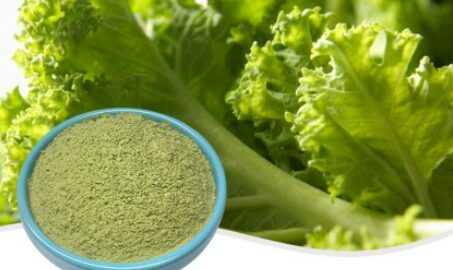

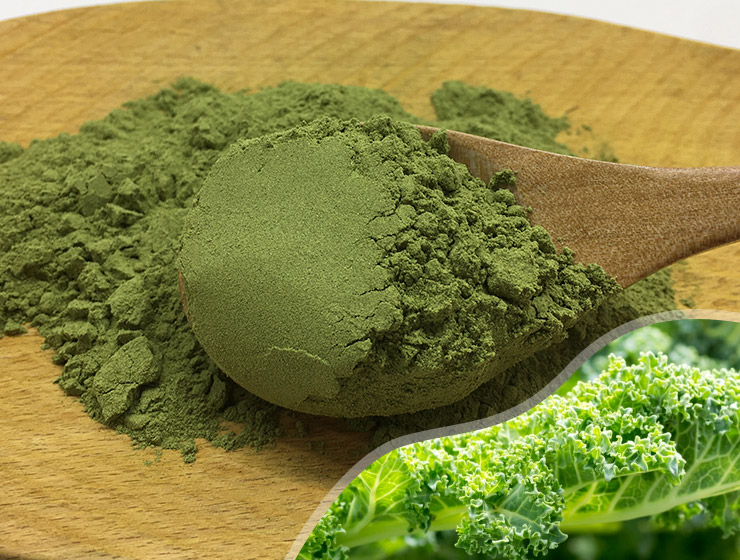


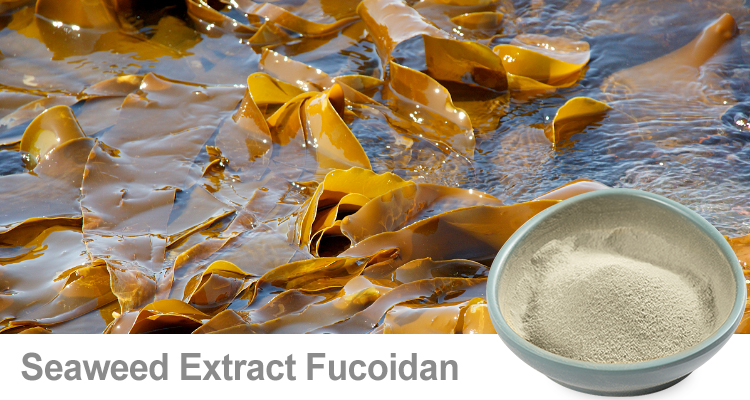 The Scientific Principles of Fucoidan’s Immunity Enhancement
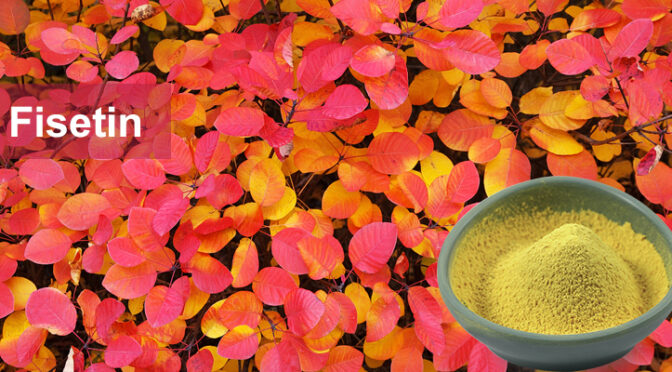
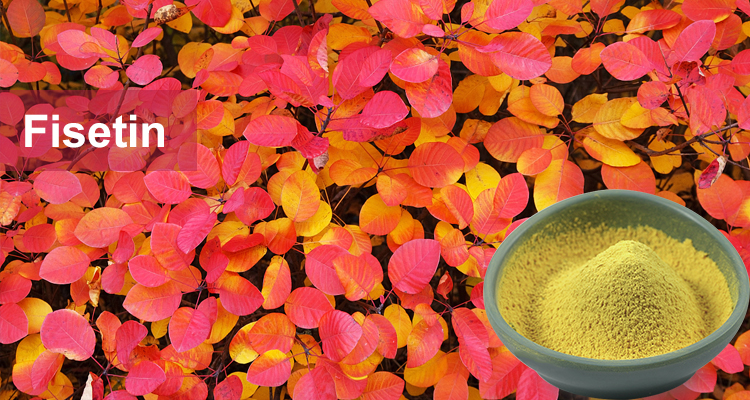 Senescent Cells: The Body’s “Time Bomb”