Beef bone marrow powder is a powdered nutritional supplement meticulously extracted and processed from cow bones. Integrating traditional health wisdom with modern science, its rich and unique nutritional profile has become a valuable aid in the pursuit of a healthy lifestyle.
Bovine bone marrow powder is rich in protein, fat, vitamins (especially vitamin A and vitamin K2), minerals (such as calcium, phosphorus, and magnesium), and other bioactive substances, making it a true nutritional powerhouse. These nutrients work synergistically to provide comprehensive support for the normal functioning of the human body, making it a vital component of health and wellness.
Multidimensional Nutrition, Building a Line of Defense for Health
The key to the popularity of beef bone marrow powder lies in its multidimensional nutritional profile, which acts like a solid line of defense, safeguarding human health from all angles.
(I) Rich in Protein and High-Quality Fats
Beef bone marrow powder is rich in high-quality protein. These proteins, composed of various amino acids, are the building blocks of human cells, tissues, and organs, and are essential for growth, repair, and maintenance. It also contains a moderate amount of high-quality fats, including unsaturated fatty acids such as oleic and linoleic acid. These fats not only provide a highly efficient source of energy for the body, but also play a key role in maintaining normal physiological functions.
For manual laborers, high-intensity work consumes significant amounts of energy, leading to muscle fatigue and weakness. The protein and fat in beef bone marrow powder can quickly replenish energy, repair damaged muscle tissue, and help them recover and maintain optimal performance. Athletes also frequently consume beef bone marrow powder. During intense training and competition, adequate nutrition is crucial for maintaining competitive form. Beef bone marrow powder can provide them with sustained energy support, enhance muscle strength, and improve athletic performance.
(II) Key Trace Elements
Calcium and phosphorus are two key trace elements abundant in bovine bone marrow powder. They play an irreplaceable role in bone health. Calcium is a major component of bones. Adequate calcium intake increases bone density, strengthens bones, and prevents rickets in children and osteoporosis in the elderly. Phosphorus works synergistically with calcium, participating in bone mineralization and promoting bone growth and development.
During a critical period of growth and development, children require large amounts of calcium and phosphorus for rapid bone growth. A deficiency in these trace elements can lead to delayed bone development and short stature. Therefore, moderate consumption of bovine bone marrow powder can provide children with adequate calcium and phosphorus, helping them thrive. For the elderly, as they age, their body’s ability to absorb calcium decreases, accelerating calcium loss from bones and making them more susceptible to osteoporosis, leading to fragile bones and increased risk of fractures. The calcium and phosphorus in bovine bone marrow powder replenish these nutrients, strengthening bones and reducing the risk of fractures.
(III) Unique Nutrients
In addition to the common nutrients listed above, bovine bone marrow powder also contains unique bioactive substances such as collagen and chondroitin. Collagen is an important protein that gives bones and skin elasticity and toughness. With aging, the body’s ability to synthesize collagen gradually weakens, leading to sagging skin, increased wrinkling, and brittle bones. The collagen in bovine bone marrow powder replenishes this lost collagen, maintaining skin elasticity and radiance, reducing wrinkles, and enhancing bone elasticity to prevent fractures.
Chondroitin, a key component of cartilage, promotes the growth and repair of cartilage cells, reduces joint pain and inflammation, and plays a positive role in maintaining joint health. Compared to other common nutritional supplements, bovine bone marrow powder is unique in its comprehensive and synergistic nutritional profile. For example, compared to simple calcium supplements, bovine bone marrow powder not only contains calcium but also other ingredients that promote calcium absorption and utilization, such as vitamin D and phosphorus, making it a more effective calcium supplement. Compared with general collagen products, the collagen in bovine bone marrow powder works together with other nutrients to nourish the skin while maintaining the health of bones and joints, with more diversified effects.
Multiple Benefits, Protecting Bodily Functions
Beef bone marrow powder, with its rich nutritional profile, exhibits diverse benefits, safeguarding human health from multiple perspectives.
(I) Strengthening Bones, Supporting the Framework of Life
Calcium and phosphorus are the cornerstones of bone health, and beef bone marrow powder contains significant amounts of these elements. Studies have shown that taking beef bone marrow powder for three months can significantly increase bone density, effectively enhancing bone strength and toughness. For children, the calcium, phosphorus, and other nutrients in beef bone marrow powder, such as collagen and vitamin D, promote rapid bone growth and development, laying a solid foundation for healthy growth. In a study on children’s growth and development, the experimental group, after consuming beef bone marrow powder for a period of time, showed significantly faster height growth and higher bone density than the control group.
Middle-aged and elderly people are prone to osteoporosis due to the gradual decline in their physical functions, which accelerates calcium loss in their bones. Beef bone marrow powder is a valuable aid in maintaining bone health. It not only replenishes lost calcium but also enhances bone elasticity and toughness through its collagen and other components, reducing the risk of fractures. A case study showed that an elderly patient with osteoporosis experienced a significant increase in bone density and significantly alleviated symptoms such as lower back and leg pain after consistently consuming beef bone marrow powder for a year.
(II) Moistening the Lungs and Relieving Coughs, Protecting Respiratory Health
From the perspective of Traditional Chinese Medicine, beef bone marrow powder has the effect of moistening the lungs. The lungs belong to the element of metal in the Five Elements, and they prefer moisture and dislike dryness. Bone marrow powder, with its sweet flavor and neutral properties, can moisten the lungs and alleviate symptoms such as dry coughs. For those suffering from chronic coughs caused by lung deficiency, beef bone marrow powder can be a valuable dietary therapy. It nourishes lung yin, replenishes nutrients needed by the lungs, and enhances lung function, thereby relieving coughs and asthma.
In daily life, there are many real-life examples of how beef bone marrow powder has alleviated coughs caused by lung deficiency. For example, a long-time smoker suffered from frequent coughs, shortness of breath, and fatigue due to smog irritation in his lungs. After trying beef marrow powder for a while, his cough symptoms were significantly alleviated, and his breathing became smoother. This is because the nutrients in beef marrow powder moisturize the lung mucosa, reduce inflammation, and thus alleviate coughing symptoms.
(Ⅲ) Nourishes Skin and Rejuvenates Youthful Radiance
Collagen is a key component for maintaining skin elasticity and radiance, and beef marrow powder is rich in it. As we age, our body’s ability to synthesize collagen gradually declines, and the amount of collagen in the skin decreases, leading to sagging skin and increased wrinkles. The collagen in beef marrow powder replenishes lost collagen, increasing skin elasticity, reducing wrinkles, and giving the skin a youthful glow.
Collagen acts like a “scaffold” for the skin, supporting its structure and maintaining its firmness and smoothness. When the skin has sufficient collagen, it can better retain moisture and stay hydrated. Other nutrients in beef marrow powder, such as vitamins A and E, also have antioxidant properties, scavenging free radicals in the body and delaying skin aging. When using bovine bone marrow powder to nourish the skin, you can combine it with topical skincare products containing ingredients like collagen and hyaluronic acid to achieve both internal and external benefits, resulting in healthier and more beautiful skin.
(IV) Nourishing the Kidneys and Strengthening the Body’s Foundation
In traditional Chinese medicine, bovine bone marrow powder is believed to nourish the kidneys and strengthen the essence. The kidneys are the foundation of our constitution and store essence. The sufficiency of kidney essence directly impacts growth, development, reproductive function, and overall health. Bovine bone marrow powder can nourish the kidneys and replenish essence, and it can alleviate symptoms of kidney deficiency, such as soreness of the waist and knees, dizziness, tinnitus, nocturnal emission, and premature ejaculation.
From a modern medical perspective, the nutrients in bovine bone marrow powder provide essential support for the kidneys, promoting the repair and regeneration of kidney cells and enhancing kidney function. It can also regulate the endocrine system and maintain a balanced hormone level, thus positively impacting overall health. For example, for office workers suffering from kidney deficiency due to high work pressure and irregular lifestyles, consuming bovine bone marrow powder can help relieve fatigue, boost their energy, and improve their quality of life.
Precise Matching, Choosing the Right Targeted Population
While beef bone marrow powder is beneficial, it’s not suitable for everyone. Only by choosing the right target population can its nutritional value be fully realized.
(Ⅰ) Children in Critical Growth Periods
Children are in their prime growth and development period, and their nutritional needs are extremely high. The rich minerals in beef bone marrow powder, such as calcium and phosphorus, are key nutrients for bone growth and development. They effectively promote bone development, help children grow taller, and prevent bone diseases like rickets. The high-quality protein, vitamins A and E, and various B vitamins in beef bone marrow powder are also crucial for children’s growth and development, helping to strengthen their immunity.
The omega-3 fatty acids in beef bone marrow powder can also promote brain development, improving children’s cognitive abilities and memory. However, since the digestive systems of children under three are not yet fully developed, the high fat and protein content in beef bone marrow powder may put a strain on their stomachs. Therefore, it is generally recommended for children over three years old. When giving beef bone marrow powder to children, it’s important to use it in moderation and combine it with a balanced diet to ensure comprehensive nutritional support.
(Ⅱ) Adults with Fragile Bones
With aging, adults, especially those in middle-aged and elderly individuals, gradually lose calcium, leading to accelerated calcium loss from bones and increased risk of osteoporosis and joint injuries. Minerals like calcium and phosphorus, as well as nutrients like collagen, found in bovine bone marrow powder can replenish lost calcium, increase bone density, enhance bone elasticity and toughness, and reduce the risk of joint injuries.
For those who engage in strenuous physical labor or exercise regularly, their joints and bones are subject to significant stress and are susceptible to injury. Ingredients like chondroitin in bovine bone marrow powder can promote the growth and repair of cartilage cells, alleviate joint pain and inflammation, and maintain joint health. Therefore, bovine bone marrow powder is an ideal choice for adults with fragile bones.
(Ⅲ) Caution for Special Populations
Although bovine bone marrow powder is rich in nutrients, it requires special caution for certain populations. Pregnant and breastfeeding women have unique health characteristics. Bovine bone marrow powder has a warming nature and can easily cause internal heat, potentially leading to discomfort. Furthermore, cow bone marrow may contain heavy metals and other harmful substances, potentially posing a risk if consumed during pregnancy. Therefore, pregnant and breastfeeding women should avoid consuming cow bone marrow powder.
For those with heat toxins in their bodies, consuming cow bone marrow powder can aggravate these symptoms. For those with yang deficiency, consuming cow bone marrow powder can further weaken their yang energy. For those with colds and fevers, who already have a high level of heat, consuming cow bone marrow powder may exacerbate their condition. Therefore, cow bone marrow powder is not suitable for these individuals. Before consuming cow bone marrow powder, be sure to fully understand your physical condition to ensure it is safe.
A Rational Approach to a Healthy Lifestyle
Beef bone marrow powder, as a nutritious tonic, holds a significant place in the health and wellness field with its unique nutritional profile and diverse health benefits. Rich in protein, high-quality fats, calcium, phosphorus, collagen, and other nutrients, these ingredients work synergistically to provide comprehensive support for human health, demonstrating remarkable benefits in strengthening bones, moistening the lungs and relieving coughs, nourishing the skin, and tonifying the kidneys and vital essence.
Beef bone marrow powder is indeed a valuable aid in the pursuit of health, but it is not a panacea. We should approach its nutritional value and benefits rationally; it is only one part of a healthy lifestyle. Maintain a balanced diet to ensure a variety of nutrients, including vegetables, fruits, whole grains, and high-quality protein, and avoid over-reliance on single nutritional supplements. Moderate exercise is also crucial for maintaining good health. Consistently engaging in a regular weekly dose of aerobic exercise and strength training can enhance physical fitness, boost immunity, and promote blood circulation and metabolism. Only by combining bovine bone marrow powder with a healthy diet, adequate exercise, and positive lifestyle habits can we truly achieve a healthy and balanced body. With a scientific and rational approach, let’s leverage the nutritional power of bovine bone marrow powder and embark on a new chapter in healthy living.
Hyaluronic Acid is the sodium salt form of hyaluronic acid. Chemically, hyaluronic acid is a glycosaminoglycan composed of N-acetylglucuronic acid as its sugar moiety, a high-molecular-weight compound. Hyaluronic Acid is formed when the carboxyl group of hyaluronic acid dissociates and combines with sodium ions under appropriate pH conditions or physiological conditions, resulting in a more stable sodium salt. It is an intrinsic component of the human body and is non-species specific. It is widely present in tissues and organs such as the placenta, amniotic fluid, lens, articular cartilage, and the dermis of the skin. It plays a key role in the cytoplasm and intercellular matrix, not only lubricating and nourishing the cells and organelles contained therein, but also providing the microenvironment necessary for cellular metabolism.
Hyaluronic Acid performs important functions in various tissues of the human body. In the skin, it is present in large quantities in the dermis, playing a crucial role in maintaining skin hydration, elasticity, and radiance. As we age, the Hyaluronic Acid content in the skin gradually decreases, which is one of the important reasons for aging phenomena such as dryness, wrinkles, and sagging of the skin. In joints, it is the main component of synovial fluid, providing lubrication and cushioning for the joints, reducing friction between cartilages during joint movement, just like adding high-quality lubricating oil to machine parts, allowing joints to move freely, while also promoting the healing and regeneration of articular cartilage. In the eyes, Hyaluronic Acid is an important component of the vitreous body and plays an indispensable role in maintaining the stability of the intraocular structure and the normal physiological function of the eye.
Unique Chemical Structure and Properties
Hyaluronic Acid has a unique chemical structure. It consists of two disaccharide units, D-glucuronic acid and N-acetyl-D-glucosamine, linked by alternating β-1,3 and β-1,4 glycosidic bonds, forming a repeating linear macromolecular polysaccharide. This structure resembles a long necklace made of two different colored beads strung together according to a specific pattern. Each disaccharide unit in this “necklace” is a “bead assembly,” and their neat arrangement forms the basic skeleton of Hyaluronic Acid.
The presence of numerous hydrophilic groups is a notable characteristic of Hyaluronic Acid. Numerous hydrophilic groups, such as carboxyl (-COOH) and hydroxyl (-OH), are distributed throughout its molecular chain. These groups act like tiny magnets with a strong attraction to water, tightly connecting to water molecules through hydrogen bonds. Hydrogen bonds act like invisible hooks, tightly linking Hyaluronic Acid molecules to water molecules. This makes Hyaluronic Acid highly water-soluble, allowing it to dissolve easily in water and form a uniform solution. It also has a strong hygroscopicity. In low relative humidity environments, it can efficiently capture water molecules from the surrounding air, absorbing hundreds or even thousands of times its own weight in water, much like a dry sponge quickly swells up when placed in water. Its moisture absorption capacity reaches its highest at 33% relative humidity, while it is relatively low at high humidity levels of 75%. This property allows it to adapt well to the moisturizing needs of varying humidity environments.
Outstanding Performance in Beauty and Skincare
Due to its unique structure and excellent properties, Hyaluronic Acid holds a pivotal position in the beauty and skincare industry. Known as “moisturizing gold,” it is highly sought after by consumers and the cosmetics industry. Many renowned skincare brands, such as SK-II’s Advanced Night Repair Essence and Estée Lauder’s Advanced Night Repair Essence, incorporate Hyaluronic Acid into their products. It plays a key role in skincare, including moisturizing, repairing, and anti-aging.
Superior Moisturizing, a Skin “Water Reservoir”
Hyaluronic Acid is considered one of nature’s most potent moisturizing substances. It acts as a highly efficient moisture collector, capable of absorbing hundreds or even thousands of times its own weight in water. When applied to the skin, skincare products containing Hyaluronic Acid quickly build a water-rich film in the stratum corneum, acting like a “micro-reservoir” that locks moisture firmly within the skin’s surface. During the dry autumn and winter seasons, when humidity is low, skin is prone to moisture loss. This thin film acts like an invisible moisturizing shield, slowing evaporation and keeping skin hydrated. In the high humidity of summer, it absorbs excess moisture from the environment like a sponge, replenishing it and maintaining the skin’s water-oil balance.
Furthermore, low-molecular-weight Hyaluronic Acid possesses enhanced penetration, penetrating deep into the epidermis and even the dermis. Within the skin, it actively increases the moisture content between skin cells, providing sufficient water to support cellular metabolism, like a spring infusing dry land, revitalizing skin cells and maintaining a hydrated, plump appearance. This deep, hydrating effect, from within, effectively improves dryness and roughness, leaving skin softer, smoother, and as delicate as a peeled egg.
Repairing the barrier and strengthening defenses
The skin barrier is like a strong wall in the human body, primarily composed of stratum corneum cells and intercellular lipids, and it shoulders the important task of defending against the invasion of harmful external substances. However, when the skin is exposed to external stimuli such as strong UV radiation, chemical exposure, and excessive cleansing, this barrier can easily become damaged, impairing the skin’s barrier function and leading to a series of problems such as dryness, sensitivity, and itching.
At this point, Hyaluronic Acid acts like a diligent “repairman,” quickly taking effect. It cleverly fills the gaps between damaged keratinocytes, increasing intercellular adhesion, much like cement filling the cracks in a wall, allowing keratinocytes to align tightly and restore the integrity of the skin’s barrier. Furthermore, Hyaluronic Acid actively promotes the proliferation and differentiation of skin cells, accelerating the production of new cells to replace damaged ones, much like recruiting more construction workers to speed up the repair of the wall. Furthermore, it works synergistically with other components in the skin, such as ceramides, to strengthen the skin’s barrier function. Ceramides are an important component of intercellular lipids in the skin. Working together with Hyaluronic Acid, they further reduce the penetration of harmful external substances, reduce skin sensitivity, and promote healthier and stronger skin.
Improves Elasticity and Fights Aging
With the passage of time and the influence of environmental factors, the collagen and elastic fibers in the skin gradually degrade and degenerate, much like an aging rubber band loses its elasticity. This leads to sagging and wrinkles, which are key signs of skin aging.
Hyaluronic Acid plays a key role in combating skin aging. It interacts closely with collagen and elastic fibers in the skin. In the dermis, Hyaluronic Acid provides sufficient moisture to support collagen and elastic fibers, injecting them with vitality, maintaining their elasticity and resilience, and maintaining the stable structure of skin tissue. Hyaluronic Acid also stimulates skin cell metabolism and promotes collagen synthesis, replenishing lost collagen and further enhancing skin elasticity and firmness. Long-term use of skincare products containing Hyaluronic Acid can alleviate skin sagging and wrinkles to a certain extent, making the skin firmer and more radiant, restoring a youthful glow.
Important Role in the Medical Field
Hyaluronic Acid has a long history of medical use, dating back to the 1970s. Today, it has become an indispensable substance in various departments, including ophthalmology and orthopedics, playing an irreplaceable role in disease treatment and surgical assistance.
A Powerful Aid in Ophthalmic Surgery
Hyaluronic Acid plays a crucial role in ophthalmic surgery, often used as a viscoelastic agent, providing strong support for smooth surgical procedures. During cataract surgery, when surgeons need to remove the cloudy lens and implant an intraocular lens, Hyaluronic Acid’s role becomes particularly prominent. Like an “invisible guard” during surgery, Hyaluronic Acid, once injected into the eye, cleverly fills the surgical area, forming a protective layer with a certain degree of viscosity and elasticity. This protective layer not only effectively prevents surgical instruments from directly contacting and damaging delicate intraocular tissues such as the corneal endothelium and lens during operation, but also maintains the stability of the intraocular space, creating a stable “operating platform” for surgery. This allows surgeons to precisely perform procedures such as implanting the intraocular lens in a stable environment, significantly improving the success rate and safety of the surgery. Statistics show that using Hyaluronic Acid as a viscoelastic agent in cataract surgery significantly reduces the incidence of postoperative complications such as corneal edema, and improves visual recovery.
Hyaluronic Acid also plays a key role in glaucoma surgery. The goal of glaucoma surgery is to lower intraocular pressure and improve aqueous humor circulation. During surgery, Hyaluronic Acid helps surgeons better separate tissues and minimize damage to intraocular structures. It can fill critical areas such as the anterior chamber angle, maintaining patency and promoting aqueous humor drainage, thereby effectively lowering intraocular pressure and protecting the patient’s visual function.
An Effective Solution for Joint Diseases
Hyaluronic Acid is an effective solution for patients with joint diseases such as osteoarthritis. With aging, excessive exercise, or trauma, joint cartilage becomes susceptible to damage, and the quality and quantity of synovial fluid decreases, leading to symptoms such as joint pain, swelling, and limited mobility. Intra-articular injection of Hyaluronic Acid acts as a lubricant and repair agent for damaged joints. Hyaluronic Acid significantly increases the viscoelasticity of synovial fluid, enabling it to better lubricate and reduce friction between articular cartilage. It acts like lubricating rusty machine parts, allowing joints to move more smoothly and effectively alleviating joint pain and discomfort. It also promotes the anabolism of articular chondrocytes, providing them with essential nutrients and stimulating their production of cartilage matrix components such as collagen and proteoglycans, thereby aiding the repair and regeneration of damaged articular cartilage. Hyaluronic Acid also exhibits anti-inflammatory properties, inhibiting the release of inflammatory factors, reducing local joint inflammation, and alleviating symptoms such as joint swelling. Clinical studies have shown that for patients with mild to moderate osteoarthritis, regular intra-articular injections of Hyaluronic Acid significantly improve joint pain, swelling, and joint mobility within a few weeks.
Medical Device Lubrication and Drug Carriers
In the medical device field, the lubricating properties of Hyaluronic Acid make it an ideal lubricant. During urethral insertion, if the surface of a urinary catheter is not well lubricated, it can easily damage the urethral mucosa, causing pain and discomfort to the patient, and even potentially leading to complications such as urinary tract infection. Coating the catheter with Hyaluronic Acid can significantly reduce friction between the catheter and the urethral mucosa, making insertion smoother and minimizing damage and discomfort to urethral tissue. Hyaluronic Acid also provides a similar lubricating effect during endoscopic procedures such as gastroscopy and colonoscopy, allowing the endoscope to pass more smoothly through the digestive tract and reducing patient pain during the examination.
Hyaluronic Acid’s unique structure makes it suitable for use as a drug carrier, facilitating precise and efficient drug delivery. It can physically or chemically encapsulate drug molecules, like a “cloak” of invisibility. Once the drug is delivered to the affected area, the Hyaluronic Acid gradually degrades and slowly releases the drug molecules, ensuring sustained action, prolonging its duration, and enhancing its efficacy. In some topically administered drug preparations, Hyaluronic Acid can precisely deliver drugs to the site of disease. For example, when Hyaluronic Acid is added to eye drops for the treatment of eye diseases, it can carry drugs and better adhere to the ocular surface, thereby increasing the drug’s residence time and absorption efficiency in the eye, while reducing the drug’s side effects on normal tissues.
Market Status and Future Outlook
Market Competition Landscape
The global Hyaluronic Acid market is polarized. In the high-end market, leading companies focused on pharmaceutical-grade standards hold a significant position. These companies have built a strong technological moat through innovative technology and a deep focus. Companies like HTL, with their sophisticated expertise in pharmaceutical-grade Hyaluronic Acid, have established significant technological barriers in high-end medical fields like ophthalmology and orthopedics. While their product quality is reliable, their high pricing has deterred many downstream companies. Kewpie, a non-Chinese raw material manufacturer, occupies a key position in the global high-end medical aesthetics supply chain for its injectable-grade hyaluronic acid raw materials. However, its localization process has lagged, resulting in a low overall penetration rate in the Chinese market.
In China, Bloomage Biotechnology, positioned as a leading player in the entire industry chain, continues to lead the Hyaluronic Acid market. It is the world’s largest supplier of hyaluronic acid raw materials, with four major business segments encompassing active ingredients, medical devices, functional skincare products, and functional foods. While its total hyaluronic acid production capacity ranks first globally at 770 tons per year, its pharmaceutical-grade Hyaluronic Acid production capacity is only 20 tons. In recent years, Bloomage Biopharma has faced bottlenecks in its transformation, with R&D investment in Hyaluronic Acid raw materials gradually decreasing and its expansion into new sectors such as recombinant collagen being slow. Its “big and comprehensive” model is facing challenges from innovators in niche areas. Focus Biopharma (Shandong Focus Freda Biopharma Co., Ltd.) is a high-tech enterprise specializing in the production of Hyaluronic Acid raw materials. With a production capacity of 420 tons, it primarily supplies non-pharmaceutical-grade raw materials, while pharmaceutical-grade products are still in the market development phase. Its qualification system primarily covers the mid- and low-end markets. Zhongshan Bio has taken a path of “vertical development + technological innovation.” Through its groundbreaking aseptic production process, it has established a technological advantage and focused on the high-end pharmaceutical-grade market. It boasts significant advantages in terms of production capacity, product quality, and regulatory compliance for pharmaceutical-grade Hyaluronic Acid. It is one of the few domestic companies to hold both GMP and CEP certificates for Hyaluronic Acid.
In the low-end market, numerous suppliers are price-driven, leveraging their scale advantages to compete on low prices. While these companies have established comprehensive supply chains, they can meet certain market demands, but product quality varies widely, making it difficult to meet high-end demands such as innovative clinical applications. This can also easily lead to conflicts of interest and disorderly competition in the market.
Development Trend Forecast
With the continuous advancement of technology and evolving market demand, the expansion of Hyaluronic Acid across various application areas is becoming increasingly clear. In the pharmaceutical field, in addition to existing applications in ophthalmology and orthopedics, research on Hyaluronic Acid in tissue engineering and drug sustained-release systems is also deepening. For example, in tissue engineering, Hyaluronic Acid can be used as a scaffold for cell culture, providing a suitable microenvironment for cell growth and proliferation, and has the potential to repair damaged tissues and organs. In drug delivery systems, it can encapsulate drugs, enabling precise release and long-lasting effects, improving therapeutic efficacy and reducing side effects. In the beauty and skincare sector, consumers are demanding higher standards for the efficacy and safety of Hyaluronic Acid products. In the future, more targeted products will emerge, such as customized skincare for different skin types and age groups, as well as products that combine with other active ingredients to achieve synergistic skincare benefits.
In the food sector, as consumer demands for health and beauty continue to converge, Hyaluronic Acid, as a healthy ingredient, will find application in a wider range of food categories. In addition to existing oral hyaluronic acid beverages and yogurt, baked goods and snacks containing Hyaluronic Acid may emerge in the future, providing consumers with more diverse choices. With growing environmental awareness, the production process of Hyaluronic Acid will prioritize green practices. Green production technologies such as microbial fermentation will be further optimized and promoted to reduce energy consumption and waste emissions.
From the perspective of industry competition, the Hyaluronic Acid industry will gradually shift from price competition to technological competition. Companies need to increase R&D investment, continuously improve their technology, and develop products with higher added value to remain victorious in the fierce market competition. Companies that focus on technological innovation, product quality improvement, and brand building will have a greater advantage in the market. Industry consolidation is also likely to intensify. Through mergers and acquisitions, partnerships, and other means, companies can share resources, complement each other’s strengths, and enhance industry concentration and overall competitiveness.
In recent years, a substance called PQQ (pyrroloquinoline quinone) has rapidly gained popularity in the health field, becoming a focal point for health enthusiasts and researchers. Many consider it a “magic key” to unlocking the secrets of good health. What is so unique about it that makes it stand out among so many other nutritional ingredients? Is it simply hype, or does it truly possess miraculous benefits? Let’s demystify PQQ and explore the scientific secrets behind it.
What is PQQ?
(I) Unique Chemical Structure
PQQ, also known as pyrroloquinoline quinone, typically appears as a red, crystalline powder. This unique chemical structure gives PQQ its remarkable biological activity and underlies its crucial role in numerous physiological processes. The pyrrole ring, quinoline ring, and quinone structure within the PQQ molecule together form a stable and highly active chemical system. In chemical reactions, PQQ’s quinone structure can accept and donate electrons, participating in redox reactions, acting as an efficient electron transfer “transfer station.” This property makes it an indispensable player in cellular energy metabolism. For example, during cellular respiration, PQQ participates in the electron transport chain, helping cells more efficiently convert nutrients into energy, providing sufficient power for various cellular activities. Furthermore, its unique molecular structure enables it to interact with specific biomacromolecules such as proteins and enzymes. Through precise molecular recognition, it activates or regulates related biological processes, thus profoundly affecting cell growth, development, and differentiation.
(II) A Natural Treasure House
PQQ is widely found in various foods in nature. While its concentrations vary, its distribution is extensive. Among common foods, green vegetables like spinach and broccoli are “natural reservoirs” of PQQ. Spinach contains approximately 23.7μg of PQQ per 100g, and broccoli also contains a considerable amount, approximately 18.9μg per 100g. Among fruits, kiwifruit is a PQQ goldmine, containing approximately 11.3μg of PQQ per 100g of flesh, offering a natural source of PQQ for fruit lovers. Animal-derived foods, such as meat and dairy products, also contain certain amounts of PQQ. Beef contains approximately 10.8μg per 100g, and while milk contains a relatively low amount, it still provides a significant supplement. Furthermore, fermented foods, such as natto, are also excellent sources of PQQ, boasting a PQQ content of up to 61.0μg per 100g, making it a significant source among common foods.
Unfortunately, the human body cannot synthesize PQQ on its own, meaning we must rely on external sources for this essential substance. However, due to its generally low content in food, it is difficult to meet the body’s full PQQ needs through diet alone. Taking the 10-20mg PQQ supplement dosage commonly used in research as an example, to obtain this much PQQ from spinach alone, one would need to consume approximately 422-844kg of spinach daily, which is clearly unrealistic. Therefore, for those who wish to fully utilize the health benefits of PQQ, appropriate nutritional supplementation is a reasonable and effective option.
The Outstanding Benefits of PQQ
(I) Pioneer in Antioxidant Function
Free radicals are constantly generated during the human body’s metabolic process. These free radicals, like restless “troublemakers,” are highly reactive and constantly threaten cellular health. When free radical production exceeds the body’s ability to eliminate them, oxidative stress ensues, a runaway “oxidative storm” that attacks various biomolecules within cells, such as DNA, proteins, and lipids, damaging cellular structure and function and leading to a range of health problems, including aging, cardiovascular disease, and neurodegenerative diseases.
PQQ is a “superhero” in the fight against free radicals and oxidative stress. Its molecular structure imparts powerful antioxidant properties, acting like an “electron sponge” to directly capture and neutralize free radicals, converting these dangerous “troublemakers” into stable substances, thereby reducing their attack and damage to cells. Studies have shown that PQQ is extremely efficient at scavenging free radicals. Under certain experimental conditions, its ability to scavenge common free radicals, such as superoxide anion radicals and hydroxyl radicals, even exceeds that of traditional antioxidants such as vitamin C and vitamin E. In addition to directly scavenging free radicals, PQQ can also enhance cells’ antioxidant capacity by activating the intracellular antioxidant defense system. Acting like a “commander,” it activates the Nrf2/ARE signaling pathway and upregulates the activity of antioxidant enzymes such as superoxide dismutase (SOD) and glutathione peroxidase (GPx). These antioxidant enzymes act as cellular “defense guards,” working synergistically to combat free radical damage. For example, SOD converts superoxide anion radicals into hydrogen peroxide, while GPx further reduces hydrogen peroxide to water, effectively scavenging free radicals and maintaining intracellular redox balance. In a study on mice, PQQ supplementation significantly increased SOD and GPx activity, and significantly reduced levels of malondialdehyde (MDA), a marker of oxidative stress, demonstrating PQQ’s remarkable effectiveness in enhancing the antioxidant defense system.
(II) Guardians of Mitochondria
Mitochondria, known as the “energy factories” of cells, play a vital role in cellular life. Through a series of complex biochemical reactions, mitochondria convert chemical energy from food into a form of energy that can be directly utilized by cells—adenosine triphosphate (ATP). This provides a continuous source of energy for various physiological activities, including cell growth, division, and movement. Mitochondria also participate in important processes such as apoptosis and metabolic regulation, playing a key role in maintaining normal cellular function and internal environmental stability.
PQQ plays an irreplaceable role in promoting mitochondrial growth and development and enhancing energy metabolism. It activates PGC-1α (peroxisome proliferator-activated receptor γ coactivator 1α), a key protein known as the “master switch” of mitochondrial biogenesis. Once activated, PGC-1α activates a series of genes that promote mitochondrial biogenesis, essentially turning on the mitochondrial “production plant.” This increases the number and quality of mitochondria within the cell, thereby enhancing mitochondrial function. Studies have found that supplementing with PQQ significantly increases mitochondrial density and ATP production within cells. For example, in an experiment on liver cells, treatment with PQQ increased the number of mitochondria by approximately 30% and ATP production by 1.5-fold, indicating a significant improvement in the efficiency of cellular energy metabolism. PQQ also optimizes the function of the mitochondrial electron transport chain. The electron transport chain is a key step in mitochondrial ATP production, acting as an efficient “energy production line.” As a coenzyme for enzymes such as lactate dehydrogenase (LDH), PQQ participates in the electron transport process, accelerating the conversion of NADH (reduced coenzyme I) to NAD⁺ (oxidized coenzyme I), promoting pyruvate production, and thereby enhancing glucose metabolism efficiency. This allows the electron transport chain to operate more smoothly and increases ATP production efficiency. In bacterial models, PQQ has been shown to be a key cofactor of the electron transport chain, playing a vital role in maintaining bacterial energy metabolism. In human cells, PQQ similarly optimizes the function of the electron transport chain, providing cells with more energy and ensuring normal cellular activity.
(III) A Multifaceted Health Supporter
1. A Solid Shield for the Cardiovascular System
The cardiovascular system is like the human body’s “transportation network.” The heart is the “power pump” of this network, and the blood vessels are the crisscrossing “roads,” responsible for transporting oxygen and nutrients to every tissue and organ in the body, maintaining normal physiological functions. However, unhealthy habits in modern life, such as a high-salt, high-fat diet, lack of exercise, chronic mental stress, and factors such as aging, can damage the cardiovascular system, leading to a series of cardiovascular diseases such as atherosclerosis, coronary heart disease, and hypertension, which seriously threaten people’s health and life.
PQQ excels in protecting cardiovascular health through multiple mechanisms of action. Firstly, PQQ’s powerful antioxidant capacity effectively scavenges free radicals within blood vessels, reducing oxidative stress damage to endothelial cells. Endothelial cells act like a protective membrane lining the blood vessels. Once damaged, vascular permeability increases, making it easier for lipids in the blood to deposit on the vessel walls, forming atherosclerotic plaques. PQQ scavenges free radicals, reduces the oxidation of oxidized low-density lipoprotein (LDL), and inhibits lipid peroxidation, thereby reducing the risk of atherosclerosis. Studies have shown that in vitro, PQQ can significantly reduce the oxidative modification of LDL and inhibit the damage of oxidized LDL to vascular endothelial cells.
PQQ also has anti-inflammatory properties. Inflammation plays a key role in the development of cardiovascular disease. It leads to inflammatory cell infiltration of the blood vessel wall, promotes the formation and progression of atherosclerotic plaques, increases the risk of plaque rupture, and ultimately triggers acute cardiovascular events. PQQ can inhibit the production of inflammatory factors such as tumor necrosis factor-α (TNF-α) and interleukin-6 (IL-6), alleviating chronic inflammation and protecting cardiovascular tissue from inflammatory damage. Clinical studies have found that PQQ supplementation reduced IL-6 levels in patients with chronic inflammation by approximately 27%, demonstrating its significant effectiveness in reducing inflammation. In addition, PQQ improves energy metabolism within cardiomyocytes and enhances their antioxidant capacity by regulating mitochondrial membrane potential, promoting the activity of mitochondrial respiratory chain enzymes, and other pathways, thereby mitigating oxidative stress damage to cardiomyocytes and protecting cardiac function. In animal studies, PQQ administration has been shown to prevent mitochondrial dysfunction caused by cardiac pressure overload, improve cardiac remodeling and cell hypertrophy, reduce myocardial infarction size, and prevent the development of chronic heart failure.
2. Gentle Protection for the Nervous System
The nervous system is the body’s “command center,” responsible for receiving, processing, and transmitting various information, regulating physiological activities and behavior. Neurons, the fundamental building blocks of the nervous system, are extremely fragile and susceptible to damage from factors such as oxidative stress and inflammation. Damage to neurons can lead to neurological dysfunction and various neurological diseases, such as Alzheimer’s disease, Parkinson’s disease, and depression, significantly impacting patients’ quality of life.
PQQ has comprehensive protective effects on the nervous system. Its powerful antioxidant and anti-inflammatory properties can effectively reduce the damage to neurons caused by oxidative stress and inflammation. During the pathogenesis of neurodegenerative diseases, oxidative stress and inflammation cause protein misfolding and aggregation within neurons, forming neurofibrillary tangles and amyloid plaques, ultimately leading to neuronal death. PQQ mitigates these pathological changes by scavenging free radicals and inhibiting the production of inflammatory factors, thereby protecting neurons from damage. In an Alzheimer’s disease model, PQQ reduced levels of the oxidative stress marker MDA in the brains of mice, reduced neuronal apoptosis, and improved spatial memory.
PQQ also promotes the synthesis and secretion of nerve growth factor (NGF). NGF is a protein that is essential for the growth, development, survival, and function of neurons. It acts as a “nutrient” for neurons, promoting their growth, differentiation, and repair, and strengthening interneuronal connectivity and signaling. PQQ stimulates the synthesis and secretion of NGF in astrocytes and fibroblasts, thereby enhancing NGF production without causing cytotoxicity. Clinical studies have shown that daily oral administration of a certain dose of PQQ over a period of time not only helps improve participants’ mental states, such as fatigue, anxiety, depression, anger, and confusion, but also improves sleep duration and waking state, significantly enhancing sleep quality. This may be related to PQQ’s ability to promote NGF production and improve nervous system function.
3. A Powerful Aid in Metabolic Regulation
In modern society, due to lifestyle changes such as high-calorie diets and reduced physical activity, the incidence of metabolic diseases such as obesity and diabetes is increasing. These diseases not only affect patients’ physical health but also increase the risk of complications such as cardiovascular disease and kidney disease, placing a heavy burden on individuals and society.
PQQ has a significant role in regulating metabolism and can have a positive effect on improving metabolic diseases such as obesity and diabetes. Regarding obesity, PQQ can reduce body fat accumulation through multiple mechanisms. Firstly, PQQ can significantly enhance mitochondrial function and improve beta-oxidation, a process of lipid metabolism, enabling more efficient breakdown of fat into energy. This inhibits fat production and reduces body fat accumulation, particularly in visceral fat, such as liver fat. Studies have shown that in obese mouse models, supplementation with PQQ significantly reduced body weight, visceral fat content, and adipocyte size.
PQQ can also regulate metabolism by affecting the gut microbiome. The composition of the gut microbiome is closely related to obesity risk. PQQ can increase the abundance of certain beneficial bacteria, improve the gut microbiome, and reduce obesity-related inflammatory markers, thereby reducing obesity risk. Furthermore, PQQ can alleviate mitochondrial dysfunction and inflammation, and improve the progression of obesity-related metabolic diseases, including non-alcoholic steatohepatitis, chronic kidney disease, and type 2 diabetes. In animal models of type 2 diabetes, PQQ can improve insulin sensitivity, lower blood glucose levels, and improve abnormal glucose metabolism. It can also reduce diabetes-induced oxidative stress and inflammation, protect pancreatic beta cell function, and delay the onset of diabetic complications.
4. A Powerful Boost for the Immune System
The immune system is the body’s defense force against invading pathogens. Composed of immune organs, immune cells, and immune molecules, it identifies and eliminates foreign pathogens such as bacteria, viruses, and fungi, as well as mutated cells in the body, thereby maintaining human health. When the immune system is weakened, the body becomes vulnerable to various pathogens, leading to infectious diseases and prolonged recovery.
PQQ can enhance immunity at multiple levels. At the cellular level, PQQ promotes the proliferation and differentiation of immune cells, enhancing their activity. For example, it stimulates the proliferation of T and B lymphocytes, enabling these cells to better perform their immune defense functions. T lymphocytes play a key role in cellular immunity, recognizing and killing pathogen-infected cells and tumor cells. B lymphocytes are primarily involved in humoral immunity, producing antibodies to neutralize pathogens and their toxins. By enhancing the function of T and B lymphocytes, PQQ improves both cellular and humoral immunity. PQQ can also modulate immune cell signaling pathways and optimize their function. When immune cells recognize pathogens, they activate a complex series of signaling pathways. These pathways act like “signaling highways” within the cell, transmitting immune signals and regulating immune cell activation, proliferation, and effector functions. PQQ can regulate key molecules in these signaling pathways, such as NF-κB (nuclear factor κB), enabling immune cells to respond more accurately and effectively to pathogens, thereby enhancing immune defenses. Clinical studies have found that PQQ supplementation significantly reduces the incidence of infectious diseases such as colds and flu in some people with compromised immune systems. Symptoms after illness are also milder, and recovery time is shortened, demonstrating PQQ’s effectiveness in boosting immunity.
Research Progress and Applications of PQQ
(I) New Scientific Breakthroughs
In recent years, PQQ has achieved numerous remarkable breakthroughs in scientific research, providing further scientific evidence for our understanding of its efficacy and applications. Regarding anti-aging, a joint study conducted by By-Health and the Shanghai Institute of Nutrition and Health, Chinese Academy of Sciences, and published in the internationally recognized journal Aging Cell revealed that PQQ can reduce the senescence-associated secretory phenotype (SASP), a detrimental factor contributing to “intrinsic aging,” significantly reduce free radicals within senescent cells, and alleviate chronic inflammation in multiple organs of aging mice. This research provides strong evidence that PQQ is an effective ingredient in delaying aging and maintaining overall health, and also opens up new avenues for the future exploration of safe and effective natural anti-aging substances.
Regarding cognitive improvement, a February 2023 study published by Japanese researchers in the journal Food & Function demonstrated that PQQ improves cognition in both young and elderly Japanese individuals. This double-blind, placebo-controlled, randomized trial enrolled 62 healthy men and women aged 20 to 65. Participants took either 20 mg of PQQ orally daily or a placebo capsule for 12 weeks. Results showed that PQQ consumption improved composite and verbal memory scores in both the general population and the elderly, while younger participants also showed improvements in cognitive flexibility, processing speed, and executive speed. In March of the same year, another study published in the internationally renowned journal Food & Function further demonstrated that PQQ can improve cognitive function in people of all ages, potentially expanding its use as a functional food beyond the elderly to all age groups.
PQQ also demonstrates significant potential in disease prevention. In September 2023, a study published online in Aging Cell found, through mouse studies, that dietary PQQ supplementation can prevent osteoporosis, a condition associated with natural aging. Research has revealed that PQQ activates MCM3-Keap1-Nrf2 signaling in osteoblasts, transcriptionally upregulating the expression of antioxidant genes and the Fbn1 gene, inhibiting oxidative stress and osteoclastic bone resorption, and promoting osteoblastic bone formation, thereby playing a role in preventing age-related osteoporosis. That same month, a study from a renowned European medical school published in the journal Acta Neuropathol Commun demonstrated PQQ’s protective effects on retinal ganglion cells (RGCs). As a novel neuroprotectant, it has great potential in combating RGC apoptosis, supporting PQQ’s potential as a novel visual neuroprotectant, potentially enhancing RGC resilience while reducing the risk of potential side effects. In December 2023, a research team from the Shanghai Affiliated Tenth People’s Hospital, Tongji University School of Medicine, published a study in the journal Pol J Microbiol showing that PQQ supplementation can modulate intestinal flora, alleviate intestinal damage, and improve thyroid function.
(II) Expanding Applications
With the continued deepening of research on PQQ, its application in various fields has become increasingly widespread, demonstrating broad development prospects. In the food sector, in 2022 and 2023, the National Health Commission approved PQQ disodium salt produced by chemical synthesis and fermentation as new food ingredients, respectively. This provides legal and compliant evidence for the use of PQQ in food. Currently, PQQ can be used in beverages and other foods. For solid beverages, the daily intake should not exceed 20mg, calculated based on the weight of the liquid after reconstitution. However, it is not suitable for infants, young children, pregnant women, and breastfeeding women. As an ingredient with multiple health benefits, PQQ offers a new option for the food industry in developing functional foods. For example, some brands have launched PQQ-infused energy drinks, claiming to boost energy levels and alleviate fatigue, meeting modern consumers’ demand for healthy and convenient foods. In the future, as demand for healthy foods continues to grow, PQQ’s application in the food industry is expected to expand further, potentially expanding into more food categories, such as functional snacks and nutrition bars.
In the health supplement sector, PQQ has long been a popular star ingredient. Due to its powerful antioxidant, mitochondrial function-boosting, and immune-enhancing properties, PQQ is widely used in various health supplements, often found in dietary supplements for anti-aging, brain function, and immunity. Many consumers use PQQ supplements as a daily health maintenance option, hoping to improve physical function and delay aging. PQQ products launched by some well-known health supplement brands have achieved strong sales and gained consumer recognition. With the intensification of the global aging population and increasing interest in health and anti-aging, the PQQ health supplement market is expected to continue to grow. In the future, health supplement companies are likely to further increase their R&D and innovation efforts in PQQ products, developing more targeted and effective products to meet the needs of different consumer groups.
PQQ also demonstrates unique potential in the cosmetics field. Its antioxidant and anti-inflammatory properties make it effective in combating skin aging, improving skin inflammation, and enhancing the skin’s self-repair capacity. Hunan Shuiyang Biotechnology Co., Ltd.’s PQQ disodium salt has been approved for registration as a new cosmetic ingredient by the National Medical Products Administration and is currently under monitoring. Some cosmetic brands have begun incorporating PQQ into skincare products, launching products with antioxidant, skin-firming, and wrinkle-reducing benefits. These products claim to improve skin quality, making it smoother, firmer, and more elastic. With growing consumer demand for functional skincare products, PQQ holds great promise for cosmetic applications. In the future, the cosmetics industry is likely to conduct more research and innovation around PQQ, developing more high-quality, high-performance PQQ cosmetics to meet consumers’ pursuit of beauty and health.
In the medical field, although PQQ has not yet been widely used in clinical treatments, numerous research findings have laid a solid foundation for its development. PQQ’s potential therapeutic effects in cardiovascular, neurodegenerative, and metabolic diseases have attracted the attention of numerous pharmaceutical companies and research institutions. Some studies are exploring the potential of PQQ as an adjunct to or sole treatment for certain conditions, such as pulmonary hypertension and neurodegenerative diseases. In the future, if PQQ can achieve further breakthroughs in the medical field and be successfully applied in clinical treatment, it will bring new treatment options and hope to many patients, and its market value will be immeasurable.
Reasonable PQQ Supplementation
(I) The Necessity of Supplementation
The need for PQQ varies significantly among different populations, making supplementation of PQQ of great practical significance. For middle-aged and elderly individuals, as they age, organ function gradually declines, mitochondrial function declines, free radical production increases, and oxidative stress intensifies, making the body more susceptible to various diseases. Therefore, PQQ supplementation is particularly important. PQQ’s powerful antioxidant capacity effectively scavenges excess free radicals in the body, reducing cellular damage caused by oxidative stress and slowing the aging process. It also promotes mitochondrial biogenesis and function, providing more energy for cells and maintaining the normal functioning of various organs. Studies have shown that moderate PQQ supplementation in middle-aged and elderly individuals significantly reduces fatigue, improves immunity, and improves sleep quality.
PQQ supplementation is also essential for those who engage in long-term high-intensity work and high mental stress. Under high stress, the body produces large amounts of stress hormones, which accelerate metabolism, increase free radical production, and affect mitochondrial function. PQQ can regulate the body’s stress response, reduce free radical production, and protect mitochondria from damage. It can also alleviate stress and improve anxiety, depression, and other negative emotions by promoting the synthesis and secretion of nerve growth factor. It can also enhance cognitive function and work efficiency, helping individuals maintain a healthy physical and mental state and better cope with the challenges of work and life.
For individuals with weakened immune systems, such as those who frequently catch colds or are susceptible to infections, PQQ supplementation can boost immunity on multiple levels. It promotes the proliferation and differentiation of immune cells, enhances immune cell activity, and regulates immune cell signaling pathways, enabling the immune system to more effectively identify and eliminate pathogens. This reduces the risk of infectious diseases, improves the body’s resistance, and strengthens the body’s ability to resist disease.
(II) Scientific Supplementation Recommendations
When choosing a PQQ supplement, there are several key points to consider. First, the manufacturer’s reputation is crucial. Choosing a manufacturer with a good reputation, good reputation, and qualifications ensures the highest possible quality and safety. Such manufacturers typically have strict production standards and quality control systems. From raw material sourcing to production and processing to finished product testing, every step is effectively monitored to ensure that products meet relevant quality and safety standards. For example, some well-known PQQ supplement brands have a long history of sales and have been extensively tested by consumers, earning widespread recognition for their quality and effectiveness.
Secondly, the product’s ingredients and purity are crucial. High-quality PQQ supplements should be highly pure and free of harmful additives and impurities. High-purity PQQ supplements ensure sufficient levels of active ingredients, ensuring optimal efficacy. When reviewing product labels, carefully verify the PQQ content and purity. Generally speaking, the higher the purity, the better the product. Also, be careful to avoid products containing excessive amounts of artificial colors, flavors, preservatives, and other additives, as these may have potential adverse health effects.
The dosage of PQQ supplements should also be carefully controlled. Generally, the recommended daily intake of PQQ for adults is 10-20mg, but the specific dosage should be adjusted based on individual physical condition, age, and health needs. For example, those with weaker constitutions who need to boost their immunity may need a higher dosage, while those in better health can choose a lower dosage for daily health. Before using PQQ supplements, it is best to consult a doctor or nutritionist, who can provide personalized dosage recommendations based on your individual situation.
Also, be mindful of PQQ interactions with medications. Although research on PQQ-drug interactions is relatively limited, some studies suggest that PQQ may interact with certain medications, affecting their effectiveness or increasing the risk of adverse reactions. For example, PQQ may affect the effectiveness of anticoagulants and increase the risk of bleeding. When used concurrently with psychiatric medications, it may cause dizziness, drowsiness, and other discomfort. Therefore, those taking other medications should consult their doctor before taking PQQ supplements. Doctors will assess the suitability of PQQ supplementation based on the type of medications and individual health status and provide appropriate recommendations. If any discomfort occurs while taking PQQ, discontinue use immediately and seek medical attention.
PQQ supplementation is not suitable for everyone. Children are in a critical period of growth and development, and their bodies metabolize and adapt to various substances differently than adults. Currently, research on the effects of PQQ on children’s growth and development is insufficient, so casual PQQ supplementation is not recommended for children. Pregnant and breastfeeding women have unique physical conditions. Their diet and nutritional intake not only affect their own health but also directly impact the growth and development of their fetus or infant. Due to the lack of sufficient research data confirming the safety of PQQ for pregnant and breastfeeding women, these two groups should also use PQQ supplements with caution to avoid potential risks.
Embrace PQQ, Embrace a Healthy Future
PQQ, a substance found widely in nature yet often overlooked, plays a crucial role in human health through its unique chemical structure, including antioxidants, mitochondrial protection, metabolic regulation, and immune enhancement. It has become a key player in maintaining good health. From cellular energy metabolism to macro-physiological regulation, PQQ demonstrates extraordinary value, offering new solutions to the diverse health challenges of modern life.
With the continuous advancement of scientific research, new breakthroughs in PQQ’s applications in delaying aging, improving cognitive function, and preventing disease have provided a more comprehensive and in-depth understanding of its potential for health. These findings not only provide a solid theoretical foundation for the application of PQQ in food, health supplements, cosmetics, and pharmaceuticals, but also offer new hope for improving our quality of life and enhancing our health.
In the future, we believe that as people’s awareness of health continues to grow and research and applications of PQQ continue to expand, PQQ will play an even greater role in the health field and make even greater contributions to human health. It may become an indispensable part of our daily health management, helping us better cope with challenges such as aging and disease, and embrace a healthier and more fulfilling life. Let us keep up with the pace of science and make rational use of PQQ, this health treasure, to protect the health of ourselves and our families.
Purple cabbage powder is a powdered product made from purple cabbage through a series of processing techniques. Purple cabbage, scientifically known as Brassica oleracea var. capitata rubra, is a variety of the Brassica oleracea species in the Brassicaceae family, commonly known as purple cabbage, red cabbage, or purple-headed cabbage. This vegetable has purple-red outer leaves and leaf heads, with a waxy powder on the leaf surface. The leaf head is nearly round, and the plant has a spread of about 50 centimeters, with around 20 outer leaves. The weight of a single one is between 1.5 and 2 kilograms. Purple cabbage prefers a cool climate and has certain cold and heat resistance. The suitable temperature for its growth and development is 15 – 25℃. It is not very picky about soil, but grows better in fertile soil with good water and nutrient retention. Please provide the text you would like translated.
Purple cabbage originated along the Mediterranean coast and has a long history of cultivation. About 4,000 years ago, wild cabbage distributed in northwestern Europe was utilized by the ancient Romans and Greeks. Through dissemination and breeding, it gradually evolved into various varieties of cabbage crops. In the 13th century, Germany selected and bred the head cabbage, which was the ancestor of purple cabbage. In the 14th century, head cabbage was further selected and bred in the UK, resulting in the formation of common cabbage and purple cabbage. After the 16th century, purple cabbage spread to the United States, Canada, Japan, China and other places. Nowadays, purple cabbage is widely cultivated worldwide. Major production areas include Shandong, Hebei, Jiangsu, Zhejiang and other regions in China, California, Florida and other states in the United States, as well as Italy, Spain, France and other countries in Europe. Please provide the text you would like translated.
Purple cabbage powder usually appears as a fine powder in light purple or deep red color, which is due to the fact that the original color of purple cabbage is maximally retained during processing. In terms of nutritional components, purple cabbage is already rich in nutrients, and these nutrients are also preserved after being made into powder. It contains various vitamins, such as vitamin C, vitamin E, vitamin K, and B vitamins. Among them, the content of vitamin C is relatively high, with about 26 milligrams of vitamin C per 100 grams of purple cabbage, making it a good source of vitamin C, which helps enhance immunity and promote collagen synthesis. Vitamin E, like vitamin C, has antioxidant properties, which can help remove free radicals in the body and delay cell aging. Purple cabbage powder is also rich in minerals, including potassium, calcium, phosphorus, iron, and selenium. Potassium helps maintain the body’s electrolyte balance and plays an important role in heart health and blood pressure regulation; calcium is crucial for bone development and maintaining bone health. The prominent feature of purple cabbage is the relatively high content or proportion of anthocyanins in its leaves, which is also the reason for its purple-red color. Anthocyanins are powerful antioxidants with antioxidant, anti-inflammatory, vision-protecting, and memory-enhancing effects, which can help the body resist free radical damage and reduce the risk of cardiovascular diseases and certain cancers. In addition, purple cabbage powder is rich in dietary fiber and contains a certain amount of protein and carbohydrates. Among them, dietary fiber can promote intestinal peristalsis, increase the volume of feces, prevent constipation, and maintain intestinal health.
The Characteristics of Purple Cabbage Powder
Rich in Nutrients
Purple cabbage powder is a “treasure” in the world of nutrition, rich in various nutrients essential for human health. Anthocyanins are the star component of purple cabbage powder, a powerful antioxidant with a high content. Every 100 grams of purple cabbage powder contains several times more anthocyanins than blueberries. It can effectively eliminate free radicals in the body, reduce the damage of oxidative stress to cells, and thereby lower the risk of chronic diseases such as cardiovascular diseases and cancer. A study on people who consume anthocyanin-rich foods over a long period found that their probability of developing cardiovascular diseases was significantly lower than that of the general population. Anthocyanins also have anti-inflammatory effects, reducing chronic inflammation in the body and helping to alleviate inflammatory-related diseases such as arthritis.
Dietary fiber is another important nutrient in purple cabbage powder, abundant in content. It promotes intestinal peristalsis, increases fecal volume, prevents constipation, and maintains normal digestive and excretory functions of the intestines. Dietary fiber can also regulate blood sugar and lipid levels. It delays the digestion and absorption of carbohydrates, making the rise in blood sugar more stable, which is beneficial for controlling blood sugar. At the same time, dietary fiber can bind with cholesterol, reducing its absorption and lowering blood cholesterol levels, which is beneficial for preventing hyperlipidemia and atherosclerosis.
Purple cabbage powder also contains various vitamins, such as vitamin C, which has antioxidant and immune-boosting effects, helping the body resist colds and other diseases; vitamin E is also an antioxidant that works synergistically with anthocyanins to further enhance antioxidant effects and protect cells from free radical damage; vitamin K is crucial for bone health, participating in calcium metabolism and bone formation, helping to maintain bone strength and density. Additionally, it contains B vitamins such as vitamin B1, B2, and B6, which are involved in multiple physiological processes including energy metabolism and the maintenance of nervous system function.
Minerals are also present in purple cabbage powder. Potassium helps maintain electrolyte balance and normal heart function, regulates blood pressure, and prevents hypertension. Calcium is a key component of bones and teeth, indispensable for children’s growth and development and adult bone health. Iron is involved in the synthesis of hemoglobin and prevents iron deficiency anemia. Selenium has antioxidant and immune-regulating effects, which are of great significance for maintaining human health.
Convenient to consume
Purple cabbage powder offers great convenience in consumption, providing an easy way for people with a fast-paced life to obtain nutrients. It doesn’t require complex pre-treatment steps such as washing and cutting. Just open the package and it’s ready to use. On a busy morning, people only need to take a spoonful of purple cabbage powder, add an appropriate amount of warm water, and stir it simply. A nutritious purple cabbage powder drink is done in less than a minute, easily meeting the body’s need for vegetable nutrients.
Purple cabbage powder can also be conveniently added to various foods to enrich their nutrition and taste. Adding it to yogurt can make a delicious and nutritious purple yogurt, adding a unique flavor and color to the yogurt. When making baked goods such as bread and cakes, adding an appropriate amount of purple cabbage powder not only gives the finished product an attractive purple color but also increases dietary fiber and other nutrients, enhancing the health value of the baked goods. For example, when making purple cabbage powder whole wheat bread, adding purple cabbage powder to the traditional whole wheat bread recipe results in a bread that has the aroma of whole wheat and the nutrition of purple cabbage, making it an excellent choice for a healthy breakfast. Purple cabbage powder can also be added to soups and porridges, adding a new nutritional dimension to these common foods. Whether it’s vegetable soup, pumpkin porridge, or millet porridge, adding purple cabbage powder makes the nutrition more abundant without changing the original taste and flavor.
Widely Applied
Purple cabbage powder, with its unique nutrition and color, has extensive applications in various fields. In the food industry, it is often used to make various healthy foods. Adding purple cabbage powder to breakfast cereals not only gives the cereals a natural color and nutrition but also makes breakfast more attractive and nutritious. For instance, some brands have launched purple cabbage powder mixed oatmeal, which is favored by health-conscious consumers. In snack production, purple cabbage powder also plays a role. For example, when making purple sweet potato and purple cabbage powder crispy chips, the mixture of purple sweet potatoes and purple cabbage powder results in crispy chips rich in dietary fiber and anthocyanins, making them a healthy snack choice for leisure time. Purple cabbage powder is also used to make special sauces, such as purple cabbage powder-flavored salad dressings, which add a unique color and flavor to salads, enhancing appetite.
In the beverage industry, purple cabbage powder is an important raw material for making natural pigment beverages and functional drinks. Adding purple cabbage powder to some fruit juice drinks not only utilizes its natural pigment to improve the color of the beverages, giving them an attractive purple hue, but also increases their nutritional value. For example, a drink made by mixing purple cabbage powder with blueberry juice is rich in anthocyanins and other antioxidant components, which have the effects of beautifying the skin, protecting eyesight, and more. Adding purple cabbage powder to sports drinks takes advantage of its nutritional components to help athletes replenish nutrients lost during exercise, relieve fatigue, and enhance physical recovery.
The health supplement industry also benefits from purple cabbage powder. Due to its rich content of anthocyanins, vitamins, and minerals, purple cabbage powder is made into various health supplements, such as soft capsules and tablets, to supplement the nutrients needed by the human body, enhance immunity, have antioxidant effects, and protect cardiovascular health. These health supplements are suitable for different groups of people, especially those who cannot obtain sufficient vegetable nutrition through daily diet, such as office workers and the elderly.
In the cosmetics industry, purple cabbage powder also has application value. Its rich anthocyanins have antioxidant and whitening effects and are extracted to make skin care products, such as purple cabbage powder anthocyanin essence, which can help the skin resist the damage of free radicals, reduce the formation of wrinkles, brighten the skin tone, and improve skin dullness. Purple cabbage powder can also be used to make natural cosmetic products, such as lipsticks and eye shadows, providing a natural pigment source for these products while endowing them with certain skin care functions.
The market situation of purple cabbage powder
Market demand
In the modern fast-paced lifestyle, people’s pace of life is accelerating, work pressure is increasing, and time resources are becoming increasingly tight. The demand for convenient and healthy food has shown explosive growth. According to relevant market research data, the global market size of healthy and convenient food has continued to rise in the past few years and is expected to maintain a high growth rate in the coming years. People are eager to save time while obtaining sufficient nutrition to maintain good health and a good state of life in their busy lives. Purple cabbage powder, as a convenient and healthy food ingredient, perfectly meets this market demand.
For busy office workers, mornings are often time-pressed, making it difficult to prepare a nutritious breakfast. The emergence of purple cabbage powder has solved this problem. They only need to mix purple cabbage powder with water, milk or yogurt to quickly make a nutritious drink, easily meeting the body’s need for vegetable nutrition and starting a full-of-vitality day. Purple cabbage powder can also be conveniently added to various foods to enhance the nutritional value of daily diets. When making baked goods, adding purple cabbage powder not only gives the food a unique purple color, increasing visual appeal, but also enhances the nutritional value of the food, making it more in line with the standards of healthy eating. When making bread, adding an appropriate amount of purple cabbage powder, the baked bread not only has an attractive color but is also rich in dietary fiber, vitamins and antioxidants, becoming a healthy choice for breakfast or afternoon tea.
With the continuous improvement of health awareness, consumers are increasingly concerned about the nutritional components and health benefits of food. Purple cabbage powder is rich in anthocyanins, dietary fiber, various vitamins and minerals, and these components have multiple health benefits such as antioxidant, anti-inflammatory, vision protection and immune enhancement, which have been widely favored by consumers. Especially anthocyanins, as a powerful antioxidant, can effectively remove free radicals in the body, reduce oxidative stress damage to cells, and prevent the occurrence of chronic diseases such as cardiovascular diseases and cancer. This makes purple cabbage powder highly attractive to consumers who pursue a healthy lifestyle.
In some developed countries such as the United States, Japan and some European countries, the concept of healthy eating is deeply rooted in people’s minds, and there is a strong demand for natural, nutritious and convenient food. As a product that meets these requirements, purple cabbage powder has achieved good sales performance in these markets and its market share is still expanding. In the United States, purple cabbage powder can be found in many health food stores and supermarkets, and consumers use it to make smoothies, baked goods or add it to daily beverages. In Japan, purple cabbage powder is widely used in the production of functional foods and beverages, and is loved by consumers for its unique nutrition and color. With the spread of the concept of healthy eating worldwide, the market demand for purple cabbage powder is expected to further expand, not only in developed countries but also in developing countries, where it will have a broader market space.
Market competition
The purple cabbage powder market is characterized by a diverse competitive landscape, with numerous brands vying for market share in a highly competitive environment. Currently, the market features a mix of products from large food enterprises, small and medium-sized enterprises specializing in natural food processing, and some imported brands. These brands each have their own strengths in terms of product quality, price, brand recognition, and market channels, creating a competitive ecosystem.
In the domestic market, well-known brands such as Liupan Yun have gained a certain market share with their stable product quality and good market reputation. Liupan Yun Bio’s purple cabbage powder is made from high-quality raw materials and processed through advanced techniques to retain the maximum nutritional value. The product is fine in texture, dissolves well, and has a bright color, making it suitable for use in food, beverages, and health supplements. The brand focuses on product research and development and quality control, operates its own production factory, and holds complete factory qualifications such as SC certification, enterprise standards, and third-party inspection reports. It also offers free samples for product testing and includes inspection reports with each shipment, earning the trust and recognition of customers.
Sam’s Choice is also a relatively influential brand in the market, with its purple cabbage powder available on e-commerce platforms and in offline supermarkets. Sam’s Choice positions its purple cabbage powder as a high-quality nutritional meal replacement and fruit and vegetable powder, highlighting its rich dietary fiber and various nutrients, suitable for drinking and as a baking ingredient. Leveraging the channel advantages and brand influence of Sam’s Club, it has attracted many consumers who value quality and health. Its product packaging is elegant, and the specifications are moderate, making it convenient for consumers to purchase and use, giving it a certain competitive edge in the market.
In the international market, some well-known brands of purple cabbage powder have entered the Chinese market, such as a brand from Australia, which is favored by some consumers for its pure natural and additive-free characteristics. These imported brands typically have advantages in product quality and brand image, using advanced production technologies and strict quality control systems to produce high-quality purple cabbage powder. However, they also face challenges such as higher prices and relatively limited market channels. Due to the long-distance transportation and customs inspection required for imported products, the cost is relatively high, resulting in higher terminal prices compared to domestic brands. In terms of market channels, the sales networks of imported brands in China may not be as extensive as those of domestic brands, and they need to further expand their market channels to increase market coverage.
There are also many small and medium-sized brands of purple cabbage powder in the market, which compete through differentiation in terms of price and product features. Some small and medium-sized brands attract price-sensitive consumers by reducing production costs and offering lower prices; others focus on developing unique purple cabbage powder products, such as organic purple cabbage powder and those with high anthocyanin content, to meet the personalized needs of different consumers. These small and medium-sized brands are constantly seeking their own advantages and positioning in the market to secure a place in the competitive landscape.
Development tendency
Technological innovation will be a key driving force for the future development of the purple cabbage powder market. With the continuous advancement of technology, the production process of purple cabbage powder will be continuously optimized and innovated. In terms of drying technology, in addition to the existing freeze-drying and spray-drying technologies, more advanced drying technologies may emerge in the future, such as vacuum pulsation drying technology and freeze spray drying technology. Vacuum pulsation drying technology can dry at a lower temperature, further reducing the loss of nutrients while improving drying efficiency; freeze spray drying technology combines the advantages of freezing and spray drying, and can better preserve the nutrition, color and flavor of purple cabbage. In terms of grinding technology, new ultrafine grinding technology is expected to be more widely applied. Through ultrafine grinding, the particle size of purple cabbage powder can be further reduced, making it more soluble in water, with a finer texture and easier for the human body to absorb.
Product diversification is also an important development trend in the purple cabbage powder market. In the future, purple cabbage powder will not only exist in the form of a single powder, but will also give rise to more product forms and categories. Besides the current applications in food, beverages, health products and cosmetics, purple cabbage powder may be developed into more functional products. For example, soft capsules with specific health functions can be developed by combining purple cabbage powder with other nutrients, creating health products with antioxidant, lipid-lowering and immunity-boosting effects; pet food with added purple cabbage powder can be launched, using the nutritional components of purple cabbage powder to provide healthier dietary options for pets. The application of purple cabbage powder in the food industry will also become more diverse. Besides being used in baking, beverages and sauces, it may also be used to develop new types of snack foods and ready-to-eat foods. For instance, purple cabbage powder potato chips and purple cabbage powder nut bars can be made, combining the nutrition of purple cabbage powder with the deliciousness of snack foods to meet consumers’ dual demands for health and taste.
With the popularization of the concept of healthy eating and the increasing demand for healthy foods among consumers, the consumer base of purple cabbage powder will further expand. Besides the existing health-conscious consumer groups, purple cabbage powder will also attract more people of different age groups and consumption levels. Young people have a high pursuit of fashionable and healthy foods. The convenience and unique nutritional value of purple cabbage powder will attract them to incorporate it into their daily diet. For example, some young office workers and students may choose purple cabbage powder as a breakfast or afternoon tea option, which can meet their nutritional needs while fitting their fast-paced lifestyle. The nutrients in purple cabbage powder are important for the growth and development of children and the health of the elderly, so it will also attract the attention of parents and the elderly. Parents may add purple cabbage powder to their children’s diet to supplement nutrition and promote healthy growth; the elderly may take purple cabbage powder as part of their daily nutritional supplement to enhance immunity and prevent diseases. With the development of the market and the improvement of consumer awareness, the application of purple cabbage powder in the catering industry, food processing enterprises and other fields will also continue to expand, further broadening its consumer base.
How to Select and Store Purple Cabbage Powder
Selection Methods
When choosing purple cabbage powder, multiple aspects should be considered. The first step is to observe the appearance. High-quality purple cabbage powder should have a uniform light purple or reddish-purple color, bright and natural, without obvious color differences. If the color is too dull or yellowish, it may indicate that the raw material is not fresh or that the nutrients were damaged during processing. The powder should be fine and uniform, without lumps, which indicates that the product has been well maintained during production and storage and has not become damp or deteriorated. Take a small amount of purple cabbage powder and rub it between your fingers to feel its fineness. If there is a gritty sensation, it may indicate insufficient grinding or the presence of impurities.
Checking the ingredient list is also crucial. It is advisable to choose products with simple ingredients, only including purple cabbage and necessary food additives (if any), and avoid those with excessive artificial colors, flavors, and preservatives. Pay attention to the nutritional content indicated on the ingredient list, such as anthocyanin, vitamins, and dietary fiber. Products with higher content of these nutrients are usually of better quality. Some high-quality purple cabbage powder clearly labels the anthocyanin content, allowing consumers to make choices based on their own needs.
Understanding the brand and reputation is equally important. Well-known brands usually have better guarantees in terms of production processes and quality control, and their products have been tested by the market and are more trustworthy. You can check the product reviews, consult other consumers, or refer to professional evaluation reports to learn about the brand’s reputation. For example, on e-commerce platforms, you can view consumers’ evaluations of different brands of purple cabbage powder to understand the actual usage effects, solubility, taste, and other aspects of the product. You can also follow recommendations and discussions on health food evaluation websites or social media to obtain more information. Additionally, you can check the product’s certification status, such as organic certification and quality system certification, as these certifications are strong proofs of product quality.
Purple cabbage powder, as a nutrient-dense, convenient, and versatile health food ingredient, demonstrates unique value in modern lifestyles. It not only offers an efficient means for busy individuals to obtain vegetable-derived nutrients but also contributes to maintaining physical health and combating chronic diseases through its rich content of anthocyanins, dietary fiber, and other bioactive compounds. Whether incorporated into daily beverages, baked goods, or applied in the domains of health supplements and cosmetics, purple cabbage powder exerts its distinctive functionalities.
When selecting and storing purple cabbage powder, employing appropriate methods is crucial to preserving its quality and nutritional integrity. Adhering to scientifically sound consumption recommendations further enables individuals to savor its palatability while maximizing nutrient absorption. With growing market demand and continuous technological advancements, the future of purple cabbage powder holds immense potential, promising to deliver further innovations for healthier living. We encourage incorporating purple cabbage powder into daily dietary practices to embark on a new chapter of wellness.
Quercetin Dihydrate powder is a substance made from quercetin in powder form. Quercetin is a natural flavonoid compound belonging to the polyhydroxy flavonol class, widely found in plants and an important component of secondary metabolites in plants. It can be found in common foods like onions, apples, tea, broccoli, and medicinal plants such as ginkgo. In these plants, quercetin usually exists in the form of glycosides, such as rutin.
Visually, Quercetin Dihydrate powder typically appears as a yellow to light yellow crystalline powder with a uniform color. When closely smelled, a slight special odor can be detected, but it is not irritating. In terms of solubility, it is slightly soluble in water, so when Quercetin Dihydrate powder is placed in water, it does not dissolve completely and rapidly but rather partially suspends. However, it is readily soluble in polar organic solvents such as methanol, ethanol, and acetone, and is almost insoluble in non-polar solvents like petroleum ether and ether. Additionally, Quercetin Dihydrate powder is sensitive to light, heat, and oxidation, especially prone to decomposition under alkaline conditions. Therefore, for storage, it should be kept in a light-proof and sealed environment, with a recommended storage temperature of ≤25℃ and humidity of ≤60% to maintain its stability and efficacy.
The Effects and Functions of Quercetin Dihydrate powder
Powerful Antioxidant
Quercetin Dihydrate powder is a powerful antioxidant that can effectively eliminate free radicals in the body, such as superoxide anions and hydroxyl radicals. Free radicals are unstable molecules produced during normal cell metabolism. As people age or are exposed to adverse environmental factors, their production increases, disrupting the balance between production and elimination. Excessive free radicals can attack biological macromolecules within cells, causing DNA damage, gene mutations, protein denaturation, reduced enzyme activity, and lipid peroxidation, which damages cell membranes and accelerates cellular aging and overall body aging. The molecular structure of Quercetin Dihydrate powder contains multiple phenolic hydroxyl groups, which can provide hydrogen atoms to combine with free radicals, converting them into stable products and effectively reducing oxidative damage and delaying the aging process. For instance, studies have shown that in some cell experiments, the degree of free radical damage to cells was significantly reduced after adding Quercetin Dihydrate powder, and the activity of antioxidant enzymes within the cells increased. In terms of preventing chronic diseases, the antioxidant effect of Quercetin Dihydrate powder also holds potential value. For example, in cardiovascular diseases, free radicals can oxidize low-density lipoprotein, making it more likely to deposit on the vessel walls and cause atherosclerosis. Quercetin Dihydrate powder may reduce this oxidation process through its antioxidant effect, lowering the risk of cardiovascular diseases. Regarding cancer, although it cannot be said to directly prevent cancer, oxidative stress is related to the occurrence and development of cancer. Quercetin Dihydrate powder may reduce the possibility of cell carcinogenesis to some extent through its antioxidant effect.
Regulating Immunity and Anti-Inflammation
Quercetin Dihydrate powder plays a positive role in regulating immune responses and reducing inflammation. From the perspective of immune regulation, it can stimulate the activation and proliferation of immune cells such as macrophages, natural killer cells (NK cells), and dendritic cells, enhancing the body’s innate immune function and improving resistance to pathogenic microorganisms. At the same time, it can also regulate the balance of immune responses and prevent excessive immune reactions. For example, when the body is invaded by pathogens, the immune system is activated, but if the immune response is excessive, it can cause damage to the body’s own tissues. Quercetin Dihydrate powder can maintain immune balance by down-regulating the expression of pro-inflammatory genes and up-regulating the expression of anti-inflammatory genes. In terms of anti-inflammation, it can inhibit the generation and release of inflammatory mediators, such as prostaglandin E2 (PGE2), tumor necrosis factor α (TNF-α), and interleukin 6 (IL-6), which play a key role in the inflammatory response. By reducing their production, Quercetin Dihydrate powder can effectively alleviate inflammation. For the cardiovascular and cerebrovascular system, these anti-inflammatory and immune-regulating effects bring many benefits. It can dilate coronary arteries and improve blood flow, thereby lowering blood pressure; it can also regulate blood lipids, reduce cholesterol and triglyceride levels in the blood, especially inhibit the oxidation of low-density lipoprotein (LDL), reduce the formation of vascular plaques, and lower the risk of atherosclerosis; it can also improve the function of vascular endothelial cells, promote the health of vascular endothelial cells, enhance the elasticity and stability of blood vessels; and it can inhibit platelet aggregation and prevent thrombosis, comprehensively protecting the health of the cardiovascular and cerebrovascular system.
Antibacterial and Antiviral
In vitro studies have confirmed that Quercetin Dihydrate powder has antibacterial and antiviral effects. In terms of antibacterial activity, it can inhibit the growth and reproduction of certain bacteria, although it is not as strong or targeted as specialized antibiotics, it can still play a certain role in mild infections or daily prevention. In the field of antiviral research, it has been found that many respiratory viruses can be inhibited by quercetin in cultured cells. In WI-38 or Hela cells, the minimum inhibitory concentration of 0.03 – 0.5 μg/ml can inhibit the cytopathic effects of Echovirus type 7, 11, 12, 19, rhinovirus, poliovirus, and Coxsackievirus A21 and B1; the plaques formed by DNA and RNA viruses (such as herpes simplex virus type 1, poliovirus type 1, and parainfluenza virus type 3) can also be effectively reduced, demonstrating its anti-replication properties. This means that Quercetin Dihydrate powder can help enhance the body’s disease resistance and is of great significance in the prevention and auxiliary treatment of related diseases. For example, during the high-incidence season of influenza, appropriate supplementation of Quercetin Dihydrate powder may reduce the chance of infection with the influenza virus to a certain extent. Even if infected, it may alleviate symptoms and shorten the course of the disease.
Other potential benefits
In addition to the above-mentioned relatively clear benefits, Quercetin Dihydrate powder also has some other potential benefits. Some studies suggest that it may be helpful in improving the symptoms of chronic bronchitis. On the one hand, its anti-inflammatory effect can reduce the inflammatory response in the bronchi and relieve symptoms such as coughing and shortness of breath. On the other hand, animal experiments have shown that it can promote the ciliary movement of airway epithelial cells and enhance the ability of the respiratory tract to clear foreign substances, which is beneficial for the recovery of chronic bronchitis. In terms of alleviating allergic reactions, Quercetin Dihydrate powder can inhibit the release of allergic mediators such as histamine and relieve allergic symptoms, and has a certain auxiliary alleviating effect on allergic rhinitis and allergic asthma. From the perspective of neuroprotection, some studies have shown that it may play a certain protective role in neurodegenerative diseases such as Alzheimer’s disease and Parkinson’s disease through antioxidant and anti-inflammatory mechanisms, but these effects still need more large-scale and in-depth studies to be further confirmed.
The production process of Quercetin Dihydrate powder
The predicament of traditional methods
During the production history of Quercetin Dihydrate powder, traditional methods have faced numerous challenges. Early attempts to prepare quercetin by enzymatic hydrolysis of rutin, although yielding a large amount of product, involved a complex operation process. During the enzymatic hydrolysis, precise control of enzyme type, dosage, reaction temperature, pH value and other conditions was required. Any deviation in these parameters would affect the quality and yield of the final product. Moreover, after enzymatic hydrolysis, the impurities were complex and difficult to effectively control and separate, resulting in a product purity of only about 90%, which failed to meet the strict requirements of 95% for pharmaceutical and food-grade products. To increase the purity to 95%, the subsequent purification process was extremely complicated, requiring multiple separation techniques and a large amount of chemical reagents, as well as consuming a significant amount of time and energy. Additionally, the enzymatic hydrolysis process required a large amount of water for fermentation, and the wastewater after fermentation contained a large amount of enzymes, unreacted raw materials, by-products, and microbial metabolites, making it difficult to treat and causing severe environmental pollution. Moreover, to meet the standards for impurity removal and wastewater discharge, enterprises had to invest heavily in treatment costs, including building wastewater treatment facilities, purchasing chemical reagents, and paying for the operation of professional personnel, which made the entire production process costly and severely restricted the large-scale production and application of Quercetin Dihydrate powder.
Breakthroughs in new processes
To address the drawbacks of traditional methods, researchers have continuously explored and developed new production processes. Using rutin as the raw material, the new process mainly includes steps such as feeding, hydrolysis, filtration, washing, and purification. In the feeding stage, inorganic strong acids (such as hydrochloric acid or sulfuric acid) are mixed with water to form an acid-water mixture, which is then heated to boiling and rutin is added. It is crucial to control the amount of rutin added, typically 8-13 liters of acid-water mixture per 1 kilogram of rutin, with an H⁺ concentration of 0.5-1 mol/L in the acid-water mixture. This precise ratio ensures the smooth progress of subsequent reactions. The mixture is then kept boiling for 2-3 hours to allow for complete hydrolysis of rutin. After hydrolysis, filtration is carried out to remove insoluble impurities. The resulting filter cake is then washed with water at 60-80°C until the pH of the wash water becomes neutral, followed by drying to obtain a crude quercetin filter cake. Controlling the washing temperature helps remove water-soluble impurities. The final purification step involves adding 5-20 times the volume of refined methanol to the crude quercetin filter cake, stirring evenly and allowing it to stand, then filtering. The filter cake is washed with 2-10 times the volume of refined methanol, followed by washing with 5-10 times the volume of pure water until the wash water is colorless and odorless, and then dried to obtain high-purity quercetin. This new process has significant advantages, simplifying the operation process, making it easier to control parameters at each stage, achieving a high conversion rate, and greatly reducing production costs. The products produced have high purity, meeting all impurity and bacterial standards. Moreover, the entire production process is environmentally friendly, with no harmful substances discharged, effectively avoiding environmental pollution compared to the old process, providing a strong guarantee for the large-scale and high-quality production of Quercetin Dihydrate powder.
The application fields of Quercetin Dihydrate powder
The field of medicine
Quercetin Dihydrate powder has broad application potential in the medical field. Studies have shown that it plays a positive role in the prevention and treatment of various cancers, being able to inhibit the growth and spread of tumor cells. For instance, in the case of lung cancer cells, experiments have found that Quercetin Dihydrate powder can induce apoptosis of lung cancer cells, by regulating the expression of cell cycle-related proteins, causing cancer cells to stagnate in a specific cycle and unable to undergo normal proliferation and division. In liver cancer research, it can inhibit the migration and invasion ability of liver cancer cells, reducing the risk of cancer cell metastasis. This is mainly because Quercetin Dihydrate powder can regulate multiple signaling pathways, such as inhibiting the activation of the PI3K/Akt signaling pathway, reducing the survival and proliferation signals of cancer cells; it can also regulate the Wnt/β-catenin signaling pathway, affecting the stemness and differentiation of cancer cells. However, currently, Quercetin Dihydrate powder is mostly in the research stage in cancer treatment and has not yet become a mainstream therapeutic drug, mainly due to its low bioavailability, with certain problems in absorption and metabolism in the body, which limits the full play of its therapeutic effect. Please provide the text you would like translated.
The powerful antioxidant effect of Quercetin Dihydrate powder is also of great significance in the medical field. It can eliminate excessive free radicals in the body, prevent and alleviate diseases related to oxidative stress, such as cardiovascular diseases and neurodegenerative diseases. In terms of cardiovascular diseases, it can inhibit the oxidation of low-density lipoprotein, reduce lipid deposition on the vessel wall, and thereby lower the risk of atherosclerosis. In neurodegenerative diseases such as Alzheimer’s disease, the antioxidant and anti-inflammatory properties of Quercetin Dihydrate powder help reduce damage to nerve cells, suppress neuroinflammatory responses, protect nerve cells, and maintain the normal function of the nervous system. Please provide the text you would like translated.
In addition, the anti-inflammatory effect of Quercetin Dihydrate powder makes it applicable for treating various inflammation-related diseases. For instance, in arthritis patients, inflammation can cause joint pain, swelling and functional impairment. Quercetin Dihydrate powder can inhibit the release of inflammatory mediators, reduce joint inflammation and alleviate pain and swelling symptoms. In respiratory tract inflammatory diseases such as chronic obstructive pulmonary disease (COPD), it can alleviate airway inflammation and improve respiratory function. In terms of anti-allergy, it can inhibit the release of allergic mediators such as histamine, and has certain therapeutic effects on allergic rhinitis, allergic asthma and other diseases, reducing symptoms such as sneezing, runny nose and wheezing in patients. In the field of antibacterial and antiviral, although it cannot replace antibiotics and antiviral drugs, it can play an auxiliary role in some mild infections or prevention, helping the body resist the invasion of pathogens. Please provide the text you would like translated.
The food industry
Quercetin Dihydrate powder has a wide range of applications in the food industry. Firstly, it is an excellent natural antioxidant and preservative. During food processing and storage, oils are prone to oxidative rancidity, which leads to a decline in food quality, generating unpleasant odors and flavors. However, when Quercetin Dihydrate powder is added, it can combine with free radicals in the oils, terminate the oxidative chain reaction, effectively delay the oxidative rancidity of oils, and extend the shelf life of food. In baked goods, the antioxidant effect of Quercetin Dihydrate powder can prevent the oxidation of oils in food, maintain the freshness and flavor of food, and keep bread, cakes, etc. soft and delicious for a longer time. In meat processing, it can inhibit lipid oxidation and microbial growth in meat products, reduce rancidity and spoilage of meat, and maintain the color and taste of meat. Please provide the text you would like translated.
Quercetin Dihydrate powder is increasingly being used in functional foods and dietary supplements. Due to its various health benefits, such as antioxidation, anti-inflammation, and immunity enhancement, it is widely added to various functional foods. In sports nutrition products, it can help athletes relieve exercise fatigue and promote muscle recovery, making it popular among many athletes and fitness enthusiasts. Some energy bars and sports drinks contain Quercetin Dihydrate powder, providing additional nutritional support for the sports community. In the dietary supplement field, Quercetin Dihydrate powder is often made into capsules, tablets, and other forms, making it convenient for consumers to supplement and meeting the needs of those who wish to improve their health through dietary supplements. In the beverage industry, it is also gradually emerging. Many fruit juices and functional beverages contain Quercetin Dihydrate powder, not only adding a unique flavor to the beverages but also enhancing their health value, meeting consumers’ demand for healthy drinks. Please provide the text you would like translated.
The cosmetics industry
In the cosmetics field, the antioxidant and anti-inflammatory properties of Quercetin Dihydrate powder play a significant role. In skin care products, it can effectively eliminate free radicals within skin cells, reduce the damage caused by oxidative stress to the skin, and delay skin aging. Ultraviolet rays are one of the main external factors leading to skin aging; they induce the production of a large number of free radicals in the skin, damaging collagen and elastic fibers, causing wrinkles, sagging, and other signs of aging. V can protect against the damage of ultraviolet rays, reduce the generation of free radicals, and safeguard the collagen and elastic fibers in the skin, maintaining its elasticity and firmness. Additionally, it can promote the metabolism of skin cells and accelerate the shedding of aged keratinocytes, making the skin smoother and more delicate. Please provide the text you would like translated.
For sensitive skin and inflammatory skin diseases, the anti-inflammatory effect of Quercetin Dihydrate powder can produce remarkable results. Sensitive skin is prone to external stimuli, triggering inflammatory responses and presenting symptoms such as redness, itching, and stinging. Quercetin Dihydrate powder can inhibit the release of inflammatory mediators, alleviate the skin’s inflammatory response, soothe sensitive skin, enhance the skin’s barrier function, and improve skin tolerance. In the treatment of some inflammatory skin diseases such as eczema and seborrheic dermatitis, skin care products containing Quercetin Dihydrate powder can assist drug therapy, relieve skin inflammation, and promote skin repair and healing. Additionally, it can work synergistically with other beauty ingredients such as vitamin C and hyaluronic acid to enhance the efficacy of skin care products. The combination of vitamin C and Quercetin Dihydrate powder can jointly resist free radical damage to the skin and improve antioxidant effects; the pairing of hyaluronic acid and Quercetin Dihydrate powder can enhance the skin’s moisture retention capacity, making the skin more hydrated and radiant.
Correct Understanding and Use of Quercetin Dihydrate powder
Reasonable Intake
Although Quercetin Dihydrate powder has various health benefits, it is essential to understand that it cannot replace conventional medical treatment. It is merely a health supplement and should not be relied upon solely for treating diseases. If you experience any discomfort, such as colds, fevers, coughs, or abdominal pain, you should seek medical attention promptly and follow the doctor’s diagnosis and treatment recommendations for scientific treatment. During the course of disease treatment, do not substitute the prescribed medication with Quercetin Dihydrate powder on your own. Please provide the text you would like translated.
If there is a genuine need to take V supplements, it is essential to do so under the guidance of a doctor or a professional nutritionist. Doctors and nutritionists have the professional knowledge to comprehensively assess an individual’s health condition, age, gender, whether they have other diseases, and other medications they are taking, and then provide reasonable suggestions on dosage, timing, and frequency of use. For instance, for people with certain chronic diseases who are taking specific medications, doctors need to consider whether Quercetin Dihydrate powder will interact with these medications and adjust the medication plan accordingly. Please provide the text you would like translated.
Besides Quercetin Dihydrate powder supplements, we can also obtain quercetin through our daily diet. Many common foods are rich in quercetin, such as onions, especially red onions, which have a relatively high quercetin content. We can increase the intake of onions in our daily cooking, whether in cold dishes, stir-fries or soups, to obtain quercetin. Apples are also a good source of quercetin, especially the apple peel, which contains a higher amount. Therefore, it’s best not to peel apples when eating them. Tea, especially green tea, contains a certain amount of quercetin. Drinking green tea in moderation every day not only allows us to enjoy its aroma but also supplement quercetin. Broccoli is rich in various nutrients, including quercetin. Eating more broccoli can increase the intake of quercetin. Obtaining quercetin through food is not only safe and natural but also enables us to take in other nutrients simultaneously, maintaining a balanced and diverse diet.
Matters need attention
Certain special groups need to be particularly cautious. Pregnant and lactating women should avoid using Quercetin Dihydrate powder. Currently, there is insufficient evidence to demonstrate the safety of Quercetin Dihydrate powder for fetuses and infants. During pregnancy and lactation, fetuses and infants are more sensitive to various substances. To avoid potential risks, these two groups should be cautious and refrain from supplementing Quercetin Dihydrate powder at will. Children, whose bodies are still in the stage of growth and development and whose physiological functions are not yet fully mature, and for whom there is a lack of safety and efficacy data on the use of Quercetin Dihydrate powder, are also not recommended to use it. Please provide the text you would like translated.
Excessive supplementation of Quercetin Dihydrate powder may cause adverse effects on the body, with damage to the kidneys being particularly prominent. Quercetin needs to be metabolized by the liver and excreted through the kidneys. If taken in large quantities for a long time, it will increase the burden on the liver and affect its normal function. At the same time, excessive quercetin and its metabolites will increase the burden on the kidneys, which may lead to a decrease in glomerular filtration rate and renal insufficiency and other kidney diseases. For example, studies have shown that experimental animals that have taken high doses of quercetin for a long time have experienced damage to the renal tubular epithelial cells and inflammatory reactions in the kidney tissue. In addition, Quercetin Dihydrate powder may also cause allergic reactions, such as rashes, itching, redness and swelling, and in severe cases, even anaphylactic shock. It may also irritate the gastrointestinal tract, causing discomfort such as nausea, vomiting, abdominal pain and diarrhea. Due to the anti-platelet aggregation effect of quercetin, long-term use may also increase the risk of bleeding, such as gum bleeding and nosebleeds. Please provide the text you would like translated.
Therefore, when using Quercetin Dihydrate powder, it is essential to strictly adhere to the prescribed dosage and never increase the dose on your own. During the course of taking it, pay close attention to your body’s reactions. If any adverse symptoms occur, such as the allergies, gastrointestinal discomfort, and bleeding tendencies mentioned above, stop taking it immediately and seek medical attention promptly so that a doctor can assess and handle the situation.
Is there a substance that plays a crucial role in the microscopic world of cells, even closely related to our aging process? The answer is Nicotinamide Mononucleotide (NMN for short). It is a naturally occurring biologically active nucleotide that plays an indispensable role in the human body. Please provide the text you would like translated.
From a chemical structure perspective, NMN has the chemical formula C11H15N2O8P and a molecular weight of 334.219 g/mol. It has a unique appearance, presenting as a white to slightly yellow, odorless crystalline powder that is highly soluble in water, much like a microscopic treasure meticulously crafted by nature. It also exists in two irregular forms, namely α and β, among which the β isomer is the active form of NMN, just like the correct teeth pattern of a key that can precisely unlock the door to health in life. Due to its content of nicotinamide, which belongs to vitamin B3, NMN falls within the category of vitamin B complex derivatives. Please provide the text you would like translated.
This magical substance is widely present in our daily lives. It can be found in human bodies, vegetables, fruits and meats, especially in avocados and edamame, where its content is relatively abundant. It is like a hidden health code in our everyday food, waiting for us to discover and utilize it.
The efficacy of nicotinamide mononucleotide (NMN)
In the human body can be exerted by converting into NAD+. It plays physiological roles such as activating NAD+-dependent enzyme Sirt1 (histone deacetylase, also known as silent information regulator), regulating cell survival and death, and maintaining redox status. In recent years, a large number of scientific studies have focused on NMN, revealing its significant efficacy in multiple aspects. Please provide the text you would like translated.
(1) The “Miraculous Effects” of Anti-Aging
Aging is an inevitable process of life, like the engraving knife of time, leaving deep and shallow marks on our bodies. From the cellular level, as age increases, the level of NAD+ within cells gradually decreases, which is like pressing the slow-down button on the vitality of cells, leading to a series of aging-related problems one after another. Mitochondria, as the “energy factory” of cells, when its homeostasis is disrupted and energy supply is insufficient, the operation of cells becomes sluggish; muscles, once a symbol of strength, also gradually lose their former vitality and become flaccid and weak. Please provide the text you would like translated.
NMN, much like a key unlocking the door to youth, brings new hope for delaying aging. A wealth of animal experiments have provided solid evidence for the anti-aging effects of NMN. The experiments conducted by the team of David Sinclair, a genetics professor at Harvard Medical School, are considered classic. After supplementing NMN to elderly mice, the NAD+ levels in their bodies significantly increased, as if injecting a strong source of vitality into aging cells. Mitochondrial homeostasis was effectively improved, and the “energy factories” began to operate efficiently again, providing sufficient energy for cells; the health of their muscles also greatly improved. Mice that were once slow-moving became full of vitality, with their exercise capacity significantly enhanced, as if they had regained the vigor of youth. Please provide the text you would like translated.
In addition to animal experiments, NMN has also shown promise in human trials. Some preliminary research results are encouraging. It demonstrates the potential to improve skin condition, making the skin regain its luster and elasticity, with wrinkles gradually reducing, as if giving the skin a deep anti-aging repair. Mental state has also been significantly enhanced, allowing people to bid farewell to fatigue and drowsiness, and have more energy to deal with the challenges of life and work, as if reigniting the passion for life. Please provide the text you would like translated.
(2) Other Potential Benefits
In addition to its remarkable anti-aging effects, NMN has also demonstrated promising potential in other areas of health. A series of research findings have been emerging, revealing more possibilities of NMN to us. Please provide the text you would like translated.
In terms of cardiovascular health, NMN has shown surprising performance. A research team from China Agricultural University discovered that NMN can reduce inflammatory responses and antioxidant stress, effectively preventing arteriosclerosis. In the experiment, the formation of arterial plaques in mice supplemented with NMN was significantly reduced, as if giving the blood vessels a deep cleaning, restoring their former patency and elasticity, and lowering the risk of serious cardiovascular events such as heart attacks and strokes, providing a solid protective umbrella for cardiovascular health. Please provide the text you would like translated.
In the field of genetic gene repair, NMN also plays a significant role. It acts like a highly skilled “gene repairman”, enabling the recombination of genes that have been consumed in the human body, and restoring the activity of enzymes that have lost their function, thereby achieving the effect of gene repair and providing a strong guarantee for the normal operation of cells and the health of the body. Please provide the text you would like translated.
Immunity is an important defense line for the human body against diseases. NMN also performs well in enhancing immunity. As people age, immunity gradually weakens. However, the emergence of NMN has brought a turning point for improving immunity. Research has found that NMN can effectively enhance the immune capacity of experimental animals, increase their resistance to viruses and bacteria, and help the body better defend against disease invasion, allowing us to be more composed when facing external pathogens. Please provide the text you would like translated.
Although these research findings are exciting, the current studies on NMN in these aspects are still in their infancy. Just like a building that has just begun to be constructed, although it has a solid foundation, more research is needed to add bricks and tiles, and further explore key issues such as its mechanism of action, suitable population, and optimal dosage.
Side Effects of Nicotinamide Mononucleotide
Although nicotinamide mononucleotide (NMN) has many potential health benefits, “all medicines have side effects,” and it is not without them. Improper use may have negative impacts on health. Before considering the use of NMN, it is crucial to have a comprehensive understanding of these possible side effects. Please provide the text you would like translated.
(Ⅰ) Known Side Effects and Cases
Allergic reactions are one of the possible side effects that some people may experience after using NMN. As a bioactive substance, NMN is like a hidden “allergy bomb” for certain individuals with allergic constitutions. When they come into contact with NMN, their immune system mistakenly identifies it as a foreign harmful substance and initiates a defense mechanism, triggering an allergic reaction. The specific manifestations include skin itching and rashes, as if countless tiny ants are crawling on the skin, making it impossible to resist scratching and significantly affecting the quality of life. For instance, a consumer with an allergic constitution experienced large red rashes on their arms, face, and other areas shortly after trying an NMN product. The itching was unbearable, forcing them to immediately stop taking it and seek medical assistance. Only after undergoing anti-allergy treatment did they gradually return to normal. Please provide the text you would like translated.
Gastrointestinal discomfort is also a relatively common side effect. NMN is like an ungentle “intruder”. When used for a long time or in large quantities, it can irritate the gastrointestinal mucosa. Just like rough sandpaper rubbing against delicate skin, it affects the normal function of the gastrointestinal tract, leading to symptoms such as nausea, vomiting, and diarrhea. There was once a consumer who, in pursuit of better health benefits, increased the dosage of NMN on his own. Not long after, he began to frequently vomit and have diarrhea, becoming weak and listless. After seeking medical attention at the hospital, the doctor determined that it was gastrointestinal discomfort caused by excessive intake of NMN. It took some time of recuperation for him to gradually recover. Please provide the text you would like translated.
Blood sugar fluctuations should also not be ignored. As NMN is involved in energy metabolism and blood sugar regulation, its use may cause instability in blood sugar levels. For people with weak blood sugar regulation ability, such as diabetic patients, this effect may be more pronounced. To put it in another way, under normal circumstances, the body’s blood sugar regulation system is like a precise balance, maintaining the stability of blood sugar. However, the intervention of NMN may disrupt this balance, causing blood sugar to fluctuate like a roller coaster. A diabetic patient experienced significant fluctuations in blood sugar that had been previously well-controlled after taking NMN, which brought great trouble to blood sugar management. Eventually, upon the doctor’s advice, the patient stopped taking NMN and adjusted the treatment plan, which gradually restored blood sugar stability. Please provide the text you would like translated.
(Ⅱ) Long-term Risks
The long-term use of NMN may also pose some potential risks, which are like hidden “time bombs” lurking in the dark, requiring our high vigilance. Please provide the text you would like translated.
Drug resistance is one of the potential problems that may arise from long-term use of NMN. As the duration of use increases, the body may gradually adapt to the effects of NMN, similar to how bacteria develop resistance to the same antibiotic over time. The efficacy of NMN may thus gradually diminish. This implies that to achieve the same effect, the dosage may need to be continuously increased, but excessive intake further raises the risk of side effects, creating a vicious cycle. Please provide the text you would like translated.
Metabolite accumulation may also pose health risks. During the conversion of NMN to NAD+, metabolites such as NAM (nicotinamide) are produced. When these metabolites accumulate in large quantities in the body, it is like garbage piling up in a room, which may cause damage to the body. Studies have found that excessive NAM may inhibit the production of NAD+, reducing the efficacy of NMN; it may also lead to insulin resistance, affecting the normal metabolism of blood sugar and increasing the risk of diabetes; even some studies suggest that long-term and excessive accumulation of NAM may be associated with serious health problems such as cancer and liver disease, like a “health bomb” that could explode at any time, posing a huge threat to the body. Please provide the text you would like translated.
Although NMN has certain health benefits, we must never take its use lightly. We should fully recognize the possible side effects and long-term risks it may bring. We should use it carefully under the guidance of a doctor or professional, and must not blindly follow the trend or abuse it on our own, so as not to lose more than we gain and harm our health.
The application fields of nicotinamide mononucleotide
Nicotinamide mononucleotide, with its unique physiological functions, has shown broad application prospects in multiple fields, gradually changing our lifestyle and health concepts. From health products to cosmetics, and then to medical research, the presence of NMN is everywhere, bringing new vitality and development opportunities to various fields. Please provide the text you would like translated.
(Ⅰ) The field of health supplements
In the health supplement market, NMN is undoubtedly a shining star. Since its debut, it has rapidly attracted global attention and enthusiasm, sparking a new wave of health and wellness. It is like a key that unlocks the door to health, fulfilling people’s desire to delay aging and enhance their health. Please provide the text you would like translated.
There is a wide variety of NMN health supplements on the market. The common product types mainly include capsules and tablets. Capsules are like small “nutritional warehouses”, tightly enclosing effective components such as NMN, which can effectively protect the components from the influence of the external environment, ensuring their stability and activity, and at the same time reducing the irritation to the gastrointestinal tract. Tablets, on the other hand, have the advantages of precise dosage and convenient administration, just like precise “little health guards”, allowing consumers to easily control the dosage they take. Please provide the text you would like translated.
Numerous brands are fiercely competing in the NMN health supplement market, among which there are some well-known ones. The American brand, Aorui Mei, stands out with its advanced “Precision Activation Matrix” core technology, effectively addressing the issues of low absorption rate and weak biological activity of traditional NMN, and significantly increasing NAD+ levels. Its product line is rich and diverse, offering not only general formulas but also thoughtfully designed versions for men and women, catering to the personalized needs of consumers of different genders. In consumer feedback, it is commonly mentioned that after taking the product, there are obvious experiences such as restored energy, improved sleep quality, and enhanced skin complexion, as if a new vitality has been injected into the body, making life shine again. Please provide the text you would like translated.
Meiji Pharmaceutical in Japan is also highly trusted. As a leading Japanese pharmaceutical company, its NMN products are prepared through a high-purity enzymatic method with exquisite craftsmanship, just like a meticulous artisan creating top-quality products. In terms of formula, Meiji Pharmaceutical’s NMN products tend to be simple, without excessive and complicated additives, yet they possess excellent stability, providing consumers with a gentle and safe long-term supplementation option, much like a reliable health companion always by their side. Please provide the text you would like translated.
According to data from market research institutions, the market size of NMN health products has shown a rapid growth trend. In 2020, the global market size of NMN health products was approximately 2.02 billion US dollars, and by 2025, this figure had soared to about 7.06 billion US dollars. It is expected to maintain a high growth rate in the coming years. Behind this growth trend, there are multiple driving factors. Please provide the text you would like translated.
As people’s living standards continue to rise, their emphasis on health is also increasing day by day, and the demand for high-quality health supplements is growing. NMN, as a substance with significant anti-aging effects, precisely meets people’s psychological needs for pursuing health and delaying aging, just like a timely rain, quenching people’s thirst for health. Please provide the text you would like translated.
The continuous deepening and breakthroughs in scientific research have also provided strong support for the development of the NMN market. An increasing number of research results show that NMN has positive effects in enhancing energy, improving sleep, and boosting immunity. These research achievements are like beacons, illuminating the path of health and wellness for consumers and making them more determined to choose NMN products. Please provide the text you would like translated.
Social media and the star effect have also played a significant role in promoting the NMN market. Many celebrities and internet influencers have shared their experiences and feelings of taking NMN, which has sparked a trend among their fans and consumers to follow suit and purchase it. This has spread like a wave across the entire consumer market, making NMN products a household name as a new health favorite. Please provide the text you would like translated.
In the cosmetics field, NMN has also demonstrated its unique charm and gradually become the focus of attention for many beauty enthusiasts, bringing new hope for the beauty and health of the skin. Please provide the text you would like translated.
(II) Cosmetics Industry
The application of NMN in cosmetics is mainly based on its outstanding anti-wrinkle, whitening, and moisturizing effects. It is like a magical skin wizard that can effectively combat skin aging. As people age, the collagen in the skin gradually decreases, and elasticity declines, with wrinkles creeping onto the face. However, NMN can promote the production of collagen, increase skin elasticity and luster, and restore the skin to its firmness and smoothness, as if injecting a youthful vitality into the skin, making wrinkles gradually disappear and regaining the radiance of youth. Please provide the text you would like translated.
In terms of skin whitening, NMN can inhibit the production of melanin and reduce skin pigmentation, thereby achieving the effect of whitening and fading spots. It is like an eraser, gently removing the dullness and pigmentation on the skin, making the skin more fair and radiant. Please provide the text you would like translated.
Moisturizing is also a major strength of NMN. It can enhance the skin’s moisture retention capacity, improve problems such as dry and rough skin, and keep the skin hydrated, smooth and radiant all the time, as if the skin has been well hydrated, allowing it to always glow with a moist luster. Please provide the text you would like translated.
At present, a number of cosmetics containing NMN have emerged on the market, such as essence, face cream and facial masks. These products have been favored by many consumers and have a very broad market prospect. Consumers’ acceptance of NMN-containing cosmetics is also constantly increasing. They gradually recognize the unique effects of NMN in skin care and are willing to try and use these products for a long time. Please provide the text you would like translated.
(Ⅲ) Medical Research Field
In the field of medical research, NMN has demonstrated tremendous potential, bringing new hope for the treatment of various diseases and becoming the focus of attention for researchers. Please provide the text you would like translated.
In recent years, a large number of preclinical studies have shown that NMN has significant research value in the treatment of neurodegenerative diseases. Neurodegenerative diseases such as Alzheimer’s disease and Parkinson’s disease seriously affect the quality of life and physical health of patients, and there is currently no effective cure. The emergence of NMN has brought new hope for the treatment of these diseases. Studies have found that NMN can increase the content of NAD+ in the brain, reduce pathological changes such as β-amyloid protein deposition and excessive phosphorylation of Tau protein, thereby protecting neurons from damage, just like injecting a restorative force into damaged neurons and delaying the progression of the disease. Please provide the text you would like translated.
In the research on the treatment of cardiovascular diseases, NMN also plays a significant role. It can reduce inflammatory responses and oxidative stress, effectively prevent arteriosclerosis, and decrease the formation of arterial plaques, restoring the patency and elasticity of blood vessels. It is like a comprehensive maintenance for the cardiovascular system, reducing the risk of cardiovascular events such as heart attacks and strokes. Please provide the text you would like translated.
Although NMN has made some encouraging progress in the field of medical research, there are still many challenges to be overcome before it can be truly applied to clinical treatment. Please provide the text you would like translated.
The scale and duration of clinical trials are a major challenge to overcome. Most current research is still in the preclinical stage. To determine the safety and efficacy of NMN in humans, large-scale and long-term clinical trials are still needed. This is like a long and arduous marathon, which requires researchers to invest a lot of time, energy and funds, and make progress step by step. Please provide the text you would like translated.
The mechanism of action of NMN is not yet fully understood. It is like a mysterious treasure; although we have discovered its value, we have not yet completely unveiled its enigmatic veil. Further in-depth research on the mechanism of action of NMN is crucial for developing more effective treatment plans. Please provide the text you would like translated.
The stability and quality control of drugs are also issues that cannot be ignored. During the production process, how to ensure the stability and purity of NMN, and guarantee the quality and safety of the drug, are key problems that need to be solved. Just like building a tall building, a solid foundation and high-quality materials are indispensable.
The Future Prospects of Nicotinamide Mononucleotide (NMN)
(Ⅰ) Directions for Technological Breakthroughs
In the research and application of NMN, technological breakthroughs are the core driving force for its development. Currently, the main extraction techniques of NMN include fermentation, chemical synthesis, and biocatalysis. Although the fermentation method is green and high-quality, it is complex, time-consuming, labor-intensive, and has a low yield; the chemical synthesis method is low-cost, but it is difficult to avoid chemical residues and poses safety risks; the biocatalysis method mimics the working process of catalytic enzymes in the human body and can produce the required components outside the body, making it the mainstream extraction method at present. In the future, research may focus on optimizing the biocatalysis method to further improve the extraction efficiency and purity of NMN, reduce production costs, and enhance its market competitiveness. Please provide the text you would like translated.
Stability and bioavailability are the key factors for NMN to exert its efficacy. Currently, NMN products are confronted with problems such as poor stability, easy degradation, low bioavailability, and difficulty in efficient conversion to NAD+. To address these issues, researchers are exploring innovative formulation technologies, such as nanotechnology and liposome encapsulation technology. Nanotechnology can turn NMN into nano-sized particles, increasing its specific surface area and enhancing stability and bioavailability; liposome encapsulation technology is like putting a protective film on NMN, effectively protecting it from being destroyed by gastric acid and promoting absorption in the small intestine. Breakthroughs in these technologies will significantly improve the efficacy of NMN and bring a better experience to consumers. Please provide the text you would like translated.
(II) Market Development Trend Forecast
With the increasing attention paid by people to health and anti-aging, the market for NMN has a promising future and is expected to continue to expand in scale in the future. It is predicted that the global NMN market will maintain a high growth rate in the coming years. On the one hand, consumers’ awareness and acceptance of NMN will continue to rise, further releasing market demand. On the other hand, with technological progress and cost reduction, NMN products will become more widespread and more affordable, attracting more consumers to purchase them. Please provide the text you would like translated.
The application fields of NMN will also continue to expand. Besides the current fields of health supplements, cosmetics and medical research, NMN may be applied in more areas in the future. In the food industry, NMN is expected to be added as a nutritional fortifier to food to develop functional foods with anti-aging and immunity-boosting functions, meeting consumers’ demands for healthy food. In the agricultural sector, NMN may be used for plant growth regulation, enhancing the stress resistance and yield of crops, bringing new opportunities for agricultural development. Please provide the text you would like translated.
Product diversification is also one of the development trends in the NMN market. To meet the needs of different consumers, NMN products will present a diverse range of characteristics. Besides the common capsules and tablets, more dosage forms such as oral liquids and gummies may emerge to enhance the palatability and convenience of the products. In terms of formulation, NMN products will be combined with other ingredients that have synergistic effects to develop multi-functional compound products. For instance, NMN can be compounded with vitamins, minerals, and plant extracts to achieve synergistic effects in anti-aging, anti-oxidation, and sleep improvement. Please provide the text you would like translated.
However, the NMN market may also encounter some risks and challenges during its development. The fierce market competition, numerous brands, and uneven product quality may lead to a decline in consumers’ trust in NMN products. The uncertainty of regulatory policies may also have an impact on market development. For instance, the tightening of regulatory policies may cause some enterprises to face difficulties in production and sales. In addition, the long-term safety and effectiveness of NMN still need further research and verification, which may also affect consumers’ purchasing decisions. Please provide the text you would like translated.
(Ⅲ) Potential Impact on Human Health
From both theoretical perspectives and existing research, NMN has positive potential impacts on human health. It may become an effective means to delay aging and prevent and treat various chronic diseases, bringing new hope to human health. As people age, their physiological functions gradually decline. NMN, as a substance that can increase the level of NAD+ within cells, is expected to delay the decline of bodily functions at multiple system levels by activating the function of the Sirtuins protein family, enhancing mitochondrial biogenesis, and promoting the maintenance of genomic stability, allowing people to maintain a better physical condition and quality of life even in old age. Please provide the text you would like translated.
NMN also shows great potential in the prevention and treatment of chronic diseases. Regarding cardiovascular diseases, NMN may effectively prevent arteriosclerosis, reduce the formation of arterial plaques, and lower the risk of cardiovascular events such as heart attacks and strokes by improving vascular endothelial function, reducing inflammatory responses and oxidative stress. In the case of neurodegenerative diseases, NMN may protect neurons from damage and slow down the progression of the disease by increasing NAD+ levels in the brain, reducing pathological changes such as β-amyloid protein deposition and Tau protein hyperphosphorylation. Please provide the text you would like translated.
However, we must view NMN rationally and avoid blindly following the trend. Currently, the research on NMN is still in a stage of continuous development and improvement. Although some encouraging results have been achieved, there are still many unknown areas. When using NMN products, consumers should follow the guidance of professionals, strictly adhere to the recommended dosage, and avoid adverse effects on health due to excessive intake or improper use. At the same time, we also look forward to more scientific research in the future that can deeply reveal the mechanism of action and safety of NMN, providing a more solid scientific basis for its rational application, so that NMN can truly become a “magical molecule” that benefits human health. Please provide the text you would like translated.
Chicory Acid is a water-soluble phenolic acid compound extracted from the dried whole plants of Compositae plants such as chicory and Echinacea. It is formed by the connection of two molecules of caffeic acid and one molecule of tartaric acid through an ester bond. This unique structural combination endows Chicory Acid with many special chemical and physical properties. Please provide the text you would like translated.
The caffeic acid portion contains a catechol structure, which is a common structural unit with antioxidant activity. The hydroxyl groups in catechol can provide hydrogen atoms to combine with free radicals, thereby terminating the chain reaction of free radicals and achieving an antioxidant effect. Many compounds containing a catechol structure, such as epigallocatechin gallate (EGCG) in common tea polyphenols, have strong antioxidant capabilities, effectively eliminating excessive free radicals in the body and reducing the damage of oxidative stress to cells and tissues. Tartaric acid adds hydrophilicity and a certain degree of acidity to the molecule, which helps the stability and solubility of Chicory Acid in aqueous solutions. Please provide the text you would like translated.
Due to the presence of multiple hydrophilic groups such as hydroxyl and carboxyl groups in its molecular structure, Chicory Acid exhibits excellent water solubility and can be well dissolved in water and some polar solvents. This characteristic gives it an advantage in the absorption, transportation and metabolism processes within organisms, facilitating the exertion of its physiological activities. In some studies, the water solubility of Chicory Acid has been utilized to prepare various aqueous solution formulations for in vitro cell experiments and animal experiments to explore its mechanism of action and effects on organisms. For instance, when investigating the protective effect of Chicory Acid on cellular oxidative damage, it can be dissolved in cell culture medium for convenient uptake by cells, thereby observing its influence on the activity of antioxidant enzymes and the level of free radicals within cells. Please provide the text you would like translated.
Chicory Acid also has a certain degree of acidity, with a pKa value of approximately 1.42 ± 0.25. This acidity affects its existence form and stability in different pH environments to a certain extent, and may also participate in some chemical reactions and biological processes. In acidic environments, Chicory Acid is relatively stable, while in alkaline conditions, its structure may change, leading to a decrease in activity. When extracting and preserving Chicory Acid, the pH of the environment needs to be taken into account to ensure its activity and content. Please provide the text you would like translated.
Source and Extraction Process
Chicory Acid mainly comes from plants of the Asteraceae family, among which chicory and Echinacea purpurea are the most common raw materials. Chicory, a plant that is both medicinal and edible, is widely distributed globally, has strong adaptability, and is easy to cultivate. Its above-ground parts are often discarded in agricultural production but are rich in Chicory Acid, making chicory a highly potential raw material for extracting Chicory Acid. This not only effectively utilizes resources but also reduces production costs. Echinacea purpurea is also rich in Chicory Acid, especially in its flowers and roots, with considerable content. Please provide the text you would like translated.
The traditional extraction process of Chicory Acid mainly adopts the hot reflux extraction method. This method involves heating the medium to change the intermolecular interactions through temperature variations, thereby achieving the separation of components. In practical operation, the raw materials of chicory or Echinacea are crushed and then mixed with an appropriate amount of solvent (such as water or ethanol), followed by extraction under heating reflux conditions. However, this method has many drawbacks. On the one hand, the extraction rate is relatively low, failing to fully obtain the Chicory Acid from the raw materials, which leads to a waste of resources. On the other hand, the extraction process requires a high temperature, and Chicory Acid is sensitive to heat. High temperatures can easily cause structural damage to it, resulting in the loss of active components and affecting the quality and efficacy of the product. In the research on the extraction of Chicory Acid from Echinacea, it was found that the content of Chicory Acid obtained by the hot reflux extraction method was relatively low, and after high-temperature treatment, some Chicory Acid decomposed, with its antioxidant and other biological activities significantly reduced. Please provide the text you would like translated.
With the continuous advancement of technology, new extraction techniques have gradually been applied to the extraction process of Chicory Acid, providing new ways to improve extraction efficiency and product quality. Supercritical CO₂ fluid extraction technology is one of them. This technology utilizes CO₂ in a supercritical state to extract at a relatively low temperature (35 – 40℃) and under the cover of CO₂ gas. In the supercritical state, CO₂ has the diffusivity of a gas and the solubility of a liquid, enabling it to rapidly penetrate into the interior of plant cells and dissolve Chicory Acid within. Compared with traditional methods, supercritical CO₂ fluid extraction technology has many advantages. It can extract at a lower temperature, avoiding the damage to Chicory Acid caused by high temperatures and preserving its active components to the greatest extent. This technology has a high extraction efficiency, allowing for a more thorough separation of Chicory Acid from raw materials, thereby increasing the purity and yield of the product. Relevant studies have shown that the dry extract yield of Chicory Acid extracted by supercritical CO₂ fluid extraction technology is significantly higher than that of traditional processes, and the Chicory Acid content is higher and the quality is more stable. However, this technology also has some limitations, such as high equipment costs, requiring specialized high-pressure equipment and complex operation procedures, which to some extent restricts its large-scale industrial application. Please provide the text you would like translated.
Ultrasonic-assisted extraction technology is also a novel extraction method. It utilizes the cavitation effect, mechanical vibration and thermal effect of ultrasonic waves to enhance the mass transfer process and accelerate the release of Chicory Acid from plant cells into the solvent. Under the action of ultrasonic waves, solvent molecules can penetrate into the plant tissue more rapidly and come into full contact with Chicory Acid, thereby improving the extraction efficiency. Meanwhile, ultrasonic waves can also break down the plant cell walls, making it easier for Chicory Acid inside the cells to dissolve. Some studies have adopted the ultrasonic-assisted extraction method to extract Chicory Acid from chicory. By optimizing parameters such as ultrasonic power, extraction time and solvent concentration, the extraction rate of Chicory Acid was significantly increased and the extraction time was shortened. Compared with the traditional hot reflux extraction method, the ultrasonic-assisted extraction method has the advantages of short extraction time, low energy consumption and high extraction rate, and shows a promising application prospect in the extraction of Chicory Acid. Please provide the text you would like translated.
Microwave-assisted extraction technology has also been applied in the extraction of Chicory Acid. Microwaves can cause rapid vibration of polar molecules such as water molecules within plant cells, generating internal heat and causing cell rupture, thereby releasing Chicory Acid. By taking advantage of the rapid heating characteristic of microwaves, the required extraction temperature can be reached in a relatively short time, improving the extraction efficiency. German researchers have utilized microwave-assisted extraction technology to achieve efficient extraction of Chicory Acid while reducing the amount of solvent used. By precisely controlling factors such as microwave power, time, and the type and amount of solvent, the extraction process can be optimized to obtain Chicory Acid with high purity and yield. Microwave-assisted extraction technology features uniform heating, high speed, and good selectivity, providing an efficient and energy-saving method for the extraction of Chicory Acid.
Extensive Biological Activities and Applications
(I) Medical Field
Chicory Acid has demonstrated extensive and remarkable biological activities in the medical field, providing new ideas and hope for the treatment and prevention of many diseases. Its significant anti-inflammatory effects have been confirmed in multiple studies, effectively inhibiting the release of inflammation-related cytokines such as tumor necrosis factor-α (TNF-α) and interleukin-6 (IL-6). These cytokines play a crucial role in the inflammatory response, and their overexpression can trigger a series of inflammatory diseases, such as arthritis and enteritis. By suppressing the production of these cytokines, Chicory Acid reduces the inflammatory response, alleviates pain and swelling, and brings good news to patients with inflammatory diseases. In animal models of arthritis, after treatment with Chicory Acid, the degree of joint swelling in the animals was significantly reduced, the infiltration of inflammatory cells decreased, and joint function improved. Please provide the text you would like translated.
Chicory Acid also has the function of enhancing the immune system, capable of regulating the balance of the immune system and improving the body’s resistance. It can promote the proliferation and activity of immune cells, such as T lymphocytes, B lymphocytes, and macrophages. These immune cells are important components of the human immune system, and their normal functions are crucial for resisting pathogen invasion and maintaining good health. By enhancing the functions of immune cells, Chicory Acid enables the body to better cope with the challenges of various diseases. Studies have found that Chicory Acid can enhance the phagocytic ability of macrophages and their clearance of pathogens; it can also promote the activation and proliferation of T lymphocytes, enhancing cellular immune responses. In some animal models with weakened immune function, after supplementing with Chicory Acid, the immune function of the animals was significantly improved, and their resistance to pathogens was enhanced. Please provide the text you would like translated.
Inducing apoptosis is also one of the important biological activities of Chicory Acid. Apoptosis is a programmed cell death process that is crucial for maintaining intracellular homeostasis and normal tissue development. In certain disease states, such as cancer, the apoptosis mechanism is disrupted, leading to abnormal proliferation of cancer cells. Chicory Acid can induce apoptosis in cancer cells by regulating apoptosis-related signaling pathways. It can activate caspase family proteases, which are key executors of apoptosis and can cleave various intracellular substrates, leading to the occurrence of apoptosis. Chicory Acid can also regulate the expression of Bcl-2 family proteins, which include pro-apoptotic and anti-apoptotic proteins. The balance between these proteins determines the life and death of cells. Chicory Acid induces apoptosis in cancer cells by up-regulating the expression of pro-apoptotic proteins and down-regulating the expression of anti-apoptotic proteins, disrupting the apoptotic balance within cancer cells. In various cancer cell lines, such as breast cancer cells and lung cancer cells, Chicory Acid has shown significant effects in inducing apoptosis. Please provide the text you would like translated.
Chicory Acid also has the effect of inhibiting HIV-1 and HIV-1 integrase, which provides a potential drug target for the treatment of AIDS. HIV-1 integrase is a key enzyme in the replication process of the HIV virus. It can integrate the viral DNA into the host cell’s genome, thereby achieving viral replication and transmission. Chicory Acid inhibits the replication of the HIV virus by blocking the integration process of viral DNA through the inhibition of the activity of HIV-1 integrase. Studies have shown that Chicory Acid has a high affinity for HIV-1 integrase and can specifically bind to the enzyme’s active site, thereby inhibiting its activity. In vitro experiments have shown that Chicory Acid can effectively inhibit the infection and replication of the HIV virus and reduce the viral load. Although the application of Chicory Acid in the treatment of AIDS is still in the research stage at present, it provides a new direction for the development of new anti-AIDS drugs. Please provide the text you would like translated.
In recent years, remarkable achievements have been made in the research on Chicory Acid in the treatment of respiratory tract infections, acute kidney injury, ototoxic hearing loss and other diseases. Professor Li Feng’s team from Shandong University of Traditional Chinese Medicine screened and discovered the active component Chicory Acid from Echinacea purpurea with anti-respiratory syncytial virus (RSV) activity, and developed it into a convenient and practical aerosol. RSV is one of the main pathogens causing respiratory tract infections in infants and young children, and there is currently a lack of effective therapeutic drugs in clinical practice. The Chicory Acid aerosol can directly act on the respiratory tract, has strong targeting, and shows significant therapeutic effects. Through a series of experimental studies, including cell experiments, animal experiments and preliminary clinical trials, it has been confirmed that the Chicory Acid aerosol has a good therapeutic effect on RSV infection, can reduce respiratory tract inflammation, and relieve symptoms such as cough and wheezing. Please provide the text you would like translated.
In studies on acute kidney injury induced by sepsis, Chicory Acid has also demonstrated protective effects. Sepsis is a severe systemic infectious disease that often leads to acute kidney injury, posing a serious threat to patients’ lives and health. Research has found that Chicory Acid can alleviate renal inflammatory responses, reduce tubular injury and improve renal dysfunction by inhibiting M1 macrophage polarization and promoting the phenotypic transformation of M2 macrophages. In experiments, a mouse model of acute kidney injury due to sepsis was established by intraperitoneal injection of lipopolysaccharide (LPS). After treatment with Chicory Acid, the levels of inflammatory factors in the kidneys of mice were significantly reduced, tubular injury was alleviated, and renal function was significantly improved. Please provide the text you would like translated.
Chicory Acid has also made significant discoveries in protecting hair cells from damage caused by ototoxic drugs. Ototoxic drugs such as aminoglycoside antibiotics often lead to irreversible damage to hair cells, thereby causing ototoxic hearing loss. Research using a transgenic zebrafish model has found that Chicory Acid can exert antioxidant and anti-inflammatory properties by scavenging free radicals, reducing neomycin-induced hair cell death. In the experiment, pretreatment of transgenic zebrafish with 5 μmol/L Chicory Acid for 2 hours significantly inhibited neomycin-induced hair cell death, reduced apoptotic signals, restored the function of the mechanical transduction apparatus, and effectively rescued the motor dysfunction caused by neomycin exposure. Please provide the text you would like translated.
(2) Food Industry
In the food industry, Chicory Acid has emerged as a highly valuable natural preservative due to its excellent antioxidant properties. As consumers’ concerns about food safety and health continue to rise, natural preservatives are gradually replacing synthetic chemical preservatives and have become a research hotspot in the food industry. The antioxidant effect of Chicory Acid can effectively inhibit lipid oxidation, protein denaturation, and the growth and reproduction of microorganisms in food, thereby extending the shelf life of food. In oil-based foods, lipids are prone to oxidation under the influence of factors such as oxygen, light, and temperature, generating peroxides and free radicals, which leads to rancidity and unpleasant odors and tastes. Chicory Acid can provide hydrogen atoms to combine with free radicals, terminating the chain reaction of free radicals and thus inhibiting lipid oxidation. Studies have shown that when Chicory Acid is added to soybean oil, it can significantly reduce the peroxide value and acid value of soybean oil, extending its shelf life. Please provide the text you would like translated.
Chicory Acid can also add certain health benefits to food, meeting consumers’ demands for healthy food. In the development of functional foods, the application of Chicory Acid is becoming increasingly widespread. A number of functional beverages, health foods and other products rich in Chicory Acid have been launched one after another. These products not only have unique flavors but also provide consumers with multiple health benefits such as antioxidation, anti-inflammation and immune regulation. For instance, some brands have launched functional beverages containing Chicory Acid, with chicory extract as the main ingredient and a moderate amount of fruit juice and other nutrients added. They have a refreshing taste and are deeply loved by consumers. The Chicory Acid in these beverages can help consumers eliminate free radicals in the body, reduce oxidative stress and enhance immunity. Please provide the text you would like translated.
(3) Cosmetics Field
The antioxidant and moisturizing properties of Chicory Acid have made it shine in the cosmetics field, becoming an excellent natural additive. In skin care products, Chicory Acid can effectively protect skin cells from damage caused by external environments such as ultraviolet rays and pollution. Ultraviolet rays are one of the main factors leading to skin aging; they can trigger skin cells to produce a large number of free radicals, which attack components such as collagen and elastic fibers in the skin, causing problems like skin laxity, increased wrinkles, and the formation of pigmentation spots. The antioxidant effect of Chicory Acid can eliminate free radicals induced by ultraviolet rays, reducing damage to skin cells and thereby delaying skin aging. Some anti-wrinkle creams contain Chicory Acid. Clinical experiments have verified that after using creams containing Chicory Acid for a period of time, the depth and number of wrinkles on the skin are significantly reduced, and skin elasticity is improved. Please provide the text you would like translated.
The moisturizing properties of Chicory Acid also add to its appeal in cosmetics. Maintaining skin moisture is a crucial factor for keeping the skin healthy and beautiful. Dry skin is prone to problems such as roughness, flaking, and itching. The multiple hydroxyl and carboxyl groups in the Chicory Acid molecule, which are hydrophilic, can form hydrogen bonds with water molecules, thereby absorbing and retaining moisture and increasing the skin’s water content. Adding Chicory Acid to moisturizing lotions enables the lotion to better penetrate the deep layers of the skin, providing long-lasting moisturizing effects. After consumers use moisturizing lotions containing Chicory Acid, the moisture content of their skin significantly increases, and the feeling of dryness is noticeably reduced. Please provide the text you would like translated.
In whitening products, Chicory Acid can also play a certain role. The color of the skin is mainly determined by the content and distribution of melanin, which is a pigment produced by melanocytes. Factors such as ultraviolet rays, endocrine disorders, and inflammation can stimulate melanocytes to produce more melanin, causing the skin to darken. Chicory Acid can reduce the synthesis of melanin by inhibiting the activity of tyrosinase. Tyrosinase is a key enzyme in the melanin synthesis process, which can catalyze the conversion of tyrosine to dopaquinone and then synthesize melanin. Chicory Acid can bind to tyrosinase and inhibit its activity, thereby reducing the production of melanin. Some whitening essence liquids contain Chicory Acid. After consumer trials, it was found that after using it for a period of time, the skin’s pigmentation spots were significantly lightened, and the skin tone became more even and fair.
Research Status and Challenges
In recent years, significant progress has been made in the study of Chicory Acid, demonstrating its great potential in multiple fields. In terms of the analysis of the biosynthetic pathway, researchers have achieved important breakthroughs. In 2021, the research team led by Professor Yang Zhang from the College of Life Sciences at Sichuan University published a research paper in Nature Communications, successfully and completely elucidating the biosynthetic pathway of Chicory Acid, the main active component in Echinacea purpurea. The study found that the biosynthesis of Chicory Acid involves two major families of acyltransferases in plants, BAHD and SCPL. In the cytoplasm, two BAHD family members, EpHTT and EpHQT, respectively catalyze the reactions of caffeoyl-CoA with tartaric acid and quinic acid to generate caffeoyltartaric acid and chlorogenic acid. These two products then enter the vacuole and are catalyzed by the SCPL family member EpCAS to produce Chicory Acid and quinic acid. This discovery not only expands the understanding of the SCPL family of acyltransferases but also confirms that this pathway is unique to Echinacea purpurea, suggesting that the biosynthetic pathway of Chicory Acid may have undergone convergent evolution in different species. Please provide the text you would like translated.
The application of new extraction technologies in the extraction of Chicory Acid has also achieved positive results. Techniques such as ultrasonic-assisted extraction, microwave-assisted extraction, and supercritical CO₂ fluid extraction have gradually been applied in the extraction process of Chicory Acid. These technologies utilize different physical principles, such as the cavitation effect of ultrasonic waves, the rapid heating characteristics of microwaves, and the special solubility of supercritical fluids, to enhance the extraction efficiency and purity of Chicory Acid. American scholars have adopted the ultrasonic-assisted extraction method, significantly reducing the extraction time and increasing the extraction rate of Chicory Acid. German researchers have utilized microwave-assisted extraction technology, achieving efficient extraction of Chicory Acid while reducing the amount of solvent used. Domestic studies have also employed the ultrasonic-assisted enzymatic hydrolysis method, combining the efficient catalytic effect of enzymes and the enhanced mass transfer effect of ultrasonic waves, further increasing the extraction rate of Chicory Acid. Please provide the text you would like translated.
Although certain achievements have been made in the research of Chicory Acid, it still faces many challenges at present. In terms of extraction technology, although the existing techniques have improved the extraction rate and purity of Chicory Acid to a certain extent, there are still problems such as high extraction cost, complex process, and certain environmental impact. Although supercritical CO₂ fluid extraction technology has the advantages of high extraction efficiency, high product purity, and no pollution, its equipment cost is high, and it requires specialized high-pressure equipment and complex operation procedures, which to some extent limits its large-scale industrial application. Some new extraction technologies still need to further optimize process parameters to improve their stability and repeatability. Please provide the text you would like translated.
Chicory Acid also faces some issues in pharmacological research. Although it exhibits various biological activities, the window between its pharmacological concentration and toxic concentration is narrow, with a safety factor of less than 3. When developing drugs based on Chicory Acid, it is necessary to precisely control its dosage to ensure therapeutic effects while avoiding toxic reactions. Currently, further in-depth research is needed on the metabolic process and mechanism of action of Chicory Acid in the human body, which is of great significance for its clinical application. Please provide the text you would like translated.
The quality evaluation standards for Chicory Acid products also need to be unified. The fingerprint chromatogram standards established by different research institutions vary, and there is a lack of unified norms and standards, which brings certain difficulties to the quality evaluation and standardization of chicory extracts. Currently, the fingerprint chromatograms mainly focus on the overall characterization of chemical components, but there is less research on the interrelationships among the components and their association with biological activities. Establishing a unified and scientific quality evaluation standard is crucial for ensuring the stability and consistency of Chicory Acid product quality and promoting the healthy development of the Chicory Acid-related industry.
Looking ahead
Chicory Acid shows broad application prospects in multiple fields. In the area of new drug development, with the in-depth study of the pharmacological mechanism of Chicory Acid, it is expected that more effective drugs for major diseases such as inflammatory diseases, cancer, and AIDS will be developed. Especially in the current context of the global increasing demand for natural medicines, Chicory Acid, as a natural compound with multiple biological activities, has great potential in new drug development. For inflammatory bowel disease, the current treatment drugs have many side effects, while the anti-inflammatory and immune-regulating functions of Chicory Acid make it possible to become a new type of drug for treating inflammatory bowel disease. In the future, further research can be conducted on the metabolic process and action targets of Chicory Acid in the body, optimize the drug dosage form and administration method, and improve the efficacy and safety of the drug. Please provide the text you would like translated.
In the field of functional product development, Chicory Acid will also play a significant role. With the increasing health awareness of people, the demand for functional foods and cosmetics is growing. The antioxidant, anti-inflammatory and moisturizing properties of Chicory Acid make it an ideal raw material for the development of functional foods and cosmetics. In terms of functional foods, beverages, snacks, health supplements and other products rich in Chicory Acid can be developed to meet consumers’ demands for health and nutrition. For example, the development of sports drinks containing Chicory Acid can not only replenish water and electrolytes but also help athletes relieve fatigue and enhance immunity. In the cosmetics industry, high-end skin care products, makeup and other products with Chicory Acid can be further developed to meet consumers’ demands for natural and efficient skin care and beauty. For instance, Chicory Acid face cream with antioxidant and whitening effects can be developed to help consumers improve dull skin and reduce the formation of pigmentation. Please provide the text you would like translated.
In-depth research on the biological activities and mechanisms of action of Chicory Acid, as well as continuous innovation in extraction and application technologies, is the key to unlocking its potential value. In the future, it is necessary to strengthen interdisciplinary cooperation, integrating knowledge and technologies from multiple disciplines such as pharmacy, biology, chemistry, and materials science to jointly promote the research and application of Chicory Acid. Strengthening quality control and standardization of Chicory Acid products, establishing unified quality evaluation standards and detection methods, is essential to ensure the quality and safety of the products. Only in this way can the advantages of Chicory Acid be fully exploited, and the healthy and sustainable development of related industries be promoted. Please provide the text you would like translated.
African Mango Seed Extract contains a variety of components with potential impacts on human health, each one acting like a health secret carefully crafted by nature.
Leptin, a key component in African Mango Seed Extract, is a protein hormone secreted by adipose tissue. It plays a crucial role in energy metabolism and weight regulation. When body fat stores increase, adipocytes secrete more leptin. Once circulated, leptin crosses the blood-brain barrier and binds to specific receptors in the hypothalamus. This binding acts like a “satiety switch” in the body, effectively suppressing appetite and reducing food intake. Leptin also promotes fat breakdown and increases energy expenditure, thereby helping maintain a healthy weight. For example, when we are full and satisfied, our fat cells secrete more leptin, which signals to the brain, “I’m full and don’t need to eat anymore,” prompting us to stop eating. The leptin in African Mango Seed Extract may offer potential support for those struggling with weight problems or seeking to maintain a healthy weight, by regulating appetite and energy metabolism, helping them achieve their desired weight goals. Water-soluble fiber is also a key component of African Mango Seed Extract. This fiber dissolves in water, forming a viscous substance. It has numerous benefits for the human digestive system. Firstly, water-soluble fiber increases the bulk of food in the intestines, promoting a feeling of fullness and reducing the intake of other high-calorie foods. This is a valuable aid for those seeking weight management. Secondly, it regulates the balance of intestinal flora, promoting the growth of beneficial bacteria and inhibiting the proliferation of harmful bacteria, thus helping to maintain intestinal health. Water-soluble fiber also slows the digestion and absorption of carbohydrates, thus buffering blood sugar levels. This is important for diabetics or those with poor blood sugar control. For example, the water-soluble fiber found in oatmeal forms a viscous substance in the stomach, which helps maintain a feeling of fullness for a longer period of time, reduces hunger, and aids digestion and absorption. The water-soluble fiber in African Mango Seed Extract may play a positive role in maintaining intestinal health, aiding weight management, and stabilizing blood sugar levels.
Vitamin C also plays a role in African Mango Seed Extract. Vitamin C is a powerful antioxidant that neutralizes free radicals in the body and reduces their cellular damage. Free radicals are unstable molecules produced during metabolism. They have strong oxidative activity and can attack various biomolecules within cells, such as DNA, proteins, and lipids, leading to cell aging, disease, and even cell death. Vitamin C can capture these free radicals and convert them into stable substances, protecting cells from damage. Vitamin C is also involved in the synthesis of collagen, a vital component of tissues such as skin, bones, and blood vessels. Adequate vitamin C helps maintain skin elasticity and radiance, promotes wound healing, and strengthens bone and blood vessel health. The vitamin C in African Mango Seed Extract acts as an antioxidant boost, helping us resist the ravages of time and the environment and maintain the normal function of various tissues and organs.
Protein is the building block of human cells and tissues, and African Mango Seed Extract also contains a certain amount of protein. These proteins are composed of various amino acids, which are essential nutrients for human life. Amino acids are involved in various physiological processes in the body, such as enzyme catalysis, hormone regulation, and antibody immunity. Protein also provides energy for the body. When carbohydrates and fats are insufficient, protein can be broken down into amino acids, which are then metabolized to generate energy to maintain normal bodily function. The protein in African Mango Seed Extract provides vital nutrients for the body, providing the material foundation for various bodily functions and helping it maintain optimal health.
Flavonoids are also a component of African Mango Seed Extract. Flavonoids exhibit various biological activities, particularly antioxidant and anti-inflammatory properties. In terms of antioxidant activity, flavonoids, similar to vitamin C, can scavenge free radicals in the body, protecting cells from oxidative damage and preventing the development of chronic diseases such as cardiovascular disease and cancer. As anti-inflammatory agents, flavonoids can inhibit the release of inflammatory mediators and reduce inflammatory responses. Many chronic diseases, such as arthritis and enteritis, are closely linked to inflammation. By reducing inflammation, flavonoids can help alleviate symptoms of these diseases and promote recovery. Flavonoids may also have protective effects on the cardiovascular system, lowering blood lipids, inhibiting platelet aggregation, and dilating blood vessels, thereby reducing the risk of heart disease and stroke. The flavonoids in African Mango Seed Extract are like adding a powerful barrier to the body’s health defense line, maintaining the body’s health from multiple aspects.
A Comprehensive Analysis of Health Benefits
(I) A New Aid in Weight Loss and Body Slimming
Amidst the proliferation of weight loss methods, African Mango Seed Extract has gradually gained attention for its unique weight loss benefits. Multiple research studies strongly support its weight loss efficacy. One study, published in the Journal of Lipids in Health and Disease, yielded compelling results. Participants took 1.05 grams of African mango seed extract three times daily for one month. During this period, all participants followed a uniform calorie diet and did not exercise. After one month, the surprising results emerged: the African mango seed group experienced an average weight loss of 5.26 ± 2.37%, with a decrease in body fat and a significant reduction in waist circumference. This data clearly demonstrates the significant weight loss benefits of African Mango Seed Extract.
In terms of its mechanism of action, leptin in African Mango Seed Extract plays a key role. Leptin, a protein hormone secreted by adipose tissue, is closely linked to appetite regulation and metabolism. Leptin resistance is common in obese people. This hinders leptin’s ability to transmit satiety signals to the brain, leading to difficulty controlling appetite and overeating. African Mango Seed Extract can increase leptin levels and enhance leptin sensitivity, allowing the brain to more accurately receive satiety signals. Once the brain receives the “full” signal, it suppresses appetite and reduces food intake. Like a malfunctioning signal transmission system, African Mango Seed Extract acts like a skilled repairman, restoring normal signal transmission and enabling the body to properly control food intake.
Boosting metabolism is another important way African Mango Seed Extract aids weight loss. The rate at which the body burns fat is known as metabolic rate. Slow metabolism is a common problem in obese people, making it more likely for fat to accumulate. Components in African Mango Seed Extract can increase levels of adiponectin, a hormone produced by fat cells and crucial for controlling the body’s metabolic rate. Studies have shown that increasing adiponectin levels with African Mango Seed Extract significantly increases metabolic activity and accelerates fat burning. This is like adding fuel to the body’s combustion engine, enabling it to burn fat and consume energy more efficiently. Once the number of calories burned exceeds the number of calories absorbed, the body begins to draw on stored fat for energy, leading to weight loss.
In addition to regulating leptin and boosting metabolism, the water-soluble fiber in African Mango Seed Extract also plays a crucial role in weight loss. Once these fibers enter the body, they take longer to leave the stomach and delay gastric emptying, effectively reducing hunger. When we consume products containing African Mango Seed Extract, the water-soluble fiber forms a viscous substance in the stomach, increasing stomach volume and promoting a feeling of fullness. This feeling of fullness reduces the intake of other high-calorie foods, thus controlling calorie intake from the source. When calorie intake decreases, the body naturally draws on its fat reserves for energy, leading to weight loss. Like a caring health partner, African Mango Seed Extract works synergistically in multiple ways, providing a natural and effective new weight loss aid for dieters.
(II) Guardian of the Cardiovascular System
Cardiovascular disease is one of the leading global threats to human health, and African Mango Seed Extract has demonstrated a positive impact in maintaining cardiovascular health. Like a loyal guardian, it silently builds a strong defense for the cardiovascular system.
High cholesterol levels are a major risk factor for cardiovascular disease. African Mango Seed Extract has demonstrated significant efficacy in lowering cholesterol levels. A systematic review of randomized controlled trials of African mango found that Irvingia gabonensis supplementation had a beneficial effect on participants’ lipid profiles. The high soluble fiber content of African mango plays a key role in lowering plasma cholesterol and triglycerides. Soluble fiber binds to cholesterol in the intestines, forming a poorly absorbed complex, thereby reducing cholesterol absorption and lowering blood cholesterol levels. It also promotes cholesterol metabolism and excretion, further lowering cholesterol levels. Like a highly effective “cholesterol sweeper,” it removes excess cholesterol from the blood, improving blood lipid profiles. An early study in patients with type 2 diabetes also provides strong evidence for the cardiovascular health benefits of African Mango Seed Extract. Researchers administered Irvingia gabonensis orally to patients with type 2 diabetes for one month, with promising results. Patients experienced reductions in blood sugar, total cholesterol, and triglycerides, while also increasing levels of “good” high-density lipoprotein (HDL) cholesterol. HDL cholesterol, known as “good cholesterol,” transports cholesterol from blood vessels to the liver for metabolism and excretion, and has anti-atherosclerotic properties. African Mango Seed Extract regulates blood lipids, increasing HDL cholesterol levels and reducing cholesterol deposition in blood vessels, thereby lowering the risk of atherosclerosis and effectively protecting the cardiovascular system.
The flavonoids in African Mango Seed Extract also contribute to cardiovascular health. Flavonoids possess antioxidant and anti-inflammatory properties, both of which are crucial for cardiovascular health. Flavonoids, as antioxidants, scavenge free radicals in the body, reducing damage to endothelial cells. Endothelial cells are a layer of cells lining the inner walls of blood vessels. Their integrity is crucial for maintaining normal vascular function. Free radicals attack endothelial cells, causing cell damage and weakening the vessel wall, making them susceptible to inflammation and thrombosis. Flavonoids, like brave “free radical warriors,” fiercely combat free radicals and protect endothelial cells from damage. Flavonoids have anti-inflammatory properties, inhibiting the release of inflammatory mediators and alleviating the inflammatory response. Inflammation plays a key role in the development and progression of cardiovascular disease, leading to inflammatory infiltration of the vessel wall and promoting the formation of atherosclerosis. By reducing inflammation, flavonoids reduce the risk of cardiovascular disease and safeguard the health of the cardiovascular system. African Mango Seed Extract, through the synergistic action of its multiple components, acts as a reliable protector of the cardiovascular system, offering new hope for the prevention of cardiovascular disease.
(III) Blood Sugar Regulator
With the increasing incidence of diabetes, finding effective methods for blood sugar regulation has become a crucial issue in medicine and health. African Mango Seed Extract demonstrates a unique mechanism of action in regulating blood sugar, offering new hope for diabetic patients. It acts like a professional “blood sugar regulator,” precisely controlling blood sugar levels.
From its mechanism of action, the various components in African Mango Seed Extract work together to play a crucial role in blood sugar regulation. Soluble fiber plays a key role in this process. When we consume foods or supplements containing African Mango Seed Extract, the soluble fiber enters the intestines, acting like a fine “filter” that slows the digestion and absorption of carbohydrates. Carbohydrates are broken down into glucose in the intestines and then absorbed into the bloodstream, causing blood sugar to rise. Soluble fiber forms a viscous substance that coats the carbohydrates, reducing their exposure to digestive enzymes and slowing carbohydrate digestion and glucose absorption. This acts like a brake on a rapidly rising blood sugar train, slowing the rise and preventing drastic blood sugar fluctuations.
African Mango Seed Extract may also regulate blood sugar by affecting insulin sensitivity. Insulin is a hormone secreted by the pancreas. Its primary function is to promote the uptake and utilization of glucose by cells, thereby lowering blood sugar levels. Insulin resistance is a common problem for people with diabetes, especially type 2 diabetes. This reduces cellular sensitivity to insulin, preventing it from working effectively and leading to elevated blood sugar levels. Some studies suggest that certain components in African Mango Seed Extract may improve insulin sensitivity and enhance insulin’s ability to bind to cell surface receptors, enabling cells to better respond to insulin signals, taking up glucose from the blood and converting it into energy. This is like finding a more suitable lock for the insulin “key,” allowing insulin to smoothly open the cellular “door” and deliver glucose into the cells, thereby lowering blood sugar levels.
For people with diabetes, African Mango Seed Extract has many potential benefits. Stabilizing blood sugar levels can reduce the risk of diabetic complications. Chronic high blood sugar levels can damage various organs and systems in the body, leading to complications such as diabetic nephropathy, diabetic retinopathy, and diabetic neuropathy. By regulating blood sugar, African Mango Seed Extract helps protect the health of these organs and systems, improving the quality of life for people with diabetes. Good blood sugar control also helps improve the overall health of diabetics, boosting immunity and reducing the risk of infections. For those currently taking medication for diabetes, African Mango Seed Extract may also serve as an adjunctive therapy, working synergistically with medication to enhance therapeutic efficacy and reduce dosage and side effects. While African Mango Seed Extract has shown promise in regulating blood sugar, diabetics should exercise caution when using it. It should only be used under the guidance of a doctor and should not replace regular medication.
Exploring Application Areas
(I) Health Supplements: A New Health Favorite
In the health supplement market, African Mango Seed Extract has become a highly sought-after ingredient. African mango seed extract capsules, such as Healthy Care Australian Mango Seed Extract Capsules, are a common supplement. Each capsule contains 500 mg of African mango seed extract. Rich in dietary fiber, these capsules are a popular choice for those seeking a healthy weight. They can effectively reduce food cravings, accelerate metabolism, and even help regulate blood sugar levels for those experiencing excessive dieting.
Some liquid health supplements combine African Mango Seed Extract with other nutrients, such as multivitamins and minerals, to create comprehensive nutritional supplements. Consumers simply follow the instructions and take a prescribed daily dose to enjoy the nutritional benefits of African Mango Seed Extract, such as promoting fat metabolism and regulating blood lipids. These supplements are commonly sold in major pharmacies, health supplement stores, and online e-commerce platforms, providing convenient purchasing channels for consumers.
(II) Food Industry: Quiet Penetration
African Mango Seed Extract has also begun to quietly penetrate the food industry. Some beverage brands have launched functional beverages containing African Mango Seed Extract. These beverages retain the unique tart flavor of African mango while cleverly tweaking the formula to better suit the taste preferences of the general public. Nutritionally, African Mango Seed Extract adds health benefits such as weight loss and lipid regulation to the beverages, satisfying consumers’ demand for healthy drinks. Whether it’s for post-workout energy or a refreshing refreshment during daily work, these functional beverages are a great choice.
African Mango Seed Extract is also used in baked goods. Some bakeries are adding it to products like bread and biscuits, giving these traditional baked goods a new nutritional boost while also providing consumers with a healthy snack option. Imagine enjoying a crispy biscuit while also consuming the beneficial benefits of African Mango Seed Extract – this undoubtedly increases the appeal of the food. This approach of incorporating healthy ingredients into everyday foods not only enriches the food variety but also allows consumers to easily maintain their health while enjoying delicious food.
(III) Cosmetics Industry: Emerging Prominence
In the cosmetics industry, African Mango Seed Extract is also making a name for itself. Rich in antioxidants such as flavonoids and vitamin C, it effectively combats free radical damage and slows down aging, making it widely used in skincare products. Some creams and lotions contain African Mango Seed Extract, which deeply nourishes the skin, enhancing elasticity and radiance, and reducing the appearance of wrinkles. Long-term use can improve the overall condition of the skin, making it firmer and smoother.
African Mango Seed Extract also has anti-inflammatory properties, making it a valuable addition to skincare products for sensitive skin. For those prone to allergies, redness, swelling, and itching, skincare products containing African Mango Seed Extract can reduce inflammation, soothe discomfort, and help restore skin to a healthy state. Adding African Mango Seed Extract to cleansing products can replenish nutrients while cleansing the skin, maintaining moisture balance and preventing dryness and tightness caused by over-cleansing.
Extraction Process and Quality Control
Extracting the active ingredients from African mango requires a scientific and meticulous process. Every step is like carving a precious work of art, requiring no carelessness.
Currently, commonly used extraction methods include solvent extraction and supercritical fluid extraction. Solvent extraction is a more traditional and widely used method, typically using solvents such as water and ethanol. When using water as the solvent, African mango seeds are crushed, then an appropriate amount of water is added, and the mixture is soaked and stirred at a certain temperature to fully dissolve the active ingredients in the seeds. This process is similar to soaking tea leaves in hot water, allowing the aroma and nutrients of the tea leaves to blend into the water. Afterwards, the water is removed from the solution through filtration and concentration, resulting in an extract containing the active ingredients. When using ethanol as the solvent, the extraction effect may vary due to the different solubility of different active ingredients in ethanol. By adjusting the ethanol concentration and extraction conditions, specific components can be extracted in a targeted manner.
Supercritical fluid extraction is a more advanced extraction technique that exploits the unique properties of supercritical fluids (such as carbon dioxide) in a supercritical state. When carbon dioxide is in a supercritical state, it possesses the low viscosity and high diffusivity of a gas, combined with the high density and excellent solubility of a liquid. When African mango seeds are placed in a supercritical carbon dioxide environment, the active ingredients are dissolved by the supercritical carbon dioxide. Then, by adjusting the pressure and temperature, the supercritical carbon dioxide returns to a gaseous state, allowing the active ingredients to be isolated. This method offers the advantages of high extraction efficiency and excellent selectivity, maximizing the retention of active ingredients in the extract while avoiding the potential residue problems associated with the use of organic solvents.
Quality control is paramount throughout the extraction process, as it is crucial to the safety and effectiveness of the extract, much like the importance of traffic regulations to traffic safety. Raw material selection is the source of quality control; only high-quality raw materials can produce high-quality extracts. When selecting African mango seeds, strict checks must be made regarding their origin, variety, and maturity. Due to differences in growing environments, the content and variety of active ingredients in African mango seeds from different origins may vary. For example, African mango seeds from Cameroon and Nigeria may exhibit subtle differences in composition. Maturity is also a key factor. Underripe seeds tend to have lower levels of active ingredients, while overripe seeds may be susceptible to pests and diseases, affecting the quality of the extract.
Every step in the production process requires rigorous monitoring. Parameters such as extraction temperature, time, and solvent dosage must be precisely controlled according to established standards. For example, if the extraction temperature is too high, it may cause the active ingredients to decompose or denature, affecting the extract’s efficacy. If it is too low, the extraction efficiency may be reduced, preventing the effective ingredients from being fully extracted. Time control is equally important. If the extraction time is too short, the active ingredients will not be fully dissolved, while if it is too long, impurities may be introduced, affecting the purity of the extract.
Quality testing is also crucial, requiring the use of advanced testing technologies and equipment to conduct comprehensive analysis of the extract. Common testing indicators include active ingredient content determination, purity testing, and heavy metal and pesticide residue testing. Techniques such as high-performance liquid chromatography (HPLC) and mass spectrometry (MS) can accurately determine the content of active ingredients such as leptin, water-soluble fiber, and flavonoids in the extract to ensure compliance with quality standards. Testing the purity of extracts ensures that the product is free of excessive impurities, improving product quality and safety. Testing for heavy metals and pesticide residues is designed to protect consumer health and prevent harm from consuming extracts containing harmful substances.
A Natural Essence with Unlimited Potential
As a precious substance derived from nature, African Mango Seed Extract, with its unique composition and remarkable health benefits, demonstrates tremendous development potential in multiple sectors. In the healthcare sector, as people’s awareness of health continues to grow, the demand for natural, safe health products is also increasing. African Mango Seed Extract, with its benefits for weight loss and regulating blood lipids and blood sugar, perfectly meets this market demand. In the future, it is expected to play an even more important role in the prevention and treatment of chronic diseases such as obesity, cardiovascular disease, and diabetes, making a greater contribution to human health.
In the health supplement market, the variety and market share of products using African Mango Seed Extract as a core ingredient are expected to continue to grow. With in-depth research and technological advancements, more targeted and effective health supplements will be launched to meet the health needs of different populations. In the food industry, African Mango Seed Extract will continue to be incorporated into more food categories, providing consumers with both delicious and healthy options. Its application will not only be more widespread in functional beverages and baked goods, but may also expand into other food categories, such as dairy products and snacks, allowing people to easily reap health benefits while enjoying delicious food. In the cosmetics industry, African Mango Seed Extract, thanks to its antioxidant and anti-inflammatory properties, will occupy a more prominent position in skincare and cosmetics. As people’s pursuit of skin health and beauty continues to rise, products containing African Mango Seed Extract will be increasingly popular with consumers. In the future, relevant companies are likely to increase their R&D investment to develop more high-quality, multifunctional cosmetics to meet consumers’ diverse skin care and beauty needs.
While African Mango Seed Extract holds great promise, it also faces certain challenges. For example, the stability of its raw material supply may be affected by factors such as the African mango’s growing environment and cultivation techniques. The cost and efficiency of the extraction process also need to be further optimized to reduce product costs and enhance market competitiveness. Further research on its safety and efficacy is needed to provide more robust scientific evidence and enhance consumer trust. We believe that through the concerted efforts of researchers, companies, and relevant institutions, these challenges will be gradually overcome. African Mango Seed Extract, a natural essence from the African continent, will shine even brighter in the fields of health and beauty, bringing greater health and beauty to people’s lives.
Phosphatidylserine, known as the “brain nutrient,” is essential for efficient brain function. Among these, phosphatidylserine holds a unique and crucial role, closely linked to cognitive function and memory. Like a mysterious key, it seems to unlock the door to the brain’s potential, improve cognitive function and memory, and infuse our spiritual world with vitality and brilliance.
What is Phosphatidylserine?
Phosphatidylserine (PS) is a naturally occurring phospholipid, like the delicate bricks that build the edifice of life, playing an indispensable role in the microscopic world of cells. Composed of a clever combination of glycerol, fatty acids, phosphoric acid, and serine, its unique molecular structure endows phosphatidylserine with remarkable chemical properties. Like an amphibious messenger, it possesses both hydrophilic and lipophilic properties, enabling it to move freely between the water and lipid environments of cells, fulfilling its vital physiological functions. Phosphatidylserine is widely distributed throughout the vast “universe of life” of the human body, particularly in high concentrations within the brain, the mysterious “temple of wisdom.” It is a key active substance in brain cell membranes, accounting for approximately 2%-10% of the brain’s total phospholipid content. Phosphatidylserine is found busily working in various brain regions, from the hippocampus, responsible for memory storage, to the frontal lobe, responsible for logical thinking, to the cerebellum, responsible for coordinating body movement. Like a loyal guardian, it silently safeguards the structural integrity and proper function of brain cells.
Phosphatidylserine comes from a variety of sources. Naturally, some foods are like hidden treasures, containing phosphatidylserine. For example, seeds like soybeans and peanuts cleverly incorporate phosphatidylserine into their composition during growth. Deep-sea fish like salmon also contain a certain amount of phosphatidylserine. These marine organisms accumulate this precious nutrient in their unique marine ecosystem. In addition, advances in modern technology enable us to obtain phosphatidylserine through chemical synthesis to meet the growing research and application needs.
How Phosphatidylserine Improves Cognition and Memory
(I) A “Repairer” of Neuronal Cell Membranes
Neurons in the brain are like delicate little machines, and their cell membranes are the vital “shells” that ensure their normal operation. As a key component of the neuronal cell membrane, phosphatidylserine plays a crucial role in maintaining its structure and function. It acts like a “lubricant” for the cell membrane, enhancing its fluidity and making it more flexible, enabling better material exchange and signal transmission. With aging or under certain pathological conditions, the neuronal cell membrane gradually loses its fluidity and becomes rigid, like aging machine parts that no longer operate smoothly. This leads to impaired neuronal function and decreased cognitive ability. Phosphatidylserine can slow this neuronal degeneration process, repair cell membrane damage promptly, and keep neurons youthful and vibrant, thus providing a solid structural foundation for the brain’s cognitive functions.
(II) A “Booster” for Neurotransmitters
Neurotransmitters are the brain’s “information couriers,” transmitting signals between neurons and enabling complex brain activities such as learning, memory, and thinking. Phosphatidylserine plays a crucial role as a “booster” in this process, promoting the synthesis and release of neurotransmitters such as acetylcholine. Take acetylcholine, for example, which plays a key role in memory and cognition and is a crucial player in learning and memory formation. When we learn new information, the brain requires large quantities of acetylcholine to help establish new connections between neurons and form memory traces. By increasing the synthesis and release of acetylcholine, phosphatidylserine acts like a “transportation vehicle” for this “message couriers,” speeding up the transmission of neural signals and enabling the brain to process information more efficiently. This improves our memory and cognitive abilities, making it easier to retain new information and more agile in our thinking.
(III) An “Optimizer” of Brain Energy Metabolism
The brain is a major energy consumer in the human body, consuming approximately 20% of our energy even at rest. The brain’s energy primarily comes from the oxidative metabolism of glucose, and mitochondria, the “energy factories” within the cells, are responsible for converting glucose into the energy molecule ATP (adenosine triphosphate). Phosphatidylserine acts like a “high-quality manager” for mitochondria, enhancing their function and promoting efficient glucose utilization. When phosphatidylserine is abundant, mitochondria can function more efficiently, fully converting glucose into ATP, providing ample energy for the brain. This is like providing a stable and powerful power source for the brain’s “supercomputer,” ensuring it doesn’t freeze or stall due to energy shortages when performing complex cognitive tasks. This maintains normal cognitive function and allows us to think more clearly and agilely.
(IV) Antioxidant “Shield”
In our daily lives, the brain is attacked by various free radicals. These free radicals act like “little bombs,” causing oxidative damage to brain cells, disrupting their structure and function, and thus impairing cognitive function. Phosphatidylserine acts like a sturdy “shield,” possessing powerful antioxidant properties that neutralize these free radicals and reduce their damage to brain cells. It can enhance the brain’s own antioxidant defense capabilities by activating the antioxidant enzyme system in cells, such as superoxide dismutase (SOD) and glutathione peroxidase (GSH-Px). At the same time, phosphatidylserine can directly bind to free radicals and inactivate them, thereby protecting brain cells from oxidative stress damage, maintaining normal brain function, and allowing our cognitive abilities to remain stable over the years.
Strong Scientific Validation
A wealth of rigorous and in-depth scientific research, like a beacon of light, illuminates the path forward for the miraculous effects of phosphatidylserine on improving cognitive function and memory, providing solid and reliable evidence. Numerous studies conducted on diverse populations have revealed the positive impact of phosphatidylserine on brain health from various perspectives and levels, providing a more comprehensive and in-depth understanding of this miraculous substance.
In studies targeting older adults, phosphatidylserine has demonstrated its potent ability to combat cognitive decline. In one study involving a large group of individuals aged 65 and over, one group received a daily 300 mg phosphatidylserine supplement, while the other group received a placebo. Over the course of 12 weeks, researchers closely monitored and meticulously recorded the performance of both groups on cognitive tests. The results were encouraging: the group receiving the phosphatidylserine supplement significantly outperformed the placebo group on several key cognitive measures, including memory, attention, and executive function. They performed better at recalling past experiences, retaining new information, and handling complex tasks, as if their brains had been rejuvenated and their memory had returned to its peak years earlier.
Phosphatidylserine also produced surprising changes for students. A unique study involved 120 high school seniors from Chongqing Bashu Middle School. The students were randomly divided into an intervention group and a control group. The intervention group consumed 250 ml of milk fortified with 100 mg of phosphatidylserine daily for 40 days, while the control group consumed regular milk. Before and after the study, the researchers conducted a comprehensive and detailed assessment of the students’ memory using the standard Clinical Memory Scale, covering multiple areas, including directed memory, associative learning, free recall of images, recognition of meaningless figures, and recall of associated features of figures. The experimental results clearly demonstrated that the intervention group showed significant improvements in scores on all scales and total scores compared to pre-experimentation, with significant improvements and enhancements in both verbal and non-verbal memory abilities. Furthermore, the intervention group also showed significant advantages in scores on all scales and total scores compared to the control group, with the differences reaching statistical significance. This study strongly demonstrates that phosphatidylserine can effectively improve students’ memory and help them progress more easily in their studies.
The positive effects of phosphatidylserine have also been fully validated in college students. A double-blind, placebo-controlled study focused on college students. One group received 300 mg of phosphatidylserine daily for 30 days, while the other group received a placebo. In subsequent math tests, the students who received the phosphatidylserine supplement demonstrated faster reaction times, greater confidence, and superior performance. Their test scores also significantly improved. They were able to more quickly and accurately identify solutions to complex math problems, achieving better scores than before.
Daily Use and Supplementation
Diet is an important way to obtain phosphatidylserine in daily life. Many foods naturally contain phosphatidylserine, making it a convenient source of this nutrient.
Meat is a high-quality source of phosphatidylserine, with red meats such as beef and lamb being particularly rich. For example, every 100 grams of beef contains approximately 10-20 mg of phosphatidylserine. These meats are not only delicious on the table but also provide excellent nutritional support for the brain. The yolks of eggs, such as chicken and duck eggs, also contain phosphatidylserine. An average-sized egg yolk contains approximately 5-10 mg of phosphatidylserine. Fish, especially deep-sea fish like salmon and cod, are also rich in phosphatidylserine, with levels reaching 15-25 mg per 100 grams. These bounties from the ocean not only provide a delicious taste but also strongly support brain health. Furthermore, dairy products like milk and yogurt, as well as some vegetables and fruits like spinach, cabbage, and citrus fruits, also contain a certain amount of phosphatidylserine. Although the amounts are relatively low, a diverse diet can still help replenish this important nutrient.
For those who cannot get enough phosphatidylserine from their daily diet due to dietary imbalances, special physiological stages (such as the elderly, students, and pregnant women, who have higher brain nutritional needs), or other reasons, nutritional supplements are a good option. A wide variety of phosphatidylserine supplements are available on the market, with softgels, tablets, and powders being common. When purchasing, prioritize purchasing through reputable channels to ensure product quality and safety. Also, pay attention to the product’s ingredient list and nutrition label to understand the phosphatidylserine content and other added ingredients.
Regarding supplemental dosage, the general recommendation for adults is 100-300 mg of phosphatidylserine per day. For older adults or those showing significant signs of cognitive decline, the dosage can be increased under the guidance of a doctor or professional nutritionist, but should not exceed 600 mg per day. Children’s nervous systems are still developing, and their needs and tolerance for phosphatidylserine differ from those of adults. Therefore, when supplementing with phosphatidylserine for children, it is important to strictly follow the advice of a doctor or nutritionist and determine the appropriate dosage based on individual differences such as age and weight. Avoid blindly following trends to avoid adverse effects on the child’s health. Also, when supplementing with phosphatidylserine, pay close attention to your body’s reactions. If adverse reactions such as gastrointestinal discomfort or allergies occur, discontinue use immediately and consult a professional.
Prospects and Outlook
With increasing interest in brain health, the research prospects for phosphatidylserine in improving cognition and memory are promising, and its potential applications are enormous.
Future research will further explore the molecular and cellular mechanisms of phosphatidylserine, striving to more precisely reveal how it regulates neurotransmitters, influences neuronal growth and survival, and participates in key processes such as neuroplasticity. This will provide a solid theoretical foundation for the development of more effective brain health interventions. Furthermore, more targeted research will be conducted for different populations, such as those with neurodegenerative diseases (such as Alzheimer’s and Parkinson’s), those with mild cognitive impairment, children and adolescents at different stages of brain development, and adults experiencing cognitive fatigue due to work-related stress. This will clarify the optimal dosage, duration of treatment, and safety profile of phosphatidylserine in different situations, thereby enabling personalized and precise supplementation.
In terms of application prospects, the use of phosphatidylserine in health supplements and functional foods will continue to expand. In addition to existing product forms such as supplements and fortified milk, more innovative foods rich in phosphatidylserine may emerge in the future, such as energy bars, nut snacks, and ready-to-drink beverages, meeting consumers’ needs for convenient supplementation in various scenarios. In the medical field, with in-depth research, phosphatidylserine may become a key component of comprehensive treatment plans for neurodegenerative diseases. Combined with medication and rehabilitation training, it can provide patients with better therapeutic outcomes, slow disease progression, and improve quality of life.
Furthermore, with continuous technological advancements, phosphatidylserine production technology will continue to innovate, reducing production costs, improving product quality and bioavailability, and enabling its wider application in various fields, allowing more people to benefit from this miraculous “brain nutrient.” It is believed that in the near future, phosphatidylserine will play an even greater role in protecting brain health, improving cognitive function and memory, and adding new brilliance to human health and well-being.









 Multidimensional Nutrition, Building a Line of Defense for Health
 Multidimensional Nutrition, Building a Line of Defense for Health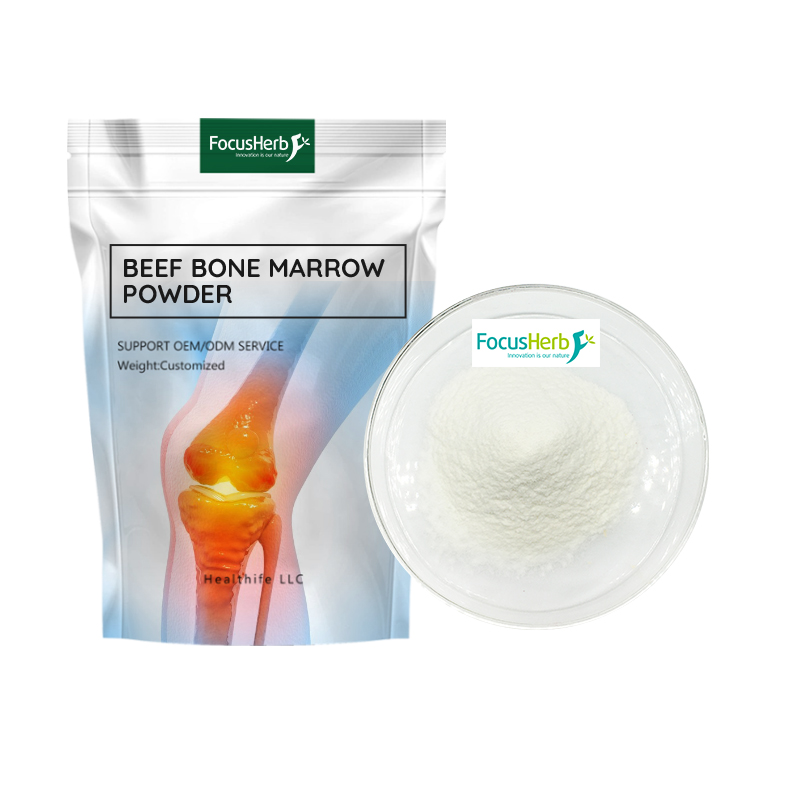

 Unique Chemical Structure and Properties
 Due to its unique structure and excellent properties, Hyaluronic Acid holds a pivotal position in the beauty and skincare industry. Known as “moisturizing gold,” it is highly sought after by consumers and the cosmetics industry. Many renowned skincare brands, such as SK-II’s Advanced Night Repair Essence and Estée Lauder’s Advanced Night Repair Essence, incorporate Hyaluronic Acid into their products. It plays a key role in skincare, including moisturizing, repairing, and anti-aging.
 Hyaluronic Acid has a long history of medical use, dating back to the 1970s. Today, it has become an indispensable substance in various departments, including ophthalmology and orthopedics, playing an irreplaceable role in disease treatment and surgical assistance.
 Market Competition Landscape


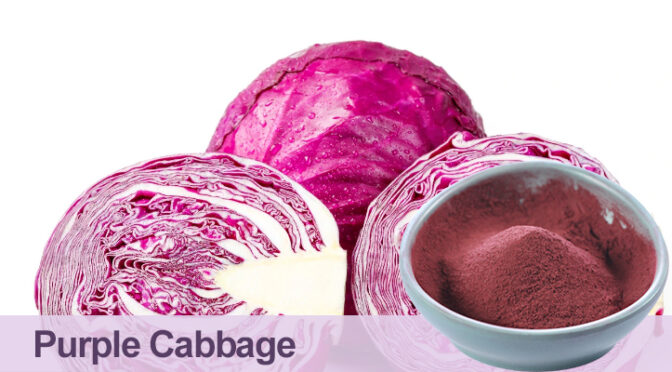
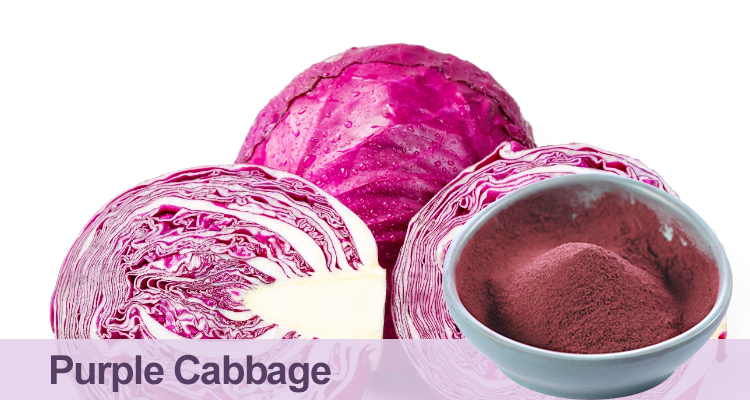
 The market situation of purple cabbage powder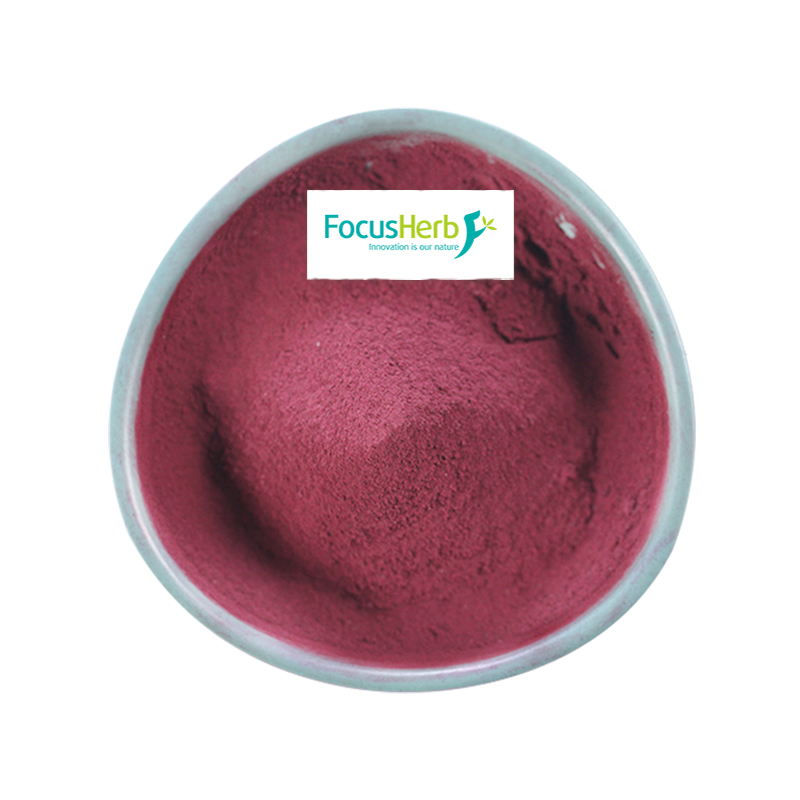
 Purple cabbage powder, as a nutrient-dense, convenient, and versatile health food ingredient, demonstrates unique value in modern lifestyles. It not only offers an efficient means for busy individuals to obtain vegetable-derived nutrients but also contributes to maintaining physical health and combating chronic diseases through its rich content of anthocyanins, dietary fiber, and other bioactive compounds. Whether incorporated into daily beverages, baked goods, or applied in the domains of health supplements and cosmetics, purple cabbage powder exerts its distinctive functionalities.
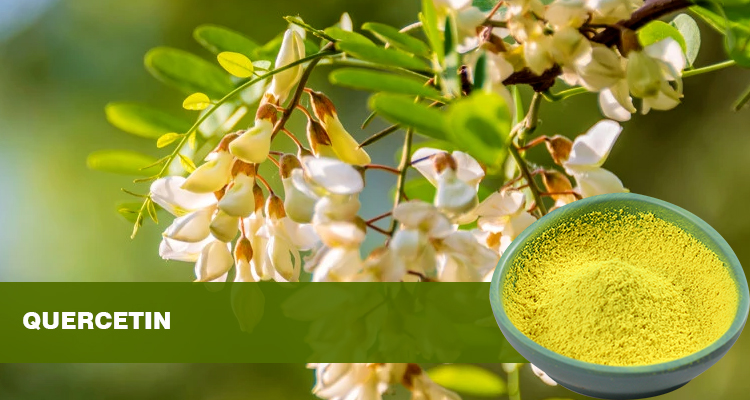 The Effects and Functions of Quercetin Dihydrate powder

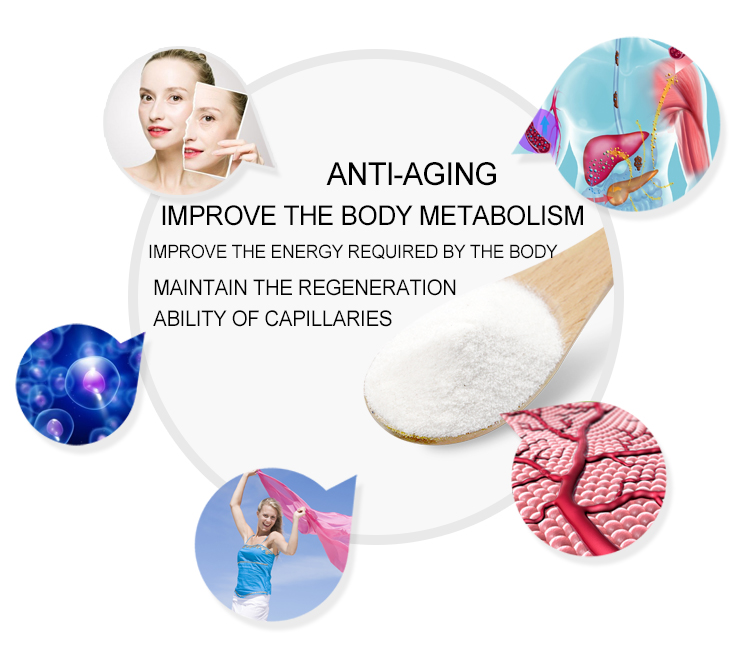


 A Comprehensive Analysis of Health Benefits
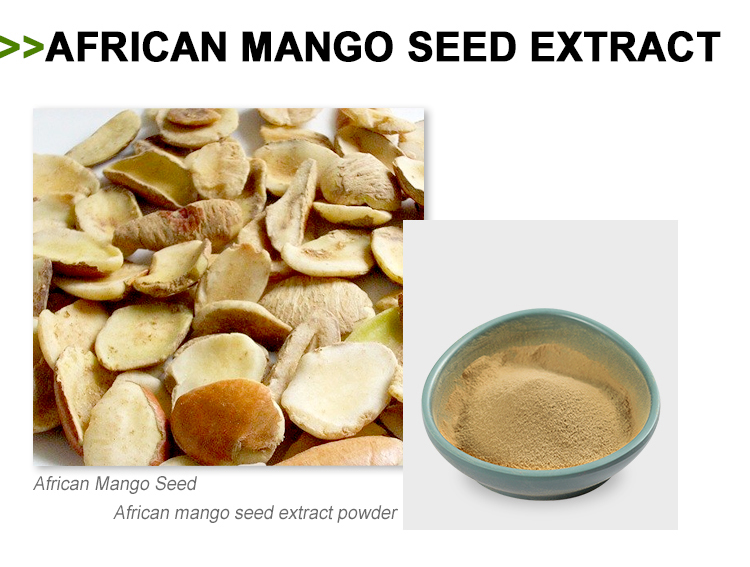 Exploring Application Areas