







The lymphatic system is one of the most overlooked and most important systems in the human body. This massive system is spread throughout the body and removes waste from every cell while helping to regulate the immune system.
Lymphatic vessels are like a giant body drainage system that needs to be kept open to function properly. Just like in your home, if your toilet or sink drain is clogged, you won’t be able to get rid of waste effectively — just like your body. Stagnant lymphatic flow can lead to the buildup of waste and toxins, weaken immunity and lead to various health problems.
How does the lymphatic system work?
The lymphatic system plays a very important effect in the functions of various systems in the human body. It consists of lymph nodes and lymphatic vessels at all levels. There are 600-700 lymph nodes in our body.
Why is the lymphatic system so important? Maintains optimal composition of extracellular fluid and matrix as it helps drain fluid, protein and waste from tissues. Lymphocytes play an important role in immune defense and are part of the body’s immune defense against infection.

The lymphatic system consists of blood vessels of various sizes that cover the body from below the surface of the skin. At some point, this pathway will connect with special glands in the lymph nodes. This fluid that passes through the lymphatic system is a protein-rich fluid called lymph.
Lymph fluid contains macromolecular particles, water, cellular components and fat. Although the lymphatic vessels are an important drainage system that works with blood circulation, it only works in one direction. Fluids are collected from body tissues, starting from a reticular network of tissue spaces (initially lymphatic vessels).
Once this fluid enters the lymphatic vessels, it is called lymph and continues into larger and deeper lymphatic vessels, which are structured like veins. These larger blood vessels pulsate, pushing fluid forward, although this movement is much slower than blood circulation.
The movement of the lymph also depends on the movement of the muscles. Generally speaking, the external factors driving lymph flow are muscle movement, respiratory movement, passive movement, vascular pulsation, and intestinal peristalsis.
Components of the lymphatic system
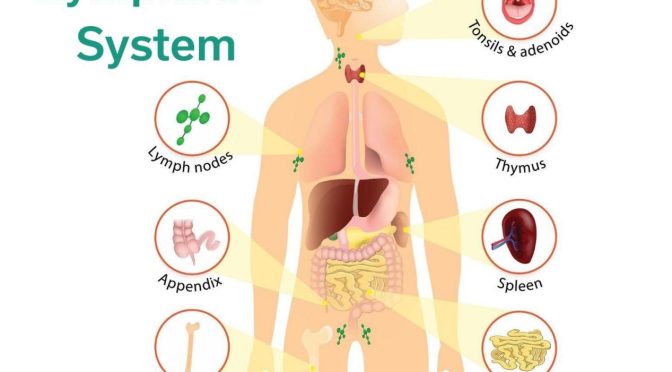
The lymphatic system is located throughout the body and is an important defense system of the human body. It consists of lymphatic vessels (divided into capillaries, lymphatic vessels, lymphatic trunks, and lymphatic vessels), lymphoid tissues (divided into diffuse lymphoid tissues and lymph nodes), and lymphoid organs (such as thymus, bone marrow, spleen, tonsils, etc.). ).
On the one hand, the lymphatic system drains lymph fluid and removes foreign bodies, bacteria, etc. from the body. On the other hand, the lymphatic system is the outpost of the body’s defense. Lymph nodes scattered throughout the body act like a filtering device that effectively blocks the entry of microorganisms through the lymphatic vessels.
How to detox the lymphatic system
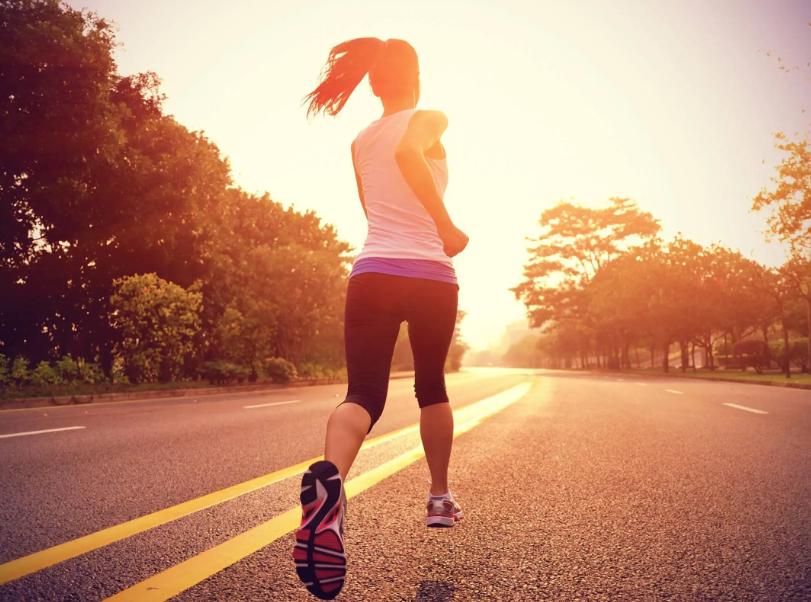
Exercise
Exercising regularly is one of the easiest ways to promote a healthy lymphatic system. It stimulates blood circulation and helps to transport oxygen to the tissues and cells in the body.
Lymph Cleanse Diet
While trying to enhance your lymphatic system, you don’t want to give it extra work to deal with. Stick to anti-inflammatory foods that give your system a break.
The best rule of thumb for this is to focus on red and raw foods like leafy greens, healthy fats, wild-caught salmon, and other naturally red foods like pomegranate, cherries, cranberries, and beets. Try Super Green Blend.
Hydration
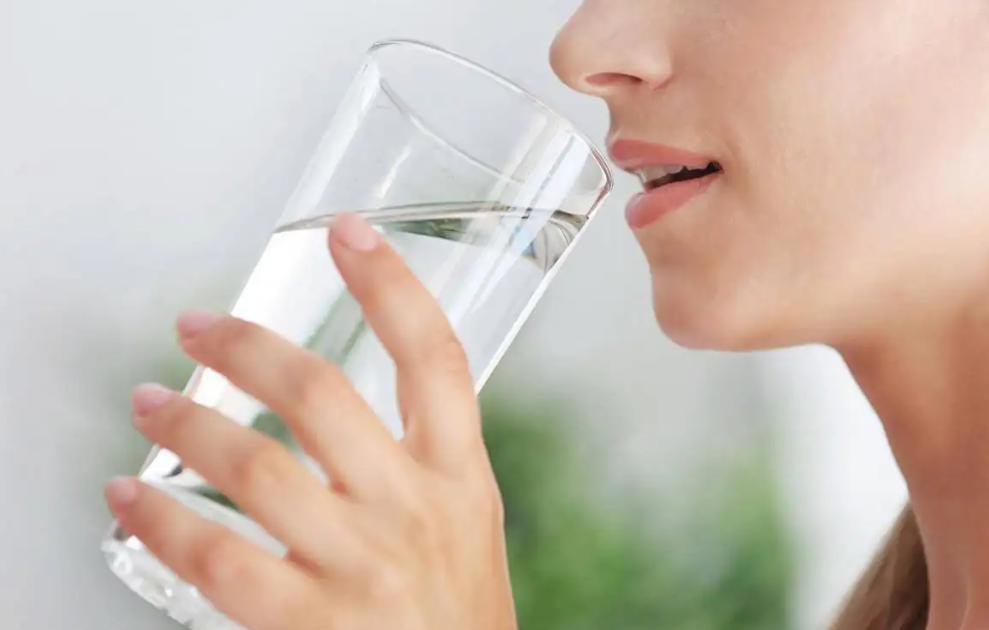
Dehydration is perhaps the number one cause of congestion. If you are dehydrated, your lymph becomes thicker, making it harder to circulate adequately.
Pure water is the best way to rehydrate the body – a little lemon can help aid the process a bit faster. Don’t overcompensate – we are not promoting over-drinking. Use urine color to help determine hydration level – if your urine is clear, you are drinking too much water.
Sauna
Sauna supports a better lymphatic system by promoting detoxification, better circulation and skin purification. Saunas also help relieve pain and lower blood pressure, while promoting relaxation.
Deep breathing
Taking a deep breath can get your entire rib cage into the air so you’re not just removing gaseous carbon dioxide waste from your lungs. Even in the tiniest of interstitial spaces, you squeeze the lymph fluid and push it towards its outlet ducts.
Dry Brushing
Considering that the skin is the largest elimination organ, dry brushing provides an easy and pleasant way to promote circulation and detoxification of the body. It improves the appearance of the skin by eliminating dead cells and helping new skin to regenerate.
Massage
The use of strokes and pressure on muscles, tissues, and organs during massage help stimulate the circulatory system and expel toxins to the circulatory system for elimination. It is important to drink water after a massage to help remove these toxins from the system.
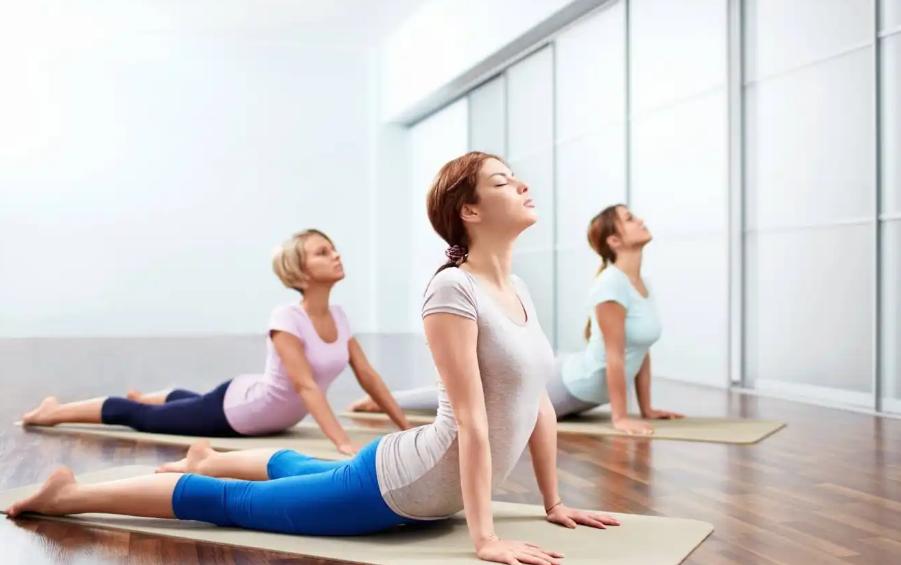
Yoga
The practice of yoga is a great way to increase circulation. The combination of stretching, yoga poses, and deep belly breathing helps to direct the lymph through the deep channels of your body. Holding stretches combined with conscious deep breathing can help direct lymph through the deep channels of the chest.
Apple Cider Vinegar
ACV or apple cider vinegar can be used for a multitude of health benefits. The acid in ACV can also bind to toxins which can assist in removing toxins from the body. Apple cider vinegar’s potassium content helps to break up mucus in the body and clear the lymph nodes. This also aids in the removal of toxins. Add apple cider into your diet and check out these other ways to detox.
Far Infrared Sauna
The infrared waves penetrate deep into the body, activating circulation in just a few short sessions. The heat helps with deep breathing and increased heart rate, which boosts drainage even more.
Alternate between a 15-minute sauna session and a cold shower for optimum results. Practice conscious deep breathing during your sauna to supercharge lymphatic drainage.
Take a break every 15 minutes to shower in cold water for 30 seconds to promote even more circulation
Inversion Table
Gravity forces lymph fluid to settle in the lower part of the body. An inversion table helps to move fluid throughout the body and towards the upper body to improve circulation and reduce muscle tension.
A study published in the Archives of Physical Medicine and Rehabilitation found that inversion reduced muscle tension which can improve circulation and lymph movement.
Essentials Oils
As we mentioned above, there are several essential oils that are beneficial to the lymphatic system. Cypress acts to tone the blood and lymphatic vessels, grapefruit speeds up circulation, and fennel aids in digestion and detoxification through the skin, kidneys, and digestive tract.

Supplementary enzymes
There are thousands of enzymes in the body that help it function properly. The Proteolytic Enzyme family includes bromelain, papain, and peptidase. These all help the system break down complex fats and proteins in your diet. Using supplements helps your body’s ability to do this more easily.
Liver Cleanse
Your liver produces most of your lymph fluid, says Barron, and when your liver is congested, your system is also congested. If you’re concerned about this – a liver cleanse might be a good place to start.
Clothing choices
Surprisingly, even what you’re wearing right now can be affecting your lymph system. Consider wearing clothing that can facilitate your lymph cleanse. This is usually tight or compression clothing. When the compression clothing squeezes your tissue, it can help to facilitate lymph drainage.
Detox your environment
The environment you live in has a huge impact on your body’s health. Think carefully about personal care products, food, water, and exposure to chemicals every day. Take measures to control your environment as much as reasonably possible to protect your own health.
Natural herbs
Supporting the body with certain natural herbs can also help the lymphatic system drain effectively. Different herbs have been studied for lymphedema treatment from traditional to modern use.
Research shows that herbal medicine can be worthy of consideration to improve lymphedema, especially for mitigating symptoms and side effects. However, there needs to be more research with conclusive data to explain herbs’ effectiveness.
Body Wraps
These are made of sea clay or other ingredients and help tighten the skin while removing toxins accumulated in the body. They also help with weight loss as well. Body wraps detox the body and makes your skin feel good.
Hydrotherapy
Hydrotherapy refers to the use of water (hot tubs, cold showers, ice packs, hot springs, water massage, etc.). Hydrotherapy immersion waters used in spas can be rich in minerals and enhanced by essential oils. It promotes detoxification and circulation.
Acupuncture
Acupuncture is wonderful for stimulating a number of bodily functions; from waking up the nerves to relieving pain. Many studies have shown that acupuncture can increase T-Lymph cells within the body. Generally, acupuncture results in the waking up of bodily energy, a process that can send more metabolic waste to the lymph nodes to be processed. A truly great way to boost the detoxification process and stimulate the lymphatic system.
Conclusion
There are many ways to detox your lymphatic system, but not all of them are equally effective. The 20 methods listed in this article are some of the best ways to cleanse your lymphatic system and improve your overall health. Incorporate these daily habits into your routine to keep your lymph flowing well.
Focusherb is committed to providing quality raw materials and solutions to customers in the nutraceutical, nutraceutical, cosmetic and pharmaceutical industries. If you have any questions you can contact us by email at admin@xafhbio.com