Chondroitin sulfate sodium is a natural polysaccharide compound extracted from animal cartilage, playing a crucial role in biological systems, particularly in maintaining the structure and function of articular cartilage. Its chemical structure is primarily composed of glucosamine and glucuronic acid, and it contains sulfate groups. This unique structure gives it various biological activities. It is highly soluble in water and easily disperses in aqueous solutions, forming a homogeneous system, a property that makes its application in the pharmaceutical, food, and cosmetics industries more convenient.
However, chondroitin sulfate sodium is relatively sensitive to heat and acidic/alkaline environments. Under acidic conditions, it is prone to degradation; the glycosidic bonds in its molecular structure may be broken, leading to the fragmentation of the polysaccharide chain and consequently affecting its biological activity and function. In high-temperature environments, its structure may also change, causing it to lose its original properties. Therefore, during storage and use, careful control of environmental conditions is necessary. It should typically be stored in a cool, dry place, away from acidic substances, to ensure its stability and effectiveness.
Wide Range of Applications
Sodium chondroitin sulfate, thanks to its unique biological activity and physicochemical properties, has a wide range of applications in multiple fields, demonstrating significant value.
Pharmaceutical Industry
In the pharmaceutical field, sodium chondroitin sulfate is commonly used to treat arthritis, joint pain, and to promote cartilage repair. It can inhibit the activity of proteases in articular cartilage, reduce the degradation of the cartilage matrix, and promote the synthesis of proteoglycans and hyaluronic acid, enhancing cartilage elasticity. Clinical studies have shown that sodium chondroitin sulfate can effectively reduce pain and inflammation in osteoarthritis patients, improve joint function, and slow down the process of joint degeneration. For example, common sodium chondroitin sulfate tablets and capsules use sodium chondroitin sulfate as the main ingredient for the auxiliary treatment of osteoarthritis and other joint diseases. It also has anti-inflammatory and analgesic effects, reducing inflammatory responses in the synovial membrane and relieving swelling and pain by inhibiting the release of inflammatory mediators such as prostaglandin E2 and matrix metalloproteinases. For patients with mild knee osteoarthritis, combining it with non-steroidal anti-inflammatory drugs can reduce the dosage of the latter.
Health Products Field
As a raw material for dietary supplements, sodium chondroitin sulfate is attracting considerable attention in the health products field. With the increasing awareness of health among people, the importance of joint and bone health is constantly growing, and the health benefits of sodium chondroitin sulfate are increasingly recognized. It can help protect joints, reduce joint friction, increase the viscosity of synovial fluid, and provide better lubrication and cushioning for the joints. For middle-aged and elderly people, athletes, and other groups whose joints are prone to damage, appropriate supplementation of sodium chondroitin sulfate helps maintain joint flexibility and comfort. Sodium chondroitin sulfate can also regulate bone metabolism balance, promote osteoblast differentiation, increase bone density, and is helpful in improving osteoporosis. For postmenopausal osteoporosis patients, combined use with calcium and vitamin D can reduce the risk of fractures. Some studies show that the sulfate group in the molecular structure of sodium chondroitin sulfate can bind to low-density lipoprotein, accelerating cholesterol metabolism, assisting in improving hyperlipidemia, and having the function of regulating blood lipid metabolism.
Other Fields
In cosmetics, sodium chondroitin sulfate is often used as a moisturizer and skin conditioning agent. It helps the skin retain moisture, reduce dryness, and improve hydration. It also promotes collagen synthesis, enhances skin elasticity, making the skin firmer and more radiant. It helps repair the damaged skin barrier and reduces damage to the skin from external irritants. It is commonly added to creams, masks, and other products. In the food industry, sodium chondroitin sulfate can be used as a food additive to improve the texture and structure of food, and is commonly found in foods such as jellies and gummies. It can increase the viscosity and elasticity of food, improving its quality and taste.
Advantages as a Dietary Supplement Ingredient
Joint Health Protection
Sodium chondroitin sulfate demonstrates significant protective effects on joint health. It is a crucial component of articular cartilage and plays a key role in maintaining normal joint function. When joint inflammation occurs, sodium chondroitin sulfate can inhibit the production of inflammatory cytokines such as TNF-α and IL-1β, while reducing the release of inflammatory mediators such as prostaglandin E2, effectively reducing inflammation in the synovial membrane and thus alleviating joint pain and swelling. For patients with osteoarthritis, it can reduce joint stiffness and friction, improve joint mobility, and enhance quality of life.
From the perspective of promoting cartilage repair, sodium chondroitin sulfate stimulates chondrocyte proliferation and accelerates the production of type II collagen fibers and proteoglycans, helping damaged articular cartilage to self-repair. Although this process is relatively slow, usually requiring continuous use for 3-6 months, long-term supplementation can significantly enhance the elasticity and toughness of the cartilage and delay the process of joint degeneration. For example, for athletes whose articular cartilage is worn down due to long-term high-intensity training, sodium chondroitin sulfate can, to some extent, promote cartilage repair and reduce the risk of further deterioration of joint damage. It can also increase the viscosity of synovial fluid, providing better lubrication and cushioning for the joints, reducing friction between the articular cartilages, just like adding lubricant to the moving parts of a machine, making joint movement smoother and protecting the articular cartilage from further damage, maintaining the integrity of the joint structure.
Regulation of Body Functions
Sodium chondroitin sulfate has a positive regulatory effect on overall body functions. In terms of lipid metabolism, the sulfate groups in its molecular structure can bind to low-density lipoproteins, accelerating cholesterol metabolism and assisting in improving hyperlipidemia. Some clinical studies show that when combined with lipid-lowering drugs such as atorvastatin calcium tablets, sodium chondroitin sulfate can enhance the lipid-lowering effect. Although this use has not yet been explicitly stated in the drug instructions, it shows its potential in regulating blood lipids and helps reduce the risk of cardiovascular disease.
In improving osteoporosis, sodium chondroitin sulfate can regulate bone metabolism balance, promote osteoblast differentiation, and increase bone density. For postmenopausal women with osteoporosis, the combined use of calcium and vitamin D can reduce the risk of fractures to some extent. It acts as a guardian of bone health, helping to maintain the normal structure and strength of bones and reducing the occurrence of adverse events such as fractures caused by osteoporosis. Sodium chondroitin sulfate also has certain anti-inflammatory effects, which can reduce chronic inflammatory responses in the body. Chronic inflammation is closely related to the development of many chronic diseases, and by reducing inflammation, it indirectly contributes to overall health, helping to improve the body’s immunity and resistance, and keeping the body in a healthier state.
Production and Quality Control
Extraction Methods
Sodium chondroitin sulfate is mainly extracted using three methods: extraction from animal tissues, chemical synthesis, and microbial fermentation. Each method has its unique advantages and disadvantages.
Animal tissue extraction is currently the most widely used method, typically using cartilage tissues from animals such as pigs and cattle, including laryngeal cartilage, nasal septum cartilage, and trachea. Through a series of complex processes, such as alkaline extraction and enzymatic extraction, sodium chondroitin sulfate is separated from the cartilage tissue. The advantages of this method are the abundant raw material sources, relatively mature extraction process, and high similarity of the obtained sodium chondroitin sulfate to the natural structure, resulting in good biological activity. However, the disadvantages are also quite obvious. On the one hand, animal tissues may carry viruses, bacteria, and other pathogens, posing certain safety risks, requiring strict testing and processing procedures to ensure product safety; on the other hand, the acquisition of animal tissues is subject to resource limitations, and the extraction process is relatively complicated and costly, and large-scale production may face problems of insufficient raw material supply.
Chemical synthesis is a method of preparing sodium chondroitin sulfate through artificial synthesis using chemical reagents and reaction conditions. The advantage of this method is that it can precisely control the structure and purity of the product, enabling large-scale production without being limited by raw material supply. However, the chemical synthesis process is complex, requiring the use of a large number of chemical reagents, which may cause certain environmental pollution. Moreover, impurities may be introduced during the synthesis process, affecting product quality, and the production cost is also high. Currently, its application in actual production is relatively limited.
Microbial fermentation is a new method developed in recent years, utilizing microorganisms such as Escherichia coli and Bacillus subtilis to produce sodium chondroitin sulfate through fermentation culture. This method has the advantages of a short fermentation cycle, high production efficiency, and easy industrial large-scale production, and can also avoid the potential pathogen contamination problems in the animal tissue extraction method. However, microbial fermentation also faces some challenges, such as the need for strict control of the microbial growth environment during the fermentation process to ensure the stability of fermentation and the consistency of the product; in addition, the separation and purification process of the fermentation product is relatively complex, requiring a lot of time and cost.
Quality Standards
The quality standards for sodium chondroitin sulfate are strictly regulated to ensure its safety and effectiveness. In the Chinese Pharmacopoeia, the quality standards for sodium chondroitin sulfate cover multiple aspects. In terms of characteristics, sodium chondroitin sulfate is specified to be a white or off-white powder, odorless, hygroscopic, and its aqueous solution is viscous, does not coagulate upon heating, is easily soluble in water, and insoluble in ethanol, acetone, or glacial acetic acid. These descriptions of physical characteristics help in the preliminary assessment of the product’s authenticity and quality.
Identification is primarily performed through high-performance liquid chromatography (HPLC), infrared absorption spectroscopy, and sodium salt identification reactions. In the chromatogram recorded under the content determination section, the retention times of the three main peaks in the test solution should be consistent with the retention times of chondroitin disaccharide, 6-sulfated chondroitin disaccharide, and 4-sulfated chondroitin disaccharide in the reference solution; its infrared absorption spectrum should be consistent with the spectrum of the sodium chondroitin sulfate reference standard; and the aqueous solution should also show a positive reaction for sodium salt identification (1). These identification methods confirm the product from the perspective of chemical structure and elemental composition, ensuring the accuracy of its components.
The inspection items include nitrogen content, acidity, chlorides, sulfates, residual solvents, loss on drying, residue on ignition, and heavy metals. The nitrogen content, calculated on a dry basis, should be 2.5% – 3.5%; the acidity pH value should be 6.0 – 7.0; the content of chlorides and sulfates have corresponding limits to control impurity levels; residual solvents must meet the requirements to avoid harmful solvent residues; loss on drying should not exceed 10.0%, residue on ignition should be 20.0% – 30.0%, and heavy metal content should not exceed 20 ppm. These inspection items are comprehensive and detailed, strictly controlling the purity, impurity content, and stability of the product, ensuring that the product quality meets the requirements and guaranteeing consumer safety.
Content determination is performed using high-performance liquid chromatography, through specific chromatographic conditions and system suitability tests, using the external standard method to calculate the content based on the sum of the peak areas of chondroitin disaccharide, 6-sulfated chondroitin disaccharide, and 4-sulfated chondroitin disaccharide. Based on the dry weight, the sodium chondroitin sulfate content [H(C14H19NNa2O14S)xOH] should be 90.0% – 105.0%. Accurate content determination is crucial for ensuring product efficacy; only when the content is within the specified range can the product perform its intended function in applications.
Market Status and Prospects
Market Size
Sodium chondroitin sulfate demonstrates significant scale and influence in the global market. From a production perspective, China, India, and Brazil are the main global producers of sodium chondroitin sulfate, accounting for the majority of the global market share. China’s production is particularly prominent, accounting for approximately 80% to 90% of the global share, making it the world’s largest producer and exporter. In the first half of 2022, China exported approximately 1,819 tons of sodium chondroitin sulfate, worth approximately US$103.33 million, representing a year-on-year increase of 6.23% in export volume and a 22.41% increase in export value. This data clearly reflects China’s important position in the production and export of sodium chondroitin sulfate.
In the consumer market, North America and Europe are the main consumption regions for sodium chondroitin sulfate, with particularly high demand in the pharmaceutical and health supplement sectors. This is mainly due to the high prevalence of osteoarthritis in these regions, strong consumer awareness of osteoarthritis diagnosis, favorable government regulations regarding treatment, and developed medical infrastructure. According to relevant data, the global sodium chondroitin sulfate market size reached 1.291 billion RMB in 2024, and the Chinese sodium chondroitin sulfate market size reached 289 million RMB. It is expected that by 2030, the global sodium chondroitin sulfate market size will grow to 16.177 billion RMB, with a projected CAGR of 52.4% during the forecast period, showing a strong growth trend.
Development Trends
With the continuous improvement of people’s health awareness, the attention to joint and bone health is increasing, and the demand for sodium chondroitin sulfate in the dietary supplement field shows a significant growth trend. Especially against the backdrop of an accelerating aging society, the incidence of joint diseases such as osteoarthritis is rising, leading to a continuous increase in market demand for sodium chondroitin sulfate as an important component of joint health. For middle-aged and elderly people, joint problems are gradually becoming an important factor affecting their quality of life. Sodium chondroitin sulfate can help them relieve joint pain and improve joint function, so more and more middle-aged and elderly people are choosing dietary supplements containing sodium chondroitin sulfate. The increased awareness of exercise and health has driven the expansion of the sports nutrition supplement market, further boosting the demand for chondroitin sulfate sodium. Athletes and sports enthusiasts are prone to joint injuries during high-intensity training and exercise. Chondroitin sulfate sodium can help protect their joints, promote cartilage repair, and reduce the risk of sports injuries. This has made sports nutrition supplements containing chondroitin sulfate sodium widely popular in the market. With the continuous increase in the number of people participating in sports, the market potential in this area will be further unleashed in the future.
In terms of application expansion, chondroitin sulfate sodium also shows broad possibilities. With continuous technological advancements, its application in new health products and functional foods will continue to innovate. For example, more complex dietary supplements scientifically formulated with chondroitin sulfate sodium and other nutrients may emerge in the future to meet consumers’ diverse health needs. Its application in the cosmetics field may also further expand. In addition to existing functions such as moisturizing and enhancing skin elasticity, more applications targeting specific skin problems, such as anti-wrinkle and repairing sensitive skin, may be developed, opening up new growth points for the market development of chondroitin sulfate sodium.
Collagen, an indispensable protein in the human body, is widely distributed throughout various tissues and organs, accounting for approximately 25%-30% of the body’s total protein. It plays a fundamental role in maintaining normal physiological functions.
In the skin, collagen is one of the main components, forming a fine elastic network that supports the skin like a “spring,” giving it elasticity and radiance. With age, collagen in the skin is lost at a rate of 1%-2% per year, leading to gradual skin sagging and the appearance of fine lines. In bones, collagen accounts for approximately 70%-80% of the total organic matter, binding tightly with minerals such as calcium to form a “bone scaffold,” providing bones with toughness and preventing them from becoming brittle and easily fractured. Collagen is also found in muscles, eyes, heart, stomach, intestines, blood vessels, lungs, pancreas, and other parts of the body, where it plays a crucial role in support, protection, and maintaining normal function.
Currently, more than 20 types of collagen are known, with Type I, Type II, and Type III being the most common. Type I collagen is the most abundant in the human body, accounting for approximately 80%-90% of all collagen. It is widely distributed in the dermis, bones, teeth, and tendons. Its complex structure makes it a major component of connective tissue, providing strong tensile strength and toughness to tissues, and playing a key role in maintaining skin firmness and bone strength. Type III collagen is mainly distributed in the dermis of the skin, sclera, and breasts. It is closely related to skin elasticity and moisture retention, effectively maintaining healthy and youthful skin, and also playing an important role in skin repair after injury.
Type II collagen, on the other hand, is mainly derived from animal cartilage tissue, such as chicken breast cartilage and shark cartilage. It is primarily found in articular cartilage, the vitreous humor of the eye, cornea, and neuroretina, and holds an irreplaceable and unique position in maintaining joint health. Articular cartilage, as a crucial structure protecting joint movement, endures various pressures and friction during daily activities. With age, excessive exercise, or joint injury, the cartilage gradually degenerates and wears down, leading to problems such as joint pain, swelling, and limited mobility. Type II collagen, as the main component of articular cartilage, can directly supplement the cartilage matrix, provide nutrients to chondrocytes, inhibit chondrocyte apoptosis, and slow down the rate of cartilage degradation, thereby maintaining the normal structure and function of the joint.
Unlocking the Secrets of Chicken Collagen Powder
(I) Source and Extraction Process of Chicken Collagen Powder
Chicken collagen powder primarily uses chicken breast cartilage as its raw material. Chicken breast cartilage, in the chicken’s body structure, not only provides support for the chest muscles but also participates in the formation of the rib cage, playing an important role in protecting the organs within the thoracic cavity. Because it is rich in collagen, especially type II collagen, it is a high-quality raw material for extracting collagen powder. In modern industrial production, chicken breast cartilage usually comes from large-scale poultry slaughter and processing plants. These factories have strict quality control systems, regulating from the source of chicken farming to ensure the safety and stability of the chicken breast cartilage raw materials, laying a solid foundation for the subsequent production of high-quality chicken collagen powder.
From chicken breast cartilage to collagen powder, a series of complex and precise production steps are required. First is the heat treatment stage, where the chicken breast cartilage is heated under specific temperature and time conditions. This step initially softens the cartilage tissue, breaks down some cell structures, and releases the collagen, while also providing a certain sterilization effect, providing a purer raw material for subsequent processing. Subsequently, protease enzymatic hydrolysis technology is used, which is one of the key steps in the entire extraction process. Proteases can specifically recognize and cleave the peptide bonds in collagen molecules, degrading large collagen molecules into small peptide fragments, making them easier to dissolve and process. Different types of proteases have different cleavage sites and characteristics. During the production process, appropriate proteases are selected according to actual needs, and the enzymatic hydrolysis conditions, such as enzyme dosage, reaction temperature, pH value, and reaction time, are precisely controlled to ensure optimal enzymatic hydrolysis and obtain the ideal distribution of small peptide fragments.
The product after enzymatic hydrolysis contains not only the target collagen peptides but also incompletely hydrolyzed impurities, salts, and other small molecules. To obtain high-purity collagen powder, filtration and nanofiltration operations are required. Filtration usually employs a multi-stage filtration system, including coarse filtration and fine filtration steps. Through filtering media with different pore sizes, solid particle impurities, unreacted enzymes, and some large molecular impurities are removed from the solution, making the solution clearer. Nanofiltration utilizes the selective permeability characteristics of nanofiltration membranes to further remove small molecule impurities, salts, and low molecular weight non-collagen peptides, while retaining the target collagen peptides, effectively improving the purity and quality of the product.
The collagen solution, after filtration and nanofiltration, has a relatively low concentration and requires vacuum concentration. Under reduced pressure, the boiling point of the solution is lowered, allowing for evaporation and concentration at lower temperatures, avoiding damage to the structure and activity of collagen peptides caused by high temperatures. Vacuum concentration increases the concentration of the collagen solution to a level suitable for subsequent processing, reducing energy consumption and time in the subsequent drying process, and also improving product stability and shelf life.
Although the concentrated collagen solution has undergone preliminary sterilization, a small amount of microorganisms may still be present. To ensure product safety and shelf life, sterilization is necessary. Common sterilization methods include high-temperature short-time sterilization and pasteurization. These methods kill microorganisms in the solution in the shortest possible time and at suitable temperatures, while maximizing the preservation of collagen activity and nutritional components.
The final step is spray drying. The sterilized and concentrated collagen solution is sprayed into a drying tower through a special spray device, where it comes into full contact with hot air. Under the action of hot air, the water in the solution evaporates rapidly, and the collagen peptides instantly dry into a powder. This powder is collected to obtain the final chicken collagen powder product. During the spray drying process, parameters such as inlet air temperature, outlet air temperature, spray pressure, and feed rate all affect product quality and need to be strictly controlled to ensure that the product has good solubility, flowability, and stability.
(II) The Uniqueness of Type II Collagen
Among the many sources of type II collagen, chicken-derived type II collagen has significant advantages. In terms of raw material availability, chicken, as a widely farmed and consumed poultry globally, has a huge output, and the source of chicken breast cartilage is abundant and stable. Compared to type II collagen derived from rare animals such as shark cartilage, chicken-derived type II collagen is not limited by resource scarcity, meeting the demands of large-scale industrial production and ensuring an ample supply of products to the market. It also avoids the environmental damage caused by overfishing of rare animals.
During the production process, chicken-derived type II collagen exhibits high stability. Chicken breast cartilage has a relatively simple composition with fewer impurities, making it easier to control production conditions during extraction and processing. This minimizes the impact of external factors on the structure and activity of type II collagen, ensuring the uniformity and stability of product quality. This results in more reliable chicken collagen powder with less batch-to-batch variation, providing consumers with a more consistent user experience and guaranteed results.
In terms of amino acid composition, type II collagen is rich in various essential and semi-essential amino acids. It has high levels of glycine, proline, and hydroxyproline, which play a crucial role in maintaining the stability of the collagen’s triple helix structure. Glycine, due to its small molecular structure, can be tightly packed within the triple helix, providing stable support to the entire molecule; proline and hydroxyproline further enhance the stability of the triple helix structure by forming intramolecular hydrogen bonds, allowing it to resist external mechanical and chemical forces and maintain the normal function of collagen. In addition, type II collagen also contains a certain amount of cysteine, which can form disulfide bonds within the molecule, connecting different α chains, making the collagen molecule more stable and increasing its biological activity, thus improving the absorption and utilization efficiency of collagen in the body.
Structurally, type II collagen is formed by three α chains intertwined to form a unique triple helix structure. This structure gives it good flexibility and elasticity, allowing it to play a cushioning and supporting role in joint cartilage. Compared to other types of collagen, the triple helix structure of type II collagen is relatively loose with a lower degree of cross-linking. This structural characteristic makes it more suitable for tissues like joint cartilage that require frequent deformation and recovery, allowing it to better adapt to the various pressures and torsional forces experienced by the joint during movement, providing continuous protection and support to the joint. At the same time, this relatively loose structure makes type II collagen easier to be recognized and degraded by enzymes in the human body, thus facilitating its absorption and utilization by the body and allowing it to exert its effects in maintaining joint health.
Type II Collagen: The Miraculous Guardian of Joint Health
(I) Protecting Joint Cartilage
Type II collagen plays a central role in joint cartilage, being its main component, accounting for approximately 80%-90% of the total collagen in joint cartilage. It acts like the main “building material” for constructing a stable structural framework for joint cartilage. During daily activities such as walking, running, and jumping, joint cartilage needs to bear the body’s weight and the pressure and friction generated by various movements. Type II collagen, with its unique structure and physical properties, provides strong support and cushioning to the joint cartilage, effectively reducing wear and tear during movement.
As we age, the body’s ability to synthesize type II collagen gradually declines. Coupled with long-term joint use and wear, the content of type II collagen in joint cartilage continuously decreases, and the structure and function of the cartilage begin to show abnormalities. At this point, supplementing with exogenous type II collagen becomes particularly important. Chicken collagen powder, as a high-quality supplement rich in type II collagen, can directly replenish the missing matrix in the joint cartilage, just like supplying crucial building materials to a gradually deteriorating house, allowing the joint cartilage to be repaired and rebuilt. Relevant clinical research data shows that in experiments targeting osteoarthritis patients, one group of patients continuously supplemented with products rich in type II collagen, while another group served as a control group without supplementation. After a period of observation, it was found that the rate of joint space narrowing was significantly slowed in patients who supplemented with type II collagen, and the risk of joint cartilage wear was reduced by approximately 30%-40%. This fully demonstrates that type II collagen can effectively maintain the normal thickness and structural integrity of joint cartilage, providing solid protection for joint health.
In addition, type II collagen also has the effect of inhibiting chondrocyte apoptosis. Chondrocytes are important cellular components in joint cartilage; they are responsible for synthesizing and maintaining the normal metabolism of the cartilage matrix. When joints are damaged or in an inflammatory state, chondrocytes are easily affected by various harmful factors, leading to increased apoptosis. Type II collagen can bind to receptors on the surface of chondrocytes, activating a series of intracellular signaling pathways, inhibiting the expression of apoptosis-related genes, thereby reducing chondrocyte apoptosis, ensuring the number and activity of chondrocytes, and maintaining the normal metabolism and function of articular cartilage.
(II) Alleviating Joint Inflammation
Joint inflammation is one of the common causes of joint pain, swelling, and dysfunction, and inflammatory joint diseases such as rheumatoid arthritis and osteoarthritis cause great suffering to patients. Type II collagen plays an important role in alleviating joint inflammation, and its mechanism of action is mainly related to regulating the immune response.
Under normal circumstances, the human immune system can recognize and eliminate foreign pathogens, maintaining the body’s healthy balance. However, in inflammatory joint diseases, the immune system becomes abnormal and overactive, producing a large number of pro-inflammatory factors, such as interleukin-1β (IL-1β) and tumor necrosis factor-α (TNF-α). These pro-inflammatory factors trigger inflammatory responses, leading to congestion and edema of the synovial tissue, releasing more inflammatory mediators, and further aggravating damage to the articular cartilage and surrounding tissues. Type II collagen can regulate the function of the immune system through an oral tolerance induction mechanism. When we ingest type II collagen, it is recognized by the immune system in the intestines as a “self-component,” thereby inducing an immune tolerance response in the gut-associated lymphoid tissue. This immune tolerance response can inhibit the overactivation of the systemic immune system, reduce the release of the pro-inflammatory factor interleukin-1β, and fundamentally alleviate the occurrence and development of joint inflammation.
Taking rheumatoid arthritis patients as an example, many patients suffer from morning stiffness. Morning stiffness refers to the phenomenon of joint stiffness and limited movement after waking up in the morning, usually lasting for several hours, severely affecting patients’ daily life and activity. Clinical practice has found that some rheumatoid arthritis patients experienced significant improvement in morning stiffness symptoms after continuously supplementing with type II collagen for 2-3 months. After waking up in the morning, their joint stiffness was reduced, and their mobility increased, allowing them to perform daily activities more quickly. This is because type II collagen, by regulating the immune response, reduces the release of inflammatory mediators in the joints, alleviating inflammation and swelling of the synovial membrane, thereby improving morning stiffness symptoms.
It is important to note that the effect of type II collagen in relieving joint inflammation is not immediate; it requires continuous supplementation for a certain period to be effective. This is because its regulation of the immune system is a gradual process, and only through long-term supplementation can the immune system be restored to a normal balance, thus continuously and effectively relieving joint inflammation. Simultaneously, during the supplementation of type II collagen, patients should also follow their doctor’s advice and combine it with appropriate exercise, physical therapy, and other comprehensive measures to achieve better therapeutic effects.
(III) Enhancing Bone Health
Bone health is a crucial foundation for overall health; it not only supports the body’s structure but also participates in the regulation of various physiological functions. Type II collagen plays an indispensable role in enhancing bone health, and there is a close synergistic relationship between it and calcium.
In the structure of bones, type II collagen forms a three-dimensional network structure, like the steel framework in a building, providing support and attachment points for the deposition of minerals such as calcium. Calcium is the main inorganic component of bone, giving bones hardness and strength. When type II collagen and calcium work synergistically, they can enhance the mechanical strength of bone trabeculae. Bone trabeculae are a spongy structure within the bone, playing a key role in maintaining the overall strength and stability of the bone. The network structure of type II collagen allows calcium to be more evenly distributed in the bone trabeculae, strengthening the connections and support between the trabeculae, thereby improving the bone’s resistance to compression and bending, effectively preventing the occurrence of bone diseases such as osteoporosis.
For adolescents, whose bones are in a stage of rapid growth and development, sufficient intake of type II collagen is particularly important. The hydroxyproline abundant in type II collagen is a key raw material for bone collagen synthesis. Hydroxyproline participates in the synthesis of collagen in the body, promoting the formation and cross-linking of bone collagen, making bones stronger and more resilient. During adolescence, the body has a high demand for hydroxyproline. A lack of type II collagen supplementation may lead to insufficient collagen synthesis, affecting normal bone development and resulting in problems such as slow bone growth and reduced bone strength. Therefore, appropriate supplementation with chicken collagen powder containing type II collagen can help meet the nutritional needs for bone development, promote healthy bone growth, and lay a solid foundation for lifelong bone health.
Scientific Supplementation: Unlocking Healthy Joint Life
(I) Target Groups and Supplementation Recommendations
Different groups of people have varying needs for type II collagen due to differences in lifestyle, physical condition, and other factors. In middle-aged and elderly individuals, as age increases, the function of various organs gradually declines, and the rate of type II collagen loss in articular cartilage accelerates, leading to increasingly prominent joint problems, such as a significantly higher incidence of osteoarthritis in this population. For them, daily supplementation with 10-40mg of standardized collagen peptide supplements can help slow down the degeneration of articular cartilage, alleviate joint pain and stiffness, and improve quality of life.
For sports enthusiasts, long-term high-intensity training puts significant stress and wear on the joints, easily leading to articular cartilage damage and inflammation. Supplementing with type II collagen can provide additional nutritional support to the joints, enhance their resistance to pressure, reduce the risk of sports injuries, and accelerate joint recovery after exercise. For example, an athlete who regularly participates in marathon training experienced significantly reduced joint soreness after exercise and improved joint flexibility and endurance after consistently supplementing with type II collagen.
For individuals with joint discomfort, whether caused by trauma, overuse, or disease, supplementing with type II collagen is beneficial. It can help repair damaged articular cartilage, reduce inflammatory responses, alleviate pain symptoms, and promote the recovery of joint function. For this group, it is recommended to determine the appropriate dosage and course of treatment under the guidance of a doctor, based on the specific degree and cause of joint discomfort.
It is important to note that individuals with seafood allergies should be extra cautious when choosing collagen products. Some collagen products may be derived from marine organisms, such as fish collagen, which may trigger allergic reactions in people with seafood allergies. Chicken collagen powder, as a non-seafood source of collagen, is relatively safer, but it is still recommended to try a small dose first to observe the body’s reaction and ensure there are no allergic symptoms before regular use.
(II) Coordination with Other Joint Care Methods
Supplementing with type II collagen is only one aspect of maintaining joint health. To achieve better joint care results, it needs to be combined with other care methods. In terms of diet, high-sugar diets should be avoided. This is because a high-sugar diet leads to elevated blood sugar levels, and excessive sugar easily reacts with collagen in the body through a process called glycation, forming advanced glycation end products (AGEs). These AGEs alter the structure and function of collagen, reducing its elasticity and resilience, and accelerating the aging and damage of joint cartilage. Studies have shown that people with a long-term high-sugar diet have significantly higher levels of AGEs in their joint cartilage than those with a normal diet, and also have a higher incidence of joint diseases. Therefore, reducing the intake of high-sugar foods, such as candy, cakes, and sugary drinks, and eating more antioxidant-rich foods, such as blueberries, broccoli, and green tea, can help combat glycation, reduce the production of AGEs, and protect the collagen in joint cartilage.
Moderate strength training is also an important way to improve joint health. Strength training stimulates muscle growth around the joints, increasing muscle strength. Muscles act like “protective cushions” for the joints; strong muscles can share the pressure on the joints, reducing friction and wear between the joint cartilage, while also improving joint stability and reducing the risk of joint injury. For example, regularly performing leg muscle strength training exercises, such as squats and leg raises, can effectively strengthen the muscles around the knee joint, reduce the burden on the knee joint, and have a positive effect on preventing and alleviating knee joint diseases. In principle, strength training promotes the secretion of substances such as growth hormone, which can stimulate the activity of joint cartilage cells, enhance the synthesis and metabolism of type II collagen, and further improve the quality and function of joint cartilage.
Daily joint care also requires attention to keeping warm and avoiding exposure to cold. Cold temperatures cause vasoconstriction around the joints, leading to poor blood circulation, oxygen deprivation, and insufficient nutrient supply to the joint tissues, which can easily trigger joint pain and inflammation. Especially during the autumn and winter seasons, it is important to wear appropriate clothing and use warming equipment such as knee and wrist braces to protect the joints from the cold. Maintaining correct posture is also crucial; incorrect posture, whether standing, walking, or sitting, increases pressure on the joints, and over time can lead to joint deformation and damage. For example, prolonged slouching and poor posture can put uneven pressure on the spinal joints, easily leading to problems such as scoliosis and herniated discs. Incorrect walking posture, such as walking with toes pointing inward or outward, can cause extra wear and tear on the knee and ankle joints. Therefore, we should always pay attention to maintaining good posture to reduce the burden on our joints and protect their health.
Looking Ahead: The Future of Type II Collagen
With the accelerating pace of global aging, joint health issues are increasingly becoming a focus of attention. According to the World Health Organization (WHO), by 2050, the global population aged 60 and over will reach 2 billion, accounting for 22% of the total population. This means that more people will face challenges related to joint health, and the incidence of joint diseases such as osteoarthritis and rheumatoid arthritis will also rise. At the same time, people’s pursuit of a healthy lifestyle and their increasing awareness of joint health are creating a vast market for the development of type II collagen in the field of joint health.
In terms of product development, the future is expected to see the emergence of more innovative type II collagen products. With continuous technological advancements, extraction and production techniques will be further optimized, leading to higher purity and activity of type II collagen, and more stable and reliable product quality. Simultaneously, to meet the needs of different consumers, product formulations will become more diverse. In addition to the existing powder form, more convenient and easy-to-take formulations may appear, such as soft capsules, oral liquids, and chewable tablets, allowing consumers to more easily supplement type II collagen and improving product compliance.
In terms of application expansion, type II collagen will continue to play an important role in the traditional dietary supplement field, and may also find broader applications in other areas. In the functional food and beverage sector, type II collagen can be used as a functional ingredient in products such as yogurt, fruit juices, and energy bars, allowing consumers to easily supplement the nutrients needed for joint health in their daily diet. In the healthcare field, type II collagen may be applied in more clinical treatments and rehabilitation programs, such as being used in combination with other drugs or treatments to improve the treatment effect of joint diseases; or developing specialized products for specific scenarios such as post-operative joint rehabilitation and sports injury repair, providing patients with more comprehensive joint health support.
As consumers’ knowledge and awareness of joint health increase, the demand for type II collagen products will continue to grow. In the future, type II collagen will play an even more important role in protecting people’s joint health and helping more people enjoy a healthy and high-quality life.
In the market for skin-whitening cosmetics, alpha-arbutin has become a core ingredient replacing traditional, irritating whitening ingredients due to its highly effective tyrosinase inhibitory activity and gentle skin tolerance. However, ordinary alpha-arbutin is easily decomposed and inactivated under light, high temperatures, and acidic systems, limiting its application in cosmetics. As a professional cosmetic raw material supplier, we offer highly stable alpha-arbutin, which improves stability from the source through advanced process optimization while retaining high purity and high activity, perfectly meeting the R&D and production needs of various whitening cosmetics. This article will comprehensively analyze the value and supply services of highly stable alpha-arbutin from aspects such as core product understanding, core advantages, application scenarios, and supply assurance.
Core Understanding: The Nature and Characteristics of Highly Stable alpha-arbutin
(I) Natural Properties and Whitening Mechanism of alpha-arbutin
alpha-arbutin (chemical name: 4-hydrobenzoquinone-alpha-D-glucopyranoside, CAS No.: 84380-01-8) is a glycoside active substance derived from natural plants such as bearberry and blueberry. It is an epimer of β-arbutin, appearing as a white crystalline powder, easily soluble in hot water, ethanol, and propylene glycol, common cosmetic solvents. Its core whitening mechanism is the specific inhibition of the activity of tyrosinase, a key enzyme in melanin production. By directly binding to tyrosinase and competing for the dopa binding site, it blocks melanin synthesis at its source, while simultaneously accelerating the decomposition and excretion of existing melanin, achieving the effects of lightening spots, brightening skin tone, and improving uneven skin tone. Furthermore, within its effective concentration range, it is non-toxic and non-irritating to melanocytes, with a safety profile far exceeding that of traditional hydroquinone ingredients.
(II) High Stability Technology and Quality Standards
Our high-stability alpha-arbutin is prepared using an advanced enzymatic synthesis coupled with purification process. Through molecular structure optimization and precise purification, it significantly enhances environmental tolerance while retaining the core activity of alpha-arbutin. The product purity is ≥99% (HPLC detection), far exceeding industry standards, and the hydroquinone residue is ≤1ppm, meeting the stringent requirements of the EU SCCS and my country’s “Cosmetic Safety Technical Specifications.” Tested by authoritative institutions, this product exhibits excellent stability in processing environments below 60℃ and at pH 5.0-7.0 (the mainstream cosmetic system). Under light conditions, its half-life is more than twice that of ordinary alpha-arbutin, effectively preventing issues such as decreased efficacy and discoloration due to component decomposition during storage and use.
Core Advantages: Four Core Values for Cosmetic R&D
(I) High Stability Expands Application Scenarios and Reduces Formulation Difficulty
Ordinary alpha-arbutin is sensitive to light, high temperature, and pH, limiting its compatibility with a limited range of cosmetic systems and increasing the difficulty of formulation development. High-stability alpha-arbutin, however, can be flexibly adapted to various whitening cosmetic formulations such as creams, lotions, serums, toners, and masks. It can withstand conventional emulsification and sterilization processes and maintains stable activity during long-term storage. Without the need for large amounts of additional stabilizers, it can be combined with mainstream whitening ingredients such as niacinamide, azelaic acid, and vitamin C derivatives to create synergistic whitening formulations, significantly reducing R&D costs and production risks for companies.
(II) High Purity Ensures Efficacy and Safety, Enhancing Product Competitiveness
99% high purity ensures stronger tyrosinase inhibitory activity per unit dose. An effective addition concentration of only 1%-3% is sufficient to achieve excellent whitening effects, reducing the dosage by more than 30% compared to ordinary alpha-arbutin. This reduces raw material costs and the burden on the skin from added ingredients. The product has undergone a full set of toxicological tests, demonstrating no acute toxicity or mutagenicity. Suitable for all skin types, including sensitive and acne-prone skin, it meets the core requirement of “gentle yet effective” in high-end cosmetics, helping brands create a differentiated competitive advantage.
(III) Multi-Effect Synergistic Enhancement of Product Value, Covering Diverse Whitening Needs
In addition to its core whitening effect, highly stable alpha-arbutin also possesses auxiliary anti-inflammatory, repairing,
and antioxidant properties. In whitening formulas, it can synergistically alleviate pigmentation (such as acne scars) caused by UV exposure or inflammation, reducing the depth of black acne scars by 50% and the area of brown acne scars by 75% within 28 days. Simultaneously, it can eliminate free radicals in the skin, reduce oxidative damage, and assist in repairing the skin barrier, achieving a dual effect of “whitening + repair,” meeting current consumer demand for multifunctional skincare products.
(IV) Compliance Adapted to Global Markets, Facilitating Product Export
The product fully complies with major global cosmetic regulatory standards: the EU SCCS recognizes its maximum safe concentration in face creams as 2% and in body lotions as 0.5%; my country lists it as a permitted whitening ingredient, allowing its use in general cosmetics registration without special approval; it also meets the safety requirements of the US FDA and Japanese cosmeceutical markets. Complete compliance documentation (safety evaluation reports, test reports, raw material specifications) can directly meet the company’s product registration needs, facilitating rapid entry into domestic and international markets.
Application Scenarios: Formulation Adaptation Solutions for Mainstream Whitening Cosmetics
(I) Core Whitening and Spot-Fading Products
As a core whitening ingredient, adding 1%-3% highly stable alpha-arbutin can develop targeted spot-fading creams, whitening serums, and other products. For example, a compound serum of 3% highly stable alpha-arbutin + 2% niacinamide + 1.5% azelaic acid, through a closed loop of “inhibiting melanin at the source + blocking melanin production + accelerating metabolism,” can achieve a 25% brightening effect and a 30% improvement in skin evenness within 28 days, suitable for melasma, freckles, sunspots, and post-inflammatory hyperpigmentation.
(II) All-in-One Repairing Whitening Products
Suitable for the whitening and repair needs of sensitive skin, acne-prone skin, and other fragile skin types, it can be compounded with soothing and repairing ingredients such as birch sap, ceramides, and licorice extract to develop whitening and repairing lotions, masks, and other products. For example, a formula containing 2% highly stable alpha-arbutin, 1% ceramide, and 0.5% tocopheryl acetate can achieve whitening and brightening while alleviating skin inflammation and repairing the skin barrier, with a 98% satisfaction rate across all skin types.
(III) Daily Whitening and Protective Products
For daily whitening toners, sunscreens, and other products, adding 0.5%-1% highly stable alpha-arbutin can achieve basic whitening and brightening while also helping to resist pigmentation caused by ultraviolet rays. Its excellent water solubility and stability ensure that the product maintains stable efficacy during daily use and storage, enhancing the consumer experience.
Supply Guarantee: A Professional Supplier’s Full-Chain Service System
(I) Stable Production Capacity and Flexible Packaging
We have a large-scale production base with an annual capacity of 100 tons, ensuring a stable supply for large-volume orders. We also offer various packaging specifications, such as 1kg/bag and 25kg/cardboard drum, to meet the different needs of enterprises at the pilot, intermediate, and large-scale production stages. The packaging uses a vacuum-sealed design to further ensure product storage stability.
(II) Full-Process Quality Control
We have established a full-process quality control system from raw material procurement to finished product delivery. Each batch of products is accompanied by authoritative third-party testing reports (HPLC purity testing, hydroquinone residue testing, stability testing, etc.), ensuring consistent and controllable product quality. We have a professional quality testing team that can provide customized testing services according to customer needs.
(III) Professional Technical and Compliance Support
We provide one-stop technical support to customers, including formulation adaptation guidance, process optimization suggestions, and stability test plan design. We also provide a complete compliance documentation package, covering raw material safety evaluation reports, toxicological data, and interpretations of international regulatory standards, helping customers quickly complete product registration and market access.
Market Prospects and Cooperation Value
As consumers increasingly demand “gentle, effective, and safe” whitening products, the market demand for highly stable alpha-arbutin, a superior alternative to common whitening ingredients, continues to rise. It is currently used by numerous well-known domestic and international cosmetic brands in their high-end whitening product lines, with market penetration increasing year by year. As a professional raw material supplier, we leverage our superior product quality, stable supply capabilities, and comprehensive technical services to become a core partner for cosmetic companies, helping them create high-end whitening products that meet market demands and enhance brand competitiveness.
Core Value and Cooperation Recommendations for High-Stability Alpha-Arbutin
High-stability alpha-arbutin, with its core advantages of “high stability, high purity, high safety, and synergistic effects,” perfectly meets the current R&D needs of whitening cosmetics, solving the industry pain point of limited application of ordinary alpha-arbutin. For cosmetic companies, choosing high-quality, high-stability alpha-arbutin raw materials can rapidly improve product efficacy and quality, and reduce R&D and production risks; while cooperating with professional suppliers can ensure a stable supply and comprehensive technical support, enabling rapid product launch and market breakthroughs.
We always adhere to the philosophy of “quality first, service foremost,” providing global cosmetic companies with high-stability alpha-arbutin and customized raw material solutions. We look forward to working with you to create a new benchmark for high-end whitening cosmetics.
In the field of anti-aging dietary supplements, natural active ingredients have become a core focus of market research and development due to their high safety and wide compatibility. Fisetin, a natural flavonoid compound, has been praised by *Nature Aging* for its “vaccine-level anti-aging potential” due to its unique ability to precisely eliminate senescent cells (“zombie cells”). Among them, 98% pure fisetin, with its concentrated active ingredients and low impurity content, better meets the quality requirements of dietary supplements and is gradually becoming one of the core raw materials in the high-end anti-aging supplement market. This article will comprehensively analyze the application value of 98% pure fisetin in dietary supplements from the aspects of core mechanisms, product advantages, application scenarios, and compliance points.
Core Understanding: The Nature and Source of 98% Fisetin
(I) Natural Properties and Chemical Nature of Fisetin
Fisetin is a flavonoid active substance widely found in natural plants, also known as fisetin, with the chemical structure 3,3′,4′,7-tetrahydroxyflavonoid. In nature, it is found in small amounts in common foods such as strawberries, apples (with peel), grapes, onions, spinach, green tea, and walnuts. However, the content of Fisetin in natural foods is extremely low, making it difficult to achieve an effective intervention dose through daily diet. High-purity Fisetin used in dietary supplements must be obtained from specific plant raw materials through precise extraction and purification processes.
(II) Preparation and Quality Assurance of 98% High Purity
The preparation of 98% Fisetin relies on advanced extraction and purification technologies. Currently, the mainstream process uses plants rich in Fisetin, such as lacquer trees, as raw materials. It employs steam pretreatment for desensitization, continuous oxygen-assisted thermal steam conversion, and then combines ultrasonic-assisted depressurized boiling extraction, membrane separation, and macroporous resin purification with other coupled technologies to achieve efficient enrichment of active ingredients and removal of impurities. This process emphasizes gentleness and precision throughout, maximizing the preservation of rutin’s bioactivity while increasing purity to over 98%, far exceeding the 50%-60% purity of commonly available products. It meets the FDA’s standard requirement that pharmaceutical and dietary supplement ingredients must have a purity exceeding 95%. The core advantages of this high purity are: reduced metabolic burden from impurities, lower risk of allergies, and increased bioactivity per unit dose, making the supplement’s efficacy more stable and predictable.
Core Efficacy: Mechanism of Action of a Natural Sensitive Cell Scavenger
(I) Precisely Targeting Sensitive Cells and Blocking the Spread of “Sensitive Inflammation”
Sensitive cells (commonly known as “zombie cells”) are one of the core causes of aging and chronic diseases. After these cells stop dividing, they continuously secrete harmful substances such as inflammatory factors and matrix metalloproteinases (i.e., senescence-associated secretory phenotype, SASP), triggering systemic chronic inflammation and accelerating the aging of surrounding normal cells and tissue damage. Fisetin as a natural sensitive cell scavenger, senoxel can precisely identify the differences between sensitive and normal cells. By inducing apoptosis in sensitive cells, it specifically eliminates accumulated sensitive cells in the body, cutting off the “source supply” of chronic inflammation at its source, thus achieving precise intervention in the aging process. Clinical data shows that the sensitive cell scavenging efficiency of high-purity senoxel can reach 2.3 times that of ordinary purity products, with a more significant intervention effect.
(II) Multi-dimensional Synergistic Anti-aging, Expanding the Boundaries of Health Protection
In addition to its core function of clearing senescent cells, First 98% ursodeoxylin also possesses multi-dimensional auxiliary health benefits: First, its powerful antioxidant activity can eliminate excess free radicals in the body, reduce oxidative stress damage to cellular DNA and mitochondria, and delay cellular aging and degeneration; second, mitochondrial protection and functional repair can enhance cellular energy metabolism efficiency and improve aging-related symptoms such as fatigue and metabolic disorders caused by mitochondrial dysfunction; third, anti-inflammatory and immune regulation can help inhibit excessive inflammatory responses in the body, enhance the activity of immune cells such as macrophages, and improve the body’s own defense capabilities; fourth, potential anti-cancer and health-protecting value: studies have confirmed that ursodeoxylin can inhibit cancer cell growth by inhibiting angiogenesis and blocking nutrient supply, and can also prevent cancer by inhibiting DNA damage.
(III) Specific Health Values such as Ovarian Protection
For women, First 98% ursodeoxylin also exhibits unique ovarian protection effects. Studies have shown that it can reduce the accumulation of senescent cells in ovarian tissue, reduce the damage of SASP to ovarian function, enhance the antioxidant capacity of ovarian cells, restore mitochondrial function, thereby delaying the occurrence of early-onset ovarian insufficiency (POI), helping to improve menopausal symptoms, and providing a targeted solution for female aging intervention.
Product Advantages: The Core Reasons Why 98% of Rhus Fisetin is Suitable for Dietary Supplements
(I) Natural Properties Ensure Safety and Suitability for Long-Term Supplementation
Compared to synthetic anti-aging ingredients, First 98% of rhus Fisetin is derived from natural plants. Its safety has been verified through multiple toxicological studies: it has no acute or chronic toxicity, does not exhibit mutagenic, carcinogenic, or teratogenic effects, and is well-tolerated by the human body. As a natural flavonoid, it can be normally metabolized and broken down in the body without producing cumulative toxicity, making it suitable for long-term use as a dietary supplement. This characteristic aligns with consumers’ core demand for “natural and safe” supplements and also reduces the market promotion risk of the product.
(II) High Purity Enhances Efficacy and Cost-Effectiveness, Reducing Product Formulation Costs
The Fisetin 98% high purity means a higher content of active rhus Fisetin per unit mass. In dietary supplement formulations, it is possible to achieve an effective intervention dose without adding large amounts of raw materials. For example, if a supplement needs to achieve effective daily intake of flavonoids, the amount of Fisetin 98% pure raw material added is only about 60% of that of 60% pure raw material. This not only reduces the volume of the formulation (making tablets, capsules, etc., smaller and more convenient to take), but also lowers the total cost of raw materials, improving the product’s cost-effectiveness and market competitiveness.
(III) Wide Dosage Form Adaptability, Meeting Diverse Product Development Needs
Fluorexic flavonoids are Fisetin 98% powdered active raw materials with balanced water and fat solubility, allowing for flexible adaptation to various mainstream dosage forms of dietary supplements, including tablets, capsules, granules, and oral liquids. During production, it exhibits good stability and can be combined with other anti-aging ingredients such as NMN, spermidine, and vitamins to construct a full-chain anti-aging matrix of “clearing aging cells + enhancing energy metabolism + strengthening autophagy,” meeting consumers’ high-end demand for multi-target synergistic anti-aging. For example, a certain high-end anti-aging supplement achieved a synergistic anti-aging effect of “detection-clearing-repair” through the combination of “Fisetin, NMNH and spermidine”, becoming a best-selling product in the market.
Application Scenarios: Dietary Supplements Based on 98% Fuchsia
as the core ingredient, we develop targeted aging intervention supplements, targeting mid-to-high-end consumers who are concerned about anti-aging and pursue natural health. Products can clearly label their core selling point as “natural aging cell scavenger,” highlighting the 98% high purity advantage. Recommended dosages will be based on clinical research data to ensure a balance between efficacy and safety.
(II) Multi-Ingredient Synergistic Anti-Aging Compound Supplements
As the core anti-aging ingredient, these supplements can be combined with ingredients such as NMN, spermidine, PQQ, and Ganoderma lucidum spore powder to develop multi-target anti-aging products. For example, combining spermidine can enhance autophagy, synergizing with the aging cell scavenging effect of fuchsia; combining PQQ can strengthen mitochondrial repair, further improving energy metabolism and covering more comprehensive aging intervention needs.
(III) Anti-aging and Ovarian Care Supplements Specifically for Women
Combining the ovarian protection effects of rosin, we have developed targeted anti-aging supplements for women, compounded with calcium-L-5-methyltetrahydrofolate, estrogen-regulating ingredients, etc., focusing on menopausal women and those with ovarian care needs, highlighting the differentiated selling points of “delaying ovarian aging and improving menopausal symptoms”.
Compliance Key Points and Market Prospects
(I) Compliance Requirements for Dietary Supplement Applications
According to my country’s “Regulations on the Application and Review of Nutrient Supplements” and “Standards for the Use of Food Fortification Agents,” rosin, as a natural plant extract, requires scientific literature on its nutritional effects, metabolic processes in the human body, and safe intake levels, as well as a safety toxicology test report that meets the requirements for new resource food safety evaluation, if it is used in dietary supplements. Product labels must clearly indicate “dietary supplement,” the content of the core ingredient (must be a definite value, not a range), the method of consumption, and the dosage, while also stating precautions such as “cannot replace medication” and “should not exceed the recommended dosage.” Enterprises must ensure that raw material procurement, production processes, and product quality comply with national standards to mitigate compliance risks.
(II) Market Prospects and Development Trends
With the awakening of consumers’ anti-aging awareness and the popularization of the “natural and precise” health concept, the market demand for natural aging cell scavenging supplements continues to rise. Currently, rosin is widely used in high-end anti-aging supplements in developed countries such as Europe, America, and Japan, and the domestic market is also gradually emerging. With its core advantages of high purity, high safety, and high efficacy, 98% ursolic acid is poised to become a key raw material for domestically produced anti-aging supplements to break into the high-end market. In the future, with further optimization of extraction processes, its production costs will gradually decrease, and its market penetration rate will continue to increase. Simultaneously, synergistic compounding with other natural active ingredients will become a core direction for product innovation, driving ursolic acid-based dietary supplements towards more precise and comprehensive anti-aging solutions.
Core Value and Application Recommendations of 98% Urushibrine
As a natural scavenger of aging cells, Fuchsia 98% ursolic acid perfectly aligns with the research and development needs of dietary supplements due to its precise anti-aging mechanism, high safety, and broad compatibility. Its core value lies in its ability to intervene in the aging process at its source by specifically eliminating aging cells, while also possessing multi-dimensional synergistic health benefits. Furthermore, its 98% purity ensures efficacy stability and cost-effectiveness. For dietary supplement companies, the focus should be on three main areas: high-end single-ingredient products, multi-target compound products, and products specifically for women. At the same time, strict adherence to compliance requirements and building product trust through scientific literature and clinical data are crucial.
Driven by both consumption upgrades and evolving health needs, Fuchsia 98% ursolic acid is poised to become one of the core raw materials in the anti-aging dietary supplement field, bringing new growth opportunities to the industry and providing consumers with safer and more effective natural anti-aging solutions.
Pigments are an indispensable key component in coloring applications in the food, cosmetics, and pharmaceutical industries. Among them, blue pigments have attracted much market attention due to their scarcity and unique visual effects. Phycocyanin, as a typical representative of natural blue pigments, differs significantly from synthetic blue dyes in terms of source, characteristics, safety, and application scenarios.
Core Differences: Source and Preparation Principles
(I) Phycocyanin: A “Blue Treasure” from Nature
Phycocyanin is a natural, water-soluble protein-bound pigment, primarily derived from cyanobacteria (such as Spirulina and Platensis) and red algae. Its preparation process uses natural algae as raw materials, extracting them through gentle processes such as physical crushing, centrifugation, and ultrafiltration purification, without involving any chemical synthesis reactions. As a key antenna pigment for algal photosynthesis, phycocyanin is formed as a result of natural biological metabolism; its chemical structure is a combination of a pyrrole ring and a protein, belonging to natural bioactive substances.
This preparation process emphasizes “naturalness” and “gentleness” to preserve its original biological activity. Therefore, the purity of the raw materials and the cultivation environment (such as unpolluted water and suitable light and temperature) have a significant impact on the final product quality. High-quality phycocyanin raw materials mostly come from ecologically controlled, large-scale algae cultivation bases, avoiding the risk of residual heavy metals and pollutants in the natural environment.
(II) Synthetic Blue Dyes: “Artificial Products” of Chemical Synthesis
Synthetic blue dyes are artificial pigments prepared through chemical synthesis reactions. Their raw materials are mostly petrochemical derivatives (such as aromatic compounds like benzene, naphthalene, and anthracene). The preparation process involves multiple chemical reactions (such as nitration, reduction, coupling, and sulfonation), introducing chromophores and auxochromes by altering the molecular structure to achieve a stable blue coloring effect. Common synthetic blue dyes include Brilliant Blue (E133), Indigo (E132), and Acid Blue.
The synthesis process has clearly defined stoichiometric ratios and controlled reaction conditions. Product purity can be precisely controlled through subsequent purification processes. However, byproducts may be generated during production, requiring rigorous separation and purification for removal. Its core advantages are high preparation efficiency, low cost, and the ability to artificially optimize color vibrancy and stability through molecular design.
Key Characteristics Comparison: Safety vs. Functional Value
(I) Safety: Natural Product vs. Chemical Residue Risk
The safety of phycocyanin stems from its natural properties. Multiple toxicological studies have shown that phycocyanin has no acute or chronic toxicity, is not mutagenic, carcinogenic, or teratogenic, and is well-tolerated by the human body. As a natural protein, phycocyanin can be normally metabolized and broken down into small molecules such as amino acids in the body, and will not accumulate. Furthermore, it has been listed as a “Generally Recognized As Safe (GRAS)” substance in many countries and regions, allowing its addition to food and health products as needed.
The safety of synthetic blue dyes, on the other hand, relies on strict dosage limits. Some synthetic blue dyes themselves have certain toxicity; for example, the earlier Basic Yellow O has been banned. Even with currently permitted synthetic blue dyes (such as Brilliant Blue), excessive intake may affect human health, such as causing allergic reactions, intestinal irritation, and metabolic disorders. Therefore, food safety standards in various countries have strict regulations on the scope of use and maximum addition amount of synthetic dyes, which must be clearly indicated on product labels. Furthermore, trace amounts of residual chemical raw materials (such as aromatic compounds) from the synthesis process may also pose potential safety hazards.
(II) Functional Value: Single Coloring vs. Dual Attributes of “Coloring + Nutrition”
The greatest advantage of phycocyanin lies in its dual function of “coloring + nutrition.” Besides its vibrant sky-blue color, it is rich in various bioactive components, possessing clear nutritional and health benefits: Firstly, it has strong antioxidant activity, scavenging free radicals in the body, reducing oxidative stress damage, and delaying aging; secondly, it can enhance the body’s immunity, promoting lymphocyte proliferation and macrophage activity; thirdly, some studies have shown that phycocyanin also has anti-inflammatory, liver-protective, and lipid-regulating effects. Therefore, phycocyanin is not only a colorant but also a functional nutrient, widely used in functional foods and health products.
Synthetic blue dyes, on the other hand, have a relatively singular function, used only for coloring, and possess no nutritional or health benefits. Their molecular structure is stable and difficult to metabolize and break down in the body; excessive intake may even increase the body’s metabolic burden. Some synthetic dyes may also react with other substances in the body, producing harmful substances and further reducing their safety.
(III) Coloring Performance: Differences in Stability and Compatibility
In terms of coloring stability, synthetic blue dyes have a significant advantage. Their molecular structure is stable, highly resistant to changes in light, temperature, and pH, and they are not prone to fading or discoloration. They have a wide range of compatibility and can be used in various environments, including acidic, alkaline, and high-temperature processing. Furthermore, synthetic dyes have high color vibrancy and strong tinting strength; a small amount is sufficient to achieve the desired coloring effect, resulting in a significant cost advantage.
Phycocyanin, on the other hand, has relatively weak coloring stability. As a protein-bound pigment, it is sensitive to light, high temperature, and strong acid/alkali environments: prolonged exposure to light can cause fading; temperatures exceeding 60℃ can denature the protein structure, leading to loss of pigment activity; and stability also decreases significantly in environments with pH values below 4 or above 10. Therefore, phycocyanin is more suitable for products processed at low temperatures and stored away from light, such as frozen drinks, yogurt, oral liquids, and cosmetics. However, its color is natural and soft, without the “glaring” feeling of artificial pigments, giving it an advantage among products that pursue “natural and pure” qualities.
Application Scenarios Comparison: Industry Adaptation and Market Positioning
(I) Core Application Areas of Phycocyanin
1. Functional Foods and Health Products: Such as natural blue beverages, yogurt, jelly, protein powder, and nutritional oral liquids, utilizing its dual attributes of “natural coloring + nutritional health benefits” to meet consumer demand for healthy foods;
2. Cosmetics: Used in natural skincare products and makeup (such as lipstick and eyeshadow), its gentle properties are non-irritating to the skin, and its antioxidant activity can help improve skin condition;
3. Pharmaceutical Field: Used as a natural colorant in the coating of capsules and tablets, or as a biological reagent (such as a fluorescent probe) for medical testing, with high safety and no side effects.
(II) Core Application Areas of Synthetic Blue Dyes
1. General Food Industry: For products requiring long-term storage or high-temperature processing, such as candy, pastries, carbonated beverages, and canned goods, synthetic blue dyes offer advantages in terms of high stability and low cost.
2. Textile and Dyeing Industry: Used for coloring textiles and paper, offering strong environmental adaptability and high color uniformity.
3. Other Industrial Sectors: For industries such as plastics, coatings, and inks, where there is a demand for large quantities of inexpensive colorants, synthetic blue dyes can meet the needs of large-scale production.
Market Prospects and Development Trends Comparison
With the increasing health awareness of consumers and the popularization of the “natural and green” consumption concept, the market demand for phycocyanin is showing a rapid growth trend. Currently, phycocyanin is widely used in health foods and cosmetics in developed countries such as Europe, America, and Japan, and the domestic market is also gradually emerging. Although its production cost is relatively high (approximately 5-10 times that of synthetic dyes), its safety and functional advantages give it irreplaceable competitiveness in the high-end market. In the future, with the optimization of algae cultivation technology and the upgrading of extraction processes, the production cost of phycocyanin is expected to further decrease, and its market penetration rate will continue to increase.
Synthetic blue dyes, due to their low cost and high stability, will continue to dominate in the fields of ordinary food and industrial coloring in the short term. However, due to safety concerns and consumers’ preference for natural products, their application scope may gradually be limited. In the future, the development direction of synthetic dyes will focus on new low-toxicity and environmentally friendly synthetic technologies to reduce residue risks, while developing biodegradable synthetic pigments to cope with changes in environmental policies and market demands.
With increasing health awareness, dietary supplements have become an important choice for many people pursuing a healthy lifestyle. From vitamins and minerals to plant extracts and various functional ingredients, these supplements provide our bodies with additional nutritional support. However, a long-standing problem plaguing the industry is that many active ingredients have low bioavailability, making them difficult for the body to fully absorb and utilize, thus significantly reducing their health benefits. The emergence of Liposomal technology has brought an innovative solution to this problem and is gradually making its mark in the dietary supplement field.
Liposomal Technology Revealed
(I) What is Liposomal Technology?
Liposomals, also known as “Liposomals,” are closed vesicles formed by the dispersion of phospholipids and other lipids in water, resulting in a double-layered structure enclosing an aqueous phase. From a microscopic perspective, phospholipid molecules are like tiny “two-faced” entities, with one end being hydrophilic (water-loving) and the other end hydrophobic (water-repelling). When they aggregate in water, to achieve the lowest energy stable state, the hydrophobic tails come together, while the hydrophilic heads face the aqueous phase, forming a double-layered structure similar to an onion. This double layer encloses the aqueous phase, thus forming a Liposomal. Due to its structural similarity to biological membranes, Liposomals are also called artificial biological membranes. Liposomal technology cleverly utilizes this special structure of Liposomals to encapsulate various active ingredients (such as vitamins, minerals, plant extracts, etc.) within the aqueous phase or between the lipid bilayers of the Liposomal, achieving the protection, transport, and targeted release of these active ingredients. To put it simply, Liposomals are like tiny “transport capsules” that safely and efficiently deliver valuable nutrients to the required parts of the body.
(II) Principles and Characteristics of Liposomal Technology
The principle of Liposomal technology is based on the similarity between Liposomals and biological membranes, as well as their unique structure. When Liposomals come into contact with cells, due to their high structural similarity to cell membranes, they can deliver encapsulated active ingredients into the cell through various mechanisms. On the one hand, Liposomals can fuse with the cell membrane, directly releasing their contents into the cell; on the other hand, cells can also take up the entire Liposomal through endocytosis, and then, under the action of lysosomes within the cell, the Liposomal is broken down, releasing the active ingredients. This unique delivery method gives Liposomal technology a significant advantage in improving the bioavailability of active ingredients.
Liposomal technology has many outstanding characteristics. It has good skin affinity. Because Liposomals are structurally similar to cell membranes, they can easily fuse with cells, carrying hydrophilic and lipophilic active ingredients into the cells to exert their effects, allowing active ingredients to penetrate more easily into skin cells. This characteristic is particularly important in the field of cosmetics and beauty nutritional products. The diameter of Liposomals is very small, generally not exceeding one-thousandth of a millimeter. Such a small particle size allows it to easily penetrate pores and the gaps between keratinocytes, delivering active ingredients to the dermis and basal layer, allowing the skin or body tissues to absorb more moisture and nutrients. Liposomal technology can also improve the stability of active ingredients. Many nutrients are easily affected by oxidation, hydrolysis, and other factors in the external environment, leading to a loss of activity. However, the double-layered structure of Liposomals acts like a sturdy “protective shell,” effectively reducing the contact between active ingredients and unstable external factors, thus maintaining their stability.
The Secret to High Bioavailability
(I) The Bioavailability Dilemma of Traditional Dietary Supplements
In the past, traditional dietary supplements have faced the problem of low bioavailability. Taking vitamin C as an example, traditional vitamin C tablets or capsules, after entering the body, need to be eroded by stomach acid, broken down by digestive enzymes, and filtered by the intestinal barrier. The highly acidic environment of stomach acid (pH usually between 1 and 3) may degrade some vitamin C, reducing its activity. In the intestines, digestive enzymes may also damage the structure of vitamin C, making it difficult to be fully absorbed. In addition, the selective absorption of nutrients by the intestinal barrier results in an absorption rate of only about 50% for traditional vitamin C preparations at a dosage of 1g. Similarly, for some plant extracts, such as curcumin, which has excellent antioxidant and anti-inflammatory properties, the absorption rate of orally administered curcumin is less than 1%. This is because curcumin is insoluble in water and difficult to dissolve and disperse in the gastrointestinal tract, making it difficult for intestinal epithelial cells to absorb. Most curcumin is excreted in feces and cannot exert its intended effects.
(II) How Liposomal Technology Overcomes Difficulties and Achieves High Bioavailability
The emergence of Liposomal technology provides an effective way to solve the problem of low bioavailability in traditional dietary supplements. Liposomals act like a robust “protective shield,” their phospholipid bilayer structure tightly encapsulating active ingredients, protecting them from destruction by gastric acid and digestive enzymes. Taking vitamin B₁₂ as an example, its absorption heavily depends on intrinsic factor (a carrier protein in the stomach). A lack of intrinsic factor significantly reduces its bioavailability; and the acidic environment of the stomach weakens the binding efficiency of intrinsic factor over time. However, when vitamin B₁₂ is encapsulated in Liposomals, the phospholipid bilayer of the Liposomals effectively isolates it from gastric acid, protecting it from degradation and reducing the impact of decreased binding efficiency with intrinsic factor, thus improving the stability and bioavailability of vitamin B₁₂. Simulated gastric environment studies have shown that Liposomal formulations retain approximately 80-90% of the active ingredient, exhibiting significantly improved stability and several-fold increased bioavailability compared to traditional formulations.
Liposomals also possess unique advantages in small intestinal absorption. While bile salts and pancreatic lipases in the small intestine may dissociate some Liposomals, they more often synergistically interact with the phospholipid bilayer. These components promote the dissolution, micronization, and transmembrane transport of the active ingredient, making it easier for intestinal epithelial cells to absorb, with an efficiency several times higher than conventional formulations. Liposomals also provide multiple absorption pathways. It can achieve membrane fusion, utilizing a phospholipid bilayer structure similar to the cell membrane to directly release active ingredients into the cytoplasm, avoiding complex enzymatic digestion and transport processes, resulting in more rapid and efficient absorption. Liposomals can also be absorbed in molecular form, and some Liposomals can be absorbed through the intestinal lymphatic system, bypassing the first-pass effect of the liver, further enhancing bioavailability—a key advantage that conventional dosage forms cannot achieve. Some Liposomals are dissociated by bile salts and lipases in the intestinal lumen, forming mixed micelles encapsulating lipid-soluble active ingredients. This structure has excellent barrier penetration and sustained-release properties, enabling continuous absorption of active ingredients; water-soluble components are gradually taken up in free form, forming a dual absorption kinetic characteristic of “rapid + sustained release,” maintaining a more stable blood drug concentration and a longer half-life.
Examples of Liposomal Technology Applications in Dietary Supplements
(I) Vitamins
Vitamins are a class of trace organic substances essential for maintaining normal physiological functions in the human body, playing a vital role in human growth, metabolism, and development. However, many vitamins suffer from poor stability and low absorption rates in traditional dosage forms. The application of Liposomal technology has brought a new breakthrough to vitamin dietary supplements.
Take liposomal vitamin C as an example. Vitamin C is a water-soluble vitamin with powerful antioxidant properties, promoting collagen synthesis and enhancing immunity. However, ordinary vitamin C preparations are easily affected by factors such as stomach acid and oxidation after entering the body, resulting in low absorption rates. Studies have shown that when the intake of vitamin C exceeds 1g, its absorption rate is only about 50%. Liposomal vitamin C, through Liposomal technology, encapsulates vitamin C, forming a microvesicle with a cell-like structure. This structure not only protects vitamin C from destruction by stomach acid but also increases its solubility in the intestine, promoting its absorption by intestinal epithelial cells. Related studies show that the absorption rate of liposomal vitamin C is several times higher than that of traditional vitamin C preparations, more effectively meeting the body’s vitamin C needs.
Similarly, liposomal vitamin D3 also demonstrates significant advantages. Vitamin D3 is crucial for promoting calcium absorption and maintaining bone health. However, traditional vitamin D3 supplements suffer from low bioavailability, especially for the elderly, vegetarians, and those with insufficient sun exposure, making it difficult to meet their vitamin D3 requirements. Liposomal vitamin D3 utilizes the lipophilic nature of Liposomals to encapsulate vitamin D3 within a lipid bilayer, making it easier to penetrate the intestinal mucosa and enter the bloodstream. Studies have shown that the bioavailability of liposomal vitamin D3 is significantly improved compared to ordinary vitamin D3 preparations, better promoting calcium absorption and utilization, and helping to prevent and improve osteoporosis and other bone-related diseases.
(II) Antioxidants
Antioxidants are substances that can scavenge free radicals in the body and slow down oxidative stress reactions, playing an important role in preventing aging and chronic diseases. The application of Liposomal technology in antioxidant dietary supplements has further enhanced the efficacy of these antioxidants.
Glutathione, a tripeptide composed of glutamic acid, cysteine, and glycine, is one of the important antioxidants in the body. It plays a crucial metabolic regulatory role within cells, scavenging free radicals and protecting cells from oxidative damage. However, the chemical properties of glutathione make it highly susceptible to degradation in the body, limiting its bioavailability. The molecular structure of glutathione contains active sulfhydryl groups (-SH), making it easily susceptible to oxidation by external environmental factors such as light, humidity, and high temperatures. Furthermore, gastric acid and digestive enzymes can destroy glutathione, leading to its premature degradation during digestion. Encapsulating glutathione within a lipid bilayer using Liposomal technology can significantly improve its stability and absorption rate. Studies show that the oral bioavailability of liposomal glutathione is 13 times higher than that of ordinary glutathione. This allows glutathione to more effectively exert its antioxidant, liver-protecting, detoxifying, skin-brightening, and immune-enhancing effects.
Curcumin is a natural polyphenolic compound extracted from the ginger plant turmeric, possessing excellent antioxidant, anti-inflammatory, and anti-tumor bioactivities. However, curcumin has poor water solubility and low stability, resulting in extremely low absorption in the gastrointestinal tract after oral administration, severely limiting its application in pharmaceuticals and health supplements. Liposomal curcumin, through encapsulation in Liposomals, improves the solubility and stability of curcumin, making it easier for the intestines to absorb. Experiments show that the bioavailability of liposomal curcumin is several times higher than that of ordinary curcumin, enabling it to more effectively exert its antioxidant and anti-inflammatory effects, and helping to prevent and assist in the treatment of various chronic diseases, such as cardiovascular disease, diabetes, and cancer.
(III) Other Nutrients
Liposomal technology also has wide applications in dietary supplements containing other nutrients such as minerals and plant extracts.
Iron is an essential trace element for the human body, crucial for hemoglobin synthesis, oxygen transport, and cellular energy metabolism. However, traditional iron supplements suffer from low bioavailability and significant gastrointestinal irritation. For example, ferrous iron is easily oxidized and combines with oxalic acid and phytic acid to form insoluble compounds, affecting absorption. Furthermore, the metallic taste of iron often causes discomfort for consumers. Liposomal iron supplements encapsulate iron compounds, reducing iron oxidation, preventing the formation of insoluble compounds, and improving iron absorption. Liposomals also mask the metallic taste of iron, making the supplement more palatable. Studies have shown that the bioavailability of liposomal iron supplements is several times that of ordinary iron supplements, making them more effective in preventing and treating iron-deficiency anemia. In developed countries, liposomal iron is recognized by doctors as the most suitable iron supplement for pregnant women and children.
Black chokeberry anthocyanins are natural pigments with strong antioxidant properties extracted from black chokeberry (black bitterberry). However, anthocyanins are often unstable when exposed to environmental conditions such as heat, light, and pH changes, and their absorption rate in the digestive tract is also low. Anthocyanins encapsulated using nano Liposomal technology have significantly improved bioavailability. Nano Liposomals can protect anthocyanins from digestive enzyme degradation and promote their passage across cell membranes into the bloodstream, thereby increasing the effective absorption of anthocyanins by the human body. Chitosan-modified anthocyanin nano Liposomals from *Sorbus nigra* enhance the environmental stability of the nano Liposomals through the introduction of chitosan (CS) modification. Chitosan, acting as a protective membrane, not only reduces the degradation and loss of nano Liposomals under different environmental conditions but also prolongs the residence time of anthocyanins in vivo, thus ensuring their biological activity.
Market Status and Future Prospects
(I) Market Development Trends
The Liposomal dietary supplement market is experiencing strong growth globally. According to Hengzhou Chengsi Research, the global revenue of Liposomal dietary supplements was approximately RMB 1.61 billion in 2024, and is projected to reach nearly RMB 3.15 billion by 2031, with a compound annual growth rate (CAGR) of 9.7% from 2025 to 2031. This growth is attributed to consumers’ increasing focus on health and their pursuit of efficient nutritional supplementation methods. In terms of product type, liquid Liposomal dietary supplements account for approximately 70% of the market share, becoming the mainstream dosage form. This is mainly because liquid dosage forms are easier to swallow and have better dispersibility in the gastrointestinal tract, which is conducive to improving the absorption efficiency of nutrients. Online sales channels also occupy an important position in the market, accounting for 50%. With the rapid development of e-commerce, consumers are increasingly inclined to purchase various goods, including dietary supplements, through online platforms. Online sales channels not only provide a convenient shopping experience but also allow consumers to access more product information and user reviews, helping them make purchasing decisions.
The Asia-Pacific region, especially the Chinese market, shows enormous growth potential. With rapid economic development and rising living standards, consumers in the Asia-Pacific region are increasingly aware of health and wellness, leading to a sustained increase in demand for high-quality dietary supplements. China, as a key market in the Asia-Pacific region, boasts a large consumer base and a growing middle class. These consumers are highly health-conscious and willing to invest in improving their quality of life and health. Coupled with the booming development of domestic e-commerce platforms, this provides a broad sales channel for Liposomal dietary supplements. It is expected that in the coming years, the Chinese market will become a significant engine driving the growth of the global Liposomal dietary supplement market.
(II) Challenges and Opportunities
Although the Liposomal dietary supplement market has broad prospects, it also faces some challenges. Consumers’ understanding of Liposomal technology is relatively insufficient, which to some extent limits further market expansion. Many consumers lack understanding of the principles, advantages, and differences between Liposomal technology and traditional dietary supplements, leading them to prefer familiar traditional dosage forms when choosing products. To overcome this challenge, companies need to strengthen market education and promotion, using various methods such as popular science articles, product introduction videos, and expert lectures to popularize knowledge about Liposomal technology among consumers and improve their awareness and acceptance of Liposomal dietary supplements.
The production cost of Liposomal technology is relatively high, which also affects the market price and competitiveness of the products. The preparation process of Liposomals is relatively complex, requiring the use of high-quality raw materials such as phospholipids, as well as advanced production equipment and technology, all of which increase production costs. To reduce costs, companies need to continuously optimize production processes, improve production efficiency, and find more economical alternatives to raw materials. At the same time, as the market expands, economies of scale will gradually emerge, helping to reduce the unit production cost of products.
The market also suffers from inconsistent product quality. Some unscrupulous merchants, in pursuit of profit, may produce and sell substandard Liposomal dietary supplements, which not only harms consumers’ interests but also damages the reputation of the entire industry. Therefore, strengthening industry supervision and establishing a sound quality standard and testing system are crucial to ensuring the healthy development of the market.
The Liposomal dietary supplement market also faces numerous opportunities. With consumers’ increasing health awareness, the demand for efficient and safe nutritional supplements will continue to grow. Liposomal technology, with its high bioavailability and good stability, can better meet consumers’ needs for nutritional supplementation, and its market prospects are broad. With continuous technological advancements, Liposomal technology is also constantly innovating and improving. The emergence of new preparation methods, formulation designs, and surface modification technologies will further enhance the performance and efficacy of Liposomals, providing stronger technical support for the development of liposomal dietary supplements. For example, some studies are exploring how to target and modify Liposomals to more precisely deliver nutrients to specific tissues and organs, improving nutrient utilization efficiency.
The diversification of market demand also provides more room for the development of liposomal dietary supplements. In addition to common vitamins, minerals, and antioxidants, consumers’ demand for other functional ingredients is also increasing, such as probiotics, plant extracts, and marine bioactive substances. Companies can develop more types of liposomal dietary supplement products based on market demand to meet the personalized needs of different consumers.
Summary and Implications
Liposomal technology, as an innovative delivery system, has revolutionized the bioavailability of dietary supplements. It cleverly utilizes the unique structure of Liposomals to solve the problem of low bioavailability in traditional dietary supplements, providing consumers with a more efficient and higher-quality way to supplement nutrition. From vitamins to antioxidants, from minerals to plant extracts, the successful application of Liposomal technology in various dietary supplements has not only improved product efficacy but also paved new paths for industry development.
With continuous market development and technological innovation, the market prospects for Liposomal dietary supplements are broad. Although challenges such as insufficient consumer awareness, high production costs, and inconsistent product quality still exist, these problems are expected to be gradually resolved with deepening market education, optimized production processes, and improved regulatory systems. The application of Liposomal technology in the field of dietary supplements is not only a technological innovation but also an upgrade in health concepts. It shows us that through the power of science and technology, we can better meet the body’s nutritional needs, improve quality of life, and promote the popularization of healthy lifestyles. It is believed that in the future, Liposomal technology will play an even more important role in the health field, bringing more benefits to people’s health.
Flaxseed Gum, also known as flaxseed gum, is a natural hydrophilic colloid extracted from flaxseed or flaxseed hulls. It is a polysaccharide and appears as yellow granular crystals or a white to beige powder, with a slightly sweet aroma in its dry powder form. As a new type of green food additive, Flaxseed Gum possesses various unique physicochemical properties and functional characteristics, making it widely applicable in the food industry and other fields.
Flaxseed Gum is primarily prepared from flaxseed or defatted flaxseed meal, with water extraction being the current mainstream method. The specific preparation process involves first extracting oil from flaxseed to obtain defatted flaxseed meal, followed by extraction with water, dilute salt solution, or dilute ethanol to obtain a gum solution. This solution then undergoes a series of processing steps including concentration, purification, and drying to produce powdered Flaxseed Gum. During the extraction process, factors such as the type of extractant, extraction temperature, extraction time, and stirring speed all affect the quality of the Flaxseed Gum. Studies show that using water as the extractant not only avoids chemical contamination of the product but also yields Flaxseed Gum with higher viscosity compared to acid and alkali extractants. Among the influencing factors, temperature has the greatest impact on the viscosity of Flaxseed Gum, while time has the greatest impact on yield.
The composition of Flaxseed Gum mainly consists of acidic polysaccharides and neutral polysaccharides, with a molar ratio of approximately 2:1, predominantly acidic polysaccharides. It also contains a certain amount of protein. The acidic polysaccharides are composed of L-rhamnose, L-fucose, L-galactose, and D-galacturonic acid, with a molar ratio of 2.6:1.0:1.4:1.7; the neutral polysaccharides mainly contain L-arabinose, D-xylose, and D-galactose, with a molar ratio of 3.5:6.2:1.0. The unique composition of these components gives flaxseed gum many excellent properties, and relevant experiments have confirmed that flaxseed gum is non-toxic and highly safe. There are no special restrictions on its acceptable daily intake (ADI), and its median lethal dose (LD50) is ≥15 g/kg (mice, oral administration).
The Core Characteristics of Flaxseed Gum – The “Hardcore Advantages” Empowering the Food Industry
The characteristics of flaxseed gum are the foundation for its widespread application in the food industry. It not only possesses unique physicochemical properties, exhibiting excellent performance in solubility, rheological properties, and stability, but also boasts several key functional characteristics, such as emulsification, gelation, water retention, starch retrogradation inhibition, foaming, and suspension. These characteristics make it an indispensable raw material in the food industry. Below, we will explore these characteristics of flaxseed gum in detail.
1. Basic Physicochemical Characteristics
The basic physicochemical characteristics of flaxseed gum are an important foundation for its application in the food industry, directly affecting its effectiveness in food systems. Below, we will examine the solubility and rheological properties of flaxseed gum, as well as its stability.
Solubility and Rheological Properties
Flaxseed gum has good solubility, slowly absorbing water to form a dispersion system with low viscosity. At concentrations below 1-2 g/L, it can completely dissolve, with a solubility higher than guar gum and locust bean gum, but lower than gum arabic. The solubility of flaxseed gum is closely related to concentration and temperature. A 0.5% gum solution reaches 70% solubility at 15℃, and at 95℃, the solubility can reach 90%, with solubility increasing with increasing temperature.
In terms of rheological properties, a 10 g/L flaxseed gum solution has a viscosity of approximately 0.02-0.08 Pa·s, and the viscosity increases with increasing mass concentration and decreases with increasing shear rate. The effect of temperature on the apparent viscosity of flaxseed gum solution conforms to the Arrhenius model, with an activation energy of 271.48 kJ/mol. pH also significantly affects the apparent viscosity of its solution. Under acidic conditions, the apparent viscosity gradually decreases with decreasing pH; under alkaline conditions, the apparent viscosity also gradually decreases with increasing pH; under neutral conditions (pH 6-8), the apparent viscosity of the flaxseed gum solution reaches its maximum value.
Stability Performance
Flaxseed gum exhibits strong resistance to processing conditions such as acid, alkali, salt, heating, and freezing. Although its viscosity changes under different pH environments, it still maintains a certain degree of stability. During heating and freezing processes, flaxseed gum also maintains its characteristics well. Studies show that temperature significantly affects the viscosity of flaxseed gum; the viscosity of a solution at the same concentration at 0°C is 48 times that at 90°C. Furthermore, the viscosity of the gum solution increases with prolonged storage time, increasing by 47% after overnight storage, and continues to increase over time. This stability allows flaxseed gum to maintain good performance in complex food processing processes, ensuring the quality of food products.
2.Key Functional Characteristics
In addition to the basic physicochemical properties mentioned above, flaxseed gum also possesses several key functional characteristics that enable it to play an important role in the food industry, effectively improving the quality and texture of food. Below, we will detail the emulsifying and gelling properties, water retention and starch retrogradation inhibition properties, and foaming and suspension properties of flaxseed gum.
Emulsifying and Gelling Properties
Flaxseed gum has excellent emulsifying ability. In comparative experiments with flaxseed gum as the test group and gum arabic, alginate, xanthan gum, gelatin, CMC, etc., as control groups, with 9 concentration gradients for each gum, and adding 8% and 4% vegetable oil for emulsification, the results showed that flaxseed gum had the best emulsifying effect, and the emulsifying effect continuously increased with increasing concentration, surpassing many traditional colloids. In food processing, this emulsifying property allows oil droplets to be evenly dispersed in the aqueous phase, preventing the separation of the oil and water phases, thereby improving the stability and uniformity of food, playing an important role in the processing of dairy products, meat products, etc.
In terms of gelling properties, flaxseed gum is a hydrophilic colloid. The viscosity of 1% flaxseed gum ranges from 350 to 2500 mPa·s. Generally, undried flaxseed gum has a relatively high viscosity, greater than… 1500 mPa·s, while the viscosity of the gum solution prepared from dry gum powder is above 350 mPa·s, possessing a certain degree of gelling property. Furthermore, it can synergistically interact with other hydrophilic colloids such as xanthan gum and carrageenan to form a stable gel structure, meeting the diverse needs of different foods for gelling characteristics. For example, in the production of foods such as jelly and pudding, it helps to form a good gel texture.
Water Retention and Starch Retrogradation Inhibition Properties
Flaxseed gum has excellent water retention capacity, effectively binding water and reducing water loss during food storage and processing. In frozen foods, it can delay the growth of ice crystals, reduce the damage of ice crystals to the food structure, and maintain the textural stability of the food. When flaxseed gum is added to frozen dough, as a hydrophilic colloid, it can combine with bound water to form a hydrophilic complex, greatly enhancing the water binding capacity of the frozen dough, thereby reducing the rate of water migration, slowing down the growth of ice crystals, and thus reducing the damage caused by freezing and thawing to starch granules.
At the same time, flaxseed gum also has the property of inhibiting starch retrogradation. Starch retrogradation leads to hardening of food texture and deterioration of taste, while flaxseed gum can effectively inhibit this process, maintaining the softness and good taste of the food. In rice and noodle products, flaxseed gum can enhance the tensile strength and chewiness of noodles, prevent soup clouding, and also has good freeze-thaw resistance and anti-starch retrogradation properties, extending the shelf life of the food.
Foaming and Suspension Properties
Flaxseed gum has good foaming properties. A 0.5% gum solution can form a uniform and stable foam body after centrifugation. Only when the foam body is heated to… The foam structure can only be destroyed and the solution restored to a uniform state after being heated at 90℃ for half an hour. This foaming characteristic makes it play an important role in the production of some foods that require a foamy structure, such as cakes and mousses. It helps to form a rich, delicate, and stable foam structure, improving the taste and texture of the food.
In terms of suspension properties, flaxseed gum exhibits outstanding suspension stability and can be used as a thickening and stabilizing agent in beverages. In beverage products, it prevents the separation of ingredients, keeps various particles evenly suspended, maintains the uniformity of the product’s appearance, and gives the product a refreshing and smooth taste. For example, its application in fruit juices and plant-based protein drinks can effectively improve product quality.
The Multiple Benefits of Flaxseed Gum – A “Dual Empowerment” from Food Quality to Human Health
The value of flaxseed gum is reflected not only in its unique properties but also in the multiple benefits it brings to food quality and human health. At the food processing level, it can significantly improve the texture and taste of food, while also offering the advantage of reducing production costs; at the consumption level, it is rich in various nutrients and has a positive effect on human health, although some precautions should be taken during consumption. Below, we will explore these benefits of flaxseed gum in detail.
1 Quality Enhancement at the Food Processing Level
In the food processing industry, flaxseed gum plays a crucial role due to its unique physicochemical and functional properties, effectively improving food quality and processing performance, bringing significant benefits to the food industry.
Improving Food Texture and Taste
Flaxseed gum has a significant effect on improving food texture and taste. In ice cream production, it effectively inhibits ice crystal formation, giving the product a delicate and smooth texture, while also improving the ice cream’s resistance to melting and thermal shock. Even at higher temperatures, the ice cream maintains a good shape and does not melt easily, allowing consumers to enjoy the delicious treat more leisurely. In rice and noodle products, flaxseed gum can enhance the tensile strength and chewiness of noodles, making them more resilient and preventing them from becoming mushy during cooking. Its good freeze-thaw resistance and anti-starch retrogradation properties extend the shelf life of rice and noodle products, maintaining their freshness and texture. In meat products, flaxseed gum can improve oil and water retention, enhance emulsification stability, keeping meat products juicy during processing and storage, resulting in a more tender texture. It also helps in product shaping, improving the appearance of the product.
Reduced Production Costs and Substitution Advantages
Flaxseed gum has a significant advantage in reducing production costs. It can replace traditional food additives such as pectin, agar, and gum arabic. These traditional additives are usually expensive and have relatively limited functions. Flaxseed gum, however, is not only relatively inexpensive but also possesses multiple functions, including thickening, emulsifying, stabilizing, and foaming. Achieving the same results, using flaxseed gum can effectively reduce the cost of additives for food companies. For example, in the production of some beverages and dairy products, using flaxseed gum to replace some traditional additives can both guarantee product quality and stability and reduce production costs, improving the economic efficiency of enterprises.
2 Health Benefits for Human Consumption
Flaxseed gum not only plays an important role in food processing but also has many positive effects on human health. Moderate consumption of flaxseed gum can supplement the body with nutrients, promote intestinal health, and provide some auxiliary protection for cardiovascular health and skin condition.
Nutritional Supplementation and Bowel Regulation
Flaxseed gum is rich in various nutrients, such as protein, unsaturated fatty acids, vitamins, and amino acids, all of which are essential nutrients for maintaining normal physiological functions. Flaxseed gum also contains a large amount of dietary fiber and oils. After consumption, it can promote gastrointestinal motility, accelerate metabolism, and to a certain extent, achieve a laxative effect, helping to improve constipation symptoms, maintain normal intestinal function, and make the body feel more comfortable.
Auxiliary Lipid Control, Skin Protection, and Cardiovascular Protection
The linolenic acid and vitamin E in flaxseed gum play an important role in human health. The unsaturated fatty acids have an auxiliary effect in lowering cholesterol, reducing the cholesterol content in the blood, and lowering blood lipids, thus to a certain extent preventing cardiovascular diseases such as hypertension and coronary atherosclerosis, protecting cardiovascular health. Vitamin E and protein have antioxidant effects, which can eliminate free radicals in the body, reduce oxidative stress damage to the skin, reduce melanin deposition, maintain skin elasticity and luster, and help protect skin health, making the skin healthier and more beautiful.
Precautions for Consumption
Although flaxseed gum offers numerous health benefits, it’s important to consume it in moderation. Excessive consumption of flaxseed gum may form a viscous substance on the surface of the stomach lining, leading to delayed gastric emptying, indigestion, and symptoms such as bloating and abdominal pain. This is especially true for individuals with weak digestive systems, who need to be particularly cautious to avoid overburdening their gastrointestinal tract. In daily diets, the intake of flaxseed gum should be reasonably controlled based on individual health conditions to maximize its health benefits while avoiding potential adverse effects.
Food Applications of Flaxseed Gum – A Versatile Additive Covering Multiple Product Categories
Thanks to its unique physicochemical properties and functional characteristics, flaxseed gum has extremely wide applications in the food industry. It can be used as a thickener, emulsifier, stabilizer, and foaming agent, and is applied in the production and processing of various food categories. In different food systems, flaxseed gum plays different key roles, providing strong support for improving the quality of various foods. Below, we will take a detailed look at its specific applications in different food categories.
1 Applications in Frozen Beverages and Dairy Products
In the field of frozen beverages and dairy products, flaxseed gum plays an indispensable role due to its unique thickening, emulsifying, and stabilizing properties. It can significantly improve product quality and taste, and extend the product’s shelf life.
Ice Cream and Frozen Desserts
In the production of ice cream and frozen desserts, flaxseed gum is a high-quality stabilizer. According to the “National Food Safety Standard for the Use of Food Additives” (GB 2760-2014), its maximum usage is 0.3 g/kg. Flaxseed gum can effectively inhibit the growth of ice crystals and prevent the formation of large ice crystals, thus giving the product a delicate and smooth texture. It can also improve the heat resistance of ice cream and frozen desserts, allowing the product to maintain a good shape even at higher temperatures, preventing it from melting easily, and extending the quality stability period during its shelf life, providing consumers with a better eating experience. For example, on a hot summer day, ice cream with added flaxseed gum can maintain a relatively complete shape and delicate texture even after being left outdoors for a period of time, and will not quickly melt into a puddle of liquid, allowing people to enjoy the coolness and sweetness more fully.
Liquid Milk and Margarine
In dairy products such as liquid milk and margarine, flaxseed gum is mainly used to improve the emulsification stability of the product. It can form a stable protective film at the oil-water interface, preventing oil droplet aggregation and oil-water separation, making the product’s texture more uniform and stable. Simultaneously, flaxseed gum can also improve the smoothness of products, making liquid milk smoother and artificial cream more delicate when spread. During processing and storage, it enhances the system’s adaptability to changes in environmental factors such as temperature and pH, ensuring that the product maintains good quality under different conditions, extending its shelf life, and reducing losses due to quality issues. For example, in some liquid milk products that undergo long-distance transportation and long-term storage, adding flaxseed gum can effectively prevent stratification, ensuring that every bottle of liquid milk purchased by consumers has consistent quality and taste.
2 Application in Rice and Flour Products
Flaxseed gum also plays an important role in the production of rice and flour products, effectively improving the processing performance and edible quality of the products, meeting consumers’ demands for the taste and quality of rice and flour products.
Raw Dry Noodle Products
For raw dry noodle products, such as noodles and vermicelli, the maximum dosage of flaxseed gum is 1.5g/kg. After adding flaxseed gum, the gluten strength of the dough is enhanced, which makes the noodles more stretchable during the production process, less prone to breakage, and easier to process and shape. When consumed, the chewiness of the noodles is improved, and the taste is more chewy and smooth. Flaxseed gum also has good freeze-thaw resistance, which can reduce the quality deterioration of noodles during freezing and thawing, preventing problems such as cracking and sticking. During cooking, it can reduce the dissolution of starch in the noodles, reduce the turbidity of the cooking water, maintain the integrity of the noodles, and make the cooked noodles more refreshing and delicious. For some frozen noodle products, adding flaxseed gum allows them to maintain good quality during frozen storage and subsequent cooking, with a taste almost indistinguishable from freshly made noodles.
Frozen Dough Products
Frozen dough technology is becoming increasingly widely used in the modern food industry, and flaxseed gum has important application value in frozen dough. It can combine with the water in the dough to form a stable structure, binding the water and slowing down the growth rate of ice crystals, thereby reducing the damage of ice crystals to starch granules and the gluten network. During the freezing and thawing process, frozen dough with added flaxseed gum better maintains its processing properties, such as dough extensibility and plasticity. The cooked products also maintain good taste and texture, resulting in softer bread and fluffier steamed buns. The use of flaxseed gum effectively reduces the risk of quality deterioration of frozen dough products during storage and transportation, improving product stability and shelf life, and providing strong support for the large-scale production and sales of frozen dough products. For example, in some chain bakeries, using frozen dough with added flaxseed gum to make bread ensures both the quality of the bread and allows for rapid production, meeting consumer demand.
3 Applications in Meat and Beverage Products
In the field of meat and beverage products, flaxseed gum also demonstrates unique advantages, improving product quality and stability, and providing consumers with a better product experience.
Processed Meat Products
In processed meat products, such as sausages, ham, and luncheon meat, the maximum dosage of flaxseed gum is 5.0 g/kg. It can improve the oil and water retention of meat products, reduce juice loss during processing and storage, making the meat products more juicy and tender. Flaxseed gum also has good emulsifying properties, enhancing the emulsification stability of fat and water in meat products, preventing fat particle aggregation, and making the product texture more uniform and delicate. It helps to improve the slicing properties of meat products, making the slices more complete and smooth, facilitating consumption. In some high-end sausage products, the addition of flaxseed gum results in sausages that are not only delicious and juicy but also more visually appealing when sliced and plated, enhancing the product’s market competitiveness.
Beverage Products
In beverage products, including fruit juices, plant-based protein drinks, and dairy beverages, the maximum dosage of flaxseed gum is 5.0 g/kg (for solid beverages, the dosage is increased according to the dilution ratio), mainly used as a thickening and suspending stabilizer. It can increase the viscosity of beverages, prevent the sedimentation and stratification of pulp and other components in the beverage, and maintain the uniformity and consistency of the beverage. This allows consumers to evenly absorb the various nutrients in the beverage while drinking it. Flaxseed gum also gives the beverage a refreshing and smooth texture, making the mouthfeel richer. At the same time, it doesn’t mask the beverage’s original flavor; instead, it promotes the release of flavor compounds, enhancing the overall flavor and improving the consumer’s drinking experience. For example, in some fruit juices, adding flaxseed gum allows the fruit pulp to be evenly suspended, making the juice look more appealing and taste richer.
Applications and Future Prospects of Flaxseed Gum
1 .Food Standards and Compliance Requirements
The use of flaxseed gum in food production must strictly adhere to relevant food safety standards and regulations. According to the “National Food Safety Standard for the Use of Food Additives” (GB 2760-2014), there are clear maximum usage limits for flaxseed gum in different food categories. In ice cream and frozen desserts, the maximum usage is 0.3 g/kg; in dried noodle products, the maximum usage is 1.5 g/kg; in cooked meat products, the maximum usage is 5.0 g/kg; and in beverages (excluding 14.01 packaged drinking water), the maximum usage is also 5.0 g/kg, with the usage for solid beverages increasing proportionally to the dilution ratio. These regulations are to ensure the safe use of flaxseed gum in food and protect consumer health. Food manufacturers must strictly follow these standards, rationally controlling the amount of flaxseed gum added to fully utilize its functional properties while ensuring that the food meets safety standards.
2 .Application Prospects and Expansion Directions
With the increasing demand for natural and healthy foods, and the continuous improvement of food quality requirements, flaxseed gum, as a natural and multi-functional food additive, has a very broad application prospect. In addition to continuing to play an important role in the food industry, flaxseed gum also shows great potential in pharmaceuticals and daily chemical products.
In the pharmaceutical field, flaxseed gum can be used as a drug carrier or excipient due to its good film-forming properties, gelling properties, and biocompatibility. It can help achieve sustained and controlled release of drugs, improve drug stability and bioavailability, and reduce drug side effects. In some oral formulations, flaxseed gum can be used as a binder to improve the shaping of drug particles; in some topical formulations, it can be used as a thickener and humectant to improve the spreadability and skin feel of the drug.
In the daily chemical industry, flaxseed gum can be used as a raw material for cosmetics to improve the texture and stability of the products. Its moisturizing and thickening properties make cosmetics more hydrating and refined, enhancing product texture; its antioxidant properties and skin-protective effects also make it an ideal additive for high-end skincare products, providing extra care for the skin.
In the future, with continuous technological advancements and in-depth research, the application range of flaxseed gum is expected to broaden further. On the one hand, optimizing and innovating the extraction process of flaxseed gum will help improve its purity and performance, reduce production costs, and make it more competitive in the market; on the other hand, research into the application of flaxseed gum in more fields will lead to the development of more new uses and products, meeting the needs of different industries. For example, in the environmental protection field, flaxseed gum can be used as a raw material for biodegradable materials, such as disposable tableware and packaging materials, reducing environmental pollution; in the agricultural field, it can be used as a soil conditioner to improve soil structure, increase soil fertility, and promote crop growth. With its unique advantages, flaxseed gum will occupy an increasingly important position in the future market, bringing new opportunities for the development of related industries.
Beef liver powder, as a highly distinctive functional ingredient, contains a rich and balanced array of nutrients, demonstrating unique value in the health and food sectors. From a nutritional perspective, beef liver powder is a nutritional powerhouse, serving as an excellent source of high-quality protein. Its protein content typically exceeds 20 grams per 100 grams, and its amino acid composition closely matches human needs, resulting in high utilization efficiency. This effectively promotes muscle growth, tissue repair, and the synthesis of enzymes and hormones involved in various physiological regulations.
In terms of vitamins, beef liver powder is even more remarkable. It is a superior source of vitamin A, with several thousand micrograms of retinol equivalents per 100 grams, playing an irreplaceable role in protecting vision, maintaining skin and mucous membrane health, and promoting growth and development. It is also rich in B vitamins, such as vitamin B12, folic acid, vitamin B1, vitamin B2, and vitamin B6, which play crucial roles in the normal functioning of the nervous system, red blood cell production, DNA synthesis, and energy metabolism. It also contains a certain amount of vitamin C and vitamin E; the former enhances immunity and promotes iron absorption, while the latter is a powerful antioxidant that protects cells from free radical damage and slows down aging.
In terms of minerals, beef liver powder is equally impressive. It is rich in iron, containing approximately 6-8 milligrams per 100 grams, making it a powerful aid in preventing and improving iron-deficiency anemia. Zinc content is around 5-7 milligrams per 100 grams, which is crucial for maintaining normal immune system function, promoting growth and development, and wound healing. Copper participates in the synthesis and metabolism of various enzymes in the body, and is of great significance to hematopoietic function and nervous system function. Selenium, as an antioxidant, not only protects cells but is also closely related to the normal functioning of the immune system and thyroid gland. In addition, beef liver powder also contains other nutrients such as coenzyme Q10 and lecithin. The former assists in cellular energy metabolism, providing energy to important organs such as the heart and protecting the cardiovascular system, while the latter is beneficial to brain and nervous system health, improving memory and promoting fat metabolism.
In application, beef liver powder shines in the food industry due to its unique flavor and nutritional characteristics. In baked goods, such as bread and cakes, adding an appropriate amount of beef liver powder during production can not only enhance the nutritional value of the product but also impart a unique flavor and appealing color. For example, adding it to whole wheat bread can enrich the texture and create a more layered color, stimulating consumer appetite. Adding beef liver powder to soups and sauces can make beef broth and borscht more flavorful, and significantly improve the taste and texture of sauces such as pasta sauce and barbecue sauce. In convenience foods such as instant noodles and instant porridge, beef liver powder can be used as a nutritional fortifier and flavor enhancer, supplementing nutrients and improving flavor while meeting the need for convenience. Besides human food, beef liver powder is also highly favored in the pet food industry, providing comprehensive nutrition for pets and supporting their healthy growth. Due to its rich nutritional components, it is also widely used in the research and production of health supplements, meeting the needs of different groups of people for nutritional supplementation and improved physical fitness.
Current Supply Models of Beef Liver Powder
Currently, the supply model of beef liver powder presents a diversified pattern to meet the diverse needs of different customers. Bulk raw material wholesale is a relatively basic supply model, mainly targeting food processing companies, pet food manufacturers, and other customers with large-scale raw material procurement needs. These companies require large quantities of beef liver powder as a basic raw material in their production process. By directly purchasing bulk products, they can reduce procurement costs and ensure the continuity of production. For example, some large-scale bakery factories may require several tons of beef liver powder per month, and the bulk wholesale model can meet their large-scale production needs.
OEM/ODM (Original Equipment Manufacturer/Original Design Manufacturer) contract manufacturing has developed rapidly in recent years. With increasing market competition, more and more brand owners want to focus on brand operation and marketing, outsourcing the production process to professional manufacturers. In the field of beef liver powder, many companies possess advanced production equipment and mature production processes, and can provide one-stop service from product formula design, raw material procurement, production and processing to packaging, according to the brand owner’s requirements. Brand owners only need to provide their brand and market needs to obtain beef liver powder products that meet their positioning, greatly shortening the product launch cycle and reducing production risks. For example, some emerging pet food brands quickly launched high-end pet food products containing beef liver powder through OEM contract manufacturing to seize market share. The private label finished product supply model involves companies leveraging their brand influence to produce and sell finished beef liver powder products under their own brand. These products are typically developed through meticulous research and market analysis, targeting specific consumer groups, and are comprehensively crafted in terms of quality, packaging, and marketing. For example, some brands specializing in health foods offer nutritional supplements rich in beef liver powder, attracting health-conscious consumers seeking high-quality products through precise market positioning and marketing strategies.
Regardless of the supply model, beef liver powder manufacturers face stringent quality standards. Food-grade standards are the most basic requirement. From raw material selection, it is essential to ensure that the beef liver source is safe, disease-free, and free of drug residues. The production process must strictly adhere to food safety regulations, such as Good Manufacturing Practices (GMP) and Hazard Analysis and Critical Control Points (HACCP) systems, ensuring that the product meets national standards for microbial indicators, heavy metal content, and pesticide residues. For products targeting specific markets, such as the halal food market, halal certification standards must also be met. From farming, slaughtering, and processing to storage and transportation, all processes must comply with Islamic dietary regulations to ensure the halal nature of the product.
In the fierce market competition, quality control is fundamental to a company’s success. Stable, high-quality raw material supply channels, advanced production processes, and a rigorous quality testing system are crucial for guaranteeing product quality. For example, some companies establish long-term partnerships with large ranches to ensure the freshness and safety of beef liver raw materials; in terms of production technology, they employ advanced techniques such as low-temperature drying and ultrafine grinding to maximize the retention of nutrients and flavor in the beef liver powder; and they equip professional quality testing laboratories to conduct comprehensive testing on each batch of products, ensuring that only qualified products enter the market. Production capacity is also an important competitive factor; large-scale production not only reduces costs but also ensures timely delivery to meet urgent customer needs. Customization capabilities demonstrate a company’s flexibility and innovation, allowing them to provide personalized solutions based on customers’ specific needs, such as special nutritional formulas and specific packaging specifications, thus winning customer trust and long-term cooperation.
Core Business 1: Bulk Production and Supply of Beef Liver Powder
1 Product Specifications and Tiered Pricing
In the field of bulk beef liver powder production and supply, we consistently adhere to the philosophy of meeting diverse customer needs, creating a rich and practical product specification system. Our flagship product is beef liver powder with a purity of up to 99%. This high-purity product has a significant competitive advantage in the market, and its excellent quality makes it ideal for use in the development of high-end health supplements or as a core nutritional fortifier in pet food.
In terms of processing technology, we offer beef liver powder produced using three main processes: spray drying, oven drying, and freeze-drying. Spray drying quickly evaporates the water from the beef liver, forming a fine and uniform powder. This process results in beef liver powder with good solubility, making it easy to mix evenly in food processing. Oven drying is a more traditional process, slowly removing water at a certain temperature, preserving some of the original flavor of the beef liver, and is suitable for products with high flavor requirements, such as specialty baked goods. Freeze-drying sublimates water at low temperatures, maximizing the preservation of the nutritional components and biological activity of the beef liver, and is often used in health supplements and high-end pet food that require extremely high nutritional preservation.
In terms of packaging, we have fully considered the purchasing volume and storage needs of different customers, offering a variety of options. The 1 kg aluminum foil bag packaging is lightweight and has good sealing performance, suitable for small and medium-sized customers for trial orders, and is easy to carry and store for short periods. The 20 kg packaging usually uses high-strength plastic woven bags lined with food-grade plastic bags, meeting the phased purchasing needs of medium-sized enterprises, and is convenient for handling and storage. The 25 kg cardboard drum packaging is more focused on long-term large-scale storage and transportation. The cardboard drum has good compression resistance and moisture resistance, ensuring the stable quality of the beef liver powder during long-distance transportation and long-term storage.
In terms of pricing strategy, we have adopted a tiered pricing model, aiming to provide the most cost-effective solutions for customers of different purchasing scales. For orders of 5 kilograms or more, the unit price is [X1] RMB/kilogram. This price takes into account the needs of small customers for initial trials and sample purchases. When the purchase quantity reaches 50-99 kilograms, the unit price is discounted to [X2] RMB/kilogram, encouraging medium-sized customers to purchase in bulk and reduce procurement costs. For large customers with a purchase quantity of ≥100 kilograms, we offer a more competitive price of [X3] RMB/kilogram, achieving mutual benefit and win-win results through economies of scale. At the same time, we provide stable supply throughout the year, unaffected by seasonal and market fluctuations, ensuring that our customers’ production plans are not disrupted and that they can continuously and stably obtain high-quality beef liver powder raw materials.
2 Raw Material Control and Quality Inspection
In the production process of beef liver powder, raw material control is the primary link to ensure product quality. We always adhere to strict raw material selection standards, using only fresh, healthy beef liver as raw materials. All beef livers come from reputable slaughterhouses, which have complete animal quarantine and inspection systems. Every batch of cattle undergoes strict health checks before slaughter to ensure that there are no diseases or drug residues, guaranteeing the safety of the raw materials from the source.
To meet the needs of some customers who have higher quality requirements, some of our products use liver extracts from grass-fed cattle. Grass-fed cattle grow freely in natural pastures and feed on natural grass. Their livers have more natural and pure nutrients, rich in more unsaturated fatty acids, vitamins, and minerals, such as vitamin E and Omega-3 fatty acids. These nutrients are relatively low in ordinary grain-fed beef liver. This grass-fed beef liver powder is highly favored in the high-end health food and pet food markets, providing consumers with a higher quality and healthier product choice.
In the processing stage, we strictly follow standardized production processes. From the cleaning and disinfection of beef liver to crushing and drying, there are clear operating specifications and quality control standards for each process. For example, in the drying process, the temperature and time are precisely controlled according to different process requirements to avoid the loss of nutrients and reduced activity due to overheating. For the freeze-drying process, low-temperature sublimation drying is performed under vacuum conditions, maximizing the preservation of heat-sensitive nutrients in the beef liver, such as vitamin C, some B vitamins, and coenzyme Q10.
The testing process is a critical line of defense in our quality assurance system. We use professional testing methods such as Thin-Layer Chromatography (TLC) to comprehensively test each batch of beef liver powder. TLC accurately analyzes the composition and content of nutrients in the beef liver powder, ensuring compliance with product standards. In terms of microbiological indicators, we strictly control total bacterial count, E. coli, and mold, ensuring the microbiological safety of the product. The total bacterial count is required to be less than 1000 CFU/g, E. coli must not be detected, and mold count must be less than 50 CFU/g; in terms of heavy metal testing, we strictly control heavy metals such as lead, mercury, cadmium, and arsenic. Lead content is less than 0.5 mg/kg, mercury content is less than 0.01 mg/kg, cadmium content is less than 0.1 mg/kg, and arsenic content is less than 0.5 mg/kg, far below national food-grade standards. In addition, some products have also passed Halal certification. From raw material procurement and production processing to storage and transportation, the entire process strictly follows Halal food production standards, meeting the special needs of Muslim consumers and further expanding the product’s market coverage.
3 Core Advantages of Bulk Supply
As a bulk supplier of beef liver powder, our core advantages are reflected in several key aspects. First is the price advantage. Due to the direct supply model from the manufacturer, we eliminate cumbersome intermediate links such as various levels of distributors and agents, allowing us to pass on the greatest price benefits to our customers. Compared to purchasing through intermediaries, customers can reduce costs by approximately by purchasing beef liver powder directly from us, enabling them to effectively control costs in the product manufacturing process and enhance the market competitiveness of their products. For example, a pet food manufacturer previously purchased beef liver powder through intermediaries at a cost of [X1] yuan per kilogram. After partnering directly with us, their procurement cost decreased to [X2] yuan per kilogram. Based on a monthly purchase of 1000 kilograms, this translates to a monthly cost saving of [(X1 – X2) * 1000] yuan, a significant cost reduction for the company’s long-term development.
Logistics and delivery efficiency is another key advantage. We have established long-term and stable partnerships with several well-known logistics companies, possessing a comprehensive logistics network that ensures products are delivered to customers quickly and accurately. For orders with available stock, we can arrange shipment within 2 days of successful payment, significantly shortening the customer’s procurement cycle. We also offer limited-time free shipping services in certain areas, further reducing customer procurement costs and improving the customer experience. For example, customers located in [specific free shipping area] can enjoy free shipping if their order amount reaches yuan. This initiative has attracted many new customers in the area and strengthened the loyalty of existing customers.
Our customized processing services are a powerful tool for meeting customers’ individualized needs. We understand that different customers have varying product application scenarios and different requirements for the characteristics of beef liver powder. Therefore, we possess strong customized processing capabilities, allowing us to precisely adjust the product’s particle size, moisture content, and nutritional composition ratio according to the customer’s specific needs. For example, for health product companies that need to add beef liver powder to soft capsules, we can control the product’s particle size to a very fine range, ensuring even distribution in the soft capsules and ease of swallowing. For food processing companies with strict requirements on moisture content, we can use special drying processes to precisely control the product’s moisture content within the customer’s required range, guaranteeing product stability and shelf life. This customized service not only meets customers’ specific needs but also provides strong support for their product innovation, helping them stand out in the competitive market.
Core Business Two: Beef Liver Powder OEM/ODM Services
1 Full-Process Customized Service Content
Our beef liver powder OEM/ODM services cover the entire process from product concept development to finished product delivery. In terms of formula customization, we have a professional R&D team with extensive expertise in food science, nutrition, and other related fields, with an average of over [X] years of industry experience. They conduct in-depth research into market demands and consumer preferences, and can design personalized product formulas free of charge based on clients’ specific needs, and quickly provide samples. Whether it’s a nutritional fortification formula for specific groups, such as high-iron content beef liver powder for people with iron-deficiency anemia, or a formula developed for pet food to promote shiny fur and enhance immunity, we can precisely meet your needs.
In the packaging design stage, we have established long-term partnerships with several well-known packaging design companies, enabling us to provide clients with creative and unique packaging design solutions that are in line with market trends and brand positioning. From the shape and material selection of the packaging to the pattern design and text layout, every detail is meticulously crafted. We also assist clients in purchasing packaging materials, strictly controlling the quality of packaging materials to ensure they meet food safety standards and environmental requirements, such as using biodegradable packaging materials, which both guarantees product safety and supports environmental protection.
In the production and processing stage, we have multiple modern, fully automated production lines, covering the entire production process from raw material pretreatment, mixing, drying, and grinding to packaging. These production lines are highly automated and intelligent, enabling precise production control and ensuring the stable quality and consistency of each batch of products. Our production lines can be flexibly adjusted to meet different production capacity needs, with a daily output of up to [X] tons, allowing us to quickly respond to large-scale orders from clients. At the same time, we support various cooperation models, including processing with supplied materials and finished product manufacturing. Clients can choose the most suitable cooperation method based on their resources and needs. Whether providing your own raw materials for processing or entrusting us to complete the entire process from raw material procurement to finished product delivery, we can create high-quality beef liver powder products for our clients with professional services and efficient production capabilities. Our service scope covers the development of food-grade and pet food-grade beef liver powder products, meeting diverse market demands.
2 Flexible Cooperation Models and Confidentiality Mechanisms
To address the diverse needs of different clients, we offer highly flexible OEM (Original Equipment Manufacturer) and ODM (Original Design Manufacturer) service models. In the OEM model, clients can fully utilize our mature production processes and advanced manufacturing equipment. They only need to provide brand logos and product specifications, and we will produce and deliver high-quality beef liver powder products under the client’s brand according to standard production procedures. This model is suitable for companies that already have mature product formulas and brand images and wish to expand production capacity and reduce production costs by leveraging professional manufacturing capabilities.
The ODM model, on the other hand, focuses on providing clients with a one-stop solution from product development to production. For companies that lack product development capabilities but have innovative ideas and market insights, our professional R&D team can engage in in-depth communication with clients. Based on the client’s product positioning, target market, and consumer group information, we provide a full range of services from product concept design, formula development, and packaging design to production. We can customize products of different grades and flavors, such as developing beef liver powder with multiple rare nutritional ingredients and a delicate taste for the high-end health supplement market; or developing beef liver powder products with unique flavors suitable for pet preferences for the pet snack market.
During the cooperation process, we understand the importance of client brand rights and trade secrets, and therefore have established a strict technical information confidentiality system. Information such as client product formulas, packaging design plans, and production process details are strictly encrypted and managed by designated personnel. When signing cooperation agreements with clients, we clearly define confidentiality clauses and liability for breach of contract to ensure that clients’ core technologies and business information are not leaked. All our employees are required to sign confidentiality agreements, strictly maintaining confidentiality regarding work content involving client information, thus eliminating the risk of information leakage from a personnel management perspective. This strict confidentiality mechanism provides clients with a safe and reliable cooperation environment, allowing companies with brand plans but lacking production capabilities to cooperate with us with confidence, focusing on brand operation and market expansion without worrying about technical and information security issues in the production process.
3 Manufacturing Qualifications and Production Capacity Guarantee
Our partner factories have a deep industry foundation in the production of beef liver powder. Some factories have over [X] years of production experience, accumulating rich production technology and management experience during their long-term development. The factory is equipped with advanced scientific research instruments, such as high-performance liquid chromatography (HPLC) and gas chromatography-mass spectrometry (GC-MS), which can accurately analyze the nutritional components and harmful substance residues in raw materials and products, providing a scientific basis for product development and quality control. The quality control testing instruments are also advanced and comprehensive, including fully automatic microbial detection systems and high-precision heavy metal detectors. These instruments allow for comprehensive testing of each batch of products, from raw materials to finished products, ensuring that product quality meets high standards.
The factory boasts multiple modern production lines, with all stages from liver pretreatment, crushing, and drying to packaging being automated or semi-automated, effectively improving production efficiency and product quality stability. Some factories, thanks to their excellent product quality and stable supply capacity, have become VIP suppliers for many well-known brands, establishing a good reputation in the industry.
In terms of qualifications, we can quickly provide customers with various compliance certificates, such as food production licenses, quality management system certifications (ISO 22000, HACCP, etc.), and halal certification certificates, meeting customers’ market access requirements in different markets. Whether it’s the strict requirements for food safety and quality management in the domestic market or the specific product certification standards in the international market, we can ensure that our products successfully pass audits and enter target markets. Regarding production capacity, our contract manufacturers have strong production capabilities and can flexibly adjust production plans according to customer order requirements, ensuring efficient order delivery. For urgent orders, we optimize production processes and allocate resources to complete production and shipment in the shortest possible time, ensuring that customers’ market supply is not affected and providing a solid production capacity backing for their business development.
Core Business Three: Supply of Private Label Beef Liver Powder Products
1 Private Label Matrix and Product Features
We have built a rich and diverse matrix of private label brands, covering multiple categories of beef liver powder products, including food-grade, pet-grade, and health supplement-grade, dedicated to meeting the personalized needs of different consumer groups. In the food-grade sector, the “Hengzhiyuan” brand’s natural water-soluble grass-fed beef liver powder is particularly noteworthy. This product focuses on naturalness and purity as its core selling points, utilizing advanced production processes to maximize the retention of the natural nutrients of grass-fed beef liver while achieving excellent water solubility. Whether added to beverages or used in various culinary applications, it dissolves quickly, providing consumers with a convenient and healthy nutritional supplement experience.
In the health supplement sector, the “Auslesen” brand’s halal beef liver gummies and capsules are unique. The beef liver gummies, with their unique dosage form and delicious taste, break the stereotype of traditional health supplements, allowing consumers to easily supplement nutrients while enjoying a delicious treat; the beef liver capsules utilize advanced enteric-coated technology to ensure the precise release of active ingredients in the intestines, improving the absorption rate of nutrients, and are particularly suitable for consumers seeking efficient nutritional supplementation. Both products strictly adhere to halal food production standards, with every step from raw material procurement to production and processing undergoing rigorous review and supervision, and have obtained authoritative halal certification, providing Muslim consumers with a safe and reliable nutritional option.
For fitness enthusiasts, we have launched beef liver powder products rich in high protein and low fat, meeting their needs for high-quality protein and comprehensive nutrition during muscle building and fat loss, helping them better shape their bodies; for people with anemia, beef liver powder products fortified with key nutrients such as iron and vitamin B12 can effectively improve anemia symptoms and enhance the body’s hematopoietic function; and for infants and young children, we have carefully developed a delicate and easily absorbed beef liver powder, used as a complementary food for infants and young children, providing rich nutritional support for their growth, promoting brain development and physical growth. These products designed for specific groups fully demonstrate our in-depth insight and precise understanding of segmented markets, further enhancing brand competitiveness and consumer satisfaction by meeting the specific needs of different consumers.
2 Multi-Channel Supply and Market Support
In terms of supplying our own-brand finished products, we have established extensive and efficient supply channels, fully supporting a direct-from-manufacturer model to ensure that products reach customers as quickly and directly as possible. In the e-commerce platform sector, we actively collaborate with major mainstream e-commerce platforms. Our beef liver powder product, in particular, has gained popularity among consumers on JD.com’s seasoning category due to its superior quality and unique flavor. Through JD.com’s powerful logistics and distribution network and high-quality after-sales service system, we can quickly deliver products to consumers across the country, significantly increasing market coverage and delivery efficiency.
In offline channels, we have established long-term and stable cooperative relationships with numerous distributors, forming a comprehensive offline sales network. These distributors are located throughout the country, covering various business types such as large supermarkets, convenience stores, mother and baby stores, pet stores, and health food stores, meeting the shopping habits and needs of different consumers. For example, in mother and baby stores, our infant and toddler beef liver powder products directly reach the target customer group, providing convenient purchasing channels for new parents; in pet stores, our pet-grade beef liver powder products meet the concerns and needs of pet owners regarding their pets’ healthy diets.
To better support distributors in expanding their markets, we provide comprehensive market support services. In terms of product sales suggestions and solutions, we have a professional marketing team that conducts in-depth research on market dynamics and consumer needs, providing distributors with personalized sales strategies and marketing plans. For example, we develop targeted promotional activity plans based on different regional consumption habits and market characteristics to help distributors increase product sales and market share; when new products are launched, we provide distributors with detailed product training materials and sales scripts, enabling their sales personnel to deeply understand the product’s features and advantages and better recommend the products to consumers. At the same time, we always ensure sufficient product inventory, establishing a comprehensive inventory management system to monitor inventory levels in real time and adjust production plans according to market demand. This ensures that we can respond quickly to replenishment needs in the terminal market, meeting customer needs immediately and avoiding sales opportunities lost due to stock shortages.
3 Differentiated Competitive Advantages
Our own-brand beef liver powder products have significant differentiated competitive advantages in the market. First, leveraging the cost advantages of our source factory, we have implemented a cost-effective pricing strategy. From the procurement of beef liver and production processing to the sale of finished products, the entire industry chain is under our effective control, reducing costs and losses in intermediate links. This allows us to offer high-quality products to the market at more reasonable prices. Compared to similar products on the market, our prices are more competitive, enabling consumers to enjoy high-quality beef liver powder products at a lower cost. This is highly attractive in price-sensitive markets and allows us to quickly capture market share.
In terms of product characteristics, our beef liver powder products offer both nutritional and flavor advantages. The rich nutritional content has been detailed earlier. In terms of flavor, through unique processes and optimized formulas, we retain the natural delicious flavor of beef liver, making it not only a nutritional supplement but also a delicious ingredient. This unique flavor advantage allows our products to be sold directly as consumer goods, such as a food additive for infants and toddlers, allowing babies to easily obtain rich nutrition while enjoying delicious food; and as a pet treat ingredient, its appealing taste makes it a favorite among pets and a high-quality choice for pet owners. Selling directly as a consumer product reduces customers’ secondary processing costs and time costs, providing customers with a more convenient and efficient product solution, and further enhancing the product’s market competitiveness.
Beef Liver Powder: Diverse Application Scenarios and Usage Suggestions
1 Applications in the Food Industry
In the food industry, beef liver powder, with its unique nutritional and flavor characteristics, has become an indispensable raw material for many food processing companies, widely used in several sub-sectors. In the production of baked goods, whether bread, cakes, or biscuits, beef liver powder plays a unique role. When making bread, adding an appropriate amount of beef liver powder not only adds a unique flavor but also enhances its nutritional value. For example, adding beef liver powder to whole wheat bread makes the bread more flavorful, and the natural color of the beef liver powder adds depth and visual appeal, stimulating consumers’ appetite. In cake making, beef liver powder can replace part of the flour, giving the cake a unique flavor and nutritional value. The resulting beef liver-flavored cake is both delicious and healthy, satisfying consumers’ dual pursuit of delicious food and nutrition.
Beef liver powder also shines in soups and sauces. Adding beef liver powder to soups such as beef soup and borscht makes the soup richer and more flavorful, and more nutritious. For example, traditional beef soup, after adding beef liver powder, has a richer flavor, the original beef aroma is further enhanced, and it also adds abundant nutrients, making a simple bowl of beef soup a nutritious and nourishing delicacy. In sauces such as pasta sauce and barbecue sauce, beef liver powder can improve the texture and complexity of the sauce, making it more distinctive. For example, adding beef liver powder to pasta sauce makes the sauce more flavorful and complex, providing diners with a new taste experience when paired with pasta.
The convenience food market also relies on beef liver powder. In convenience foods such as instant noodles and instant porridge, beef liver powder can be used as a nutritional fortifier and flavor enhancer. It can add rich nutrients to convenience foods, improve the flavor and texture of the products, allowing consumers to enjoy convenience while also receiving nutritional supplementation. Taking instant noodles as an example, adding an appropriate amount of beef liver powder to the seasoning packet makes the instant noodle soup more delicious and nutritious, meeting consumers’ needs for nutrition and deliciousness in their fast-paced lives.
However, when using beef liver powder, food processing companies need to strictly control the amount added. Due to the rich flavor of beef liver powder, excessive addition may result in an overly strong flavor that masks the taste of other ingredients and affects the overall palatability of the food. Furthermore, the cholesterol content in beef liver powder must be considered; excessive intake may have adverse health effects. Therefore, the amount added should be scientifically and reasonably controlled according to the type of food and recipe requirements to ensure product quality and safety.
2 Applications in Pet Food
In the pet food industry, beef liver powder has extremely high application value and is highly favored by pet food manufacturers and pet owners. Its rich and mellow aroma and delicate texture can greatly stimulate pets’ appetite and improve the palatability of pet food. For cats, felines are naturally fond of the smell of meat, and the unique meaty aroma of beef liver powder can instantly attract their attention. Adding an appropriate amount of beef liver powder to cat food will make even picky cats eat more readily and enjoy their meals. Dogs are equally irresistible to the taste of beef liver powder; incorporating it into dog food significantly improves palatability, allowing dogs to enjoy the eating process more and solving the problem of picky eating for pet owners.
From a nutritional perspective, beef liver powder is rich in protein, vitamin A, iron, zinc, and other nutrients, providing comprehensive nutritional support for pets. Pets have high protein requirements during growth, and the high-quality protein in beef liver powder can meet the needs of muscle growth and repair, helping pets grow strong and healthy. Vitamin A is crucial for the development and maintenance of pet vision, especially for cats, effectively preventing eye diseases and giving them bright eyes; iron helps prevent anemia in pets and ensures their blood health; and zinc has a positive effect on the health of pets’ fur and immune system, making their fur brighter and smoother and enhancing their immunity, reducing the incidence of diseases.
Pets have increased nutritional needs during pregnancy, lactation, or post-surgery recovery, and beef liver powder can provide them with sufficient nutritional support. Feeding pregnant pets food containing beef liver powder can meet the nutritional needs of the developing fetus, laying a solid foundation for raising healthy offspring; when fed to lactating pets, it can improve milk quality and promote the healthy growth of offspring, allowing them to obtain more nutrients from breast milk; for pets recovering from surgery, the nutrients in beef liver powder help them quickly regain strength, enhance immunity, and resist infection. For example, feeding cats recovering from surgery pet food containing beef liver powder can help them recover faster and return to their lively state.
Based on the many advantages of beef liver powder, pet food companies can process it into various forms of pet treats. For example, combining beef liver powder with other ingredients to make freeze-dried beef liver granules. This treat has both the nutrition and delicious taste of beef liver, as well as the unique texture of freeze-dried food, making it very popular with pets; beef liver powder can also be incorporated into sausages to make pet-specific beef liver sausages, enriching the variety of pet treats. We support private label manufacturing services for pet food companies, providing high-quality beef liver powder raw materials and contract manufacturing services with our professional production technology and rich experience, helping companies develop more high-end pet treat products to meet the growing demands of the pet market.
3 Applications in Health Supplements and Special Diets
In the field of health supplements, beef liver powder shows great development potential, providing a diverse range of product options to meet the health needs of different groups of people. To meet the energy supplement needs of adults, we have developed beef liver capsules. This dosage form is convenient to carry and take, and each capsule is rich in high-quality protein, coenzyme Q10, and other nutrients, providing sufficient energy to the body, relieving fatigue, and allowing adults to maintain abundant energy in their busy work and life. For people who prioritize vision protection, beef liver gummies are a good choice. Their unique gummy form is sweet and easy to eat, and they are rich in vitamin A, lutein, and other nutrients beneficial to vision, effectively preventing eye diseases and protecting eye health. In terms of immune enhancement, our beef liver powder health supplement, rich in various vitamins, minerals, and antioxidants, can strengthen the human immune system, improve the body’s resistance, and help people fight against diseases. Some of these supplements are Halal certified, strictly adhering to Halal food production standards. From raw material procurement and processing to storage and transportation, every step complies with Islamic dietary regulations. This allows the product to expand into cross-border sales markets, meeting the demand for health products from Muslim consumers worldwide and further increasing market share.
Besides health supplements, beef liver powder also plays an important role in the field of special dietary needs. For fitness enthusiasts, high-intensity training requires a large amount of high-quality protein to repair muscle tissue and promote muscle growth, while also demanding comprehensive nutrition. Our beef liver powder product is rich in protein, low in fat, and contains abundant vitamins and minerals, meeting the nutritional needs of fitness enthusiasts during muscle building and fat loss, helping them better shape their bodies and improve athletic performance.
People recovering from surgery are often physically weak and need comprehensive nutrition to promote recovery. The rich nutrients in beef liver powder, such as protein, iron, and vitamins, can provide necessary nutritional support for post-operative patients, helping them accelerate wound healing, increase physical strength, and recover their health sooner. We can customize personalized special dietary products based on the nutritional needs of these specific groups, using beef liver powder as the core ingredient, combined with other nutrients, to provide precise nutritional solutions and meet their nutritional needs during this special period.
Cooperation Guarantee and Service System
1 Customized Solutions
We always adhere to a customer-centric approach, committed to providing precise and efficient customized solutions for different types of clients. For bulk purchasing clients, we understand that stable raw material supply and efficient logistics are crucial to their production and operation. Therefore, we leverage our close cooperation with high-quality ranches to ensure a stable supply of beef liver raw materials, guaranteeing consistent product quality from the source. At the same time, we have established long-term partnerships with multiple professional logistics partners, creating an efficient logistics and distribution network. We can flexibly choose the most suitable logistics method, such as express delivery, freight forwarding, or full truckload transportation, based on the client’s urgency and geographical location, ensuring that products are delivered to clients on time and safely, meeting their continuous demand for raw materials for large-scale production.
For clients who choose private label manufacturing, we provide comprehensive customized services. From the product concept stage, our professional R&D team communicates closely with clients, gaining a deep understanding of their brand positioning, target market, and consumer needs, and tailoring exclusive product formulations for them. In terms of packaging design, we fully utilize our creativity, combining market trends and brand characteristics to design unique and attractive packaging solutions. From the selection of packaging materials and shape design to the layout of patterns and text, every detail is meticulously crafted, striving to create a product image with differentiated competitive advantages for our clients. During the production process, we strictly follow the client’s requirements and standards for refined production, ensuring that every batch of products meets the client’s quality expectations, providing clients with one-stop private label manufacturing services and helping them quickly launch highly competitive products.
For private label distributors, we understand the importance of market promotion for brand development. Therefore, we provide comprehensive market promotion support to help distributors increase brand awareness and product sales. We provide distributors with detailed product promotional materials, including product brochures, promotional posters, and videos, highlighting the product’s features and advantages, providing strong material support for their market promotion. At the same time, our marketing team will develop personalized market promotion strategies for distributors based on the market characteristics and consumer habits of different regions, such as online and offline promotional activities, membership programs, and brand collaborations, helping distributors accurately reach their target customer groups and increase market share. We also regularly provide distributors with market dynamics and industry trend analysis reports to help them stay informed about market changes, adjust their business strategies, and seize market opportunities. In terms of product specifications, packaging, and formula adjustments, we possess strong R&D and production capabilities, allowing us to flexibly adapt to the specific needs of our customers. Whether it’s adjusting specifications such as product particle size, moisture content, and nutritional component ratios, or changing packaging dimensions, materials, and design styles, or optimizing product formulas based on customers’ special requirements, we can respond quickly, using professional technology and efficient service to meet customers’ personalized needs, achieving precise alignment with our customers and jointly developing the market.
2 Quality and After-Sales Guarantee
In terms of quality assurance, we consistently adhere to strict standards, meticulously controlling every link from raw materials to finished products. All products undergo rigorous testing procedures. We are equipped with a professional testing laboratory, utilizing advanced testing equipment and scientific testing methods to conduct comprehensive testing on every batch of products. The testing content covers various aspects, including nutritional component analysis, microbial indicator testing, and heavy metal content testing, ensuring that the nutritional components of the products meet standard requirements, and that microbial indicators and heavy metal content are within safe limits, fully complying with national food safety standards. For each batch of products, we provide a complete quality inspection report, detailing the various testing data, giving customers a clear understanding of product quality. At the same time, we possess complete qualification documents, such as food production licenses, quality management system certification certificates (ISO 22000, HACCP, etc.), and Halal certification certificates. These qualification documents are a strong endorsement of our product quality and a solemn commitment to our customers, ensuring that customers can purchase and use our products with confidence.
After-sales service is an important part of our service system. We have established a rapid response mechanism to ensure that we promptly resolve various problems encountered by customers during the cooperation process. When customers report logistics problems, we will communicate and coordinate with the logistics supplier immediately to understand the status of goods transportation and promptly resolve issues such as transportation delays and damaged goods, ensuring that customers receive intact products on time; for questions encountered by customers during product use, our professional technical team will respond quickly, providing detailed technical guidance and solutions to help customers use the products correctly and fully utilize their effectiveness; if customers have doubts about product quality or have return or exchange needs, we will actively cooperate with customers to handle the matter, following the relevant procedures for product returns and exchanges, protecting the legitimate rights and interests of our customers. We consistently uphold the service philosophy of “customer first,” providing comprehensive after-sales support services to our customers with a professional, efficient, and responsible attitude, ensuring that our customers have no worries during the cooperation process and achieving long-term stability and mutual benefit.
3 Long-Term Cooperation and Win-Win Development
We firmly believe that establishing long-term strategic partnerships with our customers is the cornerstone of achieving common development. Based on stable production capacity, high-quality products, and flexible services, we actively work hand-in-hand with our customers to explore market opportunities and address market challenges. In the long-term cooperation process, we gain a deep understanding of our customers’ business needs and development strategies, continuously optimizing our products and services to better meet their needs and provide continuous value support.
We closely follow market trends and continuously increase R&D investment, jointly developing new beef liver powder products with our customers. As consumers’ attention to health and nutrition continues to increase, the market demand for beef liver powder products is becoming increasingly diversified and personalized. Through market research and data analysis, we promptly capture market dynamics and changes in consumer demand, and discuss new product development directions and technological innovation points with our customers. For example, targeting the emerging vegetarian market, we collaborate with customers to develop innovative products combining plant-based ingredients with beef liver powder to meet the nutritional supplement needs of vegetarian consumers; for the rapidly developing sports and fitness market, we jointly develop high-energy, easily absorbed beef liver powder functional products suitable for athletes. Through joint development of new products, we not only enrich the market product range and meet the diversified needs of consumers, but also open up new market space for our customers and enhance their market competitiveness.
In terms of expanding application scenarios, we work closely with our customers to explore the potential applications of beef liver powder in more fields. In addition to the traditional food industry, pet food, and health products fields, we are also actively exploring the application of beef liver powder in beauty and skincare, pharmaceutical intermediates, and other fields. For example, utilizing the nutritional components in beef liver powder, we develop raw materials for skincare products with antioxidant and moisturizing effects; we explore the application of beef liver powder in the research and development of pharmaceutical intermediates, providing new raw material options for the development of the pharmaceutical industry. By continuously expanding application scenarios, we further expand the market demand for beef liver powder, create more business opportunities for our customers, and achieve mutual benefit and win-win results in broader areas, jointly promoting the innovative development of the beef liver powder industry.
Collaboration Invitation and Outlook
We sincerely invite all potential partners to collaborate with us. Whether you are a food processing company, a pet food manufacturer, a brand operator, or a distributor, we look forward to working together. With our comprehensive supply chain capabilities in the beef liver powder industry, from high-quality bulk raw material supply to personalized private label manufacturing services, diverse options for our own branded finished products, and professional customized solutions and comprehensive service guarantees, we are confident that we can be your most reliable partner.
In this rapidly developing market, we hope to seize opportunities together with you, leveraging our quality advantages to gain a competitive edge in the beef liver powder market and provide consumers with more high-quality, safe, and nutritious products. At the same time, we also hope that through collaboration, we can jointly promote the development of the beef liver powder industry towards standardization and high quality, contributing to the prosperity of the industry and achieving a mutually beneficial and win-win outcome.
In modern life, where health and nutritional balance are paramount, beef liver powder dietary supplements are emerging with their unique advantages, becoming an ideal choice for many people who value quality of life. This product uses 100% natural beef liver as its sole ingredient, ensuring its purity and safety from the source. Beef liver, as a nutrient-rich food, has always been highly regarded; it’s like a treasure trove of nutrients, rich in many essential nutrients for the human body.
In terms of processing, advanced low-temperature freeze-drying or spray-drying techniques are employed. These processes, like meticulous craftsmanship, maximize the preservation of over 30 active nutrients in the beef liver. In the low-temperature freeze-drying process, the beef liver is rapidly frozen in a low-temperature environment, and then the water is removed through sublimation. This effectively avoids the damage to nutrients caused by high temperatures, allowing vitamins, minerals, and other nutrients to be preserved intact. The spray-drying process involves rapidly drying the liquid droplets of beef liver in hot air, which also preserves nutrients well and gives the product good solubility and dispersibility.
Beef liver powder dietary supplements strictly adhere to the standards of being hormone-free and antibiotic-free, resolutely resisting any substances that may harm health, providing consumers with a pure and safe nutritional supplement. In terms of nutritional content, it has a high protein content, with over 20 grams of protein per 100 grams of beef liver powder. This protein contains many essential amino acids for the human body and is a high-quality protein that provides the necessary nitrogen source for the body, maintaining normal physiological functions, such as promoting muscle repair and growth, and participating in the synthesis of enzymes and hormones. The vitamin A content is also extremely rich, with up to several thousand micrograms of retinol equivalents per 100 grams of beef liver powder, accounting for approximately 128% of the daily recommended intake (RDI), which helps protect vision, maintain healthy skin and mucous membranes, and promote growth and development. B vitamins are equally impressive, with a rich content of vitamin B12, reaching several micrograms per 100 grams of beef liver powder. Vitamin B12 is crucial for the normal functioning of the nervous system and the formation of red blood cells. Folic acid content is approximately 100-200 micrograms, playing a key role in cell division and DNA synthesis, and is especially important for the health of pregnant women and their fetuses. The mineral content is also high, with iron levels reaching approximately 6-8 milligrams per 100 grams of beef liver powder, an important raw material for hemoglobin synthesis, helping to prevent and improve iron-deficiency anemia. Zinc content is approximately 5-7 milligrams, which is important for maintaining the normal function of the immune system, promoting growth and development, and wound healing.
This product is suitable for daily nutritional supplementation for people of all ages. Whether it’s growing children who need sufficient nutritional support for physical development; busy adults who may experience nutritional imbalances in their fast-paced lives; or elderly people whose bodily functions decline and whose ability to absorb and utilize nutrients weakens, everyone can obtain the necessary nutrients from this beef liver powder dietary supplement to meet their health needs at different stages of life.
Core Application Scenarios
1. Individuals with Weakened Immune Systems: For individuals with weakened immune systems, such as children, the elderly, and those with chronic diseases, beef liver powder dietary supplements are a powerful aid in boosting immunity. Protein is the basic building block of the immune system, and the high-quality protein in beef liver powder contains many essential amino acids, providing sufficient raw materials for the generation and repair of immune cells. It participates in the synthesis of antibodies, immunoglobulins, and other immune-active substances, enhancing the body’s ability to fight pathogens. Vitamin A promotes the growth and repair of epithelial cells, forming the first line of defense against pathogen invasion—the normal structure of the skin and mucous membranes. It also participates in the differentiation and functional regulation of immune cells, enhancing their activity. B vitamins, such as vitamin B12 and folic acid, are crucial for maintaining the normal functioning of the immune system, participating in cell metabolism and division processes, and promoting the generation and proliferation of immune cells. Iron is an important component of hemoglobin, participating in oxygen transport and cellular respiration. Sufficient iron ensures that immune cells receive enough oxygen to maintain their normal metabolism and function; zinc plays a key role in the development, differentiation, and functional regulation of immune cells, enhancing their phagocytic capacity and bactericidal activity. For example, children who regularly consume beef liver powder dietary supplements may experience a reduced frequency of colds and coughs; moderate intake by the elderly can improve their resistance and reduce the risk of infectious diseases; and people with chronic diseases, such as diabetics, whose immunity is weakened due to long-term illness, can benefit from beef liver powder supplements to boost their immunity and better cope with their condition.
2. Individuals in a Sub-healthy State: In today’s fast-paced life, many people are in a sub-healthy state, exhibiting symptoms such as physical fatigue, low energy, and poor sleep quality. Beef liver powder dietary supplements can provide comprehensive nutritional support for these individuals, helping to improve their sub-healthy condition. The B vitamins in it participate in the body’s metabolism, helping to convert food into energy, relieving physical fatigue, and improving mental state. Coenzyme Q10 is a natural antioxidant found in human cells, playing an important role in cellular energy metabolism, helping to provide energy to vital organs such as the heart, and improving symptoms of fatigue and weakness. Lecithin helps maintain the health of the brain and nervous system, and is beneficial for improving memory and cognitive abilities, alleviating problems such as memory loss and difficulty concentrating caused by work stress. For example, office workers who frequently stay up late working overtime can consume an appropriate amount of beef liver powder supplement daily to alleviate fatigue, improve work efficiency, and improve sleep quality.
3. Post-operative recovery patients: Patients recovering from surgery are often weak and require a large amount of nutrients to promote wound healing and physical recovery. The high-quality protein in beef liver powder dietary supplements is an important raw material for tissue repair and growth, helping post-operative patients repair damaged tissues and cells and promote wound healing. The abundant iron helps prevent and improve anemia that may occur after surgery, providing sufficient oxygen to the body and accelerating recovery. Antioxidants such as vitamin C can eliminate free radicals in the body, reduce oxidative stress damage to cells, and promote physical recovery. For example, fracture patients can accelerate bone healing by consuming beef liver powder supplements after surgery; cancer patients with low immunity after radiotherapy and chemotherapy can improve their immunity, alleviate the side effects of radiotherapy and chemotherapy, and promote physical recovery by consuming beef liver powder supplements.
4. People with special nutritional needs: In addition to the above groups, some people with special nutritional needs, such as vegetarians, pregnant women, and breastfeeding women, can also benefit from beef liver powder dietary supplements. Vegetarians may lack some nutrients found in animal foods due to their dietary habits, such as vitamin B12, iron, and zinc. Beef liver powder dietary supplements can be a good source of these nutrients. Pregnant and breastfeeding women have increased nutritional needs. The various nutrients in beef liver powder, such as vitamin A, folic acid, and iron, are very important for fetal growth and development and the health of the mother. Vitamin A helps the development of fetal vision and skin; folic acid can effectively prevent neural tube defects in the fetus; iron can meet the iron needs of pregnant women and the fetus, preventing iron deficiency anemia. For example, vegetarians who consume beef liver powder supplements regularly can avoid health problems caused by nutritional deficiencies; pregnant women can provide sufficient nutritional support for the healthy development of the fetus by consuming an appropriate amount during pregnancy.
In practical use, beef liver powder dietary supplements are very convenient to consume. They can be easily mixed with warm water, making them simple and convenient for quick nutritional supplementation during busy mornings or work breaks. They can also be added to other foods such as baby food, baked goods, and soups, depending on personal taste and needs. Adding an appropriate amount of beef liver powder to baby food provides infants with rich nutrients and promotes their growth and development; adding it to baked goods like bread and cakes increases their nutritional value and gives them a unique flavor and appealing color, enhancing appetite; and adding it to soups like beef broth and borscht makes the soup richer in flavor and more nutritionally complete. This convenient method of consumption effectively addresses the problems of inconvenience and nutrient loss associated with traditional beef liver consumption, becoming an efficient nutritional solution in today’s fast-paced lifestyle, allowing people to easily obtain abundant nutrients while enjoying delicious food.
The Core Advantages of Hormone- and Antibiotic-Free Beef Liver Powder
(I) Raw Material Control: Eliminating Hormone and Antibiotic Residues from the Source
Hormone- and antibiotic-free beef liver powder boasts exceptionally strict raw material control, with meticulous attention paid to the selection of cattle livers. These cattle come from grass-fed, free-range farms, often located in vast grasslands far from industrial pollution, such as the natural pastures of Argentina. There, abundant water and lush grass, along with clean air, provide a natural and healthy environment for the cattle. In this environment, the cattle feed on natural pasture, avoiding the feed containing hormones and antibiotics that may be present in industrialized farming. From the calves onwards, their growth environment is monitored throughout, with strict standards and records kept for everything from the water source and grass quality to the cattle’s daily activity space.
Taking NOW Foods beef liver powder as an example, its raw materials come from natural pastures in Argentina. The ranchers follow natural farming practices, allowing the cattle to roam and graze freely on the vast grasslands. NOW Foods also regularly invites third-party testing agencies to test the pasture grass, water sources, and the cattle’s blood and urine to strictly screen for veterinary drug residues. If any signs of potential hormone or antibiotic residue are found, the entire batch of cattle will not be used to produce beef liver powder. This strict control from the source ensures the purity of the beef liver powder raw materials, allowing consumers to consume it with confidence, without worrying about the potential harm caused by hormones and antibiotics.
(II) Nutrient Preservation: Over 99% Integrity of Active Ingredients
In terms of nutrient preservation, hormone- and antibiotic-free beef liver powder utilizes internationally advanced production technologies, with freeze-drying technology being a major highlight. During the production process, the beef liver is rapidly cooled to -56℃. In this low-temperature environment, the water in the beef liver sublimates directly from a solid to a gaseous state, avoiding the damage to nutrients caused by high temperatures. Vitamin A is a heat-sensitive component that is easily oxidized and decomposed at high temperatures, but freeze-drying technology significantly increases the retention rate of Vitamin A. Coenzyme Q10 is also relatively sensitive to temperature; traditional drying processes may reduce its activity, while freeze-drying technology can better preserve its activity, allowing consumers to ingest more physiologically active Coenzyme Q10.
Compared with traditional drying processes, this advanced freeze-drying technology increases nutrient retention by 40%. Hengzhiyuan beef liver powder, in addition to preserving nutrients, further improves the bioavailability of nutrients through water-soluble extraction technology. During the water-soluble extraction process, amino acids, trace elements, and other nutrients in the beef liver are fully dissolved in water, and then extracted using special separation techniques, making them easier for the human body to absorb. Tests show that Hengzhiyuan beef liver powder has a bioavailability of up to 95%, meaning that consumers can more effectively utilize the nutrients after consumption, providing stronger support for their health.
(III) Safety Certification: A Triple Testing System for Assurance
To ensure product safety, the hormone- and antibiotic-free beef liver powder has established a rigorous triple testing system. Each batch of product undergoes hormone residue testing before leaving the factory, covering a variety of common hormones, including glucocorticoids and sex hormones. Glucocorticoids may affect the human endocrine system, leading to problems such as abnormal blood sugar and blood pressure; sex hormones may have adverse effects on the human reproductive system. Through high-precision testing equipment and professional testing methods, it is possible to accurately detect whether the product contains these hormones, with detection accuracy reaching extremely low levels.
Antibiotic residue testing is also an essential part of the process, with common antibiotics such as tetracyclines and sulfonamides included in the testing scope. If these antibiotics remain in the beef liver powder, long-term consumption may lead to antibiotic resistance in the human body, affecting the effectiveness of future disease treatment. At the same time, the product also undergoes screening for heavy metals (such as lead, mercury, and cadmium) and microorganisms (such as E. coli and Staphylococcus aureus). Excessive heavy metals can cause serious damage to the human nervous system and kidneys, while microbial contamination may lead to food poisoning and other health problems.
Some brands, such as Taiquanjia Beef Liver Peptide Special Dietary Powder, in addition to completing the above-mentioned routine tests, also undergo third-party certification for amino acid composition and vitamin content. Third-party certification bodies are independent and impartial, and their test results have a high degree of credibility. This additional certification ensures the transparency and compliance of product ingredients, allowing consumers to clearly understand the content of various nutrients in the product, enabling informed purchasing decisions and ensuring confidence in consuming beef liver powder products.
Three Key Standards for Scientifically Selecting Additive-Free Beef Liver Powder
(I) Check the Ingredient List: Avoid the “Hidden Additive” Trap
When choosing additive-free beef liver powder, carefully checking the ingredient list is a crucial first step, just like carefully verifying the authenticity of a product when shopping. You must look for labels that clearly state “0 additives, 0 preservatives, 0 anti-caking agents.” These labels are important guarantees of product purity. Some unscrupulous businesses, in order to reduce costs or improve certain characteristics of the product, will add some “hidden” excipients to the beef liver powder, such as silicon dioxide and maltodextrin. Silicon dioxide is often used as an anti-caking agent; although it prevents powder from clumping, long-term, large-scale consumption may have potential effects on human health. Maltodextrin may reduce the content of nutrients in the beef liver powder, affecting the product’s nutritional value.
Truly high-quality beef liver powder should contain only a single ingredient, such as a product clearly labeled as “beef liver powder,” without any other unnecessary additives. Taking a beef liver powder product from focusherb.com as an example, it clearly states that it is grain-free and free of pesticide residues, which is a very friendly option for those who are allergic to grains or are concerned about the health hazards of pesticide residues. When checking the ingredient list, you should not only pay attention to the main ingredients but also to the seemingly insignificant small print, not overlooking any potential “hidden additive” traps, ensuring that the beef liver powder you buy is pure, safe, and nutritious.
(II) Check the Processing Method: Prioritize Low-Temperature Processes
The production process has a decisive impact on the quality of beef liver powder, just as the cooking method determines the taste and nutrition of a dish. Among the many production processes, you should prioritize beef liver powder produced using freeze-drying or spray-drying processes. Freeze-drying involves freezing the beef liver at extremely low temperatures and then sublimating the ice directly into water vapor in a vacuum environment to remove moisture. This process is carried out at low temperatures, minimizing the damage to the nutrients in the beef liver caused by high temperatures, allowing heat-sensitive components such as vitamins, minerals, and coenzymes to be preserved intact. For example, vitamin B12 is easily decomposed at high temperatures, while the freeze-drying process effectively protects its activity, allowing consumers to ingest more physiologically active vitamin B12.
Spray drying involves rapidly drying liquid droplets of beef liver in hot air. Although the drying speed is fast, it also preserves nutrients well and gives the product good solubility and dispersibility. Traditional methods such as “baking” and “sun-drying” have significant disadvantages. At higher temperatures, a large amount of nutrients in the beef liver are lost; heat-sensitive vitamins such as vitamin A and vitamin C are oxidized and decomposed, and proteins may also denature, thus reducing the nutritional value of the product.
The production process can also be initially judged from the appearance and characteristics of the product. Freeze-dried products usually appear as a loose powder. This is because during the freeze-drying process, the water sublimes, leaving many tiny pores, resulting in a loose texture. This loose structure makes the product highly soluble; it dissolves quickly with the addition of a suitable amount of warm water, making it convenient to consume. Furthermore, freeze-dried products retain the natural reddish-brown color of beef liver because the pigment components in the beef liver are not destroyed in the low-temperature environment. They also emit a rich liver aroma, indicating their high quality.
(III) Verification of Qualifications and Certifications: International Standards Provide Greater Reliability
Qualification certification is an important basis for measuring the quality and safety of beef liver powder, just as a diploma is an acknowledgment of a student’s academic achievements. Prioritize choosing manufacturers that have passed GMP (Good Manufacturing Practice) and HACCP (Hazard Analysis and Critical Control Points) certifications. GMP certification has strict requirements on the company’s production facilities, personnel management, and production processes, ensuring that the company follows good manufacturing practices to guarantee the stability and consistency of product quality. HACCP certification analyzes hazards in the production process, identifies critical control points, and takes corresponding control measures to ensure product safety.
For imported beef liver powder products, be sure to check the certificate of origin and customs inspection report. The certificate of origin allows consumers to understand the product’s origin. The quality of beef liver may vary depending on the breeding environment and feed of the cattle in different regions. Customs inspection reports are a crucial guarantee for products entering the domestic market. Customs authorities conduct rigorous testing on various product indicators, including microbiological indicators, heavy metal content, and veterinary drug residues. Only products that pass these tests are allowed to be sold in the domestic market.
FocusHerb beef liver powder is a good example; it has obtained NPA A-level GMP certification. This means that all aspects of the company’s production process have undergone strict inspection, including laboratory testing methods, product stability, and efficacy. Every step of the production process is meticulously documented, from the selection of pastures and cattle farming management to the collection, processing, and packaging of the beef liver. This complete traceability allows consumers to clearly understand the product’s origin and production process, ensuring safety from farm to finished product, allowing for confident purchase and consumption.
Guidelines for Rational Consumption and Risk Avoidance
(I) Recommended Intake and Consumption Methods
To ensure that beef liver powder dietary supplements provide optimal nutritional benefits while avoiding potential adverse effects from excessive intake, appropriate dosage and correct consumption methods are crucial. For adults, the recommended daily intake of beef liver powder is 5-10g, which is approximately equivalent to 1-2 teaspoons. This dosage ensures sufficient nutrient intake while effectively avoiding symptoms of toxicity that may result from excessive intake of certain nutrients, such as vitamin A.
Beef liver powder can be consumed in various ways, depending on personal taste and lifestyle. The simplest and most convenient method is to directly add the beef liver powder to about 100-150 ml of warm water or milk, stir well, and drink. This method maximizes the retention of nutrients in the beef liver powder and allows for rapid absorption by the body. For those who enjoy porridge, adding an appropriate amount of beef liver powder to cooked porridge not only increases its nutritional value but also enhances its flavor. When making baked goods such as bread and cakes, adding an appropriate amount of beef liver powder can not only improve the nutritional value of the baked goods but also add a unique flavor.
For infants and young children, whose digestive systems are not yet fully developed, it is recommended to start with a low dose of 1g of beef liver powder and gradually increase the amount to allow the baby’s digestive system to adapt. Beef liver powder can be mixed with infant rice cereal, which maintains the texture of the rice cereal while providing additional nutrients for the baby. It can also be mixed with fruit puree to create a nutritious fruit and beef liver puree, increasing the baby’s appetite.
When consuming beef liver powder, it is important to avoid consuming it with beverages such as coffee and strong tea. Coffee and strong tea contain large amounts of tannins, which combine with the iron in beef liver powder to form complexes that are difficult for the body to absorb, thus reducing iron absorption. For example, a cup of regular-strength coffee or strong tea may reduce the absorption rate of iron in beef liver powder by 30%-50%. Therefore, avoid drinking coffee and strong tea 1-2 hours before and after consuming beef liver powder to ensure that the body can fully absorb the nutrients in the beef liver powder.
(II) Suitability for Special Populations
Pregnant and breastfeeding women have unique nutritional needs; they must not only meet their own nutritional requirements but also provide sufficient nutrition for the fetus or infant. Beef liver powder is a high-quality source of nutritional supplementation for this group. The vitamin A abundant in beef liver powder is very important for fetal vision development and skin health, and folic acid can effectively prevent neural tube defects in the fetus. However, it is important to note that pregnant and breastfeeding women should keep their vitamin A intake within the daily tolerable upper intake level (UL) to avoid potential risks to the fetus from excessive vitamin A intake. According to the recommendations of the Chinese Nutrition Society, the UL for vitamin A for pregnant and breastfeeding women is 3000 micrograms of retinol equivalents per day. As long as beef liver powder is consumed reasonably within this range, the nutrients can be safely obtained.
People with conditions such as uterine fibroids and breast nodules often have concerns when choosing nutritional supplements, worrying that hormonal stimulation will worsen their condition. Beef liver powder, as a natural food ingredient, does not contain estrogenic active ingredients and will not have adverse effects on these conditions. Beef liver powder is produced in strict accordance with hormone-free standards, eliminating hormonal interference from the source. However, when choosing beef liver powder products, it is necessary to check the ingredient list to ensure that the product does not contain other additives that may affect health, such as certain excipients or preservatives that may contain hormones, to avoid potential risks from these additives.
(III) Storage and Shelf Life Management
Storage conditions play a crucial role in the quality and nutritional preservation of beef liver powder. After opening, beef liver powder should be immediately sealed to prevent oxygen, moisture, and microorganisms from entering, which can lead to oxidation, dampness, or spoilage. Storing it in a dark environment is also very important, as ultraviolet light accelerates the oxidative decomposition of nutrients in beef liver powder, reducing its nutritional value. A cool, dry place (below 25℃) is the ideal storage location, as this environment effectively slows down the deterioration of beef liver powder and maintains the stability of its nutritional components.
Beef liver powder produced using different processes may have varying shelf lives. Generally, beef liver powder produced using freeze-drying technology typically has a shelf life of 24 months. This is because the freeze-drying process quickly removes water at low temperatures, inactivating microorganisms and enzymes in the beef liver powder, thus extending the product’s shelf life. Beef liver powder produced using spray drying, however, may have some nutritional components affected during the drying process, and the product’s moisture content is relatively higher, so it is recommended to consume it within 12 months.
During storage, if the beef liver powder clumps together, this may be due to moisture absorption. Clumped beef liver powder not only affects its solubility and taste but may also accelerate product spoilage. If the beef liver powder has an unusual odor, such as a sour or moldy smell, it indicates that the product has spoiled and should be discarded immediately to avoid health risks.
Market Trends and Industry Outlook
In today’s era of increasing health awareness, consumers are becoming more demanding about food, and “clean label” and “additive-free” foods are highly favored. This trend provides ample opportunities for the development of hormone- and antibiotic-free beef liver powder. Hormone- and antibiotic-free beef liver powder is gradually expanding from the traditional professional dietary supplement field to diversified scenarios such as functional foods and infant complementary foods. In the functional food sector, beef liver powder, with its rich nutritional content, has become an ideal ingredient for many functional foods. For example, adding beef liver powder to energy bars and meal replacement powders not only increases the nutritional value of the products but also meets consumers’ needs for convenient and nutritious food in their fast-paced lives. In the infant complementary food market, beef liver powder is also beginning to gain traction, providing a natural and pure source of nutritional supplementation for infants and young children, attracting the attention and recognition of many parents.
Looking ahead, the industry will focus on processing technologies with higher bioavailability, such as microencapsulation technology. Microencapsulation technology can encapsulate the nutrients in beef liver powder in tiny capsules, protecting the nutrients from being destroyed by stomach acid and making them easier to be absorbed by the intestines, thereby improving the bioavailability of beef liver powder. Organic certified raw materials will also become a key focus of industry development. As consumer trust in organic food continues to grow, using organically certified beef liver raw materials can further enhance product quality and safety. Precision nutrition formulas are also one of the future development directions. Developing personalized beef liver powder products based on the nutritional needs and health conditions of different groups of people will achieve an upgrade from “nutritional supplementation” to “health management,” providing consumers with more precise and effective nutritional solutions.
Hormone- and antibiotic-free beef liver powder is expected to become a core choice for protecting the nutrition of the whole family, safeguarding people’s healthy lives. In future market competition, companies need to continuously innovate and improve product quality to meet the growing health needs of consumers and promote the sustainable development of the industry.









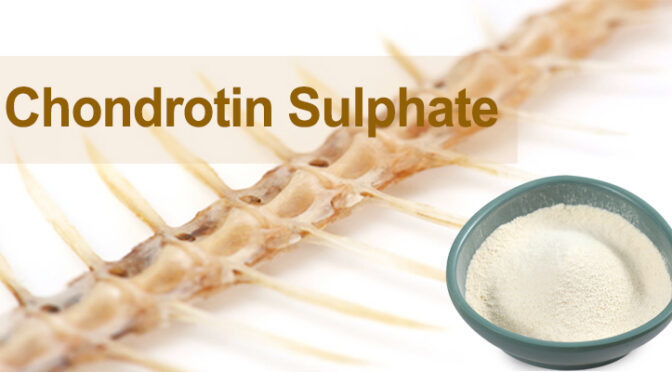
 Wide Range of Applications
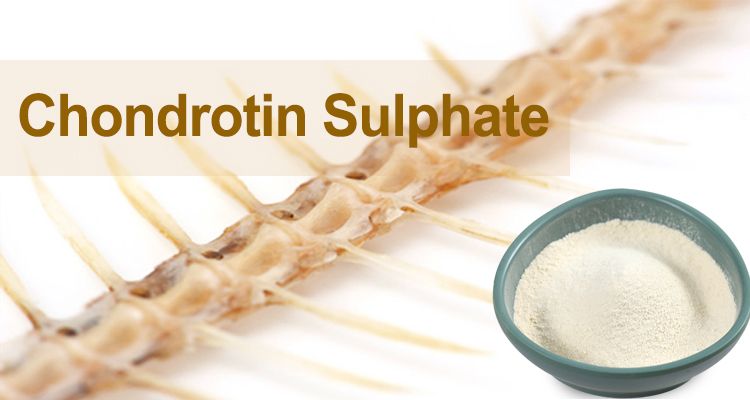 Wide Range of Applications
 Advantages as a Dietary Supplement Ingredient
 Advantages as a Dietary Supplement Ingredient
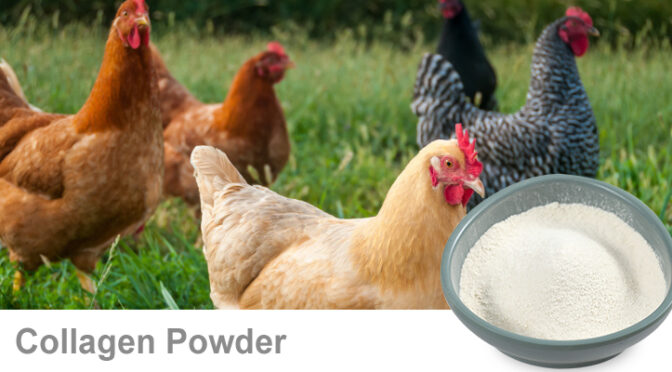
 Unlocking the Secrets of Chicken Collagen Powder
 Core Advantages: Four Core Values for Cosmetic R&D
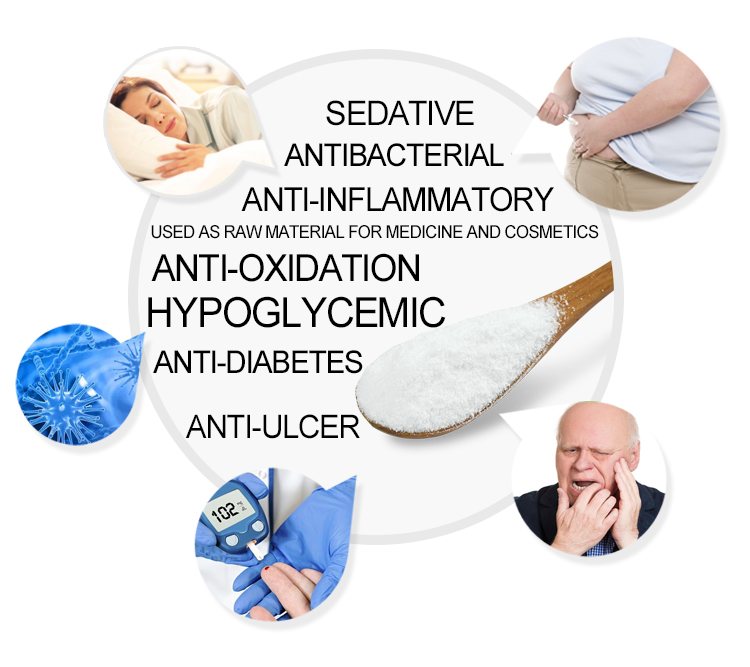

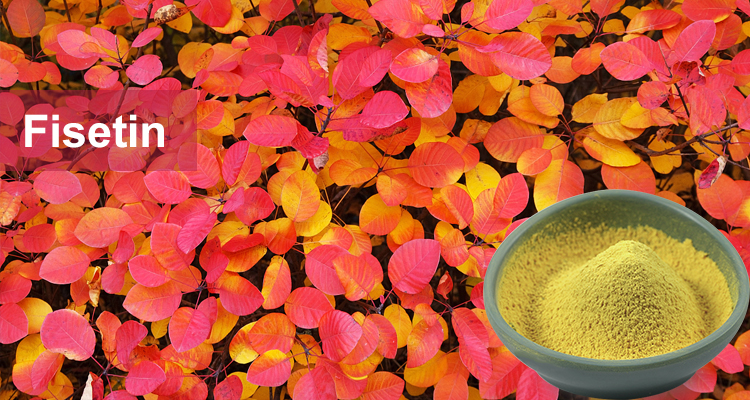 Core Understanding: The Nature and Source of 98% Fisetin
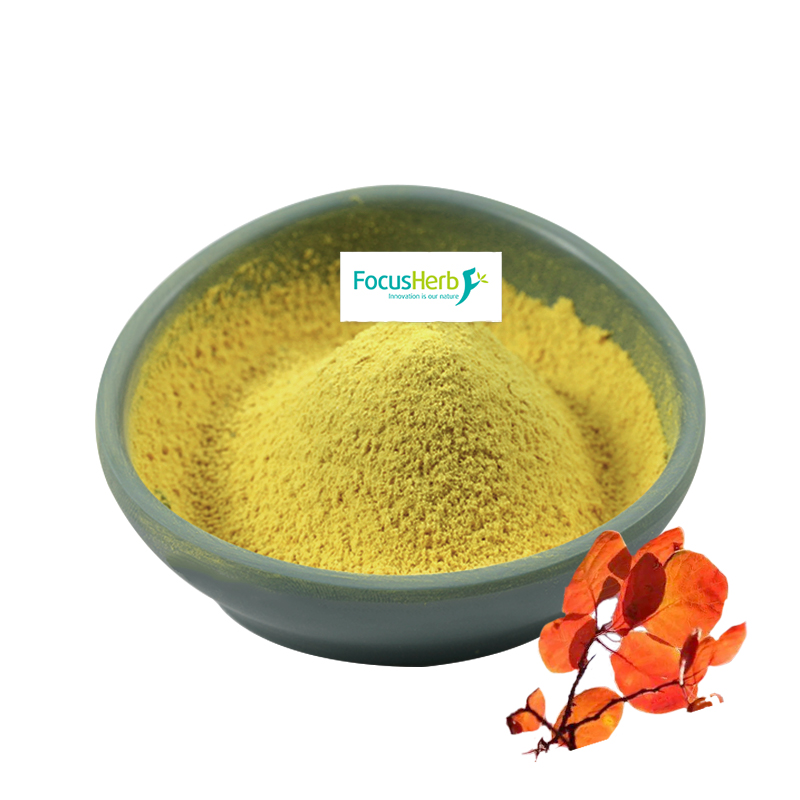 Core Efficacy: Mechanism of Action of a Natural Sensitive Cell Scavenger
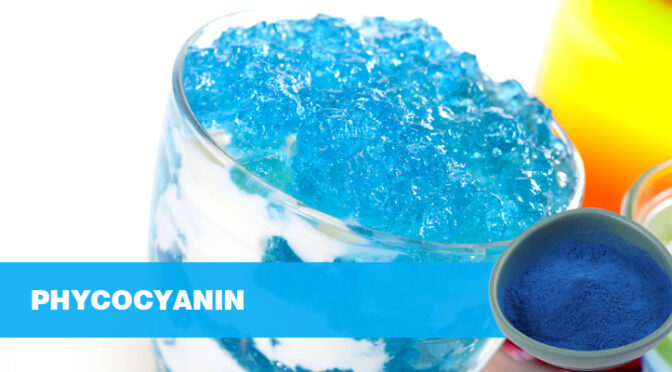
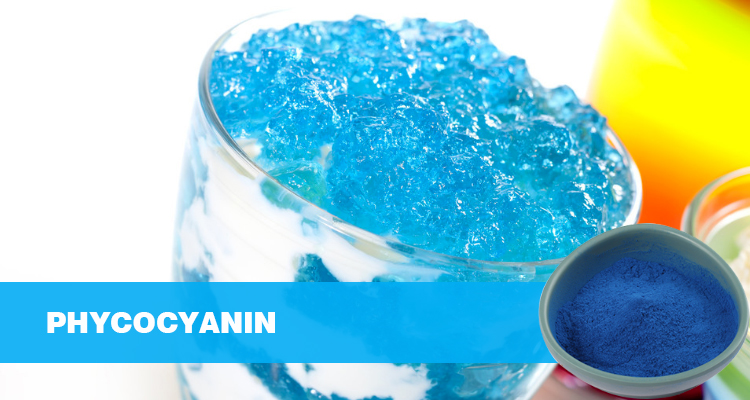
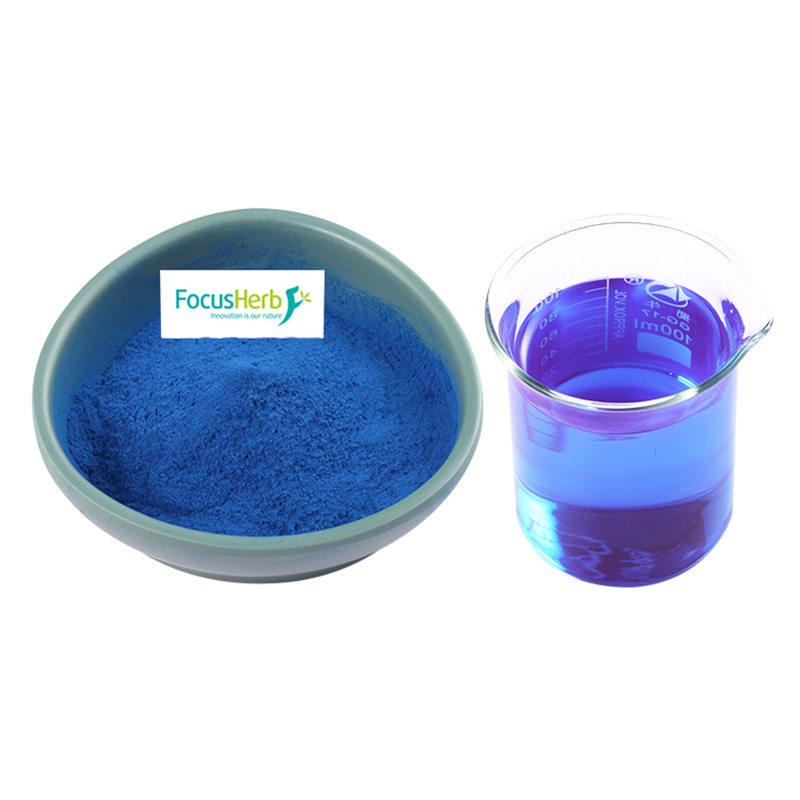 Key Characteristics Comparison: Safety vs. Functional Value
 Application Scenarios Comparison: Industry Adaptation and Market Positioning
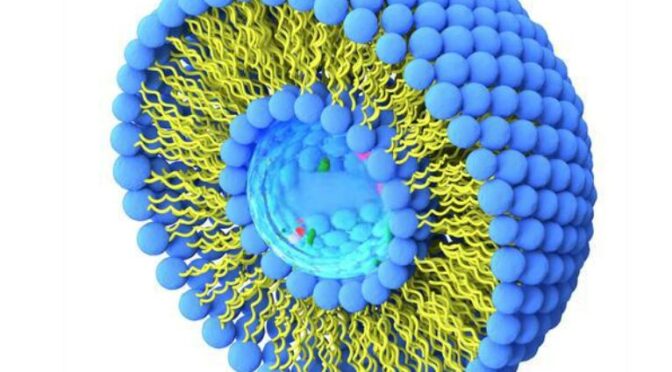

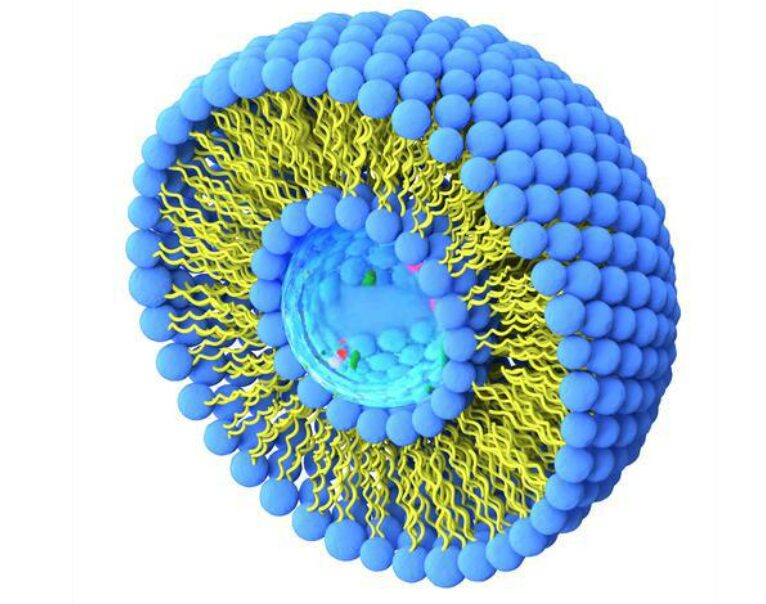
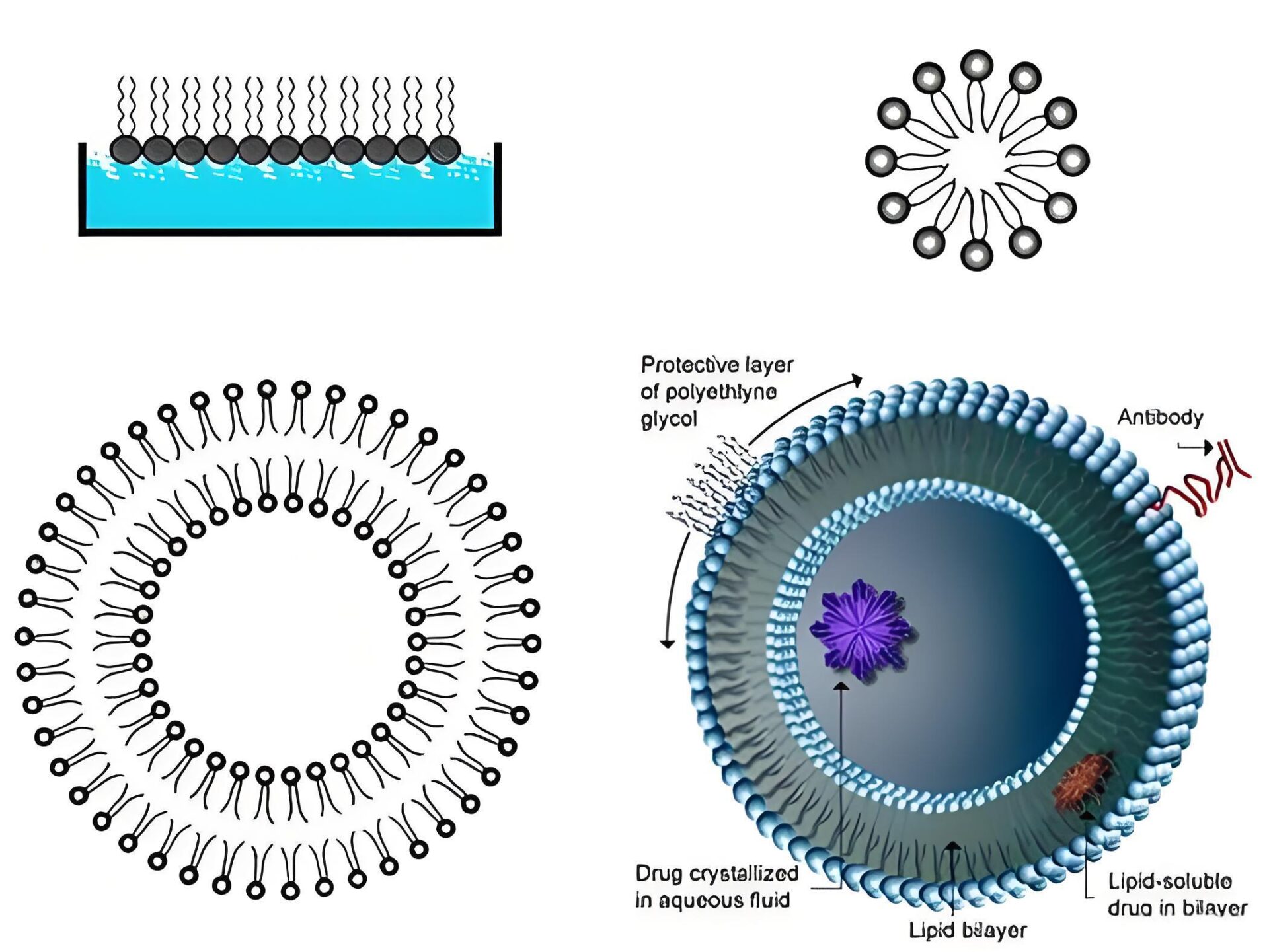
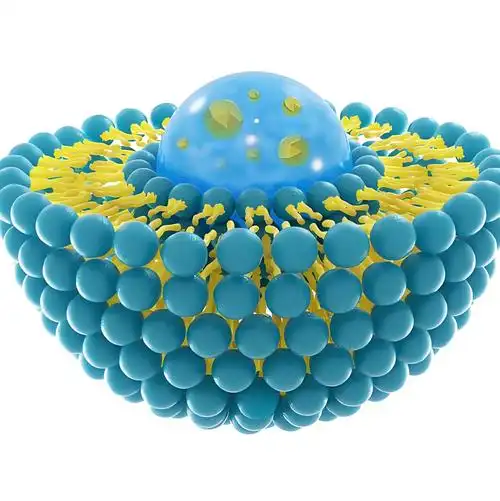
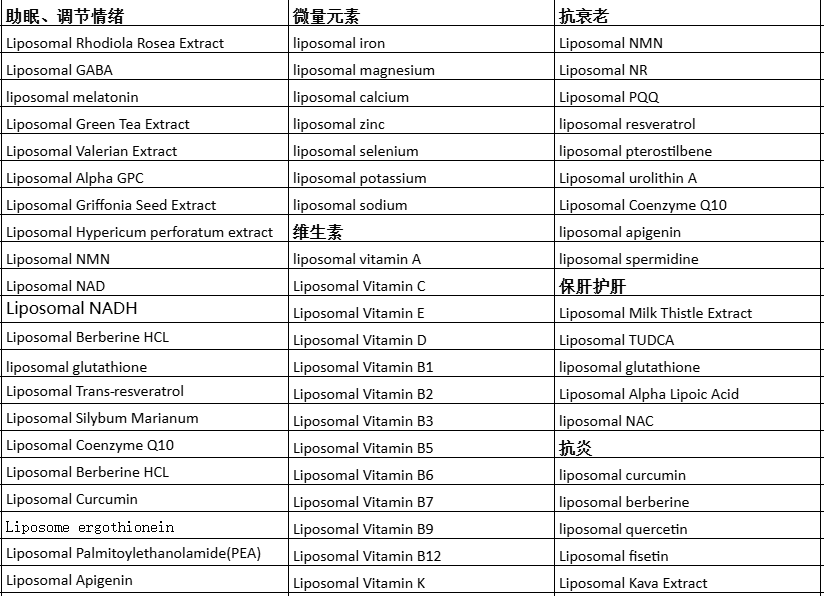
 The Core Characteristics of Flaxseed Gum – The “Hardcore Advantages” Empowering the Food Industry
 Food Applications of Flaxseed Gum – A Versatile Additive Covering Multiple Product Categories
 Core Business 1: Bulk Production and Supply of Beef Liver Powder
 Core Business Two: Beef Liver Powder OEM/ODM Services