Shiitake mushrooms, a common edible fungus in daily diets, are loved not only for their unique flavor and texture but also for their rich nutritional value and potential medicinal effects, attracting much attention in the health field. AHCC, short for Active Hexose Correlated Compound, is a remarkable substance extracted from shiitake mushrooms. It is a standard extract for culturing shiitake mushroom mycelium, containing various nutrients, including low molecular weight oligosaccharides, polysaccharides, amino acids, lipids, and minerals, with α-glucan as its main component. Due to its diverse biological activities, AHCC exhibits unique effects in immunomodulation, anti-tumor activity, and anti-oxidation, becoming a research hotspot in recent years. Below, we will discuss in detail the many uses of shiitake mushroom extract AHCC.
Health and Wellness: Building a Strong Defense for the Body
Immune Regulation: Activating Immune Cells
In our bodies, the immune system is like an army protecting health, and AHCC acts as an excellent commander, activating immune cells such as macrophages, NK cells, and T lymphocytes to enhance the immune response. Macrophages are like “scavengers” on the battlefield; AHCC can bind to specific receptors on the surface of macrophages, triggering intracellular signaling pathways and activating them, thereby enhancing phagocytosis and more effectively engulfing and clearing pathogens such as bacteria and viruses. It also releases cytokines such as tumor necrosis factor-α (TNF-α) and interleukin-1 (IL-1), further regulating the immune response and stimulating the activation and proliferation of other immune cells. NK cells are “special forces” fighting tumors and viral infections; AHCC can increase their activity and number, promoting the release of cytotoxic substances such as perforin and granzymes, directly destroying the cell membranes of tumor cells and virus-infected cells, leading to apoptosis. T lymphocytes play a crucial role in specific immunity. AHCC can promote their proliferation and differentiation, assist in antigen recognition, and regulate the balance of T lymphocyte subsets, such as increasing the number and activity of helper T cells (Th cells). This enhances the body’s ability to recognize and attack specific pathogens, comprehensively boosting the immune system’s fighting power and helping the body resist various diseases.
Antioxidant: Scavenging Free Radicals
During life processes, the human body constantly produces free radicals, such as superoxide anion radicals and hydroxyl radicals. These act like “troublemakers” in the body; excessive accumulation can attack intracellular macromolecules, leading to oxidative damage and subsequently triggering various diseases and aging. AHCC possesses powerful antioxidant capabilities, capable of capturing these free radicals and acting as a “protective shield” for cells. Studies have shown that AHCC can react with free radicals through its chemical structure, converting them into stable substances, thereby reducing the damage of free radicals to cell membranes, proteins, and nucleic acids. Simultaneously, AHCC can enhance the activity of the body’s own antioxidant enzymes, such as superoxide dismutase (SOD) and glutathione peroxidase (GSH-Px). These enzymes work synergistically to strengthen the body’s antioxidant defense system, effectively building a strong antioxidant defense line, delaying cell and tissue aging, and preventing cardiovascular diseases, neurodegenerative diseases, and other conditions related to oxidative damage.
Improving Gut Function: Regulating Gut Microbiota
The gut is known as the body’s “second brain,” and the balance of gut microbiota is crucial for health. AHCC plays an important role in this regard. It acts as a prebiotic, promoting the growth and reproduction of beneficial bacteria such as Bifidobacteria and Lactobacillus. These beneficial bacteria are like “good residents” in the gut, helping to digest food, synthesize vitamins, and enhance intestinal barrier function. AHCC provides them with a suitable growth environment, increasing their quantity and variety, allowing the beneficial gut microbiota to flourish. Meanwhile, AHCC inhibits the growth and colonization of harmful bacteria such as E. coli and Salmonella in the intestines by competing for nutrients and producing antibacterial substances. This reduces the damage to the intestinal mucosa caused by toxins produced by harmful bacteria, preventing intestinal infections and inflammatory bowel disease, maintaining the integrity of the intestinal mucosal barrier, and enabling the intestines to perform normal digestive and absorptive functions, providing the body with sufficient nutrition and fundamentally ensuring health.
Cancer is one of the major diseases threatening human health, and AHCC has shown unique potential in anti-tumor treatment. It can exert its auxiliary anti-tumor effect through multiple pathways, among which inducing tumor cell apoptosis is an important link. AHCC can act on tumor cells, altering the permeability of the mitochondrial membrane, releasing apoptosis-related factors such as cytochrome C, activating the endogenous apoptosis pathway, and promoting the self-destruction of tumor cells; it can also inhibit the proliferation of tumor cells, blocking their division and growth processes, thereby slowing down the development of tumors. In addition, AHCC can enhance the body’s anti-tumor immune response, improve the ability of immune cells to recognize and kill tumor cells, and mobilize the immune system to better resist the occurrence and development of tumors. Although AHCC cannot replace traditional tumor treatment methods, as part of a comprehensive treatment plan, it can help cancer patients regulate bodily functions and improve their quality of life to a certain extent.
Liver Protection: Repairing Liver Cells
The liver is an important metabolic organ in the human body, undertaking multiple functions such as detoxification, metabolism, and synthesis. However, various factors in modern life, such as chemicals, drugs, and alcohol, can damage the liver. AHCC has a protective effect on the liver. When the liver is damaged, it can increase the activity of antioxidant enzymes in the liver, reduce the content of lipid peroxidation products such as malondialdehyde, reduce the oxidative damage of free radicals to liver cells, and promote the repair and regeneration of liver cells. At the same time, AHCC can also regulate the liver’s glucose and lipid metabolism, maintain stable blood sugar, reduce the accumulation of lipids in the liver, and prevent liver damage caused by metabolic diseases such as fatty liver and diabetes. For people with liver diseases such as hepatitis and cirrhosis, as well as those who frequently drink alcohol or take medication for a long time due to work or lifestyle habits, AHCC can help maintain the normal physiological state of the liver, reduce the risk of liver disease, and protect liver health.
Food Sector: Enhancing Food Added Value
Nutritional Fortification: Adding Nutrients
In today’s pursuit of healthy eating, consumers are paying increasing attention to the nutritional content of food. AHCC, as an extract rich in various nutrients, provides the food industry with a new option for nutritional fortification. It contains various monosaccharides such as glucose, mannose, and galactose, as well as small amounts of protein and minerals, all of which are essential nutrients for maintaining normal physiological functions. Adding AHCC to everyday foods such as bread, biscuits, and beverages can significantly enhance the nutritional value of the food, providing consumers with a richer nutritional intake. For example, adding AHCC to some energy bar products not only replenishes carbohydrates for energy, but its protein and mineral content can also supplement other key nutrients for sports enthusiasts or busy office workers, meeting their diverse nutritional needs in a fast-paced life and expanding the function of food from simply satiating to nutritional supplementation.
The intestines are an important site for the human body’s digestion and absorption of nutrients, and the health of its microecological environment directly affects the efficiency of nutrient absorption. AHCC excels in improving the gut microbiota environment. It promotes the growth and reproduction of beneficial bacteria such as Bifidobacteria and Lactobacillus. These beneficial bacteria play a vital role in the gut, helping to break down food, produce short-chain fatty acids, promote intestinal peristalsis, and enhance intestinal digestion and absorption. When AHCC is applied to fermented foods such as yogurt and fermented milk beverages, it works synergistically with the probiotics already present in these products to further optimize the gut environment, aiding in the absorption and utilization of other nutrients in food, such as vitamins, minerals, and proteins. For example, adding AHCC to calcium-rich dairy products promotes intestinal calcium absorption, allowing the body to better absorb and utilize the abundant calcium in dairy products, improving the nutritional utilization rate of food, enabling consumers to obtain more nutrients from food, truly achieving efficient nutrient absorption, and laying a solid foundation for a healthy life.
Other Potential Applications: Expanding Possibilities
Besides the areas mentioned above, AHCC also shows potential applications in other fields. In animal husbandry, AHCC can be used as a feed additive to enhance animal immunity, reduce disease incidence, and improve farming efficiency. For example, in poultry farming, feed with added AHCC can enhance poultry’s disease resistance, reduce mortality due to disease infection, and improve meat and egg quality, providing consumers with healthier and higher-quality poultry products. In aquaculture, AHCC helps improve the immunity and stress resistance of aquatic organisms such as fish and shrimp, enabling them to maintain good growth even in the face of adverse environments such as changes in water quality and pathogen invasion, reducing losses during the farming process.
In the field of cosmetic raw materials, AHCC’s antioxidant and immunomodulatory properties also have unique application value. It can be added to skincare products to help the skin resist free radical damage, delay skin aging, and reduce the appearance of wrinkles, age spots, and other signs of aging. Meanwhile, AHCC can regulate the skin’s immune function and enhance its barrier function. For sensitive skin, it can alleviate allergy symptoms, enhance skin tolerance, and make the skin healthier and more stable. Furthermore, its ability to promote cell repair and regeneration helps improve skin texture and radiance, making the skin smoother and more delicate. It provides the cosmetics industry with a natural and effective functional ingredient, meeting consumers’ needs for healthy, safe, and highly effective skincare products. With ongoing research, it is believed that the potential value of AHCC in more fields will be further explored and applied, bringing more benefits to human health and life.
Summary and Outlook: The Immense Potential of AHCC
In conclusion, shiitake mushroom extract (AHCC), with its unique components and diverse bioactivities, has demonstrated important uses and value in multiple fields such as health care and food. In the health care field, it maintains human health from multiple aspects, including immune regulation, anti-oxidation, improving intestinal function, assisting in anti-tumor treatment, and liver protection, providing people with new options for disease prevention and strengthening their constitution. In the food sector, AHCC enhances the nutritional value and quality of food through fortification and improved nutrient absorption, meeting consumer demand for healthy foods and injecting new vitality into the innovative development of the food industry. Furthermore, AHCC is also showing promise in potential applications such as animal husbandry and cosmetic raw materials, demonstrating broad application prospects.
With continuous advancements in science and technology and in-depth research, it is believed that the potential value of AHCC in more fields will be further explored in the future. In medical research, it is expected that more large-scale, multi-center clinical trials will be conducted to delve into the specific mechanisms of action and optimal usage of AHCC in disease prevention and treatment, providing more evidence for the development of new therapeutic drugs and methods. In the food sector, the synergistic effects of AHCC with other functional ingredients will be continuously explored to develop more innovative foods with specific functions and nutritional values to meet the health needs of different populations. Simultaneously, in other emerging fields, such as biopharmaceuticals and agriculture, AHCC may also achieve new application breakthroughs, providing new ideas and methods for solving problems in these fields. In conclusion, AHCC, as a natural extract with enormous potential, will undoubtedly bring more surprises and benefits to human health and life in future research and applications.
In the vibrant world of food, carrot red shines like a dazzling ruby, adding an alluring color and unique charm to various foods, and has extremely wide applications in the food industry.
Bright Colors in Beverages: Carrot red plays a crucial role in beverage production. Take carrot juice as an example; it is rich in carrot red, presenting a natural orange-red color that immediately evokes the freshness and health of carrots. Some mixed fruit and vegetable juices on the market also often add carrot red to create rich and appealing colors. For instance, carrot red can be cleverly combined with other natural pigments (such as the blue color from anthocyanins in blueberries) to create beverages with rich, dreamlike color layers, not only visually impacting consumers but also increasing the nutritional value of the beverage to some extent, satisfying people’s dual pursuit of health and deliciousness.
Sweet Colors in Candy: Candy is a combination of color and sweetness, and carrot red plays an indispensable role in it. Some hard candies and soft candies, by adding carrot red, present a warm orange or red color. For example, orange-flavored hard candy uses carrot red to mimic the natural color of oranges, giving the candy an enticing orange aroma from its appearance alone. This vibrant color attracts consumers even before they taste it, increasing their desire to buy. Some creative candies mix carrot red with other pigments in unique proportions to create a dazzling array of colors, like a sunset, adding an artistic and fun element.
The alluring color of baked goods: Carrot red also shines in the making of baked goods. Carrot cake is a prime example. Adding carrot red during the baking process gives the cake a warm and inviting orange-red hue, making it more visually appealing and enhancing the carrot flavor, providing a rich carrot experience from both a visual and gustatory perspective. In bread making, some vendors cleverly add carrot red to give the bread a subtle orange-red crust, making it stand out from ordinary breads and stimulating consumers’ appetites. Furthermore, adding carrot red to decorative frostings and buttercreams can create various adorable colors for decorating cakes, cookies, and other baked goods, making them more refined and beautiful.
The Beautiful “Magic Color”
In the wondrous world of cosmetics, carrot red seems to possess magical properties, infusing various beauty products with unique charm, especially in the realm of lipsticks and lip glosses, where it shines brightly.
The Natural Charm of Lipstick: The application of carrot red in lipsticks brings consumers a unique experience. Some lipstick brands that emphasize natural ingredients use carrot red as their primary pigment source. For example, a well-known brand launched a carrot-based lipstick that utilizes the inherent properties of carrot red, allowing it to change color according to the pH value and temperature of the lips. The higher the body temperature, the more pronounced the color change, creating a unique lip color for each user. This lipstick not only has a natural color, like a naturally healthy complexion, but it is also made with natural carotene and vitamin E oil, making it green, healthy, low-carbon, and harmless. It does not contain any heavy metal pigments like lead, and is even edible. It will not cause negative effects such as black lips or pigmentation, making it popular among consumers who pursue healthy makeup. In terms of color presentation, carrot red can be blended into a variety of warm and charming shades, from refreshing light orange to rich orange-red, satisfying the needs of different consumers for makeup styles. Light orange is suitable for creating a fresh and natural everyday makeup look, making the user look energetic; rich orange-red is more suitable for use on important occasions, paired with a sophisticated makeup look to showcase confidence and mature charm.
Moisturizing and Protecting Lipsticks: Carrot red also plays an important role in lipstick products. Taking some moisturizing lipsticks as an example, the addition of carrot red not only gives the lipstick a beautiful color but also enhances its skincare benefits. This is because the nutrients in carrot red can effectively moisturize the lips, relieving dryness and peeling. For example, the OLEVO Carrot Red Temperature-Changing Lipstick, which is safe for pregnant women, is rich in carrot extract, has a good moisturizing effect, and can effectively relieve dry lips, keeping them soft and smooth. Its temperature-changing function is also unique, adjusting the color according to changes in lip temperature to present a more natural effect, allowing pregnant women to safely have beautiful lip color during pregnancy. For the average consumer, this lipstick moisturizes the lips while providing a natural lip color enhancement, satisfying both lip care and aesthetic needs, whether in the dry winter or during daily skincare routines.
A Guardian of Health
Carrot red, a natural pigment, not only shines in the food and cosmetics industries but also plays an important and indispensable role in the world of pharmaceuticals and health products, truly a guardian of health.
Natural Color in Pharmaceuticals: In the pharmaceutical field, carrot red, as a natural colorant, has unique application value. Many medicines, especially liquid preparations such as oral liquids and syrups, add appropriate amounts of colorants to improve appearance and enhance patient acceptance. Carrot red, due to its natural and safe properties, has become an ideal choice. For example, some children’s cough syrups, after adding carrot red, have a warm orange-red color, which is more attractive to children than colorless syrup, reducing their resistance to taking medication. In some health supplement oral liquids, carrot red is also frequently used as a colorant to make their appearance more appealing, making consumers more psychologically accepting and trusting of the product. Compared to synthetic pigments, carrot red does not contain harmful substances and does not pose potential risks to human health, meeting modern people’s pursuit of health and safety.
Potential Health Benefits: Besides its role as a coloring agent, carrot red itself possesses certain health benefits, making it a focus of attention in the health supplement industry. Numerous studies have shown that carrot red has antioxidant properties, capable of scavenging free radicals in the body and reducing their damage to cells, thereby delaying aging and preventing disease. Free radicals are harmful substances produced during human metabolism; they attack cellular DNA, proteins, and lipids, leading to cell aging and disease, and triggering various chronic diseases such as cardiovascular disease and cancer. The carotenoids in carrot red can effectively neutralize free radicals and protect cell health.
Boosting Immunity: Related medical opinions indicate that carrot red also helps boost immunity. Vitamin A maintains the integrity of mucosal barriers and promotes immune cell differentiation, while the β-carotene in carrot red can be converted into vitamin A in the body, indirectly enhancing the body’s immune function. For some people with weakened immune systems, such as the elderly, children, and those with chronic diseases, moderate intake of health supplements containing carrot red may help improve the body’s resistance and reduce the occurrence of diseases. During flu season, supplementing with health products rich in beta-carotene may enhance the body’s resistance to viruses. Furthermore, beta-carotene may also have positive effects on protecting eyesight and regulating blood pressure. The beta-carotene in beta-carotene can be converted into vitamin A in the body, helping to maintain normal retinal function and prevent night blindness and dry eye. Meanwhile, carrots are high in potassium, which helps balance sodium levels in the body and has a positive effect on blood pressure regulation; beta-carotene, as an important component of carrots, may also participate in this process.
A “Color Sprite” in Industry
In the diverse fields of industry, carrot red acts like a vibrant “color sprite,” bringing new color solutions to numerous industries with its unique natural properties. It is particularly prominent in the textile, dyeing, and coating industries, gradually emerging and demonstrating enormous application potential and environmental advantages.
Natural Innovation in Textile Dyeing: In the textile dyeing industry, traditional chemical pigments have long held a dominant position. However, with increasing environmental awareness, their potential harm to the environment and human health is receiving growing attention. Carrot red, as a natural pigment, brings a new direction for change to the textile dyeing industry. In dyeing experiments on pure cotton fabrics, researchers explored the extraction process of carrot dye liquor, finding that factors such as the amount of carrot used, extraction temperature, and extraction time significantly affect the extraction effect. Through orthogonal experiments, optimized process conditions for direct dyeing and co-bath mordant dyeing were obtained. Experimental results show that the optimal dyeing conditions for direct dyeing of cotton fabrics with carrot red dye are: dyeing temperature 60℃, dyeing time 70 min, solid-liquid ratio 1:30, and NaCl concentration 20 g/L. The optimal conditions for co-bath mordant dyeing are: dyeing temperature 75℃, alum as mordant at a concentration of 0.3 g/L, mordant time 70 min, and NaCl concentration 20 g/L. Compared with direct dyeing, co-bath mordant dyeing can increase the color intensity of the sample and improve color fastness. This means that carrot red can not only achieve good dyeing effects in textile printing and dyeing but also solve the problem of poor color fastness of natural pigments to a certain extent. Besides cotton fabrics, carrot red also has potential application value in dyeing other fabrics such as silk and wool. For silk fabrics, their smooth surface and unique fiber structure may require appropriate adjustments to the carrot red dyeing process to achieve the ideal dyeing effect. For wool fabrics, due to the characteristics of their protein fibers, the natural components in carrot red may interact with them in a special way, bringing unique color and hand feel to the wool fabric.
A Green New Choice in the Coatings Industry: In the coatings industry, the trend towards environmentally friendly coatings is increasingly evident. Carrot red, as a natural and non-toxic pigment, offers a new option for the green development of coatings. Compared to traditional chemical pigments, carrot red offers multiple advantages in coatings. It contains no harmful heavy metals or chemicals, and will not pollute the environment during the production, use, or disposal of coatings. Using carrot red in interior decoration coatings can reduce indoor air pollution, providing residents with a healthier living environment. In places with high environmental protection requirements, such as hospitals, schools, and kindergartens, using environmentally friendly coatings containing carrot red can effectively reduce the potential harm of chemicals to the human body. The rich and natural color of carrot red can bring a unique visual effect to coatings. Its warm orange-red tone can add a warm and natural atmosphere to buildings and furniture. In interior designs that pursue a natural style, using coatings containing carrot red can create a space environment that coexists harmoniously with nature. From a market perspective, as consumers’ demand for environmentally friendly products continues to increase, environmentally friendly coatings containing carrot red are expected to gain a larger market share. More and more paint companies are focusing on and developing the application of natural pigments in paints. Carrot red, as a representative natural pigment, is expected to see its market demand gradually expand.
Market Prospects and Challenges: From a market perspective, carrot red has a very broad application prospect in the industrial field. With the increasing global awareness of environmental protection, consumer demand for environmentally friendly products continues to grow, providing huge market opportunities for natural pigments such as carrot red. In industries such as textiles, printing and dyeing, and paints, more and more companies are seeking to replace traditional chemical pigments with natural pigments to meet consumer demand for environmentally friendly products and enhance their corporate social image. Related data shows that the global natural pigment market has shown steady growth in recent years, and this growth trend is expected to continue in the coming years. However, the widespread application of carrot red in the industrial field also faces some challenges. Its extraction cost is relatively high, which to some extent limits its large-scale application. Currently, the extraction process of carrot red is not mature enough, requiring the consumption of a large amount of raw materials and energy, resulting in high production costs. To reduce costs, it is necessary to further optimize the extraction process, improve extraction efficiency, and find more economical and environmentally friendly extraction methods. The stability of carrot red is also one of the key issues that needs to be addressed. In different industrial environments, carrot red may be affected by factors such as temperature, humidity, and light, causing its color to change or fade. Therefore, it is necessary to develop corresponding stabilizers or protective technologies to improve the stability of carrot red in industrial applications.
The Infinite Possibilities of the Future
Looking to the future, with the rapid development of technology and the ever-growing demand for natural and green products, carrot red is expected to demonstrate its unique value in more fields and open up a wider range of applications.
New Hope in Agriculture: In agriculture, carrot red may bring new opportunities for plant growth and protection. Studies have shown that certain natural pigments have a positive impact on plant photosynthesis and stress resistance. The carotenoids and other components abundant in carrot red may help improve the efficiency of plant absorption and utilization of light energy, promoting plant growth and development. In greenhouse cultivation, adding an appropriate amount of carrot red to the nutrient solution may provide additional energy and protection for the growth of some vegetables and flowers, making them grow more robustly and increasing yield and quality. Carrot red may also have certain antibacterial and antiviral effects. Applying it to the control of agricultural pests and diseases may lead to the development of a new, green, and environmentally friendly biological control method. Compared to traditional chemical pesticides, using carrot red for pest and disease control not only reduces environmental pollution from chemical substances and pesticide residues in agricultural products, ensuring food safety, but also prevents pests from developing resistance to chemical pesticides, maintaining the balance of the agricultural ecosystem. This is of great significance for promoting the development of organic and sustainable agriculture.
A New Force in Environmental Protection: Carrot red also holds promising prospects in the environmental field. With increasing public awareness of environmental protection, the search for green, biodegradable materials has become a research hotspot. Carrot red, as a natural pigment, is widely available and possesses excellent biodegradability. Combining carrot red with some biodegradable polymers may lead to the development of novel environmentally friendly packaging materials. These materials not only possess good flexibility and strength, meeting basic packaging requirements, but also degrade rapidly in the natural environment, reducing white pollution. This environmentally friendly packaging material is expected to be widely used in food packaging, daily necessities packaging, and other fields. Carrot red may also play a role in wastewater treatment and soil remediation. Research has found that certain natural pigments can chemically react with heavy metal ions and organic pollutants in wastewater, promoting the precipitation and decomposition of these pollutants. Utilizing this property of carrot red, a new type of wastewater treatment agent may be developed to treat industrial and domestic wastewater, improving treatment efficiency and reducing costs. In soil remediation, carrot red may help improve soil structure, increase soil fertility, and promote the growth and reproduction of beneficial microorganisms, thereby repairing polluted soil and restoring its ecological functions.
A new breakthrough in the electronics field: In the electronics field, with the continuous advancement of technology, emerging technologies such as wearable devices and flexible electronics are developing rapidly. Carrot red, with its unique optical and electrical properties, has the potential to achieve new breakthroughs in these areas. Some researchers are exploring the application of natural pigments in optoelectronic devices such as organic light-emitting diodes (OLEDs). The rich colors and good luminescent properties of carrot red make it a potential light-emitting material in OLED devices. Compared with traditional organic light-emitting materials, carrot red, as a natural material, has advantages such as being non-toxic, environmentally friendly, and biocompatible. If carrot red can be successfully applied to OLED devices, it will not only bring new developments to display technology but also promote the development of green and healthy electronic devices. Carrot red also has potential applications in the sensor field. Due to its special sensitivity to certain substances, carrot red may be used to develop novel biosensors and chemical sensors. For example, by utilizing carrot red’s specific binding ability to certain biomolecules or chemical substances, sensors capable of rapidly and accurately detecting biomarkers or environmental pollutants could be developed. Such sensors would have advantages such as high sensitivity, good selectivity, and fast response speed, and have broad application prospects in fields such as biomedical detection and environmental monitoring.
Food Industry: A Fusion of Dreamy Colors and Healthy Deliciousness
In the world of gastronomy, Butterfly Bean Flower Powder is like a magical magician, effortlessly transforming food into a stunning visual feast. As a natural coloring agent, it’s quietly sparking a color revolution in the culinary world. Butterfly Bean Flower Powder can adorn various foods with a vibrant blue hue, adding a unique visual effect and turning ordinary foods into works of art on the table.
In the wondrous world of baking, Butterfly Bean Flower Powder shines even brighter. It can create dreamlike starry sky bread, its deep and mysterious blue surface seemingly incorporating the entire starry sky, prompting admiration for the perfect fusion of nature and cuisine. The process involves simply mixing an appropriate amount of Butterfly Bean Flower Powder with flour and other ingredients, followed by fermentation, baking, and other steps, resulting in a stunningly beautiful starry sky bread. Besides bread, Butterfly Bean Flower Powder can also be used to make various pastries, such as cakes and cookies, giving these desserts not only delicious taste but also an irresistible appearance.
Stepping into the sweet world of desserts, butterfly pea flower powder is equally indispensable. It can create bouncy and smooth jelly; when the translucent jelly displays a captivating blue hue, it’s as if a pool of azure lake has been frozen within it, a truly delightful sight. To make butterfly pea flower jelly, mix butterfly pea flower powder with water, gelatin, and other ingredients, heat to dissolve, pour into molds, and let cool and solidify. Besides jelly, butterfly pea flower powder can also add unique color and flavor to ice cream, pudding, and other desserts, making them irresistible to dessert lovers.
In the realm of staple foods, butterfly pea flower powder can also bring a different kind of surprise. It can be used to make blue noodles, injecting new vitality into traditional pasta dishes. Mix butterfly pea flower powder with flour, add water to knead into a dough, and then use a pasta machine or roll it out by hand to obtain uniquely colored blue noodles. The cooked noodles are not only chewy, but their blue hue is also incredibly appetizing. Besides noodles, Butterfly Bean Flower Powder can also be used to make rice, steamed buns, and other staple foods, adding a fresh twist to every meal. Butterfly Bean Flower Powder not only adds a dreamy touch to food but also has nutritional value. It is rich in anthocyanins and other antioxidants, offering health benefits such as anti-oxidation, anti-inflammation, and lowering blood lipids, allowing people to enjoy delicious food while also benefiting their health.
Beverage Preparation: Creating a Unique Blue Drinking Experience
In the wondrous world of beverages, Butterfly Bean Flower Powder shines like a dazzling blue gem, infusing various drinks with a dreamlike color and unique charm. Its applications are extremely wide-ranging; whether it’s refreshing teas, juicy fruit juices, or romantic cocktails, Butterfly Bean Flower Powder can be skillfully incorporated to create stunning beverage masterpieces.
In the realm of tea, the collision of Butterfly Bean Flower Powder and tea leaves is a truly magical encounter. Pairing Butterfly Bean Flower Powder with green tea, black tea, or oolong tea, the resulting tea not only exudes the fragrance of the tea leaves but also displays a captivating blue hue, offering a dual enjoyment of sight and taste. For example, butterfly pea green tea, where tender green tea leaves unfurl in a blue tea liquor, resembles a poetic painting. Upon tasting, the freshness of the green tea and the delicate elegance of the butterfly pea flower blend harmoniously, leaving a lingering and unforgettable aftertaste. Besides pairing alone with tea leaves, Butterfly Bean Flower Powder can also be mixed with herbal teas, such as those made with rose, lavender, and mint, to create teas with different flavors and benefits. Combining Butterfly Bean Flower Powder with rose not only enhances the beauty and health benefits of the tea but also makes the tea more vibrant in color and richer in flavor.
When Butterfly Bean Flower Powder meets fruit juice, a wonderful adventure of color and taste unfolds. It can be mixed with various fruit juices, adding a unique blue hue and distinctive flavor. When Butterfly Bean Flower Powder is mixed with lemon juice, the sweet and sour taste of the lemon juice intertwines with the delicate aroma of the Butterfly Bean Flower Powder. The blue Butterfly Bean Flower Powder undergoes a magical color change under the influence of lemon juice, gradually transforming from blue to purple, like a magical show. This color-changing property adds more fun and visual appeal to fruit juice drinks. In addition to lemon juice, Butterfly Bean Flower Powder can also be combined with orange juice, mango juice, watermelon juice, etc., creating unique blue fruit juice drinks based on the characteristics and flavors of different juices. In the world of cocktails, butterfly pea flower powder has become a magical tool in the hands of bartenders, giving cocktails a dreamlike appearance and unique taste. It can be used as a coloring agent, giving cocktails a deep blue hue, as if incorporating the vast starry sky. The “Starry Sky Cocktail,” made with rum as a base, incorporates a blue solution infused with butterfly pea flower powder, and is garnished with edible glitter. Under the light, the glass seems to shimmer with starlight, creating a dreamlike effect. Butterfly pea flower powder can also be combined with other cocktail ingredients to create unique flavors. When paired with peach liqueur and lemon juice, the delicate flavor of the butterfly pea flower, the sweetness of the peach liqueur, and the tartness of the lemon juice blend together, resulting in a rich and intoxicating taste.
The application of butterfly pea flower powder in beverage preparation not only gives drinks a unique blue appearance but also allows for diverse and rich flavor combinations with other ingredients. Whether at family gatherings, dinners with friends, or in bars and cafes, drinks made with Butterfly Bean Flower Powder can become the center of attention, bringing people an unforgettable blue beverage experience.
Health Supplement Development: Unlocking the Nutritional Potential of Butterfly Bean Flower Powder
Butterfly Bean Flower Powder, a natural substance rich in nutrients and unique benefits, is gradually emerging in the health supplement industry, becoming a powerful aid in people’s pursuit of a healthy life. Its rich nutritional components and excellent health benefits provide ample room for the development of health supplements and offer greater protection for people’s health.
Butterfly Bean Flower Powder is rich in various vitamins, such as vitamin A, vitamin C, and vitamin E. Vitamin A is crucial for eye health, maintaining normal visual function and preventing eye diseases such as night blindness. In daily life, many people use electronic devices for extended periods, leading to eye fatigue and dryness. Appropriate vitamin A supplementation can help alleviate these symptoms and keep the eyes bright. Vitamin C is a powerful antioxidant that enhances immunity, helping the body resist various diseases. When we have a cold, our immunity decreases; consuming foods or supplements rich in vitamin C can accelerate recovery. Vitamin E also has antioxidant properties, delaying cell aging, maintaining skin elasticity and radiance, and making the skin younger and more vibrant. Besides vitamins, Butterfly Bean Flower Powder is rich in minerals such as potassium, calcium, and magnesium. Potassium plays a crucial role in maintaining the body’s electrolyte balance, regulating heart rhythm, and ensuring a normal heartbeat. Maintaining potassium balance is especially important for people with cardiovascular diseases. Calcium is a vital building block for bone health, enhancing bone strength and density and preventing osteoporosis. The elderly and children, in particular, have a higher calcium requirement, and adequate calcium supplementation can effectively prevent bone diseases. Magnesium participates in various physiological processes, regulating nerve and muscle function, relieving anxiety and tension, and promoting relaxation.
The anthocyanins and flavonoids in Butterfly Bean Flower Powder are key antioxidants that make it a standout in the health supplement industry. These antioxidants can eliminate free radicals in the body, reducing free radical damage to cells and thus preventing various chronic diseases. Free radicals are harmful substances produced during metabolism; they attack cells, leading to cellular aging, gene mutations, and ultimately chronic diseases such as cancer, cardiovascular disease, and diabetes. The antioxidants in Butterfly Bean Flower Powder can bind to free radicals, rendering them inactive and thus protecting cells from damage.
In the development of health supplements, Butterfly Bean Flower Powder can be used as a main ingredient, combined with other nutrients to create various forms of supplements. It can be combined with probiotics to create supplements that regulate gut microbiota and improve digestive function. Probiotics form beneficial flora in the gut, aiding in food digestion and nutrient absorption, while the nutrients in Butterfly Bean Flower Powder provide a favorable environment for their growth. The two work synergistically to promote gut health. Butterfly Bean Flower Powder can also be combined with collagen to create beauty and skin-nourishing supplements. Collagen is an important component of skin, maintaining its elasticity and firmness and reducing wrinkles. The antioxidants in Butterfly Bean Flower Powder can inhibit collagen oxidation, delaying skin aging and making skin smoother and more delicate.
The application prospects of Butterfly Bean Flower Powder in the health supplement field are very broad. With the continuous improvement of people’s health awareness, the demand for natural, safe, and effective health supplements is also increasing. Butterfly Bean Flower Powder, as a natural nutrient, is rich in nutrients and has significant health benefits, perfectly meeting people’s needs. It is believed that in the future, more health products based on Butterfly Bean Flower Powder will be launched, providing greater protection for people’s healthy lives.
Cosmetic Applications: A New Choice for Natural Skincare
In the pursuit of beauty and health, people have increasingly higher demands for cosmetics, preferring natural, safe, and effective products. Butterfly Bean Flower Powder, with its unique antioxidant and anti-inflammatory properties, is gradually emerging in the cosmetics industry, becoming a popular new choice for natural skincare among many beauty enthusiasts.
The anthocyanins and flavonoids abundant in Butterfly Bean Flower Powder are key antioxidants for its skincare benefits. These antioxidants effectively eliminate free radicals in the skin, reducing damage to skin cells and thus delaying skin aging, keeping the skin youthful. Free radicals are a major factor in skin aging, damaging collagen and elastin fibers, causing loss of elasticity, wrinkles, and sagging. The antioxidants in Butterfly Bean Flower Powder react with free radicals, converting them into harmless substances, thus protecting skin cells from free radical damage.
The anti-inflammatory properties of Butterfly Bean Flower Powder also have a significant effect on improving skin inflammation and sensitivity. It can alleviate skin inflammation symptoms such as redness, swelling, and itching, soothe the skin, and enhance its resistance. The anti-inflammatory properties of Butterfly Bean Flower Powder are particularly important for sensitive skin. Sensitive skin is often more sensitive to external stimuli and prone to allergies and inflammation. The anti-inflammatory components in Butterfly Bean Flower Powder can help relieve these symptoms, repair damaged skin barriers, and restore the skin to a healthy state.
Based on these skincare benefits, Butterfly Bean Flower Powder is widely used in various cosmetics. In face mask products, the addition of Butterfly Bean Flower Powder can provide deep nourishment and repair to the skin. When a face mask is applied, the nutrients in Butterfly Bean Flower Powder can quickly penetrate to the deeper layers of the skin, replenishing moisture and nutrients, enhancing the skin’s moisturizing ability, and making the skin hydrated and smooth. The antioxidant and anti-inflammatory effects of Butterfly Bean Flower Powder can also help improve dullness and roughness, brighten the complexion, and give the skin a natural glow.
Adding Butterfly Bean Flower Powder to face creams can enhance their moisturizing and antioxidant effects. Face cream, as an important step in daily skincare, forms a protective film on the skin’s surface to prevent moisture loss. The addition of Butterfly Bean Flower Powder not only enhances the moisturizing effect of this protective film but also provides continuous antioxidant protection, resisting environmental damage. Long-term use of face creams containing Butterfly Bean Flower Powder can make skin firmer and more elastic, reducing wrinkles.
Adding Butterfly Bean Flower Powder to cleansing products can protect the skin’s natural barrier while cleansing. The main function of cleansing products is to remove dirt and oil from the skin’s surface, but over-cleansing can damage the skin’s natural barrier, leading to dryness and sensitivity. The gentle cleansing action of Butterfly Bean Flower Powder effectively removes dirt and oil without harming the skin. It also nourishes and protects the skin during cleansing, keeping it healthy.
Besides the common cosmetic types mentioned above, Butterfly Bean Flower Powder is also used in lotions, serums, and lipsticks. In lotions and serums, Butterfly Bean Flower Powder provides deeper nourishment and repair, meeting the needs of different skin types. In lipsticks, Butterfly Bean Flower Powder not only adds natural color but also moisturizes the lips, preventing dryness and chapping.
The application of Butterfly Bean Flower Powder in cosmetics provides a natural, safe, and effective skincare option. It can improve skin quality, slow down the aging process, and meet people’s demand for cosmetics with natural ingredients. As people continue to pursue natural skincare concepts, it is believed that the application of Butterfly Bean Flower Powder in the cosmetics field will become increasingly widespread, bringing beauty and health to more people.
Traditional and Unique Applications: A Blend of Culture and Practicality
Butterfly pea flower powder holds a unique place in Southeast Asian traditional cuisine. It not only adds captivating color to food but also carries profound cultural significance. In making five-colored sticky rice, butterfly pea flower powder is an indispensable ingredient. The sticky rice is soaked in a solution of butterfly pea flower powder, allowing it to fully absorb its essence. After steaming, it develops a deep and mesmerizing blue color, which, when combined with sticky rice of other colors, creates a vibrant and colorful dish. This is not only a delicious delicacy but also a reflection of the local people’s love for life and their commitment to preserving traditional culture. Five-colored sticky rice often appears as a traditional dish during important festivals and celebrations, symbolizing good fortune, happiness, and a bountiful harvest.
Nyonya kueh, a pastry that blends Chinese and Malaysian culinary traditions, also relies heavily on butterfly pea flower powder. During the preparation of Nyonya kueh, butterfly pea flower powder imparts a unique blue color, making it even more appealing. This pastry has a soft, chewy texture and a sweet, delicious flavor. The blue parts intertwine with other colored ingredients, creating a rich and layered taste. Nyonya kueh is not just a food, but also a symbol of Nyonya culture, witnessing the exchange and integration between different cultures.
In the field of traditional herbal medicine, Butterfly Bean Flower Powder also has a long history of use. In some regions, people regard Butterfly Bean Flower Powder as a natural medicine to treat common ailments such as sore throats and coughs. It has certain effects of clearing heat, detoxifying, and moisturizing the lungs, relieving throat discomfort and reducing cough symptoms. In the past, when people suffered from these ailments, they often sought solutions from nature, and Butterfly Bean Flower Powder was one of their trusted natural remedies. Although modern medicine has many more treatment options, the status of Butterfly Bean Flower Powder in traditional medicine remains undeniable. It is a testament to the harmonious coexistence of humanity and nature, and a crystallization of traditional wisdom.
Gardenia Blue, also known as Gardenia Fruit, is a natural food coloring extracted from the fruit of the Gardenia jasminoides Ellis plant (family Rubiaceae) and processed through a series of complex steps. Its preparation is quite meticulous. Typically, gardenia fruit is used as the starting material. First, it is extracted with water or edible ethanol to initially extract the active ingredients. Then, it is enzymatically hydrolyzed using β-glucosidase, followed by the addition of edible amino acids for a chemical reaction. Finally, it undergoes refining to obtain the final Gardenia Blue product. Its main components are complex, including carotenoids such as crocin and crocin acid, as well as complex products of geniposide and crocin derivatives.
Gardenia Blue has a pale gray to dark blue appearance and comes in two forms: powder and liquid, depending on the dosage form. Powdered Gardenia Blue has a fine texture, while liquid Gardenia Blue is more uniform. It is odorless or has a slight characteristic gardenia scent, which will not cause unpleasant odor interference in products using it. In terms of solubility, gardenia blue is readily soluble in hydrophilic solvents such as water, aqueous ethanol, and aqueous propylene glycol. When dissolved in water, it forms a uniform, bright blue solution. However, it is insoluble in common organic solvents such as hexane and ether, a characteristic that limits its application range in different systems. Furthermore, gardenia blue exhibits good stability within a pH range of 5-7, maintaining a relatively stable blue color. However, under strong acid or alkaline conditions, structural changes may lead to fading, affecting its coloring effect. It is also relatively sensitive to light and heat; prolonged exposure to light or high temperatures can alter the pigment’s structure, thereby reducing its stability and coloring ability.
Applications in the Food Industry
In the food industry, Gardenia Blue is an important food coloring widely used in various foods to give products a unique blue or bluish-purple hue, meeting consumers’ diverse needs for food appearance.
In the beverage industry, Gardenia Blue is commonly used in fruit juices, carbonated drinks, plant-based protein drinks, solid beverages, and formulated wines. Adding an appropriate amount of Gardenia Blue to fruit juices can create unique blue fruit juice drinks, providing consumers with a novel visual and taste experience. In formulated wines, it can give the liquid a captivating blue sheen, enhancing the product’s appeal. For example, some specialty cocktails use Gardenia Blue to create a unique, dreamy blue liquid, increasing product recognition.
In confectionery manufacturing, whether it’s hard candy, soft candy, or chewing gum, Gardenia Blue plays an excellent coloring role, producing blue or bluish-purple candies to satisfy the preferences of children and consumers seeking novelty. For instance, some fruit-flavored hard candies, by adding Gardenia Blue in combination with other colorings, can simulate unique fruit colors, enhancing the product’s fun factor. In baking, gardenia blue can be used for pastry decoration, cake premixes, bread, and cookies. When making birthday cakes, icing containing gardenia blue can be used to decorate and create blue patterns or text, making the cake more attractive. Adding gardenia blue to bread gives it a unique blue appearance, increasing its appeal.
Gardenia blue also has wide applications in the dairy industry, commonly found in milk beverages, yogurt, lactic acid bacteria beverages, milk powder, ice cream, and whipped cream. Adding gardenia blue to yogurt creates blue yogurt, enriching the variety of yogurt flavors and meeting consumer demand for personalized dairy products. In ice cream production, gardenia blue can be used to make blue ice cream, such as blueberry-flavored ice cream. By combining gardenia blue with other pigments, its color becomes closer to real blueberries, enhancing the product’s visual appeal.
Because natural blue pigments are relatively scarce in nature, gardenia blue, as a naturally sourced blue pigment, has unique value in the food industry. Furthermore, it is often used in combination with other natural pigments to create a wider range of hues. For example, by mixing gardenia blue with natural yellow pigments such as gardenia yellow and safflower yellow in certain proportions, green pigments of varying intensities can be formulated. Compared to natural chlorophyll, the hue of these formulated green pigments is easier to control and has better acid resistance, making them suitable for acidic foods. For instance, some acidic fruit juice gummies can utilize this compound pigment to create a refreshing green color. When combined with various natural red pigments, such as strawberry red and grape skin red, different shades of purple can be formulated, applicable to products like jellies, jams, and candies. For example, when making blueberry-flavored jam, adding gardenia blue in combination with other red pigments can make the color more realistic and improve product quality.
Industrial Applications
In the industrial sector, gardenia blue also plays an important role, primarily used for coloring products. It adds a unique blue appearance to various industrial products, enhancing their aesthetics and market competitiveness.
In the textile industry, gardenia blue is used as a natural dye in the dyeing process of textiles. For natural fibers such as cotton, linen, silk, and wool, gardenia blue can impart a natural and unique blue hue. When dyeing cotton fabrics, through specific dyeing processes, such as immersion dyeing, the cotton fabric is soaked in a dye solution containing gardenia blue. By controlling the dyeing time, temperature, and dye concentration, the cotton fabric can be evenly dyed blue. The resulting blue cotton fabric has a soft color and the rustic feel unique to natural pigments, making it suitable for making clothing, bedding, and other items that pursue a natural style. For silk fabrics, gardenia blue dyeing gives them a unique luster and texture, making the blue of silk products more noble and elegant. It is often used to make high-end silk clothing, scarves, and other items. Meanwhile, gardenia blue can also be used to dye synthetic fibers, such as polyester and nylon. Although dyeing synthetic fibers is relatively difficult, good dyeing results can be achieved by optimizing the dyeing process and using appropriate auxiliaries, giving synthetic fiber products a unique blue appearance.
In the plastics industry, gardenia blue is often used as a plastic colorant. When producing blue plastic products, an appropriate amount of gardenia blue can be added during the processing of plastic raw materials. In the injection molding process, gardenia blue is thoroughly mixed with plastic granules. Under high temperature and pressure, the gardenia blue is evenly dispersed in the plastic melt. As the plastic cools and solidifies, the plastic product exhibits a stable blue color. This provides a wide range of blue options for plastic products, such as plastic toys, plastic tableware, and plastic decorations, meeting consumers’ diverse color needs for plastic products. For example, the bright blue appearance of blue plastic toys can attract children’s attention and increase the fun of the toys; blue plastic tableware adds a unique color to the dining table and enhances the dining experience.
In the rubber industry, gardenia blue can also be used to color rubber products. In the rubber compounding process, gardenia blue is added to the rubber raw materials and evenly dispersed in the rubber matrix through mechanical stirring. After subsequent processing such as vulcanization, the rubber products are given a blue hue. Products like rubber shoe soles, rubber sealing rings, and rubber hoses, colored with gardenia blue, not only become more visually striking but also meet the color requirements of different scenarios. For example, blue rubber soles used on athletic shoes serve both a decorative purpose and complement the upper color, enhancing the overall aesthetics of the shoe.
In the paint and pigment manufacturing industry, gardenia blue can be used as a natural blue pigment. By mixing gardenia blue with other pigments, solvents, and additives in a certain proportion and processing it through grinding and dispersion, paints and pigments with specific blue hues can be prepared. These paints and pigments made from gardenia blue can be used in various fields such as architectural decoration, furniture coating, and craft painting. In building exterior decoration, using blue paint containing gardenia blue can bring a unique visual effect to the building, making it stand out from the crowd; in furniture painting, blue pigment can be used to create personalized furniture surfaces, satisfying consumers’ pursuit of personalized home decoration; in handicraft painting, the natural properties of gardenia blue pigment can add an artistic touch to handicrafts, enhancing their quality and value.
Coloring of Chemical Products
In the chemical industry, gardenia blue is widely used. It can be used as a dye or pigment to give various chemical products a blue hue, and it can also act as an indicator in some chemical reactions to help observe the reaction process.
In ink manufacturing, gardenia blue can be used to produce blue ink. Gardenia blue is thoroughly mixed with other ink components, such as resin, solvent, and additives, and then ground and dispersed to ensure the gardenia blue is evenly dispersed in the ink system. The resulting blue ink can be used to print various packaging materials, books, labels, etc. In food packaging printing, using ink containing gardenia blue not only meets the decorative needs of the packaging but also, due to its natural properties, is more compliant with food safety standards than some synthetic pigment inks, reducing the potential risk of food contamination. In book printing, blue ink can be used to print color illustrations and special markings, enriching the visual effect of books.
Gardenia blue also plays an important role in the coatings industry. It can be added as a blue pigment to paint formulations, mixed with film-forming substances, solvents, fillers, etc., and processed through stirring, dispersion, and grinding to produce paint products with a blue hue. This blue paint can be applied to exterior walls, interior walls, furniture surfaces, and metal products. In architectural decoration, blue paint can create a tranquil and comfortable atmosphere; for example, when used to paint bedroom walls, it can help people relax. Applying blue paint to furniture surfaces can make the furniture more personalized and stylish, meeting the aesthetic needs of different consumers.
In the plastics processing industry, gardenia blue is often used as a colorant for plastics. During plastic molding processes such as injection molding, extrusion, and blow molding, gardenia blue is added to the plastic raw materials. Through mixing and melting processes, the gardenia blue is evenly distributed in the molten plastic. After cooling and molding, the plastic product exhibits a stable blue color. This makes plastic products more diverse in appearance, meeting the market’s demand for diverse colors in plastic products. For example, adding gardenia blue to the production of blue plastic pipes allows the pipes to maintain their practical function while their unique blue appearance makes them easily distinguishable from other pipes during construction, improving construction efficiency. In the manufacture of plastic toys, blue plastic parts increase the toys’ fun and appeal, attracting children’s attention. Gardenia blue can also be used for coloring rubber products. During the rubber mixing stage, gardenia blue is added to a mixer along with rubber, vulcanizing agents, accelerators, and fillers, and thoroughly mixed using mechanical stirring to ensure the gardenia blue is evenly dispersed in the rubber matrix. After subsequent vulcanization and molding processes, the rubber products are given a blue color. Products such as rubber seals, rubber gaskets, and rubber fitness equipment accessories, after being colored with gardenia blue, not only meet the functional requirements of the products but also have a more prominent blue appearance in industrial equipment, making them easier for installation and maintenance personnel to identify and operate.
Furthermore, gardenia blue can also be used as an indicator in certain chemical reactions. In experiments or industrial production processes such as acid-base neutralization reactions and redox reactions, gardenia blue may change color under different chemical environments. By observing these color changes, the progress and endpoint of the reaction can be determined. In certain acid-base titration experiments, the color of gardenia blue will also change accordingly when the pH of the system changes, thus providing researchers with a direct signal as to whether the reaction has reached its endpoint. This helps to accurately control reaction conditions and improve the accuracy and efficiency of experiments or production.
Potential in Pharmaceuticals and Healthcare
Gardenia jasminoides has shown considerable potential in the pharmaceutical and healthcare field, with its medicinal value gradually attracting attention and research. The main ingredient of gardenia jasminoides, gardenia fruit, has been widely used in traditional medicine, possessing effects such as purging heat and relieving irritability, clearing heat and promoting diuresis, cooling blood and detoxifying. Gardenia jasminoides inherits some effective components from gardenia fruit and may possess similar medicinal effects.
Modern research indicates that certain components in gardenia jasminoides may have heat-clearing and detoxifying effects, helping the body eliminate internal heat toxins and reduce inflammatory responses. In some traditional Chinese medicine prescriptions, gardenia jasminoides has begun to be used as an adjunct drug to treat some symptoms caused by heat toxins, such as sore throat and oral ulcers. It can alleviate symptoms and promote recovery by regulating the body’s physiological functions, promoting metabolism, and enhancing the body’s immunity.
Gardenia jasminoides may also have antiviral effects, making it potentially valuable in the prevention and treatment of viral infectious diseases. Preliminary experimental studies have revealed that gardenia blue has an inhibitory effect on the activity of certain viruses, interfering with viral replication and transmission, providing new ideas and directions for the development of novel antiviral drugs. Although current research is still in the exploratory stage, it has already shown promising prospects.
In pharmaceutical development, gardenia blue has the potential to be used in the development of new traditional Chinese medicine or Western medicine preparations. Rational combination of gardenia blue with other drug components may produce synergistic effects, enhancing drug efficacy while reducing side effects. Adding gardenia blue to medications for treating colds, influenza, and other diseases, utilizing its heat-clearing, detoxifying, and antiviral properties, can improve the therapeutic effect. Furthermore, gardenia blue may also be used to develop some health-promoting drugs, such as those that enhance immunity and provide antioxidants, meeting people’s health and wellness needs.
Gardenia blue also has broad application prospects in the health supplement field. With the increasing health awareness of people, the demand for health supplements is growing, and gardenia blue, as a natural ingredient with potential health benefits, can be developed into various forms of health supplements. Gardenia blue can be formulated into capsules, tablets, and oral liquids for daily consumption to help consumers maintain health and prevent disease. For example, health supplements containing gardenia blue may have antioxidant, anti-inflammatory, and immune-regulating functions, making them suitable for middle-aged and elderly people, those with weakened immune systems, and consumers seeking a healthy lifestyle.
Although gardenia blue has shown potential in the pharmaceutical and healthcare fields, its application is currently relatively limited. More scientific research and clinical trials are needed to further explore its medicinal mechanisms, safety, and efficacy. It is believed that in the future, with continued research and technological advancements, gardenia blue will play a greater role in the pharmaceutical and healthcare fields, contributing to human health.
Exploring Other Potential Applications
With ongoing research and technological advancements, gardenia blue has demonstrated potential applications in other fields, providing direction for its further expansion.
In the cosmetics industry, gardenia blue is expected to be used as a natural blue pigment in various cosmetic formulations. Adding gardenia blue to eyeshadow products can create unique blue eyeshadows, meeting consumers’ diverse needs for eye makeup colors; using gardenia blue in nail polish can create blue nail polish, adding a fashionable touch to nails. Furthermore, because gardenia blue is a natural extract, it may have better biocompatibility and safety compared to some synthetic pigments, better aligning with consumers’ pursuit of natural and gentle cosmetic ingredients and helping to reduce potential skin irritation from cosmetics. In addition, gardenia blue may also provide additional skincare functions to cosmetics due to its potential antioxidant and anti-inflammatory effects, further enhancing the product’s value.
In the paper industry, gardenia blue can be used as a colorant for paper. Adding gardenia blue to paper pulp and processing it through papermaking can give paper a blue hue, which can be used to produce blue writing paper, packaging paper, decorative paper, and other products. This naturally pigmented paper not only has a unique color but may also have environmental advantages. Compared to some synthetic dyes, it degrades more easily after the paper is discarded, reducing environmental pollution. In the production of children’s drawing paper, using gardenia blue-dyed paper can provide a unique background for children’s artwork, stimulating their creativity. When packaging specialty products, blue packaging paper can attract consumers’ attention and enhance the product’s perceived value.
In the field of biomedical research, gardenia blue may function as a biomarker or tracer. Due to its unique color and certain chemical stability, it may be used to label specific cells or tissues in certain cell or animal experiments. By observing color changes or distribution, researchers can track cell growth, differentiation, migration, and the distribution and metabolism of drugs within the body. In tumor cell research, gardenia blue is used to label tumor cells and observe their metastatic pathways in vivo, providing more theoretical basis for tumor treatment. This application requires further modification and optimization of gardenia blue to ensure its safety and efficacy in vivo. Although currently in the exploratory stage, once realized, it will bring new tools and methods to biomedical research.
Gardenia blue also shows potential application value in the field of electronic materials. Some studies have shown that natural pigments possess special optical and electrical properties in certain electronic devices. Gardenia blue has the potential to be developed for the preparation of organic light-emitting diodes (OLEDs), sensors, and other electronic components. In OLED fabrication, gardenia blue can serve as a luminescent material or auxiliary material, utilizing its unique optical properties to improve the luminous efficiency and color purity of OLEDs, providing new material options for the development of OLED technology. Although research on gardenia blue in electronic materials is relatively limited at present, with the continuous advancement of materials science, more breakthroughs and applications are expected in the future.
Gardenia blue, as a natural pigment, boasts unique properties and demonstrates wide-ranging applications in various fields, including food, industry, chemicals, and pharmaceuticals. In the food industry, it adds unique color to various foods, enriching their variety and meeting consumers’ diverse aesthetic demands. It is also frequently blended with other natural pigments to expand the color range of food products. In the industrial sector, gardenia blue imparts a blue appearance to textiles, plastics, rubber, paints, and pigments, enhancing their aesthetics and market competitiveness. In chemical product coloring, gardenia blue plays a role in the production of inks, coatings, plastics, and rubber, and can also serve as an indicator of chemical reactions. In the pharmaceutical and healthcare field, gardenia blue exhibits medicinal potential, including clearing heat and detoxifying, and antiviral properties, and is expected to find wider application in drug development and health product development. Furthermore, gardenia blue has also shown potential application value in cosmetics, papermaking, biomedical research, and electronic materials, providing more possibilities for its future development.
With the increasing demand for natural and safe products and the continuous advancement of related technologies, the innovative applications of gardenia blue in more fields are promising. In the food sector, gardenia blue is expected to lead to the development of more novel food products, further enriching people’s dietary choices. In the industrial and chemical sectors, gardenia blue may drive the development of related products towards a more environmentally friendly and natural direction. In the pharmaceutical and health care sector, in-depth research into the medicinal value of gardenia blue is expected to lead to the development of more effective drugs and health products. It is believed that gardenia blue will play a more important role in promoting the development of related industries and meeting people’s demand for natural and safe products, bringing new development opportunities and changes to various fields.
Phycocyanin is a natural water-soluble protein extracted from microorganisms such as spirulina and cyanobacteria. It possesses both pigment and bioactivity properties. Its core components are phycocyanin (chromophore), protein (carrier), and various amino acids (including essential amino acids), and it is also rich in minerals (iron, zinc, selenium) and bioactive peptides. Its remarkable characteristics make it a veritable “natural combination of advantages”:
Coloring characteristics: It exhibits a bright blue-green to sapphire blue hue, with stable color (wide range of light and heat resistance, and does not easily fade within pH 4-10), making it a natural and non-toxic food coloring;
Bioactivity: It possesses strong antioxidant, anti-inflammatory, and immunomodulatory functions, and has good biocompatibility, with a human absorption rate exceeding 85%;
Safety attributes: It contains no artificial synthetic additives, aligning with the “natural, healthy, and green” consumer trend, and has been listed as a permitted food additive and dietary supplement ingredient in many countries.
These characteristics give it irreplaceable application value in the fields of food, medicine, cosmetics, and scientific research, earning it the reputation of “natural blue gold.”
Food Industry: A Dual Role of Natural Coloring and Nutritional Fortification
(I) Natural Colorants: The “Blue Aestheticians” of Food
Phycocyanin is an ideal natural raw material to replace artificial synthetic blue pigments (such as brilliant blue). It provides natural coloring without safety risks and is widely used in various food products:
Beverage Industry: Used in functional beverages, juices, lactic acid bacteria drinks, cocktails, etc., giving products a unique blue-green or royal blue hue, enhancing visual appeal (e.g., blue sparkling water, layered gradient drinks);
Dairy Products: Added to yogurt, ice cream, cheese, milkshakes, etc., creating high-value “blue-toned desserts” while avoiding the potential effects of artificial coloring on children;
Baking and Confectionery: Used in cakes, cookies, macarons, chocolates, and candies (e.g., blueberry gummies, blue lollipops), providing uniform coloring without affecting product flavor, suitable for low- to medium-temperature processing;
Health Foods: Added to nutritional meal replacement powders, protein powders, and solid beverages, serving both as a natural coloring agent and simultaneously supplementing nutrition, aligning with the product positioning of “aesthetics + health”.
(II) Nutritional Fortifiers: The “Hidden Nutritional Powerhouse” of Food
Phycocyanin contains high-quality complete protein (its amino acid composition closely matches human needs) and is rich in trace elements such as iron and zinc, making it an excellent raw material for food fortification:
Infant Foods: Appropriate amounts can be added to infant rice cereal, complementary food purees, and formula milk powder (compliant with GB 2760 standards) to supplement protein and minerals. It is naturally gentle and suitable for the delicate digestive systems of infants and young children.
Functional Foods: Used in immune-modulating foods, antioxidant foods, and sports nutrition foods (such as sports drinks and energy bars), it can both enhance protein supply and alleviate post-exercise fatigue and boost immunity through bioactive components.
Vegetarian Foods: As a source of plant protein, it can be added to vegetarian burgers, plant-based meats, plant-based milk products, etc., to compensate for the lack of protein and trace elements in vegetarian diets, while also giving the products a natural color.
In the pharmaceutical and healthcare field: A “Functional Pioneer” of Bioactivity
(I) Immune Regulation and Antioxidant: A “Shield” for Health
The core bioactivity of phycocyanin is concentrated in immune enhancement and oxidative stress protection, making it an important choice for dietary supplements and pharmaceutical raw materials:
Immune Regulation: By activating macrophage and lymphocyte activity, it promotes the synthesis of immunoglobulins (IgG, IgA), enhancing the body’s resistance to bacteria and viruses, making it suitable for people with low immunity (such as the elderly, postoperative recovery patients, and people who frequently stay up late);
Antioxidant: Its chromophores can scavenge free radicals (such as hydroxyl radicals and superoxide anions), inhibit lipid peroxidation, reduce cell damage, and have an auxiliary protective effect against cardiovascular diseases and liver damage;
Clinical Applications: Studies have shown that the active peptides in phycocyanin can inhibit the release of inflammatory factors (such as TNF-α and IL-6), have an auxiliary alleviating effect on chronic inflammation (such as arthritis and enteritis), and have a certain inhibitory activity against tumor cells (further clinical verification is needed), making it a promising raw material for pharmaceutical intermediates.
(II) Nutritional Supplementation and Special Medical Uses
High-Quality Protein Supplementation: Contains all eight essential amino acids and is easily absorbed. It can be used as a dietary supplement for people with protein deficiencies (such as vegetarians and those with weak constitutions), or in special medical purpose formula foods (such as postoperative nutritional preparations and nutritional supplements for patients with liver disease);
Hematopoietic Function Assistance: Rich in iron (which binds to proteins to form easily absorbed iron complexes) and working synergistically with vitamin B12, it can help improve iron-deficiency anemia, suitable for women, adolescents, and postpartum women;
Eye Health Protection: Phycocyanin’s antioxidant properties protect retinal cells from free radical damage and relieve eye fatigue. It can be used as a core ingredient in eye care products, suitable for people who use their eyes for long periods (such as office workers and students).
Cosmetics: The “Blue Code” of Natural Skincare
(I) Natural Coloring and Skin Texture Improvement: The “Green Raw Material” for Makeup
The natural blue-green color of phycocyanin can be used in makeup products, combining coloring and gentle properties: Makeup Products: Added to eyeshadow, blush, lipstick, nail polish, etc., to create a natural and fresh blue-green tone, avoiding the irritation of artificial pigments to the skin, especially suitable for sensitive skin makeup;
Skincare Coloring: Used in masks, serums, body lotions, etc., to give products visual recognition (such as blue hydrating masks), and is non-irritating and does not affect the skin barrier.
(II) Skincare Functional Ingredients: Skin’s “Repair and Protection Agents”
The antioxidant, anti-inflammatory, and moisturizing properties of phycocyanin make it a core ingredient in high-end skincare products:
Antioxidant and Anti-aging:Clears free radicals from the skin, inhibits collagen degradation, reduces wrinkles and sagging, and delays skin aging. Suitable for anti-aging serums, creams, and other products.
Anti-inflammatory and Soothing:Regulates skin inflammation signaling pathways, relieves redness and itching in sensitive skin, and improves skin inflammation after acne and sunburn. Can be used in sensitive skin repair products and medical dressings.
Moisturizing and Barrier Repair:The protein components can form a breathable moisturizing film on the skin surface, locking in moisture while promoting the repair of the stratum corneum, improving dry and rough skin texture. Suitable for basic skincare products such as moisturizing toners and lotions.
Brightening: Inhibits tyrosinase activity (reducing melanin production) and, through antioxidant effects, fades dark spots and dullness, achieving a dual effect of “brightening + repair.” Suitable for whitening serums, masks, and other products.
Scientific Research and Other Fields: Unique “Application Tools”
(I) Biomedical Research Tools
The fluorescent properties of phycocyanin (excitation wavelength 580-620 nm, emission wavelength 650-670 nm) make it an ideal biological probe:
Used in experiments such as cell labeling, immunofluorescence detection, and flow cytometry, as a fluorescent dye to replace traditional chemical fluorescent agents, with lower toxicity and stronger stability;
Used in the preparation of biosensors to detect heavy metal ions and harmful substances in the environment, or in medical diagnostic reagents (such as tumor marker detection), improving detection sensitivity and specificity.
(II) Feed and Aquaculture Sector
Aquatic Feed Additives: Used in aquaculture feeds for fish, shrimp, crabs, etc., they act as natural colorants (improving the body color of aquatic products, such as salmon and shrimp), supplement protein and bioactive components, enhance the immunity of aquatic animals, and reduce the incidence of disease.
Livestock and Poultry Feed Colorants: Added to poultry feeds (such as laying hens and broilers), they can improve the color of egg yolks and chicken meat (giving egg yolks a natural golden yellow color), while also increasing the nutritional added value of livestock and poultry products.
(III) Other Potential Applications
Environmental Governance: Utilizing the adsorption properties of phycocyanin, industrial wastewater can be treated (adsorbing heavy metal ions), or it can be used as a biological indicator to detect water pollution;
Bioenergy and Materials: Through bio-fermentation technology, the protein components of phycocyanin can be converted into biofuels, or used to prepare biodegradable materials (such as food packaging films), which aligns with environmental protection trends.
Application Prospects and Development Trends
With the continuous upgrading of consumer demand for “natural, healthy, and functional” products, the application prospects of phycocyanin are becoming increasingly broad:
Food Sector: The demand for replacing artificial synthetic pigments will continue to grow, especially in infant formula, high-end beverages, and functional foods, where its application will further expand, with “coloring + nutrition” dual-function products becoming mainstream;
Pharmaceutical and Healthcare Sector: It is expected to be used to develop precision health products targeting specific scenarios such as immune regulation, anti-inflammation, and eye protection, or as a pharmaceutical intermediate in the research and development of drugs for adjuvant cancer treatment and chronic inflammation;
Cosmetics Sector: Its application in high-end products such as sensitive skin repair, natural makeup, and anti-aging skincare will increase, becoming a core raw material under the “natural skincare” trend;
Scientific Research and Environmental Protection Sector: Applications in specific areas such as biological probes, environmental monitoring, and biomaterials will gradually be implemented, driving the expansion of phycocyanin from “consumer grade” to “industrial grade + scientific research grade”.
Meanwhile, with the upgrading of extraction technologies (such as supercritical fluid extraction and membrane separation technology), the purity, activity retention rate, and production cost of phycocyanin will be further optimized, laying the foundation for its in-depth application in more fields.
Beef bone marrow powder is a natural powdered product made from healthy beef bone marrow through processes such as cleaning, low-temperature freeze-drying, and ultra-fine pulverization. Its core value stems from the physiological characteristics of bone marrow as an animal’s hematopoietic and nutrient reserve organ—rich in natural collagen (Type I and Type III), bone marrow stem cell active factors, high-quality protein, unsaturated fatty acids (such as linoleic acid and linolenic acid), various vitamins (vitamin A, vitamin D, and B vitamins), and minerals (calcium, phosphorus, iron, zinc, and selenium). These nutrients possess both “nourishing and conditioning” and “nutritional supplement” attributes, giving beef bone marrow powder practical value in multiple fields.
The significant characteristics of beef bone marrow powder include high nutrient density (concentrated bone marrow essence, comprehensive nutritional components), easy absorption (particle diameter <10μm after ultra-fine pulverization, intestinal absorption rate of over 90%), high natural safety (no artificial synthetic additives, retaining the original nutrients of bone marrow), and a delicate taste and mild flavor, providing a foundation for its widespread application in the food, health, and feed industries.
Health and Medical Field: A “Natural Treasure” for Nourishing and Repairing Bone and Joint Health
(I) A “Core Guardian” of Bone and Joint Health
Beef bone marrow powder is a natural nourishing ingredient for bone health, its components highly compatible with the nutritional needs of human bones and joint tissues:
Collagen, as the main structural protein of bones and joint cartilage, can replenish cartilage matrix, repair wear and tear on joint cartilage, and relieve joint pain and stiffness, making it suitable for middle-aged and elderly people, long-term athletes, and people with joint degeneration (such as osteoporosis and arthritis);
The calcium-to-phosphorus ratio is close to that of human bones (calcium-to-phosphorus ratio ≈ 2:1), and combined with vitamin D (which promotes calcium absorption), it can effectively replenish bone minerals, increase bone density, and prevent osteoporosis and fractures;
Bone marrow stem cell active factors can stimulate bone cell proliferation and differentiation, promote bone repair, and are suitable for people recovering from fractures and bone injuries to quickly restore bone function.
(II) A “Supplementary Conditioner” for Hematopoietic Function
Bone marrow is the body’s main hematopoietic organ. Beef bone marrow powder follows the traditional nourishing principle of “replenishing marrow with marrow,” while also aligning with modern nutritional principles:
Rich in iron (heme iron), it participates in hemoglobin synthesis. Combined with vitamin C (which promotes iron absorption), it can effectively improve iron-deficiency anemia, making it suitable for women, adolescents, postpartum women, and vegetarians;
Bone marrow stem cell active factors can help activate bone marrow hematopoietic function, improve hematopoietic efficiency, and have a conditioning effect on symptoms such as insufficient qi and blood, pale complexion, and fatigue;
High-quality protein and B vitamins (folic acid, vitamin B12) provide raw materials for red blood cell production, further strengthening hematopoietic function, making it suitable for people recovering from serious illnesses or post-operative anemia to supplement nutrition.
(III) A Comprehensive Tonic for Bodily Functions
Immunity Boosting: Protein, zinc, selenium, and other components constitute the core raw materials for immune cells (lymphocytes, macrophages). Bone marrow active peptides can regulate immune cell activity and enhance the body’s resistance to pathogens, suitable for people with low immunity and those prone to colds.
Skin Health Conditioning: Collagen can enhance skin elasticity, reduce wrinkles, and improve skin laxity and dryness. Unsaturated fatty acids can nourish skin cell membranes and enhance the skin’s water-locking ability. Combined with vitamin A (which promotes skin cell metabolism), it can achieve “internal conditioning and external nourishment,” suitable for those seeking anti-aging skincare.
Nerve and Brain Nutritional Support: Unsaturated fatty acids (such as the DHA precursor linolenic acid) and B vitamins participate in the synthesis of nerve cell membranes and nerve signal transmission, improving memory and relieving nerve fatigue, suitable for the elderly, those who stay up late, and those who do mental work.
Food Sector: “Natural Raw Materials” for Nutritional Fortification and Flavor Upgrade
(I) Core Nourishing Raw Materials for Functional Foods
Bone Health Foods: Adding Beef bone marrow powder to nutritional powders for the middle-aged and elderly, calcium supplements, and joint care formulas can fortify collagen, calcium, phosphorus, and other components, creating products with dual “nourishing + nutritious” effects to meet bone health needs;
Nourishing and Health-Preserving Foods: Used in traditional nourishing foods such as donkey-hide gelatin cakes, tonic pastes, and health-preserving porridge, replacing some animal offal raw materials, enhancing the product’s nourishing value, and improving its texture;
Children’s Nutritional Foods: Appropriately added to infant rice cereal, children’s growth milk powder, and complementary food purees (meeting food safety standards), it can supplement nutrients such as calcium, iron, and high-quality protein, and its gentle nourishing properties are suitable for children’s delicate digestive systems, supporting bone and intellectual development;
Sports Nutritional Foods: Added to sports protein powder and energy supplements, it can supplement collagen and protein, promote muscle repair and bone strengthening, and alleviate the risk of joint damage after exercise.
(II) Natural Flavor and Texture Improvers
Beef bone marrow powder possesses a rich bone flavor and is rich in umami substances such as amino acids, making it a natural flavor enhancer:
Adding it to meat products (chicken cartilage skewers, sausages, meatballs) can strengthen the bone flavor, enhance the product’s flavor profile, and supplement bone nutrition;
Adding it to seasonings (bone broth powder, chicken essence, compound seasonings) can replace some artificial flavorings and umami agents, creating a natural bone broth flavor, suitable for hot pot bases, soup packets, sauces, etc.;
Using it in convenience foods (instant noodle seasoning packets, instant bone broth, self-heating hot pot) can increase nutritional value and enhance the richness and umami flavor of the broth, meeting consumers’ dual needs for “health + deliciousness”.
Feed Industry: “High-Quality Additives” for Animal Nourishment and Growth Promotion
(I) Applications in Livestock and Poultry Farming
Promoting Growth in Young Animals: The bones and hematopoietic functions of young animals such as piglets and chicks are not yet fully developed. Adding Beef bone marrow powder to their feed can supplement calcium, phosphorus, collagen, and hematopoietic nutrients, promoting bone development and enhancing immunity, reducing rickets, anemia, and other problems, and improving survival rates.
Nourishing and Maintaining High-Yielding Animals: Adding Beef bone marrow powder to the feed of high-yielding livestock and poultry such as laying hens, dairy cows, and beef cattle can strengthen nutrient supply, increase egg production (laying hens), milk production (dairy cows), and meat quality (beef cattle), while alleviating bone loss and fatigue caused by high production.
Post-Illness Recovery and Conditioning in Animals: During the recovery period of livestock and poultry from illness or surgery, adding Beef bone marrow powder to their feed can quickly replenish nutrients, repair bones and body tissues, enhance immunity, shorten the recovery period, and reduce the risk of recurrence.
(II) Functional Ingredients in Pet Food
Pet Bone and Joint Care: For senior pets (joint degeneration), large dogs (heavy bone load), and active pets (joint wear and tear), adding Beef bone marrow powder to pet food and prescription diets can supplement collagen and calcium-phosphorus, repair joint cartilage, prevent osteoporosis and arthritis, and improve the pet’s mobility.
Pet Nutritional Supplementation and Hematopoietic Regulation: Its rich iron, protein, and B vitamins can improve anemia in pets (such as stray animals adopted or postpartum pets). Collagen and unsaturated fatty acids can improve the quality of the pet’s coat (smooth and shiny), enhance physical fitness, and make it suitable as a core ingredient in high-end pet food and pet health products.
Application Prospects and Development Trends
As consumer demand for “natural tonics and precise nutrition” products continues to upgrade, Beef bone marrow powder, as a natural raw material that combines traditional tonic concepts with modern nutritional value, has broad application prospects:
Health Sector:In the future, it is expected to be developed into precise tonic products for specific groups (such as joint care for the elderly, bone development in children, and blood replenishment and beauty enhancement for women), combined with probiotics, dietary fiber, and other ingredients to create multifunctional health products;
Food Sector:Its application in high-end functional foods, natural seasonings, and traditional tonic foods will continue to expand, becoming a core natural raw material to replace artificial tonic additives and flavorings, aligning with the “healthy eating” trend;
Feed Sector:In line with the industry direction of “green and healthy farming,” it is expected to replace some chemical calcium supplements and growth promoters, becoming a tonic additive for livestock, poultry, and pet farming, with market demand gradually increasing.
Meanwhile, with the upgrading of processing technologies (such as low-temperature freeze-drying, bio-enzymatic hydrolysis, and microencapsulation technology), the retention rate, absorption rate, and application adaptability of Beef bone marrow powder will be further improved, laying the foundation for its in-depth application in niche areas such as pharmaceutical intermediates, high-end health products, and prescription pet food.
Beef spleen powder is a natural powdered product made from healthy beef spleen through processes such as cleaning, low-temperature drying, and ultra-fine pulverization. Its core value stems from the physiological characteristics of the spleen as an animal’s immune organ—rich in immune-active peptides, spleen peptides, high-quality protein, various vitamins (B vitamins, vitamin C, folic acid), and minerals (iron, zinc, selenium, cobalt). These substances not only provide crucial support for human and animal physiological functions but also endow beef spleen powder with diverse applications centered on “immune regulation,” making it a natural raw material that combines nutritional supplementation and functional conditioning.
The significant characteristics of beef spleen powder are: excellent preservation of bioactivity (low-temperature processing avoids the inactivation of active ingredients), easy absorption (fine particles after ultra-fine pulverization result in high absorption rates in the human and animal intestines), and high natural safety (derived from a natural animal organ, with no artificial synthetic additives), laying the foundation for its application in multiple fields.
In the field of health and medical care: A “natural aid” to immune regulation and nutritional repair
(I) The “core role” in immune function regulation
The core use of beef spleen powder is immune regulation. Its key active ingredients include spleen peptides and immune-active peptides:
Directly replenishing the activity of immune cells (T lymphocytes, B lymphocytes, macrophages), enhancing the body’s resistance to pathogens such as bacteria and viruses, suitable for people with low immunity (such as the elderly, those with weak constitutions, postoperative recovery patients, and those who frequently stay up late or experience excessive stress);
Regulating immune balance, it has an auxiliary conditioning effect on autoimmune diseases caused by immune overreaction (such as rheumatoid arthritis and allergic rhinitis), reducing inflammatory damage by inhibiting abnormal immune responses;
Clinical studies have shown that the active peptides in beef spleen powder can promote the synthesis of immunoglobulins (IgG, IgA), increase the body’s antibody levels, and provide targeted nutritional support for people with immune dysfunction.
(II) Nutritional Supplementation and Body Repair
High-Quality Protein Supply: Beef spleen powder contains all eight essential amino acids, and its amino acid profile closely resembles human needs, making it easily absorbed and utilized. It can be used as a protein supplement, providing raw materials for post-operative wound healing and tissue repair, especially suitable for post-operative patients and those recovering from serious illnesses to quickly regain their physical strength.
Trace Elements and Vitamin Supplementation: Rich in iron, it participates in hemoglobin synthesis. Combined with vitamin C (which promotes iron absorption), it can help improve iron-deficiency anemia, making it suitable for women, adolescents, and vegetarians. Zinc and selenium work synergistically to regulate the proliferation and differentiation of immune cells, enhancing immune function. B vitamins and folic acid participate in energy metabolism and nerve cell repair, relieving fatigue and improving nervous system health.
(III) Adjunctive Conditioning for Gut Health
The active peptides and high-quality protein in beef spleen powder can act as “prebiotics” for gut probiotics, promoting the proliferation of beneficial bacteria such as Bifidobacteria and Lactobacillus, and regulating the balance of gut microbiota. Simultaneously, its digestive enzyme cofactors (such as proteases) can promote food digestion and absorption, reduce the burden on the intestines, and are suitable for adjunctive conditioning of people with intestinal dysfunction (such as diarrhea, constipation, and indigestion), helping to repair the intestinal mucosal barrier.
Food Sector: Functional Nutritional Fortification and Flavor Enhancement Raw Materials
(I) Core Nutritional Fortifiers for Functional Foods
Immune Regulation Foods: Adding beef spleen powder to nutritional powders for the middle-aged and elderly, post-operative recovery formulas, and probiotic preparations can enhance immune-active components and high-quality protein, creating products with dual “immunity + nutrition” effects to meet the health needs of special populations;
Sports Nutrition Foods: Due to their high protein and easily absorbed characteristics, they can be used in sports protein powders, energy bars, and fitness meal replacements to help athletes or fitness enthusiasts supplement protein, promote muscle repair and growth, and alleviate the problem of decreased immunity after exercise through immune-active components;
Children’s Nutrition Foods: Appropriate amounts (meeting food safety standards) added to infant rice cereal, complementary food puree, and children’s growth milk powder can supplement high-quality protein, iron, zinc, and other nutrients, and can also help improve children’s immunity through immune-active peptides, reducing common diseases such as colds and diarrhea, and is suitable for the absorption characteristics of children’s delicate digestive systems.
(II) Natural Flavor and Texture Improvers
Beef spleen powder itself has a subtle meaty aroma and is rich in umami substances such as amino acids, making it a suitable natural flavor enhancer for food processing:
Adding it to meat products (sausages, meatballs, beef sauce) enhances the meaty aroma, elevates the product’s flavor profile, and supplements immune nutrition;
Adding a small amount to seasonings (soy sauce, chicken essence, compound seasonings) enriches the source of umami, replaces some artificial umami agents, and creates natural and healthy seasoning products;
Using it in soup bases and convenience foods (instant noodle seasoning packets, instant soup, self-heating foods) increases nutritional value and enhances the richness and flavor of the broth, satisfying consumers’ dual needs for “health + deliciousness”.
Feed Industry: “Green Additives” for Animal Immunity and Growth Promotion
(I) Applications in Livestock and Poultry Farming
Immunity Enhancement in Young Animals: The immune systems of young animals such as piglets, chicks, and ducklings are not yet fully developed. Adding bovine spleen powder to their feed can activate their own immune cells through immunoactive peptides, enhancing their resistance to diseases such as piglet diarrhea and Newcastle disease in chicks, and reducing mortality rates.
Nutritional Support for High-Yielding Animals: Adding bovine spleen powder to the feed of high-yielding livestock and poultry such as laying hens, dairy cows, and beef cattle can strengthen the supply of protein and trace elements, increase egg production, milk production, and meat quality, while reducing stress responses during livestock and poultry farming (such as transportation and feed change stress) and maintaining stable immune function.
Post-Illness Recovery and Conditioning: During the recovery period of livestock and poultry from illness, adding bovine spleen powder to their feed can quickly replenish nutrients, repair bodily damage, enhance immunity, shorten the recovery period, and reduce the risk of recurrence.
(II) Functional Ingredients in Pet Food
Pet Immunity Enhancement:Adding bovine spleen powder to senior pets, post-operative pets, and pets with weakened immune systems (such as adopted stray animals) can enhance their immunity and reduce respiratory infections and intestinal diseases.
Pet Nutritional Supplementation and Gastrointestinal Conditioning:Rich in high-quality protein, iron, zinc, and other nutrients, it can improve pet coat quality and strengthen their constitution. Simultaneously, its immune-active peptides and digestive aids can regulate the pet’s gut microbiota, alleviating gastrointestinal problems such as diarrhea and constipation. It is suitable as a core ingredient in high-end pet food and pet health products.
Usage Precautions and Application Guidelines
Source and Quality Control: Choose beef spleen powder from reputable manufacturers to ensure the raw beef spleen comes from healthy livestock (passed quarantine), and the processing meets food safety (human consumption) or feed safety (animal use) standards, avoiding issues such as excessive microorganisms and heavy metal residues.
Dosage Control: For human consumption, follow the principle of “appropriate supplementation.” Excessive intake may increase the burden on the gastrointestinal tract (such as bloating and acid reflux). It is recommended that the daily intake not exceed 5 grams (specific instructions should be followed according to the product description or a nutritionist’s advice). For animal feed addition, the dosage should be adjusted according to the breed and growth stage (generally 0.1%-0.5%) to avoid waste or adverse reactions.
Special Populations / Animal contraindications: Not suitable for individuals with allergies to beef or animal offal, or those with severe renal insufficiency (requiring restricted protein intake); pregnant women, breastfeeding women, and children should consult a doctor or nutritionist before consumption; pets with a history of beef allergy should avoid use.
Processing technology suitability: When used in food or feed processing, temperature control is crucial (immunologically active ingredients are easily deactivated at high temperatures). It is recommended to add during low-temperature stages (such as mixing and forming), or use microencapsulation technology to protect the active ingredients.
Application Prospects and Development Trends
As consumer demand for “natural, immune-boosting, and healthy” products continues to upgrade, bovine spleen powder, as a natural immune-boosting ingredient, has broad application prospects:
Health Sector: In the future, it is expected to be developed into precise dietary supplements for specific groups (such as those for immune enhancement in the elderly or post-operative recovery), combining probiotics, dietary fiber, and other ingredients to create multifunctional products;
Food Sector: Its application in high-end functional foods, natural seasonings, and children’s nutritional foods will continue to expand, becoming a core natural ingredient to replace artificial immune additives and flavor enhancers;
Feed Sector: In line with the industry trend of “green farming and antibiotic-free farming,” it is expected to replace some antibiotic additives, becoming a health-guaranteeing ingredient for livestock, poultry, and pet farming, with market demand gradually increasing.
Simultaneously, with the upgrading of processing technologies (such as low-temperature freeze-drying and bio-enzymatic hydrolysis), the purity and absorption rate of the active ingredients in bovine spleen powder will be further improved, laying the foundation for its application in more niche areas (such as pharmaceutical intermediates and health product raw materials).
Beef Pancreas Powder is a natural powdered product made from healthy bovine pancreas through processes such as cleaning, drying, and pulverizing. Its nutritional value stems from the physiological characteristics of the pancreas organ—it is rich in high-quality protein, various digestive enzymes (trypsin, amylase, lipase, etc.), B vitamins, iron, zinc, selenium, and bioactive peptides. These nutrients not only provide essential support for the physiological functions of humans and animals but also endow Beef Pancreas Powder with practical value in multiple fields, making it a natural raw material that combines nutritional supplementation and functional regulation.
In the fields of medicine and health: A “natural aid” to digestion and nutrition
(I) A “key helper” in regulating digestive function
The core advantage of Beef Pancreas Powder lies in its naturally occurring variety of pancreatic digestive enzymes. These enzymes function similarly to those secreted by the human pancreas, directly assisting in food breakdown:
1、Trypsin breaks down proteins into small peptides and amino acids, alleviating protein digestion and absorption disorders;
2、Pancreatic amylase promotes the hydrolysis of starch into glucose, improving carbohydrate digestion efficiency;
3、Pancreatic lipase helps break down fats into fatty acids and glycerol, reducing bloating and diarrhea caused by fat malabsorption.
In the field of medical adjuvant therapy, Beef Pancreas Powder is often used as a dietary supplement for digestive enzyme deficiencies. It is suitable for people with impaired pancreatic function, weak digestive function after gastrointestinal surgery, etc., helping to improve digestive and absorption efficiency and reduce nutrient loss.
(II) A “High-Quality Source” of Nutritional Supplements
High-Quality Protein Supply: The protein in Beef Pancreas Powder contains all eight essential amino acids, and its amino acid profile closely resembles human needs, making it easily absorbed and utilized. It can be used as a protein supplement, suitable for those who need to strengthen their constitution, such as those with weak constitutions, those recovering from surgery, and the elderly. It provides raw materials for immune cell synthesis and tissue repair.
Trace Elements and Vitamin Supplementation: Rich in iron, it participates in hemoglobin synthesis, helping to improve iron-deficiency anemia; zinc regulates immune function and promotes growth and development; B vitamins (especially B1, B2, and B12) participate in energy metabolism, relieve fatigue, and maintain nervous system health, making it suitable for those with unbalanced diets or those who stay up late.
(III) “Auxiliary Maintenance” for Pancreatic Health
From a traditional nutritional perspective, Beef Pancreas Powder follows the principle of “using organs to nourish organs.” Its bioactive substances (such as pancreatic tissue extracts and polypeptides) can provide nutritional support for pancreatic tissue repair. Modern research shows that its unsaturated fatty acids and antioxidants can reduce the damage of free radicals to pancreatic cells and help maintain the normal physiological function of the pancreas. It is especially suitable as a dietary supplement for people who drink alcohol for a long time, eat greasy food, or have a heavy burden on the pancreas.
Food Sector: “Natural Raw Materials” for Nutritional Fortification and Flavor Enhancement
(I) Nutritional Fortifiers for Functional Foods
Digestive Food Additives: Adding Beef Pancreas Powder to probiotic preparations, dietary fiber foods, and nutritional powders for the elderly can enhance digestive enzymes and protein nutrition, creating foods with dual “nutrition + digestion” effects to meet the dietary needs of specific populations.
Sports Nutrition Food Formulas: Due to its high protein and easily absorbed characteristics, it can be used in sports protein powder, energy bars, and other products to help athletes or fitness enthusiasts quickly replenish protein and promote muscle repair and growth.
Optimization of Children’s Complementary Foods: Adding appropriate amounts (meeting food safety standards) to infant rice cereal and complementary food purees can supplement high-quality protein and trace elements, and can also assist the delicate digestive system of infants and young children through natural digestive enzymes, reducing digestive problems in the early stages of complementary food introduction.
(II) Food Flavor and Texture Improvers
Beef pancreas powder has a subtle meaty aroma and is rich in umami substances such as amino acids, making it a natural flavor enhancer for food processing:
Adding it to meat products (sausages, meatballs, beef sauce) enhances the meaty aroma, improves the flavor profile, and supplements nutrition;
Adding a small amount to seasonings (soy sauce, chicken essence, compound seasonings) enriches the umami source, replaces some artificial umami agents, and creates natural and healthy seasoning products;
Using it in soup bases and convenience foods (instant noodle seasoning packets, instant soup) increases nutrition and enhances the richness and flavor of the broth.
Feed Industry: “High-Efficiency Additives” for Animal Nutrition and Digestion
(I) Nutritional Supplements for Livestock and Poultry Feed
Young Livestock and Poultry Farming: Young animals such as piglets, chicks, and ducklings have insufficient digestive enzyme secretion. Adding Beef Pancreas Powder to their feed can supplement digestive enzymes, promote the digestion and absorption of protein, starch, and fat in the feed, improve feed conversion rate, reduce diarrhea and stunted growth, and help young livestock and poultry grow rapidly.
High-Yield Livestock and Poultry Care: Adding it to the feed of high-yield livestock and poultry such as laying hens, dairy cows, and beef cattle can strengthen the supply of protein and trace elements, increase egg production, milk production, and meat quality, while reducing the burden on the digestive system of livestock and poultry and lowering the incidence of diseases during the breeding process.
(II) Functional Ingredients for Pet Food
Pet Digestive Conditioning: For common problems such as indigestion, constipation, and diarrhea in pets (especially senior pets and pets with sensitive stomachs), adding Beef Pancreas Powder to pet food and pet snacks can regulate intestinal digestive function through natural digestive enzymes and improve the pet’s gastrointestinal health. Pet nutritional supplements: Rich in protein, vitamins, and minerals, these supplements provide comprehensive nutrition for pets, enhance their immunity, and improve coat quality, making them a suitable core ingredient in high-end pet food and prescription pet food.
Usage Precautions and Application Guidelines
Source and Quality Control: Choose Beef Pancreas Powder from reputable manufacturers to ensure the raw bovine pancreas is healthy and disease-free, and that the processing meets food safety standards, avoiding excessive microbial levels or harmful substance residues.
Dosage Control: For human consumption, follow the principle of “appropriate supplementation.” Excessive intake may increase the burden on the gastrointestinal tract (e.g., bloating, acid reflux). When added to animal feed, the dosage should be adjusted according to the breed and growth stage, complying with feed additive usage standards.
Contraindications for Special Populations: Contraindicated for individuals allergic to beef or animal offal, patients with acute pancreatitis, and those with severe renal insufficiency. Pregnant women, breastfeeding women, and children should consult a doctor or nutritionist before consumption.
Processing Technology Suitability: When used in food or feed processing, pay attention to temperature control (digestive enzymes are easily deactivated at high temperatures). It is recommended to add it at low temperatures to preserve its biological activity.
Application Prospects and Development Trends
As consumer demand for natural, healthy, and functional products increases, the application scenarios for Beef Pancreas Powder, as a naturally sourced nutritional ingredient, are continuously expanding:
Health Sector: In the future, it is expected to be developed into specialized dietary supplements for pancreatic health and digestive function regulation, meeting the needs of specific consumer groups;
Food Sector: Its dual advantages of natural flavor and nutritional fortification will lead to a continued increase in its application in high-end functional foods and natural seasonings;
Feed Sector: It can replace some chemical digestive enzymes and artificial nutritional additives, becoming an important raw material for green farming, aligning with the trend of sustainable development in animal husbandry.
Simultaneously, with the upgrading of processing technologies (such as low-temperature freeze-drying and microencapsulation technology), the bioactivity retention, stability, and palatability of Beef Pancreas Powder will be further improved, laying the foundation for its application in more fields.
Beef kidney powder, a powdered substance extracted and processed from beef kidneys, contains a rich treasure trove of nutrients bestowed by nature. It is rich in protein, specifically high-quality protein containing all the essential amino acids necessary for the human body. Protein is a crucial building block of human tissues and cells, playing an indispensable role in everything from muscle growth to organ repair.
Beef kidney powder is also a “gold mine” in the world of vitamins. Its B vitamins, such as B1, B2, B6, and B12, play a key role in the body’s energy metabolism, actively participating in the conversion of food into energy. They also participate in immune cell signaling, influencing immune cell proliferation, differentiation, and activity. It also contains small amounts of precious vitamin C and vitamin E. Vitamin C, as a powerful antioxidant, protects immune cells from free radical damage and participates in collagen synthesis, maintaining the integrity of skin and mucous membranes; vitamin E, mainly found in cell membranes, prevents cell membrane lipid peroxidation, protecting the structure and function of immune cells.
In terms of minerals, bovine kidney powder contains a considerable amount of zinc, a component or activator of many enzymes, participating in the synthesis and activation of various enzymes within immune cells and regulating the expression and function of receptors on the surface of immune cells. Selenium is an important component of glutathione peroxidase, capable of scavenging peroxides and free radicals in the body, reducing oxidative stress damage to immune cells, and also regulating the activity of immune cells. Iron not only participates in intracellular redox reactions, supporting the metabolism of immune cells, but is also an important component of hemoglobin, responsible for oxygen transport, ensuring that immune cells receive an adequate oxygen supply when performing immune functions. In addition, bovine kidney powder also contains a small amount of coenzyme Q10, which participates in cellular energy metabolism and antioxidant defense processes, helping to maintain the normal function and activity of immune cells. These rich nutrients lay a solid foundation for the diverse uses of bovine kidney powder in the health field.
Medical Field: The Secret Weapon of Health
(I) Enhancing Immunity
In the body’s fight against disease, the immune system is arguably the strongest line of defense, and the proteins, vitamins, and minerals in bovine kidney powder are key forces in strengthening this defense.
Proteins, as the “building blocks” of immune cells, participate in the formation of immune cells such as lymphocytes and macrophages, and are an important component of them. When the body is attacked by pathogens, the high-quality proteins in bovine kidney powder quickly provide the amino acids needed to synthesize antibodies, helping the body to quickly produce enough antibodies and enhance humoral immune responses. Like well-trained soldiers, antibodies accurately identify and bind to pathogens, eliminating them.
Vitamins and minerals also play their respective roles. Vitamin C promotes the production and activity of white blood cells, enhances their chemotaxis, and enables them to quickly reach the site of infection; B vitamins play a key role in energy metabolism, providing sufficient energy for the activity of immune cells, while also participating in immune cell signal transduction, affecting their proliferation, differentiation, and activity; Vitamin E, as a fat-soluble antioxidant, prevents cell membrane lipid peroxidation, protecting the structure and function of immune cells. In terms of minerals, zinc participates in the synthesis and activation of various enzymes within immune cells, regulates the expression and function of receptors on the surface of immune cells, and affects the recognition and signal transduction of pathogens by immune cells. Selenium, as a component of glutathione peroxidase, scavenges peroxides and free radicals in the body, reducing the damage of oxidative stress to immune cells. Iron participates in intracellular redox reactions, providing support for the metabolism of immune cells and ensuring that immune cells receive sufficient oxygen supply when performing immune functions. Coenzyme Q10 participates in cellular energy metabolism and antioxidant defense processes, helping to maintain the normal function and activity of immune cells.
(II) Regulation of the Endocrine System
The endocrine system acts as the body’s “invisible commander,” regulating important physiological processes such as growth, development, metabolism, and reproduction by secreting various hormones. Beef kidney powder, with its rich nutritional components and special bioactive substances, plays an important role in regulating the endocrine system. Regarding sex hormone regulation, beef kidney powder affects both men and women. For men, some of its sterols are structurally similar to the precursors of human androgens, potentially participating in the androgen synthesis pathway and supplementing androgen levels in the body. As men age, their androgen levels decline, potentially leading to symptoms such as muscle atrophy, osteoporosis, and decreased sexual function. Moderate consumption of beef kidney powder can help maintain normal androgen secretion and alleviate these symptoms. In experiments involving beef kidney powder intervention in some middle-aged and elderly men, after a period of time, the subjects’ androgen levels increased, and muscle strength and sexual function also improved to some extent. For women, the flavonoids in beef kidney powder have a weak estrogen-like effect, binding to estrogen receptors and regulating estrogen activity. They may also indirectly regulate estrogen and progesterone secretion by influencing the feedback regulation mechanism of the hypothalamus-pituitary-ovarian axis, alleviating symptoms such as menstrual irregularities, premenstrual syndrome, and menopausal syndrome.
The synthesis and metabolism of thyroid hormones are inseparable from selenium, and beef kidney powder is a good source of selenium. Selenium is an important component of thyroid peroxidase, ensuring the normal activity of this enzyme and promoting the synthesis of thyroid hormones. When the body’s selenium intake is insufficient, thyroid peroxidase activity decreases, hindering thyroid hormone synthesis and potentially leading to hypothyroidism. The selenium in beef kidney powder can supplement the body’s selenium requirements, maintain normal thyroid hormone secretion, and alleviate symptoms such as fatigue, cold intolerance, and weight gain caused by hypothyroidism. Meanwhile, vitamin A in beef kidney powder plays an important role in the growth and differentiation of thyroid cells, regulates the expression of thyroid hormone receptors, and affects the efficacy of thyroid hormones; vitamin D indirectly affects thyroid hormone secretion by regulating calcium and phosphorus metabolism, providing a stable internal environment for normal thyroid hormone secretion.
When facing various stressors, the adrenal cortex secretes adrenocortical hormones such as cortisol to regulate the body’s stress response. The active peptides in beef kidney powder can act on the hypothalamus-pituitary-adrenal axis, regulating the secretion of corticotropin-releasing hormone and adrenocorticotropic hormone, thereby affecting the synthesis and release of adrenocortical hormones. This helps the body maintain relatively stable hormone levels under stress and reduces the adverse effects of stress on the body. In animal experiments, administering bovine kidney powder extract to experimental animals followed by stress stimulation resulted in reduced fluctuations in adrenocortical hormone levels, and relatively lower increases in blood sugar and blood pressure. Adrenocortical hormones play a crucial regulatory role in human metabolism. Bovine kidney powder indirectly influences metabolic processes by regulating adrenocortical hormone secretion, thus maintaining blood sugar and lipid levels within a relatively stable range. For some patients with metabolic syndrome, this can help regulate hormone levels and improve metabolic disorders.
(III) Replenishing Essence and Qi
From the perspective of Traditional Chinese Medicine, the kidneys are the foundation of innate essence, responsible for storing essence and regulating qi. Based on the theory of “like cures like,” beef kidney powder is believed to replenish essence and qi. From a modern medical perspective, this effect also has scientific basis.
Beef kidney powder is rich in high-quality protein, containing a complete range of amino acids in a balanced ratio, which are essential components of human tissues and cells. When essence and qi are depleted, such as during fatigue, weakness, or illness leading to bodily depletion, the protein in beef kidney powder provides sufficient raw materials to repair damaged tissues and promote the recovery of bodily functions. Protein also provides energy during metabolism. When the body engages in high-intensity physical or mental labor, timely replenishment of energy consumption relieves fatigue and replenishes qi. Simultaneously, amino acids produced during protein breakdown, such as arginine, play an important role in sperm production and motility enhancement, benefiting male reproductive function and replenishing essence and qi.
The various vitamins contained in beef kidney powder also contribute to the regulation of bodily functions. Vitamin A protects the mucous membranes of the respiratory and digestive tracts, preventing pathogen invasion and reducing the occurrence of diseases. It indirectly helps preserve and restore the body’s vital energy (qi). For example, during flu season, sufficient vitamin A can enhance the resistance of the respiratory mucosa, reduce the chance of infection, and maintain the body’s overall health. B vitamins participate in various physiological processes such as energy metabolism and nervous system function regulation, working synergistically to regulate overall bodily functions, enhance vitality, and alleviate symptoms of insufficient vital energy caused by bodily dysfunction, such as fatigue, dizziness, and insomnia. Vitamin D is related to calcium absorption and bone health; strong bones and a good body structure are the foundation for supporting the flow of vital energy.
Trace elements also play a crucial role in replenishing vital energy. Iron is responsible for oxygen transport, ensuring that all tissues and organs receive sufficient oxygen for aerobic metabolism, preventing and improving iron-deficiency anemia, and enhancing vitality and energy. Zinc plays an important role in human growth and development, reproductive function, and immune regulation, promoting sperm production, maturation, and vitality, enhancing immune cell activity, and reducing the loss of vital energy due to disease. Selenium, as an antioxidant, protects cells from free radical damage, maintains normal cell structure and function, and provides a favorable internal environment for the generation and storage of vital essence. Regarding the maintenance and enhancement of kidney function, the protein, vitamins, and trace elements in beef kidney powder support the repair and regeneration of kidney cells. During the process of filtering blood and regulating electrolyte balance, kidney cells can be damaged. The nutrients in beef kidney powder promote the self-repair of kidney cells, maintain the normal structure and function of the kidneys, and ensure the normal functioning of the kidneys in storing and storing vital essence, thus replenishing vital essence. Some components in beef kidney powder may also regulate renal blood circulation, dilate renal blood vessels, improve renal blood perfusion, reduce the burden on the kidneys, promote kidney health, and enhance the body’s vital essence.
In terms of the reproductive system, beef kidney powder has a nourishing effect on both men and women. For men, its protein, zinc, and other components promote sperm production and quality improvement, regulate sex hormone levels, maintain endocrine balance in the reproductive system, promote normal reproductive function, and improve male fertility and vital essence levels. For women, the nutrients in beef kidney powder regulate the reproductive endocrine system, participate in the synthesis and metabolism of sex hormones such as estrogen, maintain a normal reproductive endocrine environment, and help women maintain a good reproductive state. From the perspective of traditional Chinese medicine, it is beneficial for nourishing and replenishing essence and qi, and has a positive impact on women’s health and fertility.
Beef kidney powder can be incorporated into daily diets as a nutritional supplement. It can be added to porridge, such as adding an appropriate amount of beef kidney powder when cooking eight-treasure porridge, and then eating it after cooking. This is both delicious and allows for full absorption of its nutrients. Beef kidney powder can also be used to make nutritious soups, such as stewing beef kidney powder with ingredients like goji berries and red dates to enhance its essence-nourishing and qi-boosting effects. However, beef kidney powder is not suitable for everyone. Patients with cardiovascular and cerebrovascular diseases should consume it sparingly because beef kidney powder is high in cholesterol. Those who have frequent sexual activity should not consume excessive amounts to avoid increasing the burden on their bodies. Patients with gout and chronic kidney diseases such as chronic nephritis and nephrotic syndrome should not consume it because beef kidney powder contains a large amount of uric acid and purines.
Food Industry: Delicious and Nutritious at the Same Time
(I) Relieving Fatigue
In our busy modern lives, fatigue is an unwelcome guest, often troubling us. Whether it’s prolonged physical labor or intense mental work, it can leave us feeling exhausted. Beef kidney powder, with its rich nutritional components, has become a powerful aid in relieving fatigue.
Beef kidney powder is rich in high-quality protein, containing all the essential amino acids the human body needs. When the body is fatigued, protein can be broken down into amino acids, some of which are converted into glucose through gluconeogenesis, providing energy for the body. It’s like refueling a car that’s about to run out of fuel, giving the body renewed energy. When we engage in prolonged exercise or work, our energy is depleted. Consuming beef kidney powder at this time allows the protein to be converted into energy in a timely manner, relieving fatigue.
Protein is also a key raw material for repairing and rebuilding muscle fibers. During physical activity, muscle fibers are damaged to some extent, resulting in fatigue. The protein in beef kidney powder provides sufficient raw materials for muscle repair, helping muscles regain strength. After intense training, athletes often consume protein-rich foods to promote muscle repair and growth, and beef kidney powder is an excellent choice.
Vitamins also play a crucial role in the fatigue-relieving effects of beef kidney powder. B vitamins are key players in energy metabolism, actively participating in the body’s conversion of food into energy. Vitamin B1 (thiamine) is a coenzyme of the pyruvate dehydrogenase system in carbohydrate metabolism, helping to convert dietary carbohydrates into energy (ATP), providing power for various bodily activities. A deficiency in vitamin B1 hinders energy metabolism, easily leading to fatigue. Vitamin B2 (riboflavin), a component of flavin adenine dinucleotide (FAD) and flavin mononucleotide (FMN), participates in many redox enzyme reactions. These enzymes play a crucial role in cellular respiration and energy production, ensuring the body can effectively utilize nutrients to generate energy and alleviate fatigue. Vitamin B6 (pyridoxine) and vitamin B12 (cobalamin) play important roles in amino acid metabolism and neurotransmitter synthesis. Vitamin B6 helps regulate the balance of amino acids in the body, while vitamin B12 is crucial for maintaining the nervous system and producing red blood cells. Normal nerve function and sufficient red blood cells ensure the supply of oxygen and nutrients to all parts of the body, reducing fatigue.
Beef kidney powder also contains small amounts of valuable vitamins C and E, powerful antioxidants. When the body is fatigued, the production of free radicals increases. These free radicals cause oxidative damage to cells, much like rust damages metal. The oxidative effect of free radicals impairs normal cell function, thus exacerbating fatigue. Vitamins C and E can scavenge free radicals, reducing the burden of oxidative stress on the body and relieving fatigue. They act like diligent cleaners, promptly removing free radical waste from the body, keeping cells in a healthy working state, and allowing the body to recover from fatigue.
Minerals are also important contributors to the fatigue-relieving effects of beef kidney powder. Iron is a key component of hemoglobin, which is responsible for transporting oxygen inhaled from the lungs to all tissues and organs throughout the body. Iron deficiency can lead to anemia, resulting in insufficient oxygen delivery and symptoms such as fatigue and weakness. The iron in beef kidney powder ensures the normal synthesis of hemoglobin, maintaining the body’s oxygen supply and reducing fatigue. Just as oxygen is essential for cell function, like providing sufficient electricity to a factory, the iron in beef kidney powder ensures smooth oxygen transport, keeping cells vibrant. Zinc is a component or activator of many enzymes, participating in various metabolic processes, including energy metabolism and protein synthesis. Furthermore, zinc regulates the immune system; immunity may decrease during fatigue, and zinc can maintain normal immune function, reducing fatigue caused by illness or other factors. Magnesium is an activator of many intracellular enzymes, participating in energy metabolism (such as the synthesis of adenosine triphosphate and ATP). Simultaneously, magnesium regulates neuromuscular excitability, relieving muscle tension and reducing fatigue caused by excessive muscle strain. After prolonged exercise, muscles become tense; magnesium acts like a key, unlocking muscle relaxation and allowing muscles to return to a relaxed state.
Animal experiments provide strong evidence that beef kidney powder alleviates fatigue. Feeding bovine kidney powder to fatigue models (such as those established through prolonged swimming or weight-bearing exercise) showed a significant fatigue-relieving effect. Animal endurance improved, and the time to fatigue was prolonged. Blood tests revealed increased hemoglobin levels and more stable blood glucose levels, indicating that bovine kidney powder enhances energy supply. In a mouse experiment, mice were divided into two groups: one fed bovine kidney powder, and the other a control group. Both groups underwent prolonged swimming. The results showed that the mice fed bovine kidney powder swam significantly longer than the control group, and had higher hemoglobin levels and less blood glucose fluctuation after exercise.
(II) Maintaining Nutritional Balance
The human body is like a sophisticated machine, requiring the synergistic effect of various nutrients to function properly. Bovine kidney powder is rich in various nutrients and plays an important role in maintaining nutritional balance in the human body.
Protein is one of the important nutrients in bovine kidney powder, a crucial building block of human tissue cells. From muscle growth to organ repair, from enzyme synthesis to hormone secretion, protein is involved in all processes. The human body needs to ingest enough protein daily to maintain normal metabolism and physiological functions. Beef kidney powder contains high-quality protein, including all the essential amino acids, providing comprehensive protein nutrition. For vegetarians or those with insufficient protein intake, beef kidney powder can be a good source of protein. Adding beef kidney powder to daily meals, such as making beef kidney powder smoothies or adding it to soups, can easily meet the body’s protein needs.
Vitamins play an indispensable role in human metabolism, growth and development, and immune regulation. Beef kidney powder is rich in B vitamins, such as vitamins B1, B2, B6, and B12. These vitamins play a key role in energy metabolism and nervous system function regulation, and are essential for maintaining normal physiological functions. Vitamin B1 participates in carbohydrate metabolism, providing energy to the body; vitamin B6 participates in the synthesis of neurotransmitters, helping to regulate mood and the stability of the nervous system; vitamin B12 plays a crucial role in hematopoietic function and the maintenance of the nervous system. Beef kidney powder also contains small amounts of vitamin C and vitamin E, which have antioxidant properties, protecting cells from free radical damage, enhancing immunity, promoting collagen synthesis, and playing an important role in skin health and wound healing. Vitamin A is crucial for eye health, preventing night blindness and vision loss, and also plays an important role in maintaining the integrity of epithelial tissues, protecting mucous membranes such as the respiratory and digestive tracts, and preventing pathogen invasion.
Although minerals are present in small amounts in the human body, they play important physiological functions. Beef kidney powder is a good source of minerals such as iron, zinc, and selenium. Iron is a key component in the synthesis of hemoglobin, helping to prevent iron-deficiency anemia and ensuring normal hematopoietic function and oxygen transport. Zinc plays an important role in human growth and development, reproductive function, and immune regulation, promoting growth and development, enhancing immunity, and maintaining normal taste and smell. Selenium is an antioxidant that protects cells from free radical damage, maintains normal cell structure and function, and has an important influence on the synthesis and metabolism of thyroid hormones, helping to maintain normal thyroid function. In maintaining nutritional balance, beef kidney powder not only supplements various nutrients but also regulates the body’s nutrient metabolism. Its nutrients work synergistically to ensure that all organs and systems receive sufficient nutritional support, maintaining normal physiological functions. Proteins, vitamins, and minerals participate in various biochemical reactions within the body, promoting the absorption, utilization, and conversion of nutrients, ensuring that the body’s nutritional needs are met. The B vitamins in beef kidney powder promote the metabolism of carbohydrates, fats, and proteins, enabling the body to utilize these nutrients more effectively; zinc participates in the regulation of various enzyme activities, promoting the digestion and absorption of nutrients.
Studies have shown that appropriate intake of beef kidney powder helps maintain nutritional balance. In a dietary intervention study of a specific population, some participants consumed a moderate amount of beef kidney powder daily. After a period of time, tests on their blood indicators and nutritional status revealed that these participants had more balanced protein, vitamin, and mineral intake, and their overall health improved. For individuals suffering from malnutrition or nutritional imbalance-related illnesses, moderate consumption of beef kidney powder under the guidance of a doctor or nutritionist can serve as an adjunct therapy to help restore nutritional balance and improve the body’s resistance. However, it’s important to note that beef kidney powder cannot replace other foods. A diverse diet is essential to ensure comprehensive nutrient intake. Beef kidney powder can be combined with vegetables, fruits, and grains to create a nutritionally balanced diet. For breakfast, it can be paired with milk, whole-wheat bread, and fruit for a nutritious meal; for dinner, it can be added to vegetable soup for a delicious and nutritious option.
Exploring Other Potential Uses
Gastrointestinal motility is a crucial element in the normal functioning of the digestive system, much like a busy production line that methodically propels food through the digestive tract. It relies on the rhythmic contractions and relaxations of the gastrointestinal muscles to ensure food is thoroughly mixed and ground, coming into close contact with digestive juices, thereby promoting the digestion and absorption of nutrients. Imagine food undergoing a series of processes in this amazing factory of the gastrointestinal tract, being meticulously processed, and having nutrients extracted to provide the body with energy and nourishment. At the same time, proper gastrointestinal motility also helps to promptly remove waste and toxins from the intestines, preventing digestive system diseases such as constipation and intestinal obstruction, and maintaining intestinal cleanliness and health.
The rich nutrients in beef kidney powder are closely linked to gastrointestinal motility. Protein, as an important component of gastrointestinal muscles, acts like solid bricks, building the structure of the smooth muscles and sphincter muscles of the gastrointestinal tract. Sufficient protein intake ensures the normal development and repair of these muscles, maintaining their good elasticity and contractile ability. It’s like providing high-quality materials for machine parts, ensuring their proper functioning. Actin and myosin, two key proteins, play a central role in the contraction of gastrointestinal smooth muscle. They work together like a well-coordinated pair, pulling muscle fibers to achieve peristalsis. After proteins are broken down into amino acids in the gastrointestinal tract, some amino acids can act as signaling molecules or regulatory factors, influencing the neural regulation and hormone secretion of the gastrointestinal tract, indirectly promoting peristalsis. They act like messengers, telling the gastrointestinal tract when to accelerate its work and when to rest.
B vitamins are abundant in bovine kidney powder and play an important role in promoting gastrointestinal motility. Vitamin B1 (thiamine) participates in the neural regulation and energy metabolism of the gastrointestinal tract and is an essential nutrient for maintaining normal nerve conduction. It is crucial for the normal functioning of the autonomic nervous system in the gastrointestinal tract. The autonomic nervous system is like the commander of the gastrointestinal tract, controlling the contraction and relaxation of smooth muscle, and vitamin B1 is an important tool in the commander’s hands. A deficiency in vitamin B1 may lead to slowed peristalsis, like a car losing its steering wheel and becoming chaotic. Vitamin B6 (pyridoxine) participates in the synthesis of various enzymes in the gastrointestinal tract, which are helpful in the digestion and absorption of food. During protein digestion, it participates in the synthesis of certain proteases and also regulates the secretion of gastrointestinal hormones, promoting gastrointestinal motility. Like a diligent craftsman, it helps create various tools, improving the efficiency of the gastrointestinal tract. If the beef kidney powder contains vitamin C, it also has a positive effect on gastrointestinal motility. Vitamin C is an antioxidant and can promote collagen synthesis. Collagen is an important component of the gastrointestinal mucosa and muscle tissue, enhancing the structural integrity of the gastrointestinal tract. A good gastrointestinal structure helps maintain normal peristaltic function, like a sturdy house frame that can better withstand various forces. Vitamin C can also regulate the immune function of the gastrointestinal tract, reducing the interference of inflammatory responses on gastrointestinal motility. Like a peacekeeper, it maintains peace and stability within the gastrointestinal tract.
Minerals also play an important role in the promotion of gastrointestinal motility by beef kidney powder. Magnesium plays a significant role in promoting gastrointestinal motility. As an important electrolyte, it participates in the regulation of contraction and relaxation of gastrointestinal smooth muscle. Magnesium can control smooth muscle contraction and relaxation by influencing calcium ion channels within smooth muscle cells, regulating the influx and efflux of calcium ions. Appropriate magnesium ion concentrations can maintain a good contraction rhythm of gastrointestinal smooth muscle, promoting the movement of food through the gastrointestinal tract. Like a precise regulator, it makes gastrointestinal motility more regular. Simultaneously, magnesium can relieve gastrointestinal spasms. When the gastrointestinal tract is stimulated and spasms, magnesium can soothe the smooth muscle and restore normal peristalsis. It acts like a remedy, calming the spasming gastrointestinal tract. Zinc participates in the repair and regeneration of gastrointestinal mucosal cells. A healthy gastrointestinal mucosa ensures normal physiological functions of the gastrointestinal tract, including peristalsis. Zinc can also regulate the secretion of gastrointestinal hormones; for example, it can affect the secretion of hormones such as gastrin. Gastrin stimulates gastric motility and gastric acid secretion, thereby promoting food digestion and gastrointestinal motility. It acts like a diligent repairman, constantly repairing damage to the gastrointestinal mucosa while regulating hormone secretion, making the gastrointestinal tract function more smoothly.
The mechanism by which beef kidney powder promotes gastrointestinal motility is mainly reflected in two aspects: regulating gastrointestinal nerves and hormones, and improving gastrointestinal structure and function. In terms of nerve regulation, the nutrients in beef kidney powder can regulate the nerves of the gastrointestinal tract. Vitamin B1 participates in maintaining the normal function of the gastrointestinal autonomic nervous system, ensuring that nerve signals can be accurately transmitted to the smooth muscle of the gastrointestinal tract, causing it to produce rhythmic contractions and relaxations. Some amino acids (derived from the breakdown of proteins in beef kidney powder) may act as neurotransmitters or neuromodulators, affecting the excitability of gastrointestinal nerves, thereby regulating gastrointestinal motility. For example, certain amino acids can stimulate nerve endings in the gastrointestinal tract, releasing neurotransmitters such as acetylcholine, promoting smooth muscle contraction. They act like little trumpets, transmitting movement signals to the gastrointestinal tract. In terms of hormone regulation, the nutrients in beef kidney powder can also regulate the secretion of gastrointestinal hormones. Zinc and vitamin B6 can influence the secretion of gastrointestinal hormones such as gastrin and cholecystokinin. Gastrin primarily stimulates gastric motility and gastric acid secretion, while cholecystokinin promotes gallbladder contraction and pancreatic juice secretion, and also enhances small intestinal motility. The normal secretion of these hormones is crucial for maintaining normal gastrointestinal motility and digestive function. They act like a group of coordinators, ensuring that all parts of the gastrointestinal tract work in a coordinated manner.
Regarding improving gastrointestinal structure and function, the protein, vitamins, and minerals in bovine kidney powder help maintain the health of the gastrointestinal muscles and mucosa. Protein provides structural support for the gastrointestinal muscles, while components such as vitamin C and zinc promote the repair and regeneration of the gastrointestinal mucosa. Healthy muscles and mucosa ensure normal gastrointestinal motility. For example, when the gastrointestinal mucosa is damaged, it may lead to an inflammatory response, affecting normal gastrointestinal motility. The nutrients in bovine kidney powder can prevent and repair mucosal damage, reducing this adverse effect. They act like a group of guardians, constantly protecting the health of the gastrointestinal tract. Some components in beef kidney powder can enhance digestive function, thereby indirectly promoting gastrointestinal motility. Vitamin B6 participates in the digestion of nutrients such as protein; good digestion makes it easier for food residue to move through the gastrointestinal tract, promoting peristalsis. Elements such as magnesium can regulate the pH balance and digestive juice secretion of the gastrointestinal tract, optimizing the digestive environment and facilitating food digestion and peristalsis. These components act like a group of excellent chefs, providing a suitable digestive environment for the gastrointestinal tract, allowing food to be better digested and absorbed.
Understanding the Benefits of Beef Kidney Powder
Beef kidney powder, as a nutritional supplement with various potential health benefits, does indeed provide multifaceted support for our health. Whether it’s enhancing immunity, regulating endocrine function, replenishing vital energy, or relieving fatigue, it has shown certain efficacy. However, while acknowledging its benefits, we must maintain a rational and scientific attitude and understand the effects of beef kidney powder correctly. While beef kidney powder is rich in nutrients, it should never replace a normal diet. A balanced diet is the foundation of good health, providing us with a comprehensive and balanced range of nutrients. Food diversity is crucial; different foods contain different nutrients, and combining them is essential to meeting the complex nutritional needs of the human body. We cannot over-rely on beef kidney powder simply because it has certain benefits, neglecting the intake of other foods. Grains, vegetables, fruits, meats, and legumes should all occupy an appropriate proportion in our daily diet. Grains provide carbohydrates, an important source of energy for the body; vegetables and fruits are rich in vitamins, minerals, and dietary fiber, playing a key role in maintaining normal metabolism and intestinal health; meats and legumes are excellent sources of high-quality protein. Only by ensuring a diverse diet can we obtain comprehensive nutrition and maintain good health.
Beef kidney powder cannot replace proper medical treatment. When experiencing illness or discomfort, timely medical attention and following a doctor’s professional advice are crucial. Doctors will conduct a comprehensive diagnosis and assessment based on the patient’s specific condition and develop a scientifically sound treatment plan. This plan may include various methods such as medication, physical therapy, and surgery—all scientifically validated and clinically proven effective treatments. Beef kidney powder may offer some supplementary health benefits, but it cannot replace these proper medical treatments. For patients with serious illnesses, such as cardiovascular disease, diabetes, or cancer, relying on beef kidney powder without proper medical care may delay treatment and lead to serious consequences.
Moderation is paramount when consuming beef kidney powder. While beef kidney powder is rich in various nutrients, excessive consumption may pose some potential risks. Beef kidney powder may contain high levels of cholesterol, and excessive intake may increase the risk of cardiovascular disease, especially for individuals with pre-existing cardiovascular disease or dyslipidemia, who need to carefully control their intake. Certain components in beef kidney powder, such as protein and minerals, may increase the metabolic burden on the kidneys if consumed in excess, potentially worsening kidney problems in individuals with impaired kidney function. Since everyone’s physical condition and nutritional needs differ, it’s best to consult a doctor or professional nutritionist before consuming beef kidney powder. They can comprehensively assess whether beef kidney powder is suitable for an individual based on factors such as age, gender, physical condition, and dietary habits, and provide reasonable consumption advice, including dosage and frequency. For example, children, pregnant women, the elderly, and individuals with specific diseases have unique physical conditions and different nutritional needs and metabolic capabilities compared to the general population, requiring more caution when consuming beef kidney powder.
The source and quality of beef kidney powder are also crucial. Purchasing beef kidney powder products through reputable channels is key to ensuring safety and efficacy. Reputable manufacturers typically adhere to strict production standards and quality control systems, with rigorous regulations and testing procedures from raw material procurement and processing to finished product packaging and storage. This ensures product quality and safety, preventing contamination or the presence of harmful substances. Beef kidney powder products from unknown sources may pose quality risks, such as heavy metal contamination, excessive microorganisms, or nutritional deficiencies. Consuming such products not only fails to provide the expected health benefits but may also harm your health. When purchasing beef kidney powder, carefully check the product label and instructions to understand the ingredients, production date, shelf life, manufacturer, and other information, and choose reputable brands and sellers.










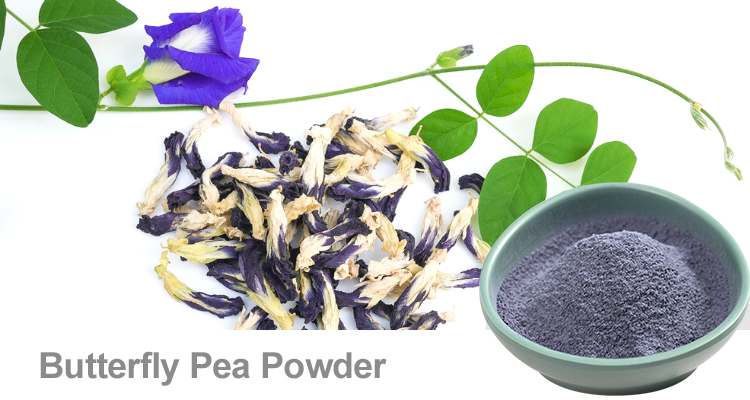
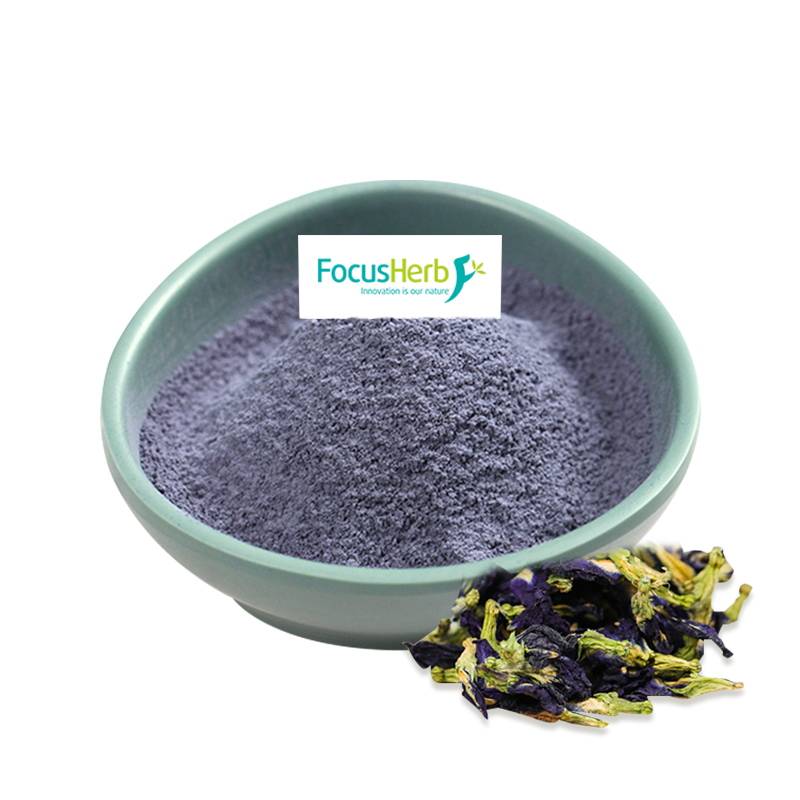

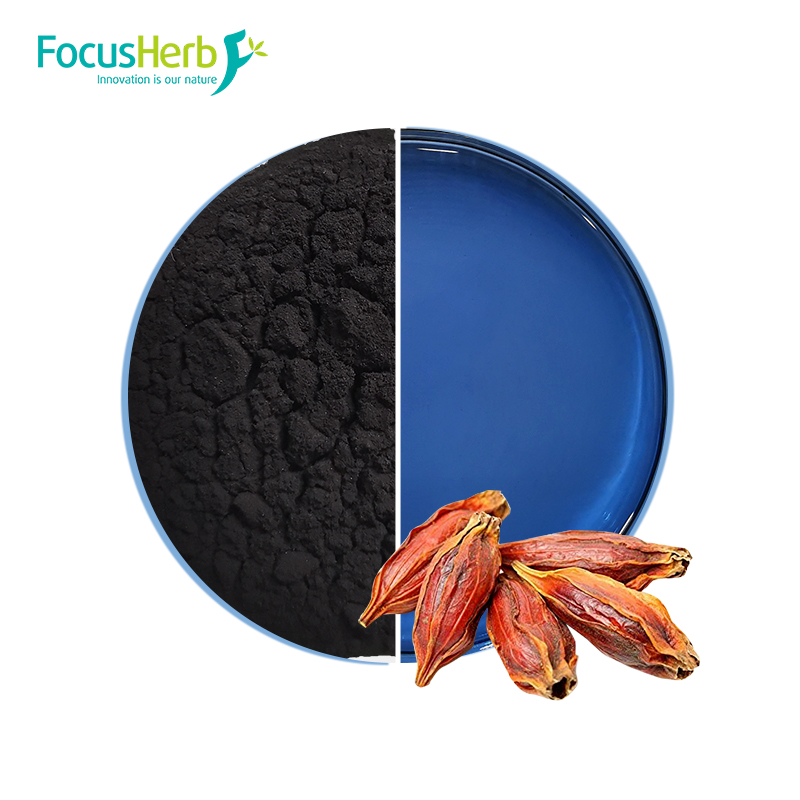
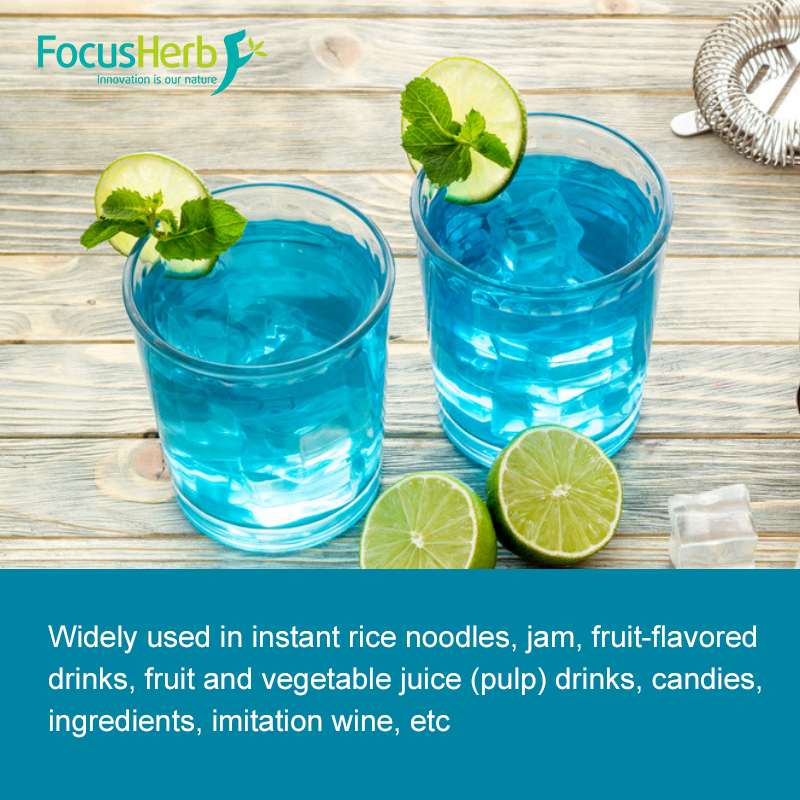 Gardenia blue, as a natural pigment, boasts unique properties and demonstrates wide-ranging applications in various fields, including food, industry, chemicals, and pharmaceuticals. In the food industry, it adds unique color to various foods, enriching their variety and meeting consumers’ diverse aesthetic demands. It is also frequently blended with other natural pigments to expand the color range of food products. In the industrial sector, gardenia blue imparts a blue appearance to textiles, plastics, rubber, paints, and pigments, enhancing their aesthetics and market competitiveness. In chemical product coloring, gardenia blue plays a role in the production of inks, coatings, plastics, and rubber, and can also serve as an indicator of chemical reactions. In the pharmaceutical and healthcare field, gardenia blue exhibits medicinal potential, including clearing heat and detoxifying, and antiviral properties, and is expected to find wider application in drug development and health product development. Furthermore, gardenia blue has also shown potential application value in cosmetics, papermaking, biomedical research, and electronic materials, providing more possibilities for its future development.
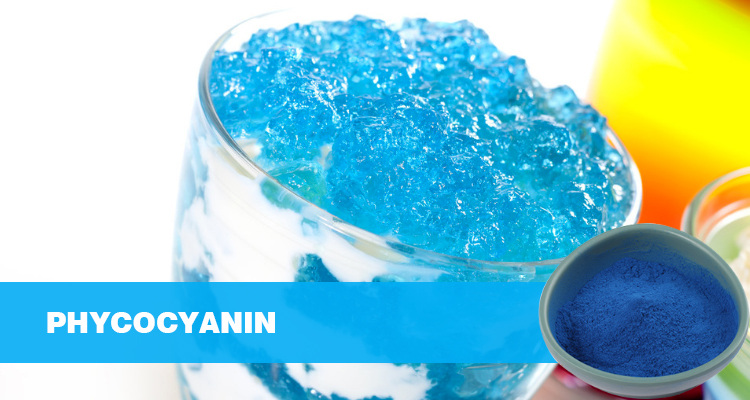 Food Industry: A Dual Role of Natural Coloring and Nutritional Fortification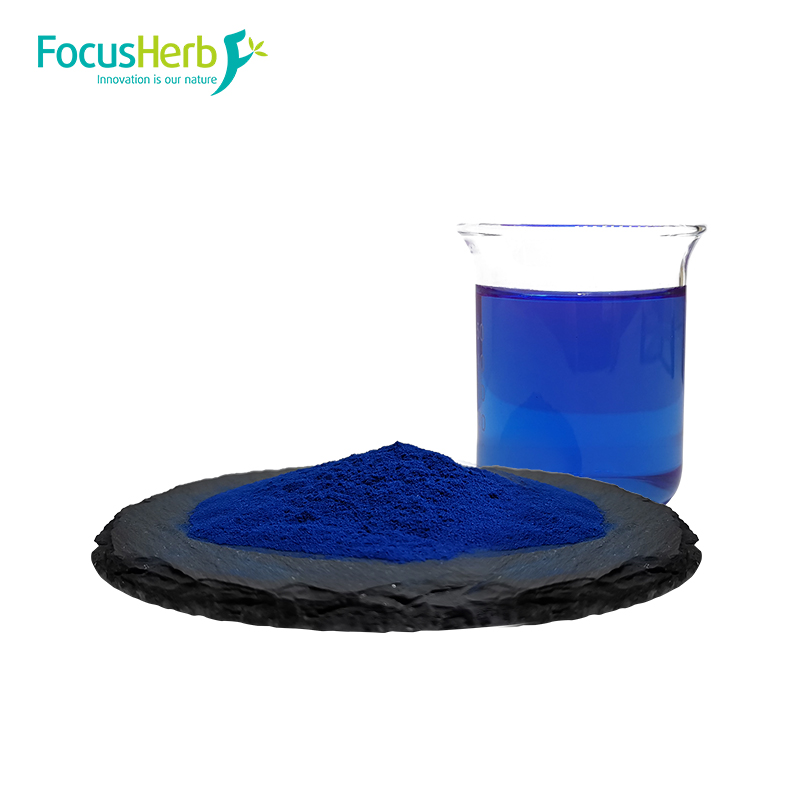
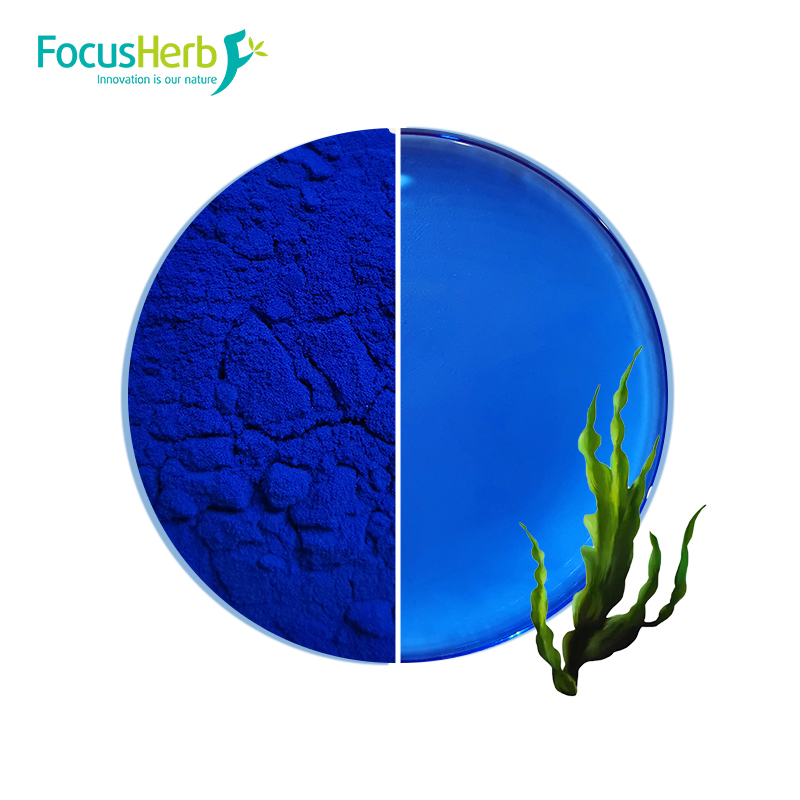 Cosmetics: The “Blue Code” of Natural Skincare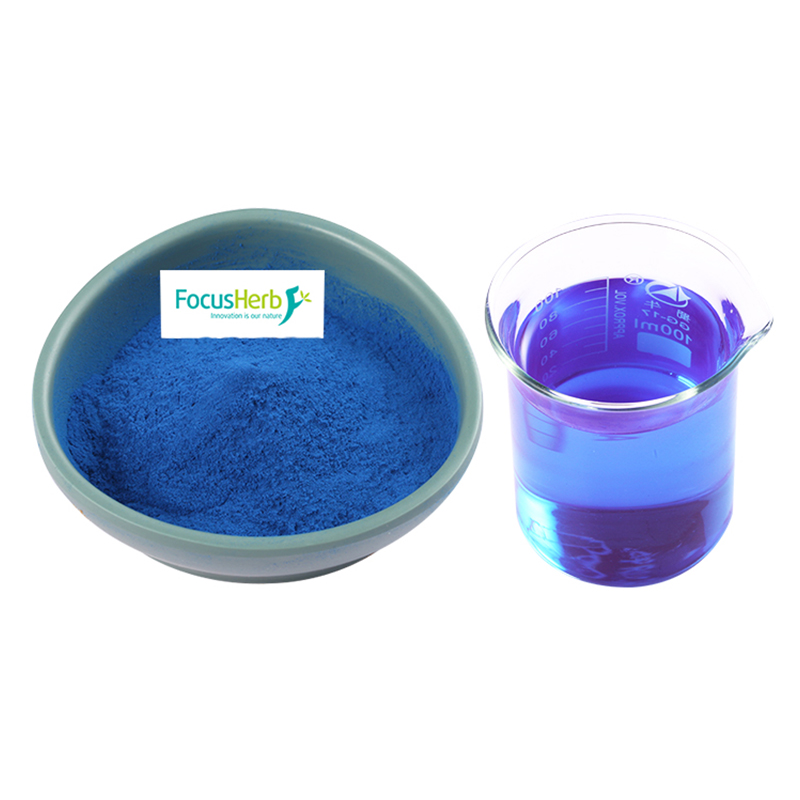
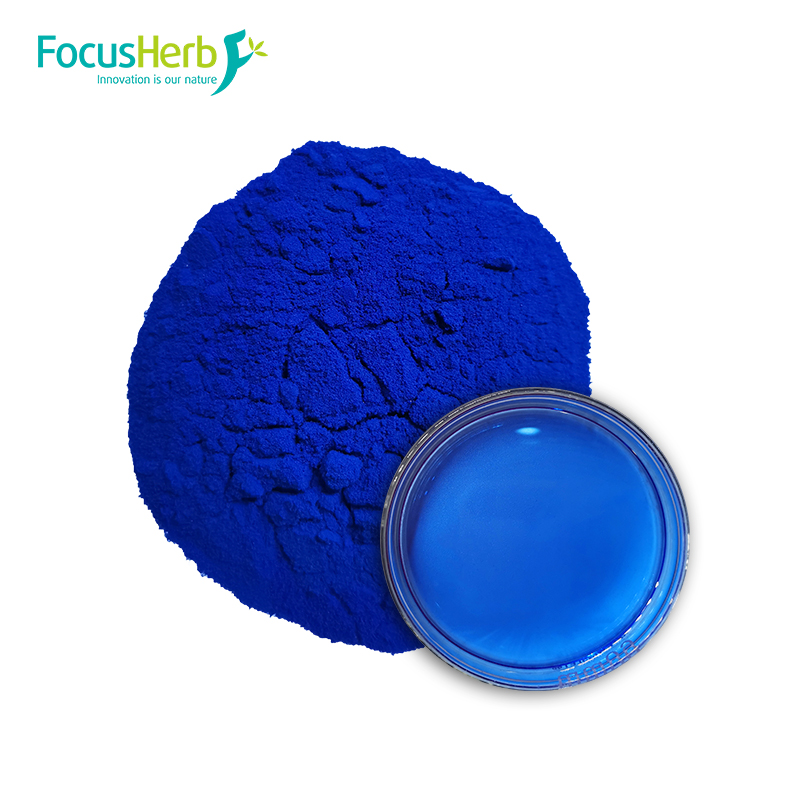

 Health and Medical Field: A “Natural Treasure” for Nourishing and Repairing Bone and Joint Health
 Food Sector: “Natural Raw Materials” for Nutritional Fortification and Flavor Upgrade