Organic shiitake mushroom powder is rich in natural vitamin D, the main component of which is ergosterol. Under ultraviolet light, ergosterol undergoes a miraculous transformation, becoming vitamin D₂. Scientific testing has shown that every 100 grams of dried organic shiitake mushroom powder contains up to 8-10μg of vitamin D, a relatively high level found in common foods.
Vitamin D plays a unique and crucial role in promoting calcium absorption. Like a precise “key,” it binds perfectly to the vitamin D receptor (VDR) on the surface of intestinal mucosal cells. This binding triggers a “switch,” inducing the synthesis of calcium-binding proteins (CaBPs) in intestinal cells. CaBPs act like diligent “porters,” specifically responsible for transporting calcium ions from the intestine into the cells, significantly increasing intestinal calcium absorption. Research has shown that this increase can reach 30%-40%. Vitamin D also plays a crucial role in the renal tubules, promoting calcium reabsorption, allowing more calcium to be retained in the body rather than excreted. Vitamin D also works with parathyroid hormone (PTH) to regulate bone calcium deposition. Together, these factors form a complete metabolic cycle for calcium: intestinal absorption, blood transport, and bone deposition. This cycle is crucial for maintaining normal calcium metabolism and plays a particularly targeted role in preventing rickets in infants and young children. During infancy and childhood, children’s bones grow and develop rapidly, requiring a significant amount of calcium. A vitamin D deficiency hinders calcium absorption and utilization, preventing proper bone mineralization and contributing to rickets. The vitamin D in organic shiitake mushroom powder supplements this critical nutrient for infants and young children, contributing to their healthy growth.
Synergistic Effects of Multiple Nutrients
Organic shiitake mushroom powder promotes calcium absorption, not through the effects of vitamin D alone, but through the synergistic effects of multiple nutrients. Lysine and arginine, members of the amino acid family, play a crucial role in this process. They can form a soluble complex with calcium ions. The formation of this complex is of great significance. Antinutrients, such as oxalic acid and phytic acid, are present in our daily diet. These act like disruptors, binding to calcium ions to form insoluble complexes that hinder calcium absorption. The complexes formed by lysine and arginine with calcium ions effectively reduce the chelation of calcium by oxalic acid and phytic acid, allowing more calcium to be absorbed and utilized by the body.
Shiitake mushroom powder is also rich in magnesium, with approximately 100 mg per 100 grams. Magnesium acts as a vital aid to vitamin D, indirectly enhancing calcium absorption by activating the enzyme vitamin D hydroxylase. Vitamin D hydroxylase plays a key role in the activation of vitamin D. Only activated vitamin D can effectively promote calcium absorption. The presence of magnesium facilitates this activation process, thereby improving calcium absorption. Dietary fiber is also essential in organic shiitake mushroom powder. Although it cannot be directly digested and absorbed by the human body, it plays an important regulatory role in the intestines. Dietary fiber acts as a “cleaner” and “regulator” for the intestines, promoting intestinal motility, increasing stool bulk, and preventing constipation. It also regulates the intestinal microenvironment, providing a favorable habitat for probiotics and maintaining a healthy balance. In this environment, the pH value in the intestine remains in a suitable slightly alkaline range. This slightly alkaline environment is more conducive to the dissociation of calcium, making it more easily absorbed by the body.
The Value of Organic Shiitake Mushroom Powder in Promoting Calcium Absorption for Different Populations
(I) Infants and Young Children: A Natural Shield for Bone Development
For babies over six months old who have just started solid feeding, they are experiencing rapid growth and development, and their bones require a large amount of calcium. However, the vitamin D content in breast milk is low, approximately 2-6 IU/100ml. While the vitamin D content in formula milk has increased, it still cannot fully meet the needs of babies’ rapid growth. In this situation, organic shiitake mushroom powder is a timely nutritional aid.
When babies consume shiitake mushroom powder, its rich vitamin D content effectively compensates for the vitamin D deficiency in breast milk or formula. In actual feeding, combining shiitake mushroom powder with high-iron rice cereal or mixing it with pureed vegetables has shown remarkable results. Research data shows that this combination can increase calcium deposition efficiency by 25%. This means that the calcium content in the baby’s bones is more effectively replenished, significantly reducing the risk of early symptoms of rickets, such as craniotomy and pigeon chest, caused by poor calcium absorption. In a clinical study on infant solid food supplementation, researchers supplemented one group of infants with organic shiitake mushroom powder for three months, while another group, serving as a control group, received a normal diet. After three months, test results showed that the experimental group’s serum 25-hydroxyvitamin D levels were 18% higher than those in the control group. Serum 25-hydroxyvitamin D levels are an important indicator of vitamin D status, and this increase directly demonstrates the effectiveness of shiitake mushroom powder supplementation. Bone alkaline phosphatase (BALP) activity decreased by 15% in the experimental group. Bone alkaline phosphatase is a functional enzyme in osteoblasts, and decreased activity indicates optimized bone mineralization, meaning that the baby’s bones are better able to accumulate calcium and develop. These data strongly demonstrate that organic shiitake mushroom powder acts as a natural protective shield during infant bone development, safeguarding healthy growth.
(II) Children and Adolescents: Calcium Absorption Accelerators During Critical Growth Periods
Childhood and adolescence are critical periods of rapid physical growth and development, particularly bone growth. During this period, their calcium needs increase significantly. However, in reality, many children, despite seemingly adequate calcium intake, still fail to meet bone growth requirements due to insufficient absorption. The emergence of organic shiitake mushroom powder offers a new approach to addressing this problem.
Adding an appropriate amount of shiitake mushroom powder to children’s daily diet (recommended 1-3g daily) can help the vitamin D and calcium it contains work synergistically, breaking the bottleneck of “adequate calcium intake but insufficient absorption.” A study of prepubertal children found that daily intake of shiitake mushroom powder containing 2μg of vitamin D, combined with calcium supplementation from dairy products, increased calcium absorption by 12% compared to the group receiving calcium supplementation alone. This seemingly small increase can have significant long-term effects. After one year of observation, the annual bone density of the long bones of the lower limbs of these children increased by 0.05g/cm². This means their bones are stronger, laying a good foundation for future physical development.
For children with lactose intolerance or milk protein allergies, traditional dairy calcium supplements are inadequate. Organic shiitake mushroom powder offers an ideal alternative for boosting calcium absorption. Shiitake mushroom powder not only provides vitamin D to promote calcium absorption but is also rich in a variety of other nutrients, such as protein and dietary fiber, providing comprehensive nutritional support for children with these special physical conditions.
(III) Adults and Middle-Aged and Elderly: Plant-Based Options for Bone Health
With aging, especially in middle and older age, bone density gradually decreases, and bone health issues such as osteoporosis become increasingly prominent. Maintaining bone health becomes a top priority during this period. Organic shiitake mushroom powder, with its unique nutritional benefits, is an excellent plant-based option for maintaining bone health in adults and the elderly.
Middle-aged and elderly individuals often need to control sodium intake in their diet to reduce the burden on their kidneys and cardiovascular system. Traditional high-calcium foods, such as dried shrimp and cheese, while rich in calcium, are also high in sodium. Organic shiitake mushroom powder is low in sodium, with a sodium content of less than 50mg/100g. This makes it a good calcium supplement without the risk of excessive sodium overload. The high fiber content in shiitake mushroom powder also helps promote intestinal motility, prevent constipation, maintain intestinal health, and create a favorable intestinal environment for calcium absorption.
Consuming shiitake mushroom powder in addition to calcium supplementation can significantly improve calcium bioavailability. A clinical trial studied a group of middle-aged and elderly subjects who were already taking calcium supplements and then consuming 5g of shiitake mushroom powder daily. After six months, the results were surprising. Urinary calcium excretion decreased by 20%, indicating that more calcium was being absorbed and utilized by the body, rather than being lost. Serum levels of type I procollagen amino-terminal peptide (P1NP) increased by 10%. Serum P1NP is an important marker of bone formation; elevated levels indicate enhanced bone formation activity. This suggests that organic shiitake mushroom powder has a positive effect in preventing postmenopausal osteoporosis and age-related bone loss. For postmenopausal women, supplementation with organic mushroom powder is particularly important because estrogen levels in the body decrease and bone loss accelerates. For elderly men, it can also effectively slow down the loss of bone mass caused by aging and maintain bone health and strength.
Comparative Advantages of Organic Shiitake Mushroom Powder Compared to Traditional Calcium Absorption-Boosting Foods
(I) Complementarity with Animal-Based High-Vitamin D Foods
Among foods that promote calcium absorption, animal-based high-vitamin D foods have always held a prominent position. Salmon, animal liver, and egg yolks are well-known foods rich in vitamin D. However, organic shiitake mushroom powder, as a plant-based source, offers unique advantages, complementing these animal-based foods well.
Compared to salmon, salmon contains approximately 52ng/g of vitamin D per 100g, making it a superior source of vitamin D. However, salmon, as an animal-based food, contains a certain amount of cholesterol and saturated fatty acids. For those with hyperlipidemia or liver and gallbladder diseases, excessive salmon consumption may increase their burden. Organic shiitake mushroom powder, however, is completely cholesterol- and saturated-fat-free, acting as a “gentle guardian,” providing these individuals with a safe vitamin D supplement. They can safely consume shiitake mushroom powder long-term without worrying about adverse effects on blood lipids or liver and gallbladder function. Pork liver, a representative animal liver, contains approximately 42ng/g of vitamin D per 100g, making it a significant vitamin D source. However, it also has a high cholesterol content, making it unsuitable for those who need to control their cholesterol intake. Organic shiitake mushroom powder offers significant advantages in this regard, providing a new window for vitamin D supplementation for these individuals, allowing them to enjoy nutritional benefits without worrying about the health risks associated with cholesterol.
Egg yolk, on the other hand, contains approximately 2.5μg of vitamin D per 100g, making it a common source of vitamin D in daily life. However, the activity of vitamin D in egg yolks is easily affected during processing. For example, high-temperature baking can lead to significant loss of vitamin D in egg yolks. However, the vitamin D in organic shiitake mushroom powder is highly thermally stable, retaining at least 80% of its activity even when baked at 100°C. This property allows shiitake mushroom powder to better preserve vitamin D activity when processed into infant formula and ready-to-eat nutritional powders, providing consumers with consistent nutritional support. For infants and young children, a stable intake of vitamin D is crucial for their bone development. This advantage of organic shiitake mushroom powder undoubtedly provides additional support for their healthy growth.
(II) The Hypoallergenic Advantage of Plant-Based Calcium Supplements
Milk has always been one of the top choices for calcium supplementation. However, for those with milk protein allergies, milk calcium supplementation presents a difficult hurdle. According to statistics, milk protein allergies affect approximately 2%-7% of infants and young children, a significant proportion. These individuals often need to seek safe alternatives when supplementing with calcium. Organic shiitake mushroom powder, as a representative plant-based calcium supplement, precisely meets their needs.
Milk contains allergens such as β-lactoglobulin. For those with allergies, consuming milk can cause the immune system to recognize these proteins as foreign “invaders,” triggering an immune response and causing allergic symptoms such as rashes, diarrhea, and vomiting. Shiitake mushroom powder completely avoids this risk. It is a natural, plant-based ingredient and does not contain the allergenic components found in milk. For infants and young children with cow’s milk protein allergies, adding shiitake mushroom powder to their complementary foods not only provides a rich source of vitamin D and promotes calcium absorption, but also eliminates the risk of allergic reactions, providing safe and reliable nutritional support for their healthy growth.
Organic shiitake mushroom powder can also play a vital role in extensively hydrolyzed milk powder or amino acid formula. These specially formulated milk powders are designed for babies with cow’s milk protein allergies. They undergo a specialized process to hydrolyze milk protein or replace it with free amino acids to reduce the risk of allergies. Adding shiitake mushroom powder to these formulas can further enhance calcium absorption. Shiitake mushroom powder is lactase-independent, so even if a baby’s lactase deficiency is present, its calcium absorption is not affected. This makes shiitake mushroom powder an ideal calcium supplement for babies with cow’s milk protein allergies, providing comprehensive nutritional support.
Compared to tofu, shiitake mushroom powder also offers significant advantages in calcium absorption and utilization. Tofu, a common plant-based calcium supplement, contains approximately 164mg of calcium per 100g. However, it also has a high oxalic acid content, approximately 150mg/100g. Oxalic acid is a troublemaker, combining with calcium ions to form insoluble calcium oxalate, which reduces calcium absorption. Research shows that tofu’s calcium absorption rate is only approximately 30%. Shiitake mushroom powder, on the other hand, does not contain oxalic acid and can be consumed directly without the complex blanching and astringency-removing processes required for tofu. The synergistic effects of shiitake mushroom powder’s various nutrients can boost calcium absorption by 45%-50%, significantly improving calcium absorption. For those seeking a highly effective calcium supplement, shiitake mushroom powder is undoubtedly a superior choice.
Revolutionizing Calcium Absorption from Dietary Supplements to Precision Nutrition
Organic shiitake mushroom powder, as a natural and healthy ingredient, demonstrates unique advantages and enormous potential in promoting calcium absorption. Its rich vitamin D content and the synergistic effects of its diverse nutrients provide an effective calcium absorption booster for people of all ages, making it a rising star in the dietary supplement market.
In today’s pursuit of a healthier lifestyle, people’s nutritional needs are no longer limited to basic nutrient intake; they are increasingly focused on precise nutrient supplementation and efficient utilization. The emergence of organic shiitake mushroom powder aligns perfectly with this trend, transcending the limitations of traditional calcium absorption enhancers and ushering in a new era of precision nutrition.
From infants and toddlers to middle-aged and elderly individuals, organic shiitake mushroom powder can play a vital role in their health journey. For infants and toddlers, it provides a solid foundation for bone development; for children and adolescents, it helps them grow; and for adults and the elderly, it protects bone health. For special circumstances such as milk protein allergies, organic shiitake mushroom powder offers a safe and reliable alternative.
With rising health awareness and a growing preference for natural ingredients, the market prospects for organic shiitake mushroom powder are expected to expand. We believe that in the future, organic shiitake mushroom powder will play an even more important role in precision nutrition, safeguarding the health of more people and leading us towards a healthier and more fulfilling life.
Organic Reishi Powder is more than just a single ingredient; it’s a feast of diverse active ingredients working in synergy. It’s rich in Reishi polysaccharides, typically ≥2%. As the vanguard of immune regulation, Reishi polysaccharides activate TLR4 receptors on the surface of macrophages, equipping them with a sharper “radar,” enabling them to more quickly and accurately identify pathogens. This in turn promotes the secretion of cytokines such as TNF-α and IL-6. These cytokines act like battlefield clarions, rallying more immune cells to the fight and enhancing macrophages’ ability to phagocytose pathogens.
Triterpenoids (ganoderic acid ≥8%) act as the “stabilizers” in this immune-regulating battle. They precisely regulate the intensity of the immune response by inhibiting the NF-κB signaling pathway. When the immune response becomes overly intense and pro-inflammatory factors are overexpressed, triterpenoids step in to downregulate these factors, preventing the immune system from overshooting and damaging its own tissues. Together with Reishi polysaccharides, they achieve a dual immune balance of “activation and inhibition,” ensuring the immune system can both fully attack and maintain rational restraint when responding to pathogens. Furthermore, components such as adenosine and the trace element selenium also play their respective roles. Adenosine participates in cellular energy metabolism and signal transduction, providing energy support and information guidance for immune cell activity; selenium, as an antioxidant, protects immune cells from free radical damage and maintains their normal function. Together, they form a powerful immune regulatory network within Organic Reishi Powder.
A Modern Medical Perspective: Comprehensive Activation of Immune Cells
Innate Immunity Enhancement: Within the innate immune defense system, Organic Reishi Powder significantly activates neutrophils and macrophages. It stimulates chemotaxis, enabling them to migrate more rapidly to the site of infection, like equipping neutrophils with a precise navigation system. Under the influence of Organic Reishi Powder, macrophages’ phagocytic index increases by 1.5-2 times, significantly enhancing their phagocytic capacity. When faced with invading pathogens such as bacteria and viruses, macrophages, like valiant warriors, can more efficiently engulf and eliminate them, rapidly curbing the spread of pathogens in the early stages of infection and buying time for subsequent immune responses.
Adaptive Immune Regulation: During the adaptive immunity stage, Organic Reishi Powder demonstrates its regulatory effects on T and B lymphocytes. It promotes the differentiation of T lymphocyte subsets and optimizes the CD4+/CD8+ ratio, enabling T lymphocytes, the “commanders” of the immune system, to better coordinate the immune response. It also enhances Th1 cell-mediated cellular immune responses. The cytokines secreted by Th1 cells can activate macrophages and cytotoxic T cells, directly killing pathogen-infected cells and playing a key defensive role against intracellular parasites and viral infections. At the same time, Organic Reishi Powder induces B cells to produce specific antibodies, increasing serum IgG levels by 10%-15%. IgG, the most abundant antibody in the blood, can bind to pathogens, neutralize toxins, and promote phagocytosis, playing a vital role in humoral immunity and providing the body with more sustained and broad immune protection.
Immune surveillance is activated: Natural killer cells (NK cells) are key executors of immune surveillance. Organic Reishi Powder activates NK cell activity by 30%-40%. NK cells can recognize and attack abnormal cells, such as virus-infected cells and tumor cells, without prior antigen exposure. Under the influence of Organic Reishi Powder, NK cell activity is enhanced. By releasing perforin/granzyme pathways, they precisely attack abnormal cells like missiles, effectively eliminating potential health threats in the body, supporting anti-tumor immunity, and maintaining a stable internal environment.
Organic Reishi Powder’s Multi-Scenario Regulating Effects on Immune Imbalance
(I) Strengthening the Defense Barrier for People with Compromised Immunity
In everyday life, there are a group of people who seem to be “targeted” by illness. Frequent colds are commonplace, perhaps two or three times a month. Each cold is lingering and difficult to recover from, with symptoms like cough, runny nose, and fever persisting for a long time, severely impacting their quality of life. Just recovered from one cold, only to be struck down again not long after, leaving the body in a state of long-term weakness. Those recovering from surgery suffer significant damage to their health, slow wound healing, difficulty regaining strength, and a high risk of complications such as infection. Every minor infection can become a stumbling block on the road to recovery. Cancer patients undergoing chemotherapy and radiotherapy experience bone marrow suppression, resulting in reduced production of blood cells such as white blood cells, red blood cells, and platelets, leading to extremely low immunity. A single misstep can lead to a serious, even life-threatening, infection.
Organic Reishi Powder acts as a solid defense barrier for these immunocompromised individuals. Clinical studies have shown that in trials targeting people with frequent colds, continuous use of Organic Reishi Powder significantly increased serum immunoglobulin IgA and IgG levels, significantly shortening the duration of colds. Colds that previously lasted 7-10 days were now reduced to 4-5 days. The incidence of infections was also significantly reduced, with those who previously experienced 8-10 colds per year reduced to 3-4 after taking Organic Reishi Powder. For those recovering from surgery, Organic Reishi Powder promotes wound healing, enhances physical recovery, reduces the risk of infection, and enables patients to return to normal life more quickly. For patients with bone marrow suppression after chemotherapy and radiotherapy, white blood cell counts are increased, immunity is strengthened, and they are better able to resist infection and successfully complete subsequent treatment.
(II) Immune Regulation in Chronic Inflammatory Diseases
Patients with chronic inflammatory diseases suffer from chronic pain. For example, patients with rheumatoid arthritis experience redness, swelling, heat, and pain in their joints. They also experience stiffness and limited mobility upon waking up in the morning, severely impacting limb function and even leading to joint deformities and difficulties in self-care. Chronic colitis patients suffer from chronic diarrhea, which can occur 3-5 times a day. They also experience frequent abdominal pain and bloating, nutrient loss, weight loss, and a sharp decline in their quality of life.
The triterpenoids in Organic Reishi Powder play a key role in the treatment of rheumatoid arthritis. They act as precise “inflammation inhibitors,” inhibiting the excessive secretion of pro-inflammatory cytokines such as IL-1β and TNF-α in synovial cells, thereby alleviating the inflammatory response at its source. After taking Organic Reishi Powder, patients experienced significant relief from joint redness, swelling, heat, and pain. Joint mobility gradually increased, and previously stiff joints became more flexible. Pain episodes decreased in frequency and severity, allowing them to better perform daily activities. In the treatment of chronic colitis, Organic Reishi Powder not only repairs the damaged intestinal mucosal barrier and restores normal intestinal defenses, but also regulates the intestinal flora, increasing the abundance of short-chain fatty acid-producing bacteria, improving the intestinal microecological environment, and restoring intestinal immune balance. Patients experienced reduced diarrhea, less abdominal pain and bloating, gradual recovery of intestinal function, improved nutrient absorption, and a gradual weight gain, significantly improving their quality of life.
(III) Immune Support in Adjuvant Cancer Therapy
Cancer patients undergoing chemotherapy and radiotherapy often endure tremendous physical and mental suffering. While chemotherapy drugs kill tumor cells, they also severely suppress bone marrow hematopoiesis, leading to a sharp drop in white blood cell counts and a significant decrease in the patient’s immune system. This makes the patient more susceptible to adverse reactions such as infection, fatigue, and loss of appetite, severely impacting the treatment process and quality of life.
Organic Reishi Powder, as a powerful adjuvant cancer treatment, plays an indispensable role in immune support during this challenging process. Reishi polysaccharides can mitigate the suppression of bone marrow hematopoiesis by chemotherapy drugs, increasing white blood cell counts by 1.2-1.5 times and providing patients with a protective barrier against infection. It also enhances the antigen presentation capacity of dendritic cells (DCs). DCs act as “scouts” of the immune system, better able to identify tumor cell antigens and present them to T lymphocytes, activating tumor-specific cytotoxic T cells (CTLs). CTLs, like well-trained “killers,” can precisely kill tumor cells and synergize with chemotherapy drugs to inhibit their proliferation. Animal studies have strongly confirmed the potent efficacy of Organic Reishi Powder. The tumor inhibition rate in the Reishi spore powder combined with cisplatin increased to 65%, a 25% increase compared to the cisplatin alone group. This offers cancer patients greater hope of survival, alleviates the pain of chemotherapy, and improves their quality of life.
(IV) Restoring Immune Function in Sub-Healthy States
In modern society, with its fast pace of life and high work pressure, many people suffer from chronic sub-health conditions. They often feel exhausted and struggle to regain energy even after adequate rest, resulting in low work efficiency. They also experience poor sleep quality, difficulty falling asleep, frequent dreams, and frequent awakenings, leaving them feeling sluggish the next day. Chronic stress also weakens the immune system, making them more susceptible to illness, impacting both their personal lives and work. The adenosine component in Organic Reishi Powder is a key component in regulating immune function in sub-healthy conditions. It reduces serum cortisol levels by 15%-20% by modulating the hypothalamic-pituitary-adrenal (HPA) axis. Cortisol is a stress hormone, and chronically elevated levels can suppress immune system function. Adenosine’s regulatory effect restores cortisol levels to normal, preventing oversuppression. Furthermore, adenosine restores the balance between Th1 and Th2 cells. Th1 cells are primarily involved in cellular immunity, while Th2 cells are primarily involved in humoral immunity. A balance between these two is crucial for maintaining normal immune function. After a period of treatment with Organic Reishi Powder, individuals with sub-health conditions experience significantly reduced fatigue and improved sleep quality, with faster onset and deeper sleep, and fewer nighttime awakenings. Immunity is boosted, the incidence of colds and coughs is reduced, and the body gradually regains vitality, enabling better coping with the stresses of work and life.
Which groups of people should be cautious or avoid using it to avoid potential health risks:
I. Contraindications
Pregnant and lactating women
The active ingredients in Reishi (such as triterpenes and polysaccharides) may affect fetal/infant development through the placenta or breast milk, especially during the first three months of pregnancy, and therefore should be strictly avoided.
Infants and children
Children under three years of age have immature digestive and immune systems. Reishi powder may cause indigestion, allergies, or risk of precocious puberty. Some cases have reported diarrhea and epistaxis in children after use.
Patients undergoing surgery or with bleeding disorders
Preoperatively and within one week after surgery: Reishi’s anticoagulant effect may increase the risk of bleeding and impair wound healing.
Menstruating women: Especially those with heavy menstrual flow may experience prolonged bleeding after use.
People with allergies
People with fungal allergies (such as mushrooms and yeast) are more susceptible to allergic reactions to Reishi powder, which can manifest as rash, itching, respiratory edema, or even anaphylactic shock. Therefore, skin testing should be performed in advance. Patients with Hypotension
The antihypertensive effects of Lingzhi may exacerbate symptoms of hypotension (such as dizziness and fatigue). Blood pressure should be monitored, especially when used in combination with antihypertensive medications.
II. Situations Requiring Caution
Those with Yin Deficiency and Internal Heat or Excessive Heat Syndrome
For those experiencing symptoms such as dry mouth, night sweats, constipation, and irritability, the warming and tonic properties of Lingzhi powder may exacerbate internal heat, leading to gum swelling and pain and worsening insomnia.
Patients with Colds and Fevers
Lingzhi powder is primarily for tonic purposes. Taking it during an external infection (such as a wind-cold/wind-heat cold) may “keep the enemy inside” and delay recovery.
Patients with Gastrointestinal Diseases
Patients with gastric ulcers or enteritis may experience mucosal irritation when taking it on an empty stomach, causing nausea, bloating, or abdominal pain. It is recommended to reduce the dose after meals.
Patients Taking Long-Term Medications
Combining Lingzhi powder with anticoagulants (such as warfarin), immunosuppressants (such as cyclosporine), or hypoglycemic drugs may interfere with their efficacy. Doses should be taken at least two hours apart.
A Leap from Traditional Wisdom to Modern Immunology
Organic Reishi Powder, a fusion of traditional wisdom and modern science, has emerged as a shining star in the field of immune regulation, honed through thousands of years of medical heritage and validated by modern scientific research. Its unique active ingredients and mechanism of action offer hope for patients with weakened immune systems, chronic inflammation, cancer, and other suboptimal health conditions. In the future, with continued technological advancements and in-depth research, Organic Reishi Powder is expected to play an even greater role in immunotherapy, rehabilitation medicine, and other fields, making even greater contributions to human health and allowing this traditional “herbal remedy” to shine even brighter on the stage of modern medicine.
The key to Organic Siberian Ginseng’s remarkable anti-fatigue and endurance-enhancing effects lies in its rich content of diverse active ingredients, such as eleutherosides, flavonoids, and polysaccharides, which work through multi-target regulatory mechanisms. The hypothalamic-pituitary-adrenal (HPA) axis is a crucial regulatory system for the body’s response to stress. When the body is under chronic stress, the HPA axis becomes overactivated, leading to the continuous secretion of stress hormones such as cortisol. This leads to adverse consequences such as excessive energy consumption and metabolic disorders, ultimately causing fatigue. The active ingredients in Organic Siberian Ginseng can precisely target the HPA axis, restoring its balance. Studies have shown that in experimental animal models exposed to chronic psychological stress, supplementation with Organic Siberian Ginseng extract significantly reduced fluctuations in blood cortisol levels, stabilizing them within normal levels. This indicates that chronic stress is effectively alleviated, laying the foundation for maintaining optimal bodily function.
In terms of energy metabolism, liver glycogen acts as the body’s “energy reserve.” Adequate glycogen reserves provide a continuous supply of energy for bodily activity. Organic Siberian Ginseng can significantly promote liver glycogen synthesis and increase glycogen reserves. Furthermore, muscle mitochondria, the “energy factories” of the cell, are directly determined by their functional state. Siberian Ginseng can optimize mitochondrial structure and function, increasing the activity of mitochondrial respiratory chain enzymes, enabling mitochondria to produce more adenosine triphosphate (ATP) during aerobic respiration, providing sufficient energy for muscle contraction. During exercise, as energy is consumed, lactic acid gradually accumulates in muscle tissue and blood, leading to increased muscle soreness and fatigue. Increased blood urea nitrogen (BUN), a product of protein breakdown, also reflects increased fatigue. Organic Siberian Ginseng can effectively delay lactic acid accumulation and BUN increases during exercise by accelerating lactic acid metabolism and inhibiting excessive protein breakdown. Animal experimental data strongly supports this finding. Mice that consumed Siberian Ginseng extract for 30 days showed a 20%-25% increase in muscle glycogen reserves compared to the control group. After exercising at the same intensity, blood lactate clearance was accelerated by 15%. This clearly demonstrates the significant effects of Siberian Ginseng in enhancing energy metabolism and improving exercise endurance.
Traditional Chinese Medicine Theory’s “Qi-Tonifying and Foundation-Strengthening” Effect
In the long-standing framework of traditional Chinese medicine, Organic Siberian Ginseng holds a unique and important position. Its pungent, slightly bitter flavor and warm nature activate the lung, spleen, and kidney meridians, demonstrating its remarkable efficacy in “tonifying Qi, strengthening the spleen, tonifying the kidneys, and calming the mind.” It is particularly effective in treating fatigue caused by Qi deficiency. From the perspective of Traditional Chinese Medicine, the spleen is the foundation of acquired constitution and the source of Qi and blood production. If the spleen is weak and its transport and transformation functions are dysfunctional, it cannot fully transform nutrients from food into Qi and blood, leading to Qi and blood deficiency and a series of fatigue-related symptoms such as fatigue, loss of appetite, and listlessness. The pungent and dispersing properties of Organic Siberian Ginseng can promote the flow of Qi, allowing spleen and stomach Qi to flow smoothly and enhancing their transport and transformation functions. Its bitter and laxative properties can remove dampness and turbidity from the spleen and stomach, restoring their normal function. In clinical practice, many patients with spleen deficiency caused by long-term fatigue and irregular diets have experienced significant improvements in appetite, reduced fatigue, and improved mental state after taking Organic Siberian Ginseng.
The kidneys are the foundation of innate constitution and store essence. The essence stored in the kidneys is the fundamental material basis for growth, development, reproduction, and the maintenance of life. When kidney essence is deficient, the body’s overall function declines, resulting in symptoms such as soreness in the waist and knees, dizziness, and tinnitus, as well as a reduced tolerance to various types of fatigue. Organic Siberian Ginseng can nourish the kidneys and replenish essence, replenishing lost essence and strengthening the body’s innate foundation, thereby enhancing the body’s ability to cope with physical and mental fatigue. For example, those engaged in high-intensity mental work and prolonged mental stress are prone to kidney essence depletion, fatigue, and insomnia. Taking Organic Siberian Ginseng can alleviate fatigue, improve sleep quality, and enhance work efficiency.
As early as ancient times, people recognized the miraculous benefits of organic Siberian Ginseng. The Compendium of Materia Medica, written by Li Shizhen during the Ming Dynasty, clearly states that “long-term consumption of Siberian Ginseng can lighten the body and prevent aging,” fully demonstrating the ancients’ profound understanding that long-term use of Siberian Ginseng can strengthen the body, delay aging, and improve physical endurance. In modern clinical practice, Organic Siberian Ginseng has also demonstrated promising therapeutic effects for chronic fatigue syndrome (CFS), a difficult condition that plagues many patients. Patients with CFS often experience persistent and difficult-to-relieve fatigue, decreased concentration, memory loss, and sleep disturbances, which severely impact their quality of life. Clinical studies have shown that after intervention treatment with Organic Siberian Ginseng, patients’ fatigue was significantly reduced, their attention and memory improved, and their sleep quality also improved to a certain extent. This further verifies the important role of Organic Siberian Ginseng in relieving fatigue and enhancing the body’s overall function under the guidance of the Traditional Chinese Medicine theory of “replenishing Qi and strengthening the foundation.”
Organic Siberian Ginseng has a dual regulatory effect on physical and nervous fatigue.(I) Improving Exercise Endurance and Optimizing Recovery
In today’s fast-paced world, more and more people are turning to exercise to maintain health and relieve stress
However, fatigue often hinders continued exercise. For athletes, Organic Siberian Ginseng is like a key to improving physical fitness and facilitating recovery. Its key to success lies in its subtle regulation of the circulatory system. Siberian Ginseng dilates blood vessels, increasing their diameter and promoting smoother blood flow. It also improves microcirculation, allowing blood to penetrate deeper into muscle tissue. This process is like bringing abundant water to parched farmland, providing muscle cells with abundant oxygen and nutrients, ensuring adequate energy supply during exercise.
When muscles undergo high-intensity exercise, they produce large amounts of lactic acid. Lactic acid accumulation leads to muscle soreness and fatigue, impairing both performance and post-exercise recovery. Organic Siberian Ginseng accelerates lactic acid metabolism, rapidly breaking down, converting, and excreting lactic acid from muscles, effectively reducing the amount of lactic acid remaining in the body after exercise. Studies have shown that after equal intensity exercise, blood lactate levels in participants taking Organic Siberian Ginseng decreased 20% to 30% faster than those who did not. This means they can recover faster from exercise fatigue, reduce muscle soreness, and improve post-exercise comfort.
Creatine kinase (CK) is a key indicator of muscle damage and fatigue. During exercise, especially after high-intensity exercise, muscle cells sustain a degree of damage, leading to the release of CK into the blood and an increase in CK levels. Organic Siberian Ginseng can reduce the magnitude of the post-exercise CK increase, suggesting that it protects the integrity of muscle cell membranes, reduces muscle cell damage, and promotes rapid recovery. For example, in a study on long-distance runners, after taking an Organic Siberian Ginseng preparation for one month, the experimental group performed a long-distance run of the same intensity. The post-training elevation in creatine kinase levels in the experimental group was 30%-40% lower than in the control group, demonstrating the significant efficacy of Organic Siberian Ginseng in maintaining muscle health and accelerating physical recovery.
In the military, high-intensity physical training is an essential component of daily soldier training, placing extremely high demands on a soldier’s physical strength and endurance. Military medical researchers conducted a study on soldiers, having one group take an Siberian Ginseng preparation during their daily training, while the other group, a control group, did not. After a period of training, the soldiers were tested in a 5,000-meter run. The results showed that the soldiers who took the Siberian Ginseng preparation improved their 5,000-meter run times by 8%-12% compared to the control group. This improvement is of significant significance in actual combat and military missions, enabling soldiers to reach designated locations faster and seize opportunities on the battlefield. Furthermore, after exercise, their peak blood urea nitrogen (BUN) levels decreased by 18%. BUN is a product of protein breakdown. This reduction indicates that protein breakdown in the soldiers’ bodies has been effectively suppressed, reducing fatigue. This effectively ensures that soldiers maintain optimal physical condition during continuous combat or high-intensity training.
Furthermore, exercise-induced oxidative stress is a significant factor in fatigue and muscle damage. Organic Siberian Ginseng senticosus is rich in antioxidants, such as flavonoids and polysaccharides. These antioxidants can effectively inhibit exercise-induced oxidative stress. They scavenge excess free radicals in the body, reducing their attack and damage to muscle cell membranes, maintaining their integrity and thereby reducing the incidence of delayed onset muscle soreness (DOMS). Many athletes experience muscle soreness and stiffness the day after or three after high-intensity exercise. This is called delayed onset muscle soreness (DOMS), which can affect subsequent training and competition. Athletes who take Organic Siberian Ginseng experience effective control of oxidative stress, reduced muscle cell damage, and significantly lower rates of delayed onset muscle soreness, allowing them to return to the next round of training and competition more quickly.
(II)Relieving Neurological Fatigue and Maintaining Cognitive Function
In today’s information-rich world, more and more people are engaging in high-intensity mental work. Long hours of work, study, and mental stress have made neurological fatigue a problem for many. Organic Siberian Ginseng is a timely relief for those who engage in long-term mental work, effectively alleviating neurological fatigue and maintaining cognitive function. The key to its effectiveness lies in its precise regulation of central nervous system neurotransmitters, which are important chemicals that transmit information in the nervous system. Their balance directly affects mood, sleep, and cognitive function. Siberian Ginseng can regulate the balance of central nervous system neurotransmitters such as serotonin and dopamine. Serotonin, known as the “happiness transmitter,” regulates mood and produces feelings of pleasure, while dopamine plays a vital role in attention, learning, and memory. When the body is under prolonged stress and anxiety, the secretion of these neurotransmitters becomes disrupted, leading to symptoms such as depression, anxiety, and insomnia, which in turn cause neural fatigue.
By regulating the balance of neurotransmitters, Siberian Ginseng can alleviate anxiety and promote a more relaxed and calm mood. It also improves sleep quality, allowing the brain to fully rest and recover. Sleep is crucial for brain health. Good sleep clears metabolic waste from the brain, consolidates memory, and restores neural function. Many people with chronic insomnia experience cognitive impairments such as memory loss, difficulty concentrating, and slowed reaction times due to insufficient rest. By improving sleep quality, Siberian Ginseng indirectly enhances the brain’s ability to resist fatigue, maintaining a clear and alert mind and improving work and learning efficiency.
Clinical trials provide strong evidence for this benefit of Siberian Ginseng. In a study of office workers who engaged in long-term mental work, subjects who took Siberian Ginseng extract for four weeks showed a 35% reduction in their visual analogue scale (VAS) fatigue scores. The Visual Analog Fatigue Scale (VAS) is a commonly used method for assessing fatigue. It involves asking participants to mark their fatigue level on a straight line, with higher scores indicating greater fatigue. This result indicates that taking Siberian Ginseng significantly reduced participants’ fatigue. Furthermore, participants’ error rates on a working memory task decreased by 22%, indicating a significant improvement in cognitive function, enabling them to more accurately process and retain information, leading to better performance at work and in school.
Further research has revealed that eugenol, a compound found in Siberian Ginseng, possesses unique physiological activity. It can penetrate the blood-brain barrier and directly act on brain neurons. The blood-brain barrier is a natural protective barrier that prevents many harmful substances from entering the brain, but it also restricts the entry of some drugs and nutrients. However, eugenol successfully penetrates this barrier and enters the brain. Once inside the brain, eugenol inhibits neuronal apoptosis, a programmed cell death that can lead to decreased brain function. By inhibiting this process, eugenol protects neuronal survival and maintains the number and function of neurons in the brain. In addition, it can enhance synaptic plasticity in the hippocampus, a region of the brain closely associated with learning and memory. Synaptic plasticity refers to the adjustability of synaptic transmission efficiency. Enhancing synaptic plasticity in the hippocampus can promote the transmission of neural signals and improve learning and memory. For those experiencing chronic stress, such as career elites and students, the eugenol in Siberian Ginseng can effectively protect against neurocognitive fatigue caused by chronic stress. This allows them to maintain a healthy mental state and cognitive abilities despite the intense pressures of work and study, avoiding problems such as decreased work efficiency and poor academic performance due to neural fatigue.
Scientific Application and Practical Plans for Organic Siberian Ginseng
(I) Applicable Populations and Targeted Intervention Scenarios
Athletes and Fitness Enthusiasts: For fitness enthusiasts and professional athletes striving for exceptional performance, organic Siberian Ginseng is undoubtedly a powerful aid. Regularly taking Organic Siberian Ginseng starting 30 days before a major competition or intense training session can provide strong support for improved physical function, enabling full performance and superior results. After intense competition or high-intensity training, the body is often extremely fatigued. Organic Siberian Ginseng can accelerate recovery, allowing muscles to recover more quickly and reducing soreness, allowing for optimal preparation for the next training session or competition. For optimal results, it is recommended to choose a standardized extract containing eleutherosides B+E at least 0.8%, with a daily dose between 100 and 200 mg. This dosage maximizes the benefits of Siberian Ginseng while ensuring safety and avoiding adverse effects from inappropriate dosing. Chronic Fatigue and Sub-Healthy People: Under the fast-paced lifestyle and work pressures of modern society, chronic fatigue and sub-health issues are becoming increasingly common. Many people suffer from long-term symptoms such as fatigue and sleep disturbances, significantly reducing their quality of life. For this group, Organic Siberian Ginseng is an ideal choice for conditioning. It is recommended to take 3-5g of dried Siberian Ginseng daily, boil it in water, and drink it instead of regular tea. This allows the active ingredients of Siberian Ginseng to slowly absorb into the body and gradually improve symptoms. Furthermore, according to Traditional Chinese Medicine (TCM) theory of compatibility, combining Organic Siberian Ginseng with Astragalus and Lycium barbarum can synergistically replenish Qi, further enhancing the conditioning effect. Astragalus has benefits such as replenishing Qi, strengthening the exterior, promoting diuresis, and reducing swelling, while Lycium barbarum nourishes the liver and kidneys, improves essence, and improves eyesight. The three ingredients work together to replenish the body’s essential Qi and blood, nourish the liver and kidneys, and regulate overall body function, allowing those suffering from chronic fatigue and sub-health to gradually regain vitality and rediscover a healthy lifestyle. High-pressure intellectual workers: Those in high-pressure intellectual jobs, such as researchers, programmers, and financial professionals, face long periods of intense concentration and work throughout the day. This can lead to rapid brain fatigue and difficulty concentrating. Taking Siberian Ginseng capsules in the morning or afternoon is an effective relief for this group. Each capsule contains 50mg of extract, which can quickly replenish brain energy and boost brain activity. Combined with deep breathing exercises, this can further relax the mind and body, increase oxygen intake, promote blood circulation, and provide the brain with a more adequate supply of nutrients. This significantly enhances attention span in the afternoon, improves work efficiency, and reduces errors caused by fatigue and lack of focus.
(II) Safe Consumption and Synergistic Combination Strategies
Organic Siberian Ginseng is grown in strict accordance with organic standards, eliminating the use of pesticides and chemical fertilizers, and avoiding heavy metal contamination. This ensures the purity of its active ingredients, ensuring greater quality and safety. In terms of consumption, Organic Siberian Ginseng inherits traditional health wisdom while integrating the convenience of modern technology. Traditionally, Siberian Ginseng root bark is thinly sliced and stewed with black-bone chicken in a soup, such as Siberian Ginseng stewed with black-bone chicken. This dish is nutritious and nourishing. Eating it two to three times a week not only allows for the enjoyment of a delicious meal, but also allows the body to absorb the nutrients of Siberian Ginseng, achieving fatigue-fighting and physical fitness benefits. This traditional cooking method not only preserves the original flavor of Siberian Ginseng but also allows its nutrients to be better absorbed into the soup, making them easier for the body to absorb.
With the advancement of modern technology, convenient dosage forms such as standardized extract capsules and oral liquids have emerged, providing more convenient consumption options. These dosage forms precisely control the content of active ingredients, ensuring consistent results with each dose. However, when taking these dosage forms, it is important to ensure that they are taken at least two hours apart from caffeinated beverages. Caffeine has a stimulating effect on the nerves. Taking it with Siberian Ginseng may overload the heart, causing symptoms such as palpitations and insomnia. Therefore, arranging your intake schedule appropriately can maximize the benefits of Siberian Ginseng while ensuring your health and safety.
Organic Siberian Ginseng can also be made into Siberian Ginseng honey paste, a health supplement that cleverly combines Siberian Ginseng with honey. Before bed, take 10g of Siberian Ginseng honey paste with warm water. This paste not only benefits from honey’s nourishing, moistening, and laxative properties, but also taps into Siberian Ginseng’s calming properties, helping you relax, relieve a day’s fatigue, and enter a sweet dream. Furthermore, during sleep, Siberian Ginseng helps the body store energy, providing abundant energy for the next day’s work and life.
Despite its numerous benefits, Organic Siberian Ginseng should be used with caution. Those with a Yin deficiency and excessive fire constitution, characterized by symptoms such as hot flashes, night sweats, dry mouth, and irritability, should use Siberian Ginseng. Because Siberian Ginseng has a warming nature, it may exacerbate symptoms of Yin deficiency and excessive fire, exacerbating physical discomfort. In addition, Siberian Ginseng may enhance platelet inhibition, so it should be avoided when taken with anticoagulants such as warfarin and aspirin. If patients taking anticoagulants need to use Siberian Ginseng, they must do so under the guidance of a doctor and closely monitor coagulation function to prevent adverse reactions such as bleeding and ensure medication safety.
Quality Identification and Usage Contraindications of Organic Siberian Ginseng
(I) Core Characteristics of High-Quality Organic Siberian Ginseng
When choosing Organic Siberian Ginseng, it’s crucial to understand the core characteristics of a quality product. This not only impacts its effectiveness but also its health. First, ensure the product has received reputable organic certification, such as the US National Organic Program (NOP) or EU organic certification. These certifications signify that the entire growing and processing process adheres to strict organic standards, resulting in the absence of pesticides and fertilizers, ensuring reliable quality.
Appearantly, the root bark of high-quality Organic Siberian Ginseng appears grayish-yellow, a reflection of its natural, uncontaminated growth. When broken, the cross-section reveals distinct radial grain patterns, a key indicator of high-quality Siberian Ginseng. A close sniff reveals a faint, subtle fragrance, a characteristic of Siberian Ginseng. The slightly bitter taste distinguishes it from other plants.
In addition to appearance and aroma, physical and chemical properties are also key factors in evaluating the quality of Organic Siberian Ginseng. Eleutherodactyls B+E, the key active ingredients in Siberian Ginseng, are crucial in their content. High-quality products should contain 1.0% or higher of these substances. Only by meeting this standard can the product’s anti-fatigue and endurance-enhancing properties be fully realized. Furthermore, impurity levels must be strictly controlled to ≤1% to prevent other impurities from affecting product purity and efficacy. The total amount of heavy metals (lead, cadmium, and mercury) must be less than 5 ppm, a stringent requirement for product safety and to ensure that we are not exposed to the harmful effects of heavy metal contamination during consumption.
There are also some low-quality Siberian Ginseng products on the market, and sulfur-fumed or dyed products are particularly alarming. While sulfur-fuming these products may appear more vibrant, they contain large amounts of residual sulfur dioxide. Long-term consumption of these products can lead to the accumulation of sulfur dioxide in the body, causing serious damage to liver and kidney function and potentially endangering health. Dyed products may also use harmful chemical dyes, which also pose a threat to human health. Therefore, when purchasing Organic Siberian Ginseng, it is important to carefully identify and purchase from reputable channels to ensure product quality.
(II) Contraindications and Safe Dosage Limits
Although Organic Siberian Ginseng is a natural health product for most people, it is not suitable for everyone. Clearly identifying contraindications and safe dosage limits is crucial. Pregnant women experience a unique physiological state during pregnancy, and the fetus requires a stable and safe environment for development. Organic Siberian Ginseng may have potential adverse effects on the fetus, so it should be strictly avoided by pregnant women to ensure its healthy development. Breastfeeding women should also exercise caution, as Siberian Ginseng ingredients may be passed to the baby through breast milk. The baby’s body functions are not yet fully developed, and these ingredients cannot be effectively metabolized, potentially posing a health risk.
For patients with autoimmune diseases, such as systemic lupus erythematosus and rheumatoid arthritis, whose immune systems are disrupted, Siberian Ginseng may stimulate the immune system, triggering fluctuations in the condition and exacerbating symptoms. Therefore, Siberian Ginseng should also be avoided.
For those with a damp-heat constitution, symptoms such as bitter taste in the mouth, bad breath, a yellow, greasy tongue coating, and sticky, uncomfortable stools often indicate a damp-heat internal environment. Organic Siberian Ginseng has a warming nature. Consuming it may encourage damp-heat in the body, aggravating symptoms. Therefore, caution is advised for this group of individuals. Individuals with yin deficiency and excessive fire should also exercise caution. Yin deficiency leads to insufficient yin fluids, while excessive fire leads to internal fire, manifesting as dry mouth and throat, hot hands and soles, hot flashes, and night sweats. The warming nature of Siberian Ginseng may further damage yin fluids, exacerbating symptoms of yin deficiency and excessive fire, and causing dry mouth, insomnia, and other discomfort. Therefore, caution is also advised for this group of individuals.
In terms of a safe dosage, the recommended daily intake of dry Siberian Ginseng for adults is no more than 10g. This dosage ensures that Siberian Ginseng exerts its health benefits while avoiding adverse reactions from excessive intake. For extract preparations, the daily intake should be calculated based on the content of eleutherosides B+E, with a maximum limit of 300mg. Continuous use should not exceed three months. Long-term use may lead to tolerance to Siberian Ginseng, reducing its efficacy and increasing the risk of adverse reactions. For long-term health maintenance, it’s recommended to take the herb for three consecutive months, followed by a two-week break before continuing. This allows the body ample time to metabolize and adjust, while maintaining the beneficial effects of Siberian Ginseng, ensuring safety and tolerability.
Organic Siberian Ginseng, with its triple mechanism of “stress regulation, energy optimization, and nerve repair,” is a natural choice for combating modern fatigue syndrome. From athletes’ endurance breakthroughs to urban dwellers’ energy management, its scientific application requires consideration of individual constitutions and usage scenarios, ensuring precise dosage to achieve the health goal of “fighting fatigue without harming the body.” Choosing certified organic products and adhering to safety regulations can maximize the modern health benefits of this traditional herb.
Sodium copper chlorophyllin, a water-soluble derivative of chlorophyll, has a core structure consisting of a porphyrin ring. This porphyrin ring is highly similar to the porphyrin structure of hemoglobin, like a pair of “twins” meticulously designed by nature. Hemoglobin plays a crucial role in the body’s hematopoiesis, carrying oxygen and delivering it to tissues and organs throughout the body, a crucial substance for maintaining life. This similarity between the porphyrin ring of sodium copper chlorophyllin and hemoglobin enables it to directly participate in the metabolism of heme precursors. From a molecular perspective, it is like a precise “key,” skillfully inserting itself into the metabolic “keyhole” of hematopoiesis and exerting a unique effect.
This is supported by numerous studies and experimental data. For example, in an experiment published in Zhejiang Medical Journal, researchers studied models of iron deficiency and aplastic anemia. After applying sodium copper chlorophyllin to these anemia models, they surprisingly found a significant increase in red blood cell counts, by as much as 23%. This data clearly demonstrates that sodium copper chlorophyllin can effectively promote the production of red and white blood cells by replenishing hematopoietic raw materials, acting as a kind of “raw material” for the hematopoietic “factory,” offering hope for improving anemia.
Regulatory Mechanisms of the Bone Marrow Hematopoietic Microenvironment
The bone marrow is like the “super factory” of hematopoiesis in the human body, and the bone marrow hematopoietic microenvironment serves as its “production workshop” and “support system,” playing a crucial regulatory role in the production and development of blood cells. Sodium copper chlorophyllin exerts its miraculous regulatory influence within this “factory,” primarily by activating the proliferation and differentiation of bone marrow pluripotent stem cells (CFU-S), granulocyte-monocyte progenitor cells (CFU-GM), and erythroid progenitor cells (CFU-E).
When sodium copper chlorophyllin enters the human body, it acts as an infusion of “vitalizing factors” into these stem and progenitor cells. In animal experiments, the significant changes it brings are clearly visible. Experimental results showed that sodium copper chlorophyllin increased the number of nucleated cells in the bone marrow by 41%, significantly increasing the number of “production workers” in the hematopoietic “factory,” enabling more efficient blood cell production. It also promoted the release of neutrophils from the bone marrow reserve pool into the peripheral blood, like deploying “reserve troops” to the “front lines” in a timely manner, enhancing the blood’s immune and transport functions.
In addition, studies on irradiated mice provided strong evidence for the efficacy of sodium copper chlorophyllin. In the experiments, the hematopoietic system of irradiated mice was severely damaged. However, after administration of sodium copper chlorophyllin, platelet counts increased by 35%. This data demonstrates that sodium copper chlorophyllin can effectively repair the damaged hematopoietic system. Further research has shown that it also accelerates the repair of bone marrow stromal cells. Bone marrow stromal cells act as the “infrastructure” of the “production plant,” supporting the survival, proliferation, and differentiation of hematopoietic stem cells. Sodium copper chlorophyllin provides a good living and development environment for hematopoietic stem cells by rebuilding the support function of the hematopoietic microenvironment, allowing the hematopoietic “factory” to resume normal production order, continuously produce various blood cells, and maintain the normal physiological functions of the human body.
Precisely Applicable Populations and Clinical Benefit Scenarios
(I) Core Applicable Populations for Hematologic Diseases
Leukopenia Patients
In modern medical treatment, while many treatments can have a therapeutic effect, they can also cause side effects, with leukopenia being a common one. For example, the antipsychotic drug clozapine, while highly effective in treating severe mental illnesses like schizophrenia, can also cause leukopenia. This puts patients at increased risk of infection while simultaneously treating their mental illness. Similarly, interferon therapy for chronic hepatitis B can also cause adverse reactions such as bone marrow suppression, leading to a decrease in white blood cell count and severely impacting treatment tolerance. According to relevant studies, approximately 30%-40% of patients treated with interferon for chronic hepatitis B experience varying degrees of leukopenia.
The emergence of sodium copper chlorophyllin offers new hope for these patients. By enhancing bone marrow hematopoietic function, sodium copper chlorophyllin can increase white blood cell counts by an average of 1.2×10⁹/L, with an efficacy rate of up to 72% (Journal of Clinical Hematology). Clinically, sodium copper chlorophyllin is particularly effective in patients with grade I-II bone marrow suppression (white blood cell count 3.0-3.9×10⁹/L). In a clinical study of 100 patients with leukopenia caused by antipsychotic medication, sodium copper chlorophyllin significantly increased white blood cell counts in 70 patients after one month of treatment, with 40 returning to normal. This significantly reduced the risk of infection caused by granulocytopenia and significantly improved their quality of life. This demonstrates the effectiveness and importance of sodium copper chlorophyllin in the treatment of leukopenia. It can safeguard patients’ treatment, reduce the risks associated with leukopenia, and allow them to more safely receive treatment for other illnesses.
Adjunctive Therapy for Aplastic Anemia
Aplastic anemia is a serious hematologic disorder with a complex pathogenesis, primarily due to bone marrow failure, leading to pancytopenia. Currently, immune-mediated damage is considered a key mechanism in the development of aplastic anemia. In this condition, the body’s immune system mistakenly attacks its own hematopoietic stem cells, resulting in suppressed hematopoiesis. Serum cytokines such as IFN-γ and TNF-α play a crucial role in this process, inhibiting the proliferation and differentiation of hematopoietic cells and further exacerbating the condition. Simultaneously, the CD4⁺/CD8⁺ immune balance in the patient’s body is disrupted, leading to immune dysfunction and making the disease even more difficult to control.
Sodium copper chlorophyllin has demonstrated unique adjunctive therapeutic potential in the treatment of aplastic anemia. In models of immune-mediated aplastic anemia, sodium copper chlorophyllin combined with cyclosporine has achieved remarkable results. By reducing serum levels of hematopoietic inhibitory factors such as IFN-γ and TNF-α, sodium copper chlorophyllin can effectively mitigate the immune system’s attack on hematopoietic stem cells, creating a favorable environment for their proliferation and differentiation. It also restores the CD4⁺/CD8⁺ immune balance, modulating the body’s immune function and enhancing resistance. Experimental data show a 28% increase in platelet count compared to the cyclosporine alone group, which is of significant significance in improving patients’ bleeding tendency. In clinical practice, many patients with aplastic anemia have experienced significant improvement in bleeding symptoms and a significant improvement in their quality of life after receiving sodium copper chlorophyllin combined with cyclosporine. This provides a new and effective treatment option for aplastic anemia.
(II) Hematopoietic Support Associated with Hepatobiliary Disease
The liver plays a vital role in the human body. It participates in important physiological processes such as metabolism and detoxification and is closely linked to hematopoiesis. When liver diseases occur, such as acute or chronic hepatitis, liver function is impaired to varying degrees. This not only affects the liver’s own normal function but also indirectly impacts the hematopoietic system. In patients with acute or chronic hepatitis, liver cell damage suppresses the function of the liver’s reticuloendothelial cells, weakening their support for hematopoietic stem cells. Impaired liver function also leads to impaired synthesis of coagulation factors, predisposing patients to bleeding. Furthermore, the liver’s reduced ability to metabolize and store nutrients impairs the supply of raw materials for hematopoiesis, leading to anemia.
Sodium copper chlorophyllin has a unique mechanism of action in the treatment of acute and chronic hepatitis. It revitalizes the liver’s reticuloendothelial cells, acting as a “vitalizer” to restore and enhance their function. In this way, sodium copper chlorophyllin accelerates liver cell repair and promotes the recovery of liver function. Clinical observations have shown that treatment with sodium copper chlorophyllin reduces serum total bilirubin by 19%, demonstrating significant improvement in the liver’s bilirubin metabolism and reduced jaundice symptoms. At the same time, a 15% reduction in prothrombin time indicates that coagulation factor synthesis is promoted, improving the patient’s coagulation function and reducing the risk of bleeding. In a clinical study of 200 patients with acute and chronic hepatitis, after three months of treatment with sodium copper chlorophyllin, 160 patients showed significant improvement in liver function indicators, and 120 of these patients also experienced varying degrees of relief from anemia. This fully demonstrates the significant effectiveness of sodium copper chlorophyllin in improving coagulation factor synthesis disorders and anemia caused by impaired liver function. It can provide strong support for the recovery of patients with hepatobiliary diseases and improve their quality of life.
Contraindications and Risk Warnings
Absolute Contraindications
Sodium copper chlorophyllin is absolutely contraindicated for individuals with copper metabolism disorders (such as Wilson’s disease) and those with drug allergies. Wilson’s disease is an autosomal recessive copper metabolism disorder in which copper transporters malfunction, leading to copper ion accumulation. If these individuals use sodium copper chlorophyllin, the copper ions contained in the drug can further exacerbate copper ion accumulation and cause severe hepatocerebral toxicity. For those with drug allergies, sodium copper chlorophyllin may trigger allergic reactions, which can be life-threatening in severe cases. Therefore, for the safety of these individuals, its use must be strictly prohibited.
Use with caution in pregnant and lactating women
Due to their unique physiological conditions, there is currently no definitive safety data for sodium copper chlorophyllin in these groups. Although sodium copper chlorophyllin has a good safety profile in the general population, pregnant and lactating women may metabolize and respond to the drug differently, potentially affecting the development of the fetus or infant through the placenta or breast milk. Therefore, these two groups of patients should use this medication with caution after a comprehensive evaluation by a doctor, weighing the pros and cons. Patients with renal failure, due to impaired renal function, can be affected in the excretion of drug metabolites, leading to drug retention and an increased risk of adverse reactions. Therefore, these patients should reduce their sodium copper chlorophyllin dosage and closely monitor their renal function to adjust the dosage promptly.
Managing Adverse Reactions
While most patients tolerate sodium copper chlorophyllin well, a few may experience adverse reactions. Urticaria-like allergic reactions or severe abdominal pain are relatively serious adverse reactions. If these symptoms occur, the patient should discontinue the medication immediately to prevent further aggravation of the adverse reaction. For urticaria-like allergic reactions, antihistamines can be used to alleviate symptoms. Antihistamines block the binding of histamine to receptors, thereby reducing the itching, redness, and swelling associated with allergic reactions. In most cases, symptoms can be effectively relieved by promptly discontinuing the medication and using an antihistamine. However, in rare cases, symptoms may be severe and difficult to relieve with conventional treatments. In these cases, patients must seek medical attention and receive professional treatment in a timely manner.
Future Directions
(I) In-depth Analysis of the Mechanism of Action
Although it is currently known that sodium copper chlorophyllin can promote hematopoiesis, its specific mechanism of action still requires further investigation. Further clarification is needed regarding the regulatory effects of sodium copper chlorophyllin on molecules on the surface of hematopoietic stem cells. For example, molecules such as CD34⁺ and CD117⁺ on the surface of hematopoietic stem cells play a key role in regulating their self-renewal, proliferation, and differentiation. Studying how sodium copper chlorophyllin affects the expression of these molecules and the mechanisms of their interaction will reveal the underlying mechanisms by which it promotes hematopoiesis. Through a series of advanced cell-based experimental techniques, such as flow cytometry and gene editing, we can precisely observe and analyze the regulatory effects of sodium copper chlorophyllin on these surface molecules.
Furthermore, the specific targets by which sodium copper chlorophyllin reduces oxidative damage in hematopoietic cells through the Nrf2 antioxidant pathway also require further clarification. During normal hematopoietic processes, hematopoietic cells are affected by various internal and external factors, resulting in oxidative stress, leading to cell damage and hematopoietic dysfunction. The Nrf2 antioxidant pathway is a crucial intracellular antioxidant defense mechanism, regulating the expression of a range of antioxidant and detoxification enzymes to maintain intracellular redox balance. Sodium copper chlorophyllin may activate the Nrf2 antioxidant pathway, reducing oxidative damage in hematopoietic cells and thereby promoting hematopoiesis. However, further research is needed to elucidate the specific targets and how this pathway is activated. By combining high-throughput technologies such as proteomics and transcriptomics with molecular biological validation, we hope to identify key targets, providing a more solid theoretical basis for precision-targeted therapies and developing more effective treatment strategies, bringing greater benefits to patients with cytopenias.
(II) Dosage Form Innovation and Delivery Optimization
In current clinical applications, sodium copper chlorophyllin is primarily administered in the form of oral tablets. However, this traditional dosage form has limitations, such as low bioavailability and gastrointestinal irritation. To overcome these issues, the development of an enteric-coated sustained-release formulation is a viable option. Enteric-coated sustained-release formulations slowly release drugs in the intestine, preventing them from being destroyed by gastric acid in the stomach, thereby improving drug bioavailability and reducing gastrointestinal irritation. By utilizing advanced coating technologies and sustained-release materials, such as enteric coatings, microspheres, and nanoparticles, sodium copper chlorophyllin is encapsulated, allowing it to be released under the specific pH conditions of the intestine. This results in slow, sustained release of the drug, prolonging its duration of action and enhancing therapeutic efficacy.
In addition to innovative dosage forms, exploring targeted delivery technologies using nanocarriers is also an important direction for future research. Nanocarriers possess unique physicochemical properties, such as small size effects, high surface area, and excellent biocompatibility, enabling them to effectively deliver drugs to specific tissues and organs. By loading sodium copper chlorophyllin onto nanocarriers, such as liposomes, polymer nanoparticles, and nanomicelles, targeted drug delivery can be achieved, allowing the drug to be concentrated in the bone marrow microenvironment. The bone marrow microenvironment is a crucial habitat for the survival and differentiation of hematopoietic stem cells. Increasing drug concentration in the bone marrow microenvironment can more effectively promote the recovery of hematopoietic function. Research has shown that targeted nanocarrier delivery technology can increase local drug concentration by 3-5 times, offering new strategies and hope for the treatment of diseases such as refractory anemia. Through research on nanocarrier surface modification, particle size control, and drug loading optimization, we can further enhance the targeting and drug delivery efficiency of nanocarriers, opening new avenues for the clinical application of sodium copper chlorophyllin.
Phycocyanin (PC), a treasure crafted by nature, is primarily extracted from blue-green algae, an ancient and remarkable group of organisms, of which Spirulina and Arthrospira are prominent representatives. Its captivating blue color, a hue that seems to blend the depths of the ocean and the mystical starry sky, is unique, striking, and unforgettable. A molecular analysis reveals that phycocyanin has a molecular weight of approximately 110 kDa and is composed of a clever combination of α and β subunits. It also contains an open-ring tetrapyrrole structure. This structure not only endows phycocyanin with unique pigmentary properties, enabling it to play a key role in photosynthesis, efficiently capturing and transmitting light energy to sustain algae, but also imparts many of the properties of proteins, with a rich amino acid sequence that lays the foundation for its biological activity. This unique molecular structure, like a precisely engineered molecular machine, gives phycocyanin its potent antioxidant and anti-inflammatory properties, making it a core functional component that protects multiple organ health. As an antioxidant, it acts like a fierce guardian, rapidly identifying and eliminating free radicals generated in the body. These restless “troublemakers” wreak havoc on cellular structures and biomolecules. Phycocyanin effectively blocks these destructive actions, reducing oxidative stress damage to cells, thereby delaying cell aging and preventing various diseases caused by oxidative stress. Phycocyanin also excels in the anti-inflammatory field, precisely modulating inflammation-related signaling pathways, inhibiting the excessive release of inflammatory factors, and reducing the damage to tissues and organs caused by inflammatory responses, thereby safeguarding the body’s health and stability.
Bioavailability and Benefits
In the past, the application of phycocyanin was limited by its low bioavailability, like a bound sword, unable to fully unleash its powerful effects. However, with the rapid development of technology, the emergence of nano-delivery technology has brought new hope for the application of phycocyanin. Through nanotechnology techniques such as liposome encapsulation, phycocyanin is coated with a special “protective coat.” This coat not only effectively protects phycocyanin from degradation in the gastrointestinal tract but also facilitates its absorption, significantly increasing its intestinal absorption rate to 35%. This represents a significant improvement compared to traditional extracts, effectively opening the door for phycocyanin to function, allowing it to more smoothly enter the human circulatory system and reach various tissues and organs, exerting its health benefits.
Phycocyanin’s multi-target mechanism of action offers unique advantages in protecting organ health. It not only directly scavenges free radicals, reducing oxidative damage to cells and tissues, and preventing organ disease at its source, but also penetrates deep into cells to modulate organ-specific signaling pathways. For example, in the liver, phycocyanin can modulate the Nrf2 signaling pathway, activate the expression of a series of antioxidant enzymes, and enhance the liver’s antioxidant defenses. In the cardiovascular system, it can regulate the PI3K/Akt signaling pathway, inhibiting inflammation and apoptosis, protecting the integrity of vascular endothelial cells, and maintaining normal cardiovascular function. This level of protection from cells to organs enables phycocyanin to comprehensively protect the health of human organs, just like a comprehensive health guard, providing meticulous care for each organ of the body.
Core Mechanism of Organ Protection: Driven by Dual Antioxidant and Anti-Inflammatory Pathways
In the complex physiological processes that maintain human organ health, phycocyanin acts as a multifaceted guardian. Leveraging its potent antioxidant and anti-inflammatory properties, and through unique molecular mechanisms, it safeguards organ health at multiple levels, playing a crucial protective role at the cellular and molecular levels.
(I) Free Radical “Scavenger”: Blocking the Chain of Oxidative Damage
During normal physiological metabolism, the human body continuously produces free radicals, a natural part of life. However, when free radical production exceeds the body’s scavenging capacity, it’s like opening a Pandora’s box, and the shadow of oxidative stress quietly looms. Excessive free radicals, particularly superoxide anions (O₂⁻・) and hydroxyl radicals (・OH), are highly chemically active, acting like rampaging “molecular bombs,” indiscriminately attacking various biomolecules within cells. These free radicals react without hesitation with unsaturated fatty acids in cell membranes, triggering a chain reaction of lipid peroxidation. Once lipid peroxidation initiates, it’s like lighting a string of firecrackers. The structure and function of cell membranes are severely damaged, altering membrane fluidity and permeability, disrupting the balance of intracellular and extracellular material exchange, and significantly disrupting normal cellular function. Furthermore, free radicals can damage vital biomolecules within cells, such as DNA and proteins, leading to serious consequences like gene mutations and loss of protein function. These changes underlie the development and progression of many chronic diseases, such as cardiovascular disease, neurodegenerative diseases, and cancer.
The emergence of phycocyanin, like a ray of hope in the darkness, offers hope for resolving this dilemma. Its unique molecular structure exhibits remarkable free radical scavenging capabilities, making it a “killer” of intracellular free radicals. The aromatic amino acid residues in phycocyanin, such as tryptophan and histidine, act like carefully crafted “traps,” efficiently capturing superoxide anions (O₂⁻・) and hydroxyl radicals (・OH) through conjugation, stabilizing these dangerous free radicals and rendering them inactive, preventing them from attacking biomolecules within the cell. Phycocyanin also reacts specifically with lipid peroxides, acting like a skilled craftsman, converting them into stable lipid peroxide-phycocyanin complexes. This effectively inhibits the progression of lipid peroxidation and protects cells from further oxidative damage. Research data shows that in an oxidative stress model, malondialdehyde (MDA) levels were significantly reduced by over 40% after phycocyanin treatment. This significant decrease in MDA, a hallmark product of lipid peroxidation, directly demonstrates the powerful efficacy of phycocyanin in inhibiting lipid peroxidation. It also demonstrates that phycocyanin can effectively reduce free radical damage to cell membranes and other biological structures, maintaining normal cellular morphology and function.
In addition to directly scavenging free radicals, phycocyanin also has a more profound strategic significance: it activates the cell’s endogenous antioxidant defense system, awakening a group of dormant “guardians” and building a strong antioxidant defense line. Phycocyanin can activate the Nrf2 signaling pathway, which acts as a “command center” for intracellular antioxidant defense. Once activated by phycocyanin, it initiates a series of instructions, inducing the expression of antioxidant enzyme genes within the cell. Superoxide dismutase (SOD) and glutathione peroxidase (GSH-Px) are key members of this defense system. Superoxide dismutase (SOD) catalyzes the dismutation of superoxide anions (O₂⁻・), converting them into hydrogen peroxide (H₂O₂) and oxygen, effectively removing superoxide anions and reducing their cellular damage. Glutathione peroxidase (GSH-Px), using glutathione as a substrate, reduces hydrogen peroxide (H₂O₂) and lipid peroxides to water and the corresponding alcohols, further eliminating harmful substances produced by oxidative stress. When phycocyanin upregulates the activity of superoxide dismutase (SOD) and glutathione peroxidase (GSH-Px), the antioxidant capacity within cells is significantly enhanced, enabling them to better cope with free radical attacks and maintain intracellular redox balance. In animal experiments, feeding animals a phycocyanin-rich diet significantly increased the activity of superoxide dismutase (SOD) and glutathione peroxidase (GSH-Px) in their tissues, with increases ranging from 30% to 50% compared to the control group. This demonstrates the remarkable effectiveness of phycocyanin in activating the endogenous antioxidant defense system, providing more comprehensive and long-lasting protection for cells. This dual mechanism of action, combining direct free radical scavenging with activation of the endogenous antioxidant defense system, makes phycocyanin highly effective in interrupting the oxidative damage chain. It provides a solid foundation for cellular and organ health from multiple perspectives and levels, effectively preventing and mitigating organ damage and disease caused by oxidative stress.
(II) Inflammation “Regulatory Valve”: Inhibiting the Release of Proinflammatory Mediators
Inflammation is a normal defensive response of the body to external stimuli, acting like a warning signal. When the body is exposed to pathogen invasion, physical or chemical damage, or other stimuli, the inflammatory response rapidly activates. Various cells and molecules of the immune system rapidly flock to the damaged area, attempting to eliminate the pathogen and repair damaged tissue. However, when the inflammatory response becomes uncontrolled and overactivated, it becomes a double-edged sword, causing severe damage to the body’s own tissues and organs and becoming the root cause of many diseases. The nuclear factor-κB (NF-κB) pathway plays a key role in the inflammatory response. It acts as the “master switch” of the inflammatory response. Once activated, it triggers a complex chain reaction, leading to the massive release of multiple proinflammatory cytokines, such as tumor necrosis factor-α (TNF-α) and interleukin-6 (IL-6). These pro-inflammatory factors act like a swarm of uncontrolled “destroyers.” They stimulate the activation and aggregation of immune cells, leading to dilation and increased permeability of blood vessels at the site of inflammation, triggering inflammatory symptoms such as redness, swelling, and pain. Furthermore, they further activate other inflammatory signaling pathways, creating a vicious cycle that amplifies the inflammatory response and severely damages the normal structure and function of surrounding tissues and organs. Long-term chronic inflammation is also closely linked to the development and progression of numerous chronic diseases, including cardiovascular disease, diabetes, and neurodegenerative disorders, posing a serious threat to human health.
Phycocyanin plays a crucial role in regulating inflammatory responses. It precisely targets inflammatory signaling pathways, acting like a skilled “tuner,” modulating the intensity of the inflammatory response to maintain a moderate level and preventing excessive inflammation from causing damage to the body. Studies have found that phycocyanin can effectively block the activation of the NF-κB pathway. By inhibiting the phosphorylation of IκBα, it prevents the translocation of NF-κB from the cytoplasm to the nucleus, thereby disrupting NF-κB’s regulatory effects on proinflammatory genes and reducing the transcription and secretion of proinflammatory factors such as tumor necrosis factor-α (TNF-α) and interleukin-6 (IL-6). In a lipopolysaccharide (LPS)-induced inflammation model, a commonly used experimental model for studying inflammatory responses, phycocyanin intervention significantly suppressed the intensity of the inflammatory response, decreasing it by 55% compared to the untreated group. Levels of proinflammatory factors such as tumor necrosis factor-α (TNF-α) and interleukin-6 (IL-6) were also significantly reduced. This demonstrates the powerful ability of phycocyanin to inhibit the NF-κB pathway and reduce the secretion of proinflammatory factors, effectively alleviating the damage caused by inflammatory responses to tissues and organs. In addition to inhibiting the NF-κB pathway, phycocyanin can also alleviate inflammation through other pathways. It inhibits the release of inflammatory mediators such as histamine and 5-hydroxytryptamine. Histamine and 5-hydroxytryptamine are important mediators of inflammation, causing inflammatory symptoms such as vasodilation, increased vascular permeability, and tissue edema. By inhibiting the release of these inflammatory mediators, phycocyanin can effectively reduce localized inflammatory edema and tissue damage, alleviating the pain and discomfort caused by inflammation. In an allergic inflammation model, phycocyanin intervention significantly reduced the release of histamine and 5-hydroxytryptamine, and significantly improved edema and itching at the inflamed site, further confirming the positive role of phycocyanin in inhibiting the release of inflammatory mediators and alleviating inflammatory symptoms. Phycocyanin regulates inflammatory responses through multiple targets and pathways. It effectively inhibits the over-activation of inflammatory responses by blocking the NF-κB pathway, inhibiting the secretion of pro-inflammatory factors, and reducing the release of inflammatory mediators, providing powerful protection for organ health. It has great potential in preventing and treating inflammation-related diseases.
Precise Organ-Targeted Protection
In the complex and delicate human body, each organ functions like a finely tuned component, working together to maintain the normal course of life. Phycocyanin, with its unique bioactivity, can penetrate deeply into various organs, targeting their physiological characteristics and common damage mechanisms, exerting precise and effective protective effects, thus building a solid defense for organ health.
(I) Liver: The Core Guardian of Metabolism and Detoxification
As the largest organ in the human body, the liver functions like a highly efficient “biochemical factory,” playing an irreplaceable and crucial role in numerous physiological processes, including metabolism, detoxification, and immune regulation. It undertakes the important task of synthesizing, decomposing, transforming, and storing various nutrients ingested by the body, while also facing the invasion of various harmful substances, such as chemical toxins, drugs, and alcohol. In modern life, due to factors such as environmental pollution, unhealthy diet, and excessive alcohol consumption, the liver faces unprecedented challenges, becoming highly susceptible to damage. This, in turn, can lead to a range of liver diseases, such as chemical liver damage and non-alcoholic fatty liver disease, which pose a serious threat to human health. Phycocyanin, with its potent antioxidant and anti-inflammatory properties, has become a loyal guardian of liver health, safeguarding normal liver function in multiple ways.
1. Protection against Chemical Liver Damage
Among the many factors that cause liver damage, chemical toxins are a significant threat. Carbon tetrachloride (CCl₄), a typical hepatotoxic chemical, is widely used in experimental studies to induce chemical liver damage. Upon entering the human body, CCl₄ is metabolized by the liver’s cytochrome P450 enzyme system to produce highly reactive trichloromethyl free radicals (・CCl₃) and trichloromethyl peroxide free radicals (・OO CCl₃). These free radicals act like frenzied “destroyers,” inducing lipid peroxidation within hepatocytes, severely damaging the structure and function of liver cell membranes and subsequently inducing hepatocyte apoptosis, significantly impacting the liver’s normal metabolic and detoxification functions.
Phycocyanin demonstrates remarkable protective capabilities against CCl₄-induced liver damage. Studies have found that phycocyanin can significantly reduce the rate of CCl₄-induced hepatocyte apoptosis by 38%. Its mechanism of action is primarily through activation of the Nrf2 pathway. The Nrf2 pathway is a key intracellular antioxidant stress response pathway. Upon activation by phycocyanin, Nrf2 enters the cell nucleus and binds to the antioxidant response element (ARE), initiating the transcription and expression of a series of antioxidant enzyme genes, such as heme oxygenase-1 (HO-1) and NAD(P)H quinone oxidoreductase 1 (NQO1). These antioxidant enzymes effectively scavenge intracellular free radicals, enhance hepatocyte membrane stability, and reduce damage to hepatocyte membranes caused by lipid peroxidation, thereby protecting hepatocytes from the threat of apoptosis. In related cell experiments, hepatocytes pretreated with phycocyanin showed a significant decrease in malondialdehyde (MDA) levels and a significant increase in the activities of antioxidant enzymes such as superoxide dismutase (SOD) and glutathione peroxidase (GSH-Px) after exposure to CCl₄. This strongly suggests that phycocyanin, by activating the Nrf2 pathway, enhances the antioxidant defenses of hepatocytes, effectively alleviating CCl₄-induced oxidative damage and reducing hepatocyte apoptosis.
In addition to chemical toxins, alcohol is also a common cause of liver damage. After entering the body, alcohol is primarily metabolized in the liver. Its metabolite, acetaldehyde, is highly toxic and can bind to biomacromolecules such as proteins and nucleic acids within hepatocytes, forming acetaldehyde-protein adducts. This alters the structure and function of these proteins and nucleic acids, thereby affecting the normal metabolism and physiological function of hepatocytes. Acetaldehyde also damages mitochondria within hepatocytes, leading to a decrease in mitochondrial membrane potential, impaired respiratory chain function, reduced ATP production, and disrupted cellular energy metabolism, further exacerbating hepatocyte damage. Long-term, heavy drinking can also lead to fatty liver degeneration, causing alcoholic fatty liver disease, which can progress to cirrhosis and liver cancer in severe cases. Phycocyanin has significant benefits in alcohol detoxification and liver protection. It accelerates the clearance of acetaldehyde, a metabolite of ethanol, effectively reducing mitochondrial damage, thereby enhancing the liver’s ability to detoxify. Several active ingredients in phycocyanin, such as tryptophan and histidine, specifically bind to acetaldehyde, forming stable complexes. This reduces acetaldehyde concentrations in the body and mitigates its toxic effects on liver cells. Phycocyanin also activates acetaldehyde dehydrogenase (ALDH) in the liver, accelerating the conversion of acetaldehyde to acetic acid and promoting its metabolism and excretion. In animal experiments, supplementing phycocyanin with alcohol-administered ethanol resulted in significantly reduced acetaldehyde levels in the blood and liver of mice. The morphology and function of liver mitochondria were significantly improved, mitochondrial membrane potential returned to normal, respiratory chain enzyme activity was enhanced, and ATP production significantly increased. This suggests that phycocyanin can effectively mitigate alcohol-induced damage to liver mitochondria, protect the energy metabolism function of hepatocytes, enhance the liver’s ability to detoxify, and reduce the risk of alcohol-induced liver injury.
2. Promotes Hepatocyte Regeneration
The regenerative capacity of hepatocytes is crucial for liver repair and functional recovery. Following liver injury, hepatocytes initiate a regenerative process, proliferating and differentiating to repair damaged liver tissue. However, in certain pathological conditions, such as severe liver injury and chronic liver disease, this regenerative capacity can be inhibited, hindering the liver’s repair process and impairing normal liver function. Phycocyanin plays a key role in promoting hepatocyte regeneration. It can upregulate HGF (hepatocyte growth factor) expression and promote the proliferation of hepatic progenitor cells, significantly increasing the rate of liver tissue repair by 25%. HGF is an important cell growth factor that binds to the c-Met receptor on the surface of hepatocytes, activating multiple downstream signaling pathways, such as the Ras-Raf-MEK-ERK pathway and the PI3K-Akt pathway. Activation of these signaling pathways promotes DNA synthesis, cell division, and proliferation in hepatocytes, while also inhibiting apoptosis and promoting hepatocyte survival and regeneration. Phycocyanin, by upregulating HGF expression, provides strong support for hepatocyte regeneration and accelerates the repair of damaged liver tissue. In a partial hepatectomy model, mice treated with phycocyanin showed significantly faster liver regeneration than controls, with a significant increase in the number of proliferating cell nuclear antigen (PCNA)-positive cells in liver tissue. This indicates that phycocyanin effectively promotes hepatocyte proliferation and accelerates liver regeneration and repair.
Non-alcoholic fatty liver disease (NAFLD) is a common liver disease characterized by excessive fat accumulation in the liver, leading to hepatocyte steatosis, inflammatory infiltration, and fibrosis. In severe cases, it can progress to cirrhosis and liver cancer. The development of non-alcoholic fatty liver disease (NAFLD) is associated with a variety of factors, including obesity, insulin resistance, hyperlipidemia, and metabolic syndrome. A key factor in the development of NAFLD is the disrupted lipid metabolism within hepatocytes. Excessive fatty acids accumulate within hepatocytes, leading to increased triglyceride synthesis and decreased fatty acid oxidation and transport, resulting in lipid deposition.
Phycocyanin can effectively improve lipid deposition in NAFLD, reducing hepatic triglyceride levels by 22%. Its mechanism of action primarily involves regulating signaling pathways and gene expression related to lipid metabolism. Phycocyanin can activate the AMPK signaling pathway in the liver. AMPK is a key regulator of intracellular energy metabolism. Activated AMPK inhibits the synthesis of fatty acids and triglycerides while promoting fatty acid oxidation and transport. Specifically, AMPK inhibits the activity of acetyl-CoA carboxylase (ACC), reducing the synthesis of malonyl-CoA and thereby inhibiting de novo fatty acid synthesis. AMPK also activates carnitine acyltransferase 1 (CPT1), promoting the entry of fatty acids into mitochondria for β-oxidation and accelerating fatty acid catabolism. Furthermore, phycocyanin regulates the expression of genes related to lipid metabolism in the liver, such as peroxisome proliferator-activated receptor α (PPARα) and fatty acid binding protein 1 (FABP1). Changes in the expression of these genes help maintain lipid homeostasis in the liver and reduce lipid deposition in hepatocytes. In an animal model of non-alcoholic fatty liver disease induced by a high-fat diet, phycocyanin administration significantly reduced liver steatosis, triglyceride and cholesterol levels, decreased inflammatory cell infiltration in the liver, and decreased the expression of inflammatory factors. This suggests that phycocyanin can effectively improve the lipid metabolism disorders and inflammatory state in non-alcoholic fatty liver disease, and has a promising preventive and therapeutic effect on non-alcoholic fatty liver disease.
(II) Cardiovascular System: Precision Maintenance of Circulatory Dynamics
The cardiovascular system is like the human body’s “transportation network.” The heart, acting as the “power pump” of this network, continuously and rhythmically contracts and relaxes, propelling blood through the vessels, delivering oxygen and nutrients to tissues and organs throughout the body while carrying metabolic waste back to the liver and kidneys for processing. Blood vessels, like the crisscrossing “pipelines,” are responsible for the transport and distribution of blood. Endothelial cells form the barrier lining the vascular walls, not only maintaining the normal structure and function of the vessels but also participating in many important physiological processes, such as vasodilation, coagulation regulation, and inflammatory responses. However, under the influence of modern lifestyles, the cardiovascular system faces numerous challenges, including risk factors such as hypertension, hyperlipidemia, hyperglycemia, smoking, and obesity. These factors can lead to cardiovascular diseases such as endothelial dysfunction, atherosclerosis, and myocardial ischemia, seriously threatening human health. Phycocyanin, with its unique biological activity, can precisely maintain the cardiovascular system in multiple ways, reducing the risk of cardiovascular disease and providing strong support for heart and vascular health.
1. Strengthening the Vascular Endothelial Barrier
Endothelial cells serve as the first line of defense in the vascular lining. Their functional integrity is crucial for maintaining normal vascular function. When endothelial cells are stimulated by various risk factors, such as oxidative stress, inflammation, and hypertension, endothelial dysfunction can occur, manifesting as decreased nitric oxide (NO) synthesis, increased release of vasoconstrictor factors, inflammatory cell adhesion, and platelet aggregation. These changes further promote the development and progression of atherosclerosis, increasing the risk of cardiovascular disease. Nitric oxide (NO) is an important vasodilator, produced from L-arginine by nitric oxide synthase (NOS) in endothelial cells. NO diffuses into vascular smooth muscle cells, activates guanylate cyclase, and increases intracellular cyclic guanosine monophosphate (cGMP) levels, leading to vascular smooth muscle relaxation, vasodilation, reduced vascular resistance, and the maintenance of normal blood pressure and circulation. Phycocyanin plays a crucial role in strengthening the vascular endothelial barrier. It promotes nitric oxide (NO) synthesis, enhancing vasodilation by 30%, and thus effectively delaying the formation of atherosclerotic plaques. Through its potent antioxidant capacity, phycocyanin scavenges free radicals within endothelial cells, reducing oxidative damage to these cells, protecting nitric oxide synthase (NOS) activity, and promoting NO synthesis and release. Furthermore, phycocyanin modulates signaling pathways related to endothelial function, such as the PI3K-Akt pathway and the eNOS-NO pathway. Activating these pathways promotes eNOS phosphorylation, increasing its activity and further increasing NO production. In vitro cell experiments showed that treatment of vascular endothelial cells with phycocyanin significantly increased intracellular NO content and enhanced vasodilation. In animal studies, animals fed a phycocyanin-rich diet showed significant improvement in endothelial function, with a significant reduction in the area and thickness of atherosclerotic plaques. This suggests that phycocyanin can promote NO synthesis, enhance vasodilation, effectively protect the endothelial barrier, and slow the progression of atherosclerosis.
Abnormal proliferation of vascular smooth muscle cells is a key pathological basis for atherosclerosis and vascular remodeling. During the development of atherosclerosis, vascular smooth muscle cells, stimulated by inflammatory factors and growth factors, shift from a contractile to a synthetic phenotype. This enhanced proliferation leads to migration beneath the vascular intima, where they synthesize and secrete large amounts of extracellular matrix, resulting in intimal thickening and stenosis, increasing the risk of thrombosis. Phycocyanin inhibits vascular smooth muscle cell proliferation, reducing intimal thickness by 18%, thereby effectively reducing the risk of thrombosis. Phycocyanin inhibits cell proliferation by inhibiting signaling pathways related to cell proliferation, such as the MAPK and NF-κB pathways, reducing the expression of cell cycle proteins and growth factors, and preventing vascular smooth muscle cells from transitioning from the G1 phase to the S phase, thereby inhibiting cell proliferation. Phycocyanin can also induce vascular smooth muscle cell apoptosis, reducing cell number and further alleviating intimal thickening. In animal models of vascular injury, phycocyanin treatment significantly reduced intimal thickening and significantly inhibited the proliferation and migration of vascular smooth muscle cells. This indicates that phycocyanin can effectively inhibit abnormal vascular smooth muscle cell proliferation, maintain normal vascular structure and function, and reduce the risk of thrombosis.
2. Cardiomyocyte Energy Protection
Cardiomyocytes are the primary executors of cardiac contraction and relaxation, and their normal energy metabolism is crucial for maintaining the heart’s pumping function. Cardiomyocyte energy primarily derives from aerobic respiration in mitochondria, where nutrients are converted into ATP through oxidative phosphorylation, providing energy for cardiomyocyte contraction and relaxation. However, in pathological conditions such as myocardial ischemia-reperfusion injury, cardiomyocyte mitochondrial function can be severely affected, leading to impaired energy metabolism, decreased ATP production, intracellular calcium overload, and cardiomyocyte apoptosis and necrosis, severely impacting cardiac function. Mitochondrial complex I is a crucial component of the mitochondrial respiratory chain, participating in electron transport and proton transport, and playing a key role in ATP production. During myocardial ischemia-reperfusion injury, mitochondrial complex I activity is inhibited, resulting in blocked electron transport, an inability to establish a proton gradient, and reduced ATP production. Phycocyanin can enhance mitochondrial complex I activity, increasing ATP production by 28%, thereby effectively ameliorating myocardial ischemia-reperfusion injury. Through its antioxidant properties, phycocyanin scavenges free radicals within cardiomyocytes, reduces oxidative stress-induced mitochondrial damage, and protects the structure and function of mitochondrial complex I. Phycocyanin can also regulate signaling pathways related to mitochondrial biogenesis and function, such as the PGC-1α pathway and the Nrf1 pathway, promoting mitochondrial biogenesis and repair, and improving mitochondrial function and efficiency. In an animal model of myocardial ischemia-reperfusion, pretreatment with phycocyanin significantly increased mitochondrial complex I activity and ATP content in myocardial tissue, significantly reduced the rate of cardiomyocyte apoptosis, and significantly improved cardiac function. This suggests that phycocyanin can effectively protect cardiomyocyte energy metabolism and mitigate myocardial ischemia-reperfusion injury by enhancing mitochondrial complex I activity and increasing ATP production.
Oxidative stress is a key factor contributing to cardiomyocyte apoptosis. During myocardial ischemia-reperfusion, the massive production of oxygen free radicals disrupts redox homeostasis in cardiomyocytes, activating apoptotic signaling pathways such as the caspase-3 pathway and the mitochondrial apoptosis pathway, leading to cardiomyocyte apoptosis. The size of myocardial infarction is an important indicator of the severity of myocardial damage. Reducing myocardial infarction size is crucial for protecting cardiac function and reducing mortality. Phycocyanin can reduce oxidative stress-induced cardiomyocyte apoptosis and reduce the size of myocardial infarction by 20%. Phycocyanin inhibits myocardial apoptosis by scavenging free radicals in myocardial cells, inhibiting oxidative stress and reducing the expression of apoptosis-related proteins such as Caspase-3 and Bax, while increasing the expression of anti-apoptotic proteins such as Bcl-2. In an animal model of myocardial infarction, phycocyanin treatment significantly reduced the number of apoptotic cells in myocardial tissue, significantly reduced the size of myocardial infarction, and significantly improved cardiac systolic and diastolic function. This suggests that phycocyanin can effectively inhibit oxidative stress-induced cardiomyocyte apoptosis, reduce the size of myocardial infarction, and protect cardiac function.
(III) Gastrointestinal Tract: Expert in Mucosal Barrier Repair
The gastrointestinal tract, a vital site for digestion and absorption in the human body, is like a busy “production line,” responsible for digesting food, absorbing nutrients, and excreting waste. The gastrointestinal mucosa is the first line of defense against invading pathogens and harmful substances. Composed of epithelial cells, mucus, and immune cells, it provides multiple functions, including mechanical, chemical, and immune barriers, effectively protecting the gastrointestinal tract from damage. However, in daily life, the gastrointestinal tract is frequently irritated by various factors, such as gastric acid, Helicobacter pylori infection, nonsteroidal anti-inflammatory drugs, alcohol, and spicy foods. These factors can damage the gastrointestinal mucosa, leading to diseases such as gastritis, gastric ulcers, enteritis, and ulcerative colitis, impairing normal gastrointestinal function. Phycocyanin, with its unique biological activity, can precisely repair and regulate the gastrointestinal mucosal barrier, maintaining gastrointestinal health.
Repair of Gastric Mucosal Damage
The gastric mucosa is the innermost layer of the stomach wall. It comes into direct contact with digestive juices such as gastric acid and pepsin, and is also exposed to external pathogens and harmful substances, making it vulnerable to damage. Gastric acid, a key component of gastric juice, plays a vital role in food digestion. However, when gastric acid secretion is excessive or the gastric mucosal defenses are weakened, it can damage the gastric mucosa, leading to lesions such as gastric erosion and ulcers. Gastric ulcers are a common digestive system disease characterized by defects and ulcer formation in the gastric mucosa. Patients often experience symptoms such as upper abdominal pain, acid reflux, and belching, which seriously affect their quality of life.
Phycocyanin, an alkaline protein, effectively neutralizes gastric acid and regulates gastric pH, thereby accelerating the healing of gastric mucosal ulcers by 40%. Basic amino acid residues in phycocyanin, such as arginine and lysine, bind to hydrogen ions in gastric acid, reducing the concentration of gastric acid and alleviating irritation and damage to the gastric mucosa. Phycocyanin also promotes the proliferation and repair of gastric mucosal cells, upregulating the expression of genes associated with cell proliferation and repair, such as epidermal growth factor (EGF) and transforming growth factor-α (TGF-α). These growth factors stimulate the division and proliferation of gastric mucosal cells, promoting ulcer healing. In an animal model of gastric ulcers, treatment with phycocyanin significantly reduced the size of gastric ulcers, reduced their depth, and accelerated their healing rate. The expression levels of EGF and TGF-α in gastric mucosal tissue also increased significantly, indicating that phycocyanin can effectively promote the healing of gastric ulcers by neutralizing gastric acid and promoting the proliferation and repair of gastric mucosal cells.
The gastric mucosa is covered with a thick layer of mucus, composed of glycoproteins secreted by gastric epithelial cells. It lubricates and protects the gastric mucosa, protecting it from erosion by gastric acid and pepsin. Helicobacter pylori is a Gram-negative bacterium that colonizes the gastric mucosa. By secreting substances such as urease and cytotoxins, it damages the mucus layer and epithelial cells, leading to gastritis, gastric ulcers, and gastric cancer. Phycocyanin promotes the synthesis of glycoproteins in the mucus layer, strengthening the mucosal barrier and reducing H. pylori adhesion. Phycocyanin stimulates signaling pathways within gastric epithelial cells, such as the PI3K-Akt and MAPK pathways, promoting the expression of genes involved in glycoprotein synthesis and increasing glycoprotein content in the mucus layer, thereby strengthening the thickness and function of the mucosal barrier. Furthermore, phycocyanin, through its antimicrobial and anti-inflammatory properties, inhibits the growth and reproduction of H. pylori, reducing its adhesion and damage to the gastric mucosa. In in vitro experiments, after treating gastric mucosal epithelial cells with phycocyanin, the content of glycoprotein secreted by the cells increased significantly and the thickness of the mucus layer increased; in an animal model infected with Helicobacter pylori, the number of Helicobacter pylori in the gastric mucosal tissue decreased significantly after intervention with phycocyanin.
Application Transformation: From Mechanism Research to the Health Industry
With the deepening of research on the organ-protective mechanisms of phycocyanin, significant progress has been made in its application and transformation within the health industry. From functional foods to pharmaceuticals, phycocyanin is bringing new benefits to people’s health with its unique biological activities.
(I) Functional Foods and Dietary Supplements
In the functional foods and dietary supplements sector, phycocyanin is gradually emerging as a new option for those pursuing a healthier lifestyle. Researchers have carefully formulated phycocyanin into chewable tablets. This convenient dosage form offers consumers a simple and effective supplemental option. Clinical studies have demonstrated that daily intake of phycocyanin chewable tablets at the recommended dose of 20-50mg significantly increases liver GSH (glutathione) levels by 18%. As a key antioxidant in the liver, increased GSH levels enhance the liver’s antioxidant capacity, better protecting against free radical attack and reducing oxidative stress damage to liver cells, thereby effectively preventing and improving liver diseases such as chemical-induced liver damage and non-alcoholic fatty liver disease. To further expand the application of phycocyanin in functional foods, researchers have ingeniously combined it with spirulina polysaccharides to develop a stomach-protecting beverage. Spirulina polysaccharides inherently possess numerous biological activities, including immune regulation and antioxidant activity. When combined with phycocyanin, the two work synergistically, significantly enhancing the protection and repair of the gastrointestinal mucosa. Clinical trials have shown that this stomach-protecting beverage has a 63% remission rate for chronic gastritis. It works through multiple pathways. On the one hand, phycocyanin neutralizes gastric acid, reducing irritation and damage to the gastric mucosa and promoting the proliferation and repair of gastric mucosal cells. On the other hand, spirulina polysaccharides enhance the gastric mucosal barrier function, inhibit the adhesion of Helicobacter pylori, and reduce inflammatory responses. This combination of the two benefits chronic gastritis patients, effectively alleviating symptoms such as stomach pain, bloating, and acid reflux, and improving their quality of life.
(II) Targeted Formulations in the Pharmaceutical Field
In the pharmaceutical field, the application of phycocyanin is developing further towards targeted formulations, offering new hope for disease treatment. Researchers have used advanced liposome encapsulation technology to formulate phycocyanin into an injectable solution. This targeted formulation precisely targets the liver, providing strong support for protecting against chemotherapy-induced liver damage. In a Phase III clinical trial, patients treated with the liposome-encapsulated phycocyanin injection achieved a 41% improvement in liver enzyme levels. During chemotherapy, commonly used chemotherapy drugs such as cisplatin and doxorubicin, while killing cancer cells, can also severely damage liver cells, leading to elevated liver enzyme levels and impairing normal liver function. Liposome-encapsulated phycocyanin injection effectively mitigates chemotherapy-induced liver damage by inhibiting oxidative stress and inflammation, protecting liver cell structure and function, reducing liver enzyme levels, and promoting liver repair and regeneration, thereby improving chemotherapy tolerance and enhancing treatment efficacy.
For allergic rhinitis, a common respiratory disease, researchers have developed a nasal formulation of phycocyanin, offering patients a new treatment option. Clinical studies have shown that the intensity of histamine stimulation in patients treated with this formulation decreased by 50%. Allergic rhinitis is an inflammatory response to the nasal mucosa caused by allergens. Histamine is a key mediator in allergic reactions. Its release causes vasodilation and increased permeability in the nasal mucosa, leading to symptoms such as itching, sneezing, and runny nose. Phycocyanin nasal formulations can effectively repair damaged nasal mucosa in patients with allergic rhinitis, modulate the immune response, and inhibit the release of inflammatory mediators such as histamine, thereby alleviating nasal inflammation, alleviating symptoms, and improving patients’ quality of life.
(III) Safety and Dosage Consensus
Safety and dosage are of great concern in the application of phycocyanin. After rigorous research and evaluation, the European Food Safety Authority (EFSA) has determined that the safe upper limit of phycocyanin intake is 200 mg per day. Extensive experimental data demonstrates that within this dosage range, phycocyanin does not cause significant toxic effects on vital organs such as the liver and kidneys, providing safety assurance for its use in functional foods and pharmaceuticals. However, long-term or excessive intake may still pose potential risks, such as increased metabolic burden on the liver and kidneys. While there is currently no conclusive clinical evidence indicating serious health problems, caution is advised during use.
Regarding drug interactions, particular caution is required when using phycocyanin with medications such as warfarin. Warfarin is a commonly used anticoagulant that works by inhibiting the synthesis of vitamin K-dependent coagulation factors. Phycocyanin may compete with warfarin for plasma protein binding sites, thereby affecting warfarin’s blood concentration and anticoagulant effect. Therefore, to avoid the risk of drug interactions, a two-hour interval is recommended when using phycocyanin and warfarin simultaneously to ensure that both drugs can safely and effectively exert their respective effects and protect the patient’s medication safety.
Challenges and Future: Decoding the Deep Potential of Blue Guardian
(I) Organ-Specific Target Analysis
Although phycocyanin has demonstrated significant efficacy in multi-organ protection, its specific targets and mechanisms of action in different organs remain under investigation. Clarifying the differential mechanisms of phycocyanin’s protection in organs such as the kidney and lung is key to further exploring its potential. For example, in the kidney, studies have found that energy metabolism in renal tubular epithelial cells is crucial for maintaining normal renal function. However, whether phycocyanin specifically improves energy metabolism in renal tubular epithelial cells through the AMPK pathway remains unclear. Further investigation of this mechanism will help reveal the unique mode of action of phycocyanin in kidney protection and provide more precise theoretical support for the prevention and treatment of kidney disease. Regarding the lung, phycocyanin’s protective effect on lung tissue may involve regulating multiple pathways, including inflammatory cell infiltration, oxidative stress, and extracellular matrix remodeling. However, the specific molecular targets and signaling pathways require further investigation. Comprehensively elucidating the targets and signaling networks of phycocyanin in different organs through advanced technologies such as single-cell sequencing and proteomics will lay a solid foundation for its precise application in clinical treatment.
(II) Delivery System Optimization
Although the bioavailability of phycocyanin has improved, significant room for improvement remains. Developing more efficient delivery systems is a key approach to enhancing the organ-protective effects of phycocyanin. For example, the development of intestinal pH-responsive microcapsules is of great significance. These microcapsules precisely release phycocyanin according to varying intestinal pH conditions, thereby preventing degradation in adverse environments such as gastric acid and ensuring efficient absorption and utilization within the intestine. By rationally designing the materials and structures of microcapsules, it is possible to increase the bioavailability of phycocyanin to over 50%, enabling more effective accumulation in target organs and enhancing their protective effects. Furthermore, the continuous advancement of nanotechnology offers more possibilities for phycocyanin delivery. For example, the use of novel nanocarriers such as nanoliposomes and nanomicelles not only improves the stability and solubility of phycocyanin but also enables targeted delivery to specific organs through surface modification, further enhancing its efficacy in organ protection.
Due to its natural pleiotropic properties, phycocyanin is evolving from a marine bioactive ingredient to a core functional factor in multi-organ protection. With the deepening of mechanism research and innovation in delivery technology, this blue guardian is expected to play a greater role in preventing organ degenerative diseases and improving organ function, becoming a bridge connecting nature’s gifts with precise health.
Quercetin (C₁₅H₁₀O₇), a generous gift from nature, is widely distributed throughout the plant kingdom. A polyphenolic flavonoid, it’s commonly found in a variety of fruits and vegetables, from the vibrant red of apple peels to the vibrant purple of blueberries, the emerald green of broccoli, and the distinctively fragrant onions. These foods are a natural reservoir of quercetin.
From a chemical perspective, quercetin resembles a meticulously constructed molecular edifice, containing multiple phenolic hydroxyl groups. These phenolic hydroxyl groups are more than just a simple presence; they are the key to quercetin’s potent antioxidant properties, endowing it with exceptional free radical-snatching abilities. Like trained “free radical hunters,” phenolic hydroxyl groups quickly attack free radicals once they wreak havoc in the body, binding to them and subduing them, thus preventing them from damaging cells. Among natural antioxidants, quercetin is undoubtedly one of the best. Measured by its ORAC (oxygen radical absorbance capacity) value, quercetin boasts a staggering 2800μmol TE/100g. This value clearly demonstrates its potent antioxidant potential, making it one of the most active natural antioxidant ingredients in nature. Like a vanguard on the anti-oxidation battlefield, it safeguards the health of organisms.
From Dietary Supplement to Precise Anti-Aging Agent
Quercetin, a substance with both medicinal and edible properties, has long been with us. Initially, its anti-inflammatory and anti-allergic properties were of primary interest. In daily life, when inflammation or allergic symptoms occur, quercetin acts as a gentle guardian, quietly working to alleviate discomfort. However, as scientific research continues to deepen, the immense potential of quercetin in the anti-aging field has gradually become apparent, as if lifting a veil of mystery. Scientists have discovered that quercetin acts like a magical “key,” unlocking multiple cellular pathways associated with aging. It regulates autophagy, helping cells clear internal waste and maintain vitality; it also maintains mitochondrial function, ensuring a stable energy supply; and it even plays a crucial role in regulating telomere homeostasis, slowing the progression of cellular aging.
For this reason, quercetin is no longer simply considered a dietary supplement. It has successfully evolved into a highly regarded “multi-target natural regulator” in the anti-aging field, offering new hope and possibilities for humanity’s fight against aging and pursuit of health and longevity.
The Triple Antioxidant Defense Mechanism: Scavenging, Inhibition, and Regeneration
Metabolism is constantly taking place within our bodies, a process resembling a bustling chemical “party.” Free radicals are quietly produced as a byproduct of this “party.” These free radicals are extremely active, like a group of rampaging “bullshit.” Their unpaired electrons make them extremely aggressive, constantly poised to steal electrons from surrounding cells and molecules to achieve their own stability.
Among the many free radicals, superoxide anion (O₂⁻・), hydroxyl radical (・OH), and peroxynitrite (ONOO⁻) are considered the most toxic “bullshit.” Superoxide anions (O₂⁻・) are like nimble “little assassins,” rapidly attacking various biomolecules within cells. Hydroxyl radicals (・OH) are the most ferocious “destroyers,” highly reactive, reacting with virtually any substance within cells, causing severe damage. Peroxynitrites (ONOO⁻) are equally formidable, possessing strong oxidizing properties that can disrupt the structure and function of cell membranes and affect normal cellular metabolism.
When these toxic free radicals accumulate in the body, they act like “little bullies” wreaking havoc within cells, triggering a series of serious problems. They attack lipids in cell membranes, triggering a chain reaction of lipid peroxidation, destabilizing the membrane structure. Like a ruined castle, it can no longer effectively protect the contents within the cell. They also damage proteins, altering their structure and function, preventing them from performing their duties and disrupting various cellular physiological processes. More seriously, free radicals attack DNA, causing gene mutations and increasing the risk of diseases like cancer, essentially introducing erroneous information into the cell’s genetic code.
Thankfully, quercetin is a well-trained and well-equipped “super-sweeper” specifically designed to combat these free radical bullies. Its structure contains multiple phenolic hydroxyl groups, which act as powerful “adsorption weapons” that specifically bind to free radicals. When quercetin encounters superoxide anions (O₂⁻・), the phenolic hydroxyl group quickly captures them, rendering them inactive and preventing them from harming cells. Quercetin is also unfazed by hydroxyl radicals (・OH). Leveraging the powerful adsorption capacity of the phenolic hydroxyl group, it firmly captures the hydroxyl radicals, preventing them from damaging cells. Quercetin also accurately recognizes and binds to peroxynitrites (ONOO⁻), effectively reducing their cellular toxicity.
Scientists have precisely quantified quercetin’s free radical scavenging ability through a series of experiments. The DPPH free radical scavenging assay is a commonly used assay. The DPPH free radical is a stable free radical, and its solution appears dark purple. When quercetin is added to a DPPH free radical solution, if it is able to scavenge the DPPH free radical, the color of the solution changes from dark purple to a lighter color. By measuring the color change of the solution, the DPPH radical scavenging rate of quercetin can be calculated. The experimental results show that quercetin’s DPPH radical scavenging capacity has an IC₅₀ value as low as 1.8μM, meaning that only a very low concentration of quercetin is needed to scavenge half of the DPPH radicals. In comparison, vitamin C, a well-known antioxidant, has an IC₅₀ value of 15.6μM for DPPH radical scavenging, significantly higher than quercetin. This data clearly demonstrates that quercetin’s free radical scavenging ability is far superior to vitamin C, making it a well-deserved “powerful scavenger” of free radicals, building a solid line of defense for our cellular health.
(II) Oxidative Stress “Brake System”: Inhibiting Activation of Pro-inflammatory Pathways
In the complex and delicate system of the human body, oxidative stress is like an uncontrolled “fire.” When the production of free radicals exceeds the body’s antioxidant defenses, oxidative stress ensues. The inflammatory response is like the billowing smoke from this “fire,” further exacerbating damage to the body. During the inflammatory response, a complex series of signaling pathways occur, among which the NF-κB and MAPK signaling pathways act as the “fuel” in the “fire,” playing a key role.
The NF-κB signaling pathway is like an “inflammatory switch.” Under normal circumstances, it is off, maintaining the body’s balance. However, when stimulated by free radicals, this “switch” is flipped on. Once activated, NF-κB acts like a busy “commander,” rapidly entering the cell nucleus and binding to specific DNA sequences, initiating the transcription of a series of genes, leading to a significant increase in the expression of pro-inflammatory enzymes such as iNOS (inducible nitric oxide synthase) and COX-2 (cyclooxygenase-2). iNOS catalyzes the production of large amounts of nitric oxide (NO). While NO plays an important role in regulating vasodilation under normal physiological conditions, excessive production during inflammation reacts with superoxide anions to form peroxynitrite, further exacerbating oxidative stress. COX-2 catalyzes the conversion of arachidonic acid into inflammatory mediators such as prostaglandins. These mediators cause vasodilation and increased permeability, leading to local tissue redness, swelling, and pain, attracting inflammatory cells, and amplifying the inflammatory response.
The MAPK signaling pathway also plays a crucial role in the inflammatory response. It includes multiple members, including ERK, JNK, and p38 MAPK, acting like a tightly connected “inflammatory transmission chain.” When cells are exposed to stimuli such as oxidative stress, these signaling pathways are sequentially activated, forming a complex signaling network. Activated MAPKs phosphorylate downstream transcription factors, such as AP-1, which in turn regulates the expression of a series of inflammation-related genes and increases the production of cytokines such as TNF-α (tumor necrosis factor-α) and IL-6 (interleukin-6). TNF-α acts like a flamethrower, activating immune cells and triggering a strong inflammatory response. It also induces apoptosis and causes tissue damage. IL-6 promotes immune cell activation and proliferation, further exacerbating the inflammation process, like adding fuel to the fire.
Quercetin acts as a precise and efficient “brake system,” effectively inhibiting the activation of signaling pathways such as NF-κB and MAPK, thereby putting the brakes on the uncontrolled inflammatory response. Researchers have explored the anti-inflammatory mechanisms of quercetin using a lipopolysaccharide (LPS)-induced inflammation model. Lipopolysaccharide (LPS), a chemical found in the outer layer of Gram-negative bacteria, can trigger a strong inflammatory response and is commonly used to model inflammation. In this experiment, researchers divided experimental animals into control, model, and quercetin-treated groups. The model and quercetin-treated groups were injected with LPS to induce inflammation, while the control group received saline. Subsequently, the quercetin-treated animals were given a dose of quercetin.
The results were surprising. In the LPS-induced inflammation model, quercetin-treated animals showed a significant 47% decrease in NO production compared to the model group. This suggests that quercetin effectively inhibits iNOS activity, reducing nitric oxide production and thereby alleviating oxidative stress and inflammation. Furthermore, levels of malondialdehyde (MDA), a marker of oxidative damage, decreased by 32%. MDA is a product of lipid peroxidation, and its level directly reflects the degree of oxidative damage to cells. The significant decrease in MDA levels clearly demonstrates that quercetin can inhibit lipid peroxidation, protect cell membranes and other biofilm structures from damage, and reduce cellular damage caused by inflammation. Furthermore, quercetin significantly reduces the levels of cytokines such as TNF-α and IL-6, acting like a “flamethrower” and “fuel” that significantly weakens the power, inhibiting the onset and progression of inflammatory responses at the root. This powerful anti-inflammatory and antioxidant capacity plays a vital role in maintaining a healthy balance in the body.
(III) Antioxidant Enzyme Activator: Remodeling the Cellular Defense Network
Within cells lies a sophisticated and powerful endogenous antioxidant enzyme defense system, like a fortress, constantly protecting cells from free radical damage. This defense system is primarily composed of antioxidant enzymes such as SOD (superoxide dismutase), CAT (catalase), and GPx (glutathione peroxidase), each of which plays a unique and critical role, collectively building the cell’s antioxidant defense system. SOD is the vanguard of this “castle.” It specifically catalyzes the dismutation reaction of superoxide anions, converting two superoxide anions into oxygen and hydrogen peroxide. This process, like a rapid “magic transformation,” transforms the highly oxidizing superoxide anions into relatively stable substances, effectively reducing their accumulation within cells and minimizing their risk of oxidative damage. SOD is the cell’s first line of defense against oxidative stress, laying the foundation for subsequent antioxidant responses.
CAT, on the other hand, is like a “hydrogen peroxide scavenger.” Its primary function is to catalyze the decomposition of hydrogen peroxide into water and oxygen. Although hydrogen peroxide is relatively weak in oxidizing potential, excessive accumulation within cells can still cause damage. CAT, like a diligent “cleaner,” promptly removes hydrogen peroxide, maintaining a stable intracellular environment and preventing its further conversion to the more toxic hydroxyl radical, thereby protecting cells from oxidative damage. GPx is equally essential. Using reduced glutathione (GSH) as a substrate, it reduces hydrogen peroxide to water and lipid peroxides to their corresponding alcohols. GPx acts like a “multifunctional repairer,” not only removing hydrogen peroxide but also repairing oxidized lipids, maintaining the integrity and normal function of cell membranes. As a key intracellular antioxidant, GSH works synergistically with GPx to form a highly efficient antioxidant cycle, continuously providing cellular protection.
Quercetin, like a wise “commander,” can upregulate the activity of endogenous antioxidant enzymes such as SOD, CAT, and GPx, strengthening this “castle” of defense. When cells are threatened by oxidative stress, quercetin activates the expression of related genes through multiple signaling pathways, promoting the synthesis of these antioxidant enzymes and increasing their intracellular levels. Quercetin also modulates the active centers of antioxidant enzymes, enhancing their catalytic efficiency and enabling them to more effectively scavenge free radicals. Numerous studies have demonstrated quercetin’s remarkable efficacy in activating antioxidant enzymes. For example, in a study of hepatocytes, researchers divided the cells into a control group and a quercetin-treated group. A specific concentration of quercetin was added to the quercetin-treated group. After a period of incubation, tests revealed a significant increase in superoxide dismutase (SOD) activity in the quercetin-treated group, a 65% increase compared to the control group. This data clearly demonstrates quercetin’s potent activation of SOD activity, enabling it to more efficiently scavenge superoxide anions and protect hepatocytes from oxidative damage. Compared to similar flavonoids, quercetin also significantly enhances SOD activity, demonstrating a unique advantage.
By upregulating the activity of these endogenous antioxidant enzymes, quercetin forms a dual protective system: direct scavenging and indirect enhancement. On the one hand, quercetin, through its phenolic hydroxyl groups, directly captures free radicals, exerting its antioxidant properties. On the other hand, by activating antioxidant enzymes, it strengthens the cell’s own antioxidant defenses, enhancing its resistance to free radicals from within. This dual protective system acts like a sturdy “armor” for cells, equipping them with powerful “defense weapons,” comprehensively defending against oxidative stress, rebuilding the cell’s antioxidant defense network, and providing a solid foundation for cellular health and normal function.
Four Core Pathways for Anti-Aging: The Anti-Aging Code from Molecular to Systemic
In the cellular world, autophagy is like a diligent “cleaner.” Its primary responsibility is to remove accumulated “garbage” such as damaged organelles and misfolded proteins, maintaining a clean and stable intracellular environment. This process is essential for normal cellular function and health, much like regularly cleaning a house and removing clutter to maintain a comfortable and orderly living environment.
In the autophagy regulatory network, the AMPK/mTOR pathway plays a key role, acting as the “commander” of the autophagy “cleaner.” When cells sense energy deficiency or experience other stress signals, AMPK (adenosine monophosphate-activated protein kinase) becomes activated, acting like an emergency “messenger,” rapidly transmitting signals. Activated AMPK inhibits the activity of mTOR (mammalian target of rapamycin). mTOR acts like a brake, normally suppressing autophagy. However, when its activity is inhibited, autophagy, the “cleaner,” becomes active, initiating the autophagic process and clearing out the “garbage” within the cell.
Quercetin acts as a powerful assistant to this “commander,” effectively inducing autophagy by activating the AMPK/mTOR pathway. Researchers conducted experiments in human fibroblast cells with surprising results. They found that quercetin treatment significantly increased the efficiency of clearing cells positive for senescence-associated β-galactosidase (SA-β-gal), reducing the proportion of senescent cells by 39%. It’s like a room filled with “garbage” (senescent cells). Quercetin, this “cleaning expert,” assists the “commander,” enabling the “cleaner” to work more efficiently, clearing out the senescent cells, creating a healthier and more orderly “living environment” for the cells. Furthermore, the combination of quercetin and dasatinib (D + Q therapy) has demonstrated powerful anti-aging effects. In mouse studies, this combination therapy selectively eliminated senescent cells from the mice’s adipose tissue, acting as a precise “senescent cell detector” that specifically identifies and eliminates senescent cells in adipose tissue. This approach significantly extended the mice’s healthy lifespan by as much as 36%. This finding, published in a 2018 study in Nature Medicine, garnered widespread attention from the scientific community, opening new avenues for anti-aging research and highlighting the enormous potential of intervening in cellular autophagy to slow aging.
(II) Telomeres and DNA Protection: Delaying Genetic Material Attrition
Telomeres, specialized structures at the ends of chromosomes, act like caps, playing a crucial protective role. With each cell division, telomeres gradually shorten, like a candle. When telomeres shorten to a certain extent, cells enter a state of senescence and can no longer divide normally, much like a candle burning out and reaching the end of life. Human telomerase reverse transcriptase (hTERT) acts like a magical “artisan” that “waxes” telomeres, maintaining their length and slowing the aging process.
SIRT1 deacetylase plays a key “regulator” role in this process. It regulates the activity of multiple proteins, including hTERT, through deacetylation. When activated, SIRT1 acts as a signaling agent for hTERT, enabling it to better maintain telomere length.
Quercetin acts as an activator of this “regulatory system,” indirectly maintaining hTERT expression by activating SIRT1 deacetylase. In in vitro experiments, researchers divided human umbilical cord mesenchymal stem cells into a control group and a quercetin-treated group. The quercetin-treated cells were treated with a specific concentration of quercetin. After a period of culture, tests revealed that the telomere attrition rate in the quercetin-treated cells decreased by 28%, indicating a significant slowdown in telomere shortening, like adding a speed bump to the gradually shortening telomeres. Furthermore, the number of cell passages increased by 40%, indicating a significant improvement in cell proliferation, enabling more divisions, slowing the pace of cellular aging and extending the cells’ “youth.”
(III) Maintaining Mitochondrial Function: Restarting the Energy Factory
Mitochondria, the cell’s “energy factory,” shoulder the crucial mission of providing energy (ATP). Within this “factory,” a series of complex biochemical reactions occur, with mitochondrial complex I/III acting as the key “production line” responsible for electron transfer and energy conversion. However, during normal physiological processes, mitochondria also produce reactive oxygen species (ROS) as byproducts. When ROS production exceeds the cell’s antioxidant capacity, they cause oxidative damage to the mitochondria and cells, much like “waste” from a “factory” that is not promptly cleared, accumulating and disrupting its normal functioning. Quercetin acts like a professional “factory maintenance engineer,” targeting mitochondrial complexes I/III and reducing ROS production, much like optimizing a production line and reducing waste. It also increases ATP production, allowing the “energy factory” to produce more energy to meet cellular needs. In experiments with SH-SY5Y neuronal cells, quercetin treatment increased mitochondrial membrane potential by 55%, indicating a significant boost in mitochondrial function, essentially injecting a powerful boost into the “energy factory.” ATP production also increased by 37%, providing more energy for normal neuronal function.
Quercetin also promotes mitophagy, acting like a “factory quality inspector” by identifying and removing damaged mitochondria, maintaining the health and function of the mitochondrial population. Researchers have found that quercetin significantly improved cognitive function in mice with Alzheimer’s disease. This is because quercetin reduces oxidative stress damage to nerve cells by maintaining mitochondrial function, acting like a repair of damaged “neural signaling pathways,” allowing for smoother signaling between nerve cells. This improves cognitive ability in mice and offers new hope and insights for treating neurodegenerative diseases such as Alzheimer’s disease.
(IV) Epigenetic Regulation: Rewriting the “Gene Script” of Aging
In the life cycle of a cell, epigenetics is like an “operation manual” hidden behind genes. While it doesn’t alter the DNA sequence, it regulates gene expression through processes like DNA methylation and histone modification, determining cell function and fate. Much like different playing styles can create different melodies for the same piece of music, DNA methyltransferases (DNMTs) and histone deacetylases (HDACs) play a crucial role in epigenetic regulation, acting as the editors of this “operation manual.” DNMTs catalyze DNA methylation, adding a “silencing tag” to genes, rendering them incapable of expression. HDACs, by removing acetyl groups from histones and altering chromatin structure, inhibit gene transcription, effectively locking the “gateway” to gene expression.
Quercetin acts like a magical “script rewriter,” reshaping the gene expression profile associated with aging by inhibiting the activity of DNMTs and HDACs. In related experiments, researchers found that quercetin treatment reduced the secretion of senescence-associated secretory phenotype (SASP) factors by 62%. SASP factors act like “harmful signals” released by senescent cells, triggering inflammatory responses and senescence in surrounding cells. Quercetin reduces the release of these “harmful signals,” acting like a cooling water on the “flame” of aging and inhibiting the aging process.
In the Caenorhabditis elegans model, quercetin’s anti-aging effects are even more pronounced. Researchers feeding Caenorhabditis elegans a diet containing quercetin found that the worms’ lifespan increased by 22%. This suggests that quercetin alters the expression of aging-related genes in the worms through epigenetic regulation, essentially rewriting their “aging script” and enabling them to live longer and healthier lives. This provides important experimental evidence for uncovering the mysteries of aging and developing anti-aging interventions.
Multidimensional Health Benefits: Synergistic Antioxidant and Anti-Aging Effects
(I) Cardiovascular System: Comprehensive Protection from Blood Vessels to the Myocardium
\The cardiovascular system is like the body’s “transportation hub,” responsible for transporting blood to every part of the body and maintaining normal life. However, with aging and the influence of unhealthy lifestyle habits, this “transportation hub” often develops various problems, particularly impaired endothelial function and atherosclerosis.
Endothelial cells act as the “guardians” of the blood vessel lining. They secrete nitric oxide (NO), a lubricant that dilates blood vessels and maintains their elasticity and patency. However, when exposed to factors such as oxidative stress and inflammation, endothelial function is impaired, NO production decreases, and blood vessels become stiff and lose elasticity, leading to elevated blood pressure. Studies have shown that quercetin can activate endothelial nitric oxide synthase (eNOS), promoting the synthesis and release of NO. This, like injecting new life into the “lubricant factory” of blood vessels, allows them to produce more “lubricant,” thereby improving vasodilation and maintaining vascular elasticity. Clinical research data shows that continuous quercetin use can reduce systolic blood pressure by 8-12 mmHg, demonstrating its significant effectiveness in lowering blood pressure and protecting endothelial function.
In addition to affecting endothelial function, oxidative stress and inflammation are also key contributors to the development of atherosclerosis. The oxidation of low-density lipoprotein (LDL) is a key step in the development of atherosclerosis. Oxidized LDL acts like “garbage,” easily depositing on blood vessel walls and attracting infiltration of inflammatory cells such as monocytes and macrophages, forming atherosclerotic plaques. These plaques act like “time bombs” in blood vessels, gradually enlarging and causing narrowing and even rupture, leading to acute cardiovascular events such as myocardial infarction and stroke. Thanks to its potent antioxidant and anti-inflammatory properties, quercetin effectively inhibits LDL oxidation, acting like a protective layer against oxidation. It also inhibits inflammatory signaling pathways, reduces the release of inflammatory factors, and prevents inflammatory cells from infiltrating blood vessels, thereby slowing the formation and progression of atherosclerotic plaques. A large-scale clinical study followed a large number of participants over a long period of time and showed that those who consumed 500mg of quercetin daily had a 21% lower risk of cardiovascular events. This strongly demonstrates quercetin’s crucial role in preventing cardiovascular disease and provides comprehensive protection for cardiovascular health.
(II) Metabolism and Immunity: Dual-Track Regulation to Combat Age-Related Diseases
In the human body, metabolism and immunity are like two closely intertwined “tracks” that work together to maintain a healthy balance. With aging, these two tracks often deviate, leading to metabolic and immune dysfunction, which in turn can lead to a range of age-related diseases, such as diabetes, obesity, cardiovascular disease, and various infectious diseases. Insulin resistance is a core factor in the development of type 2 diabetes. It’s like cells becoming insensitive to the “key” of insulin, unable to properly open the cellular “glucose gate,” leading to elevated blood sugar levels. Quercetin, however, acts like a magical “key enhancer,” enhancing insulin sensitivity, promoting cellular glucose uptake and utilization, and lowering blood sugar levels. In clinical studies, subjects given a dose of quercetin experienced a 15-20% reduction in fasting blood sugar levels and a decrease in glycated hemoglobin (HbA1c). HbA1c is a key indicator of average blood sugar levels over the past two to three months. Its decrease suggests that quercetin can effectively control blood sugar levels over the long term, offering new hope for blood sugar management in diabetic patients.
The immune system is the body’s defense against invading pathogens. However, with aging, the immune system gradually declines, like a weakened army, unable to effectively defend against pathogens. Quercetin plays a crucial role in immunomodulation. It acts as a “commander” of the immune system, regulating the Th1/Th2 immune balance and enhancing the body’s immune response. Th1 and Th2 are two subsets of helper T cells, and their balance is crucial for maintaining normal immune function. An imbalance in the Th1/Th2 balance can lead to immune dysfunction and various diseases, including allergic and autoimmune diseases.
Quercetin is particularly effective in allergic conditions such as allergic rhinitis and asthma. It inhibits the release of allergic mediators such as histamine from mast cells, effectively pouring cold water on the trigger of an allergic reaction, thereby alleviating allergic symptoms. Clinical studies have shown that quercetin can achieve a 63% relief rate for allergic rhinitis and asthma, offering hope to many patients suffering from allergies.
Furthermore, quercetin has demonstrated unique advantages in combating sarcopenia, an age-related muscle disorder characterized by decreased muscle mass, strength, and function. Sarcopenia is a common disease among the elderly, severely impacting their quality of life. Quercetin can stimulate muscle protein synthesis and inhibit degradation by regulating relevant signaling pathways, acting like a “growth factor” injected into muscles, enhancing muscle strength. Studies have found that long-term quercetin supplementation can increase grip strength in the elderly by 12-18%, significantly improving their ability to care for themselves and their mobility, and providing strong support for their healthy lifestyles.
(III) Skin and Nerves: Organ-Specific Anti-Aging Breakthroughs
Skin, the largest organ in the human body, acts as the body’s “external barrier,” not only protecting it from environmental damage but also reflecting its health. With aging, skin gradually develops signs of aging, such as increased wrinkles, sagging, and decreased elasticity. These changes not only affect appearance but may also indicate underlying aging processes.
Fibroblasts play a key role in the structure of the skin. They act as the skin’s “construction workers,” synthesizing extracellular matrix (ECM) proteins such as collagen and elastin, maintaining the skin’s structure and elasticity. However, with aging and the effects of factors like UV radiation and environmental pollution, fibroblast function gradually declines, leading to decreased collagen synthesis. Simultaneously, the activity of enzymes like matrix metalloproteinase-1 (MMP-1) increases, breaking down collagen. This leads to a continuous decrease in collagen content in the skin, loss of elasticity, and the gradual deepening of wrinkles.
Quercetin acts as a fibroblast “activator,” promoting the synthesis of type I collagen in fibroblasts, essentially providing more “building materials” to the construction workers and increasing collagen content in the skin. Furthermore, it inhibits MMP-1-mediated collagen degradation, effectively shackles the “destroyer” of collagen and reduces collagen breakdown. Through these two actions, quercetin effectively maintains the balance of collagen in the skin, maintaining elasticity and reducing the formation of wrinkles. Researchers conducted experiments on volunteers and found that after using skincare products containing quercetin for a period of time, the depth of their wrinkles decreased by 25%, and their skin became firmer and smoother. This result highlights the enormous potential of quercetin in the field of skin anti-aging.
The nervous system is the body’s “command center,” responsible for regulating and controlling various physiological activities. However, with aging, the nervous system gradually ages, leading to decreased nerve cell function and reduced synthesis and release of neurotransmitters, which can easily lead to various neurodegenerative diseases such as Parkinson’s disease and Alzheimer’s disease. These diseases not only cause great suffering to patients but also place a heavy burden on their families and society.
Parkinson’s disease is a common neurodegenerative disease. Its primary pathological feature is the progressive loss of dopaminergic neurons in the substantia nigra of the midbrain, resulting in decreased dopamine secretion and symptoms such as bradykinesia, tremors, and muscle rigidity. The blood-brain barrier acts as a protective wall for the brain, preventing harmful substances from entering the brain and protecting nerve cells. However, during the development and progression of Parkinson’s disease, the blood-brain barrier becomes compromised, allowing harmful substances to easily enter the brain and damage dopaminergic neurons. Encouragingly, quercetin can cross the blood-brain barrier, like a brave “guardian,” traversing this protective wall to enter the brain and exert its effects. It modulates the intracellular redox state, reducing oxidative stress damage to dopaminergic neurons, acting like an “antioxidant armor” for nerve cells, protecting them from free radical attack. Quercetin also inhibits inflammation and regulates neurotransmitter metabolism, providing a favorable environment for dopaminergic neurons. In Parkinson’s disease mice, administering quercetin surprisingly reduced dopamine neuron loss in the substantia nigra by 41% and significantly improved motor function. This finding provides new insights and approaches for the treatment of Parkinson’s disease, and represents a significant step forward in the fight against neurodegenerative diseases.
Research Progress and Application Transformation: From the Laboratory to Real Life
(I) Cutting-Edge Technologies Break Through the Bioavailability Bottleneck
In the research and application of quercetin, bioavailability has always been a key bottleneck that needs to be overcome. Due to its chemical properties, quercetin has extremely poor water solubility, with a solubility of less than 10 μg/mL. This characteristic severely limits its absorption and utilization in the body, like a key that has the potential to unlock the door to health but is difficult to insert into the keyhole due to its inappropriate size.
However, researchers have not been deterred by this challenge. They have actively explored and continuously tested various cutting-edge technologies to overcome this bottleneck. Among them, nanoliposome encapsulation technology has emerged as a highly promising solution. Nanoliposomes act as a carefully crafted “nanoscale transport capsule” that can encapsulate quercetin, forming a stable nanostructure. This structure not only improves quercetin’s water solubility, facilitating its dispersion and transport within the body, but also protects it from degradation by gastric acid and intestinal enzymes, acting like a protective layer, significantly enhancing its stability in the gastrointestinal tract.
Related studies have shown that nanoliposome encapsulation dramatically increases quercetin’s bioavailability by as much as eight times. The oral absorption rate also significantly increased from 5% to 42%. This significant improvement demonstrates the power of this technology, enabling quercetin to more effectively enter the human bloodstream and reach the tissues and organs where it is needed, laying a solid foundation for its widespread application in medicine, food, and other fields.
In addition to nanoliposome encapsulation, chemical modification has also opened up new avenues for improving quercetin’s bioavailability. An Italian research team has taken a unique approach, successfully chemically modifying quercetin through a pectin-quercetin esterification reaction. They used pectin, a natural polysaccharide, to esterify it with quercetin, tightly binding the two together to form a novel functional polymer.
This chemically modified quercetin derivative exhibited surprising performance improvements. Studies have shown that its total antioxidant capacity is 30% higher than that of unmodified quercetin, significantly enhancing its ability to scavenge free radicals and combat oxidative stress. Furthermore, the esterification reaction improves quercetin’s stability and solubility, making it more readily absorbed and utilized by the body. This innovative research finding provides new insights and approaches for the development of functional foods containing quercetin, potentially bringing more quercetin-rich functional foods to market and enabling consumers to more easily enjoy the health benefits of quercetin.
(II) Clinical Research and Consensus on Safe Dosages
As research on quercetin in areas such as antioxidants and anti-aging continues to deepen, its clinical applications are increasingly gaining attention. Numerous researchers have conducted extensive clinical studies on the safety and efficacy of quercetin, aiming to determine its optimal dosage and application, providing a scientific basis for its rational use in medical and healthcare settings.
Currently, a consensus on a safe dosage for quercetin has emerged based on data from numerous clinical studies. Studies have shown that within a daily dose range of 50–1000 mg, quercetin can exhibit significant physiological activity while maintaining a relatively high safety profile. After rigorous evaluation and review, the European Food Safety Authority (EFSA) has determined the upper limit of quercetin to be 1000 mg/day. This designation provides an important safety standard for quercetin use in dietary supplements, functional foods, and other applications, providing manufacturers and consumers with a clear reference for the use of quercetin products.
Long-term consumption of quercetin generally does not pose a significant risk of nephrotoxicity or liver damage. Researchers have conducted long-term follow-up monitoring of a large number of subjects, measuring renal function markers (such as serum creatinine and urea nitrogen) and liver function markers (such as alanine aminotransferase and aspartate aminotransferase). They found that even at higher doses of quercetin, these markers remained within normal ranges, strongly demonstrating the safety of quercetin at standard doses.
However, it is important to note that quercetin may interact with certain medications. In particular, when used with anticoagulants such as warfarin, quercetin may enhance their anticoagulant effects, thereby increasing the risk of bleeding. This is because quercetin can inhibit platelet aggregation and affect the blood coagulation process, creating a synergistic effect with the anticoagulant mechanism of action. Therefore, when using quercetin and anticoagulants together, it must be done under the strict guidance of a physician, closely monitoring coagulation markers such as the international normalized ratio (INR), and adjusting the dosage accordingly to ensure safe use.
(III) Expansion of Industry Application Scenarios
Functional Foods: With increasing health awareness, the functional food market is booming. Quercetin, with its exceptional antioxidant and anti-aging properties, has become a shining star in this sector. It is widely added to various dietary supplements and sports drinks, providing consumers with a convenient way to boost their health. In the US market, functional food products containing quercetin have seen rapid growth in recent years, with an annual growth rate of up to 23%. Among them, endurance-boosting capsules, primarily containing quercetin, are highly sought after by athletes and fitness enthusiasts. These capsules can help reduce fatigue, enhance endurance, and accelerate recovery during exercise, injecting a constant stream of energy into their bodies, allowing them to unleash their energy and challenge themselves on the field.
Cosmetics: Quercetin has also demonstrated its unique appeal in the cosmetics sector. With the growing demand for anti-aging skincare, anti-aging skincare products have become a popular product in the market. Quercetin, a natural antioxidant active ingredient, has been cleverly incorporated into various anti-aging skincare products to safeguard skin health and beauty. Studies have shown that a 0.5% concentration of quercetin in skincare products can significantly boost skin’s antioxidant capacity by 40%. Acting as the skin’s “antioxidant guardian,” it effectively scavenges free radicals within skin cells, reduces oxidative stress damage, and slows the aging process. Long-term use of quercetin-containing skincare products can maintain skin elasticity, reduce the appearance of wrinkles, and make skin firmer, smoother, and more radiant, resulting in a healthy glow.
In the pharmaceutical field, quercetin also holds promising applications. Among them, the D + Q therapy combined with dasatinib has become a hot topic of research and has entered Phase II clinical trials for idiopathic pulmonary fibrosis. Idiopathic pulmonary fibrosis (IPF) is a serious lung disease characterized by the gradual fibrosis of lung tissue, leading to a progressive decline in lung function and severely impacting patients’ quality of life and overall well-being. The core of the D + Q therapy is the synergistic effect of quercetin and dasatinib to target and eliminate senescent cells in the body. The accumulation of senescent cells in the body is a key factor in the development of tissue fibrosis and various chronic diseases. Eliminating these senescent cells can effectively improve the lung tissue microenvironment, reduce inflammation, and slow the progression of pulmonary fibrosis, offering new hope for patients with IPF. This research finding not only provides a new strategy for the treatment of IPF, but also opens up new avenues for the treatment of other age-related diseases.
Challenges and Future: Decoding the Limits of Quercetin’s Anti-Aging Potential
(I) In-Depth Analysis of the Mechanism of Action
Although the mechanisms of quercetin’s antioxidant and anti-aging effects are currently understood to some extent, many unresolved questions remain. The differential responses of different tissues and organs to quercetin are one important research area. For example, in adipose tissue, quercetin may exert its anti-aging effects by regulating adipocyte differentiation and metabolism, reducing fat accumulation. Studies have found that quercetin can inhibit the activity of fatty acid synthase in adipocytes, reducing fatty acid synthesis, while promoting the oxidative breakdown of fatty acids and lowering triglyceride levels in adipocytes. In muscle tissue, quercetin may primarily promote muscle protein synthesis and inhibit muscle protein degradation, thereby enhancing muscle strength and delaying muscle aging. It can activate the PI3K/Akt/mTOR signaling pathway in muscle cells, promoting the expression of genes involved in protein synthesis and increasing muscle protein synthesis.
However, the specific targets and signaling pathways for these effects remain unclear. Future research is needed to further investigate the targets and molecular mechanisms of quercetin’s action in different tissues and organs, clarifying whether its anti-aging targets are specific to adipose tissue and muscle tissue, and the interrelationships between these targets. This will help us more precisely understand quercetin’s mechanism of action and provide a solid theoretical basis for the development of quercetin-based precision medicine solutions.
(II) Individualized Dose-Response Studies
The dose-response relationship of quercetin is influenced by multiple factors, including age, gender, and intestinal flora, all of which have a significant impact on quercetin metabolism. With aging, the body’s metabolic function gradually declines, altering the absorption, distribution, metabolism, and excretion of quercetin. In the elderly, slower intestinal motility and weakened intestinal mucosal absorption may lead to reduced quercetin absorption. Furthermore, decreased metabolic and excretion functions of the liver and kidneys prolong quercetin’s residence time in the body, leading to the accumulation of metabolites that may increase potential risks. Gender differences are also important. Men and women differ in hormone levels, body composition, and metabolic function, which may lead to different metabolism and responses to quercetin. Fluctuations in hormone levels during specific physiological periods, such as the menstrual cycle, pregnancy, and lactation, can affect metabolic processes and, in turn, influence the effectiveness of quercetin.
The gut microbiome, the body’s “second genome,” is closely linked to quercetin metabolism. Through the action of metabolic enzymes, the gut microbiome converts quercetin into various metabolites, which may have different bioactivities and functions than quercetin itself. Certain gut microbiota can convert quercetin into metabolites with stronger antioxidant activity, thereby enhancing quercetin’s antioxidant effects; while others may convert quercetin into inactive or low-activity metabolites, reducing its efficacy.
Therefore, it is crucial to further elucidate the impact of these factors on quercetin metabolism and establish targeted supplementation plans based on genotype. By analyzing individual genetic polymorphisms related to quercetin metabolism and incorporating factors such as age, gender, and gut microbiome, a personalized quercetin supplement dosage and regimen can be developed. This can better maximize quercetin’s antioxidant and anti-aging benefits while mitigating potential risks.
Due to its natural pleiotropic properties, quercetin is evolving from a dietary antioxidant to a core ingredient in anti-aging interventions. With in-depth research into its mechanisms of action and innovations in delivery technologies, this natural flavonoid is expected to play an even greater role in preventing age-related diseases and extending healthy lifespan, becoming a bridge between natural nutrition and scientific anti-aging approaches.
Spermidine, a core member of the polyamine family, plays a crucial role in safeguarding cellular homeostasis. It is a small molecule polyamine naturally occurring in the human body, with the chemical structure N-(3-aminopropyl)-1,4-butanediamine. This unique structure endows spermidine with numerous remarkable biological functions.
Spermidine is not just an ordinary intracellular substance; it is also a crucial regulator of the critical physiological process of autophagy. Autophagy functions as a cellular “cleaning and repair system,” clearing damaged organelles, misfolded proteins, and other metabolic waste, thereby maintaining normal cellular function and internal stability. Spermidine acts as the “commander” of this system, regulating the expression of autophagy-related genes and signaling pathways to ensure the efficient operation of the autophagy process.
With aging, spermidine levels in the human body decrease. This change is closely associated with aging and the development of various age-related diseases. Studies have shown that spermidine levels in patients with many age-related diseases, such as cardiovascular disease, neurodegenerative diseases, and diabetes, are significantly lower than in healthy individuals. This has made spermidine a key intervention target for delaying aging, preventing, and treating age-related diseases, attracting widespread attention from researchers and medical experts.
Wheat Germ: A High-Quality Natural Source of Spermidine
In the search for abundant natural sources of spermidine, wheat germ stands out as a shining star. Wheat germ, the “life treasure” hidden within the wheat seed, is the nutrient source for wheat germination and growth. It is rich in numerous nutrients beneficial to the human body, with spermidine being a prominent one.
Research data shows that the spermidine content in wheat germ is as high as 0.8-2.4 mg/g, far exceeding that of other common plant-based foods. For example, compared to common grains, vegetables, and fruits, the spermidine content in wheat germ can be several times, or even dozens of times, higher. This makes wheat germ an ideal raw material for spermidine extraction.
To obtain high-purity and highly active spermidine from wheat germ, researchers have developed a series of advanced extraction processes. Currently, the most commonly used method is ethanol extraction combined with chromatographic purification. First, using ethanol as an extraction solvent, spermidine from wheat germ is fully dissolved and extracted under specific temperature and time conditions. Ethanol has excellent solubility and safety, effectively extracting spermidine while minimizing its activity. Then, chromatographic purification techniques, such as macroporous resin chromatography and silica gel column chromatography, are used to further separate and purify the extract, removing impurities and other interfering components to achieve a purity exceeding 99%.
This extraction process not only efficiently yields high-purity spermidine but also maximizes its natural activity. Furthermore, strict production controls and quality testing ensure that the extract is free of substances that may cause allergic reactions, such as gluten, making wheat germ extract an ideal source for functional foods and pharmaceutical ingredients. Whether as a nutritional supplement added to foods or in the development of innovative therapeutic drugs, spermidine from wheat germ extract demonstrates significant potential for application.
Core Mechanisms of Cellular Repair: From Autophagy Activation to Damage Clearance
(I) Activating Autophagy: The Molecular Switch for Clearing the “Garbage” of Aging
Autophagy is a highly conserved self-degradation and recycling mechanism within cells, playing a crucial role in maintaining a stable intracellular environment, responding to various stresses, and delaying aging. Spermidine acts like a magical “molecular switch,” precisely activating this crucial process.
Spermidine primarily activates autophagy by upregulating the expression of a series of autophagy-related genes. Among them, the protein encoded by the ATG5 gene plays an essential role in the formation of autophagosomes. It participates in the extension and closure of the autophagosome membrane, ensuring that the autophagosome can completely encapsulate damaged organelles, misfolded proteins, and other metabolic waste within the cell. When spermidine is applied to cells, the expression level of the ATG5 gene increases significantly, thereby promoting the formation of large numbers of autophagosomes. The LC3 gene is also crucial. Its expressed product, LC3 protein, undergoes a transformation during autophagy, from a soluble form (LC3-I) to a membrane-bound form (LC3-II). LC3-II is tightly bound to the autophagosome membrane, becoming the hallmark protein of the autophagosome. Its abundance directly reflects the level of autophagic activity. Spermidine can upregulate LC3 gene expression, increasing the conversion of LC3-I to LC3-II, further enhancing autophagic activity.
These activated autophagy-related genes work synergistically to promote the fusion of lysosomes and autophagosomes, forming autolysosomes. Within the autolysosomes, various hydrolases completely degrade encapsulated substances. The resulting small molecules, such as amino acids and fatty acids, are then reabsorbed and utilized by the cell, providing essential raw materials for normal cellular metabolism and function.
Research related to this, which was awarded the 2016 Nobel Prize in Physiology, provides a solid theoretical basis for spermidine’s role in activating autophagy. This study confirmed that spermidine can effectively slow the aging process in model organisms such as yeast and nematodes by activating autophagy. Subsequent in-depth studies in human cell models revealed a surprising finding: the proportion of senescent cells decreased significantly by 37% after spermidine treatment. This data clearly demonstrates the powerful effect of spermidine in eliminating senescent cells and maintaining cellular youthfulness by activating autophagy.
(II) Mitochondrial Repair: Reshaping the Core of Energy Metabolism
Mitochondria, the “energy factories” of cells, shoulder the vital responsibility of providing energy for cellular life. However, during normal cellular metabolism, mitochondria are highly susceptible to damage from various internal and external factors, such as reactive oxygen species (ROS) and genetic mutations. Damaged mitochondria not only lead to insufficient energy supply but also release a large number of apoptotic signals, triggering cell death. Therefore, mitochondrial repair is crucial for maintaining normal cellular function and survival.
Spermidine has demonstrated remarkable ability to repair damaged mitochondria, primarily by activating mitophagy mediated by the PINK1/Parkin pathway. When mitochondria are damaged, their membrane potential decreases, and PINK1 accumulates and becomes activated on the outer mitochondrial membrane. Activated PINK1 recruits Parkin from the cytoplasm to the surface of damaged mitochondria. Parkin, a ubiquitin ligase, ubiquitinates proteins on the outer mitochondrial membrane, marking damaged mitochondria.
The presence of spermidine significantly enhances the activity of the PINK1/Parkin pathway, accelerating the recognition and recruitment of Parkin to damaged mitochondria. Once damaged mitochondria are marked, autophagosomes rapidly recognize and encapsulate them, forming mitophagosomes. Subsequently, mitophagosomes fuse with lysosomes, degrading and clearing the damaged mitochondria.
A Harvard University study demonstrated that spermidine treatment increased mitochondrial membrane potential by 43%. This data strongly supports the significant effect of spermidine in restoring mitochondrial function. With the restoration of mitochondrial membrane potential, mitochondrial respiration and energy metabolism efficiency are significantly improved, ensuring that cells receive sufficient energy to maintain normal physiological function. Spermidine’s mitochondrial repair is particularly crucial for tissue cells with extremely high energy demands, such as cardiomyocytes and neurons. Cardiomyocytes require continuous contraction and relaxation to power blood circulation, a process that consumes a significant amount of energy. If mitochondria are damaged, the cardiomyocytes’ energy supply is insufficient, leading to decreased heart function and various cardiovascular diseases. Nerve cells also rely on an adequate energy supply to transmit nerve impulses and maintain normal nervous system function. By repairing mitochondria, spermidine ensures stable energy metabolism in tissue cells such as cardiomyocytes and neurons, providing a solid foundation for their normal function.
(III) Synergistic Antioxidant and Anti-Inflammatory Effects
In cellular life, oxidative stress and inflammatory responses are two closely related physiological and pathological processes that have a significant impact on cellular health. Oxidative stress refers to an imbalance in the production and clearance of reactive oxygen species (ROS) within cells, resulting in their accumulation. Excessive ROS, such as hydroxyl radicals and peroxynitrites, possess strong oxidative activity and can attack various intracellular biomolecules, such as lipids, proteins, and DNA. This can lead to a range of serious consequences, including cell membrane damage, loss of protein function, and gene mutations, ultimately triggering cell aging, apoptosis, and the development of various diseases.
Inflammation is the body’s defensive response to various injuries and pathogen invasions. However, when the inflammatory response becomes uncontrolled or persistent, it can lead to the excessive release of pro-inflammatory factors, such as interleukin-6 (IL-6) and tumor necrosis factor-α (TNF-α). These pro-inflammatory factors trigger a series of inflammatory cascades, destabilizing the cellular microenvironment and damaging surrounding tissues. These factors are also closely linked to the development and progression of various chronic diseases.
Spermidine, a natural antioxidant, possesses powerful free radical scavenging properties. It directly reacts with ROS, such as hydroxyl radicals and peroxynitrites, converting these highly oxidative free radicals into harmless substances, effectively reducing ROS-induced oxidative damage to intracellular biomolecules. Spermidine can also reduce the production of inflammatory factors at the source by inhibiting the NF-κB inflammatory pathway. NF-κB is a transcription factor that plays a key regulatory role in inflammatory responses. Upon cellular stimulation, it becomes activated and translocates to the nucleus, where it binds to specific gene promoter regions and promotes the transcription and expression of pro-inflammatory factors such as IL-6 and TNF-α. Spermidine blocks NF-κB activation and inhibits its translocation to the nucleus, thereby significantly reducing the secretion of pro-inflammatory factors.
In animal experiments, researchers observed a 29% decrease in malondialdehyde (MDA), a marker of oxidative stress, in animals treated with spermidine. MDA is a product of lipid peroxidation, and its level directly reflects the degree of oxidative stress within cells. This significant reduction in MDA levels clearly demonstrates that spermidine effectively mitigates oxidative stress damage in cells.
In studies related to chronic inflammation, researchers found a 41% decrease in cell apoptosis in the spermidine-treated group. This result strongly proves that spermidine plays a significant protective role on cells by inhibiting inflammatory responses and reducing the damage of inflammatory factors to cells, thereby reducing the risk of cell apoptosis.
Multi-Dimensional Cell Repair: From Tissue Specificity to Systemic Regulation
(I) Skin Cells: Dual Repair of Barrier and Elasticity
Skin, the body’s largest organ, is constantly exposed to various environmental challenges, such as UV radiation, air pollution, and dryness. These factors can damage skin cells, leading to skin aging, sagging, and increased wrinkling. Spermidine has demonstrated remarkable efficacy in skin cell repair, making it a key factor in maintaining skin health.
In the epidermis, spermidine stimulates fibroblasts to synthesize type I collagen, a protein crucial for skin elasticity. Clinical data show that treatment with spermidine can increase skin elasticity by 20%. This significant improvement helps maintain skin firmness and smoothness, reducing the appearance of wrinkles. Fibroblasts are like the “architects” of the skin. The type I collagen they synthesize acts as the building block, constructing the skin’s elastic framework. Spermidine activates signaling pathways within fibroblasts, promoting gene transcription and protein synthesis of type I collagen, thereby providing a solid foundation for improved skin elasticity. In the dermis, aged collagen fibers gradually accumulate with aging and environmental stress. These aged collagen fibers not only lose their original elasticity and toughness but also hinder new collagen synthesis, leading to deeper wrinkles and sagging skin. Spermidine effectively removes these aged collagen fibers by activating autophagy, a powerful intracellular cleansing mechanism. During autophagy, aged collagen fibers are encapsulated by autophagosomes, which then fuse with lysosomes and are degraded by various hydrolytic enzymes within the lysosomes. In this way, spermidine frees up space for new collagen synthesis, promoting structural remodeling of the dermis, significantly reducing wrinkle depth and improving skin firmness.
Reputable companies such as Bloomage Biologics have keenly recognized the enormous potential of spermidine in skin repair and have incorporated it into the development of anti-aging facial masks. In in vitro experiments, researchers surprisingly found that treatment with a spermidine-containing mask accelerated the repair rate of keratinocytes by 35%. Keratinocytes are the primary cell type in the epidermis. Their rapid repair accelerates epidermal renewal, strengthens the skin’s barrier function, and promotes healthier, smoother skin.
These facial masks typically contain a high-concentration spermidine solution. A specialized carrier material allows spermidine to be rapidly and effectively delivered to skin cells during the mask application process. Once inside the cells, spermidine exerts its diverse biological functions, including antioxidant activity, promoting autophagy, and promoting collagen synthesis. This repairs damaged skin cells at multiple levels, improving skin texture and appearance.
(II) Nerve Cells: A Protective Shield Against Degenerative Damage
Nerve cells, as the fundamental building blocks of the nervous system, play a crucial role in transmitting and processing nerve signals. However, with aging and the influence of various internal and external factors, nerve cells become susceptible to damage, leading to neurodegenerative diseases such as Alzheimer’s disease and Parkinson’s disease. These diseases not only severely impact patients’ quality of life and place a heavy burden on families and society, but there is currently no effective cure. Spermidine, as a natural neuroprotectant, offers new hope for the prevention and treatment of neurodegenerative diseases. Abnormal accumulation of β-amyloid protein in neurons is a key pathological hallmark of Alzheimer’s disease. These β-amyloid proteins aggregate to form plaques, disrupting synaptic connections between neurons and leading to impaired neural signaling, which in turn leads to symptoms such as memory loss and cognitive impairment. Spermidine can inhibit β-amyloid protein deposition and, by regulating related protein metabolic pathways, promote its degradation and clearance, thereby slowing the synaptic loss associated with Alzheimer’s disease. Studies have shown that in animal models of Alzheimer’s disease, supplementation with spermidine significantly reduced the number of β-amyloid plaques, preserved synaptic function to a certain extent, and improved cognitive abilities.
Spermidine has also demonstrated potent neuroprotective effects in Parkinson’s disease models. Parkinson’s disease is primarily caused by the progressive degeneration and death of dopaminergic neurons in the substantia nigra of the midbrain, resulting in decreased dopamine levels in the brain and causing symptoms such as bradykinesia, tremors, and muscle rigidity. Spermidine protects dopaminergic neurons from damaging factors such as oxidative stress and inflammation, thereby mitigating damage to the substantia nigra and striatum. A study published in Nature Neuroscience showed that in a Parkinson’s disease model, spermidine supplementation reduced nigrostriatal damage by 52%. This significant effect suggests that spermidine can effectively slow the progression of Parkinson’s disease and provides a new potential target for Parkinson’s disease treatment.
Clinical observations have further confirmed spermidine’s protective effects on nerve cells. In a study of middle-aged and elderly individuals, spermidine supplementation significantly improved memory encoding speed and information retention after a period of time. This suggests that spermidine can enhance nerve cell function and improve cognitive ability, which is of great significance in preventing and improving age-related cognitive decline.
(III) Muscle and Cardiovascular Cells: The Regenerative Code for Restoring Function
The muscular and cardiovascular systems are crucial components for maintaining normal physiological function in the human body. Their health is directly related to people’s quality of life and overall well-being. With aging, lack of exercise, and unhealthy lifestyles, muscle and cardiovascular cells are prone to damage and functional decline, leading to problems such as sarcopenia, atherosclerosis, and cardiovascular disease. Spermidine plays a key role in the repair and functional remodeling of muscle and cardiovascular cells, providing new insights and approaches for the prevention and treatment of these diseases.
In skeletal muscle, sarcopenia is a common muscle disease in the elderly, characterized by a gradual decline in muscle mass and strength. This leads to limited physical mobility, decreased self-care abilities, and an increased risk of falls and fractures. Spermidine activates satellite cells through a unique mechanism—hydroxybutyrylamide modification of the eIF5A protein. Satellite cells are stem cells in skeletal muscle with the ability to self-renew and differentiate. They play a crucial role in muscle repair and growth. Spermidine activates satellite cells, promoting their proliferation and differentiation, enabling the synthesis of new muscle fibers, and effectively promoting muscle repair and regeneration. Clinical studies have shown that spermidine supplementation can improve grip strength by up to 18% in elderly individuals with sarcopenia. Grip strength is one of the key indicators of muscle strength. The significant improvement in grip strength fully demonstrates the effectiveness of spermidine in improving muscle function in patients with sarcopenia.
In the cardiovascular system, endothelial cells are a single cell layer lining the inner wall of blood vessels. They not only serve as a physical barrier but also participate in multiple physiological processes, including vascular dilation, contraction, coagulation, and inflammation. Damage to endothelial cells can lead to vascular dysfunction, causing cardiovascular diseases such as atherosclerosis, hypertension, and thrombosis. Spermidine can regulate nitric oxide synthesis in endothelial cells. Nitric oxide is a key vasodilator that relaxes vascular smooth muscle, dilates blood vessels, and lowers blood pressure. It also inhibits platelet aggregation and has anti-inflammatory effects. Spermidine upregulates the expression of nitric oxide synthase, promoting the synthesis and release of nitric oxide, thereby enhancing vascular elasticity and improving vascular dilation. Research data shows that spermidine supplementation reduces the area of atherosclerotic plaques by 27% and reduces the risk of thrombosis by 34%. This suggests that spermidine can effectively prevent and delay the onset and progression of atherosclerosis, reducing the risk of cardiovascular disease.
(IV) Germ Cells: A New Breakthrough in Repairing Age-Related Damage
Reproductive health is a crucial foundation for human reproduction and sustainable social development. However, with aging, germ cell quality gradually declines, leading to reduced fertility, increased risk of miscarriage, and an increased incidence of fetal congenital diseases. In women in particular, ovarian function declines with aging, significantly impacting both oocyte quality and quantity, becoming a major obstacle to fertility for many older women. A study by Xiong Bo’s team at Nanjing Agricultural University has shed new light on this issue.
The team discovered that spermidine can effectively repair age-related damage by enhancing oocyte mitochondrial autophagy, improving oocyte quality and fertility. During reproductive aging, mitochondria, the oocyte’s “energy factory,” gradually decline in function, producing insufficient energy to support normal oocyte development and fertilization. Furthermore, damaged mitochondria produce large amounts of reactive oxygen species (ROS), which further damage oocyte biomolecules such as DNA, proteins, and lipids, leading to decreased oocyte quality. The presence of spermidine acts like a shot in the arm for these damaged oocytes.
Spermidine activates the mitophagy pathway within oocytes, causing damaged mitochondria to be recognized and encapsulated by autophagosomes, then fuse with lysosomes and are degraded by lysosomal hydrolases. In this way, spermidine clears damaged mitochondria from oocytes, reduces ROS production, and improves mitochondrial quality and function. Research results show that in aged mice, supplementation with spermidine increased oocyte fertilization rates by 40% and embryonic developmental potential by 55%. This significant effect demonstrates that spermidine can effectively restore oocyte quality and fertility in aged female mice, providing a new target and therapeutic strategy for delaying reproductive aging in women.
This research finding was not only validated in mouse models, but similar effects were also observed in aged porcine oocytes cultured in the laboratory, suggesting that the mechanism of action of spermidine may be conserved across species, providing both theoretical and experimental evidence for its application in human reproductive medicine.
Application Transformation: A Breakthrough from Laboratory to Industrialization
(I) Functional Foods and Health Products: A New Option for Precise Supplementation
With the continued advancement of research into spermidine’s cellular repair function, its application in functional foods and health products is becoming a reality, offering a new option for targeted nutritional supplementation and health promotion.
Spermidine supplements based on wheat germ extract have been first launched in the European and American markets and have garnered widespread consumer interest. These supplements have undergone rigorous clinical trials and demonstrated excellent safety, laying a solid foundation for the industrial application of spermidine. The recommended daily dosage is 0.3-0.4mg of spermidine, which ensures sufficient spermidine for its biological benefits while preventing potential side effects from excessive intake.
However, in the early stages of spermidine’s industrialization, its high cost was a key factor hindering its large-scale application. Traditional extraction processes are complex and the utilization of raw materials is low, resulting in high production costs and prohibitive prices for many consumers. To address this challenge, domestic companies have actively engaged in technological innovation, achieving significant breakthroughs through synthetic biology.
A research team at Sichuan University has successfully developed a novel method for producing spermidine using synthetic biology—a fermentation process. This method utilizes microorganisms as “cell factories,” enabling efficient spermidine synthesis through genetic editing and metabolic manipulation. Compared to traditional extraction processes, fermentation offers numerous advantages, including low cost, high efficiency, and environmental friendliness. Through the tireless efforts of the technical team, spermidine production costs have been reduced by 80%. This breakthrough has enabled spermidine to transition from a high-end raw material to a mass-market dietary supplement.
With the significant reduction in spermidine production costs, a growing number of spermidine-based functional foods and health supplements have emerged on the market. These products not only expand consumer choice but also provide greater support for healthy living. Whether young people pursuing a healthy lifestyle or middle-aged and elderly individuals focused on wellness, these products can easily reap the health benefits of spermidine.
(II) Pharmaceuticals and Cosmetics: Innovative Applications of Targeted Repair
Spermidine’s remarkable cell-repairing properties offer enormous potential for innovative applications in the pharmaceutical and cosmetics sectors, creating new development opportunities for both industries.
In the pharmaceutical sector, spermidine, as a mitochondrial protectant, has entered Phase II clinical trials for alcoholic liver disease (ALD). ALD is a liver disease caused by long-term, heavy drinking and severely impacts human health. Currently, clinical treatment options for ALD are limited, and the emergence of spermidine offers new hope for its treatment.
In a Phase II clinical trial, researchers administered spermidine to patients with ALD to observe its improved liver function. Preliminary results indicate that spermidine significantly reduces liver inflammation, lowers liver function indicators such as transaminases, and promotes liver cell repair and regeneration. These positive results suggest that spermidine has the potential to be an effective treatment for ALD, bringing benefits to patients.
In the cosmetics sector, spermidine has also garnered significant attention, becoming a core ingredient in anti-aging skincare products. Third-party testing shows that a serum containing 0.5% spermidine can increase stratum corneum moisture by 22% and reduce fine lines by 19%. These remarkable results are attributed to spermidine’s multiple biological benefits.
Spermidine possesses powerful antioxidant properties, scavenging free radicals within skin cells and reducing oxidative stress, thereby delaying skin aging. It also promotes collagen synthesis, enhancing skin elasticity and firmness, and reducing the appearance of wrinkles. Spermidine activates autophagy, clearing aging substances and metabolic waste from skin cells, creating a favorable environment for skin cell regeneration and repair.
Many well-known cosmetics brands have launched products containing spermidine, spanning creams, serums, and masks. These products, thanks to spermidine’s unique benefits, have been enthusiastically sought after by consumers and have become popular items on the market.
Challenges and the Future: Unlocking the Ultimate Potential of Cell Repair
(I) Precision Dosing and Individual Differences
Although spermidine has demonstrated tremendous potential in the field of cell repair, research regarding its optimal supplemental dosage remains uncertain. Current research indicates significant species- and tissue-specificity in the optimal spermidine dosage. The observed optimal dose range for spermidine efficacy varies significantly across animal models and cell-based experiments. This makes determining the safe window for long-term spermidine intake in humans a challenging task.
To address this challenge, researchers are actively conducting large-scale clinical studies to obtain more accurate and reliable human data. The European Union has made significant progress in this area, recommending a daily spermidine intake of no more than 6mg. However, further research is needed to verify whether this recommended value is applicable to all populations. Individual physiological differences, such as age, gender, genetic background, health status, and lifestyle, may affect spermidine metabolism and its effects in the body. Therefore, future research needs to pay closer attention to these individual differences and achieve precise spermidine supplementation through personalized dosage adjustments to ensure its cellular repair benefits while maximizing human health and safety.
(II) Synthetic Biology and Green Extraction Technologies
With the rapid advancement of science and technology, synthetic biology and green extraction technologies have opened up new avenues for the efficient production and application of spermidine. In the field of synthetic biology, researchers have achieved remarkable results by using genetic engineering to construct high-yielding strains. By genetically editing and regulating microbial metabolism, they have successfully constructed genetically engineered strains capable of efficiently synthesizing spermidine, with a yield of 5g/L. This breakthrough lays a solid foundation for large-scale industrial production of spermidine.
Green extraction technologies have also made significant progress, with supercritical CO₂ extraction technology emerging as a leader. This technology leverages the unique physical properties of CO₂ in a supercritical state to achieve efficient and green extraction of spermidine. In its supercritical state, CO₂ exhibits physical properties intermediate between gas and liquid, with a diffusion coefficient similar to that of a gas and a solubility similar to that of a liquid. This allows it to rapidly penetrate solid materials and efficiently extract spermidine. By adjusting pressure and temperature, the solubility of CO₂ can be precisely controlled, enabling the selective extraction of spermidine. This technique not only avoids the environmental pollution and residue issues associated with the large amounts of organic solvents used in traditional extraction methods, but also effectively improves the purity and activity of spermidine.
With the continuous improvement and application of these new technologies, the production of spermidine will move towards high purity and low energy consumption. This will significantly reduce spermidine production costs, enhance its market competitiveness, and provide strong support for its customized applications in precision medicine. In precision medicine, it will become possible to tailor medications or treatment regimens containing specific dosages and formulations of spermidine based on the patient’s specific condition and individual differences.
(III) New Multi-Target Synergistic Anti-Aging Strategies
In the pursuit of delaying aging and maintaining health, researchers are constantly exploring and innovating, proposing new multi-target synergistic anti-aging strategies. Combined with popular anti-aging ingredients like NMN and PQQ, spermidine’s synergistic effects on multiple key pathways, including cellular energy metabolism, autophagy regulation, and DNA repair, have become a research hotspot and are now being explored in combination therapies.
As a precursor to NAD+, NMN effectively increases intracellular NAD+ levels, enhancing cellular energy metabolism and repair capacity. PQQ, a coenzyme with unique biological activities, plays a vital role in antioxidant and anti-inflammatory functions, and promoting mitochondrial biogenesis. When spermidine is used in combination with NMN, PQQ, and other ingredients, they synergize across diverse biological pathways, forming a comprehensive cellular repair and anti-aging network.
In terms of cellular energy metabolism, NMN and PQQ promote mitochondrial function and improve cellular energy production efficiency, while spermidine activates autophagy to clear damaged mitochondria and ensure normal mitochondrial function. Regarding autophagy regulation, spermidine upregulates the expression of autophagy-related genes, while PQQ and NMN further enhance autophagy activity by modulating intracellular signaling pathways. In terms of DNA repair, the three components work together to enhance cells’ ability to repair DNA damage and reduce the occurrence of gene mutations and chromosomal abnormalities.
This multi-target, synergistic anti-aging strategy promises to usher in a new era of “full-chain cellular repair” in anti-aging. By comprehensively regulating multiple key cellular physiological processes, it achieves comprehensive intervention in cellular aging, providing a more effective means of combating aging and related diseases. Spermidine, a wheat germ extract, is evolving from a nutritional supplement into a core area of precision medicine and functional skincare, thanks to its natural properties and scientifically proven cell-repairing effects. With in-depth mechanistic research and technological breakthroughs, this natural molecule may redefine how we combat cellular aging, becoming a universal repairer that safeguards cellular health.
As a natural compound with strong biological activity, Dihydroquercetin has shown unique potential in the field of anti-aging. It starts from multiple key links and provides all-round protection for cells.
(I) Super Antioxidant: A Free Radical Scavenging System that Attacks the Source of Aging
Free radicals, one of the main culprits of aging, are continuously produced in our bodies. Metabolism, exposure to ultraviolet light, and environmental pollution all contribute to the production of reactive oxygen species (ROS), such as superoxide anions and hydroxyl radicals. These extremely active free radicals, like rampaging “little monsters,” steal electrons from biomolecules within cells, such as DNA, proteins, and lipids, causing damage to cellular structure and function. For example, free radicals attacking DNA can cause gene mutations and disrupt normal cellular activity. Attacking lipids in cell membranes can trigger lipid peroxidation, disrupting membrane integrity and allowing cellular contents to leak.
Dihydroquercetin, a natural flavonoid, is a powerful antioxidant. The multiple phenolic hydroxyl groups in its molecular structure serve as a potent weapon against free radicals. When free radicals approach, these phenolic hydroxyl groups quickly donate hydrogen atoms to combine with the free radicals, transforming these “little monsters” into relatively stable molecules and thus terminating the free radical chain reaction. Data from Fuheng Biotechnology shows that dihydroquercetin can scavenge over 80% of free radicals, significantly outperforming common vitamins C and E in antioxidant activity. Furthermore, dihydroquercetin exhibits excellent light and heat stability, maintaining its stability under diverse conditions.
It not only scavenges free radicals directly from the outside but also penetrates deep into cells, activating endogenous antioxidant enzymes such as superoxide dismutase (SOD) and glutathione peroxidase (GSH-Px). These enzymes act like intracellular “cleaners.” Mobilized by dihydroquercetin, they actively work together to scavenge free radicals, establishing a dual defense system of “exogenous scavenging + endogenous reinforcement,” effectively blocking oxidative stress-induced cellular aging at its source.
(II) Anti-inflammatory Repair: Inhibiting Chronic Inflammation as an Accelerator of Skin Aging
Chronic inflammation plays a crucial role in the aging process. External factors such as ultraviolet light and pollution can trigger inflammatory responses in the skin. When inflammation occurs, inflammatory signaling pathways are activated, leading to the increased expression of key inflammatory signaling molecules such as nuclear factor-κB (NF-κB) and cyclooxygenase-2 (COX-2), which in turn triggers the release of pro-inflammatory cytokines such as interleukin-6 (IL-6) and tumor necrosis factor-α (TNF-α). These pro-inflammatory cytokines stimulate the synthesis and secretion of matrix metalloproteinases (MMPs), accelerating the degradation of collagen and elastin fibers, causing a loss of skin elasticity and the development of wrinkles. At the same time, inflammation can also disrupt skin cell metabolism, affecting normal skin function. Dihydroquercetin possesses remarkable anti-inflammatory properties. It precisely targets inflammatory signaling pathways, downregulating the activity of inflammatory pathways like NF-κB and COX-2, effectively reducing the release of pro-inflammatory cytokines such as IL-6 and TNF-α. Clinical observations have shown that dihydroquercetin can alleviate UV-induced skin redness and redness in sensitive skin, with an efficacy rate of 76%. Furthermore, it possesses antihistamine properties, inhibiting histamine release, significantly improving chronic inflammatory conditions such as eczema and dermatitis. It reduces inflammation-induced collagen degradation, maintains the homeostasis of the skin microenvironment, and creates favorable conditions for normal skin cell metabolism and repair.
(III) Collagen Protection and Cell Regeneration: Bidirectional Regulation for Reshaping the Skin’s Support Structure
Collagen and elastin fibers are essential for maintaining skin firmness and elasticity. With aging and environmental influences, the activity of matrix metalloproteinases (MMP-1/MMP-3) increases. These proteins, like “scissors,” continuously cut collagen and elastin fibers, leading to skin sagging and wrinkles. Dihydroquercetin acts as a “loyal guardian,” inhibiting MMP-1/MMP-3 activity, reducing the degradation of collagen and elastin fibers and protecting the skin’s “support framework.”
Dihydroquercetin also promotes fibroblast proliferation. Fibroblasts are the primary cells responsible for synthesizing collagen and elastin fibers. By activating related signaling pathways, dihydroquercetin encourages fibroblasts to work more actively and synthesize more collagen. In vitro studies have shown that dihydroquercetin can increase collagen synthesis by 25%, enhancing the integrity of the extracellular matrix structure and improving skin elasticity and firmness. In addition to its effects on collagen production, dihydroquercetin also supports cellular health. By stabilizing mitochondrial membrane potential and reducing mitochondrial damage, it ensures the normal functioning of the cell’s “energy factory,” providing sufficient energy for various cellular activities. Furthermore, it reduces the expression of the apoptotic protein Caspase-3, inhibiting cell apoptosis and delaying skin cell aging. This improves skin condition from the dermis to the epidermis, achieving deep repair and regeneration.
Dihydroquercetin’s Evidence-Based Anti-Aging Effects: Multi-Dimensional Validation from the Laboratory to the Clinic
Dihydroquercetin not only possesses powerful anti-aging mechanisms in theory, but also demonstrates its remarkable efficacy in practical applications through numerous experimental and clinical studies. From laboratory cell studies to human clinical trials and real-life case studies, dihydroquercetin’s performance in delaying aging is impressive.
(I) Anti-Photoaging: Reversing UV Damage
Ultraviolet rays are the primary cause of photoaging. Long-term exposure to UV rays can lead to sagging, deeper wrinkles, and roughness. Dihydroquercetin demonstrates excellent efficacy in combating photoaging. A human trial conducted by Fuheng Biotechnology recruited 50 volunteers aged 35-50, who applied a skincare product containing 0.5% dihydroquercetin morning and evening. After eight weeks, measurements using specialized skin testing equipment revealed a 27% increase in skin elasticity, making previously sagging skin appear firmer and more radiant. Wrinkle depth decreased by 33%, and fine lines and dry lines on the face were significantly reduced. Water content in the stratum corneum increased by 18%, reducing dryness and roughness to a hydrated, smoother complexion.
In cellular experiments, researchers exposed skin cells to ultraviolet light to simulate the photoaging process and then added dihydroquercetin. Results showed that dihydroquercetin promoted telomerase activity by 40%, effectively maintaining telomere length and delaying cellular aging. Furthermore, testing for DNA damage markers revealed a 50% reduction in DNA photodamage in the dihydroquercetin-treated group, effectively protecting the DNA structure within the cells. Compared to the traditional anti-aging ingredient arbutin, under the same experimental conditions, arbutin increased skin elasticity by approximately 15% and reduced wrinkle depth by 20%. Dihydroquercetin demonstrates significant advantages in anti-photoaging, providing reliable protection against UV damage.
(II) Whitening and Spot Reduction: Dual Regulation of Melanin Production
Dark spots and dark spots are common manifestations of skin aging, severely impacting appearance. Dihydroquercetin demonstrates a unique mechanism of action and significant effectiveness in whitening and spot reduction. Proya Whitening Specialty Research demonstrates that dihydroquercetin blocks the melanin synthesis pathway by non-competitively inhibiting tyrosinase activity. In in vitro enzyme activity experiments, dihydroquercetin’s inhibition rate on tyrosinase reached 70%, 15% higher than arbutin, effectively reducing melanin production.
In addition to inhibiting melanin synthesis, dihydroquercetin also accelerates stratum corneum metabolism. In a clinical study of 100 women with pigmentation, participants used a whitening product containing 0.1% to 1% dihydroquercetin twice daily for eight weeks. Results showed that participants’ skin tone brightened an average of one to two shades, transforming previously dull skin into a fairer, more translucent complexion. For hyperpigmentation such as melasma and sun spots, the area of the spots was reduced by 22%, and the brightness increased by 19%, resulting in a noticeable lighter appearance. This is because dihydroquercetin promotes keratinocyte renewal, accelerating the shedding of melanin-containing dead skin cells, thereby fading spots and brightening the complexion.
(III) Barrier Strengthening: A Key Breakthrough in Anti-Aging for Sensitive Skin
With aging, the skin barrier function gradually weakens, making sensitive skin more susceptible to redness, stinging, and dryness, accelerating the aging process. Dihydroquercetin offers new hope for anti-aging in sensitive skin by strengthening the skin barrier. Data from the Popular Health Network indicates that dihydroquercetin can promote ceramide synthesis, increasing ceramide content by 30%, effectively repairing the sebum membrane structure. Transepidermal water loss (TEWL) values are reduced by 40%, indicating enhanced moisture retention and less moisture loss in the skin. The stratum corneum barrier function is improved by 35%, significantly enhancing the skin’s resistance to external stimuli.
In a clinical study, 200 patients with sensitive skin were observed using a skincare product containing dihydroquercetin twice daily for four weeks. The results showed that 76% of patients were effective in alleviating symptoms of sensitive skin, including redness, stinging, and dryness. Many patients reported that after using the product, their skin irritation became less frequent, redness was significantly reduced, and their skin condition gradually stabilized. Dihydroquercetin not only alleviates the discomfort of sensitive skin but also fundamentally strengthens the skin barrier, providing a safe and effective anti-aging solution for those with sensitive skin, enabling them to achieve a rejuvenated and youthful appearance.
Dihydroquercetin’s Anti-Aging Applications: Diverse Development from Topical to Internal Use
With the growing demand for anti-aging treatments, dihydroquercetin, thanks to its remarkable anti-aging benefits, has been widely developed and applied in various fields. From daily skincare products to oral supplements, functional foods, and pharmaceuticals, dihydroquercetin is providing comprehensive support for people’s anti-aging journey in diverse forms.
In the skincare field, dihydroquercetin has become a key ingredient in many brands’ anti-aging products. It is often combined with other effective ingredients to provide precise anti-aging solutions for different skin concerns.
Anti-aging essences are a category of skincare products with a relatively concentrated effect. Take the PROYA Double Anti-Aging Essence, for example, which combines dihydroquercetin with ergothioneine, astaxanthin, and other ingredients. Ergothioneine is a natural antioxidant that effectively scavenges free radicals such as superoxide anions and hydroxyl radicals. It works synergistically with dihydroquercetin to further enhance the product’s photoprotective capabilities. Astaxanthin, with its powerful antioxidant properties, inhibits lipid peroxidation. The combination of these three creates a synergistic antioxidant effect, allowing the skin to better protect against oxidative damage caused by UV rays and environmental pollution. For those chronically exposed to UV rays and environmental pollution, this serum provides a strong defense against photoaging and maintains a youthful appearance.
Medical dressings are also a key application for dihydroquercetin. After cosmetic procedures such as laser and radiofrequency treatments, the skin becomes more fragile and prone to erythema and hyperpigmentation. Medical dressings containing dihydroquercetin can exert its anti-inflammatory, antioxidant, and cell repair properties, reducing postoperative erythema, accelerating wound healing, and reducing the risk of hyperpigmentation. Clinical trials have shown that the use of these dressings can shorten the postoperative recovery period by 3-5 days, helping patients achieve faster recovery and achieve aesthetic results. Barrier-repairing products designed for sensitive skin also rely on dihydroquercetin. People with sensitive skin have a weaker skin barrier, are more susceptible to external irritants, and age more rapidly. Some creams and face masks contain 0.3% to 0.5% dihydroquercetin, which not only offers anti-aging benefits but also promotes ceramide synthesis, repairing damaged sebum membranes and strengthening the skin’s barrier function. This significantly reduces transepidermal water loss (TEWL), effectively alleviating symptoms of sensitive skin, such as redness and stinging. This dual anti-aging and repairing effect allows those with sensitive skin to confidently advance on their anti-aging journey.
(II) Oral Supplements: Holistic Anti-Aging from the Skin to the Whole Body
Oral supplementation is an important way to achieve holistic anti-aging with dihydroquercetin. Studies have shown that a daily intake of 50-100mg of dihydroquercetin can increase total antioxidant capacity (T-AOC) by 35% and significantly improve plasma MDA (lipid peroxidation products) levels, reducing them by 28% (2025 Health Product Research).
Dihydroquercetin protects organs from within by regulating oxidative stress in the liver and vascular endothelial cells, indirectly delaying aging. For those who stay up late, staying up late can cause endocrine disorders and produce a large number of free radicals, accelerating the aging process. Dihydroquercetin can effectively scavenge these free radicals, reducing the body’s oxidative burden and alleviating fatigue, dullness, and other symptoms associated with staying up late. For those experiencing premature aging, it can regulate overall body function and improve various signs of aging.
To enhance its bioavailability, dihydroquercetin is often combined with ingredients such as vitamin C and niacinamide. Vitamin C, with its powerful reducing power, not only promotes collagen synthesis but also restores oxidized dihydroquercetin to its active form, maintaining its antioxidant effects. Niacinamide promotes skin metabolism and strengthens the skin barrier function, synergizing with dihydroquercetin to comprehensively enhance the body’s anti-aging capabilities. This combination makes oral supplements a convenient and effective holistic anti-aging approach suitable for long-term use, providing lasting support for health and youthfulness.
(III) Functional Foods and Pharmaceuticals: Cross-Border Expansion of Anti-Aging Applications
In 2023, my country approved dihydroquercetin as a new food ingredient, opening up vast opportunities for its application in the functional food sector. It is now widely used in functional beverages, dairy products, and dietary supplements, promoting the concept of “endogenous anti-aging.” Adding dihydroquercetin to functional beverages offers consumers hydration and energy while providing antioxidant and anti-fatigue benefits, meeting the health needs of modern people in their fast-paced lives. The incorporation of dihydroquercetin into dairy products adds an anti-aging element to daily diets, allowing people to easily achieve their anti-aging goals while enjoying delicious foods.
In the pharmaceutical field, research on dihydroquercetin has also made remarkable progress. Studies have shown that by inhibiting the production of advanced glycation end products (AGEs), it exhibits potential to prevent age-related diseases such as diabetic skin lesions and atherosclerosis. In diabetic skin lesions, high blood sugar levels lead to the accumulation of AGEs in the body, damaging skin cells and causing itching, ulcers, and other problems. Dihydroquercetin can effectively inhibit the production of AGEs, reducing their damage to skin cells and improving skin condition. For atherosclerosis, it can lower blood lipids, inhibit platelet aggregation, enhance vascular elasticity, reduce the risk of arteriosclerosis, and protect the health of the cardiovascular system. This makes dihydroquercetin a dual-target ingredient for both anti-aging and disease prevention, providing new insights and directions for pharmaceutical research and development. It is expected to benefit more patients in the future and help people achieve healthy aging.
Dihydroquercetin: Suitable for Use and Scientific Usage Guidelines
(I) Core Suitable Population
Pre-Aging Protection (25-40 Years): After age 25, skin metabolism slows and collagen synthesis declines, leading to the appearance of early signs of aging such as fine lines, dullness, and decreased elasticity. Dihydroquercetin effectively prevents photoaging and oxidative damage, making it a powerful anti-aging aid for this age group. For daily use, choose skincare products containing dihydroquercetin. After cleansing and toning morning and evening, apply an appropriate amount of essence evenly to your face and gently massage until absorbed. This provides antioxidant protection and reduces free radical damage. Combined with oral dihydroquercetin supplements, 50mg each time, one to two times daily, this supplement strengthens your skin’s anti-aging capabilities from the inside out, helping it maintain a youthful appearance.
Mature Anti-Aging Patients (40+): Skin aging symptoms become more pronounced in those over 40, with deep wrinkles and sagging gradually increasing. Dihydroquercetin not only promotes collagen synthesis and enhances skin elasticity, but can also be used in conjunction with cosmetic procedures to improve collagen regeneration. Clinical studies have shown that the use of dihydroquercetin can increase dermal thickness by 12%. After cosmetic procedures such as laser and radiofrequency treatments, using medical dressings or skincare products containing dihydroquercetin can accelerate skin repair, reduce post-operative inflammation, and enhance the results. In addition, increasing the oral dihydroquercetin supplement dosage to 100-200mg daily, divided into 2-3 doses, provides comprehensive anti-aging support and effectively improves sagging, wrinkles, and other issues.
Sensitive/Problem Skin Anti-Aging Patients: Those with sensitive skin or those in the recovery phase of problem skin have a weakened skin barrier function, poor resistance to external stimuli, and also face the challenges of aging. Dihydroquercetin is non-irritating and can achieve dual anti-aging and repair benefits without burdening the skin. For rosacea patients, using skincare products containing 0.3%-0.5% dihydroquercetin during the remission phase can simultaneously combat aging, reduce inflammation, and promote skin barrier repair. For those recovering from hormone-induced acne, choosing gentle skincare products containing dihydroquercetin, combined with oral supplements, can enhance skin resistance, reduce allergic reactions, and gradually improve skin condition, ultimately achieving anti-aging goals.
(II) Contraindications and Precautions
Topical Concentration: When using dihydroquercetin topical products, pay attention to the concentration. A safe and effective concentration range of 0.1%-1% allows for optimal anti-aging benefits while ensuring skin safety. Higher concentrations may cause skin irritation, so high-concentration dihydroquercetin products require specialized formulations. Also, avoid combining dihydroquercetin with strong acids such as hydroxy acid and salicylic acid, as these may react with dihydroquercetin, reducing its activity and impacting its anti-aging effects. Before using a new skincare product, it’s best to test it locally behind the ear or on the inside of the wrist for 24-48 hours. If no discomfort occurs, apply it to the entire face.
Contraindications: Pregnant women, breastfeeding women, and those with liver or kidney disease should exercise extreme caution when using dihydroquercetin-containing products and always follow a doctor’s advice. Pregnant and breastfeeding women have special medical conditions, and dihydroquercetin may have potential side effects on the fetus or infant, so self-administration is not recommended. Patients with liver and kidney disease may have impaired liver and kidney metabolism, potentially disrupting dihydroquercetin metabolism and increasing the burden on the liver and kidneys. Generally, the recommended daily dose should not exceed 200mg; overdose may cause adverse reactions. Also, avoid taking dihydroquercetin with anticoagulants, as dihydroquercetin may enhance their effects and increase the risk of bleeding. If you are taking other medications, consult your doctor or pharmacist before using dihydroquercetin to ensure its safety.
Storage and Use: Dihydroquercetin should be stored in a dark, cool place, away from direct sunlight and high temperatures to maintain its activity. For topical use, it can be used in conjunction with ingredients such as ceramides and hyaluronic acid to enhance moisturizing and repairing effects. Ceramides repair the skin barrier, and hyaluronic acid deeply moisturizes. Together with dihydroquercetin, they provide comprehensive skin care. For internal use, it is recommended to take dihydroquercetin with food, as dihydroquercetin is fat-soluble. Taking it with food enhances its absorption by utilizing the oils in food. Also, maintain a balanced diet and avoid greasy or spicy foods, as these can affect the absorption and effectiveness of dihydroquercetin.
Research Progress and Future Outlook of Dihydroquercetin
(I) Cutting-Edge Technological Breakthroughs
In the application research of dihydroquercetin, cutting-edge technological breakthroughs have brought new opportunities to enhance its anti-aging benefits. Nanoliposome encapsulation has become a key technology for improving dihydroquercetin’s transdermal absorption rate. Encapsulating dihydroquercetin in nanoliposomes effectively improves its solubility and stability, making it easier to penetrate the skin barrier. Experimental data show that using nanoliposome encapsulation increases dihydroquercetin’s transdermal absorption rate by three times, significantly enhancing its efficacy in skincare products. Furthermore, significant progress has been made in the development of targeted delivery systems. These systems can precisely deliver dihydroquercetin to fibroblasts in the dermis, enabling it to more effectively promote collagen synthesis and inhibit apoptosis, further enhancing its anti-aging effects.
In terms of production technology, optimization of the fermentation process provides strong support for the large-scale application of dihydroquercetin. Through meticulously controlling fermentation conditions and improving the bacterial strain, the purity of dihydroquercetin has been significantly improved, currently reaching over 98%. This not only improves product quality but also reduces production costs by 40%. This has led to a wider application of dihydroquercetin in high-end anti-aging products, providing a high-quality anti-aging option for more consumers.
(II) Deepening the Development of Anti-Aging Mechanisms
With continued research, the anti-aging mechanisms of dihydroquercetin are also being expanded. Recent studies have found that dihydroquercetin can regulate cellular metabolism and the aging process by activating the SIRT1 longevity gene. In experiments with aging mice, the lifespan of skin cells treated with dihydroquercetin was extended by 22%, demonstrating its significant effectiveness in delaying cellular aging. Furthermore, dihydroquercetin can modulate DNA methylation patterns, reduce age-related changes in gene expression, and slow telomere shortening, thus supporting cellular rejuvenation at the genetic level. Dihydroquercetin’s protective effects on mitochondrial function have also become a research hotspot. Mitochondria are the energy factories of cells, and their functional decline is closely linked to aging. Dihydroquercetin can enhance mitochondrial ATP synthesis efficiency. Experimental studies have shown that treatment with dihydroquercetin increased ATP synthesis efficiency by 18%, effectively maintaining cellular energy supply. It also reduces mitochondrial free radical production, stabilizes mitochondrial membrane potential, and prevents mitochondrial dysfunction, providing a new direction for the development of innovative “mitochondrial anti-aging” products.
(III) Industrial Application Prospects
Amid the growing global anti-aging market, dihydroquercetin, with its multi-target mechanism of action and high safety profile, is becoming a core ingredient in functional skincare products, precision nutrition formulations, and other fields. As the market shifts from “epidermal repair” to “cellular anti-aging,” dihydroquercetin can penetrate deep into cells, exerting anti-aging effects through multiple dimensions, including antioxidants, anti-inflammatory agents, and cell regeneration, meeting consumer demand for more effective and safer anti-aging products. In the future, the application of dihydroquercetin will be combined with AI-powered formula design and personalized dosage customization to achieve more precise anti-aging effects. AI technology can rapidly screen and optimize the combination of dihydroquercetin with other ingredients, enabling the development of more targeted anti-aging products. Personalized dosage customization based on individual factors such as genetics, age, and lifestyle ensures consumers receive the most appropriate anti-aging solution. This will establish a precise anti-aging system based on “testing-intervention-evaluation,” ushering in a new trend in the research and development of natural anti-aging ingredients. As a representative natural flavonoid anti-aging ingredient, dihydroquercetin, with its multi-dimensional mechanisms from free radical scavenging to cell regeneration, provides a scientifically effective solution for delaying skin aging. Through rational formulation design and precise application, this natural ingredient is moving from the laboratory to the public anti-aging market, ushering in a new chapter in “safe, effective, and natural” anti-aging.
Vitamin K1, also known as phylloquinone, is a fat-soluble vitamin chemically composed of a naphthoquinone ring and an unsaturated side chain containing multiple isoprene units. This unique molecular structure gives it its fat-soluble properties, making it readily soluble in fats and organic solvents but poorly soluble in water. In nature, vitamin K1 is widely found in the chloroplasts of green plants, with leafy greens such as spinach and kale being a rich dietary source.
In the body, vitamin K1 plays an essential role. As a coenzyme for γ-carboxylase, it is deeply involved in the synthesis of coagulation factors II (prothrombin), VII, IX, and X. In the liver, glutamic acid residues in coagulation factor precursors undergo γ-carboxylation to convert them into biologically active forms, thereby participating in the normal coagulation cascade. This ensures rapid clotting when blood vessels are damaged, preventing excessive bleeding. In addition to its key role in blood coagulation, vitamin K1 is also involved in physiological processes such as energy metabolism. Although its specific mechanisms are not yet fully understood, research suggests that it may be involved in intracellular electron transport and redox reactions, which is crucial for maintaining normal cellular physiological function.
Dual Regulator of Bone Health: From Traditional Perception to New Discoveries
Vitamin K1 has long been known to play a crucial role in the blood coagulation system. When the human body is injured and bleeding occurs, vitamin K1 helps activate coagulation factors, promoting the conversion of fibrinogen to fibrin, which in turn forms a blood clot and effectively stops the bleeding. However, recent research has expanded our understanding of vitamin K1’s functions, revealing its crucial role in bone health and establishing a dual regulatory model of “blood coagulation and bone metabolism.”
In bone metabolism, vitamin K1’s activation of osteocalcin is one of its core mechanisms for maintaining bone health. Osteocalcin is a non-collagenous protein synthesized and secreted by osteoblasts and is crucial for regulating bone mineralization and metabolic balance. Vitamin K1, as a coenzyme, participates in the γ-carboxylation reaction of glutamic acid residues in the osteocalcin molecule, converting osteocalcin from an inactive to an active state. Activated osteocalcin can specifically bind calcium ions, promoting the deposition of calcium salts on skeletal collagen fibers, enhancing bone mineralization and improving bone strength and toughness.
Vitamin K1 also regulates the dynamic balance between osteoblasts and osteoclasts. Osteoblasts are responsible for the synthesis and construction of new bone, while osteoclasts are responsible for the absorption and removal of old bone. Their synergistic effect maintains normal bone metabolism and renewal. Vitamin K1 can reduce bone resorption by inhibiting osteoclast activity. It also promotes osteoblast proliferation and differentiation, enhancing bone formation, thereby maintaining overall bone mass stability and preventing the development of bone diseases such as osteoporosis. Studies in postmenopausal women have found that vitamin K1 supplementation can significantly slow the decline in bone density and reduce the risk of fractures, further confirming its positive role in maintaining bone health.
Three Core Mechanisms of Vitamin K1 in Maintaining Bone Health
(I) Promoting Osteocalcin Activation and Calcium-Phosphorus Deposition
In the microscopic world of bone metabolism, vitamin K1 acts like a sophisticated “molecular engineer,” directing the critical processes of osteocalcin activation and calcium-phosphorus deposition. Osteocalcin, the product of the diligent work of osteoblasts, is initially weakly active, like an unpolished jade. Vitamin K1, however, is the indispensable “master carver.” As a coenzyme for γ-glutamyl carboxylase, its unique molecular structure allows it to precisely recognize the glutamic acid residues within the osteocalcin molecule. Through a complex and orderly series of enzymatic reactions, vitamin K1 promotes the carboxylation of glutamic acid residues 17, 21, and 24.
This carboxylation process acts as a “magic key” for osteocalcin, awakening it from its inactive “dormant state” and transforming it into an active form with potent calcium-binding capacity. Activated osteocalcin, like a navigation system, can specifically recognize and tightly bind to hydroxyapatite, the core “building block” of bone mineralization. This binding creates a stable “home” for calcium salts, attracting a steady stream of calcium ions from the blood to be deposited into the bone matrix. With this continuous accumulation of calcium salts, bone density gradually increases, much like the continuous addition of bricks to a high-rise building. Its mechanical strength also significantly increases, allowing it to better withstand the stresses of daily activities and effectively reduce the risk of fractures.
Clinical studies have also provided strong evidence for this crucial role of vitamin K1. A long-term follow-up study of a large number of osteoporosis patients found that for every 10% increase in carboxylated osteocalcin levels, the patients’ fracture risk decreased by 15%. This data clearly demonstrates the positive impact of vitamin K1 on bone health by promoting osteocalcin activation, highlighting its crucial role in preventing fractures and maintaining bone strength.
(II) Regulating the Dynamic Balance between Osteoblasts and Osteoclasts
Bone is not a static structure; rather, it is in a dynamic equilibrium of constant renewal and remodeling. This process relies on the coordinated action of osteoblasts and osteoclasts. In this delicate “bone symphony,” vitamin K1 plays a crucial “conductor” role, precisely regulating the activity of osteoblasts and osteoclasts to maintain stable bone metabolism.
Vitamin K1 subtly activates the Wnt/β-catenin signaling pathway, which acts like an intracellular “superhighway,” transmitting vital instructions for promoting cell differentiation and proliferation. In bone tissue, when the Wnt/β-catenin signaling pathway is activated, osteoblasts, like receiving a rally call, accelerate their differentiation, gradually transforming from a primitive stem cell state into mature cells with robust bone-building capacity. These newly formed osteoblasts actively synthesize collagen and other bone matrix components, like diligent craftsmen constantly adding new building materials to the skeletal edifice, laying a solid foundation for subsequent calcium deposition. Vitamin K1 also plays a crucial role in regulating osteoclasts. Receptor activator of nuclear factor κB ligand (RANKL) is a key signaling molecule for osteoclast maturation and activation, acting as the “start button” for osteoclasts. Vitamin K1 inhibits RANKL-mediated osteoclast maturation, acting like a “brake” on osteoclast activation and reducing excessive bone resorption. Through this bidirectional regulatory mechanism, vitamin K1 maintains a balance between bone formation and bone resorption, preventing excessive bone loss or abnormal bone gain.
In postmenopausal women, the sharp decline in estrogen levels disrupts the normal balance of bone metabolism, leading to increased osteoclast activity and accelerated bone resorption, resulting in an annual bone loss rate of 0.3% to 0.5%. Vitamin K1 supplementation can effectively alleviate this phenomenon by regulating the dynamic balance between osteoblasts and osteoclasts, slowing bone loss, maintaining bone health, and reducing the risk of postmenopausal osteoporosis.
(III) Synergizing with Calcium Supplements to Improve Calcium Utilization Efficiency
Among the nutritional forces that maintain bone health, calcium supplements are undoubtedly the primary force in providing bone “building materials,” while vitamin K1 acts as a wise “navigator.” Working together, the two achieve optimal results. When calcium supplements alone are taken, blood calcium concentrations rapidly rise. However, this calcium, like a lost “wanderer,” struggles to be accurately deposited in bones. Instead, it may accumulate abnormally in blood vessels and soft tissues, increasing health risks such as vascular calcification and kidney stones.
At this point, vitamin K1 steps in, leveraging its unique physiological function to provide direction for calcium transport. It interacts with calcium-binding proteins, guiding calcium ions across numerous cellular barriers for targeted deposition in bone tissue. This process acts like a precise “map” for calcium, ensuring its smooth arrival in bones, where it participates in bone mineralization and repair, enhancing bone strength and toughness.
Clinical trial data strongly demonstrates the advantages of the synergistic effect of vitamin K1 and calcium supplements. A comparative study divided subjects into two groups: one receiving calcium supplementation alone and the other receiving calcium supplementation combined with vitamin K1. Over time, the group taking calcium and vitamin K1 supplements showed a 22% increase in annual lumbar spine bone density compared to the calcium-only group. This suggests that combined supplementation more effectively promotes calcium absorption and utilization by bones, increasing bone density. Urinary calcium excretion decreased by 18% in the combined group, indicating that more calcium was retained in the body for bone building rather than lost, significantly improving calcium metabolism and further highlighting the important role of vitamin K1 in synergizing with calcium supplements to maintain bone health.
Potential Threats of Vitamin K1 Deficiency to Bone Health
(I) Bone Damage Risk in Different Populations
Vitamin K1 deficiency poses varying degrees of threat to bone health in different age groups, from the growth and development of children and adolescents to bone degeneration in middle-aged and elderly individuals, affecting individuals throughout life.
During the prime growth period of children and adolescents, vitamin K1 deficiency acts like a hidden time bomb, seriously threatening normal bone development. Osteocalcin plays a key role in bone growth and shaping during this period, and vitamin K1 deficiency leads to insufficient carboxylation of osteocalcin, preventing it from fully promoting bone mineralization. During epiphyseal development, children with vitamin K1 deficiency experience inhibited proliferation and differentiation of epiphyseal chondrocytes, resulting in sparse trabeculae, similar to the loosening of steel reinforcement in a building. Cortical bone also gradually thins, similar to the weakening of a building’s exterior wall. Alarming epidemiological data show that children with insufficient vitamin K1 intake have a 35% higher incidence of lower limb long bone fractures than those with adequate intake. During the rapid growth period before puberty, children are active and lively, placing significant strain on their bones. A vitamin K1 deficiency during this period makes it difficult for bones to withstand the stresses of daily activities. A single misstep can lead to fractures, severely harming children’s physical and mental health.
With increasing age, middle-aged and elderly individuals also face the severe challenge of vitamin K1 deficiency. As we enter middle age and old age, our body’s functions gradually decline, and the efficiency of vitamin K1 absorption decreases by 30%-40%. Like an aging machine, its ability to absorb nutrients is significantly weakened. This directly leads to decreased levels of carboxylated osteocalcin, hindering bone mineralization and causing a continuous decrease in bone density, exacerbating the progression of osteoporosis. According to statistics, the rate of vitamin K1 deficiency in people over 65 is as high as 25%, and the incidence of hip fractures in these individuals is 2.3 times higher than in those with sufficient vitamin K1. In daily life, seemingly trivial actions, such as slips and minor collisions, can trigger hip fractures in middle-aged and elderly individuals with vitamin K1 deficiency. Hip fractures often lead to long-term mobility impairment, severely impacting quality of life, and even potentially leading to a series of life-threatening complications.
(II) Pathological Mechanisms and Clinical Manifestations
Long-term vitamin K1 deficiency triggers a series of complex and dangerous pathological changes in the body, with the accumulation of uncarboxylated osteocalcin (ucOC) being a key component. Under normal physiological conditions, osteocalcin undergoes carboxylation with the assistance of vitamin K1, exerting its positive effects on bone. However, when vitamin K1 is deficient, osteocalcin cannot undergo normal carboxylation, and ucOC begins to accumulate in the body. ucOC acts as a disruptor in bone metabolism, and its accumulation can disrupt the balance of bone metabolism. Studies have shown that for every 1SD increase in ucOC, bone turnover increases by 12%, disrupting the normal rhythm of bone renewal and the dynamic balance between bone resorption and formation. Under the influence of UCOC, bone microstructure is severely damaged, increasing the risk by 20%. Once orderly, orderly trabeculae become disorganized and fractured, and the cortical bone gradually thins, leaving the overall structure of the skeleton fragile, like a crumbling building.
These pathological changes are clinically evident and painful. Patients often experience bone pain, which can be persistent and dull or worsen with activity, severely impacting daily life. Shortening of height is also a common symptom. Due to osteoporosis and compression deformation of the vertebrae, patients gradually lose height and develop a hunched posture. Further aggravation of spinal deformation leads to significant changes in posture, not only affecting appearance but also compressing cardiopulmonary function, leading to a range of health problems such as difficulty breathing. The most serious consequence is brittle fractures, which often occur with minimal force. Even seemingly ordinary actions like coughing and sneezing can cause vertebral compression fractures, causing significant pain and damage to patients, severely reducing their quality of life, and even threatening their health.
Practical Strategies for Scientific Vitamin K1 Supplementation
(I) Dietary Sources and Efficient Absorption
Dark green vegetables are undoubtedly a vitamin K1 gold mine in our daily diet. Spinach is a standout, with a whopping 482μg of vitamin K1 per 100g. Chinese kale also boasts a significant 440μg per 100g. These dark green vegetables are not only rich in vitamin K1 but also in a variety of other nutrients. For example, the iron in spinach plays a positive role in preventing iron-deficiency anemia, while the dietary fiber in Chinese kale helps promote intestinal motility and maintain intestinal health. In addition to dark green vegetables, vegetable oils are also a significant source of vitamin K1. Olive oil, for example, contains 14μg per 10g. Fermented foods, such as sauerkraut and kimchi, increase their vitamin K1 content through the action of microorganisms during the fermentation process, providing another avenue for us to obtain vitamin K1. To meet the body’s physiological needs for vitamin K1, a daily intake of 45-65μg is recommended. When consuming foods rich in vitamin K1, cleverly utilizing its fat-soluble properties can significantly improve absorption. Combining vitamin K1 with fat-rich foods is a good option. For example, pairing a spinach salad with some nuts can boost vitamin K1 absorption by 40%-60%. Avocado is also a great accompaniment. Mixing avocado with leafy greens in a salad offers both a delicious flavor and enhanced vitamin K1 absorption. It’s important to note that consuming foods rich in vitamin K1 on an empty stomach is best avoided, as insufficient bile secretion can hinder vitamin K1 absorption, much like a machine operating without lubricant.
(II) Suitable Populations and Dosage Specifications for Vitamin K1 Supplements
For some special populations, dietary supplementation alone may not be enough to meet the body’s vitamin K1 needs. Therefore, supplementation with supplements is particularly important. Vegetarians, due to their dietary habits and relatively limited food sources, are prone to vitamin K1 insufficiency. Patients with hepatobiliary diseases, such as cholecystitis and hepatitis, have impaired liver metabolism and absorption of vitamin K1. Even if they consume sufficient vitamin K1, it is difficult for the body to effectively utilize it. For those who take broad-spectrum antibiotics for a long time, while antibiotics kill harmful bacteria, they also destroy beneficial intestinal bacteria, leading to intestinal dysbiosis and impairing vitamin K1 synthesis and absorption. People at high risk of osteoporosis, such as postmenopausal women and the elderly, experience a negative balance in bone metabolism and require additional vitamin K1 to maintain bone health and prevent the development of osteoporosis.
For these individuals, a daily supplement of 20-50μg of vitamin K1 preparations is recommended. When using supplements, it is important to strictly adhere to safety limits. The upper limit of vitamin K1 tolerance for adults is 1mg/day; excessive supplementation can cause a series of adverse reactions. One such issue is red blood cell hemolysis. Excessive vitamin K1 can damage the cell membrane structure of red blood cells, causing them to rupture and impairing oxygen transport and supply. It can also interfere with the efficacy of anticoagulant medications such as warfarin. Warfarin works by inhibiting the synthesis of vitamin K-dependent coagulation factors. Excessive vitamin K1 can counteract warfarin’s effectiveness and increase the risk of thrombosis. Therefore, before taking vitamin K1 supplements, consult a doctor and follow their professional guidance to ensure safety and effectiveness.
(III) Synergistic Combinations with Other Nutrients
In the journey of maintaining bone health, vitamin K1 doesn’t work alone; it can be even more effective when used in synergy with other nutrients. Vitamin D3 is one of vitamin K1’s best allies; taking them together provides a double insurance policy for bone health. Vitamin D3 promotes intestinal calcium absorption, bringing more calcium into the body. Vitamin K1, on the other hand, guides calcium deposition into the bones, preventing abnormal accumulation in blood vessels, soft tissues, and other areas. When supplementing with vitamin K1 and vitamin D3, the recommended daily intake of vitamin D3 is 400-800 IU. In a clinical study of elderly individuals, the combined supplementation group achieved a 30% greater increase in bone density compared to the group receiving either vitamin K1 or vitamin D3 alone, strongly demonstrating the synergistic benefits of the two.
Magnesium supplements also effectively complement vitamin K1 in maintaining bone health. Magnesium activates multiple enzymes in the body and is crucial for maintaining the function of the calcium pump. The calcium pump acts as a bridge, transporting calcium from the blood into bone cells. When magnesium is sufficient, the calcium pump operates efficiently, ensuring smooth calcium uptake into bones and strengthening bone strength. A daily intake of 300mg of magnesium is recommended. The “K-D-Mg” triangle combination formed by vitamin K1, vitamin D3 and magnesium has been verified in clinical practice. This program can increase the efficiency of bone density improvement by 30%, providing all-round, multi-level care for bone health.
Cutting-Edge Research and Future Outlook
(I) In-Depth Analysis of Molecular Mechanisms
With the rapid advancement of science and technology, research into the molecular mechanisms by which vitamin K1 maintains bone health continues to deepen, opening a new window of understanding. Recent single-cell sequencing studies, like a precise scalpel, penetrate the microscopic world of cells, revealing the critical role of vitamin K1 in epigenetic regulation. Studies have found that vitamin K1 precisely regulates the aging process of osteoblasts through epigenetic modifications. Like a sophisticated “gene regulator,” it upregulates the expression of the SIRT6 gene. SIRT6, like the “youth code” within cells, effectively slows telomere shortening. Telomere stability is crucial for maintaining cell vitality and normal function. In this process, vitamin K1 provides a new target for anti-aging bone maintenance, providing a deeper understanding and new research directions for delaying bone aging and preventing diseases such as osteoporosis.
Vitamin K1 has also demonstrated remarkable performance in animal experiments. Researchers conducted a continuous vitamin K1 supplementation experiment on elderly mice and surprisingly found that their bone condition significantly improved. The number of trabeculae increased by 25%, like adding more supporting beams to the skeleton, making the bone structure more stable. Microcracks decreased by 40%, effectively reducing bone fragility and significantly improving bone quality and strength. These results not only provide strong evidence for the role of vitamin K1 in bone health, but also lay a solid foundation for the development of more effective bone health maintenance strategies.
(II) Public Health Intervention Recommendations
From a public health perspective, the role of vitamin K1 in maintaining bone health cannot be ignored. Currently, the average daily vitamin K1 intake in my country is only 32μg, far below the World Health Organization’s recommended 45μg. This is a worrying situation. To improve this situation, a series of practical intervention measures are needed.
Including dark green vegetable intake in osteoporosis screening is an important measure. As a high-quality source of vitamin K1, dark green vegetable intake can directly reflect the body’s vitamin K1 intake. By incorporating this into screening criteria, we can more comprehensively assess individual bone health risks and promptly identify potential problems. Integrating serum ucOC testing with personalized supplementation guidance is also a key step. Serum ucOC levels are a key indicator of vitamin K1 nutritional status and bone health. By testing ucOC, we can accurately determine an individual’s vitamin K1 deficiency, enabling personalized supplementation recommendations and targeted intervention.
Establishing a three-tiered prevention and control system—”dietary assessment – biochemical testing – targeted intervention”—is a core strategy for maintaining bone health from a public health perspective. Dietary assessment helps us understand residents’ daily diets and identify those with insufficient vitamin K1 intake. Biochemical testing provides scientific data to clarify individual vitamin K1 nutritional status. Targeted intervention uses assessment and testing results to develop targeted supplementation plans and health guidance for different populations. This system enables early detection and intervention of bone health issues, effectively reducing the incidence of diseases like osteoporosis and improving overall bone health. Vitamin K1, the silent guardian of bone health, plays a role far beyond its traditional coagulation function. By activating osteocalcin carboxylation, regulating bone metabolism, and facilitating calcium utilization, vitamin K1 provides a multifaceted bone protection strategy for people of all ages. With in-depth research on its molecular mechanisms and innovative application technologies, this nutrient is expected to play an even more crucial role in the prevention and treatment of osteoporosis, advancing the concept from “calcium supplementation” to “holistic regulation of bone metabolism.”








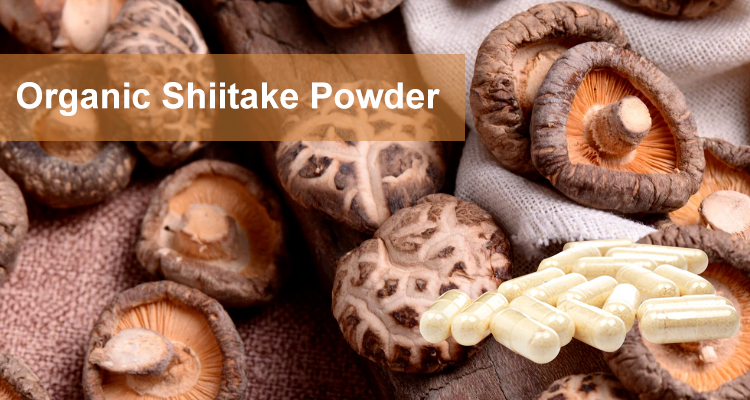

1.jpg)


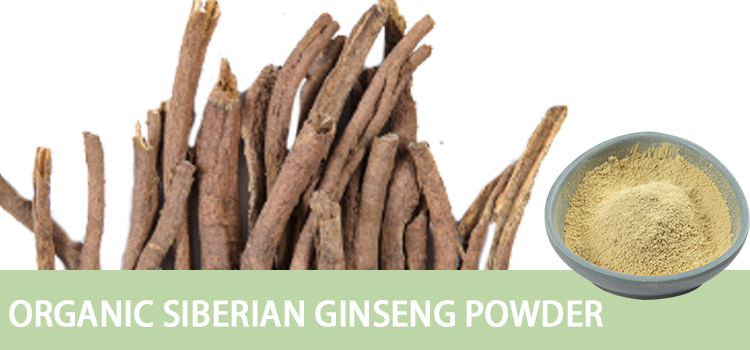
 (I) Improving Exercise Endurance and Optimizing Recovery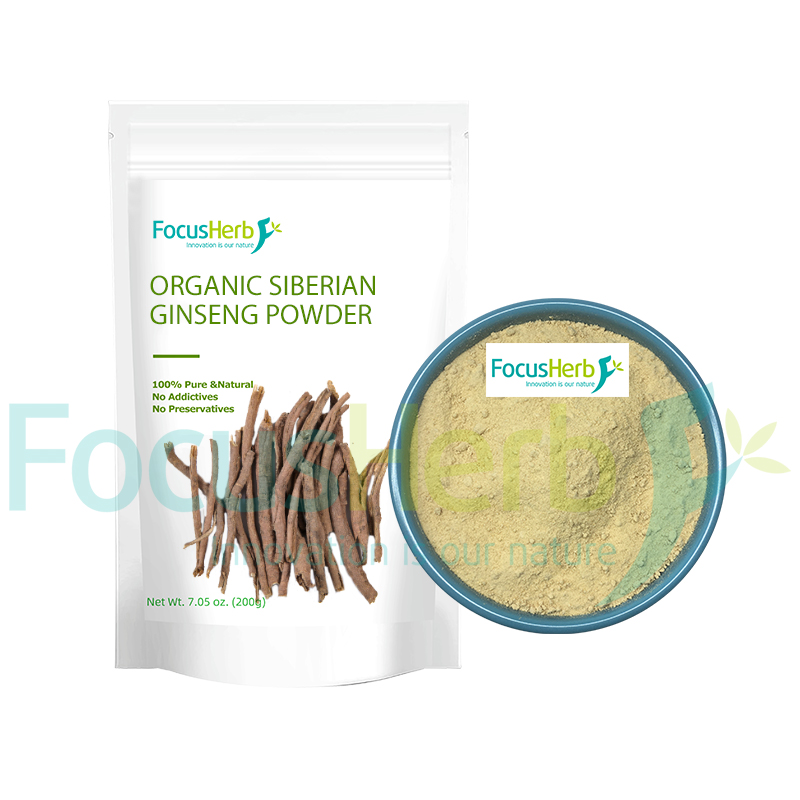



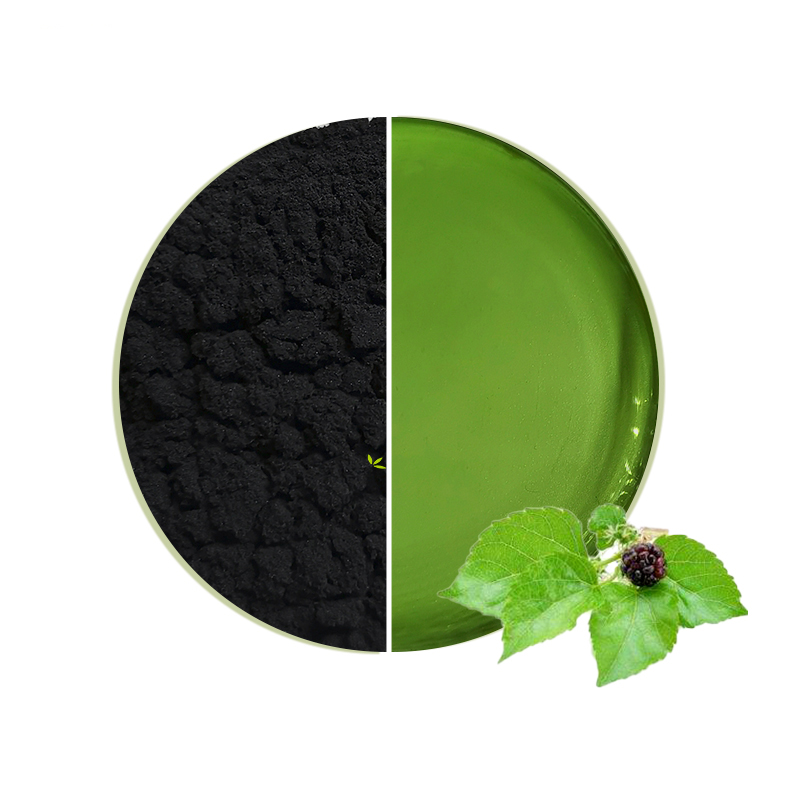

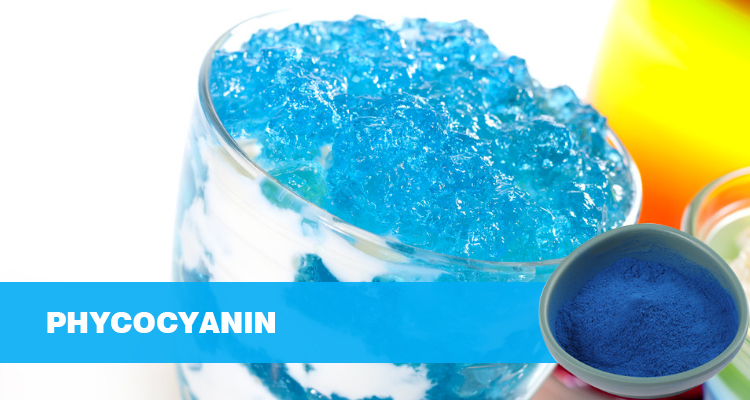 Core Mechanism of Organ Protection: Driven by Dual Antioxidant and Anti-Inflammatory Pathways
 Precise Organ-Targeted Protection
 (II) Cardiovascular System: Precision Maintenance of Circulatory Dynamics
 Challenges and Future: Decoding the Deep Potential of Blue Guardian
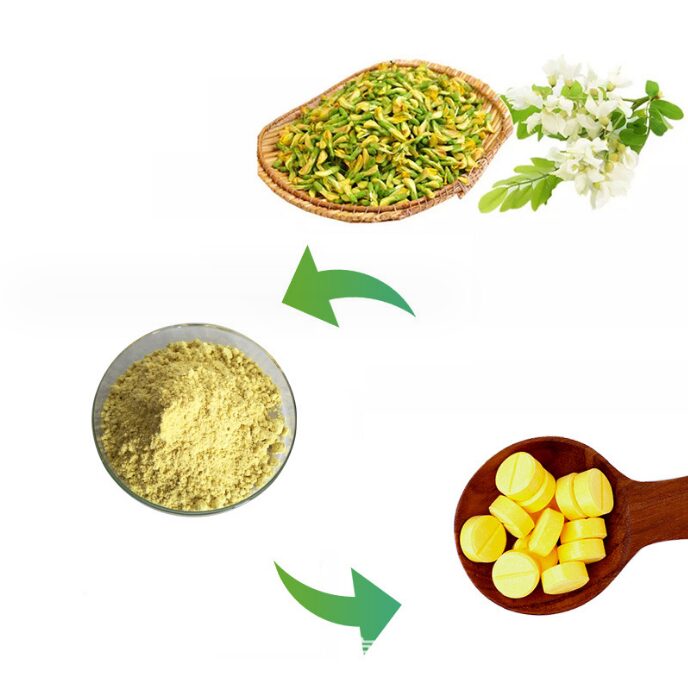

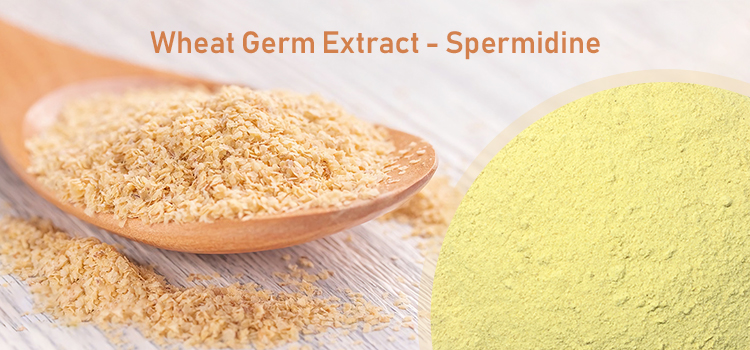
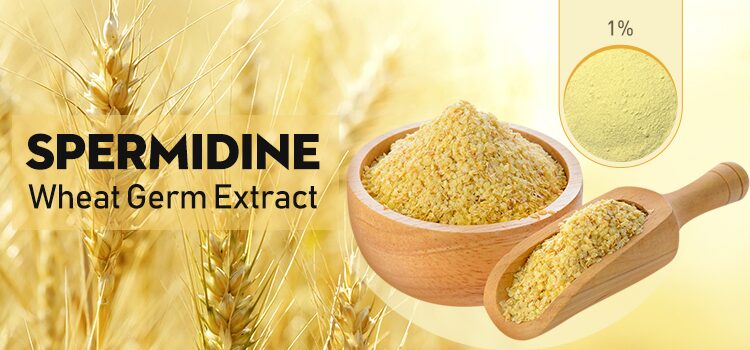
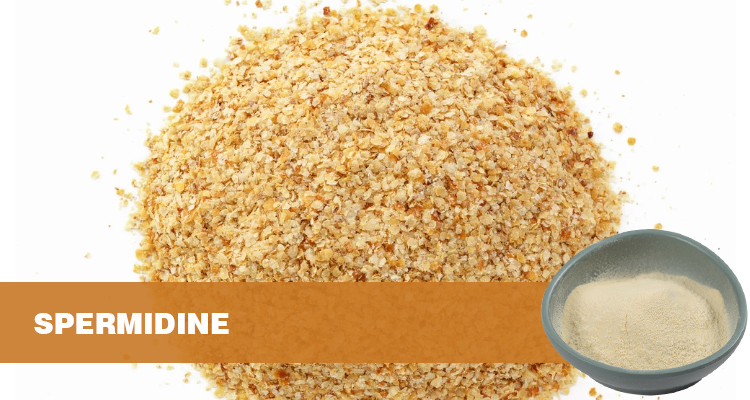

 Dihydroquercetin’s Evidence-Based Anti-Aging Effects: Multi-Dimensional Validation from the Laboratory to the Clinic

 Cutting-Edge Research and Future Outlook