


Devil’s Claw Extract: Benefits, Uses, Side Effects, and More

Devil’s Claw has long been used to help with a variety of ailments and is now available in capsules, tablets, tinctures or tea. Common uses of devil’s claw extract include reducing pain and inflammation and aiding digestion.

In addition to traditional uses, recent research suggests that devil’s claw extract may have a variety of other health benefits, including lowering cholesterol levels, improving heart health, and even aiding in weight loss.

However, like any supplement, devil’s claw extract may have side effects and interact with certain medications. In this blog, we describe the history and efficacy of Leptospira extracts. In addition, its side effects and precautions for use are discussed.

Harpagoside

The Historical and cultural significance of the Devil’s Claw Extract

Devil’s claw extract has a long history of use in traditional African medicine, especially in the Kalahari Desert region of southern Africa, where the plant is native. For centuries, the indigenous San people of the Kalahari Desert have used devil’s claw to treat a variety of health conditions, including arthritis, fever, and digestive problems.

The plant was first introduced to Europe in the early 1900s and quickly became popular for its potential health benefits. Today, devil’s claw extract is widely used as a natural supplement for its anti-inflammatory and pain-relieving properties.

In addition to its medicinal uses, devil’s claw extract has cultural significance in the spiritual and social practices of the San people. The San see plants as sacred symbols of power and strength, which play an important role in their traditional dances and rituals.

The Various Health Benefits of Devil’s Claw Extract

Devil’s claw grass (Harpagophytum procumbent) is a plant native to southern Africa. Its root extract has been traditionally used for its medicinal properties.

Here are some potential health benefits of devil’s claw extract:

Devil’s Claw Extract Harpagoside

Anti-inflammatory

While inflammation is a necessary and natural response to injury and infection, chronic inflammation can be detrimental to health. Various studies have linked chronic inflammation to heart disease, diabetes, and brain disease.

There are also diseases that are directly characterized by inflammation, such as inflammatory bowel disease (IBD), arthritis, and gout. Fortunately, there are natural remedies that can help to reduce inflammation and pain. One such remedy is devil’s claw extract, which has been shown to have anti-inflammatory properties.

Pain Relief

I believe that many people have experienced the pain of low back pain. Studies have shown that devil’s claw contains harpaglucoside, which is an active plant compound. Two clinical studies found that taking 50-100 grams of harpaglucoside per day was more effective in reducing low back pain than no treatment, but more research is needed to confirm these results.

Devil’s claw extract may help reduce pain by blocking certain enzymes in the body that cause inflammation and pain. It may be helpful for people with chronic pain such as fibromyalgia.

Improve Osteoarthritis

Osteoarthritis is a common form of arthritis that affects the joints and occurs when the protective covering (called cartilage) at the end of the bones in the joint wears away. It is characterized by joint pain, stiffness, and decreased mobility.

Devil’s claw extract has been shown to have anti-inflammatory effects by inhibiting the production of inflammatory cytokines and enzymes such as COX-2 and NF-kB. Additionally, it may help reduce the production of matrix metalloproteinases (MMPs), enzymes that cause cartilage breakdown in osteoarthritis.

Devil’s claw extract It has been shown to inhibit the production of substance P, a neuropeptide that plays a role in pain signaling. By reducing the production of substance P, devil’s claw extract may help reduce pain in people with osteoarthritis.

Skin Health

Inflammation is a common underlying factor in many skin conditions, such as acne, eczema, and psoriasis. Devil’s claw extract has been shown to have anti-inflammatory effects by inhibiting the production of inflammatory cytokines and enzymes such as COX-2 and NF-kB.

Devil’s Claw Extract also contains several antioxidants, such as harbacin and procambe, which help protect the skin from oxidative stress caused by UV radiation, pollution, and other environmental stressors.

Additionally, devil’s claw extract has analgesic properties that help relieve pain and discomfort associated with skin conditions such as itching, burning, and stinging.

Devil’s claw extract has anti-inflammatory, antioxidant, and analgesic properties and may have potential benefits for skin health. However, more research is needed to fully understand its effects on the skin and to determine its safety and effectiveness for topical use.

Blood sugar control

Devil’s claw extract may help lower blood sugar levels by inhibiting carbohydrate digestion, activating AMPK, modulating insulin signaling, and reducing oxidative stress and inflammation.

However, more research is needed to fully understand the mechanisms underlying the hypoglycemic effect of devil’s claw extract and to determine its safety and efficacy in people with diabetes.

Does Devil's Claw interact with other drugs?

Does Devil’s Claw interact with other drugs?

Although Devil’s Claw has many benefits, it may interact with certain medications.

Here are some examples of medications that may interact with Devil’s Claw:

Blood thinners: Devil’s claw might increase your risk of bleeding if taken with blood-thinning medications such as warfarin or aspirin.

Diabetes medicines: Devil’s claw might lower blood sugar levels, which may be problematic if taken with medicines that also lower blood sugar levels, such as insulin or oral diabetes medicines.

Blood pressure medicines: Devil’s claw may lower blood pressure, which can be a problem if taken with medicines that also lower blood pressure, such as ACE inhibitors or beta blockers.

Antacids: Devil’s claw may interfere with the absorption of antacids, so it’s best to avoid taking them together.

Immunosuppressants: Devil’s claw might stimulate the immune system and problems may occur if taken with drugs that suppress the immune system (such as corticosteroids or immunosuppressants).

Dosage and Preparation for Devil’s Claw Extract?

The dosage and preparation of Devil’s Claw extract may vary depending on the specific product and supplement form you use. Be sure to follow the dosing directions on the label or as prescribed by your healthcare provider.

Here are some general guidelines for the dosage and preparation of devil’s claw extract:

Capsules or tablets

Capsules or tablets

Devil’s claw extract is usually given in capsule or tablet form, usually in doses of 500 mg to 1000 mg per day. The exact dose may depend on your specific medical condition, age, and other factors. It is best to take devil’s claw extract with food to reduce the risk of an upset stomach.

Tincture

Devil’s claw extract is also available in tincture form, which is an alcohol-based liquid extract. The dosage of the tincture may vary, but the usual recommended dose is 30-60 drops, taken 2 to 3 times a day. Tinctures should be diluted with water or fruit juice before consumption.

Tea

Devil’s claw extract is made into a tea by steeping 1-2 teaspoons of the dried root or extract in a cup of hot water for 10-15 minutes. Magic claw tea can be drunk up to 3 times a day.

Precautions When Using Devil’s Claw Extract

Devil’s claw extract is generally considered safe when taken in proper doses, but some precautions should be taken before using it.

Here are some precautions to keep in mind when using devil’s claw extract:

Allergic reactions: Some people may be allergic to devil’s claw extract, especially those who are sensitive to plants in the same family, such as daisies, ragweed, or calendula. Signs of an allergic reaction may include rash, itching, swelling, trouble breathing, or dizziness. If you experience any of these symptoms, stop using Devil’s Claw extract and seek medical attention.

Pregnancy and breastfeeding: There aren’t enough studies to determine the safety of devil’s claw extract during pregnancy and breastfeeding, so it’s best to avoid its use during these times.

Heart and circulation problems: Devil’s claw has the potential to interfere with heart rate, heartbeat, and blood pressure in individuals with cardiovascular conditions. Therefore, people diagnosed with circulatory problems should obtain medical advice before taking this supplement. Please consult your healthcare provider for more information.

Gallstones: Devil’s claw might increase bile production. For people with gallstones, this can be a problem. Avoid using Demon Claws.

Low sodium levels in the body: People with existing low sodium levels should exercise caution when taking Devil’s claw, as it may cause marked reductions in sodium levels. These effects might exacerbate existing symptoms of sodium deficiency. Therefore, close monitoring and management are recommended for those individuals at risk of hyponatremia.

Peptic ulcer disease: People with peptic ulcers should be cautious when using Demon Claws since it may increase the production of stomach acid, potentially exacerbating their condition. Therefore, people with peptic ulcer disease should avoid using this natural remedy.

Are There Any Side Effects?

When used according to recommended dosages, Devil’s Claw extract is generally safe. However, like any supplement, it may cause some adverse effects in certain individuals.

Potential side effects of Devil’s Claw extract include:

Headaches: Some people may experience headaches while taking devil’s claw extract.

Blood sugar changes: Devil’s claw extract may lower blood sugar levels, so it’s important to monitor your blood sugar levels closely if you have diabetes or are taking medications that lower blood sugar levels.

Diarrhea and indigestion, devil’s claw may also cause allergic skin reactions.

These side effects are relatively rare and most people can take devil’s claw extract without experiencing any side effects. However, if you experience any serious or persistent side effects while taking devil’s claw extract, discontinue use and consult your healthcare provider.

Additionally, it is important to purchase devil’s claw extract from a reputable source to ensure its safety and effectiveness.

Conclusion

Overall, devil’s claw extract may be a natural and effective supplement to consider for those looking to maintain their health. However, more research is needed to fully understand its effects on the body and to determine its safety and effectiveness for long-term use.

As with any supplement or medication, it’s important to consult a healthcare provider before adding devil’s claw extract to your regimen.

To learn more about herbal extracts, don’t hesitate to contact us via email at admin@xafhbio.com or by a phone call at 0086-29-88378803. We’d love to answer any questions you may have and provide further details about our products.

The Many Health Benefits of Kale: A Super Powder

Kale is one of the most nutrient-dense, superfoods available. It is loaded with vitamins, minerals, antioxidants, and phytonutrients that are essential for optimum health. kale is a powerful anti-inflammatory agent and can help to protect against a number of chronic diseases.

Kale is also an excellent source of dietary fiber, which is important for gut health and digestion. kale can be enjoyed in many different ways – as a raw salad, in a smoothie, or cooked as a side dish. kale is also available in powdered form, which is a convenient way to add nutrients to your diet.

In this article, we will explore the many health benefits of kale and why you should consider adding it to your diet.

Kale Powder

What is Kale Powder?

Kale is one of the most nutrient-dense foods on the planet, with a wide range of benefits and extraordinarily little calories per serving. It is unknown when mankind started eating kale, but there’s evidence to show it has been a food staple of different regions around the world for thousands of years – spanning back to ancient Greece cultivating the vegetable in the fourth century B.C.

Like collard greens, cauliflower, broccoli, beansprouts, and cabbage, Kale is a cruciferous vegetable of the Brassicaceae, or mustard family. Taken from the Roman “brassica”, a word used for such kale-like plants and other vegetables like turnips. This family of flowering plants is only mid-sized but plays crucial parts in our ecosystem and economy.

As it is high in nutrition and low in calories, it is known as one of the world’s leading superfoods. Kale has various benefits that span the entire body in many diverse ways. Abundant in vitamins, antioxidants, electrolytes, and minerals, it also brings fiber and protein to the table.

Kale is also known to be a food with great anti-inflammatory properties thanks to its high volumes of Vitamin K, and a single serving also contains about 10% of the daily required omega-3 fatty acids – also noted for being anti-inflammatory.

Nutritional Value

Does Kale Powder have Nutritional Value?

The antioxidants and anti-inflammatory benefits found in kale are known to many, but these are just the beginning of the very long list of nutrients found in this member of the cruciferous vegetable family of vegetables, which also includes Brussels sprouts and cabbage. Kaempferol, quercetin, carotenoids, phytochemicals, and even bile acid sequestrants are all part of what makes kale one of the most nutrient-dense foods on the planet.

All vegetables lose some amount of their nutritional value during any kind of processing or shipping. It takes a tremendous amount of expertise to maintain the nutrition and flavor of fresh vegetables in ready-to-eat ingredients. Dried kale powder is almost as nutritious as fresh kale, it is certainly easier to come by, easier to eat, and can be added to a seemingly unlimited number of dishes.

Dried kale still has high levels of many vitamins and minerals including:

  • vitamin A
  • vitamin K
  • vitamin C
  • vitamin B6
  • manganese
  • calcium
  • copper
  • potassium
  • magnesium
  • Niacin

10 Health Benefits of Kale powder

Supports Heart Health

Kale contains bile acid sequestrants, which can lower cholesterol levels. This might lead to a reduced risk of heart disease over time.

In addition, Kale is rich in vitamin C — one cup of cooked kale has more than 50 percent of the daily requirement. That’ll help lower levels of “bad” LDL cholesterol, which in turn will reduce the risk of heart disease. An analysis of 13 randomized controlled trials found that taking 500 mg of vitamin C a day for at least a month can result in lower LDL cholesterol levels.

Supports Brain Health

Kale is high in a whole bunch of flavonoids. Flavonoids are plant substances that are believed to lower the risk of stroke.

This cruciferous vegetable also contains 6-7% of your recommended daily amount of iron. Iron helps in the formation of hemoglobin, which carries oxygen to cells everywhere in the body, including brain cells.

While kale contains very little fat, what little there is, is in the form of omega-3 fatty acids (alpha-linolenic acid), which are good for memory, cognitive function, and overall brain health.

Cruciferous vegetables like kale also contain sulforaphane, which has anti-inflammatory and antioxidant health benefits, especially after brain injury.

Support immunity and healthy

Kale contains four times the vitamin C content and twice the selenium content of spinach, as well as nutrients like vitamin E and beta-carotene. These are all important for supporting a healthy immune system.

Lower cholesterol

Kale contains substances that bind with bile acids so they don’t get reabsorbed in the bloodstream and turned into cholesterol. Studies have shown that kale can increase HDL (“good”) cholesterol, lower LDL (“bad”) cholesterol, and that steamed kale is nearly as powerful as cholesterol-lowering drugs that perform a similar bile-acid-binding function, says Dr. Stephenson.

Keeps Your Bones Strong

Kale is one of the few vegetables with a decent amount of calcium, but it’s especially high in magnesium. Imagine, one cup contains 40 percent of the RDA which is very important for bone health and to protect against osteoporosis!

Magnesium has a crucial job working with vitamin D to help your bones absorb calcium. In addition, research has shown that vitamin K in kale also contributes to bone health by improving bone density.

Support eye health

Kale and other leafy green vegetables contain substances called lutein and zeaxanthin. Studies suggest that a high dietary intake of lutein and zeaxanthin can significantly lower the risk of age-related macular degeneration (AMRD).

AMRD is one of the common eye disorders that can lead to severe and permanent vision loss.

Also, kale’s high vitamin C, vitamin E, zinc, and beta-carotene content are believed to support eye health. Adding kale to your diet is a great way to get lots of important nutrients for eye health into your body.

Supports Liver Health

Supports Liver Health

Kale is high in iron (around 1 mg in one cup of cooked kale), which is needed to make hemoglobin. Hemoglobin carries oxygen to every cell in the body.

Aside from this, iron is also essential for liver health. Women, in particular, need iron due to the blood loss that occurs with their monthly periods.

Cooking kale in a cast iron pan may increase the iron quantity in your meal even more. Plus, drinking citrus juice with kale increases the body’s ability to absorb iron, given the citrus juice is rich in vitamin C.
Weight Loss

Kale is high in fiber and water, both of which help prevent constipation and promote regularity and a healthy digestive tract. It is very low in calories but still provides significant bulk that should help you feel full. Because of the low calorie and high water content, kale has a low energy density. Eating plenty of foods with a low energy density has been shown to aid weight loss in numerous studies. Kale also contains small amounts of protein and fiber. These are two of the most important nutrients when it comes to losing weight.

The high fiber content increases stool bulk and keeps the “stuff” in the digestive tract moving. In other words, if you add kale to your diet, it can help to keep your bowel movements soft and regular with a reduced risk of constipation.

Antioxidant Antifree Radical

Antioxidants are substances that help counteract oxidative damage by free radicals in the body. The good news is kale has a large quantity of beta-carotene and vitamin C, as well as various flavonoids and polyphenols. These antioxidants have powerful heart-protective, blood pressure-lowering, anti-inflammatory, anti-viral, anti-depressant, and anti-chronic illnesses.

Anti-Inflammatory

Kale has strong anti-inflammatory properties because of its vitamin E content, which reduces inflammation in the body.

Inflammation is at the heart of many chronic conditions like arthritis and inflammatory bowel disease (IBD). Various cancers also develop at sites of inflammation. By eating an anti-inflammatory food like kale, you may reduce your cancer risk.

Why Go for Freeze-Dried Kale Powder?

Conventional dehydration methods often involve exposing vegetables and fruits to air and elevated temperatures for relatively long periods, which can impair their nutritional value. Freeze drying, or lyophilization, by contrast, involves freezing the food and then removing its water content in a vacuum chamber.

Although the machinery needed for freeze-drying can be pretty expensive, many producers of so-called superfood powders have made the investment because, in comparison with air-dried products, freeze-dried products are generally considered superior in terms of flavor, color, and nutrient content.

Plus, freeze-dried vegetables and fruits typically require no preservatives or other additives, so those who are looking to buy pure kale powder that is free of additives, including artificial colorings and preservatives, should definitely first check out the freeze-dried kale powders sold online and health food stores.

Freeze-Dried Kale Powder

TO Sum Up

If you’re looking for a nutritious way to improve your health, kale is a great option. And, at Foucusherb, we can provide you with organic and non-organic kale powder paired with various healthy recipes, please contact us if you need it!

Mushroom extract: The new superfood for anti-aging benefits

Mushrooms are one of the most popular and versatile ingredients in cuisines around the world. They can be used in a dish to add flavor, texture, and nutritional value. But did you know that mushrooms can also be used as a natural remedy for a variety of ailments?

The mushroom extract is a superfood that is loaded with nutrients and antioxidants that can help boost your immune system, fight inflammation, and improve your skin health. In addition, mushroom extract has been shown to have anti-aging properties that can help you look and feel younger.

If you are looking for a natural way to improve your health, then mushrooms may be the answer. Keep reading to learn more about the incredible health benefits of mushroom extract!

What is mushroom extract?

Mushroom extract powder is a concentrated supplement that’s made by first drying the mushrooms and grinding them up. This powder is then cooked in either water or a water/ alcohol mix to extract beneficial compounds (like beta-glucans and triterpenes) and make them more bioavailable.

While some companies bottle the resulting liquid, other manufacturers use a spray dryer to evaporate it, resulting in a concentrated mushroom powder. This is sold in either a loose form which can be used in teas, smoothies or other foods or in capsule form, which you can take like a pill.

Though eating fresh mushrooms is good for you, a concentrated powder form will give you more of the health benefits without having to eat, say, a pound of shiitakes.

the Best Medicinal Mushrooms

What Are the Best Medicinal Mushrooms?

Mushrooms are being marketed as supplements or medicinal mushrooms with claims that they can promote brain and heart health and prevent cancer. There are, however, insufficient clinical trials to support these claims. Although good for health, you must not replace mushrooms with prescribed medicines. Some of the mushrooms considered best for human health include:

Lion’s mane mushroom (scientific name: Hericium erinaceus): It is also called “the mushroom for the mind” because of its role in promoting brain health and nerve function. It contains important compounds such as beta-glucans known for their tumor-protecting, immune-boosting, and brain-protective properties. It may play a role in protecting against diseases such as Parkinson’s and Alzheimer’s.

the mushroom of several colors

Turkey tail mushroom (scientific name: Trametes versicolor and Coriolus versicolor): It is also called “the mushroom of several colors.” It is one of the most popular medicinal mushrooms. It boosts immunity and is said to fight cancer cells. It also promotes gut health.

Shiitake mushroom (scientific name: Lentinula edodes): It is also called “the fragrant mushroom.” It is known for its delicious flavor. It reduces inflammation in the body and boosts liver function, heart health, and immunity.

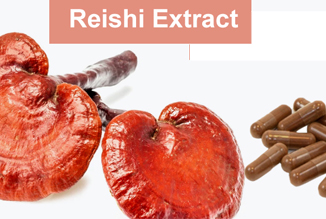
Reishi mushroom (scientific name: Ganoderma lucidum): It is also called “the mushroom for immortality.” It boosts immunity, promotes restful sleep, fights fatigue, and reduces stress.

Inonotus obliquus

Chaga mushroom (scientific name: Inonotus obliquus): It is also called “the king of medicinal mushrooms.” It is not a true mushroom but a mass of mycelia (called sclerotium). This mushroom is rich in various antioxidants. It boosts immunity, brain health, and liver health and may thus increase life span.

Cordyceps mushroom (scientific name: Cordyceps sinensis): It is also called “the caterpillar mushroom.” It is known for its role in increasing energy production inside the cells. It may protect from allergies and boost lung health.

Maitake mushroom (scientific name: Grifola frondose): It is also called “the dancing mushroom.” It is famous for boosting immunity, regulating blood sugar and cholesterol levels, regulating blood pressure, and aiding weight loss.

mushrooms extract

Top 10 health benefits of mushroom extract

Protect brain health

Researchers continue to study the effects of eating mushrooms on mild cognitive impairment (MCI). MCI causes memory and language difficulties and is often a precursor to Alzheimer’s disease.

In a study in Singapore, participants who ate more than two cups of mushrooms a week had a 50% lower risk of developing MCI. Even those who ate only one cup saw some benefit. The mushrooms eaten by participants included golden, oyster, shiitake and white button mushrooms.

Contain immune modulating nutrients

Mushrooms contain active polysaccharides, one of which is a type of soluble fibre called beta-glucan. This compound activates parts of your immune system, including immune cells called natural killer cells and macrophages, and by so doing it increases your body’s ability to fight infection and possibly even stop the growth or progression of tumours.

Mushrooms also contain B vitamins as well as a powerful antioxidant called selenium, which helps support the immune system and prevent damage to cells and tissues.

Promote lower cholesterol

Mushrooms make an excellent substitute for red meat while minimizing calories, fat, and cholesterol. Research shows that shiitake mushrooms, in particular, help to keep cholesterol levels low. They contain compounds that inhibit the production of cholesterol, block cholesterol from being absorbed and lower the overall amount of cholesterol in your blood.

Support a healthy immune system

Support a healthy immune system

Mushrooms contain macronutrients that support a healthy immune system. According to the Mushroom Council, your immune system will benefit from mushrooms whose nutrients include:

Selenium, which helps your body make antioxidant enzymes to prevent cell damage. Choose cremini or portabella mushrooms for the most benefit.

Vitamin D, which assists with cell growth, boosts immune function and reduces inflammation. Maitake mushrooms offer an easy way to add vitamin D to your diet.

Vitamin B6, which helps your body form red blood cells, proteins and DNA. Shiitake mushrooms are the best choice for vitamin B6.

May be beneficial for the management of neurodegenerative conditions

Certain varieties of mushroom are referred to as ‘medicinal’, this is because they are thought to have specific healing properties. Medicinal mushrooms, such as lion’s mane and reishi, are more often taken as a powder or supplement rather than eaten whole. There is some evidence such medicinal mushrooms may be beneficial in the treatment and management of neurodegenerative diseases and potentially for Alzheimer’s.

May be helpful in maintaining heart health

Mushrooms have been shown to have some therapeutic properties which may help lower cholesterol, particularly in overweight adults. They also contribute nutrients and plant compounds that may help prevent cells from sticking to blood vessel walls and forming plaque build-up. This in turn helps protect the heart by maintaining healthy blood pressure and circulation.

Lower sodium intake

Lower sodium intake

Sodium and high blood pressure often go hand in hand. Sodium causes the body to retain excess fluid, which can increase blood pressure. To decrease your sodium intake, consider adding mushrooms to your meals.

Mushrooms are naturally low in sodium – an entire cup of white button mushrooms has just five milligrams of sodium. They offer savory flavor that reduces the need for added salt to keep your blood pressure low. A study from the Culinary Institute of American and UC Davis shows that swapping half of the meat for mushrooms in a traditional ground beef recipe can maintain flavor while reducing sodium intake by 25%.

Decrease the risk of cancer

A review of 17 cancer studies from 1966 to 2020 shows that eating just 18 grams of mushrooms (equal to about a 1/8-cup or two medium mushrooms) a day may lower your risk of cancer by as much as 45%. Mushrooms are a powerful source of ergothioneine, an amino acid and antioxidant that prevents or slows cellular damage.

Some mushroom varieties (such as shiitake, oyster, maitake and king oyster) have higher amounts of ergothioneine. But researchers found that incorporating any variety of mushrooms into your daily diet will lower your risk of cancer.

Slice three mushrooms (or one portabella), expose them to sunlight for at least 15 minutes and enjoy. Eating a little more than one cup of maitake mushrooms achieves the same goal without the need for sun exposure.

Plant source of vitamin D

Mushrooms are one of the few non-animal sources of vitamin D. When they are grown, exposed to ultraviolet (UV) radiation, either from sunlight or a UV lamp, mushrooms increase their concentration of vitamin D. In fact, you can even do this at home by leaving mushrooms out on the counter in direct sunlight for 15-120 minutes; studies suggest this simple act may result in levels of vitamin D2 as high as 10mcg per 100g fresh weight.

May support gut health

Compounds in mushrooms, including beta-glucan, appear to act as prebiotics, fuelling the growth of beneficial gut bacteria and promoting a favorable gut environment. This is important because a healthy gut plays an important role in maintaining our immune defenses, digesting our food as well as communicating with the brain through nerves and hormones.

Risks and Side Effects of Mushroom Extract

Risks and Side Effects of Mushroom Extract

Possible Mushroom Supplement Side Effects

Mushroom supplements have many potential benefits. From nutrients like B vitamins and minerals to a wealth of bioactive compounds, some that are species-specific, mushrooms have a lot to offer. As with any natural product, however, there are a few things you should consider.

Source of Mushroom Supplement Products

Since wild mushrooms are fungi that grow in nature, they may be affected by the environment in which they are grown. Fungi serve as decomposers at the end of the food chain where they break down dead plant and animal material. As bioaccumulators, they may collect and accumulate toxins, heavy metals, and pesticides from their growth environment over time.

In order to ensure the safety and purity of your mushroom supplement product, you must consider the source of the mushrooms. Look for a source of functional mushroom supplements that are cultivated and processed under controlled conditions that eliminate dangerous toxins, heavy metals, and pesticides from their products. This will help protect you from the side effects of these dangerous substances.

Daily Dosage for Optimal Results

Though mushrooms are a natural food product, it is important to know the recommended daily dosage to optimize benefits. Too much of a good thing may cause side effects, while too little may result in a failure to achieve the desired response. Even overeating certain foods may cause temporary side effects, especially digestive upsets.

Mushroom extract supplements show promise in treating a range of conditions, from fighting cancer to reducing inflammation to combating stress. But most of the research performed on mushroom extracts so far has been studied in vitro (using isolated human cells in a petri dish) or in animals. The science is still spotty as to whether these extracts have the same results in humans.

The Dos and Don’ts of Matcha Powder: A Comprehensive Guide

Matcha powder is a type of green tea that is made from the leaves of the Camellia sinensis plant. The leaves are dried and then ground into a fine powder. Matcha powder has a number of different uses, including in tea, smoothies, and baking.

Matcha powder is a popular ingredient in many recipes, but it can be tricky to work with. There are a few things you should know before you start using matcha powder in your cooking.

This guide will teach you the dos and don’ts of matcha powder, including how to buy, store, and prepare it. You’ll also learn how to tell if matcha powder is of good quality, and what the different uses for matcha powder are.

Matcha Powder

What is matcha powder?

To put it simply, matcha is powdered green tea. Okay, it’s a bit more than that, but at the root of it all, that’s what you have. It’s most often recognized as the tea used during chanoyu, or Japanese tea ceremony, and has been referred to as “the espresso of tea” because of its caffeine content.

Now, not just any green tea can be powdered and called matcha. Genuine matcha comes from high-quality shade-grown green tea which is steamed, leaf veins and stems removed, and finely chopped.

In this form, the tea is known as tencha and is ready to be ground into matcha powder. Historically, the tencha would be stone milled; today it is most often ground by machines.

The benefits of matcha powder

Improves skin

Matcha is also rich in antioxidant properties and has firm anti-inflammatory properties which can soothe irritated skin. If you suffer from rosacea, acne, or any skin condition that brings irritation, matcha can lend a cooling hand.

Matcha can bring healing to all skin types and for those with oily skin, the tannins in matcha can help regulate sebum production. This study into the effects of green tea and polyphenols on sebum production and acne showcased that there was indeed some evidence that tea polyphenols could be used to treat acne thanks to their sebum reduction properties.

Protects the liver

Some studies have also shown that matcha may be able to help protect your liver. The liver is one of the most essential organs in the body and keeping it in tip-top shape is super important for our overall health and well-being. The liver is responsible for getting rid of toxins and processing nutrients – a pretty important job right?

The study conducted gave 80 people with fatty liver disease (nonalcoholic) 500mg of green tea extract for 90 days. It gave some of the participants a placebo instead.

At the end of the 12 weeks, those who had taken the green tea extract were found to have fewer liver enzyme levels compared to the placebo group. As it’s these enzymes that show liver damage, it seems the green tea had certainly worked its magic.

Protects the liver

May Help Prevent Cancer

Matcha is rich in catechins, compounds found naturally in the tea that acts as powerful antioxidants. Matcha has 137 times more catechins than green tea.

Matcha is especially high in a type of catechin called epigallocatechin-3-gallate (EGCG), which has anti-cancer properties. Several test tube studies show EGCG’s effectiveness in preventing skin, liver, and lung cancers.5 Since these were test tube studies, more studies need to be conducted in humans to have conclusive evidence for the effects of EGCG.

Lowers cholesterol

We kickstart all the matcha benefits you need with the news that yes, matcha lowers your LDL cholesterol. LDL cholesterol is also known as bad cholesterol and too much of this can lead to heart attacks, strokes, and other serious health issues that you want to be sure to avoid.

Matcha can sweep away that bad cholesterol by upping your HDL cholesterol levels. HDL cholesterol is also called good cholesterol as it knows how to clear out the junk from your arteries.

Research from 14 trials on the effects of cholesterol and green tea (what matcha is made of) showed that sipping green tea beverages resulted in significant reductions when it came to LDL concentrations in the body. That’s something worth sipping about.

Helps weight loss

Can you lose weight with matcha? Matcha contains EGCg (epigallocatechin gallate), which increases CCK (cholecystokinin), the hormone responsible for making you feel full* (12). Drinking matcha between meals will help you feel full and resist those sneaky snacks that are full of calories.

High in antioxidants

As mentioned, matcha tea comes chock full of antioxidants and holds ten times the amount of normal green tea. Yep, matcha tea is the winner of all superfoods as it comes out on top as having the highest antioxidant rating of all consumables out there.

The ORAC (Oxygen Radical Absorption Capacity) test found that matcha measured in at a staggering 1384 units per gram. This is 125 times higher levels of antioxidants than spinach. Also, matcha has a huge amount of EGCG (epigallocatechin gallate) which is great news for those who want to reduce inflammation, fight free radicals, and prevent a whole host of chronic diseases.

This study from Consumer Lab found that brewed matcha tea contained more catechins per gram than the usual brewed green tea. Considering green tea has high numbers of 25-86 mg per serving, you are sure to be stuffing yourself full of goodness with every single sip.

Promotes Heart Health

Studies show that drinking matcha may be cardioprotective and prevent heart disease. One review found that drinking matcha has a positive effect on cholesterol levels, reducing total, LDL, or “bad” cholesterol, and triglycerides.

In combination with a healthy diet and exercise, matcha may help keep your heart healthy.

The dos of matcha powder

Promotes Heart Health

How much matcha green tea do we recommend per day?

At PureChimp we recommend you consume 1-2 servings a day of matcha green tea  (based on 1g servings/around 1/2 a level teaspoon).

BUT WHY?

We think 1-2 cups of matcha is more than enough to keep you looking youthful for many years to come.

We advise no more than 5 cups of matcha tea a day to keep within the NHS-recommended daily caffeine limits, but realistically you only need 1-2 servings a day to get all the benefits.

PureChimp Matcha Tea contains 32mg of caffeine per serving.

EGCG

We also recommend avoiding green tea supplements, as they can contain 200mg-500mg of EGCG per tablet. There is potential for liver damage at 800mg+ per day. Our matcha tea contains 59mg EGCG per 1g serving.

It is best to be safe and stick to regular green tea & matcha tea. They are both natural and as nature intended.

GO WITH THE MAJORITY!

The majority of people tend to consume 1-2 servings of matcha a day, which is the equivalent of around 10-20 cups of regular green tea.

Many of the studies done on the effects of green tea are based on pretty high levels of the stuff – from about 5 to 10 cups daily. This makes a daily dose of matcha the perfect drink for people looking to improve their health.

What time of the day should I drink matcha?

We recommend that matcha is consumed in the morning and early afternoon, due to the caffeine content.

The don’ts of matcha powder

First, you need a bowl (chawan), whisk (chasen), and a small spoon, usually a bamboo scoop (chashaku).

Place a small amount, about 2 – 4 gms of Matcha into the bowl.  If the Matcha is clumpy, add it through a fine sieve (strainer or colander).

Add about 2 ounces of hot, (not boiling) water and whisk it to remove all the clumps and achieve a uniform consistency. Make sure no tea remains along the side of the bowl. The result is a frothy liquid which is then enjoyed right out of the bowl.

If you do not possess a Matcha bowl or appropriate accouterments, you can still enjoy Matcha.  Just place your Matcha in a cup or mug, add a small amount of water and make it into a paste using a spoon.  Add more water, and keep stirring until the Matcha is completely dissolved.  Typical measurements would be 1 teaspoon of Matcha to about 6 ounces of water.

Recipes using matcha powder

Store it in an airtight container in a cool, dark place.  Matcha can be refrigerated. Drink it up as it’s not one of those items that get better with time.  Use it when it is vibrant and green. Expose it minimally to light, air, and heat as these will degrade the quality of Matcha.  Unopened, Matcha has a one-year shelf life.  Once opened, optimally use within 6 – 12 weeks.

Recipes using matcha powder

Matcha Granola with Blueberries

On its own, matcha can have an intense, sometimes bitter taste. In this green granola recipe, roasted nuts and juicy blueberries do wonders to tone down its strong green flavor. Plus, serve it up for breakfast and you’ll get that much-needed a.m. caffeine boost.

Matcha Granola with Blueberries

Chocolate Matcha Butter Cups

Move over, peanut butter cups. Coconut butter and matcha powder combine with a bit of almond flour to create the drool-worthy soft yet slightly chewy center in this rich morsel. Don’t skip out on the matcha-sea salt topping!

Chocolate Matcha Butter Cups

Healthy Matcha Green Tea Coconut Fudge

Healthy fudge? Now we’ve seen everything. A combination of cottage cheese and psyllium husk gives this treat a healthy dose of protein and fiber. Coconut butter lends a luscious texture, while shredded coconut, matcha powder, and stevia create a subtly sweet flavor.

Healthy Matcha Green Tea Coconut Fudge

Vanilla Matcha Protein Smoothie

Matcha is the ideal addition to a pre-workout shake thanks to its mellow caffeine boost and ability to promote “calm alertness.” This mix has a subtle green tea flavor that’s complemented by the addition of a vanilla bean.

Vanilla Matcha Protein Smoothie

In conclusion

Matcha is rich in antioxidants and offers many potential health benefits. When matcha powder is used for green tea, there can be positive effects on cholesterol, blood pressure, and brain function.

Because of matcha’s caffeine content and potential to interact with medications, talk to your healthcare provider about whether this form of green tea is a good fit for your personal health goals.

Does Pomegranate Extract Really Work? The Wonders of Pomegranate Extract

One of the most common questions we get asked is: does pomegranate extract really work? Pomegranate extract is becoming increasingly popular as a dietary supplement, but there is still some skepticism about its efficacy. In this article, we will take a closer look at the science behind pomegranate extract and its potential health benefits.

Pomegranate extract is rich in antioxidants, which are substances that scavenge harmful toxins and byproducts in the body. These toxins can damage cells, leading to inflammation. Inflammation is a normal part of the body’s immune response, but chronic inflammation can contribute to a number of diseases, including cancer.

Pomegranate Extract

Pomegranate extract has also been shown to be effective in treating erectile dysfunction and can improve blood flow to the brain.

So, does pomegranate extract really work? The evidence suggests that it does, and it may even offer some benefits that we haven’t even discovered yet.

What is pomegranate extract?

Pomegranate trees are native to Iran and the Himalayas, and the fruit has extended historical usage throughout the Mediterranean. The fruit has served medicinal purposes for thousands of years.

Ancient writings show the pomegranate as a sacred fruit that promotes abundance, fertility, and luck. Pomegranate is also a common ingredient in traditional Indian Ayurvedic medicine in many of their different remedies.

They’re rich in vitamins and antioxidants that reduce inflammation and potentially prevent cancer cells from developing. They may also help stop harmful fats from building up in arteries and may even lower blood pressure.

Pomegranate extract has all the benefits of the whole fruit condensed into a fine powder. Many extracts come from the seeds of the fruit, although the exact composition of the extract can vary. Because it’s in concentrated form, you’ll need a lot less of it to obtain all the health benefits.

Pomegranate Juice

Pomegranate Juice vs. Pomegranate Extract

Pomegranate extract benefits

 Pomegranate extract, derived both from the seed and peel, may be consumed as a dietary supplement and has been shown to have a number of potential health benefits. Pomegranate peel extract is rich in polyphenols, as the peel contains 10.4%–21.3% tannins. Pomegranate seeds are about 18% oil, and pomegranate seed oil may be consumed.

Pomegranate extract has been shown to be anti-inflammatory, mainly due to the ellagitannins and ellagic acid it contains.

Research also points to the numerous benefits of all of the different polyphenol compounds in pomegranate peel extract. These compounds include ellagic acid, which has lots of functions in the body, including Anti-oxidation Anti-tumor, Anti-inflammatory, Neuroprotection, Anti-viral, and anti-bacterial.

Several studies have shown that pomegranate juice extract can improve endometrial function and structure in patients with polycystic ovary syndrome and for the prevention or treatment of prostate cancer, erectile dysfunction, and benign prostatic hyperplasia.

Pomegranate Juice health benefits

Among the benefits of pomegranate juice is its antioxidative nature. Antioxidants play a role in the prevention of chronic disease. Pomegranate juice contains punicalagin, a substance that makes up part of the polyphenol family ellagitannins and accounts for more than half of the antioxidant activity of pomegranate juice.

Pomegranate juice also has been shown to have antimicrobial properties. It has demonstrated both antibacterial and antiviral activities,  Pomegranate juice holds promise in terms of the prevention and treatment of infection.

Pomegranate Juice health benefits

There are also anti-inflammatory properties of pomegranate juice. Some studies have shown that pomegranate juice can be used as an anti-inflammatory agent to treat chronic inflammatory diseases such as cardiovascular disorders. Additional studies in humans with larger samples are needed to further understand the benefits.

Some studies have focused on particular diseases such as type 2 diabetes. One such study showed that the consumption of pomegranate juice helped with the control of blood glucose levels. Another study on diabetics did not show benefits for blood glucose but did demonstrate anti-inflammatory effects.

Health and Nutritional Benefits

Anti-inflammatory Actions

Natural pomegranate compounds, especially those called flavonols, might reduce inflammation, which is at least partially responsible for several disorders, including osteoarthritis and other inflammatory conditions.

A laboratory study published in the February 2006 issue of “The Journal of Agricultural and Food Chemistry” found that compounds in pomegranate juice can block several steps in the cellular responses that lead to inflammation.

Another study in the September 2005 issue of “The Journal of Nutrition” found that pomegranate extract might help prevent or improve osteoarthritis by inhibiting enzymes involved in inflammation and eventual degradation of cartilage. These findings from laboratory studies are promising but still need confirmation in clinical trials with human subjects.

Offer heart health benefits

There is evidence that fruits rich in polyphenolic compounds, such as pomegranate, may benefit heart health

Test-tube studies have found that pomegranate extract may reduce oxidative stress and inflammation in the arteries, lower blood pressure, and help fight atherosclerosis — plaque buildup in the arteries that can lead to heart attacks and strokes.

In one human study, people with heart disease were given 1 cup (220 mL) of pomegranate juice daily for 5 days. The juice significantly reduced the frequency and severity of chest pain, as well as certain biomarkers in the blood that suggest a protective effect on heart health.

offer heart health benefits

Helps Prevent Atherosclerosis

Atherosclerosis involves the buildup of fatty material in the arteries, which can cause life-threatening diseases.

Pomegranates contain many potent antioxidants that protect cholesterol from oxidation. This feature helps to diminish fatty buildup in the arteries. Pomegranate antioxidants also increase the activity of a molecule called PON1, which breaks down harmful fats and plaques in the arteries.

Studies have shown that pomegranate juice reduces triglyceride levels, which may help prevent fatty deposits in arteries. Additional studies have confirmed the role that pomegranate antioxidants play in preventing the oxidation of cholesterol, which deters plaque formation.

Mproves Cognition and Memory

Animal studies have shown that a compound in pomegranates called polyphenol may benefit cognition and memory, including Alzheimer’s disease.

A study investigated the long-term effect of pomegranate juice on the memory of middle-aged and older adults. Over 12 months, the results showed that daily consumption of the fruit juice stabilized their ability to learn visual information.

Another study determined through a battery of tests that middle-aged and older adults who drank 8 ounces of pomegranate juice a day improved their memory performance. The extensive research acknowledged the polyphenol components enhanced cerebral blood flow.

These studies indicate that pomegranates could give your central nervous system a healthy boost.

Anti-Cancer

Research shows how high doses of pomegranate juice may help fight prostate cancer. Some studies insist that it may help prevent the growth of breast cancer cells.  This research is still in its early stages, so more studies are necessary to substantiate these findings.

Benefits the Skin

Research shows the high polyphenolic concentrations in pomegranate extract help reduce the effects of ultraviolet radiation such as sunburns, edema, skin cancer, and more in numerous in vivo and in vitro studies.

Another study performed on 74 women, ages 30 – 45 years, over 12 weeks show orally taking the pomegranate extract enhanced their skin protection against ultraviolet radiation damage.

A study performed on 36 non-smoking, healthy women, ages 40 – 75, received a unique nutritional and phytonutrient blend that included pomegranate extract. After eight weeks, evidence showed a reduction in skin damage.

The results were improvements in facial skin, elasticity, water loss, radiance, texture, and overall appearance. Such a study shows that supplementing with the proper nutrients and pomegranate extract is a definite boost to your body’s aging defense mechanisms.

Benefits the Skin

Side Effects of Pomegranate Extract

Allergic Reaction

Allergic reactions are the most common side effect. If you experience any swelling, itchiness, runny nose, or difficulty breathing, stop taking the supplement and seek medical attention immediately. Most allergic reactions will be reasonably mild, but contact your doctor if you have trouble breathing or if the swelling doesn’t subside.

Low Blood Pressure

Because pomegranate extract may help lower your blood pressure, it can sometimes cause blood pressure to go too low. If your blood pressure drops while taking pomegranate extract, reduce the dosage or discontinue the supplement. Consult with your doctor before you resume.

 Itching

In addition to an immediate allergic reaction, pomegranate extract can cause itching that persists over time. If you notice that your skin becomes itchy after you take the extract, stop taking it and see if the itching decreases. If it doesn’t, speak to a doctor.

Prescription Medication Interference

Studies show how pomegranates might interfere with certain prescription medications. They conflict by inhibiting molecules that break down the medicine. Without these molecules, the level of the medication in your body may escalate.

If you are taking a prescription medication and plan on supplementing with pomegranate extract, speak to a doctor and ask about any possible drug interactions.

Where to Buy Pomegranate Extract Powder?

You can buy pomegranate extract powder on the Focusherb website. Focusherb is a supplier of innovative botanical extracts.

Focusherb is a reliable global plant extracts and botanical extracts supplier, committed to providing quality ingredients and solutions to customers in the nutraceutical, nutraceutical, cosmetic and pharmaceutical industries.

If you have any questions or requests, feel free to contact us at admin@xafhbio.com or submit a request on the Contact Us page. We’d love to help you.

Dosage for Pomegranate Extract

If you’re planning on taking pomegranate extract, you may wonder what dose you should take. It depends on the reason for taking the supplement.

A good deal of the research conducted on pomegranates uses pomegranate juice. And within these studies, you’ll find a lot of different doses used. If you plan to use pomegranate extract, the recommended dosage is 750 mg, similar to a few glasses of pomegranate juice.

Most people will tolerate a wide range of different doses of pomegranate extract. When you begin supplementing, consider taking a lower amount and seeing how your body responds. If you don’t have any side effects, increase your dose. Then, you can gradually increase your dosage over a couple of weeks.

You can take pomegranate extract alone, but many consumers prefer to take it with food, such as a smoothie. Some people even use the powder in their cooking such as salad dressings, fruit salads, cold pasta dishes, and vegetable casseroles.

Cordyceps Extract: The Miraculous Medical Mushroom

Mushrooms have been used for their medicinal properties for centuries. In traditional Chinese medicine, they are prized for their ability to boost energy and vitality. More recently, science has begun to unlock the secrets of these fungi, and the results are nothing short of miraculous.

Cordyceps extract is one of the most promising medicinal mushrooms out there. This unique fungus has a wide range of potential health benefits, from reducing inflammation to boosting cognitive function.

In this article, we’ll take a closer look at cordyceps extract and its many potential benefits. We’ll also explain how to take this supplement and what to look for when purchasing it.

What is cordyceps extract?

Cordyceps is a fungus that lives on certain caterpillars in the high mountain regions of China.

Cordyceps is used to treat coughs, chronic bronchitis, respiratory disorders, kidney disorders, nighttime urination, male sexual problems, anemia, irregular heartbeat, high cholesterol, liver disorders, dizziness, weakness, ringing in the ears, unwanted weight loss, and opium addiction.

It is also used for strengthening the immune system, improving athletic performance, reducing the effects of aging, promoting longer life, and improving liver function in people with hepatitis B.

Cordyceps extract is the water or alcohol extract of the famous Chinese medicine Cordyceps Sinensis. The main active ingredients are nucleoside compounds and polysaccharides, which have anti-inflammatory, anti-tumor, and immune-enhancing effects. It can be used for beauty and moisturizing, anti-wrinkle and whitening, anti-aging, fitness and disease prevention, etc.

cordyceps extract

The Commercial Cordyceps: Sinensis & Militaris

There are two types of Cordyceps mushrooms that you can buy: Cordyceps Sinensis and Cordyceps militaris.

We give a brief overview of the differences between the two below. However, we encourage you to read our article, Cordyceps Sinensis vs Militaris: What’s the Best Cordyceps Supplement? for a better understanding of each type. The article explains which of these two varieties is preferable over the other when it comes to supplementing with this mushroom.

Wild Cordyceps Sinensis – The Caterpillar Fungus

The most well-known species of Cordyceps mushrooms is Cordyceps Sinensis (now known officially as Ophiocordyceps Sinensis), which infects the caterpillar of the Hepialus moth. It mainly grows at high elevations in Tibet and the Chinese provinces of Sichuan, Yunnan, Qinghai, and Gansu. It can also be found in India, Nepal, and Bhutan, but is less abundant there.

In Tibet, it is known as Yarsagumba or yartsa gunbu and in China, it is known as Dōnɡ Chónɡ Xià Cǎo, which translates to summer grass, winter worm.

Wild Cordyceps sinensis

Wild Cordyceps Sinensis is very rare as it grows in a few regions in the world and on the caterpillar of one very specific moth. This accounts for its hefty price tag.

Wild Cordyceps Sinensis (shown above) is not in 99.9% of Cordyceps supplements because of its exceptionally high price tag. In fact, wild Cordyceps Sinensis costs over $20,000 per kilogram, making it the most expensive mushroom in the world. It is almost exclusively sold in Asia and rarely makes it into the North American market.

The high price tag of Cordyceps Sinensis mushrooms (including the caterpillar) is due to the fact that for many years, Chinese scientists have been unable to cultivate this mushroom. This has fueled increased demand for a set supply of wild Cordyceps Sinensis. Recently Chinese scientists figured out how to cultivate this mushroom, but it is not at a production scale yet to make an impact on wild Cordyceps Sinensis prices.

So, don’t expect to readily (or affordably) be able to get your hands on this pricey mushroom.

Cordyceps Militaris – The Cultivated Alternative

There is currently one type of Cordyceps species that can be commercially cultivated at scale to produce a mushroom (fruiting body), and it is becoming quite popular for use in supplements. This is Cordyceps militaris.

Cordyceps militaris is known as Scarlet Club Fungus, or Caterpillar Killer in the U.S. It is the Cordyceps species that can grow on the largest variety of insects and can be found widely in North America and Asia. They are commonly found in the mountains, and in bogs.

This Cordyceps variety can be commercially cultivated at scale rather easily. By using Cordyceps militaris, for the first time, true Cordyceps mushroom extracts can be made.

Cordyceps Militaris

Cordyceps militaris

The militaris species of Cordyceps can be cultivated, making it possible and affordable to bring Cordyceps supplements to a wide market.

What nutrients do cordyceps provide?

In Cordyceps, there occurs a wide range of nutritionally important components including various types of essential amino acids, vitamins like B1, B2, B12, and K, different kinds of carbohydrates such as monosaccharides, oligosaccharides, and various medicinally important polysaccharides, proteins, sterols, nucleosides, and other trace elements  In the fruiting body and in the corpus of C. militaris, the reported total free amino acid content is 69.32 and 14.03 mg/g, respectively.

The fruiting body harbors many abundant amino acids such as lysine, glutamic acid, proline, and threonine as well. The fruiting body is also rich in unsaturated fatty acids (e.g., linoleic acid), which comprise about 70 % of the total fatty acids.

Health Benefits of Cordyceps Mushrooms

Cordiceps Can Improve Physical Performance

In one study scientists tested the effects of Cordyceps on physical performance. Researchers found that the group given most of the products containing Cordyceps experienced improved lactate clearance due to improved lactate energy metabolism within the cell.

Hence the authors concluded that using this C. Sinensis formulation would enhance lactate clearance and allow athletes greater anaerobic physical performance.

Another study (2017) found that acute supplementation with a Cordyceps militaris containing mushroom blend may improve tolerance to high-intensity exercise, and greater benefits may be elicited with consistent chronic supplementation.

Studies have shown that taking Cordyceps improves physical performance and tolerance to high-intensity exercise. However, according to some recent studies, consuming Cordyceps or a combination of roseroot and Cordyceps does not improve physical durability in trained male cyclists.

Cordyceps Mushrooms

Cordiceps Has an Anti-Aging Effect

 It is believed, that Cordyceps Sinensis is an anti-aging traditional Chinese herb, and now scientists have proved it to be the truth. One study made on mice, demonstrated, that mice who received Cs-4 (C. Sinensis) lived several months longer than mice who received a placebo.

In conclusion, researchers found that Cs-4 reverses age-related changes in gene expression (GE) and extends the lifespan of mice, supporting the traditional belief that Cs-4 conveys anti-aging benefits to humans.

Also, several other studies done on mice have demonstrated that Cordyceps can improve brain function and antioxidative enzyme activity in mice with d-galactose-induced senescence and promote sexual function in castrated rats. All these studies indicate that Cordyceps may have an antiaging effect.

Another study found that C. Sinensis oral liquid (CSOL) prolongs the lifespan of the fruit fly, Drosophila melanogaster, by inhibiting oxidative stress. So CSOL may thus be explored as a novel agent for slowing the human aging process.

According to experiments done on mice – Cordyceps has an anti-aging effect.

Cordyceps Can Help to Control Type 2 Diabetes

Diabetes is a disease in which the body either does not produce insulin or is resistant to it. Insulin is a hormone that transmits glucose to the cells where it is converted into energy.

When your body does not produce enough insulin or the body develops resistance to it, glucose cannot enter the cells and will remain in the blood. Over time, excess blood glucose can lead to serious health problems. Therefore, diabetics should monitor their blood glucose levels.

Several experiments in diabetic mice have shown promising results.

For example, the results of one study revealed that the fruiting body of Cordyceps attenuated the diabetes-induced weight loss, polydipsia, and hyperglycemia, and these improvements suggest that the fruiting body of Cordyceps may be prospective to be a useful food for diabetes.

In an other study, Cordyceps showed antinephritic and antidiabetic action in diabetic rats.

Finally, the results of the third study demonstrated that Cordyceps (Cm) increased insulin sensitivity and decreased blood glucose levels without changes in body weight. These results indicated that Cm possesses strong anticholesterolic, hypoglycemic and antihypertriglyceridemic activity and may be an economical alternative for Diabetes care.

Cordyceps

Possible Benefits for Heart Health

As research emerges on the effects of Cordyceps on heart health, the benefits of the fungi are becoming increasingly apparent.

In fact, Cordyceps is approved in China for the treatment of arrhythmia, a condition in which the heartbeat is too slow, too fast, or irregular.

A study found that Cordyceps significantly reduced heart injuries in rats with chronic kidney disease. Injuries to the heart from chronic kidney disease are thought to increase the risk of heart failure, so reducing these injuries may help avoid this outcome.

The researchers attributed these findings to the adenosine content of Cordyceps. Adenosine is a naturally occurring compound that has heart-protective effects.

Cordyceps may also have a beneficial effect on cholesterol levels.

Animal research has shown that Cordyceps decrease “bad” LDL cholesterol.

LDL can raise your risk of heart disease by leading to the buildup of cholesterol in your arteries.

Similarly, Cordyceps has been shown to decrease triglyceride levels in mice.

Triglycerides are a type of fat found in your blood. High levels are linked to a greater risk of heart disease.

Cordyceps Can Help Against Inflammation

Although inflammation can sometimes be good, excessive inflammation can cause diseases such as heart disease and cancer. Studies have found that Cordyceps Sinensis is an immunomodulatory agent and that immunosuppressive ingredients are contained in C. Sinensis.

Researchers also propose that the C. pruinosa extract represses inflammation because it suppresses NF-kappaB-dependent inflammatory gene expression. This means that C. pruinosa may be useful in treating endotoxin shock or sepsis.

Cordyceps also demonstrated topical anti-inflammatory action in croton oil-induced ear edema in mice. In brief, this study demonstrated that C. militaris possesses anti-inflammatory and antinociceptive activities. Also a related to antioxidant, anti-angiogenic, and NO production-inhibitory activities.

The results of one study demonstrated that Cordyceps suppresses the production and expression of:

  • NO, iNOS (mediators of inflammation),
  • and pro-inflammatory cytokines, which may play an important role in inflammation.

These findings suggest that Cordyceps has modulatory effects on the inflammatory system in macrophages and that it can serve as a useful anti-inflammatory dietary supplement or drug.

how long does cordyceps extract last?

since most of the beneficial substances in cordyceps, including cordycepin, are water-soluble, you may notice the effects of this fungus almost immediately.

Your body will absorb the water-soluble substances in cordyceps within 24-48 hours. Lipid-soluble substances in this fungus will take 2-4 days to fully absorb.

The water-soluble substances in cordyceps will only remain in your body for around 24 hours after they are fully absorbed. Any lipid-soluble substances in this fungus, however, will remain in your body for at least 3-5 days after absorption.

Tips on Supplementing with Cordyceps

Cordyceps Sinensis is difficult to harvest and carries a price tag of more than $9,000 USD per pound (32Trusted Source).

For this reason, the majority of Cordyceps supplements contain a synthetically grown version called Cordyceps CS-4.

To ensure you buy high-quality Cordyceps supplements, look for brands that carry the United States Pharmacopeia (USP) or NSF International (NSF) seal (45Trusted Source).

These are third-party organizations that ensure supplements contain the ingredients listed on the label, without impurities.

FocusHerb simplifies usage by offering encapsulated organic cordyceps extract capsules, and we also offer organic cordyceps mushroom extract powder in sachets so the extract can be easily incorporated into healthy recipes. Once you discover the joy of taking our Cordyceps powder, its uses in smoothies, stews, coffee, stir-fries, and other foods and beverages are endless.

FocusHerb offers quality cordyceps mushroom supplements in a variety of formats. It can be easily stirred into your morning latte or your post-workout smoothie.

Alternatively, capsules containing the same high-quality powder can be swallowed as a quick and convenient way to get your daily dose. If you’re looking to take advantage of the benefits of functional mushroom products, shop now or subscribe to save!

The Truth About Monk Fruit Sweeteners: Pros, Cons, And Everything In Between

what is a monk fruit extract?

Monk fruit sweeteners are a popular alternative to sugar, but are they actually healthy? In this article, we’ll give you the facts on monk fruit sweeteners, including the pros and cons, so that you can make an informed decision about whether or not they’re right for you.

What is monk fruit?

Hailing from Southeast Asia, monk fruit, also known as luo han guo, gets its name from Buddhist monks who were the first to cultivate it back in the 13th century. This melon-like fruit, which is oddly closely related to its cousin the cucumber, is picky about where it grows, so it may be why you don’t see it in your local produce aisle.

The health benefits of monk fruit have long been well-known in traditional Chinese medicine, but its popularity has been growing in the U.S.

Today, it is popular as a natural sweetener and can often be found in the baking aisle, sitting next to bags of sugar and other natural and artificial sweeteners. According to the U.S. Food & Drug Administration (FDA), monk fruit extract can taste up to 200 times sweeter than table sugar—thanks to chemical compounds called mogrosides, which give the fruit its characteristic sweetness.

luo han guo

What are the benefits of monk fruit?

Effect on weight management

Monk fruit sweetener has been claimed to aid weight loss.

Since it contains zero calories, many people suggest that it can reduce your total calorie intake. Nevertheless, it’s relatively new to the market, and no studies have assessed its effects on weight.

However, studies on other low-calorie sweeteners indicate that they may lead to modest reductions in body weight.

Studies report that replacing regular-calorie sweeteners with low-calorie versions can result in modest weight loss of less than 2 pounds (0.9 kg).

One review found that people who consumed low-calorie sweeteners and drinks also tended to consume less added fat, sugar, alcohol, and other sources of empty calories.

In another study, people who used stevia or aspartame rather than sucrose ate fewer calories without reporting any differences in hunger levels.

Effect on weight management

Antioxidant effects

Mogroside extracts have antioxidant and anti-inflammatory properties, as they inhibit certain harmful molecules and help prevent damage to your DNA.

That said, no human studies have confirmed these benefits.

Anticancer properties

Animal and test-tube research suggest that monk fruit extract inhibits cancer cell growth. Still, the mechanisms are unclear.

One study found that the mogrosides suppressed leukemia cell growth. Another noted powerful inhibitory effect on skin tumors in mice.

Anti-diabetes properties

Since monk fruit sweetener has zero calories or carbs, it will not raise blood sugar levels. Therefore, it may be a good option for people with diabetes.

Studies in mice with diabetes suggest that monk fruit extract may even reduce blood sugar levels. Mice given the extract experienced lower oxidative stress and blood sugar levels, as well as increased HDL (good) cholesterol.

Some of these benefits may be explained by the Moorside’s ability to stimulate insulin secretion in insulin cells.

However, as this extract is often mixed with other sweeteners, you should carefully examine product labels before making a purchase.

What are the disadvantages of monk fruit?

Along with the many benefits, there are some drawbacks too, which include:

Raw monk fruit is hard to find

It’s almost impossible to find unless you live in a region in which it is grown.

Some monk fruit sweeteners are processed

“Monk fruit is often combined with other sweeteners, such as added sugars and molasses, making them no longer calorie-free,” Amaral said. “It can also be combined with another popular sugar alcohol known as erythritol, which has been known to cause some people GI distress.”

Sweetening food and drinks can encourage sugar cravings

There is some research that suggests that sweetened food and drinks can intensify sugar cravings.

Avoid if you have a gourd allergy

As mentioned earlier, monk fruit is closely related to cucumbers, which are a part of the gourd family. Your risk of a monk fruit allergy is higher if you are already allergic to other gourds like pumpkin, squash, or melon.

Are monk fruit sweeteners safe?

monk fruit sweeteners

Monk fruit received the “generally recognized as safe” (GRAS) designation from the U.S. Food and Drug Administration. It also has no reported side effects.

But use monk fruit — or any sweetener — in moderate amounts. Just because it’s GRAS doesn’t mean you should consume lots of it every day, notes Dr. Liberatore.

“Monk fruit is a good option for lowering sugar intake,” he says. “But instead of consuming lots of zero-calorie sweeteners, focus on eating fruits, vegetables, and whole grains. These foods have vitamins, minerals, and other nutrients you need for good health.”

And read the ingredients list on the label before buying monk fruit sweeteners. Many products combine other sweeteners with monk fruit extract — even if the product is called “pure monk fruit.” Some contain erythritol, a sugar alcohol that can cause bloating or stomach upset in some people.

How to use monk fruit extract?

You can use monk fruit sweeteners to sweeten almost anything, including:

  • coffee
  • hot tea, iced tea, or lemonade
  • salad dressings
  • sauces
  • smoothies
  • frostings
  • yogurt
  • oatmeal or other hot cereals

Monk fruit recipes

Monk fruit sweeteners are heat-stable and safe to use in baked goods. Some brands, like Monk Fruit In The Raw Bakers Bag, also contain dextrose to cut the sweetness. These blends can be substituted for sugar, cup for cup in recipes. You may need to experiment to see if you need more or less to satisfy your taste buds. Here are a few recipes to get you started.

Carrot orange bread

If you’re a fan of carrot cake, you’ll love this healthy and delicious quick bread comprised of almond flour, monk fruit sweetener, shredded carrots, spices, and fresh orange juice. Get the recipe.

Carrot orange bread

Monk fruit chocolate brownies

This is as close to healthy as a decadent brownie is likely to get. The chocolate base is sweetened with monk fruit and the frosting is filled with surprising ingredients like avocado, dates, and yogurt. Get the recipe.

Sugar-free caramelized almonds

Like the combination of sweet and salty? Make these smoky, salted almonds coated with a blend of monk fruit sweetener, cinnamon, and vanilla. Get the recipe.

Cream cheese frosting

This updated recipe offers a fresh spin on a classic. It’s great for cupcakes, cakes, quick bread, or even as a yummy fruit dip. Combine monk fruit sweetener, cream cheese, butter, and vanilla for a sweet treat. Get the recipe.

Bottom line

More research is needed to explore the full health impacts of monk fruit. Still, it seems to be a good choice for those with diabetes and anyone who wants to limit dietary sugar.

There are many claims about the fruit’s ability to heal cancer and other diseases, but research is not yet in place to back them up. Recent researchTrusted Source reveals that many nonnutritive sweeteners impact gut bacteria and the lining of the intestines.

The Benefits of Various Essential Oils and Extracts For Skin Care

What are essential oils?

Essential oils are the concentrated, volatile, aromatic compounds of a plant.

The plant’s primary aromatic features (its leaves, flowers, and roots) go through a steam distillation process to extract the oil. The liquid that distills off is considered the plant’s essence, while the smaller amount of liquid that remains is the essential oil.

Essential oils are highly concentrated, very volatile, and much stronger in aroma. (It takes 250 pounds of fresh peppermint to produce one pound of peppermint essential oil!) Because essential oils are so highly concentrated, they need to be diluted in order to be safe and effective on the skin.

It’s important to note that even diluted essential oils can still be allergenic or irritating to hyper-sensitive skin types. Essential oils also tend to have potent antibacterial, antifungal, and antiviral properties because of their highly concentrated form.

What are essential oils

What Are Extracts?

Extracts of plants through cold-pressing or soaking a plant (typically in water, oil, or alcohol) to create a tincture-type liquid. Extracts are similar to making tea, they’re infusions to reach a concentrated, liquid form of the plant.

While their benefits may not be as concentrated as essential oils, extracts can be used in higher quantities and tend to be gentler on the skin, while still providing the benefits of the plants from which they are derived.

In addition, the study Essential Oils and Herbal Extracts as Antimicrobial Agents in Cosmetic Emulsion reveals that extracts and essential oils…can be recommended as effective candidates for natural cosmetic preservatives.

Both essential oils and extracts provide wonderful aromatherapy benefits. Each is a plant extraction of some sort, and each serves wonderful (albeit different) purposes in skincare.

What Are Extracts

What’s the difference between essential oils and extracts?

First, you need to thoroughly understand that there is a difference between essential oils and extracts. Although both are used in natural skincare and mostly in aromatherapy, there are significant facts that you need to know. How are essential oils and extracts prepared, how effective are they, and do all plants have essential oils?

Essential oils VS extracts – how effective?

The preparation of essential oils is way more complicated than the preparation of Botanical Extracts. There are studies suggesting that essential oils are more potent and stronger than extracts. This is why these essential oils and Botanical Extracts do not have the same effects on your skin.

While essential oils may be stronger and more effective, this also means that sometimes essential oils can have more impact on your skin. Some essential oils need to be diluted before use as a skin care treatment due to their high potency.

However, this does not mean that extracts are not effective. In fact, extracts have a major role in keeping your skin healthy without worrying about how strong they are for the skin. At the end of the day, it is your skin type that will determine the effectiveness of these best essential oils and extracts.

Plants with no essential oils

It is important that you also understand that not all plants contain essential oils. However, this does not indicate that the plant with no essential oil has no use at all because its extracts can still be used. There are also plants that contain such a small amount of essential oil that is not cost-effective to gather it through distillation.

On the contrary, there are also other methods used in gaining essential oils from the plant with a small amount. Enfleurage, a process wherein fats are used to collect the essential oils (also called absolutes when this process is used) from these types of plants, can be done. However, this is more expensive and not a reasonable way to gain essential oils.

Several plants may not have essential oils, but some of their parts have. For instance, cucumber and watermelon are water-based fruits that do not have essential oils, but their seeds produce oils that can be valuable to one’s health.

Preparation of essential oils and extracts

The first difference between essential oils and extracts is how these are prepared. Botanical Extracts are easy to prepare and do not require a high and excessive amount of plant material during the preparation process. The process of getting Botanical Extracts is more like an infusion wherein plants are soaked in a liquid to isolate the needed plant extract.

On the other hand, the preparation of essential oils is quite complex that requires a high amount of plant materials. Essential oils are obtained through the preparation process called distillation with the help of steam.

Throughout the process, plant essence or liquid will be distilled off and only a small amount of liquid will be left behind, which is the essential oil.

What's the difference between essential oils and extracts

Essential Oil Extraction Methods

  • Solvent Extraction

This modern method implements food-grade solvents such as ethanol, benzene, dimethyl, or hexane to isolate the oils. It’s often used for extracting essential oils from delicate aromatics, such as jasmine or rose, which are generally unable to withstand the pressure of steam distillation.

Plus, solvent extraction typically produces a finer fragrance than most other extraction methods which further adds to its appeal for certain applications.

Solvent-based extraction can use ethanol, methanol, or any of several petroleum-based hydrocarbon solvents, including Hexane, Pentane, and Acetone.

The solvent, selected for its affinity with the desired plant compounds, flows through the prepared biomass to penetrate the plant structures and release the essential oils.

The resulting mixture of solvent, plant oils, and botanical solids is typically filtered and vacuum distilled to remove as much solvent as possible, especially when petroleum-based hydrocarbons are used. A small percentage of chemical solvent residue can remain in the final product.

  •  Steam Distillation

Steam distillation is the most commonly implemented method of essential oil extraction. Simply put, steam distillation of essential oils works by passing hot steam through raw plant materials. The heat from the steam serves to vaporize the plant material’s volatile compounds.

The vaporized compounds rise and enter a cooling chamber, known as a condenser unit. As the vapors cool, they’re condensed from steam back into a liquid form.

After being condensed, the essential oil and water from the water-soluble parts of the plant—known as hydrosols or floral water—are collected into a receiver with two separate outflows. Because oil and water don’t mix, the essential oil floats above the water. As such, the lower outflow will draw out the water and the upper outflow will draw out the essential oil.

Part of the reason why steam distillation is such a popular process of extracting essential oils is that the volatile compounds can be distilled at temperatures that are lower than their boiling points.

As such, the natural qualities of the plant material are less likely to become altered or diminished during the process. For this reason, essential oil distillation is often regarded as the only extraction method that allows for purity.

  • Expression (Cold-Press Extraction)

Expression, or cold-press extraction, is typically used for isolating oils from citrus peels. This ancient essential oil extraction process originally involved soaking citrus peels in warm water and then hand-squeezing them with a sponge until the oil glands burst.

Once the oil was released, it was collected in the sponge and squeezed into a collection container where the juice and oils would separate over time. Today, the process of expression is a bit more technical and involves the use of machinery.

The modern expression process involves the use of a device that punctures the citrus peels so the oil sacs on the underside of the rind rupture. Once this happens, the oil runs down into the device’s collection area.

Then, the peels are mechanically pressed to squeeze out all of the oils and juices. At this point, resulting oils and juices will still contain the peel and other solid elements of the fruit which must be centrifuged to separate the liquids from the solids. The oil will then separate from the juice layer to create the final essential oil product.

  • CO₂ Extraction

CO₂ extraction is a type of essential oil extraction that uses carbon dioxide as the solvent. Unlike traditional solvent extraction, however, no residue is left behind which generally makes the resulting oils purer and safer for use.

The process of CO₂ extraction starts by pressurizing the CO₂ until it liquefies. The liquid CO₂ is used as the solvent to extract the oils from the plant material. Once the CO₂ has absorbed the essential oil, the extract is returned to regular pressure which causes the CO₂ to revert back into a gas.

As a result, there isn’t any residual solvent that gets left behind in the extracted oil. Plus, CO₂ is colorless, odorless, flavorless, and non-toxic; it won’t impact the resulting oil.

However, because CO₂ extraction takes place in a completely sealed chamber, it recovers the whole oil from the plant material—including any pesticide residue. Thus, the resulting oil may have a greater amount of pesticides in it than other conventional extraction methods.

Extract preparation method

At present, the common methods for extracting Botanical Extracts include solvent extraction, ultrasonic extraction, microwave extraction, and enzyme extraction.

  • Solvent extraction method

Use solvents to extract active ingredients from solid raw materials, and the solvents used must have the characteristics of miscibility with the extracted solutes. After crushing the plant material, put it into a suitable container, add several times the amount of solvent, and extract it by dipping, percolating, decocting, refluxing, and continuous extraction.

During the extraction process of the solvent extraction method, the concentration of the solvent, the ratio of solid to liquid, the extraction temperature, and the extraction time will directly affect the extraction rate of the active ingredient.

  • Ultrasonic extraction method

The strong vibration and cavitation effect generated by ultrasonic waves accelerate the release, diffusion, and dissolution of substances in plant cells into the solvent while keeping the structure and biological activity of the extracted substances unchanged.

For most components, the ultrasonic extraction method can greatly shorten the extraction time compared with the conventional solvent extraction, consume less solvent, and have a high extraction rate, so it has a higher extraction efficiency. In the ultrasonic extraction process, the selection and concentration of solvent, the ratio of solid to liquid, the extraction temperature, and the extraction time will directly affect the extraction rate.

Compared with the commonly used organic solvent extraction method, the ultrasonic extraction method not only has a high extraction rate, fast speed, and high efficiency but also extracts at room temperature without heating and saves energy.

  • Microwave extraction method

Microwave-assisted extraction is a method of selectively extracting the target components in the material by using the characteristics of microwave heating. By adjusting the parameters of the microwave, the target components can be effectively heated to facilitate the extraction and separation of the target components.

The extraction speed of the microwave-assisted extraction method is much faster than that of the traditional method, and the valuable Botanical Extracts are avoided from being damaged and degraded while reducing the extraction time. However, the microwave-assisted extraction method is selectively internally heated and requires treatment.

The material has good water absorption, in other words, the position where the product is separated is easy to absorb water, otherwise, it is difficult for the cells to absorb enough microwaves to destroy themselves, and the product is difficult to release quickly.

For liquid extraction systems, solvent substances are required to be polar, and non-polar solvents are not sensitive to the action of microwaves.

  • Enzyme extraction method

The cell walls of natural plants are composed of cellulose, and the active ingredients of plants are often wrapped in the cell walls. Enzyme extraction is a method that uses cellulase, pectinase, protease, etc. (mainly cellulase) to destroy the cell walls of plants, so as to promote the maximum dissolution and separation of plant active ingredients.

In the extraction process of enzyme extraction, the selection of enzyme, enzyme concentration, pH value, enzymatic hydrolysis temperature, and enzymatic hydrolysis time will all affect the extraction rate of Botanical Extracts.

Common Skin Care Essential Oils and Extracts

Frankincense Oil

Research has shown that this ancient oil can reduce the appearance of scars and stretch marks, and it seems to have the same effect on wrinkles and fine lines, according to a paper in Dermatologic Therapy.

In that study, researchers instructed study subjects to apply frankincense oil to one side of their face for thirty days. The treated side showed significant improvement in sun damage, skin texture, and fine lines as well as an increase in skin elasticity.

The secret behind its effectiveness is likely its inflammation-fighting ability. Mix two to three drops of the oil with equal parts coconut or jojoba oil and apply it to your skin.

Common Skin Care Essential Oils and Extracts

Rose Essential Oil and Extracts

Let us start with the ever-famous flower rose. It is no secret that a rose, with its beauty and fragrance, brings “joy” and “love” to people. Little did you know; the rose is more than just the flower to celebrate love, but is also the flower that can celebrate skin.

Both the essential oils and the extracts produced from roses are beneficial to the skin. Rose oil and rose extract contain healing properties. A recent study suggests that rose essential oil can destroy acne-causing bacteria. Another study backed this when they discovered that rose essential oil can improve skin permeation.

Rose extracts, on the other hand, are known for their intense hydrating properties. With the help of antioxidants, minerals, and vitamin components, rose extracts bring hydration to the skin and soothe any irritation.

Lavender essential oil

When you think of the aroma of calmness, lavender might be the plant that you have in mind. Luckily, lavender flowers produce a large amount of lavender essential oil that can help in skin restoration.

For skincare, lavender essential oil plays a great part in treating acne and inflammation, just like rose essential oil. The lavender essential oil can prevent and hinder the growth of the bacteria that caused the initial infection. Because of its antimicrobial properties, the lavender essential oil can also be used in cleaning cuts and scrapes on the skin.

In addition to its ability to hinder the growth of bacteria and stop infection, a lavender essential oil also plays an important role in healing and lightening scars. Aside from that, the scent of lavender is known for yielding a calm feeling and lavender essential oil can also calm down stressed skin.

Lavender essential oil

Ylang Ylang Essential Oil

Aside from the sweet scent of ylang-ylang, you will never guess how many health benefits its essential oil can give. However, let us set our focus on how it helps in skin care and treatments. Just like lavender essential oil, ylang-ylang essential oil lifts mood through its calming effect, which has even been noted to lower blood pressure.

Just like any other essential oil with healing properties, ylang-ylang essential oil is used in steam facials to refresh the skin and give a healthy glow. Aside from treating acne, it also balances oily-prone skin. Ylang-ylang stimulates cell growth that enables the user to avoid wrinkles and other effects of skin aging.

Chamomile Essential Oil

Chamomile is used in aromatherapy as a way of fighting anxiety, depression, and sleep disorders. You may already know that chamomile flowers are used to produce stress-reducing teas that can give you comfort and calm whenever you feel stress and pressure. Since chamomile is a natural herb, its uses do not just stop in teas.

Essential oils can also be gained from the chamomile plant. In fact, chamomile essential oil brings numerous health benefits, more than you can imagine. Deep skin care is possible with this essential oil. Studies indicate that chamomile contains inflammation-fighting flavonoids that can reduce inflammation in the skin.

Chamomile essential oil is also used in fighting free radicals, which are responsible for skin aging. On top of that, it is also proven that products containing chamomile essential oil and extract can treat eczema and other skin diseases.

Chamomile Essential Oil

Green Tea Extract

Green tea has long been known for its anti-inflammatory properties. Owing to its high catechins content, green tea extract is able to soothe and calm the skin. It is also chock full of antioxidants, each of which offers its own benefit to the skin.

First, there’s vitamin B, which promotes collagen production, keeping skin youthful and firm. Next, there’s vitamin E, which hydrates and nourishes the skin. Finally, green tea extract contains another unique antioxidant known as epigallocatechin gallate or EGCG.

Research has shown that EGCG stimulates the production of skin cells and even has the power to rejuvenate dying skin cells.

Cucumber Fruit Extract

The first and most important benefit of cucumber fruit extract is its ability to hydrate the skin because of its polysaccharides component. Polysaccharides are responsible for attracting and keeping moisture in the skin and reinforcing the skin’s own moisture barrier.

Just like how cucumber fruit cools, soothes, and tightens whenever you use slices of the fruit over your eyes, cucumber fruit extract is also responsible for calming the skin.

The cooling effect (which comes from the combination of astringent and anti-inflammatory properties) can help contract large pores, which helps to reduce bacteria building up inside those pores, and as such, can help prevent acne breakouts.

Watermelon Extract

Although only watermelon seeds have oils, watermelon also produces extracts that are beneficial to the skin. More than just a delicious fruit that almost everybody loves, watermelon extract can moisturize, cleanse, exfoliate the skin, and promote cell regeneration. Watermelon extract is rich in vitamin C, amino acids, and other important nutrients that can help treat sunburned skin.

The components of watermelon extract can also treat other skin problems and irritations, such as but not limited to eczema, atopic dermatitis, and premature wrinkles. Watermelon is so nutritious that it is helpful for preventing acne, promoting elasticity of the skin, and slowing down skin aging.

Benefits of Using Skin Oils and Extracts

Benefits of Using Skin Oils

Oils, in general, can be considered more potent than extracts, which can deliver more results when compared to the same ingredient in an extract form.

According to Joshua Ross, a celebrity esthetician and founder of SkinLab, oils can treat a variety of concerns because they mimic the skin’s natural oils. Some of the benefits of plant oils are they can help reduce dryness, redness, eczema, psoriasis, and scalp issues, and improve the skin’s lipid barrier. In general, most oils are safe on the skin and all skin types.

Benefits of Using Skin Oils and Extracts

Benefits of Using Extracts

Plant-derived extracts are primarily used in skin care for their antioxidant, anti-inflammatory, and antimicrobial properties. Botanical Extracts have the additional benefit of smelling great and feeling good on the skin.

For example, aloe extract is soothing when applied to irritated or abraded skin, and other extracts such as green tea, chamomile, and soy extracts are popular ingredients in many major brands because they may have medicinal effects.

An Introduction To Botanical Extracts: Nature’s Healing Power

Botanical extracts have been used for centuries to treat a variety of ailments. Today, they are gaining popularity as natural alternatives to traditional medicine. Botanical extracts are made from leaves, flowers, roots, and other parts of plants. They are usually taken in the form of capsules, tablets, or teas.

Botanical extracts are believed to have a number of health benefits, including the ability to boost the immune system, fight inflammation, and improve digestion. They are also thought to help reduce stress and anxiety. While more research is needed to confirm these benefits, botanical extracts are a safe and effective way to improve your health.

Nature's Healing Power

What are botanical extracts?

Botanical extracts are plant materials with concentrated therapeutic properties. They come in powder or liquid form, and you can extract them by steam distillation, cold pressing, or oil immersion. Once this process is complete, you will have a highly concentrated ingredient that absorbs and effectively targets specific skin concerns.

A variety of skin, hair, and dental products have plant extracts that are in concentrated form for medicinal purposes. The botanical extract can replenish the skin. They are often added to skin care products because of their antioxidant, anti-inflammatory, and antibacterial properties.

Botanical extracts are highly concentrated and usually lower on the ingredient list because they are listed by volume. A small amount of botanical extract can be very effective, so just because it ranks lower on the ingredient list doesn’t mean it will be less effective.

They have been used in traditional medicine for thousands of years. As research progresses, companies can more accurately harness the benefits of these extracts.

The history of botanical extracts

In the early 1980s, developed countries such as Europe and the United States, which had basically completed industrialization, set off a trend of returning to nature. People’s attention and rejection of chemical synthesis products with side effects gradually increased, and their favor for natural and safe plant extracts returned.

For praise, the industry should rise in response. In 1994, the United States promulgated the “Dietary Supplement Health and Education Act”, which officially recognized the use of plant extracts as a food supplement, and the plant extract industry developed rapidly.

Chinese medicine has a long history, and medical personnel has attached great importance to the analysis of the traits and medicinal properties of plants since ancient times.

By the 1970s, some domestic pharmaceutical factories began to use mechanical equipment to extract plant components, but this was only used as a production link of pharmaceutical manufacturing and did not develop into an independent industry.

After the mid-1990s, with the deepening of opening to the outside world, foreign trade began to flourish, and the plant extract industry, which was less restricted by policies, began to develop.

Since the 21st century, the plant extract industry has entered a golden age. On the one hand, this is due to the improvement of living standards and the enhancement of health awareness, which has driven people’s strong demand for plant extract products; on the other hand, it has benefited from more advanced plant extraction technologies (such as enzymatic extraction, ultrasonic extraction, supercritical extraction) , microwave extraction, membrane separation technology, etc.) have greatly improved production efficiency.

According to Innova, between 2014 and 2018, the global growth rate of food and beverages using plant-based ingredients reached 8%. Market researchers see Latin America as the key growth market for the segment, with a CAGR of 24% during the period, followed by Australia (10%) and Asia (9%).

Among the market categories, sauces and condiments accounted for the largest market share, and this segment accounted for 20% of the global plant-based application new product market share in 2018, followed by ready-to-eat meals and side dishes (14%), snacks (11%) , meat products and eggs (9%) and baked goods (9%).

Additionally, the sports nutrition segment emerged as the fastest-growing market category for botanical ingredients, driven by growth in botanical supplements, with a CAGR of 25% in 2018, followed by the alcoholic beverages category at 22%.

How do botanical extracts work?

Plant extracts refer to a class of substances derived from plants that have one or more biological functions. Most of these active substances are secondary metabolites in the process of plant growth and development, and are also the material basis for active ingredients to exert biological functions.

The chemical structures of their active ingredients often contain groups such as phenols, ethers, terpenes, and ketones. These organic functional groups are not only the effectors for the identification and identification of active ingredients, but also the binding sites for factors related to target organs when they function in vivo point.

There are many kinds of plant extracts used in production, mainly extracted from different parts of the plant or the whole plant, the content and function of the active ingredients will vary depending on the part used and the place of origin in the harvest season. The most widely used ingredients are plant essential oils, polysaccharides, saponins, flavonoids, and plant tannins. Studies have proved that plant extracts have the effects of promoting growth, anti-oxidation and anti-aging, antibacterial and anti-inflammatory, enhancing immunity, astringent and antidiarrheal.

The Health Benefits of botanical extracts

Potency

One of the key advantages of botanical extracts is that the phytochemicals they contain are potent and easily absorbed. This is mainly because plant extracts can go directly into the bloodstream and the effects tend to be felt more quickly.

Plants have always had powerful healing properties, which is why a diet rich in a variety of colorful vegetables, fruits, and fresh-cut herbs has benefited many people suffering from chronic illness. This is where botanical extracts can play a role. They can provide an added layer of healing properties that complement a well-balanced diet and lifestyle.

Versatility

Another great botanical extract benefit is the fact that these liquid tinctures are so versatile. They can be taken directly from the bottle using a dropper, added to foods or beverages, and combined with other botanical extracts to create healing elixirs, syrups, teas, salves, essential oils, and more.

If you’re someone who has trouble swallowing capsules or tablets, a botanical extract is a great option because it’s liquid-based and easy to consume. And there are plenty of options to suit your needs when it comes to the tincture base, such as alcohol, glycerin, water, or even vinegar.

For example, if you are suffering from digestive upset like bloating, gas, indigestion, and so on, but an alcohol-based solution irritates your mouth, the Wise Woman Herbals’ Tummy Glycerite is a great option.

It combines three botanical extracts (fennel, lemon balm, and chamomile) in a sweet glycerin and spring water base to help promote digestive relief and an overall sense of calm.

botanical extracts

Targeted Healing

Lastly, the ability to isolate certain bioactive compounds and combine certain herbs offers a highly customizable and targeted approach to your health.

For a lot of people with chronic illness, less is more when it comes to dietary supplements. Too many ingredients can overwhelm the system, and some of the ingredients may not even be necessary for you.

Botanical extracts provide targeted healing properties for specific health concerns, combining various products for optimal healing. For example, if your goal is to better support your adrenals while also promoting healthy liver function, you might focus on two single plant extracts like ashwagandha and milk thistle.

The different types of botanical extracts

There are a wide variety of types of botanical extracts, there’s an essential oil, Hydrosols, Alcohol Tinctures, CO2 extracts, Glycerites, Powdered Extracts, And more!

These botanical extracts are amazing ingredients to use in formulations when you want to imbue your products with a specific plant’s beneficial properties in a concentrated, effective way.

Essential Oil

Essential oils extracted from plants are very concentrated, volatile, and aromatic, and are extracted from an aromatic herb through steam distillation. Because essential oils are extremely concentrated, dilution is crucial to ensure the oil is safe and effective on the skin.

However, because of the high concentration, essential oils have been found to have potent antibacterial, antifungal, and antiviral properties.

Essential oils are all about fragrance and are used for therapeutic benefits. When inhaled, the fragrance travels to the emotional center of the brain, which then produces a change within a person.

The benefits of essential oils depend on the type you choose, but common benefits include the alleviation of anxiety, depression, fatigue, nausea, insomnia, low appetite, and body aches.

Essential Oil

Alcohol Tinctures

Compared to water, alcohol is a more effective solvent and is used in making tinctures. There are also tinctures made with part alcohol and part water, too.

A few common alcohol-based tinctures used in skincare products are:

  • Horse chestnut
  • Arnica
  • Calendula
  • Nettle

Alcohol and Alcohol/Water Tinctures are water-soluble as well and can be used in skincare formulations by adding them to your hydrous products e.g. toners and spritzers or your emulsions e.g. creams and lotions.

However, one thing to be aware of with alcohol tinctures is that the high ethanol content can be drying or even irritating for sensitive skin. So just be aware of how much of it you’re using in your products, and what type of product you use it in.

Water-based extracts

Water is not a very strong solvent and there are not many plants that are commonly extracted using water. A few common water-based botanical extracts that are used in skin care products include:

  • Green tea extract
  • Aloe extract
  • Cucumber extract

You can incorporate these water-based extracts into your skincare products by using them in your hydrous (water-based) products e.g. toners and spritzers or emulsions (creams and lotions).

Note: Some people like to make their own water-based extracts by infusing herbs in hot water (just like making tea). While this might sound appealing we don’t recommend it as it can introduce contaminants into your products and make them very hard to preserve.

Glycerites

For this type of extract, instead of alcohol or water, the solvent used is glycerin (or a glycerin-water mixture.)

Some common Glycerites you might want to try in your formulations are:

  • Cucumber
  • Edelweiss
  • Horse chestnut
  • Rose

As glycerites have a glycerin base they also function as humectants which means they attract moisture to the skin and keep it hydrated. They can sometimes feel quite sticky if used at a concentration of 3-4% and above. Glycerites are water-soluble.

CO2 extracts

CO2 extracts

CO2 extracts are really fascinating, because instead of using water, alcohol, or a mixture of the two, plant material is extracted using supercritical carbon dioxide.

A supercritical fluid is one that is held at a specific temperature and pressure, allowing it to behave like many of the commonly used solvents (like acetone, chloroform, or ethyl acetate) but with the benefit of easily evaporating out, leaving behind no harmful residue.

This leaves behind only the pure extract of the plant. In the case of CO2, the extraction process can be done at a very low temperature, which is less harmful to the active components of the plant material.

CO2 extracts are oil soluble, and in some ways, they can be similar to:

  • Essential oils, in that they can contain a high quantity of volatile aromatic molecules. (For example, lavender CO2 extract.)
  • Carrier oils, in that they can be predominantly made of triglycerides. (Sea buckthorn CO2 extract is a good example of this.)
  • Or, they can resemble very concentrated oil extracts. (Calendula CO2 extract appears this way.)

CO2 extracts can be used in anhydrous (oil-based) products or emulsions (creams and lotions).

How to use botanical extracts

Food

According to the different needs of different groups of people, different physiological conditions, as well as the principles of nutritional diet and physiological function regulation, food formulas with different nutritional and health care functions have been designed in a targeted manner, and a large number of experiments have been carried out to confirm that these different formulas are made. Foods do have their respective required functional properties.

food

Daily Chemicals and Cosmetics

It can be used for cosmetic moisturizing, water, and oil balance, skin problems, etc.

health products

Plant extracts can be used in health products to play a variety of roles. Plant extracts can improve memory, anti-fatigue, regulate blood pressure and blood lipids, improve gastrointestinal function, anti-oxidation, anti-aging, etc.

API

At present, active pharmaceutical ingredients can be obtained from plant extraction: such as paclitaxel. Ginsenosides, etc.

Animal food

Many plant extracts can be used in animal feed, These raw materials and additives are mostly used for animal intestinal health and immunity.