Vitamin K1, an important member of the fat-soluble vitamin family, plays an indispensable role in human physiological processes. Like other fat-soluble vitamins, such as vitamins A, D, and E, it requires the help of fat to be effectively absorbed and utilized by the body.
Vitamin K1 is widely found in nature, with leafy green vegetables being a veritable “natural treasure trove.” Spinach, kale, broccoli, and lettuce are all excellent sources of vitamin K1. Every 100 grams of spinach contains up to 482.9 micrograms of vitamin K1, making it a veritable “rich mine” of vitamin K1; broccoli is also rich in nutrients, and its vitamin K1 content is relatively high among vegetables. Besides leafy green vegetables, vegetable oils are also an important source of vitamin K1. Common vegetable oils such as soybean oil, rapeseed oil, and olive oil all contain a certain amount of vitamin K1; every 100 grams of soybean oil contains approximately 183.9 micrograms of vitamin K1. Using these vegetable oils in daily cooking not only adds unique flavor to dishes but also subtly replenishes the body with vitamin K1. In addition, some fruits such as avocados, blueberries, and kiwis also contain vitamin K1, although the content is relatively low compared to leafy green vegetables and vegetable oils.
The Importance of Bone Health
Bones, as the “steel and iron” of the human body, play a fundamental role in maintaining life activities. From the perspective of supporting the body’s structure, they are like a precise and sturdy architectural framework, giving the human body a stable shape and upright posture, enabling us to walk, run, jump, and engage in various daily activities freely. Lower limb bones such as the femur, tibia, and fibula bear the weight of the upper body, supporting our free movement on the ground; the spine, like the body’s central axis, cleverly connects the head and torso, maintaining body balance, allowing us to hold our heads high and exude vitality. If the bones lose their supporting function, the body will instantly lose stability, like a building without a foundation, falling into a state of paralysis and weakness, and life will fall into endless difficulties. In protecting internal organs, the skeleton plays an indispensable role. Like a natural suit of armor, it forms an impenetrable defense for vital organs such as the heart, lungs, liver, and brain, protecting them from external physical harm. The skull tightly encases the brain, acting as a sturdy fortress against potential impacts, guarding the body’s “command center.” The ribs, like a row of closely spaced shields, surround the heart and lungs, providing cushioning protection for these two life-sustaining organs when the chest is subjected to external impacts, reducing the risk of injury. Once the protective function of the skeleton is impaired, internal organs are directly exposed to danger; even minor collisions can lead to serious consequences and endanger life.
Beyond these crucial roles, the skeleton is also deeply involved in the body’s metabolic processes, serving as a veritable “mineral reserve,” storing large amounts of essential minerals such as calcium and phosphorus. These minerals are not only key components for maintaining the strength of the bone structure but are also indispensable for the normal functioning of the body’s physiological processes. When other parts of the body need calcium to maintain physiological activities such as nerve conduction, muscle contraction, and blood clotting, bones promptly release stored calcium to meet the body’s needs and ensure the smooth operation of these physiological processes.
Maintaining bone health is a systematic project that requires the synergistic effect of multiple factors. A balanced diet provides bones with sufficient nutrients, such as calcium, phosphorus, and vitamin D, which are the basic building blocks for constructing and maintaining bone structure. Moderate exercise invigorates bones, stimulating bone cell activity, enhancing bone strength and density, and making them more resilient and resistant to pressure. Sufficient sleep creates a favorable internal environment for bone self-repair and renewal, allowing bones to recover their vitality during rest. Among the many factors affecting bone health, vitamin K1, though often overlooked, plays a unique and crucial role in maintaining bone health, becoming an invisible guardian of bone health.
The Mechanism of Vitamin K1 in Maintaining Bone Health
Promoting Calcium Deposition
Calcium deposition plays a crucial role in maintaining bone health, and vitamin K1 acts as a precise “navigator,” playing an indispensable guiding role in this process. Calcium, as the main building block of bones, requires sufficient deposition in bones to maintain bone strength and density. When we ingest calcium, it needs to be accurately transported to the bones to exert its bone-strengthening effect, and vitamin K1 is a key driver in this transport process. Vitamin K1 primarily promotes calcium deposition into bones by activating osteocalcin. Osteocalcin, also known as osteoglycin, is a non-collagenous protein synthesized and secreted by osteoblasts, playing a central role in bone mineralization and remodeling. However, newly synthesized osteocalcin is in an uncarboxylated state, with low activity, and cannot effectively bind calcium ions. At this point, vitamin K1 participates in a crucial carboxylation reaction. As a coenzyme, it provides the necessary conditions for the γ-carboxylation of osteocalcin, converting glutamate residues in the osteocalcin molecule into γ-carboxyglutamate residues, thereby activating osteocalcin. Activated osteocalcin acts like a powerful magnetic key, exhibiting a very high affinity for calcium ions and binding efficiently with them. These calcium ions, tightly bound to activated osteocalcin, are then smoothly guided into the hydroxyapatite crystal structure of bone, achieving calcium deposition in the bone, thereby increasing bone density and enhancing bone strength and toughness.
Numerous scientific studies have also provided strong evidence for the role of vitamin K1 in promoting calcium deposition. A long-term follow-up study of postmenopausal women found that women who increased their intake of vitamin K1-rich foods in their daily diet had significantly higher bone calcium content than women with insufficient vitamin K1 intake, and also showed a significant increase in bone density in the lumbar spine and hip. Another clinical intervention trial showed that administering additional vitamin K1 supplements to osteoporosis patients, combined with adequate calcium and vitamin D intake, resulted in effective improvement in bone density and a significant reduction in fracture risk after a period of time. These findings clearly demonstrate that vitamin K1 can effectively promote calcium deposition in bones, playing a crucial role in maintaining bone health and preventing osteoporosis and other bone diseases.
Regulating Bone Matrix Protein Synthesis
In addition to promoting calcium deposition, vitamin K1 also plays a key role in regulating bone matrix protein synthesis, playing an indispensable role in maintaining bone structural integrity. Bones are not merely a simple accumulation of minerals such as calcium, but a complex biological structure composed of various components. Bone matrix proteins are important components of the skeletal organic framework, acting like steel bars and concrete in construction, providing support and attachment sites for mineral deposition, and giving bones toughness and elasticity.
Among the many bone matrix proteins, type I collagen is the most abundant, accounting for approximately 90% of the organic components of bone. Synthesized and secreted by osteoblasts, collagen forms a strong fibrous network of intertwined triple helices, providing bone with high tensile strength and structural stability. Vitamin K1 regulates the synthesis of type I collagen through multiple pathways. At the gene transcription level, vitamin K1 may participate in regulating the expression of genes related to type I collagen synthesis, promoting their transcription, and increasing mRNA production, thus providing sufficient templates for subsequent protein synthesis. Vitamin K1 also plays a role in the post-translational modification stage, helping to ensure the correct folding and assembly of collagen molecules to form a functional triple helix structure. In addition to type I collagen, vitamin K1 also has a regulatory effect on the synthesis and metabolism of other bone matrix proteins, such as osteopontin and osteonectin. Osteopontin promotes cell adhesion and regulates mineralization, while osteonectin participates in the interaction between cells and the extracellular matrix; both play unique roles in bone growth, repair, and remodeling. Vitamin K1, by maintaining the normal synthesis and function of these matrix proteins, synergistically builds a stable and orderly skeletal matrix framework, allowing minerals such as calcium to be deposited in an orderly manner, jointly maintaining the normal structure and function of bones.
The importance of vitamin K1 in regulating the synthesis of bone matrix proteins can be well understood by taking the fracture healing process as an example. When a bone fractures, the body initiates a series of complex repair mechanisms, among which the synthesis and remodeling of bone matrix proteins are key steps in fracture healing. In this process, vitamin K1 promotes osteoblasts to synthesize and secrete large amounts of bone matrix proteins, forming new bone matrix and providing the material basis for fracture repair. Newly synthesized type I collagen forms a fibrous network, gradually filling the fracture gap, and combines with calcium salts to form callus. Over time, the callus continuously mineralizes and remodels, ultimately achieving fracture healing. If vitamin K1 is deficient, the synthesis and regulation of bone matrix proteins will be disrupted, and the fracture healing process may be delayed or abnormal, affecting normal bone repair and functional recovery.
The Effects of Vitamin K1 Deficiency on Bones
When the body lacks vitamin K1, it’s like planting a time bomb for bone health, causing numerous adverse effects and posing a serious threat to overall health.
For children, vitamin K1 deficiency can lead to poor bone development. Children are in a critical period of growth and development, and bone growth and shaping require sufficient nutritional support, with vitamin K1 playing an indispensable role. A lack of vitamin K1 interferes with the activation of osteocalcin, preventing calcium from being effectively deposited into bones, thus affecting normal bone growth and mineralization. Over time, this can lead to slow bone growth, insufficient bone strength, short stature, and skeletal deformities in children. Some children with vitamin K1 deficiency may exhibit symptoms of skeletal abnormalities such as bowed legs and pigeon chest, which not only affect physical appearance but may also negatively impact children’s motor skills and mental health.
In adults, vitamin K1 deficiency significantly increases the risk of osteoporosis. As we age, calcium is gradually lost from our bones, leading to a decrease in bone density. Vitamin K1 helps maintain healthy bones by promoting calcium deposition and regulating the synthesis of bone matrix proteins. When vitamin K1 is deficient, calcium deposition is hindered, the rate of calcium loss from bones accelerates, bone density decreases, and bones become brittle and fragile. Even minor external forces, such as falls or collisions, can cause fractures. Studies show that adults with insufficient vitamin K1 intake, especially postmenopausal women, have a significantly higher incidence of osteoporosis than those with adequate intake. These osteoporosis patients may frequently experience back pain, decreased height, and a significant impact on their quality of life.
Vitamin K1 deficiency can also cause bone pain. This is because vitamin K1 participates in multiple stages of bone metabolism; a deficiency leads to damage to the bone microstructure, resulting in thinning and breakage of bone trabeculae, which in turn stimulates surrounding nerve endings, producing pain. This type of bone pain usually manifests as a dull ache throughout the body, especially noticeable in the lower back, back, and legs. It may worsen after activity, severely affecting the patient’s daily activities and rest.
Vitamin K1 plays a crucial role in maintaining bone health. From promoting calcium deposition to regulating the synthesis of bone matrix proteins, each step is closely related to bone strength, density, and structural integrity. A deficiency in vitamin K1 can lead to a series of serious health risks, both for children’s bone development and for adults preventing osteoporosis. In daily life, we should pay close attention to vitamin K1 intake, incorporating vitamin K1-rich leafy green vegetables and vegetable oils into our daily diet and focusing on a balanced diet to improve vitamin K1 absorption and utilization. For the elderly, vegetarians, and individuals with specific medical conditions, it is even more important to monitor their vitamin K1 status and, when necessary, follow their doctor’s advice for scientific and appropriate supplementation. Maintaining bone health is a long-term commitment, and vitamin K1 is just one important component of that commitment. We should also maintain a healthy lifestyle, engage in moderate exercise to keep our bones active, get plenty of sunshine to promote vitamin D synthesis and aid calcium absorption, and quit smoking and limit alcohol consumption to avoid the erosion of bone health by unhealthy habits. Only by organically combining these aspects can we build a comprehensive protective barrier for bone health, allowing us to have healthy and strong bones at every stage of life and fully enjoy the beauty of life.
Poria cocos powder contains a variety of active ingredients, including polysaccharides, triterpenoids, and flavonoids. These ingredients act like well-trained soldiers, each performing its specific function while working together to exert a powerful immunomodulatory effect. Among them, β-pachyman is an important member of the polysaccharide family. Like a precise key, it can activate the TLR4 receptor on the surface of macrophages, thereby inducing the secretion of interferon-γ (IFN-γ) and interleukin-2 (IL-2). IFN-γ and IL-2 are powerful agents in the immune system, enhancing macrophage activity and significantly increasing their ability to engulf pathogens, thus strengthening the innate immune response and building a strong first line of defense against external threats.
Triterpenoids are equally significant. Pachymic acid, pachymin, and other triterpenoids exhibit unique immunomodulatory capabilities by inhibiting the nuclear factor κB (NF-κB) pathway. The NF-κB pathway plays a crucial regulatory role in inflammatory responses. When overactivated, it leads to the excessive expression of pro-inflammatory cytokines such as TNF-α, triggering a cytokine storm and causing severe damage to the body. Triterpenoids can precisely “brake” this overactivation, inhibiting the excessive activation of the NF-κB pathway and downregulating the expression of pro-inflammatory cytokines such as TNF-α. This achieves a bidirectional regulation of anti-inflammatory and immune balance, keeping the body’s immune system in a stable and efficient state.
The Integration of Traditional Chinese Medicine Theory and Modern Science
In the treasure trove of Traditional Chinese Medicine theory, Poria cocos is considered a key herb for “strengthening the spleen and eliminating dampness,” and its immunomodulatory effects have profound theoretical origins. The theory of “nourishing the earth to generate metal” holds that the spleen and stomach are the foundation of acquired constitution, like soil, providing the body with a continuous supply of nutrients. The lungs, governing qi and respiration, are like the metal qi in the sky, playing a vital role in the body’s immune defense. By improving the digestive function of the spleen and stomach, much like fertilizing the soil, it indirectly enhances lung function, thereby boosting the body’s immune defenses. Poria cocos plays a crucial role in this “strengthening the spleen and generating the lungs” process due to its spleen-strengthening and dampness-removing effects.
Modern scientific research also provides strong evidence for the immunomodulatory effects of Poria cocos. Studies have found that Poria cocos powder can promote the repair of the intestinal mucosal immune barrier and regulate intestinal flora imbalance. The intestine is the largest immune organ in the human body, and the balance of intestinal flora is crucial for the normal functioning of the immune system. When the intestinal flora is imbalanced, it can lead to immune dysfunction and various diseases. The active ingredients in Poria cocos powder can regulate the composition of the intestinal flora, increase the number of beneficial bacteria, inhibit the growth of harmful bacteria, and increase the level of secretory IgA in the intestine by 30%-40%. Secretory IgA is an important component of intestinal mucosal immunity; it can prevent the invasion of pathogens and protect the health of the intestinal mucosa. By building a virtuous cycle of the “gut-immune axis,” Poria cocos powder fundamentally enhances the body’s immunity, enabling the body to better resist the invasion of diseases.
Multidimensional Regulatory Mechanisms of the Immune System
(I) Precise Regulatory Network of Immune Cells
In the human immune system, immune cells are like a well-trained army, each undertaking a unique task to jointly maintain the body’s health. The active ingredients in Poria cocos powder act like a wise commander, precisely regulating the function of immune cells and constructing a robust immune defense network.
T cells, as important members of the immune system, play a crucial role in cellular immune responses. Poria cocos polysaccharides can promote the proliferation of CD4+ helper T cells and increase IL-2 secretion by Th1 cells by 25%. IL-2 is an important cytokine that can activate immune cells such as T cells and NK cells, enhancing their killing ability and effectively resisting pathogen invasion. Simultaneously, Poria cocos polysaccharides can also increase the proportion of Th17 cells by 18%. Th17 cells play an important role in resisting extracellular pathogen infection and maintaining mucosal immunity. By regulating the function of Th1 and Th17 cells, Poria cocos polysaccharides enhance cellular immune responses, particularly reversing immunosuppression in the tumor microenvironment, providing new ideas and methods for tumor treatment.
Macrophages are the “scavengers” of the immune system, capable of engulfing and clearing pathogens, senescent cells, and other foreign substances. Poria cocos powder can induce macrophage polarization towards the M1 type, and M1 macrophages possess strong bactericidal and immune-activating capabilities. Under the influence of Poria cocos powder, the phagocytic index of macrophages can be increased by 40%-60%, while simultaneously enhancing the bactericidal ability of nitric oxide (NO) and reactive oxygen species (ROS). Experiments showed that macrophages treated with Poria cocos powder had a 22% higher clearance rate of Staphylococcus aureus than the control group, indicating that Poria cocos powder can significantly enhance the bactericidal ability of macrophages and effectively resist bacterial infection.
B cells play an important role in humoral immune responses, producing antibodies to neutralize pathogens and their toxins. However, excessive activation of B cells can lead to the production of autoantibodies, triggering autoimmune diseases. The triterpenoids in Poria cocos powder can selectively inhibit excessive B cell activation and reduce the production of autoantibodies. In a rheumatoid arthritis model, Poria cocos powder can reduce the level of anti-CCP antibodies by 15%-20%. Anti-CCP antibodies are specific antibodies for rheumatoid arthritis, and their reduction indicates that Poria cocos powder can effectively reduce humoral immune-mediated tissue damage and alleviate the symptoms of rheumatoid arthritis.
(II) Bidirectional Regulatory Pathway of Inflammatory Response
Inflammation is a defensive response of the body to stimuli such as pathogen invasion and tissue damage, but excessive inflammation can cause damage to the body. Poria cocos powder works through a dual mechanism of “inhibiting excessive inflammation – repairing immune damage,” like an experienced doctor who can precisely regulate the inflammatory response and restore the body to health.
On the one hand, the flavonoid component quercetin in Poria cocos powder has a powerful anti-inflammatory effect. It can inhibit the activity of COX-2 and iNOS enzymes, which are key enzymes in the inflammatory response. Increased activity of these enzymes leads to the excessive production of inflammatory mediators such as prostaglandin E2 (PGE2) and nitric oxide (NO), thereby triggering an inflammatory response. Quercetin effectively suppresses the inflammatory response by inhibiting COX-2 and iNOS enzyme activity, thus reducing PGE2 production.
On the other hand, the polysaccharide components in Poria cocos powder can promote the secretion of the anti-inflammatory factor IL-10. IL-10 is an important anti-inflammatory factor that can inhibit the production of pro-inflammatory cytokines and regulate the function of immune cells, thereby alleviating the inflammatory response. In an inflammatory model, Poria cocos powder can restore the IL-6/TNF-α ratio to 85% of the normal level. IL-6 and TNF-α are pro-inflammatory cytokines, and elevated levels of these cytokines can exacerbate the inflammatory response. By regulating the IL-6/TNF-α ratio, Poria cocos powder effectively modulates the inflammatory response, restoring balance to the body’s immune system.
This bidirectional regulatory effect of Poria cocos powder is significant in the treatment of various diseases, particularly for Th2-type inflammatory diseases such as allergic rhinitis and ulcerative colitis. In patients with allergic rhinitis, Poria cocos powder can inhibit the activation of Th2 cells and reduce the secretion of Th2-type cytokines such as IL-4 and IL-5, thereby alleviating the inflammatory response of the nasal mucosa and relieving symptoms such as nasal congestion, runny nose, and sneezing. In patients with ulcerative colitis, Poria cocos powder can regulate the immune function of the intestinal mucosa, inhibit the infiltration of inflammatory cells, and promote the repair of the intestinal mucosa, thereby relieving symptoms such as diarrhea, abdominal pain, and rectal bleeding.
Clinical Application Scenarios of Immune-Related Diseases
(I) Regulation of Immunodeficiency and Aging
In today’s fast-paced life, more and more people are in a sub-healthy state, and low immunity has become a major problem troubling them. In response to this situation, researchers have conducted a series of studies. One double-blind trial on sub-healthy individuals showed that daily consumption of 3g of Poria cocos powder for 8 weeks increased serum IgG levels by 12%. Serum IgG is an important antibody in the human immune system, and its increase signifies enhanced resistance to pathogens. Simultaneously, the CD4+/CD8+ ratio was optimized by 18%. CD4+ and CD8+ T cells are key cells in the immune system, and their optimized ratio indicates improved regulatory function of the immune system. Surprisingly, the incidence of upper respiratory tract infections decreased by 35%, indicating that Poria cocos powder can effectively prevent upper respiratory tract infections and improve the immunity of sub-healthy individuals.
With age, the human immune system gradually declines, a process known as immunosenescence. Immunosenescence makes the elderly more susceptible to various diseases, severely impacting their quality of life. Studies have found that Poria cocos powder combined with vitamin D can increase the thymus index by 9%. The thymus is an important site for T cell maturation, and an increase in the thymus index means that the generation and maturation of T cells are promoted. Simultaneously, the activity of natural killer cells (NK cells) increased by 23%. NK cells are important members of the immune system, capable of directly killing pathogens and tumor cells. These results indicate that Poria cocos powder combined with vitamin D can effectively delay the immune aging process and safeguard the health of the elderly.
(II) Intervention in Chronic Inflammation and Autoimmune Diseases
1. Allergic Diseases
Allergic diseases are a common type of immune disease, such as asthma and allergic rhinitis, which seriously affect the quality of life of patients. In a dust mite-induced asthma model, Poria cocos powder showed significant therapeutic effects. It reduced serum total IgE by 28% by regulating the Th1/Th2 balance. Serum total IgE is an important marker of allergic diseases, and its decrease indicates that allergic reactions have been suppressed. Meanwhile, airway inflammation scores decreased by 40%, indicating that Poria cocos powder can effectively reduce airway inflammation and alleviate asthma symptoms. Based on these findings, Poria cocos powder can be used as an adjunct therapy to glucocorticoids, providing a new treatment option for asthma patients.
2. Tumor Immunosupport
Cancer is a serious threat to human health, and chemotherapy is one of the commonly used treatment methods. However, while chemotherapy kills tumor cells, it also suppresses the immune system, leading to a decline in the patient’s immunity. Poria cocos polysaccharides, as a biological response modifier, can increase the number of CD3+ T cells in lung cancer patients by 15% when used in combination with chemotherapy. CD3+ T cells are important members of the immune system, and an increase in their number signifies enhanced immune system function. Simultaneously, Poria cocos polysaccharides can also alleviate cisplatin-induced immunosuppression, with clinical studies showing a median progression-free survival extension of 1.2 months. This indicates that Poria cocos polysaccharides can effectively improve the immunity of lung cancer patients, prolong their survival, and provide strong support for cancer treatment. (III) Daily Immune Maintenance Through Food and Medicine Homogenization
Poria cocos powder, with its “diuretic without harming the body’s vital energy” properties, has become a valuable food and medicine. In daily life, we can maintain our immunity by consuming Poria cocos powder. A recommended recipe is “Poria cocos and Yam Porridge” (10g Poria cocos powder + 20g yam). This porridge is not only delicious but also has significant health benefits. It can improve spleen-deficiency type of immunodeficiency and increase saliva SIgA content by 20%. Saliva SIgA is an important component of oral mucosal immunity; its increase signifies enhanced oral mucosal immunity.
“Poria cocos and Tangerine Peel Tea” is also a good choice. It increases short-chain fatty acid production by 18% by regulating intestinal flora. Short-chain fatty acids are products of intestinal flora metabolism; they can regulate the immune function of the intestinal mucosa and enhance the mucosal immune barrier. By drinking “Poria cocos and Tangerine Peel Tea,” we can effectively regulate intestinal flora, enhance intestinal mucosal immunity, and thus maintain the body’s overall immune system.
Safety Applications and Future Research Directions
(I) Precise Dosage and Contraindications
When using Poria cocos powder for immune regulation, precise dosage is crucial. For routine health maintenance in the general population, 3-5g of Poria cocos powder daily is sufficient to exert its immune-regulating effects. This dosage can be ingested in various ways, such as dissolving the powder in warm water for a smooth texture and easy absorption; it can also be added to porridge, combining the nutrients of the powder with the soft and glutinous texture of the porridge, resulting in a delicious flavor while also strengthening the spleen and stomach and enhancing immunity; it can also be added to pastries, adding a unique flavor and nutritional value. However, continuous use should not exceed 3 months to avoid the body developing an adaptation that could affect the efficacy.
When used for disease intervention, under the professional guidance of a physician, the dosage can be increased to 10-15g/day. In this case, to enhance the synergistic effect, it is often used in combination with other traditional Chinese medicines such as Astragalus membranaceus and Atractylodes macrocephala. Astragalus has the effect of tonifying qi and consolidating the exterior, while Atractylodes macrocephala can invigorate the spleen and replenish qi. Combined with Poria cocos powder, they can better regulate spleen and stomach function and enhance the body’s immunity. For some diseases caused by low immunity, such as recurrent colds and chronic bronchitis, it has a good adjuvant therapeutic effect. However, not everyone is suitable for using Poria cocos powder. Those with yin deficiency and excessive fire should use it with caution, as this group is prone to symptoms such as dry mouth and constipation. If using Poria cocos powder, it is recommended to combine it with yin-nourishing herbs such as Ophiopogon japonicus and Dendrobium nobile to neutralize the warming nature of Poria cocos powder and avoid aggravating yin deficiency symptoms. Those with renal insufficiency should regularly monitor their creatinine levels when using Poria cocos powder. This is because some components in Poria cocos powder may put a certain burden on the kidneys. Monitoring creatinine levels can help understand the functional status of the kidneys and ensure safe use.
(II) Cutting-Edge Research and Translational Potential
Currently, research on Poria cocos powder is developing in a more in-depth and cutting-edge direction. Researchers have focused on the structural modification of Poria cocos polysaccharides, using techniques such as sulfation and carboxymethylation to alter their structure and enhance their immunomodulatory activity. Experimental data show that the structurally modified Poria cocos polysaccharide derivatives exhibit greater potential in immunomodulation, increasing antigen-specific antibody titers by 50%. This achievement has significant application value in the field of vaccine adjuvants, enhancing vaccine efficacy and providing new ideas and methods for vaccine development and application.
Future research on Poria cocos powder needs to further elucidate its molecular mechanisms in regulating the “immune-metabolic-neural” axis. The “immune-metabolic-neural” axis is a crucial network for human physiological regulation, involving interactions between the immune, metabolic, and nervous systems. Poria cocos powder plays a vital regulatory role in this axis, but the specific molecular mechanisms are not yet fully understood. In-depth research into this mechanism is expected to promote the application of Poria cocos powder in complex diseases such as metabolic syndrome and Alzheimer’s disease. Metabolic syndrome is a group of diseases encompassing various metabolic abnormalities such as obesity, hypertension, hyperlipidemia, and hyperglycemia. Alzheimer’s disease is a common neurodegenerative disease that severely impacts patients’ quality of life. In-depth research on Poria cocos powder will provide new drug targets and treatment strategies for these diseases, bringing new hope to patients.
As a prime example of the combination of traditional wisdom and modern science, Poria cocos powder’s immunomodulatory effects encompass multi-level mechanisms, from molecular targets to systemic balance. Whether for protection of sub-healthy individuals or as an adjunct treatment for chronic diseases, Poria cocos powder demonstrates safety and effectiveness. With the advancement of component analysis technology and clinical research, this ancient fungus is gradually unlocking the scientific secrets of its immunomodulatory mechanisms, providing new solutions for precise immune intervention.
Ashwaghanda, a South African plant, shines like a brilliant jewel, radiating wisdom accumulated over 5,000 years. Revered locally as “Indian ginseng,” its roots possess immense power. Tracing back through history, in the Vedic era, Ashwaghanda was used to treat various inflammations, emaciation, weakness, and nervous system disorders. The Garaka Sutra lists it as a tonic, indicating its remarkable regulatory effects on bodily functions.
With the rapid advancement of modern science and technology, scientists have conducted in-depth research on Ashwaghanda, discovering that its root’s active ingredient, withanolides, possesses remarkable adaptogenic properties. This property acts like an intelligent “stress regulator,” helping the body cleverly adapt to physical, chemical, and psychological stresses. When faced with the heavy pressures of life, the hypothalamic-pituitary-adrenal (HPA) axis often becomes overactivated, like a runaway machine, triggering a series of stress responses. Ashwaghanda contains asholin, which can precisely regulate the HPA axis, breaking the vicious cycle of stress responses at its source and restoring the body to a stable state.
Dual-Pathway Regulatory Mechanism: Synergistic Effect of Cortisol Regulation and Neuroprotection
Ashwaghanda has a unique dual-pathway regulatory mechanism in relieving stress and anxiety, like a skilled craftsman carefully protecting our physical and mental health.
At the physiological level, it primarily regulates the HPA axis. When we are under prolonged high pressure, the HPA axis becomes overexcited, leading to excessive cortisol secretion. While cortisol, as a major stress hormone, can put our bodies into “fight or flight” mode in the short term, improving our ability to cope with crises, long-term high cortisol levels are a double-edged sword, causing various damages to the body. Studies have shown that Ashwaghanda can effectively inhibit hyperactivity of the HPA axis, acting like a “slowdown” button on an overworked machine, reducing morning cortisol peaks by 11%–28%. This not only reduces the damage of stress hormones to the hippocampus but also keeps the body’s stress response within a reasonable range, thus alleviating various discomforts caused by stress.
On a psychological level, Ashwaghanda focuses on regulating neurotransmitters. It can increase the activity of inhibitory neurotransmitters such as gamma-aminobutyric acid (GABA) and serotonin. GABA acts like a “sedative” in the brain, effectively inhibiting neuronal overexcitation; serotonin, known as the “happy neurotransmitter,” increases our mood, making us feel pleasant and relaxed. When the activity of these neurotransmitters is increased, the overexcitation state of the limbic system is relieved, and negative emotions such as anxiety and tension are reduced, achieving dual “physiological-psychological” stress protection.
Core Efficacy: A Multidimensional Evidence Chain for Stress Relief
In modern society, people in high-pressure workplaces often bear a heavy psychological burden, with anxiety being a constant companion. Ashwaghanda has remarkable clinical evidence-based effects in relieving perceived stress and improving anxiety.
Several carefully designed randomized controlled trials have provided strong evidence for the efficacy of Ashwaghanda. In these trials, researchers had participants take 300-600mg of standardized Ashwaghanda extract (such as KSM-66®) daily for 8-12 weeks. The results were surprising: those taking Ashwaghanda extract showed a significant reduction in their State Anxiety Scale (STAI) scores, with a decrease of 16%-22%, while the placebo group showed negligible improvement. This data clearly demonstrates that Ashwaghanda can effectively reduce people’s anxiety, allowing them to face the pressures of life and work with greater peace of mind and composure. More importantly, Ashwaghanda’s anti-anxiety effect is comparable to mild anti-anxiety medications, but without the sedative side effects commonly associated with these drugs. This makes it an ideal choice for daily conditioning for people under high pressure in the workplace. Imagine, during a busy workday, you don’t need to worry about drowsiness or reduced work efficiency after taking medication; simply by taking Ashwaghanda, you can maintain a clear mind and good mental state, effectively coping with various challenges. It’s like a caring “emotional steward,” silently protecting our mental health and allowing us to maintain inner balance even in high-pressure environments.
(II) Cortisol Homeostasis Reconstruction: Chain Optimization of Metabolism and Immunity
Cortisol, as the body’s main stress hormone, plays a crucial role in coping with stress. However, under prolonged chronic stress, cortisol secretion becomes unbalanced, causing numerous health problems. Ashwaghanda’s uniqueness lies in the fact that it is currently the only herbal ingredient proven to bidirectionally regulate cortisol. Like a highly skilled “cortisol regulator,” it can rebuild cortisol homeostasis, thereby generating a chain optimization response in metabolism and immunity. In individuals experiencing chronic stress, Ashwaghanda exhibits powerful regulatory capabilities. Studies have found that it can reduce the diurnal fluctuation range of cortisol by 34%, restoring cortisol secretion to a normal rhythm. This regulatory effect is significant because high cortisol levels often trigger a series of metabolic problems, such as insulin resistance, leading to blood sugar imbalance and increasing the risk of diabetes; it also promotes muscle breakdown, affecting physical performance and basal metabolic rate; simultaneously, high cortisol suppresses the normal function of the immune system, making the body more susceptible to pathogens. Ashwaghanda effectively reduces these risks by lowering cortisol levels, safeguarding health.
Furthermore, Ashwaghanda can reduce the release of inflammatory factors such as IL-6 and TNF-α by inhibiting the NF-κB pathway. When the body is under prolonged stress, inflammatory factors are released in large quantities, triggering chronic inflammation and further damaging various organs and systems. This effect of Ashwaghanda acts like a robust “firewall” between stress and inflammation, forming a negative feedback regulation of stress and inflammation. It not only reduces the harm of inflammation to the body, but also enhances the body’s resistance by regulating the immune system, allowing us to maintain a good physical condition and better resist the invasion of diseases when facing life’s pressures.
(III) Upgrading Sleep Quality: From “Stress-Induced Insomnia” to Deep Repair
In today’s high-pressure life, many people suffer from stress-induced insomnia, finding it difficult to fall asleep and waking up frequently at night, leading to lethargy the next day and affecting their life and work. Ashwaghanda is like a key to unlocking quality sleep, effectively improving sleep quality and helping people break free from the predicament of “stress-induced insomnia” to achieve deep repair.
Ashwaghanda has a significant effect on improving difficulty falling asleep and nighttime awakenings caused by stress. By extending the duration of slow-wave sleep (N3 stage) by 22%, it allows us to enter a deeper sleep state, getting more rest and recovery during sleep. At the same time, it can also shorten the sleep latency (sleep onset time) by 19%, allowing us to fall asleep faster and reducing the pain of tossing and turning in bed. Sleep efficiency index also significantly improved, meaning we can more effectively restore energy during sleep.
For people with “psychophysiological insomnia,” Ashwaghanda combined with magnesium has a powerful synergistic effect. Magnesium can enhance GABA receptor sensitivity, while Ashwaghanda itself has a regulatory effect on neurotransmitters. The combination of the two is like a perfect pair, working together to create a relaxing environment for the brain, achieving a natural transition from relaxation to sleep. Under the combined effect of Ashwaghanda and magnesium, these insomniacs can relax their minds and bodies more quickly, enter a sweet dream, experience a significant reduction in nighttime awakenings, and wake up the next day refreshed and full of energy, rediscovering the beauty of life.
Safe Use Guidelines: A Practical Framework for Precision Intervention
(I) Dosage Stratification Strategy: Personalized Solutions from Basic to Enhanced
When using Ashwaghanda to relieve stress and anxiety, proper dosage selection is crucial; it’s like a precise key that unlocks the door to health. Based on different levels of stress and physical conditions, we can employ a dosage stratification strategy to develop personalized solutions from basic to enhanced.
For those experiencing only mild stress or wishing to prevent stress buildup through daily health maintenance, a daily dose of 200-300mg of Ashwaghanda root extract (containing 5% ashlanolone) is a suitable option. This is like putting on a lightweight “protective layer,” subtly working in daily life to help the body maintain a stable state and resist the onslaught of stress. For example, an office worker, whose work pace isn’t too fast but who occasionally feels tense due to small tasks, could take this dose of Ashwaghanda daily to maintain a relaxed mindset at work. For those already experiencing clear anxiety symptoms or with elevated cortisol levels, a high-purity extract (such as KSM-66®) at 500-600 mg/day provides even stronger support. This is akin to equipping the body with a “strengthening suit,” enabling it to more effectively combat stress. For example, a professional who frequently experienced anxiety and severely impacted sleep quality under high-pressure work conditions effectively alleviated their anxiety and significantly improved their sleep quality by taking this dose of Ashwaghanda, regaining a sense of balance in their life.
Regarding timing, taking it with meals in the morning or one hour before bedtime is ideal. Taking it with meals avoids irritating the gastrointestinal tract on an empty stomach, allowing Ashwaghanda to be absorbed more gently by the body. Just like pairing a meal with some side dishes helps digest the main course better. Taking it one hour before bedtime helps relax the mind and body, preparing for sleep, like sending a “relaxation signal” to the brain, helping us drift off to sleep more quickly. It is recommended to take Ashwaghanda continuously for 4-8 weeks to allow it to fully exert its effects and reach the optimal evaluation period. During this time, the body will gradually adapt to the regulatory effects of Ashwaghanda, and stress and anxiety symptoms will slowly subside.
(II) Contraindications and Interactions: Risk Warnings for Special Populations
While Ashwaghanda is a safe and effective natural stress reliever for most people, it requires extra caution for certain groups due to potential risks.
Pregnant women should absolutely avoid Ashwaghanda. This is because Ashwaghanda may stimulate the uterus, acting like a restless “intruder,” threatening the stable environment of the fetus and increasing the risk of miscarriage or other adverse pregnancy outcomes. Therefore, for the health of the baby, expectant mothers must stay away from Ashwaghanda.
Patients with autoimmune diseases should also avoid Ashwaghanda. Because Ashwaghanda has immunomodulatory effects, in patients with autoimmune diseases, this regulation may act as a “double-edged sword,” not only failing to improve the condition but also worsening it. For example, for patients with rheumatoid arthritis, using Ashwaghanda may exacerbate joint pain and worsen inflammation. Individuals with hypothyroidism need to closely monitor their TSH levels when using Ashwaghanda. Ashwaghanda may affect thyroid function, disrupting the normal operation of the thyroid gland and causing imbalances in thyroid hormone secretion. Therefore, this group must consult a doctor before using Ashwaghanda and have regular thyroid function tests.
Furthermore, Ashwaghanda interacts with certain medications. When used in combination with sedatives (such as benzodiazepines), it’s like two powerful accomplices working together, potentially enhancing central nervous system depression and leading to excessive drowsiness, dizziness, and other adverse reactions. Therefore, in such cases, the Ashwaghanda dose should be halved to ensure safety. For people taking thyroid medications long-term, Ashwaghanda may affect drug metabolism, acting as an obstacle in the drug’s metabolic pathway. Therefore, it’s necessary to separate the two medications by at least 4 hours to avoid interference. (III) Quality Control: Standardized Extract Selection Criteria
The market is flooded with Ashwaghanda products of varying quality. To ensure effective stress and anxiety relief while protecting our health and safety, choosing high-quality, standardized extracts is crucial.
Prioritize products that have passed HPLC testing; this is like attaching a “quality certification label” to the product. HPLC testing can accurately analyze the Ashwaghanda content in the product, allowing us to clearly understand the active ingredient. Products that clearly indicate the Ashwaghanda content (5%-10%) are also our first choice, as this ensures the stability of the product’s efficacy. Just as we pay attention to the protein content when buying milk, Ashwaghanda content is an important indicator of the quality of Ashwaghanda products.
At the same time, the product’s heavy metal residue must comply with USP standards. This is to avoid excessive intake of heavy metals that could harm the body, like building a “safety barrier” for the body. Some inferior products may have an Ashwaghanda content of less than 30% of the labeled value, which not only fails to achieve the expected effect but may also waste our time and money. Therefore, when purchasing Ashwaghanda products from South Africa, it is essential to carefully review the product’s testing reports and relevant certifications, and choose reliable brands and products to ensure that Ashwaghanda truly becomes a powerful tool for relieving stress and anxiety.
The Ecosystem of Stress Management: The Synergistic Value of Ashwaghanda
(I) Synergistic Effects with Modern Lifestyles
In modern life, stress is ever-present, requiring a comprehensive approach to cope. Ashwaghanda, as a core component of the “stress management puzzle,” can achieve greater effectiveness when combined with other healthy lifestyle choices.
Regular exercise is a crucial way to maintain physical health and relieve stress. It not only enhances physical fitness but also promotes the brain’s secretion of BDNF (brain-derived neurotrophic factor). BDNF acts like “fertilizer” for the brain, nourishing neurons, promoting nerve cell growth and repair, and enhancing memory and learning abilities. When Ashwaghanda is combined with regular exercise, the two work synergistically to better regulate the body’s stress response. For example, a person who consistently engages in aerobic exercise three times a week for at least 30 minutes each time, while also consuming Ashwaghanda, will find a significant improvement in their stress tolerance, making work and life stress less unbearable.
Time-restricted eating is also an emerging healthy lifestyle that can regulate the circadian rhythm of cortisol. Cortisol secretion follows a specific daily rhythm. Normally, cortisol levels are higher in the morning to help us stay alert and prepare for the day, while lower levels at night help us relax and fall asleep. However, irregular eating and sleeping habits in modern life often disrupt this rhythm, leading to cortisol imbalances and impacting physical and mental health. Time-restricted eating, by limiting meal times, allows the body sufficient time for metabolism and repair, restoring the normal cortisol secretion rhythm. When Ashwaghanda is combined with time-restricted eating, it can further optimize the body’s metabolic function and enhance stress resistance. For example, using the 16:8 time-restricted eating method—eating within 8 hours and fasting for 16 hours each day—while simultaneously taking Ashwaghanda, can effectively reduce inflammation levels, improve sleep quality, and make people more composed when facing stress.
Mindfulness practice is a mental training method that focuses on the present moment, enhancing the prefrontal cortex’s regulation of the limbic system. The prefrontal cortex is the area of the brain responsible for rational thinking, decision-making, and emotional regulation, while the limbic system is closely related to emotions, memory, and instinctive reactions. When we are under stress, the limbic system often becomes overactive, leading to emotional instability. Mindfulness practice cultivates focus and awareness, allowing us to better perceive our emotions and thoughts, thus enabling the prefrontal cortex to better play its regulatory role and inhibit the over-excitation of the limbic system. Ashwaghanda combined with mindfulness practice can work synergistically on both physiological and psychological levels to enhance stress resistance. For example, engaging in 15-20 minutes of mindfulness meditation daily while taking Ashwaghanda can help us face life’s challenges more calmly, significantly reducing anxiety and tension. Studies have shown that when Ashwaghanda works synergistically with these lifestyle factors, its stress-resistance effect can be increased by 40%-60%, creating a comprehensive stress management ecosystem.
(II) Precise Application in Specific Scenarios
In different specific scenarios, the precise combination of Ashwaghanda with other ingredients can play a unique role, providing more targeted assistance. High-Pressure Workplace: In the workplace, high-intensity work pressure often leads to anxiety, fatigue, and difficulty concentrating. The combination of Ashwaghanda and L-theanine is like a tailor-made “stress-relieving duo” for working professionals. L-theanine is a natural amino acid, mainly found in tea. It can cross the blood-brain barrier and promote alpha brainwave activity. Alpha brainwaves are brainwaves associated with relaxation, focus, and calmness; increased alpha brainwave activity leads to greater relaxation and focus. Ashwaghanda, on the other hand, can regulate the HPA axis, lower cortisol levels, and alleviate anxiety. The combination of these two can improve focus while reducing anxiety, allowing professionals to maintain a good working state even in high-pressure environments. For example, during the final sprint of an important project, professionals who take 200mg of L-theanine and a suitable amount of Ashwaghanda daily can noticeably experience clearer thinking, improved work efficiency, and significantly reduced anxiety.
Post-Exercise Recovery: For those who love sports, post-exercise recovery is crucial. During exercise, the body produces a large amount of cortisol, a stress hormone. While it helps improve athletic performance during exercise, if cortisol levels don’t decrease promptly afterward, it can lead to fatigue and muscle breakdown. Ashwaghanda combined with phosphatidylserine can effectively reduce exercise-induced cortisol spikes and accelerate recovery from central nervous system fatigue. Phosphatidylserine is a phospholipid found in cell membranes that regulates cell membrane fluidity and permeability, significantly impacting nerve cell function. Studies have shown that supplementing with 100mg of phosphatidylserine and an appropriate amount of Ashwaghanda after exercise can significantly lower cortisol levels, promote muscle protein synthesis, reduce muscle soreness, and allow the body to recover to its optimal state more quickly. This allows athletes to more quickly engage in their next training session and enjoy the benefits of exercise.
Menopausal Syndrome: Menopause is a special stage in a woman’s life. Due to declining ovarian function and decreased estrogen levels, women often experience a series of uncomfortable symptoms such as hot flashes, night sweats, and mood swings. Ashwaghanda combined with chasteberry can effectively regulate menopausal syndrome. Chasteberry is a traditional herb that regulates hormone balance, increases dopamine activity, helps regulate body temperature, and relieves symptoms such as hot flashes and night sweats. It can also increase melatonin secretion, improving insomnia symptoms. Ashwaghanda can regulate neurotransmitters and alleviate mood swings. The combination of the two can improve mood swings by up to 72%, significantly better than the effects of either ingredient alone. For example, a menopausal woman who took a combination of Ashwaghanda and chasteberry experienced significant relief from hot flashes and night sweats, improved mood, and a significantly better quality of life.
(III) Controversy and Future Directions
Although there is currently a large body of research evidence supporting the effectiveness of Ashwaghanda in treating mild to moderate anxiety, some aspects remain controversial, pointing the way for future research.
The role of Ashwaghanda in the treatment of severe anxiety disorders still requires further validation through larger-scale studies. Major anxiety disorder (MAD) is a severe mental illness that often causes extreme suffering for patients. Current treatments primarily rely on medication and psychotherapy. While Ashwaghanda has shown good efficacy in treating mild to moderate anxiety, its safety and effectiveness in treating MAD patients require further investigation. Because MAD patients have more complex conditions and their physical and psychological states differ from those of mild to moderate anxiety patients, large-scale, multi-center clinical trials are needed to determine whether Ashwaghanda can be an effective adjunct therapy for MAD.
Furthermore, different extraction processes significantly affect the bioavailability of ashonadol in Ashwaghanda. Common extraction processes include water extraction and alcohol extraction. Studies have found that these different extraction processes can affect the bioavailability of ashonadol by up to 50%. Bioavailability refers to the relative amount and rate at which a drug is absorbed into the bloodstream; higher bioavailability generally indicates better drug efficacy. Therefore, future pharmacokinetic studies are needed to further understand the mechanisms by which different extraction processes affect the bioavailability of ashonadol, thereby guiding precision medicine. By optimizing the extraction process and improving the bioavailability of ashenna lactones, ashenna from South Africa can play a greater role in relieving stress and anxiety, bringing benefits to more people suffering from stress and anxiety.
A New Paradigm for Stress Relief Through Herbal Wisdom and Science
In today’s fast-paced life, stress and anxiety are ever-present, becoming a “modern ailment” plaguing people’s physical and mental health. Ashwaghanda, a miraculous herb originating from ancient Ayurvedic medicine, offers a new and natural coping strategy through its unique adaptogenic properties. From the wisdom of traditional medicine to in-depth research in modern science, the value of Ashwaghanda is gradually being revealed. Through multiple mechanisms, including regulating the HPA axis, balancing neurotransmitters, and lowering cortisol levels, it demonstrates significant efficacy in alleviating perceived stress, restoring cortisol homeostasis, and improving sleep quality, bringing hope to countless people suffering from stress and anxiety.
However, we must also recognize that Ashwaghanda is not a panacea. Its efficacy requires proper use, including precise dosage stratification, risk warnings for specific populations, and strict quality control. Meanwhile, its synergistic effect with modern lifestyles cannot be ignored. Combining healthy lifestyle habits such as regular exercise, timed eating, and mindfulness practice with Ashwaghanda can create a comprehensive stress management ecosystem, allowing us to better cope with life’s challenges.
Although there are still controversies and areas for further research in areas such as the treatment of severe anxiety disorder and the optimization of extraction processes, this also points the way for future scientific research. It is believed that with the continuous deepening of research, Ashwaghanda will play a greater role in the field of stress management and make greater contributions to human physical and mental health.
The modern application of Ashwaghanda marks a shift in stress management from “combating symptoms” to “systemic regulation.” It is not just a simple supplement, but a key to unlocking holistic health. Let us cherish this gift of nature, integrate it into proactive health strategies, move from “surviving stress” to “thriving with ease,” and embrace a healthier and better life.
Creatine monohydrate is undoubtedly a “star supplement” in the sports field. Like a powerful energy engine, it provides comprehensive support for improving athletic performance, with remarkable positive impacts on every dimension, from explosive power and endurance to training quality.
(I) Increased Explosive Power: The Efficient Empowerment of the Phosphagen System
On the sprint track, athletes need explosive power at the start to propel their bodies like arrows; on the weightlifting platform, athletes must also unleash their full strength in a very short time to lift heavy barbells overhead. These sports requiring instantaneous and powerful output rely on the body’s phosphagen system for energy. Creatine monohydrate plays a crucial role in this process. After entering the body, it quickly combines with ATP to generate phosphocreatine, which is stored in muscle cells. When muscles face high-intensity, short-duration strenuous exercise, ATP is rapidly broken down to provide energy for muscle contraction. At this time, phosphocreatine is rapidly broken down, transferring the stored high-energy phosphate groups to ADP, allowing it to quickly resynthesize ATP, thus achieving rapid energy replenishment. This highly efficient energy regeneration mechanism allows muscles to instantly obtain more energy, significantly enhancing explosive power. Related research data is encouraging; scientific experiments show that athletes who regularly supplement with creatine monohydrate experience a significant increase in speed during the acceleration phase of sprinting, shortening their 50-meter sprint time by approximately 0.2-0.3 seconds. In weightlifting, they can increase their lifting weight by an average of 5-10 kg, with an explosive power increase of 10%-15%. This is undoubtedly a huge advantage for athletes pursuing peak performance, making them more competitive on the field and giving them a greater chance to break through their limits and achieve outstanding results.
(II) Enhanced Endurance: Physiological Mechanisms for Delaying Fatigue
In long-duration, high-intensity games with varied rhythms, such as basketball and football, athletes not only need to frequently perform high-intensity movements such as sprints and jumps, but also need to maintain good physical fitness to ensure they remain in a highly efficient competitive state throughout the game. This places extremely high demands on muscle endurance. Creatine monohydrate has a unique physiological mechanism for enhancing endurance. On the one hand, it increases the reserve of creatine phosphate in muscles. When muscles are undergoing medium- to high-intensity repetitive training or competition, and the ATP supply gradually decreases, creatine phosphate continues to break down and release energy, maintaining a stable ATP supply and ensuring the energy needed for muscle contraction, allowing athletes to maintain a high-intensity exercise state.
On the other hand, creatine monohydrate can effectively reduce lactic acid accumulation. During exercise, when muscles undergo anaerobic respiration, lactic acid is produced. As lactic acid accumulates in muscles and blood, the muscle pH value decreases, leading to muscle fatigue, soreness, and a decline in athletic performance. Creatine monohydrate can reduce lactic acid production by inhibiting the activity of key enzymes in glycolysis; simultaneously, the cellular hydration it induces can dilute the intracellular lactic acid concentration and accelerate the transport and metabolism of lactic acid to the liver, thereby reducing the impact of acidosis on muscles and delaying the onset of fatigue. Research data shows that athletes supplementing with creatine monohydrate experience an average extension of 10-15 minutes in time to exhaustion during prolonged endurance training compared to those who do not supplement, and can complete 20%-30% more repetitions. This allows them to maintain sufficient energy in the latter half of a competition, enabling them to execute high-quality technical movements and contribute crucially to their team’s victory.
(III) Optimizing Training Quality: The Key to Overcoming Volume Bottlenecks
For fitness enthusiasts and professional athletes, achieving ideal muscle growth and strength enhancement requires continuously challenging themselves with higher-intensity training. However, as training continues, the body often encounters a plateau, making it difficult to break through training volume. Creatine monohydrate can effectively help overcome this predicament. Because creatine enhances energy reserves, trainees can withstand higher intensity and more sets during resistance training. Taking squat training as an example, over an 8-week training cycle, fitness enthusiasts supplementing with creatine monohydrate (CMS) had an average 23% higher total squat training volume (weight × repetitions) compared to the control group. They could attempt heavier weights and complete more repetitions, resulting in a stronger and more comprehensive stimulus to muscle fibers.
This more challenging training stimulus promotes increased muscle protein synthesis, continuous repair and thickening of muscle fibers, thereby driving muscle growth and strength improvement. Simultaneously, an adequate energy supply reduces movement deformities caused by fatigue, lowers the risk of injury, and allows trainees to continuously challenge themselves and achieve advanced training results safely. Whether it’s fitness enthusiasts aiming to sculpt perfect muscle definition or athletes aspiring to improve their competitive level, CMS provides powerful support for breaking through training plateaus and achieving goals, becoming an indispensable key factor in scientific training.
Muscle Growth and Repair: The Core Driving Force for Building a Strong Physique
Muscles, as a key component of the human musculoskeletal system, directly influence strength, endurance, and overall health through their growth and repair capabilities. Creatine monohydrate plays an indispensable role in this process, providing comprehensive support for muscle growth and repair through three key dimensions: accelerated protein synthesis, muscle fiber remodeling, and improved repair efficiency, thus becoming the core driving force for building a strong physique.
(I) Accelerated Protein Synthesis: The Dual Driver of Cell Volume Effect
When creatine monohydrate enters muscle cells, it initiates a remarkable physiological response. Like a powerful “water-absorbing sponge,” each gram of creatine can bind 3 grams of water, causing a rapid increase in the water content within the muscle cells, leading to cell swelling and triggering the crucial “cell volume effect.” This physical expansion acts as a strong “growth signal” to the cell interior, activating a series of important pathways that promote protein synthesis.
Among these, the activation of the mTOR pathway is particularly critical. mTOR, the mammalian target of rapamycin, plays a crucial regulatory role in cell growth, metabolism, and protein synthesis. Muscle cell swelling directly stimulates phosphorylation of the mTORC1 complex, significantly enhancing its activity. This acts like pressing the accelerator button on the protein synthesis “production line,” promoting ribosome biosynthesis and protein translation, resulting in a substantial increase in the rate of muscle protein synthesis—20%-30% higher than without creatine supplementation. In in vitro experiments, researchers clearly observed a 40% increase in the phosphorylation level of p70S6K (a key protein in the mTOR pathway) in creatine-treated muscle cells, directly demonstrating the powerful promoting effect of mTOR pathway activation on protein synthesis.
Simultaneously, changes in cell volume also induce the secretion of insulin-like growth factor-1 (IGF-1) from muscle. IGF-1 acts as a “booster” for muscle growth, further enhancing anabolic signaling through the PI3K/Akt pathway. Activation of this pathway makes the uptake and utilization of amino acids by cells more efficient, providing ample raw materials for protein synthesis and further enhancing the anabolic metabolism of muscles.
In the initial stage of creatine supplementation, within 1-2 weeks, changes in muscle size are particularly noticeable. At this time, about 60% of the rapid increase in muscle size comes from intracellular water retention, which makes the muscles appear fuller and more robust, giving a visual impression of “muscle growth”; while the other 40% comes from actual muscle protein synthesis, which is the foundation of substantial muscle growth. Over time, continuous protein synthesis will continuously drive the thickening and lengthening of muscle fibers, achieving true muscle growth. This dual effect of visual and substantial muscle growth makes creatine monohydrate a powerful tool for many fitness enthusiasts and athletes pursuing muscle growth.
(II) Muscle Fiber Remodeling: Targeted Optimization of Fast-Temperature Fibers
Human muscle fibers are mainly divided into Type I slow-twitch muscle fibers and Type II fast-temperature muscle fibers, which differ significantly in function and metabolic characteristics. Type II fast-twitch muscle fibers possess greater explosive power and contraction speed, playing a dominant role in strength-based exercises and muscle growth. Creatine monohydrate exhibits a unique preference for Type II fast-twitch fibers during muscle fiber remodeling, preferentially promoting their growth.
Scientific research provides strong evidence for this view. In a 12-week controlled trial, researchers divided subjects into a creatine supplementation group and a placebo group, performing the same intensity of resistance training. The results showed that the cross-sectional area of the vastus lateralis fast-twitch muscle fibers increased by 9% in the creatine supplementation group, while the placebo group only saw a 3% increase. The significant difference between the two groups fully demonstrates the significant promoting effect of creatine monohydrate on fast-twitch fiber growth.
So, how does creatine monohydrate achieve this effect? In-depth research has revealed that it activates satellite cell recruitment mechanisms. Satellite cells are stem cells in muscle, playing a crucial role in muscle growth, repair, and remodeling. When stimulated by external factors, such as exercise training and the effects of creatine monohydrate, satellite cells are activated and begin to proliferate and differentiate. Creatine monohydrate, by upregulating the expression of myogenic regulatory factors such as MyoD and Myf5, guides satellite cells to migrate and fuse with damaged or growing muscle fibers, directly participating in the hypertrophy process of muscle fibers. This leads to a continuous increase in the diameter of muscle fibers, thereby improving muscle strength and size. This targeted optimization of fast-twitch muscle fibers provides athletes with solid muscle structure support in strength-based sports such as sprinting and weightlifting, enabling them to exert greater explosive power and achieve better results on the field.
During high-intensity training, muscles not only suffer mechanical damage but also face the challenge of increased catabolism. After training, the body produces a series of stress responses, among which the secretion of cortisol (a catabolic hormone) increases significantly, promoting muscle protein breakdown and leading to muscle loss. Simultaneously, muscle fatigue and soreness also occur, affecting subsequent training plans and muscle recovery. Creatine monohydrate acts as a “protector” for muscles, effectively reducing the peak cortisol levels after training and mitigating its catabolic effect on muscle protein. Clinical studies have shown that subjects supplementing with creatine monohydrate experienced significantly lower cortisol levels after training compared to those who did not supplement, creating a more favorable internal environment for muscle anabolic metabolism. Simultaneously, creatine monohydrate promotes pulsatile secretion of growth hormone. Growth hormone is a powerful anabolic hormone that stimulates protein synthesis, promotes fat breakdown, and enhances cell repair and regeneration. Under the influence of creatine monohydrate, increased growth hormone secretion further strengthens the muscle anabolic process, significantly accelerating muscle repair and growth after training.
From practical experience, those supplementing with creatine experienced significantly reduced muscle soreness after training, with an average reduction of 30%. This is because creatine monohydrate not only reduces muscle protein breakdown but also accelerates the clearance of metabolic waste from muscles by promoting energy metabolism and cell repair, reducing inflammatory responses and effectively alleviating muscle soreness. Furthermore, recovery time was significantly shortened, averaging 24 hours less than those who did not supplement. This means that trainees who supplement with creatine can recover from fatigue more quickly and engage in the next training session, achieving more frequent and efficient training cycles. For athletes and fitness enthusiasts who pursue high-frequency training, the anti-catabolic and repair-promoting properties of creatine monohydrate are undoubtedly key to breaking through training plateaus and improving training results. This allows them to maintain good muscle condition during sustained high-intensity training, continuously challenge themselves, and achieve steady improvements in muscle strength and size.
Energy Metabolism Optimization: System-wide Energy Efficiency Upgrade
(I) Accelerated ATP Regeneration: Millisecond-Level Energy Supply Network
In the human body’s energy metabolism system, ATP (adenosine triphosphate) acts as “energy currency,” serving as the direct energy source for various cellular activities. However, the amount of ATP stored within human cells is extremely limited, only enough to sustain high-intensity activity for a few seconds. When the body faces high-intensity exercise such as sprinting or rapid jumping, ATP is rapidly broken down into ADP (adenosine diphosphate) and phosphate, releasing energy to meet the demands of muscle contraction. At this time, creatine monohydrate quickly “steps in,” its high-energy phosphate groups tightly binding with ADP to rapidly synthesize ATP, thus achieving rapid energy regeneration.
As an important energy reserve substance in muscles, creatine phosphate can initiate its resynthesis process within a mere 10 milliseconds after ATP breakdown. This process is like building a millisecond-level energy supply network within the muscles, enabling a continuous and efficient supply of ATP during high-intensity exercise. Research data shows that creatine monohydrate supplementation can improve energy supply efficiency by 50% during high-intensity exercise. This means that athletes can quickly recover energy in a shorter rest period during high-intensity interval training (HIIT) and engage in the next round of high-intensity exercise, greatly improving training effectiveness. This immediate energy supply mechanism not only plays a key role in sports but also participates in maintaining the body’s energy homeostasis in daily life, helping to reduce the accumulation of fatigue caused by insufficient energy and enabling people to maintain abundant energy to cope with various challenges in daily work and life.
(II) Regulation of Glucose and Lipid Metabolism: Multiple Health Benefits
In terms of glucose metabolism, creatine monohydrate plays a positive role in regulating blood glucose levels through a unique physiological mechanism. It can promote the expression of the glucose transporter GLUT-4, which acts as a “glucose carrier” for cells. An increase in its number significantly improves the efficiency of glucose uptake and utilization by muscle cells. When the body ingests carbohydrates, blood sugar levels rise. Creatine then prompts more glucose to enter muscle cells, where it is oxidized and broken down for cellular energy or converted into muscle glycogen for storage. This effectively lowers blood glucose concentration and helps maintain stable blood sugar levels. Clinical studies have shown that in a type 2 diabetic rat model, creatine supplementation reduced fasting blood glucose by 18%, providing strong evidence for creatine’s role in blood sugar regulation.
Regarding lipid metabolism, creatine monohydrate also exhibits significant effects. It inhibits the activity of HMG-CoA reductase, an enzyme that plays a crucial role in cholesterol synthesis. Inhibition of HMG-CoA reductase activity means reduced cholesterol synthesis. Related clinical trials have shown that regular creatine supplementation can lower low-density lipoprotein (LDL) levels by 8%-12%. Lowering LDL levels, commonly known as “bad cholesterol,” helps reduce the risk of atherosclerosis and cardiovascular disease.
More importantly, creatine monohydrate’s dual regulatory effect on glucose and lipid metabolism gives it great potential in preventing metabolic syndrome. Metabolic syndrome is a complex group of metabolic disorders, including hyperglycemia, hyperlipidemia, hypertension, and central obesity, which seriously threaten human health. Creatine monohydrate provides a natural and effective way to prevent and alleviate metabolic syndrome by optimizing energy metabolism and improving abnormal glucose and lipid metabolism, thus becoming a powerful aid in maintaining human metabolic health.
Cognition and Emotion Regulation: The Brain’s Energy Guardian
The brain, as the body’s “command center,” constantly engages in complex cognitive activities and emotional regulation, all of which rely on a stable energy supply and sophisticated neural regulatory mechanisms. Creatine monohydrate acts as the brain’s “energy guardian,” providing indispensable support for its normal functioning at two key levels: neural energy support and emotional stress management. It plays a crucial role in enhancing cognitive function and improving emotional state.
(I) Neural Energy Support: Enhancing Cognitive Function
Although the brain only accounts for about 2% of the body’s weight, it consumes up to 20% of the body’s resting energy expenditure, highlighting the brain’s high energy demands. Creatine phosphate reserves play a vital role in the brain’s energy metabolism. When neurons engage in high-intensity activities, such as deep thinking or focused learning, ATP is rapidly broken down to meet energy needs. At this time, creatine phosphate reserves become a key guarantee for maintaining a stable energy supply to neurons. It can rapidly transfer phosphate groups to ADP, enabling rapid ATP regeneration and ensuring neurons receive sufficient energy under high workload, effectively improving key cognitive functions such as memory encoding, attention maintenance, and information processing speed.
Numerous studies on students and mental workers have strongly confirmed the significant cognitive-enhancing effects of creatine monohydrate. In a well-designed study, one group of students supplemented with creatine monohydrate for four consecutive weeks before an exam, while the other group took a placebo. After the exam, both groups were tested on working memory. The results were surprising: the creatine-supplemented group showed an average 15% improvement in performance compared to the placebo group. This means they performed better when faced with complex knowledge memorization and rapid information retrieval tasks, recalling learned content more accurately and achieving better exam results.
For mental workers who require prolonged periods of high concentration and multitasking, creatine monohydrate is also a powerful tool. In an experiment simulating a multitasking scenario, participants who supplemented with creatine for a period of time showed significant improvements in reaction speed and accuracy when handling multiple tasks. They are able to handle the influx of information more easily and complete various work tasks efficiently, significantly improving their work efficiency. This enhanced cognitive function not only helps students achieve better academic results but also allows mental workers to stand out in the highly competitive workplace, providing substantial assistance to their learning and work.
(II) Emotional Stress Management: Central Nervous System Regulation
In the high-pressure environment of modern society, people often face various forms of mental tension and anxiety. These negative emotions not only affect mental health but also have many adverse effects on life and work. Creatine monohydrate, through precise regulation of the metabolism of γ-aminobutyric acid (GABA) and serotonin in the central nervous system, becomes an effective aid in alleviating these negative emotions.
γ-aminobutyric acid is an important inhibitory neurotransmitter in the central nervous system. It can reduce the excitability of neurons, playing a calming and relaxing role. Serotonin is closely related to mood regulation; it can improve mood and reduce anxiety and depressive symptoms. Creatine monohydrate can promote the synthesis and release of γ-aminobutyric acid (GABA), enhancing its ability to inhibit neuronal activity and stabilizing brain neural activity, thereby effectively relieving mental stress. Simultaneously, it can regulate the metabolism of serotonin, increasing serotonin levels in the brain, further improving mood and reducing anxiety.
Clinical trials have provided solid data support for the role of creatine monohydrate in managing mood and stress. In a study on individuals working under prolonged high-pressure environments, the experimental group supplemented with creatine monohydrate daily, while the control group received a placebo. After an eight-week period, both groups were assessed using an anxiety scale. The results showed that the experimental group’s anxiety score was, on average, 25% lower than the control group. This indicates that creatine monohydrate can significantly improve the emotional state of people under high-pressure environments, helping them better cope with work and life stress and maintain a positive and optimistic attitude. Whether it’s students facing exam pressure or working professionals shouldering heavy responsibilities, creatine monohydrate provides them with a natural and effective way to regulate their emotions, allowing them to maintain a balance between mind and body even in high-pressure environments, achieve synergistic optimization of physical and mental energy, and better enjoy life and pursue career success.
Comprehensive Health Maintenance: Protection Throughout the Life Cycle
(I) Muscle Protection in Middle-Aged and Elderly: A Defense Against Atrophy
As people age, their physical functions gradually decline, and muscle mass and strength inevitably decrease. Sarcopenia (age-related sarcopenia) has become a health problem plaguing many middle-aged and elderly people. It not only leads to weakened muscle strength but also significantly increases the risk of falls, fractures, and other accidents, seriously affecting their quality of life and independence. Creatine monohydrate has demonstrated a powerful protective effect in combating this problem.
Creatine monohydrate significantly improves muscle elasticity and extensibility by promoting protein synthesis and cellular hydration within muscle cells, thereby effectively improving muscle mass in middle-aged and elderly people. Related research results are encouraging. A six-month creatine supplementation experiment on people over 60 years of age showed that subjects who consistently supplemented with creatine experienced an average increase of 18% in lower limb muscle strength. This increased strength makes daily activities such as walking and climbing stairs much easier and more comfortable, significantly reducing the risk of falls due to muscle weakness. Compared to the control group without creatine supplementation, the risk of falls was reduced by 22%. This tangible physical change allows middle-aged and elderly people to better maintain their self-care abilities, continue to enjoy a rich and fulfilling later life, reduce dependence on others, and maintain their dignity and self-confidence, becoming a powerful defense against aging and maintaining health and vitality.
(II) Immune and Organ Support: Systemic Health Benefits
In the human immune system, the normal function of immune cells and the effective production of antibodies are key defenses against pathogen invasion. Creatine monohydrate plays a positive role in this process, providing sufficient energy and material basis for the protein synthesis of immune cells, enhancing the activity and function of immune cells, thereby improving antibody production capacity, enabling the human immune system to more efficiently identify and eliminate pathogens, enhancing the body’s resistance, and reducing the risk of infectious diseases.
Regarding organ function maintenance, the kidneys, as important excretory organs, bear the heavy responsibility of filtering blood, excreting metabolic waste, and maintaining water and electrolyte balance. Creatine monohydrate, through its unique cellular hydration mechanism, effectively reduces the solute load on the kidneys during metabolism. When intracellular water content increases, the concentration of metabolic waste within cells relatively decreases, reducing the burden on the kidneys and allowing them to excrete waste more efficiently. Furthermore, numerous scientific studies have shown that within a reasonable dosage range, creatine monohydrate not only does not adversely affect liver and kidney function but also provides energy support to liver and kidney cells, helping them better perform their respective physiological functions. Whether for daily health maintenance in healthy individuals or during the recovery process of patients with chronic diseases, creatine monohydrate can serve as a safe and effective long-term nutritional supplement, providing comprehensive support for the human immune system and the health of vital organs, helping to maintain overall health.
Scientific Usage Guidelines: Safe and Efficient Practices
(I) Dosage and Cycle: Individualized Program Design
When using creatine monohydrate, a reasonable dosage and cycle plan is key to ensuring its safe and efficient effect. Generally, creatine monohydrate supplementation can be divided into two phases: the loading phase and the maintenance phase. The main purpose of the loading phase is to rapidly increase the phosphocreatine reserves in the muscles to a saturated state. During this phase, it is recommended to take 20 grams of creatine monohydrate daily, divided into four 5-gram doses, for five consecutive days. This high-dose, short-cycle supplementation method can quickly replenish muscle energy reserves, allowing users to experience the strength and endurance enhancement effects of creatine in a short period. It is particularly suitable for athletes and fitness enthusiasts who are about to participate in competitions or need to break through training plateaus in a short time.
After the loading phase, the maintenance phase begins. At this time, to maintain a stable phosphocreatine reserve in the muscles, 3-5 grams of creatine monohydrate should be taken daily. The maintenance phase lasts for a relatively long time and can be continued according to individual training plans and goals. Regarding timing, the golden time to take creatine monohydrate is 30 minutes before and after training. Taking it before training replenishes muscle energy in advance, enhancing explosive power and endurance, allowing trainees to perform better during training; taking it after training takes advantage of the window of increased muscle absorption of nutrients after exercise, quickly replenishing creatine and promoting muscle recovery and growth.
Furthermore, to further enhance the absorption of creatine monohydrate, it is recommended to take it with a sugary beverage. This is because sugar stimulates insulin secretion, and insulin can enhance the ability of muscle cells to absorb creatine. Studies have shown that this combination can increase the phosphocreatine reserves in muscles by 60%, thereby significantly enhancing the efficacy of creatine monohydrate and allowing users to obtain greater benefits during training and exercise.
(II) Contraindications and Precautions: Key to Avoiding Risks
Although creatine monohydrate has a relatively high safety profile when used properly, there are still some contraindications and precautions that need to be remembered to avoid potential risks. First, creatine monohydrate should not be taken simultaneously with caffeine. Caffeine has a stimulating effect on the central nervous system and a diuretic effect. When it encounters creatine monohydrate, it not only affects the body’s absorption of creatine, reducing its effectiveness, but may also cause discomfort such as muscle tightness and spasms, and even enhance the dehydrating effect of creatine monohydrate, adversely affecting health. Therefore, while taking creatine monohydrate, try to avoid drinking caffeinated beverages such as coffee, tea, and cola.
Similarly, creatine monohydrate should not be taken with acidic beverages. Acidic drinks like orange juice can denature creatine hydrate, causing it to lose its original efficacy and failing to provide effective energy support and physiological regulation. Therefore, when choosing beverages to take with creatine monohydrate, avoid acidic drinks and choose warm water or fruit juice (non-acidic fruit juice) to dissolve it.
To ensure normal cellular hydration, daily water intake is crucial while using creatine monohydrate and should be no less than 2 liters. Adequate hydration helps creatine penetrate cells more effectively, maximizing its benefits, and also prevents side effects such as muscle tightness, stiffness, and cramps that may occur with creatine use. It is especially important to replenish fluids before and after exercise to maintain the body’s water balance and normal metabolism.
For individuals with abnormal kidney function, it is essential to consult a professional physician before using creatine monohydrate. Creatinine, a metabolite of creatine, needs to be excreted through the kidneys. Poor kidney function may affect the normal excretion of creatinine, leading to elevated creatinine levels and increasing the burden on the kidneys. During use, creatinine levels should be monitored regularly, and the body’s reactions should be closely observed to ensure that creatinine levels remain within the safe threshold range. If any abnormalities occur, use should be stopped immediately and medical attention sought.
(III) Population Suitability: Precise and Beneficial Selection
Creatine monohydrate is not suitable for all populations. Clearly defining its applicable scope and making precise selection is crucial to maximizing its effectiveness while ensuring health. Fitness enthusiasts and athletes engaged in explosive power and endurance sports are undoubtedly the primary beneficiaries of creatine monohydrate. For fitness enthusiasts, creatine monohydrate can help them improve strength and increase muscle mass during resistance training, breaking through training plateaus and achieving more ideal fitness results. For athletes in explosive and endurance sports such as sprinters, weightlifters, basketball players, and soccer players, creatine monohydrate can significantly improve explosive power and endurance during competition and training, helping them achieve better results and win honors on the field.
As middle-aged and elderly people age, their muscles gradually atrophy, and their strength and mass decline. Supplementing with creatine monohydrate can help slow down the process of muscle atrophy, increase muscle strength, improve physical activity and quality of life, reduce the risk of falls and other accidents, and allow them to maintain a healthy and active later life.
However, adolescents are in a critical period of growth and development, and their various bodily functions are not yet fully mature. Using creatine monohydrate at this time may have potential impacts on growth and development, so caution is needed. Unless there are special circumstances, self-supplementation is not recommended. Pregnant women are a special group, and their health is crucial to fetal development. Whether creatine monohydrate will have adverse effects on the fetus is still unclear. To ensure the safety of both mother and child, pregnant women should avoid using it. Patients with liver or kidney disease may experience further burden on their liver and kidneys due to impaired liver and kidney function, potentially hindering recovery. Therefore, their use should be cautious and carefully considered under the strict guidance of a doctor, weighing the risks and benefits.
For the general population, if their diet is balanced and they obtain sufficient nutrients from natural foods, additional creatine monohydrate supplementation is usually unnecessary. Foods like red meat and fish contain a certain amount of creatine, and a balanced diet can meet the body’s basic creatine requirements. Only in special circumstances, such as high-intensity, long-duration exercise training, or when there is a clear need for muscle growth or improved athletic performance, should creatine monohydrate supplementation be considered as a strengthening method. However, it is crucial to follow scientific usage methods and dosage recommendations to ensure safety and effectiveness.
Creamine monohydrate, with its multi-dimensional physiological regulatory mechanisms, serves as a bridge connecting improved athletic performance with overall health maintenance. From pushing athletic limits to protecting cognitive function, from promoting muscle growth to regulating metabolic health, its scientific and rational use makes it an ideal choice for those pursuing a high-performance lifestyle. Always remember that supplements are an extension of training and diet. Only by combining them with a scientific approach can their potential be maximized, achieving a dual advancement in physical fitness and health.
In the human cardiovascular system, hydroxytyrosol plays a multidimensional protective role. Its mechanism of action resembles a sophisticated biological “script,” comprehensively safeguarding cardiovascular health from endothelial maintenance, blood pressure regulation, lipid optimization to thrombosis prevention.
(I) The “Repair Engineer” of Vascular Endothelial Cells
Vascular endothelial cells, as the “guardians” of the vascular lining, directly affect the health of the cardiovascular system. However, in modern life, poor dietary habits, environmental pollution, and mental stress expose endothelial cells to oxidative stress and inflammatory responses for extended periods.
Hydroxytyrosol plays a crucial role in this process. It possesses powerful antioxidant capabilities, with its ability to scavenge free radicals such as superoxide anions being 20 times that of vitamin C. When free radicals are largely eliminated by hydroxytyrosol, the “trigger” of inflammatory pathways is broken, particularly the NF-κB inflammatory pathway, resulting in a 40% reduction in endothelial cell damage. Furthermore, hydroxytyrosol can activate the eNOS enzymatic reaction, acting like an “accelerator” for nitric oxide (NO) production, increasing NO production by 35%. NO, as a key signaling molecule for vasodilation, can effectively dilate blood vessels, restore normal vasodilation function, fundamentally improve endothelial-dependent vascular dysfunction, and allow blood to flow more smoothly in the blood vessels.
(II) A “Multi-Target Regulator” of Blood Pressure
Stable blood pressure is an important indicator of cardiovascular health, and hydroxytyrosol’s regulatory effect on blood pressure exhibits multi-target and comprehensive characteristics. Angiotensin-converting enzyme (ACE) plays a crucial role in blood pressure regulation, converting angiotensin I into angiotensin II, which has a strong vasoconstrictive effect, leading to elevated blood pressure. Hydroxytyrosol can dually inhibit ACE and kininase II, reducing the production of angiotensin II on the one hand, and prolonging the action time of the vasodilator bradykinin on the other, forming a unique “dual-pathway antihypertensive” effect. Meanwhile, hydroxytyrosol can also inhibit calcium influx into vascular smooth muscle cells, with a calcium channel blockade rate of up to 25%. When the intracellular calcium ion concentration decreases, the contractile ability of vascular smooth muscle weakens, and peripheral vascular resistance decreases, thereby achieving bidirectional regulation of systolic and diastolic blood pressure, providing strong protection for blood pressure stability.
(III) A “Directional Optimizer” of Lipid Metabolism
Dyslipidemia is an important risk factor for cardiovascular disease, and hydroxytyrosol plays a key role in “directional optimization” in lipid metabolism. In the intestine, it can target and inhibit the expression of NPC1L1 protein, downregulating it by up to 30%, thereby reducing intestinal cholesterol absorption. In the liver, hydroxytyrosol reduces hepatic cholesterol synthesis by 20% by regulating the activity of HMG-CoA reductase, reducing the source of cholesterol in the blood from the source. More importantly, hydroxytyrosol can specifically enhance the transport capacity of HDL-C (“good cholesterol”). HDL-C acts like a “scavenger” in blood vessels, transporting LDL-C (“bad cholesterol”) deposited on the blood vessel walls back to the liver for metabolism and clearance, accelerating the reverse transport process of LDL-C. Through this series of precise regulation, hydroxytyrosol significantly improves the lipid profile and reduces the risk of cardiovascular disease.
(IV) “Biological Barrier Builder” for Thrombosis
Thrombus formation is a key link in the development of cardiovascular disease, especially after the rupture of atherosclerotic plaques. Thrombus formation can lead to vascular blockage, causing serious diseases such as acute myocardial infarction and stroke. Hydroxytyrosol can intervene at multiple stages of thrombus formation, building a strong “biological barrier.”
It can inhibit the activation of platelet surface glycoprotein IIb/IIIa receptors, reducing platelet aggregation rate by 35%, effectively preventing platelet adhesion and aggregation. At the same time, hydroxytyrosol can also reduce the conversion of fibrinogen into fibrin, blocking the thrombus formation chain from the three key stages of thrombus formation: adhesion, aggregation, and coagulation, reducing the risk of thrombosis after rupture of atherosclerotic plaques, and safeguarding the stable operation of the cardiovascular system.
The Multidimensional Protective Effects of Hydroxytyrosol on the Cardiovascular System
Hydroxytyrosol exerts multidimensional protective effects on the cardiovascular system, from active defense against prehypertension to blocking the progression of atherosclerosis, oxidative protection of myocardial cells, and comprehensive improvement of microcirculation, building a robust defense line for cardiovascular health.
(I) Active Defense Against Prehypertension
Prehypertension, defined as blood pressure between 120-129 mmHg and <80 mmHg, is a critical warning period for the development of hypertension. Effective intervention at this stage is crucial for preventing hypertension and its associated cardiovascular diseases. Studies have found that hydroxytyrosol exhibits a significant active defensive effect in prehypertension. Daily administration of 10 mg of hydroxytyrosol for 8 weeks resulted in a decrease in systolic blood pressure of 5.3 mmHg and a decrease in diastolic blood pressure of 2.8 mmHg, a three-fold increase compared to the placebo group. This result indicates that hydroxytyrosol can effectively regulate blood pressure and reduce the stress load on the cardiovascular system in the prehypertension stage.
The antihypertensive effect of hydroxytyrosol remained significant in a high-salt diet model. High-salt diets are a significant factor contributing to salt-sensitive hypertension, and patients with salt-sensitive hypertension are more prone to cardiovascular events. Hydroxytyrosol effectively prevents salt-sensitive hypertension by inhibiting the activity of angiotensin-converting enzyme (ACE), reducing the production of angiotensin II, and prolonging the duration of action of the vasodilator bradykinin. This discovery provides a new strategy for preventing hypertension in people with high-salt diets and further demonstrates the important value of hydroxytyrosol in proactive prevention of prehypertension.
(II) Blocking the Progression of Atherosclerosis
Atherosclerosis is the main pathological basis of cardiovascular disease, characterized by plaque formation on the arterial wall, leading to vascular stenosis and hardening, and increasing the risk of cardiovascular events. Hydroxytyrosol effectively blocks the progression of atherosclerosis through multi-target action.
At the cellular level, hydroxytyrosol can reduce ox-LDL-induced macrophage foaming, reducing lipid deposition by 40%. Macrophages engulfing ox-LDL to form foam cells is a key early event in the formation of atherosclerotic plaques. Hydroxytyrosol inhibits foam cell formation by suppressing the expression of scavenger receptors such as CD36, reducing macrophage uptake of ox-LDL. Simultaneously, hydroxytyrosol also inhibits smooth muscle cell proliferation and migration, downregulating PCNA protein expression by 25%. Smooth muscle cell proliferation and migration lead to plaque instability and progression; hydroxytyrosol effectively inhibits abnormal smooth muscle cell proliferation and migration by suppressing signaling pathways such as ERK1/2.
In animal models, hydroxytyrosol intervention reduced arterial plaque area by 22% and increased fibrous cap thickness by 18%. The fibrous cap is a layer covering the plaque surface, and its thickness and stability are crucial for preventing plaque rupture. Hydroxytyrosol increases fibrous cap thickness, enhances plaque stability, and reduces the risk of rupture by enhancing the expression of tissue inhibitors of matrix metalloproteinases (TIMPs) and inhibiting the activity of matrix metalloproteinases (MMPs).
(III) Oxidative Shield of Cardiomyocytes
During ischemia-reperfusion injury, cardiomyocytes produce a large amount of reactive oxygen species (ROS), leading to apoptosis and mitochondrial dysfunction, severely affecting cardiac function. Hydroxytyrosol, as a potent antioxidant, plays a crucial role in the oxidative protection of cardiomyocytes. In an ischemia-reperfusion injury model, pretreatment with hydroxytyrosol reduced the apoptosis rate of cardiomyocytes by 30%. This is because hydroxytyrosol can upregulate the expression of anti-apoptotic proteins such as Bcl-2 and downregulate the expression of pro-apoptotic proteins such as Bax, thereby inhibiting the activation of apoptosis signaling pathways. Simultaneously, hydroxytyrosol can increase mitochondrial membrane potential maintenance by 40% and ATP production efficiency by 25%. Mitochondria are the cell’s energy factories, and maintaining stable mitochondrial membrane potential is crucial for ATP production. Hydroxytyrosol protects mitochondrial function and maintains cellular energy metabolism by scavenging ROS and inhibiting the opening of the mitochondrial membrane permeability transition pore (mPTP). In clinical observations, after supplementing with hydroxytyrosol, patients with coronary heart disease experienced a 15% decrease in peak myocardial enzyme levels and an 8% improvement in cardiac ejection fraction (EF). Elevated myocardial enzyme levels are an important indicator of myocardial injury, while EF reflects cardiac contractile function. These clinical data further confirm the effectiveness of hydroxytyrosol in protecting myocardial cells from oxidative stress, providing new insights for the treatment and rehabilitation of patients with coronary heart disease.
(IV) Comprehensive Improvement of Microcirculation
Microcirculation refers to the blood circulation between arterioles and venules, directly participating in the exchange and metabolism of substances in tissues and cells, and is crucial for maintaining the normal function of tissues and organs. In a diabetic peripheral vascular disease model, hydroxytyrosol demonstrated a comprehensive effect in improving microcirculation. Hydroxytyrosol can promote capillary angiogenesis, increasing VEGF expression by 30%. Vascular endothelial growth factor (VEGF) is a key factor promoting angiogenesis. Hydroxytyrosol upregulates VEGF expression by activating signaling pathways such as PI3K/Akt, thereby promoting capillary formation and improving tissue blood supply. Simultaneously, hydroxytyrosol can reduce blood viscosity, decreasing whole blood viscosity by 12%. Increased blood viscosity leads to slowed blood flow and increases the risk of thrombosis. Hydroxytyrosol effectively reduces blood viscosity and improves hemodynamics by inhibiting erythrocyte aggregation and deformability and lowering the levels of clotting factors such as plasma fibrinogen. In practical applications, patients who supplemented with hydroxytyrosol showed an 18% improvement in lower limb blood flow velocity, significantly alleviating intermittent claudication symptoms and improving peripheral circulation efficiency. This is of great significance for improving the quality of life of patients with diabetic peripheral vascular disease and also indicates the potential application value of hydroxytyrosol in the treatment of microcirculatory disorders.
Scientific Strategies for Hydroxytyrosol Supplementation
(I) Natural Dietary Sources: The “Golden Component” in Olive Oil
Among many foods, olive oil is a veritable “gold mine” of hydroxytyrosol, especially extra virgin olive oil. Using a cold-pressing process, it retains the maximum amount of nutrients from the olive fruit, with each gram containing 50-200 μg of hydroxytyrosol. Following the recommended daily intake of 20-30g (approximately 2-3 tablespoons), it not only adds a unique flavor to dishes but also easily provides 5-6mg of hydroxytyrosol, boosting cardiovascular health.
Olive leaf extract is also a good option, available in standardized extract capsules, each containing 5-10mg of hydroxytyrosol. This convenient supplementation method is particularly suitable for busy modern individuals; taking 1-2 capsules daily with meals allows hydroxytyrosol to function effectively in the body. Fresh green olives also contain hydroxytyrosol, approximately 10-30 μg per gram. Consuming 50g daily, whether enjoying its refreshing, tart flavor directly or eating pickled olives, is a pleasure while simultaneously replenishing the body with a certain amount of hydroxytyrosol.
(II) Nutritional Formulation Selection: Key to Efficient Absorption
Choosing the right nutritional formulation is crucial for ensuring efficient absorption of hydroxytyrosol. Liposome-encapsulated formulations, with their unique structural advantages, encapsulate hydroxytyrosol, significantly increasing its bioavailability to 90%, a qualitative leap compared to the 60% of ordinary tablets. This dosage form acts like an “invisibility cloak” for hydroxytyrosol, allowing it to easily pass through the gastrointestinal tract and reach the absorption site, especially suitable for fat-soluble hydroxytyrosol, enabling better utilization by the body. In nutritional formulations, synergistic formulations can achieve a synergistic effect greater than the sum of its parts (1 + 1 > 2). Combined with Vitamin D, it can promote the synthesis of nitric oxide (NO), further enhancing vasodilatory function; combined with Coenzyme Q10, it can enhance myocardial energy metabolism, providing the heart with more sufficient power; the addition of Omega-3 can regulate blood lipids, providing comprehensive protection for cardiovascular health. Studies have shown that this synergistic formula can increase the overall protective effect by 40%, providing more comprehensive care for the cardiovascular system. Regarding dosage, there are clear guidelines based on different health needs. For general preventive health care, a daily intake of 5-10 mg is sufficient; while for high-risk groups such as those with prehypertension and hyperlipidemia, it is necessary to increase to 10-20 mg. To reduce gastrointestinal irritation, it is recommended to take it twice with meals, allowing hydroxytyrosol to gently bring health benefits to the body along with food.
(III) Lifestyle Synergy: Building a Cardiovascular Health Matrix
Dietary combination is an important part of maximizing the effects of hydroxytyrosol. Combining hydroxytyrosol with the Mediterranean diet is a powerful alliance. The Mediterranean diet is rich in vegetables, fruits, whole grains, legumes, nuts, and fish, while replacing saturated fats like butter with olive oil. This dietary pattern, by increasing the daily intake of nuts and fish, creates a synergistic protective combination of “hydroxytyrosol + monounsaturated fatty acids + Omega-3.” For example, breakfast could consist of fried eggs in olive oil with whole-wheat bread and nuts; lunch could be a vegetable salad cooked in olive oil with grilled fish; and dinner could be a pasta sauce made with olive oil and paired with legumes. This dietary arrangement satisfies the taste buds while also contributing to cardiovascular health.
The combination of exercise and hydroxytyrosol can also produce remarkable effects. Regular aerobic exercise, such as 150 minutes of moderate-intensity exercise per week, like brisk walking, jogging, or swimming, can enhance the vasodilatory effect of hydroxytyrosol by 25%. It is recommended to exercise 1 hour after supplementing with hydroxytyrosol. At this time, the body’s absorption and utilization of hydroxytyrosol are at their best. Exercise can further promote blood circulation, allowing hydroxytyrosol to play a better role, optimizing absorption and utilization efficiency, and building a stronger defense for cardiovascular health.
Hydroxytyrosol’s Application Boundaries and Precautions
(I) Core Applicable Population
Primary Prevention Population for Cardiovascular Disease: For individuals with a family history of cardiovascular disease, genetic factors place them under the “shadow” of disease risk from birth. For example, if multiple family members suffer from coronary heart disease or hypertension, their genetic makeup may make their blood vessel walls more susceptible to damage and their lipid metabolism more prone to abnormalities.
Obese individuals, due to the accumulation of body fat, especially visceral fat, release large amounts of free fatty acids, interfering with normal metabolism, causing insulin resistance, and consequently raising blood pressure and blood lipids, increasing the burden on the cardiovascular system.
Prediabetic individuals, although their blood sugar levels have not reached the diagnostic criteria for diabetes, already exhibit abnormal glucose metabolism. A hyperglycemic environment can damage vascular endothelial cells, creating a hidden danger for cardiovascular disease. Hydroxytyrosol’s antioxidant, anti-inflammatory, and lipid- and blood pressure-regulating effects can reduce these high-risk factors in multiple ways, becoming a powerful “shield” for preventing cardiovascular disease.
For individuals with prehypertension and stage 1 hypertension requiring non-pharmacological intervention: Individuals with prehypertension and stage 1 hypertension whose blood pressure is between 120-139/80-89 mmHg are at a stage where their blood pressure is just beginning to deviate from the normal range. Timely intervention may reverse the progression of hypertension. Hydroxytyrosol reduces angiotensin II production by inhibiting angiotensin-converting enzyme, thus dilating blood vessels. It also regulates calcium influx into vascular smooth muscle cells, reducing vascular resistance and achieving a gentle yet effective reduction in blood pressure. This provides a new non-pharmacological option for this group, and combined with lifestyle modifications, it can better control blood pressure.
For those with hyperlipidemia requiring auxiliary management: When LDL-C is in the borderline elevated range of 3.4-4.1 mmol/L, although it has not reached the severity of hyperlipidemia, it indicates abnormal lipid metabolism, and long-term accumulation can lead to atherosclerosis. Hydroxytyrosol inhibits intestinal cholesterol absorption, regulates hepatic cholesterol synthesis, and enhances HDL-C transport capacity, helping these individuals optimize their lipid profile and reduce the risk of cardiovascular disease. It is a beneficial supplementary means of lipid management.
(II) Contraindications and Risks
Drug Interactions: When used in combination with ACEI/ARB antihypertensive drugs, hydroxytyrosol may have a synergistic effect with the drugs through similar antihypertensive mechanisms, such as inhibiting angiotensin-converting enzyme or regulating the balance of vasoactive substances, thus enhancing the antihypertensive effect. This is like two cars accelerating in the same direction at the same time, which may lead to excessively low blood pressure. When blood pressure is below 90/60 mmHg, symptoms such as dizziness, weakness, and palpitations may occur, and insufficient blood supply to vital organs may affect normal bodily functions. Therefore, blood pressure needs to be closely monitored during combined use, and medication should be adjusted according to blood pressure changes.
Special Populations: Pregnant women and breastfeeding women are in a special physiological state and have extremely high requirements for the safety of drugs and nutritional supplements. Currently, safety data on hydroxytyrosol in these two population groups is limited, lacking large-scale clinical trials to validate its potential impact on fetal development and infant health. Therefore, caution is advised when using it. For individuals with hepatic or renal insufficiency, the liver and kidneys are crucial organs for drug metabolism and excretion; impaired function can affect the metabolism and clearance of hydroxytyrosol, leading to its accumulation in the body. Maintaining a dose of <15 mg/day can reduce the metabolic burden on the liver and kidneys and avoid adverse reactions.
Overdose risk: When daily intake of hydroxytyrosol >50 mg, approximately 5% of individuals may experience transient gastrointestinal discomfort, such as nausea, vomiting, abdominal pain, and diarrhea. This is because excessive hydroxytyrosol irritates the gastrointestinal mucosa, affecting normal peristalsis and digestive absorption. Long-term excessive intake may also affect liver metabolic function, leading to elevated liver enzyme levels. Although usually mild and reversible, long-term abnormalities suggest potential liver damage, requiring regular monitoring of liver enzymes and adjustment of intake.
(III) Expected Effects and Cycle
Short-term (2-4 weeks): Regarding oxidative stress, hydroxytyrosol, with its powerful antioxidant capacity, rapidly eliminates excess free radicals in the body, reducing MDA (malondialdehyde, a marker of oxidative stress) levels by 15%-20%, thus mitigating oxidative damage. Simultaneously, it activates nitric oxide synthase in vascular endothelial cells, promoting nitric oxide release, relaxing vascular smooth muscle, and initially improving vascular elasticity, making blood vessels more “flexible” and laying the foundation for subsequent health improvements.
Medium-term (8-12 weeks): Over time, the regulatory effects of hydroxytyrosol on blood pressure and blood lipids gradually become apparent. It continuously inhibits angiotensin-converting enzyme, regulates vasoactive substances, and gradually stabilizes blood pressure. Regarding blood lipids, it inhibits cholesterol absorption and synthesis, increases HDL-C transport, and reduces LDL-C levels. Physical exercise endurance also improves because improved cardiovascular function provides muscles with more oxygen and nutrients, making exercise easier and more sustained. Long-term (6 months+): Consistent intake of hydroxytyrosol can profoundly improve the cardiovascular system. It inhibits the proliferation and migration of vascular smooth muscle cells, reduces collagen deposition, lowers arterial stiffness, and decreases pulse wave velocity by 1.2 m/s, making blood vessels more elastic. Combined with multiple protective effects, cardiovascular risk scores improve, such as a reduction in the Framingham risk score, directly reflecting a significant reduction in the risk of cardiovascular disease, providing lasting and stable protection for cardiovascular health.
Hydroxytyrosol, as the “bioactive gold” of olive oil, constructs a comprehensive protective network from vascular endothelium to cardiomyocytes, from blood pressure regulation to blood lipid optimization through a multi-target mechanism. Its value lies not only in the efficacy of a single component but also in its synergistic effect with a healthy lifestyle. With scientific intake and precise intervention, hydroxytyrosol is becoming an important bioregulator for cardiovascular health management, providing a natural and efficient solution for preventing chronic diseases and improving quality of life.
In the microscopic world of cells, oxidative stress and inflammation act as a pair of “evil forces,” constantly threatening the stability of the immune system. Dihydroquercetin steps forward to act as a “guardian.” Its molecular structure is rich in multiple phenolic hydroxyl groups, which act like “free radical catchers,” precisely identifying and scavenging free radicals such as superoxide anions and hydrogen peroxide. Related experiments show that dihydroquercetin can reduce cellular oxidative damage by 40%-60%, and its antioxidant capacity is 3-5 times that of quercetin, demonstrating its formidable strength.
Furthermore, dihydroquercetin can penetrate deep into cells to regulate inflammatory signaling pathways. Like a “traffic policeman,” it inhibits the overactivation of inflammatory signaling pathways such as NF-κB and MAPK, reducing the levels of pro-inflammatory factors such as TNF-α and IL-6 by 30%-50%. Through this synergistic effect of antioxidation and anti-inflammation, dihydroquercetin significantly alleviates oxidative stress-induced immune cell dysfunction, building a robust dual protective barrier for the immune system and allowing immune cells to function normally in a stable environment.
Precise Regulation of Immune Cell Activity
Immune cells are the “main force” of the immune system, and dihydroquercetin is an excellent “commander” capable of precisely regulating immune cell activity. In adaptive immunity, T cells and B cells play key roles. Dihydroquercetin, by regulating signaling pathways such as JAK-STAT and PI3K-AKT, “fuels” the proliferation of T cells, increasing the proliferation efficiency of T cells (CD4+/CD8+) by 25%-35%, thus enhancing their fighting power in cellular immunity. Simultaneously, it can also induce B cells to differentiate into plasma cells, much like guiding recruits to become professional shooters, increasing antibody secretion by 20%-25% and strengthening the defense capabilities of humoral immunity. Natural killer (NK) cells, acting as the “special forces” of the immune system, play a crucial role in anti-tumor and anti-viral infection responses. Dihydroquercetin can enhance the perforin/granzyme-mediated tumor cell killing ability of NK cells by up to 40%, enabling NK cells to more effectively identify and eliminate abnormal cells and maintain the body’s healthy balance.
Remodeling of the Immune Microenvironment
The immune microenvironment is the “battlefield” for immune cells to function. Dihydroquercetin can remodel it, creating an environment conducive to immune balance. Taking the liver and lungs as examples, in the liver, excessive activation of Kupffer cells releases a large number of pro-inflammatory factors, triggering an inflammatory storm and disrupting normal liver function. Dihydroquercetin acts as a “soothing agent,” inhibiting excessive activation of Kupffer cells, reducing the release of pro-inflammatory cytokines, and creating conditions for liver cell repair and regeneration.
Simultaneously, dihydroquercetin can also promote the proliferation of regulatory T cells (Tregs), increasing the proportion of Tregs by 15%-20%. Tregs are “regulators” of the immune system, capable of suppressing excessive immune responses and maintaining immune balance. Dihydroquercetin also plays a crucial role in lung mucosal damage, regulating the lung’s immune microenvironment, reducing inflammation, promoting lung tissue repair and healing, and enabling the lungs to restore normal respiratory function.
Multidimensional Regulatory Effects of Dihydroquercetin on Immune Cells
(I) Enhancement of Core Immune Cell Function
T Cells: Full-Link Activation from Proliferation to Differentiation
On the stage of adaptive immune response, T cells are undoubtedly one of the main players, while dihydroquercetin acts as an excellent behind-the-scenes director, finely regulating the proliferation and differentiation of T cells. When foreign pathogens invade the human body, the activation and differentiation of naïve T cells is a key step in initiating a specific immune response. Dihydroquercetin, by upregulating the expression of CD28 co-stimulatory molecules, acts like an accelerator for T cell activation, greatly promoting the differentiation of naïve T cells into Th1 cells. Th1 cells are like elite troops on the battlefield, mainly secreting cytokines such as IFN-γ. IFN-γ can activate macrophages, enhancing their ability to phagocytose and kill pathogens, while also promoting the activity of T cells and NK cells, thereby enhancing the cellular immune response. Related experimental data show that under the influence of dihydroquercetin, IFN-γ secretion increases by 30%, significantly enhancing the fighting power of cellular immunity.
Maintaining immune tolerance is equally important in the process of immune regulation; otherwise, the immune system may attack its own tissues, triggering autoimmune diseases. Regulatory T cells (Tregs) are the guardians of immune tolerance, and dihydroquercetin is a strong supporter of Tregs. It maintains the immune tolerance function of Tregs by inhibiting Foxp3 gene methylation, allowing Foxp3 protein to be stably expressed. Foxp3 is like a “identity card” for Tregs, determining their function and characteristics. When the function of Tregs is maintained, excessive immune responses can be effectively suppressed, preventing excessive activation of the autoimmune system and ensuring that the immune system attacks foreign pathogens without harming its own tissues.
NK Cells: Upgraded “Precision Missiles” for Innate Immunity
NK cells, a crucial line of defense in innate immunity, can rapidly recognize and kill virus-infected cells and tumor cells without prior exposure to antigens, acting like precise “missiles” and playing an indispensable role in immune defense. Dihydroquercetin can comprehensively “upgrade” NK cells, further enhancing their combat effectiveness.
Experiments show that after dihydroquercetin intervention, the expression level of the NK cell surface activation receptor NKG2D increased by 40%. NKG2D acts like a “scope” for NK cells, recognizing stress-induced ligands on the surface of target cells, thus precisely locking onto the target. With increased NKG2D expression, the ability of NK cells to recognize and bind to target cells is greatly enhanced, increasing the killing efficiency against lung cancer and breast cancer cells by 50%, leaving tumor cells nowhere to hide. To enable NK cells to sustain their anti-tumor activity, dihydroquercetin also extends their “lifespan” by inhibiting NK cell apoptosis. In the regulatory network of apoptosis, Bcl-2 and Bax are a key protein pair; Bcl-2 has anti-apoptotic effects, while Bax promotes apoptosis. Dihydroquercetin regulates the expression of these two proteins, increasing the Bcl-2/Bax ratio by 25%, thus inhibiting NK cell apoptosis and allowing NK cells to perform anti-tumor tasks for an extended period in vivo, safeguarding the body’s health.
Macrophages: The Dynamic Balance of Pro-inflammatory and Anti-inflammatory Phenotypes
Macrophages are versatile members of the immune system. Depending on their microenvironment, they can differentiate into pro-inflammatory (M1) and anti-inflammatory (M2) phenotypes, playing a crucial role in immune defense and tissue repair. In the early stages of infection, macrophages are induced to differentiate into M1 type, acting like the vanguard on a battlefield, rapidly releasing large amounts of pro-inflammatory factors, such as IL-12 and TNF-α, to defend against pathogen invasion. However, if the inflammatory response is excessive, it can damage the body, leading to serious diseases such as sepsis.
Dihydroquercetin can subtly induce macrophage polarization from the pro-inflammatory (M1) to the anti-inflammatory (M2) type, reducing IL-12 secretion by 20% and increasing IL-10 secretion by 35%. IL-10 is an important anti-inflammatory factor that can inhibit the inflammatory response and promote tissue repair. Through this polarization regulation, dihydroquercetin effectively controls the excessive inflammatory response after infection, reducing the risk of immune damage from diseases such as sepsis. Once the inflammation is controlled, M2 macrophages can further promote tissue repair and regeneration, allowing the body to recover health more quickly.
Multidimensional Regulatory Effects of Dihydroquercetin on Immune Cells
(I) Enhancement of Core Immune Cell Function
T Cells: Full-Link Activation from Proliferation to Differentiation
On the stage of adaptive immune response, T cells are undoubtedly one of the main players, while dihydroquercetin acts as an excellent behind-the-scenes director, finely regulating the proliferation and differentiation of T cells. When foreign pathogens invade the human body, the activation and differentiation of naïve T cells is a key step in initiating a specific immune response. Dihydroquercetin, by upregulating the expression of CD28 co-stimulatory molecules, acts like an accelerator for T cell activation, greatly promoting the differentiation of naïve T cells into Th1 cells. Th1 cells are like elite troops on the battlefield, mainly secreting cytokines such as IFN-γ. IFN-γ can activate macrophages, enhancing their ability to phagocytose and kill pathogens, while also promoting the activity of T cells and NK cells, thereby enhancing the cellular immune response. Related experimental data show that under the influence of dihydroquercetin, IFN-γ secretion increases by 30%, significantly enhancing the fighting power of cellular immunity.
Maintaining immune tolerance is equally important in the process of immune regulation; otherwise, the immune system may attack its own tissues, triggering autoimmune diseases. Regulatory T cells (Tregs) are the guardians of immune tolerance, and dihydroquercetin is a strong supporter of Tregs. It maintains the immune tolerance function of Tregs by inhibiting Foxp3 gene methylation, allowing Foxp3 protein to be stably expressed. Foxp3 is like a “identity card” for Tregs, determining their function and characteristics. When the function of Tregs is maintained, excessive immune responses can be effectively suppressed, preventing excessive activation of the autoimmune system and ensuring that the immune system attacks foreign pathogens without harming its own tissues.
NK Cells: Upgraded “Precision Missiles” for Innate Immunity
NK cells, a crucial line of defense in innate immunity, can rapidly recognize and kill virus-infected cells and tumor cells without prior exposure to antigens, acting like precise “missiles” and playing an indispensable role in immune defense. Dihydroquercetin can comprehensively “upgrade” NK cells, further enhancing their combat effectiveness. Experiments show that after dihydroquercetin intervention, the expression level of the NK cell surface activation receptor NKG2D increased by 40%. NKG2D acts like a “scope” for NK cells, recognizing stress-induced ligands on the surface of target cells, thus precisely locking onto their targets. With increased NKG2D expression, the ability of NK cells to recognize and bind to target cells is greatly enhanced, increasing the killing efficiency against lung cancer and breast cancer cells by 50%, leaving tumor cells nowhere to hide.
To enable NK cells to sustain their anti-tumor activity, dihydroquercetin also extends their “lifespan” by inhibiting NK cell apoptosis. In the regulatory network of apoptosis, Bcl-2 and Bax are a key protein pair; Bcl-2 has anti-apoptotic effects, while Bax promotes apoptosis. Dihydroquercetin regulates the expression of these two proteins, increasing the Bcl-2/Bax ratio by 25%, thus inhibiting NK cell apoptosis and allowing NK cells to perform anti-tumor tasks for an extended period in vivo, safeguarding the body’s health.
Macrophages: The Dynamic Balance of Pro-inflammatory and Anti-inflammatory Phenotypes
Macrophages are versatile members of the immune system. Depending on their microenvironment, they can differentiate into pro-inflammatory (M1) and anti-inflammatory (M2) phenotypes, playing a crucial role in immune defense and tissue repair. In the early stages of infection, macrophages are induced to differentiate into M1 type, acting like the vanguard on a battlefield, rapidly releasing large amounts of pro-inflammatory factors, such as IL-12 and TNF-α, to defend against pathogen invasion. However, if the inflammatory response is excessive, it can damage the body, leading to serious diseases such as sepsis.
Dihydroquercetin can subtly induce macrophage polarization from the pro-inflammatory (M1) to the anti-inflammatory (M2) type, reducing IL-12 secretion by 20% and increasing IL-10 secretion by 35%. IL-10 is an important anti-inflammatory factor that can inhibit the inflammatory response and promote tissue repair. Through this polarization regulation, dihydroquercetin effectively controls the excessive inflammatory response after infection, reducing the risk of immune damage from diseases such as sepsis. Once the inflammation is controlled, M2 macrophages can further promote tissue repair and regeneration, allowing the body to recover health more quickly.
(II) Bidirectional Regulatory Mechanism of Immune Response
In the complex regulatory network of the immune system, dihydroquercetin acts like an experienced commander, possessing the ability to bidirectionally regulate the immune response. It can precisely adjust the intensity of the immune response according to the body’s immune status, maintaining it in a balanced state.
For immunocompromised states, dihydroquercetin enhances the antigen-presenting capacity of dendritic cells (DCs) through the cAMP-PKA pathway. DCs are the “intelligence agents” of the immune system, capable of uptake, processing, and presenting antigens, activating naive T cells, and initiating a specific immune response. Dihydroquercetin increases the expression of MHC-II molecules on the surface of DCs by 25%. MHC-II molecules act as “signal flags” for DCs to transmit information, conveying antigen information to T cells. When MHC-II molecule expression increases, the efficiency of DCs in activating naive T cells increases by 30%, thereby enhancing the body’s immune response and helping the body better resist pathogen invasion.
In cases of autoimmune hyperactivity, the immune system acts like a runaway horse, attacking its own tissues and leading to autoimmune diseases such as rheumatoid arthritis and systemic lupus erythematosus. Dihydroquercetin acts as a “brake,” inhibiting the overactivation of plasma cells. Plasma cells are the main cells that produce antibodies; when plasma cells are overactivated, they produce a large number of autoantibodies that attack the body’s own tissues. Dihydroquercetin reduces the production of autoantibodies, achieving a 25%-30% improvement rate in inflammation scores for diseases such as rheumatoid arthritis, alleviating symptoms and reducing patient suffering.
The Potential of Dihydroquercetin in Immune-Related Diseases
(I) Synergistic Enhancement of Anti-tumor Immunotherapy
On the battlefield of cancer, dihydroquercetin, as a “secret weapon,” has demonstrated powerful synergistic effects, working in conjunction with immunotherapy to combat tumors. In various tumor models, including breast cancer and leukemia, dihydroquercetin activates NK cells and cytotoxic T cells through a series of ingenious mechanisms, revitalizing these immune cells and enhancing their ability to recognize and kill tumor cells. Simultaneously, it inhibits the expression of PD-L1 on the surface of tumor cells, effectively stripping away the “disguise” of tumor cells and making them unable to escape the surveillance of the immune system.
This dual effect significantly improves the sensitivity to chemotherapy drugs; experimental data show an increase of 30%-40%. Phase I clinical trials have also yielded encouraging results, with a 20% increase in CD8+ T cell infiltration in the combination therapy group. This means that more immune cells can penetrate deep into tumor tissue and attack tumor cells. The rate of decrease in tumor markers was 15%-20% faster than in the monotherapy group, indicating that tumor growth and spread were more effectively controlled. These results fully demonstrate the important value of dihydroquercetin as an adjuvant in immunotherapy, opening up new avenues for cancer treatment.
(II) Immune Repair in Liver Diseases
Dihydroquercetin plays a crucial role in immune repair against alcoholic liver injury. In the liver, Kupffer cells are important participants in the immune response, but under alcohol stimulation, they become overactivated, releasing large amounts of pro-inflammatory factors such as TNF-α and IL-1β. These pro-inflammatory factors act like runaway “bombs,” triggering an inflammatory storm and causing severe damage to liver cells. Dihydroquercetin can precisely inhibit the overactivation of Kupffer cells, reducing their secretion of TNF-α and IL-1β by up to 40%, effectively controlling the spread of inflammation.
Simultaneously, dihydroquercetin can also promote the homing of regulatory T cells (Tregs) to the liver. Tregs act like “guardians” of the liver, suppressing excessive immune responses and maintaining hepatic immune balance. When Tregs home to the liver, the degree of liver fibrosis is reduced by 35%. This is because Tregs can inhibit the activation of hepatic stellate cells and reduce collagen synthesis, thereby preventing the development of liver fibrosis. Animal experiments have shown that liver tissue sections from the dihydroquercetin intervention group showed a significant reduction in inflammatory cell infiltration and a marked improvement in hepatocyte damage. Liver function indicators such as alanine aminotransferase (ALT) and aspartate aminotransferase (AST) levels decreased by 30%-40%, further confirming the significant effect of dihydroquercetin in the immune repair of liver diseases and bringing new hope to patients with alcoholic liver injury.
Satellite cells play a crucial role in muscle growth and repair. As muscle stem cells, they are normally in a resting state, but once the muscle is damaged or stimulated for growth, satellite cells are activated, proliferate, differentiate, and eventually fuse to form new muscle fibers or repair damaged muscle fibers. Spermidine acts as a precise “key” in this process, specifically promoting the activation and differentiation of muscle stem cells (satellite cells). Delving into the molecular mechanisms, spermidine, as a key precursor to hydroxybutylamine modification, has a unique pathway of action. The intracellular eIF5A protein plays a crucial role in protein translation, and spermidine can enhance the translation efficiency of the MyoD gene by eIF5A. The MyoD gene is a key regulatory gene for muscle differentiation, and its expression product, the MyoD protein, is of great significance for the activation of satellite cells. In a series of rigorous experiments, researchers discovered that spermidine can directly enhance the expression of satellite cell activation markers, such as the Pax7 gene, which is essential for maintaining the stemness and self-renewal capacity of satellite cells. Spermidine upregulates Pax7 expression, keeping satellite cells ready to respond to signals for muscle growth and repair. Similarly, the increased expression of the MyoD gene directly accelerates the differentiation of satellite cells into myocytes.
To more directly verify the effects of spermidine on satellite cells, researchers conducted mouse experiments. Inhibiting spermidine synthesis in mice yielded surprising results: the activation rate of satellite cells decreased by 40%. This indicates that without spermidine, satellite cells are difficult to activate effectively, and muscle regeneration capacity is significantly reduced. However, when mice were given exogenous spermidine supplementation, an interesting phenomenon occurred: the muscle fiber regeneration efficiency of previously aging muscles recovered to 80% of that of a younger state. This contrasting data strongly demonstrates the crucial role of spermidine in activating satellite cells and promoting muscle regeneration. It acts like a “switch” to activate muscle regeneration, allowing muscles to regain their vitality.
Bidirectional Regulation of Protein Metabolism: Building a “Highway” for Muscle Synthesis
Muscle growth and maintenance depend on the precise regulation of protein metabolism, and spermidine plays a vital “bidirectional regulator” role, acting as a “highway” for muscle synthesis, making the process of muscle growth and repair more efficient.
From the perspective of promoting synthesis, spermidine works by upregulating transcription factors such as MyoD and Myogenin. MyoD, as mentioned earlier, is a key factor in muscle differentiation, and Myogenin is equally important, playing a decisive role in the terminal differentiation of muscle cells. When spermidine upregulates these two transcription factors, it’s like pressing an “accelerator” on the gene expression of muscle structural proteins such as actin and myosin. In molecular biology experiments, researchers observed that spermidine significantly increased the transcriptional levels of related genes and dramatically increased mRNA synthesis. This enabled ribosomes to synthesize actin and myosin more rapidly and efficiently during translation. These proteins are the main components of muscle fibers, and their increased synthesis directly promotes the increase in muscle mass and volume.
Spermidine also has a unique “strategy” for inhibiting muscle breakdown: it targets and inhibits the NF-κB inflammatory pathway. When muscles are injured or in adverse conditions, the NF-κB inflammatory pathway is easily activated. Once activated, it induces the expression of muscle breakdown-related genes such as Atrogin-1 and MuRF-1. Atrogin-1 and MuRF-1 are two important ubiquitin ligases that recognize proteins in muscle and attach ubiquitin molecules to these proteins. The ubiquitin-tagged proteins are then recognized and degraded by the proteasome, leading to a significant loss of muscle protein and muscle atrophy. Spermine, by inhibiting the NF-κB inflammatory pathway, fundamentally reduces the expression of genes such as Atrogin-1 and MuRF-1, which greatly reduces the degradation of muscle fibers by the proteasome. It is like putting a “brake” on the breakdown of muscle protein, effectively maintaining the content of muscle protein and ensuring the normal structure and function of muscles.
(III) Optimizing Mitochondrial Function: Providing Sustained Energy for Muscles
Mitochondria, as the cell’s “energy factory,” are undeniably crucial for muscle cells. Muscles require a significant amount of energy during movement, growth, and repair, primarily derived from ATP produced by mitochondria through oxidative phosphorylation. Spermine plays a key role in optimizing mitochondrial function by activating the PGC-1α pathway, essentially providing sustained energy to the muscles and ensuring they maintain a constant supply of energy.
PGC-1α is an important transcriptional coactivator, acting as a “commander-in-chief” that coordinates the expression of a series of genes related to mitochondrial biosynthesis. When spermine activates the PGC-1α pathway, PGC-1α interacts with other transcription factors, promoting mitochondrial DNA replication, transcription, and the synthesis of respiratory chain proteins. This series of reactions ultimately increases the number of mitochondria in muscle cells and enhances the density of mitochondrial cristae. The cristae are crucial sites for oxidative phosphorylation in mitochondria. Increased cristae density means the mitochondria’s energy production “workshop” has expanded, enabling more efficient conversion of nutrients into ATP.
In an aging muscle model, researchers found that the mitochondrial membrane potential in the spermidine-treated group was 35% higher than in the control group. Mitochondrial membrane potential is an important indicator of mitochondrial function; a higher membrane potential means that mitochondria can more effectively perform electron transport and proton pumping, thereby improving oxidative phosphorylation efficiency. Experimental data showed that the oxidative phosphorylation efficiency in the spermidine-treated group increased by 25%, allowing muscle cells to produce more ATP, providing sufficient energy for muscle contraction, growth, and repair, and effectively delaying muscle fiber atrophy caused by insufficient energy. If we compare muscle to a car, then mitochondria are the engine, and spermidine is the high-quality fuel additive, keeping the engine running efficiently and ensuring that muscles receive sufficient power support in various physiological activities.
(IV) Anti-inflammatory and Antioxidant Effects: Building a Protective “Barrier” for Muscles
In the process of muscle growth and repair, inflammation and oxidative stress are two major obstacles. Spermidine acts as a “guardian,” building a strong protective “barrier” for muscles through its dual anti-inflammatory and antioxidant effects.
Regarding anti-inflammation, spermidine can reduce the levels of pro-inflammatory factors such as IL-1β and TNF-α. IL-1β and TNF-α are two typical pro-inflammatory cytokines. After muscle injury or excessive exercise, immune cells secrete these factors, triggering an inflammatory response. While a moderate inflammatory response helps initiate muscle repair mechanisms, excessive and prolonged inflammation can damage muscle tissue and affect normal muscle function. Spermidine reduces post-exercise muscle inflammation by regulating intracellular signaling pathways and inhibiting the secretion of these pro-inflammatory factors by immune cells. In related experiments, the serum creatine kinase (CK) peak level was reduced by 25% in the spermidine-supplemented group. Serum creatine kinase is an important marker of muscle damage; a decrease in its peak value indicates that spermidine can effectively reduce muscle damage caused by inflammation and promote muscle recovery.
Regarding antioxidant activity, spermidine enhances the activity of antioxidant enzymes such as glutathione peroxidase and superoxide dismutase (SOD). During exercise, the metabolic activity of muscle cells increases significantly, generating a large number of free radicals, such as superoxide anions and hydrogen peroxide. These free radicals are highly oxidizing; if not cleared in time, they attack biomolecules such as lipids, proteins, and nucleic acids on the muscle cell membrane, leading to lipid peroxidation damage and affecting the normal function of muscle cells. Glutathione peroxidase and SOD are important intracellular antioxidant enzymes. SOD can convert superoxide anions into hydrogen peroxide, while glutathione peroxidase can reduce hydrogen peroxide to water, thereby scavenging free radicals. Spermine enhances the ability of muscle cells to scavenge free radicals by activating the expression of related genes and increasing the activity of these antioxidant enzymes. It’s like putting a “protective suit” on muscle cells, effectively reducing the damage of oxidative stress to muscles and maintaining the structural and functional integrity of muscle cells.
The Multidimensional Effects of Spermidine on Muscle Health
(I) Accelerating Post-Exercise Repair: An “Accelerator” from Damage to Regeneration
For sports enthusiasts, the muscle soreness and fatigue after each high-intensity workout is a familiar feeling. Behind this is actually the presence of micro-injuries in the muscles. During exercise, muscle fibers are stretched and torn to varying degrees, forming micro-damage. These damages trigger a series of bodily reactions, such as the release of inflammatory factors, leading to discomfort symptoms like soreness and swelling, affecting the post-training recovery process and limiting the intensity and frequency of subsequent training. Spermidine plays a crucial role at this critical moment, acting like a highly efficient “repair master.”
Spermidine promotes post-exercise muscle repair through a clear and efficient pathway. As mentioned earlier, satellite cells are key “seed cells” for muscle repair, and spermidine can precisely promote their proliferation. In a study on exercise-induced injury in mice, researchers subjected mice to eccentric exercises, which caused significant micro-injuries in the mice’s muscles. One group of mice was then supplemented with spermidine, while the other served as a control group. During the 72-hour observation period, the expression of MyoD, a satellite cell-related neurotransmitter, was upregulated by 40% in the muscles of mice supplemented with spermidine. As a key marker of satellite cell activation and differentiation, the significant upregulation of MyoD expression indicates that more satellite cells are activated and begin to proliferate, providing ample “new blood” for muscle repair. Simultaneously, inflammation is a crucial factor affecting the speed of muscle repair, and spermidine also performs well in this regard, effectively inhibiting the release of inflammatory factors. Experimental data showed that the level of the inflammatory factor IL-6 was reduced by 35% in mice supplemented with spermidine. IL-6 is a pro-inflammatory cytokine, and its reduction significantly alleviated the inflammatory response in muscles, creating a favorable internal environment for muscle repair. Under the combined effect of these factors, damaged muscle fibers can be rapidly repaired and fused. Previously broken or damaged muscle fibers gradually regain their normal structure and function through the differentiation and fusion of newly generated satellite cells. From practical experience, athletes and fitness enthusiasts who supplement with spermidine experience significantly shorter muscle soreness relief times, recovering 24-48 hours earlier than those who don’t. This allows them to quickly return to the next training session, improving training continuity and effectiveness, and making muscles stronger through continuous training and repair.
(II) Enhancing Muscle Quality and Strength: Combating Age-Related Muscle Loss
As we age, our muscles gradually atrophy and lose strength, a condition known as age-related muscle loss or sarcopenia. Sarcopenia not only affects the physical activity of older adults and reduces their quality of life, but it is also closely related to the development of various chronic diseases, such as cardiovascular disease and diabetes, seriously threatening their health. The emergence of spermidine offers new hope in combating this age-related problem.
Intervention studies targeting individuals over 60 years of age provide strong evidence for the role of spermidine in combating age-related muscle loss. In a six-month study, researchers divided participating older adults into two groups: one group supplemented with spermidine daily, while the other group received a placebo. Six months later, encouraging results emerged: the elderly group supplemented with spermidine showed a 12% increase in lower limb muscle strength, meaning they could walk and climb stairs more easily and stably. Simultaneously, their lean body mass increased by 1.5 kg. Lean body mass, primarily composed of muscle, bone, and internal organs, indicates an effective improvement in muscle mass. Further investigation revealed a close relationship between spermidine and satellite cell aging. During aging, satellite cell function gradually declines, with reduced proliferation and differentiation capacity, a significant cause of muscle loss. Speridine can inhibit satellite cell aging and maintain muscle fiber diameter. From an epigenetic perspective, spermidine functions by maintaining heterochromatin stability. Heterochromatin is a highly condensed chromatin structure that plays a crucial role in regulating gene expression. With age, heterochromatin stability decreases, leading to abnormal expression of some age-related genes and resulting in satellite cell aging. Spermine acts like a “guardian,” stabilizing heterochromatin structure, allowing satellite cells to maintain normal function, continuously proliferate and differentiate, replenish and repair damaged muscle fibers, thereby maintaining muscle quality and strength, effectively combating muscle loss caused by aging, and enabling the elderly to maintain good physical activity and quality of life in their later years.
(III) Enhancing Athletic Performance: Breaking Through the “Bottlenecks” of Endurance and Explosive Power
Whether professional athletes pursue higher competitive results or amateur sports enthusiasts yearn to challenge themselves, breaking through the “bottlenecks” of endurance and explosive power is a constant goal for them. Spermine demonstrates unique advantages in this regard, providing new assistance in enhancing athletic performance.
1. Endurance Enhancement: By optimizing fatty acid oxidation metabolism and reducing lactic acid accumulation, it increases VO₂max by 8% for amateur runners and shortens marathon completion time by 5-7%.
Endurance sports, such as long-distance running and cycling, place high demands on the body’s energy supply and metabolic capacity. During prolonged exercise, the body needs to continuously consume energy, primarily from the oxidative breakdown of carbohydrates and fats. Spermine enhances endurance mainly by optimizing fatty acid oxidation metabolism. Under normal circumstances, in the early stages of endurance exercise, the body mainly relies on carbohydrates for energy, but as exercise time increases, carbohydrate reserves gradually decrease, making fat oxidation for energy particularly important. Spermidine activates a series of enzymes and signaling pathways related to fatty acid oxidation, promoting the entry of fatty acids into mitochondria for oxidative breakdown, improving fat utilization, and providing muscles with a more sustained and stable energy supply.
Simidine also reduces lactic acid buildup. During exercise, when the body’s energy system cannot meet the demands of exercise intensity, muscle cells undergo anaerobic respiration, producing lactic acid. Lactic acid buildup leads to muscle fatigue, soreness, and reduced exercise endurance. Spermidine regulates metabolic processes within muscle cells, enhancing mitochondrial function, enabling muscle cells to utilize oxygen more efficiently, reducing anaerobic respiration, and thus lowering lactic acid production. Furthermore, spermidine promotes lactic acid clearance, accelerates the transport of lactic acid from muscle cells to the bloodstream, and facilitates its metabolic transformation in organs such as the liver, keeping muscles in optimal working condition. Through these combined effects, spermidine significantly improves athletes’ endurance. In experiments with amateur runners, after 4 weeks of spermidine supplementation, runners’ VO₂max (maximum oxygen uptake) increased by 8%. VO₂max is an important indicator of aerobic endurance, reflecting the amount of oxygen the body can take in and utilize per minute during maximum intensity exercise. An increase in VO₂max means a runner’s aerobic metabolic capacity is enhanced, allowing for more efficient oxygen utilization to provide energy to muscles during exercise. In practice, these runners can shorten their marathon finishing time by 5-7%. Runners who previously needed a longer time to complete a race can run more easily and quickly after spermidine supplementation, breaking their previous endurance limits.
2. Enhanced Explosive Power: Promotes sarcoplasmic reticulum calcium release channel function and improves neuromuscular transmission efficiency, increasing 1RM (1 repetition maximum) by 5-8% in strength trainers.
Explosive power refers to the ability to rapidly release energy and generate maximum force in a short period of time. It is crucial in many sports, such as sprinting, weightlifting, and jumping. Spermine enhances explosive power primarily through two key aspects: promoting sarcoplasmic reticulum calcium release channel function and improving neuromuscular transmission efficiency. The sarcoplasmic reticulum is a crucial organelle in muscle cells, storing calcium ions, which play a central role in muscle contraction. When a muscle receives a contraction signal, the sarcoplasmic reticulum releases calcium ions. These ions bind to troponin, triggering a series of biochemical reactions that ultimately lead to muscle contraction. Spermidine can enhance the function of the sarcoplasmic reticulum’s calcium release channels, enabling the reticulum to release calcium ions more rapidly and in larger quantities upon receiving a signal, thus increasing the speed and power of muscle contraction. Studies on strength trainees have shown that spermidine supplementation instantly increases sarcoplasmic reticulum calcium release by 30%, providing ample “power” for muscles to rapidly generate powerful contractile force.
Simultaneously, neuromuscular transmission efficiency also significantly impacts explosive power. The transmission of nerve signals from the brain to the muscles involves a series of neuromuscular junctions, and the efficiency of this process directly determines the speed of the muscle’s response to nerve signals. Spermidine can improve neuromuscular transmission efficiency by enhancing neurotransmitter release and receptor sensitivity, allowing nerve signals to be transmitted to the muscles more quickly and accurately, reducing delays and losses during signal transmission. When nerve signals reach the muscles promptly and effectively, the muscles can react quickly and generate powerful explosive force. Combining these two effects, spermidine increases a strength trainer’s 1RM (first repetition limit) by 5-8%. 1RM is an important indicator of a strength trainer’s strength level; an increase in 1RM means the trainee can lift heavier weights, achieve better results in strength training, and demonstrate greater explosive power and athletic ability in both competitive sports and everyday fitness.
Scientific Strategies for Spermidine Supplementation
(I) Natural Food Sources: “Muscle Power” Reserves in Daily Diets
To supplement spermidine through diet to promote muscle growth and repair, a diverse range of food sources is key. These sources act like small “muscle power” reserves, providing the body with continuous support.
Grains and nuts are excellent sources of spermidine. Whole wheat bread, rye, and other grains contain 15-25 mg of spermidine per 100 grams. In our daily diet, we can replace some staple foods with these spermidine-rich grains, consuming 50-100 grams daily. A slice of whole wheat bread with a glass of milk in the morning is a great way to start the day with energy; rye can be a staple food for lunch or dinner, satisfying the body’s carbohydrate needs and supplementing spermidine to provide nutrients for muscle growth.
Fermented foods also play an important role in spermidine intake. Natto, a fermented soybean product with a unique flavor, and sourdough bread contain 20-30 mg of spermidine per 100 grams. Natto can be eaten directly or paired with rice, allowing you to supplement your spermidine intake while enjoying a delicious meal; sourdough bread can be a staple food for breakfast or a snack between meals. Consuming 100-150 grams of fermented foods daily can effectively increase spermidine levels in the body.
Seafood is also an important source of spermidine. Sardines, oysters, and other seafood contain 10-15 mg of spermidine per 100 grams. Sardines can be pan-fried, deep-fried, or grilled, and various cooking methods retain their rich nutrients; oysters can be steamed or grilled with garlic for a delicious flavor. Eating seafood 2-3 times a week not only satisfies your taste buds but also provides vitality for muscle growth.
While plant sprouts have a relatively low spermidine content, they are refreshing and delicious, and rich in other nutrients. Soybean sprouts and alfalfa sprouts contain 8-12 mg of spermidine per 100 grams. Using them as salad toppings not only enhances the flavor and nutrition of the salad but also provides a spermidine supplement. When making a salad, add some lettuce, cucumber, tomato, and other vegetables, along with soybean sprouts or alfalfa sprouts, and drizzle with a delicious salad dressing. A healthy and delicious spermidine-supplementing meal is ready; 50 grams daily is sufficient.
(II) Nutritional Supplement Selection: Key Points of Precision Intervention
When daily diet cannot meet the spermidine requirement, nutritional supplements become an important option for precision intervention. Several key points require special attention during the selection process.
Regarding dosage form and purity, high-purity (≥95%) naturally derived preparations are our first choice, such as rice germ extract. The bioavailability of these preparations is 30% higher than synthetic preparations, allowing for more effective absorption and utilization by the body. Moreover, naturally derived preparations avoid potential allergens that synthetic preparations may contain, making our supplementation process safer and more reliable. When choosing nutritional supplements, always carefully check the product label to confirm its purity and source.
Synergistic formulations allow spermidine to exert a greater effect in promoting muscle growth and repair. Combined with creatine, which promotes ATP regeneration and provides more energy for muscle activity; combined with HMB, which inhibits muscle breakdown and protects muscle tissue; and combined with vitamin D, which regulates satellite cell differentiation and enhances spermidine’s activation of satellite cells. When these ingredients work synergistically, muscle synthesis efficiency can be increased by 40%. When purchasing nutritional supplements, you can choose compound formulations that already contain these synergistic ingredients, or combine them yourself under the guidance of a professional.
Different needs correspond to different dosage guidelines. During routine maintenance, consuming 50-100mg of spermidine daily can maintain normal levels of spermidine in the body, providing a basic guarantee for muscle health. For sports enthusiasts, during the exercise recovery phase, taking 150-200mg of spermidine within 30 minutes after training allows the body to absorb nutrients more effectively, enabling spermidine to quickly enter muscle cells and promote muscle repair and growth. For individuals seeking aging intervention, taking 200-300mg of spermidine daily with meals for 3-6 months as a cycle reduces the irritation of spermidine to the gastrointestinal tract and improves its absorption rate. Through long-term supplementation, it effectively combats muscle loss and other problems caused by aging.
(III) Synergistic Effect with Exercise: The Golden Rule for Maximizing Muscle Gains
The synergistic effect of spermidine and exercise is the golden rule for maximizing muscle gains. Like a perfectly matched pair, they work together to optimize muscle growth and repair.
Supplementing with spermidine before training prepares you for upcoming high-intensity workouts. Speridine can increase satellite cell reserves, keeping more satellite cells ready to respond to muscle growth and repair signals. It also enhances training-induced muscle damage repair signals, laying a good foundation for post-workout muscle repair. It is recommended to take 50mg of spermidine one hour before training. This timing allows spermidine to exert its best effect at the start of training, making muscles more active and reducing fatigue.
During the post-workout recovery period, the combination of spermidine and protein is crucial. At this time, muscle cells need a large amount of nutrients to repair damaged tissue and promote muscle growth. Combined with protein intake, at a standard of 1.6-2.2g per kilogram of body weight, it provides sufficient “building materials” for the muscles. Spermine plays a unique role in this process, promoting transcriptional activation of the MyoD gene and creating a dual “nutrient-signaling” drive. While protein provides the building blocks for muscle synthesis, spermine accelerates this process at the genetic level. Together, they enable muscles to recover quickly and grow during the recovery period. After exercise, timely replenishment with foods or supplements containing spermine and protein, such as a glass of protein-rich milk paired with an appropriate amount of spermine supplements, can help muscles recover faster and become stronger.
Precautions: A Rational View of the Applicability Boundaries of Spermidine
(I) Applicable Population and Contraindications
While spermidine demonstrates numerous benefits in muscle growth and repair, it is not suitable for everyone. Clearly defining the applicable population and contraindications is crucial for the safe and effective supplementation of spermidine.
For fitness enthusiasts aiming to build muscle, muscles are constantly stimulated and damaged during high-intensity training, requiring strong repair and growth capabilities. Spermidine can activate satellite cells, promote muscle protein synthesis, and inhibit muscle protein breakdown, providing strong support for their muscle-building journey, helping them break through muscle growth bottlenecks more quickly and sculpt ideal muscle lines.
For middle-aged and elderly individuals, as they age, physical functions gradually decline, and muscle loss becomes a major problem. Spermidine can combat age-related muscle loss, improve muscle strength and quality, enhance their physical activity, reduce the risk of falls and other accidents, allowing them to maintain a relatively independent life in their later years.
For sports rehabilitation patients, muscle repair and functional recovery are crucial after sports injuries. Spermidine’s ability to accelerate post-exercise repair can help shorten the rehabilitation period and restore normal athletic ability and lifestyle more quickly.
However, spermidine supplementation requires extreme caution for patients with liver and kidney disease. The liver and kidneys are vital metabolic and excretory organs, and the metabolism and excretion of spermidine in the body primarily depend on liver and kidney function. Patients with impaired liver and kidney function have reduced metabolic and excretory capacity; spermidine supplementation may further burden the liver and kidneys, affecting treatment and recovery. Therefore, if these patients need spermidine supplementation, they must do so under the strict guidance of a physician, closely monitoring liver and kidney function indicators, and carefully controlling the dosage to ensure safety. Pregnant and breastfeeding women should also use spermidine with caution. Currently, research data on the safety of spermidine supplementation in pregnant and breastfeeding women is insufficient. To avoid potential adverse effects on the fetus or infant, it is recommended that this group consult a professional physician before supplementing with spermidine and weigh the benefits and risks before making a decision.
Regarding drug interactions, when spermidine is taken concurrently with immunosuppressants, it may affect polyamine metabolic pathways, thereby reducing the efficacy of immunosuppressants. This is because the mechanism of action of immunosuppressants is related to the polyamine metabolic pathway, and spermidine supplementation may interfere with this pathway, preventing the immunosuppressants from functioning properly. To avoid this, it is recommended not to supplement with spermidine within 2 hours before or after taking immunosuppressants to ensure the effectiveness and safety of the medication. Before starting spermidine supplementation, be sure to inform your doctor about all medications you are currently taking so that they can comprehensively assess the risk of drug interactions.
(II) Expected Effects and Cycle
Understanding the expected effects of spermidine at different stages allows us to view the process of spermidine supplementation more rationally, avoiding unrealistic expectations. It also helps us adjust supplementation strategies and training plans based on the effects at different stages.
In the short term, within 1-2 weeks, the most obvious effects of spermidine supplementation are reduced muscle soreness and faster recovery after exercise. This is because spermidine can quickly exert its anti-inflammatory and antioxidant effects, reducing the level of inflammatory factors in muscles after exercise, mitigating the stimulation of muscles by the inflammatory response, while enhancing the activity of antioxidant enzymes, scavenging free radicals, and reducing oxidative stress damage to muscles. The day after high-intensity training, those who supplement with spermidine will notice a significant reduction in muscle soreness compared to those who did not supplement, and can recover to normal activity levels more quickly, preparing for the next training session.
In the mid-term, during weeks 4-8, the effects of spermidine on muscles become more apparent, muscle endurance is improved, and strength training performance is enhanced. As spermidine continues to act on muscle cells, it gradually optimizes mitochondrial function, providing muscles with more energy and enabling them to maintain optimal performance during prolonged exercise, resulting in a significant improvement in endurance. In strength training, spermidine promotes the function of sarcoplasmic reticulum calcium release channels, enhancing neuromuscular transmission efficiency, allowing trainees to more effectively utilize muscle strength and complete heavier training loads, leading to a significant improvement in strength training performance.
In the long term, after three months or more, the comprehensive effects of spermidine on muscle growth and repair become fully apparent. Lean body mass gradually increases, indicating continuous improvement in muscle mass, and the body’s basal metabolic rate also increases accordingly, helping to maintain a healthy weight and body composition. Spermine also significantly slows down age-related muscle loss. Studies have shown that long-term spermidine supplementation can reduce the annual muscle loss rate from 3% to 1.5%, effectively delaying the process of muscle aging and allowing the body to maintain good muscle function and athletic ability over a long period.
(III) Avoiding Three Common Misconceptions
While spermidine has proven to be a powerful “helper” in the pursuit of muscle health and growth, we must remain rational and avoid falling into some common misconceptions to ensure that spermidine truly realizes its maximum value.
The first misconception is that spermidine can replace exercise. Exercise is irreplaceable for muscle growth; it directly stimulates muscle fibers, triggering a series of physiological responses that promote muscle growth and adaptation. Spermidine, on the other hand, enhances the stimulating effect of exercise on muscles by activating satellite cells and regulating protein metabolism. The two must work together to achieve optimal muscle-building results. If you rely solely on spermidine without exercise, your body will not receive sufficient mechanical stimulation, and significant muscle growth will be difficult to achieve. Like a car, exercise is the engine, providing power for muscle growth, while spermidine is the fuel additive, making the engine run more efficiently. Without an engine, the fuel additive is useless.
Over-reliance on spermidine is also a common misconception. While spermidine is beneficial for muscles, more is not necessarily better. Daily spermidine supplementation exceeding 500mg may cause gastrointestinal discomfort, such as nausea, vomiting, and diarrhea, affecting health. Furthermore, long-term excessive spermidine supplementation may have potential impacts on liver and kidney function. This is because spermidine metabolism requires the participation of organs such as the liver and kidneys, and excessive spermidine increases the burden on these organs. Therefore, it is recommended to regularly monitor liver and kidney function to ensure spermidine supplementation is within a safe dosage range and avoid adverse consequences from overdose.
The belief in quick results is also unwise. Muscle growth is a complex and gradual physiological process involving multiple stages such as muscle cell proliferation, differentiation, and protein synthesis, requiring time and continuous stimulation. While spermidine can promote this process, it cannot cause significant muscle changes in a short period. The expectation of seeing noticeable muscle growth after just a few days of spermidine supplementation is unrealistic. Only through continuous spermidine supplementation, combined with a scientific training plan, including appropriate training intensity, frequency, and dietary balance, can significant muscle growth and repair effects be gradually observed over a period of time.
Spermidine, acting as a “biological regulator” of muscle health, offers a valuable multi-target mechanism to activate muscle regeneration, inhibit muscle breakdown, and optimize energy metabolism, providing precise muscle maintenance solutions for those seeking to build muscle, sports enthusiasts, and the elderly. From the molecular mechanism of satellite cell activation to clinically validated efficacy, spermidine is leading the muscle health field from simple nutritional supplementation to precise intervention through “signal regulation + metabolic optimization.” Scientific supplementation, appropriate exercise, and long-term management are essential to maximizing the potential of spermidine in muscle growth and repair, opening new possibilities for improving human motor function and combating aging.
Nervonic acid, a long-chain monounsaturated fatty acid, plays an indispensable role in the formation of brain nerve cell membranes, serving as their “building block.” It accounts for 20%-30% of myelin lipids, and its unique molecular structure, like meticulously designed building blocks, provides crucial support for the construction of nerve cell membranes. At the molecular level, the unsaturated bonds in nervonic acid endow it with special physical properties, enhancing membrane fluidity. This characteristic is essential for the normal function of neurons because it optimizes the efficiency of neuronal signal transduction. When nervonic acid is incorporated into the nerve cell membrane, it’s like widening the lanes of a signal transmission highway, allowing nerve signals to be transmitted more smoothly and quickly.
Synaptic plasticity, the physiological basis of cognitive functions such as learning and memory, is also closely related to nervonic acid. Synapses are key sites for information transmission between neurons, and their plasticity determines the strength and efficiency of connections between neurons. Clinical studies have provided strong evidence for the positive effects of nervonic acid on nerve conduction. Related experiments have shown that nervonic acid supplementation can increase nerve conduction velocity by 15%-20%, a figure that vividly demonstrates the significant effect of nervonic acid in improving information processing efficiency. This means that after nervonic acid supplementation, the brain can receive, process, and transmit information more quickly, thus laying a solid physiological foundation for improving cognitive abilities.
The “Accelerating Engine” of Neurotransmitter Transmission
Nervonic acid not only plays a crucial role in the construction of nerve cell membranes but also acts as an “accelerating engine” in the process of neurotransmitter transmission. Neurotransmitters are chemical messengers that transmit information between neurons. Key nervonic acids such as acetylcholine and dopamine can promote the synthesis and release of these neurotransmitters, thereby directly enhancing neural communication between the hippocampus (memory center) and the prefrontal cortex (decision center).
In the hippocampus, nervonic acid increases acetylcholine levels by 25% through a series of complex physiological mechanisms. Acetylcholine plays a crucial role in memory and learning; it can enhance synaptic plasticity, making the connections between neurons more stable and efficient. This is analogous to organizing bookshelves in a memory library, making it easier to retrieve and access memory resources, thus improving the efficiency of converting short-term memories into long-term memories. For middle-aged and elderly people, as they age, brain function gradually declines, and the synthesis and transmission of neurotransmitters are also affected. Supplementing with nervonic acid can effectively improve this situation, with particularly significant effects on memory consolidation. It’s like injecting high-performance fuel into the aging brain’s engine, revitalizing the brain’s memory function.
A Neuroprotective “Defense System”
In the complex environment of the brain, nervonic acid also shoulders the important responsibility of neuroprotection, acting like a robust “defense system.” It possesses powerful antioxidant properties, acting like a valiant guardian to eliminate neurotoxic substances such as β-amyloid protein (Aβ) and free radicals. These neurotoxic substances are like “destructive molecules” in the brain, causing severe damage to nerve cells and leading to apoptosis.
Experimental data clearly reveal the protective ability of nervonic acid; it can reduce oxidative stress damage by 40%, indicating that nervonic acid can effectively mitigate the attack of free radicals on nerve cells and protect their integrity. Nervonic acid also plays an important role in delaying the hyperphosphorylation of tau protein associated with Alzheimer’s disease. Hyperphosphorylation of tau protein is one of the important pathological features of Alzheimer’s disease, leading to neurofibrillary tangles and disrupting the normal function of nerve cells. Nervonic acid provides strong protection for brain health by inhibiting this process. For people with mild cognitive impairment (MCI), nervonic acid has a particularly significant effect, slowing the rate of cognitive decline by up to 30%, providing important support for their quality of life, enabling them to maintain cognitive function for longer and enjoy life better.
The Multidimensional Enhancement of Cognitive Abilities by Nervonic Acid
(I) Memory Enhancement: Comprehensive Optimization from Short-Term to Long-Term
For students, memory is a key factor in the learning process. Intervention experiments targeting this group have yielded remarkable results. After three consecutive months of nervonic acid supplementation, the accuracy of word memorization increased significantly by 22%, and working memory capacity expanded by 15%. This result indicates that nervonic acid can significantly improve students’ memory abilities, making them more efficient in learning new knowledge. From a neurobiological perspective, nervonic acid can promote the growth of dendrites in hippocampal neurons, like adding more branches and leaves to the tree of memory, enabling it to better receive and transmit information. It can also enhance the long-term potentiation effect (LTP), a key neural mechanism in the brain’s formation of long-term memory, like adding a strong lock to the chain of memory, making the memory more robust.
In clinical cases, patients with mild amnesia also showed significant improvement due to nervonic acid supplementation. After supplementation with nervonic acid, their episodic memory scores increased by an average of 18%. Episodic memory refers to the memory of events personally experienced. An improvement in this score means that patients can better recall past life fragments, resulting in a significant improvement in quality of life. For students, whether dealing with daily learning tasks or preparing for exams, the memory enhancement brought by nervonic acid can make them more confident and at ease. It helps students better absorb knowledge in their studies, improve their academic performance, and lay a solid foundation for future development.
(II) Focused Attention: Improved Efficiency in Complex Tasks
In modern society, people who use their brains intensively, such as programmers and designers, often need to maintain a high level of attention in complex tasks. Nervonic acid provides strong support for them by enhancing the stability of neural circuits in the prefrontal cortex, effectively improving their ability to maintain attention. Electroencephalography (EEG) monitoring is a technology that can directly reflect the brain’s electrical activity. Monitoring using this technology revealed that after nervonic acid supplementation, alpha waves (distraction state) decreased by 30%, and beta waves (focus state) increased by 25%. This data clearly demonstrates the positive regulatory effect of nervonic acid on the brain’s attention state. In multitasking, nervonic acid’s advantages are even more pronounced, reducing the error rate by 20%. For programmers, who often need to develop multiple functional modules simultaneously, even slight distractions can lead to errors. Nervonic acid helps them maintain high levels of focus, reducing errors and improving efficiency. Designers also need to concentrate during creative work, selecting the most suitable solution from numerous inspirations. Nervonic acid provides them with more stable attention support, allowing them to better unleash their creativity and produce superior work. Whether at work or in study, nervonic acid helps people better handle complex tasks, improve efficiency, and achieve better results.
(III) Advanced Learning Ability: “Network Upgrade” of Neural Connections
Infancy and early childhood are critical periods for neural development, during which nervonic acid plays a particularly important role. It can increase neuronal synapse density by 40%, essentially laying more information highways in the brain’s neural network, making information transmission between neurons more convenient. Simultaneously, nervonic acid accelerates myelination, increasing the conduction speed of learning-related neural pathways by 30%. Myelin acts like an insulating layer surrounding nerve fibers, accelerating the transmission speed of nerve signals and ensuring rapid and accurate information transmission.
Children’s cognitive tests have shown that those who consistently ingest nervonic acid score 15%-20% higher than their peers in spatial reasoning and verbal logic abilities. Spatial reasoning is crucial for children’s understanding of spatial relationships and geometric shapes, while verbal logic is the foundation for children’s self-expression and understanding of others. Nervonic acid intake provides ample nutrition for children’s brain development, promoting a “network upgrade” of neural connections and giving them a head start in cognitive development. This not only helps children achieve better academic results in school but also lays a solid foundation for their future career development and life, enabling them to cope more calmly with various challenges.
(IV) Delaying Cognitive Decline: Combating Age-Related Brain Function Degeneration
As people age, brain function gradually declines, and cognitive abilities are also affected. A controlled study of healthy elderly individuals aged 60-75 showed that the group supplementing with nervonic acid performed exceptionally well in maintaining cognitive abilities. Their MMSE (Minor Intelligence State Examination) scores declined by 50% less per year compared to the control group, a data that clearly demonstrates the significant effect of nervonic acid in delaying cognitive decline. The supplementation group showed particularly significant advantages in executive functions (such as planning and decision-making) and delayed recall. Executive functions are among the higher functions of the brain, involving the planning, organization, and execution of various tasks, while delayed recall reflects the brain’s long-term storage and retrieval of information.
Nervonic acid can inhibit the atrophy of neurons in the hippocampus, essentially injecting vitality into the neurons of the hippocampus, maintaining their good morphology and function. It also maintains the integrity of white matter, which acts like a communication network in the brain, connecting different brain regions and ensuring smooth information flow. Through these two mechanisms, nervonic acid provides strong protection for the brain health of older adults, slowing the progression of cognitive decline. This allows older adults to maintain their independent living abilities for longer, continue to enjoy a rich and fulfilling life, reduce the inconvenience and psychological stress caused by cognitive decline, improve their quality of life, and enjoy a happy and fulfilling later life.
Strategies and Recommendations for Scientifically Supplementing Nervonic Acid
(I) Natural Food Sources: “Brain Power” Reserves in Daily Diet
In the pursuit of improved cognitive abilities, natural foods are an important source of nervonic acid, acting as a treasure trove for “brain power.”
Acer truncatum seed oil is a rich source of nervonic acid, containing 500-800 mg per 100 grams. Consuming 5-10 grams daily can provide a considerable amount of nervonic acid to the brain. Acer truncatum seed oil can be used in cooking, whether in salads, stir-fries, or soups, offering both delicious flavor and nutritional benefits.
Salmon, tuna, and other deep-sea fish are not only delicious but also excellent sources of nervonic acid, containing 80-150 mg per 100 grams. It is recommended to consume them 2-3 times per week to satisfy the taste buds while providing ample nutritional support for the brain. Salmon can be steamed to retain its original flavor and nutrients; tuna can be made into delicious sushi, making the enjoyment of food an opportunity to nourish the brain. Flaxseed, hemp seeds, and other nuts and seeds are also rich in nervonic acid, containing 50-80 mg per 100 grams. Consuming 20-30 grams daily as a snack can satisfy cravings and provide energy for the brain. Flaxseed can be ground into powder and added to yogurt or oatmeal to enhance the taste and nutrition; hemp seeds can be eaten directly or used to make nutritious nut milk. Animal sources such as shark brain and bovine brain contain over 1000 mg/100g of nervonic acid. Although rich in nervonic acid, their high cholesterol content necessitates limited consumption. Occasionally, it can be enjoyed, but the amount consumed should be carefully controlled to avoid adverse health effects.
(II) Nutritional Supplement Selection: Key Points for Precise Supplementation
When choosing nutritional supplements to precisely supplement nervonic acid, several key points need to be considered. Dosage form and purity are crucial. Prioritize high-purity (≥98%) plant-derived preparations, such as Acer truncatum seed oil extract. Plant-derived preparations not only provide highly effective nervonic acid supplementation but also avoid the risks of cholesterol and heavy metals that may arise from animal-derived products. This choice is like selecting a pure and reliable guardian for the brain, ensuring safe and effective nervonic acid supplementation.
Synergistic formulation is also key to enhancing the effectiveness of nutritional supplements. Combining with DHA promotes synapse formation, like building more bridges in the brain’s information transmission network, making information transmission smoother; phosphatidylserine enhances memory retrieval, helping the brain better retrieve and utilize memories; and vitamin B12 protects the myelin sheath, providing a good insulating environment for nerve signal transmission. Studies have shown that such synergistic formulations can improve cognitive function by 40%, providing comprehensive support for brain health.
Dosage guidelines provide a scientific basis for our supplementation. In terms of health maintenance, supplementing with 200-300 mg of nervonic acid daily is like injecting stable power into the brain’s daily operation, maintaining normal brain function; for people who need cognitive improvement, 500-600 mg daily (as directed by a doctor, for a period of 3-6 months) can more effectively enhance cognitive abilities, help the brain overcome cognitive obstacles, and restore vitality.
(III) “Full-Link” Management of Cognitive Enhancement
The efficacy of nervonic acid requires synergistic management with lifestyle changes to form a “full-link” approach to cognitive enhancement.
Sleep optimization is a crucial aspect of cognitive enhancement. Ensuring 7-9 hours of sufficient sleep, especially focusing on deep sleep, is essential as it’s the golden period for neural repair. During deep sleep, the brain functions like a highly efficient repair factory, repairing and regenerating nerve cells damaged during the day, and storing sufficient energy for the new day. Establishing a regular sleep schedule, creating a quiet and comfortable sleep environment, and avoiding the use of electronic devices at night can improve sleep quality, allowing the brain to fully rest and repair itself.
Cognitive training can promote the “targeted action” of nervonic acid. Engaging in 20 minutes of memory games daily, such as the Schulte Grid, can improve attention and memory; logic puzzles can stimulate the brain’s thinking abilities, making it more flexible. These exercises are like gymnastics for the brain, enabling nervonic acid to act more precisely on different areas of the brain, enhancing brain function. You can take a few moments during your free time each day to do these fun exercises, allowing your brain to get a workout in a relaxed and enjoyable atmosphere.
Vascular protection is equally important. By controlling blood sugar, limiting salt intake, and engaging in regular exercise (150 minutes of moderate-intensity exercise per week), you can improve cerebral blood flow and enhance the bioavailability of nervonic acid. Controlling blood sugar can prevent damage to blood vessels and nerve cells from high blood sugar, limiting salt intake can maintain stable blood pressure, and regular exercise can promote blood circulation, delivering more oxygen and nutrients to the brain. These measures are like comprehensive maintenance of the brain’s blood supply system, ensuring that nervonic acid can smoothly reach every corner of the brain and exert its maximum effect.
Precautions: A Rational View of the “Boundaries” of Nervonic Acid’s Capabilities
(I) Applicable Population and Contraindications
Key Population: Individuals with mild cognitive impairment, whose brain nerve cell connections and signal transmission have already shown initial abnormalities. Nervonic acid can specifically repair nerve fibers, enhance nerve conduction, and improve cognitive performance. Students preparing for exams are in a high-intensity brain-using phase; nervonic acid can help them improve memory and attention, and absorb knowledge more efficiently during learning. Middle-aged and elderly individuals maintaining brain health; as brain function gradually declines with age, nervonic acid helps maintain normal brain function and prevent further development of cognitive impairment.
Populations to Use with Caution: Patients with liver disease already have impaired liver metabolic function. Although nervonic acid can improve cognition, high doses may increase the metabolic burden on the liver, requiring strict dosage control. Patients with hemorrhagic diseases, nervonic acid may affect the activity of clotting factors or the clotting process, increasing the risk of bleeding; careful evaluation is required before use.
Contraindications: Statins mainly lower cholesterol levels by inhibiting cholesterol synthase, while the metabolic pathway of nervonic acid in the body is related to cholesterol metabolism. Taking them simultaneously may interfere with the cholesterol-regulating effects of statins and may also cause adverse reactions such as muscle pain and an increased risk of rhabdomyolysis. Therefore, they should be taken 2 hours apart to ensure the proper efficacy of each drug and medication safety.
(II) Expected Effects and Cycle
Cognitive improvement is “gradual”:
1-2 months: Nervonic acid begins to act on the membranes of brain nerve cells, initially enhancing their fluidity and optimizing the basic transmission environment of neurotransmitters, resulting in an initial improvement in concentration. Users can clearly feel a reduction in distractions when focusing on tasks.
3-6 months: Nervonic acid continues to participate in the repair of nerve fibers and the regulation of neurotransmitter synthesis, significantly improving memory efficiency and learning ability. For example, students will find it easier to memorize texts and formulas during this period, and learn new knowledge faster.
Long-term (1 year+): Long-term supplementation with nervonic acid continues to exert a neuroprotective effect, reducing the level of oxidative stress in the brain, inhibiting nerve cell apoptosis and brain atrophy, and reducing the risk of Alzheimer’s disease by 15%-20%. This data is based on a large-scale epidemiological survey, providing strong evidence for the significance of long-term nervonic acid supplementation.
(III) Avoiding Three Major Misconceptions
Alternative Medicine: While nervonic acid is beneficial for cognitive improvement, it cannot replace ADHD medication or dementia treatment. For example, in ADHD patients, the imbalance of neurotransmitters in the brain is complex. Drug therapy is the primary treatment, and nervonic acid can only assist in improving nerve function to a certain extent; it cannot replace medication in precisely regulating neurotransmitter levels. For dementia patients, nervonic acid cannot reverse the severely damaged neural structure and function; it is only part of comprehensive treatment to help slow disease progression.
Issues of Quick Results:Nervonic acid is not a “smart drug” and will not immediately enhance intelligence. It requires long-term, consistent supplementation to continuously provide nutrition to brain nerve cells and participate in their metabolism and repair. Simultaneously, combining it with cognitive training, such as reading and puzzle-solving, can better stimulate brain activity, synergistically enhancing the effects of nervonic acid and promoting improved brain function.
Excessive Supplementation:Daily intake exceeding 1000mg may exceed the body’s metabolic capacity, causing gastrointestinal discomfort such as nausea and diarrhea. Long-term excessive intake may also cause potential damage to liver and kidney function. Regular monitoring of liver and kidney function is recommended to ensure nervonic acid supplementation is within safe limits and avoid health risks from inappropriate supplementation.
Nervonic acid, as a “bioengine” of brain cognitive function, is valuable not only for supplementing a single component but also for promoting holistic health management encompassing nutrition, neurology, and behavior. Through scientific intake, precise intervention, and lifestyle optimization, nervonic acid is opening up a new dimension for brain health maintenance for people of all ages—from preventing cognitive decline to improving learning efficiency. It witnesses the deep integration of nutritional science and neuroscience, providing a reliable biological solution for unleashing human cognitive potential.
The remarkable role of Organic Reishi Powder in enhancing immune defense stems from its rich content of unique active ingredients. These ingredients regulate and strengthen the immune system at different levels and through different mechanisms, jointly protecting human health.
(I) Polysaccharides: Core Activators of Innate Immunity
Ganoderma lucidum polysaccharides are crucial immunomodulatory components in Organic Reishi Powder, with β-D-glucan and heteropolysaccharides being representative examples. They act like “keys,” precisely recognizing Toll-like receptors (TLR-2/TLR-4) on the surface of immune cells, thereby initiating a series of immune activation responses. When Ganoderma lucidum polysaccharides bind to these receptors, macrophages and dendritic cells are as if injected with a “booster,” significantly enhancing their phagocytic capacity, with the phagocytic index increasing by 30%-50%. Macrophages act as “scavengers” of the immune system, engulfing and clearing invading pathogens, senescent cells, and other foreign substances. This enhanced phagocytic capacity greatly strengthens the body’s first line of defense. Furthermore, Ganoderma lucidum polysaccharides can promote the secretion of pro-inflammatory factors such as interleukin-1β (IL-1β) and tumor necrosis factor-α (TNF-α) by macrophages. These pro-inflammatory factors act as “signalers” of the immune system; their release can activate other immune cells and trigger a broader immune response. IL-1β can stimulate the activation and proliferation of T cells, enhancing the activity of immune cells; TNF-α can directly kill tumor cells and also regulate the inflammatory response. At the same time, Ganoderma lucidum polysaccharides also significantly enhance the activity of natural killer cells (NK cells), increasing their activity by 25%. NK cells are “special forces” in the human immune system, capable of directly killing virus-infected cells and tumor cells without prior contact with antigens. Increased NK cell activity provides a stronger force for the body to resist viral and tumor invasion.
(II) Triterpenoids: Bidirectional Regulators of Immune Balance
Ganoderma lucidum acid, ganoderic acid, and other triterpenoids play an important “bidirectional regulator” role in immune regulation. During an overactive immune response, these compounds effectively reduce the levels of pro-inflammatory factors such as IL-6 and IL-8 by inhibiting the nuclear factor-κB (NF-κB) signaling pathway. The NF-κB signaling pathway plays a central role in inflammatory responses and immune regulation; when overactivated, it leads to the release of large amounts of pro-inflammatory factors, triggering excessive immune responses such as cytokine storms, causing damage to the body. Ganoderma lucidum triterpenoids can precisely inhibit this signaling pathway, acting like a “brake” on an out-of-control inflammatory response, thereby mitigating the harm caused by an excessive immune response.
Furthermore, Ganoderma lucidum triterpenoids play a positive promoting role in specific immune responses. They can promote the differentiation of T lymphocyte subsets, enabling T cells to better recognize and attack pathogens. Simultaneously, they increase the CD4+/CD8+ cell ratio. CD4+ T cells are mainly responsible for assisting the immune response, helping to activate other immune cells; CD8+ T cells mainly exert cytotoxic effects, directly killing cells infected by pathogens. An increased CD4+/CD8+ cell ratio indicates enhanced cellular immunity, enabling the body to more effectively resist pathogen invasion. Especially during viral infections, Ganoderma lucidum triterpenoids have a synergistic effect on antibody production, helping the body generate specific antibodies more quickly and enhancing resistance to viruses.
(III) Trace Elements and Protein Peptides: Enhancers of Immune Cell Function
The trace elements and protein peptides contained in Organic Reishi Powder also play an indispensable role in immune regulation. Among them, organic selenium works synergistically with Ganoderma lucidum polysaccharides, exhibiting powerful antioxidant capabilities. Selenium is an important component of glutathione peroxidase (GSH-Px), an important antioxidant enzyme that can scavenge excess free radicals in the body. Free radicals are highly reactive molecules; their accumulation in the body leads to oxidative stress, damaging the structure and function of immune cells. Organic selenium, in conjunction with Ganoderma lucidum polysaccharides, can enhance GSH-Px activity, acting like an “antioxidant armor” for immune cells, protecting them from free radical damage and maintaining their normal physiological functions.
Small molecule protein peptides participate in immune regulation by regulating the Th1/Th2 cell balance. Th1 cells primarily mediate cellular immunity, secreting cytokines such as interferon-γ (IFN-γ) to enhance the body’s immune response against intracellular pathogens such as viruses and bacteria. Th2 cells primarily mediate humoral immunity, secreting cytokines such as interleukin-4 (IL-4) to promote antibody production by B cells. An imbalance in the Th1/Th2 cell ratio leads to immune dysfunction. Small molecule protein peptides can precisely regulate this balance, promoting the secretion of interferon-γ (IFN-γ). IFN-γ not only activates immune cells such as macrophages and NK cells, enhancing their killing activity, but also inhibits viral replication, thereby enhancing the antiviral immune response and providing strong support for the body to resist viral infections.
Multi-dimensional pathways for enhanced immune defense
The immune-enhancing effect of Organic Reishi Powder is not one-dimensional, but rather a comprehensive and profound improvement of the body’s immune capacity through a multi-faceted and multi-pathway synergistic effect, safeguarding health.
(I) Comprehensive Activation of the Innate Immune System
The innate immune system is the body’s first line of defense against pathogen invasion. Organic Reishi Powder can comprehensively activate it, enabling it to exert a stronger defensive capability.
Macrophages, as important members of the innate immune system, act like “scavengers” in the immune system, constantly patrolling and clearing invading pathogens, senescent cells, and other foreign substances. Studies have shown that extracts from Organic Reishi Powder can increase the phagocytic rate of macrophages against Staphylococcus aureus by 40%. When macrophages come into contact with the active ingredients of Organic Reishi Powder, their intracellular signaling pathways are activated, causing changes in cell morphology, increasing the number and flexibility of pseudopodia, thereby enabling them to more efficiently capture and engulf pathogens, accelerating the clearance of pathogens, and buying valuable time for the body to fight infection. Natural killer (NK) cells are the “special forces” of innate immunity, capable of directly killing virus-infected cells and tumor cells without prior exposure to antigens. Clinical studies have shown that continuous consumption of Organic Reishi Powder for 8 weeks significantly increases the killing rate of NK cells against tumor cells by 18%-22%. This is because the active ingredients in Organic Reishi Powder enhance the expression of receptors on the surface of NK cells, enabling them to more accurately recognize target cells. Simultaneously, it promotes the release of perforin and granzymes from NK cells, which act like “bullets,” directly targeting tumor cells, causing cell membrane perforation and apoptosis, thus killing tumor cells. For those seeking cancer prevention, this is undoubtedly a powerful protective mechanism.
(II) Precise Regulation of Acquired Immunity
Acquired immunity is the specific immune response produced by the human immune system after exposure to pathogens. Organic Reishi Powder can precisely regulate this immune response, enhancing immune memory and the strength of the immune response.
T lymphocytes and B lymphocytes are the core cells of acquired immunity. Organic Reishi Powder can stimulate lymphocyte proliferation, much like injecting “growth factors” into lymphocytes, rapidly increasing their number and thus enhancing the strength of the immune response. Simultaneously, it can promote antibody (IgG/IgM) production. IgG and IgM are important antibodies in the human immune system; they can specifically bind to pathogens, marking them for recognition and elimination by other immune cells. For individuals with recurrent respiratory infections, continuous use of Organic Reishi Powder for a period of time significantly increased serum antibody titers and reduced the incidence of colds by 35%. This is because Organic Reishi Powder activates the differentiation and maturation of B lymphocytes, enabling them to produce more specific antibodies. When encountering the same pathogen again, the immune system can quickly initiate an immune response, nipping the pathogen in the bud.
Dendrical cells play the role of “intelligence agents” in acquired immunity. They can take up, process, and present antigens, activate naive T cell differentiation, and build long-term immune memory. Organic Reishi Powder can promote the maturation of dendritic cells and enhance their antigen-presenting ability. Under the influence of Organic Reishi Powder, the expression of co-stimulatory molecules on the surface of dendritic cells increases, leading to a closer interaction with T cells. This more effectively activates naive T cells, causing them to differentiate into effector T cells and memory T cells. Memory T cells act like a “memory bank” in the immune system; when encountering the same pathogen again, they can be rapidly activated, initiating an immune response, prolonging pathogen clearance, and providing long-term immune protection for the body.
(III) Bidirectional Regulation of the Inflammatory Microenvironment
Chronic inflammation often leads to immunodeficiency. Many chronic diseases, such as diabetes and cardiovascular disease, involve immune dysfunction. Organic Reishi Powder exhibits a unique bidirectional regulatory effect in this regard, improving the inflammatory microenvironment and restoring the sensitivity of immune cells.
Studies have found that Organic Reishi Powder reduces prostaglandin E2 (PGE2) synthesis by inhibiting the activity of cyclooxygenase-2 (COX-2) and 5-lipoxygenase (5-LOX). COX-2 and 5-LOX are key enzymes in the inflammatory response. Increased activity in these enzymes leads to the production of large amounts of inflammatory mediators such as PGE2, triggering an inflammatory response. Organic Reishi Powder acts like a pair of “scissors,” interrupting the signaling pathways that produce inflammatory mediators and reducing the intensity of the inflammatory response. Simultaneously, it can reduce C-reactive protein (CRP) levels by 15%-20%. CRP is an inflammatory marker, and a lower level indicates a reduction in inflammation. By reducing inflammation levels, Organic Reishi Powder can restore the normal function of immune cells, enabling them to better recognize and respond to pathogens, enhance immune defense capabilities, help patients with chronic diseases improve their immune status, and reduce the risk of infection.
Precisely Targeted Core Population Profile
Organic Reishi Powder, with its remarkable immune-regulating effects, demonstrates unique value in different population groups, meeting the diverse needs of various groups for immune health.
(I) High-Risk Groups with Weak Immunity
Weak immunity is the root cause of many health problems. For some high-risk groups, boosting immunity is urgent, and Organic Reishi Powder becomes a powerful assistant for improving their health.
Recurrent Infection Groups: People who are in a sub-healthy state for a long time and experience ≥4 colds per year have relatively weak immunity and are easily invaded by pathogens. Organic Reishi Powder can enhance mucosal immunity by increasing the concentration of saliva sIgA antibodies. sIgA is an important component of mucosal immunity; it acts like a “mucosal barrier,” preventing pathogens from adhering to and invading the mucosal surfaces of the respiratory and digestive tracts. Clinical trials have shown that after taking Organic Reishi Powder, the infection cycle in this group can be shortened by 2-3 days. In a study of 100 individuals prone to colds, the experimental group, who took Organic Reishi Powder continuously for 3 months, experienced significantly shorter cold durations, reduced symptoms, and a marked improvement in quality of life compared to the control group.
Immune-suppressed individuals: Patients with leukopenia (WBC < 4 × 10⁹/L) after radiotherapy and chemotherapy have severely suppressed immune systems, making them highly susceptible to infections, which are often severe. Adjunctive use of Organic Reishi Powder can increase neutrophil count by 12%-18%. Neutrophils are crucial cells in the body’s defense against infection; an increased neutrophil count signifies enhanced immune system defense capabilities, effectively reducing the risk of infection. In the clinical care of cancer patients undergoing radiotherapy and chemotherapy, adjunctive treatment with Organic Reishi Powder significantly reduces the incidence of infection, shortens hospital stays, and enhances treatment tolerance, ensuring the smooth progress of subsequent treatments.
(II) Regulation of Special Physiological States
Under certain special physiological states, the human immune system undergoes changes. Organic Reishi Powder can regulate these changes, helping the body adapt and recover better. Post-operative recovery group: Surgery is a trauma to the body, and post-operatively, the patient’s immune system is suppressed, leaving them weak and susceptible to infection. Organic Reishi Powder can promote lymphocyte proliferation, acting like a “vitality factor” to the immune system and accelerating wound healing. Lymphocytes play a crucial role in the immune response; their proliferation enhances immune function, promotes the aggregation of immune cells at the wound site, clears pathogens, and promotes tissue repair. Controlled studies show that patients who took Organic Reishi Powder after surgery had a 28% lower infection rate. It is recommended to start taking it after bowel function has recovered (3-5 days post-surgery), at which time the body can better absorb the nutrients in the Organic Reishi Powder and maximize its efficacy. For example, in a study of 200 patients who underwent abdominal surgery, the experimental group started taking Organic Reishi Powder 3 days post-surgery. Compared with the control group, the wound healing time was shorter, the infection rate was significantly lower, and the recovery speed was faster.
Aging population with weakened immune systems: With age, the human immune system gradually declines, especially in people over 60 years old, where thymic atrophy leads to a decline in T cell function. Organic Reishi Powder can enhance telomerase activity in CD4+ T cells, delaying the immune aging process. CD4+ T cells play a crucial role in the immune system, assisting in the activation and function of other immune cells. Increased telomerase activity can slow down the aging of CD4+ T cells, maintaining better immune function. Studies have shown that elderly people who regularly consume Organic Reishi Powder have significantly lower infection rates during flu season than those who do not, and experience milder symptoms, faster recovery, and a significantly improved quality of life after infection.
(III) Adjunctive Intervention for Chronic Diseases
For individuals with chronic diseases, Organic Reishi Powder not only enhances immunity but also plays an adjunctive role in the treatment and recovery of these diseases.
For patients with metabolic syndrome: Patients with metabolic syndrome often experience insulin resistance, chronic inflammation, and other problems, leading to immune dysfunction. Combining Organic Reishi Powder with lifestyle interventions can reduce pro-inflammatory factors such as IL-6 by 22%. IL-6 is an important pro-inflammatory factor; reducing its level can alleviate inflammatory responses and improve insulin resistance. Improved insulin resistance allows immune cells to better absorb glucose and obtain sufficient energy, thereby indirectly enhancing immune cell function. In a study of patients with metabolic syndrome, the experimental group, in addition to dietary control and exercise, took Organic Reishi Powder for 6 months. Compared with the control group, their blood glucose and blood lipid levels were significantly improved, immunity was enhanced, and the incidence of infection was reduced.
Stable Phase of Autoimmune Diseases: Even during the stable phase of autoimmune diseases such as rheumatoid arthritis, the immune system of patients remains abnormal, making them prone to inflammatory flare-ups. Under the guidance of a doctor, the use of Organic Reishi Powder can reduce the frequency of inflammatory flare-ups by regulating the Th17/Treg cell balance. Th17 cells and Treg cells play opposing roles in immune regulation; Th17 cells promote inflammatory responses, while Treg cells suppress them. When the Th17/Treg cell balance is disrupted, it leads to the occurrence and development of autoimmune diseases. Organic Reishi Powder can precisely regulate this balance, restoring the immune system to normal, reducing the frequency and severity of inflammatory flare-ups, and improving the patient’s quality of life.
Controversies and Frontier Research Prospects
(I) Existing Controversies and Scientific Verification
Individual Response Differences: In the application of Organic Reishi Powder, approximately 10%-15% of the population does exhibit individual response differences, primarily due to variations in gut microbiota. Gut microbiota plays a crucial role in nutrient absorption and immune regulation in the human body. Studies have found that individuals with insufficient abundance of Bacteroides in their gut experience poor absorption of the active ingredients in Organic Reishi Powder. Bacteroides participate in the metabolism and transformation of substances such as polysaccharides; when their abundance is insufficient, the polysaccharides and other components in Organic Reishi Powder are difficult to effectively decompose and absorb, thus affecting its immunomodulatory effects. To address this issue, it is recommended to combine gut microbiota testing to accurately understand the composition and functional status of individual gut microbiota, and adjust the dosage regimen based on the test results. This could involve supplementing with probiotics to regulate gut microbiota balance, or adjusting the dosage and timing of Organic Reishi Powder consumption to improve the absorption and utilization efficiency of Organic Reishi Powder in this population. Long-term safety data: Current clinical data support the relative safety and effectiveness of continuous use of Organic Reishi Powder for ≤6 months. However, the long-term effects on liver and kidney function still require further research and verification. The liver and kidneys are important metabolic and detoxification organs in the human body, and the components in Organic Reishi Powder may have certain effects on liver and kidney function during metabolism. Although no obvious adverse effects have been found in existing short-term studies, whether long-term high-dose use may cause potential damage to liver and kidney function requires large-sample cohort studies. Large-sample cohort studies can include more people of different ages, genders, and health conditions for long-term follow-up observation, detecting changes in liver and kidney function indicators, thereby more accurately assessing the safety of long-term use of Organic Reishi Powder and providing a more reliable basis for its widespread clinical application.
(II) Cutting-edge application directions
Nanodelivery technology: Nanodelivery technology has shown great potential in the application of Organic Reishi Powder. Encapsulating Ganoderma lucidum polysaccharides with liposomes can increase cellular uptake efficiency by 3 times. Liposomes are nanoscale particles composed of phospholipids and other substances, with good biocompatibility and targeting properties. It can encapsulate Ganoderma lucidum polysaccharides internally, forming stable nanoparticles. These nanoparticles can more easily penetrate cell membranes and enter the cell interior, thereby improving the cell’s uptake efficiency of Ganoderma lucidum polysaccharides. Furthermore, liposomes can target and deliver Ganoderma lucidum polysaccharides to the spleen and lymph nodes, two important organs of the human immune system. Once in these locations, Ganoderma lucidum polysaccharides can directly act on immune cells, enhancing local immune responses and enabling the immune system to more quickly and effectively recognize and respond to pathogen invasion, providing stronger support for immune defense.
Precision Combination Therapy: The precise combination therapy of Organic Reishi Powder and PD-1 inhibitors is currently a research hotspot. Preclinical studies show that Organic Reishi Powder can reverse the tumor immunosuppressive microenvironment by activating dendritic cells. In the tumor microenvironment, tumor cells release substances that inhibit the activity of immune cells, preventing the immune system from effectively recognizing and attacking tumor cells. The active ingredients in Organic Reishi Powder can activate dendritic cells, enabling them to better uptake, process, and present tumor antigens, activate T cells and other immune cells, and enhance their ability to kill tumor cells. Currently, relevant Phase I clinical trials are underway. Phase I clinical trials are mainly preliminary clinical pharmacology and human safety evaluation trials. By conducting trials on a small number of healthy volunteers or patients, the safety, tolerability, and preliminary efficacy indicators of the drug are observed, providing important reference for subsequent clinical trials and potentially bringing new breakthroughs and hope to cancer treatment.
Building a Scientific System for Proactive Immune Defense
The immunomodulatory value of Organic Reishi Powder stems from the synergistic effects of its multiple components and targets, providing a natural solution for modern immune health management. Users are advised to:
1. Prioritize building a strong defense through basic immune maintenance (balanced diet, regular sleep);
2. Choose high-quality, evidence-based products, following the principle of “starting with a low dose – individualized adjustment – regular monitoring”;
3. In specific disease states, use it in conjunction with clinical treatment, rather than relying solely on it. From traditional “strengthening the body’s resistance” to modern immunopharmacology, the scientific application of Ganoderma lucidum powder signifies a deep integration of natural ingredients and precision medicine. A rational understanding of its functional boundaries is crucial to maximizing the body’s own immune potential and achieving a comprehensive health protection chain of “defense – regulation – repair.”













 Vitamin K1 plays a crucial role in maintaining bone health. From promoting calcium deposition to regulating the synthesis of bone matrix proteins, each step is closely related to bone strength, density, and structural integrity. A deficiency in vitamin K1 can lead to a series of serious health risks, both for children’s bone development and for adults preventing osteoporosis. In daily life, we should pay close attention to vitamin K1 intake, incorporating vitamin K1-rich leafy green vegetables and vegetable oils into our daily diet and focusing on a balanced diet to improve vitamin K1 absorption and utilization. For the elderly, vegetarians, and individuals with specific medical conditions, it is even more important to monitor their vitamin K1 status and, when necessary, follow their doctor’s advice for scientific and appropriate supplementation. Maintaining bone health is a long-term commitment, and vitamin K1 is just one important component of that commitment. We should also maintain a healthy lifestyle, engage in moderate exercise to keep our bones active, get plenty of sunshine to promote vitamin D synthesis and aid calcium absorption, and quit smoking and limit alcohol consumption to avoid the erosion of bone health by unhealthy habits. Only by organically combining these aspects can we build a comprehensive protective barrier for bone health, allowing us to have healthy and strong bones at every stage of life and fully enjoy the beauty of life.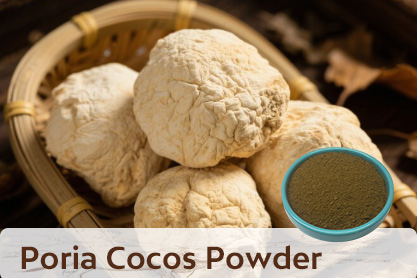
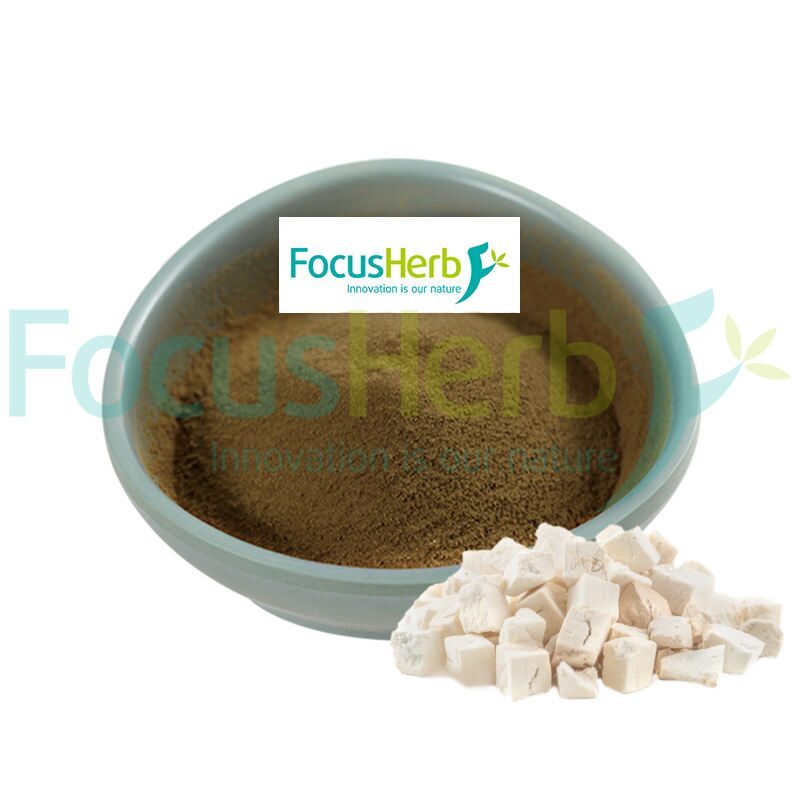


 The Ecosystem of Stress Management: The Synergistic Value of Ashwaghanda


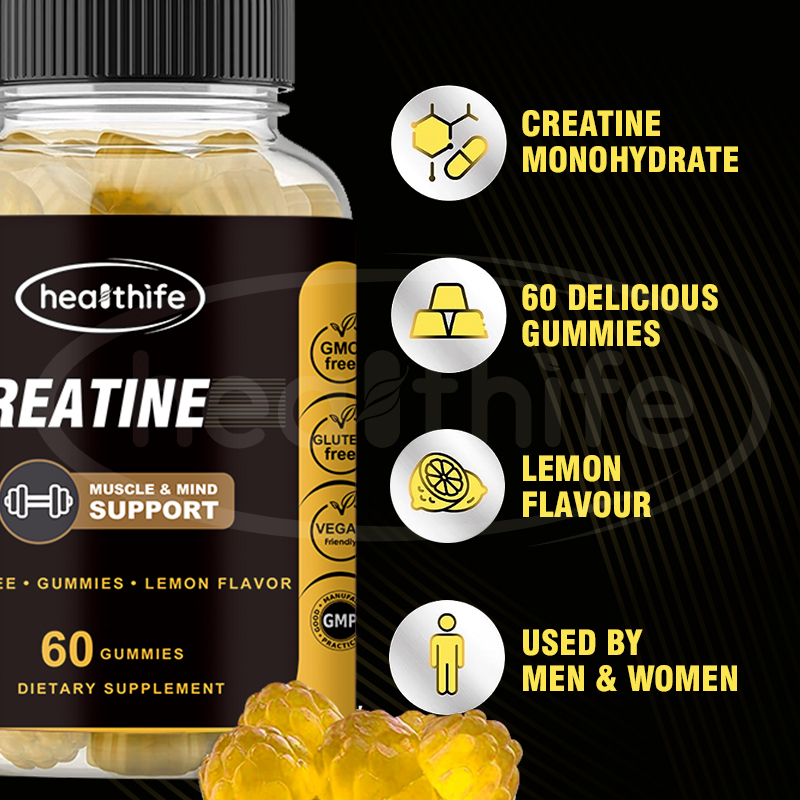






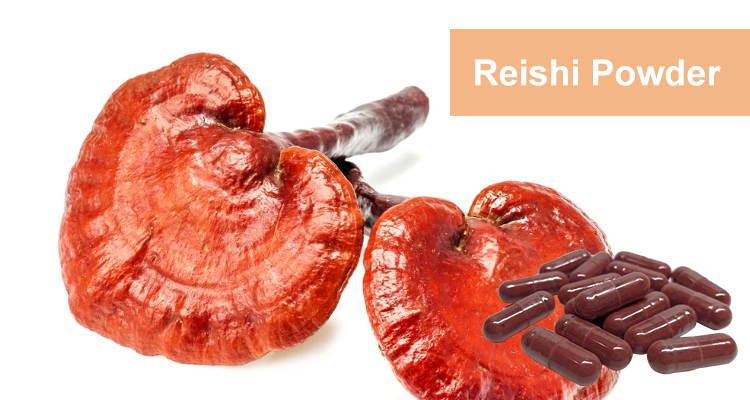
 Building a Scientific System for Proactive Immune Defense