Why Choose FocusHerb Beef Kidney Powder? The Core Advantages
In the era of pursuing natural and efficient nutrition, FocusHerb Beef Kidney Powder stands out with its strict quality control and outstanding nutritional value, becoming the first choice for health-conscious people. Different from ordinary beef kidney powder on the market, every link of FocusHerb Beef Kidney Powder is built with high standards, from raw material selection to production processing, to ensure that customers get the purest and most effective nutritional supplement.
The raw materials of FocusHerb Beef Kidney Powder are selected from grass-fed cattle in New Zealand and Uruguay, where the natural grazing environment is pollution-free, ensuring that the beef kidneys are fresh, healthy and free of harmful additives. Each batch of raw materials will go through strict inspection and quarantine, with complete certificates such as origin certificates and inspection reports, so that every customer can use it with confidence.
Nutritional Highlights of FocusHerb Beef Kidney Powder
As a nutrient-dense superfood, FocusHerb Beef Kidney Powder is rich in a variety of nutrients that the human body needs, bringing comprehensive health protection. It is a high-quality source of animal protein, containing all essential amino acids, which can effectively support muscle repair, organ maintenance and tissue regeneration.
In addition, FocusHerb Beef Kidney Powder is also a “treasure trove” of vitamins and minerals. It is rich in B族 vitamins (B1, B2, B6, B12, etc.), which participate in the body’s energy metabolism, help convert food into energy, and alleviate fatigue caused by work and study pressure. It also contains abundant vitamin A, which is essential for maintaining vision health and preventing night blindness and dry eye syndrome.
In terms of minerals, FocusHerb Beef Kidney Powder is rich in zinc, selenium, iron and other elements. Zinc and selenium can enhance immune cell activity, improve the body’s resistance to diseases, while iron can promote hemoglobin synthesis, helping to improve iron deficiency anemia and relieve symptoms such as fatigue and dizziness. These nutrients work synergistically to form a comprehensive nutritional barrier for the human body.
FocusHerb Beef Kidney Powder
Widely Applicable: FocusHerb Beef Kidney Powder for All Groups
The versatility of FocusHerb Beef Kidney Powder makes it suitable for various groups of people, meeting different health needs. For sub-healthy people and those with low immunity, regular intake of FocusHerb Beef Kidney Powder can supplement nutrition and enhance immunity, helping the body resist the invasion of pathogens.
For athletes and fitness enthusiasts, FocusHerb Beef Kidney Powder can provide high-quality protein and coenzyme Q10, which helps speed up muscle recovery after exercise, reduce fatigue and improve sports performance. For middle-aged and elderly people, it can supplement B族 vitamins and trace elements that are easily lacking, regulate endocrine balance, and maintain physical vitality.
Even for vegetarians, FocusHerb Beef Kidney Powder is an excellent nutritional supplement, which can make up for the lack of animal-derived nutrients such as vitamin B12 and high-quality protein in the diet, ensuring balanced nutrition.
Premium Technology, Pure Nutrition: The Production Concept of FocusHerb
FocusHerb has always adhered to the concept of “natural, pure and efficient”, and adopted advanced freeze-drying technology to process beef kidney powder. This technology can effectively retain the heat-sensitive nutrients and biological activity in beef kidneys, avoiding the loss of nutrients caused by high-temperature processing, and ensuring that every spoonful of FocusHerb Beef Kidney Powder retains the original nutritional value of beef kidneys.
In the production process, FocusHerb strictly abides by international food safety standards, does not add any fillers, flow agents or preservatives, and the product is pure and natural, with a fine texture and easy solubility, which can be easily added to smoothies, porridge, milk and other foods, bringing convenient nutritional supplements to daily life.
Start Your Healthy Journey with FocusHerb Beef Kidney Powder
In the fast-paced modern life, maintaining health has become a common pursuit. FocusHerb Beef Kidney Powder, with its high-quality raw materials, rich nutrition and strict production standards, brings a simple and efficient way of health preservation for you and your family. It is not just a nutritional supplement, but a partner in your healthy life.
Choose FocusHerb Beef Kidney Powder, embrace natural nutrition, and let every day be full of vitality. Whether you are pursuing immune enhancement, energy improvement or comprehensive nutritional supplement, FocusHerb Beef Kidney Powder can meet your needs and help you move towards a healthier future.
With the continuous improvement of people’s health awareness, the concept of “preventive health care” has deeply rooted in people’s hearts, and immune enhancement has become a core demand for people of all ages. According to the latest industry report, the global market size of immune-enhancing ingredients is expected to exceed $20 billion by 2028, with a compound annual growth rate of over 8%. This rapid growth is driven by multiple factors: the aging population, the increasing incidence of sub-health, and the continuous upgrading of consumer demand for natural, safe, and effective health products.
For B2B enterprises such as health product manufacturers and food formulators, choosing high-quality immune-enhancing ingredients is the key to improving product competitiveness. Unlike synthetic ingredients, plant-derived immune-enhancing ingredients have the advantages of safety, mildness, and long-term efficacy, which are more in line with the current consumer trend of “natural and healthy”. As a professional supplier of plant extracts, we have focused on the R&D and production of immune-enhancing ingredients for many years, providing high-purity, standardized products for global partners.
Mainstream Types of Immune-Enhancing Ingredients: Plant-Derived Ingredients Lead the Trend
In the current market, immune-enhancing ingredients are mainly divided into plant-derived, animal-derived, and microbial-derived types. Among them, plant-derived immune-enhancing ingredients account for more than 60% of the market share, becoming the mainstream choice for enterprises. This is because plant-derived ingredients are rich in active substances such as polysaccharides, flavonoids, and saponins, which can effectively regulate the body’s immune system, enhance the activity of immune cells, and improve the body’s resistance to external stimuli.
Our core immune-enhancing ingredients cover a variety of plant extracts, including Ganoderma lucidum extract, ginseng extract, astragalus extract, and echinacea extract. Each product is processed through advanced extraction technology to retain the active ingredients to the greatest extent. For example, our Ganoderma lucidum extract is rich in Ganoderma lucidum polysaccharides, which have been proven by scientific research to significantly enhance the phagocytic capacity of macrophages and improve the body’s immune function. As a reliable immune-enhancing ingredient, it is widely used in health care products, functional foods, and other fields.
Application Scenarios of Immune-Enhancing Ingredients: Diversified Demand Drives Market Expansion
The application scope of immune-enhancing ingredients is constantly expanding, covering health care products, functional foods, cosmetics, and even feed additives. In the health care product field, immune-enhancing ingredients are often used to develop oral health products such as capsules, tablets, and oral liquids, which are suitable for middle-aged and elderly people, office workers, and other groups with sub-health conditions. In the food field, they are added to beverages, pastries, and health foods to enhance the nutritional value of products and meet consumers’ demand for “healthy eating”.
In the cosmetic field, immune-enhancing ingredients such as astragalus extract and ginseng extract are widely used in skin care products, as they can enhance the skin’s own immunity, resist external environmental damage, and improve skin elasticity and vitality. For B2B partners, we can provide customized immune-enhancing ingredient solutions according to their product positioning and application scenarios, helping them develop competitive products that meet market demand.
Our Advantages: Professional Supply Chain of Immune-Enhancing Ingredients
As a leading supplier of plant extracts in the industry, we have established a complete supply chain system for immune-enhancing ingredients, from raw material selection to product delivery, ensuring product quality and stability. We select high-quality plant raw materials from pollution-free planting bases, adopt advanced extraction, purification, and detection technologies, and strictly implement international quality standards to ensure that each batch of immune-enhancing ingredients meets the requirements of purity, activity, and safety.
In addition, we have a professional R&D team that continuously innovates and optimizes product formulas, developing more efficient and targeted immune-enhancing ingredients to meet the changing market demand. We also provide one-stop service for our partners, including product customization, technical support, and after-sales service, helping them reduce R&D costs and improve market response speed.
Conclusion: Seize the Opportunity of Immune-Enhancing Ingredients to Achieve Win-Win Cooperation
In the context of the global health craze, immune-enhancing ingredients have become a new growth point in the plant extract industry. For B2B enterprises, choosing the right immune-enhancing ingredient supplier is the key to seizing the market opportunity and achieving sustainable development. We are committed to providing high-quality, natural immune-enhancing ingredients and professional solutions for global partners, helping them develop competitive products and achieve win-win cooperation in the booming health market.
In the rapidly developing global brain health market, the quality of nervonic acid raw materials directly determines the competitiveness of end products containing nervonic acid. As a leading manufacturer of nervonic acid extract, we have won the trust of numerous B2B partners worldwide with our uncompromising quality of nervonic acid, flexible customization capabilities for nervonic acid, and intimate after-sales service for nervonic acid cooperation. If you are looking for a reliable nervonic acid supplier to empower your business growth in the nervonic acid market, we are your ideal choice.
Superior Nervonic Acid Quality: High Purity, Strong Bioactivity & Multiple Nervonic Acid Forms
Our nervonic acid extract stands out in the market for its outstanding quality of nervonic acid and strong biological activity of nervonic acid. As a key component of brain nerve cell membranes and myelin sheaths, nervonic acid plays a crucial role in repairing damaged nerve myelin, protecting nerve cells from oxidative damage, and improving nerve signal transmission efficiency—effects of nervonic acid supported by a large number of scientific studies. We adopt environmentally friendly and efficient extraction processes for nervonic acid, which not only maximize the retention of the biological activity of nervonic acid but also reduce energy consumption and environmental impact, achieving sustainable production of nervonic acid while ensuring product quality. Our nervonic acid products are available in multiple forms including nervonic acid powder, nervonic acid oil, and nervonic acid concentrate, suitable for various application scenarios such as capsules, softgels, functional beverages, and even cosmetics, meeting the diverse needs of B2B partners for nervonic acid.
We focus on long-term cooperation with B2B partners in the nervonic acid field and provide personalized services to meet your unique needs for nervonic acid. Whether you need a specific purity level of nervonic acid, customized packaging for nervonic acid, or flexible delivery schedules for nervonic acid, our team will respond quickly and provide tailored nervonic acid solutions. For new partners, we offer free nervonic acid sample testing and professional technical guidance on nervonic acid to help you verify the effectiveness of our nervonic acid and its adaptability to your production process. For long-term cooperative partners, we provide preferential pricing policies for nervonic acid, stable supply guarantees for nervonic acid, and timely updates on industry trends and regulatory changes related to nervonic acid, helping you stay ahead of the nervonic acid market curve.
Personalized B2B Service: Full Support for New & Long-Term Nervonic Acid Partners
With the continuous growth of the global nervonic acid market—expected to reach $63.51 billion by 2032 with a CAGR of 5.0%—the demand for high-quality nervonic acid raw materials is growing rapidly. As a manufacturer with rich industry experience and strong technical strength in nervonic acid production, we have established a complete industrial chain from nervonic acid raw material sourcing to nervonic acid product delivery, with the ability to resist market risks and ensure stable supply of nervonic acid even in the face of raw material price fluctuations or supply chain disruptions. Our nervonic acid products have passed multiple international certifications, and our quality management system for nervonic acid is in line with global standards, providing a solid guarantee for your nervonic acid product compliance and market access.
Stable Nervonic Acid Industrial Chain & Global Compliance: Your Reliable Nervonic Acid Supply Partner
We believe that mutual trust and win-win cooperation are the foundation of long-term development in the nervonic acid industry. For years, we have established stable cooperative relationships with well-known health product brands, pharmaceutical companies, and food manufacturers at home and abroad, helping them launch popular nervonic acid-based products and achieve business growth. As your trusted nervonic acid partner, we will use our professional strength to provide you with high-quality nervonic acid raw materials and comprehensive services for nervonic acid cooperation, helping you tap into the potential of the brain health market and create greater value with nervonic acid. Contact us now to start our nervonic acid cooperation journey!
As the global aging population expands and public awareness of brain health grows, nervonic acid (cis-15-tetracosenoic acid) has emerged as a core ingredient in the booming brain health industry, driving soaring demand for high-quality nervonic acid in dietary supplements, functional foods, and pharmaceutical adjuvants markets. As a professional nervonic acid extract manufacturer with years of industry experience, we are committed to providing B2B partners with high-purity, stable, and compliant nervonic acid raw materials, helping you gain a competitive edge in the fast-growing nervonic acid-based health economy.
GMP-Certified Production: Strict Quality Control for Premium Nervonic Acid from Raw Materials to Finished Products
Nervonic Acid Manufacturer
At our state-of-the-art production base, we adhere to GMP standards throughout the entire production process of nervonic acid, from raw material selection to final extraction and purification of nervonic acid. We source high-quality natural raw materials rich in nervonic acid such as Acer truncatum buge oil, adopting advanced extraction technologies including saponification, low-temperature urea embedding, and industrial chromatographic separation to ensure the purity of our nervonic acid reaches up to 99%—far exceeding the national standard of ≥85% for nervonic acid food ingredients. Our strict quality control system covers every link of nervonic acid production, with professional testing centers equipped with advanced chromatographic and spectral instruments to conduct precise qualitative and quantitative analysis of nervonic acid, ensuring each batch of nervonic acid products meets international quality standards and is free from harmful impurities.
We understand that B2B partners pursue not only high-quality nervonic acid but also stable supply and cost-effectiveness of nervonic acid raw materials. With a global raw material procurement network focusing on nervonic acid sources and large-scale automated production lines dedicated to nervonic acid extraction, we have strong production capacity to meet your bulk and long-term procurement needs for nervonic acid, while achieving cost advantages of nervonic acid through scale effects and technological optimization. Whether you are developing supplements for the elderly to improve cognitive function with nervonic acid, products for adolescents to enhance concentration with nervonic acid, or functional foods for professionals to combat brain fatigue with nervonic acid, we can provide customized nervonic acid solutions tailored to your product positioning and application scenarios.
Customized Nervonic Acid Solutions & Stable Supply: Meet Your Diverse B2B Nervonic Acid Needs
Our strength lies not only in high-quality nervonic acid products but also in comprehensive B2B services for nervonic acid cooperation. We have a professional R&D team composed of experts with profound experience in biotechnology and pharmaceutical research, who can provide technical support for your product formulation with nervonic acid, help you solve application problems related to nervonic acid, and even develop synergistic formulas combining nervonic acid with GABA, probiotics, or casein hydrolysate peptides to enrich your nervonic acid-based product portfolio. In addition, our international sales and compliance team is familiar with the regulatory requirements of major markets such as China, the United States, and Europe for nervonic acid, providing you with complete qualification documents and regulatory guidance for nervonic acid to help your nervonic acid products smoothly enter global markets.
Comprehensive B2B Services: From Nervonic Acid R&D Support to Global Nervonic Acid Compliance
Choosing us as your nervonic acid partner means choosing reliability, professionalism, and long-term growth in the nervonic acid industry. We are committed to building win-win cooperation with B2B partners in health product brands, pharmaceutical companies, and food manufacturers, jointly seizing the huge market opportunities brought by the brain health boom and the rising demand for nervonic acid. Contact us today to get free nervonic acid samples, professional nervonic acid technical consultation, and customized nervonic acid quotation services—let’s work together to create high-value nervonic acid-based brain health products!
Selecting ingredients for brain health formulations requires more than reviewing purity specifications or isolated efficacy data. Nervonic Acid has attracted growing attention in recent years, but its real value depends on how well it performs under practical, commercial conditions.
This article outlines several key considerations that formulators and brand owners should evaluate when assessing Nervonic Acid for brain health applications.
Source Consistency and Supply Stability
Nervonic Acid can be derived from different botanical and synthetic pathways. While chemical structure may appear identical on paper, upstream sourcing has a direct impact on batch consistency, scalability, and long-term availability.
For commercial products, ingredient evaluation should include: – Stability of raw material supply – Variability across production batches – Traceability of the source material
Reliable sourcing is often a stronger predictor of long-term success than headline specifications alone.
Dosage Feasibility in Finished Products
Laboratory efficacy does not always translate into viable product formulations. One of the most common challenges with fatty-acid-based ingredients is achieving an effective dosage within realistic capsule sizes, powder blends, or delivery systems.
Key questions to consider include: – Can the target dosage be delivered without compromising capsule size or serving format? – How does dosage affect cost structure at scale? – Are there formulation constraints related to stability or oxidation?
An ingredient that performs well in isolation may still fail at the formulation stage if dosage requirements are not commercially feasible.
Application-Specific Performance
Brain health is a broad category encompassing cognitive support, neural development, and long-term neurological maintenance. Nervonic Acid may play different roles depending on the intended application and target population.
Evaluating application-specific performance helps avoid overgeneralization and ensures that ingredient selection aligns with product positioning and consumer expectations.
Regulatory and Market Alignment
Beyond formulation, ingredient selection must align with regulatory frameworks and market norms in target regions. Documentation quality, regulatory status, and accepted usage levels all influence how smoothly a product can move from development to market.
Early consideration of these factors reduces downstream risk and reformulation costs.
Conclusion
Effective ingredient evaluation balances scientific understanding with real-world constraints. For Nervonic Acid, long-term success depends not only on biochemical potential, but also on sourcing reliability, dosage feasibility, application fit, and regulatory alignment.
From a supply and formulation perspective, decisions grounded in practical evaluation tend to support more sustainable and scalable brain health products over time.
Flaxseed, the seed of this ancient and magical herb, occupies a unique place in the long history of humankind. It is not only a source of high-quality oil but also a treasure trove of various precious nutrients. Flaxseed gum, hidden within the outer shell or inside the seed, has been extracted from flaxseed for thousands of years. Only with the intervention of modern technology has it been able to be precisely extracted, gradually gaining public attention and becoming a new favorite in the food, pharmaceutical, and daily chemical industries.
Flaxseed gum is essentially a natural high-molecular-weight hydrophilic colloid, appearing as yellow granular crystals or a white to off-white powder, emitting a faint sweet aroma when dry. Analyzing its composition, its core components are water-soluble dietary fiber, along with acidic polysaccharides, neutral polysaccharides, and a small amount of protein. This unique combination of components gives it excellent functional properties. In the food industry, consumers’ pursuit of natural and healthy foods has reached unprecedented levels; they desire to ingest beneficial nutrients while enjoying delicious food. As a natural source of dietary fiber, flaxseed gum meets consumers’ health demands, bringing new development opportunities to the food industry. In the pharmaceutical industry, with increasing focus on drug safety and functionality, natural pharmaceutical excipients and functional food ingredients are gaining popularity. Flaxseed gum, with its physiologically active properties, shows great potential in pharmaceutical formulations and health product development.
Dietary fiber, a special type of carbohydrate, cannot be digested and absorbed by the human small intestine, but it plays an indispensable role in human health. It promotes intestinal peristalsis, increases stool volume, and prevents constipation; regulates intestinal flora balance and enhances intestinal immunity; and can also lower blood sugar and blood lipids, preventing cardiovascular diseases. The dietary fiber component in flaxseed gum is key to its numerous functions. In food applications, its dietary fiber properties, along with its water-retention, emulsifying, and gelling properties, synergistically improve the texture, taste, and stability of food. In meat products, dietary fiber not only enhances health by regulating intestinal function but also improves meat quality through its oil-retention, water-retention, and emulsifying stabilizing properties. In the pharmaceutical and daily chemical fields, the physiological activity of dietary fiber and its film-forming and thickening properties provide innovative ideas for product development. In-depth research on the dietary fiber components of flaxseed gum can provide a solid theoretical basis for its efficient application in multiple fields, and help the green and healthy development of related industries.
Analysis of the Core Components of Natural Dietary Fiber in Flaxseed Gum
1 Main Polysaccharide Composition and Structural Characteristics of Dietary Fiber
The dietary fiber in flaxseed gum is mainly composed of anionic heteropolysaccharides, primarily consisting of four monosaccharides: galactose (20%/30%), glucose (30%/40%), arabinose (20%/30%), and rhamnose (10%/20%). These monosaccharides are not randomly combined but linked by specific glycosidic bonds to form complex molecular structures. Studies have shown that their molecular structure is mainly linked by β-1,4 and α-1,6 glycosidic bonds. β-1,4 glycosidic bonds impart a certain linear structure to the molecule, while α-1,6 glycosidic bonds introduce branches at appropriate positions, forming a small number of branched structures. This unique linkage allows the polysaccharide chains to exhibit an irregular spatial extension, ensuring molecular flexibility and providing a basis for their dispersion and interaction in aqueous solutions.
This polysaccharide composition is the core basis for the water-soluble dietary fiber properties of flaxseed gum. The differences in chemical properties and spatial conformations of various monosaccharides collectively determine the easy dispersibility and high viscosity of flaxseed gum in aqueous solutions. The hydroxyl structures of galactose and glucose give them strong hydrophilicity, enabling them to form hydrogen bonds with water molecules, thus promoting rapid dispersion of flaxseed gum in water. The branched structures formed by arabinose and rhamnose increase intermolecular friction, significantly increasing the viscosity of the solution. The dietary fiber polysaccharides in flaxseed gum do not have a fixed degree of polymerization; their molecular formula is (C₆H₁₀O₅)ₙ, where the n value fluctuates depending on the extraction process and raw material source, resulting in a relatively wide molecular weight distribution, classifying it as a natural polysaccharide dietary fiber.
2 Synergistic Structural System of Dietary Fiber and Other Components
The dietary fiber in flaxseed gum does not exist in isolation but forms a three-dimensional network structure with proteins (approximately 8%) through complex chemical bonds. Proteins play a crucial role in flaxseed gum systems. They not only endow flaxseed gum with certain biological activities but also intertwine with dietary fiber polysaccharide chains, providing structural support for the entire colloid’s function. From a microscopic perspective, amino acid residues in protein molecules interact with hydroxyl and carboxyl groups on polysaccharide chains through hydrogen bonds, ionic bonds, and even covalent bonds, forming stable binding sites. This binding allows proteins to act as “bridges,” connecting different polysaccharide chains and constructing a complex three-dimensional network.
In meat processing, when flaxseed gum is added to a meat paste system, the three-dimensional network structure formed by its dietary fiber and protein effectively encapsulates fat and water in the meat. The hydrophilicity of dietary fiber allows it to absorb a large amount of water, increasing the water-holding capacity of the meat paste and reducing water loss during cooking. Meanwhile, the interaction between proteins and meat proteins enhances the emulsification stability of the system, preventing fat droplets from agglomerating and floating, thereby improving the quality of meat products, making them more tender and juicy, and with a firmer and more uniform texture. In baked goods, this structural system of flaxseed gum can improve the rheological properties of dough, increase its elasticity and extensibility, delay starch aging, and extend the shelf life of baked goods such as bread, allowing consumers to enjoy fresh and delicious baked goods for a longer period of time.
Key Functional Properties of Flaxseed Gum Endowed with Dietary Fiber
1 Water Solubility and Rheological Properties: Core Advantages in Processing Applications
As a water-soluble dietary fiber, flaxseed gum exhibits outstanding water solubility, a significant characteristic that distinguishes it from many other dietary fibers and plant gums. In practical applications, flaxseed gum powder, when added to cold water, disperses rapidly without heating, simply through stirring. Under the influence of water molecules, the polysaccharide chains fully extend and tightly bind with water molecules, forming a uniform, stable, high-viscosity colloidal solution in a short time. Research data shows that, under the same conditions, the solubility of flaxseed gum in cold water can reach over 90%, while the solubility of guar gum in cold water is only 60%-70%, and locust bean gum is even lower, at approximately 40%-50%. The solubility advantage of flaxseed gum is obvious.
The rheological properties of flaxseed gum solutions are quite unique, exhibiting typical shear-thinning phenomena. When subjected to shear forces such as stirring or pumping, the molecular structure of the solution changes. The polysaccharide chains, originally entangled and forming a high-viscosity state, gradually untangle under shear force, reducing intermolecular friction and causing a rapid decrease in viscosity and increased fluidity, facilitating transport and mixing during processing. When the external shear force disappears and the solution is allowed to stand for a period, the molecular chains gradually return to their original entangled state, and the viscosity increases again. In beverage production, the addition of flaxseed gum, through stirring and applying shear force during bottling and pumping, reduces the solution viscosity, facilitating pipeline transport and improving production efficiency. After bottling, the viscosity recovers during standing, effectively preventing the sedimentation of particulate matter and maintaining a good product appearance and taste.
Flaxseed gum solutions also exhibit excellent salt resistance and a wide pH range. In high-salt environments, such as those found in pickled foods and soy sauce, the viscosity of most colloids is significantly affected, even leading to flocculation and precipitation. However, flaxseed gum remains stable. Its molecular structure, with its polysaccharide chains and proteins, resists interference from salt ions through specific interactions, maintaining the high viscosity of the solution. Within a pH range of 2-10, whether in highly acidic fruit juices (pH approximately 2-4) or certain alkaline food systems, flaxseed gum solutions remain stable, without significant viscosity changes or structural damage, providing a solid guarantee for its application in complex food processing systems.
2 Physiological Activity Functions: The Health Value of Dietary Fiber
The water-soluble dietary fiber in flaxseed gum plays multiple important roles in human physiological health, exhibiting clear and significant physiological effects. In terms of intestinal microecological regulation, it acts like a diligent “guardian,” precisely regulating the balance of intestinal flora. Once dietary fiber enters the human gut, it becomes excellent “food” for beneficial bacteria (such as Bifidobacteria and Lactobacilli), providing them with abundant nutrients and promoting their proliferation, allowing them to dominate the gut. Simultaneously, dietary fiber inhibits the growth of putrefactive bacteria such as Escherichia coli and Clostridium perfringens, reducing the harmful substances they produce, such as indole and hydrogen sulfide. This effectively improves the gut health environment, enhances gut immunity, and reduces the risk of intestinal diseases.
Flaxseed gum also plays a crucial role in blood sugar and lipid regulation. After consumption, it forms a viscous “protective film” in the intestines. This film acts as a barrier, slowing down the absorption of glucose, resulting in a smoother and more stable rise in blood sugar, preventing rapid fluctuations. This effect is particularly important for diabetic patients or those concerned about their blood sugar health. Dietary fiber can also bind with cholesterol, promoting its excretion and reducing the body’s absorption of cholesterol. It also inhibits cholesterol synthesis in the liver, thus helping to lower blood cholesterol levels and reduce the risk of cardiovascular diseases such as atherosclerosis.
Flaxseed gum contains extremely low-calorie dietary fiber, almost negligible. This is undoubtedly a boon for those pursuing a healthy diet, controlling calorie intake, and preventing obesity and metabolic syndrome. While meeting people’s requirements for food taste and quality, it avoids health problems caused by excessive calorie intake, truly achieving a perfect combination of deliciousness and health. This makes it an ideal choice for the development of healthy food ingredients, meeting the current urgent needs of consumers for healthy foods.
3 Colloidal Synergistic and Stable Properties: Expanding Processing Adaptability
The dietary fiber structure in flaxseed gum allows it to exhibit remarkable synergistic effects when compounded with other colloids. When flaxseed gum is compounded with xanthan gum, their molecular chains intertwine and entangle through hydrogen bonds, electrostatic interactions, etc., forming a more compact and stable network structure. This composite structure not only significantly increases the viscosity of the solution, making its thickening effect far superior to that of a single colloid, but also enhances the stability of the system, maintaining good performance under different temperature and pH conditions. In yogurt production, the addition of a compound colloid of flaxseed gum and xanthan gum effectively prevents whey separation and stratification during storage, improves the uniformity of the yogurt’s texture and smoothness, and extends the product’s shelf life.
In ice cream making, flaxseed gum plays a crucial role due to its temperature resistance and ice crystal inhibition properties. During the freezing process of ice cream, it effectively inhibits the growth and aggregation of ice crystals, making the ice cream more delicate, smooth, and richer in flavor. Even under repeated freeze-thaw cycles, it maintains good stability, without significant issues such as coarse ice crystals or deterioration in texture, greatly improving the quality and melt resistance of the ice cream, allowing consumers to enjoy a more perfect taste experience.
In baked goods, flaxseed gum can inhibit starch retrogradation. Over time, starch gradually retrogrades, causing baked goods such as bread and pastries to harden and lose their texture. The addition of flaxseed gum interacts with starch molecules, interfering with the starch recrystallization process and slowing down starch retrogradation. This allows baked goods to maintain a soft, fresh texture for a longer period, extending shelf life and providing consumers with a longer-lasting delicious experience.
Multifaceted Applications of Flaxseed Gum Based on Dietary Fiber Advantages
1 Food Industry: A Natural and Healthy Functional Additive
As a water-soluble dietary fiber ingredient, flaxseed gum primarily functions as a thickener, stabilizer, emulsifier, and suspending agent in the food industry, with its application strictly adhering to the “National Food Safety Standard for the Use of Food Additives” (GB 2760-2014). Adding 0.3 g/kg to ice cream can inhibit ice crystal growth and improve melt resistance; adding 0.2%~0.5% to meat products can enhance water and oil retention; adding 0.1%~0.3% to beverages and sauces can improve system stability, prevent layering, and simultaneously supplement dietary fiber, enhancing nutritional value.
In ice cream making, flaxseed gum, with its unique properties, brings a qualitative improvement to ice cream. When added to ice cream ingredients at a ratio of 0.3 g/kg, it plays a crucial role in the freezing process. The polysaccharide components in its molecular structure can tightly bind with water molecules, forming a stable network structure that effectively restricts the movement of water molecules, thereby inhibiting the growth of ice crystals. Ice cream made in this way has small, evenly distributed ice crystals, resulting in a more delicate and smooth texture, as if each bite dances on the tongue, bringing an ultimate enjoyment. Flaxseed gum also improves the ice cream’s resistance to melting; even in hot summer weather, the ice cream can maintain its shape for a longer period, resisting melting and allowing consumers to fully enjoy its deliciousness without worrying about it quickly “disappearing.”
Flaxseed gum also performs excellently in meat processing. When 0.2% – 0.5% flaxseed gum is added to meat products, it interacts with the water and fat in the meat, exhibiting a strong water- and oil-retention capacity. The hydrophilic nature of dietary fiber allows it to absorb a large amount of water, acting like a sponge to lock in moisture, reducing water loss during cooking and making the meat more tender and juicy. The complex structure formed by the polysaccharides and proteins in flaxseed gum enhances emulsification stability, prevents fat droplets from agglomerating and floating, and ensures a more uniform and firm texture and mouthfeel in meat products. In sausage production, the addition of flaxseed gum significantly reduces moisture and oil loss during steaming, resulting in a more flavorful and juicy sausage with a significantly improved quality.
Flaxseed gum also plays an indispensable role in beverage and sauce production. Adding 0.1%–0.3% flaxseed gum to fruit juices acts as a suspending stabilizer, ensuring that fruit particles are evenly dispersed and remain suspended for extended periods without sedimentation. This allows consumers to enjoy rich fruit flavors with every sip of juice, making the beverage more visually appealing and increasing consumer purchasing desire. In sauces, the addition of flaxseed gum improves the texture, making it thicker, more stable, and easier to spread. Whether used as a spread on bread, a dip for snacks, or as a cooking seasoning, flaxseed gum adds a unique flavor and texture to food. Simultaneously, the addition of dietary fiber allows consumers to enjoy delicious food while ingesting health-promoting components, satisfying modern consumers’ dual pursuit of healthy and tasty food.
2 Biomedical Field: A Material Combining Safety and Functionality
Leveraging the biocompatibility and bioactivity of dietary fiber, flaxseed gum can be used to prepare medical dressings, drug carriers, and other medical materials. Its three-dimensional network structure promotes wound healing, reduces pain, and is gently digested and absorbed by the human body, showing potential application value in the field of sustained-release drugs.
In the preparation of medical dressings, flaxseed gum exhibits unique advantages. Its three-dimensional network structure has good biocompatibility with human tissue, allowing it to closely adhere to the wound surface, providing a moist and comfortable healing environment. When a dressing made of flaxseed gum is applied to a wound, its internal polysaccharide and protein components attract immune cells and growth factors, promoting cell proliferation and migration, and accelerating the wound healing process. Flaxseed gum also possesses antibacterial properties, inhibiting bacterial growth around wounds, reducing the risk of infection, and alleviating patient pain and discomfort. In the treatment of minor burns and abrasions, the use of flaxseed gum dressings significantly accelerates wound healing and effectively inhibits scar formation, providing patients with a better treatment experience.
As a drug carrier, flaxseed gum also holds immense potential. It can encapsulate drug molecules, forming stable complexes that enable slow drug release. This characteristic is particularly important in the treatment of chronic diseases, such as diabetes and hypertension, where patients need to take medication long-term to maintain stable physiological indicators. As a drug carrier, flaxseed gum can slowly release drugs into the body, maintaining a relatively stable drug concentration, avoiding large fluctuations in drug concentration, improving efficacy, and reducing side effects. Furthermore, by modifying its surface chemical groups, flaxseed gum can achieve targeted delivery to specific tissues or cells, allowing drugs to act more precisely on the lesion site, improving treatment outcomes, and providing new ideas and methods for personalized medicine.
3 Industrial and Daily Chemical Industries: Green and Environmentally Friendly Functional Raw Materials
In the industrial sector, flaxseed gum’s dietary fiber film-forming and adhesive properties make it suitable as a paint thickener, water treatment flocculant, and paper retention and filtration aid. In the daily chemical industry, it can be used as a stabilizer in cosmetic bases, such as creams and masks, improving texture smoothness and stability, aligning with the trend of green chemistry.
In paint production, flaxseed gum, as a thickener, significantly improves the viscosity and stability of paints. Its polysaccharide chains intertwine to form a tight network structure, preventing the separation of pigments and solvents in the paint, keeping the paint uniform during storage and use. This results in more even application, stronger coverage, and better protection and decoration for object surfaces. Flaxseed gum also has good film-forming properties; the film formed after drying has a certain degree of flexibility and abrasion resistance, enhancing the durability of paints and extending their service life.
In water treatment, flaxseed gum can be used as a flocculant to effectively remove suspended solids and impurities from water. Its charged groups can interact electrostatically with particulate matter in water, causing small particles to agglomerate into larger particles, making them easier to settle and filter. Adding an appropriate amount of flaxseed gum flocculant to wastewater treatment can rapidly reduce turbidity, improve water quality, reduce environmental pollution, and contribute to water resource recycling and environmental protection.
In the paper industry, flaxseed gum can be used as a retention and filtration aid, improving paper quality and production efficiency. It can adsorb onto the fiber surface, increasing the bonding force between fibers, making the paper denser and stronger. Flaxseed gum also promotes the retention of fine fibers and fillers in paper, reducing their loss in water, lowering production costs, and improving paper smoothness and gloss, giving the paper better printability.
In the daily chemical industry, flaxseed gum is increasingly widely used in cosmetics. In creams, it acts as a base stabilizer, enabling the uniform dispersion of oils and water in the cream, forming a stable emulsion structure. This type of cream has a finer, smoother texture, feels more comfortable on the skin, and is easily absorbed. Flaxseed gel also has moisturizing properties, replenishing skin moisture and maintaining its hydrated state, resulting in healthier, more radiant skin. In face masks, flaxseed gel increases the mask’s adhesion and flexibility, allowing it to better adhere to the skin. It also helps the nutrients in the mask to be released evenly, improving the skin’s absorption efficiency and allowing consumers to clearly feel the improvement and enhancement in their skin after using the mask.
Development Prospects and Application Considerations for Flaxseed Gum
1 Development Prospects: Process Optimization and Field Expansion
As a byproduct of flaxseed oil processing, flaxseed gum enjoys a unique raw material advantage in my country. Northern my country, including Hebei, Shanxi, and Inner Mongolia, is a major flax-producing region, with a considerable annual flaxseed yield, reaching approximately 100,000 tons. This abundant raw material supply provides a solid foundation for the large-scale production of flaxseed gum, giving it significant advantages in cost control and raw material stability, and enabling it to meet the ever-growing market demand.
In future development, optimizing the extraction process will be one of the key directions for the upgrading of the flaxseed gum industry. Currently, the main extraction processes for flaxseed gum include water extraction and alcohol precipitation, enzymatic hydrolysis, and ultrasound-assisted extraction. While water extraction and alcohol precipitation is relatively simple to operate, it suffers from high energy consumption and low extraction rates. Enzymatic hydrolysis offers advantages such as mild reaction conditions and high selectivity, but the high cost of enzymes limits its large-scale application. Ultrasound-assisted extraction can improve extraction efficiency, but it requires significant equipment investment and has high technical requirements. Therefore, developing more efficient, energy-saving, and environmentally friendly extraction processes is urgently needed. By conducting in-depth research on the structure and properties of flaxseed gum, combined with modern biotechnology and engineering methods, innovative breakthroughs in extraction processes are expected. Genetic engineering can be used to modify flaxseeds, resulting in higher flaxseed gum content and easier extraction; novel separation technologies, such as membrane separation, can be employed to improve the purity and quality of flaxseed gum and reduce production costs. Through process optimization, flaxseed gum is expected to become more cost-competitive, thereby driving its replacement of imported traditional colloids such as gum arabic in more fields. Gum arabic is widely used in food and pharmaceuticals, but its supply is greatly affected by natural conditions and the international market due to its main production area being in Africa, leading to frequent price fluctuations. As a domestically produced natural colloid, if flaxseed gum can rival gum arabic in performance and cost, it will greatly expand its market space and reduce dependence on imported colloids.
Further research into the physiological functions of dietary fiber in flaxseed gum will also open up broader application areas for it. Currently, while the effects of flaxseed gum dietary fiber in regulating gut microbiota and lowering blood sugar and lipids have been clearly established, research on its mechanism of action is still insufficient. In the future, leveraging advanced molecular biology and metabolomics technologies to further explore the interaction mechanisms between dietary fiber and human cells and gut microbiota will provide a more solid theoretical basis for its application in health supplements and foods for special medical purposes. In the health supplement field, functional foods with flaxseed gum as the main ingredient can be developed to precisely meet the health needs of specific populations focusing on gut health and blood sugar and lipid management. In foods for special medical purposes, the physiological activity of flaxseed gum dietary fiber can be utilized to provide nutritional support for patients with diabetes, gastrointestinal diseases, and other special conditions, helping them improve their physical condition and quality of life. With increasing public awareness of health, the demand for foods for special medical purposes is also increasing year by year, indicating a very broad application prospect for flaxseed gum in this field.
2 Application Precautions: Scientific Management Ensures Safety and Efficiency
While flaxseed gum has many advantages, certain precautions need to be taken during its application to ensure its safe and effective function. Regarding consumption, dosage must be strictly controlled. Because flaxseed gum is rich in dietary fiber, excessive intake may irritate the gastrointestinal tract, causing discomfort such as bloating, abdominal pain, and diarrhea. According to relevant nutritional guidelines, the recommended daily intake of dietary fiber for adults is 25-30 grams. When using flaxseed gum as a food additive, this recommended amount should be carefully considered and added appropriately to avoid adverse health effects from excessive dietary fiber intake. In some fiber-fortified foods, the amount of flaxseed gum added must be precisely calculated to ensure that consumers receive the health benefits of dietary fiber without experiencing adverse reactions from excessive intake.
People with poor digestive function, such as the elderly, children, and patients with gastrointestinal diseases, should exercise extra caution when consuming foods containing flaxseed gum. These individuals have relatively weak gastrointestinal function and lower tolerance to dietary fiber. The dietary fiber in flaxseed gum may increase their digestive burden, leading to indigestion and gastrointestinal discomfort. Therefore, when designing foods for these populations, if flaxseed gum is used, the amount added should be appropriately reduced and combined with other easily digestible ingredients to ensure food safety and suitability. Small amounts of specially treated flaxseed gum can be added to infant formula to supplement dietary fiber, but the dosage must be strictly controlled, and the infant’s reaction to consumption should be closely observed.
In industrial applications, it is crucial to adjust the concentration of the flaxseed gum solution appropriately according to different scenarios and needs. In water treatment, using a 0.5%–3% concentration of flaxseed gum solution as a flocculant can effectively remove suspended solids and impurities from water. Too low a concentration may not fully exert its flocculation effect, resulting in poor water treatment results; too high a concentration may cause the solution to be too viscous, affecting treatment efficiency and even potentially causing blockages in pipelines. In the paper industry, the concentration of flaxseed gum solution used as a retention and filtration aid also needs to be precisely adjusted according to factors such as paper type and production process to ensure paper quality and production efficiency. Only by using flaxseed gum scientifically and rationally according to specific application scenarios can its functional advantages be fully utilized and its economic and social benefits maximized.
Dietary Fiber Empowers the Future Development of Flaxseed Gum
Flaxseed gum, with water-soluble dietary fiber as its core component, has become a research hotspot in the field of natural ingredients due to its unique structural characteristics, physiological functions, and processing advantages. Its applications in food, pharmaceuticals, and industry not only meet market demand for green and healthy products but also realize the high-value utilization of flaxseed resources. With further research and improved processes, flaxseed gum is expected to play a greater role in functional foods and biomedical materials, becoming a representative product of natural dietary fiber ingredients.
Dihydroquercetin, also known as piperidin, is a natural flavonoid belonging to the vitamin P group. Its chemical name is 3,3′,4′,5,7-pentahydroxyflavone, possessing a unique molecular structure containing five phenolic hydroxyl groups, which forms the core structural basis for its potent antioxidant capabilities.
In appearance, dihydroquercetin appears as colorless needle-like crystals with a melting point of 240°C. Regarding solubility, it is readily soluble in ethanol, acetic acid, and boiling water, but poorly soluble in cold water and benzene. These physicochemical properties determine its applications in various fields, such as in pharmaceutical preparations where its ethanol solubility is utilized to manufacture related drugs.
Dihydroquercetin is primarily extracted from the roots of pine trees such as larch and Douglas fir, with a content of approximately 2%-3% in these plants. Due to the long growth cycle of the plants from which it originates and the complexity of the extraction process, the global annual production of dihydroquercetin is relatively scarce. This highlights its preciousness and value in related research and applications.
Overview of Core Bioactivities
Dihydroquercetin possesses a wide range of potent bioactivities, playing a crucial role in multiple dimensions, including antioxidant, anti-inflammatory, antibacterial, immunomodulatory, and metabolic improvement.
Antioxidant activity is one of the key characteristics of dihydroquercetin. Like a “scavenger,” it efficiently eliminates destructive free radicals in the body, inhibiting oxidative stress and protecting cells from oxidative damage. This is significant for delaying the aging process and preventing various chronic diseases. Simultaneously, dihydroquercetin also exhibits significant anti-inflammatory and antibacterial activity, inhibiting the release of inflammatory factors, reducing inflammatory responses, and showing strong inhibitory effects against various bacteria such as Staphylococcus aureus and Escherichia coli, helping to enhance the body’s ability to resist disease.
In terms of immunomodulation, dihydroquercetin can bidirectionally regulate immune function, both enhancing the phagocytic activity of macrophages and improving the body’s immune defense capabilities, and inhibiting excessive immune responses, maintaining the balance of the immune system. It can also improve insulin resistance and regulate glucose and lipid metabolism by activating related signaling pathways, potentially playing a positive role in the prevention and improvement of metabolic diseases such as metabolic syndrome and type 2 diabetes.
Among these rich bioactivities, antioxidant and anti-inflammatory activities are the core foundation of its role in protecting cardiovascular health. In the cardiovascular system, excessive free radicals can trigger oxidative stress, damage vascular endothelial cells, and promote inflammatory responses, leading to cardiovascular diseases such as atherosclerosis and hypertension. Dihydroquercetin, with its antioxidant and anti-inflammatory capabilities, can effectively scavenge free radicals in blood vessels, reduce the damage of inflammation to blood vessels, and maintain the normal function and structure of blood vessels. Furthermore, its excellent performance in regulating blood lipids and improving vascular function provides key material support for the prevention of cardiovascular diseases, helping to reduce the risk of cardiovascular disease and protect people’s cardiovascular health.
The Core Mechanism of Dihydroquercetin’s Cardiovascular Protection
1 Improving Vascular Endothelial Function and Maintaining Vascular Homeostasis
Vascular endothelial cells act as the “inner guardians” of the cardiovascular system, and their health directly affects the normal functioning of the cardiovascular system. Dihydroquercetin plays a crucial role in maintaining vascular endothelial function. It acts as an “activator,” promoting the synthesis and release of nitric oxide (NO) by vascular endothelial cells. NO is a master of vascular relaxation; once released, it rapidly diffuses into vascular smooth muscle cells, activating guanylate cyclase, increasing intracellular cyclic guanosine monophosphate (cGMP) levels, and thus relaxing vascular smooth muscle. This relaxing effect is significant; it reduces vascular resistance, maintains blood pressure within a normal range, ensures smooth blood flow, and greatly reduces the incidence of cardiovascular disease.
In an experiment on a hypertensive animal model, after administering dihydroquercetin, researchers were surprised to find that the release of nitric oxide from the vascular endothelial cells of the experimental animals significantly increased, vascular resistance decreased markedly, and blood pressure gradually stabilized. This experimental result strongly demonstrates the effectiveness of dihydroquercetin in improving vascular endothelial function and regulating blood pressure by promoting NO release.
Meanwhile, dihydroquercetin also possesses the ability to act as an “inhibitor,” suppressing the production of harmful factors by vascular endothelial cells, including endothelin-1 (ET-1). ET-1 is a potent vasoconstrictor; excessive production can lead to vasoconstriction and a sharp increase in blood pressure. By inhibiting ET-1 production, dihydroquercetin acts like a switch that limits vasoconstriction, helping to maintain the balance of vascular endothelial cell function and building a solid defense against cardiovascular disease.
2 Regulating Lipid Metabolism and Inhibiting Atherosclerosis
Dyslipidemia is a significant trigger for cardiovascular disease, and dihydroquercetin demonstrates excellent performance in regulating lipid metabolism and inhibiting atherosclerosis. It acts like a “lipid regulation master,” lowering blood levels of total cholesterol (TC), triglycerides (TG), and low-density lipoprotein cholesterol (LDL-C) through multiple pathways.
Inhibiting synthesis at its source is one of the key mechanisms by which dihydroquercetin regulates blood lipids. It can inhibit the synthesis of cholesterol and triglycerides in the liver. For example, fatty acid synthase (FAS) plays a crucial role in fatty acid synthesis, and dihydroquercetin can precisely inhibit FAS activity, reducing fatty acid synthesis and thus significantly lowering triglyceride levels. In experiments on hyperlipidemic animal models, the use of dihydroquercetin significantly inhibited FAS activity in the liver and drastically reduced triglyceride levels, demonstrating the powerful ability of dihydroquercetin to inhibit lipid synthesis.
Dihydroquercetin also actively promotes lipid catabolism. For LDL-C, it promotes liver uptake and metabolism, acting as a pathway to clear “lipid waste” from blood vessel walls, preventing LDL-C deposition and effectively reducing the risk of atherosclerosis.
Notably, dihydroquercetin also increases high-density lipoprotein cholesterol (HDL-C) levels. HDL-C, known as a “vascular cleanser,” has a reverse cholesterol transport function, transporting cholesterol from blood vessel walls to the liver for metabolism, playing a crucial protective role in the cardiovascular system. By increasing HDL-C levels, dihydroquercetin further enhances its function in regulating lipid metabolism and inhibiting atherosclerosis, providing more comprehensive protection for cardiovascular health.
3 Anti-platelet aggregation and anti-thrombosis, reducing the risk of cardiovascular events
Platelet aggregation and thrombosis are key factors leading to serious cardiovascular events such as myocardial infarction and stroke. Dihydroquercetin acts like a “thrombosis nemesis,” playing a vital role in anti-platelet aggregation and anti-thrombosis.
Dihydroquercetin can interfere with signal transduction pathways within platelets, acting like a roadblock on the platelet’s “signal highway,” preventing signals from being transmitted smoothly. For example, phospholipase C (PLC) plays a crucial role in platelet activation. Dihydroquercetin can inhibit PLC activity, reducing the release of aggregation-promoting substances such as adenosine diphosphate (ADP) and thromboxane A2 (TXA2) from platelets. These aggregation-promoting substances act as “catalysts” for platelet aggregation; reducing their release significantly decreases the likelihood of platelet aggregation.
In in vitro platelet aggregation experiments, researchers observed that the addition of dihydroquercetin significantly inhibited platelet aggregation under the influence of various inducers (such as ADP, collagen, and thrombin), exhibiting a concentration-dependent effect—the higher the concentration of dihydroquercetin, the more significant the inhibitory effect.
Dihydroquercetin can also inhibit the activity of coagulation factors. Thrombin is a key factor in the coagulation process. Dihydroquercetin may inhibit thrombin, reducing thrombin-induced fibrinogen-to-fibrin conversion and fundamentally inhibiting thrombus formation. This dual effect of antiplatelet aggregation and antithrombotic action acts like double insurance for the cardiovascular system, effectively preventing thrombotic events in cardiovascular diseases, reducing the risk of cardiovascular events, and safeguarding people’s health.
4 Synergistic Antioxidant and Anti-inflammatory Effects, Delaying Vascular Disease Progression
Oxidative stress and inflammation are two major culprits in the occurrence and development of cardiovascular diseases, and dihydroquercetin, with its powerful antioxidant and anti-inflammatory capabilities, has become a powerful weapon against these two culprits.
Dihydroquercetin possesses strong antioxidant properties; it acts like a “free radical cleaner,” effectively scavenging free radicals in blood vessels, such as superoxide anions and hydroxyl radicals. These free radicals are highly active and have strong oxidizing properties; they attack various substances in blood vessels, including low-density lipoprotein (LDL). When free radicals oxidize and modify LDL, oxidized LDL (ox-LDL) is formed, a key pathogenic factor in atherosclerosis. Ox-LDL is taken up by macrophages, which then engulf it and gradually transform into foam cells. The aggregation of numerous foam cells leads to the formation of atherosclerotic plaques. Dihydroquercetin, by scavenging free radicals, prevents the oxidation of LDL, thus inhibiting the occurrence of atherosclerosis at its source.
Inflammation also plays a significant role in cardiovascular disease. Dihydroquercetin also has a significant anti-inflammatory effect, inhibiting the release of inflammatory factors such as interleukin-1β (IL-1β), interleukin-6 (IL-6), and tumor necrosis factor-α (TNF-α). These inflammatory factors act like a group of “destructive molecules,” promoting damage to vascular endothelial cells and inflammatory responses, accelerating the progression of cardiovascular disease. Dihydroquercetin reduces inflammatory damage to the vascular endothelium by inhibiting the release of these inflammatory factors, effectively “pausing” the diseased blood vessels and slowing the progression of cardiovascular disease.
In animal models of atherosclerosis, after administration of dihydroquercetin, researchers found a significant reduction in intravascular free radical levels and a substantial decrease in the expression levels of inflammatory factors. The formation of atherosclerotic plaques was effectively inhibited, and the progression of vascular lesions was significantly slowed. This fully demonstrates the powerful synergistic effect of dihydroquercetin’s antioxidant and anti-inflammatory properties, providing comprehensive protection for cardiovascular health.
Safety Applications and Precautions of Dihydroquercetin
1 Suitable Population and Potential Contraindications
Dihydroquercetin is suitable for a wide range of people. For high-risk groups of cardiovascular disease, such as those with a family history of cardiovascular disease, long-term smoking and alcohol abuse, or underlying conditions like diabetes or obesity, dihydroquercetin can exert antioxidant, lipid-regulating, and vascular endothelial function-improving effects, reducing the risk of cardiovascular disease and providing potential support for maintaining cardiovascular health.
Sub-healthy individuals with dyslipidemia or high blood pressure are also suitable for dihydroquercetin intake. It can regulate lipid metabolism, lowering levels of total cholesterol, triglycerides, and LDL cholesterol in the blood, while increasing HDL cholesterol levels. Simultaneously, it can promote the release of nitric oxide from vascular endothelial cells, relax vascular smooth muscle, regulate blood pressure, and help improve the physical condition of these individuals.
General populations who wish to improve vascular health and prevent cardiovascular disease through natural ingredients can also appropriately supplement with dihydroquercetin. Increasing the intake of foods rich in dihydroquercetin in daily diet, such as apples, onions, and green tea, can provide some protection for vascular health.
However, dihydroquercetin is not suitable for everyone. Pregnant and breastfeeding women should avoid its use. Current research on the safety of dihydroquercetin in these two groups is insufficient, and it may have potential effects on fetal or infant development. For the health of both mother and child, caution is necessary. Individuals with allergies should also be especially careful, as dihydroquercetin may trigger allergic reactions. If you have a history of allergies to flavonoids or related foods, you must undergo an allergy test before using dihydroquercetin to ensure safety.
2 Usage Recommendations and Risk Warnings
When using dihydroquercetin, a scientific and rational approach should be followed. Daily supplementation is primarily recommended through dietary intake. A balanced diet rich in dihydroquercetin, including foods such as fruits, vegetables, legumes, and teas mentioned earlier, can meet the body’s nutritional needs while ensuring safe dihydroquercetin intake.
If taking therapeutic doses of dihydroquercetin through supplements or other forms, it is essential to do so under the guidance of a professional physician. The doctor will comprehensively assess factors such as the individual’s physical condition, medical history, and other medications being taken to determine the appropriate dosage and usage plan, ensuring safety and effectiveness.
Before long-term, high-dose use of dihydroquercetin, it is crucial to consult a professional physician and fully assess the risk-benefit ratio. While dihydroquercetin is beneficial for cardiovascular health, excessive use may pose some potential risks. It has a certain antiplatelet aggregation effect; if taken concurrently with anticoagulants (such as warfarin and aspirin), it may increase the risk of bleeding, and in severe cases, even lead to dangerous conditions such as internal bleeding.
Some individuals may experience adverse reactions such as gastrointestinal discomfort, nausea, vomiting, and diarrhea after using dihydroquercetin. This may be due to dihydroquercetin irritating the gastrointestinal mucosa and interfering with normal peristalsis and digestive function. If these symptoms occur, discontinue use immediately and seek medical attention promptly. Describe the symptoms and usage history in detail to your doctor for diagnosis and treatment.
When using dihydroquercetin, it is also important to adjust your lifestyle, maintaining a balanced diet, moderate exercise, and sufficient sleep. These habits help strengthen the body’s immunity, promote overall health, and better leverage the protective effects of dihydroquercetin on cardiovascular health.
Summary and Outlook
1 Summary of Core Value
Dihydroquercetin, as a precious natural active ingredient, demonstrates outstanding value in maintaining cardiovascular health. Through multiple mechanisms of action, including improving vascular endothelial function, regulating lipid metabolism, inhibiting platelet aggregation and thrombosis, and possessing antioxidant and anti-inflammatory properties, it acts as a robust defense, comprehensively protecting the normal functioning of the cardiovascular system.
From free radical scavenging at the molecular level to vascular endothelial cell protection at the cellular level, and lipid regulation and thrombosis prevention at the organ level, dihydroquercetin’s effects permeate all levels of the cardiovascular system. It not only reduces the risk of cardiovascular disease but also has potential adjunctive therapeutic value for individuals already experiencing cardiovascular problems. In our daily diet, numerous foods rich in dihydroquercetin provide a natural and safe route of intake, making it an excellent natural choice for preventing cardiovascular disease.
2 Research and Application Outlook
Although dihydroquercetin has achieved certain research results in the field of cardiovascular health, there is still vast potential for its development to be explored. In terms of research, current clinical research data is relatively limited, and more large-scale, multi-center, long-term clinical trials are needed in the future. These trials will further clarify the optimal dosage, duration of treatment, and potential adverse reactions of dihydroquercetin in the treatment of cardiovascular diseases, accurately revealing its dose-response relationship and providing stronger data support for clinical applications.
In terms of application, based on the natural, safe, and effective characteristics of dihydroquercetin, more targeted functional foods and pharmaceuticals can be actively developed. For example, nutritional supplements rich in dihydroquercetin can be developed to meet the daily health needs of specific populations, such as high-risk groups for cardiovascular diseases; or it can be scientifically compounded with other cardiovascular protective ingredients to develop novel drugs for treating cardiovascular diseases. Simultaneously, as people’s attention to health foods continues to increase, dihydroquercetin is also expected to expand its applications in functional beverages, meal replacement foods, and other fields, providing the public with more options for maintaining cardiovascular health. It is believed that in the future, with the continuous deepening of research and the sustained expansion of applications, dihydroquercetin will play a more important role in the field of cardiovascular health and make a greater contribution to human health.
In the vast world of phytochemistry, dihydroquercetin shines brightly. It also has a more well-known name—Piscis difusin—and is an important member of the natural flavonoid family. Its chemical name is 3,3′,4′,5,7-pentahydroxyflavone, with the molecular formula C₁₅H₁₂O₇. Due to its unique structural characteristics, it is classified as a vitamin P group. The most crucial element in the chemical structure of dihydroquercetin is its five phenolic hydroxyl groups, which act like active “guardians,” endowing dihydroquercetin with powerful antioxidant capabilities, making it stand out among many antioxidants.
The extraction source of dihydroquercetin is rather unique, primarily from the roots of larch trees over a hundred years old in high-altitude, cold regions—a veritable “natural treasure trove” for it. Among pine trees, Douglas fir is also an important “habitat” for dihydroquercetin, with a relatively high content. Of course, it’s not only found in these specific trees. In our everyday world of fruits and vegetables, onions, apples, and grapes also contain small amounts of dihydroquercetin, although the amounts are much lower than in pine trees. These plant sources provide abundant avenues for obtaining dihydroquercetin, making it possible for us to ingest this amazing component through our daily diet.
Physical Properties and Substance
Physically, in a 50% ethanol environment, dihydroquercetin presents as colorless needle-like crystals, resembling delicate miniature crystals. Its melting point is stable at 240℃, a characteristic that allows it to maintain a stable physical state within a certain temperature range. In practical applications, the most common finished dihydroquercetin products are pale yellow powders, with a fine texture that facilitates storage and use.
Dihydroquercetin has a unique solubility. It is readily soluble in ethanol, acetic acid, and boiling water, where it disperses rapidly to form a homogeneous solution. However, its solubility in cold water is relatively low, only slightly soluble. Dihydroquercetin is almost insoluble in organic solvents such as benzene. This difference in solubility dictates that a suitable solvent must be selected based on its properties to improve extraction efficiency when extracting dihydroquercetin. Furthermore, its solubility also affects product formulation and efficacy in various applications. For example, in the pharmaceutical field, its solubility in human body fluids must be considered to ensure effective drug absorption.
Core Efficacy: Multi-functional Bioactivity with Antioxidant as its Core
1 .Powerful Antioxidant: The “King of Free Radical Scavengers”
In the body’s metabolic process, the production of free radicals is inevitable. These free radicals act like a group of restless “troublemakers,” recklessly attacking cells, triggering oxidative stress, and severely damaging cell structure and function, thus becoming the “trigger” for many diseases. Dihydroquercetin is a “sharp weapon” against these free radicals.
The reason dihydroquercetin possesses such powerful antioxidant capabilities lies in its unique molecular structure. It has five phenolic hydroxyl groups, which act as “active centers” capable of reacting with free radicals. By providing hydrogen atoms, they stabilize the free radicals, thereby achieving the purpose of scavenging them. When facing common free radicals such as superoxide anion radicals and hydroxyl radicals, the phenolic hydroxyl groups of dihydroquercetin quickly bind to them, transforming these highly oxidizing free radicals into relatively stable substances, preventing them from continuing to attack cells.
In this process, dihydroquercetin not only directly scavenge free radicals but also inhibits lipid peroxidation. We know that cell membranes are mainly composed of lipids; once lipid peroxidation occurs, the integrity of the cell membrane is damaged, and normal cell function is affected. Dihydroquercetin can promptly block the chain reaction of lipid peroxidation, protecting polyunsaturated fatty acids in the cell membrane from oxidation and maintaining the normal structure and function of the cell membrane, much like giving the cell a strong “protective suit.”
Compared to other common antioxidants, dihydroquercetin’s antioxidant activity is particularly outstanding. Vitamin C and vitamin E are well-known antioxidants in our daily lives; however, dihydroquercetin’s antioxidant capacity far surpasses theirs. Research data shows that, under the same experimental conditions, dihydroquercetin’s free radical scavenging rate is several times higher than that of vitamin C, and even 3-5 times stronger than structurally similar quercetin. For this reason, dihydroquercetin has earned the reputation of “King of Antioxidants” in the field of antioxidants, becoming a focus of attention for many researchers and health enthusiasts.
2. Diverse Health Benefits Derived from Antioxidants
1 Anti-inflammatory Effects: Inhibition of Inflammatory Signaling Pathways
Inflammation is a defensive response of the body to various stimuli. However, when the inflammatory response gets out of control and transforms into chronic inflammation, it becomes a “silent killer” of health, quietly triggering a series of diseases. Dihydroquercetin has demonstrated remarkable capabilities in the field of anti-inflammation. Its mechanism of action is like a precise “scalpel,” directly targeting the key aspects of the inflammatory response.
At the cellular level, nuclear factor κB (NF-κB) is a key “commander” in the inflammatory signaling pathway. It acts like a “switch,” controlling the expression of various pro-inflammatory factors. Dihydroquercetin can keenly detect the activity of NF-κB and, by inhibiting its activation, prevents it from functioning properly, thereby cutting off the transmission of inflammatory signals. When NF-κB is inhibited, the synthesis and release of pro-inflammatory factors such as tumor necrosis factor-α (TNF-α) and interleukin-6 (IL-6) are significantly reduced, and the inflammatory response is effectively suppressed.
In animal experiments, researchers applied dihydroquercetin to animals with arthritis models, with surprising results. Animals with previously swollen joints and limited mobility showed significantly reduced joint swelling and a substantial decrease in inflammatory markers after dihydroquercetin intervention, fully demonstrating the inhibitory effect of dihydroquercetin on inflammation.
Besides arthritis, dihydroquercetin has also shown potential regulatory effects in metabolic diseases. Chronic low-grade inflammation plays a crucial role in diseases such as diabetes and non-alcoholic fatty liver disease. Dihydroquercetin, by inhibiting inflammatory signaling pathways, may alleviate the inflammatory state in these diseases, providing new ideas and methods for their treatment.
2 Cardiovascular Protection: A Guardian for Improving Vascular Function
Cardiovascular disease has always been the leading cause of death worldwide, and dihydroquercetin acts as a loyal guardian, protecting the cardiovascular system from multiple angles.
In vascular endothelial cells, nitric oxide (NO) is an important signaling molecule, acting as a vascular relaxant that relaxes vascular smooth muscle and maintains vascular patency. Dihydroquercetin promotes the synthesis and release of nitric oxide by vascular endothelial cells, enhancing its bioavailability, allowing for better vasodilation, reducing vascular resistance, and thus maintaining normal blood pressure. Simultaneously, dihydroquercetin inhibits the production of endothelin-1 (ET-1) by vascular endothelial cells. ET-1 is a potent vasoconstrictor; excessive ET-1 can lead to vasoconstriction and elevated blood pressure. This effect of dihydroquercetin helps maintain the balance of vascular endothelial cell function.
Dihydroquercetin also has a positive regulatory effect on lipid metabolism. It can lower the levels of total cholesterol (TC), triglycerides (TG), and low-density lipoprotein cholesterol (LDL-C) in the blood, while increasing the level of high-density lipoprotein cholesterol (HDL-C). By inhibiting the synthesis of cholesterol and triglycerides in the liver, it promotes lipid catabolism and reduces the risk of atherosclerotic plaque formation. HDL-C acts like a “cleaner” for blood vessels, transporting cholesterol from the vessel walls to the liver for metabolism. The effect of dihydroquercetin in increasing HDL-C levels further strengthens the protection of the cardiovascular system.
Platelet aggregation and thrombosis are important causes of cardiovascular events, and dihydroquercetin also plays a crucial role in this regard. It can inhibit platelet aggregation by interfering with intraplatelet signaling pathways, reducing the release of aggregation-promoting substances such as adenosine diphosphate (ADP) and thromboxane A2 (TXA2) from platelets, thus reducing the likelihood of platelet aggregation. Simultaneously, dihydroquercetin can inhibit the activity of coagulation factors and reduce the conversion of fibrinogen to fibrin induced by thrombin, thereby effectively inhibiting thrombus formation.
3 Immune Regulation and Metabolic Improvement: Bidirectional Regulation of Body Balance
The human immune system is like a powerful “army” responsible for defending against the invasion of external pathogens. However, sometimes this “army” malfunctions, leading to autoimmune diseases. Dihydroquercetin has unique capabilities in immune regulation; it acts like an experienced “commander,” bidirectionally regulating immune function to maintain the balance of the immune system.
When the body is invaded by pathogens, dihydroquercetin can enhance the phagocytic activity of macrophages, allowing them to better perform their “scavenger” role, engulfing and clearing pathogens. At the same time, it can also promote the proliferation and differentiation of T lymphocytes, enhancing the body’s cellular immune function and enabling the immune system to more effectively respond to the challenge of pathogens. When the body experiences an excessive immune response, such as in autoimmune diseases like rheumatoid arthritis, dihydroquercetin can inhibit overactive immune cells, reduce the release of inflammatory factors, alleviate immune damage, and relieve disease symptoms.
Dihydroquercetin also plays an important role in improving metabolism. It can activate the adenosine monophosphate-activated protein kinase (AMPK) pathway. AMPK acts like an “energy switch” within cells; when activated, it regulates cellular energy metabolism. By activating AMPK, dihydroquercetin promotes the translocation of glucose transporter 4 (GLUT4) to the cell membrane, increasing cellular glucose uptake and utilization, thereby improving insulin resistance. In animal experiments, researchers fed dihydroquercetin to obese mice induced by a high-fat diet. After a period of time, they found that the mice’s blood glucose and blood lipid levels significantly decreased, and their weight was effectively controlled. This suggests that dihydroquercetin has potential adjunctive therapeutic value for diseases such as type 2 diabetes and metabolic syndrome.
4 Other Potential Benefits: Anti-cancer, Liver Protection, and Skin Care
The bioactivity of dihydroquercetin extends beyond its application in cancer treatment, liver protection, and skin care.
In anti-cancer research, dihydroquercetin has shown remarkable potential. Studies have found that it is active against mouse leukemia P388, inhibiting the growth and proliferation of cancer cells. For squamous cell carcinoma, dihydroquercetin also exerts its anti-cancer effects through mechanisms such as inducing apoptosis and inhibiting cancer cell migration. Although most of these studies are currently in the laboratory stage and clinical evidence is relatively limited, the performance of dihydroquercetin in the anti-cancer field undoubtedly brings new hope to cancer treatment.
The liver is the body’s “detoxification factory,” and dihydroquercetin has a significant protective effect on it. It can promote hepatocyte regeneration by activating cyclins and cell cycle-dependent kinases, accelerating the transition of hepatocytes from the G1 phase to the S phase, and increasing the proliferative capacity of hepatocytes. Meanwhile, dihydroquercetin can also inhibit the activation of hepatic stellate cells, reduce collagen deposition, and prevent liver fibrosis. When dealing with liver diseases such as hepatitis and fatty liver, dihydroquercetin can repair damaged liver cells, help the liver detoxify, improve liver function, and enable the liver to better fulfill its “detoxification” function.
In the skincare field, dihydroquercetin is an all-rounder. It can inhibit melanin production by inhibiting the activity of tyrosinase, reducing melanin synthesis, thereby achieving a whitening and spot-fading effect. At the same time, dihydroquercetin can also promote collagen synthesis, restore the elasticity of collagen in the skin, reduce wrinkles, and make the skin firmer and smoother. For skin problems such as dermatitis and acne, dihydroquercetin can also exert an anti-inflammatory effect, reducing skin inflammation, promoting skin repair and healing, and restoring the skin’s healthy radiance.
Cross-Sector Applications: Diverse Values from Health to Industry and Agriculture
1 Pharmaceuticals and Healthcare: A Potential Adjunctive Therapy Ingredient
Dihydroquercetin is gradually emerging in the pharmaceutical and healthcare industry, demonstrating its unique value.
In the pharmaceutical field, research on the application of dihydroquercetin is in full swing. It is considered a highly promising adjunctive therapy ingredient, showing positive effects in the treatment of various diseases. In cardiovascular and cerebrovascular diseases, numerous studies have shown that dihydroquercetin can protect the cardiovascular system through multiple mechanisms, including antioxidant, anti-inflammatory, and lipid-regulating effects. It can lower cholesterol and triglyceride levels in the blood, inhibit platelet aggregation, and reduce the risk of thrombosis, thereby effectively preventing and adjunctive treating cardiovascular diseases such as coronary heart disease and atherosclerosis.
For cancer patients, dihydroquercetin also brings new hope. Although it cannot be used as a single anticancer drug, in adjunctive therapy, it can enhance the effects of chemotherapy and radiotherapy and reduce the side effects of these treatments on the patient’s body. Dihydroquercetin offers a novel approach to cancer treatment by inducing apoptosis and inhibiting cancer cell proliferation and metastasis. In a clinical trial of lung cancer patients, those using a combination of dihydroquercetin and chemotherapy drugs showed significantly higher tumor shrinkage rates compared to patients receiving chemotherapy alone, and their quality of life also improved significantly.
Furthermore, dihydroquercetin plays an important role in the treatment of respiratory and gastrointestinal diseases. In respiratory diseases, it can reduce inflammation and alleviate symptoms such as cough and wheezing, offering some adjunctive therapeutic effects for chronic obstructive pulmonary disease (COPD) and asthma. In a study of asthma patients, those taking dihydroquercetin supplements experienced a reduction in the frequency and severity of asthma attacks. In the gastrointestinal field, dihydroquercetin can protect the gastric mucosa and promote gastrointestinal motility, offering some therapeutic and preventative effects against gastritis, gastric ulcers, and enteritis.
However, it is important to note that the application of dihydroquercetin in the pharmaceutical field is mostly still in the clinical trial or preliminary research stages. For example, while small clinical trials for adenomyosis have shown that dihydroquercetin may have some therapeutic effect, the strength of the evidence is low and it has not yet been fully confirmed by evidence-based medicine. More large-scale, multi-center clinical trials are needed before its widespread clinical application to further verify its safety and efficacy.
In the health supplement industry, dihydroquercetin, with its powerful antioxidant, anti-aging, and immune-boosting effects, has become an important ingredient in many health supplements. Most commercially available dihydroquercetin supplements are in capsule or tablet form for convenient consumption. Many health-conscious individuals, especially the middle-aged and elderly and those with weakened immune systems, choose to take dihydroquercetin supplements to improve their body’s antioxidant capacity, slow down the aging process, enhance immunity, and prevent various chronic diseases.
2 Food Industry: A Natural Preservative and Nutritional Fortifier
In the vast system of the food industry, dihydroquercetin, as a natural bioactive additive, plays an indispensable role.
As people’s attention to food safety and health continues to increase, the requirements for food additives are becoming increasingly stringent. Dihydroquercetin, due to its natural, safe, and highly effective properties, has become a favored choice in the food industry. Its antioxidant capacity is its core advantage in the food sector, effectively inhibiting the oxidative deterioration of components such as oils and proteins in food, thus extending the shelf life. Studies have shown that adding an appropriate amount of dihydroquercetin to food can extend its shelf life by 2-3 times. Adding dihydroquercetin to edible oils can significantly inhibit oxidative rancidity, maintaining the good quality and flavor of the oils; adding it to meat products can prevent discoloration and spoilage due to oxidation, extending the shelf life of meat products.
Besides its preservative effect, dihydroquercetin can also impart more nutritional functions to food. It itself has various biological activities such as antioxidation and anti-inflammation; when added to food, it allows consumers to enjoy delicious food while obtaining certain health benefits. Adding dihydroquercetin to functional beverages not only extends shelf life but also provides consumers with antioxidant and anti-fatigue benefits, meeting modern consumers’ demand for healthy drinks. Adding it to snacks, such as nuts and dried fruit, enhances their antioxidant capacity, reduces nutrient loss, and adds a healthier attribute.
Dihydroquercetin has extremely wide applications in the food industry, covering almost all types of food. In the beverage industry, whether it’s carbonated drinks, fruit juices, or functional beverages, dihydroquercetin can be added to improve product quality and stability. In baked goods, such as bread and cakes, dihydroquercetin can prevent the oxidation of oils in flour, extending the shelf life of baked goods and improving taste. In dairy products, adding dihydroquercetin can inhibit fat oxidation, prevent off-flavors, and improve the quality and safety of dairy products.
3 Industrial and Agricultural Sector: A New Choice for Functional Additives
In the industrial and agricultural sectors, dihydroquercetin, with its unique properties, has become a new choice for functional additives, bringing new opportunities for the development of these two fields.
In the industrial sector, the antioxidant properties of dihydroquercetin make it play an important role in many industrial products. In engine and rocket fuels, dihydroquercetin can be used as an anti-vibration agent. Traditional anti-vibration agents have certain limitations in performance, while the emergence of dihydroquercetin provides a new solution to this problem. It can effectively inhibit the oxidation reaction of fuel during combustion, reduce the occurrence of knocking, and improve the combustion efficiency of fuel, thereby making the performance of engines and rockets more stable and efficient. In industrial lubricating oils, dihydroquercetin can be used as a stabilizer to prevent the lubricating oil from oxidizing and deteriorating under harsh environments such as high temperature and high pressure, extending the service life of the lubricating oil, reducing equipment wear, and lowering the cost of industrial production. In pigments and paints, dihydroquercetin acts as an antioxidant, preventing fading and aging caused by light and oxygen, maintaining vibrant colors and stable performance, and improving product quality and market competitiveness.
In agriculture, dihydroquercetin also demonstrates significant potential. It can be formulated as a plant growth regulator, positively impacting crop growth and development. During crop growth, dihydroquercetin enhances cold and drought resistance, enabling crops to maintain good growth even under harsh environmental conditions. In arid regions, treating crops with plant growth regulators containing dihydroquercetin can improve drought resistance, reduce the impact of water stress on crop growth, and ensure crop yield and quality. Dihydroquercetin also inhibits pests and diseases by regulating crop physiological metabolism, enhancing crop immunity, and making crops more resistant to pests and diseases. In some vegetable cultivation, spraying solutions containing dihydroquercetin can effectively reduce pests and diseases such as aphids and powdery mildew, thereby reducing pesticide use and achieving green agricultural production.
Dihydroquercetin also plays an important role in seedling cultivation. Treating seedling roots with dihydroquercetin during transplanting promotes root growth and development, increasing seedling survival rates. In afforestation projects within forestry systems, using plant growth regulators containing dihydroquercetin can promote tree growth, enhance tree resistance, and thus improve the quality and effectiveness of afforestation.
Rational Application: Principles and Precautions for the Use of Dihydroquercetin
1 Dosage Control and Supplementation Routes
When using dihydroquercetin to support health, reasonable dosage control and scientific supplementation routes are crucial. For the general population, if it is simply used as an antioxidant supplement in daily diet, it can be achieved by consuming fruits and vegetables rich in dihydroquercetin, such as onions, apples, and grapes. Although the content in these fruits and vegetables is not high, they are common in daily diets, and long-term consumption can provide a certain amount of dihydroquercetin, providing basic antioxidant support for the body.
However, when there are special health needs, such as when it is used as a health supplement or medicine, dosage control needs to be extremely careful. Generally speaking, the usual oral dose of dihydroquercetin is 100-200 mg daily, divided into 1-2 doses, for 2-4 weeks as a course of treatment. However, this is not an absolute standard. The specific dosage should be precisely adjusted under the guidance of a doctor or professional nutritionist, based on individual physical condition, age, health goals, and whether other medications are being taken. For example, elderly people or those with weakened constitutions may need a lower dosage; while for individuals with certain chronic diseases requiring intensive antioxidant therapy, the dosage may be appropriately increased under the evaluation of a doctor, but close monitoring of the body’s response is still necessary.
Regarding the route of supplementation, in addition to oral health supplements or medications, it is also important to pay attention to the differences in absorption among different dosage forms. Generally speaking, capsules and tablets require disintegration and dissolution in the gastrointestinal tract before absorption, resulting in a relatively slower absorption rate but a longer duration of action; while oral liquid preparations are absorbed by the body more quickly and have a relatively faster onset of action. Regardless of the dosage form chosen, it is essential to strictly follow the instructions or doctor’s prescription to ensure the effectiveness and safety of the medication.
2 Applicable Population and Contraindications
Dihydroquercetin is suitable for a wide range of people. For the general population, appropriate supplementation with dihydroquercetin can enhance the body’s antioxidant capacity, prevent various chronic diseases caused by oxidative stress, and improve overall health. This is especially true for middle-aged and elderly people, whose antioxidant capacity gradually declines with age, making cells and tissues more susceptible to free radical attacks. Supplementation with dihydroquercetin can help slow down the aging process and improve bodily functions.
People with weakened immune systems are also suitable for dihydroquercetin. These individuals are more susceptible to pathogens and frequently fall ill. The immunomodulatory effects of dihydroquercetin can enhance their immune system function, improve their resistance, and reduce the likelihood of illness. For people with chronic diseases such as cardiovascular disease, diabetes, and hepatitis, the antioxidant, anti-inflammatory, and metabolic-regulating effects of dihydroquercetin can play an auxiliary role in the treatment and recovery of these diseases, alleviating symptoms and reducing the risk of complications.
However, not everyone is suitable for dihydroquercetin supplementation. Pregnant and breastfeeding women should use it with caution. The effects of dihydroquercetin on fetuses and infants are currently unclear. To avoid potential risks, these two groups must consult a doctor before use. People with allergies also need to be extra careful. Some people may be allergic to dihydroquercetin and may experience allergic reactions such as rashes, itching, and shortness of breath after use. Therefore, it is best to perform an allergy test before use to confirm that there is no allergic reaction. For those who have a known allergy to dihydroquercetin, it should be strictly prohibited to avoid serious allergic events.
3 Potential Risks and Medication Warnings
Although dihydroquercetin has many health benefits, improper use may also bring some potential risks. The most common problem caused by overdose of dihydroquercetin is gastrointestinal discomfort, such as nausea, vomiting, and diarrhea. This is because excessive dihydroquercetin can irritate the gastrointestinal mucosa, affecting the normal digestive and absorptive functions of the gastrointestinal tract. If these symptoms occur, discontinue use immediately and replenish fluids and electrolytes to maintain the body’s water and electrolyte balance. If symptoms are severe or persistent, seek medical attention promptly.
Dihydroquercetin may also trigger allergic reactions. Individuals with allergies should closely monitor their body for reactions during use. If allergic symptoms occur, such as itchy, red, or rashes, or even severe allergic reactions like throat swelling or difficulty breathing, seek immediate medical attention and inform the doctor that you are using dihydroquercetin. This will allow the doctor to provide timely and effective treatment, such as antihistamines or oxygen therapy, to prevent life-threatening situations like suffocation due to the allergic reaction.
Regarding drug interactions, using dihydroquercetin concurrently with anticoagulants may enhance the effects of the anticoagulants, increasing the risk of bleeding. This is because dihydroquercetin itself has an antiplatelet aggregation effect, which has a synergistic effect with the mechanism of action of anticoagulants. Therefore, patients taking anticoagulants such as warfarin and aspirin must consult a doctor or pharmacist before using dihydroquercetin. Under the doctor’s guidance, the dosage may be adjusted or the treatment plan changed to ensure medication safety.
For certain conditions, such as adenomyosis, although some studies suggest that dihydroquercetin may have a therapeutic effect, the strength of the evidence is currently low and has not been fully confirmed by evidence-based medicine. Patients should not blindly use dihydroquercetin for treatment. Instead, they should carefully consider its use under the comprehensive evaluation of a doctor and in conjunction with a standardized treatment plan to avoid delaying treatment or causing other adverse consequences.
Research Directions and Development Prospects of Dihydroquercetin
Dihydroquercetin, as a highly promising natural compound, has demonstrated multifaceted biological activities and broad application value in past studies. However, its research continues, and the future holds immense potential.
Currently, although dihydroquercetin has shown promise in various fields such as medicine, food, and industry, most clinical studies are still in their preliminary stages. In the pharmaceutical field, while it has shown positive effects in the adjuvant treatment of cardiovascular diseases, tumors, and liver diseases, most studies have small sample sizes, and some efficacy studies lack large-scale, multi-center evidence-based validation, which limits its clinical application. In the food and industrial fields, further in-depth research is needed on its mechanism of action and optimal application conditions to fully explore its potential value.
In the future, one of the key research focuses for dihydroquercetin will be optimizing the extraction process. Currently, dihydroquercetin is mainly extracted from the roots of larch trees over 100 years old in high-altitude cold regions. This natural extraction method is not only costly but also has extremely low yields, with a global annual production of less than 20 tons, far from meeting market demand. Therefore, developing efficient and low-cost extraction technologies is urgently needed. Researchers can start by optimizing extraction solvents, improving extraction equipment, and exploring new extraction methods. For example, utilizing supercritical fluid extraction, ultrasound-assisted extraction, and enzymatic extraction techniques can improve the extraction rate and purity of dihydroquercetin, reduce production costs, and lay the foundation for its large-scale application.
In terms of clinical research, more high-quality, multi-center clinical trials are needed to clarify the specific mechanism of action and safe and effective dosage range of dihydroquercetin in disease treatment. Comparative studies with existing treatment methods should evaluate its advantages and disadvantages in disease prevention and treatment, providing clinicians with more scientific and reliable medication guidelines. Regarding its application in cancer treatment, further research is needed on its combined use with traditional treatments such as chemotherapy and radiotherapy to explore optimal combination therapy regimens and improve the treatment outcomes and quality of life for cancer patients.
Beyond the pharmaceutical field, the application of dihydroquercetin in other areas also holds broad prospects. In the cosmetics industry, with the increasing demand for natural, safe, and effective cosmetics, dihydroquercetin, with its antioxidant, anti-inflammatory, and whitening effects, is poised to become a star ingredient. Future research could focus on its stability and compatibility in different cosmetic formulations, leading to the development of more targeted cosmetics, such as anti-aging creams, whitening serums, and soothing lotions. In the field of novel materials, the unique properties of dihydroquercetin can be utilized to explore its applications in the preparation of antioxidant and biodegradable materials, providing new ideas and methods for the development of materials science.
While dihydroquercetin, as a natural treasure trove of compounds, has yielded some research results, many unknowns remain to be explored. Through continuous optimization of extraction processes, in-depth clinical research, and active expansion of application areas, it is believed that in the near future, dihydroquercetin will play a vital role in more fields, bringing greater benefits to human health and life.
Hydroxytyrosol, a natural polyhydroxyphenolic compound, plays a vital role in the bioactive substance arena. Chemically, it belongs to the phenylethyl alcohol derivative family, with the molecular formula C8H10O3 and CAS number 10597-60-1. This unique molecular structure endows hydroxytyrosol with a series of extraordinary properties. It is not only lipid-soluble, allowing it to easily penetrate biological membranes and reach deep into cells to exert its effects, but also water-soluble, enabling it to freely move between intracellular and extracellular aquatic environments and participate in various biochemical reactions. This amphiphilic molecular structure acts like a universal key, allowing hydroxytyrosol to move freely within organisms and laying a solid foundation for its diverse physiological functions.
One of the most remarkable properties of hydroxytyrosol is its extremely strong antioxidant activity. In its molecular structure, hydroxytyrosol contains a catechol group, which gives it a powerful hydrogen-donating capacity. When attacked by free radicals, hydroxytyrosol can rapidly donate hydrogen atoms to combine with free radicals, transforming them into stable substances. This interrupts the oxidation chain reaction, effectively scavenging free radicals in the body and reducing oxidative stress damage to cells and tissues. This antioxidant capacity not only plays a crucial role in maintaining cell health and delaying aging but also provides strong support for the prevention and treatment of various oxidation-related diseases, such as cardiovascular disease and cancer.
It is worth mentioning that hydroxytyrosol is also one of the metabolites of dopamine in the body. Dopamine, as an important neurotransmitter, plays a central role in regulating mood, cognition, and movement. Hydroxytyrosol indirectly participates in the physiological activities of the nervous system by regulating dopamine metabolism, providing a theoretical basis for its potential applications in neuroprotection and improving cognitive function. Studies have found that in some models of neurodegenerative diseases, hydroxytyrosol can regulate dopamine levels, reduce nerve cell damage, and exhibit good neuroprotective effects. This discovery opens up new directions for the application of hydroxytyrosol in the medical field and deepens our understanding of this natural compound.
Natural Sources and Extraction Routes of Hydroxytyrosol
Hydroxytyrosol is mainly found naturally in olive branches, leaves, and fruits, making it a shining jewel in the olive family. During olive growth, hydroxytyrosol participates in various physiological processes, not only helping olives resist environmental stresses but also endowing them with unique flavor and nutritional value. Extra virgin olive oil, as the most natural and purest extract of olive fruit, has become an important carrier for obtaining hydroxytyrosol in people’s daily diet. During the cold-pressing process of extra virgin olive oil, hydroxytyrosol is preserved to the maximum extent, bringing rich health benefits. Every drop of extra virgin olive oil contains nature’s gifts and the antioxidant, anti-inflammatory, and other bioactive properties of hydroxytyrosol.
Besides olive oil, olive pomace and olive leaf extracts are also important sources of hydroxytyrosol. The production process of olive oil generates a large amount of pomace and wastewater. These substances, once considered waste, have now become a treasure trove for extracting hydroxytyrosol. Through advanced extraction technology, high-purity hydroxytyrosol can be recovered from pomace and wastewater, achieving resource recycling. Olive leaves also contain a certain amount of hydroxytyrosol, although the content is usually lower than that of olive oil. However, due to the abundance and ease of access to olive leaves, they have become an important raw material for the production of hydroxytyrosol. Extracting hydroxytyrosol from olive leaves not only makes full use of the resources of olive trees but also provides new impetus for the sustainable development of the olive industry.
In industrial production, to meet the market demand for high-purity hydroxytyrosol, plant extraction processes are often used. These processes typically include solvent extraction, supercritical fluid extraction, and enzymatic extraction, each with its unique advantages and applicable scope. Solvent extraction is one of the most commonly used methods. By selecting a suitable solvent, such as methanol or ethanol, hydroxytyrosol can be efficiently extracted from olive raw materials. Supercritical fluid extraction utilizes the special properties of supercritical fluids to extract hydroxytyrosol under mild conditions, offering advantages such as high extraction efficiency, high product purity, and no solvent residue. Enzymatic extraction utilizes the specific catalytic action of enzymes to release hydroxytyrosol from its bound state in olives, featuring mild conditions, high selectivity, and environmental friendliness.
After extraction and purification, hydroxytyrosol is commonly used as a pharmaceutical intermediate, a raw material for health supplements, and an additive in skincare products. In the pharmaceutical field, hydroxytyrosol’s antioxidant, anti-inflammatory, and antibacterial bioactivities make it an important raw material for developing drugs to treat cardiovascular diseases, liver diseases, and cancer. In the health supplement field, hydroxytyrosol, as a natural antioxidant and nutritional supplement, helps boost immunity, prevent chronic diseases, and delay aging, making it popular among consumers. In the skincare field, hydroxytyrosol’s antioxidant, anti-inflammatory, and collagen-synthesizing effects make it a core ingredient in many high-end skincare products, effectively improving skin quality, delaying skin aging, and enhancing skin elasticity.
Multidimensional Effect: The Core Mechanism of Hydroxytyrosol in Protecting Cardiovascular Health
The positive impact of hydroxytyrosol on cardiovascular health is not accidental, but stems from its multidimensional mechanism of action. These mechanisms work synergistically to build a robust defense for the cardiovascular system.
1 Powerful Antioxidant: Scavenging Free Radicals and Reducing Oxidative Stress in Blood Vessels
During normal physiological metabolism, the human body constantly produces free radicals, such as superoxide anions and hydroxyl radicals. These free radicals are like double-edged swords; when present in appropriate amounts, they participate in some normal physiological reactions, such as immune defense and cell signaling. However, when the production of free radicals exceeds the body’s own ability to eliminate them, oxidative stress is triggered. Oxidative stress is like a “biochemical war”—excessive free radicals attack cells and tissues, leading to a series of problems such as cell membrane damage, protein denaturation, and DNA breakage.
As the core of the human circulatory system, the cardiovascular system is constantly subjected to the pressure of blood flow and the impact of various metabolic products, making it a “hotspot” for oxidative stress. In the cardiovascular system, oxidative stress can cause severe damage to the blood vessel walls. Free radicals attack vascular endothelial cells, disrupting their cell membrane integrity and leading to abnormal cell function. They also trigger lipid peroxidation, oxidizing low-density lipoprotein (LDL) in the blood to form oxidized LDL (ox-LDL). ox-LDL is highly cytotoxic and is massively engulfed by macrophages, gradually forming foam cells. These foam cells accumulate in the blood vessel walls, acting like “time bombs,” ultimately leading to the formation of atherosclerotic plaques. As these plaques grow larger and more unstable, they gradually block blood vessels, affecting normal blood flow and increasing the risk of cardiovascular diseases such as myocardial infarction and stroke.
Hydroxytyrosol, as a potent antioxidant, acts like a “super guardian” of the cardiovascular system, precisely scavenging free radicals and reducing the damage of oxidative stress to the blood vessel walls. Its catechol group in its molecular structure gives it a strong hydrogen-donating capacity. When encountering free radicals, hydroxytyrosol can rapidly donate hydrogen atoms to combine with them, converting them into stable substances and thus interrupting the oxidation chain reaction. Studies have shown that hydroxytyrosol’s ability to scavenge free radicals is several times, even tens of times, greater than that of vitamin E. It can effectively reduce free radical levels in the blood and tissues, decreasing the production of lipid peroxidation products such as malondialdehyde (MDA). By alleviating oxidative stress, hydroxytyrosol not only protects the integrity and function of vascular endothelial cells but also inhibits the formation and development of atherosclerotic plaques, reducing the risk of cardiovascular disease.
In addition to its protective effect on blood vessel walls, hydroxytyrosol’s antioxidant properties can also protect cardiomyocytes from oxidative damage and maintain normal myocardial function. Cardiomyocytes consume a large amount of energy during continuous contraction and relaxation, making them highly sensitive to oxidative stress. Under pathological conditions such as myocardial ischemia and hypoxia, a large number of free radicals are generated, leading to cardiomyocyte damage and apoptosis, thereby affecting the heart’s pumping function. Hydroxytyrosol can effectively prevent and treat cardiovascular diseases related to myocardial injury, such as myocardial infarction and heart failure, by scavenging free radicals within cardiomyocytes, reducing oxidative stress damage to cardiomyocytes, protecting mitochondrial function, and maintaining the energy metabolic balance of cardiomyocytes.
Dyslipidemia is a significant risk factor for cardiovascular disease. Hypercholesterolemia, especially high levels of low-density lipoprotein cholesterol (LDL-C), commonly known as “bad cholesterol,” plays a crucial role in the development of atherosclerosis. When LDL-C levels in the blood are elevated, it is easily oxidized, forming ox-LDL. This ox-LDL is recognized and taken up by receptors on the surface of vascular endothelial cells, leading to impaired endothelial cell function. Simultaneously, ox-LDL attracts monocytes into the subendothelial space of blood vessels, where they differentiate into macrophages. After engulfing large amounts of ox-LDL, macrophages transform into foam cells. These foam cells accumulate, gradually forming the core of atherosclerotic plaques. As the plaque gradually enlarges, it leads to vascular narrowing, affecting normal blood flow. When the plaque ruptures, it triggers platelet aggregation and thrombus formation, leading to acute cardiovascular events such as myocardial infarction and stroke.
Hydroxytyrosol plays a crucial role in regulating lipid metabolism. It can lower total cholesterol and LDL-C levels in the blood through multiple pathways, reducing lipid accumulation in the vascular endothelium and effectively preventing the formation and development of atherosclerotic plaques. Studies have shown that hydroxytyrosol can inhibit intestinal cholesterol absorption. In the intestines, hydroxytyrosol binds to cholesterol, forming a complex that is poorly absorbed, thus reducing cholesterol entering the bloodstream. Hydroxytyrosol can also regulate cholesterol synthesis in the liver. It can inhibit the activity of key enzymes in cholesterol synthesis, such as 3-hydroxy-3-methylglutaryl-CoA (HMG-CoA) reductase, reducing cholesterol synthesis. Through these two mechanisms, hydroxytyrosol can effectively lower blood cholesterol levels, especially LDL-C.
In addition to lowering cholesterol levels, hydroxytyrosol also has a positive impact on other lipid indicators. It can increase the level of high-density lipoprotein cholesterol (HDL-C), or “good cholesterol.” HDL-C acts like a “scavenger” in blood vessels, transporting cholesterol from the arterial walls to the liver for metabolism and excretion, thereby reducing cholesterol deposition on the blood vessel walls and playing a role in preventing atherosclerosis. Hydroxytyrosol can also regulate triglyceride metabolism, lowering blood triglyceride levels. Triglycerides are an important component of blood lipids, and high triglyceride levels are closely related to an increased risk of cardiovascular disease. Hydroxytyrosol reduces triglyceride synthesis by promoting fat breakdown and oxidation, thus lowering blood triglyceride levels.
3 Protecting the Vascular Endothelium: Repairing Endothelial Damage and Maintaining Vascular Elasticity
The vascular endothelium is a single layer of flattened epithelial cells lining the inner surface of blood vessels. Despite being only a thin layer of cells, it plays a crucial role in maintaining the health of the cardiovascular system, acting as a “loyal guardian” of cardiovascular health. Vascular endothelial cells are like “guardians” of the blood vessel walls; their tightly packed arrangement forms a natural barrier that effectively prevents harmful substances in the blood, such as bacteria, viruses, and lipids, from invading the blood vessel walls, protecting them from damage. Vascular endothelial cells also play a crucial role in regulating vascular tone and permeability. They secrete a series of bioactive substances, such as nitric oxide (NO) and endothelin-1 (ET-1), which work together to maintain normal vascular tone. Damage to vascular endothelial cells leads to endothelial dysfunction, a critical early stage in the development of cardiovascular disease. Endothelial dysfunction triggers a series of pathophysiological changes, such as impaired vasodilation leading to vasoconstriction and elevated blood pressure; increased vascular permeability allowing lipids and inflammatory cells to more easily enter the vessel wall, triggering inflammation and atherosclerosis; and the secretion of procoagulant substances, increasing the risk of thrombosis.
Hydroxytyrosol has a significant protective effect on vascular endothelial cells, acting as a “repairman” and “guardian” of the endothelium. It promotes endothelial cell growth and proliferation, enhances their anti-apoptotic capacity, inhibits the damage to endothelial cells caused by oxidative stress and inflammatory factors, and maintains normal vascular tone and permeability. Studies have found that hydroxytyrosol can promote the proliferation and migration of vascular endothelial cells and accelerate the repair of damaged endothelial cells by activating related intracellular signaling pathways. Under oxidative stress, hydroxytyrosol can scavenge free radicals, reduce the impact of oxidative damage on endothelial cells, and protect their normal function. It can also inhibit the release of inflammatory factors, such as tumor necrosis factor-α (TNF-α) and interleukin-6 (IL-6), reducing the stimulation of vascular endothelium by inflammatory responses and maintaining its integrity.
The protective effect of hydroxytyrosol on vascular endothelial cells is also reflected in its ability to promote the synthesis and release of nitric oxide. Nitric oxide is an important vasodilator that can activate guanylate cyclase in vascular smooth muscle cells, increasing intracellular cyclic guanosine monophosphate (cGMP) levels, thereby leading to vasodilation, reducing vascular resistance, and maintaining normal blood pressure levels. Hydroxytyrosol further enhances the function of vascular endothelial cells and protects the normal tension and elasticity of blood vessels by activating nitric oxide synthase (eNOS) and increasing nitric oxide production.
4 Vasodilation + Antithrombotic Effect: A Two-Pronged Approach to Reduce Cardiovascular Event Risk
In the cardiovascular system, normal vasodilation and vasoconstriction are crucial for maintaining stable blood pressure and blood circulation. Excessive vasoconstriction or impaired vasodilation leads to elevated blood pressure, increasing the burden on the heart and triggering a series of cardiovascular diseases. Thrombosis is another important factor in the development of cardiovascular disease; once a thrombus forms, it can block blood vessels, leading to serious cardiovascular events such as myocardial infarction and stroke.
Hydroxytyrosol has a unique dual role in maintaining cardiovascular health. It can both dilate blood vessels and prevent thrombosis, working synergistically to safeguard the health of the cardiovascular system. Regarding vasodilation, hydroxytyrosol activates nitric oxide synthase, promoting the production of the vasodilator nitric oxide. Nitric oxide is a potent vasodilator that rapidly diffuses into vascular smooth muscle cells, activating guanylate cyclase and increasing intracellular cyclic guanosine monophosphate (cGMP) levels, thereby causing vascular smooth muscle relaxation and vasodilation. Through this mechanism, hydroxytyrosol can effectively reduce vascular resistance, lower blood pressure, improve blood circulation, and reduce the burden on the heart. Studies have shown that in hypertensive animal models, intervention with hydroxytyrosol significantly reduced blood pressure and significantly improved vasodilatory function.
In addition to vasodilation, hydroxytyrosol also has a significant antithrombotic effect. Platelet aggregation and coagulation are key steps in thrombus formation, and hydroxytyrosol can inhibit platelet activation and aggregation. It can inhibit platelet aggregation by suppressing intraplatelet signaling pathways and reducing the concentration of calcium ions within platelets. Hydroxytyrosol can also inhibit the synthesis of thromboxane A2 (TXA2), a potent platelet aggregation inducer and vasoconstrictor. Inhibiting TXA2 synthesis can effectively reduce platelet aggregation and vasoconstriction, lowering the risk of thrombosis. In in vitro experiments, the addition of hydroxytyrosol significantly reduced platelet aggregation; in animal experiments, animals given hydroxytyrosol showed a significantly lower incidence of thrombosis.
5 Anti-inflammatory effects: Relieving vascular inflammation and blocking disease progression
Chronic inflammation plays a crucial role in the development of cardiovascular diseases, acting as a “silent killer” that silently erodes vascular health. When the vascular endothelium is damaged or stimulated by external factors, an inflammatory response is triggered. Inflammatory cells, such as monocytes and macrophages, aggregate at the damaged site, releasing large amounts of inflammatory factors, such as tumor necrosis factor-α (TNF-α), interleukin-1β (IL-1β), and interleukin-6 (IL-6). These inflammatory factors further activate inflammatory cells, creating a vicious cycle that exacerbates the inflammatory response. The inflammatory response not only directly damages vascular endothelial cells, disrupting the normal structure and function of blood vessels, but also promotes lipid deposition in the vessel wall, accelerating the formation and development of atherosclerotic plaques. When plaques rupture, an acute inflammatory response is triggered, leading to thrombosis and serious cardiovascular events such as myocardial infarction and stroke.
Hydroxytyrosol possesses significant anti-inflammatory properties, acting as a “brake” on the inflammatory response. It effectively inhibits cardiovascular inflammation, reduces the stimulation of blood vessels by inflammatory factors, blocks inflammation-mediated vascular damage, and slows the progression of diseases such as atherosclerosis. Studies have shown that hydroxytyrosol exerts its anti-inflammatory effects through multiple pathways. It can inhibit the activation of inflammation-related signaling pathways, such as the nuclear factor-κB (NF-κB) signaling pathway. NF-κB is an important transcription factor that plays a crucial regulatory role in inflammatory responses. When cells are stimulated by inflammation, NF-κB is activated, enters the cell nucleus, and initiates the transcription of a series of inflammatory factor genes, leading to the excessive expression of inflammatory factors. Hydroxytyrosol can inhibit NF-κB activation, thereby reducing the synthesis and release of inflammatory factors.
Hydroxytyrosol can also regulate the function of immune cells, reducing the infiltration and activation of inflammatory cells. In inflammatory responses, excessive activation of immune cells exacerbates inflammatory damage. Hydroxytyrosol can inhibit the activation of inflammatory cells such as macrophages and neutrophils, reducing their release of inflammatory mediators, such as nitric oxide (NO) and prostaglandin E2 (PGE2), thereby alleviating the severity of the inflammatory response. Hydroxytyrosol can also promote the production of anti-inflammatory cytokines, such as interleukin-10 (IL-10). IL-10 is an important anti-inflammatory cytokine that can inhibit the function of inflammatory cells, regulate the balance of the inflammatory response, and reduce vascular damage caused by inflammation.
Scientific Intake: Effective Ways to Obtain Hydroxytyrosol
1 Daily Dietary Intake: Easily Obtain from Olive Products
In our daily diet, we can obtain this cardiovascular-healthy active ingredient by consuming foods rich in hydroxytyrosol. Extra virgin olive oil is one of the most common and abundant sources of hydroxytyrosol. It is not only an important part of the Mediterranean diet but is also considered a model of healthy eating by modern nutritionists. During the cold-pressing process, the nutrients in olives are preserved to the maximum extent, including hydroxytyrosol. Studies have shown that every 100 grams of extra virgin olive oil can contain 50-200 mg of hydroxytyrosol, with the specific content varying depending on the olive variety, origin, harvest time, and processing method. For example, some extra virgin olive oils from Andalusia, Spain, are particularly rich in hydroxytyrosol due to their unique climate and soil conditions, as well as the traditional cold-pressing process.
Besides extra virgin olive oil, fresh olives and olive juice are also excellent choices for obtaining hydroxytyrosol. Fresh olives have a unique flavor and can be eaten directly or processed into various delicious olive products through pickling and other methods. When eating fresh olives, we can not only enjoy their freshness but also ingest nutrients such as hydroxytyrosol. Olive juice, made by pressing fresh olives, retains the original flavor of the olives and is also rich in hydroxytyrosol. A 200ml glass of olive juice contains approximately 10-30mg of hydroxytyrosol, making it a refreshing and healthy beverage.
It’s important to note that while olive oil is an important source of hydroxytyrosol, its high content of unsaturated fatty acids makes it prone to oxidation and polymerization reactions during high-temperature cooking, producing substances that are harmful to health. Furthermore, improper storage can easily lead to oxidation and spoilage of olive oil, resulting in nutrient loss. Therefore, it is recommended to use olive oil for cold dishes and low-temperature cooking to minimize nutrient loss. When storing olive oil, it should be placed in a cool, dry, and dark place, avoiding direct sunlight and high temperatures. Once opened, olive oil should be consumed as soon as possible and stored in an airtight container to prevent oxidation and spoilage.
According to the “Dietary Guidelines for Chinese Residents,” adults should limit their daily intake of cooking oil to 25-30 grams. When choosing cooking oil, olive oil can be used as one of the main sources, and it can be combined with other cooking oils such as flaxseed oil and corn oil to ensure a balanced intake of nutrients. When consuming olive oil, different grades and flavors can be chosen according to personal taste and cooking needs. For example, extra virgin olive oil is suitable for cold dishes and low-temperature cooking, while refined olive oil is more suitable for general stir-frying and pan-frying.
2 Health Supplements: Rational Choices, Following Professional Guidance
For individuals who cannot obtain sufficient hydroxytyrosol from their daily diet, or those who wish to enhance their cardiovascular health through supplementation, choosing appropriate health supplements is a viable option. Currently, there are many health supplements on the market with hydroxytyrosol as the main ingredient, commonly available in capsules, soft capsules, and oral liquids. These health supplements typically extract high-purity hydroxytyrosol from raw materials such as olive leaf extract and olive oil pomace extract, and are scientifically formulated and processed for convenient consumer use.
When choosing hydroxytyrosol supplements, several factors need careful consideration. Pay attention to product quality and safety. Choose well-known brands and products with a good reputation, ensuring their production processes meet strict quality standards, and avoid purchasing counterfeit or substandard products containing harmful substances. Check the product’s ingredient list and nutrition label to understand the hydroxytyrosol content and other added ingredients, avoiding excessive intake of unnecessary additives and excipients. Also, pay attention to the product’s shelf life and storage conditions, ensuring proper storage and use within the expiration date to guarantee the product’s effectiveness and safety.
It is important to emphasize that health supplements cannot replace medication or serve as a substitute for a healthy lifestyle. Before deciding to use hydroxytyrosol supplements, especially for individuals with chronic diseases such as high blood pressure, heart disease, or diabetes, or those currently taking other medications, it is essential to consult a doctor or professional nutritionist. They can comprehensively assess whether hydroxytyrosol supplementation is suitable based on individual health conditions, dietary habits, medication use, and other factors, and provide reasonable dosage recommendations and usage precautions. Because individual tolerance and requirements for hydroxytyrosol may vary, excessive intake may pose potential risks, such as gastrointestinal discomfort and allergic reactions. Only under professional guidance and with proper use of hydroxytyrosol supplements can its protective effects on cardiovascular health be maximized, while avoiding potential adverse reactions.
Beyond Cardiovascular Health: The Diverse Health Benefits of Hydroxytyrosol
1 Anti-Cancer Potential: Inhibiting Cancer Cell Proliferation and Aiding in Improved Prognosis
Besides its remarkable efficacy in cardiovascular health, hydroxytyrosol’s potential in anti-cancer treatment is increasingly attracting scientific attention. Studies have shown that hydroxytyrosol, with its powerful dual antioxidant and anti-proliferative effects, can inhibit the growth and spread of various cancer cells. In breast cancer cell studies, hydroxytyrosol can interfere with the metabolic processes of cancer cells, inhibit their proliferation, and induce apoptosis, thereby effectively controlling tumor growth. In prostate cancer cell experiments, hydroxytyrosol can regulate the expression of related genes, block cancer cell signaling pathways, and inhibit the invasion and metastasis of cancer cells. For digestive tract cancers, such as stomach and colon cancer, hydroxytyrosol can reduce the risk of cancer by inhibiting inflammatory responses and reducing damage to the digestive tract mucosa from carcinogens.
Hydroxytyrosol can also play an adjunctive role in cancer treatment, enhancing the effectiveness of chemotherapy, reducing the side effects of chemotherapy drugs, and promoting the recovery of cancer patients in the later stages. Chemotherapy is currently one of the important methods for cancer treatment. However, while chemotherapy drugs kill cancer cells, they also damage normal cells, leading to a series of side effects such as nausea, vomiting, hair loss, and decreased immunity. Hydroxytyrosol’s antioxidant and anti-inflammatory properties can reduce oxidative stress and inflammatory responses caused by chemotherapy drugs, protecting normal cells from damage and improving patients’ tolerance to chemotherapy. Hydroxytyrosol can also enhance the killing power of chemotherapy drugs against cancer cells, improving the efficacy of chemotherapy. In some clinical studies, the combined use of hydroxytyrosol and chemotherapy drugs has shown more significant tumor shrinkage and prolonged survival in patients.
Although hydroxytyrosol shows encouraging prospects in anti-cancer applications, its clinical application is still in the research stage, requiring more large-scale, multi-center clinical trials to further verify its safety and efficacy. In the future, with continued research, hydroxytyrosol is expected to become an important adjunct in cancer prevention and treatment, bringing new hope to cancer patients.
2 Other Health Benefits: Beauty, Bone and Neuroprotection
Hydroxytyrosol also performs excellently in the field of beauty and skincare, earning the title of “guardian angel” for the skin. As we age and are affected by external environmental factors such as UV radiation and air pollution, our skin gradually experiences oxidative damage, collagen loss, and inflammation, leading to signs of aging such as sagging skin, increased wrinkles, age spots, dryness, and roughness. Hydroxytyrosol, with its powerful antioxidant capabilities, can penetrate deep into skin cells, scavenging free radicals and reducing oxidative stress damage, thus delaying skin aging. It can inhibit the activity of matrix metalloproteinases (MMPs), reducing the degradation of collagen and elastin fibers, maintaining skin elasticity and firmness. Simultaneously, hydroxytyrosol promotes skin cell metabolism, enhancing the skin’s self-repair ability, resulting in smoother and more delicate skin. It also has anti-inflammatory effects, reducing skin inflammation and improving symptoms of inflammatory skin conditions such as acne and seborrheic dermatitis. Hydroxytyrosol can also inhibit tyrosinase activity, reducing melanin synthesis, achieving a whitening and spot-removing effect, making the skin brighter and more radiant. Adding hydroxytyrosol to skincare products provides comprehensive care for the skin, giving it a healthy glow.
Hydroxytyrosol also plays a vital role in bone health, acting as a “strong guardian” of bones. Osteoporosis is a common bone disease characterized by decreased bone density and bone structure deterioration, leading to fragile bones and a high risk of fractures. The incidence of osteoporosis increases significantly with age, especially in postmenopausal women. Hydroxytyrosol can promote bone health by regulating bone metabolism balance. It inhibits osteoclast activity, reducing bone resorption, while promoting osteoblast proliferation and differentiation, increasing bone formation, and thus maintaining bone density. Hydroxytyrosol can also regulate calcium ion absorption and metabolism, promoting calcium deposition in bones and enhancing bone strength. Studies have shown that adequate intake of hydroxytyrosol can reduce the risk of osteoporosis and has positive implications for its prevention and treatment. For older adults and postmenopausal women, consuming hydroxytyrosol through diet or supplements can help maintain bone health and improve quality of life.
Hydroxytyrosol has a significant protective effect on nerve cells and holds promise as a new hope for the prevention and treatment of neurodegenerative diseases, acting as a “protector” of the nervous system. Neurodegenerative diseases, such as Alzheimer’s disease and Parkinson’s disease, are a group of diseases that seriously affect human health and quality of life. Their pathogenesis is closely related to factors such as nerve cell damage, apoptosis, and neuroinflammation. Hydroxytyrosol’s antioxidant and anti-inflammatory properties enable it to effectively protect nerve cells from oxidative stress and inflammatory damage. It can scavenge free radicals within nerve cells, reduce lipid peroxidation, and protect the integrity and function of nerve cell membranes. Hydroxytyrosol can also inhibit the release of inflammatory factors, regulate neuroinflammatory responses, and reduce nerve cell damage and apoptosis. Studies have found that hydroxytyrosol can regulate neurotransmitter metabolism, improve nerve signal transduction, and has a certain improving effect on cognitive and motor functions. In animal models of Alzheimer’s disease, intervention with hydroxytyrosol significantly improved cognitive abilities and reduced amyloid plaque deposition in the brain. In Parkinson’s disease studies, hydroxytyrosol can protect dopaminergic neurons and alleviate motor dysfunction symptoms. Although research on hydroxytyrosol in the field of neuroprotection is still in its early stages, these research findings provide new ideas and directions for the treatment of neurodegenerative diseases.
The Promising Applications of Natural Active Ingredients in Cardiovascular Health
Hydroxytyrosol, a natural gift of active ingredients, has demonstrated remarkable efficacy in protecting cardiovascular health. From its powerful antioxidant properties, scavenging free radicals and reducing oxidative stress in blood vessels, to regulating lipid metabolism, lowering “bad cholesterol,” and maintaining lipid balance; from protecting vascular endothelium, repairing endothelial damage, and maintaining vascular elasticity, to dilating blood vessels and preventing thrombosis, thus reducing the risk of cardiovascular events, and further to its anti-inflammatory effects, alleviating vascular inflammation and blocking disease progression, hydroxytyrosol provides comprehensive protection for the cardiovascular system through a multi-dimensional mechanism of action.
The health benefits of hydroxytyrosol extend far beyond the cardiovascular field. It has also shown great potential in anti-cancer, skincare, bone health, and neuroprotection. Whether it’s inhibiting cancer cell proliferation and helping to improve cancer prognosis, or its antioxidant and anti-inflammatory effects that delay skin aging, or its regulation of bone metabolism to promote bone health, protecting nerve cells, and preventing neurodegenerative diseases, hydroxytyrosol brings more possibilities to our health.
With the continuous advancement of scientific research, the application prospects of hydroxytyrosol in functional foods, cardiovascular health products, and other fields will become even broader. It is expected to become a shining star in the future health industry, providing greater support for people’s healthy lives. However, while enjoying the health benefits of hydroxytyrosol, we should also follow scientific intake methods, rationally choose foods and health supplements, and ensure safe and effective intake under the guidance of professionals. Let us look forward to hydroxytyrosol making a greater contribution to human health in the future, leading us towards a healthier life.









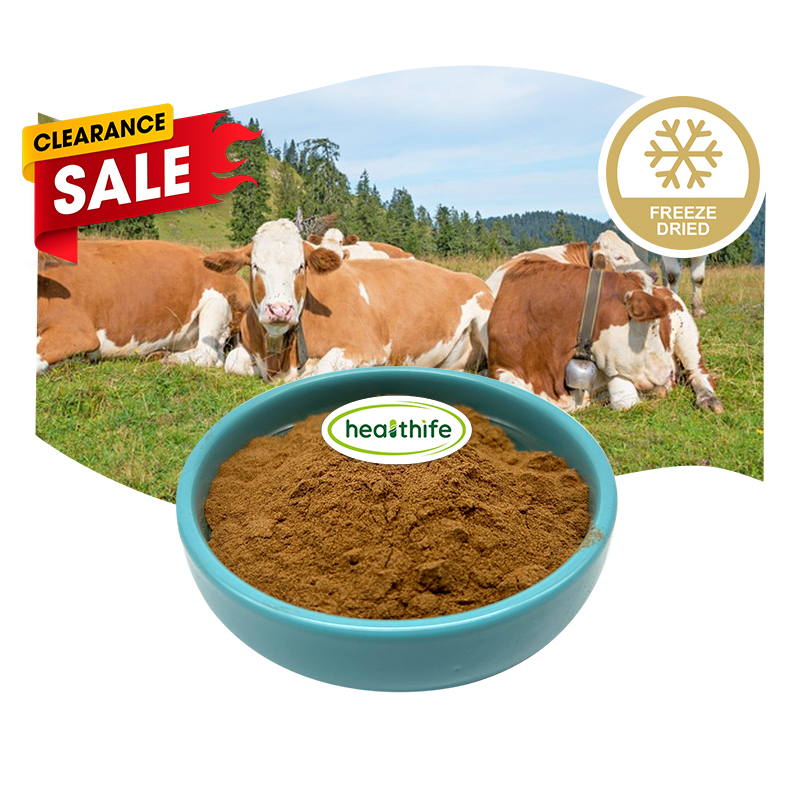
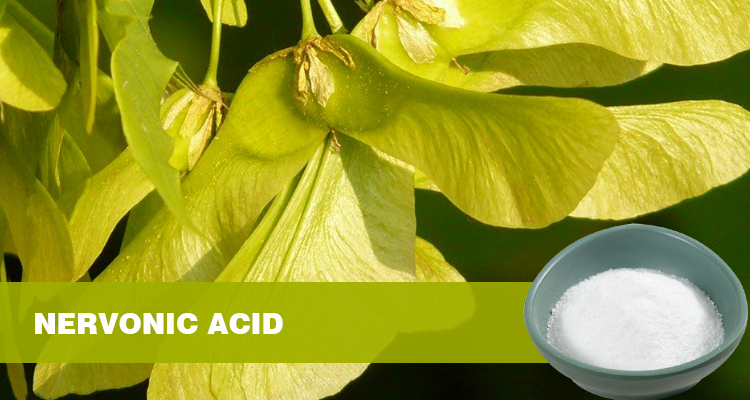


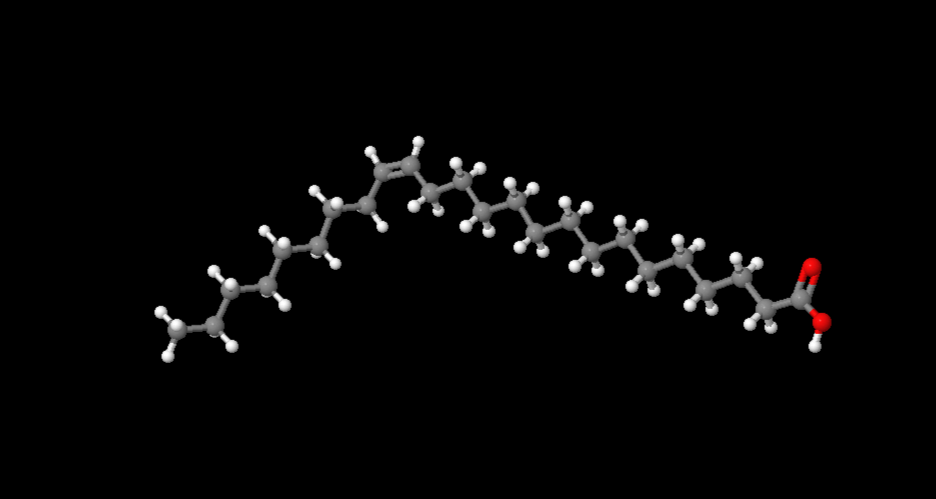
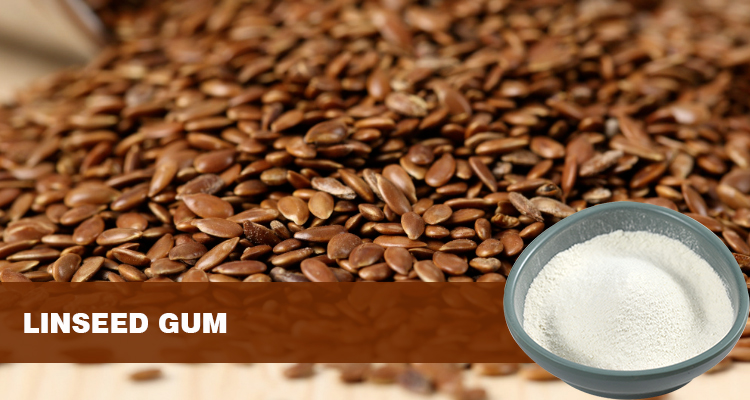

 Safety Applications and Precautions of Dihydroquercetin
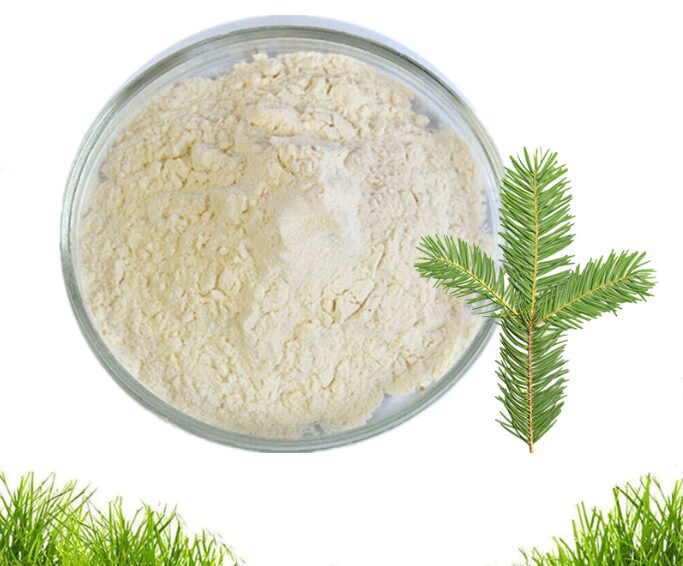 Summary and Outlook
 Multidimensional Effect: The Core Mechanism of Hydroxytyrosol in Protecting Cardiovascular Health