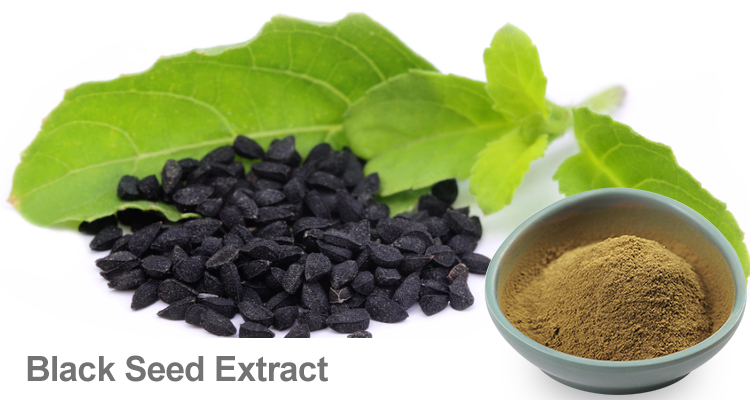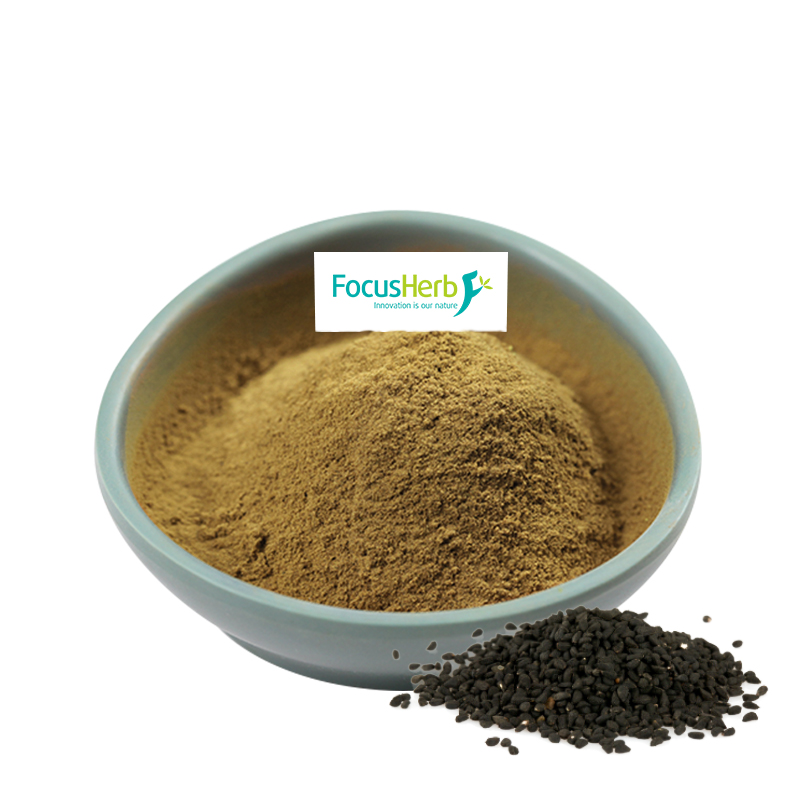


Black Fungus Mushroom Extract: Unlocking the Multiple Benefits of This Natural Health Guardian– FocusHerb

The miraculous benefits of Black Fungus Mushroom Extract stem from its rich and unique active ingredients, which work like a meticulously coordinated “health guard” to protect human health from various angles.

Adenosine and guanosine, two purine nucleosides, play crucial roles in the tricarboxylic acid cycle, a key component of human energy metabolism. Adenosine, a key signaling molecule in cellular energy metabolism, regulates cellular energy balance. When the body needs energy, it responds quickly, promoting the smooth flow of the tricarboxylic acid cycle and providing sufficient fuel for cellular activity. Guanosine, a key raw material for nucleic acid synthesis, is crucial for cell growth, repair, and renewal. In tissues with active cell division, such as the bone marrow and intestinal mucosa, guanosine participates in the synthesis of DNA and RNA, ensuring normal cellular function.

Black fungus polysaccharides are composed of a complex structure, comprising a clever combination of various monosaccharides, including glucose and mannose. It possesses unique adsorption properties. In the intestines, the numerous active sites in its molecular structure act like “little hooks,” precisely grabbing impurities, toxins, and excess cholesterol, forming complexes that are ultimately excreted with feces, effectively purifying the intestinal environment. Furthermore, wood ear polysaccharides bind to specific receptors on the surface of immune cells, activating immune cells such as macrophages and T cells, enhancing their activity and function, and thus boosting the body’s overall immune defenses.

Dietary fiber and pectin play a physical regulatory role in the intestines. Dietary fiber acts like a “massager” for the intestines, adding bulk to stool, promoting intestinal peristalsis, and facilitating smoother food transport, thus preventing constipation. Pectin lubricates the intestines, reducing friction between stool and the intestinal wall and making defecation easier. Together, these two components maintain normal intestinal physiological function.

Core Benefits of Systemic Health Regulation

Bidirectional Regulation of the Immune System

Black Fungus Mushroom Extract regulates the immune system through a sophisticated, bidirectional, balanced mechanism, like an experienced commander who flexibly adjusts strategies based on the body’s immune status.
Purine nucleosides play a key role. When the body is invaded by pathogens and immune function is compromised, the adenosine and guanosine in these purine nucleosides rapidly activate macrophages, turning them into “battle guards” awakened to enhance their ability to phagocytize pathogens. Simultaneously, they activate natural killer cells, enabling them to accurately identify and rapidly eliminate pathogen-infected cells, significantly enhancing the nonspecific immune response and building a strong immune defense. Clinical research strongly supports this theory. In a study of people prone to respiratory infections, continuous intake of Black Fungus Mushroom Extract showed a 30% reduction in the incidence of respiratory infections, fully demonstrating the positive effects of Black Fungus Mushroom Extract on immune activation.
When it comes to chronic inflammatory responses, Black Fungus Mushroom Extract also exhibits anti-inflammatory properties. When inflammation occurs, pro-inflammatory cytokines are released in large quantities, triggering an inflammatory storm that disrupts the body’s internal environment. Adenosine can act promptly to inhibit the release of pro-inflammatory cytokines and mitigate the damage caused by inflammation to tissues and organs. For arthritis patients, for example, their joints often experience pain, swelling, and limited mobility due to inflammation. Black Fungus Mushroom Extract, by inhibiting the inflammatory response, can alleviate these symptoms to a certain extent, improving their quality of life. For patients with tracheitis, it can also reduce tracheal inflammation, alleviating coughs, wheezing, and other discomforts. This property offers a new dietary strategy for people with immune disorders. By consuming a reasonable amount of black fungus in their daily diet, they can help regulate their immune system and maintain immune balance.

Vascular Protection and Thrombosis Prevention Network

In the human cardiovascular system, Black Fungus Mushroom Extract acts like a tight “protective network,” comprehensively safeguarding vascular health and preventing thrombosis, from anticoagulation, microcirculation optimization, to lipid metabolism regulation.

Anticoagulation and Microcirculation Optimization: Adenosine plays a crucial role in anticoagulation and microcirculation optimization. During blood flow, platelet aggregation is a key step in thrombus formation. Adenosine can sensitively block platelet ADP receptors, acting like a lock on the platelet aggregation switch, inhibiting platelet aggregation. It also prolongs the prothrombin time, slowing and streamlining blood clotting, reducing blood viscosity and allowing blood to flow more smoothly through the blood vessels, effectively preventing the formation of atherosclerotic plaques.

Clinical observations provide strong evidence for this effect. A study of patients with hyperlipidemia found that those who regularly consumed black fungus significantly improved endothelial function. The endothelium acts like a protective membrane lining the blood vessels. Healthy endothelial function maintains normal vascular dilation and contraction, preventing lipid deposition and thrombosis. These patients also experienced a significantly reduced risk of cardiovascular events. While the mechanism of action of Black Fungus Mushroom Extract may be synergistic with medications like aspirin, the strength of this effect is relatively weak. However, its advantage lies in its long-term inclusion in the diet, making it suitable for daily cardiovascular disease prevention. Targeted Regulation of Lipid Metabolism: Wood ear polysaccharides have a unique, targeted role in regulating lipid metabolism. In the intestines, the primary battlefield for nutrient absorption, wood ear polysaccharides, thanks to their unique molecular structure, act like tiny sponges, efficiently absorbing cholesterol from the intestines and reducing its absorption by the body. Once in the bloodstream, they actively promote the degradation of low-density lipoprotein cholesterol (LDL-C). Excessive LDL-C can deposit in blood vessels, leading to atherosclerosis. Wood ear polysaccharides metabolize LDL-C, reducing its bloodstream content.

Furthermore, wood ear polysaccharides can also increase levels of high-density lipoprotein (HDL), the “good cholesterol” in blood lipids. HDL transports cholesterol from the blood vessels to the liver for metabolism, thereby reducing cholesterol deposition there. Animal research data is highly convincing. After feeding Black Fungus Mushroom Extract to experimental animals, researchers found that their serum total cholesterol levels decreased by 20%-25% and triglyceride levels dropped by 15%-20%. This offers hope for patients with hyperlipidemia and fatty liver disease. By consuming Black Fungus Mushroom Extract, they can obtain natural metabolic support and help improve their blood lipid profile.

Synergistic Promotion of Metabolism and Tissue Repair

The synergistic effects of Black Fungus Mushroom Extract on human metabolism and tissue repair are the result of the synergistic effect of multiple components. These components work together like a closely coordinated “logistics support team,” providing comprehensive support for the body’s normal functioning and damage repair.

Energy Metabolism and Cell Repair: Guanosine plays a central role in energy metabolism and cell repair. In the mitochondria, the cell’s energy powerhouse, guanosine acts as an ATP precursor and participates in oxidative phosphorylation. It acts as a key raw material for the energy production chain, promoting ATP synthesis and providing sufficient energy for various cellular activities.

After surgical trauma or strenuous exercise, cells are damaged and need to be repaired and restored. During this period, guanosine promotes inosinic acid synthesis, accelerating tissue repair and recovery. For example, athletes often experience muscle soreness due to fatigue and damage after intense training or competition. Consuming Black Fungus Mushroom Extract shortens the time it takes for muscle soreness to subside by 20%-30%. This is because guanosine promotes the repair of damaged muscle cells. Simultaneously, levels of the oxidative stress marker malondialdehyde (MDA) significantly decrease, indicating reduced oxidative damage to cells. This confirms the dual effects of Black Fungus Mushroom Extract on energy metabolism and cell damage repair.

Regulating the intestinal microbiome and digestive function: The dietary fiber and pectin in Black Fungus Mushroom Extract are the “guardians” of intestinal health. Dietary fiber has a strong water-absorbing capacity. Once in the intestines, it absorbs a large amount of water, increasing stool bulk and stimulating intestinal peristalsis. It acts like a “propeller” for the intestines, allowing food residue to pass through more quickly and preventing constipation. It also serves as a “food” for beneficial intestinal bacteria, promoting the proliferation of beneficial bacteria such as Bifidobacterium. These beneficial bacteria thrive in the intestines, regulating intestinal pH and creating an environment unfavorable for the growth of harmful bacteria, thereby inhibiting their overgrowth. The lubricating properties of the gelatin component reduce friction between stool and the intestinal wall, promoting smoother bowel movements. Black Fungus Mushroom Extract is particularly effective for sedentary individuals and those with functional dyspepsia. Clinical observations have shown that consuming black fungus increased bowel movement frequency by 1.5-2 times and shortened intestinal transit time by approximately 10%, effectively improving digestive function and enhancing quality of life.

Cutting-Edge Value in Antioxidant and Neuroprotective Function

In the cutting-edge field of combating oxidative stress and preventing neurodegenerative diseases, Black Fungus Mushroom Extract demonstrates tremendous research value and application potential, opening up new avenues for maintaining human health.

Oxidative Stress Defense System: Purine nucleosides and fungus polysaccharides work together to build the body’s oxidative stress defense system. In daily life, the human body is constantly exposed to various internal and external factors, such as ultraviolet radiation, environmental pollution, poor diet, and mental stress. These factors can lead to the production of large numbers of free radicals. These act like troublemakers, attacking various biomolecules within cells, such as lipids, proteins, and DNA, triggering oxidative stress, leading to cell damage and aging.

Purine nucleosides and wood ear polysaccharides act as “antioxidant guards.” Working synergistically, they can effectively scavenge free radicals and reduce their damage to cells. They also enhance the activity of antioxidant enzymes such as superoxide dismutase (SOD) and glutathione peroxidase (GSH-Px). These enzymes are important components of the body’s antioxidant system, catalyzing the decomposition of free radicals and enhancing the antioxidant capacity of cells. They also reduce liver malondialdehyde (MDA), a product of lipid peroxidation. A decrease in MDA indicates that oxidative damage to cells has been effectively suppressed. Experimental data strongly demonstrates the antioxidant benefits of Black Fungus Mushroom Extract. Studies on alcoholic liver damage have shown that it offers a 40%-50% protective effect against alcoholic liver damage, providing a new option for protecting liver health in chronic drinkers.

Potential intervention for neurodegenerative diseases: Adenosine’s role in neuroprotection offers new hope for the prevention and treatment of neurodegenerative diseases. During neurotransmission in the brain, excessive glutamate is released when neurons are overstimulated. Glutamate is an excitatory neurotransmitter, and while a moderate amount is crucial for neurotransmission, excessive glutamate release can cause excitotoxicity, leading to neuronal damage and death. This is a key pathogenesis of neurodegenerative diseases such as Parkinson’s disease and Alzheimer’s disease.

Adenosine inhibits excessive glutamate release through A1 receptors, acting like a “brake” on glutamate release, mitigating excitotoxicity and protecting neurons from damage. In relevant disease model experiments, researchers found that adenosine showed neuronal protective effects in Parkinson’s disease and Alzheimer’s disease models. Although further clinical verification is still needed, this discovery provides an important scientific basis for dietary intervention in the early prevention of neurodegenerative diseases. In the future, it is expected that the reasonable intake of Black Fungus Mushroom Extract will play a positive role in the prevention and auxiliary treatment of neurodegenerative diseases.

Adaptive Applications for Specific Physiological Scenarios

Precision Dietary Strategies for Stone Prevention

In the field of stone prevention, Black Fungus Mushroom Extract provides a natural and precise dietary strategy, particularly with a unique mechanism of action for preventing calcium oxalate stones.
The dietary fiber in Black Fungus Mushroom Extract acts like a “little guard,” playing a critical role in the intestine. It can sensitively bind tightly to calcium salts in the intestine, forming a complex that is difficult to absorb, effectively reducing intestinal calcium absorption and lowering urinary calcium excretion. The mechanism of stone formation is closely related to the concentrations of calcium and oxalic acid in urine. When these two substances reach a certain supersaturation in the urine, they are prone to crystallization and stone formation. Black Fungus Mushroom Extract, by reducing urinary calcium excretion, breaks the conditions that allow for the formation of this supersaturation, thereby reducing the risk of calcium oxalate stone formation at the source.

At the same time, the gelatinous components in black fungus act like powerful “adsorbents,” performing effectively within the digestive tract. It efficiently absorbs various impurities, including heavy metals and tiny particles that could potentially form the core of stones, encapsulating these potentially dangerous substances and allowing them to be excreted with feces. This acts like a series of obstacles in the path of stone formation, making it difficult for stones to find their “core” and grow.

However, patients with uric acid stones should exercise caution when consuming black fungus. While black fungus may prevent calcium oxalate stones, it contains a certain amount of purine, which is metabolized into uric acid in the body. For patients with uric acid stones, who already have abnormal uric acid metabolism, excessive purine intake can further increase uric acid production and worsen their condition. Therefore, it is recommended that such patients consume black fungus no more than three times per week, with a single serving of dried product limited to 10g. In terms of dietary considerations, it is important to avoid consuming black fungus with foods high in calcium, as these foods increase urinary calcium concentration, counteracting the Black Fungus Mushroom Extract’s ability to reduce urinary calcium excretion. At the same time, it is crucial to drink at least 2000ml of water daily. Drinking plenty of water can dilute urine, reduce the concentration of various stone components in urine, and minimize the chance of stone formation, maximizing the effectiveness of Black Fungus Mushroom Extract in preventing stones.

Contraindications and Precautions for Special Populations

Hyperuricemia and Gout Patients: Patients with hyperuricemia and gout should exercise caution when consuming black fungus. Black fungus contains a certain amount of purine nucleosides, especially in the dried form, which has a relatively high purine content. When ingested, purine nucleosides undergo a complex metabolic process and are ultimately converted into uric acid. For these patients, their bodies already have uric acid metabolism disorders, resulting in excessive uric acid production or decreased excretion, leading to elevated blood uric acid levels. Consuming large amounts of black fungus in this situation, and consuming excessive purine nucleosides, can further increase uric acid production, causing a sharp rise in blood uric acid levels and potentially triggering an acute attack of gout. During an acute gout attack, patients experience severe joint pain, redness, swelling, and fever, severely impacting their quality of life. Therefore, during an acute gout attack, black fungus consumption should be discontinued to allow the body to focus on managing the inflammatory response. During remission, patients should also strictly control their intake and ensure that the purine intake from black fungus is included in their total daily purine intake to ensure that it does not exceed the body’s metabolic burden. Furthermore, when consuming black fungus, try to avoid purine-rich parts of the fungus, such as the roots, to reduce purine intake.

Individuals with abnormal coagulation function, those undergoing surgery, and those taking anticoagulant medications: Black Fungus Mushroom Extract has a certain anticoagulant effect. For those with normal coagulation function, it can help maintain blood flow and prevent thrombosis. However, for those with abnormal coagulation function, such as those with certain blood disorders resulting in platelet dysfunction or coagulation factor deficiencies, their coagulation mechanisms are impaired, making them prone to persistent bleeding. The anticoagulant effects of Black Fungus Mushroom Extract may synergize with the individual’s own coagulation abnormalities, further exacerbating bleeding tendencies. During the perioperative period, wound repair and coagulation mechanisms are active. Consuming black fungus during this period may impair normal coagulation and healing of surgical wounds, increasing the risk of bleeding. For patients taking anticoagulants such as warfarin, the medication is already exerting its anticoagulant effect. The synergistic anticoagulant effect of Black Fungus Mushroom Extract may overpower this effect, significantly increasing the risk of bleeding, such as nosebleeds, gingival bleeding, skin bruising, and even severe intracranial hemorrhage. Therefore, before consuming black fungus, these individuals should always have their prothrombin time (PT) and international normalized ratio (INR) checked. Based on the test results, the appropriate amount of consumption should be carefully determined under the guidance of a physician.

Individuals with allergies: Individuals with allergies have an overly sensitive immune system to certain substances. As a common food, black fungus can also be an allergen. When first consuming black fungus, individuals with allergies should start with a small dose, ideally 5g of dried fruit. This is because consuming small doses can reduce the severity of allergic reactions, allowing for prompt detection and appropriate measures if allergic symptoms occur. After consumption, individuals should be closely monitored for 24 hours, noting the development of a rash (which may appear as red maculopapular rashes and itching on the skin); difficulty breathing (a more severe, potentially life-threatening allergic reaction); and gastrointestinal discomfort, such as abdominal pain and diarrhea. If these adverse reactions do not occur during the observation period, it indicates that the body is tolerating this dose of black fungus, and the amount consumed can be gradually increased until normal intake is achieved. However, if any allergic symptoms occur, discontinue consumption immediately and seek medical advice for allergy treatment under a doctor’s guidance. Furthermore, individuals should keep a record of their diet and allergic reactions to accurately identify allergens and avoid further exposure.

Scientific Consumption and Maximizing Efficacy Strategies

Consumption Method and Dosage Optimization

Scientific consumption methods and appropriate dosages are key to fully maximizing the benefits of Black Fungus Mushroom Extract. To ensure optimal absorption of its nutrients, it is recommended to consume it 2-3 times per week, limiting intake to 10-15g of dried black fungus each time, which translates to approximately 50-75g of soaked black fungus. This frequency and dosage ensures a continuous flow of nourishing black fungus without burdening the body with excessive intake.

In terms of cooking methods, cold salads and stir-fries are recommended. Cold salads maximize the preservation of the black fungus’s original nutrients. After blanching the soaked black fungus, add an appropriate amount of vinegar, minced garlic, cilantro, and other seasonings and mix thoroughly. This is not only refreshing and delicious, but also promotes nutrient absorption. When stir-frying, pay attention to controlling the oil temperature, keeping it below 180°C and cooking for no more than 5 minutes. This preserves over 80% of the purine nucleosides’ activity, allowing them to fully exert their anticoagulant and lipid-regulating properties.

In addition, clever ingredient pairings can further enhance the efficacy of Black Fungus Mushroom Extract. Pairing black fungus with vitamin C-rich ingredients like bell peppers and lemons can boost the bioavailability of the fungus’s polysaccharides, increasing their immune-boosting and antioxidant benefits by approximately 30%. For example, stir-frying black fungus with bell peppers and shredded pork is both delicious and nutritious, offering both health and flavor.

At the same time, be mindful to avoid inappropriate consumption methods. Prolonged soaking of black fungus is not advisable. The soaking time should not exceed four hours, as this can easily breed Pseudomonas cocovenenans, which produces the deadly toxin fumonisin. Repeated heating can also degrade the active ingredients in the fungus, reducing its nutritional value. Therefore, it is best to cook the soaked fungus all at once to avoid multiple reheating.

Quality Control and Storage Tips

When purchasing and storing black fungus, strict quality control and proper storage methods are crucial to ensuring its safety and stability. When choosing black fungus, be discerning and prioritize products with intact auricles, a shiny black belly and a grayish-white back, and no pungent odor. Intact auricles indicate that the fungus has been well-preserved and not excessively damaged during harvesting and processing. A shiny black belly and a grayish-white back are typical characteristics of high-quality black fungus, indicating higher quality. The absence of a pungent odor indicates that the fungus has not been treated with sulfur fumigation or chemical color enhancement, making it safer to consume.

When storing black fungus, create a suitable environment for it. Seal the black fungus and store it in a cool, dry place to prevent moisture, mold, and spoilage. If conditions permit, refrigerate it at 4°C to further extend its shelf life. It’s important to note that the shelf life of dried black fungus is generally 18 months, while the shelf life of soaked black fungus is shorter, only 24 hours. Therefore, it should be consumed within its shelf life. During storage, regularly inspect the black fungus. If any signs of spoilage, odor, or discoloration are observed, discard them immediately to avoid the harm of consuming stale fungus.

Black Fungus Mushroom Extract, with its multi-component, multi-target health-regulating properties, holds broad application potential, from supporting basic metabolism to preventing complex diseases. By accurately understanding its mechanisms of action and using it scientifically, it can become a safe and effective component of the modern diet, providing a natural and effective solution for personalized health management. Incorporating black fungus into your daily meals can help make it a valuable aid to a healthy lifestyle.


Spermidine: The Secret Key to Reproductive Health – FocusHerb

Reproductive health is undoubtedly a crucial component of life’s wondrous journey. It not only affects individual well-being but is also closely linked to human reproduction. Within this shrouded realm of reproduction, spermidine, a mysterious “guest,” is gradually emerging and attracting the attention of numerous researchers. Spermidine, a naturally occurring polyamine, is widely distributed throughout organisms, from microorganisms to plants and animals. Despite its seemingly ordinary nature, it plays a crucial role in reproductive health, like a key that unlocks the secrets of reproductive health.

Spermidine and Male Reproductive Health

Spermidine plays a crucial role in the intricate and complex “microcosm” of the male reproductive system. It profoundly influences sperm production, development, maturation, and the normal physiological properties of semen, making it a crucial safeguard for male reproductive health.

The “Guardian” of Sperm

During sperm production and development, cells undergo a series of complex metabolic activities, which inevitably produce free radicals. Free radicals are like troublemakers, possessing strong oxidative activity. If left unchecked, they can attack sperm’s DNA and cell membranes. Damage to sperm DNA can lead to genetic mutations, impacting normal embryonic development. Damage to the cell membrane can also destabilize sperm, preventing them from swimming properly and fertilizing the egg. Spermidine, a powerful antioxidant, acts like a loyal “guardian,” capturing and neutralizing these free radicals, preventing them from damaging sperm and protecting the integrity of sperm DNA and cell membranes, thereby maintaining sperm quality.

A “Booster” for Sperm Motility

For sperm to successfully fertilize an egg, they must possess excellent motility, enabling them to swim quickly and accurately toward the egg. Research has found that spermidine plays a key role in sperm motility. It regulates ion balance within sperm cells, particularly calcium ion concentration. Calcium ions play a crucial role in sperm motility. A suitable calcium ion concentration activates motor proteins in the sperm tail, causing it to rhythmically oscillate and propel the sperm forward. When spermidine is deficient, the ion balance within sperm cells is disrupted, leading to abnormal calcium ion concentrations. This significantly reduces sperm motility and vitality, making it difficult for sperm to swim within the female reproductive tract and reach the egg, significantly reducing the chance of fertilization.

The “Shaper” of Sperm Morphology

Normal sperm morphology is a crucial prerequisite for fertilization. Sperm has a unique morphological structure, with the head carrying genetic material and the tail providing motility. Spermidine plays an essential role in maintaining normal sperm morphology and structure. It participates in the construction and stability of the sperm cytoskeleton, which acts as the sperm’s “internal scaffolding” and determines its shape. Spermidine promotes the polymerization of tubulin, forming a stable microtubule structure. These microtubules not only support the sperm head and tail but also participate in material transport and signal transmission. A lack of spermidine disrupts the sperm cytoskeleton, leading to abnormal sperm morphology, such as an oversized or undersized head and a curved or missing tail. These sperm with abnormal morphology often have poor motility and struggle to fertilize the egg. Even if fertilization is successful, the risk of abnormal embryonic development may increase.

The “Regulator” of Semen Coagulation and Liquefaction

After ejaculation, semen undergoes a process of coagulation followed by liquefaction. Immediately after ejaculation, semen rapidly coagulates, helping it to remain within the female reproductive tract and prevent it from leaking out. Subsequently, semen liquefies over a period of time, allowing sperm to swim freely and facilitate their descent to the egg. Spermidine plays a “regulatory” role in this process, influencing the activity of various proteins and enzymes in semen, thereby regulating semen coagulation and liquefaction. Specifically, spermidine regulates the interaction between coagulation proteins and liquefaction enzymes, ensuring the normal coagulation and liquefaction processes of semen. Abnormal spermidine levels can disrupt semen coagulation and liquefaction, resulting in, for example, semen failing to coagulate or taking too long to liquefy. This can negatively impact sperm survival and motility, and thus male fertility. (V) A Multifaceted Helper for the Male Reproductive System

Spermidine’s effects are not limited to its effects on sperm; it serves as a multifaceted helper for the male reproductive and urinary systems. It regulates the overall function of these systems and maintains their normal physiological state. In prostate tissue, spermidine can play a protective role, preventing diseases such as prostatitis and benign prostatic hyperplasia (BPH). Prostatitis and BPH affect the secretion of prostatic fluid, a crucial component of semen. Changes in its composition and properties can negatively impact sperm quality. Furthermore, spermidine is closely linked to male erectile function and libido. It improves blood supply to the corpus cavernosum by regulating the release of neurotransmitters and vasoactive substances, thereby enhancing erectile function. It also influences the neuroendocrine system in the brain, boosting libido and improving the quality of sexual life, thus supporting male reproductive health in multiple ways.

Spermidine and Female Reproductive Health

Spermidine plays an indispensable role in the female reproductive process, acting like a silent, unsung hero, actively contributing to multiple key processes and safeguarding women’s reproductive health.

A Catalyst for Ovulation

Ovulation maturation is a crucial step in the female reproductive process. Only a mature egg can fertilize with sperm and begin the journey of life. In animal model studies, scientists have discovered a surprising phenomenon: supplementation with spermidine significantly promotes oocyte maturation and ovulation. This discovery offers new hope for addressing fertility issues caused by oocyte maturation disorders or abnormal ovulation. Spermidine’s mechanism of promoting oocyte maturation may be related to its regulation of intracellular signaling pathways. It activates a series of protein kinases involved in oocyte maturation. These kinases act like “small switches,” initiating the various physiological processes of oocyte maturation, enabling the oocyte to successfully complete meiosis and reach maturity. Spermidine also regulates hormone secretion in the ovaries, creating a favorable endocrine environment for oocyte maturation and ovulation. For example, it can promote the release of gonadotropins and enhance the sensitivity of follicles to gonadotropins, thereby promoting follicular development and egg maturation.

 “Improvers” of Endometrial Receptivity

After successful fertilization, the fertilized egg must implant on the endometrium before further development into an embryo. Endometrial receptivity is a key factor influencing the success rate of embryo implantation. The endometrium is like “soil”—only when the soil is fertile and suitable can the seed (fertilized egg) take root and grow successfully. Spermidine plays a key role in improving endometrial receptivity. Research has shown that spermidine supplementation can regulate gene expression in endometrial cells and promote the secretion of various cytokines and adhesion molecules that promote embryo implantation. These cytokines and adhesion molecules act like “glue,” strengthening the adhesion between the fertilized egg and the endometrium, making it easier for the fertilized egg to implant. Furthermore, spermidine improves blood circulation in the endometrium, providing the embryo with sufficient nutrients and oxygen, creating favorable conditions for development.

A “ray of hope” for restoring oocyte quality

With aging, women’s reproductive capacity gradually declines, an inevitable physiological process. Declining oocyte quality is a key factor contributing to this decline. Studies have found that spermidine levels in the ovaries of aged female mice decrease significantly, and oocyte quality also declines, indicating signs of ovarian aging. However, supplementing with spermidine significantly restored oocyte quality and significantly improved fertility in aged female mice. Further research revealed the secret: spermidine enhances mitochondrial autophagy, clearing damaged mitochondria and improving mitochondrial function. Mitochondria are the cell’s “energy factories” and are crucial for the development and function of oocytes. When mitochondria are damaged, the oocyte’s energy supply is insufficient, compromising its quality and developmental potential. Spermidine enhances mitochondrial autophagy, promptly clearing these “problematic mitochondria” and restoring normal energy metabolism in oocytes, thereby restoring oocyte quality and fertility. Excitingly, similar effects of spermidine have been observed in aged porcine oocytes, suggesting that this mechanism of action may be conserved across species. This research finding offers new hope for extending women’s reproductive lifespan. Perhaps in the near future, spermidine supplementation will help more older women achieve their dream of having children, providing a new strategy and approach to addressing human fertility issues.

Precautions for Spermidine Supplementation

Although spermidine has many benefits for reproductive health, it should be used with caution. Excessive spermidine intake may have potential adverse effects. Some believe that excessive spermidine intake can lead to a loss of calcium and vitamin B₁₂ in the body, potentially leading to long-term health problems such as anemia and osteoporosis. While scientific evidence regarding these side effects remains controversial, for safety reasons, it is important to strictly control the dosage of spermidine supplements and avoid excessive intake. Furthermore, spermidine may interact with certain medications, affecting their efficacy or causing adverse reactions. For example, those taking anticoagulants or antihypertensive medications should exercise extreme caution before taking spermidine supplements. Therefore, before considering spermidine supplementation, it is crucial to consult a doctor or a professional nutritionist. They can provide personalized guidance based on factors such as individual health status, dietary habits, and current medications, ensuring the safety and effectiveness of spermidine supplementation and enabling it to better contribute to reproductive health and overall well-being.

Summary and Outlook

Spermidine, a rising star molecule in the field of reproductive health, has demonstrated remarkable and significant effects in maintaining sperm quality and regulating semen physiology in male reproductive health, as well as in egg maturation, improving endometrial receptivity, and restoring oocyte quality in female reproductive health. It provides new insights and potential intervention targets for addressing reproductive health issues. While research on spermidine in reproductive health has yielded some promising results, this represents only the tip of the iceberg. There are still many unknowns to explore, such as whether the specific mechanism of action of spermidine varies among individuals and under different physiological and pathological conditions, and how to safely and effectively supplement spermidine to achieve optimal reproductive health outcomes. With the continuous advancement of science and technology and the deepening of research, we believe that in the near future, more research results will emerge on spermidine in the field of reproductive health, bringing greater hope and possibilities for improving human reproductive health. Let us all look forward to spermidine shining even brighter in the reproductive health arena and making greater contributions to human reproduction and well-being.

Phycocyanin Pigments: A Comprehensive Explanation of the Blue Miracle- FocusHerb

Phycocyanin, a unique natural blue pigment, is gradually emerging as a vibrant and vibrant color in the fields of food, cosmetics, and biomedicine. Like a dazzling pearl hidden within marine algae, it exudes a captivating blue glow, not only adding a touch of vibrant color to products but also playing an indispensable role in numerous industries due to its unique properties. Phycocyanin typically appears as a fine, uniform, deep blue powder. When dissolved in water, it quickly transforms clear liquids into a deep, pure blue. This blue, like the mysterious starlight blue of the deep night sky or the undisturbed blue waters of the ocean’s depths, is profound and captivating, instantly captivating the eye.

The Benefits of Phycocyanin Revealed

Natural and Healthy

With people increasingly focused on health, the “clean label” movement is gaining momentum in industries like food and cosmetics. As a natural pigment, phycocyanin offers unparalleled advantages over synthetic pigments. Synthetic pigments are often produced through chemical synthesis, such as using aniline dyes isolated from coal tar. Erythrosine, a dye newly banned by the US FDA in January 2025, is derived from petroleum refining. While low-cost and boasting strong coloring power, its safety has been questioned. Studies have shown that high doses of Red 3 can induce thyroid cancer in rats. Phycocyanin, on the other hand, is extracted from natural algae such as cyanobacteria. The extraction process is relatively environmentally friendly. For example, Zhejiang Binmei Biotechnology Co., Ltd.’s innovative “low-temperature targeted cell wall disruption” technology uses water as an extraction medium, achieving precise cell wall disruption and efficient isolation of phycocyanin, avoiding the damage to its structure and activity caused by high temperatures and chemical reagents. This natural source makes phycocyanin safer. It contains no harmful chemicals and has no toxic side effects, meeting consumers’ demand for natural and healthy products. Consequently, it has become a top choice for many consumers seeking high-quality, healthy lifestyles.

Outstanding Physiological Activity

Powerful Antioxidant Capacity: In the complex “microcosm” of the human body, free radicals are like uncontrolled “troublemakers,” constantly generating and attacking cells, causing cell damage, accelerated aging, and even a range of diseases. Phycocyanin, like a valiant “guardian,” with its unique molecular structure, is an effective weapon for neutralizing these free radicals. Numerous studies have demonstrated that phycocyanin can effectively scavenge superoxide anions, hydrogen peroxide, and hydroxyl radicals from the body. Experimental data show that, in specific experimental systems, phycocyanin can achieve a superoxide anion scavenging rate of over 80% and a hydroxyl radical scavenging rate of approximately 60%. Its antioxidant activity is not only far superior to that of common antioxidants such as SOD and vitamin C, but it can also further enhance the body’s antioxidant defenses by regulating the levels of antioxidant enzymes such as superoxide dismutase (SOD) and glutathione peroxidase (GSH-Px). This multi-pathway antioxidant mechanism enables phycocyanin to demonstrate remarkable effectiveness in protecting cells, delaying aging, and preventing disease, providing a solid defense for our health.

Immune Modulation: In the fast-paced modern world, immunity has become our first line of defense against disease. Phycocyanin, with its remarkable immunomodulatory properties, is a powerful aid in strengthening the body’s immune system. It stimulates immune system activity, promoting the proliferation and differentiation of macrophages, T cells, and B cells, thereby enhancing the body’s ability to recognize and eliminate pathogens. Related studies have found that feeding experimental animals a diet containing phycocyanin significantly enhanced the phagocytic activity of their macrophages, increased the number of T and B cells, and improved the secretion of immune factors. For people with compromised immune systems, such as the frail, the elderly, and those recovering from surgery, phycocyanin supplementation can help boost immunity and reduce the risk of infection. In anti-tumor support, phycocyanin enhances NK cell and T cell activity, helping to inhibit tumor cell growth and mitigate the damage to the immune system caused by chemotherapy and radiotherapy. In inflammatory diseases, such as autoimmune diseases (e.g., rheumatoid arthritis) or chronic inflammation, phycocyanin regulates the balance of immune factors and alleviates excessive inflammatory responses.

Potential other benefits: In addition to its antioxidant and immunomodulatory properties, phycocyanin has demonstrated potential in other areas. In anti-cancer research, multiple experiments have shown that it can inhibit the growth and spread of various cancer cells, including lung, liver, and colon cancer. Phycocyanin inhibits DNA synthesis and cell division, arresting cancer cells in the G0/G1 phase, thereby preventing further proliferation. It can also induce apoptosis, reducing tumor size. In one experiment with lung cancer cells, the addition of phycocyanin significantly inhibited cancer cell proliferation and significantly increased the apoptosis rate. While research on blood sugar regulation is still in its early stages, studies have shown that phycocyanin may regulate blood sugar levels by modulating insulin secretion or increasing insulin sensitivity. Regarding cardiovascular health, phycocyanin can effectively lower blood cholesterol levels, particularly low-density lipoprotein (LDL), the “bad” cholesterol, while increasing high-density lipoprotein (HDL), the “good” cholesterol. This helps prevent the development of atherosclerosis and further protects the cardiovascular system from damage through anti-inflammatory and anti-platelet aggregation mechanisms.

Unique Application Value

Applications in the Food Industry: Phycocyanin is a versatile food additive, serving as both an excellent colorant and a nutritional enhancer. In the beverage industry, many juice drinks and sparkling waters are now incorporating phycocyanin, giving them a distinctive blue hue that distinguishes them from the crowd. For example, some juice brands that promote natural and healthy beverages not only attract consumers with the color, but also enhance their health benefits through its nutritional content. In candy, for example, Mars’ M&Ms, after Europe designated phycocyanin as a coloring food in 2013, blue M&Ms returned to the European market, satisfying consumers’ love for blue candy. In baked goods, the addition of phycocyanin to bread and cakes not only enhances their appearance but also their nutritional value. Statistics show that the market share of foods incorporating phycocyanin has been growing at an annual rate of 15% in recent years, demonstrating increasing consumer acceptance of these products.

Expansion into other sectors: In cosmetics, phycocyanin, thanks to its antioxidant and anti-inflammatory properties, has become an ideal skincare ingredient. Many high-end skincare products incorporate phycocyanin to help protect the skin from environmental damage and maintain its youthful appearance. It can reduce signs of aging, such as wrinkles and hyperpigmentation, and soothe sensitive skin, reducing inflammation and redness. In the pharmaceutical field, phycocyanin can be used as a raw material for antioxidants, anticancer drugs, and liver-protecting medications, contributing significantly to human health. Several phycocyanin-based drugs are currently undergoing clinical trials. In biological testing, phycocyanin can also be used as a bioluminescent probe to label biomolecules, helping researchers better understand physiological processes within organisms and providing a powerful tool for life science research.

Important Disadvantages

Stability Challenges

Sensitivity to light and heat: Despite its numerous advantages, phycocyanin suffers from poor stability and is sensitive to light and heat. Under illumination, the conjugated double bonds in its molecular structure interact with light, triggering a series of complex photochemical reactions that lead to structural changes. When phycocyanin is exposed to strong sunlight, its color gradually fades within just a few hours, from its original deep blue to a pale blue, or even to nearly colorless. This is because the energy of light destroys its chromophores, altering their light absorption capacity and affecting their color. Phycocyanin’s stability also faces significant challenges in high-temperature environments. As temperatures rise, molecular thermal motion intensifies, disrupting the protein’s tertiary and quaternary structures and causing it to lose its original spatial conformation. Research has shown that when temperatures exceed 60°C, phycocyanin‘s structure begins to undergo significant structural changes. After 30 minutes at 80°C, its activity can decrease by more than 50%, and its color can become significantly lighter. This limits its application in products that require high-temperature processing or long-term storage in sunlight. For example, during high-temperature baking, phycocyanin loses its color due to the heat, preventing it from providing a stable color.

Significantly affected by pH: Phycocyanin exhibits significant stability differences under different pH conditions. In an acidic environment, hydrogen ions in the solution react with certain groups within the phycocyanin molecule, such as amino groups, disrupting the protein’s charge distribution and hydrogen-bonding network, leading to structural changes. When the pH falls below 4.5, phycocyanin may precipitate and its color shifts from blue to yellow-green. This structural change affects its light absorption and scattering properties. In alkaline environments, hydroxide ions also damage the phycocyanin structure. When the pH rises above 9.0, the chromophores of phycocyanin are affected, causing the color to fade and ultimately losing its value as a pigment. This high sensitivity to pH requires strict control of the pH of the environment used for phycocyanin, limiting its use in products with unstable acidic and alkaline environments, such as acidic beverages or alkaline detergents, where phycocyanin struggles to maintain a stable color.

Research Status and Future Outlook

Research Progress and Breakthroughs

Innovations in Extraction and Purification Technologies: In recent years, significant innovations have been made in the extraction and purification of phycocyanin. Traditional extraction methods have numerous drawbacks, such as the time-consuming and energy-intensive bead milling method, the tendency for ultrasonication to denature proteins, and the cumbersome and difficult-to-scale freeze-thaw method. However, new technologies have emerged, bringing new hope to phycocyanin extraction. Among them, “low-temperature targeted cell wall disruption” technology is an innovative breakthrough. Zhejiang Binmei Biotechnology Co., Ltd. successfully developed this technology after thousands of experiments and refinements. Using water as the extraction medium and utilizing specific physical methods, this technology precisely disrupts algal cells, achieving efficient isolation of phycocyanin. Compared to traditional methods, it offers numerous advantages. In terms of extraction efficiency, this method can increase phycocyanin extraction by 20%-30%, significantly increasing production. Furthermore, due to reduced energy consumption and equipment wear, costs are reduced by 15%-20%. Furthermore, the low temperature prevents high-temperature damage to the phycocyanin structure, preserving its natural activity and nutritional value to a great extent, allowing the extracted phycocyanin to better exert its physiological functions in subsequent applications.

Stability Enhancement Research Results: Researchers have conducted extensive research to address the poor stability of phycocyanin and have achieved a series of results. Microencapsulation technology is one of the effective methods for improving phycocyanin stability. By encapsulating phycocyanin in tiny capsules, a protective layer is formed, effectively isolating it from the effects of external environmental factors. Lü Xiaoling et al. used gelatin and maltodextrin as wall materials and prepared phycocyanin microcapsules using an air suspension coating method. Experiments showed that microcapsules prepared at 80°C, an atomization pressure of 0.15 MPa, and a core-to-wall ratio of 1:1.5 (20% gelatin in the wall material) exhibited significantly improved photostability, thermal stability, and storage stability. Under light exposure, the color retention of the microencapsulated phycocyanin exceeded 80%, while that of the unencapsulated phycocyanin was only 30%-40%. Under high temperature, the activity loss of the microencapsulated phycocyanin was significantly lower than that of the untreated phycocyanin. Chemical modification techniques have also provided a new approach to improving phycocyanin stability. Chemical modification of phycocyanin molecules alters their structure and properties, thereby enhancing their stability. The researchers used specific chemical reagents to react with certain groups within the phycocyanin molecule, forming stable chemical bonds and significantly enhancing the stability of phycocyanin under various environmental conditions. Chemically modified phycocyanin maintains good structural and color stability under varying pH conditions, with minimal color change within the pH range of 3-10, while unmodified phycocyanin exhibits significant color changes under acidic or alkaline conditions. These technological advances have laid a solid foundation for the widespread application of phycocyanin in a wider range of fields, offering broad application prospects.

Future Application Trends

New Directions in the Food Industry: With the increasing pursuit of health and personalized nutrition, the application of phycocyanin in the food industry will explore new directions. Phycocyanin is expected to become a key component in the field of new health foods. In the future, more functional snacks rich in phycocyanin may emerge, such as phycocyanin energy bars. These bars are not only rich in high-quality plant protein, but also possess phycocyanin’s unique antioxidant and immunomodulatory properties, meeting consumers’ needs for both energy and health. Phycocyanin yogurt, by adding phycocyanin to traditional yogurt, not only offers the nutritional benefits and taste of yogurt, but also provides consumers with additional health benefits such as enhanced immunity and improved intestinal microbiome. Phycocyanin will also play a significant role in personalized nutritional foods. Develop customized foods based on the nutritional needs and health conditions of different populations. For the elderly, develop nutritional supplements rich in phycocyanin to boost immunity and slow aging. For sports enthusiasts, develop sports drinks containing phycocyanin to replenish water and electrolytes while rapidly repairing muscle damage and improving athletic performance.

Cross-disciplinary potential: Phycocyanin has enormous potential applications in healthcare. In drug development, it could become a key raw material for new antioxidant, anti-inflammatory, and anti-cancer drugs. Current studies have shown that phycocyanin can inhibit the growth and spread of various cancer cells. Future development into anti-cancer drugs could provide new options for cancer treatment. In the health supplement sector, phycocyanin can be formulated into various nutritional supplements, such as capsules, tablets, and oral liquids, to meet diverse consumer needs and help boost immunity, improve sleep quality, and regulate blood lipids. In the environmental field, phycocyanin can be used for biomonitoring. Due to its exceptional sensitivity to certain pollutants, it can be used as a bioindicator. By measuring changes in phycocyanin activity and content, it can be used to monitor pollution in water and soil, providing a scientific basis for environmental protection. In the agricultural field, phycocyanin can be used as an additive in biofertilizers to provide nutrition to plants and promote plant growth; it can also be used as a plant growth regulator to regulate plant physiological processes, improve plant resistance, reduce the use of pesticides, and achieve the development of green agriculture.

A Rational Approach to Phycocyanin Pigments

Phycocyanin, a unique natural pigment, exhibits numerous advantages in food, cosmetics, and pharmaceuticals. Its natural and healthy properties, excellent physiological activity, and unique application value have made it a new favorite in numerous industries. However, we cannot ignore its shortcomings. Poor stability and high extraction costs have, to a certain extent, limited its large-scale application and development.

Thankfully, researchers have made significant progress in extraction and purification technologies, as well as in enhancing its stability, laying a solid foundation for its further application. Future application trends suggest that phycocyanin will develop in the food industry towards new health foods and personalized nutritional foods. It also holds tremendous potential for expansion in cross-sectors such as healthcare, environmental protection, and agriculture.

We should approach phycocyanin pigments rationally, fully leveraging its advantages to bring greater benefits to human health and well-being, while also actively addressing and working to address its existing challenges. Through continuous technological innovation and research breakthroughs, we believe that phycocyanin will occupy an even more important position in the natural pigment field, injecting new vitality into the development of related industries and presenting a broad application prospect in the future.

Coenzyme Q10: The Secret Code to Energy and Health

Coenzyme Q10 (Coenzyme Q10), also known as ubiquinone 10, is a fat-soluble quinone compound widely found in the human body. Its chemical structure, named for its quinone-like structure, is similar to that of vitamin K, vitamin E, and plastoquinone, and is therefore considered a vitamin-like substance. It is found in every cell of the human body and is particularly abundant in organs with high energy demands, such as the heart, liver, kidneys, and pancreas. Within cells, Coenzyme Q10 is primarily concentrated in the mitochondria, the core site of cellular energy metabolism, accounting for approximately 45%-50% of the total intracellular Coenzyme Q10. The lowest concentration is in the cytoplasm, at only 5%-10%.

The human body has the ability to synthesize Coenzyme Q10, primarily in the mitochondria. This synthesis involves the participation of multiple enzymes and cofactors, and its production is relatively high in metabolically active organs. Diet is also an important way to obtain Coenzyme Q10. It is naturally present in many foods, including fish like sardines and saury, meats like beef and chicken, nuts like peanuts and walnuts, and some leafy green vegetables like spinach and broccoli. However, with aging, the body’s ability to synthesize Coenzyme Q10 gradually decreases. Combined with the influence of certain medical conditions, this can lead to insufficient levels of Coenzyme Q10 in the body, necessitating supplementation to meet the body’s needs.

The Role of Coenzyme Q10

Coenzyme Q10 plays multiple key roles in the human body and is crucial for maintaining good health.

The Core of Energy Production

In the mitochondria of cells, Coenzyme Q10 is a core player in energy production. The cellular respiratory chain is a key pathway for cellular energy production, and Coenzyme Q10, as a crucial component, participates in the process of oxidative phosphorylation. It acts like an “energy carrier,” transporting electrons in the respiratory chain and facilitating the transport of hydrogen ions from the mitochondrial matrix across the membrane into the intermembrane space, thereby driving the phosphorylation of adenosine diphosphate (ADP) to produce adenosine triphosphate (ATP). ATP is the direct source of cellular energy, powering various cellular activities such as muscle contraction, substance synthesis, and ion transport. Cardiac muscle cells require a continuous and substantial amount of energy to maintain the rhythmic beating of the heart. Coenzyme Q10 plays a particularly crucial role in this process, ensuring an adequate energy supply for cardiomyocytes and maintaining the heart’s normal pumping function.

Powerful Antioxidant Potency

Coenzyme Q10 is a powerful antioxidant. The human body continuously produces free radicals during normal metabolic processes. External factors such as environmental pollution, ultraviolet radiation, and mental stress can also contribute to free radical production. Excessive free radicals attack lipids, proteins, and DNA within cells, causing oxidative stress damage, which in turn contributes to aging and various chronic diseases. Coenzyme Q10 neutralizes these free radicals by directly donating electrons to reduce them, thereby reducing the damage caused by oxidative stress to cells. Furthermore, Coenzyme Q10 promotes the regeneration of other antioxidants, such as vitamin E, synergistically enhancing cells’ antioxidant defenses, protecting the integrity of cell structure and function, and slowing the aging process. It also has positive implications for preventing cardiovascular disease and neurodegenerative diseases.

Protecting Heart Health

Clinical studies have shown that Coenzyme Q10 has a significant positive impact on heart health. For patients with heart failure, supplementing with Coenzyme Q10 can help improve cardiac function, alleviate symptoms such as shortness of breath, fatigue, and edema, and improve quality of life. In a study of patients with heart failure, those who took Coenzyme Q10 supplements showed a significant increase in ejection fraction and enhanced cardiac pumping capacity over time. For patients with arrhythmias, Coenzyme Q10 can also play a regulatory role, stabilizing myocardial membrane potential and reducing the frequency of arrhythmias. Its antioxidant properties can also reduce oxidative damage to vascular endothelial cells, promote the release of nitric oxide, and promote vasodilation, thereby helping to lower blood pressure, reduce cardiac afterload, and reduce the risk of cardiovascular disease. Statins are commonly used clinically to lower blood lipids, but long-term use may cause a decrease in Coenzyme Q10 levels in the body. Supplementing with Coenzyme Q10 can mitigate this side effect of statins to a certain extent and protect heart function.

Other Health Benefits

Coenzyme Q10 also plays a positive role in skin health. With aging, the amount of Coenzyme Q10 in the skin gradually decreases, slowing skin metabolism and leading to wrinkles, sagging, and dullness. Coenzyme Q10 can promote energy metabolism in skin cells, accelerate cell renewal, increase the synthesis of hyaluronic acid in the skin, improve skin hydration, maintain smoothness and elasticity, and reduce the appearance of wrinkles. Coenzyme Q10 is added to many skincare products to help improve skin texture and slow down aging. Coenzyme Q10 can also enhance the activity of immune cells such as T cells, B cells, and macrophages, promote the production of immunoglobulins, help the body better defend against invading pathogens, strengthen the body’s immune system, and, to a certain extent, prevent illnesses such as colds and the flu. For people who often feel tired, supplementing with coenzyme Q10 can improve the efficiency of cellular energy metabolism, increase energy supply, reduce physical fatigue, and allow people to maintain more energy. Athletes and people engaged in high-intensity physical labor can take appropriate amounts of coenzyme Q10 to help improve athletic performance and reduce post-exercise fatigue and muscle damage.


Suitable Patients for Coenzyme Q10

Heart Disease Patients

Coenzyme Q10 is an important candidate for patients with various heart diseases. Heart failure patients experience weakened cardiac pumping function and impaired cardiomyocyte energy metabolism. Coenzyme Q10 can boost cardiomyocyte energy supply, enhance myocardial contractility, improve cardiac pumping function, alleviate heart failure symptoms, and improve patients’ quality of life. Studies have shown that supplementing with Coenzyme Q10 in addition to conventional treatment can improve exercise tolerance and alleviate symptoms such as dyspnea in patients with heart failure. For patients with coronary artery disease, Coenzyme Q10 not only increases myocardial blood supply but also, through its antioxidant properties, reduces damage to vascular endothelial cells, inhibits the formation and progression of atherosclerotic plaques, and reduces the risk of coronary heart attacks. For patients with arrhythmias, Coenzyme Q10 can stabilize myocardial membrane potential, regulate cardiac electrophysiological activity, reduce the frequency of arrhythmias, and maintain normal heart rhythm. Elderly People

With aging, the body’s ability to synthesize Coenzyme Q10 gradually declines, and Coenzyme Q10 levels in the body decrease accordingly. For those over 60, Coenzyme Q10 levels may be 20%-50% lower than in younger people. Reduced Coenzyme Q10 levels can affect cellular energy metabolism and antioxidant defenses, leading to decreased bodily functions, weakened immunity, and increased susceptibility to disease. Supplementing with Coenzyme Q10 can help older adults maintain normal cellular function, slow the aging process of various organs, enhance their immune system, and prevent and alleviate many common age-related illnesses, such as cardiovascular disease and neurodegenerative diseases, thereby maintaining a better physical condition and quality of life.

Athletes and Manual Laborers

During intense training and competition, athletes, as well as manual laborers engaged in strenuous physical labor, experience significantly increased energy demands and heightened cellular metabolic activity, leading to significant Coenzyme Q10 consumption. If Coenzyme Q10 isn’t replenished promptly, it can lead to fatigue and lack of energy, impairing athletic performance and work efficiency, and potentially increasing the risk of sports injuries. Supplementing with Coenzyme Q10 can accelerate cellular energy metabolism, rapidly replenish energy, enhance muscle endurance and strength, reduce fatigue, and promote recovery. Studies have found that athletes who supplement with Coenzyme Q10 experience significantly less fatigue and less muscle soreness after exercise, and shorten their recovery time, allowing them to return to their next training session or competition more quickly.

People with Weak Immunities

Coenzyme Q10 also plays a crucial role for people with weakened immune systems, such as those who frequently catch colds, tire easily, or have slow wound healing. Coenzyme Q10’s antioxidant properties can scavenge excess free radicals in the body, reducing oxidative stress damage to immune cells and maintaining their normal function. It also enhances the activity of immune cells such as T cells, B cells, and macrophages, promoting the synthesis and secretion of immunoglobulins, thereby boosting the body’s overall immunity, helping the body better defend against invading pathogens such as bacteria and viruses, and preventing and reducing the incidence of disease. Office workers under long-term high-stress environments and those with irregular lifestyles, whose immune function is easily compromised, are also suitable candidates for Coenzyme Q10 supplementation to boost immunity.

Patients with Special Diseases

Hepatitis patients, whether viral or drug-induced, experience varying degrees of liver cell damage, impairing their energy metabolism and detoxification functions. Coenzyme Q10 can promote liver cell energy metabolism, enhance liver cell repair, reduce inflammation, and protect liver cells from further damage, helping to improve liver function and promote recovery. When cancer patients undergo chemotherapy and radiotherapy, the drugs, while killing cancer cells, can also damage normal cells, leading to a range of adverse reactions such as fatigue, nausea, vomiting, and decreased immunity. Furthermore, chemotherapy and radiotherapy deplete significant amounts of Coenzyme Q10 in the body. Supplementing with coenzyme Q10 can reduce the damage caused by chemotherapy and radiotherapy to normal cells in the body, relieve adverse reactions such as fatigue and nausea caused by chemotherapy and radiotherapy, improve the patient’s quality of life and tolerance to chemotherapy and radiotherapy, and assist patients in better completing the treatment process.


Coenzyme Q10 Side Effects and Precautions

Common Side Effects

Coenzyme Q10 is generally safe, but some people may experience some side effects.

Gastrointestinal side effects are common, including nausea, vomiting, diarrhea, stomach discomfort, and loss of appetite. These symptoms often occur during the initial phase of Coenzyme Q10 use, especially when a high single dose is taken. This is primarily due to Coenzyme Q10 irritating the gastrointestinal lining, affecting normal gastrointestinal motility and digestive juice secretion. For example, some people experience stomach bloating, dull pain, nausea, nausea, and vomiting after taking Coenzyme Q10 supplements. In severe cases, diarrhea may also occur. However, these symptoms are generally mild, and most people gradually adapt to the effects after continued use, and the symptoms resolve on their own. To alleviate gastrointestinal discomfort, it is recommended to take Coenzyme Q10 after meals. Food can act as a buffer, reducing direct irritation to the gastrointestinal tract. Alternatively, the daily dose can be divided into several smaller doses. A small number of people may experience heart symptoms such as palpitations and heart palpitations after taking Coenzyme Q10. This may be because Coenzyme Q10 affects the heart’s electrical activity, leading to changes in the excitability and conductivity of cardiomyocytes. If palpitations or heart palpitations occur, stop taking Coenzyme Q10 immediately and seek medical attention for an electrocardiogram or other tests to determine the cause of the symptoms. If Coenzyme Q10 is confirmed to be the cause, the doctor will adjust the medication regimen based on the individual’s circumstances, such as reducing the dosage or switching to a different medication. Maintaining healthy lifestyle habits, such as avoiding late nights, excessive exertion, reducing caffeine intake, and engaging in moderate exercise, can help alleviate palpitations.

Some people with allergies may be allergic to Coenzyme Q10 or certain excipients in its preparations, resulting in skin reactions such as rashes, itching, and erythema. In severe cases, these reactions may also be accompanied by systemic allergic reactions such as difficulty breathing and laryngeal edema. If allergic symptoms occur, stop using Coenzyme Q10 immediately and seek medical attention as soon as possible. Under a doctor’s guidance, seek anti-allergic treatment, such as antihistamines (loratadine, cetirizine, etc.). Before using Coenzyme Q10 again, be sure to inform your doctor of your allergy history to avoid recurring allergic reactions.

Precautions

Although Coenzyme Q10 has many health benefits, its use requires strict adherence to a doctor’s instructions. It should not replace regular medical treatment, especially for patients with serious illnesses such as heart failure, coronary artery disease, and cancer. Coenzyme Q10 should only be used as an adjunct treatment and should be used under a doctor’s comprehensive evaluation and guidance. Blindly taking Coenzyme Q10 may not achieve the desired therapeutic effect and may even delay recovery. For example, patients with heart failure should strictly follow their doctor’s prescribed treatment plan while taking Coenzyme Q10, taking cardiotonic, diuretic, and vasodilator medications on schedule, and seeking regular follow-up visits to adjust their treatment plan based on changes in their condition. Long-term Coenzyme Q10 users should regularly check their liver and kidney function. Because Coenzyme Q10 is primarily metabolized in the liver and excreted through the kidneys, long-term or excessive use can burden the liver and kidneys, potentially affecting their function. It is generally recommended to have liver and kidney function tests every 3-6 months to detect potential problems. If test results indicate abnormalities in liver and kidney function, notify your doctor immediately. The doctor will determine whether to adjust the Coenzyme Q10 dosage or discontinue the Coenzyme Q10 treatment based on the individual situation.

While taking Coenzyme Q10, do not increase or decrease the dosage on your own. Increasing the dosage at random may increase the risk of side effects. For example, overdose may cause asymptomatic elevations in lactate dehydrogenase and aspartate aminotransferase levels, and in rare cases, mild itching. Increasing the dosage at random may also fail to achieve effective therapeutic concentrations, potentially compromising treatment effectiveness. Any dosage adjustment should be made under the guidance of a doctor, who will make a comprehensive assessment based on multiple factors, including the patient’s age, weight, severity of illness, and response to the medication, and provide an appropriate adjustment plan.


Proper Coenzyme Q10 Supplementation

Supplementation Methods

When dietary intake is insufficient to meet the body’s Coenzyme Q10 needs, supplements or medications can be used. A wide variety of Coenzyme Q10 supplements and medications are available on the market, with common formulations including softgels, hardgels, tablets, and oral solutions. Softgels, typically made of gelatin and glycerin, effectively protect Coenzyme Q10 from oxidation, making it easier to dissolve and release in the gastrointestinal tract, and increasing Coenzyme Q10 bioavailability, making them highly popular with consumers. When choosing Coenzyme Q10 products, be sure to purchase them through reputable channels to ensure their quality and safety. Prioritize reputable and well-known brands, as these brands typically have more stringent production processes and quality control procedures, ensuring higher product quality. Also, carefully check the product’s ingredient list, production date, expiration date, and other information to avoid counterfeit, substandard, or expired products. Coenzyme Q10 is fat-soluble. To improve its absorption, it’s recommended to take it after a meal, especially with a fatty food. For example, taking Coenzyme Q10 after consuming oily foods like fish and nuts can help dissolve and absorb Coenzyme Q10 in the intestines, allowing the body to better utilize it. Generally, it’s best to take Coenzyme Q10 about half an hour after a meal. If you’re taking a Coenzyme Q10 supplement, strictly follow the recommended dosage in the product package insert and avoid increasing or decreasing the dosage at will. If you’re taking it as a medication, always follow your doctor’s prescription and instructions, and take it according to the prescribed course and dosage to ensure optimal therapeutic effects and minimize adverse reactions.

Appropriate Dosage

Coenzyme Q10 requirements vary among different populations, making appropriate supplementation dosage crucial. For healthy adults, a daily supplement of 30-100 mg of Coenzyme Q10 is generally recommended to maintain normal physiological functions and provide certain health benefits. This dosage range helps the body maintain cellular energy metabolism and antioxidant defenses, preventing health problems that may result from Coenzyme Q10 deficiency.
For patients with specific medical conditions, such as heart failure, coronary artery disease, and chronic hepatitis, the required Coenzyme Q10 dosage is often higher, typically between 100 and 300 mg/day. For patients with heart failure, for example, studies have shown that supplementing with higher doses of Coenzyme Q10 (100-200 mg/day) can significantly improve cardiac function, alleviate symptoms, and enhance quality of life. However, the specific dosage should be individually assessed and adjusted by a physician based on factors such as the severity of the patient’s condition, physical condition, and response to medication.

Older adults, due to a decline in their ability to synthesize Coenzyme Q10, have a relatively increased need for Coenzyme Q10. A daily supplement of 50-150 mg is generally recommended to maintain normal organ function and slow the aging process. Athletes and those who engage in high-intensity physical labor experience greater consumption of Coenzyme Q10 during intense exercise or labor. Therefore, increasing the supplemental dosage appropriately—100-200 mg daily is recommended—can help reduce fatigue, enhance stamina, and promote post-exercise recovery. When supplementing with Coenzyme Q10, it’s important to start with a small dose and gradually increase it to allow the body to adapt and avoid any discomfort caused by a sudden increase in dosage. Regular physical examinations should also be conducted to monitor Coenzyme Q10 levels and adjust the supplemental dosage accordingly.

Coenzyme Q10 is a vital substance for human health, demonstrating irreplaceable benefits in various areas, from supporting energy metabolism to acting as a key antioxidant defense, to supporting heart health and immunity. The elderly, those with heart disease, athletes, and those with weakened immune systems can all benefit from Coenzyme Q10 supplementation. However, when supplementing with Coenzyme Q10, we must maintain a scientific and cautious attitude, follow our doctor’s advice, properly control the dosage, pay attention to possible side effects and drug interactions, and combine it with a healthy diet and lifestyle, such as a balanced diet, moderate exercise, and a regular sleep schedule. Only in this way can Coenzyme Q10 fully exert its health benefits in our bodies and safeguard our health.

Fish Collagen: the secret to beauty and health from the ocean

Fish collagen generally refers to a high-molecular-weight functional protein extracted from fish. It is primarily derived from the fresh skin and scales of tilapia, cod, and other fish, which are rich in collagen. During the extraction process, enzymatic directed shearing technology is often used. This technique precisely extracts the desired collagen components from fish tissue, ensuring the integrity of its molecular structure and biological activity. The extracted collagen primarily consists of type I collagen.

Fish collagen products are rich in 19 amino acids, which contribute to their high nutritional value and diverse physiological functions. Among them, glycine, proline, and hydroxyproline are particularly prominent. Glycine accounts for approximately 30% of the total amino acid composition and plays a key role in maintaining collagen’s structural stability. Proline, which accounts for over 10%, is closely associated with collagen’s toughness and elasticity. Hydroxyproline, a collagen-specific amino acid, plays an essential role in maintaining the stability of its triple helix structure. This unique amino acid composition distinguishes fish collagen from other common proteins and gives it many special benefits.

Unique Extraction Process

Among the many methods for extracting fish collagen, enzymatic hydrolysis stands out due to its numerous advantages, becoming a commonly used and advanced technique. The enzymatic hydrolysis process for extracting fish collagen is meticulous and rigorous, encompassing the following key steps:

Cleaning: Cleaning the raw materials is essential for extracting high-quality fish collagen. If processing the raw materials in-house, fish such as cod caught from deep sea water must first be carefully sorted to remove surface impurities and attached non-collagenous tissue. Next, collagen-rich areas such as the skin and scales must be separated. These raw materials are then placed in a floor cleaning tank, rinsed with deionized water, and degreased and de-ashed with an appropriate amount of acid or alkaline solution. During this process, the pH concentration must be strictly controlled to ensure effective impurity removal without damaging the collagen structure. If de-ashing fish is purchased directly from a raw material supplier, the de-ashing step can be simplified, but cleaning is still essential to ensure the cleanliness of the raw materials.

Enzymatic Hydrolysis: The cleaned and pre-treated fish skin or scales are placed in a double-layered, insulated, and pressure-resistant enzymatic hydrolysis tank, where the enzymatic hydrolysis reaction begins. The enzymatic hydrolysis process requires precise control of multiple conditions, such as temperature, pH, and the type and dosage of enzymes. Specific proteases, such as neutral proteases and flavor proteases, are typically used. These enzymes recognize and cleave specific peptide bonds within collagen molecules, breaking them down into smaller peptide fragments or amino acids. For example, when extracting collagen from tilapia skin, the skin is mixed with an appropriate amount of enzyme solution, the pH adjusted to 7.5-8.0, and the temperature controlled at around 45°C. Enzymatic hydrolysis is then initiated, with constant stirring to ensure adequate contact between the enzyme and the substrate. The reaction typically lasts 2-3 hours. After the desired reaction time, the enzymatic hydrolysis reaction is terminated by heating or the addition of inhibitors to prevent excessive degradation and compromise of collagen quality.

Filtration: After the enzymatic hydrolysis reaction is complete, the hydrolyzed solution is finely filtered using a vertical diatomaceous earth filter. This step is crucial, effectively removing impurities, unreacted fish skin residue, and residual enzymes from the enzymatic hydrolysate, ensuring it meets the requirements for the next process. The filtered enzymatic hydrolysate is collected in a single-layer pressure-resistant storage tank. The workshop must maintain normal operation of 100,000-class air conditioning and purification equipment to maintain a clean production environment and prevent secondary contamination.

Bottling (optional): If the product is ultimately intended for liquid form, the filtered liquid can be directly packaged into standard small drums. Prior to filling, the drums must be dried and sterilized to ensure microbiological safety. After filling, qualified products can be stored.

Concentration and spray drying: If the product is intended for powder form, the filtered liquid undergoes concentration and spray drying. First, the enzymatic hydrolysate is concentrated in a single-effect falling film concentrator to a desired concentration, which improves the efficiency and cost-effectiveness of the subsequent spray drying process. The concentrated liquid then enters a centrifugal spray dryer, where high-temperature hot air instantly evaporates the water, forming a dry collagen powder. This powdered fish collagen is easier to store, transport, and use, and also extends the product’s shelf life to a certain extent.

Enzymatic hydrolysis offers many significant advantages for extracting fish collagen. Firstly, the mild conditions of the enzymatic hydrolysis process maximize the preservation of the collagen’s natural structure and biological activity, avoiding the potential disruption of the collagen’s molecular structure and alteration of its physical and chemical properties during traditional acid or alkaline extraction processes, thereby ensuring the collagen’s quality and efficacy. Secondly, enzymatic hydrolysis offers high selectivity. By selecting the appropriate enzyme and hydrolysis conditions, collagen fragments with specific molecular weights and functionalities can be obtained to meet the needs of diverse applications.

Multifaceted Benefits Revealed


Beauty and Skincare

Hydration: Fish collagen possesses powerful moisturizing properties, stemming from its unique molecular structure. Its triple helix structure absorbs large amounts of water, acting like an efficient sponge, forming a natural moisture barrier within the skin, helping it maintain hydration. When the stratum corneum is well-hydrated, the skin appears plump, smooth, and soft to the touch, with a healthier, more radiant appearance. For example, some people who regularly use fish collagen products experience a significant reduction in dry, flaky skin, maintaining a high level of hydration even in the dry autumn and winter seasons.

Pore Tightening: With aging or irregular lifestyles, the skin’s water-oil balance can be disrupted, leading to excessive oil secretion, which can eventually lead to enlarged pores. Once absorbed by the skin, fish collagen increases the skin’s water-retention capacity, helping to regulate the skin’s water-oil balance and prevent excessive oil secretion. It also enhances skin firmness, tightening the skin around pores and thus minimizing pores. After using skincare products containing fish collagen for a period of time, many people have noticed that their previously enlarged pores have become finer and their skin texture has significantly improved.

Wrinkle and Spot Reduction: Collagen in the skin is a key component that maintains skin elasticity and firmness. With aging, the body’s ability to synthesize collagen gradually decreases, leading to a continuous loss of collagen in the dermis. This leads to a gradual loss of skin elasticity, resulting in sagging and wrinkles. Supplementing with fish collagen can fill in the skin’s sunken areas caused by collagen loss, promote the regeneration and reorganization of collagen fibers in the skin, enhance skin elasticity, and gradually reduce wrinkles. Furthermore, the peptides in fish collagen can inhibit tyrosinase activity, reduce melanin synthesis, and prevent the formation of dark spots at the source. It can also help reduce existing dark spots. Many women who regularly supplement with fish collagen have noticed that their wrinkles have become lighter, dark spots have become less noticeable, and their skin condition has significantly improved.

Acne Scar Repair: Acne scars left after acne resolves are often a source of concern for many people. Fish collagen has a unique healing effect on the skin. It binds tightly to surrounding cells, promoting skin cell regeneration and repair. When acne scars form on damaged skin, fish collagen can stimulate new cell growth, accelerate the healing of damaged skin tissue, help repair acne scars, and restore smooth, even skin. Clinical studies have shown that using products containing fish collagen in certain skin repair treatments can significantly shorten the healing time of acne scars and improve skin appearance.

Health and Wellness

Strong Bones: Bones are a vital support structure for the human body, with over 70% of their organic matter comprising collagen. As a high-quality source of collagen, fish collagen provides essential nutritional support for bones. It promotes calcium deposition and absorption in bones, increasing bone density and strengthening bones, effectively preventing bone diseases such as osteoporosis. For middle-aged and elderly individuals, as they age, their bones gradually lose collagen, becoming fragile and prone to fracture. Appropriate supplementation with fish collagen can help maintain bone health and strength. Studies have found that people who regularly supplement with fish collagen experience a significantly slower rate of bone density loss and a relatively lower risk of fractures.

Promoting Muscle Growth: Fish collagen is a crucial component of muscle tissue and plays a key role in muscle growth and repair. During physical exercise or physical labor, muscles sustain some degree of damage. Supplementing with fish collagen can provide adequate nutrition to muscle cells, promoting repair and regeneration, and helping to increase muscle strength and size. For athletes, fitness enthusiasts, and those who engage in heavy physical labor, appropriate fish collagen supplementation can accelerate muscle recovery, reduce fatigue, and improve athletic performance. Studies have shown that supplementing with fish collagen during strength training significantly increases muscle strength and mass compared to those who do not supplement.

Improving Joint Health: Joints are crucial hubs for human movement, and articular cartilage and synovial tissue are rich in collagen. With aging, excessive exercise, or joint injury, collagen in the joints gradually depletes, leading to wear of the articular cartilage and inflammation of the synovium, resulting in joint pain, stiffness, and limited mobility. Fish collagen can replenish collagen lost in joints, increase the elasticity and toughness of articular cartilage, reduce friction between joints, and lubricate and protect joints, effectively relieving joint pain and improving joint mobility. For patients with joint conditions such as osteoarthritis, supplementing with fish collagen can alleviate symptoms and improve quality of life. Numerous clinical studies have confirmed the positive effects of fish collagen in improving joint health.

Improving Immunity: The immune system is a crucial line of defense against disease, and fish collagen plays a crucial role in its normal function. It enhances immune cell activity and promotes immunoglobulin synthesis, helping the body better identify and resist invading pathogens, thereby boosting immunity. Enhanced immunity effectively prevents various illnesses, such as colds and the flu, and even if an infection occurs, allows for faster recovery. Some individuals with weaker constitutions and prone to illness have experienced significantly fewer colds and shorter recovery times after consistently supplementing with fish collagen.

Suitable for: People and Precautions

Suitable for

People with poor skin condition: With aging, or due to factors such as long-term exposure to UV rays and irregular sleep patterns, the skin gradually loses collagen, leading to dryness, roughness, sagging, wrinkles, enlarged pores, dullness, and freckles. Supplementing with fish collagen can provide the skin with essential nutrients, helping to restore hydration, elasticity, and radiance, improving these conditions and promoting healthier and more beautiful skin. For example, many women over 30 experience sagging skin and fine lines due to accelerated collagen loss. Supplementing with fish collagen can significantly improve their skin condition.

Perimenopausal women: During perimenopause, estrogen levels in women decrease significantly, leading to decreased collagen synthesis and accelerated loss, resulting in a range of problems such as sagging skin, joint pain, and bone loss. Supplementing with fish collagen can help alleviate these symptoms, enhancing skin elasticity, reducing joint discomfort, and increasing bone density, thereby improving the quality of life for perimenopausal women. Studies have shown that perimenopausal women who regularly supplement with fish collagen experience improved skin firmness and some relief from joint pain.

Sports Enthusiasts: People who regularly engage in high-intensity exercise place greater stress on their muscles and joints, making them susceptible to muscle strains and joint wear. Fish collagen is a crucial component of muscle and joint tissue. Supplementing with fish collagen can promote muscle repair and growth, enhance joint stability and flexibility, reduce the occurrence of sports injuries, and help athletes recover faster and improve their performance. For example, professional athletes use fish collagen supplements during training to accelerate muscle recovery and prevent joint injuries.

Those with Bone Health Needs: As middle-aged and elderly individuals experience declining physical function, they experience a continuous loss of collagen and calcium in their bones, resulting in decreased bone density and a higher risk of osteoporosis and other bone diseases. Fish collagen promotes calcium absorption and deposition, enhancing bone toughness and strength, and plays a positive role in preventing and improving bone conditions like osteoporosis. Furthermore, adolescents experience rapid bone growth during their growth and development stages, and appropriate fish collagen supplementation can also contribute to healthy bone development. Studies have shown that long-term fish collagen supplementation in middle-aged and elderly individuals increases bone density and reduces fracture risk.

Precautions

Minors: Minors are in a critical period of growth and development, and their bodies have a strong capacity for collagen synthesis. Supplementing with fish collagen may disrupt their body’s nutritional balance and affect normal growth and development. Therefore, casual fish collagen supplementation is not recommended for minors. They should ensure adequate nutrition through a balanced diet to promote natural growth.

Pregnant and Breastfeeding Women: During pregnancy, pregnant women experience a unique physiological state, with nutrient requirements and metabolism varying from normal. While fish collagen is rich in nutrients, research on its effects on fetal development during pregnancy is insufficient. To avoid potential risks, pregnant women should exercise caution when supplementing with fish collagen. Breastfeeding women should also be aware that fish collagen may be passed to the baby through breast milk, which also carries unknown risks. Therefore, casual supplementation is not recommended during breastfeeding. If necessary, it should be taken under the guidance of a doctor. Seafood allergies: Fish collagen is primarily extracted from fish. For those allergic to seafood, consuming fish collagen products is highly likely to trigger allergic reactions, such as itching, rashes, shortness of breath, and gastrointestinal discomfort. In severe cases, these reactions can be life-threatening. Therefore, people with seafood allergies should strictly avoid consuming fish collagen products. They can choose collagen alternatives from non-fish sources, such as collagen extracted from animal tissues like pigs and cows, but they should also confirm their allergies to these sources before choosing.

Patients with special medical conditions: Those with severe hepatic and renal insufficiency have impaired liver and kidney metabolism, preventing them from properly metabolizing and excreting nutrients. Fish collagen needs to be metabolized by the liver and kidneys after entering the body. Supplementing with large amounts can increase the burden on the liver and kidneys, further impairing their function. Furthermore, those taking certain medications should consult a doctor before taking fish collagen supplements, as fish collagen may interact with certain medications, affecting their effectiveness or causing adverse reactions. For example, fish collagen supplementation may increase the risk of bleeding in patients taking anticoagulants. Therefore, when patients with special diseases consider supplementing fish collagen, they must first consult a professional doctor and make reasonable supplements under the doctor’s guidance.

Market Products and Selection Guide

Product Forms

Powder: Fish collagen powder is one of the most common product forms. It is typically dried to a fine powder, making it easy to store and transport. The advantage of powders is that they allow for easy dosage control, allowing consumers to flexibly adjust the dosage based on their needs. Furthermore, powders are relatively stable and, when properly sealed and stored in a dry, cool environment, have a long shelf life. For example, some well-known fish collagen powder brands on the market come in individually packaged, small packages, making them not only convenient to carry but also protecting them from moisture and deterioration after opening. To consume, the powder can be directly poured into warm water, stirred, and consumed. It can also be added to beverages like milk and juice for a richer taste.
Oral Liquid: Fish collagen oral liquid is made by dissolving fish collagen in a liquid. These solutions are typically packaged in small bottles for easy, ready-to-drink consumption. The advantage of oral liquids is their relatively high absorption rate, as the liquid form is more readily absorbed by the body. Furthermore, oral liquids may be supplemented with other nutrients during the production process, such as vitamin C and hyaluronic acid. These ingredients work synergistically with fish collagen to further enhance the product’s effectiveness. For example, some oral liquids contain vitamin C, which can promote collagen synthesis and enhance its beauty and skincare benefits. Oral liquids also come in a variety of flavors, including fruity and sweet, making them suitable for those who dislike the texture of powders or have difficulty swallowing. However, oral liquids require careful storage and should be consumed promptly after opening to prevent bacterial growth and spoilage.

Capsules: Fish collagen capsules are made by encapsulating fish collagen powder in capsules. Capsules offer the advantages of ease of use and portability, making them particularly suitable for frequent travelers. They prevent direct contact of fish collagen with the mouth and gastrointestinal tract, reducing odor and discomfort. Capsules also protect the fish collagen from premature breakdown by stomach acid, allowing it to reach the intestines for more complete absorption. Fish collagen capsules are available in various sizes and dosages, allowing consumers to choose the right product for their needs. However, when choosing capsule products, pay attention to the quality of the capsule shell and choose products that meet food safety standards to avoid health risks from capsule shell quality issues.

Skincare products: Skincare products containing fish collagen are also common in the market, such as creams, lotions, masks, and serums. These products apply fish collagen directly to the skin’s surface, replenishing collagen loss to a certain extent and providing moisturizing, firming, and anti-wrinkle benefits. For example, a fish collagen mask delivers a large amount of collagen to the skin during application, instantly hydrating and plumping it up; while a fish collagen cream can be added to your daily skincare routine to continuously nourish the skin, enhancing its elasticity and radiance. However, it’s important to note that the larger molecules of fish collagen in skincare products make it difficult for the skin to fully absorb, so it primarily provides surface nourishment and protection.

Selection Tips

Investigate the source of raw materials: The source of raw materials directly impacts the quality of fish collagen. Deep-sea fish, such as cod and tilapia, live in relatively clean deep-sea environments, so the fish collagen extracted from them is less likely to be contaminated and of higher quality. For example, North Atlantic cod has a long growth cycle and delicious meat. Collagen extracted from its skin and scales is rich and highly safe. However, collagen extracted from some freshwater fish or fish from polluted waters may contain harmful substances such as heavy metals, posing a potential health risk. Therefore, when choosing products, prioritize those clearly labeled as originating from deep-sea fish.

Check product certifications: Product certification is an important criterion for evaluating the quality and safety of fish collagen products. Commonly recognized certifications include those from the US Food and Drug Administration (FDA), the EU organic certification, and the China Food and Drug Administration (CFDA). Products with these certifications demonstrate compliance with relevant standards and requirements in production processes, quality control, and safety. For example, an FDA-certified fish collagen product indicates that it has undergone rigorous review and testing by the US Food and Drug Administration, ensuring a high degree of quality and safety. When purchasing products, check for relevant certification logos on the packaging to ensure you are purchasing reliable products.

Choosing the right dosage form: Different dosage forms of fish collagen products vary in absorption, ease of use, and taste. Consumers should choose based on their needs. For efficient absorption, oral liquids are a good choice. For frequent business trips or travel, capsules and small powder packages are more convenient to carry. For those who value taste, choose oral liquids with different flavors or powders that can be added to drinks. For those who want to directly improve their skin’s appearance, skincare products containing fish collagen are more suitable. For example, an office worker who frequently works overtime and stays up late, suffers from poor skin, and lacks time for meticulous skincare. A convenient fish collagen oral liquid provides nutritional supplements without taking up too much time. A fitness enthusiast who frequently trains outdoors can choose easy-to-carry capsules or individually packaged powders to supplement their fish collagen anytime, anywhere.

Content and Purity: The content and purity of fish collagen directly impact its effectiveness. When choosing a product, carefully review the ingredient list on the label to understand the specific fish collagen content. Generally speaking, a higher content is likely to be more effective. Purity is also a key factor. High-purity fish collagen products have fewer impurities and are more reliable for efficacy. For example, some high-quality fish collagen products can contain over 90% fish collagen. These high-content, high-purity products often offer more pronounced benefits for beauty, skincare, and health. However, products with lower content and lower purity may not achieve the desired results.

Observe word-of-mouth reviews: Product reputation and reviews are crucial for consumer purchasing decisions. You can learn about other consumers’ experiences and feedback on product performance by reviewing user reviews on e-commerce platforms, professional health forums, and social media. For example, on one e-commerce platform, a fish collagen product received numerous positive reviews, praising noticeable improvements in skin quality and relief from joint pain. This demonstrates the product’s proven success. However, it’s important to note that reviews can be subjective and skewed, requiring a comprehensive assessment. Don’t make purchasing decisions based solely on individual reviews.

How to Choose High-Quality Fish Collagen Products

With a wide variety of fish collagen products available, and their quality varying widely, choosing high-quality products has become a crucial skill for consumers.

First, consider the source of the raw materials. High-quality fish collagen is typically extracted from deep-sea fish, such as cod and salmon. These deep-sea fish live in pristine waters far from pollution, resulting in highly purified, safe, and reliable collagen. For example, cod from the Arctic Circle, where the cold, pollution-free environment provides superior fish collagen. However, collagen extracted from freshwater fish or fish from polluted waters may contain excessive levels of heavy metals and pathogenic bacteria, posing potential health risks and should be avoided.

Second, the extraction process is crucial. Advanced enzymatic hydrolysis methods extract collagen under gentle conditions, preserving its activity and nutrients to the greatest extent possible, making it more readily absorbed by the body. Traditional acid or alkaline extraction of fish collagen may damage its structure, reducing its activity and thus its effectiveness. Therefore, when choosing a product, check the product description to understand the extraction process, and prioritize fish collagen products extracted using enzymatic methods.

Observing the product’s appearance can also help us judge its quality. High-quality fish collagen products generally exhibit excellent appearance. For example, fish collagen powder should have a uniform, natural color, a light milky white or light yellow, free of visible impurities, a fine texture, good fluidity, and a smooth feel. Fish collagen oral liquid should be clear and transparent, free of precipitates or suspended matter, and have a fresh, natural aroma without pungent or unpleasant odors. Products with unusual color, visible precipitates or suspended matter, or an unpleasant odor are likely of poor quality and should not be purchased.

Paying attention to the product’s ingredient list is also essential. Carefully review the ingredient list to ensure that, in addition to the fish collagen, the types and amounts of other additives in the product are reasonable. Try to choose products with fewer additives and no artificial colors, flavors, or preservatives to reduce potential burden on the body. Also, pay attention to the fish collagen content in the ingredient list. A higher content indicates a more abundant supply of active ingredients and potentially better efficacy. For example, some high-quality fish collagen products will clearly indicate the fish collagen content and highlight it as a key ingredient.

Brand and reputation are also important considerations. Choosing well-known brands with a good reputation can, to a certain extent, guarantee product quality and safety. Well-known brands typically possess advanced production technology, strict quality control systems, and comprehensive after-sales service, making them more trustworthy. You can learn about a product’s reputation by reviewing consumer reviews, consulting professionals, or consulting with authoritative organizations. For example, if a brand of fish collagen product has a large and loyal user base and consumers generally report significant results and reliable quality, it is more worth considering.

Sheep placenta powder:Nutritional treasure

Sheep placenta powder, in its origin, is the tissue responsible for the exchange of blood and nutrients between the mother and fetus during pregnancy. After completing its mission, this tissue undergoes a series of processing steps, including washing, drying, and grinding, before it is finally made into sheep placenta powder. Despite its small size, it’s packed with nutrients. Among these nutrients, protein is a crucial component of human cells and tissues, providing the building blocks for growth, repair, and maintenance. Amino acids are the building blocks of protein and participate in numerous physiological processes, such as metabolism and immune regulation. Vitamins, from vitamin A to vitamin E, each play a unique role. For example, vitamin A improves vision, vitamin C has antioxidant properties that boost immunity, and vitamin E helps slow aging. Minerals like calcium, iron, and zinc are also present. Calcium is crucial for bone health, iron is involved in oxygen transport and prevents anemia, and zinc is crucial for growth, development, and immune function. These rich nutrients provide the material foundation for the diverse potential benefits of sheep placenta powder, and as a result, it is gaining increasing attention in the healthcare sector. So, what benefits does it offer to human health?

Effects and Functions of Sheep Placenta Powder

Promoting Skin Repair and Regeneration

Sheep placenta powder has garnered significant attention in the beauty and skincare industry. Rich in growth factors and nutrients, these ingredients act as a “repairer” and “nutrient reservoir” for the skin, effectively promoting the regeneration and repair of skin cells. Collagen and elastin, found in these proteins, are key to maintaining skin’s firmness and elasticity. With aging, the body’s ability to synthesize collagen and elastin gradually declines, leading to signs of aging such as sagging and wrinkles. These two proteins in sheep placenta powder replenish lost collagen, enhancing elasticity and restoring firmness and radiance, thus slowing the aging process.

Many people have reported significant improvements in skin texture after using skincare products containing sheep placenta powder. Previously rough skin becomes smoother and more refined, and fine lines and wrinkles are reduced. Sheep placenta powder also has anti-inflammatory properties. When the skin is exposed to external stimuli, such as ultraviolet rays and pollution, it can easily trigger an inflammatory response, resulting in symptoms such as redness, swelling, and itching. The anti-inflammatory ingredients in sheep placenta powder can alleviate these inflammations and promote wound healing. It is a gentle and effective care option for sensitive skin, helping it return to a healthy state and enhancing its resistance.

Boosting Immunity

Sheep placenta powder plays a crucial role as a “guardian” in the human immune system. It contains a rich source of immune factors and bioactive substances, which act as “activators” of the immune system, effectively boosting the body’s immune function. By promoting the production and activity of white blood cells, which serve as a crucial line of defense for the immune system, they fight off invading pathogens. Sheep placenta powder enhances the effectiveness of white blood cells, thereby helping the body prevent various infections and diseases.

During the transition between seasons, temperatures fluctuate significantly, and the human immune system tends to decline, leading to frequent illnesses such as colds and flu. Supplementing with sheep placenta powder can strengthen the body’s defenses and help maintain health during this period. It’s like putting on a protective suit, reducing the risk of contracting disease. For those frequently exposed to infectious environments, such as medical staff and teachers, sheep placenta powder can also boost immunity, reducing the risk of illness from exposure to pathogens and safeguarding their health.

Improving Sleep Quality

With the fast pace of modern life and the various pressures people face, insomnia and poor sleep are increasingly common. The amino acids and bioactive ingredients in sheep placenta powder offer a natural solution to this problem. They act as “regulators” for the nervous system, helping to regulate it and relieve stress and anxiety. When people are stressed or anxious, their nervous system becomes agitated, making it difficult to calm down and fall asleep. The ingredients in sheep placenta powder can soothe this agitation and restore the nervous system to a balanced state.

Sheep placenta powder also promotes melatonin secretion. Melatonin is a hormone that naturally induces sleep, and a decrease in its secretion can lead to sleep disorders. By promoting melatonin secretion, sheep placenta powder helps people fall asleep faster and improves the depth and quality of their sleep. Many people with sleep problems have found it easier to fall asleep, experience fewer nighttime awakenings, and significantly improved sleep quality after trying sheep placenta powder. They wake up feeling rested and better able to cope with life and work.

Endocrine Regulation

The female endocrine system is like a sophisticated orchestra; any imbalance in any instrument can lead to various health problems. Sheep placenta powder has a beneficial effect on regulating the female endocrine system, acting as an excellent conductor of this orchestra. It can alleviate symptoms of premenstrual syndrome and menopause. During these periods, women experience significant fluctuations in hormone levels, leading to mood swings, breast tenderness, hot flashes, and night sweats.

The hormones in sheep placenta powder help balance hormone levels, like rebalancing an unbalanced scale. This reduces these mood swings and physical discomfort, allowing women to experience a more comfortable experience during these critical periods. Sheep placenta powder can also promote ovarian function and improve menstrual cycles. The ovaries are crucial reproductive organs in women, and their function directly impacts the menstrual cycle and fertility. Sheep placenta powder provides essential nutritional support for the ovaries, promoting ovarian cell metabolism, enhancing ovarian function, and making menstrual cycles more regular. For women hoping to conceive, it can also enhance fertility to a certain extent.

Anti-Aging

Aging is a natural process that everyone inevitably experiences, but the emergence of sheep placenta powder seems to have slowed down this process. It is widely considered an effective anti-aging product, and its rich nutrients are key to delaying aging. These nutrients act as “energy sources” and “repair agents” for cells, delaying the aging process. By promoting cell metabolism, it accelerates the excretion of old and dead cells while promoting the regeneration of new cells, thus maintaining the vitality of various tissues and organs in the body.

For the skin, sheep placenta powder can improve skin moisture and elasticity, reducing the formation of wrinkles. Skin moisture and elasticity are key signs of youthful skin. With age, skin loses moisture, elasticity decreases, and wrinkles gradually appear. The nutrients in sheep placenta powder can lock in skin moisture, enhance skin elasticity, and restore skin to a hydrated and radiant appearance. Sheep placenta powder is also rich in antioxidants, such as superoxide dismutase (SOD). These ingredients act as “cleaners” within the body, scavenging free radicals. Free radicals are a major factor in aging, attacking cells, damaging their structure and function, and accelerating the aging process. The antioxidants in sheep placenta powder effectively scavenge free radicals, slowing the signs of aging and helping people maintain a youthful appearance.


Side Effects and Contraindications of Sheep Placenta Powder

Side Effects

Although sheep placenta powder has many potential benefits, it is not without risks. Because sheep placenta powder is warm in nature and has strong tonic properties, consumption can cause heat in the blood, leading to internal heat. This occurs because its nutrients, when metabolized, can disrupt the body’s natural yin and yang balance, causing an excess of yang energy, which can trigger a series of internal heat symptoms. Common symptoms include dry mouth and tongue (an unusually dry feeling in the mouth and tongue that is difficult to relieve even with water); general fatigue, tiredness, weakness, and lack of energy; and tinnitus (a buzzing or other unusual sound in the ears).

A small number of people may also experience allergic reactions. Some proteins and bioactive substances in sheep placenta powder can act as allergens for people with allergies. When these people consume sheep placenta powder, their immune system recognizes it as a foreign, harmful substance and triggers an immune response, releasing chemicals such as histamine. This can lead to skin rashes and itching, and respiratory symptoms such as sneezing, runny nose, and difficulty breathing.

Contraindications

Consuming sheep placenta powder may aggravate symptoms in those with Yin deficiency and excessive fire. These individuals already have insufficient Yin fluid in their bodies, leading to excessive internal fire. The warming properties of sheep placenta powder further deplete this fluid, exacerbating the internal fire and worsening symptoms of Yin deficiency and excessive fire, such as dry mouth and throat, restlessness, insomnia, hot flashes, and night sweats.

People allergic to lamb are also more likely to develop allergies after consuming sheep placenta powder. Because both placenta and lamb come from sheep, they contain some of the same or similar proteins. People allergic to lamb have already developed a sensitized immune system reaction to these components, and exposure to sheep placenta powder is likely to trigger similar allergic symptoms.

Young people are in their most active stages of life, maintaining a relatively stable metabolism and endocrine system. Consuming sheep placenta powder at this age may disrupt this balance, leading to abnormal fluctuations in hormone levels and potentially negative health effects. People with breast hyperplasia are also not suitable for consuming sheep placenta powder. Breast hyperplasia is closely related to hormonal imbalances in the body. The hormones in sheep placenta powder may further disrupt this hormonal balance and exacerbate symptoms.

Children are in a critical period of growth and development, their bodily functions are not yet fully developed, and their endocrine systems are unstable. The hormones and other ingredients in sheep placenta powder may interfere with a child’s normal endocrine system, leading to precocious puberty. This manifests as premature breast development and early menarche in girls, and premature development of secondary sexual characteristics in boys, such as a prominent Adam’s apple and a deeper voice. This can seriously affect a child’s normal growth and development.

Women with elevated estrogen levels should use sheep placenta powder with caution. The estrogen-like substances in sheep placenta powder may further increase already elevated estrogen levels, leading to a series of health problems, including menstrual irregularities, an increased risk of uterine fibroids, and breast diseases.

Sheep Placenta Powder Consumption Methods and Market Price


Consumption Methods

Sheep placenta powder can be consumed in a variety of ways. The most direct method is to dry the cleaned placenta, grind it into a powder, and take it directly with water. This method maximizes the preservation of the original nutrients in the placenta powder, but due to its inherent fishy odor, some people may find it difficult to tolerate. To avoid this, encapsulating the placenta powder in empty capsules is a good option. This makes it easier to take and reduces the irritation of the odor. Alternatively, the placenta powder can be soaked in water and consumed. Add an appropriate amount of placenta powder to warm water, stir well, and drink. This not only allows for better absorption but also dilutes its flavor. Another common way to consume it is in stews, such as chicken or pork rib soup, where the placenta powder’s nutrients are incorporated into the broth, making it even more nourishing.

In addition to the above methods, placenta powder can also be combined with other ingredients to create a variety of delicious dishes. For example, to make sheep placenta dumplings, placenta powder is mixed with pork, vegetables, and other ingredients to create a filling. The dumplings are then wrapped and cooked before consumption. This method allows you to enjoy delicious dumplings while also consuming the nutritional benefits of the placenta powder. Regardless of the method chosen, ensure the placenta is sourced safely and hygienically, and thoroughly cooked during the cooking process to prevent harmful substances such as bacteria and viruses from harming the body. It’s also important to consume in moderation, adjusting intake according to your physical condition and needs to avoid adverse effects from excessive consumption.

Market Price

The market price of sheep placenta powder varies depending on a variety of factors. Brand is a key factor influencing price. Well-known brands typically invest more in quality control and production process research and development, resulting in relatively higher prices. The price of sheep placenta powder also varies depending on the origin. Placenta powder from some high-quality sheep breeds may command a higher price due to the high quality of the raw materials. The purity of the placenta powder also affects the price; higher purity generally results in a higher price. Currently, the price of sheep placenta powder on the market ranges from 200 to 1,500 yuan per box. The specific price depends on the brand, specifications, and purchasing channel. Some regular health food stores or online shopping platforms may offer more affordable sheep placenta powder, while high-end health clubs or specialized supplement stores may charge a higher price. When purchasing sheep placenta powder, consumers should make a reasonable choice based on their financial situation and actual needs. Avoid blindly pursuing high-priced products or overlooking quality simply for the sake of price.

A Correct View of Sheep Placenta Powder

As a traditional tonic, sheep placenta powder is rich in nutrients and has demonstrated benefits in promoting skin repair and regeneration, boosting immunity, improving sleep quality, regulating endocrine function, and combating aging. However, it also has side effects and is not suitable for everyone. Those with yin deficiency and excessive fire, those allergic to lamb, young people, breast hyperplasia, children, and women with elevated estrogen levels should exercise caution or avoid consumption. There are various methods of consumption, including drinking it in water, swallowing it in capsules, soaking it in water, stewing it in soups, and making it into dumplings. Consumers can choose according to their preferences and needs.

The market price of sheep placenta powder fluctuates significantly due to factors such as brand, origin, and purity. Consumers should consider various factors and make a rational choice when purchasing. In the pursuit of health and wellness, we must understand that while sheep placenta powder has certain health benefits, it is not a substitute for medical treatment. Before using sheep placenta powder, it is important to fully understand your physical condition and, ideally, seek professional guidance. This ensures the safe and effective use of sheep placenta powder and protects our health.

Turkey Tail Mushroom Extact: Big Power in a Tiny Fungus

In the fascinating world of fungi, Coriolus versicolor shines like a dazzling pearl, exuding a unique charm. Turkey Tail Mushroom Extact, meticulously extracted from this remarkable fungus, has recently garnered significant attention in the health and medical fields, becoming the focus of numerous research and applications.
Coriolus versicolor, a fungus belonging to the genus Coriolus in the family Polyporaceae, is scientifically known as Coriolus versicolor (L.ex Franch.) Quel. (also known as Polystictus versicolor (L.) Fronch.). It often grows on decaying broadleaf wood and has a wide distribution. The fruiting body of Coriolus versicolor is an annual, often clustered together, with a diameter ranging from 6 to 18 cm and a thickness of approximately 2 to 4 mm. It is sessile and sometimes recurved. Its cap has a variety of shapes, including semicircular, conchal, and fan-shaped. Its color varies greatly, from pure white when young to black with age. It is densely covered with hairs in a variety of colors, including white, gray, brown, and purple-black. These hairs interweave to form a dreamlike pattern of interlaced concentric rings, resembling a masterpiece meticulously crafted by nature. The cap margin is thin and sharp, with a wavy or entire pattern. The color of the tube opening also varies, ranging from white, grayish-white, or light yellow, gradually turning purple-brown or black-brown with age. The tube is white and single-layered, with a tripartite mycelium system and a unique lock-like joint structure. Its spores range from oblong to sausage-shaped, smooth, colorless, and non-starchy.

The extracts extracted from Yunzhi contain a wealth of treasures. It contains abundant proteins, fats, polysaccharides, polysaccharide peptides, glucans, lignin, amino acids, and various inorganic salts. It also contains enzymes such as proteases, peroxidases, amylases, laccases, and laccases. These components work together to give Yunzhi extract its potent biological activity and medicinal value, which has garnered widespread attention and in-depth research in the health and medical fields. Let’s delve deeper into the amazing secrets and miraculous benefits of Yunzhi extract.

Extraction and Secrets of Yunzhi Extract

Growth and Collection of Yunzhi

Yunzhi prefers warm, humid environments and is commonly found on the decaying wood of broadleaf trees. Dead wood of trees like poplar, willow, and birch are ideal habitats for it. Its distribution is extremely widespread, and it can be found throughout Asia, Europe, and North America. In my country, Yunzhi can be found from the dense forests of Northeast China to the mountainous forests of the south. The fruiting bodies of the Yunzhi mushroom resemble delicate little fans, often clustering together, creating a unique spectacle. The colorful hairs on the cap weave a dreamy, concentric pattern, making it stand out in the forest, like a masterpiece carefully crafted by nature, captivating the eye.

Collecting Yunzhi mushrooms requires patience and skill. Collectors typically set out early in the morning after a rain, when the mushrooms have absorbed ample moisture, resulting in plumper fruiting bodies and a richer supply of active ingredients. They traverse the forest, carefully searching for Yunzhi mushrooms. Once found, they carefully cut them from the rotting wood with a sharp knife, keeping the fruiting bodies intact and avoiding damage. The collected Yunzhi mushrooms undergo rapid preliminary processing to remove surface impurities and dirt, then dry them for subsequent extraction.

The Extraction Process

Extracting the active ingredients from Yunzhi mushrooms requires a variety of sophisticated techniques, each with its own unique characteristics. Reflux extraction is a common method. Its principle is to fully dissolve the active ingredients in Coriolus versicolor during a heating and reflux process. Specifically, the Coriolus versicolor is crushed, mixed with an appropriate solvent (such as water or ethanol), placed in a round-bottom flask, connected to a reflux condenser, and heated under reflux for a period of time at a specific temperature. This method offers the advantages of high extraction efficiency and the ability to produce a highly concentrated extract in a short period of time. However, it also has significant disadvantages: high temperatures may destroy some heat-sensitive components, affecting the quality of the extract.

Hot-water extraction is relatively gentle. Coriolus versicolor powder is soaked in hot water under specific temperature and time conditions to dissolve the active ingredients. This method offers advantages in simplicity, low cost, minimal equipment requirements, and good retention of heat-sensitive components such as polysaccharides. However, extraction time is relatively long and the extraction yield is relatively low.

Enzymatic hydrolysis has recently attracted considerable attention. It uses specific enzymes (such as cellulases and proteases) to break down the cell walls and intracellular substances of Coriolus versicolor, thereby facilitating the release of the active ingredients. This method features high selectivity and mild conditions, effectively increasing the extraction rate of active ingredients while minimizing the effect on the extract’s activity. However, the relatively high price of enzymes increases extraction costs, and enzyme usage is also challenging, requiring precise control of reaction conditions.

Supercritical fluid extraction is a relatively advanced technique. It uses a supercritical fluid (such as carbon dioxide) as an extractant, leveraging the unique physical properties of supercritical fluids near their critical temperature and pressure to extract the active ingredients from Coriolus versicolor. This method offers significant advantages: high extraction efficiency and speed, the ability to operate at relatively low temperatures, and the ability to maximize the retention of the extract’s active ingredients. Furthermore, supercritical fluid carbon dioxide is non-toxic, harmless, and non-polluting, making it easy to separate and recover. However, this method requires specialized equipment, a significant investment, and high technical skills.

Component Analysis: A Large Collection of Active Ingredients

Turkey Tail Mushroom Extact contains a variety of valuable active ingredients, each with unique functions.

Polysaccharides are a key component of Turkey Tail Mushroom Extact. Coriolus versicolor polysaccharide is a glucan containing β-glycosidic bonds, primarily composed of β(1→3) and β(1→6) glycosidic bonds. It possesses potent immunomodulatory properties, activating immune cells such as macrophages, T lymphocytes, and B lymphocytes, enhancing their activity and function, thereby boosting the body’s immunity and helping it defend against various diseases. Coriolus versicolor polysaccharide also exhibits anti-tumor activity, inhibiting tumor cell growth and proliferation through multiple pathways, inducing tumor cell apoptosis, and enhancing the body’s immune surveillance and killing of tumor cells. Furthermore, Coriolus versicolor polysaccharide has a significant protective effect on the liver, significantly lowering serum transaminases, alleviating liver lesions and necrosis, and promoting liver cell repair and regeneration.

Triterpenes are also key components of Turkey Tail Mushroom Extacts. Terpenoids such as betulinic acid, isolated from Coriolus versicolor, possess a variety of biological activities. They exhibit anti-inflammatory properties, inhibiting the release of inflammatory factors and alleviating inflammatory responses, offering potential therapeutic benefits for a variety of inflammatory-related diseases. Triterpenes also possess antioxidant properties, scavenging free radicals in the body, reducing cellular damage caused by oxidative stress, slowing the aging process, and protecting cell and tissue health. Furthermore, some triterpenes exhibit anti-tumor activity, inhibiting tumor cell growth and metastasis and inducing tumor cell differentiation.

Proteins also play a significant role in Yunzhi extracts. Yunzhi contains a variety of protein compounds, including oxalate decarboxylase, hemoglobin, extracellular peroxidase, laccase, polyphenol oxidase, lignin peroxidase, polygalacturonase, and superoxide dismutase. Each of these proteins performs unique functions. For example, superoxide dismutase (SOD) is a key antioxidant enzyme that catalyzes the dismutation of superoxide anion radicals to produce oxygen and hydrogen peroxide, thereby scavenging excess superoxide anion radicals in the body and protecting cells from oxidative damage. It plays a key role in antioxidant and anti-aging activities. Various enzymes participate in Yunzhi’s metabolic processes, playing a crucial role in regulating its growth, development, and biosynthesis. Steroids are also not to be overlooked. Five steroidal compounds have been isolated from Coriolus versicolor: ergosterol-7,22-diene-3β-palmitate, ergosterol-7,22-diene-3β-ol, ergosterol-7-ene-3β,5α,6β-triol, ergosterol-7,22-diene-3β,5α,6β-triol, and ergosterol peroxide. These steroidal compounds may play an important role in the physiological activities of Coriolus versicolor. Although relatively little research has been conducted on their specific effects in Turkey Tail Mushroom Extacts, existing studies have shown that steroidal compounds have various biological activities in other biological systems, such as regulating physiological metabolism, anti-inflammatory, and anti-tumor effects. Therefore, the steroidal compounds in Coriolus versicolor also have potential research value and application prospects. In addition to the aforementioned main components, Yunzhi extract also contains organic acids (such as 4-hydroxybenzoic acid and 3-methoxy-4-hydroxybenzoic acid), alkaloids (such as 2-cyanoethylformamide), glucitol (six small molecules, including 2,3,4,6-tetra-O-methyl and 2,4,6-trichloroethylene-O-methyl), ester compounds (such as 1,2,3-triolein), and glycopeptides. These components work synergistically to impart Yunzhi extract with its diverse biological activities and medicinal properties, demonstrating its enormous potential for application in pharmaceuticals and health supplements.

The Miraculous Benefits of Yunzhi Extract

Immune Regulation: Strengthening the Body’s Defenses

In the human immune system, immune cells act like loyal guards, constantly safeguarding the body’s health. Yunzhi extract, like an outstanding commander, can precisely regulate immune cell activity, enabling them to function more effectively.
The polysaccharides in Yunzhi extract are key “weapons” for immune regulation. They bind to specific receptors on the surface of immune cells, like a key unlocking a lock, thereby activating immune cell activity. For example, macrophages are the “scavengers” of the immune system, engulfing and eliminating invading pathogens. Yunzhi polysaccharides can enhance macrophage phagocytosis, enabling them to more effectively eliminate pathogens. Research data shows that in experimental environments supplemented with Yunzhi polysaccharides, macrophage phagocytosis increased by 30%-50% compared to the control group, indicating that macrophages are more actively engaged in combat, rapidly eliminating harmful substances from the body.

Yunzhi extract also has a significant regulatory effect on T and B lymphocytes. T lymphocytes play a central role in cellular immunity, identifying and attacking cells infected by pathogens and tumor cells. Yunzhi extract can promote the proliferation and differentiation of T lymphocytes, increasing their number and enhancing their function. B lymphocytes are responsible for producing antibodies and participating in humoral immunity. Yunzhi extract can stimulate B lymphocytes to produce more antibodies, thereby enhancing the body’s humoral immunity. Clinical studies have shown that in experiments conducted on people with compromised immune systems, after taking Yunzhi extract for a period of time, the activity of T and B lymphocytes in the subjects’ bodies was significantly enhanced, and the level of immunoglobulins in their blood also increased. This indicates that Yunzhi extract can effectively enhance the body’s immune function and help the body better resist disease.

Antioxidants: The Secret Weapon Against Aging

Over time, the human body gradually ages, and the production of free radicals is one of the main causes of aging. Free radicals act like “troublemakers” in the body. They are highly oxidative and attack various biomolecules within cells, such as lipids, proteins, and DNA, causing cell damage and dysfunction, which in turn leads to various chronic diseases and symptoms associated with aging. Antioxidants such as triterpenes in Yunzhi extract are powerful “fighters” against free radicals. These antioxidants possess a unique chemical structure that enables them to donate electrons to free radicals, stabilizing them and preventing them from damaging cells. For example, betulinic acid, a triterpenoid, has multiple hydroxyl groups and unsaturated bonds, enabling it to effectively capture free radicals and block the chain reactions they trigger. Studies have shown that Yunzhi extract can significantly reduce free radical levels in the body and increase the activity of antioxidant enzymes such as superoxide dismutase and glutathione peroxidase. In an animal study, feeding Yunzhi extract to aging mice increased superoxide dismutase activity by approximately 40% and reduced the level of malondialdehyde, a lipid peroxidation product, by approximately 30%. This suggests that Yunzhi extract can effectively scavenge free radicals, mitigate oxidative stress damage, and slow the aging process.

The antioxidant effects of Yunzhi extract also have important potential in preventing chronic diseases. For example, the development of cardiovascular disease is closely linked to oxidative stress. Free radicals oxidize low-density lipoprotein (LDL), turning it into oxidized LDL. This substance easily accumulates on blood vessel walls and causes atherosclerosis. Turkey Tail Mushroom Extact, by scavenging free radicals, can reduce the formation of oxidized LDL, protect vascular endothelial cells, and reduce the risk of cardiovascular disease. Furthermore, the antioxidant properties of Turkey Tail Mushroom Extact can help prevent chronic diseases such as diabetes and neurodegenerative diseases, providing comprehensive protection for human health.
Regulating Blood Lipids: A Guardian of the Cardiovascular System

Dyslipidemia is a major risk factor for cardiovascular disease. High cholesterol, high triglyceride levels, and low HDL cholesterol levels increase the risk of cardiovascular diseases such as atherosclerosis and coronary heart disease. Turkey Tail Mushroom Extact demonstrates a unique role in regulating blood lipids, making it a powerful protector of cardiovascular health.

Research has found that Turkey Tail Mushroom Extact can regulate blood lipid levels through multiple mechanisms. Firstly, it can inhibit the activity of cholesterol synthase in the liver, reducing cholesterol synthesis. The cholesterol synthesis process involves the participation of multiple enzymes. Certain components of Yunzhi extract can specifically inhibit the activity of these enzymes, effectively pausing the cholesterol synthesis process, thereby lowering blood cholesterol levels. Yunzhi extract can also enhance the activity of lipoprotein lipase, promoting the breakdown of lipoproteins and reducing blood triglyceride levels. Lipoprotein lipase is a key enzyme that breaks down triglycerides in lipoproteins into fatty acids and glycerol, which can then be utilized or metabolized by the body. Yunzhi extract can increase lipoprotein lipase activity, accelerating the breakdown of triglycerides and helping to maintain blood lipid balance.

In a clinical study of people with hyperlipidemia, participants who took a daily dose of Yunzhi extract saw an average decrease in total cholesterol levels by 10%-15% and triglyceride levels by 15%-20%, while HDL cholesterol levels increased. This suggests that Yunzhi extract can effectively regulate blood lipids, improve dyslipidemia, and reduce the risk of cardiovascular disease. In addition, Yunzhi extract has certain anti-inflammatory properties, reducing inflammation in blood vessel walls and further protecting cardiovascular health. Because inflammation plays a key role in the development and progression of atherosclerosis, Yunzhi extract, through its anti-inflammatory effects, can slow the progression of atherosclerosis, providing dual protection for the cardiovascular system.

Liver Protection: Protecting Liver Health

The liver is a vital metabolic organ in the human body, performing numerous important functions, including detoxification, metabolism, and synthesis. However, various adverse factors in modern life, such as alcohol consumption, drug abuse, and environmental pollution, can damage the liver and lead to various liver diseases. Yunzhi extract has significant liver protection benefits, safeguarding liver health.

Both animal experiments and clinical studies have demonstrated that Yunzhi extract has a significant protective effect on the liver. In these animal experiments, animals were injected with liver injury-inducing agents (such as carbon tetrachloride) to injure their livers, and then given Yunzhi extract as an intervention. Results showed that animals treated with Turkey Tail Mushroom Extact showed significantly reduced liver damage and significantly lowered serum transaminase levels (such as alanine aminotransferase and aspartate aminotransferase). This suggests that Turkey Tail Mushroom Extact can mitigate liver cell damage and promote liver cell repair and regeneration. Its mechanisms of action include the following:

The polysaccharides and triterpenoids in Turkey Tail Mushroom Extact possess antioxidant properties, scavenging excess free radicals in the liver and reducing oxidative stress-induced damage to liver cells. The liver produces a large number of free radicals during metabolic processes. When excessive free radicals accumulate, they attack the biofilms, proteins, and DNA of liver cells, causing cell damage and dysfunction. The antioxidant components in Turkey Tail Mushroom Extact can promptly scavenge these free radicals and protect liver cells from oxidative damage.

Turkey Tail Mushroom Extact also has immunomodulatory effects, boosting the body’s immunity and helping the liver defend against pathogens. The liver is a key immune organ in the human body. When infected or damaged, the immune system initiates a response to eliminate pathogens and repair damage. Turkey Tail Mushroom Extact modulates immune cell activity, enhancing immune function, helping the liver better cope with infection and damage and promoting liver recovery. In addition, Yunzhi extract can regulate liver lipid metabolism, reduce liver fat accumulation, and prevent and improve fatty liver. Fatty liver is a common liver disease primarily caused by excessive fat accumulation in the liver. Yunzhi extract can regulate the activity of enzymes involved in fat metabolism in the liver, promoting the breakdown and metabolism of fat, reducing fat accumulation in the liver, thereby preventing and improving the development of fatty liver.

In clinical applications, Yunzhi extract is also widely used as an adjunct treatment for various liver diseases, such as chronic hepatitis and cirrhosis. It can be used in combination with other medications to enhance therapeutic efficacy, reduce drug side effects, and promote patient recovery.

Exploration of Other Potential Benefits

In addition to the main benefits mentioned above, Yunzhi extract has also demonstrated potential in other areas, providing further possibilities for its application.

Regarding memory improvement, studies have shown that Yunzhi extract may have protective and regulatory effects on the nervous system. In animal studies, feeding mice Yunzhi extract improved their learning and memory abilities. This may be because certain components in Turkey Tail Mushroom Extact can promote the growth and differentiation of nerve cells and enhance signaling between them, thereby improving cognitive function. While the specific mechanism by which Turkey Tail Mushroom Extact improves memory is not yet fully understood, this discovery provides new research directions for treating cognitive impairment-related diseases such as Alzheimer’s disease.

Turkey Tail Mushroom Extact also exhibits a certain analgesic effect. Researchers have observed that Turkey Tail Mushroom Extact can inhibit pain responses in mice. Although the onset of action is relatively slow, the effect is long-lasting. This analgesic mechanism may be related to regulating neurotransmitters and inflammatory mediators in the body, achieving pain relief by inhibiting the transmission of pain signals and reducing the inflammatory response. This property makes Turkey Tail Mushroom Extact potentially useful in pain treatment, particularly for patients with chronic pain, potentially offering a new treatment option.

Furthermore, Turkey Tail Mushroom Extact demonstrates some antibacterial properties. While its antibacterial activity against some common bacteria (such as Staphylococcus aureus and Escherichia coli) is relatively weak, it still exhibits some inhibitory activity against some bacteria at certain concentrations. Research has found that components such as polysaccharides and proteins in Yunzhi extract may inhibit bacterial growth and reproduction by destroying bacterial cell membranes and interfering with bacterial metabolism. This provides insights into the development of new natural antimicrobial agents, particularly in the areas of food preservation and healthcare, where Yunzhi extract is expected to play a role.

Versicolor Extract’s Diverse Applications

Pharmaceuticals: A New Hope for Adjunctive Therapy

In the pharmaceutical field, versicolor extract has demonstrated tremendous potential, offering new hope for adjunctive treatment of a wide range of diseases.
Versicolor extract plays a significant role in the treatment of liver diseases. Medications such as Yunzhijun Capsules and Yunzhigantai Capsules, containing versicolor extract as their primary ingredient, have been widely used as adjunctive treatments for chronic viral hepatitis, early-stage cirrhosis, and other liver diseases. The active ingredient in versicolor, versicolor polysaccharide, has liver-protecting and enzyme-lowering properties, promoting liver cell regeneration, alleviating liver damage, and improving liver function. Studies have shown that the use of versicolor extract in addition to conventional antiviral therapy in patients with chronic hepatitis B can increase the HBV DNA conversion rate by approximately 15% and significantly improve liver function markers. In patients with alcoholic liver disease, taking versicolor extract significantly improves liver fibrosis markers, with an average decrease in liver stiffness of approximately 2.7 kPa after 12 weeks of treatment. Furthermore, Yunzhi extract has a protective effect against drug-induced liver injury, improving the survival rate of mice with drug-induced liver damage.

Yunzhi extract also demonstrates excellent adjuvant cancer therapy. Components such as polysaccharides and triterpenoids in Yunzhi possess immunomodulatory and anti-tumor activities. They can enhance the body’s immunity and activate immune cells, enabling them to better identify and attack tumor cells. Furthermore, these components can inhibit tumor cell growth and proliferation, inducing apoptosis. Clinical studies have shown that the combined use of Yunzhi extract during chemotherapy and radiotherapy can reduce adverse reactions associated with chemotherapy and radiotherapy, such as nausea, vomiting, hair loss, and leukopenia, thereby improving patients’ quality of life. For example, a hospital conducted a study on a group of lung cancer patients who were given Yunzhi extract during chemotherapy and radiotherapy. The results showed that the incidence of nausea and vomiting decreased from 70% to 40%, and the degree of leukopenia was significantly reduced. This improved the patients’ tolerance to chemotherapy and radiotherapy, significantly enhancing the therapeutic effect.

Health Products Market: A New Choice for Wellness

With rising health awareness, the health products market is booming. As a natural health and wellness ingredient, Turkey Tail Mushroom Extact has carved a niche in the market and become a new choice for consumers.

The market boasts a wide variety of health products using Turkey Tail Mushroom Extact as a primary ingredient, including capsules, tablets, and oral liquids. These products claim to offer a variety of benefits, including immune-boosting, antioxidant benefits, lipid-regulating, and sleep-improving properties, and have garnered widespread attention and favor among consumers. Turkey Tail Mushroom Extact health products are particularly well-received as effective immunomodulators for people with weakened immune systems, such as the elderly, children, those who experience chronic fatigue, and those with chronic illnesses. Many consumers report that after taking Turkey Tail Mushroom Extact supplements for a period of time, they experience improvements in their physical condition, a significant decrease in the incidence of colds and coughs, and improved mental well-being.

From a market perspective, the market for Turkey Tail Mushroom Extact health products demonstrates promising growth. With the aging of the global population, demand for health and wellness continues to grow, providing ample room for growth in the Turkey Tail Mushroom Extact health product market. At the same time, consumers’ preference for natural, safe, and effective health supplements has also made Yunzhi extract, an ingredient derived from a natural fungus, more competitive. Market research firms predict that the market for Yunzhi extract health supplements will continue to expand in the next few years, with a compound annual growth rate expected to reach a certain level. An increasing number of health supplement companies are increasing their investment in the research and development and production of Yunzhi extract health supplements, continuously launching new products and dosage forms to meet increasingly diverse consumer needs.

Cosmetics Industry: The New Darling of the Skincare Industry

In the pursuit of beauty and skin health, the cosmetics industry continues to explore new ingredients and technologies. Yunzhi extract, due to its remarkable skincare benefits, has become a new favorite in the skincare industry, favored by numerous cosmetic brands.

Yunzhi extract has multiple benefits in skincare products. Its antioxidant properties enable it to effectively scavenge free radicals in the skin, reducing oxidative stress damage to skin cells and delaying skin aging. Free radicals are a major factor in skin aging, damaging collagen and elastin fibers in the skin, causing loss of elasticity, wrinkles, and sagging. The antioxidants in Turkey Tail Mushroom Extact, such as triterpenes, can capture free radicals and block the chain reactions they trigger, protecting collagen and elastin fibers in the skin and maintaining its firmness and elasticity.

Turkey Tail Mushroom Extact also has moisturizing properties. It can increase skin moisture, improve dryness, and make the skin more hydrated and smooth. Skin moisture is crucial to its health and appearance. Dehydration can lead to roughness, flaking, and dullness. Turkey Tail Mushroom Extact binds to moisture in the skin, forming a moisturizing barrier that prevents moisture loss. It also promotes skin cell metabolism and enhances the skin’s ability to retain moisture.

Turkey Tail Mushroom Extact can also boost skin immunity, protecting it from environmental aggressors. In modern life, the skin is exposed to a variety of external stimuli, such as ultraviolet rays, pollution, and bacteria. These stimuli can damage the skin’s barrier function, leading to allergies, inflammation, and other issues. The polysaccharides in Turkey Tail Mushroom Extact can activate immune cells in the skin, enhancing immune function, improving skin resistance, and reducing damage from external stimuli. Currently, many well-known cosmetics brands have launched products containing Turkey Tail Mushroom Extact, such as creams, lotions, serums, and facial masks. These products have achieved strong sales and received positive reviews from consumers. Consumers report that skincare products containing Turkey Tail Mushroom Extact make skin smoother, more even-toned, and improve fine wrinkles and dullness.

Food and Feed Additives: A Fusion of Nutrition and Function

Turkey Tail Mushroom Extact is widely used in the food and feed additive sector, imparting rich nutrients and unique functionalities to products, achieving a perfect fusion of nutrition and function.

In the food sector, Turkey Tail Mushroom Extact can be used as a food additive to enhance the nutritional value and health benefits of foods. Common uses include adding Turkey Tail Mushroom Extact to health foods, functional beverages, dietary supplements, candies, biscuits, and other foods. Adding Turkey Tail Mushroom Extact to some health foods can enhance the product’s immune-regulating properties, meeting consumer demand for healthy foods. Adding Turkey Tail Mushroom Extact to functional beverages imparts antioxidant and anti-fatigue benefits, making them suitable for athletes and office workers. Adding Turkey Tail Mushroom Extact to snack foods like candies and biscuits not only increases the food’s nutritional value but also imparts a unique flavor. Turkey Tail Mushroom Extact also acts as a natural antioxidant, inhibiting the oxidation of fats and other ingredients in food, thereby extending its shelf life. Adding Turkey Tail Mushroom Extact to foods with high fat content can effectively delay the oxidative rancidity of fats, preserving the food’s quality and taste.

Turkey Tail Mushroom Extact also plays an important role in the feed additive industry. Adding Turkey Tail Mushroom Extact to feed can boost livestock immunity, enhance muscle strength, and promote growth and development. The polysaccharides and proteins in Turkey Tail Mushroom Extact regulate the livestock and poultry immune system, enhance disease resistance, and reduce the incidence of disease. These components also promote metabolism, increase feed utilization, and promote growth. In pig farms, feeding pigs feed supplemented with Turkey Tail Mushroom Extact significantly boosts their immunity, reduces the incidence of diseases like diarrhea, and accelerates their growth rate. In chicken farms, using feed supplemented with Turkey Tail Mushroom Extact improves both egg production and egg quality. Turkey Tail Mushroom Extact can also improve the quality of livestock and poultry products, making meat more tender and juicy and eggs more nutritious.

Precautions for Using Yunzhi Extract

Suitable Populations and Contraindications

Yunzhi extract is suitable for people with weakened immune systems, such as the elderly, children, those who experience chronic fatigue, and those with chronic illnesses. It can help strengthen their immune system, enhance their resistance, and prevent disease. For patients with cardiovascular and liver diseases, Yunzhi extract’s lipid-regulating and liver-protective properties can also benefit their health, aiding in treatment and recovery.

However, Yunzhi extract is not suitable for everyone. Pregnant and breastfeeding women should use it with caution, as research on its safety for fetuses and infants is inadequate. To avoid potential risks, these two groups should consult a doctor before use. Those with allergies should exercise special caution. Those allergic to Yunzhi or any component of Yunzhi extract should avoid use to avoid allergic reactions such as itching, redness, swelling, rash, shortness of breath, and even anaphylactic shock in severe cases. Patients with autoimmune diseases should also consult a doctor before using Yunzhi extract, as Yunzhi extract’s immunomodulatory properties may affect their condition.

Correct Usage and Dosage

The usage of Yunzhi extract varies depending on the dosage form. For Yunzhi extract capsules or tablets, it is generally recommended to take the drug with warm water. This allows the drug to pass smoothly through the esophagus and into the stomach, allowing for better absorption. It can be taken before or after meals, but to minimize gastrointestinal irritation, it is best to take it about half an hour after meals for those with sensitive gastrointestinal tracts. Yunzhi extract oral liquid can be taken directly, but it is best to shake it well before taking to ensure uniform distribution of the ingredients and maintain a stable effect.

The recommended dosage varies depending on the product and application. For Yunzhi polysaccharide capsules, for example, the typical dosage is three capsules three times a day. However, the specific dosage should be adjusted under the guidance of a doctor based on individual physical condition, age, and medical conditions. For example, for the elderly or those with liver and kidney dysfunction, a reduced dosage may be necessary to prevent drug accumulation and increased burden on the liver and kidneys. It’s important to note that excessive use of Yunzhi extract may pose risks, such as gastrointestinal discomfort, nausea, vomiting, and diarrhea. Long-term, high-dose use may also affect liver and kidney function. Therefore, it’s crucial to strictly adhere to the prescribed dosage and avoid increasing or decreasing the dosage on your own.

Interactions with Other Medications

Yunzhi extract may interact with other medications, potentially affecting their efficacy or causing adverse reactions. Therefore, caution is advised when using Yunzhi extract. Yunzhi extract has immunomodulatory effects. Combining it with immunosuppressants (such as cyclosporine and tacrolimus) may weaken the effectiveness of immunosuppressants. This is because immunosuppressants suppress overreactions of the immune system, while Yunzhi extract boosts immunity, creating conflicting effects. For example, in organ transplant patients, immunosuppressants are used to prevent the body from rejecting the transplanted organ. Taking Yunzhi extract concurrently may reduce the effectiveness of the immunosuppressant and increase the risk of organ rejection. Therefore, patients taking Yunzhi extract should inform their doctor before considering using immunosuppressants. The doctor will assess the suitability of concurrent use and discuss dosage adjustments. When Yunzhi extract is used in combination with certain antibiotics (such as cephalosporins and penicillins), the antibiotic’s antimicrobial efficacy may be compromised. This is because certain components in Yunzhi extract may alter the body’s microbiome or react chemically with the antibiotic, thereby affecting the antibiotic’s effectiveness against pathogens. While research on this issue is not yet comprehensive, relevant case reports have been reported in clinical practice. Therefore, when using Yunzhi extract, it is important to maintain a certain interval between the two classes of medications and avoid taking them together.

To ensure safe use, before using Yunzhi extract, be sure to inform your doctor of all other medications you are taking, including prescription drugs, over-the-counter drugs, and health supplements. This will allow your doctor to fully understand your situation, assess any risk of drug interactions, and provide appropriate medication recommendations. If you are taking Yunzhi extract concurrently with other medications, consult your doctor in advance and follow their instructions.

Market Status and Future Outlook of Turkey Tail Mushroom Extact

Market Size and Competitive Landscape

From a global perspective, the Turkey Tail Mushroom Extact market has demonstrated steady growth in recent years. According to QYResearch statistics and forecasts, global Turkey Tail Mushroom Extact market sales reached US$95 million in 2024 and are expected to climb to US$145 million in 2031, with a compound annual growth rate (CAGR) of 6.3% from 2025 to 2031. This growth trend is driven by a growing emphasis on health and wellness and a growing demand for products containing natural bioactive ingredients.

China, as a key component of the global Turkey Tail Mushroom Extact market, is also experiencing continued expansion. In 2024, China’s Turkey Tail Mushroom Extact market held a significant share of the global market. In the coming years, with the booming domestic health industry and increasing consumer awareness of Turkey Tail Mushroom Extact, China’s market size is expected to grow further, and its share of the global market is also expected to increase.

In terms of the competitive landscape, the global Turkey Tail Mushroom Extact market is highly competitive, with numerous companies entering this field. Major manufacturers include HosunBio, Laybio Natural, Mycotrition, Natherm Group, Naturalin, Nature Restore, Shaanxi Honghao Biotechnology Co., Ltd., Xi’an Green Biotechnology Co., Ltd., Xi’an Tongjin Biotechnology Co., Ltd., Xi’an Yuansun Biotechnology Co., Ltd., Zhejiang Boshan Biotechnology Co., Ltd., and Zhejiang Fangge Pharmaceutical Co., Ltd. These companies have secured a significant market share by leveraging their respective technological advantages, product quality, and market access. Some companies have continuously innovated in extraction processes, producing high-purity, highly active Turkey Tail Mushroom Extacts, thereby distinguishing themselves in the high-end market. Others have leveraged production process optimization and cost reduction to secure a niche in the mid- and low-end markets with competitive pricing. Different companies focus on different product types and application areas, creating a diverse competitive landscape.

Research Progress and Development Trends

In terms of ingredient research, researchers are continuously exploring the various components and mechanisms of action of Turkey Tail Mushroom Extacts. In addition to the already extensively studied polysaccharides, triterpenes, and proteins, research on trace components in Turkey Tail Mushroom Extacts is also underway. Research has found that Turkey Tail Mushroom Extacts also contain a variety of small molecule compounds, such as organic acids and alkaloids, which may play a synergistic role in the biological activity of Turkey Tail Mushroom Extacts. Research on the structural and functional relationships of Coriolus versicolor polysaccharides continues to deepen. Using advanced analytical techniques such as nuclear magnetic resonance and mass spectrometry, scientists are attempting to reveal the fine structure of Coriolus versicolor polysaccharides and the intrinsic connection between this structure and their immunomodulatory and anti-tumor activities. This will facilitate the development of more targeted and effective Turkey Tail Mushroom Extact products.

Optimizing extraction processes is also a current research hotspot. Traditional extraction methods, such as heating reflux extraction and hot water extraction, while widely used, suffer from low extraction efficiency and significant loss of active ingredients. To address these issues, new extraction technologies are constantly emerging. Supercritical fluid extraction, with its advantages of high efficiency, environmental friendliness, and low temperature, can maximize the retention of heat-sensitive components in Yunzhi extract, improving product quality. Microwave-assisted extraction utilizes the thermal and non-thermal effects of microwaves to accelerate the penetration and diffusion of solvents into Yunzhi cells, shortening extraction time and increasing extraction yield. Enzymatic hydrolysis utilizes selected enzymes to specifically decompose Yunzhi cell walls, facilitating the release of active ingredients while minimizing damage to other components. The application of these new technologies not only improves the extraction efficiency and quality of Yunzhi extract but also reduces production costs, providing strong technical support for the development of the Yunzhi extract industry.

With the deepening of research on Yunzhi extract, its application areas are also expanding. In the medical field, in addition to existing applications such as liver disease treatment and adjuvant tumor therapy, Yunzhi extract is also gaining attention for its potential applications in treating other chronic diseases, such as cardiovascular disease, diabetes, and neurodegenerative diseases. In the health supplement market, Yunzhi extract, in addition to its use as an immunomodulator, has the potential to be developed into supplements with specific functions, such as improving sleep, relieving fatigue, and enhancing memory. In the cosmetics industry, the antioxidant, moisturizing, and immune-boosting properties of Turkey Tail Mushroom Extact have led to its widespread application in skincare products. In the future, more targeted products, such as anti-aging creams, repair serums, and skincare products specifically for sensitive skin, may be developed. Turkey Tail Mushroom Extact also has potential applications in food preservation and agriculture, such as as a natural preservative in the food industry or as a biopesticide and biofertilizer in agricultural production.
Challenges and Opportunities Coexist

The Turkey Tail Mushroom Extact industry faces numerous challenges in its development. Regarding raw material supply, Coriolus versicolor’s growth is influenced by factors such as the natural environment and climatic conditions. Wild resources are limited, and while artificial cultivation techniques are gradually maturing, they still face issues such as unstable yields and varying quality. This can lead to Turkey Tail Mushroom Extact manufacturers facing the risk of raw material shortages or fluctuations in raw material quality, impacting product production and quality stability.

Quality standards are also a key issue. Currently, there is no fully standardized quality standard for Turkey Tail Mushroom Extact. Different companies use different extraction processes, testing methods, and quality control indicators, resulting in varying quality of Turkey Tail Mushroom Extact products on the market. The lack of unified quality standards not only makes it difficult for consumers to choose, but also hinders the standardized development and market regulation of the industry.
Regarding market awareness, despite the diverse bioactivities and applications of Turkey Tail Mushroom Extact, some consumers still lack knowledge of it, and market promotion and popularization efforts need to be strengthened. Some consumers are skeptical of its efficacy or lack the proper use of Turkey Tail Mushroom Extact products, which to some extent limits market expansion.
However, challenges coexist with opportunities. With increasing health awareness and a desire for natural and green products, Turkey Tail Mushroom Extact, a bioactive ingredient derived from a natural fungus, holds broad market potential. Amidst the booming health industry, demand for Turkey Tail Mushroom Extact in pharmaceuticals, health supplements, and cosmetics will continue to grow, providing a strong impetus for industry development.

Technological innovation is also creating new opportunities for the Turkey Tail Mushroom Extact industry. The continuous emergence of new extraction, component analysis, and product development technologies will help improve the quality and yield of Turkey Tail Mushroom Extact, reduce production costs, expand its application areas, and enhance the product’s market competitiveness. For example, the application of genetic engineering technology could potentially cultivate high-yield, high-quality strains of Coriolus versicolor, further improving the quality and stability of raw material supply. The introduction of nanotechnology could also lead to the development of nanoscale Turkey Tail Mushroom Extact products, enhancing their bioavailability and efficacy.
Policy support also presents a significant opportunity for industry development. The government is increasingly prioritizing Traditional Chinese Medicine, natural medicine, and the broader health industry, and has introduced a series of policies and plans to encourage and support the research, development, production, and application of natural bioactive ingredients such as Turkey Tail Mushroom Extact. The implementation of these policies will create a favorable policy environment for the development of the Turkey Tail Mushroom Extact industry, promoting its standardized and sustainable development.
As a natural bioactive ingredient with enormous potential, Turkey Tail Mushroom Extact faces both challenges and opportunities in terms of its current market status and future prospects. By strengthening raw material supply, improving quality standards, increasing market promotion efforts, and leveraging opportunities such as technological innovation and policy support, the Turkey Tail Mushroom Extact industry is expected to achieve healthier and faster development, bringing greater benefits to human health and well-being.
 

The Value and Potential of Turkey Tail Mushroom Extact
Turkey Tail Mushroom Extact, a natural fungus extract, demonstrates immense value in a wide range of fields, including medicine, health supplements, cosmetics, and food and feed additives, thanks to its rich composition and remarkable efficacy. From immune regulation to antioxidants, liver protection, and lipid regulation, v offers numerous benefits for human health and well-being.

In the market, the Turkey Tail Mushroom Extact market continues to expand, with an increasingly diverse competitive landscape, demonstrating strong growth potential. However, its development also faces challenges in raw material supply, quality standards, and market recognition. However, with continuous technological innovation and strong policy support, the Turkey Tail Mushroom Extact industry is experiencing unprecedented opportunities.
In the future, we hope that researchers will delve deeper into the secrets of Turkey Tail Mushroom Extact, further optimize the extraction process, clarify its mechanism of action, and develop more high-purity, highly active products. We also hope that relevant companies will strengthen cooperation, jointly improve quality standards, and increase market promotion efforts, so that Turkey Tail Mushroom Extact, a precious natural resource, can further benefit humanity. Let us work together to rationally develop and utilize Turkey Tail Mushroom Extact, fully tap its potential, and contribute to the development of the comprehensive health industry.

Maitake Mushroom Extact: a natural treasure of health

Grifola frondosa (Dicks.) Gray, commonly known as “maitake mushroom” or “maitake mushroom,” is a taxonomically classified genus Grifola in the family Mycopodiaceae. It is a mushroom used both as food and medicine. During summer and autumn, it grows wild on the roots or stumps of Fagaceae trees, such as chestnut, oak, Castanopsis, and Cyclobalanopsis, as well as broad-leaved trees. It is widely distributed in China, Japan, Singapore, and Europe, with concentrations in Guizhou, Hebei, Yunnan, Sichuan, Fujian, and Jilin in China. Its tender flesh, flavored like shredded chicken, is delicious and has a unique aroma, earning it the nickname “Prince of Edible Mushrooms.”

Grifola pollen is a powdered substance made from the fruiting bodies or mycelium of Grifola frondosa. It retains all of the nutrients found in the plant, making it more convenient to consume and suitable for a wide range of applications, including food, health supplements, and pharmaceuticals.

Rich Nutritional Value

Maitake Mushroom Extact contains numerous beneficial nutrients, making it a prime example of nutritional richness. Testing revealed that every 100 grams of dried grifola frondosa contains 25.2 grams of protein and 18.68 grams of all 18 essential amino acids, with 45.5% being essential amino acids. This ratio makes grifola frondosa protein a superior nutritional source. Compared to common shiitake mushrooms, grifola frondosa contains twice the protein and amino acid content, potentially promoting healthy physical growth and intellectual development in children. Its arginine and lysine content is also higher than that of enoki mushrooms. Furthermore, grifola frondosa contains high levels of aspartic acid and glutamic acid, which are associated with umami. This not only gives it its unique umami flavor but also stimulates appetite, earning it the nickname “Prince of Edible Mushrooms.”

Grifola frondosa pollen also excels in terms of vitamins. It is rich in vitamin E, B vitamins, and vitamin C. Its vitamin E content reaches 109.7 mg/100 g, ranking high among foods and second only to sesame oil. It also contains 1.47 mg/100 g of vitamin B1, 0.72 mg/100 g of vitamin B2, 17.0 mg/100 g of vitamin C, and 4.5 mg/100 g of carotene. Compared to other edible fungi, maitake pollen contains approximately 10-20 times more vitamin E and vitamin E, and 3-5 times more vitamin C. These vitamins play a key role in antioxidant defense, maintaining normal nervous system function, and promoting collagen synthesis.

Maitake pollen also contains a variety of minerals, such as potassium, phosphorus, iron, zinc, calcium, copper, selenium, and chromium. Zinc is crucial for brain development and visual acuity, and it promotes wound healing. Selenium has antioxidant, liver-protecting, and cancer-preventing properties, and can also prevent Keshan disease, Kashin-Beck disease, and certain heart diseases. Chromium helps maintain normal glucose metabolism and plays a role in preventing diabetes. Furthermore, the calcium and vitamin D in maitake pollen work synergistically to effectively prevent rickets. Iron and copper can prevent anemia. Its rich dietary fiber content, at 33.7 grams per 100 grams, helps promote intestinal motility, prevent constipation, and reduce the risk of cardiovascular disease.

Powerful Benefits and Effects

Health and Wellness

Maitake pollen has numerous health and wellness benefits, playing a positive role in improving human health. It is particularly effective in strengthening the spleen and stimulating the appetite. Rich in aspartic acid and glutamic acid, which are associated with umami, it effectively stimulates the taste buds and increases appetite, making it a natural remedy for those with poor appetite. Regular consumption of foods made with maitake pollen can improve digestion and enhance nutrient absorption. Diuresis and swelling reduction are also important benefits of maitake pollen. From a Traditional Chinese Medicine (TCM) perspective, it regulates fluid metabolism and alleviates symptoms such as edema caused by spleen and kidney yang deficiency, particularly lower limb edema, as well as urinary incontinence, athlete’s foot, and ascites from cirrhosis. It acts as the body’s “drainage expert,” helping to excrete excess water, maintain fluid balance, and alleviate the discomfort caused by edema.

Maitake pollen can also significantly boost immunity. Rich in nutrients such as protein, amino acids, vitamins, and minerals, it forms the building blocks of a healthy immune system. Its active ingredient, α-glucan, enhances immune cell activity, acting like a “cardiac tonic,” helping the body defend against viruses like influenza, boosting immunity, and reducing the risk of illness.

Maitake pollen also excels at boosting brain function. Its high zinc content is essential for brain development and maintaining visual acuity. Zinc acts like a catalyst for brain development, promoting the growth and connection of nerve cells, enhancing memory and learning abilities. It’s ideal for children in their growth and developmental stages, providing strong support for their intellectual development.

Grifola frondosa pollen also plays a role in regulating blood sugar. The beta-(1-3) D-glucan and beta-(1-6) D-glucan protein compounds in Grifola frondosa polysaccharides, as well as the unsaturated fatty acids in the extract, such as trilinolein, can reduce blood glucose and enhance the body’s sensitivity to insulin. This acts like a stabilizer for the blood sugar regulation system, helping to control blood sugar levels and prevent and improve diabetes.

Grifola frondosa pollen can also prevent a variety of diseases. Rich in iron, copper, and vitamin C, it can prevent anemia, scurvy, vitiligo, arteriosclerosis, and cerebral thrombosis. Its high selenium and chromium content protects the liver and pancreas, preventing cirrhosis and diabetes. It also prevents Keshan disease, Kashin-Beck disease, and certain heart diseases. The synergistic effects of calcium and vitamin D effectively prevent and treat rickets. The high levels of vitamin E and selenium complement each other, giving it anti-aging properties and enhancing memory and sensitivity, safeguarding human health.

Potential Medicinal Value

In traditional Chinese medicine, maitake mushroom is considered a potent herb, strengthening the spleen and replenishing vital energy. It can be used to treat all symptoms of spleen deficiency, and is particularly suitable for those with spleen deficiency and dampness. For patients experiencing symptoms of fatigue, poor appetite, dizziness, heaviness in the head, loose stools, and other TCM symptoms, such as an enlarged tongue, a pale tongue coating, and a deep, weak pulse, maitake mushroom can improve symptoms by strengthening the spleen. Modern research has further revealed the potential medicinal value of maitake pollen. It exhibits unique anti-cancer effects, activating immune cells such as phagocytes, natural killer cells, and cytotoxic T cells, inducing the secretion of cytokines such as leukocytes, interferon-γ, and tumor necrosis factor-α, and inducing apoptosis in cancer cells. In clinical practice, maitake pollen, when used in combination with traditional chemotherapy drugs, can enhance their efficacy while mitigating their toxic side effects, offering new hope for cancer patients. For example, in some cancer treatment cases, maitake pollen has significantly reduced adverse chemotherapy effects and improved quality of life.

Maitake pollen also improves vascular microcirculation and has a therapeutic effect on conditions such as hypertension and liver cirrhosis. It acts as a “scavenger” and “repairer” for blood vessels, clearing impurities, enhancing their elasticity, improving blood circulation, reducing the risk of cardiovascular disease, and maintaining overall health.

Diverse Consumption Methods

Grifola frondosa pollen can be consumed in a variety of ways, catering to diverse tastes and needs. The simplest way is to consume it directly. After opening the package, chew it carefully to savor the unique, fresh, and fragrant flavor of the plant and experience its authentic nutritional benefits. However, be careful to limit the amount when consuming it directly to avoid excessive intake, which can lead to a taste irritation.

Soaking it in water is also a common method. Place an appropriate amount of grifola frondosa pollen in a cup, add 70-80°C hot water, stir well, and drink. This allows the nutrients in the grifola frondosa pollen to fully dissolve in the water while preserving their activity. The water temperature is crucial; too high a temperature may destroy the nutrients, while too low a temperature may not fully activate its flavor and benefits. If the grifola frondosa pollen alone tastes bland, add honey, goji berries, or other ingredients to enhance the flavor and health benefits. For example, honey enhances the taste and moisturizes the skin; adding goji berries enhances the liver and kidney nourishing properties. Maitake pollen also proves useful in cooking. When making soups, whether light vegetable or rich meat, adding an appropriate amount of maitake pollen and stirring well before serving can enhance the flavor and nutritional value of the soup. For example, sprinkling a small amount of maitake pollen on egg custard not only improves its texture but also adds nutritional value. When making fillings, such as dumplings or buns, mixing maitake pollen with meat or vegetable fillings adds a unique flavor, making the dumplings and buns even more delicious.

Furthermore, maitake pollen can be made into a solid beverage, making it portable and easy to consume on the go. There are a variety of maitake pollen solid beverages available on the market, typically formulated with other nutrients such as Cordyceps militaris powder, pomegranate powder, sucralose, and resistant dextrin. These solid beverages typically require only warm water. Be sure to follow the water temperature instructions on the product to ensure the effective nutrients are fully released. For example, a certain brand of Maitake mushroom powder beverage requires a water temperature of 70-80°C when brewing. This maximizes the preservation of nutrients and maximizes their health benefits.

Market Status and Pricing

With rising health awareness and a growing demand for natural, nutritious, and functional foods, Maitake Mushroom Extact is becoming increasingly popular in the market due to its rich nutritional value and significant health benefits. In China, Maitake Mushroom Extact is available not only in major health product stores and pharmacies, but also in the health food sections of some large supermarkets. Online sales channels are even more plentiful, with numerous sellers on major e-commerce platforms such as JD.com, Taobao, and Pinduoduo. Maitake Mushroom Extact is also gaining popularity internationally, particularly in health-conscious countries and regions such as Japan, South Korea, and Europe and the United States, where it has garnered widespread attention and favor among consumers.

The price of Maitake Mushroom Extact varies depending on its quality, purity, packaging, and sales channel. Generally speaking, ordinary quality maitake pollen in a small package (such as 100 grams) costs around 50-100 yuan; medium quality maitake pollen in a 250-gram package costs around 150-300 yuan; and high quality maitake pollen in a 500-gram package can cost 500-1000 yuan or even more. In some wholesale markets, larger quantities are discounted, leading to more affordable prices. For example, on Alibaba’s wholesale platform, some vendors offer maitake pollen with a 10:1 maitake extract for as low as 50-60 yuan per kilogram. Meanwhile, on Huinong.com, Zhejiang Longquan Zhengda Biotechnology Co., Ltd. sells its Zhengda ultrafine maitake pollen for 260 yuan per kilogram, with a minimum order of 10 kilograms. The prices of some solid beverages made from maitake pollen with other nutrients added to them may fluctuate depending on the brand and formula. A common box (30-50 strips) costs around 100-300 yuan.


Selection and Storage Guide

Selection Methods

When selecting maitake pollen, there are several factors to consider. High-quality maitake pollen has a uniform color, typically light yellow or light brown. If the color is too bright, too dull, or even has a mottled appearance, it is likely poor quality or improperly processed. For example, a darker color may indicate excessive heating during processing, resulting in a loss of nutrients; a lighter color may indicate adulteration.

Smell is also crucial. Authentic maitake pollen should have the distinctive fragrance of maitake trees. If it smells pungent, sour, or otherwise unpleasant, it may be spoiled or contaminated, so avoid purchasing it.

Feel the texture by hand. Good maitake pollen should be fine and uniform, free of noticeable graininess or clumping. If it feels rough, has large particles, or easily clumps, it may be due to poor processing or improper storage, resulting in moisture.

When purchasing, it is also important to choose a reputable channel and a well-known brand. Products from legitimate channels typically undergo rigorous quality inspections and have complete production information and quality assurance, ensuring the highest possible quality and safety. For example, the quality of maitake pollen sold in some large supermarkets and pharmacies is relatively well-established. Well-known brands prioritize quality control during the production process and have a strong reputation and credibility. Consumers can check product reviews, certifications, and other information to understand the brand’s reliability.

Storage Tips

Storage of maitake pollen is crucial to preserving its quality and nutrients. If consumed within a short period (1-2 months), store it in a dry, cool, well-ventilated area at room temperature, away from direct sunlight and heat sources to prevent thermal deterioration. For example, you can store it in a kitchen cupboard, but be careful not to place it near heating appliances such as stoves. Also, ensure the storage environment is odor-free to prevent the pollen from absorbing other odors, which could affect its flavor and quality.

For long-term storage of maitake pollen, refrigeration is a better option. Seal the maitake pollen tightly and store it in the refrigerator at a temperature between 0 and 5°C. This will effectively extend its shelf life, typically lasting 1 to 2 years. It’s recommended to use an airtight bag or container to remove as much air as possible to minimize the effects of oxygen on the pollen.

If it’s not going to be consumed for an extended period, freezing it can maximize its nutritional value. Place the pollen in a sealed bag or container, remove the air, and then store it in the freezer at a temperature below -20°C. Under these conditions, maitake pollen can be stored for several years. However, it’s important to allow frozen maitake pollen to thaw naturally before consumption. Avoid repeated freezing and thawing, as this can damage the pollen’s structure and nutritional content, leading to a decrease in quality.

Future Outlook

With increasing interest in health and wellness, maitake pollen, as a nutritious and versatile health food, holds great promise for future development. In the food industry, it is expected to be increasingly used in the development of various innovative foods, such as baked goods, snacks, and meal replacement powders, offering consumers more delicious and nutritious options. In the health supplement market, maitake pollen, with its immune-boosting and blood sugar-regulating properties, offers opportunities for the development of more targeted products to meet the health needs of diverse populations. In the pharmaceutical field, with continued research into its medicinal value, maitake pollen may play a greater role in adjunctive cancer treatment and cardiovascular disease prevention.

However, despite its promising prospects, maitake pollen also faces challenges, such as the need to further enhance market awareness and improve product quality standards. This requires concerted efforts from all industry stakeholders to strengthen publicity and promotion, and standardize production standards to ensure the healthy and sustainable development of the maitake pollen industry. I hope everyone can make rational use of this healthy food ingredient, foie gras pollen, to enhance the health of themselves and their families. I also look forward to foie gras pollen being able to demonstrate its unique value in more fields in the future and bring more benefits to people’s lives.

“Purple Treasure” Red Cabbage: An In-Depth Analysis from Table to Field

Red cabbage, scientifically known as Brassica oleracea var. capitata rubra, also known as red cabbage or purple cabbage, is a variety of Brassica oleracea, a plant in the genus Brassica in the family Brassicaceae. It is also a type of cabbage. Its outer leaves and head are both purple-red, hence its name. It belongs to the same cabbage family as the common green cabbage, or common cabbage, and is considered a close relative. However, compared to common cabbage, red cabbage, with its unique purple-red color and richer nutritional profile, is gradually gaining popularity on the dining table and in the health food world, attracting attention.

Unique Appearance and Characteristics

Appearance

Red cabbage plants reach approximately 50 cm in height, resembling a medium-sized dancer swaying in the field. It has approximately 20 outer leaves, each with a unique shape. The nearly rounded leaves resemble meticulously crafted works of art, their vibrant purple-red hue imbued with the vibrant colors of nature. A closer look reveals a thin layer of waxy powder coating the leaves, creating a protective coating that shimmers captivatingly in the sunlight.

Focusing on the leaf bulb, you’ll be captivated by its compact structure and regular shape. The bulb is typically nearly round, with a diameter of 15-25 cm, resembling a carefully wrapped gift. Weighing between 1.5 and 2 kg, it feels heavy to hold, evoking a sense of joy at a bountiful harvest. The leaves gradually lighten in color from the outermost layer to the innermost layer, like a gradational painting, with the center portion remaining lighter, creating a unique gradation of color.

Growth Habits

Red cabbage is highly adaptable to temperature and prefers a mild climate. It possesses both a moderate cold resistance and a moderate heat tolerance, with an optimum growth temperature of 15-25°C. Within this temperature range, it thrives like a vibrant child. When temperatures fall below 5°C, its growth slows, as if it has been slowed down. When temperatures rise above 30°C, its photosynthesis rate decreases, its respiratory expenditure increases, and its bulb growth is inhibited, much like a person feeling tired in hot weather. However, its seeds will slowly germinate at temperatures of 2-3°C, demonstrating its tenacious vitality. However, this process is extremely slow, like an elderly person’s slow pace. When temperatures reach 25°C, seed germination accelerates, like a young person running energetically.

In terms of moisture, red cabbage thrives in a relatively humid environment, with air humidity of 80-90% and soil moisture of 70-80% being optimal. During the heading stage, red cabbage requires a particularly high level of water. Sufficient watering is crucial, otherwise the plant will grow slowly, the head will be small, or even fail to form a head. This is similar to how a person needs to drink water when thirsty. Only with adequate water can red cabbage grow healthily. However, it also avoids excessive moisture. Excessive soil moisture can cause oxygen deprivation in the roots, affecting the plant’s normal growth, much like how a person feels uncomfortable in a humid environment.

Red cabbage is a “fertilizer-loving” crop, suited to moist, slightly acidic, or neutral loam with good water and nutrient retention. In this soil environment, it can fully absorb nutrients and thrive. Generally speaking, from the seedling stage to the rosette stage, it absorbs more nitrogen, which acts as an “energy booster” for growth, promoting lush foliage. During the heading stage, it requires more phosphorus and potassium, which act as “shaping agents” to ensure a firmer, fuller head.

Rich Nutritional Value

Vitamins and Minerals

Red cabbage is a nutrient-rich treasure trove, containing a variety of vitamins and minerals crucial for human health. Red cabbage contains approximately 30-40 mg of vitamin C per 100 grams, which is relatively high compared to some common vegetables. For example, Chinese cabbage contains approximately 28 mg of vitamin C per 100 grams. Vitamin C is a powerful antioxidant that helps the body fight free radical damage and strengthens the immune system, acting like a protective shield against external aggressors. Vitamin C also plays a crucial role in promoting collagen synthesis, making the skin firmer and more elastic, maintaining a youthful appearance and a radiant complexion.
Red cabbage also contains a certain amount of vitamin E, which also has antioxidant properties. It works synergistically with vitamin C to protect cells from oxidative stress, like a tacit partner, safeguarding our health. Vitamin E also benefits cardiovascular health by reducing the oxidation of cholesterol in the blood, reducing the risk of atherosclerosis, keeping blood vessels open, and reducing the likelihood of heart attacks.

Red cabbage is particularly rich in potassium, with approximately 170 mg per 100 grams. Potassium plays a key role in maintaining the body’s electrolyte balance. It regulates water levels, ensuring a stable fluid environment inside and outside cells, enabling the body’s various physiological functions to function properly. Potassium is also crucial for heart health, helping to maintain a normal heart rhythm. Like a precise metronome, it helps the heart beat in an orderly manner and reduces the risk of arrhythmias. For those with hypertension, a moderate intake of potassium can help lower blood pressure and reduce the burden on the heart.

Red cabbage also contains various minerals, such as calcium, magnesium, and iron, which play essential roles in bone health, nervous system function, and oxygen transport. Calcium is a major component of bones and teeth. Adequate calcium intake helps maintain bone strength and density, preventing osteoporosis. Magnesium regulates the activity of numerous enzymes in the body and plays a crucial role in the normal functioning of the nervous system and muscle contraction. Iron, a crucial component of hemoglobin, is responsible for transporting oxygen to various tissues and organs throughout the body. Iron deficiency can lead to iron-deficiency anemia, causing fatigue and weakness.

Anthocyanins

Red cabbage’s distinctive purple-red color is primarily due to its rich content of anthocyanins. Anthocyanins are water-soluble natural pigments belonging to the flavonoid family, found widely in plants, particularly in brightly colored fruits and vegetables. Red cabbage contains a significant amount of anthocyanins, ranging from approximately 90 to 320 mg per 100 grams. This value ranks among the highest among vegetables, even surpassing some fruits known for their high anthocyanin content, such as blueberries, which contain approximately 100 to 300 mg per 100 grams.

Anthocyanins have powerful antioxidant properties, scavenging free radicals from the body and reducing cell damage and oxidative stress. Free radicals are unstable molecules produced during human metabolism. They are highly oxidizing and attack various biomolecules within cells, such as DNA, proteins, and lipids, causing damage to cell function and leading to various chronic diseases such as heart disease, diabetes, and cancer. Anthocyanins act like valiant defenders, binding to free radicals and inactivating them, thereby protecting cells from damage and reducing the risk of these diseases.

Anthocyanins also have anti-inflammatory properties, alleviating inflammation by reducing the production of inflammatory cytokines. Inflammation is the body’s natural defense response to injury or infection. However, if the inflammatory response is excessive or prolonged, it can cause damage and lead to a range of inflammatory-related diseases, such as arthritis and cardiovascular disease. Anthocyanins can modulate inflammatory signaling pathways in the body, inhibiting the release of inflammatory factors, thereby alleviating inflammatory symptoms and playing a positive role in the management of these chronic inflammatory diseases.

Anthocyanins also play a significant role in cardiovascular health. They help improve vascular elasticity and blood circulation, making blood vessels more flexible and able to better adapt to changes in blood pressure, reducing the risk of rupture and blockage. Anthocyanins can also lower blood pressure, reduce the oxidation of bad cholesterol in the blood, and prevent abnormal platelet aggregation, thereby reducing the risk of thrombosis, comprehensively protecting the health of the cardiovascular system.

Other Nutrients

Red cabbage also contains sulfur. Although its content is relatively low, it has significant benefits. Sulfur has unique benefits in maintaining skin health, participating in the metabolic processes of skin cells and promoting their renewal and repair. Sulfur can provide some relief for skin problems like itching and eczema, like a timely, soothing “rain” for the skin. Regularly consuming red cabbage replenishes sulfur, keeping it healthy and smooth.

Fiber is also a crucial nutrient in red cabbage. Red cabbage is rich in dietary fiber, with approximately 2-3 grams per 100 grams. This fiber acts as a “scavenger” in the intestines, promoting bowel movements and increasing stool bulk, making it easier to pass through the body, thereby effectively preventing constipation. Dietary fiber also regulates intestinal flora, providing an environment for the growth of beneficial bacteria and inhibiting the growth of harmful bacteria, maintaining a balanced intestinal microbiome and maintaining a healthy gut. Dietary fiber also increases satiety and reduces intake of other foods, making it an ideal nutrient for those seeking weight control.

Diverse Ways to Eat Red Cabbage

Red cabbage can be enjoyed in a wide variety of ways, offering unique flavor experiences whether eaten raw or cooked. It can be crispy and tender in a refreshing salad, or it can be richly flavored in stir-fries, soups, and other cooking methods, satisfying diverse dietary needs and taste preferences.

Raw Eating

Eating red cabbage raw is one of the best ways to preserve its nutrients. Wash and thinly shred the red cabbage to enjoy its original flavor without the complicated cooking process. Salad of red cabbage is a simple and delicious raw dish. Simply add appropriate amounts of salt, sugar, white vinegar, light soy sauce, sesame oil, and chili oil to the shredded red cabbage and mix well to create a crisp and refreshing dish. Adding salt during curing dehydrates the red cabbage, while sugar enhances its crispness. If you have time, the longer you curdle, the more flavorful the red cabbage will become. The crisp texture and rich flavor spread throughout the mouth, leaving a refreshing sensation.

Red cabbage is also an excellent ingredient for salads. Pair it with cherry tomatoes, cucumbers, lettuce, avocado, and other ingredients, and top it with your favorite salad dressing for a colorful and nutritious salad. The sweet and sour taste of the cherry tomatoes, the crispness of the cucumbers, the tenderness of the lettuce, and the richness of the avocado blend seamlessly with the unique flavor of the red cabbage, creating a rich, complex flavor in every bite. On a hot summer day, a salad like this will satisfy your taste buds while providing a healthy dose of nutrition.

Cooked Food

Cooking red cabbage softens its texture and intensifies its flavor. Stir-frying is a common cooked food method, such as mixing red cabbage with eggs, tofu, beef, and other ingredients. First, cut the red cabbage into chunks or strips of appropriate size. Heat oil in a wok and sauté minced garlic and ginger until fragrant. Then add the red cabbage and quickly stir-fry. Once the red cabbage is slightly softened, add the accompanying ingredients and continue stir-frying. Finally, season with salt, light soy sauce, oyster sauce, and other seasonings. Paired with eggs, the tenderness of the eggs complements the crispness of the red cabbage. Paired with tofu, the tofu absorbs the red cabbage’s broth, making it even more flavorful. Paired with beef, it adds a rich, meaty flavor. To preserve the red cabbage’s vibrant purple-red color, add a little white vinegar before cooking. Otherwise, the high-temperature stir-frying may cause it to turn a dark purple, which can be unsightly.

Red cabbage can also be used in soups. Combined with tomatoes, tofu, and other ingredients, this soup is delicious and nutritious. First, sauté the tomatoes until the juices are released. Add an appropriate amount of water and bring to a boil. Add the diced red cabbage and tofu and cook until cooked through. Finally, season with salt, pepper, and other seasonings. The sweet and sour taste of tomatoes adds a rich flavor to the soup, while the tenderness of tofu enriches the broth. The red cabbage adds a unique texture and rich nutrients. This soup is not only perfect for warming the body during cold winter months, but also replenishes moisture and nutrients.
Making dumplings with red cabbage is another unique way to enjoy it. Chop the red cabbage and mix it with ground meat. Add appropriate amounts of salt, light soy sauce, cooking wine, chopped green onions, and ginger, and stir well to create the filling. The addition of red cabbage adds a refreshing and rich texture to the filling. Once the dumplings are cooked, take a bite and the tender meat filling blends with the unique flavor of the red cabbage, leaving you with a lasting aftertaste.

Red cabbage is also a great choice for hot pot. Cut the red cabbage into large pieces and simmer briefly in the hot pot. Remove and serve once it’s slightly softened. Red cabbage absorbs the flavors of the hot pot broth, resulting in a flavorful blend of its natural sweetness and the rich aroma of the hot pot base. Whether it’s spicy hot pot, clear soup hot pot, or tomato hot pot, red cabbage pairs well with any dish, adding a unique flavor.

Wide Applications

Food Processing

Red cabbage has a wide range of applications in the food processing industry. Its rich nutrition and unique color add a unique charm to a variety of foods. In beverage preparation, red cabbage can be made into purple cabbage juice, which not only retains its nutrients but also has a rich flavor. Wash and chop fresh red cabbage, place it in a juicer, and then add honey, lemon juice, or other flavorings to your taste. This sweet and sour purple cabbage juice is ready. This juice can be consumed directly or mixed with other juices to create unique blends, offering consumers a new taste experience.

Purple cabbage yogurt is also a popular product. Adding processed red cabbage juice to yogurt not only adds an attractive purple-red color, but also enriches its taste and increases its nutritional value. The dietary fiber in red cabbage, combined with the probiotics in yogurt, promotes intestinal health, making it popular among consumers seeking a healthier lifestyle.

Dehydrated red cabbage is a common form of food preservation and processing. Red cabbage undergoes a series of processes, including washing, slicing, and drying, to produce dehydrated red cabbage. It is easy to store and transport, and can be rehydrated to restore some of its shape and texture when needed. Dehydrated red cabbage can be used as an ingredient in convenience foods such as vegetable soups and instant oatmeal, adding the nutritional value and flavor of vegetables. Some instant soups can be made by simply adding hot water to quickly restore the red cabbage flavor, providing a convenient and nutritious dietary option for busy modern people.

Red cabbage can also be made into red cabbage sauerkraut and red cabbage kimchi. When making sauerkraut, red cabbage is pickled with salt, spices, and other ingredients. After a period of fermentation, the red cabbage develops a sour, refreshing, and unique flavor. Red cabbage kimchi is made by adding red cabbage to kimchi water and combining it with other vegetables, such as carrots and cucumbers. After pickling, the red cabbage absorbs the flavor of the kimchi water, becoming crisp and refreshing, making it a popular appetizer on the table. These pickled foods not only enrich people’s dietary choices but also extend the shelf life of red cabbage.

Industrial Uses

Red cabbage also has unique industrial applications. Its natural pigments make it a high-quality raw material for extracting natural plant pigments. Red cabbage pigment, a member of the anthocyanin family, is a water-soluble pigment with excellent antioxidant properties and stability. As a food additive, red cabbage pigment can be used as a natural food coloring for beverages, candies, baked goods, and other products. Compared to synthetic pigments, red cabbage pigment is safer and healthier, meeting consumers’ demand for natural foods. Adding purple cabbage pigment to some fruit juice drinks creates a vibrant purple-red color, attracting consumers. In candy making, purple cabbage pigment can impart a unique color, enhancing its visual appeal. Purple cabbage pigment is highly sensitive to changes in pH, exhibiting different colors in solutions with different pH values. In acidic environments, it appears red; in neutral environments, it appears purple; and in alkaline environments, it appears blue or green. Due to this characteristic, purple cabbage pigment is often used as an acid-base indicator. In chemical experiments, it can help determine the pH of a solution with simple operation and clear results. By dropping purple cabbage pigment into a solution of unknown pH and observing the color change, the pH value can be quickly determined. In environmental testing, purple cabbage pigment can also be used to measure the pH of soil or water, providing data support for environmental protection.

Planting and Care Guide

Variety Selection

Red cabbage comes in many varieties, each with its own unique characteristics. “Zi Linglong” is an early-maturing variety, reaching maturity in approximately 60-70 days from planting to harvest. Like an impatient child, it matures early. Its head is relatively small, typically weighing 1-1.5 kg per head, yet its compact structure resembles a small, delicate sphere. Its vibrant purple-red leaves are attractive, and its crisp, tender texture, slightly sweet with a hint of freshness, makes it particularly suitable for small-scale home cultivation. Whether used in delicate salads or simple stir-fries, it showcases its unique charm.

“Zi Yang” represents a mid-maturing variety, growing in approximately 80-90 days from planting to harvest. Its leisurely growth allows it to accumulate rich nutrients. Its head is spherical, weighing approximately 1.5-2 kg per head, and is of medium size. Its most distinctive feature is its sweet taste. A bite of this sweetness spreads throughout your mouth, leaving a lasting aftertaste. It has strong growth vigour and wide adaptability, growing well in a variety of environments, whether open field or protected, making it a favorite among growers.

The late-maturing variety “Zigan 85” has also garnered significant attention. It takes over 90 days from planting to harvest. Like a calm elder, it endures a long growth process, producing high-quality heads. Its large, stocky plant, with thick leaves, resembles a strong athlete with a sturdy physique. Its heads are large and firm, weighing up to 2-3 kg each, and are vibrantly colored and in excellent commercial condition. Its heads have a sweet flavor, a crisp texture, and excellent overall quality. Its strong field resistance to disease and head cracking makes it suitable for large-scale cultivation and commands a high market price. When choosing a variety, it’s important to consider factors such as the planting season, local climate, soil conditions, and market demand. If planting in spring and hoping for an early harvest to seize market opportunities, the early-maturing variety “Zi Linglong” is a good choice. If planting in autumn, when the climate is more favorable, and you want high yields and high-quality red cabbage, the mid-maturing variety “Zi Yang” or the late-maturing variety “Zi Gan 85” are more suitable. If the local market has a high demand for small-headed red cabbage, “Zi Linglong” will meet the demand; for markets that require large-headed cabbage, “Zi Gan 85” is more advantageous.

Planting Environment

Red cabbage has high soil requirements, preferring fertile, water-retaining soil. Such soil is like a nutrient-rich reservoir, providing it with ample nutrients and water. When choosing a planting site, prioritize deep, fertile, loose loam or sandy loam. Loam soil has a moderate texture, offering good air permeability while retaining a certain amount of water and nutrients, which is beneficial for the growth and development of red cabbage’s roots. Sandy loam soil, on the other hand, offers good drainage, preventing waterlogging and root rot while also allowing the roots to breathe better.

The choice of previous crop is also crucial. Red cabbage should not be planted continuously or with other cruciferous vegetables. This can lead to the accumulation of pests and diseases in the soil, increasing their incidence and disrupting the nutrient balance, which can affect the growth of red cabbage. Non-cruciferous vegetables such as legumes, melons, and nightshades are best used as previous crops. Legumes fix nitrogen, increasing nitrogen levels in the soil and improving soil fertility. Melons and nightshades are susceptible to different types of pests and diseases than red cabbage, thus reducing their spread.

Red cabbage prefers fertilizer, so a sufficient base fertilizer should be applied before planting. Base fertilizer should primarily consist of organic fertilizers, such as well-rotted farmyard manure, compost, and manure. These organic fertilizers not only provide comprehensive nutrients for red cabbage but also improve soil structure, increasing air permeability and water retention. Generally, 3,000-5,000 kg of well-rotted farmyard manure should be applied per mu (approximately 30-50 kg per mu) along with an appropriate amount of compound fertilizer, such as a nitrogen, phosphorus, and potassium compound fertilizer, to meet the nutrient requirements of red cabbage. When applying fertilizer, spread the organic and compound fertilizers evenly over the soil surface, then deep-till the soil to a depth of approximately 25-30 cm to thoroughly mix the fertilizers. This ensures that the fertilizers are distributed throughout the soil, where they can be absorbed by the red cabbage’s roots.

Sowing and Seedling Raising

The timing of sowing is crucial, as it directly affects the growth and development of red cabbage. In spring, when soil temperatures stabilize above 5°C, sowing can begin, generally between late March and early April. During this time, temperatures gradually rise and sunlight is abundant, which is conducive to seed germination and seedling growth. Autumn sowing typically occurs between late July and early August, when the weather is cooler and the temperature swings between day and night are greater, meeting the temperature requirements of red cabbage and allowing it to thrive.

Choose a high, well-drained, fertile soil in the seedbed, which provides an ideal growing environment for the seeds. Before sowing, carefully prepare the seedbed. First, plow the bed 20-25 cm deep to loosen the soil, then rake it flat and remove weeds and rocks. To ensure sufficient nutrients for the seeds, apply an appropriate amount of base fertilizer to the seedbed. Generally, apply 1,000-1,500 kg of well-rotted farmyard manure per mu (approximately 20-30 kg per mu) of soil. Mix the fertilizer thoroughly with the soil.

To improve germination and reduce pest and disease risk, seeds should be treated before sowing. Soak the seeds in warm water at 50-55°C for 15-20 minutes, stirring constantly to ensure even heating and kill surface pathogens. Remove the seeds, rinse thoroughly with clean water, and soak them in room temperature water for 3-4 hours to allow them to absorb the moisture. After soaking, wrap the seeds in a damp cloth and place them at 20-25°C to germinate. Rinse with clean water 1-2 times daily. When 70-80% of the seeds appear white, they are ready for sowing. Seeding can be done by broadcasting or drilling. For broadcasting, spread the prepared seeds evenly on the seedbed, then cover with a 1-1.5 cm thick layer of fine soil and gently press down to ensure the seeds are in close contact with the soil. For drilling, create furrows 10-15 cm apart and 1-1.5 cm deep. Sow the seeds evenly within the furrows and then fill them with soil. After sowing, water the seedbed promptly to keep it moist. Cover the seedbed with mulch or shade netting to increase ground temperature, maintain soil moisture, and promote seed germination. Once the seedlings emerge, remove the mulch or shade netting promptly to avoid affecting their growth.

Planting and Management

When the seedlings have 4-6 true leaves, they can be planted. The planting density should be determined based on the variety characteristics, soil fertility, and cultivation methods. Generally speaking, for early-maturing varieties, the spacing between rows and plants is 35-40 cm x 40-45 cm, with a planting density of 3,500-4,000 plants per mu. For mid- to late-maturing varieties, the spacing between rows and plants is 40-50 cm x 50-60 cm, with a planting density of 2,500-3,000 plants per mu. A reasonable planting density ensures ample space for the plants to grow, fully utilizing sunlight and soil nutrients, and improving yield and quality.

Before planting, dig holes in the plot according to the predetermined spacing between rows and plants. The holes should be deep enough to accommodate the seedling roots. Transplant the seedlings with the soil clump into the holes, straighten them, and fill with soil, gently compacting to ensure close contact between the soil and the roots. Prompt and thorough watering after planting is crucial for seedling survival. Adequate water allows the roots to quickly recover and adapt to the new environment.

Field management is crucial during the growth of red cabbage. Intertillage and weeding are essential tasks. They loosen the soil, increase aeration, promote root growth, and remove weeds, reducing competition for nutrients and water with red cabbage. The first intertillage is generally performed 7-10 days after planting, to a depth of 3-5 cm to avoid root damage. As the plant grows, the depth of the intertillage can be gradually increased to 5-7 cm. In the later stages of red cabbage growth, to prevent lodging, intertillage can be combined with soiling, building up the soil at the base of the plant to a height of approximately 5-10 cm.

Red cabbage grows rapidly and has a high nutrient demand, requiring appropriate fertilization. If basal fertilizer is adequate, topdressing is generally applied during the rosette and head formation stages. The rosette stage is a critical growth period for red cabbage, requiring nitrogen topdressing to promote leaf growth. Urea can be applied at a rate of 15-20 kg per mu. During the heading stage, increase the application of phosphorus and potassium fertilizers to promote bulb expansion. Apply 20-25 kg of nitrogen, phosphorus, and potassium compound fertilizer per mu (approximately 1-20 kg). Topdressing can be done in furrows or holes, applying the fertilizer 10-15 cm from the plant. Cover with soil and water to fully dissolve the fertilizer and facilitate root absorption.

Red cabbage requires a lot of water, especially during the heading stage. Keep the soil moist. However, be careful to avoid standing water, as this can cause root rot. Generally, after planting, water the plant every 3-5 days, depending on weather conditions and soil moisture. During the rosette and heading stages, water requirements increase, and water can be applied every 2-3 days. Water thoroughly to meet the red cabbage’s growth needs. During the rainy season, drain the field promptly to prevent waterlogging. Drainage ditches can be dug to remove excess water.

Pest and Disease Control

Red cabbage may be attacked by a variety of pests and diseases during its growth process, requiring timely control to ensure yield and quality. Aphids are a common pest of red cabbage. They gather on the undersides of leaves and suck the sap, causing the leaves to turn yellow and curl, seriously affecting plant growth. Aphid control can be achieved through a combination of physical and chemical control. For physical control, yellow sticky traps can be hung in the field to trap aphids, taking advantage of their attraction to yellow. 20-30 traps should be hung per acre, 1-1.5 meters above the ground. For chemical control, spray a 1000-fold dilution of 10% imidacloprid wettable powder or a 1500-fold dilution of 5% acetamiprid emulsifiable concentrate. Spray every 7-10 days for 2-3 consecutive sprays. Alternate between the two sprays to prevent aphids from developing resistance. Pieris rapae are also a major pest of red cabbage. They bite the leaves, causing holes or notches. In severe cases, they can completely consume the leaves, leaving only the veins. Control of cabbage worms can be carried out during the early larval stages. Biological control options include spraying with biological agents such as Bacillus thuringiensis, which are effective against cabbage worms and are environmentally friendly. Chemical control options include spraying a 2000-fold dilution of 2.5% deltamethrin emulsifiable concentrate or a 1500-fold dilution of 5% lambda-cyhalothrin emulsifiable concentrate, every 5-7 days for 2-3 sprays.

Black rot is a common bacterial disease of red cabbage. In the early stages, V-shaped lesions appear on the leaf edges, gradually turning yellow-brown with a yellow halo around the lesions. As the disease progresses, the lesions expand, causing the leaves to wilt. The pathogen also invades the stem and head, causing the stem vascular bundles to turn black and the head to rot. To prevent black rot, the first step is to select disease-resistant varieties to mitigate the disease at its source. Before sowing, disinfect the seeds by soaking them in 50°C warm water for 20-30 minutes, then rinse them with clean water and air dry before sowing. In the early stages of the disease, spray with a 500-600 times dilution of 20% zinc thiazole suspension concentrate or a 3000-4000 times dilution of 72% agricultural streptomycin sulfate soluble powder. Spray every 7-10 days for 2-3 times.

Soft rot is also a bacterial disease that primarily affects the head and base of the stem of red cabbage. In the early stages of the disease, water-soaked lesions appear on the head or base of the stem, gradually becoming soft and rotten, and emitting a foul odor. To prevent and control soft rot, ensure proper field drainage to avoid waterlogging and reduce the breeding ground for pathogens. Fertilize appropriately to enhance plant resistance and avoid excessive nitrogen fertilizer use. In the early stages of the disease, spray 3% Zhongshengmycin wettable powder at an 800-1000 times dilution or 77% copper hydroxide wettable powder at a 500-600 times dilution. Spray every 7-10 days for 2-3 consecutive times.

In pest and disease control, adhere to the principle of “prevention first, integrated control,” prioritizing agricultural, physical, and biological control measures, and reducing the use of chemical pesticides to ensure the quality and safety of red cabbage. Regularly inspect fields to detect early signs of pests and diseases, and implement effective control measures to nip pests in the bud.

Market Prospects for Red Cabbage

Amid the trend toward healthy eating, market demand for red cabbage is steadily growing. With rising health awareness, demand for nutritious, low-calorie vegetables is increasing. Red cabbage’s rich nutritional content, such as vitamins, minerals, and anthocyanins, makes it an ideal choice for those pursuing a healthy lifestyle. Red cabbage is increasingly common in salads, vegetable juices, and healthy meals, enjoying widespread consumer popularity.

Price trends indicate that red cabbage prices are relatively stable. While fluctuating depending on season, production location, and market supply and demand, they generally remain within a reasonable range. During peak production season, when supply is plentiful, prices may decline slightly. However, during off-season or during periods of reduced production, such as natural disasters, prices may rise. However, compared to some high-end or imported vegetables, red cabbage remains competitively priced, meeting the needs of consumers across various consumer groups.

With continued advancements in cultivation technology and expanding market demand, red cabbage has broad development potential. In terms of cultivation, cultivating superior varieties and improving growing techniques and management models can increase red cabbage yield and quality while reducing production costs. In the future, more red cabbage varieties adapted to different environments and market demands may emerge, further expanding its cultivation range and market potential. Regarding the market, as consumers gain a deeper understanding of red cabbage’s nutritional value and the food processing industry innovates its applications, market demand for red cabbage is expected to continue to grow. Beyond the traditional fresh produce market, red cabbage’s applications in food processing, catering, and other fields will continue to expand, creating new opportunities for its market development.

Summary and Outlook

Red cabbage, a vegetable with a distinctive purple-red color, is unique in both appearance and properties. Its growing habits require specific environments, yet it also demonstrates strong adaptability. Its remarkable nutritional value, rich in vitamins, minerals, anthocyanins, and other nutrients, makes it a star ingredient in a healthy diet. Whether enjoyed fresh or cooked, it satisfies diverse dietary needs. Red cabbage also has a wide range of applications in food processing and industry, adding color and flavor to foods and providing a natural raw material for industrial production.

For ordinary consumers, it’s worth incorporating more red cabbage into your daily diet and trying different ways to enjoy it, allowing it to contribute to a healthy lifestyle. For growers, a thorough understanding of the key points of red cabbage cultivation and care, choosing appropriate varieties, providing a suitable growing environment, and implementing scientific sowing, seedling raising, planting, and management practices, as well as effective pest and disease control, can help ensure a bountiful harvest. Researchers and food processing companies can further explore the potential of red cabbage, cultivate superior varieties, and develop more innovative food and industrial applications. I believe that in the future, red cabbage will play an even more important role in our lives, bringing even more surprises to our diet and health.