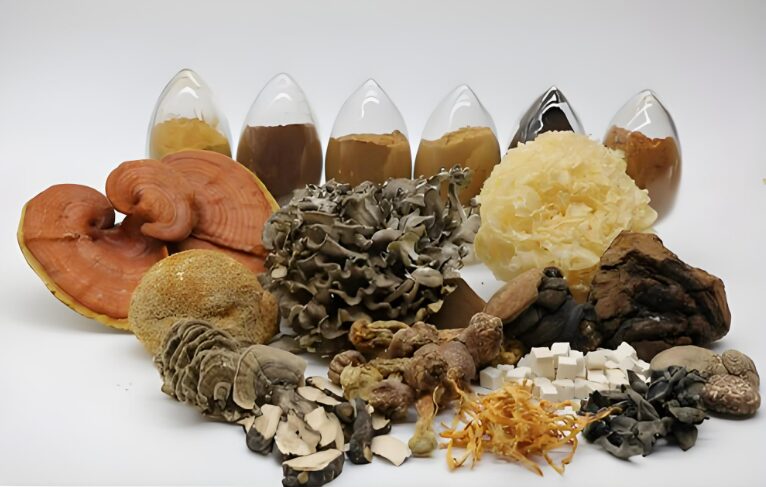
Hericium erinaceus, as a precious medicinal and edible mushroom, has a long history of being used as food and medicine in my country. It belongs to the genus Hericium of the family Odontaceae. The fruiting body is blocky, flat, hemispherical or head-shaped, tender and tender, and the diameter is usually between 5 and 15 cm.
Hericium erinaceus is rich in various nutrients, such as protein, unsaturated fatty acids, minerals and vitamins, which are of great benefit to human health. At the same time, it also contains polysaccharides, polypeptides and fat substances, which can inhibit the synthesis of genetic material in cancer cells and play a certain role in the prevention and treatment of digestive tract cancer and other malignant tumors.
And the glucan in Hericium erinaceus extract has been the focus of scientific research and health in recent years. As a polysaccharide, glucan is widely found in microorganisms, plants and animals. In Hericium erinaceus, it has a unique structure and function, which adds a strong touch to the health and medicinal value of Hericium erinaceus. Next, let us explore the mystery of Hericium erinaceus extract – glucan.
The Structural Code of Glucan
The secrets of molecular composition
The molecular structure of Hericium erinaceus glucan is like a carefully constructed microscopic building, and its basic unit is glucose. Through advanced chemical analysis technology, researchers found that Hericium erinaceus glucan is completely composed of glucose and is a homogeneous glucan.
The connection between these glucose units, that is, the type and position of glycosidic bonds, determines the main chain and branch chain structure of glucan. This unique main and branch chain structure, like steel beams with different directions and connection methods in a building, gives Hericium erinaceus glucan unique physical and chemical properties.
Unique triple helix structure
Hericium erinaceus glucan is not only unique in its primary structure, but also has amazing features in its advanced structure. Through the Congo red experiment, researchers discovered the unique triple helix structure of Hericium erinaceus glucan.
Compared with other mushroom glucans, the triple helix structure of Hericium erinaceus glucan has both similarities and unique differences in stability and functional performance.
The triple helix structure of Hericium erinaceus glucan may have different mechanisms of action in maintaining its biological activity. This triple helix structure may exert its biological activities, such as immunomodulation and anti-tumou,r by affecting the binding mode of glucan to cell surface receptors or regulating its metabolic pathways in the body.
Extraction Technology Revealed
Traditional extraction method
In the extraction process of Hericium erinaceus glucan, traditional extraction methods occupy an important historical position, and hot water extraction is one of the most widely used methods. Its operation process is relatively intuitive.
First, the Hericium erinaceus fruiting body is crushed to make its particle size meet certain requirements so that the subsequent extraction process can be carried out more fully. Then, according to a certain material-liquid ratio, the Hericium erinaceus powder is mixed with water and extracted at a specific temperature.
The advantages of the hot water extraction method are very significant. It is simple to operate, does not require complex instruments and equipment and advanced technical knowledge, and can be easily carried out by ordinary laboratories or production companies.
However, this method also has some disadvantages that cannot be ignored. The polysaccharides in Hericium erinaceus are mainly concentrated in the cell wall. During hot water extraction, the polysaccharides in the cell wall are not fully released, resulting in a low yield of glucan, which is difficult to meet the needs of efficient production.
Moreover, a large amount of impurities will be dissolved during the hot water extraction process. These impurities may include proteins, pigments, small molecular sugars, etc., which require cumbersome separation and purification steps in the subsequent process, increasing production costs and process complexity.
In addition to hot water extraction, alkali extraction is also a traditional extraction method. During alkaline extraction, Hericium erinaceus fruiting bodies are crushed and then extracted with an alkaline solution of a certain concentration. However, alkaline extraction also has problems.
Under dilute alkaline conditions, the glycosidic bonds of glucan may break, and some polysaccharides may be hydrolyzed, thereby reducing the extraction rate of polysaccharides. In addition, the extract contains a lot of impurities, making subsequent purification difficult.
Modern innovative technology
Steam explosion wall breaking combined with water extraction and alcohol precipitation technology is one of the best. Through this technology, the utilization rate of Hericium erinaceus fruiting body polysaccharides can be greatly improved.
The steam explosion wall breaking Hericium erinaceus fruiting body polysaccharides are rich in β-glucan, and have the advantages of no chemical residue, low cost, and high raw material utilization.
There is also alkali extraction and acid hydrolysis technology, which cleverly combines the advantages of alkali extraction and acid hydrolysis. This method can not only remove α-glucan, but also solve the problem of poor water solubility of β-glucan.
The obtained Hericium erinaceus fruiting body polysaccharide has a high β-glucan content, an average molecular weight between 2000-200,000 Daltons, and good water solubility, which provides a broader space for the application of Hericium erinaceus glucan.
Compound enzyme-assisted hot water extraction is also an effective innovative technology. The complex enzyme can specifically decompose the components in the cell wall of Hericium erinaceus and promote the release of glucan.
At the same time, hot water extraction further improves the extraction rate. This method provides new ideas and methods for the extraction of Hericium erinaceus glucan and shows good application prospects.
Powerful immune regulation
Hericium erinaceus extract – glucan has shown excellent ability in the field of immune regulation and can be regarded as a powerful booster of the human immune system. Numerous studies have shown that it can stimulate the activity of immune cells through various pathways, thereby improving overall immunity.
For people with weak immunity, such as the elderly, children, office workers who are under long-term stress, and patients with chronic diseases, Hericium erinaceus glucan is undoubtedly a blessing for them. Hericium erinaceus glucan can assist in the treatment of these chronic diseases, improve the patient’s immunity, reduce the risk of complications, and improve the patient’s quality of life.
Excellent anti-inflammatory performance
Hericium erinaceus extract – glucan has excellent anti-inflammatory performance, can effectively reduce inflammatory reactions, and plays an important role in the prevention and relief of inflammation-related diseases. It can regulate inflammation-related signaling pathways and inhibit the release of inflammatory factors, thereby reducing the damage of inflammation to body tissues and organs.
For patients with gastrointestinal inflammation such as gastritis and enteritis, Hericium erinaceus glucan can also play an anti-inflammatory role, reduce gastrointestinal inflammatory symptoms, and promote gastrointestinal repair and recovery. The anti-inflammatory properties of Hericium erinaceus glucan provide new options and hope for the prevention and treatment of inflammation-related diseases.
Significant gastrointestinal protective effect
The gastrointestinal tract is an important place for human digestion and absorption, and is also an important part of the human immune system. Hericium erinaceus extract – glucan has a significant protective effect on the gastrointestinal tract and is known as the “guardian” of the gastrointestinal tract.
It can repair damaged gastric mucosa, promote the proliferation and regeneration of gastric mucosal cells, and enhance the defense function of gastric mucosa, thereby effectively preventing and treating gastrointestinal diseases such as gastric ulcers and gastritis.
Potential other benefits
In addition to the above-mentioned clear effects, Hericium erinaceus extract – glucan also shows potential in anti-oxidation, lowering blood lipids, and anti-cancer. Although related research is still in-depth, some remarkable progress has been made.
In terms of anti-oxidation, Hericium erinaceus glucan has the ability to scavenge free radicals. Certain structures in Hericium erinaceus glucan can bind to free radicals, making them inactive, thereby reducing the damage of free radicals to cells.
This shows that Hericium erinaceus glucan has certain potential in anti-oxidation and anti-aging, and is expected to become a natural antioxidant for use in food, health care products and other fields.
In terms of lowering blood lipids, some studies have preliminarily shown that Hericium erinaceus glucan may affect the synthesis, transport and decomposition of lipids by regulating the activity of lipid metabolism-related enzymes, thereby reducing blood lipid levels.
In the field of anti-cancer, Hericium erinaceus glucan also shows certain potential. Studies have found that Hericium erinaceus glucan can activate immune cells, enhance the body’s immune surveillance function, and identify and eliminate cancer cells in the body. It may also induce apoptosis of cancer cells and inhibit the growth and metastasis of cancer cells.
Market Application and Prospects
Food industry
With its excellent health effects, Hericium erinaceus glucan has become a star ingredient in the food industry. Many food companies have incorporated it into various products, bringing consumers a new experience of both deliciousness and health. The wide application of Hericium erinaceus glucan in the food industry not only enriches the types and functions of food, but also provides consumers with more choices and promotes the development of the healthy food market.
Hericium erinaceus oatmeal powder is an innovative product that perfectly combines Hericium erinaceus glucan with oats. Oats themselves are rich in water-soluble dietary fiber, which can promote intestinal peristalsis and prevent constipation.
The polysaccharides and polyphenols in Hericium erinaceus not only have the function of regulating intestinal flora, but also can synergize with the nutrients in oats to further enhance the product’s care for intestinal health.
In addition to breakfast foods, Hericium erinaceus glucan has also emerged in the fields of beverages and snacks. Some companies have launched functional beverages with Hericium erinaceus glucan, which not only tastes refreshing, but also replenishes energy and enhances immunity while quenching thirst, becoming a new favorite for sports enthusiasts and office workers.
In terms of snacks, products such as Hericium erinaceus biscuits and Hericium erinaceus nut bars have also been launched one after another. These snacks, with their unique flavor and healthy attributes, meet consumers’ dual pursuit of deliciousness and health during leisure time.
Health care products
In the field of health care products, the powerful immune regulation, anti-inflammatory and gastrointestinal protection effects of Hericium erinaceus extract-glucan make it an ideal choice to meet consumers’ health needs.
With the continuous improvement of people’s health awareness, the demand for health care products is becoming more diversified and personalized. With its unique efficacy, Hericium erinaceus extract-glucan can meet the specific health needs of different consumer groups, such as people with low immunity, people with gastrointestinal discomfort, and the middle-aged and elderly.
It is expected that in the future, the market share of Hericium erinaceus extract-glucan in the field of health care products will continue to expand, and the product variety will become more abundant and diverse, injecting new vitality into the development of the health care products industry.
Pharmaceutical industry
In the pharmaceutical industry, Hericium erinaceus extract-glucan has become a hot topic of research due to its significant biological activity and potential medicinal value, attracting the attention of many researchers and pharmaceutical companies.
In addition to anti-tumor research, Hericium erinaceus extract-glucan has also shown potential in the treatment of other diseases. In the development of anti-inflammatory drugs, Hericium erinaceus glucan can inhibit the release of inflammatory factors by regulating inflammation-related signaling pathways, and is expected to become a new drug ingredient for the treatment of inflammation-related diseases.
As a bioactive ingredient derived from the precious medicinal and edible mushroom Hericium erinaceus, Hericium erinaceus extract-glucan has shown extraordinary value in many fields with its unique structure and excellent functions.
Looking to the future, the research and application prospects of Hericium erinaceus extract-glucan are very broad. In terms of research direction, it is necessary to further explore its mechanism of action.
At the same time, developing more efficient and green extraction technology, reducing production costs and improving product quality is also one of the important directions of future research. It can be foreseen that more types of products will be launched in the future, providing consumers with more choices and making greater contributions to human health.
In recent years, there has been a growing interest in natural supplements that support and boost the immune system. Among them, astaxanthin, a powerful antioxidant derived from microalgae, has received much attention for its potential health benefits, especially in terms of boosting immune function.
Known for its exceptional antioxidant properties, astaxanthin offers a natural solution for supporting immune health, reducing inflammation, and promoting overall well-being.
So, what exactly is astaxanthin? And how does it help boost the immune system? In this blog, we’ll dive into the science behind this energizing pigment and explore its benefits for immune health.
The Source of Astaxanthin
The sources of astaxanthin are mainly divided into two ways: natural extraction and artificial synthesis. There are many differences between the two in terms of structure, properties and application.
Natural astaxanthin has a rich variety of biological sources, mainly including algae, fungi and crustaceans. In algae, such as Euglena sanguineus, the astaxanthin content can reach 0.5% of the cell dry weight, but the growth is extremely slow and requires a long cultivation cycle.
Haematococcus pluvialis is currently the most concerned algae source. It can be called a “rich mine” of astaxanthin, and the maximum accumulation can reach 4% of the cell dry weight.
The process of extracting astaxanthin from Haematococcus pluvialis is usually to first cultivate Haematococcus pluvialis on a large scale under suitable conditions, and then extract and purify it by physical or chemical methods after it accumulates a large amount of astaxanthin.
Although this process has high technical requirements, the obtained astaxanthin is of excellent quality and is highly favored in the market.
Phaffia rhodozyma in fungi is also an important producer of natural astaxanthin. Phaffia rhodozyma can grow rapidly under a variety of carbon and nitrogen sources. Wild Phaffia rhodozyma contains about 200-500μg of carotenoids per gram of dry yeast, of which 90% is astaxanthin.
Compared with algae and crustaceans, it has a unique advantage in that it can be rapidly metabolized in a fermenter and achieve high cell density production.
Crustaceans, such as shrimp and crab, are also natural hosts of astaxanthin. Astaxanthin is extracted from crustaceans, mainly recovered from waste from aquatic product processing. However, astaxanthin in crustacean shells mainly exists in the form of esters, and the content is not high.
Artificially synthesized astaxanthin is produced by chemical methods using carotene as raw material. Although artificial synthesis can meet the market demand for astaxanthin to a certain extent, and the cost is relatively low and the yield is stable.
However, its synthesis process is complicated and often requires the use of multiple chemical reagents and catalysts, which may introduce impurities and lead to poor product stability. Moreover, artificially synthesized astaxanthin is a mixture of multiple isomers, and there is some controversy in terms of biological activity and safety compared to natural astaxanthin.
The Powerful Effects of Astaxanthin
Antioxidant: The nemesis of free radicals
Free radicals refer to atoms, molecules or ions with unpaired electrons. They are extremely active in chemical properties and are always looking for electrons from other substances in the body to achieve their own stability.
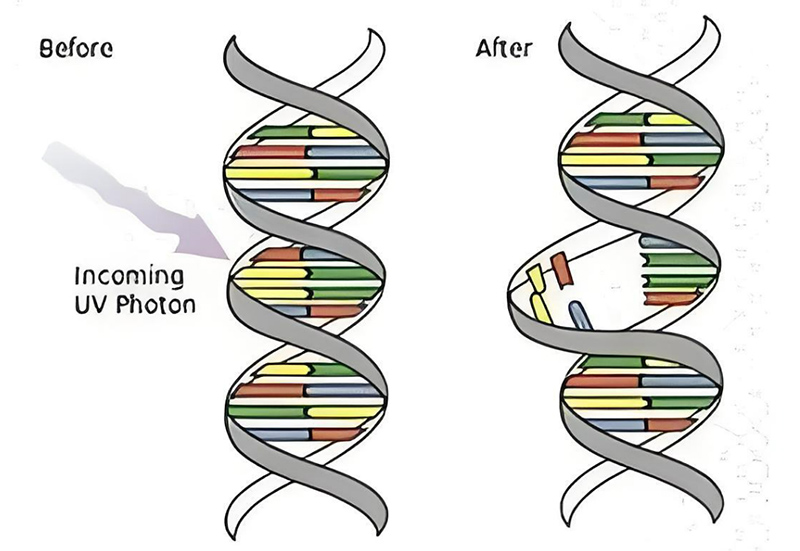
When free radicals attack human cells, they trigger a series of chain reactions, causing damage to the cell membrane, causing the cell to lose its normal physiological function, destroying the protein structure, affecting its normal physiological activity, and even damaging DNA, which may cause gene mutations and increase the risk of cancer.
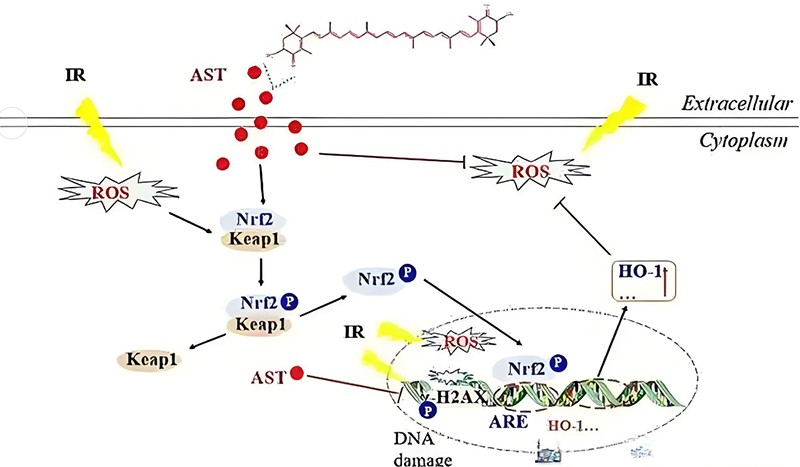
The reason why astaxanthin can become the nemesis of free radicals is closely related to its unique molecular structure. Astaxanthin molecules contain multiple conjugated double bonds, which can attract unpaired electrons of free radicals like “electron sponges” or provide electrons to free radicals, thereby making free radicals stable and no longer aggressive.
At the same time, the six-membered ring structure of α-hydroxyketone at both ends of the astaxanthin molecule further enhances its ability to capture free radicals.
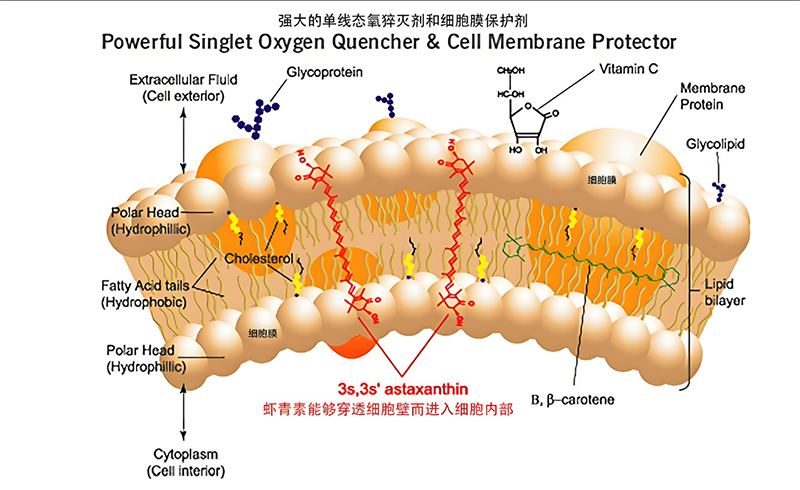
Many studies have shown that the antioxidant capacity of astaxanthin is “unique”. It is a powerful quencher of singlet oxygen, and its antioxidant activity is 550 times that of vitamin E and 10 times that of carotenoids such as β-carotene, lutein, canthaxanthin and zeaxanthin. It is known as “super vitamin E” and “super antioxidant”.
At the cellular level, astaxanthin also plays an important antioxidant role. Various biological membranes in cells, such as cell membranes and mitochondrial membranes, are rich in unsaturated fatty acids and are extremely vulnerable to free radical attacks.
Astaxanthin can be arranged across the membrane in the lipid bilayer of the cell membrane, like a solid “protective shield”, allowing reactive oxygen species (ROS) to shuttle along the double bonds on its carbon skeleton and promote transmembrane transfer of electrons. In this way, astaxanthin can not only prevent ROS from oxidative damage to cell membranes, but also protect various organelles in cells and maintain the normal physiological functions of cells.
Enhance immunity: strengthen the health defense line
The immune system is an important line of defense for the human body against diseases, and astaxanthin plays a key role in regulating the immune system. Its mechanism of action is mainly reflected in multiple aspects.
Astaxanthin can enhance the activity of T cells, neutrophils, natural killer cells and B cells. Astaxanthin regulates the activity of these immune cells so that they can play a better role, thereby enhancing the combat effectiveness of the entire immune system.
Astaxanthin can also further enhance the immunity of the organism by promoting the secretion of cytokines or the production of immunoglobulins.
Astaxanthin can stimulate immune cells to secrete more cytokines, such as interleukins and interferons, which can activate other immune cells and enhance immune responses. At the same time, astaxanthin can also promote the production of immunoglobulins and improve the body’s specific recognition and clearance of pathogens.
Preventing cardiovascular disease: Guardian of blood vessels
Cardiovascular disease is the “number one killer” threatening human health worldwide, and a large number of people lose their lives due to cardiovascular disease every year.
Astaxanthin, as a powerful antioxidant, plays an important role in preventing cardiovascular disease. It can increase the level of high-density lipoprotein (HDL). HDL is like a “scavenger” in the blood vessels, which can transport cholesterol from peripheral tissues back to the liver for metabolism, thereby reducing the cholesterol content in the blood and reducing the deposition of cholesterol in the blood vessel wall.
At the same time, astaxanthin can also reduce LDL levels, reduce the oxidative modification of LDL, reduce the formation of ox-LDL, and prevent the occurrence of atherosclerosis from the source.
Astaxanthin also has anti-inflammatory effects and can reduce the inflammatory response of the vascular endothelium. Inflammation is one of the important factors in the occurrence and development of atherosclerosis.
Astaxanthin inhibits inflammatory signaling pathways and reduces the release of inflammatory mediators, such as tumor necrosis factor-α (TNF-α), interleukin-6 (IL-6), etc., thereby alleviating the inflammatory state of the vascular endothelium and protecting the endothelial function.
Many research results and actual cases have confirmed the effectiveness of astaxanthin in preventing cardiovascular diseases. In real life, some people at high risk of cardiovascular diseases who have been taking astaxanthin health supplements for a long time, such as obese people, hypertensive patients, and diabetic patients, have significantly reduced the risk of cardiovascular diseases.
Their blood pressure, blood lipids and other indicators have been better controlled, and their quality of life has also been significantly improved.
Other benefits: A versatile health booster
In addition to the above powerful effects, astaxanthin is also a “all-rounder” and plays an important role in relieving sports fatigue, anti-inflammatory, and protecting eyes.
Astaxanthin can act as an antioxidant to inhibit the oxidative damage of free radicals to the body. Oral astaxanthin can also enhance aerobic metabolism, increase muscle strength and muscle tolerance.
Inflammation is the common pathological basis of many diseases, and astaxanthin has significant anti-inflammatory effects. It can reduce the release of inflammatory mediators and alleviate inflammatory responses. It has a positive effect on relieving the symptoms of inflammatory diseases such as arthritis and joint pain.
Astaxanthin can absorb blue light and protect the retina from light damage, which helps prevent the occurrence of eye diseases such as macular degeneration and cataracts. Astaxanthin can accumulate in the retina, like a “natural filter”, absorbing harmful blue light, while removing free radicals and protecting photoreceptor cells.
Astaxanthin’s diverse applications
Health care products: a healthy and caring partner
Astaxanthin has significant effects in health care products. It can strengthen the immune system and enhance the body’s ability to resist diseases. For people who are often prone to colds and illnesses, an appropriate amount of astaxanthin supplementation can stimulate the activity of immune cells, increase the number of immune cells, thereby improving the body’s resistance and reducing the number of illnesses. In terms of anti-cancer, astaxanthin also plays a positive role.
Astaxanthin can absorb blue light and reduce its damage to the retina. At the same time, it can also remove free radicals in the retina and prevent the occurrence of eye diseases such as macular degeneration and retinopathy. For office workers, students, and middle-aged and elderly people who use electronic devices for a long time, supplementing astaxanthin can help protect eye health and maintain good vision.
Astaxanthin can inhibit the release of inflammatory mediators and reduce inflammatory reactions. It is very helpful for relieving the symptoms of inflammatory diseases such as arthritis and gout. After taking astaxanthin health care products, some arthritis patients have significantly improved symptoms such as joint pain and swelling, and the range of motion of the joints has also improved, and the quality of life has been improved.
Cosmetics: The secret to youthful skin
In the field of cosmetics, astaxanthin’s antioxidant, anti-wrinkle, whitening and moisturizing properties make it a “favorite” of many cosmetic brands.
From the perspective of antioxidant, astaxanthin’s powerful antioxidant ability can effectively remove free radicals in skin cells. The conjugated double bonds and unique structure in astaxanthin molecules enable it to capture and neutralize free radicals like a “scavenger”, reduce the damage of free radicals to the skin, and thus delay skin aging.
In terms of anti-wrinkle, astaxanthin can promote the synthesis of collagen. Astaxanthin can stimulate fibroblasts in skin cells to produce more collagen, increase the elasticity and firmness of the skin, and reduce the formation of wrinkles.
In terms of whitening skin, astaxanthin inhibits the formation of melanin. Astaxanthin can inhibit the activity of tyrosinase, which is a key enzyme in the synthesis of melanin, thereby reducing the production of melanin and making the skin whiter.
In terms of moisturizing, astaxanthin can increase the moisture content of the skin. It can regulate the water channel protein in the skin, promote the transport and retention of water between skin cells, and keep the skin hydrated. At the same time, astaxanthin can also enhance the barrier function of the skin, reduce the loss of water, and keep the skin moist at all times.
Based on these magical effects, there are many types of cosmetics containing astaxanthin. Adding astaxanthin to sunscreen products can not only block the damage of ultraviolet rays to the skin, but also play an antioxidant role inside the skin, reduce the free radical damage caused by ultraviolet rays, and prevent sun spots, sunburn and other problems. Adding astaxanthin to skin care products such as lotions, creams, and essences can deeply nourish the skin, improve skin dryness, roughness, dullness and other problems, and make the skin glow with a healthy glow.
Food: Fusion of deliciousness and nutrition
In the food field, astaxanthin plays a dual role, both as a colorant and a preservative, bringing a perfect fusion of deliciousness and nutrition to food.
As a colorant, astaxanthin can make food appear bright red. Astaxanthin is also an excellent preservative, which can extend the shelf life of food. Astaxanthin’s strong antioxidant ability can inhibit the oxidation of oils and maintain the freshness and flavor of food. Astaxanthin is widely used in food. In addition to the above-mentioned meat products, baked goods and beverages, it is also used in foods such as noodles and seasonings.
In food applications, the safety of astaxanthin is a matter of great concern. At present, astaxanthin has been widely recognized and applied as a food additive. Relevant studies have shown that astaxanthin is safe and harmless to the human body within the prescribed range of use.
However, it should be noted that the amount of astaxanthin added should comply with relevant national standards, and excessive addition may affect the taste and quality of food. At the same time, when storing and using astaxanthin, care should be taken to avoid factors such as high temperature and light, so as not to cause oxidation and degradation of astaxanthin, affecting its efficacy and stability.
Aquaculture: the source of vitality for aquaculture
In the field of aquaculture, astaxanthin plays a vital role in the bright color and healthy growth of aquatic animals. It can be called the source of vitality of aquatic products.
For crustaceans such as shrimps and crabs, astaxanthin is the key factor in their bright body color. In the natural environment, shrimps and crabs accumulate astaxanthin in their bodies by consuming astaxanthin-rich foods, thus showing beautiful red or orange colors. During the breeding process, if there is a lack of astaxanthin in the feed, the body color of shrimps and crabs will become dull, affecting their market value.
In fish farming, astaxanthin is also indispensable. Taking salmon as an example, astaxanthin can not only make the meat of salmon present an attractive orange-red color, but also improve the deliciousness and nutritional value of its meat. Astaxanthin can also enhance the immunity of fish, reduce the occurrence of diseases, and improve the survival rate of breeding.
The dosage of astaxanthin needs to be reasonably controlled according to the type, growth stage and breeding environment of aquatic animals. Reasonable control of the dosage of astaxanthin can not only ensure that aquatic animals get enough nutrition, but also avoid the cost increase and potential risks caused by excessive addition.
The addition of astaxanthin has a significant effect on improving the economic benefits and quality of aquaculture. By adding astaxanthin, the body color of aquatic animals is brighter, the meat is more delicious, and the market value is greatly improved.
Astaxanthin can also improve the immunity and anti-stress ability of aquatic animals, reduce the occurrence of diseases, and reduce breeding costs, thereby bringing higher economic benefits to farmers. In today’s market environment where consumers have higher and higher requirements for the quality of aquatic products, the application prospects of astaxanthin in aquaculture will be broader.
Suitable for People Taking Astaxanthin
Astaxanthin has many health benefits. The following are some people who are suitable for taking astaxanthin:
Middle-aged and elderly people: Astaxanthin’s powerful antioxidant capacity can help reduce the damage of free radicals to cells, prevent cardiovascular diseases, Alzheimer’s disease, cataracts and other age-related diseases, and improve skin conditions, reduce wrinkles and spots.
People who face electronic devices for a long time: Astaxanthin can cross the blood-eye barrier, protect the retina and macula of the eyes, prevent retinopathy and macular degeneration, and relieve visual fatigue.
Sports enthusiasts: Astaxanthin helps to reduce oxidative stress, promote muscle recovery, improve sports endurance, reduce fatigue and inflammatory response after exercise, help sports enthusiasts recover from training faster, and improve sports performance.
People with low immunity: Astaxanthin can regulate the immune system, enhance the activity of immune cells, improve the body’s resistance, and help people with low immunity better resist the invasion of pathogens such as bacteria and viruses, and prevent colds and other diseases.
People with poor skin condition: Astaxanthin can inhibit the production of melanin, reduce spots and wrinkles, increase skin elasticity and luster, and has certain whitening and anti-wrinkle effects. It is suitable for people with dry skin, wrinkles, spots and other problems.
People at high risk of cardiovascular disease: Astaxanthin helps lower blood lipids and blood pressure, inhibit platelet aggregation, reduce the risk of atherosclerosis, and has a protective effect on the cardiovascular system.
However, for pregnant women, breastfeeding women, and people who are taking certain medications, it is recommended to consult a doctor before using astaxanthin to ensure safety and effectiveness.
Correct Understanding and Use of Astaxanthin
Although astaxanthin has many benefits, we must be clear that it can never replace normal medical treatment and a healthy lifestyle.
There are many key points to note when it comes to the reasonable intake of astaxanthin. Generally speaking, ordinary people can meet basic antioxidant needs by consuming 4-8mg of astaxanthin per day. However, for people with special needs, such as athletes and heavy manual laborers, the intake can be increased to 8-12mg to improve fatigue resistance.
For patients with diabetes and hyperlipidemia, the intake can be further increased to 10-15mg to improve blood sugar and blood lipid metabolism. Astaxanthin is a fat-soluble substance. It is recommended to take it with meals or within half an hour after meals. At this time, more lipids are consumed, which is more conducive to the emulsification and absorption of astaxanthin.
There is also a view that it is better to take it after meals at night to ensure better absorption. When taking astaxanthin for the first time, it is recommended to start with a lower dose, such as 1 capsule each time, and then gradually increase the dose after observing the body’s reaction.
It is crucial to choose a regular product. When buying astaxanthin products, be careful to identify them. Check whether the product has a test report from an authoritative organization to ensure its authenticity. Give priority to big brands with complete production qualifications and transparent product information.
Astaxanthin itself is not very stable and is easily oxidized and decomposed when exposed to light. Therefore, when storing astaxanthin products, choose light-proof and well-sealed packaging and place them in a cool and dry place. Avoid exposing astaxanthin products to direct sunlight and high temperatures for a long time, and do not expose them to the air.
When taking astaxanthin, be careful to avoid exposing it to light for a long time and dispose of it quickly. Astaxanthin may interact with certain drugs, such as lipid-lowering drugs and anticoagulants. If you are taking these drugs, you should consult a doctor before taking astaxanthin.
People who are allergic to astaxanthin should avoid using it to avoid allergic reactions. Pregnant women, breastfeeding women, and patients undergoing anticoagulant treatment should avoid using astaxanthin, or use it with caution under the guidance of a doctor.
The Future of Astaxanthin
As a substance with excellent properties and wide application value, astaxanthin has played an important role in many fields in the past few decades, and its future development prospects are full of unlimited possibilities.
In terms of source exploration, although natural extraction and artificial synthesis are currently the main ways, researchers will continue to explore new biological sources in the future. In the field of artificial synthesis, the development of new synthesis processes and catalysts will make the synthesis process greener and more efficient, reduce production costs, and improve product purity.
In terms of efficacy research, astaxanthin will make breakthroughs in the prevention and auxiliary treatment of more diseases. With the in-depth study of its mechanism of action, astaxanthin may show unique therapeutic effects in the fields of nervous system diseases and metabolic diseases.
In terms of application expansion, astaxanthin will be more widely used in the agricultural field. It can be used as a biostimulant to promote plant growth and development and improve plant stress resistance.
Urolithin A, also known as Urolithin A in English, or UA for short, has nothing to do with stones. It is neither a substance synthesized directly by the human body nor a nutrient that can be directly obtained from food, but a unique metabolite of intestinal microorganisms.
The formation process of urolithin A is quite complicated. Tracing back to its source, the source of urolithin A is ellagitannins in food. Ellagitannins are widely found in nature, such as fruits and nuts such as pomegranates, blueberries, strawberries, raspberries, walnuts, and some wines aged in oak barrels.
When we consume these foods containing ellagitannins, they will first be hydrolyzed in the intestines to release ellagic acid. However, ellagic acid cannot be directly absorbed and utilized by the human body. At this time, the intestinal flora begins to play a key role. They will further process and transform ellagic acid and eventually produce urolithin A.
The Amazing Effects of Urolithin A
Although urolithin A cannot be obtained directly from food, it plays many wonderful roles in human health, like an “invisible guard” that silently protects human health.
The guardian of muscle health
As people age, muscle loss is a problem that many people have to face, especially the elderly. The reduction in muscle mass will not only lead to weakened physical strength, but also affect daily activities and reduce the quality of life.
Fortunately, urolithin A has shown significant effects in improving muscle loss. Data show that urolithin A supplements can effectively enhance the muscle endurance of skeletal muscles in the elderly and have a positive effect on alleviating muscle atrophy in the elderly.
However, in terms of improving athletic ability, such as 6-minute walking distance and hand muscle ATP production, the effect of urolithin A is not very ideal.
In the long run, the benefits of supplementing urolithin A on muscle loss are still relatively obvious. It is like a loyal guardian, helping the elderly to resist muscle decline, especially muscle loss caused by aging.
For fitness enthusiasts, urolithin A may also be their good helper. Although there is no conclusive evidence that it can significantly enhance the effect of exercise, judging from its role in resisting muscle atrophy, perhaps in the long-term fitness process, urolithin A can help maintain muscle mass and endurance, allowing fitness enthusiasts to go one step further in their pursuit of health and strength.
A booster for weight loss
Urolithin A can affect cellular lipid metabolism and fat. Studies have found that urolithin A can reduce triglyceride accumulation and fatty acid oxidation, as well as reduce the expression of genes related to lipogenesis. As we all know, brown fat is a “special member” of the fat family.
Not only does it not make people fat, but it can burn fat and provide energy for the body. Therefore, the more brown fat, the more conducive to weight loss. Urolithin A plays a positive role in the weight loss process in this unique way, just like a caring partner, helping dieters to better manage their weight and move towards their ideal body shape.
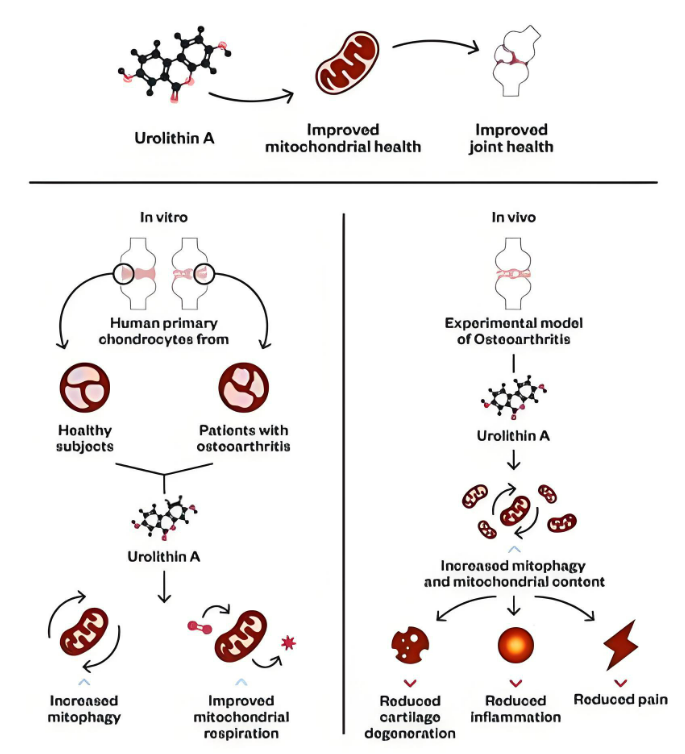
Activators of mitophagy
Mitochondria, a tiny organelle known as the “power plant” of cells, plays a vital role in the life activities of cells. It generates ATP through the electron transport chain to provide energy for cells. However, in the process of energy generation, reactive oxygen species (ROS) are generated.
These ROS are like “troublemakers” that damage proteins, fatty acids and nucleic acids, trigger a chain reaction of peroxidation, and cause damage to cells. Mitochondrial autophagy is like a “cleaning guard” in cells. It can selectively remove damaged mitochondria through autophagosomes and maintain the healthy homeostasis of mitochondria in cells.
With the increase of age and the emergence of some age-related diseases, the ability of mitochondrial autophagy will gradually decrease or even stagnate, which is like the accumulation of garbage when the cleaning work is not in place, which will slowly lead to the decline of organ function.
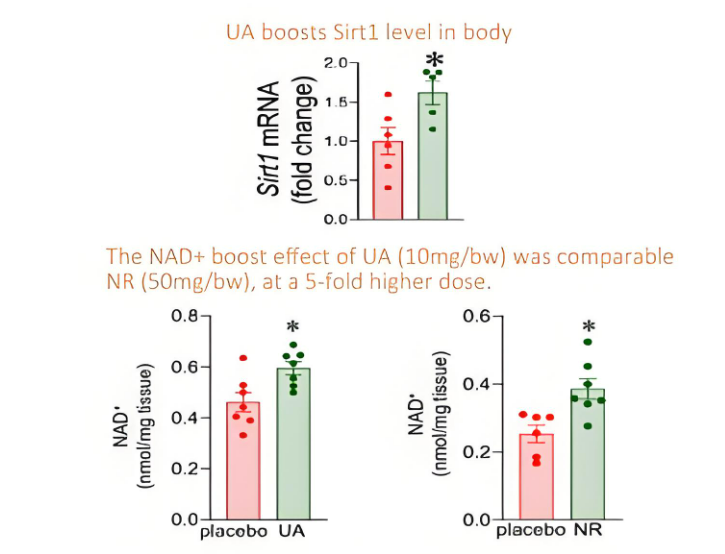
The magic of urolithin A is that it can activate mitochondrial autophagy through multiple pathways. On the one hand, urolithin A can activate enzymes that promote mitochondrial autophagy and accelerate the process of mitochondrial autophagy.
On the other hand, it can also regulate the mitochondrial autophagy pathway, ensure that all aspects of mitochondrial autophagy can proceed in an orderly manner, and promote the formation of autophagosomes, providing the necessary conditions for the smooth development of mitochondrial autophagy.
Through these effects, urolithin A effectively reduces the production of ROS, prevents mitochondrial DNA damage and mutation, maintains the health of mitochondria, and thus delays the decline of organ function, allowing the various organs of the body to maintain a good working condition, just like a well-maintained machine, running continuously and efficiently.
The “killer” of inflammation
Inflammation, this invisible “enemy”, often causes damage to our body silently. Urolithin A is like a brave warrior, fighting fiercely against inflammation. Scientists first discovered the anti-inflammatory effect of urolithin A in rat enteritis experiments.
As the research continues to deepen, people have found that urolithin A also has different degrees of reduction effects on other inflammatory markers, such as proinflammatory factors and tumor necrosis factor. Since urolithin A is present in large quantities in the intestine, it has a significant anti-inflammatory effect on inflammatory bowel disease, including acute enteritis, ulcerative colitis, and even colon cancer.
The anti-inflammatory ability of urolithin A is more than that, because it can reduce the overall serum level of inflammatory factors, so in theory, it can play a certain role in all diseases caused by inflammation. For example, common joint diseases such as arthritis and intervertebral disc degeneration in the elderly. In addition, inflammatory damage to nerves is the root cause of many neurodegenerative diseases.
When urolithin A exerts its anti-inflammatory effect in the brain, it can improve many neurodegenerative diseases, such as Alzheimer’s disease, memory impairment and stroke, providing new ideas and methods for the treatment and prevention of these diseases.
Improvers of metabolic diseases
Urolithin A plays an important role in improving metabolic diseases with its unique biological effects. As mentioned earlier, urolithin A has anti-inflammatory and mitochondrial autophagy activation effects. These two effects are like two “sharp blades” that can effectively alleviate the symptoms of metabolic diseases.
In addition, urolithin A has a powerful ability, which is to improve oxidative stress. It can be like a hardworking “cleaner” to remove free radicals produced in the body and reduce the oxidative damage of free radicals to cells. It can also inhibit the activity of oxidases and reduce the occurrence of oxidative reactions from the source. It can also enhance the antioxidant capacity of cells and provide cells with a stable internal environment so that cells can carry out metabolic activities normally.
In terms of improving hyperglycemia, ellagic acid in pomegranates and tea leaves rich in polyphenols has anti-diabetic effects, and ellagic acid is metabolized into urolithin under the action of intestinal flora, which also has multiple biological activities and plays a certain role in regulating blood sugar.
In terms of improving atherosclerosis, urolithin A reduces the risk of atherosclerosis and protects the health of the cardiovascular system through anti-inflammatory, anti-oxidative stress and inhibition of cholesterol accumulation.
In terms of improving metabolic disorder-related fatty liver disease, urolithin A has a significant improvement effect on non-alcoholic fatty liver disease. It can inhibit fat synthesis, promote the conversion of white fat to beige fat, improve dyslipidemia and hepatic steatosis in obese animals, and promote heat production and improve obesity by increasing the content of triiodothyronine (T3) in brown fat and white adipose tissue, thereby effectively alleviating the symptoms of fatty liver disease.
How to Get Urolithin A?
Since urolithin A has so many benefits for human health, how can we obtain it? We need to provide the body with precursors for synthesizing urolithin A by consuming foods containing ellagitannins.
Pomegranates are a “rich mine” of ellagitannins. The content of ellagitannins in every 100 grams of pomegranates can be as high as 100-300 mg. Whether it is eaten directly or squeezed into juice, it is a good choice. Blueberries are also one of the fruits rich in ellagitannins. Small and round blueberries have a deep color.
The content of ellagitannins in every 100 grams of blueberries is about 50-150 mg. Strawberries, a popular fruit, are not only delicious, but also contain a certain amount of ellagitannins.
The content of ellagitannins in every 100 grams of strawberries is about 30-80 mg. There are also raspberries, a unique-looking berry with an ellagitannin content of about 40-120 mg per 100 g. It can be eaten directly or used to make various drinks.
Among the nut family, walnuts are also a good source of ellagitannins. The content of ellagitannins in 100 g of walnuts is about 60-180 mg. In addition to the above common foods, some wines aged in oak barrels also contain ellagitannins. While tasting wine, you may also inadvertently bring some benefits to the body.
However, even if we consume enough foods rich in ellagitannins, it does not necessarily guarantee that the body can synthesize enough urolithin A. This is because the synthesis of urolithin A is also affected by the intestinal flora. Everyone’s intestinal flora is unique, just like our fingerprints.
Different intestinal flora compositions have different abilities to convert ellagic acid into urolithin A. Related research shows that only about 40% of people can naturally convert urolithin A from precursors to usable urolithin A.
This also explains why some people eat a lot of foods rich in ellagitannins but still have low levels of urolithin A in their bodies.
People Who Are Suitable for Taking Urolithin A
Middle-aged and elderly people: Middle-aged and elderly people are prone to problems such as reduced muscle mass, decreased muscle function, and mitochondrial function decline.
Urolithin A can activate mitochondrial autophagy, help maintain the normal function of mitochondria in cells, slow down cell aging, and then alleviate muscle atrophy to a certain extent, enhance muscle endurance, and may help prevent and improve osteoporosis and mobility problems common in middle-aged and elderly people.
Sports people: including athletes, fitness enthusiasts, etc. Urolithin A can enhance muscle function, help sports people recover muscle strength and endurance faster after training, reduce muscle fatigue and injury, improve sports performance, help them better perform high-intensity training and competition, promote physical recovery after exercise, and improve overall athletic ability.
Health-conscious people: Urolithin A is attractive to those who pay attention to health and hope to maintain physical function and prevent chronic diseases through diet or nutritional supplements. It has potential anti-inflammatory, antioxidant and metabolic regulation effects, which can help maintain the stability of the body’s internal environment, reduce the risk of some chronic diseases, and help maintain overall health.
People with certain chronic diseases: such as those with chronic diseases such as cardiovascular disease and neurodegenerative diseases. Studies have found that the effects of urolithin A in anti-inflammation, cell protection, and improved mitochondrial function may help alleviate the symptoms of these diseases, delay the progression of the disease, and have certain positive significance for the auxiliary treatment and recovery of the disease.
However, despite the many potential benefits of urolithin A, everyone’s physical condition and response to nutrients are different. Before considering the use of urolithin A supplements, especially those with specific diseases or taking other medications, it is best to consult a doctor or professional nutritionist to ensure safety and effectiveness.
Current Status and Future of Urolithin A
In recent years, research on urolithin A has sprung up, and its research results in improving neurodegenerative diseases such as Alzheimer’s disease are particularly eye-catching. However, there are still many limitations and uncertainties in the current research on urolithin A.
In terms of research methods, most experiments are conducted in cell models or animal models. Although these experiments can provide us with certain theoretical basis, there are still large differences from the actual situation of the human body.
Moreover, the sample size of the experiment is relatively small, which affects the universality and reliability of the research results to a certain extent.
From the perspective of the mechanism of action, although we already know that urolithin A can play a role by activating mitochondrial autophagy and other pathways, the specific molecular mechanism still needs further in-depth study. In addition, the impact of individual differences on the effect of urolithin A cannot be ignored.
There are differences in the composition and metabolic capacity of the intestinal flora of different people, and these differences may lead to very different metabolism and effects of urolithin A in different individuals.
Despite these problems, the application prospects of urolithin A in the fields of medical care and health care are still very broad. In the medical field, urolithin A may become a new drug or auxiliary treatment for the treatment of various diseases. In the field of health care, urolithin A also has great potential.
As people’s health awareness continues to improve, the demand for health products is also increasing. It can help people increase muscle strength, improve metabolic function, delay aging, etc., so that people can better maintain a healthy state in daily life.
In the future, with the continuous advancement of science and technology and the continuous deepening of research, we have reason to believe that there will be more breakthroughs in the research on urolithin A.
Scientists may further reveal the mechanism of action of urolithin A, optimize its preparation process, increase its yield and purity, and reduce production costs, so that it can be more widely used in the medical and healthcare fields.
Apigenin contains a wealth of health codes and has a positive impact on many physiological processes of the human body. Whether it is cardiovascular health, immune regulation, or potential anti-cancer effects, apigenin has shown remarkable effects, attracting countless scientific researchers to conduct in-depth research, and also making people who pay attention to health full of expectations for it.
So, what exactly is apigenin? Where does it come from? What kind of magical effects does it have? Next, let us explore the world of apigenin in depth and unveil its mysterious veil.
Basic Information About Apigenin
Chemical Structure
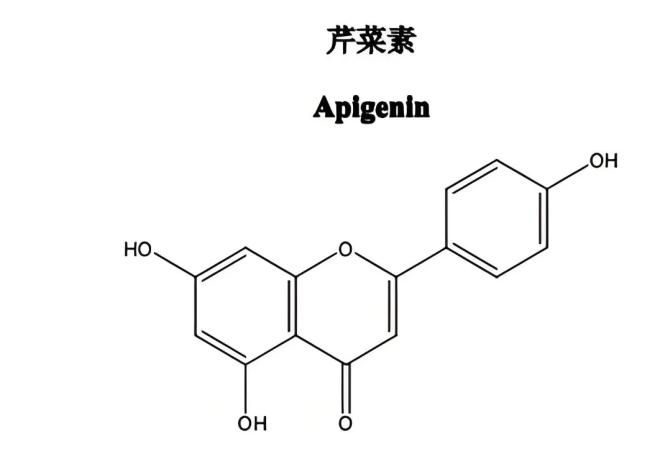
Apigenin, also known as apigenin or apigenin, has a unique structure that gives it many special chemical properties and biological activities. In its structure, hydroxyl groups are connected to the 5, 7, and 4′ positions, respectively. The presence of these hydroxyl groups plays a key role in the antioxidant and anti-inflammatory activities of apigenin.
For example, they can provide hydrogen atoms to remove free radicals in the body, thereby exerting antioxidant effects. At the same time, this structure also determines the active site of apigenin in chemical reactions, enabling it to interact with other biological molecules and thus affect the physiological functions of cells.
Physical Properties
Pure apigenin usually appears as a yellow crystalline powder with bright color, odorless and tasteless. It is a natural antioxidant. Its melting point is high, reaching 345-350°C, which indicates that it has a relatively stable molecular structure and can remain solid under normal temperature conditions.
In terms of solubility, apigenin exhibits typical fat-soluble characteristics and is almost insoluble in water. This is because most of its molecular structure is a non-polar carbon-hydrogen skeleton, and the interaction force between it and polar water molecules is weak.
However, it is partially soluble in hot alcohol. This is because the polarity of alcohol is relatively moderate and has a certain lipophilicity, which can form a certain interaction with apigenin molecules, so that apigenin has a certain solubility in hot alcohol.
In addition, apigenin can also be dissolved in dilute KOH solution. This is because under alkaline conditions, the hydroxyl groups in the apigenin molecules can react with the base to form water-soluble salts, thereby increasing its solubility in the solution.
Nature’s “Apigenin Treasure”
Common Plant Sources
Apigenin is widely found in many plants, and nature seems to be a natural “treasure trove of apigenin”. Celery, as the vegetable with the highest apigenin content, deserves to be the main channel for people to obtain apigenin. In addition to celery, chamomile is also one of the high-quality sources of apigenin.
It not only has a unique aroma, but also contains a large amount of apigenin. It is often used to make tea and is deeply loved by people. Broccoli, onions and other vegetables also contain a certain amount of apigenin, which protects people’s health.
In the world of fruits, common fruits such as apples and oranges also contain apigenin. These fruits are delicious and easy to eat, allowing people to enjoy delicious food while also taking in apigenin that is beneficial to health.
These vegetables and fruits, with their rich apigenin content, have become an indispensable part of people’s daily diet and provide natural support for human health.
Distribution Pattern
In the plant kingdom, the distribution of apigenin shows a certain pattern. It is mainly found in plant groups such as Thymelaeaceae, Verbenaceae, and Selaginellaceae. There are also obvious differences in the content of apigenin in different plant parts.
Generally speaking, the content of apigenin in leaves and flowers of plants is relatively high. In contrast, the content of apigenin in roots, stems and other parts of plants is relatively low. This distribution pattern is closely related to the physiological functions and growth needs of plants, reflecting the wonder and wisdom of nature.
Amazing Health Benefits
Antioxidant Pioneer
During the metabolism of the human body, free radicals are constantly generated, such as superoxide anion free radicals and hydroxyl free radicals. These free radicals are highly active and will attack biological macromolecules in cells, such as DNA, proteins and lipids, leading to oxidative damage, and then causing various diseases, such as cardiovascular disease, cancer, neurodegenerative diseases, etc.
As a natural antioxidant, apigenin can effectively remove these free radicals and protect cells from oxidative damage. Its antioxidant effect is mainly achieved in the following ways.
Multiple hydroxyl groups in the molecular structure of apigenin, such as the hydroxyl groups at the 4′, 5, and 7 positions, can provide hydrogen atoms, combine with free radicals, and convert them into stable products, thereby removing free radicals.
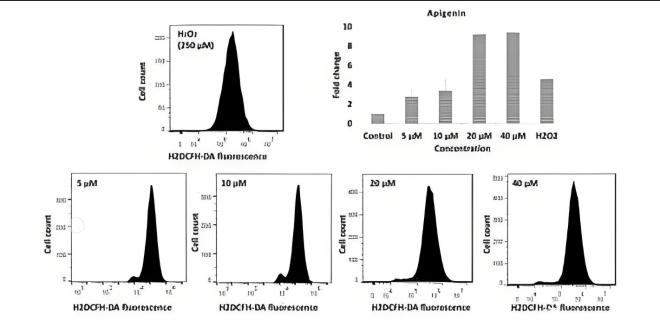
Apigenin can also enhance the antioxidant defense ability of cells by activating the antioxidant enzyme system in cells. Apigenin can upregulate the gene expression of these antioxidant enzymes, increase their activity, and enable cells to better cope with oxidative stress.
In addition, apigenin also has metal ion chelation. In the body, some transition metal ions, such as iron ions and copper ions, can catalyze the production of free radicals, such as catalyzing hydrogen peroxide to produce highly active hydroxyl radicals through the Fenton reaction.
Apigenin can bind to these metal ions to form stable chelates, reduce the activity of metal ions, and thus inhibit the production of free radicals.
In an in vitro chemical simulation system, the addition of apigenin can effectively inhibit the hydroxyl radicals produced by the Fenton reaction and reduce the oxidative damage of free radicals to biological molecules. This shows that the metal ion chelation of apigenin plays an important role in the antioxidant process.
The Patron Saint of Cardiovascular System
With the improvement of living standards and changes in lifestyle, cardiovascular disease has become one of the main diseases threatening human health.
The incidence of cardiovascular diseases such as hypertension, hyperlipidemia, and atherosclerosis has increased year by year, bringing a huge burden to people’s health. Apigenin plays a significant role in maintaining cardiovascular health and is known as the “guardian” of cardiovascular.
The increase in blood pressure is closely related to the contraction and relaxation of blood vessels. Apigenin has the effect of vasodilation, which can promote the relaxation of vascular smooth muscle, reduce peripheral vascular resistance, and thus lower blood pressure.
Hyperlipidemia is one of the important risk factors for cardiovascular disease, which is mainly manifested in increased levels of cholesterol, triglycerides and low-density lipoprotein (LDL) in the blood, and decreased levels of high-density lipoprotein (HDL).
Apigenin can regulate blood lipid metabolism through various pathways. It can inhibit the synthesis of fatty acids and cholesterol in the liver and reduce the production of lipids. Apigenin can also promote lipid catabolism, increase the oxidation of fatty acids, and reduce the content of lipids in the blood.
Apigenin can also regulate the activity of lipoprotein metabolism-related enzymes, such as lipoprotein lipase (LPL) and hepatic lipase (HL), promote the clearance of LDL, increase the level of HDL, and thus improve blood lipid status.
Atherosclerosis is the pathological basis of cardiovascular disease, and its occurrence is closely related to factors such as abnormal proliferation of vascular smooth muscle cells, inflammatory response, and lipid deposition.
Apigenin can inhibit the proliferation of vascular smooth muscle cells and prevent the thickening of vascular walls. Apigenin also has anti-inflammatory effects, which can inhibit the activation of inflammatory cells and the release of inflammatory mediators, and reduce the inflammatory response of the vascular wall.
In addition, apigenin can prevent the oxidative modification of low-density lipoprotein and reduce the damage of oxidized low-density lipoprotein (ox-LDL) to vascular endothelial cells, thereby inhibiting the occurrence and development of atherosclerosis.
The Secret Weapon Against Tumors
Cancer has always been a major disease that threatens human life and health, and has brought heavy pain to countless patients and families.
For many years, researchers have been tirelessly exploring various effective anti-cancer methods and drugs, and apigenin, as a natural plant ingredient, has shown great potential in the field of anti-tumor and has become the focus of attention.
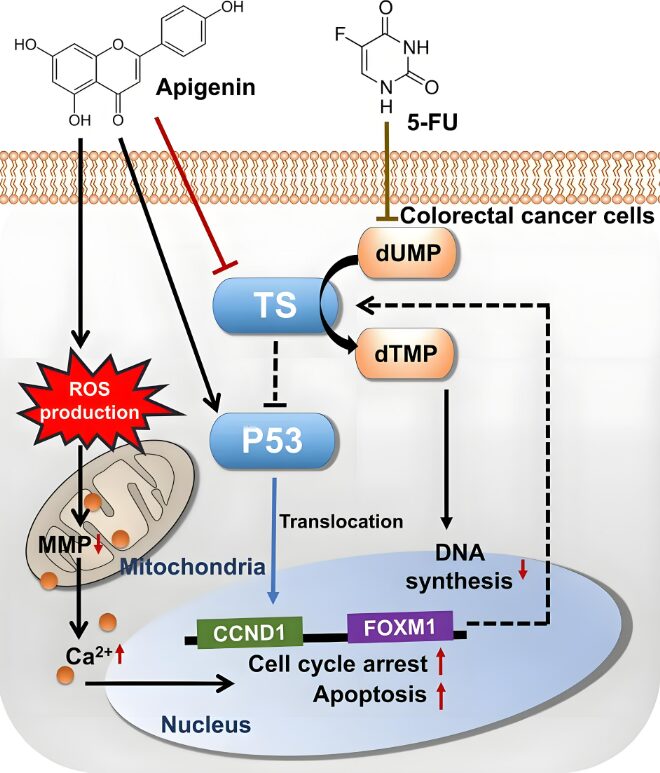
A large number of studies have shown that apigenin can inhibit the growth of a variety of tumor cells, including breast cancer, gastric cancer, prostate cancer, lung cancer, etc.
It can achieve this effect through a variety of mechanisms. Apigenin can interfere with the signal transduction pathways of tumor cells and affect cell proliferation, differentiation and apoptosis.
Inducing tumor cell apoptosis is one of the important mechanisms of apigenin’s anti-tumor effect. When cells become cancerous, the apoptosis mechanism is often inhibited, resulting in unlimited proliferation of cancer cells. Apigenin can activate the apoptosis signaling pathway in tumor cells and induce apoptosis of cancer cells.
Tumor metastasis is a major problem in cancer treatment and one of the main reasons for poor prognosis in patients. Apigenin also plays an important role in inhibiting tumor metastasis. It can inhibit the migration and invasion of tumor cells and reduce the spread of tumor cells to surrounding tissues and distant organs.
In addition to the above-mentioned mechanisms of action, apigenin can also inhibit tumor growth and development by inhibiting tumor angiogenesis and cutting off the nutrient supply of tumor cells.
Tumor growth and metastasis depend on the formation of new blood vessels to provide oxygen and nutrients to tumor cells. Apigenin can inhibit the expression and activity of vascular endothelial growth factor (VEGF) and its receptors, prevent the proliferation, migration and lumen formation of vascular endothelial cells, and thus inhibit tumor angiogenesis.
Antibacterial and Antiviral Expert
In daily life, we are often invaded by various bacteria, fungi and viruses. Infectious diseases caused by these pathogens pose many threats to our health. Apigenin, with its unique antibacterial and antiviral properties, has shown important application prospects in the field of anti-infection and has become another guardian of our health.
Many studies have shown that apigenin has a significant inhibitory effect on common bacteria. For Gram-positive bacteria, such as Staphylococcus aureus and Bacillus subtilis, apigenin can destroy their cell wall structure, making the cell wall fragile, causing cell contents to leak, thereby inhibiting bacterial growth.
Although apigenin has a relatively weak inhibitory effect on Gram-negative bacteria, it can still effectively inhibit the growth and reproduction of these bacteria at a certain concentration.
In addition to bacteria, apigenin also has an inhibitory effect on some fungi. Candida albicans is a common pathogenic fungus that is prone to infection in the skin, mucous membranes and other parts. Apigenin can inhibit the growth and reproduction of Candida albicans by interfering with its cell membrane function and intracellular signal transduction pathways.
In terms of antiviral, apigenin also shows certain potential. Studies have found that apigenin has an inhibitory effect on influenza virus, herpes simplex virus, etc.
It can prevent viral infection and spread by inhibiting the adsorption, invasion, and replication of the virus. Apigenin can also interfere with the replication process of the virus in the cell, inhibit the synthesis of viral proteins, and reduce the production of the virus.
Other Health Benefits
In the fast-paced modern life, people are facing various pressures, prone to anxiety, insomnia and other problems, and memory may also be affected. The efficacy of apigenin in calming the mind, improving sleep and improving memory provides new hope for people to alleviate these troubles.
Apigenin can regulate the function of the nervous system and inhibit the excessive excitement of nerve cells, so that people can feel relaxed and peaceful. For those who are in a state of tension for a long time and are prone to anxiety, consuming foods rich in apigenin or supplementing apigenin may help relieve anxiety and relax the body and mind.
Good sleep is one of the important factors in maintaining physical health, however, insomnia troubles many people. Apigenin has a certain effect on improving sleep.
Apigenin can regulate the expression of genes related to the biological clock, help people adjust their sleep rhythm, and make sleep more regular. For insomnia patients, appropriate intake of apigenin may be a safe and natural way to improve sleep.
With the increase of age, people’s memory tends to gradually decline, which brings many inconveniences to daily life. The role of apigenin in improving memory has also attracted the attention of researchers.
Studies have shown that apigenin can promote the growth and differentiation of nerve cells and strengthen the connection between nerve cells, thereby improving memory. It can also protect nerve cells from damage and maintain the normal function of nerve cells through antioxidant and anti-inflammatory effects.
The Exploration of Extraction and Synthesis
Natural Extraction Method
In the exploration of apigenin extraction, researchers have been trying various methods, and solvent extraction, macroporous resin purification, supercritical CO2 fluid method, etc. have become the main research directions.
Solvent extraction is a relatively traditional and widely used method. It uses organic solvents to extract apigenin based on the principle of like dissolves like. However, this method also has some obvious disadvantages.
Since a large amount of organic solvents are used in the extraction process, it will not only cause solvent residue problems, affect the quality and safety of the product, but also cause environmental pollution.
The purity of apigenin obtained by this method is relatively low, and often cannot meet the needs of medicine, food and other fields with high purity requirements.
Macroporous resin purification method uses the adsorption and desorption characteristics of macroporous resin on apigenin to achieve the separation and purification of apigenin. Macroporous resin has a large specific surface area and pore size, and can selectively adsorb flavonoid compounds such as apigenin.
The advantage of macroporous resin purification method is that it can effectively improve the purity of apigenin, and the operation is relatively simple and the cost is low. This method also has some shortcomings, such as relatively low yield and is not suitable for large-scale industrial production.
Supercritical CO2 fluid method is a relatively new extraction technology that uses the special properties of supercritical CO2 fluid to extract apigenin. In the supercritical state, CO2 fluid has good solubility for apigenin.
When the pressure or temperature changes, its solubility for apigenin will also change, thereby achieving the extraction and separation of apigenin. The supercritical CO2 fluid method has many advantages, such as low operating temperature, which can better protect the active ingredients of apigenin from being destroyed.
No organic solvent is used in the extraction process, avoiding solvent residue and environmental pollution problems. The extraction efficiency is high, and apigenin can be quickly extracted from the raw material. This method also has some limitations, such as large equipment investment, high operating costs, and strict technical requirements.
Semisynthesis and Biosynthesis
In addition to extracting apigenin from natural plants, semi-synthetic and biosynthetic methods also provide new ways to obtain apigenin.
The semi-synthetic method usually uses natural extracts as raw materials to synthesize apigenin through chemical reactions. This method is relatively simple to operate, the reaction conditions are relatively stable, easy to control, and the product is easy to separate and purify.
The total yield of the product can reach 60%-70%, and the purity can reach more than 97%. However, this method also has some disadvantages, such as the use of 1,4-dioxane, which is highly toxic and expensive, and is easy to cause environmental pollution and lead to high production costs.
The crude apigenin generated by oxidative dehydrogenation needs to go through complex processing steps, which are cumbersome and time-consuming.
The biosynthetic method uses enzymes or microorganisms in organisms to synthesize apigenin. It has the advantages of being green, pollution-free, economical, and efficient. It is an important development direction for the synthesis of apigenin.
The biosynthetic method can also use plant cell culture technology to culture plant cells in vitro, and by regulating the culture conditions, the cells can synthesize apigenin. Although the biosynthesis method has many advantages, it is still in the research stage and there are some technical problems to be solved, such as low synthesis efficiency and high production cost.
However, with the continuous development and innovation of biotechnology, it is believed that the biosynthesis method is expected to become an important method for apigenin production in the future.
People Who Are Suitable for Apigenin
Apigenin is a natural flavonoid compound with multiple physiological activities.
The following are some people who are suitable for apigenin:
People at risk of cardiovascular disease: Apigenin has the effects of lowering blood pressure, lowering blood lipids, inhibiting platelet aggregation and improving endothelial function, which helps prevent atherosclerosis and cardiovascular disease.
People who are in cancer prevention and adjuvant treatment: Studies have shown that apigenin has certain anti-tumor activity, can induce tumor cell apoptosis, and inhibit tumor cell proliferation and metastasis. Although it cannot be used as a single anti-cancer treatment method, it can be used as a means of cancer prevention and adjuvant treatment, suitable for people who are concerned about cancer prevention and are undergoing cancer treatment.
People with inflammatory diseases: Apigenin has anti-inflammatory effects and can reduce chronic inflammatory reactions in the body. For people with inflammatory-related diseases such as rheumatoid arthritis, enteritis, and hepatitis, it may help relieve symptoms and reduce inflammatory damage.
People with oxidative stress-related problems: Because apigenin has antioxidant properties, it can remove free radicals in the body and reduce the damage of oxidative stress to cells and tissues, so it is suitable for people with various problems caused by oxidative stress, such as skin aging and decreased immunity.
People who want to prevent neurological diseases: Some studies have found that apigenin has a protective effect on the nervous system and may help prevent neurodegenerative diseases such as Alzheimer’s disease and Parkinson’s disease. Middle-aged and elderly people and people with a family history of related diseases can consider appropriate supplementation.
It should be noted that although apigenin has many health benefits, it is generally not recommended to supplement apigenin preparations in large quantities on your own. Usually, you can get a certain amount of apigenin by eating foods rich in apigenin, such as celery, citrus fruits, chamomile tea, etc.
If you have specific health problems or need to use apigenin supplements, it is best to do so under the guidance of a doctor or professional.
Shining Applications in Multiple Fields
Medical Field
In the field of medicine, apigenin has shown great application potential and has become a new hot spot for drug development and adjuvant therapy.
In the treatment of cardiovascular diseases, apigenin is regarded as a potential cardiovascular disease treatment drug because of its good blood pressure lowering, blood lipid regulation and anti-atherosclerosis effects.
In the development of anticancer drugs, apigenin has also attracted much attention. Its inhibitory effect on a variety of tumor cells makes it an important candidate for anticancer drug development.
Researchers are studying how to improve the anticancer effect of apigenin and how to combine it with other anticancer drugs to enhance the therapeutic effect and reduce side effects.
In addition to being developed as a new drug, apigenin can also be used as an adjuvant therapy drug in combination with existing drugs to improve the therapeutic effect.
Apigenin has antioxidant and anti-inflammatory effects, which can reduce the damage to the patient’s body caused by radiotherapy and chemotherapy, alleviate side effects, and improve the patient’s quality of life.
In the treatment of cardiovascular diseases, apigenin is used in combination with antihypertensive drugs, lipid-lowering drugs, etc. to enhance the efficacy of drugs and better control blood pressure and blood lipid levels.
Health Care Products Industry
As people’s health awareness continues to improve, the health care product market is becoming increasingly prosperous. Apigenin has emerged in the health care product industry with its rich health benefits.
Many health care product companies use apigenin as a raw material to develop various types of health care products to meet consumers’ health needs.
Health care products with apigenin as the main ingredient have multiple functions. Some health care products emphasize the antioxidant effect of apigenin, which can help consumers remove free radicals in the body, delay aging, and maintain good health.
Some health care products focus on the protective effect of apigenin on cardiovascular health, which can regulate blood lipids, lower blood pressure, and prevent the occurrence of cardiovascular diseases.
Long-term use of health care products containing apigenin can help them maintain the health of the cardiovascular system and reduce the risk of cardiovascular diseases.
In addition, apigenin also has the effect of calming the nerves and improving sleep. Therefore, some health care products use it as an ingredient to improve sleep quality.
For those who suffer from long-term insomnia and anxiety, taking such health care products can help them relieve anxiety, promote sleep, improve sleep quality, and thus improve their living conditions.
In the market, health products with apigenin as raw material are in various forms, including capsules, tablets, oral liquids, etc., which are convenient for consumers to choose according to their needs and preferences.
There are many brands of these health products, and the quality is also uneven. When choosing, consumers should pay attention to choosing regular channels to buy, and check the relevant certification and test reports of the products to ensure the quality and safety of the products.
The New Darling of Cosmetics
In the pursuit of beauty and skin health, people are constantly looking for natural and effective skin care ingredients, and apigenin has become a new favorite in the cosmetics field with its unique efficacy.
Its outstanding performance in whitening, anti-oxidation, and anti-inflammatory aspects has brought new solutions to skin care.
Apigenin can inhibit the activity of melanocytes and reduce the synthesis of melanin, thereby achieving a whitening effect. Adding apigenin to some whitening cosmetics can help the skin fade spots, brighten the skin tone, and make the skin whiter and more translucent.
Apigenin has a strong antioxidant effect, which can remove free radicals in the skin and protect skin cells from oxidative damage.
It can inhibit lipid peroxidation, reduce the generation of oxidation products such as malondialdehyde in the skin, and at the same time increase the activity of antioxidant enzymes in the skin, such as superoxide dismutase, glutathione peroxidase, etc., to enhance the skin’s antioxidant capacity. In antioxidant cosmetics, apigenin can effectively delay skin aging and maintain skin elasticity and luster.
Apigenin has a significant anti-inflammatory effect, which can inhibit the activation of inflammatory cells and the release of inflammatory mediators, and reduce the inflammatory response of the skin.
Adding apigenin to cosmetics with anti-inflammatory effects can soothe the skin, reduce inflammatory symptoms, repair damaged skin, and restore the skin to a healthy state.
Based on these effects of apigenin, it is widely used in various cosmetics, such as creams, lotions, essences, masks, sunscreens, etc. In sunscreens, apigenin can not only absorb ultraviolet rays and play a role in sun protection, but also reduce the damage of ultraviolet rays to the skin, prevent sunburn, tanning and photoaging.
Adding apigenin to facial masks can replenish nutrients for the skin in a short time, enhance the skin’s moisturizing ability, and improve the overall condition of the skin.
New Choice of Feed Additives
In animal husbandry, improving animal immunity and promoting its growth and development are the key to ensuring breeding benefits and animal health.
As a natural and safe substance, apigenin has shown unique advantages in the field of feed additives and provides a new choice for the development of animal husbandry.
Apigenin has antibacterial and antiviral effects, which can help animals resist infection by pathogens and improve immunity. Adding apigenin to feed can inhibit the growth and reproduction of harmful bacteria and viruses in animals and reduce the occurrence of diseases.
In addition to improving immunity, apigenin can also promote the growth and development of animals. It can regulate the metabolic process in animals, promote the absorption and utilization of nutrients, and improve the conversion rate of feed.
As a feed additive, apigenin not only has good efficacy, but also has the advantages of being natural, safe, and residue-free, which meets the needs of modern animal husbandry for green and environmentally friendly feed additives.
As people’s attention to food safety and animal health continues to increase, the application prospects of apigenin in the field of feed additives will be broader.
The Future of Apigenin
With the continuous deepening of research, apigenin is increasingly widely used in the fields of medicine, health products, cosmetics, feed additives, etc., making important contributions to the improvement of human health and quality of life.
Although remarkable results have been achieved so far, there are still many unknown areas waiting for us to explore, and many technical problems need to be overcome. In the future, researchers are expected to further study the mechanism of action of apigenin, reveal more of its biological activities and functions, and provide a more solid theoretical basis for its application.
In terms of extraction and synthesis technology, continuous innovation and optimization will be carried out to improve the yield and purity of apigenin, reduce production costs, and make it easier to mass produce and apply.
In the field of application, apigenin may play a role in the treatment of more diseases and bring new hope to patients. It will also show greater potential in the fields of functional foods, green agriculture, etc., and provide more support for people’s healthy life and sustainable development. As a natural treasure, apigenin is full of infinite possibilities in the future, so let us wait and see.
Curcumin is a chemical component extracted from the rhizomes of some plants in the Zingiberaceae and Araceae families. It is a rare pigment with a diketone structure in the plant kingdom and belongs to the diketone class of compounds. This structure gives curcumin many special properties and biological activities.
In terms of appearance, curcumin is an orange-yellow crystalline powder with a slightly bitter taste. It is insoluble in water and ether, but soluble in ethanol and propylene glycol, and easily soluble in glacial acetic acid and alkaline solutions. It is reddish brown in alkaline environments and yellow in neutral and acidic environments.
It has strong stability to reducing agents and strong coloring properties. Once colored, it is not easy to fade, but it is very sensitive to light, heat, and iron ions, and has poor light resistance, heat resistance, and iron ion resistance.
Curcumin will undergo a conjugation effect of electron cloud deviation under alkaline conditions. When the pH value is greater than 8, curcumin will change from yellow to red. Modern chemistry also uses this property to use it as an acid-base indicator.
Extraction Method of Curcumin
As people’s research on curcumin deepens, its extraction methods are also constantly developing and innovating. Different extraction methods have their own characteristics. From traditional processes to modern auxiliary technologies, they all provide the possibility of obtaining high-purity and high-yield curcumin.
Traditional Extraction Method
Solvent extraction is a more traditional curcumin extraction process. It uses the principle of like dissolves like and realizes extraction based on the difference in solubility of curcumin in different solvents.
Commonly used extraction media include ethanol, methanol, alkaline water, etc. These solvents can dissolve curcumin well, thereby separating it from plant raw materials.
In actual operation, decoction and reflux methods are more commonly used. Decoction method is to heat and boil the turmeric raw material and solvent together to make curcumin fully dissolved in the solvent.
This method is relatively simple to operate and does not require high equipment, but the extraction time is long, and part of the curcumin may be decomposed due to high temperature, affecting the extraction efficiency and quality.
The reflux method is to use a reflux device to circulate the solvent continuously during the heating process to continuously extract curcumin. It can improve the utilization rate of the solvent, reduce the volatile loss of the solvent, and improve the extraction efficiency to a certain extent. However, this method also has problems such as high energy consumption and relatively cumbersome operation.
The traditional extraction process is relatively mature and widely used, but it also has shortcomings such as high solvent consumption, long extraction time, and easy loss of effective ingredients, which also prompts people to continuously explore new extraction technologies.
Modern Assisted Extraction
In order to overcome the shortcomings of traditional extraction methods, modern auxiliary extraction technology has emerged, and ultrasonic-assisted extraction is one of them. Ultrasonic-assisted extraction is to add ultrasonic assistance while water extraction.
Ultrasonic waves can generate high-frequency vibrations and form a strong cavitation effect. When extracting curcumin, this cavitation effect can quickly rupture plant cells, making curcumin easier to dissolve, thereby increasing the extraction rate.
Moreover, this method does not require high temperature, avoiding the destruction of curcumin’s effective ingredients by high temperature, and retaining the biological activity of curcumin to the greatest extent. Compared with traditional extraction methods, a higher extraction rate is achieved in a shorter time.
Microwave-assisted extraction also has unique advantages. It adds microwaves while water extraction. The thermal and non-thermal effects of microwaves can make the polar molecules in plant cells vibrate rapidly, generate internal heat, promote cell rupture, and accelerate the dissolution rate of curcumin.
Compared with traditional water extraction, microwave-assisted extraction has the characteristics of high selectivity, short operation time, low solvent consumption, and high yield of effective ingredients. Microwave-assisted extraction has significant advantages in improving extraction efficiency and effective ingredient yield.
Efficacy and Function of Curcumin
Curcumin has a wide range of effects and functions. It exhibits unique physiological activities in anti-oxidation, anti-inflammation, maintaining cardiovascular health, anti-cancer and other aspects, and has a positive impact on human health.
Powerful Antioxidant
Curcumin is a powerful antioxidant that can neutralize free radicals, remove harmful oxidizing substances, and protect cells from oxidative damage. Free radicals are unstable molecules produced during the normal metabolism of the human body.
They are highly active and easily react with various biological molecules in cells, such as lipids, proteins, and DNA, thereby inducing oxidative stress.
Oxidative stress is closely related to the occurrence and development of a variety of chronic diseases, including cardiovascular disease, cancer, neurodegenerative diseases, etc., and is also one of the important factors leading to aging.
The phenolic hydroxyl group and unsaturated double bonds in the molecular structure of curcumin give it a strong free radical scavenging ability. It can stabilize free radicals by providing hydrogen atoms and convert them into relatively stable substances, thereby reducing the attack and damage of free radicals on cells.
From a long-term perspective, a moderate intake of curcumin-rich foods, such as turmeric, in the daily diet can help the human body maintain a low level of oxidative stress, reduce oxidative damage to cells and tissues, and thus help delay aging, prevent the occurrence of chronic diseases, and keep people younger and healthier.
Significant Anti-inflammatory Properties
Curcumin has obvious anti-inflammatory effects. It can promote the production and activation of white blood cells, inhibit the release of inflammatory mediators, reduce inflammatory responses, and help relieve the symptoms of inflammatory diseases such as arthritis and intestinal inflammation.
The anti-inflammatory mechanism of curcumin is relatively complex, and it can exert anti-inflammatory effects through multiple pathways. Curcumin can also regulate the activity of other inflammation-related signaling pathways and enzymes, such as the mitogen-activated protein kinase (MAPK) signaling pathway, cyclooxygenase (COX) and lipoxygenase (LOX), further inhibiting the occurrence and development of inflammatory responses.
Benefits for Cardiovascular Health
Curcumin can regulate blood lipid metabolism, reduce serum total cholesterol, low-density lipoprotein cholesterol and triglyceride levels, and help prevent atherosclerosis and cardiovascular diseases.
On the one hand, curcumin can reduce the synthesis of cholesterol by inhibiting the activity of key enzymes in cholesterol synthesis, thereby reducing serum total cholesterol and LDL-C levels.
On the other hand, the antioxidant effect of curcumin can inhibit the oxidative modification of LDL-C, reduce the generation of oxidized LDL-C, and reduce its damage to vascular endothelial cells, thereby reducing the formation of foam cells and delaying the progression of atherosclerosis.
Curcumin’s regulation of blood lipid metabolism helps improve cardiovascular health. Curcumin also has the effect of inhibiting platelet aggregation and reducing blood viscosity, which can improve blood rheology indicators, reduce the risk of thrombosis, and further protect the health of the cardiovascular system.
Anti-cancer Potential
Curcumin has the effect of inhibiting the growth and spread of tumor cells. Studies have found that curcumin can inhibit the proliferation of tumor cells, induce tumor cell apoptosis, and inhibit the invasion and metastasis of tumor cells through various mechanisms, which makes curcumin a potential drug for cancer prevention and treatment.
In terms of inhibiting tumor cell invasion and metastasis, curcumin can inhibit tumor cells from secreting matrix metalloproteinases (MMPs). MMPs are a class of enzymes that can degrade the extracellular matrix and play an important role in the invasion and metastasis of tumor cells.
By inhibiting the activity of MMPs, curcumin can prevent tumor cells from breaking through the basement membrane and reduce the metastasis of tumor cells to surrounding tissues and distant organs.
A large number of in vitro cell experiments and animal experiments have confirmed the anti-cancer effect of curcumin. Although curcumin cannot be widely used as a single anti-cancer drug in clinical practice, it is used as an adjuvant treatment method in combination with traditional chemotherapy drugs. It is possible to improve the effect of chemotherapy and reduce the side effects of chemotherapy drugs, bringing new hope for the treatment of cancer.
Other Potential Benefits
Curcumin can stimulate the gastric mucosa to secrete gastric acid and gastric juice, promote the secretion of digestive juice, increase appetite, help digest food and relieve stomach discomfort. In some traditional medicines, turmeric is often used to treat gastrointestinal diseases, and modern research has further confirmed the role of curcumin in improving digestive function.
Curcumin also has the function of protecting nerve cells, can reduce nerve cell damage, and help prevent and treat neurodegenerative diseases such as Alzheimer’s disease. Curcumin also has antibacterial properties and can inhibit the growth of a variety of bacteria and viruses. This property makes curcumin have certain potential in enhancing immunity and preventing infectious diseases.
People Who Are Suitable for Taking Curcumin
Patients with inflammatory diseases: Curcumin has strong anti-inflammatory properties. For people with chronic inflammatory diseases such as rheumatoid arthritis, inflammatory bowel disease, and chronic bronchitis, appropriate supplementation of curcumin may help reduce inflammatory symptoms and relieve the condition.
People at high risk of cardiovascular disease: Curcumin helps lower blood lipids, inhibit platelet aggregation, and improve endothelial function, thereby protecting the cardiovascular system. Therefore, patients with hypertension, hyperlipidemia, hyperglycemia, and people with a tendency to atherosclerosis are suitable for supplementing curcumin to assist in maintaining cardiovascular health.
Cancer prevention and rehabilitation population: Studies have shown that curcumin has certain anti-cancer potential, can induce tumor cell apoptosis, and inhibit tumor cell proliferation and metastasis. It has certain positive significance for cancer prevention and rehabilitation, and can be used as a nutritional supplement for cancer patients during adjuvant treatment and rehabilitation.
People concerned about neurological diseases: Curcumin can cross the blood-brain barrier, has antioxidant and anti-inflammatory effects, and may help prevent and improve neurodegenerative diseases such as Alzheimer’s disease and Parkinson’s disease.
People with low immunity: Curcumin can regulate the immune system, enhance the body’s immune function, help people with low immunity, such as the elderly, people who often catch colds and get sick, etc., improve the body’s resistance and prevent the occurrence of diseases.
People with digestive system problems: Curcumin can promote bile secretion, help digest fat, and have a certain improvement effect on digestive system problems such as indigestion, bloating, and stomach pain. At the same time, it can also protect the gastric mucosa and prevent diseases such as gastric ulcers. It is suitable for people with poor digestive system function.
People who want anti-oxidation and anti-ageing: Curcumin is a strong antioxidant that can remove free radicals in the body, reduce oxidative stress reactions, help delay cell aging, and reduce wrinkles, spots and other signs of aging. It is suitable for people who pursue beauty and maintain a young state.
However, everyone’s physical condition is different. Before using curcumin supplements, it is best to consult a doctor or a professional nutritionist, especially for people who are taking other medications or have special health conditions, to ensure safety and effectiveness.
Application Areas of Curcumin
With its unique chemical structure and diverse biological activities, curcumin has demonstrated extremely high application value in many industries such as medicine, food, and daily chemicals, providing new ideas and directions for the development of these fields.
Medical Field
In the field of traditional Chinese medicine, curcumin has long been used to treat inflammatory diseases, indigestion, gastrointestinal diseases, etc. In modern medicine, the research on curcumin is more in-depth and extensive, and it is used in the treatment and research of many diseases.
In addition to being used directly for disease treatment, curcumin is also often used as a drug excipient. Due to its good biological activity and safety, curcumin can enhance the efficacy of other drugs and help drugs work better.
In some compound drugs, the addition of curcumin can promote the absorption of drugs, improve the stability of drugs, and make drugs more effectively play a therapeutic role in the body. Curcumin has also been developed into health products for improving immunity, delaying aging, preventing cardiovascular diseases, etc.
With the improvement of people’s health awareness, curcumin health products have attracted more and more attention and become one of the choices for daily health care.
Food Industry
Curcumin has a wide range of applications in the food industry. First of all, it is often used as a condiment to add unique color, taste and flavor to dishes and stimulate people’s appetite. Curcumin is also an excellent food additive with multiple functions such as antiseptic, antibacterial and antioxidant.
Curcumin can inhibit the growth of microorganisms in food and prevent food spoilage. At the same time, its antioxidant effect can slow down the oxidation and rancidity of oils in food and maintain the quality of food.
In the beverage industry, curcumin is also used, such as turmeric tea, turmeric beverages, etc. These beverages not only have a unique flavor, but also have the effects of clearing heat and detoxifying, and beautifying the skin because they contain curcumin, which meets consumers’ demand for healthy drinks.
Curcumin is also used in food preparations, such as curcumin capsules, curcumin tablets, etc. These preparations can easily supplement curcumin to improve gastrointestinal function and promote digestion and absorption. They are especially suitable for people who cannot get enough curcumin from their daily diet.
Daily Chemical Industry
In skin care products, curcumin is popular for its antioxidant, anti-aging, whitening, and acne-removing effects. Adding curcumin to products such as creams, masks, and facial cleansers can help the skin resist free radical damage, reduce wrinkles and stains, and keep the skin young.
In oral care products, such as toothpaste and mouthwash, curcumin can play an antibacterial and anti-inflammatory role to prevent and treat oral diseases. It can inhibit the growth of bacteria in the mouth, reduce the formation of dental plaque, prevent oral problems such as caries and gingivitis, and also freshen breath and keep the mouth clean and healthy.
In shampoo products, curcumin has the effects of promoting hair growth, preventing hair loss, and fighting dandruff. It can improve the blood circulation of the scalp, provide sufficient nutrition for hair follicles, promote hair growth, and inhibit the growth of microorganisms such as Malassezia on the scalp, reduce the formation of dandruff, improve the health of the scalp, and make the hair healthier and stronger.
Curcumin is also used in cosmetics products such as lipstick, eye shadow, blush, etc. It can increase color saturation, improve the durability of cosmetics products, and make the makeup more delicate and lasting.
Safety and Precautions of Curcumin
Generally speaking, curcumin is considered safe if taken in moderation. In the history of traditional medical applications, turmeric, as a plant rich in curcumin, has been consumed for a long time without serious adverse reactions. Modern studies have also shown that a moderate amount of curcumin will not cause obvious toxic side effects to the human body.
However, excessive consumption of curcumin may cause some problems. It is irritating to a certain extent, and excessive consumption may irritate the gastrointestinal mucosa, cause indigestion, and cause symptoms such as nausea, vomiting, and diarrhea.
Curcumin may also interact with certain drugs. It may enhance the effect of anticoagulants and increase the risk of bleeding. Therefore, patients who are taking anticoagulants, such as warfarin, aspirin, etc., must take curcumin under the strict guidance of a doctor and closely monitor coagulation function indicators to prevent unexpected bleeding.
The Current Status and Future of Curcumin
At present, curcumin has achieved fruitful results in research in many fields. Looking to the future, curcumin has great potential in the development of new drugs. In terms of functional food development, curcumin also has broad application prospects. Curcumin can be combined with other nutrients to develop foods with specific health functions to meet the health needs of different groups of people, such as anti-aging foods for the elderly and anti-fatigue foods for office workers.
With the continuous advancement of science and technology, the extraction technology and preparation technology of curcumin will also continue to innovate and improve, thereby improving the purity, stability and bioavailability of curcumin, reducing production costs, and providing strong support for its wider application.
In the magical treasure house of nature, there is a natural treasure called hydroxytyrosol. It not only has good fat solubility and water solubility but also has strong antioxidant activity and can play a role in different environments.
Hydroxytyrosol mainly exists in the branches, leaves and fruits of olive plants in the form of lipids, and is an important component of plants such as olive oil and olive fruit. In addition to olive-related products, it also exists in small amounts in plants such as wine, grape seeds, and blueberries.
In the traditional Mediterranean diet, olive oil is an important edible oil, and the incidence of cardiovascular disease among local residents is relatively low, which may be closely related to the hydroxytyrosol and other ingredients contained in olive oil.
Antioxidant properties
The most notable effect of hydroxytyrosol is its powerful antioxidant ability, which can be called the “killer of free radicals”. Free radicals have strong redox reaction activity. Although they have a short lifespan and low concentration, they always threaten the health of cells.
When there are too many free radicals in cells and the body’s own antioxidant enzymes are not enough to remove them, these free radicals will attack cells like wild horses, causing cell apoptosis and tissue damage.
However, the appearance of hydroxytyrosol is like bringing a powerful “guard” to cells. Its molecular structure contains o-dihydroxyphenyl. This unique structure enables it to provide hydrogen atoms to peroxyl radicals (ROO*), just like installing a “silencer” on the “small bomb”, playing the role of a chain breaker.
Compared with the common antioxidants in our daily life, such as vitamin C and vitamin E, hydroxytyrosol has more outstanding antioxidant ability. In addition to directly fighting free radicals, hydroxytyrosol can also activate the antioxidant enzyme system in the cells.
Under the mobilization of hydroxytyrosol, they work together to eliminate free radicals in the body, greatly enhancing the cells’ own antioxidant defense capabilities and building a solid line of defense for cell health.
Cardiovascular health guardian
In today’s society, cardiovascular disease has become the “number one killer” threatening human health. Numerous studies have shown that hydroxytyrosol has an outstanding performance in maintaining cardiovascular health and can be regarded as a loyal defender of cardiovascular health.
Lowers cholesterol levels
High cholesterol is one of the main risk factors for cardiovascular disease, and hydroxytyrosol is like a precise “cholesterol regulator” that can reduce blood cholesterol levels by inhibiting cholesterol absorption and synthesis.
A large amount of research data strongly proves the cholesterol-lowering effect of hydroxytyrosol. Studies have found that consuming foods rich in hydroxytyrosol or supplementing with hydroxytyrosol can significantly reduce total cholesterol and low-density lipoprotein cholesterol (LDL-C) levels in the blood.
Improves blood circulation
Good blood circulation is the key to the normal operation of the cardiovascular system, and hydroxytyrosol also performs well in this regard. It has the effect of enhancing vasodilation and promoting blood circulation.
Not only that, hydroxytyrosol can also regulate the function of calcium ion channels, reduce the number of calcium ions entering cells, reduce the calcium ion concentration in cells, and thus reduce the heart’s contractility and heart rate, which also helps to lower blood pressure, create good conditions for blood circulation, and protect the health of the cardiovascular system in all aspects.
Protect heart function
The heart is the “life engine” of the human body, and myocardial cells are very sensitive to oxidative stress, which can cause damage and apoptosis of myocardial cells, thereby affecting heart function.
However, hydroxytyrosol has become the “guardian” of the heart with its powerful antioxidant effect, which can reduce the oxidative stress of myocardial cells.
In animal experiments, after giving the experimental animals a diet rich in hydroxytyrosol, the damage to myocardial cells was significantly reduced, and the heart function was effectively protected.
Anti-inflammatory and antibacterial
In the “battle” to maintain human health, hydroxytyrosol also plays an important role in anti-inflammatory and antibacterial effects, building a solid line of defense for our bodies.
Anti-inflammatory effects
Chronic inflammation is the root cause of many chronic diseases, such as cardiovascular disease, diabetes, tumors and neurodegenerative diseases, which are all closely related to it.
Hydroxytyrosol can reduce the inflammatory response by inhibiting the production of inflammatory mediators and regulating inflammatory signaling pathways, thereby reducing the risk of chronic diseases from the root and protecting the human body from the damage of inflammation.
From the specific mechanism of action, hydroxytyrosol can inhibit the activity of nuclear factor-κB (NF-κB). By inhibiting NF-κB, hydroxytyrosol reduces the expression of inflammation-related genes such as inducible nitric oxide synthase (iNOS) and cyclooxygenase-2 (COX-2), thereby reducing the production of inflammatory factors and achieving anti-inflammatory effects.
In practical applications, the anti-inflammatory effect of hydroxytyrosol has also been fully verified. Studies have shown that the intake of hydroxytyrosol can significantly reduce the onset of diseases such as arthritis and inflammatory bowel disease. For patients with inflammatory bowel disease, hydroxytyrosol can reduce intestinal inflammatory response, improve intestinal function, and improve the quality of life of patients.
Antibacterial effect
Hydroxytyrosol has a strong inhibitory effect on a variety of pathogens, including common pathogens such as Escherichia coli and Staphylococcus aureus.
During the food preservation process, pathogens such as Escherichia coli and Staphylococcus aureus are easy to breed and multiply, causing food spoilage. The addition of hydroxytyrosol can effectively inhibit the growth of these pathogens and maintain the freshness and safety of food.
In terms of the antibacterial mechanism, hydroxytyrosol mainly inhibits bacterial growth by destroying the integrity of bacterial cell membranes. Adding hydroxytyrosol to oral care products can also prevent problems such as bad breath and tooth decay caused by the growth of oral bacteria.
Other Potential Health Benefits
Anticancer Effects
In the fight against cancer, a major challenge to human health, hydroxytyrosol has shown remarkable potential. It can inhibit the proliferation of tumor cells and prevent them from dividing uncontrollably.
At the same time, hydroxytyrosol can also promote tumor cell apoptosis. In a study of breast cancer cells, researchers found that hydroxytyrosol can significantly slow the proliferation of breast cancer cells and induce more cancer cells to undergo apoptosis.
Tumor growth and metastasis are inseparable from the support of new blood vessels, and hydroxytyrosol also has the ability to inhibit tumor angiogenesis.
However, there are still some contradictions in the current research on the anti-cancer effect of hydroxytyrosol. The anti-cancer mechanism of hydroxytyrosol still needs to be further explored and clarified, and more research is needed to unravel the mystery.
Protection of the nervous system
As we age, health problems of the nervous system gradually become prominent, and hydroxytyrosol plays an important role in protecting the nervous system. It can reduce the damage of nerve cells and improve the survival rate of nerve cells.
Hydroxytyrosol also performs well in cognitive function. Studies have found that the intake of hydroxytyrosol can improve cognitive function and enhance the brain’s memory and learning ability.
Hydroxytyrosol also has unique advantages in preventing neurodegenerative diseases. It can reduce the damage and death of nerve cells by inhibiting inflammatory responses, scavenging free radicals and other pathways, thereby reducing the risk of these diseases.
Maintain intestinal health
The intestine is an important digestive organ of the human body and the largest immune organ of the human body. Intestinal health is essential for overall health, and hydroxytyrosol plays a key role in maintaining intestinal health.
At the same time, hydroxytyrosol can also promote the reproduction of probiotics. Probiotics such as bifidobacteria and lactic acid bacteria multiply in large numbers in the intestine. They can help the human body digest food, synthesize vitamins, etc., and maintain the normal function of the intestine.
Intestinal inflammation is the root cause of many intestinal diseases, and hydroxytyrosol has an anti-inflammatory effect and can reduce the occurrence of intestinal inflammation. It can inhibit the production of inflammatory factors, reduce the inflammatory response of the intestinal mucosa, improve the permeability of the intestine, allow the intestine to better absorb nutrients, excrete waste, prevent the occurrence of intestinal diseases, and protect intestinal health.
Application Areas
Because hydroxytyrosol has strong antioxidant ability, it has shown important application value in many fields such as medicine, beauty and skin care, food, and agriculture.
Medical field
In the field of medicine, hydroxytyrosol has many positive effects. It has anti-inflammatory effects and can regulate inflammation-related signaling pathways. At the same time, it also has bactericidal ability and has inhibitory effects on common bacteria such as Escherichia coli and Staphylococcus aureus.
Hydroxytyrosol also plays a key role in cardiovascular protection. It can improve cardiovascular function and reduce the risk of cardiovascular disease by lowering cholesterol and triglyceride levels in the blood, inhibiting platelet aggregation, and dilating blood vessels.
In addition, hydroxytyrosol also shows certain anti-cancer activity. Studies have found that it can inhibit the proliferation and metastasis of tumor cells, promote tumor cell apoptosis, regulate the expression of tumor-related genes, and inhibit tumor growth by inhibiting tumor angiogenesis.
Beauty and skincare field
In the field of beauty and skin care, hydroxytyrosol has become a highly-regarded ingredient due to its antioxidant and anti-inflammatory properties. Hydroxytyrosol can stimulate fibroblast activity, promote collagen synthesis, increase skin elasticity, and reduce wrinkles. It is especially suitable for mature skin, helping to improve sagging and make the skin firm and plump.
At the same time, hydroxytyrosol has a strong ability to scavenge free radicals. It can absorb and decompose ultraviolet rays, protect the skin from ultraviolet damage from the outside, and has a strong ability to capture free radicals such as active oxygen.
It can effectively scavenge internal oxygen free radicals, prevent oxidative damage to skin cells, reduce sun spots, delay wrinkle formation, and maintain the youthful state of the skin.
In addition, hydroxytyrosol can regulate inflammatory signaling pathways, inhibit the release of inflammatory factors such as TNF-α and IL-6, reduce redness and inflammation, and accelerate the disappearance of acne. For sensitive skin, it can relieve redness and stinging and enhance skin tolerance.
Food industry
In the food industry, hydroxytyrosol can effectively delay the oxidation and deterioration of food due to its strong antioxidant capacity. Moreover, since it is a natural ingredient with high safety, it meets consumers’ pursuit of healthy food and is certified as “Generally Recognized as Safe” (GRAS) by the U.S. Food and Drug Administration (FDA).
Agriculture
In the agricultural field, hydroxytyrosol can be used as a natural antibacterial, antiviral and fungicidal product for agriculture and pest control. As a natural bioactive substance, hydroxytyrosol has inhibitory and killing effects on some common plant pathogens and pests.
Moreover, the use of hydroxytyrosol for agricultural pest control will not leave residues in the environment like chemical pesticides, which is friendly to the ecological environment and helps promote the development of green agriculture.
Target Group
Middle-aged and elderly people: As they age, the oxidative stress response of the body of middle-aged and elderly people increases, the number of free radicals increases, and various chronic diseases are easily caused.
Patients with cardiovascular disease: Hydroxytyrosol can lower blood cholesterol and triglyceride levels, inhibit platelet aggregation, dilate blood vessels, and improve cardiovascular function.
For those who pursue beauty and skin care: Hydroxytyrosol can promote collagen synthesis, increase skin elasticity, reduce wrinkles, and at the same time resist the generation of reactive oxygen induced by ultraviolet rays and prevent skin photoaging.
People with weakened immunity: Hydroxytyrosol has certain anti-inflammatory and antibacterial effects. It can regulate the immune system, enhance the body’s resistance, help people with weakened immunity prevent the occurrence of infectious diseases, and promote physical recovery.
People at high risk of neurodegenerative diseases: Hydroxytyrosol can penetrate the blood-brain barrier, protect nerve cells, reduce nerve cell damage and death, and help prevent neurodegenerative diseases such as Alzheimer’s disease and Parkinson’s disease.
Vegetarians or people with unbalanced diets who are concerned about their health: Vegetarians or people who do not eat enough vegetables and fruits and who eat too much fat may lack some important antioxidants and nutrients. Hydroxytyrosol can be used as a supplement to provide them with antioxidant protection, make up for the deficiencies in their diet, and help maintain a healthy state of the body.
It should be noted that although hydroxytyrosol has many health benefits, it is generally not recommended to supplement hydroxytyrosol preparations in large quantities on your own.
For most people, a proper diet, such as eating olive oil, olives, grapes and other foods rich in hydroxytyrosol, can usually meet the body’s need for hydroxytyrosol. If you have special health needs or medical conditions, it is best to consult a doctor or professional nutritionist before using hydroxytyrosol-related products or supplements.
Future development prospects
With the continuous deepening of research and the continuous development of technology, the application of hydroxytyrosol in various fields is expected to expand further.
However, the development of hydroxytyrosol also faces some challenges and limitations. In terms of extraction and production, the current extraction technology has high cost and low yield, which limits its large-scale application.
In the future, it is necessary to further optimize the extraction and production processes, reduce costs and increase yields. At the same time, the stability and bioavailability of hydroxytyrosol in the body are relatively low, which also affects its application effect in the fields of medicine and health products to a certain extent.
Therefore, studying how to improve its stability and bioavailability is also an important issue that needs to be solved in the future.
The discovery of theanine originated from an in-depth exploration of tea ingredients. In 1949, Japanese scholar Yajiro Sakuto successfully extracted and separated this substance from Gyokuro tea and named it theanine.
This discovery caused quite a stir in the scientific community at the time. Before that, people’s research on tea mainly focused on tea polyphenols, caffeine and other ingredients, and the emergence of theanine opened up a new field for tea research.
Characteristics of Theanine
Structure and characteristics
Structurally, theanine is composed of a molecule of glutamic acid and a molecule of ethylamine connected by an amide bond. This unique structure gives theanine many special properties.
In terms of physical properties, theanine is a white needle-shaped crystal with a melting point of 217-218℃. It is soluble in water but insoluble in ethanol and ether. This property allows theanine to dissolve quickly during the tea soaking process, giving the tea a fresh taste.
In terms of chemical properties, theanine has the common properties of amino acids and can react with acids and alkalis. Theanine will undergo a hydrolysis reaction under the action of acid or alkali to produce glutamic acid and ethylamine.
Sources of Theanine
Theanine is not evenly distributed in tea trees, but has specific “favorite areas”. Studies have found that theanine is mainly distributed in the young and tender parts of tea trees, such as buds and young leaves, among which one bud and one leaf has the highest content. As the leaves mature, the content of theanine gradually decreases.
There are also significant differences in theanine content in different varieties of tea trees. According to measurements, the theanine content of Anji white tea can be as high as about 5% of the weight of dry tea, while the theanine content of general green tea is between 1% and 2%.
Season also has an important impact on the content of theanine. In spring, the temperature is low, the tea trees grow slowly, and the synthesis rate of theanine is greater than the decomposition rate.
Therefore, the theanine content in spring tea is higher; while in summer, the temperature is high, the tea trees grow rapidly, and the decomposition metabolism of theanine is accelerated, resulting in a relatively low theanine content.
Theanine’s multiple benefits
As a unique ingredient in tea, theanine plays a positive role in human health in many aspects. From the protection of the nervous system to the regulation of blood pressure, from the improvement of memory to the fight against tumors, the effects of theanine cover multiple dimensions of human health.
The guardian of the nervous system
Theanine performs well in protecting the nervous system. Studies have shown that theanine can inhibit the death of nerve cells caused by transient cerebral ischemia and has a significant protective effect on nerve cells.
Blood pressure regulator
The stability of blood pressure is crucial to human health, and theanine plays an important role in this regard. Through experiments on spontaneously hypertensive rats, it was found that the injection of theanine has a significant blood pressure-lowering effect.
Its mechanism of action is mainly achieved by affecting the peripheral nerves or vascular system, and this blood pressure-lowering effect is dose-dependent.
Memory booster
Theanine also performs well in improving learning and memory. The mechanism of theanine in improving memory may be related to its functions of scavenging free radicals and promoting central choline.
Tests on humans have also shown that theanine can enhance alpha waves in brain waves, thereby enhancing learning and memory. It is like injecting a powerful force into the brain’s memory system, allowing us to learn and remember new knowledge more easily.
Tumour “Fighter”
Theanine also plays a unique role in the fight against tumors. Experiments on rats with liver tumors have shown that theanine can assist in anti-tumor effects through multiple pathways.
Theanine helps maintain the metabolic balance of cells, keeps blood total cholesterol, low-density lipoprotein, atherogenic index, triglycerides, lipid peroxidation and other indicators at normal levels, reduces peroxidation stress in the body, and creates an environment that is not conducive to tumor growth.
Fatigue “Relief”
For people who exercise regularly or feel tired, theanine is a thoughtful “fatigue reliever”. Theanine has the effect of delaying exercise-induced fatigue.
Its mechanism may be related to the effects of theanine increasing the dopamine content in brain tissue and inhibiting the synthesis and release of 5-hydroxytryptamine, which allows us to recover energy faster after exercise and reduce fatigue.
Emotional Soother
In terms of mood regulation, theanine is like a gentle soother that can relieve depression and improve menstrual syndrome. Clinical trials on women have also proven that theanine can improve menstrual syndrome.
Most women experience mental and physical discomfort 3-10 days before menstruation, and the sedative effect of theanine can effectively relieve these symptoms, making women more comfortable and at ease during menstruation.
Application of Theanine
With the continuous deepening of theanine research, its unique properties and functions are gradually recognized by people, which has also led to theanine being widely used in many fields, from daily food to professional medical care, to the exploration of other fields. Theanine is bringing more possibilities to people’s lives with its unique charm.
Food industry
In the food industry, theanine has become a popular “new favorite” due to its unique flavor and health functions. It can be used as a functional additive to add unique value to food.
Theanine also has the magical effect of improving the flavor of food. It can reduce the bitter taste caused by caffeine and catechins, enhance the sweetness, and make the taste of food more mellow and delicious.
Medical and healthcare field
In the field of medicine and health care, theanine is widely used in the development of health products because it has multiple physiological activities, such as anti-oxidation, anti-inflammatory, neuroprotection, and mental regulation.
In terms of drug research and development, theanine also has potential application value. Studies have shown that theanine can assist in the treatment of some diseases, such as hypertension, depression, and neurodegenerative diseases.
Other fields
In addition to the food and medical health fields, theanine has also begun to actively explore other fields. In the field of daily chemical products, due to the antioxidant and moisturizing effects of theanine, it is used in the research and development of skin care products.
In oral care products, theanine may also play a role. It can inhibit the growth of bacteria in the mouth, keep the breath fresh, and bring consumers a healthier oral care experience.
In the chemical industry, the application of theanine is also gradually being developed. It can be used as a natural surfactant in the production of detergents, cleaners and other products.
Extraction and Synthesis of Theanine
Extraction process
There are many methods for extracting theanine from tea leaves, and each method has its own unique features. Precipitation is an earlier method, in which the copper carbonate precipitation method uses the property of theanine and basic copper carbonate to generate lavender columnar copper salt to separate theanine.
Alcohol precipitation is also a precipitation method. It uses the difference in solubility between theanine and other impurities in solvents such as water and ethanol to separate them. It is easy to operate.
A certain amount of anhydrous ethanol is added to the waste dry powder after extracting tea polyphenols and catechins or the crude theanine powder after preliminary purification. After standing, white matter is precipitated. The white matter is dried at a constant temperature of 75°C by centrifugation or suction filtration to obtain theanine crude product.
The ion exchange method uses the amphoteric electrolyte characteristics of theanine to achieve separation and purification through exchange adsorption. Strong acid cation exchange resin has a good adsorption effect on theanine.
Under certain conditions, theanine can be adsorbed by the resin and then eluted by a suitable eluent. This method is more selective for theanine, easy to elute, has fewer impurities in the eluent, and has high light transmittance, which ensures the stability of product quality.
Membrane separation, as an emerging green and energy-saving method, has received increasing attention in recent years. It uses the selective permeation principle of the membrane to separate and purify theanine extract.
Ultrafiltration membranes can remove macromolecular impurities, and reverse osmosis membranes can be used to concentrate theanine solution.
This method reduces the large amount of reagents required in traditional extraction processes and has the advantages of being eco-friendly, low energy consumption, high extraction purity, simple process, low production cost, and high separation efficiency.
Synthesis of Theanine
There are two main methods for the synthesis of theanine: chemical synthesis and biosynthesis. The chemical synthesis method is mainly the glutamic acid-ethylamine synthesis method, which dehydrates glutamic acid at room temperature into a cyclic lactam structure, and then controls certain conditions to allow ethylamine to combine with glutamic acid converted into a cyclic structure to form theanine.
This method is relatively simple to operate, low cost, and suitable for industrial production, but it also has some disadvantages, such as the raw materials are not easy to obtain, polluted, toxic, and difficult to purify.
The biosynthesis method mainly includes tea tree in vivo synthesis, microbial enzymatic synthesis, and cell culture. Theanine synthesized in the tea tree is directly synthesized by L-glutamic acid and ethylamine under the action of theanine synthase.
The microbial enzymatic synthesis method uses microbial fermentation to produce enzymes, and then uses enzyme extracts to produce theanine. The cell culture method uses explants such as tea tree stem tips to produce callus tissue, and uses callus tissue to produce theanine.
People who are suitable for theanine
People who are under great pressure and prone to anxiety: Theanine can promote the release of central neurotransmitters in the brain, help regulate emotions, relieve tension and anxiety, and relax the body and mind. Daily supplementation of theanine in this group of people can help improve their mental state.
People with poor sleep quality: Theanine can help people relax their body and mind, reduce the excitement of the brain, and have a certain improvement effect on sleep problems such as insomnia and dreaming caused by mental tension, etc., help improve sleep quality, and is suitable for people who have difficulty falling asleep and have shallow sleep.
People with low immunity: Theanine can regulate the human immune system, enhance the activity of immune cells, improve the body’s resistance, and help the body resist the invasion of external pathogens.
People who need to improve cognitive ability: Theanine can improve the brain’s cognitive ability and attention, enhance memory and learning ability, and help them complete tasks better.
People at risk of cardiovascular disease: Theanine helps regulate blood pressure and is beneficial to cardiovascular health.
People at high risk of neurodegenerative diseases: Theanine has a protective effect on nerve cells and may help prevent neurodegenerative diseases such as Alzheimer’s disease and Parkinson’s disease.
Sports enthusiasts: Theanine can relieve sports fatigue, help sports enthusiasts recover faster, and improve recovery efficiency after exercise, so it is suitable for people who exercise regularly.
Generally speaking, most people can benefit from moderate intake of theanine, but if you are taking specific medications or have special health conditions, it is recommended to consult a doctor or professional health advisor before using theanine supplements.
The Prospects of Theanine
As people pay more and more attention to health, theanine, as a natural ingredient with multiple health functions, has a very broad market prospect.
In the field of food, theanine, as a safe and healthy additive, will continue to play an important role in sports drinks, snack foods and other products, bringing consumers more delicious and healthy choices.
In the field of medicine and health care, with the in-depth study of the pharmacological effects of theanine, it is expected to play a role in the prevention and treatment of more diseases and make greater contributions to human health. In the field of daily chemicals and chemicals, theanine will also have a broader application space due to its unique efficacy.
However, the development of theanine also faces some challenges. In terms of extraction and synthesis, it is necessary to further optimize the process, improve efficiency and reduce costs to meet the growing market demand.
In terms of quality control, it is necessary to establish more complete standards and testing methods to ensure the quality and safety of theanine products. In addition, it is necessary to strengthen the publicity and promotion of theanine and improve consumers’ awareness of its efficacy and application.
In the future, there are many directions to explore in the research and application of theanine. In terms of basic research, we can further study the mechanism of action of theanine in the body, including its interaction with other biomolecules and its regulatory mechanism on different physiological systems, which will provide a more solid theoretical basis for its application in the medical field.
In terms of applied research, we can develop more innovative products based on theanine, such as new health products, functional foods and personal care products. We can also explore the potential applications of theanine in agriculture, environmental protection and other fields to expand its application scope.
The 2025 Natural Products Expo West has opened on March 5th. We are inviting you to visit our booth (3658).
High quality and healthy life is our beautiful vision, and we increasingly value the scientific and comprehensive nature of nutritional supplementation.
Our company has brought new fully nutritious products: frozen hay fed cattle products and freeze-dried mushroom extracts.
Firstly, let’s u recognize what is the full nutrition products
Total nutrition products, especially those specially formulated for medical purposes, can be regarded as the “all-round players” in the field of nutrition. These products are mainly designed to assist people who have difficulties in eating, poor digestion and absorption, abnormal metabolic functions, or specific health conditions.
They are precisely matched in accordance with national standards, incorporating various nutrients such as carbohydrates, proteins, fats, vitamins, and minerals. The aim is to provide these people with a comprehensive and balanced nutritional meal.
Lyophilized Products from grass-fed cattle: Concentrated natural nutritional essence
A unique way to produce quality products: Grass-fed cattle have long been happy to graze on fresh grass in New Zealand’s natural pastures, which makes their meat and milk products contain more rich and high-quality nutrients.
Freeze-drying technology locks in nutrients: Freeze-drying technology can increase the stability of active ingredients. At the same time, the original porous structure of grass-fed cattle products was maintained. This advanced technology can maximize the retention of the original color, aroma, taste, nutrition and appearance of grass-fed cattle products.
Freeze-dried Mushroom Extract: The Natural and Healthy Protector
The freeze-dried mushroom extract can retain bioactive ingredients such as polysaccharides, terpenoids and flavonoids to the maximum extent, reduce nutritional loss, and ensure high nutritional value and medicinal value. At the same time inhibit microbial growth and enzyme activity, maintain flavor and color.
Perfect Partnership: The Nutritional Code for Synergistic Enhancement
When all-nutrient products, freeze-dried Products from grass-fed cattle, and freeze-dried mushroom extract are used together, they will produce a wonderful synergistic effect, maximizing the health benefits of each.
The all-nutrient products lay a solid nutritional foundation for the body, ensuring the normal operation of various physiological functions. The freeze-dried Products from grass-fed cattle provide high-quality fatty acids, proteins, and various vitamins and minerals, providing energy for the body and promoting tissue repair and growth.
The freeze-dried mushroom extract further enhances immunity, antioxidation, and anti-inflammation, providing comprehensive protection for physical health.
Today, with the growing awareness of health, the combination of these three provides people with a comprehensive, efficient, and natural health solution.
Whether it is ordinary people pursuing a healthy lifestyle or specific groups requiring special nutritional support, they can all benefit from this perfect partnership and enjoy a healthier and better life.
Meanwhile hope you will have a successful business trip.
In the gym, you can often see a group of people who fight hard in the battlefield of strength training. Every time they lift and put down, they are devoted to the desire for muscle growth and strength improvement. In their training secrets, creatine monohydrate often occupies an important place.
From a chemical point of view, creatine monohydrate is an organic compound. It exists naturally in muscle tissue and is an important substance that is indispensable in the process of muscle energy metabolism. In our body, about 95% of creatine is distributed in skeletal muscle, which shows its close connection with muscle health and function.
Creatine Monohydrate Mechanism of Action
Energy supply upgrade
During exercise, muscle contraction requires energy, and adenosine triphosphate (ATP) is the direct energy source for muscle contraction.
Creatine monohydrate plays a key role in this process. After entering the human body, it reacts with ATP to generate phosphocreatine (PCr) under the catalysis of creatine kinase. Phosphocreatine is like an energy reserve.
When muscles perform high-intensity, short-term intense exercise, such as sprinting, weightlifting, strength training, etc., ATP quickly decomposes to provide energy, causing ATP levels to drop. Phosphocreatine will quickly decompose and transfer the stored high-energy phosphate bonds to ADP, so that it can resynthesize ATP and continuously provide energy for muscles.
Studies have shown that supplementing with creatine monohydrate can increase the storage of phosphocreatine in muscles by about 20%, which means that muscles have more energy reserves to use during exercise. In this way, creatine monohydrate significantly enhances muscle strength and explosiveness, allowing people to perform better in exercise.
Muscle Growth Booster
In addition to improving energy supply, creatine monohydrate also has a positive effect on muscle growth. On the one hand, because creatine monohydrate can provide more sufficient energy to muscles, trainers can withstand more intense training, such as increasing the weight, number of times or time of training.
On the other hand, creatine monohydrate can also increase the water content in cells, a phenomenon known as hydration. When the water content in muscle cells increases, the cells will appear full. This physical change will stimulate a series of biochemical reactions in the cells, promote the activation of signal pathways related to protein synthesis, and further accelerate protein synthesis.
Significant Efficacy
A leap in strength and endurance
In the arena of strength training, the effect of creatine monohydrate on improving strength and endurance is particularly significant.
For fitness enthusiasts, creatine monohydrate can also bring obvious changes. This improvement in strength and endurance allows him to challenge higher goals and gain more results during fitness.
Whether it is an explosive sprint or repetitive strength training, creatine monohydrate can provide strong support for athletes and fitness enthusiasts by improving muscle energy reserves and contraction efficiency, helping them break through the bottleneck of strength and endurance and achieve self-transcendence.
Peak performance
In many sports that require explosive power, creatine monohydrate has shown a strong improvement effect.
Weightlifting is also a “place for creatine monohydrate”. Weightlifters need to burst out huge power in an instant to lift the barbell over their heads during the competition. In this process, the explosive power and energy supply of muscles are crucial.
In addition to sprinting and weightlifting, instant acceleration and jumping in ball sports such as basketball and football, as well as the completion of difficult movements in gymnastics, diving and other projects, all require the support of explosive power.
Faster recovery from fatigue
During high-intensity training, muscles produce a large amount of lactic acid. When lactic acid accumulates in the muscles, it will cause muscle soreness and fatigue, affecting the training effect and body recovery.
Creatine monohydrate plays an important role in promoting lactic acid metabolism. It can accelerate the decomposition and excretion of lactic acid, and quickly reduce the lactic acid level in the muscles.
For fitness enthusiasts, fast fatigue recovery means that they can train more frequently and maintain the consistency and intensity of training.
Body composition optimization
The optimization effect of creatine monohydrate on body composition is mainly reflected in two aspects: increasing lean body mass and reducing fat mass. On the one hand, creatine monohydrate can promote muscle protein synthesis and increase muscle mass, thereby increasing lean body mass.
On the other hand, creatine monohydrate may have a certain effect on fat metabolism and indirectly promote fat reduction. The significant effect of creatine monohydrate in optimizing body composition not only helps to shape a more fit body, but also improves the health level of the body and reduces the risk of obesity-related diseases.
Muscle volume building
Creatine monohydrate has an antidiuretic effect, which plays a key role in muscle volume building. When we take creatine monohydrate, it increases the water content in muscle cells, thereby maintaining the water balance of muscle cells.
However, it should be noted that although the antidiuretic effect of creatine monohydrate helps to increase muscle volume, excessive use may cause excessive water retention in the body, causing edema and other problems.
Therefore, when using creatine monohydrate, it is necessary to strictly follow the recommended dose and maintain adequate water intake to maintain the body’s water balance and avoid adverse reactions.
Cycle and dosage control
When taking creatine monohydrate, scientific cycle and dosage control are crucial. It is generally recommended to take 8 weeks as a complete cycle, which is further divided into two stages: loading period and maintenance period.
During the loading period, which is the first week, in order to quickly increase the creatine reserves in the muscles, a larger dose is required, taking 20 grams per day, and dividing these 20 grams into 4 times, 5 grams each time, in the morning, at noon, before training and after training.
After a week of loading period, it enters the maintenance period, which lasts for 7 weeks. During the maintenance period, the daily dose is adjusted to 5 grams. You can choose to take it about 30 minutes before training, or 15-30 minutes after training.
It should be noted that after each cycle, it is necessary to stop using it for 1-2 weeks to give the body time to adjust itself and avoid potential adverse effects of long-term continuous use.
Matching and water temperature
When taking creatine monohydrate, a reasonable combination can further enhance its effect. Creatine monohydrate can be taken with whey protein powder. The combination of the two is like equipping the “chariot” of muscle growth with powerful power and solid materials, which can better promote muscle growth and strength improvement.
It can also be taken with glutamine, which helps maintain the normal physiological function of muscles, enhances immunity, and works synergistically with creatine monohydrate to protect muscle health in all aspects, making the training effect even better.
In terms of water temperature, be sure to pay attention not to use hot water to mix creatine monohydrate. Because the chemical structure of creatine monohydrate may change in a high temperature environment, causing the nutrients to be destroyed, thus losing the original effect.
In addition, during the period of taking creatine monohydrate, avoid taking it with acidic beverages such as orange juice. Similarly, avoid drinking it with caffeinated beverages at the same time.
Caffeine has a certain dehydrating effect on the body and will interfere with the hydration of muscle cells. Hydration is essential for the effectiveness of creatine monohydrate, so taking the two together will reduce the effect of creatine monohydrate.
Creatine Monohydrate is suitable for people
High-intensity exercisers
Fitness enthusiasts, athletes and other high-intensity exercisers are undoubtedly the main targets of creatine monohydrate. Creatine monohydrate can provide sufficient energy for muscles, helping them lift heavier weights and increase training intensity, thereby better-stimulating muscle growth and shaping an ideal body.
Special Occupations
In addition to high-intensity exercisers, some special occupations are also suitable for using creatine monohydrate. These jobs require extremely high physical strength and endurance from firefighters, and creatine monohydrate can provide them with additional energy support, enhance their strength and endurance, make them more handy when performing tasks, improve work efficiency, and ensure their own safety.
The same is true for construction workers, who have to do heavy physical labor every day. Being in such a working state for a long time, the body is prone to fatigue, and creatine monohydrate can help them relieve fatigue, improve physical strength, enable them to better complete their work tasks, and reduce work errors and safety accidents caused by fatigue.
Supplements are not a panacea
As a sports nutritional supplement, creatine monohydrate does have significant effects in improving sports performance, promoting muscle growth and recovery, and provides strong support for many high-intensity athletes and special professionals. However, we must be aware that supplements are not omnipotent and can never replace healthy diet and reasonable training.
Creatine monohydrate only plays a role of icing on the cake on the basis of healthy diet and reasonable training. It can help trainers perform better in training and accelerate muscle growth and recovery, but without a good diet and training as support, even if more creatine monohydrate is taken, it is difficult to achieve the ideal fitness effect.
On the road to pursuing health and fitness goals, we must take a scientific attitude towards creatine monohydrate and other sports supplements, use them as auxiliary tools, combine a healthy diet and reasonable training, develop a scientific fitness plan suitable for ourselves, and persevere. Only in this way can we enjoy the fun of sports while gaining a healthy and strong body and realizing our fitness dreams.