Bovine collagen is a biopolymer extracted from bovine tissue and is a type of collagen. Collagen is a protein that is abundant in animals, accounting for about 25%-30% of the total protein in animals, and plays a key role in maintaining the structure and function of organisms.
In the skin of cows, collagen forms a tough fiber network, giving the skin elasticity and strength, and helping the skin stay firm and smooth. In bones, collagen acts as a scaffold for mineral deposition, combining with minerals such as calcium and phosphorus to maintain the hardness and toughness of bones.
In muscles and tendons, collagen provides support for muscle contraction and movement, ensuring the normal function of muscles and tendons.
Structure and properties of bovine collagen
Molecular structure
The molecular structure of bovine collagen is unique, with three α-chains intertwined to form a rope-like triple helix structure, which gives bovine collagen stability and unique functions. This complex and orderly structure enables bovine collagen to play an important role in maintaining the structure and function of tissues.
Biological characteristics
High biocompatibility:
Bovine collagen is highly biocompatible, which means that it can interact well with host cells and tissues without causing obvious immune rejection. Its special triple helix structure plays an anchoring and supporting role for cells, just like building a stable “home” for cells, providing cells with a suitable microenvironment, promoting cell adhesion, proliferation and differentiation.
In the field of tissue engineering, researchers often use bovine collagen as a scaffold material to construct artificial tissues and organs.
In terms of medical repair, bovine collagen is also widely used in the treatment of burns, trauma and other wounds, which can accelerate wound healing and reduce scar formation.
Low immunogenicity:
Immunogenicity refers to the ability of a substance to cause an immune response in the immune system. Bovine collagen has low immunogenicity, and the human body is less likely to have a hypersensitivity reaction when using bovine collagen products. This feature makes the application of bovine collagen in beauty and skin care products and medical fields safer and more reliable.
In the medical field, such as injectable bovine collagen fillers, which are used in cosmetic surgeries such as facial wrinkle removal and filling of depressions, their low immunogenicity also reduces surgical risks and improves the safety and effectiveness of surgery.
Biodegradability:
Bovine collagen has good biodegradability and can be naturally degraded in the body. It can be degraded by specific enzymes, and the degradation products are mainly small molecule peptides, amino acids and water. These products can be absorbed and utilized by the human body, will not remain in the body, and will not cause long-term adverse reactions.
In biomedical research, bovine collagen can also be used to prepare cell culture matrix to provide support and nutrition for cell growth and metabolism. When the cell culture is completed, the bovine collagen matrix can also be naturally degraded without polluting the experimental environment.
Coagulation:
Bovine collagen has its own hemostatic function, and its principle is that it can promote platelet aggregation and plasma agglomeration. When the body is traumatized and bleeding, bovine collagen can quickly come into contact with blood, activate platelets, and aggregate them at the wound.
At the same time, it promotes the conversion of fibrinogen in plasma into fibrin to form thrombi, which in turn causes plasma agglomeration, stops bleeding, and achieves the effect of promoting blood coagulation.
In surgical operations, hemostatic materials made of bovine collagen can help doctors quickly control bleeding and reduce surgical risks. In daily life, for some small wounds with bleeding, hemostatic products containing bovine collagen can also play a good hemostatic effect.
Foods Rich in Bovine Collagen
Beef tendon: It is the connective tissue in the cow’s hoof, rich in collagen, elastin, and a variety of minerals and trace elements.
Beef bones: Rich in various nutrients, such as collagen, calcium, phosphorus, iron, etc. The collagen in them has a protective and repairing effect on human skin, bones, joints and other tissues, can promote the regeneration of skin cells, keep the skin elastic and shiny, and also help prevent diseases such as osteoporosis and arthritis.
Beef brisket: Beef brisket contains a certain amount of collagen. Although its collagen content may not be as high as that of beef tendon and beef bones, it is also a source of bovine collagen.
Cowhide: Cowhide is also rich in collagen. In some areas, cowhide is specially processed and made into food, such as cowhide candy and cowhide jelly.
Beef tendon: Beef tendon refers to the part where the cow muscle and tendon are connected. It combines the protein of the muscle and the collagen of the tendon. It contains rich high-quality protein and a large amount of collagen.
Bovine collagen extraction process and technology
Common extraction methods
Enzymatic hydrolysis: Enzymatic hydrolysis is a common method for extracting collagen from bovine tissue. The bovine tissue is pretreated with proteases, collagenases, etc. to change the structure of collagen. Then, collagen is separated from the bovine tissue through specific separation and purification steps.
Solvent extraction: Solvent extraction uses the difference in solubility of different substances in different solvents to separate the target substance from the mixture. When extracting collagen from bovine tissue, both normal phase and reverse phase solvent extraction can be used.
Ultrasonic assisted extraction method: Ultrasonic assisted extraction method uses the action principle of ultrasound to increase the solubility and diffusion rate of the target substance in the solution, thereby accelerating the extraction process of the target substance.
Process optimization and innovation
Optimization of the extraction process is crucial to improving the purity and yield of bovine collagen. Traditional extraction methods often have problems such as low extraction efficiency and serious destruction of protein structure.
In terms of solvent selection, researchers compared the extraction effects of different solvents (such as acid, alkali, salt solution, etc.) on collagen in bovine tissues and found that certain specific solvents can better maintain the biological activity and structural integrity of collagen.
Temperature and time control also have an important influence on the extraction effect of collagen. Excessive temperature or too long time may cause the structure of collagen to be destroyed, thereby affecting its biological activity.
Some auxiliary extraction technologies such as ultrasound, microwave, enzymatic hydrolysis, etc. are also widely used in the extraction process of collagen. The application of these technologies can effectively improve the extraction rate of collagen and improve its structural characteristics.
Multiple application areas
Biomedical field
Hemostasis and wound healing: Bovine collagen is widely used in hemostatic materials and wound dressings, and it can promote coagulation and wound healing.
Tissue repair and regeneration: In terms of cartilage repair, bovine collagen can be used as a scaffold material for cartilage tissue engineering. Cartilage has limited self-repair ability due to the lack of blood vessels and nerves, while bovine collagen scaffolds can simulate the extracellular matrix environment of cartilage, provide physical support for the growth, proliferation and differentiation of chondrocytes, and promote the repair and regeneration of cartilage tissue.
Beauty and skincare field
Filling and anti-ageing: Bovine collagen is often used as a filler to improve skin wrinkles and sagging. Bovine collagen fillers are injected into the dermis of the skin to fill skin depressions, increase skin volume and elasticity, and make wrinkles lighter or disappear.
Addition to skin care products: Adding bovine collagen to skin care products can nourish the skin and improve skin quality. It can penetrate deep into the skin, interact with skin cells, promote skin cell metabolism, enhance the skin’s moisturizing ability, and keep the skin moisturized and smooth. Bovine collagen can also promote the synthesis of collagen and elastic fibers in the skin, increase the elasticity and firmness of the skin, and reduce the formation of wrinkles.
Food industry
Nutritional supplement: Bovine collagen can be used as a nutritional supplement to replenish the collagen lost by the human body. Supplementing bovine collagen can help maintain the health of skin, bones, joints and other tissues.
Food processing: In food processing, bovine collagen can be used as a thickener, emulsifier, etc. As a thickener, bovine collagen can increase the viscosity of food and improve the texture and taste of food. As an emulsifier, bovine collagen can reduce the surface tension of the oil-water interface, making the oil droplets evenly dispersed in the water to form a stable emulsion system.
Market Status and Future Outlook
As people’s health awareness improves and their demand for beauty continues to increase, the market demand for bovine collagen in the fields of biomedicine and beauty skin care continues to grow.
With the continuous advancement of science and technology, the extraction and processing technology of bovine collagen is also constantly innovating, providing technical support for the development of the industry.
The new extraction technology can improve the purity and activity of bovine collagen, reduce production costs, and thus promote the application of bovine collagen in more fields.
Nicotinamide riboside powder is a white to off-white crystalline substance that is odourless, slightly bitter, and mildly hygroscopic. It is a derivative of vitamin B3 and serves as a precursor to nicotinamide adenine dinucleotide (NAD+), an essential molecule in cellular energy production.
NAD+ is a vital coenzyme found in all living cells, playing a key role in numerous physiological processes. It is essential for REDOX reactions, switching between its oxidized form (NAD+) and reduced form (NADH) to support cellular energy metabolism.
Additionally, NAD+ participates in the deacylation of histones and other proteins, contributing to intracellular signalling, gene regulation, and maintaining overall cell health and balance.
Supplementing with nicotinamide riboside helps increase NAD+ levels in cells, enhancing cellular energy, preserving cell function, and potentially slowing the ageing process while promoting overall well-being.
Benefits of Nicotinamide Riboside Powder
Theoretically powerful effect
Nicotinamide riboside powder offers numerous potential health benefits, particularly in supporting DNA repair. As a precursor to NAD+, it provides essential substrates for the PARP (poly ADP-ribose polymerase) family of enzymes, which are crucial for repairing damaged DNA and maintaining cellular health.
In terms of energy metabolism, nicotinamide riboside—derived from vitamin B3—plays a key role in converting carbohydrates, fats, and proteins into ATP, the primary energy source used by cells for various functions.
Additionally, nicotinamide riboside powder may enhance digestion by stimulating gastric juice secretion and improving the flow of digestive fluids, which can help alleviate gastrointestinal discomfort and support better digestive health.
Practical effects
While nicotinamide riboside powder shows promising theoretical benefits, human clinical trials present mixed results, studies indicate that oral supplementation with nicotinamide riboside often lacks significant clinical effects in many areas.
Some trials have shown that supplementing with nicotinamide riboside increases NAD+ levels and related metabolites in whole blood and occasionally in peripheral blood mononuclear cells. However, improvements in physical function have generally been minimal.
Despite this, nicotinamide riboside has demonstrated positive effects in reducing inflammatory markers in blood and immune cells, with several clinical trials consistently observing this anti-inflammatory benefit.
Application fields of Nicotinamide Riboside Powder
Health care products
In the health supplement industry, nicotinamide riboside powder has gained popularity for its potential anti-aging and energy-boosting benefits.
A wide range of products featuring nicotinamide riboside powder are now available, including capsules, tablets, and liquid supplements, catering to the diverse needs of consumers.
Many users report experiencing improved mental clarity, reduced fatigue, and enhanced skin firmness and radiance after taking supplements containing nicotinamide riboside powder.
Medical research field
In medical research, nicotinamide riboside powder has shown promising potential, particularly in the treatment of neurodegenerative diseases, making it a key area of scientific interest.
Studies have demonstrated that nicotinamide riboside powder can boost intracellular NAD+ levels, offering protective benefits to nerve cells and potentially slowing neurodegeneration.
However, research on nicotinamide riboside powder in medicine is still in its early stages. While initial results are promising, more studies are needed before it can be widely used as a clinical treatment.
Other potential applications
In the cosmetics industry, the potential of nicotinamide riboside powder has garnered significant attention. With its antioxidant and anti-ageing properties, some skincare brands have started incorporating it into their products to enhance skin health and appearance.
In the animal health sector, nicotinamide riboside powder also shows promising applications. As interest in pet health grows, the development of supplements aimed at boosting pet immunity and slowing ageing is becoming an industry trend.
Who is suitable for nicotinamide riboside powder?
People who pursue anti-aging
Middle-aged and elderly people
NAD+ plays a key role in cell metabolism, DNA repair, and gene expression regulation. Supplementing nicotinamide riboside powder can effectively increase NAD+ levels and activate longevity proteins (Sirtuins) for middle-aged and elderly people.
Concerned about skin aging
For those looking to reduce wrinkles and improve skin texture, nicotinamide riboside powder is an excellent choice. It supports skin cell metabolism and stimulates collagen production for a healthier, more youthful appearance.
Many beauty enthusiasts report smoother, more even skin after using skincare products or supplements containing nicotinamide riboside powder. Its powerful antioxidant properties help neutralize free radicals and protect skin cells from oxidative damage.
People with high-energy metabolic needs
Athletes and fitness enthusiasts
When athletes and fitness enthusiasts perform high-intensity training, the body’s demand for energy increases dramatically. Nicotinamide riboside powder helps the body produce energy more efficiently, reduces fatigue, and enables them to maintain better performance during exercise.
Intellectual Workers
For people who engage in mental work for a long time, the brain needs a lot of energy to maintain efficient thinking and work. Nicotinamide riboside powder can improve the brain’s energy metabolism, increase blood flow to the brain, and provide the brain with sufficient oxygen and nutrients.
Strengthens the immune system
People with weakened immune system
Some people have low immunity due to congenital constitution, diseases, lifestyle and other factors, and are easily attacked by various pathogens. Nicotinamide riboside powder can activate a variety of immune cells, enhance their activity, and improve the body’s immune defence capabilities.
People with chronic diseases (adjuvant therapy)
For people with chronic diseases, such as diabetes, cardiovascular disease, etc., the body’s immune system is usually in a state of stress or damage. Nicotinamide riboside powder can regulate the immune system and reduce inflammatory responses to a certain extent.
People whose nervous systems need care
Prevention of neurodegenerative diseases
For people with a family history of neurodegenerative diseases, such as Alzheimer’s disease and Parkinson’s disease, supplementing with nicotinamide riboside powder in advance may be a preventive measure. Nicotinamide riboside powder can promote the proliferation and differentiation of neural stem cells and help repair damaged nerve cells.
Neurological impairment (adjuvant therapy)
For people who have already suffered neurological damage, such as patients with brain trauma or stroke, nicotinamide riboside powder can be used as an auxiliary treatment. It can improve blood circulation in the brain, regulate the synthesis and release of neurotransmitters, and promote the recovery of neurological function.
Market status and prospects of nicotinamide riboside powder
Market size and growth trends
Globally, the nicotinamide riboside powder market is experiencing rapid growth. With increasing awareness of health and anti-ageing, along with ongoing research, demand for nicotinamide riboside powder is expected to rise steadily.
In China, the market for nicotinamide riboside powder is also expanding quickly. As the economy grows and living standards improve, demand for health supplements continues to strengthen, offering significant growth potential for nicotinamide riboside powder in the Chinese market.
Market competition pattern
The global nicotinamide riboside powder market is highly competitive and diverse. Companies compete not only through products but also through technological innovation, brand development, and market expansion.
In China, along with international players, many local companies have emerged. Leveraging their technological expertise and cost advantages, these domestic companies have secured a significant share of the market.
Development opportunities and challenges
The nicotinamide riboside powder market is full of growth opportunities. As the global population ages and interest in health and anti-ageing grows, the demand for products offering anti-ageing and energy-boosting benefits is rising, creating a strong market for nicotinamide riboside powder in health supplements.
Advancements in technology also present new opportunities for the market. With the progress of biotechnologies like synthetic biology and gene editing, the production of nicotinamide riboside powder has become more efficient, reducing costs while improving product quality and competitiveness.
Despite its potential, the nicotinamide riboside powder market faces challenges. As a relatively new product, its long-term safety and effects still require further research.
With its unique biological properties, nicotinamide riboside powder shows great promise across various fields. While there are still some challenges, ongoing research and technological advancements are expected to address these issues, paving the way for more widespread applications and benefits to human health.
Creatine Monohydrate is a naturally occurring organic compound in the human body, formed by the combination of creatine molecules and water. It is primarily stored in skeletal muscles, with 95% of the total concentration found there, and smaller amounts distributed in the heart and brain.
During high-intensity exercises, such as sprinting or weightlifting, muscles demand rapid energy supply. Creatine Monohydrate transforms into phosphocreatine, which assists in the production of adenosine triphosphate (ATP), providing immediate energy for muscle contraction. As a critical component in energy metabolism, creatine monohydrate plays a pivotal role in enhancing physical performance and vitality.
Benefits of Creatine Monohydrate
Improves Athletic Performance
Creatine Monohydrate increases phosphocreatine reserves in muscles, offering quick energy for high-intensity, short-duration activities. For example, during sprinting, the explosive force required can be better sustained with creatine monohydrate supplementation. It boosts ATP synthesis for energy support.
Sprinters often experience improved starting speeds and sprinting endurance with enhanced phosphocreatine levels. Similarly, in weightlifting, creatine monohydrate enhances muscle power, making it easier to execute challenging movements. Research indicates it can improve maximum load capacity by approximately 5% to 10%.
Promotes Muscle Growth
Creatine Monohydrate stimulates protein synthesis. It increases water content in muscle cells. This creates an ideal environment for muscle repair and growth.
Fitness enthusiasts often combine creatine intake with strength training. This combination leads to noticeable improvements in muscle size and strength. For example, individuals may gain 3–4 cm in arm circumference. Squat and deadlift performance also improves significantly.
Studies show consistent use of creatine for eight weeks or more increases muscle mass by 2–3 kg. This improves metabolism and supports healthier body composition.
Reduces Fatigue and Enhances Recovery
Creatine Monohydrate accelerates lactic acid metabolism after intense exercise, alleviating muscle soreness and speeding recovery. For example, basketball players can experience less muscle fatigue and quicker recovery after rigorous matches when using Creatine Monohydrate.
Even for non-athletes, it helps combat post-exercise fatigue, restoring energy levels and preventing tiredness from interfering with daily activities.
Applications of Creatine Monohydrate
1.In Sports and Fitness
Strength Training Aid
Creatine Monohydrate is widely recognized for its role in strength training. During activities like weightlifting, squats, and bench presses, it replenishes phosphocreatine reserves, enabling muscles to generate energy rapidly.
For instance, a weightlifter using creatine monohydrate can lift heavier weights with sustained energy, increasing training intensity and stimulating greater muscle growth.
Endurance Support
Endurance exercises rely on aerobic metabolism. Creatine Monohydrate helps muscles contract during prolonged activities. It is especially helpful when glycogen stores are low. Marathon runners benefit from reduced fatigue and fewer muscle cramps. This allows for steady performance throughout the race.
Accelerated Recovery
Creatine Monohydrate promotes muscle cell hydration and protein synthesis. It speeds up recovery after intense workouts. For example, it reduces soreness after high-intensity leg exercises. Athletes can return to training sooner.
2.In Medical Rehabilitation
Neuromuscular Disease Treatment
Creatine Monohydrate has been studied as a supplementary therapy for conditions like amyotrophic lateral sclerosis (ALS) and muscular dystrophy. It helps preserve muscle function and slows the progression of muscle atrophy.
For ALS patients, Creatine Monohydrate improves muscle energy metabolism, enhancing daily activities and quality of life.
Post-Surgery Recovery
After surgeries, such as knee replacement procedures, creatine monohydrate aids in restoring muscle strength and stability around joints, accelerating the rehabilitation process.
Sarcopenia Management in the Elderly
As muscle mass naturally declines with age, creatine monohydrate helps older adults maintain muscle strength and mass. This improvement supports daily activities like walking and climbing stairs, enhancing overall mobility and independence.
3.In Skincare
Moisturizing Effect
Creatine Monohydrate retains water within the skin, improving hydration. When added to skincare products like creams and lotions, it creates a moisture barrier, preventing water loss and keeping skin supple.
Anti-Aging Benefits
It also promotes collagen production, a key factor in skin elasticity and firmness. By stimulating collagen synthesis, creatine monohydrate reduces the appearance of wrinkles and tightens the skin, especially around sensitive areas like the eyes.
Creatine Monohydrate Suitable for Specific Groups
Athletes and Fitness Enthusiasts
Creatine Monohydrate is an essential supplement for individuals looking to enhance their performance and training outcomes. By increasing energy reserves and reducing recovery time, it enables athletes to break personal records and achieve their fitness goals.
Patients Requiring Rehabilitation
Under medical supervision, creatine monohydrate can support patients recovering from muscle atrophy or surgery. For example, individuals undergoing rehabilitation after surgery benefit from improved muscle regeneration and faster recovery.
Elderly Individuals
Older adults experiencing muscle loss can benefit from creatine monohydrate’s ability to increase muscle mass and strength. Its impact on energy metabolism also helps maintain physical activity levels, contributing to a better quality of life.
Usage Guidelines and Precautions
While Creatine Monohydrate is highly effective, users should consider the following:
Balanced Diet and Training: Supplementation cannot replace proper nutrition and exercise plans.
Correct Dosage: Adhere to recommended dosages and professional guidance to avoid overuse.
Special Populations: Minors, pregnant women, and individuals with kidney issues should consult a healthcare provider before use.
Conclusion
Creatine Monohydrate is a versatile supplement with proven benefits across sports, medical, and skincare domains. Its ability to enhance energy metabolism, support muscle growth, and promote recovery makes it a vital tool for athletes, patients, and even skincare enthusiasts. Whether improving athletic performance, aiding rehabilitation, or boosting skin hydration, Creatine Monohydrate is a natural solution for improved vitality and well-being.
Nicotinamide adenine dinucleotide (NAD) is a crucial coenzyme widely present in living organisms, governing energy metabolism and life activities. From linking the tricarboxylic acid cycle to the respiratory chain to driving ATP production, NAD serves as an energy-transferring “messenger” and is the core element for maintaining cellular operations. Whether in single-celled organisms or humans, the balance and functionality of NAD are directly related to metabolic stability and health. Once NAD levels decline, metabolic disorders may occur. It will lead to a series of health issues.
The History of NAD
The discovery of NAD spans over a century, bringing transformative advancements to biochemistry and medicine.
1904: The Beginning and Naming British biochemist Sir Arthur Harden identified a mysterious “factor” that promoted sugar fermentation into alcohol during yeast studies. He named it “coenzyme,” later confirmed as NAD. This discovery laid the groundwork for NAD research and earned Harden the Nobel Prize in Chemistry in 1929.
1920: Structural Revelation German chemist Hans von Euler-Chelpin successfully isolated and purified NAD, confirming its dinucleotide structure and refining enzymatic purification methods. He shared the 1929 Nobel Prize in Chemistry with Harden.
1930: Functional Breakthrough German scientist Otto Warburg discovered that NAD acts as a key mediator in material and energy metabolism, transferring energy to sustain life processes. This achievement earned him the 1931 Nobel Prize in Medicine.
1936: Discovery of Key Reactions Otto Heinrich Warburg further identified NAD’s role in cellular metabolism, particularly in hydrogen transfer reactions, and clarified its functional mechanisms.
1938: Niacin Connection Conrad Elvehjem demonstrated that niacin (vitamin B3) is essential for treating pellagra and black tongue disease. He established its close link to NAD synthesis, advancing the integration of nutrition with NAD applications.
1948: Exploration of Biosynthesis Arthur Kornberg uncovered the biosynthesis pathway of NAD. He isolated key components and showed that nicotinamide mononucleotide (NMN) converts into NAD.
1958: Refinement of the Synthetic Pathway Jack Preiss and Philip Handler identified the three-step biochemical process converting niacin into NAD, now known as the Preiss-Handler pathway. This provided a theoretical foundation for dietary NAD interventions.
1960–1980s: Functional Diversification In 1963, Chambon and colleagues revealed that NAD activates the DNA repair enzyme PARP, shedding light on its role in cell repair and lifespan regulation. In 1976, Rechsteiner and his team discovered that NAD functions extend beyond redox reactions. In 1980, George Birkmayer pioneered the clinical application of reduced NAD for disease treatment.
21st Century: Aging and Health Perspectives In 2000, Leonard Guarente from MIT identified the NAD-dependent protein SIRT1 as a key player in lifespan extension, highlighting its anti-aging potential. By 2013, research from Harvard and Washington University showed that increasing NAD levels could restore mitochondrial function, delay aging, and enhance health.
The Superpowers of NAD
The Engine of Energy Metabolism NAD drives cellular energy metabolism and plays a central role in glycolysis and the tricarboxylic acid cycle. It breaks down glucose into ATP and converts hydrogen atoms from metabolites into NADH. This process releases energy through the respiratory chain for cellular use. Sufficient NAD levels maintain cellular vitality, while deficiencies lead to reduced energy supply and impaired physiological functions.
The Shield Against Oxidation Free radicals damage proteins, DNA, and other critical cellular components, posing risks to cell health. NAD supports antioxidant enzymes like glutathione reductase and directly eliminates free radicals. By forming an antioxidant barrier, it reduces oxidative damage and protects cellular structure and function.
The Guardian of Cellular Functions NAD contributes to the synthesis and repair of cell membranes and DNA. It supplies energy and supports repair enzymes like PARP to fix DNA damage, ensuring genomic stability. Additionally, it participates in signal transduction to regulate cell growth, differentiation, and proliferation, helping cells respond to various changes.
The Regulator of Cell Apoptosis NAD plays a dual role in cell apoptosis. Severe DNA damage and excessive PARP activity deplete NAD, triggering apoptosis. At the same time, NAD regulates deacetylases like SIRT1 to influence apoptosis-related genes, maintaining precise control over cell fate.
The Supporter of the Nervous System NAD is crucial for neurotransmitter synthesis, synaptic transmission, and neuron protection. It supports the production of neurotransmitters like dopamine and supplies energy for neural signaling. Its antioxidant and repair functions safeguard neurons from damage. Declining NAD levels are associated with neurodegenerative diseases, and studies suggest that supplementing NAD or boosting its levels may slow conditions like Parkinson’s and Alzheimer’s.
Expanding Applications of NAD
1.Medical Advancements
Neurodegenerative Diseases
In conditions like Alzheimer’s and Parkinson’s, NAD levels significantly decrease with age. Studies show that supplementing NAD precursors can increase NAD levels in the brain. This improves neuronal energy metabolism, enhances antioxidant capacity, and reduces cell damage. In animal studies, mice given NAD precursors showed better cognitive function. They also had fewer β-amyloid deposits and less neuroinflammation. These findings pave the way for new drug development.
Cardiovascular Diseases NAD is essential for heart function. Declining NAD levels reduce energy supply to cardiac muscles, leading to heart failure. Research shows that NAD supplementation improves myocardial metabolism and cardiac contractility. It also alleviates ischemic damage and lowers cardiovascular risks.
Diabetes and Cancer In diabetes, NAD regulates insulin secretion and improves insulin resistance. This helps stabilize blood sugar levels. In cancer treatment, NAD participates in DNA repair and influences tumor cell growth. Scientists are studying how NAD regulation can make tumor cells more sensitive to treatments. At the same time, it can protect normal cells during radiation and chemotherapy.
2. A New Star in Skincare
Delaying Skin Aging As NAD levels drop with age, skin metabolism slows. This leads to reduced collagen, wrinkles, and sagging. NAD supplementation provides energy to cells and promotes metabolism. It also stimulates collagen production, tightens skin, and reduces wrinkles.
Antioxidation and Barrier Repair NAD enhances skin’s antioxidant capacity. It clears free radicals and reduces oxidative damage, improving skin radiance. NAD also strengthens the skin barrier, boosts hydration, repairs damage, and protects against pollution and UV damage.
Skincare Products Many skincare brands now offer NAD-infused products, including serums and creams. These products increase intracellular NAD levels, combat skin aging, and are highly popular.
3. A New Choice in Health Supplements
Relieving Fatigue NAD supports cellular energy metabolism. It boosts energy levels, helping workers and athletes recover strength. This enhances vitality and endurance.
Delaying Aging NAD supplementation activates longevity proteins and regulates cell metabolism. It slows functional decline and boosts immunity. It also improves memory and sleep quality.
Supporting Chronic Disease Management NAD supplements cannot replace medication but work as helpful adjuncts. They improve conditions and quality of life in diseases like cardiovascular disorders and diabetes. For example, they help maintain heart function and regulate blood sugar.
Precautions Choose NAD supplements through reputable channels to ensure quality and safety. Consult doctors or nutritionists before use. Take them as needed, and avoid overdosing to prevent side effects.
Exploring NAD’s Future
Despite its vast potential, NAD research still faces challenges. The biosynthetic pathways and metabolic differences in various tissues are not fully understood. Safe and efficient methods to increase NAD levels require solutions. Current NAD precursors face issues with absorption efficiency, metabolic pathways, and long-term safety. Clinical applications of NAD require extensive trials to confirm their efficacy and safety.
The future of NAD holds great promise. In medicine, precise therapies based on NAD may offer innovative solutions for rare and complex metabolic diseases. NAD-based drugs could become a standard part of treatment. In skincare, NAD products will focus on stability and penetration. Personalized formulas will make anti-aging and repair more effective.
In health management, NAD supplements may become essential for well-being. They could come in various forms, including injections, patches, and functional foods enriched with NAD precursors. With scientific advancements, NAD’s unique value in medicine, beauty, and health will continue to grow. It will bring more positive changes to human health and life.
Conclusion
NAD, a coenzyme critical to life activities, continues to unveil life’s mysteries. It plays key roles in energy metabolism, antioxidation, cellular maintenance, apoptosis regulation, and nervous system support. These functions have made it a focus in life sciences.
With ongoing research, NAD shows immense potential in medicine, skincare, and health management. It offers hope for treating various diseases, acts as a powerful tool for anti-aging, and provides innovative health solutions. However, challenges persist, and further exploration is essential to unlock its full potential.
In the future, NAD-based therapies may see wide clinical use. These therapies could help patients overcome diseases and improve outcomes. NAD-infused skincare products will likely become more advanced and tailored to individual needs. This will help people achieve healthier and more beautiful skin. NAD supplements may also become vital for health management, enhancing overall well-being.
We can look forward to groundbreaking advancements in NAD research. These developments promise to improve health and quality of life for everyone.
Bakuchiol is a natural active compound extracted from the seeds of the herb Psoralea corylifolia. It has gained significant attention for its remarkable benefits. According to the ancient text Shennong’s Classic of Materia Medica, Psoralea corylifolia is described as “spicy, warm, and non-toxic,” and bakuchiol inherits these mild and non-toxic properties.
Its chemical name is 9-Hydroxy-10-oxo-10H-naphtho[2,3-c]pyran-7-yl (3,4-dihydroxyphenyl) methanone. This light yellow, oily polyphenolic compound features a specific boiling point range, making it a unique and versatile ingredient.
Exploration of Extraction Techniques
Bakuchiol is a key pharmacological compound in the traditional Chinese medicine Psoralea corylifolia. The quality and application value of bakuchiol directly depend on the efficiency of its extraction process. From traditional methods to emerging technologies, advancements in extraction techniques reflect improved resource utilization and production efficiency. Below is an analysis of traditional methods and a discussion of innovative new technologies and their advantages.
Analysis of Traditional Extraction Methods
Traditional methods have historically played a significant role in bakuchiol extraction. The primary techniques include ethanol reflux extraction, petroleum ether cold-soak extraction, and petroleum ether ultrasonic extraction.
1. Ethanol Reflux Extraction
Ethanol reflux extraction involves mixing Psoralea corylifolia with ethanol and dissolving bakuchiol under heated reflux conditions. This method is simple and requires low-cost equipment, making it suitable for laboratory studies and small-scale production. However, it has notable drawbacks:
High energy consumption: Prolonged heating consumes significant energy.
Stability issues:High temperatures may cause structural degradation of bakuchiol, reducing its purity and activity.
2. Petroleum Ether Cold-Soak Extraction
This method uses the solubility of bakuchiol in petroleum ether. The material is soaked for an extended period, allowing bakuchiol to dissolve slowly. Advantages include gentle processing and avoidance of heat-induced degradation. However, its limitations are evident:
Low efficiency: The process is time-consuming, often requiring days or weeks, unsuitable for large-scale production.
Low yield:Incomplete dissolution leads to resource waste and low production efficiency.
3. Petroleum Ether Ultrasonic Extraction
Ultrasonic extraction accelerates the dissolution of bakuchiol through cavitation effects. Compared to cold-soak extraction, this method significantly reduces extraction time and increases efficiency. However, it also faces challenges:
High equipment cost:Ultrasonic extraction requires expensive equipment and maintenance.
Purity issues:Ultrasonic waves may introduce impurities, complicating subsequent separation and purification.
Prospects of Emerging Extraction Technologies
With technological progress, modern techniques offer superior solutions for efficient bakuchiol extraction. Among these, supercritical CO₂ extraction and a new method combining glacial acetic acid with steam processing are particularly noteworthy.
1. Supercritical CO₂ Extraction
This method leverages the unique properties of CO₂ in its supercritical state to extract bakuchiol efficiently. Key advantages include:
Eco-friendliness: CO₂ is non-toxic, odorless, and adheres to green chemistry principles, ensuring no pollution to the product or environment.
Mild conditions: The process operates at low temperatures and moderate pressure, preventing oxidation and degradation, thus maintaining the quality and activity of bakuchiol.
High efficiency:It provides short extraction times, high yields, and high purity, meeting the demands of industrial production.
2. New Method Combining Glacial Acetic Acid and Steam Processing
This innovative approach integrates glacial acetic acid treatment, steam heating, and ultrasonic extraction for an efficient process. The steps are as follows:
Glacial acetic acid pretreatment:Psoralea powder is mixed with glacial acetic acid, which disrupts cell walls and enhances permeability.
Steam heating:Steam heats the mixture, evaporating the glacial acetic acid and promoting the release of cellular components, improving extraction efficiency.
Ultrasonic extraction:Ultrasonic cavitation further accelerates bakuchiol dissolution and release, maximizing extraction rates.
Advantages:
Higher efficiency:Extraction time is significantly reduced, and the process is simple, suitable for industrial applications.
High yield:Crude bakuchiol extraction rates reach 25.3%, with a net yield of 5.98%, improving resource utilization.
Cost-effectiveness: Compared to traditional methods, it is more economical and environmentally friendly.
The Exceptional Benefits of Bakuchiol in Skincare
Bakuchiol, a natural active ingredient derived from Psoralea corylifolia, has garnered significant attention in the skincare industry in recent years. Its versatile properties include antioxidant, anti-inflammatory, collagen-boosting, oil-controlling, and antibacterial effects, making it a comprehensive solution for skin health. Below, we explore the four core benefits of Bakuchiol and its unique advantages in skincare.
Potent Antioxidant: Slowing Skin Aging
One primary cause of skin aging is free radical damage. External factors like UV exposure and pollution produce free radicals. Internal metabolic processes also generate these reactive molecules. Free radicals attack lipids, proteins, and DNA in skin cells. This leads to cell damage and accelerates aging. Common signs include sagging, wrinkles, and dullness.
Bakuchiol is renowned as the skin’s protector due to its excellent antioxidant properties. Its phenol hydroxyl structure effectively donates electrons to neutralize free radicals. This process converts them into stable substances and reduces oxidative stress on the skin. Studies confirm that Bakuchiol-enriched products enhance antioxidant defenses and slow aging signs.
Consistent use of Bakuchiol-based products delivers visible improvements:
Firmer, more elastic skin:Noticeable reduction in wrinkles and fine lines.
Brighter, more even complexion: Diminished dullness caused by oxidation, revealing a natural glow.
Enhanced anti-aging resilience:Better protection against environmental stressors, delaying aging.
Inflammation is a hidden culprit behind many skin issues, especially for sensitive and acne-prone skin. Symptoms like redness, irritation, and swelling are common, often leading to prolonged problems such as acne scars.
Bakuchiol offers targeted anti-inflammatory benefits by addressing multiple pathways:
Inhibiting inflammatory factor release:Blocks the production of key mediators like TNF-α and IL-6, which are triggers for inflammation.
For sensitive skin:Significant reduction in redness, itching, and irritation, restoring skin stability.
For acne-prone skin: Reduced swelling and inflammation, smoother skin, and lower risk of acne scars.
Promotes Collagen Production: Firming and Smoothing Skin
Collagen is the skin’s natural scaffold, critical for maintaining elasticity and firmness. However, collagen production slows with age, while degradation accelerates due to external stressors like UV exposure, leading to sagging and wrinkles.
Bakuchiol penetrates deep into the skin and activates fibroblast signaling pathways to:
Boost collagen synthesis:Stimulates the production of new collagen for improved skin elasticity and plumpness.
Inhibit collagen breakdown: Slows collagen degradation caused by aging or environmental stress, preserving skin structure.
Experimental data shows significant increases in collagen levels with regular use of Bakuchiol-based skincare, resulting in:
Enhanced elasticity: Skin feels plumper and more supple.
Improved firmness: Sagging areas appear lifted, with sharper facial contours.
Reduced wrinkles: Fine lines and deep wrinkles are visibly diminished, for a more youthful appearance.
Oil Control and Antibacterial Effects: Balancing Sebum Secretion
Oily and combination skin often struggles with excessive sebum production, leading to enlarged pores, blackheads, and breakouts. Overactive sebaceous glands also provide a breeding ground for bacteria, exacerbating inflammation and acne.
Bakuchiol helps balance oil production and improve skin clarity:
Inhibits bacterial growth:Demonstrates significant effectiveness against acne-causing bacteria like Propionibacterium acnes, reducing acne formation at its root.
With consistent use of Bakuchiol-containing products, the skin achieves:
Noticeable oil control:Balanced sebum levels, leaving the skin feeling fresh and clean.
Smaller pores: Reduced clogging, with fewer blackheads and blemishes.
Fewer breakouts:Acne occurrence decreases, leaving the skin smoother and healthier.
The Medical Benefits of Bakuchiol
Bakuchiol demonstrates various medical benefits, including estrogen-like effects, anti-implantation properties, immune enhancement, skin pigmentation regulation, cardiovascular protection, hemostatic effects, and anticancer potential.
1. Estrogen-like Effects and Anti-implantation Properties
Studies show that Bakuchiol induces estrous changes in ovariectomized female rats, significantly increasing uterine weight. This indicates its strong estrogen-like activity.
In addition, Bakuchiol exhibits unique anti-implantation effects. When combined with isobavachalcone, it effectively inhibits sperm implantation in mice, acting as an early-stage contraceptive. This supports traditional medicinal claims about its abortive properties and aligns with ancient records in Bencao Gangmu and Bencao Jingshu. However, due to associated risks, its use requires strict adherence to ethical and legal guidelines to ensure safety.
2. Immune Enhancement and White Blood Cell Support
Bakuchiol enhances immune function, particularly by stimulating macrophage phagocytic activity. Macrophages play a vital role in clearing pathogens, and Bakuchiol boosts their efficiency.
Additionally, Bakuchiol promotes granulocyte progenitor cell growth, helping maintain normal white blood cell levels. Research indicates it counteracts drug-induced leukopenia, such as that caused by cyclophosphamide. For chemotherapy patients, Bakuchiol supports immune function, stabilizes white blood cell levels, reduces infection risk, and improves overall immunity.
3. Photosensitivity and Skin Pigmentation Regulation
Bakuchiol aids in melanin synthesis by increasing tyrosinase activity, which helps restore pigmentation in vitiligo patients. Its photosensitive property enhances treatment outcomes when combined with ultraviolet light therapy.
However, UV exposure must be carefully controlled to prevent skin damage. Clinical use requires medical supervision to ensure both safety and efficacy.
4. Cardiovascular Protection and Hemostatic Effects
Bakuchiol B, a key compound in Bakuchiol, dilates coronary arteries. This improves blood flow and ensures the heart receives adequate oxygen and nutrients. It also strengthens heart contractions, reducing lactic acid-induced heart failure. Bakuchiol B helps restore normal heart function. Together with Bakuchiol A, it offers comprehensive cardiovascular protection.
Bakuchiol also shortens bleeding time. It reduces blood loss in experimental models. This makes it a potential therapy for bleeding disorders caused by low platelets or clotting issues. However, further clinical studies are needed to confirm its safety and effectiveness in humans.
5. Anticancer Potential
Bakuchiol shows significant potential in cancer treatment. Studies reveal its ability to inhibit and kill various cancer cells, including S180, Ehrlich ascites carcinoma, and liver cancer H-22.
Its mechanisms include regulating the cell cycle, halting cancer cell division, disrupting intercellular signaling, and activating apoptosis-related genes to induce cancer cell death. While its anticancer effects are still under research, Bakuchiol offers promising possibilities as a novel therapeutic approach for cancer treatment.
Application Areas of Bakuchiol
The application areas of Bakuchiol span multiple industries, showcasing its broad potential in skincare, healthcare, food, and agriculture. With ongoing research into its various bioactive functions, Bakuchiol is emerging as a key ingredient across these sectors.
1. Skincare Industry
Bakuchiol has become a favorite in many high-end products. Its gentle yet effective properties make it widely used in skincare products targeting anti-aging, brightening, and acne treatment. From serums to creams, masks to eye products, Bakuchiol shines as a star ingredient, offering comprehensive care for the skin.
2. Healthcare Sector
The use of Bakuchiol is gaining traction in healthcare. Research on its potential in treating cardiovascular diseases, cancer, and mental health conditions is advancing steadily, opening new pathways for drug development. For instance, Bakuchiol-based compounds have shown promising antidepressant effects, making them a potential new option for clinical treatments.
3. Food Industry:
Bakuchiol has potential in the food and agriculture industries. As a natural food preservative, it inhibits lipid oxidation, delays spoilage, and extends shelf life. It prevents rancidity in edible oils and inhibits microbial growth, enhancing food safety and reducing waste.
4. Agriculture Sector:
In agriculture, Bakuchiol works as a natural plant growth regulator and pesticide alternative. It improves crop yield and quality by promoting root growth and nutrient absorption. It enhances plant resilience to stresses like drought and pests while reducing the need for chemical pesticides. With broad-spectrum antimicrobial activity, it supports green agriculture, lowers pesticide residues, and protects the environment.
Bakuchiol Suitable for Specific Groups
1. Skincare Applications
Bakuchiol has a wide range of applications in both skincare and healthcare, making it an ideal choice for various groups. Its unique benefits address the needs of different individuals, helping solve various skin and health issues.
Individuals Seeking Anti-Aging Benefits
Mature Skin: As we age, collagen levels decrease, leading to skin laxity, wrinkles, and other signs of aging. Bakuchiol stimulates collagen production and promotes the regeneration of elastin fibers, improving skin elasticity and firmness. It is an ideal skincare ingredient for individuals over 30, especially those experiencing crow’s feet, nasolabial folds, or neck wrinkles. Bakuchiol can help delay skin aging.
UV-Exposed Individuals: UV rays are a major cause of photoaging. Those who spend prolonged periods outdoors, such as construction workers, athletes, and hikers, are more vulnerable to UV damage, leading to wrinkles, age spots, and skin sagging. Bakuchiol’s antioxidant and anti-aging properties help repair UV damage, prevent and reduce photoaging.
Individuals Dealing with Skin Inflammation
Sensitive Skin: Sensitive skin is more prone to irritation from environmental factors such as weather changes, cosmetic ingredients, and pollution, leading to redness, itching, and burning sensations. Bakuchiol has anti-inflammatory effects that soothe inflammation and increase skin tolerance, reducing allergic reactions. Skincare products containing Bakuchiol can provide gentle care for sensitive skin, aiding in its recovery.
Acne-Prone Skin: Acne is closely linked to excessive sebum production, Propionibacterium acnes infection, and inflammation. Bakuchiol regulates sebum production, inhibits bacterial growth, and reduces surrounding inflammation. It can effectively improve the condition of acne-prone skin, reducing breakouts and alleviating redness and pain.
Individuals Seeking Whitening and Spot Reduction
Those with Pigmentation Issues: Freckles, age spots, and sunspots affect many people. Bakuchiol inhibits tyrosinase activity in melanocytes. This reduces melanin production. It also accelerates the turnover of melanin-containing keratinocytes. Over time, it helps lighten spots. Those with pigmentation issues can benefit from Bakuchiol-based whitening products. This is especially true for women affected by genetics, sun exposure, or hormonal imbalances. These products improve uneven skin tone and reduce spots.
2. Healthcare Applications
Bone Health
Older Adults or Those at Risk of Osteoporosis: As we age, bone density decreases, increasing the risk of osteoporosis. Some studies suggest that Bakuchiol may promote bone formation and improve bone density. High-risk groups such as older adults, postmenopausal women, and those with limited mobility may benefit from Bakuchiol’s potential bone health benefits. However, more clinical trials are needed to confirm these effects.
Individuals with Low Immune Function
Post-Surgery or Illness Recovery: Surgery or illness can weaken the immune system, lowering the body’s resistance. Bakuchiol enhances immune function by boosting macrophage phagocytosis, helping restore immune balance. Post-surgery or recovering patients may benefit from Bakuchiol-based supplements to improve immunity and speed up recovery.
Individuals with Abnormal Pigmentation
Vitiligo Patients: In medical applications, Bakuchiol may help regulate skin pigmentation by increasing tyrosinase activity. For vitiligo patients, whose skin lacks pigment due to melanocyte dysfunction, Bakuchiol could potentially help restore melanocyte function and promote pigmentation. However, this treatment should only be used under medical supervision to avoid possible side effects.
It is important to note that while Bakuchiol offers numerous potential benefits in both skincare and healthcare, it should be avoided by certain groups, such as pregnant women, breastfeeding mothers, and those allergic to Bakuchiol. It is always recommended to consult with a professional before using Bakuchiol-containing products.
Bakuchiol: A Natural Ingredient with Great Potential
Bakuchiol, as a natural ingredient, demonstrates significant potential with broad applications in skincare, medicine, and other fields. In the future, advancements in extraction technology will improve the efficiency and purity of Bakuchiol extraction while reducing production costs. Scientists are expected to develop gentler, more efficient, and eco-friendly processes, possibly incorporating new composite extraction techniques to achieve large-scale, high-quality production. These innovations will lay a solid foundation for the widespread application of Bakuchiol.
With the growing demand for natural, safe, and effective products, Bakuchiol is set to gain more market traction. Emerging markets like Asia, where health and beauty awareness is on the rise, will drive increased demand for related products. More brands are likely to incorporate Bakuchiol into their product lines, offering a variety of skincare and health products to cater to diverse consumer needs.
The potential of Bakuchiol in fields such as food and agriculture will also be further explored, bringing new opportunities to these industries. Researchers will delve deeper into the mechanisms and potential benefits of Bakuchiol, particularly in treating cancer, cardiovascular diseases, and inflammatory conditions. Clinical trials will provide scientific validation for these applications.
In skincare, research will aim to enhance Bakuchiol formulations and stability to meet the needs of various skin types. Its applications in food safety and environmental protection will also continue to expand, offering new solutions to global challenges.
Bakuchiol, with its unique charm and exceptional properties, is driving innovation across multiple fields. As technology progresses and research deepens, it will bring transformative changes and contributions to human health and beauty.
Kombucha, a fermented tea drink, has transcended time and geography to become a global health phenomenon. Originating in ancient China, it has evolved from a serendipitous discovery to a staple in wellness routines worldwide. Its unique blend of probiotics, organic acids, and antioxidants has earned it a reputation as a versatile health drink, popular among diverse groups—from health-conscious individuals to stress-weary professionals.
History of Kombucha
Kombucha, now a popular health drink worldwide, has deep roots in ancient Chinese culture. Its origin is linked to a fascinating legend. In 221 BCE, during the Qin Dynasty, a small grocery shop in the Bohai Bay region accidentally created kombucha. One day, a shop assistant mistakenly poured brewed tea into an empty jar that once held sugar. The jar was then forgotten for days. Upon reopening it, the assistant discovered a pleasant, tangy aroma. Inside, a milky, jelly-like layer had formed, and the tea had turned sweet and sour. This accidental creation became the prototype of kombucha. Its unique flavor amazed people, who named it “Immortal Tea” and regarded it as a valuable health drink.
Over time, kombucha crossed borders. In the 19th century, it traveled to Russia via the Silk Road. During this period, limited medical resources and frequent digestive issues made kombucha highly sought after. Its probiotics and fermentation benefits helped improve gut health, making it popular in Russia. During World War I, Russian soldiers discovered that kombucha alleviated digestive discomfort and enhanced their resilience in harsh wartime conditions. It quickly became a staple beverage among soldiers, earning the reputation of a “secret remedy.”
After World War II, kombucha gained further popularity in Eastern Europe. It became an integral part of daily life, with many households mastering the art of brewing it. Families shared SCOBY cultures and brewing techniques with neighbors. Meanwhile, Swiss researchers began to study kombucha extensively. Scientific studies revealed that it was rich in beneficial compounds, including polyphenols, organic acids, and probiotics. These components were proven to aid digestion, combat oxidative stress, and boost immunity. This research helped propel kombucha into the spotlight, turning it into a trendy health drink in Western countries.
In Asia, kombucha found a welcoming audience in Japan. During the early 1970s, widespread media coverage on its health benefits fueled public interest. Many Japanese households began brewing kombucha, making it a hot topic of discussion. Academic research on kombucha’s health effects also flourished, further supporting its reputation as a powerful wellness drink.
In China, kombucha maintained its cultural significance. During the 1980s, it entered households under names like “Wei Bao” (Stomach Treasure) and “Hai Bao” (Sea Treasure). Particularly during the Cultural Revolution, when resources were scarce and healthcare was limited, kombucha was seen as a natural remedy. Many families brewed their own kombucha at home, sharing recipes and techniques with neighbors. This created a unique cultural scene during a challenging era.
From its ancient origins in China to its modern-day global popularity, kombucha has transcended time and geography. Its fermentation process and health benefits have made it a celebrated beverage, cherished by people worldwide in their pursuit of wellness.
Production Process: A Blend of Tradition and Modernity
1.Selection of Ingredients
The choice of ingredients is crucial in brewing kombucha. Tea, as the base ingredient, comes in various types, each with unique qualities.
Black Tea: Known for its robust flavor and high polyphenol content, black tea is a popular choice. For instance, Lapsang Souchong, with its black leaves, tight strips, and smoky aroma, imparts a rich tea fragrance and deep color to kombucha. The polyphenols in black tea interact with microbes during fermentation, boosting the production of beneficial compounds.
Green Tea: Lighter and refreshing, green tea like Longjing (Dragon Well) offers a delicate taste with nutty and floral notes. Its high catechin content enhances kombucha’s antioxidant and antibacterial properties, creating a crisp and invigorating drink.
Sugar is indispensable, serving as an energy source for fermentation microbes.
Rock Sugar: With its high purity and minimal impurities, it produces a clean, sweet kombucha, ideal for those who prefer subtle flavors.
White Sugar: Convenient and highly soluble, it dissolves quickly in tea, efficiently kickstarting fermentation. For a healthier twist, alternatives like honey or maple syrup are gaining popularity. These natural sweeteners not only provide sweetness but also add unique nutrients and flavors.
Water quality is another key factor. Filtered or bottled water is recommended to avoid impurities like chlorine or heavy metals that may interfere with fermentation or affect the taste. Pure water allows tea and microbes to work their “magic,” bringing out the essence of kombucha.
The SCOBY (Symbiotic Culture of Bacteria and Yeast) is the soul of kombucha. This translucent, jelly-like disc floats on the liquid surface. A healthy SCOBY should be smooth, free of black spots, and have no unpleasant odors. A vigorous SCOBY initiates an efficient fermentation process, transforming sweet tea into kombucha. SCOBYs can be sourced from trusted sellers, exchanged with experienced brewers, or cultivated from high-quality store-bought kombucha, enabling a personal “SCOBY legacy.”
2. Fermentation Process
Kombucha fermentation is a fascinating, microbe-driven journey that requires precision.
Primary Fermentation: The process begins with preparing a nutrient-rich tea base.
Brew tea by steeping 4–6 grams of tea leaves per liter in hot water (80°C for green tea, 90–95°C for black tea) for 3–5 minutes.
Strain the tea leaves, then dissolve 60–80 grams of sugar per liter into the hot tea.
Allow the sweetened tea to cool to below 30°C.
Introduce the SCOBY and a small amount of starter liquid (10–15% of the total volume, typically from a previous batch of kombucha).
Transfer the mixture to a wide-mouthed glass container. Ensure the container is sterilized with boiling water or a disinfectant to prevent contamination. Cover the mouth with breathable fabric, such as cheesecloth, and secure it with a rubber band to allow airflow.
Place the container in a warm, dark area at 25–30°C, the optimal temperature range for microbial activity. Over 7–14 days, bubbles will form, a new SCOBY layer will develop on the surface, and the tea’s aroma will intensify. The liquid gradually becomes tangy and sweet, with a pH of 3–4 indicating successful fermentation.
Secondary Fermentation: Once the primary fermentation produces a high-quality base, it can be used to create flavored kombucha.
Mix the base liquid with freshly prepared sweet tea in a 1:4 to 1:5 ratio.
Transfer the mixture into airtight glass bottles, leaving 10–20% headspace to accommodate gas produced during fermentation.
Add fruits (e.g., strawberries, lemons) or spices (e.g., mint, ginger) based on personal preference to enhance flavor.
Store the bottles at room temperature (20–25°C) for 3–7 days to develop carbonation and infuse additional flavors. During this period, pressure builds inside the bottles as bubbles form. Upon opening, the vibrant aroma of fruits, tea, and fermentation fills the air, delivering a unique, fizzy kombucha ready to delight your taste buds.
Nutritional Components: A Treasure of Health in a Cup
Kombucha is rich in various organic acids, each contributing unique health benefits. Glucuronic acid acts as a diligent “liver guardian.” It binds tightly to toxins in the body, effectively “locking” them for excretion, reducing the liver’s detoxification burden, and safeguarding liver health. Gluconic acid, on the other hand, functions as a “gardener” for the gut. It nurtures the growth of beneficial bacteria, suppresses harmful bacteria, and helps maintain a balanced gut microbiome, naturally improving digestive functions. D-glucaric acid-1,4-lactone (DSL) possesses powerful antioxidant properties, acting as a “protective shield” for cells. It neutralizes free radicals, reduces oxidative stress, and minimizes cellular damage. This makes it critical in preventing inflammatory diseases and supporting normal immune system function.
Kombucha is a fermented drink rich in probiotics. It contains acetic acid bacteria, yeast, and lactic acid bacteria, which work together to support health. These probiotics colonize the gut and aid in digestion. They break down large nutrients into smaller, easily absorbed molecules. They also strengthen the intestinal barrier, blocking harmful bacteria and toxins from entering the body. This reduces infection risks. Regular consumption helps beneficial bacteria thrive, creating a healthy and stable gut microbiome. This forms a strong foundation for overall health.
Kombucha also contains a variety of B vitamins, including B1, B2, B3, and B6. These vitamins act as “coenzyme specialists,” playing essential roles in metabolic processes. They efficiently convert food into energy, helping maintain high energy levels. Vitamin B3 supports lipid regulation, reducing the risk of cardiovascular diseases, while vitamin B6 is essential for maintaining the nervous system’s normal function. It helps alleviate anxiety and depression, contributing to emotional well-being. Furthermore, kombucha contains small amounts of vitamin C, a classic antioxidant. Vitamin C eliminates free radicals, promotes collagen synthesis, and helps maintain firm, elastic skin, delaying aging. It also boosts immunity, enhancing the body’s resistance to external pathogens.
The core nutrients of tea—polyphenols—are preserved and undergo fascinating transformations during fermentation. Tea polyphenols exhibit strong antioxidant and anti-inflammatory properties. They target free radicals, block inflammatory signaling pathways, and reduce chronic inflammation in the body. Research shows that long-term intake of tea polyphenols lowers the risk of cancer and helps prevent chronic conditions such as cardiovascular diseases and diabetes. In kombucha, polyphenols interact with other components to boost health benefits. This synergy makes kombucha a top-tier health drink.
Debate on Kombucha‘s Benefits: Miracle Cure or Healthy Drink?
Scientific Discoveries
Researchers continue to explore kombucha’s health benefits. A small study conducted by Georgetown University provided promising results. The study involved 12 patients with type 2 diabetes, who drank 8 ounces of ginger-flavored kombucha daily for 4 weeks. By the end of the trial, their fasting blood sugar levels decreased significantly, from an average of 164 mg/dL to 116 mg/dL, moving closer to the American Diabetes Association’s recommended range of 70 to 130 mg/dL. Dr. Dan Merenstein, the study leader, expressed optimism, stating, “This is the first clinical trial examining kombucha’s effects on diabetes patients. Although more research is needed, the findings are promising.” This result suggests kombucha could be a potential supplement for managing blood sugar in diabetes patients.
Traditional Benefits
Historically, kombucha has been regarded as a health-enhancing drink with many purported benefits. Some believe its polyphenols and organic acids can inhibit cancer cell growth and block their nutrient supply, potentially providing anti-cancer effects. However, current evidence is mostly from cell or animal studies. Human clinical trials are limited, and the mechanisms behind these claims remain unclear.
Detoxification and skin benefits are also widely attributed to kombucha. It is said to purify the blood and remove toxins, promoting radiant skin. Organic acids in kombucha may support liver detoxification, while probiotics help with gut health. However, the body’s detoxification and skin health involve complex processes influenced by various factors. Scientific evidence is still needed to quantify kombucha’s role in these areas.
Kombucha also shows antibacterial properties. Research suggests it can inhibit harmful bacteria like E. coli and Staphylococcus aureus. This is due to organic acids like acetic and lactic acid, which create an acidic environment that suppresses harmful bacteria. Regular consumption of kombucha may provide an added layer of protection against pathogens.
Its antioxidant properties are another key strength. Kombucha contains polyphenols and vitamin C, which work together to neutralize free radicals, reducing oxidative damage to cells. This may help slow aging and lower the risk of chronic diseases when consumed consistently.
For gut health, kombucha’s probiotics promote a balanced gut microbiome by suppressing harmful bacteria and encouraging the growth of beneficial ones. This can improve digestion and alleviate symptoms like bloating and constipation.
Kombucha may also offer anti-inflammatory benefits. Organic acids and polyphenols can reduce mild inflammation, such as mouth ulcers or sore throats. However, for severe inflammation, kombucha should not replace medical treatments and only serve as a complementary option.
While kombucha has many potential benefits, it is not a medicine. It should be seen as a helpful supplement to a healthy lifestyle rather than a “miracle cure.”
Who Should Drink Kombucha?
People with Digestive Issues
Regulating Gut Microbiota
Kombucha is rich in probiotics such as acetic acid bacteria and yeast. These can help regulate gut health for individuals experiencing digestive issues like bloating, constipation, or diarrhea due to an imbalanced gut microbiome. The probiotics suppress harmful bacteria, such as E. coli and Salmonella, while promoting the growth of beneficial bacteria like Bifidobacteria and Lactobacilli. They also produce short-chain fatty acids like acetate and butyrate, which support intestinal cells, strengthen the gut barrier, and reduce inflammation.
Relieving Digestive Discomfort
For individuals with gut discomfort caused by irregular eating habits, stress, or antibiotic use, kombucha may offer mild relief. It can help regulate bowel movements, ease bloating, and improve digestion, providing a gentle and natural solution for gut health.
Health-Conscious Individuals
Antioxidant Effects
Kombucha contains tea polyphenols, powerful antioxidants that neutralize free radicals. These free radicals can damage DNA, proteins, and lipids, leading to cellular aging and disease. Tea polyphenols protect cells by reducing oxidative stress, helping to slow the aging process. Kombucha also contains other antioxidants like vitamin C and E, which together enhance the body’s defense system, potentially lowering the risk of chronic illnesses like cardiovascular disease and cancer.
Boosting Immunity
Probiotics and nutrients in kombucha can strengthen the immune system. Probiotics activate immune cells like macrophages and T cells, improving their ability to fight pathogens. Nutrients like glucuronic acid support metabolism and provide essential materials for maintaining immune function.
Diabetes Patients (Under Medical Supervision)
Potential Blood Sugar Regulation
Some studies suggest kombucha may help regulate blood sugar levels. For example, the Georgetown University study highlighted kombucha’s potential in assisting type 2 diabetes management. Organic acids like gluconic acid in kombucha may slow carbohydrate digestion and sugar absorption, reducing blood sugar spikes. However, diabetes patients should only consume kombucha under medical supervision, considering its sugar content and individual responses.
Individuals Seeking Skin and Detox Benefits
Detox and Skin Care
Kombucha contains glucuronic acid, which binds to toxins such as heavy metals and metabolic waste, helping the body excrete them. This may purify the body and improve skin health by reducing toxin accumulation. By supporting gut health and metabolism, kombucha may also indirectly enhance skin quality, reducing inflammation-related conditions like acne and promoting a smoother complexion.
Individuals Under Stress or Fatigue
Refreshing and Revitalizing Effects
Made from tea, kombucha contains caffeine, which stimulates the central nervous system, improving alertness and focus. For individuals under stress or fatigue, such as office workers or students, moderate kombucha consumption may provide a natural energy boost.
Stress Relief Potential
Emerging research suggests a link between gut health and mood regulation. Kombucha’s probiotics may help improve gut health, which could have a positive effect on emotional well-being. While more research is needed, kombucha could offer a soothing option for those managing stress.
Global Popularity: A Trend in the West
In recent years, kombucha has become a favorite beverage in the West, particularly among vegans, dieters, and non-alcoholic drink enthusiasts. In the United States, the kombucha market surpassed $780 million in 2023 and continues to grow at an annual rate of 15%. In cities like New York and Los Angeles, kombucha is a common sight, with people sipping it on the go.
Why It Appeals to Different Groups
Vegans: Kombucha is rich in probiotics and vitamin B12, nutrients often lacking in plant-based diets, making it an ideal supplement.
Dieters: Its low sugar and calorie content, combined with organic acids that may boost metabolism, make it a popular choice for weight management.
Non-Alcoholic Drink Lovers: Kombucha’s fizzy texture and unique flavor offer a refreshing alternative to sugary soft drinks, perfect for social or casual settings.
Marketing and Branding Strategies: Western companies have leveraged social media and influencers to promote kombucha. Fitness influencers often share their kombucha routines on Instagram, encouraging fans to adopt it as part of a healthy lifestyle. Kombucha is also integrated into wellness spaces like gyms, yoga studios, and organic cafes, further reinforcing its association with health and fitness.
Tasting Kombucha: Flavor Variations and Creative Recipes
Original kombucha has a distinct sweet-and-sour taste. Its slight fizz creates a refreshing sensation, followed by the robust flavor of fermented tea. To enhance its flavor, secondary fermentation can be done with fruits or spices:
Fruits: Adding apples provides a crisp, fresh aroma; strawberries bring a sweet, romantic note; and blueberries offer a rich, antioxidant-packed twist.
Spices: Mint adds a cooling freshness, ideal for summer. Ginger delivers warmth, perfect for colder seasons.
Serving Suggestions
Cold Drinks: Serve kombucha chilled with ice for a refreshing summer beverage.
Food Pairings: Pair with fried foods to cut grease or with desserts to balance sweetness, making kombucha versatile for any meal or occasion.
Drinking Tips: Safe and Moderate Consumption
For beginners, start with small amounts, such as 50-100 mL daily, to allow the digestive system to adjust. Some may experience mild bloating or diarrhea initially, which typically resolves within a few days. If symptoms persist, stop consumption and seek medical advice.
Storage and Quality
Check expiration dates on store-bought kombucha and choose fresh products. Homemade kombucha should be stored sealed for 2-3 weeks at room temperature or 4-6 weeks in the refrigerator. Keep it in a cool, dark place to preserve its quality.
Safety Precautions
Discard kombucha if you notice black spots, mold, or foul odors, as these indicate contamination. Over-fermented kombucha may become too acidic, potentially causing metabolic acidosis. If the drink tastes overly sour, stop consumption immediately.
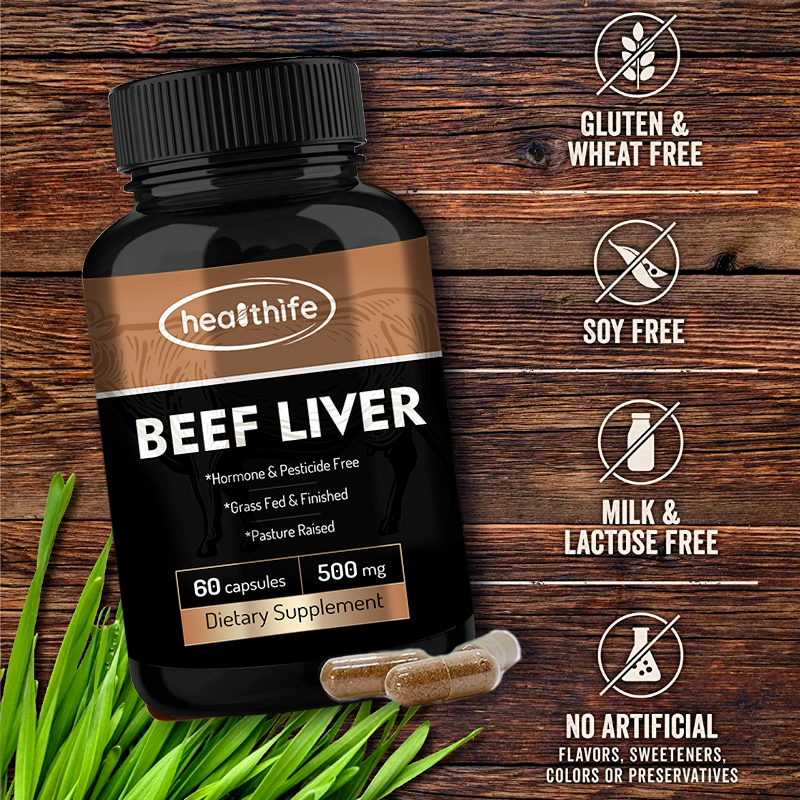
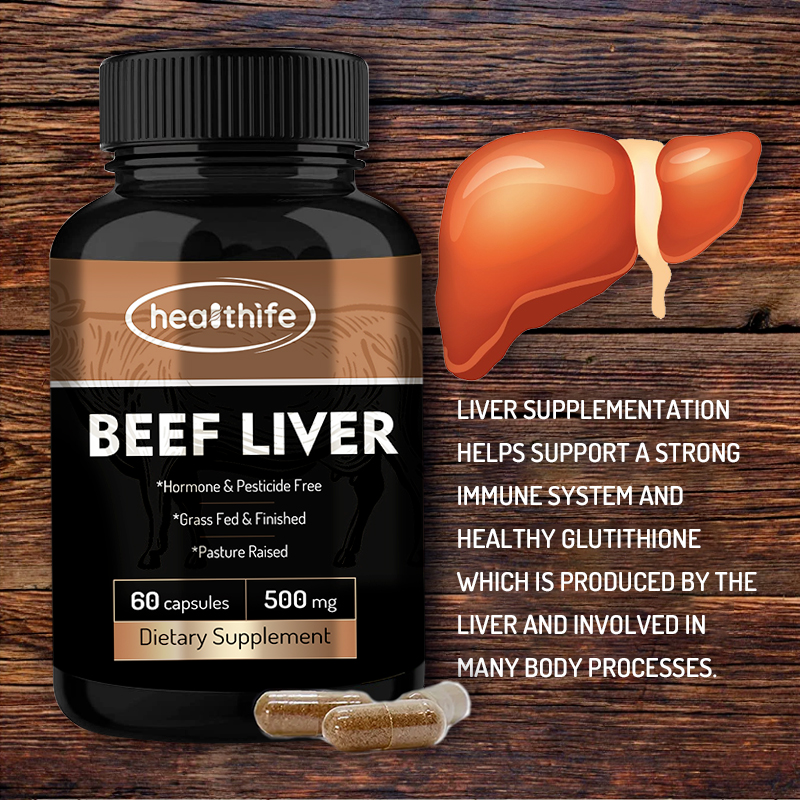
Beef liver powder, a nutrient-dense and versatile food ingredient, has gained popularity for its rich nutritional profile and wide range of applications in food, health, and pharmaceutical industries. It is packed with high-quality protein, essential vitamins (such as B12, A, and D), and minerals (such as iron and zinc), making it a valuable supplement for supporting overall health.
This article delves into the extraction process, quality control measures, and advanced drying techniques used in its production, as well as its nutritional value and potential uses in various fields.
Extraction Methods of Beef Liver Powder
1. Quality Control Before Processing
Raw Material Inspection
All beef liver raw materials must undergo strict inspection to ensure they are free from pathogens and harmful substances.
Quality Control Standards
Clear standards are established to evaluate color, smell, and purity, ensuring the quality of the final product.
Compliance Testing
All raw materials must meet national food safety regulations and pass compliance tests by official organizations.
2. Extraction Process
Crushing
The liver is defatted, and connective tissues and impurities are removed. The material is thoroughly cleaned before further processing.
Milling into Slurry
The crushed beef liver is milled into a slurry using a homogenizer to ensure uniformity and high-quality extraction.
Aqueous Extraction
Water is added, and the mixture is heated at 95–100°C with a pH level of 6–7 for 2–3 hours. This maximizes the extraction of active components from the liver.
3. Drying Techniques
Spray Drying
Rapid Drying Process: Spray drying converts liquid into solid particles almost instantly, significantly reducing drying time.
Increased Production Efficiency: Due to its speed, spray drying is highly efficient and suitable for large-scale production.
Energy Savings: Optimized heat exchange in spray drying minimizes energy consumption, lowering production costs.
Hot-Air Drying
Pure Quality: Hot-air drying yields pure beef liver powder without added ingredients.
Higher Energy Consumption: The prolonged drying process consumes significant energy, increasing production costs.
Nutritional Loss: Exposure to heat over time may degrade certain nutrients, such as proteins and vitamins.
Freeze Drying
Stability of Active Components: Freeze drying preserves heat-sensitive bioactive substances, such as enzymes and proteins, through low-temperature processing.
Protein Structure Retention: The sublimation of ice crystals prevents shrinkage and maintains the porous structure of the powder.
Reduced Oxidation and Degradation: Vacuum drying minimizes oxygen exposure, reducing the risk of oxidation and degradation of active components.
Nutritional Value Analysis of Beef Liver Powder
1. Rich in B Vitamins
Beef liver powder contains a variety of B vitamins, including vitamin B12, folic acid, vitamin B1 (thiamine), and vitamin B2 (riboflavin).
Vitamin B12: Essential for red blood cell production, it helps prevent megaloblastic anemia.
Folic Acid: It plays a critical role in cell division and growth, supporting normal neural development in fetuses, making it important for pregnant women.
Vitamin B1: Vitamin B1 functions as a key coenzyme in carbohydrate metabolism, converting carbohydrates into energy to sustain the body’s energy supply.
Vitamin B2: Vitamin B2 supports cellular respiration and energy metabolism, maintaining normal cellular functions.
Together, these B vitamins contribute to maintaining a healthy nervous system, promoting red blood cell production, and preventing anemia. They are essential for maintaining good physiological health.
2. High Iron Content
Iron, a key element in hemoglobin synthesis, is abundant in beef liver powder. It is present in the form of heme iron, which has high bioavailability and is easier for the body to absorb compared to non-heme iron.
For individuals at risk of iron deficiency anemia or those already suffering from it, consuming beef liver powder can effectively supplement iron levels. This helps improve hemoglobin synthesis and alleviates anemia. It is especially beneficial for maintaining healthy oxygen transport in the body.
3. Importance of Vitamin A
Beef liver powder is rich in vitamin A, a fat-soluble vitamin with multiple health benefits:
Skin Health: Supports the growth and differentiation of epithelial cells, keeping the skin smooth and elastic, and preventing dryness or roughness.
Eye Health: Promotes the synthesis of rhodopsin in the retina, helping prevent night blindness.
Immune System: Enhances the body’s immune defense, protecting against external pathogens.
Vitamin A plays a vital role in maintaining various aspects of health, from skin and vision to immune system function.
4. Benefits of Antioxidants
Beef liver powder contains antioxidants like vitamin C and selenium, which help protect the body from oxidative stress.
Vitamin C: A powerful water-soluble antioxidant that neutralizes free radicals, reduces oxidative damage to cells, and protects cell membranes. It also promotes collagen synthesis, keeping the skin firm and radiant.
Selenium: An essential mineral that participates in the synthesis of glutathione peroxidase. It boosts the body’s antioxidant defense, eliminating peroxides and free radicals, protecting cells from oxidative damage.
These antioxidants work together to reduce free radical damage, delay aging, boost immunity, and even reduce the risk of tumors. They help create a healthier, more stable internal environment for the body.
The Versatile Uses of Beef Liver Powder in Daily Life
1. As Baby Food Supplement
Beef liver powder is highly nutritious, rich in iron, vitamins, and protein, making it an excellent choice for baby food. When babies are born, their iron reserves from the mother’s body last only 4 to 6 months. Since breast milk contains limited iron, babies are prone to anemia, leading to fatigue, lack of energy, and reduced interest in their surroundings.
Beef liver powder is a great source of iron, zinc, and protein. Its iron absorption rate is as high as 27%, much better than the iron found in egg yolks. Unlike plant-based iron, it is not inhibited by phytic acid or oxalic acid in cereals or vegetables. It can be easily mixed with rice cereal, vegetable puree, or fruit puree, making it a convenient option to prevent anemia and promote healthy growth. Zinc in beef liver powder also supports cell division and protein synthesis, aiding overall development.
Babies can start consuming beef liver powder when they begin eating solid foods, usually around 6 months old. However, it is best to limit it to about twice a week, as excessive consumption is unnecessary, similar to other proteins like eggs, fish, and meat. Parents can mix it into porridge, noodles, or other baby food, ensuring a balanced diet that includes vegetables and fruits. They should also observe for any signs of allergies or adverse reactions.
2. As a Pet Food Additive
Beef liver powder is widely used in pet food due to its rich protein, vitamin, and mineral content. Adding raw beef liver to pet food may not fully release its nutrients or flavor. In contrast, beef liver powder produced through enzymatic hydrolysis enhances its nutritional value and palatability.
Enzymatic hydrolysis uses enzymes such as papain, neutral protease, alkaline protease, or composite enzymes specific to pet food. This process breaks down beef liver into peptides, amino acids, organic acids, sugars, and minerals, retaining its nutrients and creating a rich aroma and high palatability.
Pet owners can sprinkle beef liver powder over dog food or mix it into homemade pet meals to supplement their pets’ nutrition. Pets often enjoy the strong meaty flavor. However, moderation is essential, as excessive consumption of organ-based foods may lead to digestive problems in pets.
3. As a Daily Nutritional Supplement
Beef liver powder is a high-quality dietary supplement suitable for people of all ages. It is packed with proteins, vitamins (B-complex, A, C), minerals (iron, selenium), and antioxidants, which contribute to overall health.
B-complex Vitamins: These are essential for nervous system health, red blood cell production, and anemia prevention.
Iron: Helps in hemoglobin synthesis and is effective in treating iron-deficiency anemia.
Vitamin A: Supports skin health, improves vision, and strengthens immunity.
Antioxidants (Vitamin C, Selenium): Combat free radicals, reduce cell damage, and provide anti-aging, immune-boosting, and anti-cancer benefits.
When consuming beef liver powder, choose high-quality products to avoid contaminants or counterfeit items. Consume it in moderation to prevent overconsumption, which may lead to discomfort. People with high cholesterol or uric acid levels should consult a doctor or dietitian before use. Those with allergies should seek professional advice to avoid potential allergic reactions.
Who Can Benefit from Beef Liver Powder?
1. People with Anemia
Beef liver powder is a rich source of heme iron, which is easily absorbed by the body. It is particularly effective for people with iron-deficiency anemia, such as women with heavy menstrual bleeding, children, or teenagers undergoing growth spurts. It helps increase hemoglobin levels and alleviate anemia symptoms.
2. Individuals with Vitamin A Deficiency
Beef liver powder contains abundant vitamin A, which is crucial for individuals with imbalanced diets or limited intake of vitamin A-rich foods. It can help treat night blindness, dry eye syndrome, and other conditions related to vitamin A deficiency. It is also beneficial for people in remote areas with limited access to fresh vegetables and meat.
3. Those Needing B-Complex Vitamins
Beef liver powder provides B vitamins like B12 and folic acid, making it ideal for vegetarians and pregnant women. Vegetarians often lack B12, which is vital for nervous system health and red blood cell formation. Pregnant women require more folic acid for fetal neural development, and beef liver powder offers a reliable source.
4. People with Weak Immunity
Beef liver powder contains antioxidants like vitamin C and selenium, which help reduce free radicals and enhance immunity. It is especially suitable for individuals recovering from illness or surgery, as well as those prone to infections or fatigue.
5. Fitness Enthusiasts
Beef liver powder is rich in protein, making it an excellent supplement for those seeking muscle growth. It aids in muscle repair and recovery after intense workouts while providing essential nutrients for overall fitness and health.
6. Middle-Aged and Elderly Individuals
As people age, their ability to absorb nutrients decreases, and their dietary needs change. Beef liver powder provides essential vitamins and minerals, such as vitamin A for eye and skin health, iron to prevent anemia, and B vitamins to maintain normal nervous system function. It helps older adults maintain their health and reduce the risk of age-related illnesses.
Mango seed extract, derived from the nutrient-rich kernel of mangoes, has captured attention for its diverse applications and benefits. From its origins in tropical regions to its bioactive components like fiber, flavonoids, and vitamins, this extract is making waves in industries ranging from pharmaceuticals to cosmetics. Whether supporting weight management, enhancing skin health, or improving metabolic functions, mango seed extract is a natural ingredient with vast potential to explore.
The Source and Components of Mango Seed Extract
Overview of the Source
Mango seed extract primarily comes from specific varieties of mango, with African mango (Irvingia gabonensis) being the most notable. This type of mango grows in the tropical rainforests along the western coast of Cameroon. It is also known as bush mango, wild mango, or dika nut. Additionally, the seeds of common mangoes, such as Mangifera indica L., are also a key source of extraction. Mango seed extract is derived from the kernel of the fruit, which is typically kidney-shaped or elongated oval, slightly flattened. Its surface is covered with light yellow or earthy yellow shallow grooves and fibrous hairs. The kernel is hard, containing a single seed inside, which produces a rattling sound when shaken. The seed has a wrinkled surface, with a brown-green to dark brown seed coat that is difficult to separate from the kernel.
Analysis of Main Components
Mango seed extract contains a variety of components, each with unique characteristics and potential benefits:
Water-Soluble Fiber
Mango seed extract is rich in water-soluble fiber, which can absorb water in the intestines, increase stool volume, and promote intestinal movement. This helps maintain intestinal health. Additionally, it can slow gastric emptying, enhance satiety, and reduce food intake, which is beneficial for weight management.
Vitamins
The extract also contains vitamins, such as vitamin C, which has strong antioxidant properties. It helps the body resist damage from free radicals and boosts the immune system.
Proteins and Leptin
Proteins are another key component of mango seed extract. Some extracts contain leptin, a special protein hormone. Leptin can influence metabolism, regulate weight gain or loss, and enhance immunity. It plays a critical role in appetite control by sending satiety signals to the brain, reducing the likelihood of overeating.
Flavonoids
Mango seed extract also includes flavonoids, which possess antioxidant and anti-inflammatory properties. These compounds contribute to maintaining overall physical health.
Benefits and Effects of Mango Seed Extract
1. Antibacterial and Anti-inflammatory
Mango seed extract is rich in active compounds like mangiferin, which exhibit strong antibacterial and anti-inflammatory properties. It effectively inhibits the activity of various bacteria and viruses, helping to alleviate symptoms caused by infections, such as skin inflammation or intestinal infections. Studies have shown that mango seed extract demonstrates significant inhibitory effects on common pathogens, including Shigella dysenteriae, Shigella flexneri, and Escherichia coli. Additionally, it shows promise in suppressing respiratory infections, making it a valuable aid in treating related diseases.
2. Antioxidant
The extract contains abundant polyphenols, known for their potent antioxidant properties. These compounds neutralize free radicals in the body, effectively delaying skin aging. By protecting the skin from environmental damage, mango seed extract enhances skin brightness and maintains a healthy complexion. Many skincare products now incorporate mango seed oil extract in lightweight creams to deliver anti-aging benefits. These products not only hydrate the skin but also reduce the appearance of wrinkles, making them popular among beauty-conscious consumers.
3. Regulating Metabolism
Mango seed extract can influence metabolism-related hormones such as adiponectin. Adiponectin, secreted by fat cells, plays a vital role in regulating metabolic rates. Research shows that consuming mango seed extract significantly increases adiponectin levels, boosting metabolic activity and aiding in fat burning. This is especially beneficial for individuals with slow metabolism, as it helps prevent fat accumulation and supports weight management.
4. Lowering Cholesterol
Studies have highlighted the extract’s role in regulating blood lipids. It reduces levels of plasma cholesterol and triglycerides while increasing high-density lipoprotein cholesterol. For example, in studies involving patients with type 2 diabetes, one month of supplementation with mango seed extract led to noticeable reductions in blood sugar, total cholesterol, and triglycerides, along with an increase in HDL cholesterol. These benefits may be attributed to the high soluble fiber content of the extract.
5. Appetite Suppression
Leptin, a hormone responsible for hunger regulation, often becomes less effective in obese individuals, leading to overeating. Mango seed extract helps stimulate leptin production and enhances its effectiveness, thereby reducing appetite. This helps control calorie intake and makes the extract a useful tool in weight management and obesity prevention.
6. Enhancing Immune Function
Mango seed extract contains essential nutrients such as vitamin C and proteins, which contribute to improved immunity. Preliminary studies suggest that its components may play a role in boosting immune functions. However, further research is needed to fully understand its effects and mechanisms on the immune system.
7. Promoting Melanin Synthesis
Active compounds in mango seed extract can stimulate melanin production in skin cells. This helps improve uneven skin tone caused by pigmentation issues. For example, skincare products containing mango seed extract have shown the ability to even out skin tone, reduce dark spots, and make the skin look healthier and more radiant.
Application Areas of Mango Seed Extract
Pharmaceutical and Health Product Industry
1. Supporting Disease Treatment
In the pharmaceutical and health sector, mango seed extract has shown significant effects in aiding the treatment of chronic diseases. For example, in diabetes treatment, animal studies revealed that ethanol extract from mango seeds (200 mg/kg) significantly reduced blood glucose levels in fasting diabetic rats (p<0.01). Additionally, in alloxan-induced diabetic rats, mango seed extract (100 mg/kg and 200 mg/kg) significantly increased insulin levels and reduced glycated hemoglobin (HbA1c) levels.
In cardiovascular diseases, mango seed extract is rich in soluble fiber. Mango seed extract can effectively lowers plasma cholesterol and triglyceride levels while increasing high-density lipoprotein cholesterol (the “good cholesterol”). These combined effects help regulate blood lipid levels and support cardiovascular health. Furthermore, its flavonoids and anti-inflammatory, antibacterial compounds help alleviate inflammation-related cardiovascular issues, providing a positive role in the prevention and management of cardiovascular diseases.
For other chronic conditions, mango seed extract contains nutrients such as vitamin C and proteins that can enhance immunity, aiding the body in combating various diseases. However, to fully understand its potential.
2. Common Health Products
Mango seed extract is often used to produce health products in capsule or tablet form. For instance, Healthy Care’s Australian Mango Seed Extract Capsules contain 500 mg of African mango seed extract per capsule. They are rich in dietary fiber, helping to reduce food cravings. It accelerates metabolism, improves exercise efficiency, manages weight, and stabilizes blood sugar levels.
Another example is Pacific Nature’s African Mango Seed Extract Fat Metabolism Supplement. This product supports fat metabolism, regulates leptin levels, balances metabolism, and controls appetite. It also aids in maintaining healthy blood sugar and cholesterol levels, offering comprehensive health management for consumers.
Food and Beverage Industry
1. As a Functional Additive
Mango seed extract is widely used in the food and beverage industry due to its unique nutritional value.
Juices: Adding mango seed extract to juices enhances the mango flavor and provides antioxidant and anti-inflammatory health benefits. This allows consumers to enjoy both taste and health.
Baked Goods: Mango seed extract can be used in baked goods to create healthier options. For example, cakes with mango seed extract meet the demand for delicious desserts while promoting metabolism.
Ice Cream: Incorporating mango seed extract into ice cream enhances its unique flavor and increases satiety. This helps control food intake and improves product competitiveness in the market.
2. Combined with Other Extracts
Mango seed extract is often blended with other extracts to create multifunctional products.
Green Tea Extract: The combination of tea polyphenols and mango seed extract enhances antioxidant effects, helping to combat free radical damage. These products are ideal for daily health maintenance.
Berry Extract: Berry extracts are rich in vitamins and anthocyanins. When combined with mango seed extract, they enhance skin tone, delay aging, and are well-suited for beauty and skincare products.
Seaweed Extract: Seaweed contains abundant minerals and dietary fiber. When paired with mango seed extract, they work synergistically to regulate metabolism and provide comprehensive nutritional benefits.
Cosmetics Industry
1. Skincare Applications
Mango seed extract is widely used in skincare products for its antioxidant and anti-inflammatory properties.
For example, The Face Shop’s Mango Seed Moisturizing Series uses mango seed butter to create a moisturizing cream. Its creamy texture melts upon contact with the skin, deeply hydrating and forming a moisture barrier. This ensures long-lasting hydration and a radiant complexion. Additionally, anti-aging serums containing mango seed extract help neutralize free radicals, delay skin aging, brighten skin tone, and reduce wrinkles. These products are highly popular in the market.
2. Hair Care Applications
Mango seed extract has significant potential in the hair care industry.
It contains antioxidants, vitamins, and minerals that repair scalp damage, alleviate itching, and reduce dandruff. Its nutrients also nourish hair strands, improving elasticity and shine while reducing split ends and breakage. Mango seed extract is expected to play a key role in future hair care product development, offering consumers high-quality hair care solutions.
Suitable Groups and Precautions
1. Suitable Groups
Mango seed extract is beneficial for various groups of people:
Individuals aiming to lose weight
Mango seed extract can support weight loss by regulating metabolism and suppressing appetite. It helps reduce body fat and maintain healthy weight management.
Those concerned about skin health
With its antioxidant properties and ability to promote melanin production, mango seed extract helps delay skin aging, brighten skin tone, and improve overall skin quality.
Patients with chronic conditions
Research suggests that mango seed extract may aid in lowering blood sugar levels and regulating blood lipids. This makes it a potential supplement for managing conditions such as diabetes and high cholesterol, improving overall health.
2. Precautions
Follow medical advice or product instructions
Always use mango seed extract as directed by a doctor or according to the product guidelines to ensure safe and appropriate use.
Special populations should be cautious
The safety of mango seed extract for specific groups, such as pregnant or breastfeeding women, is not fully established. These individuals should consult a healthcare professional before use.
Address any discomfort promptly
If you experience discomfort or have concerns while using the extract, stop using it immediately and seek advice from a medical professional to ensure safety.
In our daily life processes, there are many remarkable chemicals, and spermidine is one of them. It is a naturally occurring polyamine compound, widely distributed in both plants and animals. Spermidine plays an important role in human health, plant growth, and anti-aging. This article will explore the sources, distribution, functions, and potential clinical applications of spermidine. We will uncover the mysteries behind this molecule.
What is Spermidine?
Spermidine is a naturally occurring polyamine compound, derived from putrescine and is a precursor to spermine. It is a colorless liquid at room temperature, with the chemical formula C7H19N3 and a molecular weight of 145.25. Spermidine is highly soluble in water, as well as in ether and ethanol.
Spermidine is widely present in plants and animals, either in its free form or bound to fatty acids and cinnamic acid. Plants such as oats, tobacco, tomatoes, and soybeans contain high levels of spermidine. In animals, it is primarily found in organs like the heart, sperm, and eggs. Additionally, spermidine is abundant in wheat germ, corn, mushrooms (especially shiitake), blue cheese, aged cheddar cheese, milk, and some fermented foods like German sauerkraut and miso.
Spermidine plays a broad and profound role in living organisms. Animal studies show that it can extend the lifespan of yeast, worms, and fruit flies by improving autophagy. In mouse experiments, spermidine has been shown to prolong lifespan, enhance mitochondrial function in the heart, and inhibit kidney fibrosis. Human studies indicate that consuming spermidine-rich foods can lower blood pressure and reduce the risk of heart disease. Spermidine promotes cell proliferation and growth, while also enhancing DNA stability, making it valuable in biology, medicine, and agriculture.
Distribution of Spermidine
In Plants
Spermidine is widely distributed in plants, commonly found in species such as oats, tobacco, tomatoes, and soybeans. Research shows that polyamines, including spermidine and putrescine, significantly promote plant growth and development by stimulating cell division and increasing cell volume. Spermidine also delays leaf aging by reducing chlorophyll degradation and inhibits the senescence of fruits during post-harvest ripening. As spermidine and ethylene share the same precursor molecule, S-adenosylmethionine, they exhibit competitive inhibitory effects. This characteristic is one of the mechanisms through which spermidine delays plant aging. Additionally, spermidine can bind to the DNA double helix, enhancing DNA stability and improving plant resistance to heat denaturation and the effects of nucleases.
In Animals
Spermidine shows tissue-specific distribution in animals, with concentrations high in the heart, sperm, and eggs. For example, the mudskipper, a type of aquatic animal, has particularly high levels of spermidine. In humans, research has found that spermidine levels are closely linked to health conditions. Diets rich in spermidine can reduce the incidence of cardiovascular diseases, while low intake may increase the risk of stroke. Experiments have also shown that spermidine improves heart function in aging mice through mitochondrial autophagy, reducing the number of damaged mitochondria. Moreover, spermidine has demonstrated therapeutic potential in kidney fibrosis research. It may offer important insights into novel treatments for glomerular diseases.
Functions of Spermidine
Spermidine plays a vital role across biological, medical, and agricultural fields. Its main functions include:
Regulation of Reproductive and Urinary System Functions
Spermidine has an essential regulatory role in the reproductive system. It promotes sperm maturation, enhances sperm motility and vitality, and protects sperm cell membranes, boosting their antioxidant capacity. In females, spermidine helps with oocyte maturation and improves endometrial receptivity, increasing embryo implantation rates. Additionally, spermidine is used to assist in diagnosing prostate diseases. Spermidine levels in prostate fluid can serve as biomarkers for such conditions.
Antioxidant Effects and Lifespan Extension
As a natural antioxidant, spermidine delays cellular aging and protects cells from damage caused by free radicals. Research has shown that spermidine enhances autophagy, eliminating senescent cells and potentially extending lifespan. In studies, centenarians have been found to have significantly higher spermidine levels compared to older adults, further supporting its potential in anti-aging.
Inhibition of Kidney Fibrosis
Spermidine has shown remarkable effects in treating kidney fibrosis. Research indicates that spermidine inhibits the expression of EP300 protein. This activation of autophagy helps maintain the integrity of the glomerular filtration barrier. As a result, the progression of glomerular diseases is slowed.
Prevention of Age-Related Memory Decline
Spermidine’s neuroprotective effects have been confirmed in numerous studies. It improves learning and memory abilities through antioxidant and anti-inflammatory mechanisms. Some prospective studies suggest that dietary spermidine supplementation enhances cognitive function in fruit flies and mice, and may have similar effects in humans.
Detection of Spermidine
The main methods for detecting spermidine include urine spermidine detection and prostate fluid spermidine detection. These methods allow accurate measurement of spermidine levels, providing reliable data for the diagnosis and research of related diseases. Below are the details of these two detection methods and their technical processes.
1. Urine Spermidine Detection
Urine spermidine detection is conducted by collecting urine samples and analyzing them using techniques such as high-performance liquid chromatography (HPLC). The specific detection steps are as follows:
Sample Processing:
The collected urine sample is mixed with an extraction solution (acetonitrile and water mixed at a 1:1 volume ratio). The mixture is then homogenized and sonicated at 20°C for 15 minutes at 20kHz. After centrifugation, the supernatant is collected as the sample for testing.
HPLC Detection Conditions:
Instrument: Agilent 1290 Infinity Series HPLC system and Triple Quadrupole 6420 mass spectrometer from Agilent Technologies.
Mobile Phase: Acetonitrile and 0.2% formic acid water mixed at a 1:1 volume ratio, with isocratic elution.
Run Parameters: Flow rate of 0.5mL/min; injection volume of 3μL; column temperature set to 30°C; positive ion electrospray scanning mode; Multiple Reaction Monitoring (MRM) detection.
Voltage Parameters: Fragmentor voltage set to 65-75V; collision energy (CE) voltage set to 10-20eV.
Standard Curve Preparation:
Prepare spermidine standard solutions with concentrations of 50ng/mL, 200ng/mL, 400ng/mL, and 800ng/mL using acetonitrile as the solvent. Filter the solutions with a 0.22μm nylon membrane. Measure them under the same detection conditions as the urine samples. Record the peak areas. Plot the standard curve with concentration on the x-axis and peak area on the y-axis. Use the standard curve to calculate the spermidine content in the urine sample.
2. Prostate Fluid Spermidine Detection
Prostate fluid spermidine detection involves collecting prostate fluid samples. These can be obtained through prostate massage or digital rectal examination. Spermidine levels are measured using techniques such as enzyme-linked immunosorbent assay (ELISA) or high-performance liquid chromatography (HPLC). Below are the feasible detection methods:
Enzyme-Linked Immunosorbent Assay (ELISA):
ELISA is a highly sensitive method. It quickly measures spermidine concentration in prostate fluid. It relies on antigen-antibody reactions. Enzyme-catalyzed color changes are used to quantify spermidine levels.
High-Performance Liquid Chromatography (HPLC):
This method uses benzoyl chloride as a derivatization reagent. It detects spermidine through HPLC. It effectively analyzes spermidine content in prostate fluid samples with high sensitivity and accuracy.
Liquid Chromatography-Mass Spectrometry (HPLC-MS or LC-MS/MS):
HPLC combined with mass spectrometry is a modern, accurate detection method. It can detect minute changes in spermidine levels in prostate fluid. It uses high resolution and multiple reaction monitoring modes.
Reference Detection Methods:
Methods for detecting spermine and spermidine in wolfberry leaves, or measuring free putrescine, spermidine, and spermine in seawater, can provide technical guidance for spermidine measurement in prostate fluid.
Clinical Applications of Spermidine
In recent years, spermidine has gained widespread attention in clinical research and applications. Studies have confirmed that spermidine can serve as an effective preventive and therapeutic agent for prostate diseases. It also plays a significant role in improving male reproductive health. Additionally, it has shown great research potential in the fields of antioxidant activity and immune regulation.
Prostate Disease Prevention and Treatment
Spermidine regulates the cellular metabolism and immune responses in prostate tissue. It effectively reduces the production of inflammatory factors, thereby alleviating symptoms of benign prostatic hyperplasia and prostatitis. This offers new directions for the treatment of prostate-related diseases. For male reproductive health, spermidine promotes sperm maturation and motility. It improves sperm survival and fertilizing ability, opening new avenues for treating male infertility.
Antioxidant Activity
Spermidine exhibits strong antioxidant activity. It reacts with free radicals to reduce oxidative damage and promotes the expression of antioxidant enzymes. This is valuable in preventing and treating cardiovascular diseases, neurodegenerative diseases, and other conditions caused by oxidative stress.
Immune Regulation
Spermidine stimulates the secretion of growth hormones, enhancing the repair capacity of body tissues and organs. It regulates leukocyte production and accelerates the removal of reactive oxygen species, boosting the body’s resistance to viruses and diseases. For example, in the treatment of immune diseases like psoriasis, spermidine acts as an immune regulator. It can effectively suppress overactive immune responses, relieve inflammation, and show promising therapeutic potential.
Myocardial Infarction and Liver Protection
In the treatment of myocardial infarction, spermidine regulates myocardial cell energy metabolism. It reduces oxidative stress and inflammation, promoting the repair and regeneration of myocardial cells. For liver protection, it inhibits inflammation and oxidative damage. This is helpful to maintain normal liver function.
Precautions for Spermidine
Spermidine may have skin corrosive effects and can cause severe eye damage. The need for supplemental spermidine and its potential benefits for diseases have not been confirmed by clinical trials. In the absence of relevant clinical research, it is advised that individuals exercise caution regarding spermidine supplementation.
Excessive intake of spermidine may harm the body. Some individuals may experience symptoms such as dizziness, headache, stomach pain, nausea, and indigestion. In more severe cases, side effects may include vomiting, dizziness, blurred vision, and persistent hair loss. Spermidine may also affect liver and kidney functions, increasing the risk of kidney disease, cardiovascular disease, and neurological disorders. Children, pregnant women, the elderly, and individuals with weakened immune systems are more susceptible to the effects of spermidine.
Conclusion
Spermidine is a remarkable polyamine compound that has garnered significant attention for its wide applications in biology, medicine, and agriculture. From extending lifespan to improving cognitive function, and from regulating plant growth to inhibiting kidney fibrosis, spermidine demonstrates incredible potential. As research continues, spermidine may provide more solutions for human health and agricultural development, becoming an important breakthrough in the field of life sciences.












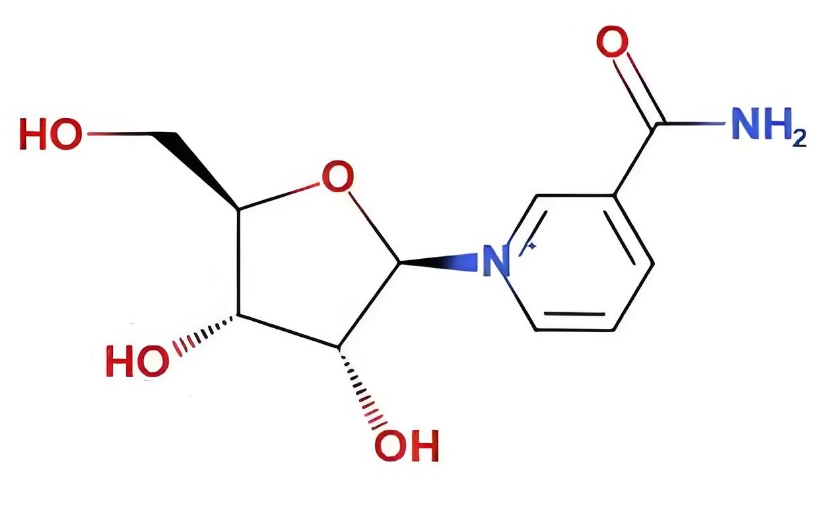





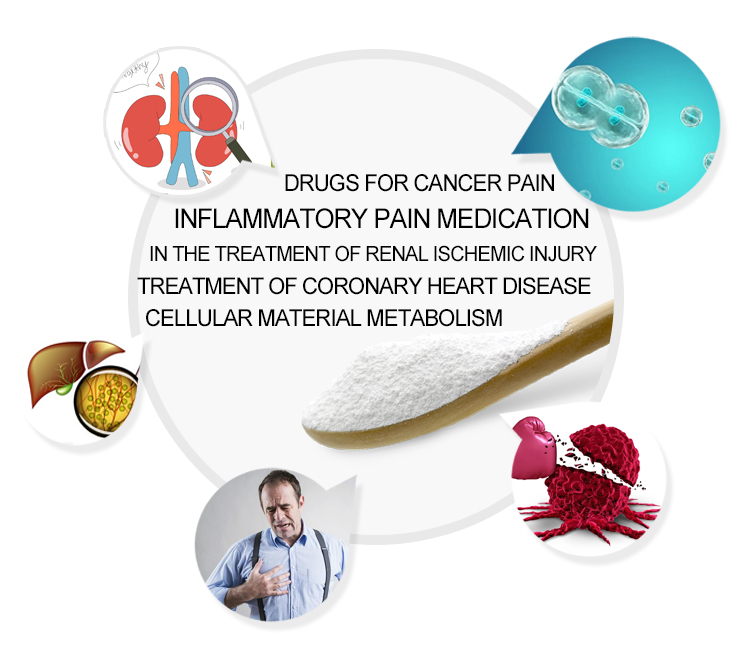

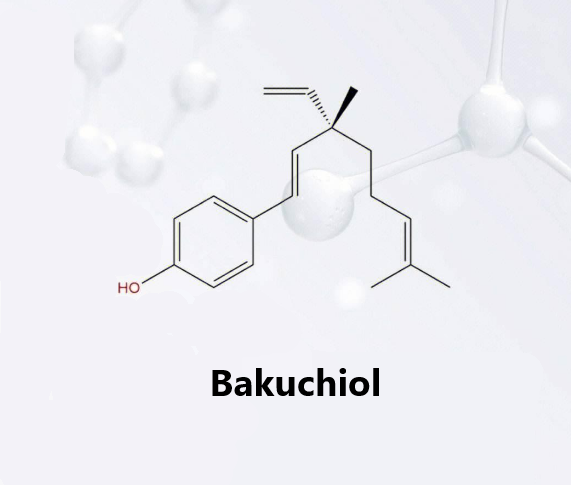
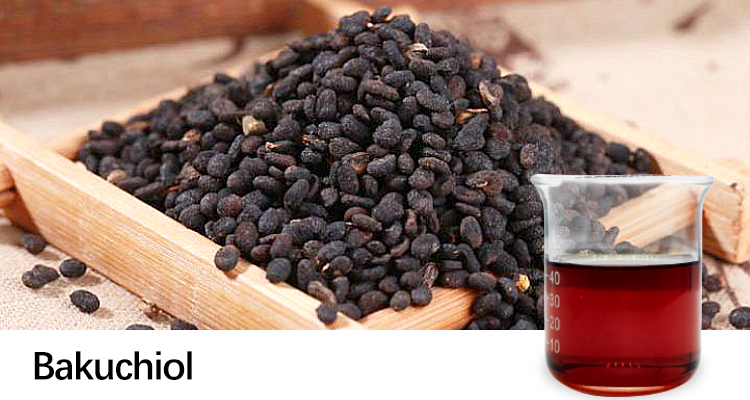


 Who Should Drink Kombucha?