

Maximizing Fitness Gains with Urolithin A

Urolithin A is a powerful compound derived from foods like pomegranates and berries, known for its remarkable benefits in fitness and overall health. Recent studies highlight its ability to enhance muscle endurance, protect joints, and support mitochondrial health. In this article, we will take you to learn more about Urolithin A.

What Is Urolithin A?

Urolithin A is a compound metabolized by gut microbiota, primarily found in pomegranates and berries. It promotes the production of intestinal mucosal epithelial cells and tight junction proteins, enhancing the intestinal barrier function and inhibiting the onset and progression of inflammatory bowel disease (IBD).

Studies show that consuming pomegranates helps alleviate IBD, with urolithin A being the key component. Urolithin A regulates the expression of tight junction proteins, strengthening the connections between intestinal epithelial cells. This reduces intestinal permeability and effectively blocks harmful substances, such as bacteria and endotoxins, from crossing the intestinal mucosa into the bloodstream. Currently, no drug exists to directly stimulate the production of tight junction proteins, highlighting the unique role of urolithin A.

Extensive in vitro and in vivo experiments have confirmed the significant effect of urolithin A in repairing intestinal epithelial barriers. Previously, research primarily focused on its anti-inflammatory properties. However, recent findings reveal its primary function is repairing intestinal barrier dysfunction.
What Is Urolithin A

Sources of Urolithin A

1. Food Sources

The primary sources of urolithin A are foods rich in ellagitannins, such as pomegranates, raspberries, blueberries, blackberries, walnuts, pistachios, and pecans. These foods are not only important for providing urolithin A but also contain antioxidants, vitamins, and minerals, with relatively low sugar content.

Adopting a Mediterranean diet can help boost the production of urolithin A. This diet typically includes ellagitannin-rich foods such as pomegranates, walnuts, and almonds. The natural polyphenol metabolites in these foods, including urolithin A, can enhance immune function and support healthy hematopoietic and immune systems.

For older adults, regular consumption of urolithin A-rich foods may reduce the risks of declining hematopoietic function, infections, and tumors.

2. Artificial Synthesis

Urolithin A can also be industrially produced through chemical synthesis. As early as 2018, the U.S. Food and Drug Administration (FDA) classified Urolithin A as a “Generally Recognized as Safe” (GRAS) substance for consumption. It is widely used in protein shakes, meal replacement beverages, instant oatmeal, nutrition bars, and dairy drinks (up to 500 mg per serving). It is also included in Greek yogurt, high-protein yogurt, and milk protein shakes (up to 1000 mg per serving). Its safety has been confirmed through multiple toxicological studies.

In chemical synthesis, optimizing the reaction process significantly increases yield. For example, when the molar ratio of 2-bromo-5-hydroxybenzoic acid to resorcinol is 6:1, the NaOH solution concentration is 5%, and the CuSO4 solution concentration is 15%, the cyclization reaction achieves a yield of 86%. Other methods also exist. One approach involves mixing Compound I and Compound II in specific proportions, dissolving them in a solvent, and adding a base and catalyst. Refluxing the mixture completes the synthesis of Urolithin A.

These methods have effectively expanded the production and application of Urolithin A. They provide a promising future for its use in food and health-related industries.
Sources of Urolithin A

Benefits of Urolithin A

Urolithin A delivers numerous health advantages backed by scientific research. Below are some key benefits this compound offers for gut, muscle, and mitochondrial health, as well as its anti-aging and protective properties:

  • Improves Gut Health

Urolithin A is produced by the gut microbiome and promotes the tight junctions between intestinal epithelial cells. This helps to inhibit inflammatory bowel diseases. Studies have demonstrated the positive impact of Urolithin A on intestinal epithelial barriers, mainly by repairing gut barrier dysfunction.

  • Enhances Muscle Endurance and Reduces Joint Cartilage Damage

A study published in JAMA shows that Urolithin A can enhance muscle endurance and reduce joint cartilage damage. In a randomized clinical trial with 66 elderly participants (aged 65 and above), the group that took Urolithin A supplements (1 gram daily) showed muscle endurance 7 to 8 times greater than the placebo group after 4 months.

  • Improves Mitochondrial Health and Reduces Inflammation

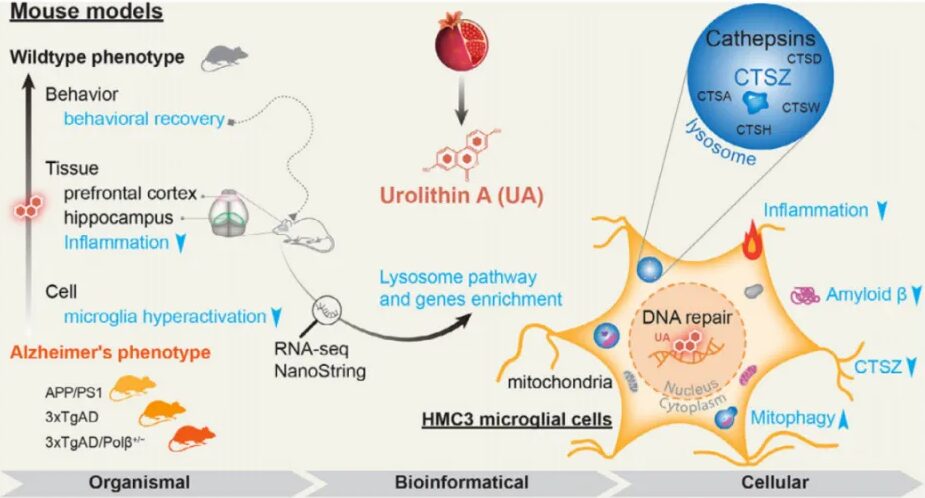
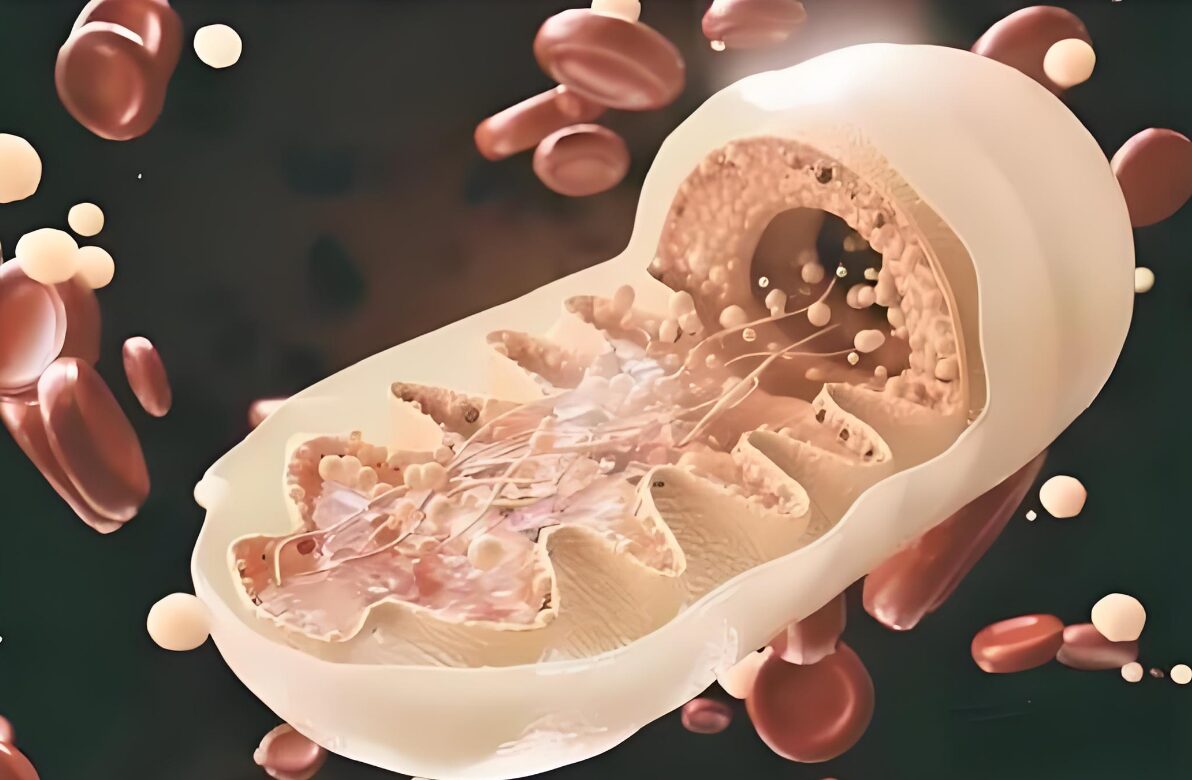
Research in Cell indicates that Urolithin A improves mitochondrial health and reduces inflammation. Urolithin A (Mitopure®) has been shown to reduce joint cartilage damage and alleviate osteoarthritis pain. In a laboratory model for osteoarthritis, supplementation with Mitopure for 8 weeks improved mitochondrial health. It prevented the progression of the disease by inducing the recycling of damaged mitochondria (mitophagy). The process enhanced mitochondrial activity.

  • Anti-Aging Effects

Urolithin A has been proven to have anti-aging effects across various species and organ systems. It induces mitophagy of dysfunctional mitochondria and regulates mitochondrial biogenesis, thus inhibiting the proliferation of aged mitochondria and extending their lifespan. It has shown anti-aging benefits in organs like hematopoietic stem cells, skin tissue, brain, immune system, and overall lifespan in various organisms including C. elegans, Drosophila melanogaster, mice, and humans.

  • Anti-Inflammatory, Antioxidant, and Anti-Cancer Properties

Urolithin A inhibits mitochondrial apoptosis pathways and regulates the p-38 MAPK signaling pathway to suppress oxidative stress-induced cell apoptosis. It significantly inhibits various typical inflammatory factors and has been shown to play a role in inflammation treatments. In human cell models, it has been confirmed to induce apoptosis and block the cell cycle, exhibiting anti-cancer effects. Urolithin A also improves the survival rate of neurons under oxidative stress and offers neuroprotective functions. It plays a role in inflammation treatment across various tissues, including brain, fat, heart, gut, and liver, with notable effects on colon and prostate cancer by inducing apoptosis and blocking the cell cycle.

  • Protection of the Nervous, Gastrointestinal, and Cardiovascular Systems

Urolithin A provides excellent protection for the nervous, gastrointestinal, and cardiovascular systems. Studies have shown that it can activate the SIRT1 signaling pathway, downregulate the mTOR pathway, and activate autophagy, preventing brain aging induced by d-galactose and improving cognitive impairment in aging mice.

  • Improves Obesity and Regulates Gut Microbiome

Urolithin A has remarkable effects on improving obesity and regulating the gut microbiome. It reduces triglyceride accumulation, fatty acid oxidation, and the expression of genes related to fat generation. It induces the activation of brown adipose tissue and the browning of white adipose tissue, while preventing fat accumulation caused by diet.
Benefits of Urolithin A

Suitable Populations for Urolithin A

Urolithin A offers numerous benefits across various groups. Below are the specific populations who may find it particularly beneficial:

1. Fitness and Sports Enthusiasts

Enhancing Muscle Endurance

For those engaging in strength training or endurance sports (such as marathons or triathlons), Urolithin A can be a potential performance booster. Studies show it can enhance muscle endurance, improve energy utilization in muscles, and reduce fatigue during exercise. In long-duration endurance activities, Urolithin A helps maintain mitochondrial function in muscle cells. Mitochondria, the “energy factories” of cells, need to function properly to ensure a continuous energy supply.

Joint Protection

High-intensity sports or those that place stress on joints (like basketball or tennis) can lead to cartilage damage. Urolithin A helps reduce damage by regulating intracellular signaling pathways. It promotes cartilage cell health and enhances the elasticity and resilience of cartilage. This provides better protection for joints.

2. People Focused on Gut Health

Patients with Inflammatory Bowel Disease (IBD)

For individuals with inflammatory bowel diseases like ulcerative colitis or Crohn’s disease, Urolithin A may have a supportive role in treatment. It enhances the tight junctions between intestinal epithelial cells, acting as a protective barrier against harmful substances. By improving gut barrier function, Urolithin A can help alleviate symptoms such as abdominal pain and diarrhea, and improve overall gut health.

People with Constipation or Gut Dysfunction

Urolithin A also benefits those suffering from constipation or gut disorders like irritable bowel syndrome. It improves the gut microbiome, promoting the growth of beneficial bacteria and restoring the balance of gut flora. This balance is essential for normal digestion and bowel function. Urolithin A helps restore gut motility, alleviating constipation and improving overall gut function.

3. Older Adults

Anti-Aging Seekers

As people age, bodily functions gradually decline, and older adults are increasingly focused on anti-aging. Urolithin A shows great promise in this regard. It induces autophagy in dysfunctional mitochondria, removing damaged or aged mitochondria while promoting the production of healthy new mitochondria. This cellular-level process helps slow the aging process and improves skin elasticity, vitality, and other signs of aging.

Chronic Disease Prevention

Older adults are more susceptible to chronic diseases like cardiovascular diseases and neurodegenerative disorders. Urolithin A’s anti-inflammatory and antioxidant properties are crucial in preventing these conditions. It suppresses inflammation and reduces oxidative stress, protecting cells from damage. Urolithin A also helps improve blood lipid levels and blood pressure, and it can protect nerve cells, preventing or delaying the onset of neurodegenerative diseases like Alzheimer’s.

4. Obese Individuals

Weight Management Aid

For obese individuals or those engaged in weight management, Urolithin A is a helpful supplement. It improves obesity by modulating the gut microbiome. The gut microbiome plays a key role in energy metabolism and fat storage, and Urolithin A optimizes the composition and function of this microbiome, promoting fat breakdown and energy expenditure. This helps individuals control their weight more effectively and reduces the risk of metabolic syndrome associated with obesity, further improving overall health.
Suitable Populations for Urolithin A

How to Supplement Urolithin A

To ensure optimal supplementation of Urolithin A, consider these approaches:

1. Directly Take Urolithin A Supplements

One way to obtain Urolithin A is by taking supplements like Mitopure®, a product from Amazentis. Promoted by Maye Musk, it has gained significant popularity in recent years.

Mitopure® is a high-purity Urolithin A derived from a bioactive dietary metabolite produced by gut bacteria. Since most people find it difficult to obtain sufficient Urolithin A from regular food, Mitopure® provides an efficient alternative. Research indicates that Mitopure® stimulates mitochondrial autophagy, improving mitochondrial function. It clears aged and damaged mitochondria while promoting the generation of healthy mitochondria, thereby enhancing cellular energy metabolism.

Mitopure® has received GRAS (Generally Recognized as Safe) certification from the U.S. Food and Drug Administration (FDA) and has undergone comprehensive preclinical and clinical evaluations. Its safety and effectiveness have been validated, making it an ideal choice for human nutritional supplementation.

2. Supplement Through Food and Its Precursor, Ellagic Acid

Another way to obtain Urolithin A is by consuming foods that contain its precursor, ellagic acid. Foods rich in ellagic acid include pomegranates, raspberries, blueberries, blackberries, walnuts, pistachios, and hickory nuts. However, whether ellagic acid can be converted into Urolithin A in the body depends on an individual’s gut microbiome. Only about 40% of people can successfully complete this conversion.

These foods are not only sources of Urolithin A but also rich in antioxidants, vitamins, and minerals, with relatively low sugar content. Adopting a Mediterranean diet, which includes many foods rich in ellagic acid, can also promote the production of Urolithin A. Foods like pomegranates and nuts are common in this diet.

Studies have shown that the natural polyphenol metabolites in these foods, such as Urolithin A, enhance immune function. Regular consumption of these foods helps maintain hematopoietic and immune system function. For older adults, this can reduce the risk of hematopoietic dysfunction, infections, and tumors. Additionally, Urolithin A has mitochondrial-regulating properties and can reverse the aging process. It rejuvenates hematopoietic stem cells by restoring mitochondrial function, thereby enhancing their vitality.

A diet rich in Urolithin A can also improve hematopoietic system characteristics associated with aging, boost lymphocyte function, and restore balance between lymphocytes and bone marrow immune cells that tends to deteriorate with age. This increases the body’s immune response to viral infections, making Urolithin A an essential nutrient in a healthy diet.
Reduced Glutathione: The Ultimate Guide to Health Benefits and Biochemical Significance

Reduced glutathione (GSH) is a tripeptide molecule garnering interest in health and wellness circles due to its powerful roles in antioxidant defense, detoxification, and cellular repair. This comprehensive guide explains the health benefits, uses, and mechanisms of reduced glutathione.

1. What is Reduced Glutathione?

Reduced glutathione (GSH) is a tripeptide composed of glutamate, cysteine, and glycine, with a unique gamma linkage that stabilizes its structure and enhances its antioxidant capabilities. Its chemical structure, denoted as C10H17N3O6S. This specific bond, formed between glutamate’s side chain carboxyl and cysteine’s amine group, underpins GSH’s role in essential cellular processes like antioxidant defense, detoxification, and metabolic regulation. This distinctive structure underpins GSH’s diverse functions, from antioxidant defense to detoxification and metabolic regulation.

What is Reduced Glutathione

2. Health Benefits of Reduced Glutathione (GSH)

Detoxification

GSH is essential for detoxification, particularly in the liver, where it interacts with a variety of xenobiotics and endogenous toxins, including heavy metals, environmental pollutants, and metabolic byproducts. Through conjugation, GSH binds to these toxic substances, increasing their water solubility and allowing for their safe elimination via bile and urine. This process, central to phase II detoxification, reduces the reactivity of these compounds, preventing them from disrupting cellular functions. This mechanism can protect the liver and overall body from accumulated toxins that could lead to diseases, thus contributing to systemic health.

Antioxidant Defense

As one of the body’s most powerful antioxidants, GSH neutralizes reactive oxygen species (ROS) like superoxide radicals and hydrogen peroxide, directly preventing oxidative damage to DNA, proteins, and lipids. This function is particularly important in reducing the risk of conditions linked to oxidative stress, such as cardiovascular disease, neurodegenerative disorders, and cancer. By maintaining redox homeostasis, GSH also supports proper cellular signaling and survival, acting as a cofactor for critical antioxidant enzymes like glutathione peroxidase. This enzyme activity facilitates peroxide detoxification and sustains GSH’s reduced form, ensuring a stable antioxidant defense network in the body.

Immune System Support

GSH acts as an immunomodulator, enhancing the activity and balance of immune cells, including lymphocytes (T cells and B cells) and natural killer (NK) cells. This immune support is essential for responding to pathogens effectively while preventing excessive inflammation. Adequate GSH levels improve immune response, protect against infections, and may lower the risk of chronic diseases. Additionally, GSH works synergistically with vitamins C and E by regenerating their antioxidant capacity, thereby amplifying immune defense and supporting a resilient immune system.

Cellular Repair and Regeneration

GSH supports cell repair by aiding in protein synthesis, protecting proteins through reversible S-glutathionylation, and maintaining cell integrity. This activity is particularly beneficial for wound healing and tissue regeneration, where GSH helps repair damaged cells and tissues, promoting recovery after injury or stress.

Skin and Health Maintenance

By reducing the impact of free radicals, GSH contributes to skin and body health, helping maintain a balanced skin tone, reducing oxidative damage, and supporting collagen synthesis, which is vital for skin elasticity. Beyond skin health, maintaining optimal GSH levels is essential for metabolic balance, as GSH has been shown to improve insulin sensitivity and reduce inflammation, benefiting overall vascular and metabolic health.

Glutathione Reduced

3.  Reduced vs. Free Form Glutathione: Which is Better?

Reduced glutathione (GSH) is the biologically active form of glutathione, meaning it’s in a state that readily engages in antioxidant and detoxification reactions. Free form glutathione refers to glutathione supplements or formulations that may not be in the reduced state or as readily absorbed. GSH is generally considered the superior form for health benefits, as it is already primed to interact with free radicals and other reactive oxygen species (ROS) in the body.

4. What is the Difference Between Total Glutathione and Reduced Glutathione?

Total Glutathione

Total glutathione encompasses both the reduced (GSH) and oxidized (GSSG) forms of glutathione, representing the complete glutathione pool available in the body for various cellular functions.

Total Glutathione

Reduced Glutathione (GSH)

GSH, the reduced and active form, is specifically responsible for neutralizing free radicals and protecting cells from oxidative damage. This form of glutathione, with a molecular weight of 307.33, possesses the vital sulfhydryl (-SH) group, which allows it to engage directly in redox reactions and support cellular health. As the primary antioxidant in cells, GSH plays a crucial role in maintaining redox balance and promoting resilience against oxidative stress.

Oxidized Glutathione (GSSG)

GSSG is the oxidized form of glutathione, created when GSH neutralizes reactive oxygen species (ROS) and other oxidative molecules. GSSG is a dimer with a molecular weight of 612.63, formed by the bonding of two GSH molecules via a disulfide bridge. While it has less antioxidant potential, GSSG can be converted back to GSH through enzymatic reactions, helping to restore the active antioxidant pool in the body.

Significance of the GSH/GSSG Ratio

The GSH/GSSG ratio is an important indicator of cellular oxidative stress and overall health. A higher ratio, indicating a greater proportion of GSH relative to GSSG, reflects better cellular resilience against oxidative damage. When oxidative stress is high, the ratio shifts toward GSSG as GSH is used up in antioxidant reactions. This balance is dynamically maintained by cellular enzymes, allowing the body to respond to oxidative challenges effectively and preserve cellular integrity.

5. What Happens When Glutathione Decreases?

A decline in glutathione (GSH) levels can impact overall health, influencing various bodily functions and increasing susceptibility to disease.

What Happens When Glutathione Decreases

Increased Oxidative Stress

Lower levels of GSH reduce the body’s ability to neutralize free radicals and reactive oxygen species (ROS). These unstable molecules can damage cellular components, including DNA, proteins, and lipids, accelerating aging and cellular dysfunction. This oxidative stress is linked to a variety of health concerns, from premature skin aging to systemic diseases such as cardiovascular and neurodegenerative disorders.

Impaired Detoxification

A deficiency in GSH limits the body’s ability to process and eliminate these harmful substances, leading to toxin accumulation that can impair liver function and place additional stress on other detoxification organs. This impairment may manifest as fatigue, immune dysfunction, and an increased vulnerability to toxic overload from environmental sources, alcohol, and processed foods.

Weakened Immune Response

GSH influences the activity and proliferation of immune cells such as lymphocytes and natural killer (NK) cells. Low GSH levels can compromise immune defenses, reducing resilience to infections and impairing the body’s inflammatory response.  Without adequate GSH, the body’s defense network is weakened, increasing the risk of chronic inflammation and susceptibility to infections.

Increased Risk of Chronic Disease

A long-term reduction in GSH levels is associated with a heightened risk of chronic conditions, including neurodegenerative diseases, cardiovascular issues, metabolic disorders, and diabetes. This link is due to GSH’s central role in neutralizing oxidative stress and regulating inflammation, both of which contribute to the pathogenesis of chronic illnesses. Low GSH can exacerbate oxidative stress and inflammatory responses, two core drivers of disease progression, while supporting GSH can potentially lower these risks

Choosing Quality Reduced Glutathione Products

When selecting a glutathione supplement, consider products with clearly labeled GSH content and minimal additives. Combining GSH with complementary antioxidants like Vitamin C can enhance its health benefits. Explore FocusHerb’s high-quality glutathione formulations for effective health support.


Why Should You Take Fisetin?

Fisetin is gaining attention as a natural compound with significant health benefits. Found in various fruits and vegetables, it offers a range of biological properties that support overall wellness. From protecting cells to aiding liver health, fisetin is becoming an essential nutrient in both research and daily life.

What is Fisetin?

Fisetin, also called Fisetol or Purple Catechol, is a natural polyphenolic compound with various biological activities. Its molecular weight is 286.23 or 286.24, depending on measurement methods. The compound appears as yellow needle-like crystals. Fisetin is mainly found in plants and is abundant in common foods like strawberries, apples, onions, and cucumbers. It is also present in certain herbs, such as Ginkgo biloba leaves and hawthorn.

Benefits of Fisetin

Fisetin’s diverse benefits make it a standout natural compound. Below are some advantages:

Antioxidant Effects

Fisetin has strong antioxidant properties. It can eliminate free radicals in the body and protect cells from oxidative damage. Free radicals are a major cause of diseases like cancer and cardiovascular issues, as well as aging. Consuming foods or supplements containing fisetin can help reduce free radical levels, slow cellular aging, and lower the risk of related diseases.

Anti-inflammatory Effects

Fisetin has notable anti-inflammatory effects. It can suppress inflammatory responses and relieve pain or discomfort. It is used as an active ingredient in some anti-inflammatory and pain-relief medications. Additionally, fisetin is widely used in skincare products. Its antioxidant and anti-inflammatory properties help protect the skin from damage caused by UV radiation and environmental pollutants.

Antitumor Effects

Research shows that fisetin has antitumor activity. It can inhibit tumor cell proliferation, block signaling pathways, and induce tumor cell apoptosis. This makes fisetin a promising candidate for developing antitumor drugs. Further research may lead to new fisetin-based treatments, offering additional options for cancer therapy.

Antitumor Effects

Liver Protection

Fisetin supports liver cell metabolism and repair. This can reduce liver stress and protecting liver function. It is included as an active ingredient in some hepatoprotective medications. For patients with liver diseases such as hepatitis or cirrhosis, consuming fisetin-rich foods or supplements may help improve liver function and aid recovery.

Applications of Fisetin

Fisetin’s versatile properties allow its use across food, cosmetics, and medical industries. Its potential to enhance health and product quality makes it a key ingredient in many applications.

Applications of Fisetin in Food

1. Color Additive

Fisetin is a natural food color additive with bright color and good stability. It is commonly used in biscuits, bread, pastries, jams, jellies, and candies as a yellow coloring agent. Fisetin enhances the appearance of food and improves its taste and flavor.

2. Preservative

Fisetin has antibacterial properties that help inhibit the growth of microorganisms in food, extending its shelf life. In the food industry, it is often used as a preservative to protect food from contamination by bacteria and mold.

3. Nutritional Enhancer

Fisetin is rich in nutrients such as vitamin C, vitamin E, calcium, and magnesium. These nutrients are essential for maintaining normal body functions. In infant food and health supplements, fisetin is widely used as a nutritional enhancer to improve the food’s nutritional value and provide essential nutrients to the body.

Nutritional Enhancer

Applications of Fisetin in Cosmetics

1. Hair Dye

Fisetin serves as a natural hair dye for altering hair color. It provides effective coloring while minimizing damage to the hair. As a result, it is widely used in hair dye products. Using fisetin-based dyes allows for color changes while maintaining hair health and shine.

2. Beauty and Skincare Products

Fisetin is often included in creams, masks, and serums as a functional ingredient. It protects the skin from external factors such as UV radiation and pollutants. Additionally, it promotes skin metabolism, enhances skin texture, and helps achieve a smoother and more refined appearance.

3. Lipsticks and Lip Balms

Fisetin adds yellow or brownish-yellow tones to lipsticks and lip balms, expanding color options. Lip products containing fisetin provide a natural and fashionable look, meeting diverse consumer preferences.

Applications of Fisetin in Medicine

1. Antioxidant Drugs

Fisetin has strong antioxidant properties and is widely used in antioxidant drugs. These drugs are primarily used to treat diseases caused by oxidative stress, such as cardiovascular and neurodegenerative diseases. By reducing oxidative damage to cells, fisetin helps delay disease onset and progression.

2. Anti-inflammatory and Pain Relief Drugs

Fisetin exhibits anti-inflammatory effects and can alleviate inflammation and pain. It is often included as an active ingredient in anti-inflammatory and pain relief drugs. These medications effectively reduce symptoms of inflammation and pain, improving the quality of life for patients.

3. Hepatoprotective Drugs

Fisetin promotes liver cell metabolism and repair, reducing liver burden and protecting liver function. It is commonly used in hepatoprotective drugs for treating liver diseases such as hepatitis and cirrhosis. These drugs improve liver function and support patient recovery.

Foods Containing Fisetin

Vegetables and fruits are important natural sources of fisetin. This beneficial compound is present in various common foods, with some containing higher levels than others.

Foods Containing Fisetin

1. Fruits

Strawberries: Strawberries are one of the richest sources of fisetin, containing about 160 micrograms per gram. They are also high in antioxidants, which help combat free radical damage, protect cardiovascular health, and slow aging.

Apples: Apples contain about 27 micrograms of fisetin per gram, mostly in the peel and core. Eating apples with the peel provides more fisetin. Apples are also rich in dietary fiber and vitamin C, promoting digestion and boosting immunity.

Kiwifruit: Kiwifruit contains around 2 micrograms of fisetin per gram. It is packed with vitamin C, vitamin E, and carotenoids, which, along with fisetin, help enhance immunity and protect cells from oxidative stress.

Grapes: Grapes provide about 4 micrograms of fisetin per gram. They are also rich in anthocyanins and flavonoids, which help reduce cardiovascular risk and act as antioxidants. Grapes contain resveratrol, another powerful antioxidant that works synergistically with fisetin.

Persimmons: Persimmons contain approximately 11 micrograms of fisetin per gram. They are high in dietary fiber and vitamin A, supporting digestion and vision. Fisetin and other antioxidants in persimmons reduce inflammation and cardiovascular risks.

2. Vegetables

Onions: Onions provide about 5 micrograms of fisetin per gram. They are also rich in quercetin, sulfur compounds, and vitamins C and B. These components, along with fisetin, help reduce cardiovascular risks and exhibit anti-inflammatory and antibacterial effects.

Cucumbers: Cucumbers contain relatively lower levels of fisetin but are low in calories and high in water. They are also rich in vitamins K and C, which promote skin health and digestion.

3. Other Foods

Legumes: Soybeans, black beans, and other legumes contain fisetin. They are rich in high-quality proteins, dietary fiber, and antioxidants, which help lower cholesterol and support cardiovascular health.

Nuts: Walnuts and almonds contain fisetin and are rich in unsaturated fatty acids, vitamin E, and antioxidants. These nutrients help fight inflammation, slow aging, and protect cardiovascular health.

Grains: Oats and brown rice contain fisetin and are high in dietary fiber and B vitamins. These grains improve digestion, lower blood sugar, and reduce cholesterol.

Challenges of Fisetin

Fisetin is derived from natural plant sources and is safe for human metabolism and excretion after extraction and purification. It does not cause significant side effects, making it widely used in food and pharmaceutical products. However, the research and development of fisetin still faces some challenges.

  • Extraction and Purification: The process of fisetin extraction and purification needs improvement to increase yield and purity while reducing production costs.
  • Mechanisms of Actio: The pharmacological mechanisms of fisetin require further research to clarify its molecular pathways and provide a theoretical foundation for drug development.
  • Metabolism and Pharmacodynamics: Further studies on fisetin’s metabolic and pharmacodynamic profiles in humans are necessary to guide clinical use and dose optimization.

Conclusion

Fisetin has broad applications in food, cosmetics, and pharmaceuticals due to its antioxidant, anti-inflammatory, hepatoprotective, and anticancer properties. With advancing technology and growing health demands, the research and development of fisetin are expected to continue, leading to more products and applications in the future.

Why Need to Take Apigenin?

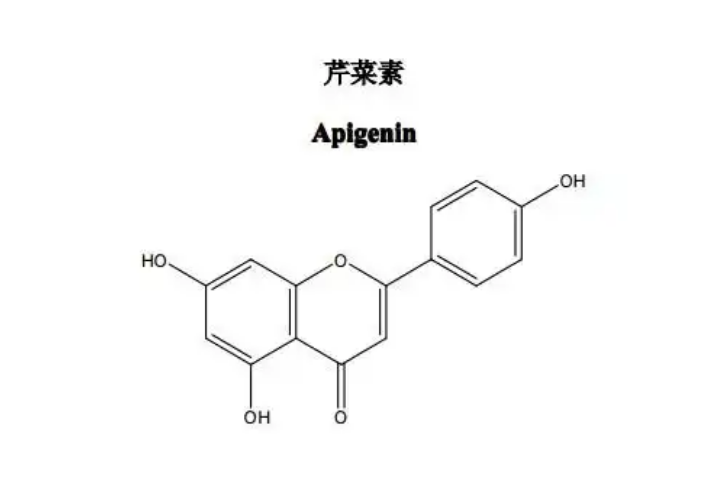
Apigenin is a natural flavonoid compound known for its excellent antioxidant and anti-inflammatory properties. It also offers multiple potential health benefits. Apigenin is widely found in various vegetables and plants, including celery, cilantro, and broccoli. As a result, it has become an essential component of a healthy natural diet.

In recent years, as research on health and functional foods has advanced, apigenin has shown great potential in preventing chronic diseases, regulating the immune system, and protecting the nervous system.

What is Apigenin?

Apigenin, also known as celery flavonoid or apigenol, is a naturally occurring flavonoid compound. It is found in various plants, especially in celery, which contains high levels of apigenin. Other sources include plants from the Thymelaeaceae, Verbenaceae, and Selaginellaceae families, as well as fruits, vegetables, legumes, and tea. Due to its biological activities and health benefits, apigenin has gained increasing attention in research and health-related fields.

What is Apigenin

Health Benefits of Apigenin

1. Antioxidant Properties

Apigenin is known for its strong antioxidant capacity. It helps eliminate free radicals, which are harmful molecules linked to oxidative stress and chronic diseases. By reducing oxidative damage to DNA, proteins, and lipids, apigenin supports cellular function and may slow the aging process. These properties make it a potential agent in preventing cancer and cardiovascular diseases.

2. Cardiovascular Health

Apigenin has shown significant effects on heart and blood vessel health. It can reduce cholesterol levels, lower blood pressure, and reduce inflammation. This may decrease the risk of heart disease and stroke. It helps dilate blood vessels, reduces cardiac workload, and improves blood circulation, contributing to overall cardiovascular health.

3. Neuroprotective Effects

Apigenin has potential protective effects on the nervous system. It reduces inflammation, improves neuron function, and may help prevent neurodegenerative diseases like Alzheimer’s. These conditions often involve oxidative stress and inflammation, and apigenin’s properties provide a supportive environment for neurons.

4. Immune System Modulation

Apigenin can enhance immune responses and improve the body’s defense against infections. By regulating immune cell activity, it promotes better immune function and supports overall health.

5. Blood Sugar Control

Apigenin may help regulate blood sugar by improving insulin sensitivity. This allows cells to metabolize glucose more effectively, which can benefit individuals with diabetes. It also helps reduce blood sugar fluctuations and may lower the risk of diabetes-related complications.

6. Anti-Inflammatory and Liver Protection

Apigenin has anti-inflammatory effects. This helps to reduce pain and swelling caused by inflammation. It also supports liver health by reducing damage to liver cells, promoting repair, and maintaining liver function.

Why Need to Take Apigenin

Potential Side Effects of Apigenin

Apigenin is generally considered safe, but some individuals may experience mild side effects.

1. Allergic Reactions

People allergic to apigenin or related plants, especially those in the Asteraceae family like chamomile, may experience reactions ranging from mild rashes to severe breathing difficulties.

2. Gastrointestinal Discomfort

High doses of apigenin may cause nausea, vomiting, or diarrhea, particularly in those unaccustomed to its use. Reducing intake can alleviate these symptoms.

3. Interactions with Medications

Apigenin may interact with estrogen receptors, potentially affecting hormone-sensitive conditions or treatments. Individuals with hormone-related cancers or undergoing hormone therapy should exercise caution and consult a doctor.

Foods Rich in Apigenin

  • Celery: A top source of apigenin that supports cell protection by combating free radicals.
  • Cilantro:Another rich source often used in dietary supplements.
  • Purple Cabbage:Contains apigenin and can be added to salads or soups.
  • Broccoli: A good source of apigenin, commonly eaten raw or cooked.

Clinical Research and Future Applications

While apigenin has demonstrated various health benefits in laboratory and animal studies, more clinical research is needed to confirm these effects in humans. Currently, apigenin is used mainly in health supplements and functional foods. It has not yet been widely adopted as a therapeutic drug. Consulting healthcare professionals before using apigenin supplements is recommended, especially for those with preexisting conditions, those taking medications, or pregnant or breastfeeding women.

Conclusion

Apigenin is a naturally occurring flavonoid with antioxidant, anti-inflammatory, and protective effects on the cardiovascular and nervous systems. It shows promise in improving health and preventing chronic diseases.

However, its clinical effectiveness and safety in humans require further study. Incorporating apigenin-rich foods into a balanced diet is a practical way to gain its benefits. For supplementation, medical consultation is essential to ensure safety and efficacy.

Icariin: An In-Depth Exploration of its Benefits, Uses, and Safety

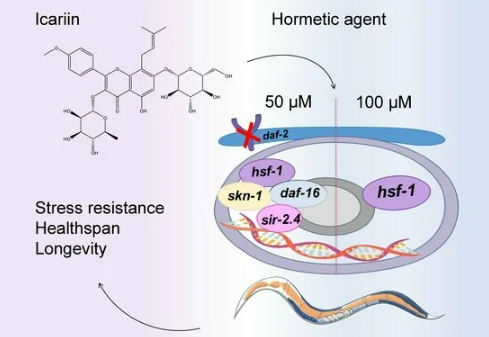
Icariin, a bioactive compound extracted from Epimedium plants (commonly known as Horny Goat Weed), is revered in traditional Chinese medicine and has gained attention in modern pharmacology. Known for its antioxidant, anti-inflammatory, and aphrodisiac properties, icariin is now a popular component in health supplements and alternative therapies. Derived primarily from plants such as Epimedium sagittatum, Epimedium koreanum, and Epimedium wushanense, icariin’s effects are being studied across diverse fields, including bone health, cardiovascular support, sexual health, and cognitive function.

What is Icariin?

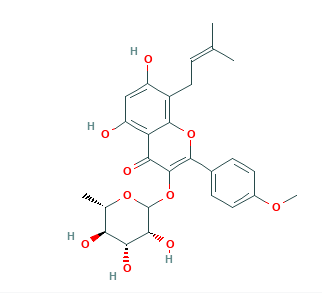
Icariin is a type of flavonoid glycoside, specifically an 8-isopentenyl flavonoid glycoside, known for its antioxidant activity. This compound is unique due to its molecular structure, composed of glutamate, cysteine, and glycine, which helps it interact effectively with various biological processes. Traditional medicine practitioners have used icariin-rich plants to address energy deficiencies and immune support, and modern studies are validating its potential therapeutic benefits.

What is Icariin

Key Uses and Benefits of Icariin

Medical Field Applications

Bone Health and Osteoporosis

Research published in Bone Research (2023) highlights icariin’s role in promoting bone formation and preventing bone loss. Icariin is thought to stimulate osteoblast activity, essential for bone formation, and inhibit osteoclasts, which break down bone tissue. This dual action makes it a promising natural option for managing osteoporosis, particularly in postmenopausal women.

Cardiovascular Health

According to a recent study in Current Cardiology Reports (2024), icariin supports cardiovascular health by improving endothelial function and reducing oxidative stress. Its vasodilatory effects, facilitated through nitric oxide (NO) production, can help regulate blood flow and reduce the risk of hypertension.

Cognitive Function and Neuroprotection

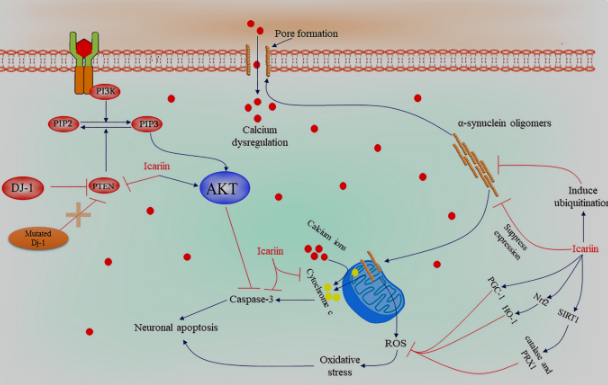
Icariin’s potential neuroprotective effects have been documented in Journal of Neuroscience Research (2023), where studies indicate its ability to reduce inflammation in the brain and protect neurons. Researchers are exploring icariin’s potential as a preventive agent for neurodegenerative diseases, such as Alzheimer’s, due to its antioxidant and anti-inflammatory actions.

Health Supplement Market

General Health and Vitality

Icariin’s broad spectrum of health benefits includes energy enhancement and immune support, making it a popular ingredient in health supplements targeting fatigue and age-related decline.

Sexual Health and Libido

Known for its traditional use as an aphrodisiac, icariin may improve libido and sexual health by enhancing nitric oxide production and testosterone levels. Studies in The Journal of Sexual Medicine (2024) suggest that icariin’s mechanisms are similar to phosphodiesterase type 5 (PDE5) inhibitors, supporting its role in erectile function.

Health Supplement Market

Icariin and Erectile Dysfunction (ED): How Effective Is It?

Mechanism of Action

Icariin enhances blood flow to the penile tissue by increasing nitric oxide (NO) levels, which relaxes blood vessels, similar to ED drugs like sildenafil. This action supports icariin’s role as a natural option for managing ED symptoms.

Research Evidence

A systematic review published in Andrology (2024) examined multiple trials and concluded that icariin shows potential for improving ED symptoms, especially in cases related to mild vascular impairment. However, more robust clinical trials are needed to confirm these findings for broader applications.

Icariin and Erectile Dysfunction

Does Icariin Affect Blood Pressure?

  • Blood Pressure Impact

While icariin’s vasodilatory properties can support healthy blood pressure, its effect on individuals with hypertension or cardiovascular conditions requires careful monitoring. Studies in Hypertension Research(2023) note that while icariin can improve circulation, it may not significantly alter blood pressure when taken in moderate doses.

  • Cardiovascular Benefits

Icariin’s antioxidant properties reduce oxidative stress in blood vessels, promoting overall cardiovascular health without significantly impacting blood pressure.

Does Icariin Affect Blood Pressure

Icariin in Traditional Chinese Medicine (TCM)

  • Historical Use

Icariin has been used for centuries in TCM for its purported benefits in promoting longevity, strengthening bones, and boosting energy. Its role in enhancing vitality and immune function is well-documented, with icariin-rich plants like Epimediumcommonly recommended for age-related ailments.

  • Modern Integrations

TCM practitioners today incorporate icariin-based formulations into integrative health plans for conditions such as osteoporosis and sexual health, combining traditional wisdom with modern science.

Is Icariin Safe for the Kidneys?

A study in The Journal of Ethnopharmacology (2024) indicates that icariin has no adverse effects on kidney function in healthy individuals when used in appropriate doses. However, people with pre-existing kidney conditions should exercise caution, as high doses of icariin could potentially strain renal function.

Icariin and Brain Health: Potential Cognitive Benefits

  • Neuroprotective Benefits

Icariin’s impact on brain health is being closely studied for its anti-inflammatory and neuroprotective effects. Research in Neurochemical Research(2023) supports its ability to counter oxidative stress in brain cells, potentially delaying cognitive decline.

  • Mood and Cognitive Enhancement

Icariin may influence mood regulation and memory by interacting with neurotransmitter systems. Studies are ongoing, but current findings suggest its benefit as a neuroprotective agent.

Side Effects and Safety Considerations

  • Common Side Effects

While generally well-tolerated, some users report mild side effects such as nausea, digestive upset, or dizziness. Adherence to recommended dosages can minimize adverse reactions.

  • Interactions with Medications

Individuals on cardiovascular or neurological medications should consult their healthcare provider before using icariin supplements, as interactions may occur.

How to Use Icariin Safely in a Holistic Health Routine

  • Dosage Recommendations

The recommended dosage varies depending on the form and intended use, with capsules and powders being common forms. Studies recommend daily doses of 300-500 mg, but consulting a healthcare provider is advisable for personalized dosing.

  • Complementary Lifestyle Practices

Pairing icariin with a balanced diet, regular exercise, and stress management can maximize its benefits. Incorporating antioxidant-rich foods may further support icariin’s therapeutic effects.

Conclusion

Icariin offers a promising array of health benefits, from bone health to cognitive support and sexual wellness. While traditional Chinese medicine has long recognized its value, modern research continues to uncover its mechanisms and potential applications. As a safe, plant-derived compound, icariin aligns well with holistic health approaches. However, consultation with a healthcare provider remains crucial to ensure safe and effective use.

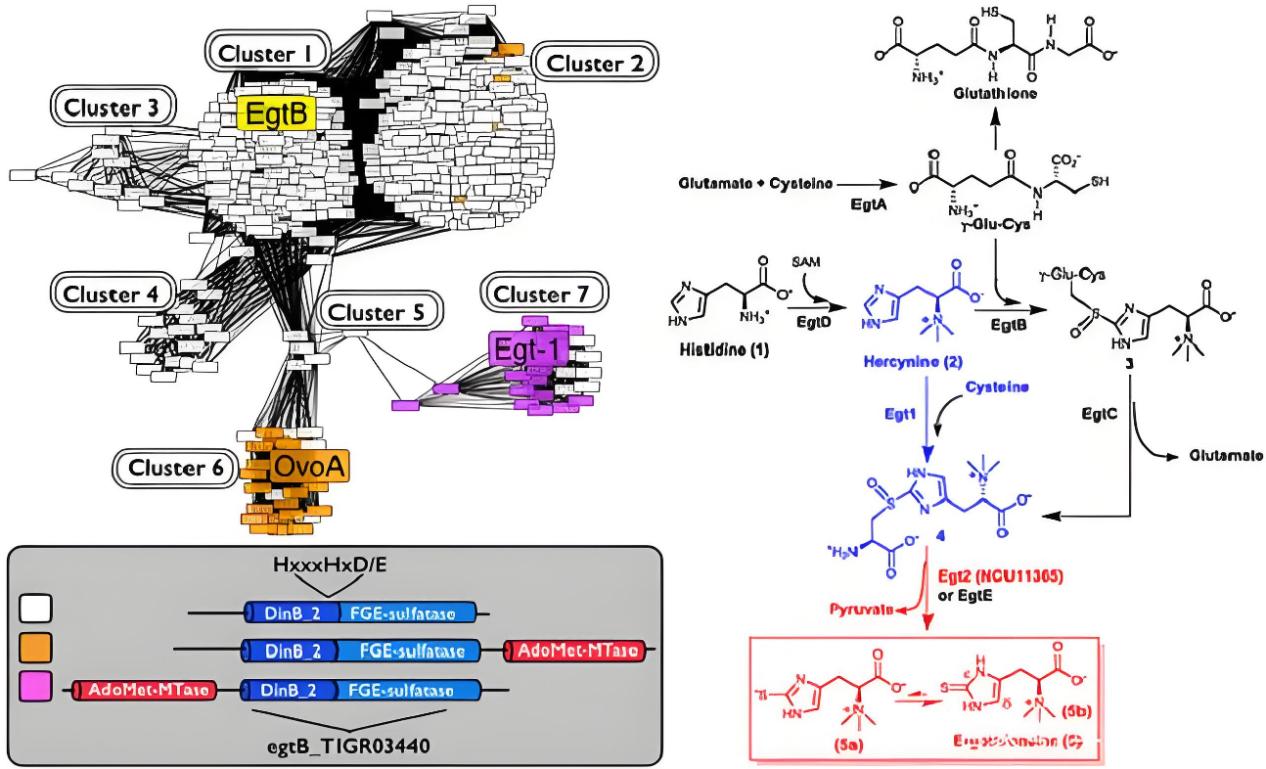
L-Ergothioneine as a Powerful Natural Antioxidant

L-Ergothioneine is a natural, rare chiral amino acid known for its strong antioxidant properties. Discovered in 1909 in the fungus Claviceps purpurea, it has garnered significant attention due to its unique biological activities and wide-ranging potential applications. This compound is not only non-toxic and safe but also possesses various physiological functions, including antioxidant effects, detoxification, maintenance of DNA biosynthesis, and promotion of normal cell growth.

L-Ergothioneine as a Powerful Natural Antioxidant

What is L-Ergothioneine?

L-Ergothioneine is an amino acid derivative that acts as a vital nutrient in the human body. A distinctive feature of L-Ergothioneine is its sulfur atom, which allows it to effectively scavenge free radicals, thereby protecting cells from oxidative stress. Research indicates that it plays a crucial role in maintaining cellular health, supporting immune system function, and may have potential benefits in neuroprotection, cardiovascular health, and anti-aging. This has led to extensive scientific interest in its applications and benefits.

What is L-Ergothioneine

Distribution and Sources of L-Ergothioneine

L-Ergothioneine has a relatively unique distribution in nature, primarily existing in specific foods:

  • Mushrooms:Various edible mushrooms, particularly specific species like white button and shiitake mushrooms, are rich sources of L-Ergothioneine.
  • Whole Grains: Wheat germ, brown rice, and other whole grains contain some amount of L-Ergothioneine, although generally lower than that found in mushrooms.
  • Meats: Animal-derived foods, especially organ meats like beef liver and chicken liver, also serve as sources of L-Ergothioneine, though their content is lower than that in mushrooms.
  • Legumes and Seeds:Some legumes and nut seeds contain L-Ergothioneine, but in limited quantities.

Moreover, L-Ergothioneine cannot be synthesized by the human body, making it a conditionally essential nutrient that must be obtained through diet. Due to its powerful antioxidant properties, some dietary supplements also include L-Ergothioneine for individuals with specific needs.

Benefits of L-Ergothioneine

The Guardian of Health

L-Ergothioneine is acclaimed for its remarkable antioxidant abilities, surpassing the efficacy of several common antioxidants, such as alpha-lipoic acid, glutathione, and coenzyme Q10. It effectively scavenges free radicals, including hydroxyl radicals, peroxynitrite, and nitrogen radicals, safeguarding cells from oxidative damage. This capability has been validated not only in vitro but also within human cells. L-Ergothioneine forms a robust antioxidant defense by directly scavenging reactive oxygen species, chelating metal ions (such as iron and copper), and activating antioxidant enzyme systems (like glutathione reductase and mitochondrial superoxide dismutase). Additionally, it promotes the regeneration of reduced glutathione (GSH), enhancing cellular resistance to oxidative stress and comprehensively protecting cell health.

Alleviating Inflammation and Promoting Repair

Inflammation is a defensive response to injury or infection; however, excessive inflammatory reactions can damage tissues. L-Ergothioneine exhibits significant anti-inflammatory effects, inhibiting the production of inflammatory mediators and the activation and migration of inflammatory cells, thereby reducing inflammation. This mechanism aids in alleviating acute inflammation and may have therapeutic applications in chronic inflammatory diseases.

Furthermore, L-Ergothioneine effectively scavenges hypochlorous acid, preventing cell inactivation and damage caused by it, especially protecting sensitive cells such as red blood cells and alpha-1-antitrypsin. This characteristic holds substantial potential in preventing and treating tissue damage and dysfunction caused by inflammation.

Anti-aging

As consumer demand for beauty and skincare increases, L-Ergothioneine has found extensive application in cosmetics due to its multiple effects, including antioxidant, photoprotective, and moisturizing properties. L-Ergothioneine can eliminate free radicals in the skin, reducing damage to DNA, proteins, and lipids caused by UV radiation, thereby slowing the skin aging process. It enhances the resilience of skin cells and promotes DNA repair and cell regeneration, helping maintain youthful skin.

In sunscreens, L-Ergothioneine effectively reduces the generation of UV-induced reactive oxygen species (ROS), protecting the skin from UV damage. Additionally, its moisturizing effects contribute to a smoother and more hydrated complexion. Consequently, L-Ergothioneine is heralded as a “beauty elixir” and has become a core ingredient in numerous high-end skincare products.

Safeguarding Vital Organs

The heart and liver are among the most crucial organs in the body, and their health directly impacts overall quality of life. L-Ergothioneine demonstrates excellent protective effects against ischemia-reperfusion injury to the heart and drug-induced damage to the liver. By reducing oxidative stress and inflammatory responses, L-Ergothioneine alleviates the burden on the heart and liver, facilitating their functional recovery.

Moreover, L-Ergothioneine can modulate immune cell functions, enhancing the body’s immunity and capacity to combat various diseases. These benefits position L-Ergothioneine as having broad application prospects in the prevention and treatment of cardiovascular and liver diseases.

 Strengthening the Body’s Defenses

N-Ergothioneine also shows potential in anti-tumor applications. It can inhibit the growth and spread of tumor cells, induce apoptosis in tumor cells, and enhance the body’s anti-tumor immunity by modulating immune cell functions. These findings offer new perspectives and methods for tumor therapy. Simultaneously, L-Ergothioneine enhances overall immunity, aiding in the prevention and treatment of autoimmune and infectious diseases. Its multifaceted immune regulatory effects pave new pathways for treating immune system disorders.

Strengthening the Body's Defenses

Skincare Benefits of L-Ergothioneine

Moisturizing

Skin hydration is a key factor in maintaining health and vitality. L-Ergothioneine, with its unique molecular structure, effectively helps the skin retain moisture and reduces water loss within the dermis. This characteristic allows the skin to maintain a hydrated state for extended periods, preventing discomfort from dryness, such as peeling and redness. For dry and sensitive skin types, the moisturizing effects of L-Ergothioneine are particularly pronounced, fundamentally improving the skin’s moisture-oil balance and reducing the formation of fine lines, resulting in a smoother and more refined texture.

Defending Against Free Radicals

Free radicals are one of the key culprits in skin aging. They damage skin cells through oxidative processes, leading to collagen loss and resulting in skin sagging and deepening wrinkles. As a powerful antioxidant, L-Ergothioneine actively counters and eliminates these harmful free radicals. By reducing free radical damage to the skin, L-Ergothioneine significantly slows the aging process, helping maintain youthful skin. Furthermore, it promotes the self-repair capability of skin cells, allowing damaged skin tissues to recover quickly.

Anti-inflammatory

Inflammation is a common phenomenon in skin issues, often accompanied by symptoms like redness, swelling, pain, and itching. L-Ergothioneine, with its anti-inflammatory properties, effectively alleviates skin inflammation and minimizes the damage caused by it. For those troubled by acne, redness, or sensitivity, L-Ergothioneine is undoubtedly an ideal choice. It not only reduces pain and discomfort caused by inflammation but also promotes the healing process, allowing damaged skin to gradually regain its health.

Multi-dimensional Protection Against Aging

As people age, skin gradually loses elasticity, showing signs of aging such as wrinkles and age spots. L-Ergothioneine offers multi-dimensional anti-aging protection through its comprehensive antioxidant and anti-inflammatory effects. It not only reduces free radical damage to the skin but also promotes skin cell regeneration and repair, slowing down the formation of wrinkles and pigmentation. Moreover, L-Ergothioneine enhances the skin’s barrier function, improving its resistance to external stimuli, resulting in healthier and more vibrant skin.

Precautions and Usage

Precautions

Incorporating L-Ergothioneine into skincare products has become a trend. Many high-end skincare items feature it as a core ingredient to meet consumer demands for skin care. However, when using skincare products containing L-Ergothioneine, it is essential to consider the following points:

  • Ensure the product is sourced from reputable manufacturers and is of reliable quality.
  • Conduct a skin patch test prior to use to avoid allergic reactions.
  • Maintain healthy lifestyle habits, such as a balanced diet and moderate exercise, to maximize the skincare benefits of L-Ergothioneine.

Usage Methods

  • Dietary Intake: Naturally increase L-Ergothioneine consumption by incorporating foods rich in it, such as mushrooms, whole grains, and specific meats.
  • Supplements: L-Ergothioneine supplements are available on the market; it is generally recommended to take them with meals to enhance absorption.

Always follow product instructions or professional advice for consumption. The specific use of L-Ergothioneine may involve individual health considerations (The above information is for reference only). For more detailed personalized recommendations, it is advisable to consult a healthcare professional or nutritionist.

Reduced Glutathione: The Secret of a Skincare Sensation

Reduced glutathione (GSH), an important molecule in the field of biochemistry, is gradually emerging in skincare and becoming a focal point for beauty enthusiasts.

Its unique properties, including antioxidant effects, detoxification, and promotion of cellular repair, have demonstrated significant benefits for improving skin condition and enhancing overall health. Let’s delve into the functions of reduced glutathione and its advantages for the skin.

What is Reduced Glutathione?

Reduced glutathione is a tripeptide compound composed of three amino acids: glutamic acid, cysteine, and glycine, linked by peptide bonds. This unique chemical structure endows it with various biological activities, particularly excelling in antioxidant, detoxification, and immune regulation functions.

In the body, reduced glutathione exists in two forms: the reduced form (GSH) and the oxidized form (GSSG), with the reduced form being its active form capable of participating in redox reactions.

What is Reduced Glutathione

Differences Between Reduced Glutathione and Oxidized Glutathione

Reduced glutathione (GSH) and oxidized glutathione (GSSG) are two vital forms present in biological systems, exhibiting significant differences in structure, function, and applications. Both play crucial roles in maintaining cellular homeostasis, participating in redox reactions, and protecting the body from oxidative stress.

Molecular Formula and Molecular Weight

From a structural perspective, the molecular formulas of GSH and GSSG are distinctly different. Reduced glutathione (GSH) has a molecular formula of C10H17N3O6S and a molecular weight of 307.33, constituting approximately 95% of total glutathione. In contrast, oxidized glutathione (GSSG) has a formula of C20H32N6O12S2 and a molecular weight of 612.63, representing about 1% of glutathione in the body. This disparity directly influences their respective functions and mechanisms.

Melting Point and Stability

The melting points of GSH and GSSG also vary. GSH melts within the range of 189 to 193°C, indicating stability at higher temperatures but undergoing decomposition at its melting point. GSSG has a lower melting point of 178°C and similarly decomposes upon reaching this temperature. These differences reflect variations in stability and reactivity in biological systems.

Melting Point and Stability

Biological Functions and Applications

(1) Reduced Glutathione (GSH)

GSH is one of the most important intracellular antioxidants, participating in various redox reactions through its thiol (-SH) group, combating damage from free radicals and peroxides. It is particularly abundant in the liver and effective against various liver diseases, including alcoholic and drug-induced liver damage, as well as chronic hepatitis B and C. GSH not only alleviates symptoms but also promotes liver function recovery.

Moreover, GSH is widely utilized in pharmaceuticals, dietary supplements, health foods, and cosmetics due to its antioxidant and detoxification properties. It plays a crucial role in treating heavy metal poisoning, radiation damage, leukopenia, and radiation-induced bone marrow inflammation. In ophthalmology, GSH eye drops are employed for conditions like early age-related cataracts and corneal ulcers.

(2) Oxidized Glutathione (GSSG)

Although GSSG is present in lower concentrations, its role is significant. It is primarily used as a research tool for enzymatic assays measuring NADP and NADPH, making it an important reagent in biochemical studies. GSSG also participates in redox reactions within cells, albeit with lower activity, requiring specific enzyme-catalyzed reactions to be reduced back to GSH to restore its antioxidant capacity.

The conversion between GSSG and GSH is essential for maintaining cellular redox balance. During oxidative stress, GSSG levels rise, while GSH is regenerated via glutathione reductase to counter oxidative challenges. This process not only protects cells from oxidative damage but also maintains cellular stability.

Oxidized Glutathione

Six Major Functions of Reduced Glutathione

Antioxidant Action

Reduced glutathione (GSH) is one of the primary antioxidants within cells, capable of scavenging free radicals and protecting cell membranes, proteins, and DNA from oxidative damage. By maintaining intracellular redox balance, it helps prevent various diseases, including cardiovascular conditions, cancer, and neurodegenerative disorders.

Detoxification

GSH participates in the metabolic processes of various drugs and toxins, converting them into non-toxic or less toxic substances, thereby reducing damage to the liver and other organs. This property is crucial in the detoxification treatment of drug poisoning and heavy metal exposure.

Immune Regulation

GSH enhances the function of immune cells, promotes immune responses, and regulates inflammatory reactions, contributing to the maintenance of immune homeostasis. This action is significant for improving overall resistance to infections.

Cell Growth and Repair

GSH plays a vital role in cell growth and repair by promoting protein synthesis and inhibiting protein degradation, thus maintaining normal cell function and morphology. This characteristic holds potential applications in tissue repair and regenerative medicine.

Iron Metabolism

GSH is involved in the transport and storage of iron, helping to maintain normal iron metabolic balance. This function is essential for the prevention and treatment of iron metabolism-related diseases.

Skin Health

Due to its powerful antioxidant properties, GSH positively impacts skin health. It helps reduce skin damage caused by ultraviolet radiation and slows the aging process, contributing to the maintenance of healthy and youthful skin.

Powerful Antioxidant Ability

Benefits of Reduced Glutathione for Skin

Powerful Antioxidant Ability

As a potent antioxidant, GSH neutralizes free radicals in the body, which are major contributors to skin aging and damage. By protecting against oxidative stress, GSH effectively minimizes harm to skin cells.

Whitening and Spot Reduction

GSH is also effective in skin whitening. It inhibits melanin production and promotes the breakdown and metabolism of existing melanin, leading to brighter and more even skin tone. This makes GSH a key ingredient in many whitening products.

Improving Skin Elasticity and Firmness

With ageing, collagen in the skin decreases, leading to loss of elasticity and the appearance of fine lines and wrinkles. GSH plays a crucial role in stimulating collagen synthesis, and enhancing skin elasticity and firmness while promoting cellular metabolism for youthful skin renewal.

Anti-Inflammatory and Repair

GSH exhibits significant anti-inflammatory effects, alleviating skin inflammation and promoting the healing of wounds and damaged cells. This property makes GSH effective in treating acne and scars, helping the skin regain its health.

Moisturizing and Hydrating

In addition to its other benefits, GSH helps maintain moisture balance in the skin, reducing water loss and keeping the skin hydrated. This is essential for improving dryness and roughness, while also enhancing skin barrier function to better resist external irritants.

Precautions and Usage Instructions

While reduced glutathione offers numerous benefits for the skin, it is important to keep the following points in mind during use:

  • Use in Moderation: Excessive use of reduced glutathione may lead to skin burden. It is advisable to follow the product instructions or consult a physician for appropriate usage.
  • Individual Variability: Skin conditions and needs vary among individuals, resulting in different responses to reduced glutathione. Therefore, it is recommended to conduct a patch test before use to ensure suitability for your skin type.
  • Integrate with Other Skincare Steps: Reduced glutathione is typically used as part of a skincare regimen. It is recommended to combine it with other skincare products for enhanced efficacy.

How to Choose Reduced Glutathione Skincare Products

When selecting reduced glutathione skincare products, pay attention to the ingredient list.

Ensure that the product clearly indicates the concentration of GSH and avoid those with excessive additives, preservatives, or unnecessary fillers.

Additionally, look for complementary antioxidant ingredients such as vitamins C and E, as these can further enhance the antioxidant effects of GSH.

If you are in search of high-quality reduced glutathione products, FocusHerb is a trusted choice to help you create professional skincare formulations.

The Benefits and Selection Tips of Squalane

Squalane has become one of the most popular skincare ingredients in recent years, and it is highly sought after for its remarkable properties. Squalane (C30H62) is a molecule that mimics our skin’s natural ability to self-repair and retain moisture through lipid activity.

As an organic emollient and protector, it is favoured in the cosmetics industry for its outstanding performance and well-recognized benefits to the skin.

Frequently found in many moisturizing products, squalane has captured the attention of skincare enthusiasts. Today, we’ll delve into the benefits of squalane and explore the best ways to incorporate it into your skincare routine.

What is Squalane?


Squalane is a moisturizing skincare ingredient renowned for its efficacy due to its similarity to squalene, a naturally occurring compound in the human body.

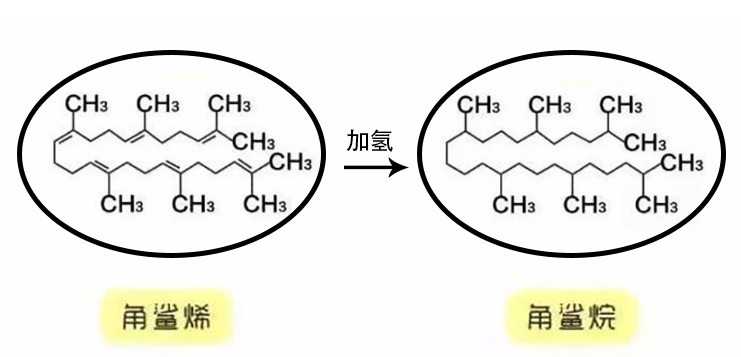
Squalane is a stable hydrocarbon derived from the hydrogenation of squalene.

Unlike squalene, which has an unsaturated carbon chain structure and is prone to oxidation, squalane has a saturated carbon chain with no chemical double bonds, making it more stable and an ideal component for skincare products.

☞

Differences Between Squalene and Squalane

Squalene is a naturally occurring oily compound found in the human body, as well as in plants and animals, particularly in infant sebum and plant oils such as olive, soybean, and sunflower oils.

It is a vital component of the sebum layer, which helps retain skin moisture and prevents evaporation, thereby protecting the skin barrier. However, squalene levels in the body decrease with age, leading to dry skin.

Differences Between Squalene and Squalane

Due to its instability and susceptibility to oxidation, squalene is not suitable for direct use in cosmetics as it may degrade. Therefore, squalene is typically hydrogenated to produce squalane.

Squalane, a low-viscosity oil with higher stability and resistance to oxidation, is more suitable for use in commercial skincare products. It is gentle on the skin and enhances moisture retention and self-repair abilities, minimizing the risk of irritation or allergic reactions.

  Squalane Squalene
Characteristics Highly stable, skin-friendly, and easy to preserve Unstable and prone to oxidation
Presence in the Human Body Trace amounts Relatively higher concentrations
Skin Irritation Stable and less likely to cause irritation Irritating, potentially leading to acne and breakouts
Benefits Moisturizing, antioxidant, wrinkle-reducing, and anti-aging Moisture retention in the skin

Common Types of Squalane in the Market

Common Types of Squalane in the Market

Natural Squalane

In the cosmetics industry, natural squalane, particularly plant-derived squalane, is the preferred choice due to its alignment with the trend toward natural product development. It is primarily sourced from the unsaponifiable fraction of olive oil but can also be extracted from other plants such as soybeans and sunflowers.

Plant-based squalane is a high-quality ingredient widely used in cosmetic formulations and can be quickly verified for its plant origin through carbon-13 testing.

Historically, squalene was mainly extracted from shark liver oil and used as a dietary supplement; however, most marine-sourced squalene has been replaced by plant-based squalene, with marine sources now used mainly in the pharmaceutical industry, especially in vaccines.

Synthetic Squalane

Synthetic squalane is produced through two main methods:

One involves petrochemical synthesis using terpene compounds to create high-purity squalane;

The other employs biotechnology, where genetically modified microorganisms ferment sugar molecules to produce squalene, which is then chemically synthesized and dimerized to obtain squalane.

This biotechnological method is more sustainable and reduces reliance on traditional petrochemical processes, offering an environmentally friendly production alternative.

Three Key Benefits of Squalane

Hydration and Moisture Retention

Squalane is one of the oils closest in composition to human sebum, offering excellent oxygen-carrying properties. It integrates seamlessly with the skin’s natural oils, forming a highly permeable protective barrier on the skin’s surface.

This barrier not only prevents moisture loss and nourishes the skin but also ensures that the skin can effectively exchange water and air without feeling greasy.

By maintaining the balance between the skin and its sebum, squalane provides deep hydration and enhances the skin’s ability to absorb moisture and other nutrients.

Regular use can improve various skin issues such as sagging, dryness, flakiness, roughness, and dullness, helping the skin regain its softness.

Anti-Ageing

Squalane boasts impressive antioxidant properties, which contribute to its effectiveness in penetrating the skin, promoting the proliferation of basal skin cells, and inhibiting the oxidation of skin lipids. Since oxidation is a major factor in skin ageing, squalane helps to delay the signs of ageing by combating oxidative damage.

Skin Repair and Cellular Restoration

Squalane accelerates the repair of the epidermis and damaged cells. Its ability to open pores, enhance microcirculation, and accelerate skin cell metabolism aids in the healing of damaged tissues.

For individuals with thin stratum corneum or facial redness, skincare products containing squalane are among the best choices for reducing redness and thickening the skin’s outer layer.

Squalane Safety and Potential Risks

Squalane Safety and Potential Risks

Squalane itself is generally safe for most users, but attention should be paid to additional ingredients in skincare products. As noted by experts, the risk of topical products often comes from added components like fragrances, preservatives, and dyes, which can trigger allergic contact dermatitis, eczema, or reactions in sensitive skin.

Potential Skin Issues

While squalane is generally considered a non-greasy, lightweight oil, overuse or improper cleansing can lead to pore blockage, hindering normal skin respiration and metabolism. This can create an environment conducive to bacterial growth, potentially causing folliculitis, acne, or other skin issues, characterized by redness, pimples, or pustules, along with pain and itching, which can impact appearance and quality of life.

Allergic Reactions

Though rare, some individuals may still have allergic reactions to squalane, such as itching, redness, rash, or more severe symptoms like oozing or erosion. Those with known allergies to squalane should avoid products containing this ingredient to prevent unnecessary health risks.

Excessive Oiliness and Imbalance

For individuals with naturally oily skin, using squalane may exacerbate oiliness due to its similarity to the skin’s own sebum. Overuse can lead to an excessively thick oil layer on the skin’s surface, diminishing the feeling of freshness and breathability, and potentially worsening pore blockage and related skin issues.

How to Avoid Side Effects of Squalane

  • Use Moderately: Follow the product instructions and control the amount used to avoid over-application.
  • Thorough Cleansing: Ensure your skin is thoroughly cleaned after using squalane to prevent residue from clogging pores.
  • Stay Hydrated: Maintain adequate skin hydration to balance oil production and reduce greasiness and acne.
  • Patch Test: Conduct a patch test before using new products to check for any allergic reactions to squalane or other ingredients.
  • Rotate Skincare Products: Avoid using the same product for extended periods to prevent skin dependency or reduced effectiveness.
How to Choose Squalane Skincare Products

How to Choose Squalane Skincare Products

Squalane primarily functions as a moisturizer, water-locking agent, and anti-ageing ingredient. It is often combined with components such as peptides and amino acid moisturizers and added to anti-ageing creams and hydrating serums.

When selecting squalane skincare products, consider the source of the ingredient, particularly third-generation squalane derived from sugarcane, which offers a lighter, more effortless care for the skin.

Opting for squalane products from reputable international brands ensures high quality and effectiveness, as these products are subject to rigorous research and testing and often emphasize sustainability and environmental friendliness in their production processes.

Additionally, check other ingredients in the squalane products and avoid those containing alcohol, silicones, fragrances, dyes, or animal-derived components, which can irritate the skin. Choose gentle formulations to ensure optimal skin care.

If you are seeking high-quality squalane, Focusherb is a reliable choice. We offer 100% naturally sourced squalane to help create professional skincare products.

The Rise of Natural Substances — Spermidine

In recent years, people have paid more and more attention to health and longevity. It makes people continue to explore the mysteries of nature.

Spermidine, a natural substance, has attracted the attention of the scientific community and the public for its unique physiological functions and wide application prospects. As an ancient and emerging substance, spermidine is leading a new trend in the field of natural substances.

Discovery and Naming of Spermidine

Discovery and Naming of Spermidine

Spermidine has a long history that dates back to 1678 when Leeuwenhoek first discovered its prototype while examining semen. It wasn’t until 1888 that German chemists Ladenburg and Abel formally named the compound “spermine.”

Spermidine was later recognized as a homologue of spermine. spermidine is an aliphatic polyamine compound. It is commonly found in various organisms, with a significant presence in plants and foods such as wheat germ, soybeans, mushrooms, and natto.

Physiological activity of spermidine

Spermidine has gained attention mainly due to its rich physiological activities. One key attribute is its strong antioxidant effect. Oxidative stress contributes to many diseases, and spermidine helps reduce this stress by scavenging free radicals and boosting cellular antioxidant capacity. It not only directly neutralizes free radicals but also regulates antioxidant enzyme activity. Therefore, spermidine is useful to enhance the body’s defense against oxidative damage.

Spermidine also shows significant anti-inflammatory effects. By modulating the production and release of inflammatory factors, it effectively inhibits inflammatory responses. It lowers the production of inflammatory mediators and promotes the degradation of inflammation-related proteins. This helps reduce tissue damage caused by inflammation.

Additionally, spermidine has lipid-lowering properties. Hyperlipidemia is a major risk factor for cardiovascular disease. Spermidine helps manage blood lipid levels through its influence on lipid metabolism pathways. It reduces cholesterol and triglyceride synthesis while increasing fatty acid oxidation and metabolism. This provides a potential new treatment option for hyperlipidemia patients.

Physiological activity of spermidine

Spermidine and Anti-aging

Spermidine shows promising potential in the field of anti-aging. As people age, spermidine levels in the body decline, but supplementation can help counteract this trend and delay aging. Spermidine is involved in various cellular processes, including DNA stability, gene transcription, cell proliferation, and survival, all of which contribute to maintaining overall health and slowing the aging process.

Spermidine’s anti-aging effect is its ability to activate autophagy. Autophagy is the process by which cells remove damaged and aged components, promoting renewal and repair. Research indicates that spermidine significantly boosts autophagy activity. It helps the body to eliminate dysfunctional cells and combate aging. This provides new possibilities for the development of anti-aging therapies.

Application Prospects of Spermidine
Health field

Spermidine has notable applications in the health field, particularly in anti-aging. As people age, spermidine levels in cells gradually decrease. It leads to a decline in autophagy and an acceleration of the aging process. Research suggests that spermidine supplementation can repair damaged cells and enhance autophagy to delay aging. Additionally, spermidine’s antioxidant properties enable it to remove free radicals, reducing oxidative stress and protecting cellular health.

Spermidine also contributes to cardiovascular health. It can protect the heart, reduce cardiac hypertrophy, improve diastolic function, and extend lifespan by boosting autophagy. Spermidine has also been found to reduce lipid accumulation in atherosclerotic plaques, lowering the incidence and mortality of cardiovascular diseases. These insights offer new avenues for the prevention and treatment of cardiovascular conditions.

Beauty and skincare field

Beauty and skincare field

Spermidine is gaining popularity in the beauty and skincare industry. It promotes collagen synthesis which is essential for maintaining skin elasticity and firmness. By stimulating skin cells to produce more collagen, spermidine helps reduce facial sagging to make the skin firmer and more elastic. Its antioxidant and anti-inflammatory properties help remove free radicals, reduce inflammation, and protect the skin from environmental damage.

Spermidine also aids in the metabolism of stratum corneum cells. This can speed up cell renewal and keeping the skin soft and smooth. Its moisturizing and reparative effects make it a sought-after ingredient in many skincare products and cosmetics. In hair care products, spermidine supports hair growth while enhancing hair elasticity and shine.

Food industry

As a food additive, spermidine can bind with proteins to form spermidine-protein complexes, which enhance protein bioavailability. It also aids in the absorption of vitamins B6, B12, and folic acid, thereby increasing the nutritional value of food. Additionally, as a natural food thickener, spermidine improves the texture and taste of food to make it more appealing.

Spermidine also has preservative properties. It can inhibit the growth and reproduction of microorganisms, thus extending the shelf life of food. In the current pursuit of food safety and health, this characteristic of spermidine offers a new solution for the food industry.

Medical field

Researchers in Germany and Austria have found that spermidine may help prevent the onset of Alzheimer’s disease. Spermidine offers valuable clues for the development of new treatments for this condition. Additionally, it has demonstrated anti-cancer effects, such as reducing tumor incidence in mice and improving tumor prognosis. These findings suggest that spermidine could have broad applications in cancer prevention and therapy.

The rise of spermidine reflects the renewed interest in natural substances within modern science. With its unique physiological properties and wide-ranging applications, spermidine brings new possibilities to human health. As research continues to advance, spermidine is expected to play an increasingly prominent role, contributing to a healthier future.​