
What is the role of spermidine in promoting longevity?

Spermidine, a polyamine widely distributed in living organisms, has attracted widespread attention in the field of scientific research in recent years. Scientists have found that spermidine plays an important role in promoting longevity, providing new ideas for healthy longevity by regulating cellular autophagy, inhibiting oxidative stress and other mechanisms.

First, spermidine can promote cellular autophagy. Autophagy is an important mechanism by which cells renew and repair themselves by breaking down their damaged or excess organelles and proteins in response to stress or aging. Spermine can induce the transcription of autophagy-related genes, thus enhancing cellular autophagy. This action not only helps to remove toxins and harmful substances accumulated in cells, but also maintains the normal function of cells and slows down the process of cellular aging.

Secondly, Spermidine can inhibit oxidative stress. Oxidative stress refers to the imbalance of redox reactions in cells, leading to excessive accumulation of reactive oxygen radicals (ROS) and other oxidative substances, which in turn cause damage to cells. Spermidine has an antioxidant effect, which can scavenge intracellular ROS and reduce the damage to cells caused by oxidative stress. At the same time, spermidine can also improve the antioxidant capacity of cells and enhance the resistance of cells to oxidative stress, thereby protecting cells from damage.

In addition, spermidine has anti-cancer effects. Several studies have shown that supplementation with spermidine can reduce the risk of tumour development and slow down the growth of tumours. Spermidine can inhibit the proliferation and invasion of tumour cells and induce apoptosis, thus exerting anti-cancer effects. At the same time, spermidine can also enhance anti-tumour immune response and improve the body’s resistance to tumours.

In addition to the above effects, spermidine can also maintain gene stability. Genetic stability is the basis for normal cell function, and spermidine can bind and precipitate DNA, preventing DNA damage and mutation. This action helps maintain the genetic stability of cells and reduces the occurrence of genetic mutations and diseases.

So how can you increase the level of spermidine in your body? One way is to increase your intake of foods rich in spermidine. Foods such as wheat and whole grains, broccoli and cauliflower, mushrooms, peas, mangoes, soya beans and soya products are good sources of spermidine. By combining these foods wisely, we can provide our body with enough spermidine to fulfil its role in promoting longevity.

In addition, spermidine supplements are also a way to increase the level of spermidine in the body. However, it should be noted that further research and validation on the safety and effectiveness of spermidine supplements is needed. Therefore, before using spermidine supplements, it is recommended to consult a professional doctor or dietitian to ensure its safety and reasonableness.

In conclusion, as an important bioactive substance, spermidine plays an important role in promoting longevity. By promoting cellular autophagy, inhibiting oxidative stress, anti-cancer and other mechanisms, spermidine helps to maintain normal cellular function and slow down the process of cellular aging. By increasing the intake of foods rich in Spermidine or using spermidine supplements, we can increase the level of spermidine in our body and thus enjoy the health benefits it brings. However, when using spermidine supplements, we also need to be careful to ensure their safety and reasonableness.

Could Spermidine Replace the Anti-Aging Benefits of Daily Exercise?

Scientists are exploring a variety of molecules that could combat the aging process. Recent research suggests that spermine can provide exercise-like health effects, which may improve human performance. In this article, we unravel the science behind the longevity-promoting effects of spermine and explore its potential to mimic the transformative anti-aging effects of physical activity.

What is spermidine?
Spermidine is a naturally occurring compound classified as a polyamine, meaning it has more than two primary amino groups in its structure, and is found in all living organisms. Spermidine plays an important role in a variety of biological processes and functions, stimulating a protective cell death mechanism called autophagy. It was originally isolated from semen, although it is also present in other tissues and biological fluids.

Spermidine is involved in a variety of cellular functions and is known for its potential health benefits. It regulates cell growth and proliferation and is essential for cell division and the synthesis of nucleic acids and proteins. Spermidine also plays a role in maintaining the integrity of DNA and RNA.

Can spermidine prolong life?
Spermidine shows great potential for extending life. This potential to promote longevity and extend life is based primarily on model organisms such as yeast, worms, flies, and mice; however, human studies are increasing.

Two studies in model organisms and humans have shown that supplementation with spermidine is associated with increased longevity and delayed onset of age-related diseases. Spermidine may exert its anti-aging effects by enhancing the ability of autophagy, a cellular recycling process that removes damaged cellular components and promotes cell renewal. These studies show promising results, and artificial translation is underway.

How does spermidine work to promote longevity?
More in-depth studies of the anti-aging effects of spermidine are ongoing, but several are proposed to regulate cellular processes associated with aging . These mechanisms include autophagy enhancement, gene expression regulation, and antioxidant effects.

First, since autophagy is responsible for recycling and removing damaged or dysfunctional cellular components, it maintains a youthful cellular state and prevents the accumulation of toxic substances.

In addition, when the normal function of the gene regulatory network is dysregulated, spermidine can restore the normal functioning of the gene regulatory network associated with the onset of age-related diseases.

Further evidence suggests that spermidine improves mitochondrial function and prevents oxidative stress through its antioxidant activity.

Can spermidine replace the anti-aging benefits of exercise?
Spermidine supplementation has shown promising results in promoting longevity and may mimic some of the anti-aging benefits of exercise. However, it is important to note that spermidine does not replace the benefits of exercise or physical activity.

While spermine may have some overlapping mechanisms with exercise, such as the ability to enhance autophagy, exercise provides more comprehensive benefits for overall health and well-being. Exercise involves multiple physiological pathways and systems in the body, including the cardiovascular, muscular, metabolic, and neurological systems, producing a wide range of positive effects that promote an overall healthy lifestyle.

What happens when exercise is combined with suberin intake?
The results of the study suggest that combining exercise with spermine intake may synergistically promote health and longevity, rather than replacing exercise with spermine.

Some of the potential benefits of combining spermine with exercise include:

Superior autophagy induction. Exercise and spermine intake synergistically stimulate autophagy, promoting cellular self-cleaning and renewal, with better results than alone.

Better cardiovascular function. This combination enhances cardiovascular health and helps reduce the risk of cardiovascular diseases such as heart disease and stroke.

Sharper brain activity. Exercise combined with spermine intake has shown potential to promote brain health and prevent neurodegenerative diseases such as Alzheimer’s disease and Parkinson’s disease.

How to take Spermidine?
Way There is no universally established standard dosage, frequency or . Specific spermidine dosage and recommendations for taking spermidine may vary depending on the product and individual needs.

In general, products currently on the market recommend 10-1,000 mg of spermidine per day. Doses of up to 6,000 mg/day of spermidine have been tested and found to be safe in humans, but higher doses are recommended with caution. Take 1,000 mg of spermidine in the morning

It is important to follow the manufacturer’s instructions or seek advice from your healthcare provider for more personalised advice.

Spermidine supplements may have favourable anti-ageing effects. However, regular exercise has a wide range of benefits beyond the intake of spermidine. Therefore, while supplementation with spermidine may be an important strategy for promoting longevity, spermidine cannot replace the combined benefits provided by regular exercise. Instead, combining spermine and exercise synergistically enhances its anti-aging effects.

FAQ
Can spermidine reverse aging?
Although spermidine has shown promise in various animal model studies and early human studies, it has not yet been established as a definitive anti-aging treatment. However, some studies have shown that spermidine intake is associated with lower mortality. Further research is needed to fully understand its effects on aging and its potential applications in humans.

Does Spermidine Really Work?
The effectiveness of spermidine as an anti-aging compound is still being investigated, and the available evidence is limited and based primarily on animal studies, with some human studies having been added. In the meantime, some data suggest that spermidine intake is associated with lower mortality. While some studies have shown promising results, it is important to treat these findings with caution and acknowledge the need for further research.

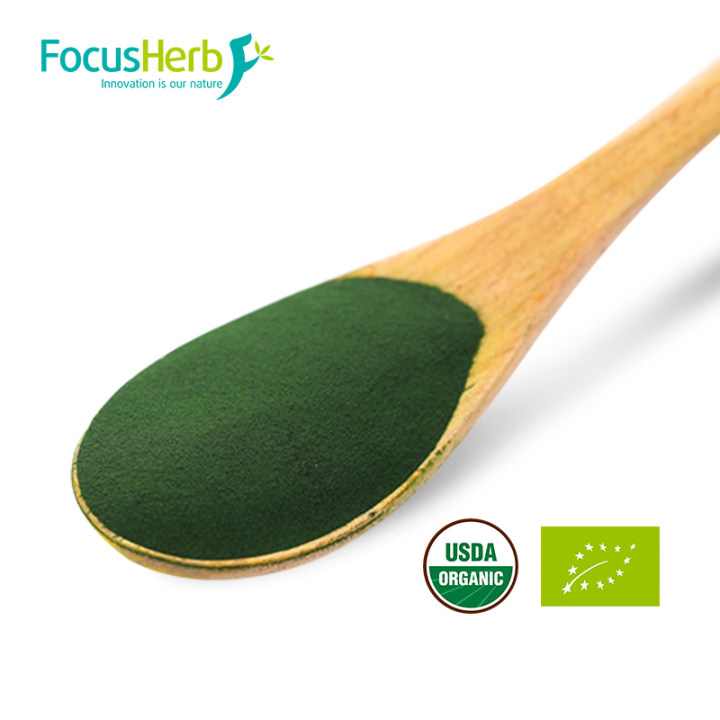
Organic Spirulina Powder Best Nutritional Food for Athletes

Athletes need a lot of energy and nutrients to support their physical strength and endurance during training and competition. Therefore, they need a food that can provide comprehensive nutrition to meet their needs. Organic Spirulina powder, as a natural superfood with rich nutrients and multiple health benefits, is considered one of the best nutritional foods for athletes. In this article, we will introduce the nutrients, health benefits and how to use organic spirulina powder as the best nutritional food for athletes.

一、Nutritional composition of organic spirulina powder:

Organic Spirulina powder is a natural powder made from the cyanobacterial plant Spirulina. It is rich in a variety of nutrients such as proteins, carbohydrates, fats, vitamins, minerals and antioxidants. The following are the main nutrients of organic Spirulina powder:

1. Protein:

Organic Spirulina Powder is a high quality source of plant protein containing all essential amino acids, ideal for athletes to maintain muscle mass and repair tissues.

2. Carbohydrates:

Organic Spirulina Powder is rich in carbohydrates, an important source of energy for athletes.

3. Fats:

The fats in Organic Spirulina Powder are predominantly unsaturated fatty acids, such as omega-3 fatty acids, which are beneficial for heart health and anti-inflammatory effects.

4. Vitamins and minerals:

Organic Spirulina Powder is rich in important vitamins and minerals such as Vitamin B, Vitamin C, Vitamin E, Calcium, Iron, and Zinc, which help to maintain the immune system and bone health of athletes.

5. Antioxidants:

Organic Spirulina powder is rich in antioxidants such as beta-carotene, vitamin C and selenium, which help to reduce exercise-induced oxidative stress and inflammatory response.

二、Health Benefits of Organic Spirulina Powder:

Organic Spirulina powder is not only rich in nutrients, but also has a variety of health benefits that have a positive impact on the physical and mental health of athletes. The following are the main health benefits of organic spirulina powder:

1. Enhance immunity:

Organic Spirulina powder is rich in vitamins and minerals, which helps to boost athletes’ immunity and reduce the risk of infection and disease.

2. Promote muscle recovery:

The proteins and amino acids in organic Spirulina powder help muscle repair and recovery, reducing muscle fatigue and injury after exercise.

3. Improve cardiovascular health:

Omega-3 fatty acids in Organic Spirulina Powder help lower cholesterol levels and reduce the risk of cardiovascular disease.

4. Improve endurance and performance:

Carbohydrates and antioxidants in Organic Spirulina Powder help provide long-lasting energy and improve endurance and performance of athletes.

5. Relieve stress and anxiety:

antioxidants and magnesium in organic Spirulina powder help relieve stress and anxiety associated with exercise, improving the mental health of athletes.

三、How to use Organic Spirulina Powder as an optimal nutritional food for athletes:

Using organic Spirulina powder as the best nutritional food for athletes can be achieved in the following ways:

1. Add to diet:

Athletes can add organic Spirulina powder to their diet, such as adding to breakfast cereals, protein shakes or vegetable salads to increase its nutritional value.

2. For energy and protein:

Athletes can supplement Organic Spirulina Powder before or after training to provide extra energy and protein for muscle recovery and repair.

3. Combining with other nutrients:

Athletes can combine organic Spirulina powder with other nutrients, such as protein powder, vitamin and mineral supplements, for more comprehensive nutritional support.


Organic Spirulina powder is considered one of the best nutritional foods for athletes as a natural superfood with rich nutrients and multiple health benefits. It provides comprehensive nutrition, boosts immunity, promotes muscle recovery, improves cardiovascular health, enhances endurance and performance, and relieves stress and anxiety. Athletes can use Organic Spirulina Powder as an optimal nutritional food by adding it to their diet, supplementing it with energy and protein, and combining it with other nutrients to improve their fitness and competitive performance.

Health Functions of Organic Spirulina Powder | FocusHerb

Organic Spirulina Powder contains richer and more balanced high-quality protein and a variety of vitamins, minerals, chlorophyll, y-linolenic acid and other unsaturated fatty acids and β-carotene, etc. It contains 8 essential amino acids that cannot be synthesised by the human body, which is almost the same as the United Nations ‘FAO’ standard. It contains 8 kinds of essential amino acids which cannot be synthesised by human body, which is almost the same as the standard of United Nations ‘FAO’. 1 gram of spinach powder contains nutrition equivalent to the sum of 1000 grams of various vegetables. It has more than ten kinds of vitamins in one, and the content is very rich. It is really a miracle of natural food. Due to the special characteristics of its cell wall structure, it is easy to be absorbed and digested by the human body, with a digestibility rate of 86%, which is called the best natural green health food. Therefore, countries around the world have been widely used in food.

Mexican government regulations: the country’s children’s food must contain 5% of spirulina; where the Olympic Games athletes need to participate in food containing 20% – 40% of spirulina. Japan Health Care Association announced: Spirulina is one of the 38 kinds of health food. The United States will be spirulina as a high-level nutritional food is also used as diet food. Germany will be made of spirulina special food for athletes, women and children, the elderly to eat. France, Israel, India, Thailand, China, Taiwan and other countries and regions will be Spirulina made into a variety of food, so the international demand for it has been increasing. Health care function of organic spirulina powder.

(1) Organic Spirulina powder to reduce cholesterol

Japan’s TOKAI University Department of Internal Medicine did the following experiment: 30 high cholesterol, mild hyperlipidemia of male employees, divided into two groups, A group ate every day 4.2 grams of spirulina (about 8 tablets), lasted 8 weeks, the total serum cholesterol from 244 to 233 in 4 weeks, the drop of 4.5%. B group ate 4 weeks to stop, the total serum cholesterol decreased, and then restored to the initial level. Researchers found that:LDL cholesterol in 4 weeks significantly reduced up to 6.1%, the original high cholesterol levels of people, serum cholesterol drop even greater. West Germany’s researchers have long been found to take spirulina during weight loss, cholesterol reduction, Japanese research reveals that in the cholesterol lowering at the same time, there is no weight loss, that is, cholesterol lowering and weight loss has nothing to do.

(2) β-carotene to reduce the risk of various cancers

More than 100 cases of animal experiments have confirmed that vitamin A and B-carotene can inhibit the development of various tumours. Many human epidemiological studies have revealed that high vitamin A intake is associated with a reduced risk of cancer. 1976-1986 at least 15 cases of studies have shown that beta-carotene and vitamin A are associated with a reduction in lung cancer incidents. Since spirulina is the most beta-carotene-rich natural food, it has now been tested for its antidisease effects. The Harvard School of Dentistry, focusing on beta-carotene solutions used on cancerous tumours in the oral cavity of hamsters, reduced their number and size or made the base disappear.
In a second trial, when 20 hamsters were fed Spirulina beta-carotene extract to prevent the development of oral disease, not a single one developed the disease. The control group of 20 hamsters not fed Spirulina extract developed oral cavity. Samples taken from the oral epidermis of the feeding group were found to contain immunoreactive substances, and it is thought that they destroyed the cells before they could spread.

(3) Organic Spirulina powder builds a healthy Lactobacillus colony

Healthy Lactobacillus in the intestines brings 3 benefits to humans: better digestion and absorption, protection from infections, and enhanced immune system
Vitality. Spirulina builds Lactobacilli. A Japanese study found that rats fed spirulina had a 3-fold increase in Lactobacillus in their bodies compared to a control group. In the rat diet with 5 per cent of spirulina, fed for 100 days, the results are: 1 first intestinal weight increased by 13 per cent; 2 lactobacilli increased by 327 per cent; 3 first intestinal vitamin B1 increased by 43 per cent. Cyclamen did not provide this additional vitamin B1, but rather improved overall vitamin B1 absorption. This test reveals that the consumption of Cyclamen increases the number of Lactobacillus bacteria in the body and makes the body more efficient at absorbing vitamin B1 and other vitamins from the entire diet.
All of this seems to be helpful in the case of AIDS. Some AIDS researchers believe that the inability to absorb nutrients in the body (malabsorption or malnutrition) can lead to severe immune deficiencies and that Lactobacillus deficiency can lead to epidemics of infectious diseases. Among AIDS patients, malnutrition is associated with ‘the presence of infection’, leading to the development of full-blown AIDS. In order to prevent the exacerbation of AIDS, it is recommended that nutritional supplementation for high-speed malabsorption be supplemented with Lactobacillus in order to maintain an appropriate internal flora and prevent infections.

(4) Spirulina reduces the effects of mercury and drugs on the kidneys.

Japan carried out the following research: organic spirulina powder to reduce the laboratory rats mercury and drug nephrotoxicity. Scientists measured two indicators: kidney toxicity blood urine hydrogen (BUM) and serum creatine. When 30 per cent Spirulina was added to the rats’ diet, BUN and blood creatine levels dropped dramatically. After the rats were injected with formulated high concentrations of organic mercury drugs, BUN increased by 310% and serum creatine increased by 198%; after feeding spirulina, BUN decreased by 20% and serum creatine decreased by 157%, with two cases falling to the initial level, and similar phenomena could be observed after the rats had been given ordinary drugs, such as tranquilisers, antibiotics, and antidrugs. This study suggests that: pendulum spinosa is beneficial to human beings to avoid to be heavy genus thing harm.

(5) y-linolenic acid (GLA) and prostaglandin stimulating effect

GLA is an essential fatty acid and a precursor of prostaglandin (PGE1), an important hormone in the body that controls a variety of essential functions. Prostaglandin PGE1 is involved in a number of essential physiological processes in the body, including: regulation of blood pressure, cholesterol synthesis, inflammation and cell proliferation. Several studies have shown that symptoms of GLA (and its derivative PGE1) deficiency can be included in many degenerative diseases and other health problems. Clinical studies have shown that dietary intake of GLA can help with arthritis, heart disease, obesity, and zinc deficiency; alcoholism, geriatric syndromes, and manic —- melancholia are also partially associated with GLA deficiency.

(6) phyeoeyanin (phyeoeyanin) on the role of the immune system

According to a Japanese study, phoeyanin was extracted and swallowed by rats suffering from lung disease. Treatment group (swallowed phoeoeyanin) survival rate is significantly higher than the control group (not served phoeyanin). 6 weeks later, the treatment group survived 90%, the control group right to survive 25%, 8 weeks later, the treatment group and 25% live, while the control group no one survived. This showed that consumption of phycocyanin increased the survival rate of the affected animals.
In another test, after two weeks, the white blood cell (lymphocyte) activity of the treated group was higher than that of the control group, and higher than or equal to that of the general group without cancer. This suggests that phyllanthin increases lymphocyte activity. The general function of the lymphatic system is to keep the tissues of the body healthy and to protect them from dementia, ulcers, blood clots and other diseases. It is evident that Algae Orchid Egg Self not only deals with cancer at the rear, but also strengthens the body’s resistance through the lymphatic system in general. A Japanese patient believes that taking 0.25-2.5 grams of algae orchid protein preparation (1.7-17 grams of spirulina) every day can prevent cancer or inhibit the development of cancer.

(7) Improvement of biological effectiveness of iron and regulation of anaemia

As Spirulina is known for its high iron content, a comparison with the general iron supplementation substance —– ferric sulphate showed that the iron absorption of rats fed Spirulina was 60% higher than that of rats fed ferric sulphate, which suggests that the iron in Spirulina is more effective. Earlier studies have also confirmed its effectiveness in the management of anaemia in rats. Another trial conducted in Japan on eight young women restricting their diets for a longer period of time showed chronic anaemia – lower than normal haemoglobin levels. Then 4 grams of spirulina was consumed after each meal, and after 80 days of taking it, the haemoglobin increased by 21%, from 10.9 to 13.2, and there was no more blood.

(8) Malnourished children consume and adjust nutritional deficiency

Mexico to malnourished children to consume spirulina, the effect is 10% better than adults to consume, did not observe any side effects.
In China’s Nanjing Children’s Hospital, organic spirulina powder and organic barley malt powder to become part of the ‘infant nutrition formula’. 27 out of 30 children aged 2-6 years old in a short period of time to eliminate low appetite, night sweats, diarrhoea and constipation.

(9) Skin and wound healing, and antimicrobial effects

In France, there are results showing that spirulina-based ingredients can accelerate the healing of traumatic injuries. Studies conducted in Japan table August . Cosmetics containing Spirulina and its hydrolysing enzymes promote skin metabolism and reduce scarring. Other studies have shown that Spirulina extracts inhibit the growth of bacteria, E. coli, and yeast. The antibiotic substance contained in the extract has medicinal value.

In-depth analysis – organic spirulina powder | FocusHerb

The importance of organic organic spirulina powder as a resource of balanced proteins, vitamins and minerals, which is beneficial to human health and has health care effects, has gained international consensus. It has been used in many countries as baby food, health food for the elderly and nutritional supplements for the human body. With the deepening of research work, a large number of scientific studies have proved that organic spirulina powder has a variety of biologically active substances, which can play a good role in helping human health, mainly in the following aspects:

(1) Enhancement of vitality

Protein is the important material basis of human life activities, insufficient intake, the human body will lose vitality. Spirulina is rich in high-quality plant proteins that can be easily absorbed by the human body, especially the content of 8 kinds of essential amino acids that cannot be synthesised by the human body itself is almost the same as the ideal standard designed by the Food and Agriculture Organisation of the United Nations (FAO), which can promote the formation of body proteins, and it is the most ideal food for enhancing vitality.

(2) Improvement of physical condition

Tests have shown that body fluids are acidic when the human body is sick, fatigued or weak. To change the acidic body fluid, the most fundamental way is to eat more alkaline food. Spirulina is rich in a variety of alkaline minerals, which can effectively neutralise the unhealthy acidic body fluids, fundamentally improve the body, improve the body’s anti-fatigue ability, and coordinate the body’s regeneration and immune system.

(3) Blood replenishment and hematopoietic

Spirulina contains a large number of heavy raw materials for the synthesis of haemoglobin – iron, and with protein, folic acid, vitamins and other comprehensive nutrition, which is conducive to iron absorption. In addition, rich chlorophyll and vitamin B12 are also the main ingredients to promote the formation of haemoglobin. Moderate supplementation of spirulina can promote haematopoietic function and help to increase the oxygen content in the blood to avoid general weakness, dizziness and headache.

(4) Resistance to radiation

Spirulina contains a special photosynthetic pigment protein – phycocyanin, which can improve the human body’s ability to resist radiation and avoid radiation damage caused by TV sets, microwave ovens, computers, mobile phones and other items.

(5) Organic Spirulina and diabetes

Diabetes is a typical ‘rich disease’, the reason why spirulina can produce significant effect on diabetes, because it is an ideal high protein low calorie food. Because spirulina contains high amount of chlorophyll (1.33% is magnesium compounds), rich in plant protein (60-70%), contains vitamin B1 to improve sugar metabolism, prevent fat oxidation of vitamin B2 and can promote insulin synthesis of vitamin B6, contains a high amount of insulin secretion, and pyruvic acid in order to prevent pyruvic acid poisoning of potassium ( 1.5%), coupled with a high amount of potassium ( 1.5%). 1.5%), plus pantothenic acid and zinc (which can promote the production of natural insulin), so spirulina is the ideal nutritional food for the prevention and alleviation of diabetes. Nowadays, doctors in the United States and many countries in Western Europe have listed Spirulina as an experimental drug for diabetes and a regular supplementary food.

(6) Organic Spirulina and Acidic Physique

Spirulina’s original habitat is a very alkaline lake, the development of modern science and technology has made Spirulina become a high-grade, food-grade product cultivated and produced in modern factories. Spirulina is rich in active potassium, sodium, calcium, magnesium and other alkaline minerals, so consuming it can neutralise and regulate the acidic constitution of the human body.
According to the research of pathophysiologists, all the people who are prone to illness, more than 90% of people’s body fluids are acidic, so that neutral body fluids or body fluids to maintain a weakly alkaline (PH value of 7.35-7.45) of people in better health. The cause of acidic body fluids is mainly due to irrational dietary structure and excessive fatigue. Usually we ingest food, acidic components of the source of more, such as meat, eggs, fish, oil, refined rice, white flour and other foods are acidic food, these foods are metabolised by the product of the body’s acidic components of the main source. Relatively speaking, the human body intake of alkaline components of the source is less, resulting in a lack of minerals in the body, if the sodium, potassium and magnesium and other elements are insufficient, it is easy to evolve into acidic body fluids. Therefore, in order to maintain alkaline body fluids, the body must consume more minerals.
If the intake of minerals is too high or the deficiency is supplemented by taking non-bio-complexed minerals, the kidney function will often be overburdened. Spirulina, which is grown in alkaline medium, is a natural food rich in balanced and biologically active organically complexed minerals. Therefore, after consuming spirulina, not only can its alkaline ions neutralise the acid produced by eating excessive meat, sugar, etc., but also it will not produce any side effects on human cells and tissues and organs, which is of great help in maintaining the acid-base balance in the body and keeping the body healthy.

(7) Organic Spirulina and anaemia

Spirulina is rich in iron, vitamin B12 and chlorophyll, of which iron is an important raw material for the synthesis of haemoglobin and an indispensable element for many iron-containing enzymes, and when the organism lacks of it, it will cause iron-deficiency anaemia and low body mass, and in Spirulina, the amount of iron content is up to 100-160mg/100g (see Table 7). Vitamin B12 is an important coenzyme and catalyst in the synthesis of haemoglobin, if the body lacks the coenzyme vitamin B12, it will lead to megaloblastic anaemia. Chlorophyll structure is almost the same as haemoglobin, only the central atom is different (the central atom of chlorophyll for magnesium, haemoglobin central atom for iron), in addition to haemoglobin synthesis to provide raw materials, but also to stimulate the haematopoietic organs to make haematopoietic function to strengthen. According to the relevant experiments, spirulina can significantly improve the iron content in the tissue of rats with iron deficiency anaemia, iron utilization rate is similar to the standard ferrous sulphate, and its efficacy is not generally synthetic iron comparable. Relevant experts also through the haemoglobin depletion and then replenishment method, the study of spirulina in the utilization of iron, the results found that spirulina on the regeneration efficiency of haemoglobin and egg similar. In addition, it is also reported in the literature that polysaccharide substances in Spirulina can enhance the proliferation of mouse bone marrow cells and promote bone marrow haematopoietic function.
As Spirulina is rich in high-quality protein, vitamins, chlorophyll and minerals, it is said that consuming Spirulina is not simply supplementing iron to promote haematopoietic function, but supplementing a reasonable proportion of various nutrients. Coupled with the fact that spirulina itself is a natural nutritious food without any side effects, it is of great significance if organic spirulina powder can be used as a food to prevent iron deficiency anaemia.

(8) Organic Spirulina and hypertension

Regular consumption of spirulina is very beneficial to lowering blood pressure in the elderly. Although Spirulina does not contain choline, biochemistry shows that choline can be synthesised in the body, serine can produce choline with the assistance of vitamin B6, in addition methionine can also be converted into choline. Spirulina contains 3.25% serine and 1.95% methionine. Choline acts on the body and can lower blood pressure. Spirulina rich in unsaturated fatty acids, especially γ-linolenic acid, docosahexaenoic acid, arachidonic acid, etc., can also reduce blood lipids to reduce vascular atherosclerosis, so spirulina in lowering blood lipids and lowering blood pressure has a very good effect. In addition, hypertensive patients such as potassium deficiency, will make the glomeruli suffer, resulting in deterioration of the condition, spirulina contains potassium is about ten times the amount of vegetables, so the consumption of spirulina has a significant role in replenishment of potassium and kidney health.

(9) Organic Spirulina and stomach disease

organic spirulina  itself grows in an alkaline environment, containing the richest potassium, sodium, calcium, magnesium and other alkaline elements, is the best alkaline food, both. After consuming spirulina, spirulina can be rapidly decomposed into fine particles, clinging to the mucous membrane of stomach and duodenum, neutralising gastric acid and solving the problem of nutritional nourishment of stomach to form a layer of protective film, which promotes the regeneration of gastric mucous membrane, repairs the mucous membrane of intestines and stomach which has been damaged, regulates the excessive gastric acid, and makes the stomach feel more comfortable. Long-term consumption can make the surface of the stomach and intestines smooth, elastic and rejuvenated. A large number of clinical trials at home and abroad have shown that consumption of spirulina is effective in the treatment of gastric diseases. A Japanese hospital has a gastric ulcer and gastritis patients for spirulina treatment test, let the patient to eat 4 grams of spirulina every day, three weeks later, most of the patients have a great degree of stomach pain and burning sensation is reduced. It can be said that organic spirulina powder is a very ideal food for gastrointestinal patients.

What Is Fisetin and What It Is Good For?

Fisetin is a naturally occurring flavonoid found in a variety of fruits and vegetables, such as strawberries, apples, and onions. This powerful antioxidant is gaining attention from the health and wellness industry for its potential health benefits, including anti-inflammatory and neuroprotective properties.

As fisetin research continues to evolve, many people are interested in learning more about this compound and its potential uses. This article will take an in-depth look at the science behind fisetin, its potential benefits, and how you can use it to promote overall health.

What is fisetin?

Fisetin, also known as purpurin and fisetin, appears as a light yellow powder, is easily soluble in ethanol, acetone and acetic acid, and is almost insoluble in water.

Fisetin

Fisetin is a natural compound found in a variety of fruits and vegetables, ranging from 2 micrograms to 160 micrograms per gram of fruit or vegetable. It belongs to a class of compounds called flavonoids. Strawberries have the highest concentration of fisetin (160 μg/g).

Fisetin is well-known for its powerful antioxidant and free radical scavenging capabilities. In recent years, there have been a large number of literature studies on the effects of fisetin, such as antioxidant, anticoagulant, antithrombotic, cancer treatment, etc.

What foods contain Fisetin?

It is found in many common fruits and vegetables, although the amounts vary widely.

Fisetin is prized for its many health benefits and can be found in a variety of natural food sources.

1. Strawberry

Strawberries reign supreme as one of the most palatable sources of fisetin. Indulging in these succulent berries not only appeases your desire for sweetness, but they also provide a robust measure of this beneficial dietary compound.

2. Apple

The time-honoured proverb “an apple a day keeps the doctor away” takes on increased credibility. Notably, substantial amounts of fisetin are found within apples, particularly in their peels.

3. Onions

Essential ingredients such as onions serve a greater purpose than merely enhancing taste in culinary dishes. Notably, the outer layer of onions delivers substantial amounts of fisetin, reflecting their nutritional relevance beyond their common utilitarian role.

4. Grapes

Grapes, specifically the red and purple types, are a prolific source of fisetin. They not only serve as a delightful snack but also offer the manifold advantages inherent to this flavonoid.

5. Persimmon

Whilst persimmons may not be as regularly consumed as other fruits, their notable content of fisetin indeed sets them apart. This unique balance of sweet and subtly tart flavor could serve as an intriguing means to enhance your intake of fisetin.

6. Tomatoes

Tomatoes, frequently found as a key ingredient in salads, sandwiches and an array of culinary dishes, make a significant contribution to the intake of fisetin in our daily nutrition.

  1. Cucumber

The refreshing cucumbers frequently savored in invigorating summer salads also serve as a viable source of the beneficial compound, fisetin. Incorporation of these into your diet on a consistent basis thus provides an assured method to continually acquire this advantageous substance.

Apparently, strawberries have a much higher concentration of flavonols than other fruits and vegetables, which is probably why people associate them with this fruit. Of course, the supplement industry offers fisetin supplements for those who wish to increase their intake beyond food intake.

Fisetin

The health benefits of fisetin

Fisetin has many beneficial effects on the human body. Like many flavonoids, it is an antioxidant that helps reduce damage caused by free radicals and reactive oxygen species. Additionally, fisetin has anti-inflammatory and anti-cancer properties and has many health benefits.

There is evidence that fisetin also has neuroprotective properties (good for nerves and brain cells) and may be beneficial in treating neurological diseases such as Alzheimer’s disease, Huntington’s disease, and stroke. It also has anti-inflammatory, chemopreventive and chemotherapeutic properties.

Anticoagulation and thrombolysis

The meticulous in vitro experiments conducted on fisetin and quercetin’s anticoagulation and thrombolysis effects suggested a notable deviation from the negative control group. Evidently, both fisetin and quercetin administered groups experienced an exceptional prolongation of whole blood clotting time.

In addition, these substances were associated with a substantial reduction in the mass of formed thrombi alongside a considerable enhancement rate for thrombus dissolution. Undoubtedly, these findings contribute significantly to our understanding of these compounds’ potential therapeutic benefits for coagulative disorders.

Another set of experiments suggested that fisetin can resist venous thrombosis, and there was no significant difference in its anti-thrombotic effect compared with the aspirin group.

Treatment of osteoporosis

Various scholarly researches consistently demonstrate that fisetin significantly enhances the osteoid secretion capabilities of osteoblasts and fosters the mineralization process of the osteoid. Furthermore, it stimulates the osteogenic differentiation of BMSCs, thereby facilitating bone growth and maturation.

Antitumor effect

The primary anti-carcinogenic functionality of Fisetin is determined by its capacity to instigate apoptosis in cancer cells and halt their cell cycle. It additionally inhibits tumor invasion, metastasis, and angiogenesis processes. When combined with specific anti-carcinogenic pharmaceuticals, it has been evidenced to amplify the effectiveness of these drugs against tumors more so whilst concurrently diminishing drug resistance.

Antioxidation

Viewed chemically, fisetin demonstrates the structural attributes of a flavonoid compound and exhibits notable antioxidant properties. The presence of free hydroxyl groups – specifically at positions C-3, C-3′, C-4′, and C-7, along with carbonyl groups at position C-4 within its molecular disposition endows fisetin with potent free radical neutralizing capacity.

Relative to the A ring, both B and C rings of fisetin exhibit superior free radical neutralization capabilities. The neighboring dihydroxy formation acts as an electron benefactor in the process of electron delocalization, consequently precluding Reactive Oxygen Species (ROS) and impeding the oxidation of low-density lipoproteins.

Anti-inflammatory effect

The mechanism by which fisetin exerts its anti-inflammatory effects mainly includes the following two aspects:

Fisetin effectively counteracts the augmentation of neutrophil and macrophage populations in bronchoalveolar lavage fluid that is commonly induced by cigarette smoke exposure, hence significantly mitigating lung inflammation.

This beneficial impact of Fisetin can be attributed to its robust anti-inflammatory characteristics, notably through inhibiting NF-κB activation and dampening p38MMAPK phosphorylation.

Moreover, it contributes to the downregulation of mast cell activity as well as limits their interaction with activated T cells thereby further enhancing its therapeutic effects on reducing inflammation.

Fisetin demonstrates potent anti-inflammatory properties ascertained by modulating pathways including NF-κB. It further inhibits the expression of Toll-like receptor 4 and inflammatory mediators like cyclooxygenase 2, contributing to its protective role against inflammation-driven conditions such as nephritis, hepatitis, acute lung injury, retinal inflammation along with other afflictions in animal models.

This highlights Fisetin’s potential in mitigating stress-induced kidney damage and offering efficient control over inflammatory responses observed in various gastrointestinal disorders and acute otitis media.

Neuroprotection

Fisetin serves as a potent antioxidant, bolstering GSH (glutathione) levels and safeguarding mitochondrial efficiency under oxidative stress exposure. Its anti-inflammatory properties impact microglia positively while its inhibition of 5-lipoxygenase activity further underscores its effectiveness. Studies showcase that Fisetin has a pivotal role in mitigating age-associated deterioration in brain functionality.

Other pharmacological effects

Beyond the aforementioned pharmacological properties, fisetin possesses an array of significant effects which are applicable to healthcare and therapeutics. These involve preventative measures against aging, myocardial injury protection, advancement in non-alcoholic fatty liver disease treatment as well as shielding skin from detrimental ultraviolet rays and inflammatory harm.

Furthermore, fisetin possesses neuroprotective characteristics that predominantly enhance memory functionality. It mitigates neurotoxic damage and restrains both the generation of β-amyloid and Tau protein phosphorylation among other things.

Consequently, this imparts a robust defense against Alzheimer’s disease and ischemic stroke incidents. Fisetin plays in integral role in conserving glucose equilibrium as it curtails gluconeogenesis within the liver while simultaneously regulating numerous critical enzymes in glucose metabolism. As such, fisetin is shown to have significant anti-diabetic properties.

Conclusion

Fisetin shows great potential for multiple health benefits, including its anti-inflammatory and antioxidant properties. As fisetin research continues to expand, it may prove to be an important component in preventing a variety of chronic diseases and promoting overall health.

Dietary professionals endorse the incorporation of fruits such as strawberries and mangoes into one’s nutrition plan as they are rich in fisetin. This dietary component has been linked with memory enhancement, improved cognitive function, and promoting apoptosis in cancer cells. Additionally, incorporating a supplement of 50mg daily is recommended to broaden these potential health benefits further.

The magical effects of Ganoderma lucidum triterpenoids

Ganoderma lucidum triterpenes are a class of natural products with unique structures and diverse biological activities, mainly extracted from Ganoderma lucidum. Ganoderma lucidum is a medicinal fungus widely used in traditional Chinese medicine and is also known as “jelly grass” for its potential health benefits.

In recent years, with the development of modern analytical technology and the advancement of biotechnology, Ganoderma lucidum triterpenoids have attracted widespread attention from scientific researchers.

These compounds have been found to have a variety of biological activities, including anti-tumor, anti-hypertensive, immunomodulatory, anti-hepatitis B, antioxidant, anti-inflammatory, and antibacterial, making them important candidate molecules for the development of new drugs.

This article will take a closer look at its chemical structure and classification, review its inherent chemical properties, and systematically explore its biological activities.

Physical and chemical properties of Ganoderma lucidum triterpenes

Physical and chemical properties of Ganoderma lucidum triterpenes

The physical and chemical properties of Ganoderma lucidum triterpenes, including solubility and stability, have an important impact on its biological activity and medicinal value. Due to the structural diversity of Ganoderma triterpenoids, their physical and chemical properties also show corresponding diversity.

In terms of stability, the chemical structure of Ganoderma lucidum triterpenes determines its stability under different environmental conditions. Some Ganoderma triterpenes may undergo structural changes under light, heat or acid-base conditions, thus affecting their biological activity.

In addition, the interaction characteristics between Ganoderma lucidum triterpene molecules are also an important aspect of research. These interactions may affect their absorption, distribution, metabolism, and excretion (ADME) properties in the organism, thereby affecting their bioavailability and efficacy.

Main types of Ganoderma triterpenoids and their structural differences

Currently, more than 300 triterpenoids have been isolated from Ganoderma lucidum. The main extraction methods are: organic solvent extraction, ultrasonic extraction, enzyme extraction, microwave extraction, supercritical CO2 extraction, etc.

Ganoderma triterpenes can be divided into two categories through acid-base extraction: acidic triterpenes (ganoderma acid) and neutral triterpenes (ganoderma alcohol, ganoderma aldehyde, ganoderma ketone, etc.). Studies have found that the neutral triterpenes in Ganoderma lucidum can not only inhibit the growth of tumor cells in the proliferating phase, but also induce the apoptosis of dormant tumor cells.

Ganoderma triterpenoids can be divided into several main types, mainly distinguished based on their skeletal structure and functional groups. The most common types of Ganoderma triterpenoids include Ganoderma terpenoids, naphthenic types, and steroidal types.

These structural differences not only determine the chemical properties of individual Ganoderma triterpenes, such as solubility and stability but also have an important impact on their biological activities. For example, different types of Ganoderma triterpenes may exhibit different potencies and mechanisms in terms of anti-inflammatory, anticancer, or immunomodulatory activities.

Pharmacological effects on the immune system

Study on the biological activities of Ganoderma lucidum triterpenoids

The chemical structure of Ganoderma lucidum triterpenoids determines its diverse biological activities, including anti-inflammatory, antioxidant, anti-tumor, anti-viral, anti-aging, immunomodulatory function, metabolism regulation, and radiation protection. More and more studies have found that Ganoderma triterpenes exert pharmacological effects on the human immune, nervous, cardiovascular, digestive, urinary and other systems.

Pharmacological effects on the immune system

Ganoderma triterpenoids have significant immunomodulatory functions and can effectively regulate and enhance the body’s immune system. They improve the body’s defense against pathogens by affecting the activity of immune cells, such as enhancing the phagocytic ability of macrophages, activating T cells and B cells, and promoting the production of cytokines.

In addition, Ganoderma triterpenes can also regulate immune responses and reduce inflammatory damage caused by immune system overreaction, and have potential value in treating autoimmune diseases and alleviating chronic inflammatory states.

Pharmacological effects on the nervous system

Studies have shown that Ganoderma triterpenes can improve Alzheimer’s disease and are related to age-related methylation changes. Ganoderic acid Mk, ganoderic acid C6, lucidone A and other components screened out by molecular docking analysis are the main extracts involved in delaying the progression of AD.

The results show that ganoderic acid A reduces neuroinflammation in AD mice by regulating the imbalance of the Th17/Treg axis. The potential mechanism may be related to regulating Treg cells, inhibiting the Janus kinase (JAK)/activator (STAT) signaling pathway induced by Th17 cells, and enhancing mitochondrial oxidative phosphorylation, thereby improving mitochondrial dysfunction in AD mice.

Pharmacological effects on the cardiovascular system

Research has meticulously elucidated the impacts of Ganoderma triterpenoids, including but not limited to: Ganoderic Acid A, Ganoderic Acid B, Ganoderic Acid C6, Ganoderic Acid G, and Ganoderma Glycol on serious health conditions such as atherosclerosis and aortic calcification. Furthermore, these investigations have provided crucial insights into their corresponding mechanistic actions.

These Ganoderma triterpenoids enhance ABCA1/G1-mediated cholesterol efflux in LDLR-/- mice, inhibit macrophage inflammation, and attenuate RUNX2-regulated osteogenesis in vascular smooth muscle cells, ultimately reducing atherosclerosis and cardiovascular disease.

Pharmacological effects on the urinary system

Experiments have found that ganoderic acid can significantly reduce the expression of renal mesenchymal cell markers α-smooth muscle actin (α-SMA) and Vimentin, and upregulate the expression of E-cadherin, suggesting that ganoderic acid inhibits TGF-β/Smad and MAPK . ERK, JNK, p38) signaling pathway partially inhibits renal tubular epithelial-to-mesenchymal transition (EMT).

Ganoderic acid also directly reduces the deposition of extracellular matrix (EMC) proteins such as fibronectin by inhibiting the activation of TGF-β/Smad2/3 signaling. These studies suggest that ganoderic acid may be a potential treatment for renal fibrosis.

Pharmacological effects on the digestive system

Ganoderma lucidum triterpenoids have a very good hepatoprotective effect and have good therapeutic effects on liver damage caused by various different inducements. According to biological indicators and liver histopathological studies, the ideal hepatoprotective dose of Ganoderma lucidum triterpene extract is 180 mg/kg.

Studies have found that oral administration of Ganoderic Acid A can play a beneficial role in reducing alcohol-induced liver damage by improving liver lipid metabolism disorders and oxidative stress in alcohol-exposed mice and regulating intestinal flora.

Secondly, Ganoderma triterpenes have a protective effect on acetaminophen-induced acute liver injury. Compared with the model group, Ganoderma triterpenoids can reduce serum ALT, AST and LDH levels, reduce liver MDA levels, and increase liver GSH and SOD contents and HO-1 protein expression.

Pharmacological effects on metabolic diseases

Ganoderma triterpenes help prevent and improve diseases related to metabolic disorders, such as hyperlipidemia. Modulating intestinal flora is considered a new direction in preventing and treating hyperlipidemia.

Studies have found that Ganoderma triterpenes have an effective therapeutic effect on non-alcoholic fatty liver disease. Histopathological examination found that the degree of fatty liver and liver cell necrosis was significantly reduced after intervention with Ganoderma lucidum triterpenoids.

In addition, intervention of ganoderic acid A contributes to structural changes in the intestinal microbial ecosystem, mainly regulating the relative abundance of some health-promoting microbiota. It can be seen that the intervention of ganoderic acid A has a positive effect on improving intestinal flora imbalance and alleviating lipid metabolism disorders.

Anti-tumor pharmacological effects

Research has found that Ganoderma lucidum triterpenoids can play anti-tumor effects in different tissues and organs through different mechanisms. Ganoderma triterpenes have a protective effect on the spleen and thymus, and improve lipid peroxidation caused by increased free radicals. Ganoderma triterpenoids also down-regulated the B-cell lymphoma/leukemia (Bcl)-2 gene, up-regulated Bax, and improved intestinal microbiota richness.

Ganoderic acid A has antioxidant potential in the STAT3 pathway in prostate cancer. Molecular docking revealed the binding effect of ganoderic acid A and the STAT3 signaling pathway. In cell experiments, it was found that ganoderic acid A inhibited the proliferation, vitality and reactive oxygen species of PC-3 cells.

Anti-ageing pharmacological effects

Triterpenoids extracted from Ganoderma lucidum can increase the levels of superoxide dismutase (SOD), catalase (CAT), glutathione peroxidase (GPX) and glutathione (GSH) in various tissues. levels, including but not limited to those found in the liver, brain, and brain tissue.

This ability allows them to protect these vital tissues from the effects of protein and lipid peroxidation that may be triggered by oxidative stress. Additionally, these triterpenoids stimulate the body’s immune mechanisms. The above properties highlight the potential use of Ganoderma triterpenes as anti-aging therapeutics.

Decline in male fertility can be largely attributed to the natural aging process. Extensive research has shown that triterpenoids in Ganoderma significantly improve testicular structure and function in middle-aged male mice. Beneficial effects are primarily seen in reducing oxidative stress, maintaining mitochondrial balance, and minimizing cell death or apoptosis.

Antiviral pharmacological effects

Two compounds, ganoderic acid B and ganoderol B, exhibit anti-HIV properties by inhibiting essential proteases associated with HIV infection. In addition, Ganoderma alcohol F and Ganoderma mannitol have effective inhibitory effects on the activity of HIV-1 protease. In addition, several other substances include ganoderma alcohol B, ganoderic acid C1, 3-5α-dihydroxy-6β-methoxykerosyl-7,22-diene, and three types of ganoderic acid-α, H, and A- , showing a moderate effect on inhibition. This particular HIV-1 enzyme.

Radiation protection

Test results show that Ganoderma triterpenes can effectively reduce lipid peroxidation and protein oxidation levels in liver and brain tissue, and successfully restore antioxidant enzyme activity and GSH (glutathione) levels in the liver and brain of irradiated mice.

Relieve chemotherapy fatigue

Chemotherapy-related fatigue (CRF) is considered to be one of the serious symptoms of chemotherapy patients, which not only reduces the patient’s quality of life to a great extent, but also weakens the patient’s physical and social abilities. Ganoderic acid can downregulate the expression of IL-6, iNOS and COX2 in hippocampal tissue by inhibiting the TLR4/Myd88-κB pathway, and delay central fatigue induced by 5-FU.

Relieve chemotherapy fatigue

Conclusion

Extensive research demonstrates the potential of Ganoderma triterpenoids to improve immune function, reduce inflammation and support various aspects of cardiovascular health.

Additionally, these triterpenoids have been found to have anti-cancer properties and show potential in treating diabetes and liver disease. To experience the wonders of reishi triterpenoids for yourself, consider incorporating products containing this powerful compound into your daily routine.

The Health Benefits of Reishi Mushroom Extract

In recent years, there has been a resurgence of interest in natural remedies and alternative medicine, with a particular focus on substances derived from ancient traditions. Of these, Reishi mushroom extract has emerged as an effective health supplement, prized for its numerous therapeutic properties.

Reishi mushroom (scientifically known as Ganoderma lucidum) has been beloved by traditional Chinese medicine practitioners for centuries and is often referred to as the “mushroom of immortality” due to its purported ability to promote longevity and overall health.

In this blog, we take a closer look at the wealth of health benefits that reishi mushroom extract has to offer.

What Is Reishi

What Is Reishi?

Reishi mushroom is a fungus belonging to the Ganoderma family and Ganoderma genus. It is a large, dark brown-red medicinal mushroom with a shiny surface and woody texture that grows on rotten wood in warm regions such as Asia, South America, the South Pacific, and the southeastern United States.

It is a traditional edible and medicinal fungus in my country and a precious medicinal material. The earliest record of reishi mushroom is in the “Shen Nong’s Materia Medica”, which has a history of more than 2,000 years.

There are many types of reishi, but the type most commonly used for therapeutic purposes is reishi, a red reishi.

It can be clinically used to protect liver pain, replenish qi and calm the nerves, relieve cough and asthma, delay aging, improve the body’s immunity, and also has good effects on common clinical diseases such as malignant tumors, hepatitis, cardiovascular disease, and diabetes.

The Health Benefits of Reishi

The Health Benefits of Reishi

We will study the health benefits of Reishi mushrooms from the following aspects:

Helps with sleep and relaxation

Reishi mushrooms are popular for their ability to help reduce mental and physical stress and improve sleep quality.

Research shows that the triterpenes and beta-D-glucans in reishi have the potential to soothe nerves, promote sedation, and contribute to restful sleep. The cumulative effect of long-term use of reishi has also been shown to increase deep sleep states.

A 2021 study looked further into how reishi supports sleep, finding that it increases sleep-promoting neurotransmitters in the hypothalamus, thereby regulating our sleep and wake cycles.

The researchers also concluded that reishi may help induce sleep by affecting the gut-brain pathway through positive effects on gut bacteria.

Relieve stress and emotions

Reishi is a powerful adaptogen that helps regulate the release of stress hormones that affect mood and mood.

Summary immunomodulatory activity of polysaccharides from Ganoderma

It helps regulate the body’s response to stress through the adrenal glands, balancing levels

of cortisol and adrenaline, which rise when we are stressed. Sometimes stress is unavoidable, but adaptogens like reishi can help us get through it faster.

Some of the most powerful compounds found in reishi are triterpenoids. They support the parasympathetic nervous system, also known as the “rest and digest system.”

This is the opposite of how the “fight or flight” system works, helping to slow down the heart rate, relax muscles, and increase glandular activity. This can effectively relieve anxiety symptoms.

Promote immune health

Reishi mushrooms contain various glucans, beneficial compounds that help support a normal immune response. Additionally, Ganoderma is a rich source of beta-glucan, a natural polysaccharide that activates and stimulates the immune system.

Mushroom beta-glucan is an effective adjunctive therapy to help maximize the body’s response to substances such as vaccines that also target immune function. Beta-glucan also helps control blood sugar levels, maintain healthy gut bacteria, and regulate cholesterol balance.

Reishi even has natural antiviral, antifungal, and antibacterial properties. They contain compounds that stimulate the production of immune cells such as natural killer (NK) cells and other white blood cells, whose activity fights infection and disease.

Reduce fatigue

Reishi mushroom can improve quality of life by reducing fatigue. After taking the supplement for a few weeks, patients notice their fatigue disappears and their lifestyle improves due to newfound energy.

Stress and anxiety can lead to fatigue, draining energy that could be better used elsewhere. This was tested on patients who were already sick and struggling with low energy levels, and the results couldn’t be confirmed for those who were completely healthy, but the extract was promising.

Blood glucose management

Reishi may have a mild anti-diabetic effect. One study found that Reishi significantly reduced blood sugar levels in diabetic mice, while another found that it could enhance insulin secretion and reduce glucose output in advanced diabetes.

Other studies have shown that positive effects can be seen within a few weeks of taking Reishi.

Anticancer potential

Reishi mushroom contains triterpenoids and polysaccharide compounds that may have anti-cancer and anti-tumour development properties. While reishi mushrooms are not a substitute for medical treatments, they can be valuable for an overall health approach.

Antioxidant properties

Reishi mushroom has powerful antioxidant properties and can effectively remove harmful free radicals that accumulate in the body.

The polysaccharides, triterpenes and phenolic compounds present in Ganoderma lucidum allow them to neutralize free radicals, reduce oxidative stress and protect cells from damage. This antioxidant activity may promote long-term health by reducing the risk of oxidative damage.

Improves memory and cognitive function

Reishi isn’t just for better sleep; It can also act as a nootropic to improve your mental clarity during the day. It also pairs well with other puzzle mushrooms to enhance cognition, improve performance, and support sleep around the clock.

Skin health

All superfood mushrooms fall into the “adaptive” category; they are part of a vast array of herbs and plants that adapt to the body’s needs when consumed. They help protect your body while fighting stress, allowing you to adapt to the environment more easily.

Reishimushroom is known to have hydrating properties. Beta-glucans are a group of antioxidant glucose molecules responsible for absorbing moisture directly from the environment and applying it to the skin.

Can You Take Reishi Every Day

Can You Take Reishi Every Day?

For many people, taking reishi supplements daily is a safe and effective method. As with many natural superfoods and adaptogens, their effects are not immediate or even immediately visible, which is why it is important to stick with the recommended dosage (one teaspoon for Om Reishi Mushroom Powder) over the long term to get the best results.

As with any dietary supplement, consult a healthcare professional to make sure Reishi is right for you and safe to take every day. If you are pregnant, taking any medications, or have a pre-existing condition, please take the time to do your own research and consult a medical professional for advice.

When Is The Best Time to Take Reishi

When Is The Best Time to Take Reishi?

The best time to take Reishi is in the evening, around dinner time. We recommend between 5 p.m. and 8 p.m. This gives the compounds in the mushrooms a chance to react with your body in time for bed, bringing you to a restful bedtime level.

However, if you are taking Reishi to help you cope with an overstimulated nervous system, it is recommended that you take it in the morning or a few hours before you need it when traveling, before entering busy, stressful or densely populated areas.

Your body sensitivity will detect whether Reishi mushroom powder has a more calming effect on you, so we also recommend that you listen to your intuition and choose what feels right for you.

Choose The High-quality Reishi

If incorporating reishi mushroom extract into your daily routine, it’s crucial to source a reliable, premium-grade product. Here at our company, we take pride in providing top-tier Ganoderma extracts.

Our offerings boast organic cultivation methods, ensuring the inclusion of both fruiting bodies and mycelium, thus guaranteeing optimal nutrition and unparalleled quality.

Beyond Detox: Exploring the Multifaceted Benefits of Glutathione

Glutathione is often touted as the body’s “master antioxidant,” playing a vital role in detoxification and immune system function. However, its benefits go far beyond detoxification.

Glutathione is involved in a wide range of important processes in the body, from DNA synthesis to protein synthesis to cell repair. It is also believed to have powerful anti-ageing properties that help improve skin health.

In this article, we’ll explore the many benefits of glutathione and how it can enhance your overall health and vitality.

Cosmetic Ingredients

An Overview of Glutathione’s Potential

Glutathione, whose trade name is GuLatin, is a coenzyme of glyceraldehyde phosphate dehydrogenase. It is known as the “King of Antioxidants” and is one of the important antioxidants in the cells of mammals, plants, and microorganisms.

Glutathione is a tripeptide containing γ-amide bonds and sulfhydryl groups. It is composed of glutamic acid, cysteine and glycine and is present in almost every cell in the body.

Glutathione plays a crucial role in supporting immune function and possesses potent antioxidant and detoxification properties.

This versatile compound is not only utilized in pharmaceuticals but also serves as a fundamental ingredient in functional foods aimed at slowing down the ageing process, strengthening immunity, and combating tumours.

The utilization of functional foods has gained significant popularity due to their wide range of health benefits.

Glutathione is a crucial compound that exists in two forms: reduced and oxidized. In physiological circumstances, the reduced form of glutathione predominates.

The interconversion between these two forms is facilitated by an enzyme called glutathione reductase, which is accompanied by the provision of NADPH via its coenzyme. This vital molecule is found abundantly in both animals and plants, serving a significant function in the biological processes of living organisms.

contents of glutathione in animal and plantUnderstand the Power of Glutathione

Glutathione PowderGlutathione drugs are commonly utilized in clinical settings for a wide range of purposes. These medications have the important function of chelating heavy metals, fluoride, mustard gas, and other toxic substances through their sulfhydryl groups.

Additionally, they are employed as treatments or adjunct medications for hepatitis, hemolytic diseases, keratitis, cataracts, and retinal diseases.

Glutathione, as discovered by Western scientists, particularly Japanese scholars, in recent years, has been found to possess the ability to inhibit HIV. Furthermore, the most recent research reveals that GSH can address acetylcholine and cholinesterase imbalances, providing an anti-allergic effect, preventing skin aging and pigmentation, reducing melanin formation, enhancing the skin’s antioxidant capacity, and promoting a radiant complexion. Additionally, GSH has demonstrated efficacy in treating corneal diseases and improving sexual function.

The addition of glutathione to food can have an interesting effect: when added to flour products, it has a reducing effect. This not only cuts the time required for bread-making in half or even by two-thirds but also significantly improves working conditions.


In addition, it enhances food nutrition and serves other important functions. When incorporated into yoghurt and infant food, glutathione acts as a stabilizer with effects similar to vitamin C. It prevents color degradation and enhances the flavour as well. There are numerous benefits associated with the use of glutathione in food.

The detoxification abilities of Glutathione

Research shows that reduced glutathione is suitable for various liver diseases: especially it has a good therapeutic effect on drug-toxic liver disease. Glutathione supports the body’s natural detoxification process, playing a vital role in neutralizing and eliminating toxins, heavy metals and harmful substances.

The main components of reduced glutathione are cysteine, glutamic acid and glycine, which can effectively stimulate the body’s tricarboxylic acid cycle and sugar metabolism process, allowing the body to obtain higher energy. By enhancing the body’s ability to detoxify, this dietary supplement helps promote overall health.

The strength of liposomal glutathione resides in its capacity to function as a potent antioxidant, safeguarding cells against oxidative stress and promoting cellular wellness. By encapsulating the active form of reduced glutathione in liposomes, bioavailability and stability are enhanced, guaranteeing optimal outcomes. Liposomal Glutathione serves as a foundation for facilitating detoxification, making it a vital element in maintaining a well-rounded and wholesome lifestyle.

The antioxidant power of Glutathione

Glutathione, a crucial master antioxidant, is essential for maintaining brain health and cognitive function. Liposomal Glutathione contains special lipids that aid in the production and maintenance of neurotransmitters, thereby optimizing brain function.

Furthermore, this form of glutathione safeguards brain cells against oxidative damage and fosters neurological well-being. Along with its potent antioxidant properties, it may also enhance memory, concentration, and overall cognitive function.

It has antioxidant effects on psoriasis vulgaris: Psoriasis is a common chronic, relapsing, inflammatory skin disease that seriously affects patients’ lives. The role of oxidative stress in the pathogenesis of psoriasis has also received increasing attention.

GSH is one of the important antioxidants in the body. It plays an important role in lipid peroxidation of cells to resist oxidative damage. GSH can interact with the body through sulfhydryl groups.

Free radicals combine and transform into acidic substances that are easily metabolized, thereby accelerating the excretion of free radicals. Supplementing exogenous GSH can reduce the concentration of oxidized glutathione and the ratio of oxidized to reduced glutathione, thereby promoting the resolution of rash.

Glutathione’s impact on the immune system

Effect on oxidative stress in chronic renal failure: Numerous clinical studies have proven that oxidative stress is prevalent in patients with chronic renal failure. In recent years, studies have shown that reduced glutathione has the effect of scavenging peroxides and free radicals in the body.

In recent years, studies have shown that reduced glutathione is very abundant in the kidneys, is converted very quickly, and has important physiological functions. However, there are relatively few reports on the clinical application of reduced glutathione in treating diabetes-related complications. There are many, but there are relatively few reports on the treatment of chronic renal failure.

Liposomal glutathione enhances immunity by promoting the production of antioxidant enzymes and regulating cytokine levels. Liposome delivery ensures maximum uptake of glutathione by immune cells, enhancing the body’s defenses against infection and disease.

Boost your immune system with glutathione supplements. This powerful antioxidant helps neutralize free radicals and enhances immune function. Liposomal glutathione plays a vital role in the production of T cells and natural killer cells, key components of the immune system.

Glutathione and its role in anti-aging

Anti-aging

Liposomal glutathione has antioxidant properties and is thought to play a vital role in reducing cellular damage commonly associated with aging. By supporting the body’s natural defense mechanisms against oxidative stress, liposomal glutathione helps protect cells from damage.

Moreover, this potent antioxidant has demonstrated potential in preserving cognitive function and memory as individuals progress through life. Furthermore, liposomal glutathione aids in nourishing the skin by diminishing signs of age-related harm. By fostering healthy aging, this nutritional supplement contributes to overall well-being.

Other potential benefits of Glutathione

Benefits of Glutathione

Promote the proliferation of human cord blood stem cells: Human cord blood mesenchymal stem cells are stem cells with self-renewal, proliferation and multi-directional differentiation potential.

They are derived from mesoderm and can differentiate into mesodermal bone cells, chondrocytes and adipocytes. etc., and can also differentiate across germ layers into cardiomyocytes and neurons.

Reduced glutathione is an intracellular antioxidant. The sulfhydryl group is the most important functional group of reduced glutathione. It coordinates endogenous and exogenous resistance by directly acting on and participating in the enzymatic reactions of certain antioxidant enzymes. The role of oxidants is to maintain the production and removal of free radicals, protect cells from oxidative damage, and keep the internal environment in a stable reducing state.

Many studies have shown that reduced glutathione has good anti-free radical and antioxidant effects in the body and can delay cell aging. The levels of reduced glutathione inside and outside the cells have a certain correlation with the growth rate of cells. Studies have found that reduced glutathione can promote liver cell proliferation within a certain concentration range.

Research on the application of GSH combined with anti-inflammatory and analgesic mixture in acute radiation-induced esophagitis: Radiotherapy is one of the most important local tumor treatments for esophageal malignant tumors.

At present, many scholars have reported the use of some traditional Chinese medicine or epidermal growth factors to promote the repair of damaged test tube mucosa, but there are few reports on the use of reduced glutathione in the treatment of radiation-induced esophagitis.

Literature research shows that the combination of reduced glutathione and anti-inflammatory and analgesic drugs has good preventive and therapeutic effects in acute radiation-induced esophageal mucosal injury, and can reduce radiotherapy reactions and complications.

Application of glutathione as a food additive

Glutathione, as a food additive, will not have adverse effects on human health when used appropriately. However, excessive intake may cause allergic reactions or other adverse effects. Therefore, the dosage should be strictly controlled in accordance with relevant regulations during use.

  • The food additive glutathione shall not be used in infant and young child food;
  • The amount used in food should comply with relevant regulations;
  • Do not store together with other toxic substances;
  • Safety assessment should be conducted before use and comply with relevant health requirements.

How to incorporate Glutathione into your wellness routine?

Glutathione is an important antioxidant that helps protect cells from damage and maintain overall health. Here are some ways to incorporate glutathione into your daily health:

Eat foods rich in glutathione: Include foods like broccoli, spinach, garlic and onions in your diet. These foods are naturally rich in glutathione and help increase glutathione levels in the body.

Eat foods rich in cysteine: Cysteine is an amino acid necessary for the production of glutathione. Foods such as poultry, eggs, beans, and dairy products contain high amounts of cysteine. Incorporating these into your diet provides your body with the building blocks for glutathione production.

Consider glutathione supplementation: If you want to ensure adequate glutathione levels, consider taking glutathione supplements. These supplements come in various forms such as capsules, tablets, or liquids. However, please consult a healthcare professional before starting any new supplements.

Conclusion

Glutathione, a powerful antioxidant, plays a vital role in supporting immunity, reducing inflammation, and promoting cellular health. From boosting the body’s natural defences to supporting optimal organ function, glutathione is truly a multifaceted health agent.

Whether you’re looking to improve your overall health or address a specific health concern, incorporating glutathione into your daily routine can be very beneficial. Purchase this powerful antioxidant from renowned distributor Focusherb and experience the multifaceted benefits of glutathione today to take your health to new heights.