In the world of natural pigments, carrot red stands out for its unique charm and rich value. It not only gives products bright colors, but also contains many potential benefits, and has gradually become a “hot commodity” in the fields of food, cosmetics, and medicine.
Understanding Carrot Red
Carrot red is a fat-soluble pigment derived from natural carrots, belonging to the carotenoid family. Its primary components, including β-carotene and α-carotene, possess a unique molecular structure that not only imparts a vibrant orange-red to dark red color but also provides strong antioxidant properties.
Commonly found in orange-red fruits and vegetables like carrots, pumpkins, and sweet potatoes, carrot red plays a key role in giving these foods their bright, appealing colors.
Unique Physical and Chemical Properties
Carrot red typically appears in powder or oil form, exhibiting vibrant colors. It is highly soluble in organic solvents such as oil, ether, and chloroform, but insoluble in water. This solubility determines its application in various products.
In terms of stability, carrot red is sensitive to light and heat. Prolonged exposure to light or high temperatures can alter its structure, causing the color to fade or lighten. Additionally, acidic environments can compromise its stability, reducing its effectiveness.
Extraction Process Analysis
Traditional solvent extraction
The traditional solvent extraction method uses the characteristic that carrot red is easily soluble in organic solvents. The dried and crushed raw materials are mixed with organic solvents such as n-hexane and petroleum ether, and the pigment is dissolved in the solvent by stirring and shaking.
The solvent is then removed by filtering and distillation to obtain a crude carrot red product. This method is simple to operate, but has disadvantages such as residual organic solvents and low extraction efficiency.
Emerging extraction technologies
Supercritical fluid extraction technology is the leader among emerging methods. Carbon dioxide is used as a supercritical fluid, which has the dual properties of liquid and gas. It can quickly penetrate into the raw materials and efficiently extract carrot red without organic solvent residues.
The product purity is high. In addition, technologies such as microwave-assisted extraction and ultrasonic-assisted extraction are also constantly developing. These technologies can shorten the extraction time and improve the extraction efficiency, providing a new direction for the large-scale production of carrot red.
Wide Application in Many Fields
Natural colorants for the food industry
In the food industry, carrot red is an ideal natural colorant. In beverage production, it can give juice, tea drinks, etc. an attractive orange-red color.
When making candies, adding carrot red can make the candies colorful and attract consumers’ attention. In baked goods, whether it is bread, cakes or biscuits, carrot red can improve the appearance of the product, and because of its antioxidant properties, it can also extend the shelf life of food.
Natural source of color for the cosmetics industry
In the cosmetics industry, carrot red is highly favored due to its natural and safe properties. In cosmetics such as lipstick, eye shadow, and blush, it can provide natural and soft colors.
In skin care products, its antioxidant effect can help resist skin aging and protect the skin from free radical damage. It is added to products such as creams and lotions to improve the functionality and safety of cosmetics.
A treasure trove of nutrition in the medical field
In the field of medicine and health care, carrot red plays an important role. It can be converted into vitamin A in the human body, which is of great significance in maintaining normal visual function, promoting the growth and differentiation of epithelial tissues, and enhancing immunity.
Therefore, it is often made into health products, such as capsules and tablets, to prevent vitamin A deficiency and meet the nutritional needs of the human body.
Future Development Prospects
With the growing demand for natural and healthy products, the market prospects of carrot red are very broad. However, its development is also facing challenges, such as further optimizing the extraction process to reduce costs and improving stability to adapt to more application scenarios.
In the future, with the innovation and breakthrough of technology, carrot red is expected to play a greater role in more fields and add more color and health to people’s lives.
The above is a comprehensive introduction to the relevant knowledge of carrot red. If you want to know more about the in-depth application of carrot red in a specific field, or the comparison with other pigments, please feel free to tell me.
Phycocyanin is a dark blue powder extracted from algae such as Spirulina, Sphingophyte, and Synechocystis. It is mainly found in cyanobacteria, red algae, and cryptophytes. Its function is to absorb light (orange-yellow) energy and transmit light energy. It is an important photosynthetic auxiliary pigment.
Phycocyanin can usually be divided into C-phycocyanin and R-phycocyanin. The former is mainly found in cyanobacteria, while the latter is mainly found in red algae. Cryptophytes have both. It is a protein with a complete amino acid composition and a high content of essential amino acids.
It is a nutritious protein in itself, an excellent natural food pigment, and a good health food. It occupies an important position in the fields of life sciences and industry, and is vividly praised by food experts as a “food diamond”.
Basic Knowledge of Phycocyanin
What is phycocyanin?
Phycocyanin is a pigment protein complex belonging to the phycobiliprotein family. It is composed of apoprotein and an open-chain pyrrole-structured chromophore covalently cross-linked by thioether bonds. Its molecular structure is relatively complex and usually consists of multiple subunits, each of which contains different polypeptide chains.
These subunits are combined in a specific way to form a phycocyanin molecule with a specific spatial structure. Among them, the chromophore part is the key to the blue color of phycocyanin. It can absorb light of a specific wavelength, thus giving phycocyanin a unique color.
Different types of phycocyanin, such as C-phycocyanin and R-phycocyanin, have certain differences in chemical structure. C-phycocyanin is mainly found in cyanobacteria, and its subunit composition and amino acid sequence have characteristics unique to cyanobacteria.
R-phycocyanin is mainly found in red algae, and its structure is different from C-phycocyanin in some aspects. These differences lead to their respective characteristics in terms of spectral characteristics and stability.
Phycocyanin existence and distribution
Phycocyanin mainly exists in algae cells such as cyanobacteria, red algae and cryptophytes. It exists in a specific form in these algae, usually combined with other photosynthetic pigments and proteins to form phycobilisomes, attached to the thylakoid membrane, and participate in the photosynthesis process.
The content of phycocyanin varies greatly in different algae. Generally speaking, the content of phycocyanin in cyanobacteria is relatively high. In some cyanobacterial species, phycocyanin can account for 10% – 20% of the cell dry weight, which makes cyanobacteria appear obvious blue-green.
The content of phycocyanin in red algae varies from species to species. Some red algae have low phycocyanin content, but some red algae also contain considerable amounts of phycocyanin.
Cryptophytes contain both C-phycocyanin and R-phycocyanin, and their content distribution also varies depending on the type of cryptophytes and the growth environment.
In addition, the distribution of phycocyanin is also affected by environmental factors, such as light, temperature, and nutritional conditions. Under suitable environmental conditions, the synthesis and accumulation of phycocyanin in algae cells will increase. Under adverse conditions, the content of phycocyanin may decrease to adapt to environmental changes.
Unique physical and chemical properties
From the perspective of physical properties, phycocyanin usually appears as a dark blue powder or granules. It has good water solubility and can be evenly dispersed in water to form a blue solution. This property gives it great advantages as a colorant in the fields of food and beverages.
However, phycocyanin has poor stability to light, heat and acid. Under light conditions, especially strong light irradiation, the structure of phycocyanin will gradually be destroyed, causing the color to fade. Rising temperature will also accelerate its degradation process.
Generally, at higher temperatures, the stability of phycocyanin decreases significantly. In an acidic environment, when the pH value is lower than 4.5, phycocyanin is prone to precipitation and the color will change, which limits its application in some acidic foods.
In terms of chemical properties, phycocyanin, as a protein, has the general chemical properties of proteins. It can react with some chemical reagents, such as binding to certain metal ions, which may affect its structure and function.
In addition, the chemical structure and properties of phycocyanin will also change under different pH conditions. Under weak alkaline conditions, phycocyanin is relatively stable and can maintain its original structure and function. However, under strong alkaline conditions, it may cause changes in its molecular structure or even denaturation, thus losing its original physiological activity and color characteristics.
Extraction and Preparation of Phycocyanin
Analysis of traditional extraction methods
There are many traditional methods for extracting phycocyanin, each with its own characteristics. The repeated freeze-thaw method uses a low-temperature freezing environment to freeze the spirulina suspension, thaws it at room temperature, and repeats several times to achieve the effect of breaking cells, so that the cells are broken and phycocyanin is dissolved.
This method is relatively easy to operate and does not require complex equipment. It is more commonly used in small-scale extraction in the laboratory. However, its disadvantages are also obvious.
It takes a long time for large-scale production, which is difficult to meet the needs of large-scale industrial production, and multiple freeze-thaw processes may cause a certain degree of damage to the structure and activity of phycocyanin.
The ultrasonic crushing method mainly uses the shear force and shock wave generated by the cavitation effect during ultrasonic transmission to fully break the cell wall and release intracellular proteins.
This method has a short experimental cycle, can achieve cell crushing in a short time, and has a high cell crushing rate. However, in factory production, its energy consumption is high, and the heat generated by the ultrasonic wall breaking process will cause the material temperature to rise, and phycocyanin has poor thermal stability, which can easily cause protein denaturation and affect the quality and activity of phycocyanin.
Enzymatic hydrolysis is to use biological enzymes to treat cell walls and promote the dissolution of intracellular substances. Enzymes are highly specific and can act on cell walls more gently, causing relatively little damage to phycocyanin, which is beneficial to maintaining the activity of phycocyanin.
However, the cost of enzymes is usually high, which increases the cost of extraction, and the enzymatic hydrolysis process requires strict control of conditions such as temperature, pH value and enzyme dosage, which is more complicated to operate and limits its large-scale application.
Exploration of new extraction technologies
With the continuous advancement of science and technology, new extraction technologies have brought new ideas and methods for the preparation of phycocyanin.
Two-phase aqueous extraction is a technology that uses the difference in the distribution coefficient of substances in a mutually immiscible two-phase aqueous system to achieve separation. This method has the advantages of high extraction efficiency, simple operation, and mild conditions.
It can effectively avoid the denaturation of phycocyanin, and can process a large number of samples in a short time, which is suitable for large-scale production. At the same time, the two-phase aqueous system is environmentally friendly, reduces the use of organic solvents, and reduces environmental pollution.
It has broad application prospects in the industrial production of phycocyanin and is expected to become one of the important technologies for phycocyanin extraction in the future.
Supercritical fluid extraction is to use the supercritical fluid (such as carbon dioxide, CO₂) to extract the target substance under specific conditions. Supercritical fluid has the fluidity and diffusivity of gas and the solubility of liquid, and can quickly penetrate into the algae cells and dissolve phycocyanin.
During the extraction process, it is usually carried out at a lower temperature and pressure, which can effectively protect phycocyanin from thermal damage and oxidation, thereby obtaining highly active and high-purity phycocyanin. In addition, supercritical fluid extraction also has the advantages of fast extraction speed, good selectivity, and no solvent residue, which is in line with the development concept of modern green chemistry.
However, this technology requires special equipment, high investment costs, and strict requirements on operating conditions. At present, there are still certain limitations in large-scale application, but with the continuous development of technology and the reduction of costs, its application prospects are very broad.
Critical control points during extraction
During the extraction of phycocyanin, there are several key factors that need to be strictly controlled to ensure that high-activity and high-purity phycocyanin is obtained. Temperature is an important control point. Phycocyanin has poor thermal stability and is prone to denaturation at high temperatures, losing its original structure and function.
During the extraction process, the low temperature environment should be maintained as much as possible to avoid damage to phycocyanin caused by excessive temperature.
The pH value also has a significant effect on the stability and extraction effect of phycocyanin. The structure and properties of phycocyanin will change under different pH conditions. In an acidic environment, phycocyanin is prone to precipitation and the color will also change, resulting in a decrease in its activity. Under alkaline conditions, excessive alkalinity may also destroy the structure of phycocyanin.
Generally speaking, phycocyanin is relatively stable under weak alkaline conditions. Therefore, during the extraction process, the pH value needs to be controlled within a suitable range, usually between 7 and 9, and a stable pH value can be maintained by adding a buffer solution.
The extraction time should not be ignored either. If the extraction time is too short, phycocyanin may not be fully released from the cells, resulting in a low extraction rate. If the extraction time is too long, it will not only increase the production cost, but also may cause phycocyanin to be affected by more external factors, such as long-term exposure to light, oxygen and other environments, resulting in a decrease in its activity.
Therefore, it is necessary to determine the optimal extraction time through experimental optimization to ensure a high extraction rate while maintaining the activity and purity of phycocyanin.
Multiple Applications of Phycocyanin
Application in the food industry
In the food industry, phycocyanin, as a natural food coloring, is gradually emerging and is favored by more and more food manufacturers and consumers. Its bright color can give food a unique blue or blue-green hue, adding visual appeal to food and satisfying consumers’ pursuit of novel and unique food appearance.
From soft candy, ice cream to beverages, the application of phycocyanin makes these foods present fresh and unique colors, attracting the attention of many consumers. At the same time, phycocyanin itself is a high-quality protein containing a variety of essential amino acids for the human body. It can not only color food, but also provide certain nutrients for the human body, which is unmatched by artificial synthetic pigments.
However, the application of phycocyanin in food processing also faces some challenges. It is sensitive to light, heat and pH value, and has poor stability during processing and storage.
Under high temperature environment, phycocyanin is prone to denaturation, resulting in color fading. Light will also accelerate its degradation process. In acidic foods, phycocyanin may precipitate, affecting the color and quality of food.
Therefore, when using phycocyanin, some measures need to be taken to improve its stability. In addition, phycocyanin can be used in combination with other natural pigments or stabilizers to improve its stability and application effect in food.
Potential in the healthcare sector
Phycocyanin has shown great potential in the field of medicine and health care, and its rich pharmacological activity has brought new hope to human health. A large number of studies have shown that phycocyanin has significant anti-cancer activity, can inhibit the growth and proliferation of cancer cells, and induce apoptosis of cancer cells.
Its anti-cancer mechanism mainly includes regulating the cell cycle, inhibiting tumor angiogenesis, and enhancing the body’s immunity. Although phycocyanin is still in the research stage as an anti-cancer drug, it has shown promising prospects and is expected to become a new choice for anti-cancer treatment in the future.
Antioxidant and anti-inflammatory effects are also important characteristics of phycocyanin. It can remove free radicals in the body and reduce the damage of oxidative stress to cells, thereby delaying ageing, preventing the occurrence of various chronic diseases such as cardiovascular disease and neurodegenerative diseases.
At the same time, phycocyanin can inhibit the release of inflammatory factors, regulate the function of the immune system, and reduce inflammatory reactions. It has potential therapeutic effects on inflammatory-related diseases such as arthritis and enteritis.
In terms of liver protection, phycocyanin also plays a positive role. It can reduce the damage to the liver caused by chemicals, alcohol, etc., promote the repair and regeneration of liver cells, and protect the normal function of the liver.
Studies have found that phycocyanin can regulate the liver’s antioxidant enzyme system, enhance the liver’s antioxidant capacity, reduce lipid peroxidation, and thus reduce liver oxidative damage.
Based on these pharmacological activities, phycocyanin has a broad application prospect in medicine and health products. At present, some health products with phycocyanin as the main ingredient are sold on the market, claiming to have the effects of enhancing immunity, anti-oxidation, and anti-fatigue, which have attracted the attention of consumers.
In the future, with the continuous deepening of research and the advancement of technology, phycocyanin is expected to be developed into more types of drugs and functional foods, making greater contributions to human health.
Applications in the cosmetics industry
In the cosmetics industry, phycocyanin has brought new ideas and directions to product innovation with its unique efficacy. Its antioxidant and anti-inflammatory properties make it an ideal ingredient in skin care products.
In terms of antioxidants, phycocyanin can effectively remove free radicals, protect skin cells from oxidative damage, reduce the appearance of aging phenomena such as wrinkles and sagging, and help the skin maintain elasticity and luster.
The anti-inflammatory effect enables phycocyanin to soothe sensitive skin and reduce skin inflammatory reactions such as redness, swelling, and itching. For people who are prone to allergies or suffer from inflammatory skin diseases, skin care products containing phycocyanin can have a good soothing and repairing effect.
In addition, phycocyanin also has a certain moisturizing effect. It can absorb and lock in moisture, provide long-lasting moisturizing effects for the skin, and keep the skin hydrated and smooth. In some moisturizing masks and essences, the application of phycocyanin can enhance the moisturizing performance of the product and meet consumers’ demand for skin hydration.
The unique role of biotechnology
In the field of biotechnology, phycocyanin plays a unique and important role as a fluorescent marker. It has good fluorescence properties, can absorb light of specific wavelengths, and emit strong fluorescence signals, which makes it widely used in fluorescence microscopy, flow cytometry and other technologies.
In fluorescence microscopy, phycocyanin can bind to specific biomolecules, such as antibodies, nucleic acids, etc., and then observe its distribution and location in cells or tissues through a fluorescence microscope. In this way, researchers can clearly understand the activities and interactions of biomolecules in cells, providing an important tool for research in fields such as cell biology and immunology.
Flow cytometry uses the fluorescence signal of phycocyanin to quickly and accurately analyze and sort cells. By placing phycocyanin-labelled cells into a flow cytometer, the instrument can classify and count cells according to the fluorescence intensity and other parameters emitted by the cells, thereby realizing the analysis and research of cell populations.
This technology has important applications in fields such as immunology and oncology, and can help researchers quickly understand the characteristics and functions of cells and screen out specific cell subpopulations.
In addition, phycocyanin can also be used to construct biosensors for detecting biological molecules, environmental pollutants and other substances. By combining phycocyanin with specific recognition elements, when the target substance is present, it will cause a change in the phycocyanin fluorescence signal, thereby achieving the detection and analysis of the target substance.
The application of phycocyanin in the field of biotechnology has provided strong support for life science research and biotechnology development, and promoted the rapid development of related fields.
The Current Status and Future of Phycocyanin
Global market size and growth trends
In recent years, the global phycocyanin market has shown a booming trend. As consumers pay more and more attention to healthy and natural products, phycocyanin, as a natural pigment and a component with multiple biological activities, is increasingly widely used in food, medicine, cosmetics and other fields, driving the continuous expansion of the market size.
The improvement of health awareness has led to a significant increase in consumer demand for natural, functional foods and health products. More and more consumers are willing to pay higher prices for products rich in phycocyanin, which provides a strong consumer driving force for the growth of the phycocyanin market.
In the health care product market, antioxidant capsules and immune enhancers with phycocyanin as the main ingredient are emerging in an endless stream and are enthusiastically sought after by consumers.
In the food and beverage industry, consumers’ preference for natural pigments is becoming increasingly obvious. As a natural blue pigment, phycocyanin can give food and beverages a unique color and meet consumers’ diverse needs for product appearance.
With the continuous advancement of biotechnology, the extraction and production technology of phycocyanin is also constantly improving.
The application of new extraction technologies, such as aqueous two-phase extraction and supercritical fluid extraction, not only improves the extraction efficiency and purity of phycocyanin, but also reduces production costs, making phycocyanin more competitive in the market.
At the same time, the development of microalgae cultivation technology also provides a guarantee for the large-scale production of phycocyanin, further promoting the growth of the market.
Main production companies
At present, there are many active manufacturers in the global phycocyanin market, some of which occupy an important position in the market.
As a world-renowned company, DIC Corporation has advanced technology and rich production experience in the field of phycocyanin. Its product quality is stable and its market share is high. Its products are widely used in many fields such as food, cosmetics and medicine.
Parry Nutraceuticals is also an important player in the industry. The company focuses on the production and research and development of phycocyanin. By continuously optimizing the production process and product quality, it has won a good reputation in the market and its products are sold well in domestic and foreign markets.
Nan Pao International Biotech has a certain influence in the Chinese phycocyanin market. The company has its own microalgae breeding base and advanced extraction production line, which can ensure the stable supply of raw materials and the quality of products.
Zhejiang Binmei Biotechnology has also made remarkable achievements in the research and development and production of phycocyanin. Through continuous technological innovation and market expansion, it has gradually emerged in the market, and its products have a certain sales share in the domestic and international markets.
The competitive landscape of the global phycocyanin market presents a diversified feature. Large enterprises dominate the market with their technology, capital and brand advantages. Their products are mainly aimed at the high-end market, focusing on product quality and R&D innovation.
Some small and medium-sized enterprises focus on specific market segments through differentiated competition, seeking development space in the market with price advantages or special products. The intensification of market competition has prompted enterprises to continuously increase R&D investment, improve product quality, and reduce production costs to enhance their competitiveness.
Market expansion prospects
In the future, phycocyanin has broad prospects in terms of technological innovation and market expansion. In terms of technological innovation, further optimization of extraction and production technology remains the key.
It is also crucial to develop new phycocyanin stabilization technologies to solve the problem of poor stability of phycocyanin under light, heat, acid and other conditions, and expand its application range in different fields.
Using genetic engineering technology to transform algae and improve the synthesis efficiency and content of phycocyanin is also an important research direction in the future.
In terms of market expansion, phycocyanin is expected to achieve breakthroughs in more fields. In the field of medicine, with the in-depth study of the pharmacological activity of phycocyanin, its application in anti-cancer, anti-inflammatory, and antioxidant aspects will be further expanded, and more drugs and health products are expected to be developed.
In the field of cosmetics, the antioxidant and moisturizing effects of phycocyanin will make it more widely used in skin care products. At the same time, it may also be expanded to areas such as makeup, bringing new development opportunities to the cosmetics industry.
In the field of food, in addition to existing applications, phycocyanin is expected to be used in more categories such as baked goods and dairy products to meet consumers’ demand for healthy and delicious food.
The phycocyanin market also faces some challenges. Intensified market competition may lead to fierce price competition, affecting the profit margins of enterprises. The production of phycocyanin is limited by algae cultivation conditions, and how to ensure a stable supply of raw materials is also a problem that enterprises need to solve.
Consumers’ awareness of phycocyanin needs to be further improved. Strengthening market promotion and publicity to improve consumers’ understanding and recognition of phycocyanin will help further expand the market.
The Infinite Possibilities of Phycocyanin
Phycocyanin, a magical substance from the algae world, is gradually becoming the focus of many industries with its unique chemical structure, excellent biological activity and wide application fields.
As the global market demand for healthy and natural products continues to rise, the phycocyanin market is booming, with a growing scale and strong growth momentum.
However, we should also be aware that the research and development of phycocyanin still faces many challenges. Looking to the future, phycocyanin is expected to achieve breakthroughs and innovations in more fields.
Phycocyanin is a bioactive substance with great potential, and its application prospects in many fields are broad. We need to strengthen the research and development of phycocyanin, constantly overcome technical difficulties, expand application fields, fully tap its value, and make greater contributions to the improvement of human health and quality of life.
Every communication is an exchange of ideas; Every attention and support is what keeps us moving forward. Thank you for visit our booth in your busy schedule, talking with us about industry development, enhanced cooperation. Your suggestions and recognition will be very valuable.
Although communication is short, we remember it in our hearts. We look forward to working with you in the future to continue to work together on the path of development. Let’s move forward together and create brilliance.
Thank you again for visiting our booth. We look forward to seeing you again next time.
NMN, the full name of β-nicotinamide mononucleotide (Nicotinamide Mononucleotide), is a naturally occurring bioactive nucleotide that belongs to the category of vitamin B derivatives.
NMN plays a pivotal role in cellular energy generation and is an important support for cells to maintain vitality.
In the human body, NMN is the most direct precursor of nicotinamide adenine dinucleotide (NAD+). NAD+, also known as coenzyme I, exists in every cell and participates in thousands of reactions.
It plays an irreplaceable role in cellular metabolic reactions. It not only participates in cellular respiration, promotes the oxidation of glucose, fat, amino acids and other substances, and provides energy for cells efficiently, but also acts as a substrate to regulate cell survival, apoptosis, DNA repair, immune response, circadian rhythm and other physiological functions.
With age, the level of NAD+ in the human body will gradually decrease, which is considered to be one of the key factors leading to ageing-related diseases and physical decline.
NMN can supplement this important coenzyme for the body by converting it into NAD+, thereby exerting a variety of potential health benefits.
The Magical Effects of NMN
Delaying aging
As we age, our body’s NAD+ levels gradually decrease, which is considered one of the key factors leading to aging. Supplementing with NMN can increase NAD+ levels in the body, thereby activating the Sirtuins family of longevity proteins.
Boost energy
NAD+ plays an integral role in key aspects of cellular energy metabolism. It participates in multiple steps of cellular respiration, helping to convert nutrients into ATP, a form of energy that cells can directly use.
When NAD+ levels are sufficient, cellular energy metabolism is more efficient. Supplementing with NMN can increase the amount of NAD+ in the body, thereby improving the energy production capacity of cells.
Improve metabolism
NMN has a positive regulatory effect on both sugar metabolism and lipid metabolism. In terms of sugar metabolism, it can improve insulin sensitivity, allowing cells to better absorb and utilize glucose, thereby helping to maintain normal blood sugar levels.
In terms of lipid metabolism, NMN can promote the decomposition and metabolism of fat and reduce the accumulation of fat in the body.
Enhanced cognition
The brain is an organ with extremely high energy metabolism requirements, and a decrease in NAD+ levels is closely related to neurodegenerative diseases and cognitive decline.
Supplementing NMN can improve the energy metabolism of neurons and enhance the function and activity of neurons by increasing the level of NAD+ in the brain.
In addition, NMN may also protect nerve cells from oxidative stress and inflammatory damage, reduce the risk of neurodegenerative diseases, and have potential preventive and ameliorative effects on Alzheimer’s disease, Parkinson’s disease, etc.
Although NMN has shown encouraging research results in the above aspects, it should be noted that most of the research is still in the stage of animal experiments and early human clinical trials, and its long-term effects and safety still need more large-scale, long-term human studies to further verify.
NMN Has Broad Application Prospects
Healthcare industry
Disease treatment and prevention: In animal model studies of various diseases, NMN has shown therapeutic potential.
For example, it can play a certain preventive and therapeutic role in cardiovascular disease by improving mitochondrial function, reducing oxidative stress, and inhibiting inflammatory responses; in diabetes treatment studies, NMN can improve insulin sensitivity and increase fat oxidation, which helps slow the progression of diabetes; for neurodegenerative diseases such as Alzheimer’s disease and Parkinson’s disease, NMN can reduce neuronal damage and apoptosis by increasing NAD + levels and reducing oxidative stress.
Although some clinical trials are currently evaluating the efficacy and safety of NMN in these diseases, more large-scale, long-term human studies are needed for further verification.
Health supplements: As a nutritional supplement, NMN has the effects of delaying aging, increasing energy, and enhancing immunity. It can help middle-aged and elderly people maintain their physical functions and improve their quality of life.
It may also have a certain health care effect on people who are under high pressure and high load for a long time, helping them relieve fatigue and improve their energy.
Food and beverage industry
On January 17, 2025, the National Health Commission published the latest food additive acceptance announcement on its government service platform, and NMN was listed. Once approved, NMN will be widely used in various foods and health products as a food additive.
Cosmetics industry
From the cosmetic raw materials of NMN that have been filed and publicized, the main purpose of using the raw materials is skin protectant, moisturizer, antioxidant, and anti-wrinkle agent.
NMN can improve the level of NAD + in the body, improve cell energy metabolism, and enhance cell vitality, thereby playing the role of moisturizing, anti-oxidation, and anti-wrinkle in cosmetics, helping to delay skin aging and improve skin conditions.
With the continuous deepening of scientific research and the continuous advancement of technology, the application prospects of NMN will be broader. However, before its widespread application, some problems need to be solved, such as further clarifying its safety for long-term use, improving bioavailability, and optimizing production processes to reduce costs.
Things to Note When Using
Target Group
Generally speaking, middle-aged and elderly people may experience various ageing-related symptoms as their NAD+ levels decrease with age. Supplementing NMN can help increase NAD+ levels and improve physical functions to a certain extent.
In addition, people who are under high pressure and high load work for a long time, resulting in physical fatigue and lack of energy, as well as those who are at risk of some chronic diseases and hope to regulate their body metabolism by supplementing NMN, can also consider using it under the guidance of a doctor.
Not suitable for people
Pregnant and lactating women are in a special physiological state, and the effects of NMN on the fetus or infant are still unclear. To avoid potential risks, it should be prohibited to use.
Minors are still in the growth and development stage, and their own metabolic system is relatively vigorous. Generally, they do not need additional NMN supplements.
Using it may interfere with their normal physiological metabolic process, and it is not recommended. In addition, people with serious diseases, such as liver and kidney dysfunction, malignant tumors, etc., may increase the burden on the body or cause other adverse reactions when using NMN, and they need to use it with caution under the strict evaluation and guidance of a doctor.
Dosage and timing
At present, the optimal dosage of NMN has not been fully determined. Generally speaking, it is recommended to start with a low dose, such as 50-100 mg per day, to observe the body’s reaction.
If the body adapts well, the dose can be gradually increased under the guidance of a doctor according to personal circumstances, but it is usually not advisable to exceed 500 mg per day.
NMN products of different brands and dosage forms may have different contents and methods of use. Be sure to take them according to the product instructions or the doctor’s advice.
Time of use
The absorption and metabolism of NMN may be affected by diet. It is generally recommended to take it on an empty stomach or 1-2 hours after a meal to improve its bioavailability.
At the same time, in order to maintain the stability of NAD + levels in the body, it is best to take it at a fixed time every day. For example, you can choose to take it in the morning or at noon, and avoid taking it before going to bed at night to avoid affecting sleep quality.
Interactions with drugs
NMN may interact with certain drugs, affecting the efficacy of the drugs or increasing the risk of adverse reactions. In addition, NMN may also interact with some immunosuppressants, antibiotics and other drugs.
Therefore, before using NMN, be sure to inform your doctor of all the drugs you are taking so that the doctor can evaluate and guide you.
Quality and origin
The NMN market is currently in a state of chaos, with varying product quality. When choosing NMN products, you should purchase them through formal channels, select qualified manufacturers and well-known brands, and ensure the quality and safety of the products.
You can check whether the product has relevant quality inspection reports and certifications, such as GMP certification.
At the same time, pay attention to the product’s ingredient list and instructions to avoid purchasing products containing harmful impurities or false advertising.
You need to be cautious when using NMN. On the basis of fully understanding the relevant precautions, follow the doctor’s advice and use it reasonably to ensure safety and effectiveness.
Scientific View and Rational Choice
When it comes to NMN, an emerging health supplement, it is important to approach it with a scientific mindset. While acknowledging its promising potential in the health field, we must also be mindful of its risks and uncertainties.
Before using NMN, it is crucial to consult with a healthcare professional, particularly for pregnant women, breastfeeding mothers, individuals with underlying conditions, or those taking other medications. Avoid using NMN without proper medical guidance.
When selecting an NMN product, carefully review key details such as ingredients, purity, production processes, and quality certifications. Opt for brands and products that have undergone third-party testing, have a strong reputation, and are widely recognised for their credibility.
It is also important to remember that NMN is a dietary supplement and should not replace a healthy lifestyle. Regardless of the potential benefits of NMN, it should not serve as an excuse to neglect daily health practices. A balanced diet, regular exercise, adequate sleep, and a positive mindset are essential for maintaining good health. Only by combining the thoughtful use of NMN with healthy lifestyle habits can we truly enhance our well-being and delay the aging process.
While NMN remains the subject of some debate and uncertainty, it has undeniably opened up new avenues for understanding health and aging. With ongoing scientific research and technological advancements, our knowledge of NMN will continue to grow, enabling us to use it more effectively for the benefit of human health in the future.
Echinacea, a plant of the Asteraceae family native to North America, has long been a traditional herbal medicine used by Indians to treat various diseases.
Its medicinal history can be traced back hundreds of years. Echinacea polyphenols are a class of compounds with multiple biological activities extracted from the roots, stems, leaves or whole plants of Echinacea.
Echinacea polyphenols are mainly composed of ingredients such as caffeic acid derivatives, and these compounds have complex and diverse structures. It is widely used in many fields such as medicine, health products, and cosmetics.
As people pay more attention to health and natural products, the importance of Echinacea polyphenols has become increasingly prominent, and has gradually become the focus of common concern of scientific researchers and the industry. It is contributing to the improvement of human health and quality of life with its unique biological activity.
Understanding Echinacea
Echinacea, commonly known as purple coneflower, is a perennial herb belonging to the Echinacea genus in the Asteraceae family. Native to North America, it thrives in warm, dry, and sunny environments.
Echinacea is remarkably resilient—tolerant of drought, poor soil, and cold—but it is sensitive to high humidity and over-fertilisation. In the wild, it often grows in open woodlands, prairies, and arid regions.
For optimal cultivation, Echinacea prefers deep, well-drained, fertile soils that are slightly acidic and rich in organic matter. These conditions promote strong root development and robust plant growth.
Originally indigenous to North America, Echinacea is considered one of the region’s signature botanical species. As awareness of its medicinal and ornamental value has spread, Echinacea is now cultivated worldwide.
In China, it is grown in several regions, including Northwest and Central China. Notably, a large-scale Echinacea cultivation base exists in Ta Miao Village, Zhuyu Town, Zhouzhi, Shaanxi Province.
Echinacea has a rich history in traditional medicine, dating back over 400 years. Indigenous tribes of the North American Great Plains used it as a natural remedy for conditions such as snake bites, coughs, and colds. In the late 18th century, British horticulturists introduced Echinacea to Europe, initiating its spread across the continent.
Germany began cultivating and studying Echinacea as early as 1930. Since then, the plant has been introduced to countries including Australia, Chile, New Zealand, and Finland. Today, Echinacea is recognised as one of the top ten herbs in the global herbal medicine market.
Sensory Characteristics of Echinacea Polyphenols
Echinacea polyphenols typically appear as a fine brown powder. When touched, the powder feels soft and delicate. A closer sniff reveals a faint, distinctive botanical aroma, while a small taste on the tongue reveals a characteristic bitterness and astringency—hallmarks of plant-derived polyphenols.
Echinacea polyphenols are primarily extracted from the stems, leaves, and roots of Echinacea, a member of the Asteraceae family. Common extraction techniques include ethanol and water-based methods, in which plant material is combined with ethanol-water mixtures in defined ratios.
Extraction occurs under controlled conditions—such as specific temperature and time—to ensure that polyphenols dissolve efficiently into the solvent. The extract is then processed (e.g., via spray drying) into a stable, easy-to-use powder form.
A more advanced technique involves the response surface methodology (RSM), which offers greater precision. In this process, Echinacea stems are pretreated with microwaves, followed by ultrasonic ethanol extraction.
By optimizing variables such as ethanol concentration, solid-to-liquid ratio, and extraction cycles, this method significantly improves polyphenol yield. Compared to traditional extraction, RSM provides enhanced efficiency and higher compound purity.
The bioactive compounds in Echinacea polyphenols are diverse, with caffeic acid derivatives being particularly prominent. These molecules share a caffeic acid backbone but vary through additional group attachments, giving them distinct biological functions.
Another major class of compounds is flavonoids, characterized by a unique C6–C3–C6 structure, where two benzene rings (A and B) are connected by a three-carbon chain.
This structure underpins their antioxidant and anti-inflammatory properties, making flavonoids valuable for health-related applications.
Chlorogenic acid, an ester formed from caffeic acid and quinic acid, is also a significant component. It plays an important role in plant physiology and has recognized benefits in human health, including antioxidant and metabolic effects.
Together, these compounds give Echinacea polyphenols a broad spectrum of biological activities, reinforcing their growing value in the pharmaceutical, nutraceutical, and health product sectors.
The magical effects of Echinacea polyphenols
Immunomodulation
Echinacea polyphenols are like a powerful booster for the immune system, and have a significant stimulating effect on immune cells.
When the body is infected by a virus, T cells will quickly identify the infected cells and launch an attack to eliminate them, thereby preventing the further spread of the virus. Echinacea polyphenols enhance the activity of T cells, allowing T cells to function more quickly and effectively when facing pathogens.
In practical applications, Echinacea polyphenols have shown great potential in the prevention and treatment of immune-related diseases.
This is because Echinacea polyphenols enhance the body’s immunity, allowing the immune system to better resist the invasion of influenza viruses, effectively contain the virus at the early stage of invasion, or quickly initiate an immune response after infection to reduce the damage caused by the virus to the body.
Echinacea polyphenols are also used to assist in the treatment of some diseases with low immune function, such as AIDS patients. Although AIDS cannot be completely cured at present, Echinacea polyphenols can enhance patients’ immunity to a certain extent, helping them better fight infection and improve their quality of life.
Antioxidant
The antioxidant principle of Echinacea polyphenols is based on its unique chemical structure and reaction characteristics. In our body, normal metabolic processes and external environmental factors, such as ultraviolet radiation, air pollution, chemical stimulation, etc., will produce a large number of free radicals.
Free radicals are like a group of extremely destructive “little monsters”. They are highly chemically reactive and will frantically attack various biological molecules in cells, including DNA, proteins and lipids.
Echinacea polyphenols are like a brave “guardian”. They can react with free radicals by providing hydrogen atoms or electrons, converting these dangerous free radicals into relatively stable molecules, thereby terminating the chain reaction of free radicals.
Certain components in Echinacea polyphenols, such as flavonoids, can quickly combine with hydroxyl free radicals and convert them into harmless substances such as water, thereby protecting cells from damage by hydroxyl free radicals. Echinacea polyphenols can also activate the body’s own antioxidant enzyme system.
Echinacea polyphenols can upregulate the gene expression of these antioxidant enzymes or enhance their enzyme activity, enabling them to work more efficiently and further enhance the body’s antioxidant capacity.
It is precisely because of the powerful antioxidant effect of Echinacea polyphenols that it plays an important role in delaying aging and preventing oxidative stress-related diseases.
In terms of preventing cardiovascular diseases, free radicals will oxidize low-density lipoprotein (LDL) to form oxidized low-density lipoprotein (ox-LDL). Ox-LDL is easily phagocytosed by macrophages, leading to the formation of foam cells, which in turn causes atherosclerosis.
Echinacea polyphenols reduce the production of ox-LDL and reduce the risk of atherosclerosis through antioxidant effects. In terms of cancer prevention, although it cannot directly kill cancer cells, it can reduce the possibility of cell canceration by removing free radicals, reducing DNA damage and mutations.
Antibacterial and antiviral
Echinacea polyphenols have inhibitory effects on many common bacteria and viruses. In the season when influenza viruses are rampant, echinacea polyphenols can effectively inhibit the activity of influenza viruses and reduce their ability to infect human cells.
Echinacea polyphenols can also play a role in herpes viruses. Echinacea polyphenols can inhibit the replication of herpes viruses in cells, just like setting up many obstacles in the “production factory” of the virus, so that the virus cannot reproduce in large numbers, thereby alleviating the symptoms caused by herpes virus infection.
The antibacterial and antiviral mechanism of echinacea polyphenols is mainly reflected in many aspects. On the one hand, it can hinder the binding of viruses to cell surface receptors, which is a key step in viral infection of cells. On the other hand, echinacea polyphenols can also inhibit the activity of key enzymes in the growth of pathogens.
Other Benefits
Echinacea polyphenols also have significant anti-inflammatory effects. When the body is damaged or infected, an inflammatory response will be triggered, and symptoms such as redness, swelling, pain, and fever will appear at the site of inflammation.
Echinacea polyphenols can inhibit the production and release of inflammatory mediators. The caffeic acid derivatives in Echinacea polyphenols can inhibit the activity of cyclooxygenase (COX) and lipoxygenase (LOX).
COX is the key enzyme for the synthesis of PGE₂, and LOX is involved in the synthesis of inflammatory mediators such as leukotrienes.
By inhibiting the activity of these enzymes, Echinacea polyphenols can reduce the production of inflammatory mediators such as PGE₂ and leukotrienes, thereby alleviating inflammatory symptoms.
In terms of promoting wound healing, Echinacea polyphenols also show potential application value. Studies have shown that Echinacea polyphenols can stimulate the growth of fibroblasts, which are very important cells in the wound healing process.
Fibroblasts can synthesize extracellular matrices such as collagen and promote wound contraction and healing. Echinacea polyphenols can also promote the synthesis of glucosaminidase, which plays an important role in maintaining the structure and function of the extracellular matrix and helps repair wounds.
Echinacea polyphenols also have a certain effect on improving gastrointestinal function. Echinacea polyphenols can regulate the microecological balance of the gastrointestinal tract, promote the growth of beneficial bacteria, and inhibit the reproduction of harmful bacteria.
It can also enhance the barrier function of the gastrointestinal mucosa and reduce the damage of harmful substances to the gastrointestinal mucosa, thereby helping to maintain the normal function of the gastrointestinal tract.
Application areas of Echinacea polyphenols
Pharmaceutical field
In the field of medicine, Echinacea polyphenols have shown their talents and are widely used in the research and development and production of various drugs. Echinacea polyphenols are often seen in cold medicines. With its powerful antiviral and immunomodulatory abilities, it has become a powerful weapon against cold viruses.
On the other hand, it activates the immune system, accelerates the proliferation and activity of immune cells, helps the body identify and eliminate viruses faster, thereby relieving symptoms such as fever, cough, runny nose, etc. caused by colds, shortens the course of the disease, and allows patients to recover as soon as possible.
Adding Echinacea polyphenols to anti-inflammatory drugs can play its excellent anti-inflammatory effect. It inhibits the release of inflammatory mediators, reduces symptoms such as redness, swelling, pain and fever at the site of inflammation, and prevents inflammation from causing further damage to body tissues and organs.
As an immunomodulator, the regulatory effect of Echinacea polyphenols on the immune system is of great significance in the field of medicine.
It can enhance the immune function of people with low immunity, such as the elderly, children and patients with chronic diseases, help them resist the invasion of pathogens and prevent the occurrence of diseases; for autoimmune diseases caused by overactive immune systems, Echinacea polyphenols can also play a certain inhibitory role, balance the immune system and alleviate the condition.
However, Echinacea polyphenols are not without side effects. When using medicines containing Echinacea polyphenols, be sure to follow the doctor’s advice and strictly control the dosage and duration of use.
Especially pregnant women, breastfeeding women and people with severe liver and kidney diseases should use them with caution to avoid adverse effects on themselves and the fetus.
Health care products
In the field of health care products, Echinacea polyphenols are also very popular and have become the core ingredient of many health care products. Echinacea polyphenol health care products in the form of oral liquid are deeply loved by consumers for their convenience and rapid absorption.
During the season change and the high incidence of influenza, taking an appropriate amount of Echinacea polyphenol oral liquid every day can build a solid line of defense for the body and reduce the risk of influenza virus infection.
Capsules and tablets are also common dosage forms of Echinacea polyphenol health care products. They are easy to carry and store, and can be easily taken at home, at work or when traveling, meeting people’s health needs anytime and anywhere.
These health care products perform well in enhancing immunity. By activating immune cells, promoting the secretion of immune factors, improving the overall immune level of the human body, making the body more resistant, and effectively preventing common diseases such as colds and influenza.
With the continuous improvement of people’s health awareness and the growing demand for health care products, the market prospects of Echinacea polyphenol health care products are very broad.
More and more consumers are aware of the health benefits of Echinacea polyphenols and are willing to choose health products containing Echinacea polyphenols to maintain their own health.
This has also prompted the health care product industry to continuously increase its research and development and promotion of Echinacea polyphenol products.
Food and beverage sector
In the field of food and beverages, Echinacea polyphenols have been widely used due to their unique advantages. Adding Echinacea polyphenols to functional beverages gives the beverages more health value.
The antioxidant and immunomodulatory effects of Echinacea polyphenols enable functional beverages to not only replenish water and energy, but also help consumers enhance immunity, resist fatigue, and improve physical vitality.
In health foods, Echinacea polyphenols, as an important nutrient, add a unique selling point to the product. It enriches the nutritional composition of health foods, so that health foods can meet people’s pursuit of health while also improving taste and quality.
Echinacea polyphenols can also be used as food additives, playing multiple roles such as improving food quality, extending shelf life, and increasing nutritional value.
The antioxidant properties of Echinacea polyphenols can reduce the loss of nutrients in food during processing and storage, such as vitamin C, vitamin E, etc., increase the nutritional value of food, and allow consumers to enjoy more health benefits while enjoying delicious food.
Feed additives field
In the field of feed additives, Echinacea polyphenols have shown great potential and advantages. Adding Echinacea polyphenols to livestock and poultry feed can significantly improve the immunity of livestock and poultry.
In the breeding environment, livestock and poultry are vulnerable to various pathogens, and Echinacea polyphenols can stimulate the immune system of livestock and poultry, enhance the activity of immune cells, and improve the resistance of livestock and poultry themselves, thereby effectively preventing the occurrence of diseases.
Echinacea polyphenols can also promote the growth and development of livestock and poultry. It regulates the metabolism of livestock and poultry, improves the utilization rate of feed, and enables livestock and poultry to better absorb the nutrients in feed, thereby promoting growth and increasing weight.
In aquaculture, Echinacea polyphenols also play an important role. It improves the immunity of aquatic animals and enhances their resistance to environmental changes and pathogens.
With people’s pursuit of green, safe and efficient breeding, Echinacea polyphenols, as a natural and green feed additive, has broad development prospects and is expected to be more widely used in animal husbandry and aquaculture.
Echinacea polyphenols are suitable for people
Core applicable population
1. People with low immunity
People who are prone to colds/flu: By activating macrophages and promoting lymphocyte proliferation, the defence against viruses (such as influenza virus, herpes virus) is enhanced, and the course of colds is shortened (clinical data show that the healing process can be accelerated by 20%-30%).
Patients in the postoperative/physical recovery period: Assist in improving immune function and reducing the risk of infection.
2. Patients with respiratory diseases
Bronchitis/tonsillitis: A study of 1,280 cases of bronchitis in children showed that Echinacea extract relieved cough and sore throat symptoms faster than antibiotics (especially suitable for viral infections).
Chronic rhinitis/pharyngitis: Anti-inflammatory properties can reduce mucosal edema and increased secretions.
3. People with skin problems
Eczema/chronic ulcers: Inhibit bacteria (such as Staphylococcus) and fungi (such as Candida) and promote wound healing.
Acne/dermatitis: Improve redness and swelling symptoms by reducing inflammatory factors (such as IL-6).
4. Urinary tract infection
Urinary tract infection/pelvic inflammatory disease: Ingredients such as chicoric acid have the effect of inhibiting Escherichia coli and streptococci, and can assist in antibiotic treatment.
Special considerations
Usable but with caution
Children: The dose needs to be reduced (usually 1/3-1/2 of that for adults), and long-term use should be avoided.
People with allergies: It is recommended to test with a small dose before the first use to observe whether a rash or low-grade fever occurs.
Contraindications
People with autoimmune diseases: Such as rheumatoid arthritis and lupus erythematosus, which may over-stimulate the immune response.
Pregnant and lactating women: Insufficient safety data, avoid use.
People allergic to Asteraceae plants: May cause cross-allergic reactions.
Research status and challenges
The research on Echinacea polyphenols is rapidly expanding, with several areas becoming prominent research hotspots. In terms of optimizing extraction processes, ongoing innovations are being explored by researchers.
To address these challenges, supercritical CO₂ extraction technology has garnered increasing attention. This method uses CO₂ in its supercritical state as an extractant, offering benefits such as high extraction efficiency, reduced extraction time, high product purity, and no solvent residues.
By precisely controlling parameters such as pressure and temperature, polyphenols can be more effectively separated from plant materials, enhancing both extraction efficiency and product quality.
In terms of mechanistic research, significant progress has been made in understanding the specific molecular mechanisms behind Echinacea polyphenols’ immune regulation, antioxidant, and anti-inflammatory effects.
Additionally, Echinacea polyphenols have shown promising potential in new application developments. As consumer interest in health and beauty grows, there has been a surge in research exploring their use in the beauty and skincare industry.
However, several challenges remain in the research on Echinacea polyphenols. One pressing issue is the high cost of extraction. While supercritical CO₂ extraction offers numerous advantages, its high equipment and operational costs hinder its large-scale industrial application.
Some novel extraction methods are still in the experimental stage, and technical hurdles must be overcome to scale these processes from the lab to industrial production.
Another significant challenge is the lack of standardized quality control. Factors such as plant variety, growing conditions, and harvest season can affect the quality and content of Echinacea polyphenols.
The absence of a unified and comprehensive quality control standard has led to variability in product quality, which not only impacts consumer safety and efficacy but also limits the sustainable growth of the Echinacea polyphenol industry.
Looking ahead, the future of Echinacea polyphenol research and applications appears promising. In the realm of extraction technology innovation, researchers are focused on developing more efficient and eco-friendly methods.
Exploring new bio-enzyme extraction techniques could also enhance extraction rates while preserving the biological activity of polyphenols.
Further research on the mechanisms of Echinacea polyphenols will continue to deepen. Advanced molecular biology tools, including gene editing technologies, will be employed to elucidate the specific mechanisms behind their immune-regulating, antioxidant, and anti-inflammatory effects at the cellular, molecular, and genetic levels.
In terms of expanding application areas, Echinacea polyphenols are poised to make a significant impact in various emerging fields. In precision medicine, personalized treatment plans incorporating Echinacea polyphenols will be tailored to individual genetic profiles and health conditions, providing more accurate and effective disease management.
In the beauty and skincare industry, Echinacea polyphenols, with their antioxidant and anti-inflammatory properties, are expected to play a key role in developing new anti-ageing and skin barrier repair products as consumers increasingly demand natural and safe skincare options.
In pet healthcare, Echinacea polyphenols can be incorporated into pet food and health products to improve immunity, prevent common diseases, and address pet owners’ concerns about their pets’ health.
In the booming health and wellness industry, Echinacea polyphenols, as a natural ingredient with diverse biological activities, are positioned to play a crucial role.
They will be a driving force in the innovative development of the industry, offering consumers a wider array of higher-quality health products and services.
Conclusion
In the fields of medicine, health products, food and beverages, and feed additives, the application of Echinacea polyphenols not only enriches the types of products, but also improves the quality and efficacy of products.
It brings new ideas to pharmaceutical research and development, injects vitality into the health products market, adds health elements to the food and beverage industry, and provides green and safe feed additive options for animal husbandry and aquaculture.
Although the research and application of Echinacea polyphenols still face some challenges, with the continuous advancement of science and technology and the in-depth development of research, these problems are expected to be gradually solved.
I believe that in the near future, Echinacea polyphenols will play a greater role in more fields and bring more benefits to human health and life.
Flaxseed gum, also known as Frank gum and sesame gum, is a powdered product made from flax seeds or seed coats through a series of complex extraction, concentration, refining and drying processes.
As a new type of food additive, flaxseed gum has made a great splash in the food industry, and is also gradually emerging in other fields such as the pharmaceutical industry.
In the food industry, it is like a “jack of all trades”, able to replace traditional additives such as pectin, agar, gum arabic, and alginate, and plays multiple roles such as thickener, adhesive, stabilizer, emulsifier and foaming agent, greatly expanding the possibilities of food processing and injecting new vitality into the innovative development of the food industry.
Unique Physical and Chemical Properties
The appearance of flaxseed gum is diverse. The most common ones are yellow granular crystals and white to beige powder. When you sniff it closely, you can also smell the faint sweet fragrance from the dry powder, which gives people a rustic and natural feeling.
In terms of solubility, flaxseed gum has a unique performance. It can slowly absorb water and form a dispersion system with low viscosity. When the concentration is lower than 1-2g/L, it can be completely dissolved.
At this point, its solubility is higher than guar gum and locust bean gum, but it is still slightly inferior to gum arabic.
From the perspective of chemical composition, flaxseed gum is composed of acidic polysaccharides and neutral polysaccharides, among which acidic polysaccharides are dominant, and the molar ratio of acidic polysaccharides to neutral polysaccharides is 2:1. This unique ratio gives flaxseed gum special chemical properties.
Excellent Functionality
Emulsification:
In the emulsification comparison test, flaxseed gum was used as the test group, and gum arabic, seaweed gum, etc. were used as the control group. Different concentration gradient tests were set up.
Flaxseed gum has the best emulsification effect, and the higher the concentration, the stronger the emulsification effect. It is a kind of gum with strong emulsification, which can make fat disperse better and increase the amount of fat meat to make the food fragrant and not greasy.
Gelling:
As a hydrophilic colloid, some hydrophilic colloids (such as gelatin, etc.) can gel by themselves, and some need to be compounded with other colloids. The viscosity of flaxseed gum is affected by many factors.
The viscosity of 1% flaxseed gum ranges from 350 to 2500mpa.s, and the viscosity of undried gum is higher;
The longer the gel is placed, the higher the viscosity, and the higher the temperature, the lower the viscosity;
The viscosity is the highest when the pH is 6-8, and the viscosity will decrease under acidic and alkaline conditions.
This characteristic enables it to help form a stable structure in food and improve the texture.
Foaming property:
It can be dissolved in water in any proportion to form a uniform glue solution. Adding 50% – 60% alcohol will produce flocculent precipitation. A 0.5% glue solution can form a uniform and stable foam after centrifuge separation.
It will not destroy the foam recovery solution until it is heated to 90℃ for half an hour. Good foaming property allows it to be used in food scenarios that require foaming.
Non-toxicity and detoxification:
It is negative after acute toxicity and micronucleus tests, and is a non-toxic substance. ADI does not make special provisions, and LD50 ≥ 15g/kg (oral in mice).
It also has a significant detoxification effect on a variety of poisons (dimethoate, mercuric oxide, etc.), with high safety, which is conducive to application in food and other industries.
Rheological properties:
The viscosity of 10g/L flaxseed gum solution is about 0.02-0.08Pa・s. The viscosity increases with the increase of mass concentration and decreases with the increase of shear rate. The effect of temperature on its apparent viscosity conforms to the Arrhenius model, with an activation energy of 271.48kJ/mol.
The pH has a great influence. When the pH decreases under acidic conditions and increases under alkaline conditions, the apparent viscosity decreases and reaches a maximum value when it is neutral. These rheological characteristics make it adaptable to different processing environments and ensure product stability.
Water retention and antifreeze properties:
It has good water retention, and the water absorption ratio in sausages is 1:20, which can maintain strength and elasticity, so that the sausage body can be stored for a long time without releasing water, extending the shelf life; the antifreeze and anti-starch recovery functions are outstanding, and it is the best antifreeze property among edible gums, which can improve the antifreeze-thaw property of food, delay the crystallization rate during storage, and improve the shape and structure of products, such as ice cream and rice and flour products.
Thickening and suspension stability:
As a thickener, it can give the product a suitable viscosity and a refreshing and smooth taste. In the beverage, it can keep the tiny pulp particles evenly suspended for a long time, extending the shelf life.
The effect is better than some colloids. It can also form a stable complex structure with protein, starch, etc. to improve the stability of the food system.
Wide Range of Applications
Food industry
Flaxseed gum is widely used in the food industry and can be called the “magic key” to improve food quality. It plays a vital role in the production of ice cream. The taste of ice cream depends largely on the size and distribution of ice crystals, and flaxseed gum can effectively inhibit the formation of ice crystals, making the texture of ice cream delicate, glutinous and smooth, as soft as silk.
Not only that, it can also improve the melting resistance and sudden heat resistance of ice cream. On hot summer days, even if ice cream is exposed to higher temperatures, it can maintain a relatively complete shape and will not melt quickly, allowing consumers to enjoy the coolness and sweetness.
In the field of meat products, flaxseed gum also performs well. It is like a “quality guardian” of meat products. When flaxseed gum is added to meat products, it can reduce the loss of fat and meat flavor during cooking and retain the original flavor of meat to the greatest extent.
It can also improve the thermal stability of meat protein, myofibrillar protein and salt-soluble meat protein, enhance the gel strength of salt-soluble meat protein, make the structure of meat products more compact and chewier.
Adding flaxseed gum in the later stage of processing can also enhance the elasticity of meat products, make meat products full of toughness when chewing, and enhance rehydration, eliminate starch feeling, increase chewing feeling, and make meat products more delicious.
For beverages, flaxseed gum plays the role of “stabilizing elf”. After some fruit juices are left for a period of time, the fine pulp particles contained in them will sink, and the color of the juice will change, affecting the appearance.
Even after high-pressure homogenization, it is difficult to avoid this situation. When flaxseed gum is added to juice as a suspension stabilizer, it can make the fine pulp particles evenly suspended in the juice for a long time, extending the shelf life of the juice.
Other industries
In the pharmaceutical industry, flaxseed gum also has a unique use. It can be used as an adhesive to tightly bond various drug ingredients together to ensure the molding and stability of drug preparations.
At the same time, it can also act as a disintegrant. When the drug enters the human body, flaxseed gum can help the drug disintegrate quickly, allowing the drug ingredients to be released faster and absorbed by the human body, thereby improving the efficacy of the drug.
In the daily chemical industry, flaxseed gum has transformed itself into a “moisturizing star” and “thickening expert” in cosmetics. It can provide good moisturizing properties for cosmetics and keep the skin hydrated.
In terms of thickening, it can adjust the texture of cosmetics, making lotions thicker and creams more delicate, improving the use experience of cosmetics, and allowing consumers to feel a better texture when using cosmetics.
Production Process and Quality Control
The production process of flaxseed gum has a crucial impact on its quality. The industrial preparation process of flaxseed gum is mainly based on water extraction and alcohol precipitation, which is a common and classic extraction method.
This traditional water extraction method also has some limitations. For example, in the extraction process, factors such as temperature, time, material-liquid ratio and pH value of the extracting solution will have a significant impact on the extraction rate.
In addition to the water extraction and alcohol precipitation method, there are other emerging extraction technologies that are constantly developing and exploring. For example, the ultrasonic extraction of flaxseed gum has received widespread attention in recent years.
When using flaxseed cake as raw material for research, it was found that the extraction rate of the ultrasonic method was higher than that of the hot water extraction method. Ultrasonic extraction can utilize the cavitation effect of ultrasound to increase the contact area between flaxseed cells and solvents, thereby dissolving a larger amount of flaxseed gum.
Unlike the thick and complete structure of FSG extracted by hot water extraction, the structure of FSG extracted by ultrasound is thin and fragmented.
In terms of physical and chemical properties, the foaming, foam stability, emulsification and emulsification stability of ultrasonically extracted FSG are better than those of hot water extracted FSG.
The results of antioxidant test show that ultrasonically extracted FSG exhibits higher total reducing power and scavenging ability of hydroxyl radicals and DPPH free radicals, while hot water extracted FSG has higher scavenging ability of ABTS cationic free radicals.
In terms of quality control, there are strict quality indicators and specifications. The QB 2731-2005 standard has detailed provisions on the requirements, test methods, inspection rules and signs, packaging, transportation, storage, etc. of food additive flaxseed gum.
Development Prospects and Challenges
The development prospects of flaxseed gum are promising, driven by a global trend toward natural and healthy food consumption. This growing demand presents a favourable market environment for flaxseed gum, a natural food additive.
From a market perspective, research forecasts indicate that China’s flaxseed gum industry will experience accelerated growth from 2025 to 2030.
The market is expected to expand at an annual compound growth rate of 12%–15%, with the overall market size surpassing 8.5 billion yuan by 2030.
Internationally, demand for flaxseed gum is also rising steadily, with increasing recognition and adoption across various regions. Consequently, the global market for flaxseed gum is poised for continued expansion.
However, flaxseed gum also faces several challenges. In terms of market competition, despite its unique advantages, flaxseed gum competes with traditional food additives and emerging substitutes.
New synthetic colloids and other natural alternatives are emerging, posing potential threats to flaxseed gum in areas such as price and performance.
Technically, while progress has been made in the extraction and application of flaxseed gum, several challenges remain. The traditional water-extraction and alcohol precipitation process is energy-intensive and hinders further processing and utilisation of flaxseeds.
This not only increases production costs but also limits the efficient use of flaxseed resources. Additionally, further research is needed to enhance the modification and functionality of flaxseed gum to meet the diverse performance requirements of various industries.
Despite these challenges, ongoing research and technological advancements will continue to optimise flaxseed gum’s production process and expand its applications.
As a result, flaxseed gum is expected to be widely adopted across more sectors in the future, creating new opportunities for industry development, improving public health, and contributing significantly to industrial innovation.
Aloe-emodin usually appears as orange needle-shaped crystals (when crystallized from toluene) or earthy yellow crystalline powder (such as obtained from ethanol and other solvent-related operations), with a melting point of 223-224°C and the property of easy sublimation.
In terms of solubility, it is soluble in acetaldehyde, benzene, hot ethanol, dilute ammonia, sodium carbonate and sodium hydroxide aqueous solutions, especially in hot ethanol, yellow in ether and benzene, and crimson in ammonia and sulfuric acid.
In terms of natural sources, aloe-emodin is mainly extracted from aloe vera. Common aloe vera, striped aloe, Cape aloe, etc. are all important raw materials for extracting aloe-emodin.
In addition, it is also found in many plants such as the rhizomes of Rheum palmatum, the rhizomes of Rheum officinale, the rhizomes of Rumex barthianum, the leaves of Rumex dentata, the roots of the leguminous plants of the genus Silene, the seeds of Cassia tora, the seeds of Rhamnaceae, and the fruits of the Rhamnaceae plant Rhamnaceae.
Aloe-emodin has a long history of application in the medical field. In ancient times, Chinese medical scientists had already used its medicinal value.
With the development of modern science and technology, researchers have found that it has multiple biological activities, such as antioxidant, anti-inflammatory, and antibacterial. Today, aloe-emodin is widely used in medicine, health foods, cosmetics and other fields.
The Source of Aloe Emodin
Aloe-emodin is widely found in many plants, especially in the Rheum genus of the Polygonaceae family and the Aloe genus of the Liliaceae family. In the Rheum genus of the Polygonaceae family, Rheum palmatum, Rheum tanguticum, and Rheum officinale are all common plants containing aloe-emodin.
Plants of the genus Aloe of the Liliaceae family are also an important source of aloe-emodin. Aloe vera, also known as American aloe, is a common medicinal aloe variety. Its leaves are thick and fleshy, rich in a variety of active ingredients, aloe-emodin being one of them.
Cape aloe is distributed in southern Africa, and its aloe-emodin content is also considerable. In local traditional medicine, it is often used to treat some diseases. As a native aloe variety in China, Chinese aloe is mainly distributed in Yuanjiang area of Yunnan, northern Hainan, and Leizhou Peninsula of Guangdong.
Although it is different from other aloe varieties in morphology and growth habits, it also contains aloe-emodin and has certain medicinal applications among the people.
In addition to the above plants, there are some other plants that also contain aloe-emodin. Although the main active ingredient of the leguminous plant senna is sennoside, it also contains a small amount of aloe-emodin. Senna is often used to treat constipation and digestive tract diseases, and the aloe-emodin in it may play a certain synergistic role in its efficacy.
Some plants of the genus Rumex in the Polygonaceae family, such as Rumex bartholina, have also been found to contain aloe-emodin. Although these plants are not the main raw materials for extracting aloe-emodin, their presence enriches the plant sources of aloe-emodin and provides more samples for further research on the distribution and biosynthesis pathway of aloe-emodin.
Extraction and Preparation Methods
Solvent extraction is a common method for extracting aloe-emodin from plants. This method uses the difference in solubility of aloe-emodin in different solvents to dissolve it from plant tissues. Taking the extraction of aloe-emodin from rhubarb as an example, ethanol is usually used as the extraction solvent.
This method is relatively simple to operate and has low equipment requirements. It is widely used in laboratories and industrial production, but it has disadvantages such as long extraction time and large solvent consumption. In addition, some impurities may be introduced during the extraction process, affecting the purity of aloe-emodin.
Ultrasound-assisted extraction is a more advanced extraction technology that uses the cavitation, mechanical and thermal effects of ultrasound to accelerate the release of aloe-emodin from plant cells into the solvent. The ultrasound time is generally 20-60 minutes.
Compared with the traditional solvent extraction method, ultrasound-assisted extraction can significantly shorten the extraction time, improve the extraction rate, and reduce the use of solvents. However, this method has high requirements for equipment and requires special ultrasonic equipment.
Parameters such as ultrasonic power and time need to be precisely controlled, otherwise it may affect the structure and activity of aloe-emodin.
Supercritical fluid extraction is also a modern technology for extracting aloe-emodin, which uses supercritical fluid (such as carbon dioxide) as an extractant. Supercritical fluid has special properties between gas and liquid, with both high diffusivity and low viscosity of gas and high density and good solubility of liquid.
In the supercritical state, carbon dioxide can effectively dissolve target ingredients such as aloe-emodin, and after the extraction is completed, by reducing the pressure or increasing the temperature, carbon dioxide can be quickly gasified and separated, and will not remain in the extract, thereby obtaining high-purity aloe-emodin.
Supercritical fluid extraction has the advantages of high extraction efficiency, high product purity, and no pollution, but the equipment is expensive, the operating cost is high, and the operating technology requirements are also high. It is currently mainly used in laboratory research and fields with high requirements for product purity, and has not yet been widely used in industrial production.
The Physiological Activity of Aloe Emodin
Anti-tumor activity
Aloe-emodin has shown remarkable potential in the field of anti-tumor. Many studies have shown that it has a significant inhibitory effect on a variety of cancer cells. In the study of neuroectodermal tumors, aloe-emodin can interfere with the normal metabolic process of cancer cells and inhibit their proliferation and spread.
For liver cancer cells, it can induce cancer cell apoptosis and promote cancer cell death by activating the intracellular apoptotic signaling pathway.
The anti-tumor mechanism of aloe-emodin mainly includes inhibiting the synthesis of cancer cell DNA, RNA and protein. The rapid proliferation of cancer cells depends on the vigorous nucleic acid and protein synthesis process. Aloe-emodin can act on the key enzymes and signaling pathways in these synthesis processes to block their synthesis.
It can inhibit the activity of DNA polymerase, hinder the replication process of cancer cell DNA, and thus prevent normal cell division. Aloe-emodin can also affect factors related to RNA transcription, interfere with RNA synthesis, further affect the protein translation process, and ultimately inhibit the growth and proliferation of cancer cells.
Antibacterial activity
Aloe-emodin has a wide antibacterial spectrum and has inhibitory effects on many bacteria. Among Gram-positive bacteria, Staphylococcus and Streptococcus are more sensitive to it. Staphylococcus aureus is a common pathogen that can cause a variety of infectious diseases.
Aloe-emodin can effectively inhibit its growth. Aloe-emodin also has a certain inhibitory effect on some conditional pathogens such as Corynebacterium diphtheriae, Bacillus subtilis and Bacillus anthracis.
The antibacterial mechanism of aloe-emodin is mainly related to the inhibition of electron transfer in the mitochondrial respiratory chain. The energy metabolism of bacteria mainly depends on the electron transfer process of the mitochondrial respiratory chain.
Aloe-emodin can act on key enzymes and electron carriers in the respiratory chain, block electron transfer, and prevent bacteria from producing enough energy, thereby inhibiting their growth and reproduction. It can also have a strong inhibitory effect on the nucleic acid and protein synthesis of Staphylococcus aureus, further affecting the normal physiological function of bacteria.
Immune regulatory effect
Aloe-emodin has a complex regulatory effect on the immune system and plays different roles in different immune states. In immune hypersensitivity reactions, it can inhibit the production of antibodies in the organism, thereby inhibiting immune hyperactivity and playing an anti-allergic role.
Aloe-emodin can also regulate the function of immune cells. It can reduce the number of white blood cells, reduce the weight of immune organs, and inhibit the phagocytic function of peritoneal macrophages.
However, the regulatory effect of aloe-emodin on the immune system is not a single inhibitory effect. In some cases, it may also play an immune-enhancing role. When the body’s immunity is low, an appropriate dose of aloe-emodin can stimulate the activity of immune cells and improve the body’s immune defense ability.
Studies have found that in an infection model, low doses of aloe-emodin can enhance the bactericidal ability of macrophages and improve the body’s resistance to pathogens. This two-way regulatory effect makes aloe-emodin have potential application value in the treatment of immune-related diseases, but it also requires precise control of its dosage and timing to achieve the best therapeutic effect.
Laxative effect
Aloe-emodin has strong laxative activity. Its main mechanism of action is to stimulate intestinal peristalsis and change the osmotic pressure in the intestine to promote defecation. When aloe-emodin enters the human body, it is metabolized by intestinal bacteria into rhein and rhein anthrone in the intestine.
These metabolites can directly stimulate the intestinal nerve plexus, cause intestinal smooth muscle contraction, and enhance intestinal peristalsis. Aloe-emodin and its metabolites also increase the osmotic pressure in the intestine, allowing more water to enter the intestine, softening feces, and facilitating the discharge of waste in the intestine, thereby achieving a stimulating laxative effect.
This stimulating laxative effect has a special effect on patients with constipation and hemorrhoids, especially for middle-aged and elderly constipation. As the intestinal function of middle-aged and elderly people gradually declines, constipation problems are prone to occur.
The laxative effect of aloe-emodin can effectively improve their defecation. However, it should be noted that aloe-emodin has a strong laxative effect. When used, the dosage should be strictly controlled to avoid adverse reactions such as diarrhea and dehydration.
People with weak constitutions, pregnant women, breastfeeding women, and those with intestinal diseases should use products containing aloe-emodin with caution or avoid using them to avoid adverse effects on their health.
Other physiological activities
Aloe-emodin has a certain antioxidant effect, which can remove free radicals in the body and reduce the damage to cells caused by oxidative stress.
Functional groups such as hydroxyl groups in aloe-emodin molecules can provide hydrogen atoms, combine with free radicals, make them inactive, and thus protect cells from oxidative damage.
In terms of liver protection, aloe-emodin can reduce the damage to the liver caused by chemicals, drugs, etc. It can regulate the metabolic function of the liver and promote the repair and regeneration of liver cells.
Its mechanism of action may be related to regulating the antioxidant system in the liver, inhibiting inflammatory responses, and regulating cell apoptosis-related signaling pathways.
Aloe-emodin also has certain research results in lipid-lowering and weight loss. It can inhibit the absorption of cholesterol and reduce the accumulation of fat in the body. At the same time, because it can promote intestinal peristalsis, speed up the emptying of food in the intestine, and reduce the absorption of fat and calories, it helps to lose weight.
Application areas of aloe-emodin
Medical field
Aloe-emodin has shown great potential in the field of drug research and development. Based on its multiple physiological activities, it has been used in the preparation of a variety of drugs.
In terms of antibacterial drugs, since aloe-emodin has an inhibitory effect on Staphylococcus, Streptococcus, Paratyphoid Bacillus, Shigella dysenteriae and other bacteria, it is used to develop new antibacterial drugs to cope with the increasingly serious problem of bacterial resistance.
In the development of anti-tumor drugs, aloe-emodin is often used as an auxiliary drug. It can inhibit the proliferation of cancer cells and induce apoptosis of cancer cells. When used in combination with traditional chemotherapy drugs, it can enhance the effect of chemotherapy and reduce the dosage and side effects of chemotherapy drugs.
This is because aloe-emodin can regulate the signaling pathways of cancer cells, making cancer cells more sensitive to chemotherapy drugs, and at the same time reducing the damage of chemotherapy drugs to normal cells.
In clinical applications, aloe-emodin has also achieved some positive results. In the treatment of certain infectious diseases, drugs containing aloe-emodin can effectively relieve symptoms and shorten the course of the disease.
In a clinical study on bacillary dysentery, patients were treated with drugs containing aloe-emodin, and their diarrhea, abdominal pain and other symptoms were significantly improved in a short period of time, and the number of bacteria in the feces was also significantly reduced.
In the treatment of some inflammatory skin diseases, the anti-inflammatory and antibacterial effects of aloe-emodin also play an important role, which can reduce skin inflammation and promote wound healing.
The field of health care products
As a health care ingredient, aloe-emodin plays an important role in improving intestinal function and enhancing immunity. Because it has a laxative effect, it can stimulate intestinal wall peristalsis, change the osmotic pressure in the intestine, and promote defecation, so it is often used to make health care products to improve constipation.
Aloe-emodin also has a certain immunomodulatory effect, which can enhance the body’s immunity and prevent diseases. It can regulate the activity of immune cells and promote the secretion of immune factors, thereby improving the body’s immune defense ability.
In some health care products, aloe-emodin is combined with other nutrients such as vitamins and minerals to make comprehensive nutritional supplements, which can improve intestinal function while enhancing the body’s overall immunity.
At present, the aloe-emodin health care products on the market cover a variety of dosage forms such as capsules, tablets, and oral liquids to meet the needs of different consumers.
Cosmetics field
In the cosmetics field, aloe-emodin is highly favored for its excellent efficacy. It has multiple functions such as anti-inflammatory, moisturizing, and anti-oxidation, and can effectively improve skin conditions.
When the skin is infected by bacteria and causes inflammation, aloe-emodin can inhibit the growth and reproduction of bacteria, relieve inflammation symptoms, and promote skin repair.
Aloe-emodin also has a significant moisturizing effect. It can combine with the moisture in the skin to form a moisturizing film to prevent moisture loss and keep the skin moisturized.
This feature makes it an important ingredient in many moisturizing skin care products, such as moisturizing lotions and creams. In terms of antioxidants, aloe-emodin can remove free radicals in the body, reduce the damage of free radicals to skin cells, and delay skin aging.
Aloe-emodin can provide hydrogen atoms, combine with free radicals, and make them inactive, thereby protecting skin cells from oxidative damage and maintaining the elasticity and luster of the skin.
There are many cosmetics containing aloe-emodin on the market, covering multiple categories such as skin care and hair care. Consumers’ demand for natural and healthy cosmetics continues to increase. As a natural plant extract, aloe-emodin meets this consumption trend and its share in the cosmetics market is expected to further expand.
The Safety and Precautions of Aloe Emodin
Toxicity and adverse reactions
Although aloe-emodin has a variety of beneficial physiological activities, its safety should also be paid attention to during use. From the perspective of toxicity, aloe-emodin has certain toxicity.
When ingested in large quantities, it may cause a series of adverse reactions. Among them, gastrointestinal reactions are more common, such as diarrhea, nausea, vomiting, etc. At the same time, its stimulation of the gastrointestinal mucosa may also cause nausea and vomiting symptoms.
Aloe-emodin may also affect the nervous system. Studies have shown that excessive intake may cause the nervous system to be stimulated, thereby affecting sleep quality and causing insomnia. In terms of skin contact, some people are at risk of allergies to aloe-emodin, and allergic reactions such as itching, redness, swelling, and rash may occur after contact.
Precautions for Use
When using products containing aloe-emodin, be sure to strictly control the dosage. Whether it is used as a medicine, health product or cosmetic ingredient, it should be used according to the product instructions or the doctor’s advice, and avoid increasing the dosage on your own.
People with allergies should perform a skin test before use, especially when using cosmetics containing aloe-emodin. You can apply a small amount of the product to sensitive areas of the skin such as behind the ear or the inside of the wrist, and observe for 24-48 hours. If there is no allergic reaction such as redness, swelling, itching, etc., it can be used normally.
Research Status and Prospects
Research status
At present, the research on aloe-emodin has achieved remarkable results in many aspects. In the study of physiological activity, in addition to the clear anti-tumor, antibacterial, immunomodulatory, laxative and other effects, the research on its antioxidant, liver protection, lipid-lowering and weight-loss activities is also deepening.
The research methods have gradually expanded from traditional cell experiments and animal experiments to molecular biology, gene sequencing and other levels to reveal its mechanism of action in more depth.
In terms of mechanism research, although it has been known that aloe-emodin plays a role in anti-tumor by inhibiting the synthesis of cancer cell DNA, RNA and protein, its specific regulatory mechanism in the complex signal pathways in cells still needs to be further clarified.
In the antibacterial mechanism, in addition to inhibiting the electron transfer of the mitochondrial respiratory chain, the study of its interaction with bacterial cell membranes, cell walls, etc. is also gradually being carried out.
In terms of application development, the research on aloe-emodin in the medical field is mainly focused on the development of new drugs, and attempts are made to develop new drugs with aloe-emodin as the main ingredient or auxiliary ingredient for the treatment of cancer, infectious diseases, immune-related diseases, etc.
In the field of health products, aloe-emodin has been widely used as an ingredient to improve intestinal function and enhance immunity, and various related products are constantly emerging on the market.
In the field of cosmetics, the variety of products containing aloe-emodin is increasing, from basic skin care products to functional cosmetics, all of which are using its anti-inflammatory, moisturizing, and antioxidant effects.
In terms of extraction and preparation technology, although traditional solvent extraction methods are still widely used, new technologies such as ultrasound-assisted extraction and supercritical fluid extraction are also being continuously optimized and promoted to improve extraction efficiency and product purity.
Future Outlook
In terms of new drug development, aloe-emodin has broad application prospects. With the in-depth study of its mechanism of action, it is expected that more highly efficient and low-toxic anticancer drugs will be developed, especially for some types of cancer that are currently poorly treated.
Aloe-emodin can be combined with other synergistic drug ingredients to develop compound preparations to improve the therapeutic effect.
In terms of functional food development, aloe-emodin can be used as a functional ingredient and added to more foods, such as yogurt, beverages, cakes, etc., to develop healthy foods with the effects of improving intestinal function, enhancing immunity, and anti-oxidation.
The stability and bioavailability of aloe-emodin in food can be improved by means of microencapsulation and nanotechnology.
In terms of cosmetic innovation, aloe-emodin, as a natural plant extract, will play a greater role in the cosmetics field. More cosmetics with special effects can be developed, such as soothing and repairing products for sensitive skin, anti-wrinkle and firming products, etc.
Advanced formulation technology and carrier technology can be used to improve the activity and stability of aloe-emodin in cosmetics so that it can better exert its efficacy.
In daily life, cinnamon is a common spice in the kitchen. Whether it is the cinnamon rolls in Western baking, which exude sweetness and warmth, or the small piece added to Chinese stewed meat, which adds a unique flavor to the dishes, it plays an important role in flavoring and is deeply loved by people.
But have you ever thought that this familiar cinnamon, after extraction, is quietly emerging in the fields of medicine and health care, and has become a new darling in the scientific research community?
With the rapid development of scientific research technology, scientists have gradually deepened their research on cinnamon and found that the substances extracted from cinnamon contain huge value and show exciting potential in many fields.
From basic component analysis, to the exploration of mechanism of action, to the research of practical applications, the mystery of cinnamon extract is being unveiled bit by bit.
Source and Process of Cinnamon Extract
Cinnamon extract, as the name implies, is the essence extracted from the dried bark of cinnamon, a plant of the Lauraceae family. As a plant, cinnamon mainly grows in warm and humid southern regions, such as Guangxi and Guangdong, where the unique climatic conditions provide a high-quality environment for the growth of cinnamon.
Cinnamon trees are evergreen all year round, and the bark presents a unique gray-brown color, exuding a strong aromatic smell.
The extraction process of cinnamon extract has strict operating steps. First, mature cinnamon bark is collected, carefully selected, and impurities are removed to ensure the purity of the raw materials. Then, the selected cinnamon bark is crushed into fine particles to increase its contact area with the solvent and improve the extraction efficiency.
After that, the crushed cinnamon bark particles are usually soaked in a specific solvent so that the active ingredients are fully dissolved in the solvent. After the extraction is completed, the residue is filtered to remove the residue, and a filtrate containing the active ingredient is obtained.
Then, the solvent in the filtrate is removed by evaporation and other methods to concentrate the extract. After drying, a common cinnamon extract is obtained, which can be in the form of powder or paste, which is convenient for storage and subsequent use.
Main Components of Cinnamon
Cinnamon extracts are rich in ingredients, among which volatile oils are an important component, with a content of about 1%-2 %. In some high-quality extracts, this content can even reach 5.86%. Volatile oils give cinnamon extracts a unique aroma that is unforgettable.
Among volatile oils, cinnamaldehyde is the most critical component, usually accounting for 52.92% – 61.20%. It is not only the main source of cinnamon aroma, but also has a variety of pharmacological activities. It is one of the core substances for cinnamon to exert its efficacy.
In addition to cinnamaldehyde, volatile oils also contain a small amount of cinnamyl acetate, eugenol and other ingredients. These ingredients work together to form the complex and unique aroma and characteristics of cinnamon extracts.
In cinnamon extracts, there are also some other ingredients, such as organic acids such as cinnamic acid and ethyl phenylpropionate, as well as diterpenoid compounds such as cinnamyl alcohol, anhydrous cinnamyl alcohol, and acetyl cinnamyl alcohol. Although these components are present in relatively small amounts, they play an integral role in the overall efficacy of cinnamon extract.
The Power of Cinnamon Extract
Cinnamon extract is a concentrate of a popular spice obtained from the bark of cinnamon trees, especially true cinnamon (Cinnamomum verum) and cassia (Cinnamomum cassia). It has been used in traditional medicine for centuries, and modern research is beginning to confirm its many benefits. Here’s a closer look at its potential benefits:
Regulate blood sugar and help diabetics
For diabetic patients, stable control of blood sugar is crucial. Cinnamon extract has shown remarkable effects in this regard. It can promote the secretion of insulin, just like injecting vitality into the blood sugar regulation “helper” in the body, allowing insulin to work better. At the same time, cinnamon extract can also enhance insulin sensitivity, making cells more sensitive to insulin, so that glucose can be absorbed and utilized more effectively, keeping blood sugar levels in a relatively stable state.
Antibacterial and anti-inflammatory, health shield
Cinnamon extract also has strong antibacterial and anti-inflammatory capabilities. It is like a healthy shield for the body, which can resist the invasion of various bacteria. Studies have found that cinnamon extract has a significant inhibitory effect on common bacteria such as Escherichia coli and Staphylococcus aureus.
When these bacteria try to “make trouble” in the human body or other environments, the active ingredients in cinnamon extract can destroy the bacterial cell membrane, just like piercing the “protective membrane” of the bacteria, making it impossible for the bacteria to survive and reproduce normally, thereby reducing the risk of infection.
In the medical field, the antibacterial properties of cinnamon extract have received widespread attention. In terms of food preservation, cinnamon extract is also very useful.
For example, adding cinnamon extract to some meat processing can extend the shelf life of meat products, maintain their freshness and flavor, reduce food spoilage caused by bacterial growth, and make consumers eat more assured.
The guardian of cardiovascular system
Cardiovascular disease is a major “killer” threatening human health, and cinnamon extract has an outstanding performance in preventing and improving cardiovascular disease. It can lower the cholesterol and triglyceride levels in the blood, clean up the “garbage” in the blood vessels, and make the blood flow smoother.
At the same time, cinnamon extract can inhibit the aggregation of platelets and prevent the formation of blood clots, just like putting a “safety lock” on the blood vessels, reducing the risk of cardiovascular blockage.
In addition, it also has the effect of dilating peripheral blood vessels, keeping blood vessels elastic, lowering blood pressure, and protecting cardiovascular health in all directions.
A good helper for digestion
In daily life, many people may encounter problems such as indigestion, bloating, and stomach pain, and cinnamon extract can be a good helper for our digestion.
It can stimulate gastrointestinal motility, just like injecting “power” into the stomach and intestines, allowing food to be digested and absorbed faster in the gastrointestinal tract.
At the same time, cinnamon extract can also enhance the secretion of digestive juices, such as gastric juice and intestinal juice. These digestive juices are like “catalysts” for food digestion, which can better decompose food and improve digestion efficiency.
Brain Energy Booster
As people age, their memory and attention may gradually decline, and they may even face the threat of neurological diseases such as Alzheimer’s disease.
Some antioxidants contained in cinnamon extract are like the “guardian” of the brain, which can protect nerve cells from damage by free radicals and maintain the normal function of nerve cells.
At the same time, these antioxidants can also promote signal transmission between nerve cells, making the brain’s “information highway” more unobstructed, thereby improving memory and attention.
Diversity of Application Areas
Emerging in the pharmaceutical field
In the field of medicine, cinnamon extract is gradually becoming a hot spot for research and development. Many scientific research teams are committed to developing medicines and health products with cinnamon extract as the main ingredient.
In the research and development of hypoglycemic drugs, cinnamon extract has become an important research direction due to its effect of regulating blood sugar.
Some pharmaceutical companies have tried to combine cinnamon extract with other hypoglycemic ingredients to develop compound preparations to improve the treatment effect and provide more treatment options for diabetic patients.
For erectile dysfunction, a common male disease, cinnamon extract has also shown potential therapeutic value. Studies have found that certain components in cinnamon extract can significantly inhibit PDE5A protein, which is closely related to the mechanism of action for the treatment of erectile dysfunction.
At present, there are related patents and research reports that provide theoretical support for the development of new drugs for the treatment of erectile dysfunction.
In terms of intestinal health, cinnamon extract has a protective effect on the intestinal mucosa, can reduce intestinal inflammation, and promote the growth of beneficial intestinal bacteria.
Some studies have applied cinnamon extract to the development of drugs for the treatment of intestinal diseases such as enteritis and diarrhea, which is expected to bring new treatment options for patients with intestinal diseases.
Adding color and flavor to the food industry
In the food industry, cinnamon extract has a wide range of applications. As a natural spice, it can add a unique flavor to a variety of foods.
In baked goods, whether it is sweet bread or crispy biscuits, adding cinnamon extract can exude a rich aroma, which greatly increases people’s appetite. Like the classic cinnamon roll, the unique sweet taste is largely due to cinnamon extract.
In the field of beverages, cinnamon extract also shows its prowess. It can add a different flavor to beverages such as coffee and tea.
For example, adding a little cinnamon extract to latte can instantly enhance the layering and unique taste of the beverage. Adding cinnamon extract to juice drinks can also play a certain preservative role and extend the shelf life of the beverage.
In meat processing, cinnamon extract also plays an important role. It not only adds flavor to meat products, but also acts as a natural preservative to inhibit bacterial growth, extend the shelf life of meat products, and reduce food spoilage problems caused by microbial contamination, so that consumers can eat more assured.
Other potential applications
In addition to the medical and food fields, cinnamon extract also has potential application value in other areas. In the field of cosmetics, due to its antioxidant and anti-inflammatory properties, cinnamon extract is believed to be used to develop skin care products with anti-aging and anti-wrinkle effects.
It can remove free radicals in the skin, reduce oxidative damage to skin cells, delay skin aging, reduce skin inflammation, and improve skin health.
In the agricultural field, cinnamon extract is also expected to play a role. Studies have found that cinnamon extract has an inhibitory effect on some common crop pests and pathogens, and can be used as a natural pesticide substitute to reduce the use of chemical pesticides and reduce environmental pollution, providing new ideas for the development of green agriculture.
Precautions for Use
Applicable people and contraindications
Although cinnamon extract has many benefits, it is not suitable for everyone. For people with high blood sugar, cinnamon extract is a good choice. It can help regulate blood sugar and help maintain blood sugar at a relatively stable level, so that diabetic patients have an additional health guarantee in addition to diet.
People with low immunity can also appropriately supplement cinnamon extract. The various ingredients it contains can enhance the body’s resistance, resist the invasion of external pathogens, and reduce the risk of illness.
For people with weak digestive function, such as those who often have bloating and indigestion, cinnamon extract can stimulate gastrointestinal motility, enhance digestive juice secretion, improve digestive function, and allow food to be better digested and absorbed.
However, pregnant women should avoid using cinnamon extract. This is because cinnamon extract is hot in nature, which may cause excessive heat in pregnant women, cause fetal movement and even increase the risk of miscarriage. For the health of the fetus, pregnant women need to be cautious.
People with Yin deficiency and excessive fire should not use it. This kind of people have insufficient Yin fluid in their bodies and excessive Yang Qi.
After using cinnamon extract, it will further promote the heat evil in the body, aggravating symptoms such as five heart irritability, insomnia, night sweats, dry mouth and throat.
Patients with fever should also stay away from cinnamon extract. Fever is mostly caused by exogenous warm evil or excessive Yang heat in the body. Using cinnamon extract will worsen the condition and is not conducive to the body’s recovery.
Safe dosage control
When using cinnamon extract, it is crucial to control the safe dose. Generally speaking, the recommended safe daily intake for adults is about 0.4 grams. But this is not an absolute standard.
The specific intake needs to be adjusted under the guidance of a doctor or professional according to personal physical condition, age, weight and other factors. If cinnamon extract is taken in excess, it may cause a series of side effects.
When using cinnamon extract, we must also keep in mind the applicable population and taboos, strictly control the safe dose, and ensure its safety and effectiveness.
In the future, with the continuous deepening of scientific research, it is believed that the potential of cinnamon extract in more fields will be further explored, providing new ideas and methods for solving more health problems and social needs.
It is expected to play a greater role in the development of new drugs, the development of functional foods, the development of green agriculture, and other aspects, and bring more benefits to human health and sustainable development.
Aloe powder is nature’s gift—made by gently drying and finely grinding fresh aloe leaves to preserve their full spectrum of active compounds, including polysaccharides, flavonoids, and chrysophanol. These potent ingredients deliver impressive benefits, giving aloe powder undeniable value in both health and beauty applications.
From ancient folk remedies to cutting‑edge laboratory studies, aloe powder has long captured our curiosity. What remarkable effects does it offer, and how can you harness its power safely and effectively? Let’s explore the science and secrets behind this versatile botanical treasure.
Benefits of Aloe Powder
Aloe powder is a powdered product made from aloe vera through drying, grinding and other processes. It has many functions in health and beauty:
Promote digestion and intestinal health
Aloe powder contains anthraquinone compounds such as aloe-emodin. These substances have a stimulating laxative effect, which can promote intestinal peristalsis, increase intestinal fluid secretion, soften feces, effectively relieve constipation problems, and help improve intestinal dysfunction.
At the same time, the polysaccharide components in aloe powder help regulate the balance of intestinal flora, promote the growth of beneficial bacteria, inhibit the reproduction of harmful bacteria, thereby maintaining the stability of intestinal microecology, and are helpful in preventing and improving intestinal diseases such as enteritis and irritable bowel syndrome.
Enhance immune function
Aloe powder is rich in a variety of active ingredients, such as polysaccharides, amino acids, vitamins, etc. These ingredients work synergistically to stimulate the body’s immune system, enhance the activity and function of immune cells, and improve the body’s resistance to pathogens such as bacteria and viruses.
For example, aloe polysaccharides can activate macrophages, T lymphocytes and B lymphocytes, promote immune cells to secrete cytokines, thereby enhancing the body’s immune response ability, helping the body resist the invasion of external pathogens and reducing the chance of illness.
Beauty and skin care
Aloe powder has a strong moisturizing ability. The polysaccharides and amino acids it contains can combine with the moisture in the stratum corneum of the skin to form a moisturizing film, reduce the evaporation of skin moisture, and keep the skin moisturized.
The natural anti-inflammatory ingredients in aloe, such as aloin and aloesin, can effectively relieve skin inflammation and allergic reactions, reduce discomfort symptoms such as redness, swelling, and itching, and have a good repair and soothing effect on skin problems such as sunburn, acne, and eczema.
Aloe powder also contains a variety of antioxidants, such as vitamin C, vitamin E, and flavonoids, which can neutralize free radicals, reduce the damage of free radicals to skin cells, delay skin aging, and fade spots, making the skin smoother, more delicate, and more elastic.
Regulate blood sugar
Some studies have shown that certain ingredients in aloe powder can promote insulin secretion, increase the cell’s uptake and utilization of glucose, thereby lowering blood sugar levels, and have a certain auxiliary effect on blood sugar control in patients with type 2 diabetes.
However, aloe powder cannot replace regular hypoglycemic drug treatment. Diabetic patients should closely monitor blood sugar when using it and use it under the guidance of a doctor.
Antibacterial and anti-inflammatory
The aloe tincture in aloe powder is a highly antibacterial substance that can kill a variety of fungi, molds, bacteria, viruses and other pathogens, inhibit and eliminate the development and reproduction of pathogens.
For inflammations such as stomatitis, gingivitis, and gastric ulcers, oral or external use of aloe powder can alleviate inflammatory symptoms to a certain extent and promote wound healing.
Application of Aloe Powder
Aloe powder is a powdered product made by drying and grinding aloe vera.
It is widely used in many fields:
Health care field
Regulate the stomach and intestines: Aloe powder contains ingredients such as aloe-emodin, which has a certain laxative effect, can promote intestinal peristalsis, help relieve constipation symptoms, improve indigestion, and maintain normal digestion and excretion functions of the intestines. However, due to its strong effect, it is not suitable for overdose.
Enhance immunity: Aloe vera is rich in nutrients such as polysaccharides, vitamins and minerals. These substances help stimulate the body’s immune system and enhance the activity of immune cells, thereby improving the body’s resistance and helping the human body resist the invasion of external pathogens.
Assist in lowering blood lipids: Some studies have shown that certain active ingredients in aloe vera can regulate lipid metabolism, inhibit the synthesis and absorption of cholesterol, help lower the levels of cholesterol and triglycerides in the blood, and have a certain auxiliary conditioning effect on people with high blood lipids.
Beauty and skin care field
Making facial masks: Aloe vera powder is a high-quality raw material for homemade natural facial masks. It can be mixed with water, honey, yogurt, etc. to make facial masks and applied to the face to replenish moisture for the skin and keep the skin hydrated. At the same time, the natural anti-inflammatory ingredients it contains help soothe the skin, reduce discomfort symptoms such as skin redness, swelling, itching, etc., and have a certain soothing effect on sensitive skin. In addition, it can also promote skin metabolism, help fade spots, acne marks, and brighten the skin tone.
Add to skin care products: Some skin care manufacturers will add aloe vera powder to skin care formulas, such as creams, lotions, toners, etc., to give the products moisturizing, repairing, calming and other effects to meet the different skin care needs of consumers.
Food processing field
Baked food: Adding an appropriate amount of aloe vera powder in the production process of baked foods such as bread, cakes, and biscuits can not only increase the nutritional value of the food, but also give the food a unique flavor and color, and enhance the richness of the taste.
Drink making: Aloe vera powder can be used to prepare various drinks, such as adding it to juice, tea drinks, and yogurt to make special drinks with aloe vera fragrance. These drinks have a refreshing taste and certain health benefits, and are deeply loved by consumers.
Pet care field
When pets have mild gastrointestinal discomfort or constipation, a small amount of aloe vera powder can be added to pet food under the guidance of a pet doctor to help regulate the pet’s intestinal function.
In addition, the soothing properties of aloe vera powder can also be used for auxiliary care of pet skin problems, such as making aloe vera powder into an external gel and applying it to itchy and slightly sunburned pet skin to relieve skin discomfort.
However, not all pets are suitable for the use of aloe vera powder. Be sure to consult a professional before use to avoid causing adverse reactions such as pet allergies.
People Who Can Take Aloe Powder
Due to its unique bioactive compounds, aloe powder supports health in multiple ways:
Relieves Constipation: Rich in dietary fiber, it stimulates intestinal peristalsis, helps evacuate accumulated stool, and restores regular bowel movements—truly a “savior” for those with chronic constipation.
Soothes Gastrointestinal Disorders: Aloe‑emodin and other anti‑inflammatory constituents reduce gut inflammation, ease pain and bloating from gastritis or ulcers, and assist in repairing the digestive tract’s mucosal lining.
Boosts Immunity: Its polysaccharides and vitamins act as “health guardians,” strengthening defenses against viruses and bacteria. Regular use can lower the frequency of colds, coughs, and other common infections.
Helps Manage “Three Highs”: By promoting vascular flexibility, lowering blood viscosity, and supporting insulin secretion, aloe powder aids in stabilizing blood pressure and regulating blood sugar—an effective adjunct for hypertension and diabetes care.
Enhances Skin Beauty: As a beauty “star,” it hydrates and plumps skin when used in masks, stimulates collagen production to reduce wrinkles, and contains light‑protective agents that fade dark spots. Its detoxifying action also helps clear acne, leaving skin fresh, firm, and radiant.
Precautions and Risk Warnings
Although aloe powder is good, it is not suitable for everyone. Due to its cold nature, people with weak spleen and stomach, poor appetite and loose stools should avoid eating it, so as not to increase the burden on the spleen and stomach and cause physical discomfort.
Pregnant women should strictly avoid eating it. Some ingredients in aloe powder may stimulate the uterus, cause uterine contractions, and increase the risk of miscarriage. Therefore, for the health of yourself and the fetus, you must stay away from aloe powder during pregnancy.
At the same time, the dosage of aloe powder should also be strictly controlled. Excessive use of aloe powder may irritate the gastrointestinal mucosa, causing a series of adverse reactions such as nausea, vomiting, abdominal pain, diarrhea, and even hemorrhagic gastritis and bloody stools in severe cases.
Long-term and high-dose use may also cause damage to the kidneys, causing symptoms such as oliguria, proteinuria, and hematuria.
In addition, people who are allergic to aloe vera need to be extra cautious when using aloe vera powder. People with allergic constitutions may experience allergic reactions such as skin redness, itching, rash, and even difficulty breathing after contacting or eating aloe vera powder.
Before using aloe vera powder for the first time, it is recommended to try it on a small area of skin and observe for 24-48 hours. If there is no allergic reaction, consider further use. If you are not sure whether you are allergic to aloe vera, it is best to consult a doctor or professional before use.
When using aloe vera powder with other drugs, you should also pay attention to possible drug interactions, because the ingredients in aloe vera may affect the metabolism of other drugs, thereby reducing the efficacy or increasing the chance of adverse reactions.
If you are taking other drugs, be sure to use aloe vera powder with caution under the guidance of a doctor to ensure the safety of medication.
Embrace The Healthy Life of Aloe Powder
Aloe vera powder, a green treasure from nature, has brought many possibilities for our health and beauty with its rich effects and diverse uses. Whether it is improving intestinal function, enhancing immunity, or regulating the “three highs” and caring for the skin, aloe vera powder has shown its unique value.
However, when enjoying the benefits of aloe vera powder, we cannot ignore its precautions, especially for special groups, and must use it with caution to ensure safety.
I hope everyone can have a deep understanding of aloe vera powder, use it reasonably according to their own needs, let this green magic integrate into daily life, escort our health and beauty, and open a better chapter of life.
Let’s get in touch!
Contact us if you are thinking of purchasing high quality ingredients, developing new products, or just solving a manufacturing challenge in your raw materials.









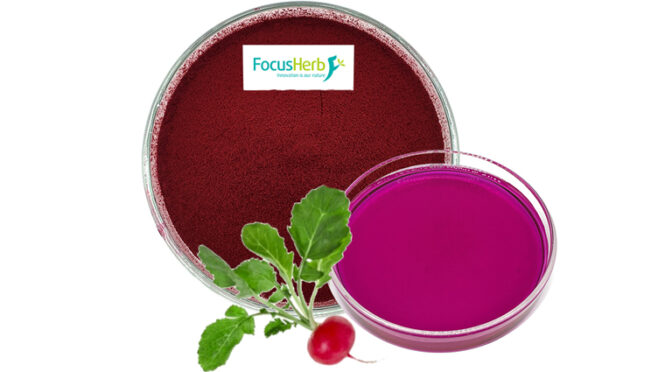


 In the cosmetics industry, phycocyanin has brought new ideas and directions to product innovation with its unique efficacy. Its antioxidant and anti-inflammatory properties make it an ideal ingredient in skin care products.


