Grifola frondosa (Dicks.) Gray, commonly known as “maitake mushroom” or “maitake mushroom,” is a taxonomically classified genus Grifola in the family Mycopodiaceae. It is a mushroom used both as food and medicine. During summer and autumn, it grows wild on the roots or stumps of Fagaceae trees, such as chestnut, oak, Castanopsis, and Cyclobalanopsis, as well as broad-leaved trees. It is widely distributed in China, Japan, Singapore, and Europe, with concentrations in Guizhou, Hebei, Yunnan, Sichuan, Fujian, and Jilin in China. Its tender flesh, flavored like shredded chicken, is delicious and has a unique aroma, earning it the nickname “Prince of Edible Mushrooms.”
Grifola pollen is a powdered substance made from the fruiting bodies or mycelium of Grifola frondosa. It retains all of the nutrients found in the plant, making it more convenient to consume and suitable for a wide range of applications, including food, health supplements, and pharmaceuticals.
Rich Nutritional Value
Maitake Mushroom Extact contains numerous beneficial nutrients, making it a prime example of nutritional richness. Testing revealed that every 100 grams of dried grifola frondosa contains 25.2 grams of protein and 18.68 grams of all 18 essential amino acids, with 45.5% being essential amino acids. This ratio makes grifola frondosa protein a superior nutritional source. Compared to common shiitake mushrooms, grifola frondosa contains twice the protein and amino acid content, potentially promoting healthy physical growth and intellectual development in children. Its arginine and lysine content is also higher than that of enoki mushrooms. Furthermore, grifola frondosa contains high levels of aspartic acid and glutamic acid, which are associated with umami. This not only gives it its unique umami flavor but also stimulates appetite, earning it the nickname “Prince of Edible Mushrooms.”
Grifola frondosa pollen also excels in terms of vitamins. It is rich in vitamin E, B vitamins, and vitamin C. Its vitamin E content reaches 109.7 mg/100 g, ranking high among foods and second only to sesame oil. It also contains 1.47 mg/100 g of vitamin B1, 0.72 mg/100 g of vitamin B2, 17.0 mg/100 g of vitamin C, and 4.5 mg/100 g of carotene. Compared to other edible fungi, maitake pollen contains approximately 10-20 times more vitamin E and vitamin E, and 3-5 times more vitamin C. These vitamins play a key role in antioxidant defense, maintaining normal nervous system function, and promoting collagen synthesis.
Maitake pollen also contains a variety of minerals, such as potassium, phosphorus, iron, zinc, calcium, copper, selenium, and chromium. Zinc is crucial for brain development and visual acuity, and it promotes wound healing. Selenium has antioxidant, liver-protecting, and cancer-preventing properties, and can also prevent Keshan disease, Kashin-Beck disease, and certain heart diseases. Chromium helps maintain normal glucose metabolism and plays a role in preventing diabetes. Furthermore, the calcium and vitamin D in maitake pollen work synergistically to effectively prevent rickets. Iron and copper can prevent anemia. Its rich dietary fiber content, at 33.7 grams per 100 grams, helps promote intestinal motility, prevent constipation, and reduce the risk of cardiovascular disease.
Powerful Benefits and Effects
Health and Wellness
Maitake pollen has numerous health and wellness benefits, playing a positive role in improving human health. It is particularly effective in strengthening the spleen and stimulating the appetite. Rich in aspartic acid and glutamic acid, which are associated with umami, it effectively stimulates the taste buds and increases appetite, making it a natural remedy for those with poor appetite. Regular consumption of foods made with maitake pollen can improve digestion and enhance nutrient absorption. Diuresis and swelling reduction are also important benefits of maitake pollen. From a Traditional Chinese Medicine (TCM) perspective, it regulates fluid metabolism and alleviates symptoms such as edema caused by spleen and kidney yang deficiency, particularly lower limb edema, as well as urinary incontinence, athlete’s foot, and ascites from cirrhosis. It acts as the body’s “drainage expert,” helping to excrete excess water, maintain fluid balance, and alleviate the discomfort caused by edema.
Maitake pollen can also significantly boost immunity. Rich in nutrients such as protein, amino acids, vitamins, and minerals, it forms the building blocks of a healthy immune system. Its active ingredient, α-glucan, enhances immune cell activity, acting like a “cardiac tonic,” helping the body defend against viruses like influenza, boosting immunity, and reducing the risk of illness.
Maitake pollen also excels at boosting brain function. Its high zinc content is essential for brain development and maintaining visual acuity. Zinc acts like a catalyst for brain development, promoting the growth and connection of nerve cells, enhancing memory and learning abilities. It’s ideal for children in their growth and developmental stages, providing strong support for their intellectual development.
Grifola frondosa pollen also plays a role in regulating blood sugar. The beta-(1-3) D-glucan and beta-(1-6) D-glucan protein compounds in Grifola frondosa polysaccharides, as well as the unsaturated fatty acids in the extract, such as trilinolein, can reduce blood glucose and enhance the body’s sensitivity to insulin. This acts like a stabilizer for the blood sugar regulation system, helping to control blood sugar levels and prevent and improve diabetes.
Grifola frondosa pollen can also prevent a variety of diseases. Rich in iron, copper, and vitamin C, it can prevent anemia, scurvy, vitiligo, arteriosclerosis, and cerebral thrombosis. Its high selenium and chromium content protects the liver and pancreas, preventing cirrhosis and diabetes. It also prevents Keshan disease, Kashin-Beck disease, and certain heart diseases. The synergistic effects of calcium and vitamin D effectively prevent and treat rickets. The high levels of vitamin E and selenium complement each other, giving it anti-aging properties and enhancing memory and sensitivity, safeguarding human health.
Potential Medicinal Value
In traditional Chinese medicine, maitake mushroom is considered a potent herb, strengthening the spleen and replenishing vital energy. It can be used to treat all symptoms of spleen deficiency, and is particularly suitable for those with spleen deficiency and dampness. For patients experiencing symptoms of fatigue, poor appetite, dizziness, heaviness in the head, loose stools, and other TCM symptoms, such as an enlarged tongue, a pale tongue coating, and a deep, weak pulse, maitake mushroom can improve symptoms by strengthening the spleen. Modern research has further revealed the potential medicinal value of maitake pollen. It exhibits unique anti-cancer effects, activating immune cells such as phagocytes, natural killer cells, and cytotoxic T cells, inducing the secretion of cytokines such as leukocytes, interferon-γ, and tumor necrosis factor-α, and inducing apoptosis in cancer cells. In clinical practice, maitake pollen, when used in combination with traditional chemotherapy drugs, can enhance their efficacy while mitigating their toxic side effects, offering new hope for cancer patients. For example, in some cancer treatment cases, maitake pollen has significantly reduced adverse chemotherapy effects and improved quality of life.
Maitake pollen also improves vascular microcirculation and has a therapeutic effect on conditions such as hypertension and liver cirrhosis. It acts as a “scavenger” and “repairer” for blood vessels, clearing impurities, enhancing their elasticity, improving blood circulation, reducing the risk of cardiovascular disease, and maintaining overall health.
Diverse Consumption Methods
Grifola frondosa pollen can be consumed in a variety of ways, catering to diverse tastes and needs. The simplest way is to consume it directly. After opening the package, chew it carefully to savor the unique, fresh, and fragrant flavor of the plant and experience its authentic nutritional benefits. However, be careful to limit the amount when consuming it directly to avoid excessive intake, which can lead to a taste irritation.
Soaking it in water is also a common method. Place an appropriate amount of grifola frondosa pollen in a cup, add 70-80°C hot water, stir well, and drink. This allows the nutrients in the grifola frondosa pollen to fully dissolve in the water while preserving their activity. The water temperature is crucial; too high a temperature may destroy the nutrients, while too low a temperature may not fully activate its flavor and benefits. If the grifola frondosa pollen alone tastes bland, add honey, goji berries, or other ingredients to enhance the flavor and health benefits. For example, honey enhances the taste and moisturizes the skin; adding goji berries enhances the liver and kidney nourishing properties. Maitake pollen also proves useful in cooking. When making soups, whether light vegetable or rich meat, adding an appropriate amount of maitake pollen and stirring well before serving can enhance the flavor and nutritional value of the soup. For example, sprinkling a small amount of maitake pollen on egg custard not only improves its texture but also adds nutritional value. When making fillings, such as dumplings or buns, mixing maitake pollen with meat or vegetable fillings adds a unique flavor, making the dumplings and buns even more delicious.
Furthermore, maitake pollen can be made into a solid beverage, making it portable and easy to consume on the go. There are a variety of maitake pollen solid beverages available on the market, typically formulated with other nutrients such as Cordyceps militaris powder, pomegranate powder, sucralose, and resistant dextrin. These solid beverages typically require only warm water. Be sure to follow the water temperature instructions on the product to ensure the effective nutrients are fully released. For example, a certain brand of Maitake mushroom powder beverage requires a water temperature of 70-80°C when brewing. This maximizes the preservation of nutrients and maximizes their health benefits.
Market Status and Pricing
With rising health awareness and a growing demand for natural, nutritious, and functional foods, Maitake Mushroom Extact is becoming increasingly popular in the market due to its rich nutritional value and significant health benefits. In China, Maitake Mushroom Extact is available not only in major health product stores and pharmacies, but also in the health food sections of some large supermarkets. Online sales channels are even more plentiful, with numerous sellers on major e-commerce platforms such as JD.com, Taobao, and Pinduoduo. Maitake Mushroom Extact is also gaining popularity internationally, particularly in health-conscious countries and regions such as Japan, South Korea, and Europe and the United States, where it has garnered widespread attention and favor among consumers.
The price of Maitake Mushroom Extact varies depending on its quality, purity, packaging, and sales channel. Generally speaking, ordinary quality maitake pollen in a small package (such as 100 grams) costs around 50-100 yuan; medium quality maitake pollen in a 250-gram package costs around 150-300 yuan; and high quality maitake pollen in a 500-gram package can cost 500-1000 yuan or even more. In some wholesale markets, larger quantities are discounted, leading to more affordable prices. For example, on Alibaba’s wholesale platform, some vendors offer maitake pollen with a 10:1 maitake extract for as low as 50-60 yuan per kilogram. Meanwhile, on Huinong.com, Zhejiang Longquan Zhengda Biotechnology Co., Ltd. sells its Zhengda ultrafine maitake pollen for 260 yuan per kilogram, with a minimum order of 10 kilograms. The prices of some solid beverages made from maitake pollen with other nutrients added to them may fluctuate depending on the brand and formula. A common box (30-50 strips) costs around 100-300 yuan.
Selection and Storage Guide
Selection Methods
When selecting maitake pollen, there are several factors to consider. High-quality maitake pollen has a uniform color, typically light yellow or light brown. If the color is too bright, too dull, or even has a mottled appearance, it is likely poor quality or improperly processed. For example, a darker color may indicate excessive heating during processing, resulting in a loss of nutrients; a lighter color may indicate adulteration.
Smell is also crucial. Authentic maitake pollen should have the distinctive fragrance of maitake trees. If it smells pungent, sour, or otherwise unpleasant, it may be spoiled or contaminated, so avoid purchasing it.
Feel the texture by hand. Good maitake pollen should be fine and uniform, free of noticeable graininess or clumping. If it feels rough, has large particles, or easily clumps, it may be due to poor processing or improper storage, resulting in moisture.
When purchasing, it is also important to choose a reputable channel and a well-known brand. Products from legitimate channels typically undergo rigorous quality inspections and have complete production information and quality assurance, ensuring the highest possible quality and safety. For example, the quality of maitake pollen sold in some large supermarkets and pharmacies is relatively well-established. Well-known brands prioritize quality control during the production process and have a strong reputation and credibility. Consumers can check product reviews, certifications, and other information to understand the brand’s reliability.
Storage Tips
Storage of maitake pollen is crucial to preserving its quality and nutrients. If consumed within a short period (1-2 months), store it in a dry, cool, well-ventilated area at room temperature, away from direct sunlight and heat sources to prevent thermal deterioration. For example, you can store it in a kitchen cupboard, but be careful not to place it near heating appliances such as stoves. Also, ensure the storage environment is odor-free to prevent the pollen from absorbing other odors, which could affect its flavor and quality.
For long-term storage of maitake pollen, refrigeration is a better option. Seal the maitake pollen tightly and store it in the refrigerator at a temperature between 0 and 5°C. This will effectively extend its shelf life, typically lasting 1 to 2 years. It’s recommended to use an airtight bag or container to remove as much air as possible to minimize the effects of oxygen on the pollen.
If it’s not going to be consumed for an extended period, freezing it can maximize its nutritional value. Place the pollen in a sealed bag or container, remove the air, and then store it in the freezer at a temperature below -20°C. Under these conditions, maitake pollen can be stored for several years. However, it’s important to allow frozen maitake pollen to thaw naturally before consumption. Avoid repeated freezing and thawing, as this can damage the pollen’s structure and nutritional content, leading to a decrease in quality.
Future Outlook
With increasing interest in health and wellness, maitake pollen, as a nutritious and versatile health food, holds great promise for future development. In the food industry, it is expected to be increasingly used in the development of various innovative foods, such as baked goods, snacks, and meal replacement powders, offering consumers more delicious and nutritious options. In the health supplement market, maitake pollen, with its immune-boosting and blood sugar-regulating properties, offers opportunities for the development of more targeted products to meet the health needs of diverse populations. In the pharmaceutical field, with continued research into its medicinal value, maitake pollen may play a greater role in adjunctive cancer treatment and cardiovascular disease prevention.
However, despite its promising prospects, maitake pollen also faces challenges, such as the need to further enhance market awareness and improve product quality standards. This requires concerted efforts from all industry stakeholders to strengthen publicity and promotion, and standardize production standards to ensure the healthy and sustainable development of the maitake pollen industry. I hope everyone can make rational use of this healthy food ingredient, foie gras pollen, to enhance the health of themselves and their families. I also look forward to foie gras pollen being able to demonstrate its unique value in more fields in the future and bring more benefits to people’s lives.
Red cabbage, scientifically known as Brassica oleracea var. capitata rubra, also known as red cabbage or purple cabbage, is a variety of Brassica oleracea, a plant in the genus Brassica in the family Brassicaceae. It is also a type of cabbage. Its outer leaves and head are both purple-red, hence its name. It belongs to the same cabbage family as the common green cabbage, or common cabbage, and is considered a close relative. However, compared to common cabbage, red cabbage, with its unique purple-red color and richer nutritional profile, is gradually gaining popularity on the dining table and in the health food world, attracting attention.
Unique Appearance and Characteristics
Appearance
Red cabbage plants reach approximately 50 cm in height, resembling a medium-sized dancer swaying in the field. It has approximately 20 outer leaves, each with a unique shape. The nearly rounded leaves resemble meticulously crafted works of art, their vibrant purple-red hue imbued with the vibrant colors of nature. A closer look reveals a thin layer of waxy powder coating the leaves, creating a protective coating that shimmers captivatingly in the sunlight.
Focusing on the leaf bulb, you’ll be captivated by its compact structure and regular shape. The bulb is typically nearly round, with a diameter of 15-25 cm, resembling a carefully wrapped gift. Weighing between 1.5 and 2 kg, it feels heavy to hold, evoking a sense of joy at a bountiful harvest. The leaves gradually lighten in color from the outermost layer to the innermost layer, like a gradational painting, with the center portion remaining lighter, creating a unique gradation of color.
Growth Habits
Red cabbage is highly adaptable to temperature and prefers a mild climate. It possesses both a moderate cold resistance and a moderate heat tolerance, with an optimum growth temperature of 15-25°C. Within this temperature range, it thrives like a vibrant child. When temperatures fall below 5°C, its growth slows, as if it has been slowed down. When temperatures rise above 30°C, its photosynthesis rate decreases, its respiratory expenditure increases, and its bulb growth is inhibited, much like a person feeling tired in hot weather. However, its seeds will slowly germinate at temperatures of 2-3°C, demonstrating its tenacious vitality. However, this process is extremely slow, like an elderly person’s slow pace. When temperatures reach 25°C, seed germination accelerates, like a young person running energetically.
In terms of moisture, red cabbage thrives in a relatively humid environment, with air humidity of 80-90% and soil moisture of 70-80% being optimal. During the heading stage, red cabbage requires a particularly high level of water. Sufficient watering is crucial, otherwise the plant will grow slowly, the head will be small, or even fail to form a head. This is similar to how a person needs to drink water when thirsty. Only with adequate water can red cabbage grow healthily. However, it also avoids excessive moisture. Excessive soil moisture can cause oxygen deprivation in the roots, affecting the plant’s normal growth, much like how a person feels uncomfortable in a humid environment.
Red cabbage is a “fertilizer-loving” crop, suited to moist, slightly acidic, or neutral loam with good water and nutrient retention. In this soil environment, it can fully absorb nutrients and thrive. Generally speaking, from the seedling stage to the rosette stage, it absorbs more nitrogen, which acts as an “energy booster” for growth, promoting lush foliage. During the heading stage, it requires more phosphorus and potassium, which act as “shaping agents” to ensure a firmer, fuller head.
Rich Nutritional Value
Vitamins and Minerals
Red cabbage is a nutrient-rich treasure trove, containing a variety of vitamins and minerals crucial for human health. Red cabbage contains approximately 30-40 mg of vitamin C per 100 grams, which is relatively high compared to some common vegetables. For example, Chinese cabbage contains approximately 28 mg of vitamin C per 100 grams. Vitamin C is a powerful antioxidant that helps the body fight free radical damage and strengthens the immune system, acting like a protective shield against external aggressors. Vitamin C also plays a crucial role in promoting collagen synthesis, making the skin firmer and more elastic, maintaining a youthful appearance and a radiant complexion.
Red cabbage also contains a certain amount of vitamin E, which also has antioxidant properties. It works synergistically with vitamin C to protect cells from oxidative stress, like a tacit partner, safeguarding our health. Vitamin E also benefits cardiovascular health by reducing the oxidation of cholesterol in the blood, reducing the risk of atherosclerosis, keeping blood vessels open, and reducing the likelihood of heart attacks.
Red cabbage is particularly rich in potassium, with approximately 170 mg per 100 grams. Potassium plays a key role in maintaining the body’s electrolyte balance. It regulates water levels, ensuring a stable fluid environment inside and outside cells, enabling the body’s various physiological functions to function properly. Potassium is also crucial for heart health, helping to maintain a normal heart rhythm. Like a precise metronome, it helps the heart beat in an orderly manner and reduces the risk of arrhythmias. For those with hypertension, a moderate intake of potassium can help lower blood pressure and reduce the burden on the heart.
Red cabbage also contains various minerals, such as calcium, magnesium, and iron, which play essential roles in bone health, nervous system function, and oxygen transport. Calcium is a major component of bones and teeth. Adequate calcium intake helps maintain bone strength and density, preventing osteoporosis. Magnesium regulates the activity of numerous enzymes in the body and plays a crucial role in the normal functioning of the nervous system and muscle contraction. Iron, a crucial component of hemoglobin, is responsible for transporting oxygen to various tissues and organs throughout the body. Iron deficiency can lead to iron-deficiency anemia, causing fatigue and weakness.
Anthocyanins
Red cabbage’s distinctive purple-red color is primarily due to its rich content of anthocyanins. Anthocyanins are water-soluble natural pigments belonging to the flavonoid family, found widely in plants, particularly in brightly colored fruits and vegetables. Red cabbage contains a significant amount of anthocyanins, ranging from approximately 90 to 320 mg per 100 grams. This value ranks among the highest among vegetables, even surpassing some fruits known for their high anthocyanin content, such as blueberries, which contain approximately 100 to 300 mg per 100 grams.
Anthocyanins have powerful antioxidant properties, scavenging free radicals from the body and reducing cell damage and oxidative stress. Free radicals are unstable molecules produced during human metabolism. They are highly oxidizing and attack various biomolecules within cells, such as DNA, proteins, and lipids, causing damage to cell function and leading to various chronic diseases such as heart disease, diabetes, and cancer. Anthocyanins act like valiant defenders, binding to free radicals and inactivating them, thereby protecting cells from damage and reducing the risk of these diseases.
Anthocyanins also have anti-inflammatory properties, alleviating inflammation by reducing the production of inflammatory cytokines. Inflammation is the body’s natural defense response to injury or infection. However, if the inflammatory response is excessive or prolonged, it can cause damage and lead to a range of inflammatory-related diseases, such as arthritis and cardiovascular disease. Anthocyanins can modulate inflammatory signaling pathways in the body, inhibiting the release of inflammatory factors, thereby alleviating inflammatory symptoms and playing a positive role in the management of these chronic inflammatory diseases.
Anthocyanins also play a significant role in cardiovascular health. They help improve vascular elasticity and blood circulation, making blood vessels more flexible and able to better adapt to changes in blood pressure, reducing the risk of rupture and blockage. Anthocyanins can also lower blood pressure, reduce the oxidation of bad cholesterol in the blood, and prevent abnormal platelet aggregation, thereby reducing the risk of thrombosis, comprehensively protecting the health of the cardiovascular system.
Other Nutrients
Red cabbage also contains sulfur. Although its content is relatively low, it has significant benefits. Sulfur has unique benefits in maintaining skin health, participating in the metabolic processes of skin cells and promoting their renewal and repair. Sulfur can provide some relief for skin problems like itching and eczema, like a timely, soothing “rain” for the skin. Regularly consuming red cabbage replenishes sulfur, keeping it healthy and smooth.
Fiber is also a crucial nutrient in red cabbage. Red cabbage is rich in dietary fiber, with approximately 2-3 grams per 100 grams. This fiber acts as a “scavenger” in the intestines, promoting bowel movements and increasing stool bulk, making it easier to pass through the body, thereby effectively preventing constipation. Dietary fiber also regulates intestinal flora, providing an environment for the growth of beneficial bacteria and inhibiting the growth of harmful bacteria, maintaining a balanced intestinal microbiome and maintaining a healthy gut. Dietary fiber also increases satiety and reduces intake of other foods, making it an ideal nutrient for those seeking weight control.
Diverse Ways to Eat Red Cabbage
Red cabbage can be enjoyed in a wide variety of ways, offering unique flavor experiences whether eaten raw or cooked. It can be crispy and tender in a refreshing salad, or it can be richly flavored in stir-fries, soups, and other cooking methods, satisfying diverse dietary needs and taste preferences.
Raw Eating
Eating red cabbage raw is one of the best ways to preserve its nutrients. Wash and thinly shred the red cabbage to enjoy its original flavor without the complicated cooking process. Salad of red cabbage is a simple and delicious raw dish. Simply add appropriate amounts of salt, sugar, white vinegar, light soy sauce, sesame oil, and chili oil to the shredded red cabbage and mix well to create a crisp and refreshing dish. Adding salt during curing dehydrates the red cabbage, while sugar enhances its crispness. If you have time, the longer you curdle, the more flavorful the red cabbage will become. The crisp texture and rich flavor spread throughout the mouth, leaving a refreshing sensation.
Red cabbage is also an excellent ingredient for salads. Pair it with cherry tomatoes, cucumbers, lettuce, avocado, and other ingredients, and top it with your favorite salad dressing for a colorful and nutritious salad. The sweet and sour taste of the cherry tomatoes, the crispness of the cucumbers, the tenderness of the lettuce, and the richness of the avocado blend seamlessly with the unique flavor of the red cabbage, creating a rich, complex flavor in every bite. On a hot summer day, a salad like this will satisfy your taste buds while providing a healthy dose of nutrition.
Cooked Food
Cooking red cabbage softens its texture and intensifies its flavor. Stir-frying is a common cooked food method, such as mixing red cabbage with eggs, tofu, beef, and other ingredients. First, cut the red cabbage into chunks or strips of appropriate size. Heat oil in a wok and sauté minced garlic and ginger until fragrant. Then add the red cabbage and quickly stir-fry. Once the red cabbage is slightly softened, add the accompanying ingredients and continue stir-frying. Finally, season with salt, light soy sauce, oyster sauce, and other seasonings. Paired with eggs, the tenderness of the eggs complements the crispness of the red cabbage. Paired with tofu, the tofu absorbs the red cabbage’s broth, making it even more flavorful. Paired with beef, it adds a rich, meaty flavor. To preserve the red cabbage’s vibrant purple-red color, add a little white vinegar before cooking. Otherwise, the high-temperature stir-frying may cause it to turn a dark purple, which can be unsightly.
Red cabbage can also be used in soups. Combined with tomatoes, tofu, and other ingredients, this soup is delicious and nutritious. First, sauté the tomatoes until the juices are released. Add an appropriate amount of water and bring to a boil. Add the diced red cabbage and tofu and cook until cooked through. Finally, season with salt, pepper, and other seasonings. The sweet and sour taste of tomatoes adds a rich flavor to the soup, while the tenderness of tofu enriches the broth. The red cabbage adds a unique texture and rich nutrients. This soup is not only perfect for warming the body during cold winter months, but also replenishes moisture and nutrients.
Making dumplings with red cabbage is another unique way to enjoy it. Chop the red cabbage and mix it with ground meat. Add appropriate amounts of salt, light soy sauce, cooking wine, chopped green onions, and ginger, and stir well to create the filling. The addition of red cabbage adds a refreshing and rich texture to the filling. Once the dumplings are cooked, take a bite and the tender meat filling blends with the unique flavor of the red cabbage, leaving you with a lasting aftertaste.
Red cabbage is also a great choice for hot pot. Cut the red cabbage into large pieces and simmer briefly in the hot pot. Remove and serve once it’s slightly softened. Red cabbage absorbs the flavors of the hot pot broth, resulting in a flavorful blend of its natural sweetness and the rich aroma of the hot pot base. Whether it’s spicy hot pot, clear soup hot pot, or tomato hot pot, red cabbage pairs well with any dish, adding a unique flavor.
Wide Applications
Food Processing
Red cabbage has a wide range of applications in the food processing industry. Its rich nutrition and unique color add a unique charm to a variety of foods. In beverage preparation, red cabbage can be made into purple cabbage juice, which not only retains its nutrients but also has a rich flavor. Wash and chop fresh red cabbage, place it in a juicer, and then add honey, lemon juice, or other flavorings to your taste. This sweet and sour purple cabbage juice is ready. This juice can be consumed directly or mixed with other juices to create unique blends, offering consumers a new taste experience.
Purple cabbage yogurt is also a popular product. Adding processed red cabbage juice to yogurt not only adds an attractive purple-red color, but also enriches its taste and increases its nutritional value. The dietary fiber in red cabbage, combined with the probiotics in yogurt, promotes intestinal health, making it popular among consumers seeking a healthier lifestyle.
Dehydrated red cabbage is a common form of food preservation and processing. Red cabbage undergoes a series of processes, including washing, slicing, and drying, to produce dehydrated red cabbage. It is easy to store and transport, and can be rehydrated to restore some of its shape and texture when needed. Dehydrated red cabbage can be used as an ingredient in convenience foods such as vegetable soups and instant oatmeal, adding the nutritional value and flavor of vegetables. Some instant soups can be made by simply adding hot water to quickly restore the red cabbage flavor, providing a convenient and nutritious dietary option for busy modern people.
Red cabbage can also be made into red cabbage sauerkraut and red cabbage kimchi. When making sauerkraut, red cabbage is pickled with salt, spices, and other ingredients. After a period of fermentation, the red cabbage develops a sour, refreshing, and unique flavor. Red cabbage kimchi is made by adding red cabbage to kimchi water and combining it with other vegetables, such as carrots and cucumbers. After pickling, the red cabbage absorbs the flavor of the kimchi water, becoming crisp and refreshing, making it a popular appetizer on the table. These pickled foods not only enrich people’s dietary choices but also extend the shelf life of red cabbage.
Industrial Uses
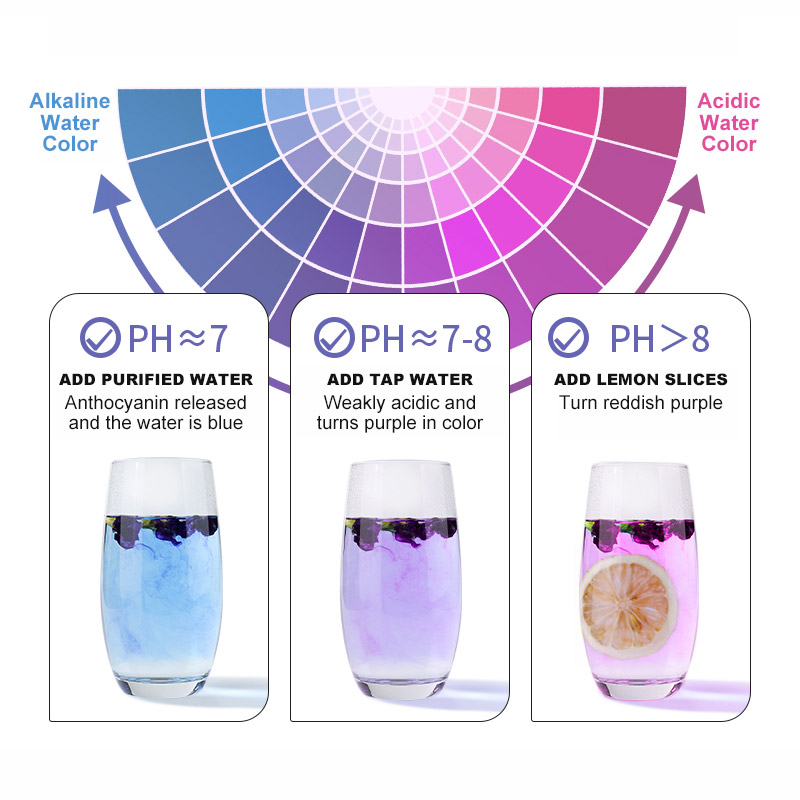
Red cabbage also has unique industrial applications. Its natural pigments make it a high-quality raw material for extracting natural plant pigments. Red cabbage pigment, a member of the anthocyanin family, is a water-soluble pigment with excellent antioxidant properties and stability. As a food additive, red cabbage pigment can be used as a natural food coloring for beverages, candies, baked goods, and other products. Compared to synthetic pigments, red cabbage pigment is safer and healthier, meeting consumers’ demand for natural foods. Adding purple cabbage pigment to some fruit juice drinks creates a vibrant purple-red color, attracting consumers. In candy making, purple cabbage pigment can impart a unique color, enhancing its visual appeal. Purple cabbage pigment is highly sensitive to changes in pH, exhibiting different colors in solutions with different pH values. In acidic environments, it appears red; in neutral environments, it appears purple; and in alkaline environments, it appears blue or green. Due to this characteristic, purple cabbage pigment is often used as an acid-base indicator. In chemical experiments, it can help determine the pH of a solution with simple operation and clear results. By dropping purple cabbage pigment into a solution of unknown pH and observing the color change, the pH value can be quickly determined. In environmental testing, purple cabbage pigment can also be used to measure the pH of soil or water, providing data support for environmental protection.
Planting and Care Guide
Variety Selection
Red cabbage comes in many varieties, each with its own unique characteristics. “Zi Linglong” is an early-maturing variety, reaching maturity in approximately 60-70 days from planting to harvest. Like an impatient child, it matures early. Its head is relatively small, typically weighing 1-1.5 kg per head, yet its compact structure resembles a small, delicate sphere. Its vibrant purple-red leaves are attractive, and its crisp, tender texture, slightly sweet with a hint of freshness, makes it particularly suitable for small-scale home cultivation. Whether used in delicate salads or simple stir-fries, it showcases its unique charm.
“Zi Yang” represents a mid-maturing variety, growing in approximately 80-90 days from planting to harvest. Its leisurely growth allows it to accumulate rich nutrients. Its head is spherical, weighing approximately 1.5-2 kg per head, and is of medium size. Its most distinctive feature is its sweet taste. A bite of this sweetness spreads throughout your mouth, leaving a lasting aftertaste. It has strong growth vigour and wide adaptability, growing well in a variety of environments, whether open field or protected, making it a favorite among growers.
The late-maturing variety “Zigan 85” has also garnered significant attention. It takes over 90 days from planting to harvest. Like a calm elder, it endures a long growth process, producing high-quality heads. Its large, stocky plant, with thick leaves, resembles a strong athlete with a sturdy physique. Its heads are large and firm, weighing up to 2-3 kg each, and are vibrantly colored and in excellent commercial condition. Its heads have a sweet flavor, a crisp texture, and excellent overall quality. Its strong field resistance to disease and head cracking makes it suitable for large-scale cultivation and commands a high market price. When choosing a variety, it’s important to consider factors such as the planting season, local climate, soil conditions, and market demand. If planting in spring and hoping for an early harvest to seize market opportunities, the early-maturing variety “Zi Linglong” is a good choice. If planting in autumn, when the climate is more favorable, and you want high yields and high-quality red cabbage, the mid-maturing variety “Zi Yang” or the late-maturing variety “Zi Gan 85” are more suitable. If the local market has a high demand for small-headed red cabbage, “Zi Linglong” will meet the demand; for markets that require large-headed cabbage, “Zi Gan 85” is more advantageous.
Planting Environment
Red cabbage has high soil requirements, preferring fertile, water-retaining soil. Such soil is like a nutrient-rich reservoir, providing it with ample nutrients and water. When choosing a planting site, prioritize deep, fertile, loose loam or sandy loam. Loam soil has a moderate texture, offering good air permeability while retaining a certain amount of water and nutrients, which is beneficial for the growth and development of red cabbage’s roots. Sandy loam soil, on the other hand, offers good drainage, preventing waterlogging and root rot while also allowing the roots to breathe better.
The choice of previous crop is also crucial. Red cabbage should not be planted continuously or with other cruciferous vegetables. This can lead to the accumulation of pests and diseases in the soil, increasing their incidence and disrupting the nutrient balance, which can affect the growth of red cabbage. Non-cruciferous vegetables such as legumes, melons, and nightshades are best used as previous crops. Legumes fix nitrogen, increasing nitrogen levels in the soil and improving soil fertility. Melons and nightshades are susceptible to different types of pests and diseases than red cabbage, thus reducing their spread.
Red cabbage prefers fertilizer, so a sufficient base fertilizer should be applied before planting. Base fertilizer should primarily consist of organic fertilizers, such as well-rotted farmyard manure, compost, and manure. These organic fertilizers not only provide comprehensive nutrients for red cabbage but also improve soil structure, increasing air permeability and water retention. Generally, 3,000-5,000 kg of well-rotted farmyard manure should be applied per mu (approximately 30-50 kg per mu) along with an appropriate amount of compound fertilizer, such as a nitrogen, phosphorus, and potassium compound fertilizer, to meet the nutrient requirements of red cabbage. When applying fertilizer, spread the organic and compound fertilizers evenly over the soil surface, then deep-till the soil to a depth of approximately 25-30 cm to thoroughly mix the fertilizers. This ensures that the fertilizers are distributed throughout the soil, where they can be absorbed by the red cabbage’s roots.
Sowing and Seedling Raising
The timing of sowing is crucial, as it directly affects the growth and development of red cabbage. In spring, when soil temperatures stabilize above 5°C, sowing can begin, generally between late March and early April. During this time, temperatures gradually rise and sunlight is abundant, which is conducive to seed germination and seedling growth. Autumn sowing typically occurs between late July and early August, when the weather is cooler and the temperature swings between day and night are greater, meeting the temperature requirements of red cabbage and allowing it to thrive.
Choose a high, well-drained, fertile soil in the seedbed, which provides an ideal growing environment for the seeds. Before sowing, carefully prepare the seedbed. First, plow the bed 20-25 cm deep to loosen the soil, then rake it flat and remove weeds and rocks. To ensure sufficient nutrients for the seeds, apply an appropriate amount of base fertilizer to the seedbed. Generally, apply 1,000-1,500 kg of well-rotted farmyard manure per mu (approximately 20-30 kg per mu) of soil. Mix the fertilizer thoroughly with the soil.
To improve germination and reduce pest and disease risk, seeds should be treated before sowing. Soak the seeds in warm water at 50-55°C for 15-20 minutes, stirring constantly to ensure even heating and kill surface pathogens. Remove the seeds, rinse thoroughly with clean water, and soak them in room temperature water for 3-4 hours to allow them to absorb the moisture. After soaking, wrap the seeds in a damp cloth and place them at 20-25°C to germinate. Rinse with clean water 1-2 times daily. When 70-80% of the seeds appear white, they are ready for sowing. Seeding can be done by broadcasting or drilling. For broadcasting, spread the prepared seeds evenly on the seedbed, then cover with a 1-1.5 cm thick layer of fine soil and gently press down to ensure the seeds are in close contact with the soil. For drilling, create furrows 10-15 cm apart and 1-1.5 cm deep. Sow the seeds evenly within the furrows and then fill them with soil. After sowing, water the seedbed promptly to keep it moist. Cover the seedbed with mulch or shade netting to increase ground temperature, maintain soil moisture, and promote seed germination. Once the seedlings emerge, remove the mulch or shade netting promptly to avoid affecting their growth.
Planting and Management
When the seedlings have 4-6 true leaves, they can be planted. The planting density should be determined based on the variety characteristics, soil fertility, and cultivation methods. Generally speaking, for early-maturing varieties, the spacing between rows and plants is 35-40 cm x 40-45 cm, with a planting density of 3,500-4,000 plants per mu. For mid- to late-maturing varieties, the spacing between rows and plants is 40-50 cm x 50-60 cm, with a planting density of 2,500-3,000 plants per mu. A reasonable planting density ensures ample space for the plants to grow, fully utilizing sunlight and soil nutrients, and improving yield and quality.
Before planting, dig holes in the plot according to the predetermined spacing between rows and plants. The holes should be deep enough to accommodate the seedling roots. Transplant the seedlings with the soil clump into the holes, straighten them, and fill with soil, gently compacting to ensure close contact between the soil and the roots. Prompt and thorough watering after planting is crucial for seedling survival. Adequate water allows the roots to quickly recover and adapt to the new environment.
Field management is crucial during the growth of red cabbage. Intertillage and weeding are essential tasks. They loosen the soil, increase aeration, promote root growth, and remove weeds, reducing competition for nutrients and water with red cabbage. The first intertillage is generally performed 7-10 days after planting, to a depth of 3-5 cm to avoid root damage. As the plant grows, the depth of the intertillage can be gradually increased to 5-7 cm. In the later stages of red cabbage growth, to prevent lodging, intertillage can be combined with soiling, building up the soil at the base of the plant to a height of approximately 5-10 cm.
Red cabbage grows rapidly and has a high nutrient demand, requiring appropriate fertilization. If basal fertilizer is adequate, topdressing is generally applied during the rosette and head formation stages. The rosette stage is a critical growth period for red cabbage, requiring nitrogen topdressing to promote leaf growth. Urea can be applied at a rate of 15-20 kg per mu. During the heading stage, increase the application of phosphorus and potassium fertilizers to promote bulb expansion. Apply 20-25 kg of nitrogen, phosphorus, and potassium compound fertilizer per mu (approximately 1-20 kg). Topdressing can be done in furrows or holes, applying the fertilizer 10-15 cm from the plant. Cover with soil and water to fully dissolve the fertilizer and facilitate root absorption.
Red cabbage requires a lot of water, especially during the heading stage. Keep the soil moist. However, be careful to avoid standing water, as this can cause root rot. Generally, after planting, water the plant every 3-5 days, depending on weather conditions and soil moisture. During the rosette and heading stages, water requirements increase, and water can be applied every 2-3 days. Water thoroughly to meet the red cabbage’s growth needs. During the rainy season, drain the field promptly to prevent waterlogging. Drainage ditches can be dug to remove excess water.
Pest and Disease Control
Red cabbage may be attacked by a variety of pests and diseases during its growth process, requiring timely control to ensure yield and quality. Aphids are a common pest of red cabbage. They gather on the undersides of leaves and suck the sap, causing the leaves to turn yellow and curl, seriously affecting plant growth. Aphid control can be achieved through a combination of physical and chemical control. For physical control, yellow sticky traps can be hung in the field to trap aphids, taking advantage of their attraction to yellow. 20-30 traps should be hung per acre, 1-1.5 meters above the ground. For chemical control, spray a 1000-fold dilution of 10% imidacloprid wettable powder or a 1500-fold dilution of 5% acetamiprid emulsifiable concentrate. Spray every 7-10 days for 2-3 consecutive sprays. Alternate between the two sprays to prevent aphids from developing resistance. Pieris rapae are also a major pest of red cabbage. They bite the leaves, causing holes or notches. In severe cases, they can completely consume the leaves, leaving only the veins. Control of cabbage worms can be carried out during the early larval stages. Biological control options include spraying with biological agents such as Bacillus thuringiensis, which are effective against cabbage worms and are environmentally friendly. Chemical control options include spraying a 2000-fold dilution of 2.5% deltamethrin emulsifiable concentrate or a 1500-fold dilution of 5% lambda-cyhalothrin emulsifiable concentrate, every 5-7 days for 2-3 sprays.
Black rot is a common bacterial disease of red cabbage. In the early stages, V-shaped lesions appear on the leaf edges, gradually turning yellow-brown with a yellow halo around the lesions. As the disease progresses, the lesions expand, causing the leaves to wilt. The pathogen also invades the stem and head, causing the stem vascular bundles to turn black and the head to rot. To prevent black rot, the first step is to select disease-resistant varieties to mitigate the disease at its source. Before sowing, disinfect the seeds by soaking them in 50°C warm water for 20-30 minutes, then rinse them with clean water and air dry before sowing. In the early stages of the disease, spray with a 500-600 times dilution of 20% zinc thiazole suspension concentrate or a 3000-4000 times dilution of 72% agricultural streptomycin sulfate soluble powder. Spray every 7-10 days for 2-3 times.
Soft rot is also a bacterial disease that primarily affects the head and base of the stem of red cabbage. In the early stages of the disease, water-soaked lesions appear on the head or base of the stem, gradually becoming soft and rotten, and emitting a foul odor. To prevent and control soft rot, ensure proper field drainage to avoid waterlogging and reduce the breeding ground for pathogens. Fertilize appropriately to enhance plant resistance and avoid excessive nitrogen fertilizer use. In the early stages of the disease, spray 3% Zhongshengmycin wettable powder at an 800-1000 times dilution or 77% copper hydroxide wettable powder at a 500-600 times dilution. Spray every 7-10 days for 2-3 consecutive times.
In pest and disease control, adhere to the principle of “prevention first, integrated control,” prioritizing agricultural, physical, and biological control measures, and reducing the use of chemical pesticides to ensure the quality and safety of red cabbage. Regularly inspect fields to detect early signs of pests and diseases, and implement effective control measures to nip pests in the bud.
Market Prospects for Red Cabbage
Amid the trend toward healthy eating, market demand for red cabbage is steadily growing. With rising health awareness, demand for nutritious, low-calorie vegetables is increasing. Red cabbage’s rich nutritional content, such as vitamins, minerals, and anthocyanins, makes it an ideal choice for those pursuing a healthy lifestyle. Red cabbage is increasingly common in salads, vegetable juices, and healthy meals, enjoying widespread consumer popularity.
Price trends indicate that red cabbage prices are relatively stable. While fluctuating depending on season, production location, and market supply and demand, they generally remain within a reasonable range. During peak production season, when supply is plentiful, prices may decline slightly. However, during off-season or during periods of reduced production, such as natural disasters, prices may rise. However, compared to some high-end or imported vegetables, red cabbage remains competitively priced, meeting the needs of consumers across various consumer groups.
With continued advancements in cultivation technology and expanding market demand, red cabbage has broad development potential. In terms of cultivation, cultivating superior varieties and improving growing techniques and management models can increase red cabbage yield and quality while reducing production costs. In the future, more red cabbage varieties adapted to different environments and market demands may emerge, further expanding its cultivation range and market potential. Regarding the market, as consumers gain a deeper understanding of red cabbage’s nutritional value and the food processing industry innovates its applications, market demand for red cabbage is expected to continue to grow. Beyond the traditional fresh produce market, red cabbage’s applications in food processing, catering, and other fields will continue to expand, creating new opportunities for its market development.
Summary and Outlook
Red cabbage, a vegetable with a distinctive purple-red color, is unique in both appearance and properties. Its growing habits require specific environments, yet it also demonstrates strong adaptability. Its remarkable nutritional value, rich in vitamins, minerals, anthocyanins, and other nutrients, makes it a star ingredient in a healthy diet. Whether enjoyed fresh or cooked, it satisfies diverse dietary needs. Red cabbage also has a wide range of applications in food processing and industry, adding color and flavor to foods and providing a natural raw material for industrial production.
For ordinary consumers, it’s worth incorporating more red cabbage into your daily diet and trying different ways to enjoy it, allowing it to contribute to a healthy lifestyle. For growers, a thorough understanding of the key points of red cabbage cultivation and care, choosing appropriate varieties, providing a suitable growing environment, and implementing scientific sowing, seedling raising, planting, and management practices, as well as effective pest and disease control, can help ensure a bountiful harvest. Researchers and food processing companies can further explore the potential of red cabbage, cultivate superior varieties, and develop more innovative food and industrial applications. I believe that in the future, red cabbage will play an even more important role in our lives, bringing even more surprises to our diet and health.
In our daily lives, we’re often drawn to vibrantly colored foods. Grape skin red, as a natural pigment, quietly plays a crucial role in these vibrant colors. Whether you savor an alluring purple-red juice drink, take a bite of vibrant grape-flavored candy, or enjoy a piece of cake adorned with beautiful purple cream, it’s likely grape skin red that imbues them with its captivating hue. Like a magical painter, it uses unique brushstrokes to depict the vibrant world of food, enhancing our dining experience. Beyond the food sector, grape skin red is also increasingly emerging in the cosmetics, pharmaceutical, and other industries, playing a unique role. So, what exactly is this highly sought-after grape skin red? What are its unique characteristics? Let’s delve deeper into the secrets of grape skin red.
The Origin of Grape Skin Red
Grape skin red, as a natural pigment, has a history closely tied to grapes. Grapes, this ancient and widely cultivated fruit, have played a crucial role throughout human history. From their earliest use as food to their later use in winemaking, the uses of grapes have continuously expanded. Grape skin red is extracted from the skins of grapes of the genus Vitis in the Vitaceae family. Extraction typically uses dark red or purple grape skins, primarily the pomace after juicing. This allows grape skin red to be extracted, to a certain extent, a secondary resource.
The extraction process for grape skin red has undergone a long and complex development. Early techniques for extracting the pigment from grape skins were relatively simple and crude. Records of extracting grape skin red from red grape pomace exist as early as the 19th century. In 1879, Italy became the first country to commercialize a pigment extracted from grape skins, marking a significant milestone in the application of grape skin red extraction technology. However, extraction methods at the time likely involved simple, preliminary treatments such as soaking and filtration, resulting in products of relatively poor purity and stability.
With the continuous advancement of science and technology, extraction processes are also undergoing continuous refinement. Modern extraction techniques increasingly focus on improving the extraction efficiency, purity, and stability of the pigment. For example, the current common extraction process involves removing seeds and other impurities from the grape pomace, followed by purification processes such as extraction, filtration, and concentration. Selecting the right solvent is crucial during the extraction process, with water and ethanol being common solvents. To improve product stability, maltodextrin or modified starch is added, and the product is finally spray-dried into a powder for easier storage and transportation. Furthermore, green and environmentally friendly extraction techniques such as enzymatic hydrolysis and supercritical fluid processing are increasingly being applied to grape skin red extraction. These new technologies not only improve extraction efficiency but also reduce environmental impact, driving the grape skin red industry towards a greener and more efficient direction.
The Amazing Properties of Grape Skin Red
Grape skin red has a unique appearance and odor. It ranges from red to dark purple and can be in liquid, solid, paste, or powder form, with a distinctive odor. Regarding solubility, it is well soluble in common solvents such as water, ethanol, and propylene glycol, but insoluble in oils and fats. This solubility makes it particularly suitable for use in water-based systems or those containing ethanol or propylene glycol.
Its color also changes dramatically with changes in the pH of the solution. Under acidic conditions, it exhibits a vibrant red to purple-red color, reminiscent of ripe red grapes. This is why grape skin red can create an attractive purple-red hue in acidic juice drinks, jams, and other products, adding to their appeal. However, under alkaline conditions, it miraculously transforms to a dark blue. This pH-dependent color change not only has unique applications in food coloring but also serves as a reference for acid-base indicators in some chemical experiments and testing. For example, this characteristic of grape skin red can serve as a key indicator when studying the effect of pH on the color stability of certain foods.
In the presence of iron ions, the color of grape skin red deepens further, becoming a dark purple. This characteristic requires special attention in practical applications. During the production process of products using grape skin red as a pigment, if it comes into contact with iron-containing containers or raw materials, it can cause color changes, affecting the product’s color quality. For example, if iron pots are used to cook homemade grape skin red-dyed foods, the final color may be darker than expected. Grape Skin Red performs averagely in terms of heat resistance and dyeing properties. At higher temperatures, its color stability is affected, potentially leading to fading or discoloration. This limits its use in some high-temperature processed foods, such as baked goods. If the baking temperature is too high, Grape Skin Red’s color will struggle to maintain its vibrant color. While its dyeing properties meet the coloring needs of some common products, it may lag behind some synthetic pigments in terms of color fastness and uniformity. However, it’s worth noting that vitamin C improves its light resistance, and polyphosphate stabilizes its color. In practical applications, the addition of these substances can improve the performance of Grape Skin Red, allowing it to better perform its coloring function in products.
Applications of Grape Skin Red
The Magic of Color in the Food Industry
In the food industry, grape skin red, with its unique color and natural properties, has become a “color magician” for numerous foods. In the beverage world, whether it’s refreshing carbonated drinks or nutritious juice (flavored) beverages, grape skin red shines brightly. For example, a well-known brand of grape-flavored carbonated beverage, after adding grape skin red, takes on an alluring purple-red hue, resembling a bunch of ripe grapes bottled in a bottle, greatly stimulating consumer demand. In juice drinks, it not only adds color but also complements the flavor of the juice itself, giving consumers a rich, fruity aroma both visually and palate-wise.
Grape skin red is also indispensable in baked goods. When used in baking, the appropriate amount of grape skin red can enhance the vibrant and eye-catching appearance of pastries. For example, in some European-style pastries, the purple-red frosting or filling made with grape skin red adds a touch of elegance and refinement, making the pastries stand out from the crowd. For candies, grape skin red offers a rich variety of color options, ranging from light pink-purple to deep purple-red, satisfying the color preferences of various consumers. For example, the addition of grape skin red to fruit candies and soft candies not only enhances their color but also imparts a subtle grape aroma, enhancing both taste and visual appeal.
In jam making, grape skin red can adjust the color of the jam, bringing it closer to the color of fresh fruit and enhancing the product’s quality. In frozen drinks, such as ice cream, it can impart a dreamy purple hue, providing a refreshing and unique visual experience on a hot summer day. Grape skin red plays a crucial role in winemaking, contributing not only to the wine’s color but also to its flavor and quality, imparting a rich taste and captivating purple-red hue.
The unique charm of other industries
Beyond its success in the food industry, grape skin red has also demonstrated its unique appeal in other sectors. In the cosmetics industry, grape skin red is widely used in makeup products such as lipstick, eye shadow, and blush, as well as in skincare products. In lipstick, grape skin red imparts a natural, vibrant red hue. Due to its natural properties, it is gentler on lips than some synthetic pigments, reducing the risk of allergic reactions. In eye shadow and blush, grape skin red creates a unique purple-red hue, adding a stylish and personal touch. In skincare, grape skin red’s antioxidant properties are fully utilized, helping the skin protect against free radical damage and delaying aging. It also adds a subtle hue to skincare products, enhancing their appeal.
Grape skin red also has applications in the pharmaceutical industry. Some pharmaceuticals use grape skin red to color the sugar coating or capsule shell, making them more acceptable to patients. Due to its antioxidant and anti-inflammatory properties, grape skin red is also used in the development of functional drugs and health supplements. For example, in certain health supplements for cardiovascular disease prevention, grape skin red, as a natural antioxidant, works synergistically with other nutrients to help the body scavenge free radicals and reduce the risk of cardiovascular disease.
In the industrial sector, grape skin red can be used as a dye or pigment, imparting a red or purple hue to products such as coatings, paints, plastics, rubber, and paper. Adding grape skin red to coatings and paints creates unique color effects when used to decorate surfaces, enhancing the aesthetics of buildings and furniture. In plastic and rubber products, grape skin red can impart vibrant colors, enhancing their appeal and satisfying consumers’ demand for personalized and aesthetically pleasing products. In paper dyeing, grape skin red can impart unique colors, enabling the production of colored and art paper, bringing new color options to the paper products industry.
In the chemical industry, grape skin red can be used as a raw material or auxiliary agent in certain chemical reactions, such as as an antioxidant or stabilizer. In some oxidation-sensitive chemical reaction systems, grape skin red’s antioxidant properties can protect the reaction system from oxidative damage, ensuring smooth reaction progress. In the textile industry, grape skin red can be used as a natural dye for dyeing or printing natural fibers such as cotton, linen, and silk. Textiles dyed with grape skin red offer vibrant colors and possess certain natural health benefits, meeting consumers’ current demand for environmentally friendly and healthy textiles.
Safety Analysis of Grape Skin Red
With food safety a major concern, the safety of food additives has become a hot topic of public debate. Grape Skin Red, as a food additive, is also a subject of considerable concern. Researchers have conducted rigorous research, with mouse data providing robust evidence. The median lethal dose (LD50) of grape skin red in mice exceeded 15 g/kg body weight when administered orally, consistent with results in both male and female mice. This suggests that grape skin red may only be lethal at extremely high doses, while its safety is relatively high within the normal range of food addition.
The standards jointly developed by the Codex Alimentarius Commission (CAC) and the World Health Organization (WHO) stipulate that the acceptable daily intake (ADI) for grape skin red ranges from 0 to 52.5 mg/kg body weight. This standard, derived from extensive scientific research and risk assessment, provides a scientifically sound safety limit for the use of grape skin red in food. In China, the “National Food Safety Standard – Food Additive Usage Standard” (GB 2760-2014) also clearly stipulates the maximum usage of grape skin red in different food categories, ensuring consumer safety from a regulatory perspective.
From a source and ingredient perspective, grape skin red, as a natural pigment extracted from grape skins, is more natural than some synthetic pigments and carries a lower risk of harmful residues. Furthermore, technological advancements in the extraction and production processes have led to more thorough removal of impurities and harmful substances, further enhancing its safety. Therefore, as long as the usage scope and dosage specified in the national standard are met, consumers can safely consume foods containing grape skin red without undue concern about its safety.
Future Outlook for Grape Skin Red
With the rapid advancement of technology and consumers’ growing demand for healthy and environmentally friendly products, the future of grape skin red is filled with boundless possibilities and potential. Within the food industry, grape skin red is expected to play a key role in more innovative food products. For example, in the emerging plant-based food sector, whether it’s plant-based meat, plant-based milk, or artificial seafood, suitable pigments are needed to simulate the color of real meat or dairy products. Grape skin red, with its natural properties, can give these plant-based products an attractive appearance, satisfying consumers’ demand for both appearance and quality, and driving further development of the plant-based food market.
In the area of personalized food, with the increasing application of 3D printing technology in the food industry, more and more foods will be customized to consumers’ individual tastes and nutritional needs. Grape skin red can be used as a personalized color additive to meet the unique color requirements of different consumers, providing consumers with a unique dining experience. For example, consumers can select their preferred food color and shape through online platforms and use 3D printing technology to create customized candies, cakes, and other foods containing grape skin red.
In the cosmetics industry, grape skin red will also see further development. As people’s interest in skin health and natural ingredients continues to grow, natural pigments with antioxidant and anti-inflammatory properties will be increasingly used in cosmetics. Grape skin red not only serves as a natural pigment to enhance cosmetics, but its diverse active ingredients also provide enhanced skincare benefits. In the future, more high-end skincare products featuring grape skin red as a core ingredient are expected to emerge, such as creams and serums with deep antioxidant and skin barrier repair properties, fulfilling consumers’ dual pursuits of skin health and beauty.
Amidst growing environmental awareness, the concept of sustainable development will have a profound impact on the future development of grape skin red. In grape cultivation, organic and ecological farming techniques will be more widely adopted, reducing the use of chemical pesticides and fertilizers, ensuring the green and pollution-free nature of grape raw materials, and guaranteeing the quality and safety of grape skin red from the source.
In terms of extraction processes, green and environmentally friendly extraction technologies will become mainstream. Technologies such as enzymatic hydrolysis and supercritical fluid processing not only improve the extraction efficiency and purity of grape skin red, but also reduce energy consumption and waste emissions, achieving efficient resource utilization and environmental protection. By optimizing the extraction process, the production cost of grape skin red can be further reduced, enhancing its market competitiveness. From an industrial chain perspective, a more comprehensive grape skin red industry ecosystem is likely to emerge in the future. Collaboration between upstream grape growers, midstream extraction and processing companies, and downstream application companies will strengthen, enabling information sharing and resource complementarity, jointly driving the development of the grape skin red industry. Companies may also strengthen the comprehensive development and utilization of grape skin red byproducts, such as extracting resveratrol, proanthocyanidins, and other high-value-added ingredients from the residue left after grape skin red extraction. This will maximize resource utilization and enhance both economic and social benefits.
Although grape skin red faces challenges in its future development, such as fluctuating raw material prices and intensified market competition, by seizing opportunities, proactively addressing challenges, and continuously innovating and improving, grape skin red is poised to shine even brighter in numerous fields, bringing greater beauty and value to people’s lives.
In the dazzling world of food additives, sodium copper chlorophyllin is gradually gaining popularity as a natural food colorant. Its distinctive green color adds a refreshing, natural hue to numerous foods. From refreshing beverages to exquisite pastries and tempting candies, sodium copper chlorophyllin can be found everywhere. So, where does this miraculous sodium copper chlorophyllin come from?
From Green Leaves to Table: Extraction and Preparation
Raw Material Selection
sodium copper chlorophyllin can be extracted from a wide variety of sources, with silkworm excrement and spinach being the most commonly used. While seemingly unremarkable, sodium copper chlorophyllin, as the excrement of silkworms, is a high-quality raw material for chlorophyll extraction. It has a high chlorophyll content; research suggests that air-dried sodium copper chlorophyllin can contain up to 0.6% to 1.0% chlorophyll. Furthermore, it is widely available and relatively inexpensive. my country, a major sericulture country with abundant sodium copper chlorophyllin resources, facilitates the large-scale production of sodium copper chlorophyllin. Furthermore, silkworm excrement is relatively simple to collect and store. After screening and washing to remove impurities, it can be placed in a cool, dry place for later use, reducing the difficulty and cost of raw material pretreatment.
Spinach, a common green vegetable, is also an ideal choice for extracting sodium copper chlorophyllin. It is rich in chlorophyll and can be grown widely and harvested year-round. Spinach’s tender leaves and thin cell walls facilitate the release of chlorophyll during the extraction process, improving extraction efficiency. Furthermore, spinach contains relatively few impurities, simplifying the subsequent separation and purification process and facilitating the production of high-purity sodium copper chlorophyllin. In addition to silkworm excrement and spinach, plants such as peperomia and bamboo leaves are also rich in chlorophyll and can be used for the extraction of sodium copper chlorophyllin. Peperomia is a wild plant found in abundance in certain regions. Using it to extract sodium copper chlorophyllin not only effectively utilizes resources but also reduces production costs.
The Secret of the Extraction Process
The process of extracting chlorophyll from raw materials and preparing it into sodium copper chlorophyllin involves a series of sophisticated chemical principles and operational steps. The first step is to extract chlorophyll. Taking advantage of its solubility in lipid solvents such as ether, benzene, acetone, and ethanol, organic solvent extraction is typically used. Taking silkworm excrement as an example, pre-treated dry silkworm excrement is ground into a powder in a mortar and pestle. This powder is then wrapped in filter paper and loaded into a Soxhlet column. A mixture of ethanol and acetone is added to a bottom flask, and extraction is performed in a water bath at 75-79°C. At this temperature, the solvent can fully penetrate the silkworm excrement powder, dissolving and extracting the chlorophyll. As the siphoning process continues, the extract gradually turns dark green. When the siphoning extract is almost colorless, indicating that most of the chlorophyll has been extracted, extraction is stopped.
The resulting dark green solution is the crude chlorophyll extract. After the temperature drops below 50°C, it is filtered under reduced pressure to remove insoluble impurities. The filtrate is then transferred to a distillation flask, where the solvent is recovered by distillation. First, evaporate the acetone in a water bath at around 60°C. A sudden drop in the thermometer indicates the end of the acetone distillation. The temperature is then raised to 75-79°C to evaporate the ethanol. The recovered solvent can be recycled, reducing production costs. The remaining solution is filtered under reduced pressure and air-dried to obtain the initially extracted chlorophyll.
The next key step in preparing sodium copper chlorophyllin is the saponification reaction. The extracted chlorophyll is transferred to a round-bottom flask, an appropriate amount of NaOH-ethanol solution is added, and the solution is refluxed in a 60°C water bath for approximately one hour. During this process, the magnesium atom in the chlorophyll molecule combines with the nitrogen atoms on the four pyrroles. One of the dicarboxylic acid esters on the ring is esterified with a methyl group, while the other is esterified with a phytol group. Under alkaline conditions, saponification occurs, producing soluble chlorophyllin salts, along with methanol and phytol. The reaction equation is:
After the saponification reaction is complete, the solution contains impurities in addition to the chlorophyllin salts, which require extraction and removal. After cooling the saponified solution, transfer it to a separatory funnel and add an equal amount of petroleum ether for extraction. Petroleum ether dissolves some oil-soluble impurities in the solution, such as yellow lutein, while chlorophylls remain insoluble in petroleum ether and remain in the lower layer. After allowing the layers to separate, remove the green, soluble chlorophylls solution from the lower layer. The petroleum ether in the upper layer can be recovered using a rotary evaporator and recycled. Repeat the extraction process 2-3 times to ensure complete removal of impurities.
Then proceed with the copper substitution and salt formation reaction. The cleaned extract is adjusted to pH 7 with 1:1 hydrochloric acid. Then, an appropriate amount of copper sulfate solution is added, and the pH is adjusted to 2-3 with hydrochloric acid. The reaction is stirred at 60°C for 1 hour. Under acidic conditions, the magnesium in the sodium chlorophyll molecule is easily replaced by hydrogen atoms, forming brown chlorophyllic acid. The reaction equation is:
C34H30O5N4MgNa2+4H+=C34H34O5N4+Mg2++2Na+
. After adding copper sulfate, chlorophyllic acid reacts with copper ions to form chlorophyllic acid. The reaction equation is:
C34H34O5N4+Cu2+=C34H32O5N4Cu+2H+
. At this point, chlorophyllic acid precipitates in the solution. Filter under reduced pressure, wash the residue with 95% ethanol two to three times, and then drain to remove any remaining impurities. Combine the filtrate and washings, add twice the volume of distilled water, and let it stand for four hours to allow the chlorophyllic acid to fully precipitate. Drain again under reduced pressure. The filter residue is first washed with distilled water, then with 40% ethanol, and repeated 2-3 times to further remove impurities and obtain relatively pure copper chlorophyllin.
Finally, dissolve the copper chlorophyllin in an appropriate amount of acetone and dilute it with 95% ethanol. While stirring, add 20% NaOH-ethanol solution and adjust the pH to around 11. The solution is allowed to stand for 30 minutes to allow the copper chlorophyllin to react with the base to form sodium copper chlorophyllin. The reaction equation is:
C34H32O5N4Cu + 2NaOH = C34H30O5N4CuNa2 + 2H2O.
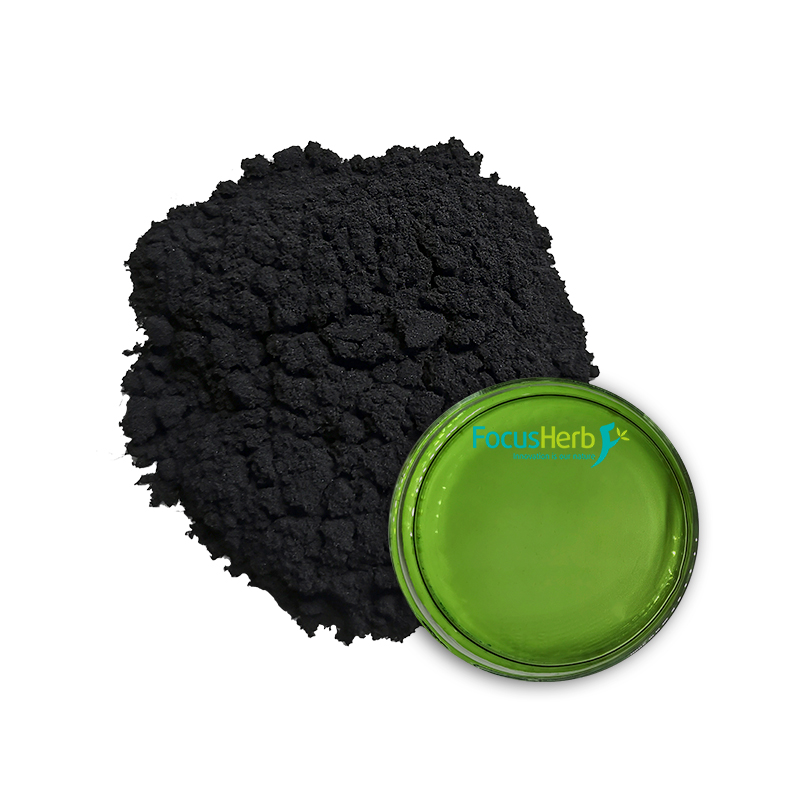
After the reaction is complete, use a glass rod to place a small amount of the solution on filter paper. If the filter paper does not turn green, the salt is completely formed. Filter the filter residue, wash the crystals with 95% ethanol 2-3 times to remove residual impurities and solvent, and then dry at 60°C to obtain the finished product, sodium copper chlorophyllin, with a dark green luster.
Unique Properties and Charms
Appearance and Form
Sodium copper chlorophyllin typically appears as a dark green powder with a fine texture. When you gently rub it in your hands, you’ll experience a delicate touch, as if you were touching the essence of nature. Microscopically, its powder particles are uniform. Under a microscope, these particles resemble tiny green crystals, arranged in an orderly pattern and emitting a unique luster. This dark green appearance is its distinctive hallmark as a green pigment, imparting a natural, refreshing green hue to products, evoking vibrant greenery.
Solubility and Solution Properties
Sodium copper chlorophyllin has excellent water solubility, making it widely used in industries such as food and beverages. When added to water, it dissolves rapidly, forming a clear, blue-green solution. This solution is extremely transparent, resembling a clear lake, and reflects a beautiful green glow when exposed to light. Furthermore, it disperses very well in solution, without precipitation or stratification, providing a uniform color throughout the entire system. In addition to water, it is soluble in organic solvents such as ethanol, but is virtually insoluble in oils and petroleum ether. Sodium copper chlorophyllin also performs well in products that require alcohol as a solvent, adding a unique color.
Stability Challenges and Responses
Although sodium copper chlorophyllin has significantly improved stability compared to natural chlorophyll, it still faces some stability challenges. Under light conditions, especially prolonged exposure to strong light, the color of sodium copper chlorophyllin gradually fades. This is because light triggers changes in its molecular structure, causing the pigment to decompose. At high temperatures, such as above 110°C, it also decomposes, losing its original color and function. Furthermore, pH significantly affects the stability of sodium copper chlorophyllin. When the pH of the solution is below 6, the planar structure of sodium copper chlorophyllin molecules tends to aggregate in acidic conditions, resulting in a powdery precipitate at the bottom of the solution, which affects its effectiveness. To address these stability issues, several measures are often implemented in practical applications. During food processing, we will try our best to avoid exposing the product to strong light and high temperature for a long time; for foods with strong acidity, we will adjust the formula or add stabilizers to maintain the stability of sodium copper chlorophyllin to ensure that it can play a good coloring role in the product.
Wide Range of ApplicationsThe Green Magic of the Food Industry
In the food industry, sodium copper chlorophyllin acts like a magical sorcerer, adorning a wide range of foods with a refreshing, natural green hue. Its applications are extremely broad in the beverage sector. For example, adding an appropriate amount of sodium copper chlorophyllin to refreshing and delicious fruit juices creates a natural green hue, reminiscent of freshly picked fruit, enhancing the drink’s visual appeal and seeming to embody the vibrant energy of spring. It also provides excellent coloring in carbonated beverages, adding a unique green hue to otherwise clear drinks, making them stand out on the shelf and attracting consumers’ attention.
Sodium copper chlorophyllin also performs exceptionally well in baked goods. For example, adding sodium copper chlorophyllin to matcha cake during production imparts a vibrant, natural green hue, making the cake even more appealing. Furthermore, it does not affect the taste or texture of the cake itself, allowing consumers to savor the delicious flavor while enjoying the refreshing aroma of nature. For bread, adding sodium copper chlorophyllin can create green whole-wheat bread, enriching its color and enhancing consumers’ appreciation for healthy food while enjoying its delicious flavor.
Sodium copper chlorophyllin also contributes significantly to the candy and chocolate industries. When creating green candies, it provides a stable and vibrant green color, making them more appealing. Adding sodium copper chlorophyllin to chocolate creates unique green chocolate, offering consumers a fresh taste and visual experience. Whether in hard candies, soft candies, or chewing gum, sodium copper chlorophyllin adds a unique color appeal to candies, satisfying consumers’ demand for diverse and personalized foods.
Health Benefits in the Medical Field
Sodium copper chlorophyllin has also demonstrated unique value in the medical field. It has significant efficacy in treating hepatitis, promoting liver cell repair and regeneration and enhancing the liver’s detoxification function. Studies have shown that sodium copper chlorophyllin can inhibit the expression of inflammatory factors in the liver, reducing inflammatory responses, and thus helping to improve the condition of hepatitis patients. In clinical practice, many hepatitis patients have seen significant improvement in liver function after taking medications containing sodium copper chlorophyllin, with transaminase and other indicators gradually returning to normal.
Sodium copper chlorophyllin can also be used as a hematopoietic cell complex for the adjunctive treatment of leukopenia. Animal experiments have demonstrated that it can improve peripheral blood counts of mice with radiation-induced aplastic anemia, including red blood cells, hemoglobin, blood cells, and platelets, and significantly promotes the recovery of pluripotent stem cells, granulocytes, erythroid progenitor cells, and bone marrow stromal cells in the mice’s bone marrow. This is because sodium copper chlorophyllin regulates the proliferation and differentiation of hematopoietic stem cells, promoting the recovery of bone marrow hematopoietic function, thereby increasing white blood cell production and boosting immunity. In practical applications, sodium copper chlorophyllin can be used as an adjunctive therapy for patients with leukopenia caused by chemotherapy, radiotherapy, and other conditions, helping to alleviate symptoms and improve quality of life.
Beauty Secrets in the Cosmetics Industry
In the cosmetics industry, sodium copper chlorophyllin, due to its unique properties, has become a key ingredient in numerous products. In skincare products, it’s often added to facial masks and lotions. Because of its antioxidant and free radical scavenging properties, sodium copper chlorophyllin helps protect the skin from environmental damage and slows aging. Adding sodium copper chlorophyllin to facial masks can provide ample nutrients and moisture, making it smoother, more supple, and more elastic. Adding it to lotions can enhance the moisturizing effect while also improving skin tone and leaving it with a healthy glow.
Sodium copper chlorophyllin also plays a vital role in cosmetics. It can be used to create green eyeshadow, blush, and other colors, adding a unique touch. Compared to other synthetic pigments, sodium copper chlorophyllin is more natural, safer, and non-irritating to the skin. Furthermore, its natural green color creates a fresher, more natural look, meeting the current consumer demand for a healthy, natural look. Adding an appropriate amount of sodium copper chlorophyllin to lipstick can create a unique green lipstick, satisfying the needs of consumers seeking individuality and fashion, bringing more innovation and possibilities to the cosmetics market.
In-Depth Safety Analysis
Safety Assurance Under Normal Use
At normal dosages, sodium copper chlorophyllin is highly safe for the human body. my country’s national food safety standard, “Standard for the Use of Food Additives” (GB 2760-2014), clearly defines the scope and maximum usage of sodium copper chlorophyllin in food. The maximum usage limit is 0.5g/kg in pastries, 0.5g/kg in fruit and vegetable juice (and meat) beverages, and 0.5g/kg in blended alcoholic beverages. As long as food manufacturers strictly adhere to these standards, sodium copper chlorophyllin can effectively ensure consumer safety. Numerous scientific studies have also provided strong support for the safety of sodium copper chlorophyllin. Studies have shown that within normal intake levels, sodium copper chlorophyllin does not accumulate in the human body and does not cause significant toxic effects on vital organs such as the liver and kidneys. It undergoes a series of metabolic processes in the body and is ultimately excreted, without adverse effects on human physiological functions.
Potential Risks of Excessive Intake
Although sodium copper chlorophyllin is safe at normal doses, excessive intake may pose some potential risks. Because sodium copper chlorophyllin contains copper, excessive intake can lead to excessive copper levels in the body, causing symptoms of copper overload. These symptoms include nausea, vomiting, diarrhea, and liver damage. When excessive sodium copper chlorophyllin is consumed, intestinal absorption of copper increases, exceeding the liver and other organs’ ability to metabolize and excrete it. This leads to copper accumulation in the body, potentially damaging the liver and other organs. Some people may experience allergic reactions to sodium copper chlorophyllin. After contact with or ingesting products containing sodium copper chlorophyllin, they may experience allergic symptoms such as itching, redness, swelling, and rashes. In severe cases, they may even experience difficulty breathing. People with specific health conditions, such as those allergic to artificial pigments, should exercise extreme caution when using products containing sodium copper chlorophyllin to avoid potential harm from allergic reactions. Therefore, both food manufacturers and consumers should strictly follow regulations when using and consuming sodium copper chlorophyllin to ensure its safety.
Future Outlook
Sodium copper chlorophyllin, a natural, multifunctional substance, has demonstrated unique value and broad application prospects in the fields of food, medicine, and cosmetics. With the continuous advancement of science and technology and growing awareness of health and environmental protection, sodium copper chlorophyllin is expected to achieve breakthroughs and innovative applications in even more areas.
In the food industry, beyond its existing applications, as consumers increasingly demand personalized and customized foods, sodium copper chlorophyllin can be further expanded into coloring specialty and high-end foods. For example, in some high-end customized chocolates and desserts, the unique color and natural properties of sodium copper chlorophyllin can be leveraged to create unique selling points, satisfying consumers’ demand for high-quality food. Furthermore, with the continuous innovation of food processing technology, such as the development of emerging technologies like 3D food printing, sodium copper chlorophyllin can better adapt to these new technologies, providing more possibilities for food design and color.
In the pharmaceutical field, as research into the medicinal value of sodium copper chlorophyllin continues to deepen, it is expected that more therapeutic drugs for specific diseases will be developed. For example, further exploration of its mechanisms of action in antioxidant, anti-inflammatory, and anti-tumor applications could lead to the development of new anticancer and anti-inflammatory drugs. Furthermore, in the nutritional supplement sector, sodium copper chlorophyllin can serve as a key active ingredient in products with benefits such as immunity enhancement, sleep improvement, and fatigue relief, meeting people’s growing health and wellness needs.
In the cosmetics industry, as demand for natural and safe cosmetics continues to grow, sodium copper chlorophyllin, as a natural pigment and active ingredient, will have even greater market potential. In the future, more high-end skincare and makeup products containing sodium copper chlorophyllin, such as green primers and foundations, could be developed. This would not only add a unique color to the products but also leverage its antioxidant and other benefits to provide enhanced skin care.
Beyond these traditional applications, sodium copper chlorophyllin has also demonstrated potential in emerging fields. In agriculture, sodium copper chlorophyllin can be used as a plant growth regulator to promote photosynthesis and improve crop yield and quality. In the environmental protection field, sodium copper chlorophyllin can be used in wastewater treatment, utilizing its adsorption and degradation of certain pollutants to purify water. In materials science, sodium copper chlorophyllin can be used as a functional additive to prepare materials with specialized properties, such as optoelectronic devices and sensors.
As a substance with unique appeal and broad application prospects, sodium copper chlorophyllin will continue to expand its application areas in the future, bringing more surprises and conveniences to people’s lives. We have reason to believe that, driven by science and technology, sodium copper chlorophyllin will play an even more important role in various fields, becoming a vital force driving industrial development and social progress.
Purple Sweet Potato Color , a unique root vegetable, often have a deep purple skin, resembling a delicate application of paint by nature. They are often long, spindle-shaped, and while not smooth, possess a rustic texture. Cutting open a Purple Sweet Potato Color reveals an equally vibrant purple flesh within. The flesh is delicate, firm, and exudes a delicate fragrance, sparking curiosity about the source of its unique color. This mysterious purple color is due to anthocyanins, a natural pigment abundant in Purple Sweet Potato Color. Like a magical painter, these pigments imbue the Purple Sweet Potato Color with its distinctive hue.
Anthocyanins: The “Secret Weapon” of Purple Sweet Potato Color
Powerful Antioxidant Potency
Anthocyanins are a class of water-soluble natural pigments found widely in plants, and the anthocyanins found in Purple Sweet Potato Color are a prime example. They possess remarkable antioxidant power, acting like a valiant guardian, constantly protecting our bodies. During the human body’s metabolic process, free radicals are constantly produced. These extremely active free radicals, like a swarm of rampaging “troublemakers,” can attack cells, disrupting their structure and function, leading to cell damage and aging. The anthocyanins in Purple Sweet Potato Color, like precise “missiles,” quickly bind to these free radicals and neutralize them, effectively reducing free radical damage to cells and slowing the aging process. For example, as we age, the collagen in our skin gradually degrades, causing it to become loose and wrinkled. The antioxidant effects of anthocyanins can slow this loss, maintaining skin’s elasticity and radiance for a more youthful appearance. They also protect various organs in the body, keeping them functioning properly and contributing to better health.
Diverse Health Benefits
Anthocyanins have a multifaceted positive impact on human health. When it comes to preventing cardiovascular disease, they act like a caring “health steward.” Studies have shown that regularly consuming foods rich in anthocyanins can significantly reduce the risk of cardiovascular disease. This is because anthocyanins can enhance the elasticity of blood vessel walls, making them stronger and less prone to rupture. They can also lower blood cholesterol levels and reduce cholesterol deposition on blood vessel walls, thereby effectively preventing the formation of atherosclerosis. A long-term follow-up study of a large population showed that those with a higher intake of anthocyanins in their daily diet had a significantly lower risk of coronary heart disease than those with a lower intake. Anthocyanins can be considered the “guardian” of the eyes when it comes to improving vision. For modern people who frequently use electronic devices for extended periods, eye fatigue, dryness, and even vision loss can occur. Anthocyanins can promote the regeneration of rhodopsin in retinal cells, a substance crucial for vision. Its increased production increases light sensitivity, enhances vision, and relieves eye fatigue and discomfort. Studies examining individuals with poor vision have found that supplementing with anthocyanins significantly improved their vision and alleviated symptoms of eye fatigue. The anthocyanins in purple sweet potatoes, with their unique health benefits, offer valuable health benefits.
A Journey to Extracting Natural Pigments from Purple Sweet Potato Color
A Comprehensive Review of Common Extraction Methods
There are currently several methods for extracting natural pigments from Purple Sweet Potato Color, each with its own unique principles and procedures.
Organic solvent extraction is a relatively common method. It utilizes the principle of like dissolves like. Most factories use organic solvents such as methanol, ethanol, acetone, or mixtures of these as solvents. Imagine the anthocyanins in Purple Sweet Potato Color as a group of “little guests,” and the organic solvent as their preferred “home.” When the Purple Sweet Potato Color is mixed with the organic solvent, the anthocyanins dissolve into the solvent. Adjusting the pH of the solution facilitates the extraction of the anthocyanins from the Purple Sweet Potato Color. To extract the anthocyanins, the Purple Sweet Potato Color is first pre-treated, such as washing, peeling, slicing, or crushing. Then, it is mixed with the selected organic solvent in a specific proportion. Stirring or shaking at an appropriate temperature and time allows for full contact between the two. The anthocyanin-containing solution is then separated by filtration or centrifugation. The aqueous solution extraction method typically involves soaking the Purple Sweet Potato Color raw material in polar hot water at elevated temperature and normal pressure, or even directly at elevated pressure, to extract the anthocyanin-rich raw material. This process is similar to brewing tea, where hot water “infuses” the anthocyanins from the Purple Sweet Potato Color. After soaking, the material is then adsorbed under high pressure using a porous polyester resin material with high polarity and very low pressure. Alternatively, the material is directly extracted using polar deoxygenated water or hot water at atmospheric pressure. Ultrafiltration or reactive permeation is then used, followed by concentration at elevated temperatures, to obtain a crude extract. This method is relatively simple and does not require the use of toxic or hazardous organic solvents.
Ultrasound-assisted extraction utilizes the unique properties of ultrasound. Ultrasound is a high-frequency oscillating mechanical wave that generates pressure waves and shear forces when propagating through a liquid. When the Purple Sweet Potato Color is mixed with the extraction solvent, the pressure waves and shear forces act upon the Purple Sweet Potato Color cells under the action of ultrasound, disrupting their cell walls and membranes. This allows the anthocyanins within the cells to be more easily released into the solvent, accelerating the dissolution and diffusion of the extract. During laboratory processing, the processed Purple Sweet Potato Color and the extraction solvent are placed in an ultrasonic cleaner or specialized ultrasonic extraction equipment. Appropriate parameters such as ultrasonic power, frequency, extraction time, and temperature are set. After a period of treatment, the extract is then subjected to subsequent separation and concentration.
Enzymatic extraction utilizes the catalytic action of enzymes to disrupt the structure of Purple Sweet Potato Color cells. Enzymes such as cellulase and pectinase specifically break down cellulose, pectin, and other components in the cell walls and membranes of Purple Sweet Potato Color. This is like using a pair of “small scissors” to precisely cut through the “constraints” of the cell structure, facilitating the release of anthocyanins from the cells. During the extraction process, the Purple Sweet Potato Color is first crushed to an appropriate particle size. Then, the appropriate amount of enzyme and buffer are added. The pH and temperature are adjusted to allow the enzyme to function in a suitable environment. After a period of enzymatic hydrolysis, the reaction solution is further processed to extract the anthocyanins.
Analysis of the Advantages and Disadvantages of Each Method
Different extraction methods have their own advantages and limitations in terms of extraction yield, cost, environmental impact, and product impact. The organic solvent extraction method works relatively simply, and the performance requirements for production equipment are relatively low, making it easy to implement in some small production enterprises. However, this method has significant drawbacks. Most organic solvents have toxic side effects. Improper handling during the production process can easily harm the health of operators. Furthermore, improper disposal of used organic solvents can pollute the environment. Its organic product extraction yield is generally low, meaning more raw material is required to obtain the same amount of anthocyanins. The crude and refined extracts of Purple Sweet Potato Color anthocyanin pigments obtained using this method typically contain significant amounts of chemical impurities such as starch, reducing agents, and sugars. This makes it difficult to convert the anthocyanins into a white powder after drying, and the extracted anthocyanins are difficult to refrigerate and store, significantly affecting the chemical quality and properties of the product, often requiring complex subsequent purification.
The greatest advantage of the aqueous solution extraction method is its safety and environmental protection. The entire process does not use toxic or hazardous organic solvents, thus avoiding the environmental pollution and health risks associated with organic solvents. Furthermore, water is a cheap and readily available solvent with a low cost. However, this method also has drawbacks. The extraction process requires high temperatures or pressures, which imposes certain equipment requirements, potentially requiring specialized heating or pressurizing equipment, increasing equipment costs. Extraction under high temperature conditions may disrupt the structure of some anthocyanins, affecting their stability and activity, and thus reducing product quality. The resulting crude extract contains numerous impurities, making subsequent separation and purification more complex and increasing production costs.
Ultrasound-assisted extraction offers significant advantages, enabling rapid and efficient extraction of anthocyanins. Ultrasound quickly disrupts the cell structure of purple sweet potatoes, allowing for rapid release of anthocyanins, significantly shortening extraction time and improving production efficiency. This method offers relatively high extraction yields, fully utilizing the anthocyanin resources in Purple Sweet Potato Color. The process is also relatively simple, requiring only ultrasonic equipment. However, this method has certain equipment requirements, requiring specialized ultrasonic equipment, which can be expensive to purchase. Ultrasonic parameters such as power and frequency significantly influence the extraction process. Improper settings can result in reduced extraction yields and even damage to the anthocyanin structure. Furthermore, research on ultrasound-assisted extraction is still incomplete, and large-scale industrial application still faces technical challenges. Enzymatic extraction is environmentally friendly. Enzymes are biocatalysts that function under mild conditions, produce no harmful substances, and are environmentally friendly. They possess high selectivity, specifically breaking down the cellular structure of Purple Sweet Potato Color, reducing the release of impurities, facilitating subsequent separation and purification, and improving product purity. However, the relatively high price of enzymes increases extraction costs, which to some extent limits the large-scale application of this method. Enzyme activity is easily affected by factors such as temperature and pH. Improper control of reaction conditions can reduce or even inactivate enzyme activity, resulting in poor extraction results. Enzymatic hydrolysis reactions typically take a long time, which also affects production efficiency. Different extraction methods have their own advantages and disadvantages. In practical applications, it is necessary to comprehensively consider various factors based on specific needs and conditions to select the most appropriate extraction method to achieve efficient and green extraction of natural Purple Sweet Potato Color pigments.
The Stability Secret of Purple Sweet Potato Color Natural Pigment
(I) Influence of Environmental Factors
Anthocyanins, the natural pigments in Purple Sweet Potato Color, possess unique charm, but their stability is affected by a variety of environmental factors.
Acidity significantly influences the stability of Purple Sweet Potato Color anthocyanins. Anthocyanins act as acid-base indicators, exhibiting distinct changes in structure and color under varying pH conditions. Under acidic conditions, anthocyanins maintain a relatively stable structure, exhibiting a vibrant red or purple color. Purple Sweet Potato Color anthocyanins maintain a vibrant red color when the solution’s pH ranges from 1 to 4. This is because the acidic environment favors the formation of a stable pyranose cation structure, acting as a protective barrier for the anthocyanins, allowing them to maintain their original color and chemical properties. However, when the environment becomes increasingly alkaline, the anthocyanin’s structure changes, transforming into a quinone anion. Its color also gradually darkens, from purple to blue, or even dark blue. This is like breaking the anthocyanin’s “stability barrier,” severely impacting its stability. Improper pH control during food processing and storage can lead to undesirable color changes in the product.
Light is also a significant factor affecting the stability of Purple Sweet Potato Color anthocyanins. Prolonged exposure to light, especially high-energy light like ultraviolet light, causes anthocyanin molecules to absorb energy and undergo photochemical reactions. High-energy particles in sunlight constantly collide with anthocyanin molecules, gradually destroying their structure and causing the color to gradually fade, or even fade. A study comparing solutions containing Purple Sweet Potato Color anthocyanins in light and dark conditions found that after a period of time, the light-exposed solution significantly lighter in color and significantly reduced its anthocyanin content. However, the dark-protected solution retained its original color and anthocyanin content. This clearly demonstrates the negative impact of light on the stability of Purple Sweet Potato Color anthocyanins. Temperature fluctuations also affect the stability of Purple Sweet Potato Color anthocyanins. Within a relatively low temperature range, such as 5-60°C, Purple Sweet Potato Color anthocyanins are relatively stable, with their structure and properties remaining stable. However, as the temperature rises, the thermal motion of anthocyanin molecules intensifies, altering intermolecular interactions and causing their structure to gradually become unstable. At excessively high temperatures, anthocyanins may degrade, breaking down into other substances and losing their original color and efficacy. During high-temperature cooking, if the temperature is not properly controlled, significant anthocyanin loss can occur. This is why it is important to carefully control the temperature and cooking time to minimize anthocyanin loss.
Oxidants and reducing agents also affect the stability of Purple Sweet Potato Color anthocyanins. Oxidants have strong oxidizing properties and can remove electrons from anthocyanin molecules, causing oxidation reactions that disrupt the anthocyanin structure and reduce its stability. Excessive reducing effects can also affect the structure of anthocyanins, reducing their stability. If additives containing oxidizing or reducing agents are used during food processing, their impact on the stability of Purple Sweet Potato Color anthocyanins must be carefully considered to avoid adverse effects on product quality. Metal ions such as Fe⁺, Cu⁺, Zn⁺, Ca⁺, and Ag⁺ can also affect the stability of Purple Sweet Potato Color pigments, causing varying degrees of decrease in absorbance. Naturally colored metal ions such as Fe⁺ and Cu⁺ significantly interfere with the color of Purple Sweet Potato Color pigments, and the degree of color change is significant with increasing concentration.
Countermeasures to Maintain Stability
During food processing and storage, a series of effective measures are necessary to maintain the stability of natural Purple Sweet Potato Color pigments.
Controlling processing and storage conditions is key. During processing, high temperatures and prolonged heating should be avoided as much as possible. Appropriate processing methods, such as low-temperature baking and freeze-drying, should be selected to minimize the damage to anthocyanins caused by temperature. During storage, products containing natural Purple Sweet Potato Color pigments should be stored in a dark, cool, and dry environment to avoid the effects of light and high temperatures on their stability. Dark packaging materials, such as brown glass bottles or black plastic bags, can be used to block light exposure. Storing the product in a low-temperature environment, such as the refrigerator, can also effectively extend its shelf life and maintain the stability of the pigment.
Adding protective agents is also an effective method. Antioxidants, such as vitamin C and vitamin E, can be added. These can donate electrons and react with oxidants, thereby protecting anthocyanins from oxidation. Vitamin C has a strong reducing property and preferentially binds to oxidants, consuming them in the environment and creating a relatively stable environment for anthocyanins. Acidic substances, such as citric acid and tartaric acid, can also be added to adjust the pH of the solution to keep it within the acidic range, which promotes the stability of anthocyanins. Some Purple Sweet Potato Color beverages contain an appropriate amount of citric acid, which not only adjusts the taste but also enhances the stability of the Purple Sweet Potato Color anthocyanins. Microencapsulation technology can also be used to encapsulate Purple Sweet Potato Color anthocyanins, forming tiny capsules to reduce the impact of external environmental factors. These strategies can effectively improve the stability of natural Purple Sweet Potato Color pigments, enabling them to perform better in applications such as food and cosmetics.
Wide Applications of Natural Colors
The Colorful Magic of the Food Industry
In the food industry, natural Purple Sweet Potato Color pigments, like a magical “magician,” play a vital role. They imbue a variety of foods with vibrant colors while enhancing their flavor and quality.
In the beverage industry, Purple Sweet Potato Color pigments are widely used in various fruit juices, teas, and functional beverages. Purple Sweet Potato Color juice beverages made from Purple Sweet Potato Color not only retain the rich nutrients found in Purple Sweet Potato Color, such as dietary fiber, vitamins, and minerals, but also boast a vibrant purple color due to the purple potato pigment, creating a strong visual impact. While enjoying the delicious flavor, people feel as if they are transported to a purple fantasy world. In some mixed juice drinks, Purple Sweet Potato Color pigments are combined with the colors of other fruits to create unique and alluring color combinations. For example, the combination of Purple Sweet Potato Color and mango creates a blend of purple and yellow, enriching the taste and enhancing the visual appeal, offering consumers a brand new drinking experience. Purple Sweet Potato Color pigment also proves useful in baked goods. Adding Purple Sweet Potato Color pigment to bread creates a unique purple hue, making it more appealing to consumers than regular bread. Purple Sweet Potato Color pigment also adds a subtle Purple Sweet Potato Color aroma, enriching the flavor. In cakes, whether chiffon cake, sponge cake, or mousse cake, Purple Sweet Potato Color pigment can exert its unique coloring properties, enhancing the appearance of the cake. Some creative bakeries use Purple Sweet Potato Color pigment to create purple cake bases, pairing them with white cream and fresh fruit. The harmonious color combination and rich taste have become popular with consumers. In biscuits, Purple Sweet Potato Color pigment can also make biscuits stand out, giving them a unique color and flavor, satisfying consumers’ demand for diverse foods.
The confectionery industry also relies on Purple Sweet Potato Color pigment for embellishment. Purple Sweet Potato Color pigment can be used in confectionery products such as hard candies, soft candies, and chewing gum, giving candies a vibrant purple hue and enhancing their appeal. For health-conscious consumers, candies containing natural Purple Sweet Potato Color pigment are more appealing because it is safer and healthier than synthetic pigments. Some children’s candies have also begun using Purple Sweet Potato Color pigment. Its vibrant color and natural properties satisfy children’s love of color while also providing parents with peace of mind.
Purple Sweet Potato Color pigment also plays a significant role in frozen beverages. In products like ice cream, popsicles, and popsicles, Purple Sweet Potato Color pigment imparts a distinctive purple hue, bringing a touch of coolness and a dreamy feel to hot summer days. Purple Sweet Potato Color pigment can also be combined with other flavors to create a rich and diverse taste. For example, Purple Sweet Potato Color-flavored ice cream, which combines the sweetness of Purple Sweet Potato Color with the smoothness of ice cream, is a popular choice among consumers. Some high-end ice cream brands combine Purple Sweet Potato Color pigment with high-quality ingredients like cream and milk to create rich, high-quality Purple Sweet Potato Color ice cream, satisfying consumer demand for high-quality frozen drinks. With its unique color and natural, healthy properties, Purple Sweet Potato Color pigment has brought a rich and diverse range of innovations to the food industry, satisfying consumers’ desire for food with a vibrant color, aroma, and flavor.
Unique Appeal in Other Sectors
In addition to its widespread application in the food industry, Purple Sweet Potato Color pigment has also demonstrated its unique appeal in pharmaceuticals and cosmetics. In the pharmaceutical industry, Purple Sweet Potato Color pigment can be used as a natural colorant. Many medications require the addition of appropriate colorants to facilitate patient identification and administration. Purple Sweet Potato Color pigment, due to its natural and safe properties, is an ideal choice for pharmaceutical coloring. Some oral solutions, capsules, and tablets are added with Purple Sweet Potato Color pigment to alter the drug’s appearance. In some children’s medications, using Purple Sweet Potato Color pigment to color the medication purple not only increases its recognition but also makes it easier for children to accept and improve medication compliance. Purple Sweet Potato Color pigment also has medicinal value. Ingredients such as anthocyanins it contains have antioxidant and anti-inflammatory properties. When combined with other ingredients in medications, they may play a supporting role in the treatment of diseases.
In the cosmetics industry, Purple Sweet Potato Color pigment is also highly sought after. It can be added as a natural colorant to various cosmetics, such as lipstick, eye shadow, blush, and nail polish. Compared to traditional synthetic pigments, Purple Sweet Potato Color pigment is safer and milder, less irritating to the skin, and more suitable for those with sensitive skin. Adding Purple Sweet Potato Color pigment to lipstick creates a natural purple hue, satisfying consumers’ desire for a variety of lip colors. Lipstick made with this natural pigment also moisturizes the lips, thanks to the nutrients in Purple Sweet Potato Color. In eyeshadow and blush, Purple Sweet Potato Color pigment can create unique purple-themed looks, offering consumers a new makeup experience. Adding Purple Sweet Potato Color pigment to nail polish creates a captivating purple luster, enhancing nail beauty. Purple Sweet Potato Color pigment also has skin-care benefits due to its antioxidant and moisturizing properties, helping to maintain healthy skin. Due to its natural, safe, and versatile properties, Purple Sweet Potato Color pigment plays an important role in the pharmaceutical and cosmetic industries, injecting new vitality into these fields.
The Future of Purple Sweet Potato Color Natural Pigments
Looking ahead, Purple Sweet Potato Color natural pigments offer exciting prospects in many areas.
In terms of extraction technology innovation, with the continuous advancement of science and technology, more efficient, environmentally friendly, and low-cost extraction techniques will continue to emerge. Researchers may further optimize existing extraction methods and combine multiple techniques to create synergistic effects, thereby increasing the extraction rate and purity of Purple Sweet Potato Color anthocyanins. Ultrasound-assisted extraction can be combined with enzymatic extraction, using ultrasound to partially disrupt the structure of Purple Sweet Potato Color cells, allowing enzymes to more easily access intracellular substances, thereby enhancing enzymatic hydrolysis and further increasing the release rate of anthocyanins. New extraction technologies may also be developed, such as improved supercritical fluid extraction techniques, which leverage the unique physical properties of supercritical fluids to achieve more precise and efficient extraction and reduce environmental impact.
Purple Sweet Potato Color natural pigments have broad potential for expansion in application areas. In the food industry, beyond existing applications, they may play a role in a wider range of new food products. In customized foods, Purple Sweet Potato Color natural pigments can be added to tailor them to consumers’ health needs and taste preferences, creating uniquely delicious and healthy products. As people’s awareness of intestinal health continues to grow, Purple Sweet Potato Color pigments may be used in functional probiotic foods, not only adding color but also synergizing with probiotics to promote intestinal health. In the pharmaceutical field, beyond its use as a colorant, the medicinal value of Purple Sweet Potato Color pigments may be further explored and applied, leading to the development of more health supplements or medicines using Purple Sweet Potato Color anthocyanins as a primary ingredient to prevent and treat a wider range of diseases. In the cosmetics field, with the increasing demand for natural and safe cosmetics, Purple Sweet Potato Color pigments will have more opportunities to be used in various high-end cosmetics, enabling the development of cosmetics with diverse benefits such as antioxidants, moisturizing, and whitening, satisfying consumers’ dual pursuit of beauty and health.
Purple Sweet Potato Color pigments will also usher in new opportunities in market development. As consumer health awareness continues to rise, demand for natural, safe, and healthy foods and consumer products continues to grow. As a natural pigment, Purple Sweet Potato Color pigments hold broad market prospects. More and more consumers are willing to pay higher prices for products containing natural pigments, which will drive the continued expansion of the Purple Sweet Potato Color pigment market. With the continuous improvement of Purple Sweet Potato Color cultivation technology and the expansion of cultivated areas, Purple Sweet Potato Color production will continue to increase, providing more raw materials for the production of Purple Sweet Potato Color natural pigments, reducing production costs and further enhancing their market competitiveness. Purple Sweet Potato Color natural pigments are expected to achieve greater breakthroughs and developments in various fields in the future, bringing more color and health to people’s lives.
Phycocyanin, a unique and captivating color in nature’s palette, stands out from algae like Spirulina and Arthrospira. Its deep, pure blue color makes it a leader among natural pigments. It not only adds vibrant color to our world but also possesses rich nutritional value and broad application potential.
Phycocyanin, a natural pigment extracted from algae such as cyanobacteria, red algae, and cryptophytes, appears as a deep blue powder. It is a protein-bound pigment and, therefore, exhibits properties similar to proteins, with an isoelectric point of 3.4. It is soluble in water but insoluble in alcohol and oil. It is relatively stable in weakly acidic and neutral environments (pH 4.5-8), but precipitates in highly acidic environments (pH 4.2) and discolors in the presence of strong bases. Its unique chemical structure makes it potentially applicable in a wide range of applications, including food, medicine, and cosmetics.
In nature, phycocyanin is primarily found in algae such as cyanobacteria, red algae, and cryptophytes. Phycocyanin plays a crucial role within the cells of these algae. As an accessory pigment in photosynthesis, it absorbs orange-yellow light and transfers that energy to chlorophyll, contributing to photosynthesis and playing an indispensable role in algal growth, development, and reproduction. For example, the abundant phycocyanin content in spirulina gives it its distinctive blue-green color. It is precisely because of this phycocyanin that spirulina is able to efficiently utilize light energy for photosynthesis and sustain its life.
Phycocyanin appears as a fine, uniform, deep blue powder. When dissolved in water, it forms a clear, vibrant blue solution. This shade of blue, reminiscent of the deep ocean and the clear sky, creates a sense of tranquility and profoundness. Its aqueous solution also exhibits a faint red fluorescence under certain wavelengths of light, adding a touch of mystery to the color. It has excellent solubility, readily soluble in water but insoluble in alcohol and oil. This property allows it to function effectively in aqueous systems, imparting a distinctive blue color to products such as foods and beverages.
Chemical Properties
From a chemical perspective, phycocyanin is composed of an apoprotein tightly bound to phycocyanin via a thioether bond. This unique structure endows it with numerous biological functions. In terms of stability, phycocyanin is relatively stable in weakly acidic and neutral environments (pH 4.5-8), maintaining its structural and functional integrity. However, in more acidic environments (pH 4.2), it precipitates. This is because the charge distribution of the protein changes under acidic conditions, leading to enhanced intermolecular interactions and aggregation and precipitation. Phycocyanin decolorizes when exposed to strong bases, which destroy the chromophores in its molecular structure, causing it to lose its original blue color. Phycocyanin also exhibits some instability under the influence of light and temperature. Prolonged exposure to light or high temperatures accelerates its degradation, causing its color to gradually fade and its biological activity to decrease.
Extraction Process: The Transformation from Algae to Essence
Traditional Extraction Methods
Traditional phycocyanin extraction methods, like a time-honored skill, have evolved and improved over the course of history, providing the foundation for obtaining this natural pigment.
Freeze-thaw cycles are a common traditional method. This method utilizes drastic temperature fluctuations to cause the water within algae cells to freeze and expand, disrupting the cell structure and releasing phycocyanin. In practice, algae samples containing phycocyanin are frozen to a low temperature, such as -20°C, and then thawed to room temperature repeatedly, typically three to five times. This method has the advantages of being relatively simple, requiring no specialized equipment, and being relatively cost-effective. However, its disadvantages are also significant: extraction efficiency is relatively low, the process is time-consuming, and the phycocyanin may be damaged to some extent during the freeze-thaw cycle, resulting in reduced biological activity.
Water extraction uses water as a solvent to dissolve phycocyanin from algae. The specific steps involve mixing the algae raw material with an appropriate amount of water, stirring or shaking at a certain temperature for a period of time to fully dissolve the phycocyanin in the water, and then separating the supernatant by centrifugation or filtration to obtain a crude extract containing phycocyanin. This method has the advantages of being safe, environmentally friendly, low-cost, and not introducing any other chemicals. However, it also has some disadvantages, such as long extraction time, relatively low extraction yield, and high impurities in the crude extract, requiring further purification.
The buffer method uses a specific buffer solution to extract phycocyanin. By adjusting the pH and ionic strength of the buffer, a suitable environment is created to promote the dissolution and release of phycocyanin. Commonly used buffers include phosphate buffer and Tris-HCl buffer. Compared with aqueous extraction, the buffer method can better maintain the stability of phycocyanin, improve extraction yield, and enhance purity. However, this method requires a certain amount of chemical reagents to prepare the buffer, which increases costs and the subsequent purification process is more complicated.
Modern Innovative Technologies
With the rapid advancement of science and technology, modern innovative technologies have brought new breakthroughs and revolutions to the extraction of phycocyanin, enabling us to obtain this precious natural pigment more efficiently and with higher quality.
Membrane separation technology, a separation method based on the principle of membrane selective permeability, plays an important role in the extraction of phycocyanin. Ultrafiltration membranes can separate phycocyanin from other impurities based on molecular size, retaining larger phycocyanin molecules while allowing smaller molecules and solvents to pass through. Nanofiltration membranes can further remove even smaller impurities and ions, thereby improving the purity of phycocyanin. The advantages of this technology include simple operation, low energy consumption, and no phase transition. It can be performed at room temperature, effectively avoiding the degradation of phycocyanin at high temperatures and maximizing its biological activity. Furthermore, membrane separation technology allows for continuous production, improving efficiency. However, membranes are expensive and prone to fouling during use, requiring regular cleaning and replacement, increasing production costs and maintenance complexity. Supercritical fluid extraction (SCFE) utilizes the exceptional solubility of supercritical fluids under specific conditions to extract phycocyanin. Carbon dioxide is a commonly used supercritical fluid. In its supercritical state, SCFE combines the advantages of a gas’s low viscosity and high diffusivity with the high density and strong solubility of a liquid. When SCFE comes into contact with algae, it rapidly penetrates the cells, dissolving the phycocyanin. The phycocyanin is then separated from the supercritical fluid by adjusting the temperature and pressure. This technique offers advantages such as high extraction efficiency and speed, and can be performed at relatively low temperatures, minimizing oxidation and degradation of the phycocyanin. Furthermore, SCFE is non-toxic, odorless, non-flammable, inexpensive, and environmentally friendly. However, SCFE requires specialized equipment, high investment costs, demanding operating conditions, and a high level of technical expertise.
Application Areas: The Multifaceted Miraculous Protein
Food Industry
In the food industry, phycocyanin is like a magical wizard, bringing unique colors and rich nutrition to a wide range of foods. It is an ideal natural food coloring, its pure blue color adding a refreshing and unique visual appeal to foods. Whether in beverages, dairy products, candies, or baked goods, phycocyanin can perform its excellent coloring function, satisfying consumers’ pursuit of aesthetically pleasing food. For example, some high-end ice cream brands cleverly use phycocyanin to impart a dreamy blue color, making it stand out from the crowd and attracting the attention of many consumers. Adding phycocyanin to juice drinks not only imparts a unique blue color but also blends with the color of the juice itself, creating novel and attractive color combinations that stimulate consumer purchases.
Phycocyanin also has nutritional benefits. Rich in essential amino acids, it is a high-quality source of protein, providing a rich nutritional base. Phycocyanin is used as a key nutrient in functional foods, such as sports nutrition products and children’s nutritional supplements. In sports nutrition products, phycocyanin can help athletes replenish protein lost after exercise and promote muscle repair and growth. In children’s nutritional supplements, phycocyanin can provide essential nutritional support for children’s growth and development, contributing to their healthy development.
Healthcare
In the healthcare field, phycocyanin has demonstrated tremendous potential, attracting the attention of numerous researchers like a shining star. Research has shown that phycocyanin possesses a variety of pharmacological activities and offers numerous benefits to human health.
Antioxidant properties are one of phycocyanin’s key properties. During human metabolism, a large number of free radicals are produced. These free radicals attack cells, causing cell damage and aging, which in turn can lead to various chronic diseases. Phycocyanin acts as a guardian, efficiently scavenging free radicals such as superoxide anions, hydrogen peroxide, and hydroxyl radicals in the body, reducing the damage caused by oxidative stress to cells. It also regulates the levels of antioxidant enzymes in the body, such as superoxide dismutase (SOD) and glutathione peroxidase (GSH-Px), further strengthening the body’s antioxidant defense system, thereby slowing the aging process and preventing the onset of chronic diseases such as cardiovascular disease and cancer.
Phycocyanin’s anti-cancer effects have also attracted considerable attention. Numerous experiments have shown that it can inhibit the growth and spread of various cancer cells, including lung, liver, and colon cancer. Phycocyanin primarily exerts its anti-cancer effects through the following mechanisms: inhibiting DNA synthesis and cell division in cancer cells, arresting them in the G0/G1 phase and preventing further proliferation; activating apoptosis, prompting cancer cell self-destruction and reducing tumor size; inhibiting the expression of tumor angiogenesis factors, thereby cutting off the tumor’s nutrient supply and preventing it from thriving; and stimulating the immune system, increasing the activity of lymphocytes and macrophages, and enhancing the body’s ability to kill cancer cells.
Phycocyanin also has significant anti-inflammatory properties. Inflammation is the body’s defensive response to external stimuli, but excessive inflammation can cause damage and trigger various inflammatory diseases. Phycocyanin, with its antioxidant and free radical scavenging abilities, can mitigate inflammation and protect tissues from damage. It also inhibits the release of inflammatory mediators, such as histamine, serotonin, and tumor necrosis factor, further reducing the severity of the inflammatory response and offering potential therapeutic benefits for inflammatory diseases such as arthritis and enteritis.
Phycocyanin also demonstrates excellent liver protection. The liver, a crucial metabolic organ and detoxification site, is susceptible to damage from various factors. Through its antioxidant and anti-inflammatory properties, phycocyanin can protect the liver from damage induced by chemicals, alcohol, and other factors, reducing liver cell necrosis and apoptosis. It can also promote liver cell regeneration and repair, restoring normal liver function.
Cosmetics
In the cosmetics field, phycocyanin, due to its unique benefits, has become a favorite in numerous skincare and makeup products, providing comprehensive skin care. In skincare products, phycocyanin’s antioxidant and anti-inflammatory properties make it an ideal ingredient. It neutralizes free radicals and protects skin cells from oxidative damage, thereby slowing the aging process, reducing the appearance of wrinkles and fine lines, and maintaining skin’s firmness and elasticity. For skin damaged by UV rays, phycocyanin can reduce inflammation, alleviate symptoms such as redness, swelling, and pain, and promote skin repair and regeneration. Phycocyanin also moisturizes and repairs the skin. Rich in polysaccharides and amino acids, it possesses high moisturizing properties, providing long-lasting hydration and keeping it hydrated and soft. It also promotes cell regeneration and repair, accelerating the healing of damaged skin and showing a certain healing effect on skin damage such as sunburn, wounds, and scars.
In cosmetics, phycocyanin is primarily used as a natural pigment, imparting its distinctive blue color. Compared to traditional synthetic pigments, phycocyanin is safer, more natural, and less irritating to the skin, meeting consumers’ demand for healthy and natural cosmetics. The use of phycocyanin in some blue eyeshadows and lipsticks not only creates a beautiful blue hue but also provides skin with nutrients and protection.
Scientific Research Uses
In the field of scientific research, phycocyanin is like a magic key, opening new doors to numerous research areas and becoming an indispensable aid for researchers. It possesses unique fluorescence properties: when excited by light of a specific wavelength, it emits a strong red fluorescence. This property makes it widely used as a fluorescent probe in biological and chemical research. In cell labeling and detection, phycocyanin can bind to specific antibodies or other molecules and then be used to label antigens or other biomolecules on the cell surface. By detecting its fluorescent signal, researchers can clearly observe the morphology, structure, and function of cells and understand their physiological and pathological processes. In protein structure and function research, phycocyanin can be used as a marker to study the interactions between proteins and other molecules, revealing the relationship between protein structure and function.
Compared to other fluorescent probes, phycocyanin offers many advantages. It is a naturally occurring fluorescent substance, widely available, relatively easy to extract and purify, and relatively low in cost. Phycocyanin’s fluorescence signal is strong and stable, maintaining its intensity for extended periods, providing a strong guarantee for the accuracy and reliability of experimental results. It is also low in toxicity to biological samples and does not significantly affect the normal function of cells or biomolecules, making experimental results more reliable and credible.
Market Insights: Current Status and Future Development Trends
Market Size and Growth
The phycocyanin market is booming globally. According to QYResearch, global natural phycocyanin market sales reached $335 million in 2024 and are projected to reach $517 million in 2031, with a compound annual growth rate (CAGR) of 6.5% from 2025 to 2031. Another report on phycocyanin E18 indicates that its market size was approximately $210 million in 2024 and is projected to reach $398 million in 2031, with a CAGR of 9.8% from 2025 to 2031. This growth is driven by strong consumer demand for healthy and natural products. As living standards improve, demands for the safety and naturalness of food, cosmetics, and other products are becoming increasingly stringent. As a natural pigment and functional ingredient, phycocyanin perfectly aligns with this consumer trend. In the food industry, more and more consumers are opting for foods that use natural pigments. Phycocyanin, due to its unique blue color and natural properties, is widely used in coloring beverages, dairy products, candy, and other foods, resulting in growing market demand.
Competitive Landscape
Currently, the global phycocyanin market is experiencing a diversified competitive landscape, with numerous companies demonstrating their expertise in this field. Japan’s DIC Corporation, leveraging its advanced technology and established market channels, holds a significant position in the phycocyanin market. India’s Parry Nutraceuticals also holds a significant market share, favoring some customers for its high cost-effectiveness. In China, Zhejiang Binmei Biotechnology Co., Ltd. has performed exceptionally well. As one of the earliest companies to enter the phycocyanin field, it not only broke the international monopoly on phycocyanin extraction technology but also participated in the formulation of the “National Food Safety Standard – Food Additives – Phycocyanin” and the “Technical Specifications for the Preparation of Spirulina Phycocyanin” group standards. Binmei Biotechnology’s innovative “low-temperature targeted cell wall disruption” technology, using water as the extraction medium, achieves precise cell wall disruption and efficient separation of phycocyanin, preserving its natural activity and nutritional value to the greatest extent possible. Xindaze Spirulina in Fuqing City is also a key player in the domestic phycocyanin market, boasting extensive experience in spirulina cultivation and phycocyanin extraction.
Future Trends
With the continued growth of health needs, phycocyanin’s application prospects in food, medicine, cosmetics, and other fields will expand. In the food sector, it will not only serve as a colorant but will also find increasing application in functional foods and special dietary foods due to its nutritional benefits. In the pharmaceutical field, with in-depth research on the pharmacological activities of phycocyanin, new phycocyanin-based drugs and health products are expected to emerge. Technological advances will also drive the development of the phycocyanin market. New extraction and purification technologies will continue to emerge, further improving the extraction efficiency and purity of phycocyanin and reducing production costs. Furthermore, through genetic engineering and other techniques, it is possible to cultivate algae varieties with higher phycocyanin content and better performance. As the market develops, the quality standards and regulatory system for phycocyanin will continue to improve, providing guarantees for the healthy development of the market.
The Infinite Possibilities of Phycocyanin
Phycocyanin, a gem of natural pigments, presents both challenges and opportunities in its extraction process with its unique physical and chemical properties. From traditional extraction methods to modern innovative technologies, each breakthrough brings us closer to the core of this blue essence. In its applications, phycocyanin has demonstrated extraordinary appeal, leaving a profound mark in diverse fields such as food, medicine, cosmetics, and scientific research, bringing numerous benefits to people’s lives.
Looking ahead, with the continuous advancement of science and technology and the growing demand for healthy and natural products, the phycocyanin market is poised for even greater growth. New extraction technologies will continue to emerge, further improving phycocyanin extraction efficiency and quality while reducing production costs. In terms of applications, phycocyanin will find applications and innovation in a wider range of fields, providing new ideas and approaches to solving various problems. We believe that in the near future, phycocyanin will play an even greater role in various fields, adding more color and health to human life.
As more and more people seek holistic alternatives to pharmaceutical treatments, one botanical remedy is gaining traction: hawthorn powder. This herbal supplement, derived from the dried berries, leaves, and sometimes flowers of the Crataegus plant, has been making waves in the natural medicine world.
But why is hawthorn powder so popular? What’s so appealing about it? Let’s explore the reasons behind its growing popularity.
What exactly is hawthorn powder?
Hawthorn powder is a fine, nutrient-rich powder made from the fruit of the hawthorn tree, a deciduous plant belonging to the Rosaceae family. Known by various names such as mountain red, red fruit, tangdi, and green pear, hawthorn is celebrated for its distinct sweet-and-sour flavor and versatile applications.
Hawthorn is primarily found in eastern Eurasia, especially in regions with mountainous terrain. It thrives at elevations between 100 and 1,500 meters, typically flourishing on slopes, in forests, or among shrublands.
This hardy plant is remarkably adaptable—able to withstand extreme temperatures ranging from -36°C to 43°C, making it suitable for diverse climates.
Hawthorn trees are both sun-loving and shade-tolerant, requiring minimal soil conditions to grow. However, they perform best in deep, fertile, loose, and well-drained sandy loam with a slightly acidic pH.
Particularly in plains regions, hawthorn trees are known for their high yield and fruit quality, making them a valuable crop in agricultural and food industries.
Once the hawthorn fruits reach full ripeness, they are carefully processed through a series of steps: harvesting, cleaning, coring, chopping, concentrating, and drying. The final product is a fine powder, typically dark red to brownish-red, that retains the hawthorn’s signature sweet-tart flavor.
Hawthorn powder holds significant value as both a natural food ingredient and a functional supplement. Its flavor, color, and nutritional profile make it a popular additive in beverages, snacks, confections, and health products. Additionally, it plays a role in traditional herbal remedies, known for supporting digestion and cardiovascular health.
Exploring the production process
The process of making hawthorn powder is like a magical act, transforming ordinary hawthorns into a versatile powder.
Raw Material Selection: The Pursuit of Quality
Selecting raw materials is crucial for making hawthorn powder. Choose hawthorns that are mature, brightly colored, and free of pests, diseases, and damage. Ripe hawthorns have a balanced sweet-sour taste and are richer in nutrients.
A bright red hawthorn color generally indicates a higher concentration of nutrients, such as flavonoids and vitamins. When selecting hawthorns, pay attention to their size and shape. Try to choose hawthorns that are uniform in size and plump in shape. This ensures consistent product quality during subsequent processing.
Cleaning: Removing Dust, Returning to Its Original Nature
After selecting well-chosen hawthorns, the first step is to clean them. Cleaning removes dust, impurities, and residual pesticides from the surface. Soak the hawthorns in clean water for a while to fully absorb impurities, then rinse thoroughly with running water.
You can also add an appropriate amount of table salt or baking soda to the water to sterilize and disinfect the hawthorns, further ensuring their cleanliness. The soaking time is generally 15-30 minutes, though the specific time can be adjusted depending on the degree of contamination. When rinsing, gently rub the surface of the hawthorns to ensure every corner is thoroughly cleaned.
Pith Removal: Precise Removal to Preserve the Essence
Hawthorn pits not only affect the taste but also reduce the quality of hawthorn powder, making pit removal an essential step in hawthorn powder production.
Traditional pitting is done manually, using a knife or specialized pitting tool to carefully remove the core. While this method ensures the integrity of the hawthorn, it is less efficient and is suitable for small-scale production.
For large-scale production, machine pitting is often used. While machine pitting is highly efficient and can meet the needs of industrial production, a small amount of hawthorn pulp may be removed during the pitting process.
Drying: Locking in nutrients and concentrating flavor
Drying removes moisture from hawthorns, making them easier to store and process. Common drying methods include air drying, oven drying, and spray drying. Air drying is the most traditional method.
Pitted hawthorns are sliced thinly and evenly spread in a well-ventilated, sunny area, allowing sunlight and wind to slowly remove moisture from the fruit. This method takes a long time to dry, typically several days, but it maximizes the preservation of the hawthorn’s natural flavor and nutrients.
Drying involves drying hawthorns at a specific temperature using equipment such as ovens and dryers. The drying temperature is generally controlled between 50 and 80°C.
Excessively high temperatures can lead to the loss of nutrients, while low temperatures can result in excessively long drying times. During the drying process, the hawthorn slices should be frequently turned to ensure even heating.
Spray drying involves spraying hawthorn pulp into a drying tower through a spray device, where it comes into contact with hot air and is instantly dried into a powder.
This method dries quickly and efficiently, resulting in fine hawthorn powder with good solubility. However, the equipment investment is substantial, leading to higher production costs.
Grinding: Fine Powder, Unleashing Its Charm
After drying, hawthorn berries need to be ground to create a fine powder. This can be done with a household blender, grinder, or industrial crusher. Place the dried hawthorn berries in the grinding machine and select the appropriate grinding time and speed based on the machine’s power and performance.
Generally speaking, the longer the grinding time, the finer the hawthorn powder. The grinding process may generate some heat. To prevent the hawthorn powder from deteriorating due to heat, reduce the grinding speed or grind it in multiple steps.
The ground hawthorn powder should be sieved to remove larger particles, ensuring a finer and more uniform powder.
Health benefits of hawthorn powder
Hawthorn powder isn’t just known for its unique sweet-tart flavor—it’s also gaining recognition for its impressive health benefits, making it a valuable addition to the wellness world.
A Natural Digestive Aid
Rich in vitamin C, B vitamins, carotene, and organic acids, hawthorn powder helps stimulate digestive enzymes and supports the breakdown of fats and proteins. After heavy or greasy meals, a warm hawthorn drink can help ease bloating, indigestion, and stomach discomfort, making it a trusted go-to for digestive support.
Regular use has been shown to reduce triglycerides and total cholesterol, making it a natural ally in preventing cardiovascular conditions like atherosclerosis.
Promotes Healthy Blood Pressure
Thanks to its flavonoids and triterpenoids, hawthorn powder supports blood vessel dilation, improves coronary circulation, and helps relax vascular muscles. While not a replacement for medication, it may assist in stabilizing mild hypertension when used alongside medical guidance.
A Natural Antioxidant Boost
Packed with antioxidants like flavonoids and vitamin C, hawthorn powder helps fight free radicals, reducing oxidative stress that contributes to aging and chronic disease. Regular intake may support skin elasticity, immune function, and overall vitality.
Hawthorn powder is a powerful, natural supplement that promotes digestive comfort, heart health, blood pressure balance, and anti-aging benefits. Always consult a healthcare professional before adding it to your routine, especially if you are managing medical conditions.
How to consume hawthorn powder?
Hawthorn powder can be consumed in a variety of ways, whether consumed directly or incorporated into various dishes or beverages, each one offers a unique flavor experience.
Drinking directly: The authentic sweet and sour experience
The simplest way to enjoy hawthorn powder is to consume it directly. Scoop a small spoonful of hawthorn powder into your mouth and savor it carefully. The rich, pure sweet and sour hawthorn flavor instantly blooms on your tongue. This way of enjoying it is like savoring a fresh hawthorn, maximizing the unique flavor of hawthorn powder. However, due to its strong flavor, hawthorn powder may feel a bit sour when consumed directly. To soften the taste, add a suitable amount of honey or sugar to your taste.
Drinking water: A convenient health drink
Drinking hawthorn powder in water is a convenient and healthy way to enjoy it. Take 5-10 grams of hawthorn powder, about 1-2 teaspoons, and place it in a cup. Stir the hawthorn powder with a small amount of hot water to dissolve it thoroughly.
Then add an appropriate amount of warm or cold water and adjust to a comfortable temperature before drinking. Soaking the hawthorn powder in water not only preserves the hawthorn’s nutrients but also enhances its sweet and sour flavor.
If the taste is too bland, you can add other ingredients, such as dried tangerine peel, to enhance digestion. Adding goji berries can neutralize the acidity and provide additional nourishment. In summer, adding mint leaves to the mixture and sipping it chilled is a perfect way to cool down.
Cooking Additions: The Finishing Touch
Hawthorn powder also makes a great addition to cooking, adding a unique flavor to a variety of dishes. Adding an appropriate amount of hawthorn powder to cakes, biscuits, bread, and other pastries can enhance the unique sweet and sour taste of hawthorn and enrich the flavor.
For example, a hawthorn-flavoured cake, with its soft texture infused with the sweet and sour flavor of hawthorn powder, offers a unique sweet but not greasy flavor. Hawthorn powder can also be added to soups and porridges, such as pork ribs or beef stew, to remove the fishy smell and greasiness while making the meat more tender.
Cooking hawthorn powder with rice and adding an appropriate amount of rock sugar creates a sweet and sour porridge that helps promote digestion and improves appetite.
Precautions for use
While enjoying the delicious and healthy benefits of hawthorn powder, we also need to understand some key points when selecting and consuming it to make it truly useful for our lives.
Tips for Selecting High-Quality Hawthorn Powder
High-quality hawthorn powder should be a uniform, deep red or brownish-red color, bright in color, and free of visible impurities or lumps. A close sniff reveals a rich, pure hawthorn aroma, free of any unpleasant or pungent odors.
When purchasing hawthorn powder, it’s also important to check the manufacturer, production date, and expiration date. Choosing products from reputable manufacturers with a recent production date provides greater assurance of quality.
Contraindications
While hawthorn powder is a healthy food for most people, some individuals require caution. Those with excessive stomach acid should avoid consuming excessive amounts of hawthorn powder.
Hawthorn powder is inherently acidic, and consuming it can further stimulate stomach acid secretion, exacerbating symptoms of excessive stomach acid and leading to stomach discomfort, acid reflux, and heartburn.
Pregnant women should also avoid consuming hawthorn powder. Hawthorn powder, which has blood-activating and blood-stasis-removing properties, may stimulate uterine contractions and increase the risk of miscarriage.
Breastfeeding women should also be aware that excessive consumption of hawthorn powder may cause milk regurgitation, leading to decreased milk production and affecting infant feeding.
If you are taking certain medications, consult a doctor or pharmacist before consuming hawthorn powder, as its ingredients may interact with medications and affect their effectiveness.
Market Price Revealed
The market price of hawthorn powder varies depending on a variety of factors, from origin to quality, processing techniques, and sales channels.
The price of hawthorn powder varies significantly across regions. In major hawthorn-producing areas, hawthorn powder is relatively affordable due to the easy availability of raw materials and low transportation costs.
Generally speaking, average-quality hawthorn powder costs around 8-15 yuan per kilogram. In some areas outside of hawthorn production, the price can rise, potentially reaching 15-25 yuan per kilogram, due to the increased transportation and intermediate links involved.
Quality is a key factor in determining hawthorn powder’s price. High-quality hawthorn powder, made from premium hawthorns and meticulously processed to create a fine, uniform powder with a vibrant color and rich aroma, naturally commands a higher price.
On the other hand, standard-quality hawthorn powder, with its simpler raw material selection and processing techniques, is relatively affordable. Some hawthorn powder marketed as a feed additive can cost as little as 1.8-2.6 yuan per yuan kilogram.
The complexity of the processing technology also affects the price. Hawthorn powder produced using traditional natural drying and hand-grinding techniques, while yielding a lower yield, retains the hawthorn’s original flavor and nutrients to the greatest extent possible, resulting in a higher price.
Sales channels also influence price. On e-commerce platforms, hawthorn powder is relatively affordable due to the elimination of intermediaries, and some merchants offer promotions to further reduce prices.
In brick-and-mortar supermarkets and specialty stores, hawthorn powder is slightly more expensive than on e-commerce platforms due to higher operating costs. In some high-end shopping malls or health product stores, hawthorn powder, which is branded and positioned as a premium product, commands an even higher price.
Conclusion
Hawthorn powder, a gift from nature, exudes a unique charm in the worlds of food and wellness with its unique production process, rich nutritional profile, diverse consumption methods, and remarkable health benefits.
Not only can it be a delicious addition to our daily diet, adding a unique sweet and sour flavor to any dish, it also plays a vital role in health and wellness, promoting digestion, lowering blood lipids and blood pressure, and providing antioxidant benefits, comprehensively safeguarding our health.
If you haven’t tried hawthorn powder yet, why not embark on a hawthorn powder health journey in this vibrant season?
Whether you wake up early with a cup of warm hawthorn powder-infused water to awaken your slumbering stomach, enjoy a hawthorn powder-infused pastry to replenish your energy during a busy afternoon, or enjoy a bowl of hawthorn powder-based porridge after dinner to aid digestion, you can experience the unique charm of hawthorn powder.
After experiencing it, I believe you will be impressed by its delicious and healthy properties and make it a vital health partner in your life.
In our daily lives, our food is filled with vibrant colors. Red strawberries, yellow lemons, green cucumbers… these natural hues add a vibrant touch to our dining table.
However, one color is relatively rare in food: blue. Gardenia blue, a natural pigment that imparts a blue hue to food, is like a mysterious blue spirit, quietly weaving through our lives yet often overlooked.
Perhaps the dreamy blue hue of a blueberry-flavoured drink is the work of gardenia blue, or perhaps the delightful blue cake itself is quietly adding to its beauty.
Across the dazzling array of food shelves, from colorful candies to exquisite baked goods, from refreshing beverages to enticing jams, gardenia blue may be lurking among them, its unique blue hue creating a distinctive look that captivates our attention. Today, let’s uncover the secrets of gardenia blue.
The Birth Code of Gardenia Blue
Gardenia Blue is the product of a delicate fusion of nature’s generosity and modern craftsmanship. It begins with the fruit of the gardenia plant, Gardenia jasminoides, a member of the Rubiaceae family. These small, delicate fruits, when ripe, display a vibrant orange-yellow hue, resembling plump lanterns hanging from branches.
To create Gardenia Blue, the fruit is first extracted with water or ethanol, a gentle ritual that allows the fruit’s active ingredients to slowly dissolve into the solvent. This crucial step determines the purity and quality of the resulting pigment.
After extraction, β-glucosidase is added for enzymatic hydrolysis. This enzyme, like a skilled craftsman, precisely decomposes and transforms the extract.
Following enzymatic hydrolysis, edible amino acids are added for chemical reactions. Different amino acids, like different pigments, interact with the previous products to impart Gardenia Blue’s unique blue color.
After this complex and delicate series of operations, impurities are removed through a refining process to further enhance Gardenia Blue’s purity and stability. Throughout the entire production process, temperature, time, and the ratio of various raw materials must be strictly controlled at every step.
Even the slightest difference can lead to differences in the final product’s color, stability, and other aspects. It is this extreme pursuit of craftsmanship that has enabled Gardenia Blue, a natural pigment, to play a vital role in food, cosmetics, and other fields.
Unique Nature and Charm
Gardenia Blue typically appears as a deep blue or blue powder. Upon closer inspection, its fine texture and near-odorlessness create a sense of pristine purity. When it meets water, it dissolves like a nimble dancer, rapidly dispersing. It is readily soluble in water, hydrous ethanol, and hydrous propylene glycol, resulting in a solution with a vibrant, pure blue color, creating a unique visual appeal.
Gardenia Blue exhibits excellent stability in varying pH environments. Its color barely changes noticeably within a pH range of 2.5 to 8. Whether in acidic juice beverages or near-neutral dairy products, it maintains its blue color, consistently imparting a unique hue to foods. This characteristic makes it highly suitable for a variety of food processing applications, without the risk of color degradation due to pH fluctuations.
Gardenia Blue’s stability to light, heat, and metals is also a key feature. Its blue color remains relatively stable under normal lighting conditions. However, compared to some other highly stable pigments, its light resistance is slightly less robust. Prolonged exposure to strong light may cause slight fading.
Gardenia Blue exhibits excellent heat resistance. Even after certain heat treatments, such as the high-temperature baking process used in baked goods, it can withstand 60 minutes at 120°C without fading, ensuring consistent color throughout the entire process.
Gardenia Blue’s stability is largely unaffected by common metal ions such as Ca₂⁺, Mg₂⁺, and Al₃⁺. However, in acidic environments, its color darkens when exposed to Fe⁺ and Sn⁺. This requires careful control of the effects of metal ions when using Gardenia Blue, taking into account the specific production environment and raw material composition.
A Shining Presence in Multiple Fields
Gardenia blue, with its unique properties, has found widespread application in numerous fields, demonstrating its extraordinary value.
In the food additive sector, gardenia blue is a magical colorist. It is widely used to color a wide range of foods, adding a unique blue hue.
In candy making, it can transform otherwise monotonous candies into a dreamy blue hue. In the beverage industry, from refreshing juice drinks to vibrant carbonated beverages, gardenia blue shines brightly, imparting a deep and captivating blue hue. In dairy products like yogurt and cheese, the addition of gardenia blue can create a unique visual selling point, making them stand out from the crowd.
In baked goods, from sweet cakes to crispy cookies, gardenia blue can add a unique appearance. For example, by adding gardenia blue to cake frosting, you can create blue flowers or patterns, making the cake even more exquisite and enticing.
It can also be used to color jams, pickled vegetables, fillings for grain products, fruit and vegetable juices and beverages, solid beverages, protein drinks, mixed alcoholic beverages, and puffed foods, adding color to a wide variety of foods.
However, gardenia blue is rarely used alone, but rather in combination with other pigments. As one of the three primary colors, it is often blended with natural yellow pigments (such as gardenia yellow and safflower yellow) to produce green pigments of varying intensities. Compared to natural chlorophyll, green pigments blended with gardenia blue offer controllable hues and better acid resistance, making them suitable for use in acidic foods.
Furthermore, it can be blended with various natural red pigments to produce varying shades of purple, greatly enriching the color palette of foods. The recommended usage of gardenia blue in juice (flavored) beverages, pastry decorations, and mixed alcoholic beverages is 0.12g/kg; for candies and jams, the recommended usage is 0.3g/kg. The specific dosage should be determined based on the food type and desired color effect, strictly adhering to relevant regulations and standards.
Gardenia blue also has unique applications in the industrial sector. It can be used as a dye and pigment. In textile dyeing, it imparts a distinctive blue hue to natural fibers such as cotton, linen, and silk, satisfying consumer demand for richly colored textiles and adding a unique style and character to textiles.
As a paint pigment, gardenia blue can be used to formulate coatings with a specific blue hue for architectural decoration and handicraft painting, adding a unique artistic touch to these structures or artworks.
In the plastics industry, it can be used as a colorant to impart a blue hue to plastic products, enhancing their aesthetics and adding value. For example, some blue plastic toys and stationery may be tinted with gardenia blue.
In the rubber industry, gardenia blue can be used to color rubber products, improving their appearance and making their color more unique. For example, rubber soles and seals, for example, add gardenia blue to rubber products, making them both practical and aesthetically pleasing.
In the cosmetics industry, gardenia blue can be used as a blue pigment in cosmetics such as eye shadow and nail polish, adding a blue hue to products, satisfying consumers’ diverse color needs and enriching the color palette of beauty products.
In the chemical industry, although its application is relatively less widespread, it can also be used in certain chemical products that require blue or other colors. For example, it can be used as a colorant in the production of specialized chemical reagents and laboratory supplies. The specific usage and dosage vary depending on the product characteristics and production requirements.
A Blue Vision for the Future
With the continuous advancement of technology, the production process of gardenia blue is expected to be further optimized. On the one hand, genetic engineering may enable the cultivation of superior varieties of gardenia, increasing the content of active ingredients in the fruit, thereby increasing gardenia blue production and reducing production costs.
On the other hand, new, more efficient and environmentally friendly extraction and refining technologies may emerge, reducing resource waste and environmental pollution during the production process, making gardenia blue production more sustainable and green.
In the food industry, with the growing demand for personalized and customized foods, gardenia blue will play a greater role in the development of specialty and high-end foods.
In functional foods, gardenia blue may be combined with other functional ingredients to develop products that combine specific health benefits with an attractive blue appearance, such as antioxidant beverages enriched with gardenia blue or blue nutritional tablets that promote sleep.
In the pharmaceutical field, the current applications of gardenia blue in this area are relatively limited, but there is broad room for future exploration. Researchers may discover additional biological activities of gardenia blue, allowing it to be used not only as a colorant in pharmaceutical formulations but also to exert certain therapeutic or adjuvant therapeutic effects.
In the cosmetics field, as consumers’ demand for natural and safe cosmetics continues to grow, the advantages of gardenia blue as a natural pigment will become increasingly prominent. In the future, more natural beauty products containing gardenia blue may appear, meeting consumers’ dual needs for beauty and health.
Gardenia blue may also play a role in the development of new cosmetic formulations. For example, when microencapsulation technology and nanotechnology are applied to cosmetics, gardenia blue can serve as a carrier for active ingredients or a functional additive, enhancing the performance and effectiveness of cosmetics.
Furthermore, gardenia blue may also make a breakthrough in emerging fields such as environmental protection and materials science. In the environmental field, gardenia blue may be used for environmental monitoring. By leveraging its unique response to certain substances, new sensors capable of detecting environmental pollutants could be developed.
In the field of materials science, researchers may combine gardenia blue with new materials to develop smart materials with unique optical and electrical properties, injecting new vitality into the development of related fields. It is foreseeable that in the future, Gardenia Blue will bloom with its unique blue light in more fields, bringing more surprises and changes to our lives.
Butterfly Pea Flower Powder is a vibrant blue-purple powder carefully crafted from butterfly pea blossoms through a meticulous process that includes washing, drying, and fine grinding. Each stage is precisely controlled to preserve the natural colour, aroma, and quality of the final product.
Rich in antioxidants and nutrients, this enchanting powder captures the essence of the butterfly pea flower. Its striking hue and subtle floral flavor make it a natural choice for elevating food, beverages, and even beauty formulations. A true gift from nature, it brings a touch of magic and mystery to every creation—inviting exploration, creativity, and wellness in every use.
The Unique Charm of Butterfly Pea Pollen
Natural Color Master
Butterfly pea pollen is a magical natural color master, mainly due to its rich anthocyanin, a powerful water-soluble natural pigment belonging to the flavonoids, whose basic structure is a 2-phenylbenzopyran cation.
Butterfly pea anthocyanin is mainly composed of cyanidin-3-glucoside and delphinidin-3-glucoside, and has a typical 2-phenylchromone structure mother nucleus of flavonoids.
In different pH environments, butterfly pea pollen will show amazing color changes, just like a fickle artist. When in an acidic environment, it will show a charming purple; in an alkaline environment, it will tend to be green. This wonderful colour-changing property makes it the best choice for natural dyes.
In the field of food and beverages, butterfly pea pollen has shown its prowess, adding a dreamy color to various delicacies. In Southeast Asia, people often see some blue snacks, and the unique color of these snacks comes from butterfly pea pollen. It is also widely used in making blue jelly, cakes, ice cream and other foods, giving these delicacies a mysterious and attractive coat.
In the beverage industry, butterfly pea pollen has set off a color revolution. It can instantly transform the originally bland drinks into “dream starry sky drinks” with explosive appearance. Cups of blue, purple or blue-purple butterfly pea flower drinks seem to condense the mystery and vastness of the starry sky, allowing consumers to enjoy a visual feast while tasting delicious food.
A Treasure Trove of Nutrients
Butterfly pea pollen is not only a leader in the field of color, but also a rich treasure trove of nutrition. It is rich in vitamins A, C, and E, which play a vital role in human health.
Vitamin A helps protect the retina and maintain good visual function. For people who use electronic devices for a long time, moderate intake of butterfly pea pollen can help relieve eye fatigue and prevent eye diseases.
Vitamin C has a strong antioxidant effect, which can remove free radicals in the body, enhance immunity, and prevent diseases such as colds. At the same time, it can also promote the synthesis of collagen, making the skin tighter and more elastic.
Vitamin E is also an effective antioxidant, which can delay cell aging, protect cells from free radical damage, and has a positive effect on skin health and beauty.
In addition to vitamins, butterfly pea pollen is also rich in antioxidants, such as anthocyanins and flavonoids. Anthocyanins have strong antioxidant and anti-inflammatory effects, can reduce enzyme activity, and have health functions such as anti-mutation. It can also dilate blood vessels, promote blood circulation, lower blood pressure, and prevent cardiovascular diseases.
Flavone compounds help regulate the physiological functions of the human body and have antibacterial, anti-inflammatory, and anti-allergic effects. Butterfly pea pollen also contains some minerals and dietary fiber that are beneficial to the human body. These nutrients work together to provide a full range of nutritional support for the human body.
Wide Range of Uses
New Favorites in Food Creation
Butterfly pea pollen is a shining star in the food industry, bringing endless creative inspiration to many food lovers.
In the field of baking, it can turn ordinary bread into amazing starry sky bread. Just add an appropriate amount of butterfly pea pollen to the dough for making bread. After baking, the bread will show a charming blue color. Add some colorful sugar beads or other decorations, as if integrating the mystery and vastness of the starry sky into it.
There is also the colorful spiral pastry. When making it, the blue dough with butterfly pea pollen added is intertwined with the original dough. After baking in the oven, the spiral blue pattern is looming in the golden pastry. Not only is it crispy, but the appearance is also eye-catching.
In terms of beverage making, butterfly pea pollen also performs well. Add butterfly pea pollen to the special milk tea, and the milk tea instantly turns into a dreamy blue. Then, add sweet pearls, coconut fruit and other small ingredients, and the taste is rich and layered.
Bartenders also favor butterfly pea pollen. The cocktails made with it are colorful, such as Blue Hawaii, which emit charming brilliance under the light.
Butterfly pea pollen can also be made into various special drinks, such as butterfly pea flower latte, butterfly pea flower sparkling water, etc., to meet the taste needs of different consumers.
In dessert making, butterfly pea pollen is an indispensable raw material. The jelly made with it is crystal clear and emits a faint blue light, like a blue gem. Add butterfly pea pollen to ice powder, and then add fruits, nuts, syrup, etc., and a bowl of colorful and smooth butterfly pea flower ice powder will appear in front of you.
Butterfly pea pollen can also be used to make cakes, puddings, ice cream and other desserts, adding unique flavors and charming colors to these desserts. For example, to make butterfly pea flower crepe cake, add butterfly pea flower pollen to the crust and cream, and then pair it with fresh fruit. When you take a bite, the delicate taste and rich layers blend in your mouth, leaving you with an endless aftertaste.
Health and Wellness Assistant
Butterfly pea pollen not only plays an important role in food creation, but also has certain health and wellness effects. Eating butterfly pea pollen in moderation can help supplement the nutrients needed by the human body and enhance immunity.
It contains antioxidants such as anthocyanins and flavonoids, which can remove free radicals in the body, delay aging, and prevent chronic diseases such as cardiovascular diseases.
Butterfly pea pollen also has certain antibacterial and anti-inflammatory effects, which has a positive impact on maintaining human health.
Butterfly pea pollen is not suitable for everyone. Pregnant women should be cautious when eating butterfly pea pollen, because some of its ingredients may have potential effects on the fetus. It is also not suitable for women during menstruation to avoid affecting the menstrual cycle and menstrual volume. People with gastrointestinal dysfunction and spleen and stomach deficiency may experience gastrointestinal discomfort symptoms such as abdominal pain and diarrhea after eating butterfly pea pollen.
People who are allergic to butterfly pea pollen will have allergic reactions after eating, and symptoms such as rash, itching, and difficulty breathing will occur. The digestive system of infants and young children is not fully developed yet, so it is not suitable for them to eat butterfly pea pollen. Before eating butterfly pea pollen, it is best to consult a doctor or professional to ensure your health and safety.
Market Prospects of Butterfly Ppea Pollen
As people’s health awareness continues to improve, the demand for natural and healthy products is growing. As a natural colorant and nutritional supplement, butterfly pea pollen has a broad market prospect. In the food and beverage industry, butterfly pea pollen is increasingly widely used. Many food and beverage companies have launched products using butterfly pea pollen as raw materials to meet consumers’ needs for health and beauty. In the cosmetics industry, butterfly pea pollen has also been favored by many brands for its antioxidant and anti-inflammatory effects.
The butterfly pea pollen market also faces some challenges. At present, the production scale of butterfly pea pollen is relatively small, and the supply of raw materials is unstable, which to a certain extent limits the further expansion of its market. The price of butterfly pea pollen is relatively high, which also makes some consumers stay away.
There are still some counterfeit and shoddy butterfly pea pollen products on the market, which not only damages the interests of consumers, but also affects the reputation of the entire industry. In order to meet these challenges, companies need to increase R&D investment, improve the production efficiency and quality of butterfly pea pollen, and reduce production costs. It is also imperative to strengthen market supervision, crack down on counterfeit and shoddy products, and maintain market order.
In the future, with the continuous advancement of science and technology and people’s increasing attention to health, butterfly pea pollen is expected to be used in more fields. In the field of medicine, the active ingredients in butterfly pea pollen may be further developed and utilized to treat some diseases. In the textile and printing and dyeing industries, butterfly pea pollen, as a natural dye, also has great development potential.
Exploring Butterfly Pea Pollen
Butterfly pea pollen, a gift from nature, has a unique charm in various fields with its natural dreamy colors, rich nutrients and diverse uses.
If you haven’t tried butterfly pea pollen yet, you might as well take action and use it to make a delicacy, or make a cup of butterfly pea flower drink to experience the unique experience it brings.









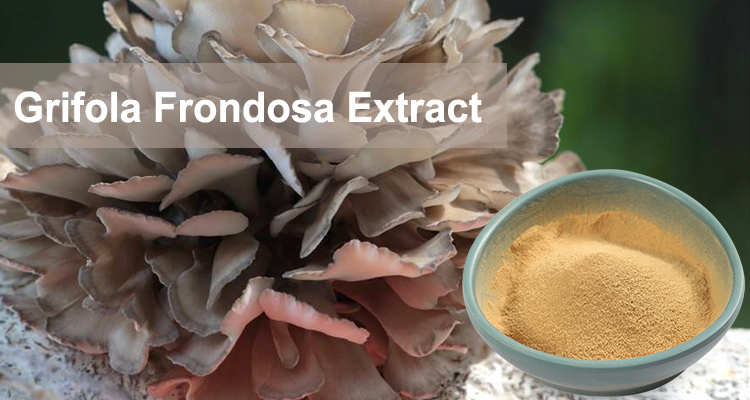

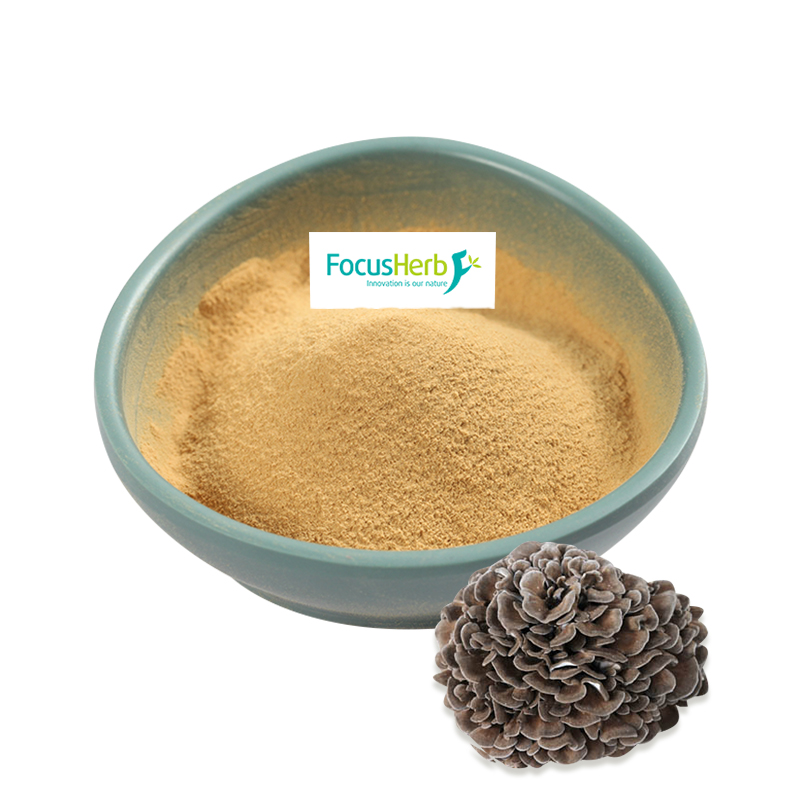



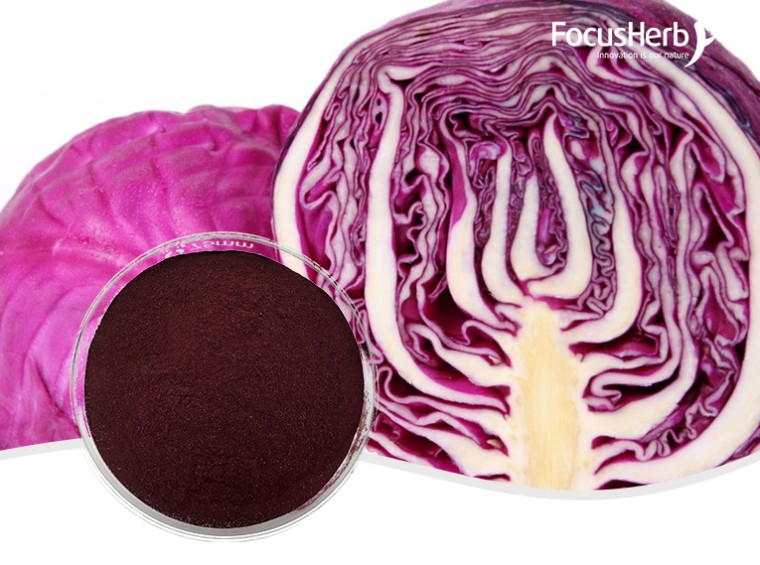
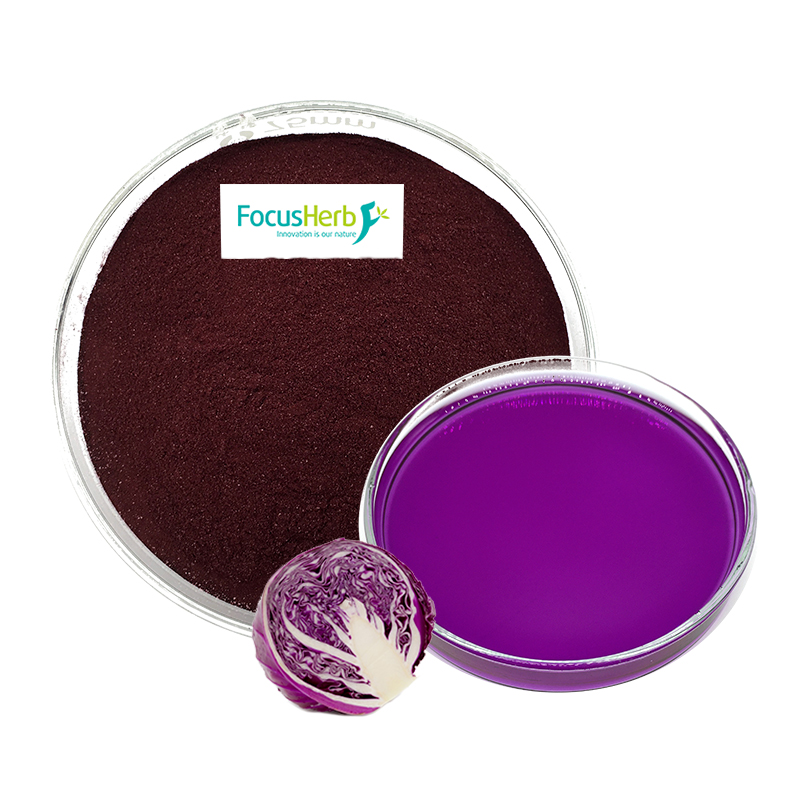
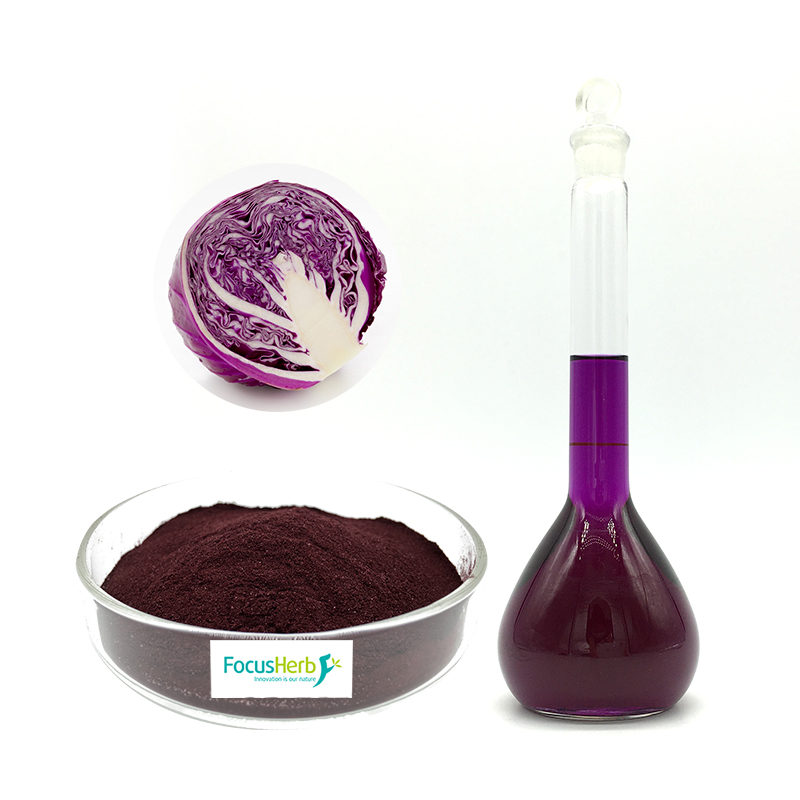
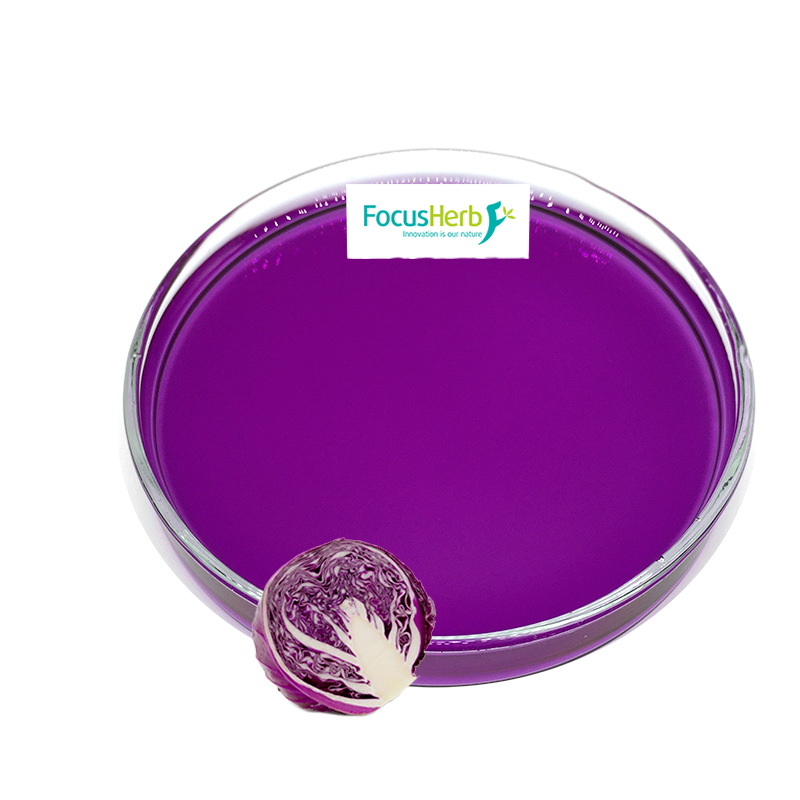


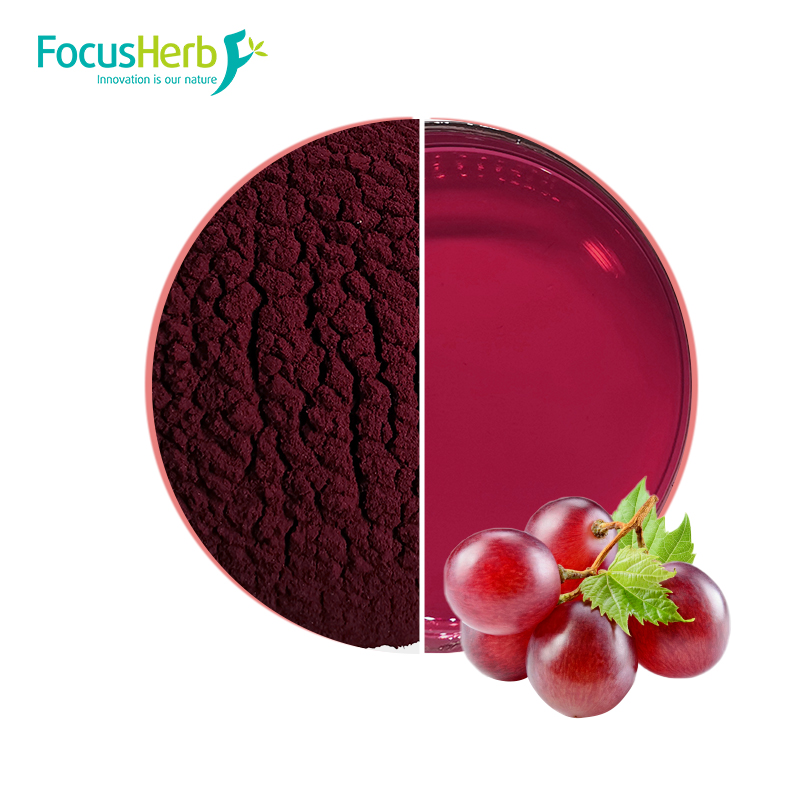
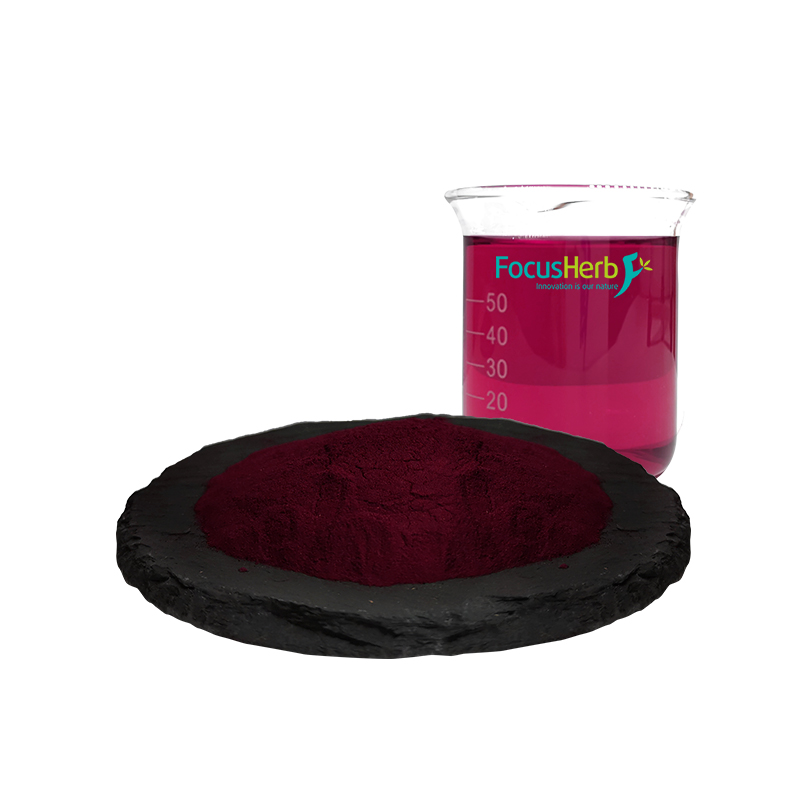

 From Green Leaves to Table: Extraction and Preparation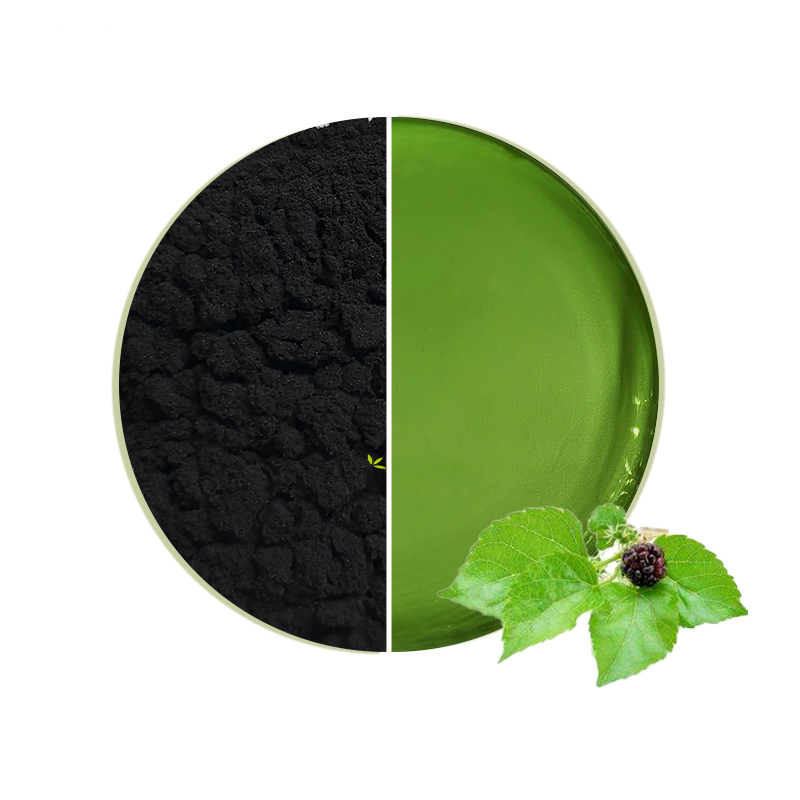
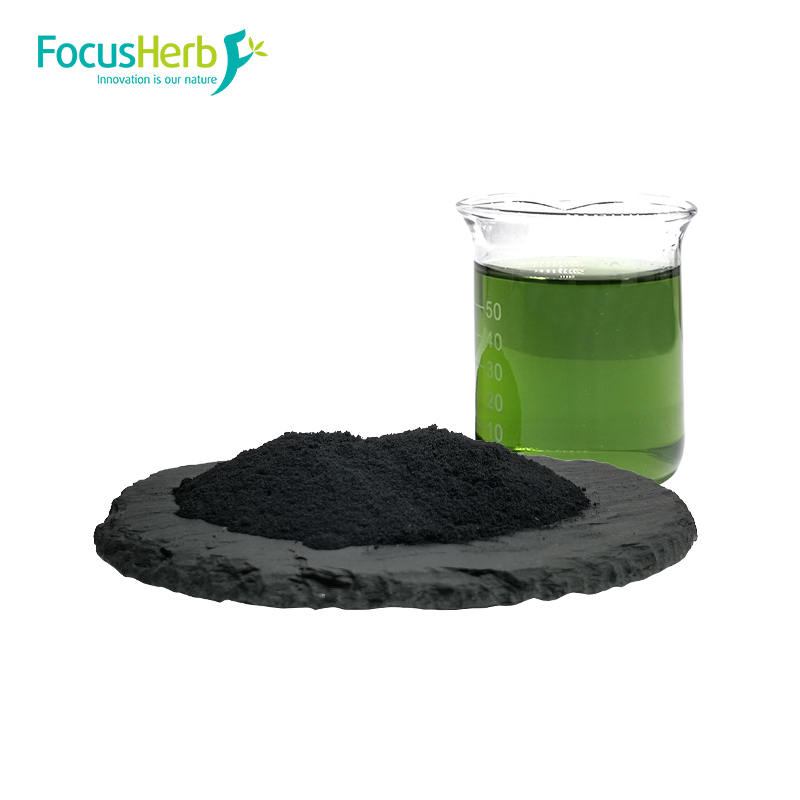 The Green Magic of the Food Industry