In the pursuit of health and beauty, bovine collagen acts like a mysterious key, quietly unlocking a door to bodily rejuvenation. Widely present in the skin and bones of cattle, and scientifically extracted and processed, it becomes a precious nutrient that safeguards human health. It plays a crucial role in maintaining skin elasticity, strengthening bone resilience, and protecting joint health, and is closely linked to overall well-being. Therefore, its suitability for different groups of people is a matter of great interest. Let’s explore together who can benefit most from consuming bovine collagen.
A Boon for Those Seeking Beauty and Anti-Aging Solutions
For those dedicated to the pursuit of beauty and anti-aging, bovine collagen is undoubtedly a precious gift. From around the age of 25, the body’s ability to synthesize collagen declines year by year, decreasing by approximately 1%-1.5% annually. By age 35, the collagen content in the skin may be only about 65% of what it was in youth, and after menopause, the rate of loss accelerates dramatically. Furthermore, “youth killers” such as UV radiation, lack of sleep, stress, and sugar consumption lurk in the background, accelerating collagen loss and leading to sagging skin and the appearance of wrinkles.
Bovine collagen is rich in type I and type III collagen, which act like the “steel” and “cement” of the skin, working together to support its structure. It can penetrate deep into the skin’s layers, increasing skin thickness and elasticity, as if injecting a powerful force into sagging skin, restoring its firmness and radiance. Studies show that continuous supplementation with bovine collagen can significantly increase skin moisture content and enhance the skin’s ability to retain water, keeping the skin hydrated and plump, thus eliminating dryness and fine lines. Many people who have taken bovine collagen products for a long time report that after a period of time, their facial skin’s radiance significantly improves, and previously prominent nasolabial folds and crow’s feet become much less noticeable. Their skin becomes finer and smoother, and they look younger and more vibrant.
A Powerful Ally for Sports Enthusiasts
While sports enthusiasts enjoy the exhilaration of exercise and pursue vitality and health, their bodies face numerous challenges. During running, the knee joints bear pressure up to three times their body weight; during badminton, the rapid movements create friction on the joints ten times greater than normal. Long-term, frequent exercise makes their joints and muscles highly susceptible to injury, and cartilage nutrition is lost unknowingly. Studies show that people who exercise regularly have a 2-3 times higher risk of joint wear and tear than the general population, and 72% of regular exercisers have a joint nutrient deficiency.
Bovine collagen is a powerful ally for sports enthusiasts. As a crucial component of cartilage and ligaments, it maintains the elasticity of joint cartilage, slows down joint wear and tear, and builds a solid “shock-absorbing layer” for the joints, allowing sports enthusiasts to have more flexible joints during exercise and reducing the risk of injury. Bovine collagen contains various amino acids such as glycine, proline, and hydroxyproline, which participate in the body’s tissue repair process and significantly promote muscle recovery. Just like professional athletes who supplement with bovine collagen after high-intensity training or competitions to accelerate recovery, helping muscles recover from fatigue faster and regain strength. Many fitness enthusiasts also report that after consistently supplementing with bovine collagen, post-exercise muscle soreness is significantly reduced, recovery time is greatly shortened, allowing them to more efficiently engage in their next training session, and their athletic performance is significantly improved.
A Health Shield for Middle-Aged and Elderly People
As middle-aged and elderly people age, their bodies are like machines that have been running for many years, with various functions gradually declining, and the rate of collagen loss accelerating. All parts of the body are affected. The reduced collagen content in bones leads to decreased bone toughness, making them fragile and easily fractured, significantly increasing the risk of osteoporosis. According to statistics, the prevalence of osteoporosis in my country among people over 50 years old is 20.7% for women and 14.4% for men, and the prevalence among people over 65 years old is as high as 32.0%, with 51.6% for women and 10.7% for men. Due to insufficient collagen, the cartilage in the joints loses lubrication and elasticity, leading to increased wear and tear, and subsequently, problems such as arthritis and joint pain, severely impacting the daily activities and quality of life of middle-aged and elderly people.
Bovine collagen is like a health shield tailor-made for middle-aged and elderly people, providing comprehensive care for their bodies. Bovine collagen is rich in minerals such as calcium, phosphorus, and magnesium, which are key components of bones. These minerals work synergistically with collagen to enhance bone toughness, effectively reducing the risk of fractures and building a strong foundation for the bone health of middle-aged and elderly people. Many middle-aged and elderly individuals have reported improved bone density and reduced bone pain after consistently consuming foods or supplements rich in bovine collagen. Bovine collagen also plays a crucial role in the repair and maintenance of joint cartilage. It can replenish and repair damaged cartilage tissue, reduce friction between joints, and enhance joint flexibility, allowing middle-aged and elderly people to regain their freedom of movement. Many elderly people with arthritis have reported that after taking bovine collagen for a period of time, their joint pain has significantly decreased, and daily activities such as climbing stairs and walking have become much easier, allowing them to regain vitality in their lives.
Effective Recovery Strategies for Post-Surgery Patients
Surgery is undoubtedly a major physical challenge for patients. After surgery, the body is significantly weakened, and tissue repair becomes a crucial task. Whether it’s skin wounds from surgical procedures or damage to internal organs, a large amount of nutrients are needed to support the healing process. Bovine collagen, with its unique structure and rich amino acid composition, plays an irreplaceable role in post-operative recovery. It participates in tissue repair and reconstruction, providing necessary nutritional support to damaged tissues, promoting cell growth and proliferation, accelerating wound healing, and reducing the risk of scar formation. For example, in some fracture surgeries, bovine collagen can work synergistically with minerals such as calcium to promote bone healing and help patients recover limb function faster. Clinical studies have shown that patients who supplement with bovine collagen after surgery experience an average reduction of 2-3 days in wound healing time, a significantly lower risk of infection, and a faster recovery of various bodily functions, allowing them to return to normal life more quickly.
Cautionary Choices for Special Populations
While bovine collagen is a healthy and beneficial supplement for most people, it is not an ideal choice for certain special populations and requires careful consideration. Patients with gout and hyperuricemia should avoid consuming bovine collagen as much as possible. After digestion and decomposition in the body, bovine collagen produces a certain amount of purines, which are further metabolized into uric acid, thus increasing blood uric acid levels and the risk of gout attacks. Some studies indicate that every 100 grams of bovine collagen may contain a certain amount of purines. For gout patients, this undoubtedly exacerbates the condition, potentially leading to frequent episodes of joint redness, swelling, heat, and pain, severely impacting their quality of life.
Patients with renal insufficiency should also avoid bovine collagen. Their kidneys have impaired excretion and metabolic functions, and bovine collagen is rich in protein. Ingestion of bovine collagen increases the burden on the kidneys, which is detrimental to the stability and recovery of their condition. When the kidneys cannot effectively metabolize these proteins, it may lead to the accumulation of toxins in the body, resulting in symptoms such as edema and oliguria, and even further damage to kidney function. People with weak gastrointestinal function, such as those suffering from gastric ulcers, duodenal ulcers, or gastritis, are not suitable for consuming bovine collagen. These individuals have poor digestion and absorption capabilities, and bovine collagen, as a large-molecule protein, is relatively difficult to digest. Consuming it may increase the burden on the gastrointestinal tract, leading to digestive problems such as abdominal pain, bloating, and diarrhea, thus affecting overall health.
Scientific Consumption for a Healthy Life
Bovine collagen, with its unique benefits, offers hope for health to those seeking beauty and anti-aging effects, sports enthusiasts, middle-aged and elderly people, and those recovering from surgery, becoming a powerful ally in protecting their health. However, people with gout, hyperuricemia, kidney dysfunction, and weak gastrointestinal function should avoid bovine collagen to prevent harm to their bodies.
On the path to health, everyone’s physical condition is unique. While bovine collagen is beneficial, it is not suitable for everyone. When deciding whether to consume bovine collagen, it is crucial to fully understand your own physical condition and make a rational decision. If necessary, seek advice from a professional doctor or nutritionist. They are like guiding lights on the path to health, illuminating the way forward and providing the most scientific and thoughtful guidance, allowing you to enjoy the health benefits of bovine collagen while avoiding potential risks, truly achieving scientific consumption and a healthy life.
In the pursuit of beauty and health, people have never stopped exploring natural and effective ingredients. Bakuchiol, a natural active ingredient extracted from the dried mature fruits of the legume plant Psoralea corylifolia, is gradually gaining prominence. With its unique chemical structure and significant biological activity, it shows broad application prospects in skincare, medicine, and other fields. Its chemical name is 4-[(1E,3S)-3-vinyl-3,7-dimethylocta-1,6-dienyl]phenol, with a molecular formula of C18H24O, a molecular weight of 256.38, and a CAS number of 10309-37-2. This pale yellow to reddish-brown oily liquid emits a distinctive aroma, is easily soluble in organic solvents such as ethanol and acetone, but insoluble in water, and is relatively sensitive to light and heat, requiring storage in a cool, dark, and sealed container.
It is worth noting that, due to its structural similarity to retinol (vitamin A) but with lower irritation, bakuchiol is affectionately called “plant retinol” or “natural retinol alternative.” This unique structure endows it with a variety of remarkable biological activities, which explains its growing attention in the skincare and pharmaceutical fields in recent years.
A Versatile Performer in Beauty and Skincare
On the stage of beauty and skincare, bakuchiol shines like a brilliant star, safeguarding skin health and beauty with its exceptional efficacy, becoming a focal point for many beauty enthusiasts.
Antioxidant, Resisting the Signs of Aging
In our living environment, free radicals are everywhere. UV radiation, environmental pollution, and daily stress all contribute to the production of free radicals. These free radicals are like restless “little monsters” that attack skin cells, damaging cell membranes, DNA, and proteins, thus accelerating the skin’s aging process and allowing wrinkles and sagging to subtly appear on the face. Bakuchiol is a “sharp weapon” against free radicals. The phenolic hydroxyl group in its molecular structure gives it powerful antioxidant capabilities, accurately capturing and eliminating these harmful free radicals. Like a brave guardian, it protects skin cells from free radical damage, delays skin aging, and keeps the skin looking youthful for a long time. Studies have shown that bakuchiol’s antioxidant capacity is even superior to that of the common antioxidant vitamin E. In one experiment, bakuchiol and vitamin E were applied to skin cells subjected to oxidative stress. The results showed that bakuchiol significantly reduced the level of reactive oxygen species (ROS) in the cells, effectively reducing oxidative stress damage to skin cells. Long-term use of skincare products containing bakuchiol is like giving the skin a strong “protective shield,” significantly reducing the appearance of wrinkles and fine lines, and allowing the skin to radiate youthful brilliance.
Anti-inflammatory and Soothing, Caring for Sensitive Skin
Inflammation is the “trigger” for many skin problems. Whether it’s the redness and itching of sensitive skin or the inflammation caused by acne, it brings trouble to people’s skin. Bakuchiol has a significant anti-inflammatory effect. It can penetrate deep into the skin, accurately inhibiting the release of inflammatory factors, like pouring a bucket of cold water on a raging inflammatory “fire,” thereby reducing the skin’s inflammatory response. Bakuchiol reduces the production of pro-inflammatory factors such as interleukin-6 (IL-6) and tumor necrosis factor-alpha (TNF-α) by inhibiting the nuclear factor-κB (NF-κB) signaling pathway. For people with sensitive skin, bakuchiol is undoubtedly a “savior.” After using skincare products containing bakuchiol, skin discomfort is significantly relieved, redness and itching gradually decrease, and the skin becomes more stable. For acne-prone skin, bakuchiol not only reduces inflammation but also regulates oil secretion and reduces pore blockage, preventing acne from the root cause and restoring clear and smooth skin.
Promotes collagen synthesis and tightens skin
Collagen, known as the “youth code” of the skin, acts like an elastic “net,” giving the skin firmness and elasticity, making it plump and radiant. However, with age and environmental influences, collagen synthesis in the skin gradually decreases, while its breakdown accelerates. This “net” begins to loosen, leading to skin sagging and wrinkles. Bakuchiol acts like a “collagen activator,” enhancing the activity of skin fibroblasts and activating relevant signaling pathways, such as the extracellular signal-regulated kinase/mitogen-activated protein kinase (ERK/MAPK) signaling pathway, directly upregulating collagen gene expression and promoting collagen synthesis. At the same time, bakuchiol also inhibits the activity of collagen-degrading enzymes, such as matrix metalloproteinase-1 (MMP-1), reducing the destruction of existing collagen and achieving a positive balance of “synthesis > degradation,” increasing the collagen content in the skin, rebuilding the skin’s “framework,” restoring elasticity and firmness, and effectively combating aging. Clinical studies have shown that after 12 weeks of continuous use of products containing bakuchiol, the depth of wrinkles in subjects was significantly reduced, and skin elasticity was significantly improved, with effects comparable to retinol, but bakuchiol is gentler and less likely to cause skin irritation. Whitening and Spot Reduction, Illuminating Skin Radiance
Melanin is the culprit behind dull skin and the formation of dark spots. Its production is influenced by various factors, among which tyrosinase is a key enzyme in the melanin synthesis process. Bakuchiol acts like a “melanin production inhibitor,” suppressing the activity of tyrosinase and reducing melanin production at its source. Bakuchiol competitively binds to the substrate of tyrosinase, blocking a crucial step in melanin synthesis, effectively creating a barrier on the melanin synthesis “production line,” preventing melanin from being produced smoothly. Bakuchiol can also block the transport of already formed melanin to the skin surface. Even if melanin is produced within the cells, it is difficult for it to appear on the skin surface, further reducing the formation of dark spots. Studies have shown that the inhibitory effect of bakuchiol on tyrosinase is similar to that of arbutin, demonstrating excellent performance in whitening and spot reduction. Long-term use of whitening products containing bakuchiol can gradually fade dark spots, even out skin tone, and make the skin brighter and more radiant, radiating a natural glow.
Applications and Precautions
Due to its excellent skincare benefits, bakuchiol is widely used in cosmetics and skincare products. Whether it’s serums and creams for firming and anti-aging, whitening products for brightening and spot reduction, anti-inflammatory and anti-acne products for oily and acne-prone skin, or gentle skincare products for sensitive skin, bakuchiol can be found in many formulations. When choosing skincare products containing bakuchiol, it is essential to select products from reputable brands with reliable quality to ensure their safety and effectiveness. Although bakuchiol is relatively gentle, a small number of people may experience allergic reactions. Therefore, it is recommended to perform a patch test on a small area of skin before first use, observing for 24-48 hours. If there is no adverse reaction, you can continue using the product. Bakuchiol has some photosensitivity; therefore, after using skincare products containing this ingredient, it is important to strengthen sun protection measures and avoid direct sunlight to prevent photosensitive dermatitis. Pregnant women, breastfeeding women, and children have more sensitive skin and should consult a professional doctor or skincare expert before use. At the same time, it’s important to pay attention to the concentration of bakuchiol in skincare products, avoiding excessively high concentrations that could irritate or damage the skin.
A Promising Star in the Pharmaceutical and Healthcare Field
Cardiovascular and Chronic Disease Prevention
In our bodies, the cardiovascular system is like a busy “traffic hub,” maintaining the normal functioning of life. However, with the accelerated pace of life and the influence of environmental factors, the incidence of cardiovascular and chronic diseases is increasing year by year, becoming an “invisible killer” threatening human health. Bakuchiol, with its powerful antioxidant capacity, has become a “powerful assistant” in protecting the cardiovascular system and preventing chronic diseases. Studies have shown that bakuchiol can effectively scavenge excess free radicals in the body, reducing oxidative stress damage to vascular endothelial cells. It’s like putting a “protective suit” on the vascular endothelial cells, keeping them smooth and intact, thereby reducing the oxidation and deposition of lipids in the blood and preventing the occurrence of atherosclerosis. In an experiment on hyperlipidemic mice, after drug intervention containing bakuchiol, the levels of total cholesterol, triglycerides, and low-density lipoprotein cholesterol in the mice’s blood were significantly reduced, while the level of high-density lipoprotein cholesterol increased. This indicates that bakuchiol can regulate lipid metabolism and play a positive protective role in cardiovascular health. Bakuchiol can also regulate the insulin signaling pathway, improve insulin sensitivity, and help prevent and control the occurrence and development of diabetes and its complications, bringing new hope for the prevention and treatment of chronic diseases.
Relief of Inflammatory Diseases
Inflammation is a defensive response of the body to various stimuli, but when the inflammatory response is out of control, it can trigger a series of health problems. Inflammatory diseases such as arthritis and asthma not only cause physical pain to patients but also seriously affect their quality of life. The anti-inflammatory effect of bakuchiol brings a ray of hope to these patients. Bakuchiol reduces inflammation by inhibiting the activation of inflammatory signaling pathways such as nuclear factor-κB (NF-κB), reducing the release of inflammatory mediators such as interleukin-1 (IL-1), interleukin-6 (IL-6), and tumor necrosis factor-α (TNF-α). In the treatment of arthritis, bakuchiol can reduce joint redness, swelling, pain, and stiffness, improve joint function, and allow patients to regain their freedom of movement. For asthma patients, bakuchiol can inhibit airway inflammation, reduce airway hyperresponsiveness, alleviate asthma symptoms, and improve respiratory comfort, providing a natural and effective option for the treatment of inflammatory diseases.
Bone Health Guardian
Bones are the “framework” of the human body, supporting our bodies and allowing us to move freely. However, with age and some unhealthy lifestyle habits, bone problems such as osteoporosis and fractures gradually plague people. Bakuchiol has shown a unique role in promoting bone health, becoming a “guardian” of bone health. Bakuchiol can stimulate the activity of osteoblasts, promote the synthesis and mineralization of bone matrix, like injecting “growth power” into the bones, increasing bone density. It can also inhibit the activity of osteoclasts, reduce bone resorption, and maintain the normal metabolic balance of bones. Animal experiments have shown that experimental animals treated with bakuchiol had an increased number of bone trabeculae, significantly increased bone density, and enhanced bone strength. For patients with osteoporosis, bakuchiol can help them increase bone mass and reduce the risk of fractures; for patients with fractures, bakuchiol can promote the healing of fracture sites and accelerate the recovery process, allowing people to have healthy and strong bones.
Antibacterial and Antiviral
In our living environment, bacteria and viruses are everywhere, constantly threatening our health. Bacteria such as Staphylococcus aureus and Escherichia coli, as well as viruses such as HIV, can cause various diseases and harm people’s bodies. Bakuchiol has broad-spectrum antibacterial and antiviral activity, becoming a “shield” against these pathogens. Bakuchiol can destroy the cell membrane structure of bacteria, increasing its permeability, leading to the leakage of substances inside the bacteria, thereby inhibiting the growth and reproduction of bacteria. It can also interfere with the synthesis of bacterial proteins and nucleic acids, fundamentally inhibiting the life activities of bacteria. In terms of antiviral activity, bakuchiol has shown a certain inhibitory effect on HIV virus. It can block the replication process of the virus and inhibit the spread of the virus, providing a potential treatment method for AIDS, playing an important role in the antibacterial and antiviral fields, and protecting people’s health.
Green Solutions in Agriculture
In the field of agriculture, bakuchiol is gradually gaining prominence, injecting new vitality into achieving green and sustainable agricultural development, and becoming a powerful assistant in agricultural production.
Plant Growth Regulation
As a natural plant growth regulator, bakuchiol acts like a magical “growth wizard,” precisely regulating the growth and development process of plants, providing comprehensive support for the robust growth of crops. During seed germination, bakuchiol can break seed dormancy, like opening a door to growth for the seeds, promoting faster germination and increasing the germination rate. In the seedling stage, it stimulates root growth, making the root system more developed, like laying a solid foundation for the plant, enhancing the plant’s ability to absorb water and nutrients. Bakuchiol can also promote the growth of plant stems and leaves, making the plants stronger and the leaves greener. In an experiment on wheat, researchers diluted bakuchiol and sprayed it on wheat seeds and seedlings. The results showed that the wheat seeds treated with bakuchiol germinated 1-2 days earlier than the control group, and the germination rate increased by 10%-15%; the root length of the seedlings increased by 20%-30%, the stem height also increased significantly, and the photosynthetic efficiency of the leaves was significantly improved, laying a solid foundation for high wheat yields. For crops such as corn and soybeans, bakuchiol can also promote growth, effectively improving crop yield and quality, bringing more substantial returns to farmers.
Pest and Disease Control
During the growth of crops, pests and diseases are a major threat, and bakuchiol, with its broad-spectrum antibacterial and antiviral activity, has become a “green guardian” for crop pest and disease control. Bakuchiol has a strong inhibitory effect on many common crop pathogens, such as apple rot bacteria, apple ring spot bacteria, rice blast bacteria, rice sheath blight bacteria, cucumber wilt bacteria, wheat scab bacteria, cucumber anthracnose bacteria, and pepper blight bacteria. It can destroy the cell wall and cell membrane structure of pathogenic bacteria, effectively dismantling the “defenses” of the pathogens, causing their contents to leak out, thereby inhibiting the growth and reproduction of pathogenic bacteria. Bakuchiol can also interfere with the metabolic processes of pathogenic bacteria, blocking their energy supply and preventing them from surviving. Studies have shown that the EC50 (half-maximal effective concentration) of bakuchiol’s inhibitory effect on the mycelial growth of apple rot fungi is 6.12 mg/L, which is lower than commonly used fungicides such as ferbam (8.93 mg/L), thiophanate-methyl (26.18 mg/L), carbendazim (9.16 mg/L), and benomyl (10.47 mg/L), demonstrating significant antibacterial activity. Bakuchiol also has a certain repellent and inhibitory effect on pests such as aphids, reducing pest damage to crops. Using bakuchiol as a pesticide formulation for crop disease and pest control can not only effectively control the occurrence of diseases and pests but also reduce the use of chemical pesticides, lowering pesticide residues and pollution to the environment and agricultural products, thus achieving green agricultural production.
Enhancing Plant Stress Resistance
In nature, plants often face various challenges from adverse conditions such as drought, salinity, high temperature, and low temperature. Bakuchiol can enhance plant stress resistance, helping plants to grow robustly in adverse conditions, like providing plants with a “protective armor.” When plants are subjected to drought stress, bakuchiol can regulate the hormone balance in the plant body, promoting the absorption and transport of water by the plant roots, while reducing water loss, thereby improving the plant’s drought resistance. In saline-alkali environments, bakuchiol can regulate the osmotic pressure within plant cells, reducing the damage of salt to plant cells and enhancing the plant’s salt tolerance. Studies have found that under drought conditions, the relative water content of plant leaves treated with bakuchiol was 10%-15% higher than that of the control group, and the wilting degree was significantly reduced; for crops planted in saline-alkali land, after bakuchiol treatment, the yield increased by 15%-20% compared to untreated crops. Bakuchiol can also enhance plants’ ability to adapt to extreme temperatures such as high and low temperatures, ensuring the growth and development of crops under different environmental conditions, and improving the stability and sustainability of agricultural production.
Summary and Outlook
Bakuchiol, a natural active ingredient, is gradually entering people’s lives thanks to its outstanding performance in the fields of beauty and skincare, medicine and health, and agriculture, bringing positive impacts on our health and quality of life. In the field of beauty and skincare, it is a versatile “all-rounder” in combating aging and caring for the skin, with effects such as antioxidation, anti-inflammation, promoting collagen synthesis, and whitening and reducing blemishes, meeting people’s pursuit of healthy and beautiful skin; in the field of medicine and health, it is a “potential star” in protecting the body, with positive effects on cardiovascular diseases, inflammatory diseases, bone health, and antibacterial and antiviral properties, bringing new hope for human health; in the field of agriculture, it is a “green guardian” assisting in green development, regulating plant growth, preventing and controlling pests and diseases, and enhancing plant resistance, contributing to the sustainable development of agriculture.
With the continuous advancement of science and technology and in-depth research, the application prospects of bakuchiol will be even broader. In the future, we can expect to see more innovative products based on bakuchiol, bringing more convenience and well-being to people’s lives. In the field of beauty and skincare, it may be combined with more natural ingredients to develop more efficient and gentle skincare products; in the medical field, bakuchiol may become a key drug component for treating certain diseases, providing new treatment options for patients; in the field of agriculture, bakuchiol is expected to become a widely used green pesticide and plant growth regulator, helping to achieve a green transformation of agriculture.
Bakuchiol, as a precious gift from nature, has unlimited potential and is worthy of in-depth research and development. Let us look forward to bakuchiol playing a greater role in the future and contributing more to human health, beauty, and sustainable development.
NAD+, short for nicotinamide adenine dinucleotide, is a coenzyme naturally present in human cells. Due to its crucial role in life processes, scientists consider it the “energy code” of life. It participates in over 300 enzymatic reactions within cells, playing an indispensable role in maintaining normal cell function and metabolic balance.
From a chemical structure perspective, NAD+ is composed of nicotinamide, adenine, ribose, and phosphate. This unique molecular structure allows it to play a key role in cellular energy metabolism and signal transduction. In terms of cellular energy metabolism, NAD+ is an essential coenzyme in the process of ATP (adenosine triphosphate, the cell’s main energy currency) production in mitochondria. Taking the tricarboxylic acid cycle (TCA cycle) as an example, a crucial part of cellular aerobic respiration, NAD+ accepts hydrogen atoms from metabolites such as pyruvate and α-ketoglutarate, and is reduced to NADH. NADH then enters the electron transport chain, producing a large amount of ATP through oxidative phosphorylation, providing energy for various cellular life activities. To use an analogy, if a cell is like a factory, then NAD+ is like the energy dispatcher in the factory, ensuring that the production lines (various metabolic pathways) have enough power (ATP) to continue operating.
In addition to energy metabolism, NAD+ also plays a vital role in DNA repair. DNA, as the carrier of genetic information, is constantly threatened by damage from endogenous (such as free radicals produced by cell metabolism) and exogenous (such as ultraviolet radiation and chemical substances) factors. When DNA is damaged, various repair pathways within the cell, such as base excision repair and nucleotide exchange repair, are activated, and NAD+ is a substrate for key enzymes in these repair processes. For example, the poly(ADP-ribose) polymerase family (PARPs) requires NAD+ as a substrate to synthesize poly(ADP-ribose) (PAR), which recruits other repair proteins, thereby promoting DNA repair. This is like NAD+ being the “logistical support” for the DNA repair team, providing the necessary “materials” for the repair work, ensuring the accuracy and stability of genetic information, and reducing the risk of gene mutations and cancer.
Those Who Urgently Need NAD+
(I) Middle-aged and Elderly People Affected by Age
Aging is a natural physiological process, and as people age, their bodily functions gradually decline, with a significant decrease in NAD+ levels being a key manifestation. Studies show that from around age 25, the body’s NAD+ levels decrease by approximately 5%-10% per year, and by age 60, the body’s NAD+ content may be less than a quarter of what it was in youth. This is because, with increasing age, the activity of key enzymes involved in NAD+ synthesis, such as NAMPT (nicotinamide phosphoribosyltransferase), decreases, causing the rate of NAD+ synthesis to lag behind the rate of consumption. Furthermore, the large number of free radicals produced by cellular metabolism during aging also attack NAD+, accelerating its depletion.
The decrease in NAD+ levels brings many problems to the bodies of middle-aged and elderly people. Firstly, there is a significant decline in physical strength and endurance. Simple daily activities, such as climbing stairs or taking a walk, can leave them breathless and exhausted because the cellular energy supply is insufficient to meet the body’s activity needs. Memory loss is also a common problem, often leading to forgetfulness and difficulty remembering things just said or done, causing numerous inconveniences in daily life. Joint health is also at risk, with a decrease in NAD+ in joint cartilage cells, resulting in weakened cartilage repair capabilities, stiffness, pain, and limited mobility in the joints. Supplementing with NAD+ can inject new vitality into the bodies of middle-aged and elderly people. It can enhance cellular energy metabolism, improve physical strength and endurance, giving them more energy in daily activities; it can also promote the repair and regeneration of nerve cells, improve memory, and delay cognitive decline; in terms of joint health, NAD+ helps maintain the integrity of joint cartilage, reduces inflammation, relieves joint pain and stiffness, and improves quality of life.
(II) High-Pressure, Busy Office Workers
In the fast-paced modern life, office workers face long-term high-intensity work pressure, frequent overtime and late nights, and irregular eating and sleeping habits. Sitting at a desk for long periods, lack of exercise, and high levels of mental stress easily lead to a sub-healthy state. Staying up late disrupts the body’s biological clock, affecting the normal metabolism and repair functions of cells, leading to a continuous accumulation of fatigue. Stress stimulates the body to secrete stress hormones such as adrenaline. The metabolism of these hormones requires a large amount of NAD+, further exacerbating the decline in NAD+ levels in the body.
When NAD+ is insufficient, office workers often feel exhausted. Even after a night’s rest, they still lack energy the next day, resulting in low work efficiency. Chronic sleep problems also plague them, including difficulty falling asleep, frequent dreams, and waking up easily, leaving them feeling groggy in the morning. These health issues not only affect work performance but can also trigger psychological problems such as anxiety and depression. Supplementing with NAD+ can help relieve fatigue, enhance cellular energy supply, and quickly restore the body’s vitality. Simultaneously, NAD+ can regulate the biological clock, improve sleep quality, allowing them to get sufficient rest at night and approach work with renewed energy the next day, improving work efficiency and better coping with the challenges of work and life.
(III) Skincare Enthusiasts Pursuing Beauty
As the largest organ in the human body, the skin is an important window for people to showcase their external beauty. As we age and are affected by environmental factors such as UV radiation and air pollution, our skin gradually develops problems like dryness, sagging, increased fine lines, and dullness. This is closely related to a decrease in NAD+ levels within skin cells. During skin metabolism, NAD+ plays a crucial role in maintaining the normal function and structure of skin cells. When NAD+ is sufficient, it promotes the synthesis of collagen and elastin fibers by dermal fibroblasts. These fibers act like the “steel bars” and “springs” of the skin, giving it firmness and elasticity. Conversely, when NAD+ levels decline, fibroblast activity decreases, and the synthesis of collagen and elastin fibers reduces, causing the skin to gradually lose elasticity, become loose, and develop wrinkles.
Furthermore, NAD+ plays a key role in the skin’s antioxidant defense and repair mechanisms. External stimuli such as UV radiation cause the skin to produce a large number of free radicals. These free radicals attack the lipids, proteins, and DNA of skin cells, leading to cell damage and aging, manifesting as dry skin, dullness, and age spots. NAD+ can activate intracellular antioxidant enzyme systems, such as superoxide dismutase (SOD) and glutathione peroxidase (GSH-Px), to scavenge free radicals, reduce oxidative stress damage to the skin, and promote the repair and regeneration of damaged cells. This improves dry skin, restoring its hydration and radiance, achieving a beautifying effect from the inside out.
(IV) Fitness Enthusiasts
Exercise is an important way to maintain health and achieve a good physique. However, during exercise, especially high-intensity, long-duration exercise, the body’s energy metabolism increases significantly, and the cells’ energy demand rises sharply. This requires a large amount of NAD+ to participate in the energy conversion process. Taking aerobic exercise as an example, during running and swimming, muscle cells need to continuously perform aerobic respiration to provide the energy required for exercise. In this process, NAD+ acts as a coenzyme, accepting hydrogen atoms removed from metabolites to generate NADH. NADH enters the electron transport chain in the mitochondria, ultimately producing ATP. High-intensity strength training also consumes a significant amount of NAD+. Muscles require energy during contraction and relaxation, and the micro-damage to muscles generated during training also requires cellular repair, all of which depend on a sufficient supply of NAD+.
If NAD+ is not replenished promptly after exercise, fitness enthusiasts may experience decreased exercise endurance and slow muscle fatigue recovery. During subsequent workouts, they may feel powerless and unable to achieve the expected training intensity and results. In the long run, this may also increase the risk of sports injuries. Supplementing with NAD+ can improve the efficiency of ATP production during exercise, providing muscles with more energy, extending exercise time, and improving exercise endurance. Simultaneously, NAD+ can promote the repair and regeneration of muscle cells, reduce lactic acid buildup, and accelerate the elimination of muscle fatigue, allowing fitness enthusiasts to recover faster after training, prepare for the next challenge, break through exercise plateaus, and achieve better training results.
(V) Patients Suffering from Chronic Diseases
Chronic diseases, such as cardiovascular disease, diabetes, and neurodegenerative diseases, seriously affect patients’ quality of life and health. Studies have found that the development of these chronic diseases is closely related to abnormal cellular energy metabolism and oxidative stress, with NAD+ playing a crucial role.
In the cardiovascular system, NAD+ is essential for maintaining the health and normal function of vascular endothelial cells. As a layer of cells lining the inner wall of blood vessels, vascular endothelial cells play important roles in regulating vascular tone, preventing thrombosis, and reducing inflammation. When NAD+ levels decrease, vascular endothelial cell function is impaired, nitric oxide (NO) synthesis decreases, leading to impaired vasodilation and elevated blood pressure; simultaneously, inflammatory responses increase, platelets are more prone to aggregation and thrombus formation, increasing the risk of cardiovascular disease. Supplementing with NAD+ can enhance vascular endothelial cell function, promote NO synthesis, improve vasodilation, lower blood pressure, and reduce the risk of cardiovascular disease; for patients already suffering from cardiovascular disease, NAD+ can also help repair damaged cardiomyocytes, improve cardiac function, and promote recovery.
Diabetes is a common metabolic disease characterized by elevated blood glucose levels. NAD+ participates in insulin signaling pathways and the cellular uptake and utilization of glucose. When NAD+ is insufficient, insulin resistance increases, and the cells’ ability to take up and utilize glucose decreases, leading to elevated blood sugar. Supplementing with NAD+ can improve insulin sensitivity, promote cellular glucose uptake and metabolism, help regulate blood sugar levels, and assist in the treatment of diabetes. Simultaneously, it can reduce oxidative stress and inflammatory responses caused by diabetes, preventing and delaying the onset of diabetic complications such as diabetic nephropathy and retinopathy.
Neurodegenerative diseases, such as Alzheimer’s disease and Parkinson’s disease, are a group of diseases caused by the progressive degeneration and death of nerve cells. In these diseases, decreased NAD+ levels affect the energy metabolism and DNA repair capacity of nerve cells, leading to impaired nerve cell function and symptoms such as cognitive impairment and motor dysfunction. Supplementing with NAD+ can provide energy support to nerve cells, enhance DNA repair capacity, reduce nerve cell damage and death, protect the nervous system, improve patients’ cognitive and motor functions, and slow disease progression.
Correct Methods for Supplementing NAD+
(I) Dietary Supplementation: NAD+ Treasure Trove in Natural Foods
In our daily diet, we can supplement NAD+ by consuming foods rich in NAD+ precursors. Milk is a convenient source of NAD+ precursors. It contains nicotinamide nucleoside, which can be directly converted into NAD+. Drinking 200-300 ml of whole milk daily can supplement the body with a certain amount of NAD+. Those with lactose intolerance can choose low-lactose milk or yogurt instead. Deep-sea fish such as salmon and tuna contain about 10-15 mg of niacin per 100 grams. Eating them 2-3 times a week allows you to enjoy delicious food while supplementing the raw materials for NAD+ synthesis. Steaming or low-temperature baking can also minimize nutrient loss. Brown rice and oats, members of the whole grain family, are rich in niacin and dietary fiber. Consuming 50-100 grams daily can provide the body with approximately 5-8 mg of niacin, making them excellent choices for supplementing NAD+ in staple foods. It is recommended to replace some refined rice and flour with them for added health benefits. Mushrooms are also a powerful aid in supplementing NAD+. Shiitake and button mushrooms, for example, contain approximately 3-5 mg of niacin precursors per 100 grams of fresh mushrooms. The ergothioneine in these mushrooms can also activate NAD+ synthase. Consuming them 3-4 times a week, cooked with oil, can improve the absorption rate of fat-soluble nutrients, allowing the body to utilize them more effectively.
However, dietary supplementation of NAD+ also has certain limitations. On the one hand, the content of NAD+ precursors in food is relatively low, making it difficult to meet the body’s large needs for NAD+ solely through diet. This is especially true for those who urgently need to increase their NAD+ levels; dietary supplementation may only be insufficient. For example, due to declining bodily functions, the ability to synthesize NAD+ decreases in middle-aged and elderly people, making it difficult to achieve the desired supplementation effect by relying solely on precursors from food. On the other hand, NAD+ precursors in food may be destroyed during cooking and digestion, reducing their bioavailability. For instance, high-temperature, prolonged cooking can cause the loss of nutrients in food, affecting the content of NAD+ precursors. Even if foods rich in precursors are consumed, it may not effectively increase NAD+ levels in the body.
(II) Dietary Supplements: A Highly Effective Choice
To more effectively increase NAD+ levels, dietary supplements have become a popular choice. Currently, common NAD+ supplements on the market include NMN (nicotinamide mononucleotide), NR (nicotinamide ribose), and NADH (reduced coenzyme I). NMN, as a direct precursor of NAD+, can enter cells through the NMN transporter in the small intestine and is converted into NAD+ with high efficiency. It has received considerable attention in recent years and shows great potential in the anti-aging field. NR molecules are small and can directly enter cells, but they must first be converted into NMN before further generating NAD+. Research on NR started early and has yielded some results supporting its role in NAD+ supplementation. NADH not only supplements NAD+ but also has antioxidant properties, directly participating in cellular respiration and providing energy to cells.
When choosing an NAD+ supplement, several key points should be considered. First, pay attention to the product’s ingredients and purity. High-quality supplements should contain high-purity active ingredients with few impurities and additives to ensure effectiveness and safety. For example, some NMN products using advanced production processes can achieve a purity of over 99%, making them more efficient and reliable for NAD+ supplementation. Second, brand reputation and word-of-mouth are also crucial. Choosing brands with a good market reputation and extensive user validation reduces the risk of purchasing inferior products. Well-known brands have strict standards in research and development, production, and quality control, making their products more trustworthy. In addition, checking product certifications and testing reports is essential. Products certified by authoritative organizations (such as FDA, GMP, etc.) offer greater assurance in terms of quality and safety, allowing consumers to purchase and use them with confidence.
(III) Lifestyle Interventions: Boosting NAD+
Besides diet and supplements, a healthy lifestyle can also play a positive role in increasing NAD+ levels. Regular exercise is one of the effective ways to boost NAD+ levels. During exercise, the body experiences energy stress, which activates related pathways and upregulates NAD+ synthesis. Resistance training, in particular, enhances NAD+ levels in muscle cells, promotes metabolism, and improves the body’s energy utilization efficiency. Performing resistance training 3-4 times a week, such as weightlifting or push-ups, for at least 30 minutes each time, and maintaining this consistently will result in improved energy and vitality.
Calorie restriction is also an effective intervention. Intermittent fasting or moderate calorie restriction can activate the AMPK pathway, promoting the activity of NAD+ synthases, thereby increasing NAD+ synthesis. For example, the 16:8 intermittent fasting method, which involves eating within 8 hours and fasting for 16 hours each day, allows the body to activate its self-repair mechanisms under a state of hunger, increasing NAD+ levels. However, when implementing calorie restriction, it’s important to ensure a balanced diet and avoid excessive dieting that can harm the body.
Maintaining a regular sleep schedule is equally important. Good sleep allows the body to rest and repair adequately, maintaining a normal circadian rhythm, which helps stabilize NAD+ levels. Long-term sleep deprivation disrupts the circadian rhythm, affecting NAD+ synthesis and metabolism, leading to a decrease in NAD+ levels. Ensuring 7-8 hours of high-quality sleep each night, and trying to fall asleep before 11 pm, creates favorable conditions for the body to maintain normal NAD+ levels.
Precautions for NAD+ Supplementation
(I) Individual Differences: What Works for Others May Not Work for You
Different individuals respond significantly to NAD+ supplements due to a combination of factors including genes, lifestyle, and health status. At the genetic level, the expression levels of genes involved in NAD+ synthesis and metabolism differ in each person, affecting the efficiency of NAD+ synthesis and metabolism. For example, some individuals carry specific mutations in the NAMPT gene, resulting in lower activity of the encoded nicotinamide phosphoribosyltransferase. These individuals may not be able to convert supplements into active NAD+ as effectively as others, thus affecting the supplementation’s effectiveness. Lifestyle also plays a crucial role. People who chronically stay up late, drink excessively, and lack exercise have poor metabolic function and cellular health. Even with NAD+ supplementation, their absorption and utilization efficiency may be lower than that of people with regular and healthy lifestyles.
Therefore, when supplementing with NAD+, one should not blindly follow others’ dosages and methods but rather adjust according to their own individual circumstances. For example, those trying NAD+ supplementation for the first time can start with a lower dose and observe their body’s response, such as whether any discomfort occurs, or if there are any improvements in energy and sleep. The dosage can then be gradually adjusted based on the actual situation.
(II) Potential Risks: Proceed with Caution
For individuals with impaired liver or kidney function, NAD+ supplementation may pose significant risks. The liver and kidneys are key organs for NAD+ metabolism. When liver and kidney function is impaired, the activity of related enzymes decreases, affecting the conversion of NAD+ precursors and the excretion of metabolites. Unconverted precursors accumulate in the liver and may be broken down into nicotinamide. Excessive nicotinamide can inhibit the activity of the SIRT1 longevity protein, weakening the normal function of NAD+, and also increasing the burden on hepatocytes, leading to elevated transaminase levels and further liver damage. In the kidneys, NAD+ and its metabolites cannot be excreted in time, accumulating in the blood, stimulating the renal tubules, triggering an inflammatory response, interfering with water and sodium metabolism regulation, leading to problems such as edema and electrolyte imbalance, and accelerating kidney function decline.
Persons currently taking immunosuppressants should also exercise caution when supplementing with NAD+. Immunosuppressants work by suppressing an overactive immune system, while NAD+ activates immune cell activity and enhances the immune response; their effects are conflicting. Supplementing with NAD+ may weaken the therapeutic effect of immunosuppressants, increase the risk of rejection in organ transplant patients, and lead to relapses in patients with autoimmune diseases. Furthermore, NAD+ and immunosuppressants have partially overlapping targets; simultaneous use may prevent the proper repair of DNA damage in immune cells, leading to abnormal immune cell function, increased risk of infection, and, in the long term, may induce immune cell mutations, increasing the risk of hematological diseases such as lymphoma.
Adolescents (under 18 years old) are in their prime growth and development period, with already peak NAD+ levels and a strong capacity for synthesizing their own NAD+. Blindly supplementing with exogenous NAD+ may interfere with normal cell differentiation, inhibiting bone cell differentiation and affecting bone density growth and height development; key steps in brain maturation may also be disrupted, increasing the risk of cognitive developmental abnormalities. Simultaneously, it may disrupt endocrine balance, leading to growth hormone secretion disorders, resulting in growth retardation or precocious puberty; disrupted sex hormone balance increases the probability of problems such as adolescent acne and menstrual irregularities.
(III) Consult a Professional: Safety First
Given the individual differences and potential risks associated with NAD+ supplementation, it is essential to consult a doctor or healthcare professional before supplementation. A doctor can conduct a comprehensive assessment based on factors such as individual health status, family medical history, and current medications to determine suitability for NAD+ supplementation and the appropriate dosage and method. For example, for patients with chronic diseases (such as diabetes or cardiovascular disease), a doctor can comprehensively consider the interaction between NAD+ and disease treatment, providing scientifically sound advice to avoid adverse interference with disease treatment. Healthcare professionals can also guide consumers in correctly selecting NAD+ supplements, identifying product quality and safety, avoiding the purchase of inferior or falsely advertised products, and protecting their health and rights.
Outlook: The Future of NAD+ and Human Health
NAD+ plays a central role in life activities and is of undeniable importance to various groups, including middle-aged and elderly people, office workers, skincare enthusiasts, fitness enthusiasts, and patients with chronic diseases. It is not only a key coenzyme in cellular energy metabolism, participating in DNA repair and maintaining normal cell function, but also shows immense potential in delaying aging, improving health, and enhancing quality of life.
With the continuous deepening of scientific research, the application prospects of NAD+ in the health field are extremely broad. In the field of anti-aging, NAD+ is expected to become a key intervention method for slowing down the aging process and extending healthy lifespan. By increasing NAD+ levels, we may be able to alleviate various physiological declines caused by aging, allowing people to maintain abundant energy and a good quality of life in their later years. In terms of disease treatment, NAD+ brings new hope for the treatment of chronic diseases such as cardiovascular diseases, diabetes, and neurodegenerative diseases. In the future, NAD+-based treatment plans may become an important part of the comprehensive treatment of these diseases, helping patients better control their conditions and improve their quality of life.
Furthermore, with continuous technological advancements, the safety and effectiveness of NAD+ supplements will continue to improve, and costs are expected to decrease, making them more accessible and benefiting more people. At the same time, combined with the development trend of personalized medicine, it will become possible to develop precise NAD+ supplementation plans based on individual genes and health status, achieving truly personalized health management.
The antioxidant capacity of matcha powder stems from its rich content of tea polyphenols and catechins, especially epigallocatechin gallate (EGCG), a powerful antioxidant that neutralizes free radicals in the body, thus slowing down oxidative damage to cells. Free radicals are unstable molecules produced during normal metabolism; they damage cells and tissues and are potential contributors to aging and many chronic diseases. The antioxidants in matcha powder act like brave guardians, capturing and neutralizing these free radicals, reducing the damage of oxidative stress to the body.
According to the USDA’s Food Antioxidant Database, matcha’s antioxidant capacity is 10 times that of green tea and 51 times that of broccoli. This powerful antioxidant capacity makes matcha powder excellent for protecting the skin; it helps reduce UV damage, prevents skin aging, and keeps skin elastic and radiant. Long-term consumption of matcha powder can also reduce the probability of DNA oxidative damage, offering some preventative benefits against chronic inflammatory diseases such as cardiovascular disease and certain cancers.
Boost your alertness and focus: Say goodbye to drowsiness and achieve peak performance.
In today’s busy lifestyle, many people crave a drink that can boost their energy without causing excessive side effects. Matcha powder is an ideal choice. It contains moderate amounts of caffeine and L-theanine. The synergistic effect of these two components gently and effectively stimulates the central nervous system, bringing a refreshed mental state.
Caffeine is a natural stimulant that blocks adenosine receptors in the brain, thereby reducing fatigue and keeping you alert and conscious. When adenosine binds to its receptors, it sends signals to the brain, causing drowsiness. Caffeine, structurally similar to adenosine, can bind to its receptors first without inhibiting adenosine’s effects. Instead, it stimulates the brain to release dopamine and adrenaline, improving attention and reaction speed. However, consuming caffeine alone may cause palpitations, anxiety, and other discomfort.
This is where L-theanine in matcha powder plays a crucial role. L-Theanine is a unique amino acid that promotes alpha waves in the brain, making people feel relaxed without being drowsy. It works synergistically with caffeine, enhancing its energizing effect while alleviating the tension it causes. This balanced effect allows matcha powder to be invigorating without causing the palpitations and discomfort associated with regular coffee, making it ideal for those who need to concentrate on work or study. Studies have shown that after consuming matcha powder, subjects experienced significant improvements in attention and cognitive abilities, as well as greater mood stability.
To fully utilize the energizing effects of matcha powder, it is recommended to drink it in the morning or afternoon. Drinking it in the morning can help start the day with energy, while drinking it in the afternoon can effectively relieve fatigue from work or study and improve efficiency. However, those who are caffeine sensitive or have poor sleep quality should avoid drinking it after 4 pm to avoid affecting sleep at night.
Assisting in Lipid Lowering: Supporting Healthy Blood Lipids
In today’s fast-paced life, high blood lipids are troubling more and more people, becoming a potential health risk. Epigallocatechin gallate (EGCG) in matcha powder provides a natural way to improve blood lipid levels. EGCG can inhibit the activity of fat synthase, reducing fat synthesis at its source. It acts like a precise “molecular scissors,” targeting key stages of fat synthesis and slowing down the “production line” of fat production. Simultaneously, EGCG can reduce intestinal absorption of fat and lower triglyceride levels in the blood, acting like a filter in the intestinal “fat absorption channel.”
A research report on the lipid-lowering effects of matcha published by the Tea Research Institute of Zhejiang University points out that tea polyphenols in matcha can increase high-density lipoprotein (HDL, commonly known as “good cholesterol”) while lowering low-density lipoprotein (LDL, commonly known as “bad cholesterol”). HDL acts like a “scavenger” in blood vessels, transporting cholesterol from the vessel walls to the liver for metabolism, thus reducing the risk of cardiovascular disease. Conversely, high levels of LDL in the blood can deposit on the vessel walls, forming atherosclerotic plaques and increasing the incidence of cardiovascular disease. Consuming 1-2 grams of matcha powder daily, consistently combined with a low-fat diet, can effectively lower LDL cholesterol and raise HDL cholesterol levels, thus protecting blood lipid health. However, it’s important to note that the lipid-lowering effect of matcha powder cannot replace medication. Patients with high cholesterol should still follow their doctor’s prescribed treatment.
Boost Metabolism: Activating the Body’s Energy Engine
For those seeking to boost their metabolism and maintain a healthy weight, matcha powder is a great option. The complex catechins in matcha powder can activate thermogenesis in brown adipose tissue, thereby increasing the basal metabolic rate. Unlike white adipose tissue, brown adipose tissue acts like a “mini-sun” in the body, primarily functioning to burn energy to generate heat, rather than storing it. When activated, brown adipose tissue accelerates fat burning, allowing the body to burn more calories even at rest.
Related experiments have shown that continuous consumption of matcha powder for 12 weeks can increase resting energy expenditure, which is undoubtedly good news for people with metabolic syndrome. Metabolic syndrome is a complex group of metabolic disorders, including obesity, high blood pressure, high blood sugar, and dyslipidemia, seriously threatening people’s health. The metabolic-boosting effect of matcha powder can help improve the physical condition of patients with metabolic syndrome, helping them better manage their weight and control metabolic indicators. However, people with hyperthyroidism should use matcha powder with caution. Patients with hyperthyroidism already have an elevated basal metabolic rate, leading to rapid energy consumption and an accelerated heartbeat. The metabolic-enhancing effect of matcha powder may further aggravate symptoms such as palpitations, which is detrimental to the control of the condition.
Protecting the Cardiovascular System: Safeguarding Heart Health
Cardiovascular disease is a global health hazard, and methylated catechins in matcha powder offer hope for cardiovascular health. They have anti-platelet aggregation properties, reducing blood viscosity and the risk of thrombosis. Platelet aggregation is a key step in thrombosis; when the vascular endothelium is damaged, platelets rapidly aggregate at the damaged site, forming a thrombus that blocks blood vessels and causes serious diseases such as myocardial infarction and stroke. Methylated catechins in matcha powder act like a “platelet aggregation inhibitor,” preventing excessive platelet aggregation and maintaining smooth blood flow.
Methylated catechins also improve vascular endothelial function. Vascular endothelial cells are a layer of cells lining the inner wall of blood vessels. They not only act as a barrier but also secrete various bioactive substances that regulate vasoconstriction and vasodilation, maintaining normal blood flow. When vascular endothelial function is impaired, it leads to abnormal vasoconstriction and increased inflammation, subsequently causing cardiovascular diseases such as atherosclerosis. Methylated catechins in matcha powder can promote the secretion of nitric oxide by vascular endothelial cells. Nitric oxide is a potent vasodilator that relaxes vascular smooth muscle, increases blood vessel diameter, lowers blood pressure, and improves blood circulation. Long-term consumption of matcha powder can reduce arterial stiffness and decrease the formation of atherosclerotic plaques, building a strong defense for cardiovascular health.
However, people with hypertension need to be extra cautious when drinking matcha powder. The caffeine in matcha powder may cause a temporary increase in blood pressure. Although this increase is usually temporary, caution is still advised for patients with unstable blood pressure control. It is recommended that people with hypertension closely monitor their blood pressure changes when drinking matcha powder and avoid taking it simultaneously with antihypertensive medication to prevent a synergistic effect that could lead to excessively low blood pressure. If symptoms such as headache or palpitations occur after drinking matcha powder, stop drinking it immediately and consult a doctor.
Proper Consumption for Enhanced Health
To fully realize the health benefits of matcha powder, proper consumption is essential. Generally, the daily intake of matcha powder should not exceed 3 grams. Excessive intake may lead to excessive caffeine consumption, causing discomfort such as palpitations and insomnia.
Water temperature is crucial when brewing matcha powder. It is recommended to use warm water below 80℃ to maximize the preservation of the active ingredients in the matcha powder and avoid high temperatures destroying its nutrients. When brewing, first put a small amount of matcha powder in a tea bowl or cup, add a small amount of warm water, and stir well with a tea whisk or small spoon to form a smooth paste. Then gradually add an appropriate amount of warm water, continuing to stir until the matcha powder and water are fully combined. If you brew it directly with boiling water, it will not only destroy the nutrients but may also cause the matcha powder to clump, affecting the taste.
The timing of consumption is also important. Drinking matcha powder on an empty stomach may irritate the gastrointestinal mucosa and cause discomfort. Therefore, it is advisable to drink it about 1 hour after a meal. For those looking to enhance their workout results by consuming matcha powder, drinking it about 30 minutes before exercise can boost fat burning efficiency. However, it’s important to avoid consuming matcha powder within 6 hours of bedtime to prevent caffeine from interfering with sleep.
Proper storage of matcha powder is also crucial. It should be stored in an airtight container, away from light and moisture, and should be used within one month of opening. Improper storage can cause matcha powder to clump, oxidize, and deteriorate, losing its original flavor and benefits. Unopened matcha powder can be stored in the refrigerator. After each use, squeeze out the air from the bag, seal it tightly, and store it in the freezer. However, matcha powder removed from the refrigerator should be allowed to reach room temperature before opening to prevent it from absorbing moisture due to temperature changes.
Pregnant women, breastfeeding women, individuals with stomach ulcers, children, and those sensitive to caffeine should consult a doctor before consuming matcha powder. Pregnant and breastfeeding women have unique health conditions; caffeine may affect fetal or infant development through the placenta or breast milk. Patients with stomach ulcers have fragile gastric mucosa, and the irritant properties of matcha powder may worsen their condition. Children’s nervous systems are not fully developed and have low caffeine tolerance. Even small amounts of caffeine may cause discomfort in people who are sensitive to it.
In the intricate and complex blood clotting mechanism of the human body, vitamin K2 (MK7) plays an indispensable and crucial role, acting as a silent guardian of health. It is an essential coenzyme for the liver’s synthesis of clotting factors II, VII, IX, and X. These clotting factors are like “key components” in the coagulation process, and every step, from the activation of prothrombin to thrombin and the final completion of blood coagulation, depends on their synergistic cooperation. Vitamin K2 is the important “lubricant” that ensures these “components” function properly.
Once the body lacks vitamin K2, the blood clotting function will be compromised. Common symptoms include frequent subcutaneous bruising, like unexplained bruises after minor bumps; frequent nosebleeds, which may occur suddenly without warning; and frequent gum bleeding, where the gums easily bleed when brushing teeth or biting hard objects. Women may also experience prolonged and heavy menstrual bleeding. In more severe cases, even minor injuries can lead to uncontrollable bleeding, and small wounds may not stop bleeding on their own, posing a significant threat to health.
Newborns are particularly susceptible to vitamin K deficiency bleeding because their intestinal flora is not yet fully established, and their ability to synthesize vitamin K2 is weak. This is why doctors usually administer vitamin K1 injections to newborns after birth to prevent potential serious bleeding problems. For people taking anticoagulant medications such as warfarin, the role of vitamin K2 is also crucial. These medications exert their anticoagulant effect by inhibiting the vitamin K cycle, so coagulation function needs to be closely monitored during medication. Fluctuations in vitamin K2 intake or levels in the body can affect the efficacy and safety of the medication, increasing the risk of bleeding or thrombosis.
Bone Strengthening Agent
Vitamin K2 (MK7) is considered a “strengthening agent” for bone health, playing an irreplaceable and crucial role in maintaining normal bone structure and function. As we age, bone mass gradually decreases, and osteoporosis becomes a common problem for many middle-aged and elderly people. Vitamin K2 acts like a “caring steward” for bones, effectively addressing this issue.
From a molecular perspective, vitamin K2 is a coenzyme of γ-carboxylase, which activates osteocalcin. Uncarboxylated osteocalcin acts like a “lost” transporter, with extremely low affinity for calcium ions. However, under the action of vitamin K2, osteocalcin is carboxylated, transforming into a “precise navigator” with a strong ability to bind calcium ions. It efficiently guides free calcium from the blood to the bones, promoting calcium deposition in the bones, acting like a continuous supply of “building materials” to enhance bone strength and density. Meanwhile, vitamin K2 can also activate matrix Gla protein, which acts like a “loyal guardian,” inhibiting abnormal calcium deposition in soft tissues such as blood vessels, preventing problems like vascular calcification, and ensuring that calcium “dedicatedly” serves bone health.
Numerous clinical studies have also fully confirmed the significant benefits of vitamin K2 for bone health. One study tracked a group of postmenopausal women who supplemented with vitamin K2 (MK7) long-term, and found that compared with the unsupplemented control group, their bone density was significantly increased, and the risk of fractures in the hip, spine, and other areas was significantly reduced. Studies on older men have also shown that vitamin K2 supplementation significantly improved bone metabolism indicators, increased bone formation markers, and decreased bone resorption markers, indicating enhanced bone self-repair and reconstruction capabilities. Vitamin K2 is also indispensable during childhood growth and development; proper intake can help normal bone growth, optimize bone mineralization processes, and lay a solid foundation for lifelong bone health.
The “Vascular Cleaner”
In the vast vascular network of the human body, vitamin K2 (MK7) acts like a diligent “cleaner,” constantly protecting the smooth flow and health of blood vessels. Vascular calcification is a significant risk factor for the development of cardiovascular disease. Like scale gradually accumulating on the walls of blood vessels, it hardens, weakens, and reduces elasticity, greatly increasing the risk of serious cardiovascular events such as myocardial infarction and stroke. Vitamin K2 plays a crucial role in this “battle” against vascular calcification. Vitamin K2 can activate a substance called matrix Gla protein (MGP). MGP is a loyal guardian of vascular health; when unactivated, it is like a dormant state, unable to function properly. Vitamin K2 acts like a “magic key,” awakening MGP. Activated MGP has a strong ability to bind to calcium ions, acting like a “calcium trap,” effectively preventing the abnormal deposition of calcium ions on the blood vessel walls, thereby inhibiting the process of vascular calcification. To put it simply, it can “guide” calcium ions that might otherwise “cause trouble” on the blood vessel walls and lead to vascular calcification to where they belong—the bones, thus protecting blood vessels and contributing to bone health.
Numerous studies have provided strong evidence for the protective effects of vitamin K2 on blood vessels. A long-term follow-up study of middle-aged and elderly people found that those with higher levels of vitamin K2 in their blood had a significantly lower incidence of coronary artery calcification than those with lower levels, meaning they had a lower risk of cardiovascular disease. Other studies have shown that vitamin K2 supplementation vitamin K2 (MK7) can reduce arterial stiffness, improve vascular endothelial function, maintain good elasticity and normal vasodilation and vasoconstriction, ensuring smooth blood flow. For people with high-risk factors for cardiovascular disease such as diabetes and hypertension, adequate vitamin K2 supplementation is particularly important; it acts like a “protective shield” for fragile blood vessels, reducing the risk of cardiovascular disease.
Vitamin K2: A “Glucose Regulation Assistant”
In the complex system of glucose regulation in the human body, vitamin K2 (MK7) is gradually emerging as a powerful “assistant” in blood sugar control, bringing new hope for the prevention and treatment of metabolic diseases such as diabetes. With changing lifestyles and the accelerating aging process, the incidence of diabetes is increasing year by year, seriously threatening people’s health and quality of life. The potential role of vitamin K2 in blood sugar control is receiving increasing attention and research.
From a mechanistic perspective, vitamin K2 may affect glucose metabolism through multiple pathways. On the one hand, it is believed to be involved in regulating insulin sensitivity. Insulin acts like a “glucose transporter” in the body, responsible for transporting glucose from the blood into cells to provide energy. Vitamin K2 may “optimize” the efficiency of insulin, allowing it to function better, thus helping cells more effectively absorb and utilize glucose and lower blood sugar levels. On the other hand, some studies speculate that vitamin K2 may be related to some signaling pathways involved in glucose metabolism, indirectly affecting the production, storage, and utilization of glucose by regulating these signaling pathways.
Numerous studies provide strong evidence for the role of vitamin K2 in glucose regulation. A study from Harbin Medical University conducted interventions with vitamin K2 on both type 2 diabetic patients and diet-induced obese mice, with encouraging results. After receiving vitamin K2 intervention, type 2 diabetic patients showed decreases of 13.4%, 28.3%, and 7.4% in fasting blood glucose, insulin, and glycated hemoglobin levels, respectively. Glycated hemoglobin is an important indicator of average blood sugar levels over the past 2-3 months, and its reduction means that the patients’ long-term blood sugar control has significantly improved. In the diet-induced obese mouse experiment, the mice’s glucose tolerance also significantly improved, indicating that vitamin K2 helps improve the body’s tolerance to glucose, allowing the body to better regulate metabolism after glucose intake. Other studies have shown that long-term supplementation with vitamin K2 (MK7) can increase the number of beneficial bacteria in the gut. These beneficial bacteria can participate in regulating the metabolic environment in the gut, thereby affecting the body’s blood sugar control ability. The gut, as a vital digestive and metabolic organ, is closely related to blood sugar regulation. Vitamin K2 indirectly supports blood sugar stability by improving the gut microbiota.
In nature’s pharmacy, aloe-emodin shines like a dazzling pearl, radiating a unique charm. It is an anthraquinone compound extracted from plants such as aloe and rhubarb, appearing as orange needle-like crystals or a yellowish-brown crystalline powder. It readily sublimates and is soluble in various solvents, including acetaldehyde, benzene, and hot ethanol.
In the pharmaceutical field, aloe-emodin acts as an all-around guardian. It possesses powerful antibacterial activity, inhibiting various bacteria such as Staphylococcus, Streptococcus, and Corynebacterium diphtheriae, thus strengthening the body’s defenses against invading pathogens. In anti-tumor applications, it also demonstrates great potential, inhibiting the biosynthesis of DNA, RNA, and proteins in cancer cells, thereby exerting anti-cancer effects against various cancers such as neuroectodermal tumors, liver cancer, and squamous cell carcinoma of the lung. Furthermore, it has the ability to regulate intestinal flora and promote bowel movements, helping many people suffering from constipation to restore smooth bowel function.
In the skincare field, aloe-emodin also plays a significant role. It can regulate sebaceous gland function, promptly inhibiting excessive sebum secretion when there is too much oil, reducing sebum production, and maintaining the skin’s water-oil balance, leaving oily and acne-prone skin feeling refreshed. Its anti-inflammatory properties can also reduce skin inflammation, indirectly regulating sebum secretion. Furthermore, it promotes skin cell metabolism, accelerating the shedding of dead skin cells and the generation of new cells, resulting in smoother and more delicate skin.
So, who exactly is suitable to benefit from this natural treasure, aloe vera extract? Let’s explore this together.
Who Favors Aloe-emodin?
A Savior for Constipation Sufferers
For those chronically plagued by constipation, aloe-emodin is a timely savior. When intestinal peristalsis slows down, stool remains in the intestines for too long, and excessive water absorption causes it to become dry and hard, leading to constipation. Aloe-emodin stimulates intestinal peristalsis, revitalizing the intestines and accelerating stool expulsion. It also promotes the secretion of intestinal fluid, softening hardened stool and making bowel movements smoother. Compared to some traditional laxatives, aloe-emodin is relatively mild. Stimulant laxatives like senna, while effective quickly, can lead to drug dependence with long-term use, potentially causing abdominal pain, diarrhea, and other discomfort, and even damaging intestinal function. Aloe-emodin, while improving constipation, has less irritation to the intestines, and when used appropriately, generally does not produce serious side effects. However, not all constipation sufferers are suitable for products containing aloe-emodin. For example, in patients with intestinal obstruction, their intestines are blocked, preventing aloe-emodin from functioning properly and potentially worsening the intestinal burden. In patients with inflammatory bowel disease, whose intestines are inflamed, using aloe-emodin may irritate the intestines and worsen their condition. Pregnant and breastfeeding women also need to be extremely cautious, as aloe-emodin may have potential effects on the fetus or infant; they must consult a doctor before use. When using laxatives containing aloe-emodin, strictly follow the instructions or doctor’s dosage to avoid overdose and adverse reactions such as diarrhea.
A Boon for Oily and Acne-Prone Skin
People with oily and acne-prone skin often struggle with skin problems, but aloe-emodin offers a glimmer of hope. Overactive sebaceous glands secrete excessive oil, easily leading to clogged pores and acne. Aloe vera extract can precisely target sebaceous glands, regulating their secretory function. When the skin produces excessive oil, it acts like an “oil-controlling guardian,” promptly inhibiting the overactivity of sebaceous glands, reducing sebum production, and addressing the root cause of excessive oil production to maintain the skin’s oil-water balance. Its anti-inflammatory effects are also significant, reducing inflammation in acne-prone areas, alleviating redness, swelling, and pain, and allowing acne to subside faster. Simultaneously, aloe vera extract promotes skin cell metabolism, accelerates the shedding of dead skin cells, keeps pores clear, reduces sebum buildup in pores, and prevents acne recurrence.
Many skincare products on the market now contain aloe vera extract, such as aloe vera gel and acne-fighting serums. Before using these products, a skin test should be performed, especially for those with sensitive skin. Apply a small amount of product behind the ear or on the inside of the wrist and observe for 24-48 hours. If no allergic reaction such as redness, swelling, or itching occurs, then normal use is permitted. When using aloe vera gel, follow the product instructions. For example, after cleansing and toning, apply an appropriate amount evenly to the face and gently massage until fully absorbed. Acne-fighting serums can be applied directly to acne-prone areas 1-2 times daily. It’s important to note that while aloe vera extract is very effective for oily and acne-prone skin, if acne is severe, such as cystic acne, relying solely on skincare products containing aloe vera extract may not achieve the desired therapeutic effect. In such cases, it’s necessary to seek medical attention promptly and undergo comprehensive treatment under the guidance of a doctor.
For those seeking to boost their immunity:
In daily life, some people are prone to illness, frequently experiencing colds and coughs, which is often a sign of weakened immunity. Aloe vera extract plays a unique role in enhancing immunity. It can activate macrophages, enhancing their phagocytic activity, enabling them to more effectively identify, engulf, and eliminate pathogens such as bacteria and viruses, thus protecting the body’s health. Macrophages act like the body’s “cleaners,” engulfing and eliminating invading pathogens to maintain immune balance. Aloe vera extract can also promote the proliferation of T lymphocytes and B lymphocytes. T lymphocytes play a crucial role in cellular immunity, while B lymphocytes primarily participate in humoral immunity. An increase in their numbers enhances both cellular and humoral immune functions, making the body’s immune system more robust.
For the elderly, whose bodily functions gradually decline with age, immunity weakens, making them more susceptible to various diseases. Aloe vera extract is a good choice for them. Furthermore, for those under high work pressure and with irregular lifestyles, such as staying up late and overworking, supplementing with products containing aloe vera extract can help boost immunity. However, it’s important to note that aloe vera extract cannot replace a healthy lifestyle. While supplementing with aloe vera extract, it’s essential to maintain a balanced diet, consuming plenty of foods rich in vitamins and protein, such as fresh fruits and vegetables, meat, and fish. Regular exercise, such as 3-5 times a week for at least 30 minutes each time, including aerobic exercise like jogging, swimming, or cycling, is also crucial. Sufficient sleep, aiming for 7-8 hours of high-quality sleep each night, is also essential for boosting immunity.
A “Combator” for Mild Inflammation
When the body experiences mild inflammation, aloe vera extract can also play an important role in adjuvant therapy. For example, in skin conditions, after insect bites, redness, swelling, and itching are symptoms of mild inflammation. Applying aloe vera gel containing aloe vera extract can quickly relieve inflammation and reduce itching. Mild sunburn causing redness and pain can also be soothed and repaired with aloe vera extract, helping the skin recover. Regarding oral inflammation, mouth ulcers can cause considerable inconvenience in daily life. The antibacterial and anti-inflammatory properties of aloe vera extract can inhibit the growth of bacteria in the mouth, reduce inflammation at the ulcer site, and promote ulcer healing. For mild oral inflammations such as gingivitis, using mouthwash containing aloe vera extract can also provide some relief.
However, aloe vera extract only has an adjunctive therapeutic effect on mild inflammation. If the inflammation is more severe, such as extensive skin infection, prolonged non-healing mouth ulcers, or systemic symptoms such as fever, aloe vera extract alone is insufficient. It is essential to seek medical attention promptly and follow the doctor’s advice for medication. When using products containing aloe vera extract for adjunctive treatment of inflammation, attention should be paid to the method and frequency of use to avoid overuse that could irritate the skin or oral mucosa. For example, when applying aloe vera gel, use it 2-3 times a day. When using mouthwash, follow the recommended dosage and frequency of use as stated in the instructions; do not arbitrarily increase the dosage.
Caution! Aloe-emodin is a “forbidden zone” for certain groups
Pregnant women: High-risk warning
Pregnant women are like gardeners nurturing a precious seed; every change in their bodies affects the whole family. During this special period, their bodily functions become extremely sensitive. For them, aloe-emodin is undoubtedly a hidden “time bomb.” Physiologically, aloe-emodin has the property of stimulating uterine smooth muscle contractions. During pregnancy, the uterus is like a warm “little house,” carefully protecting the fetus’s growth. However, once aloe-emodin enters the pregnant woman’s body, it can act like a mischievous “troublemaker,” stimulating the uterine smooth muscle to contract continuously. This contraction is very likely to disrupt the originally peaceful environment within the uterus, increasing the risk of miscarriage. Many obstetricians and gynecologists have repeatedly emphasized that pregnant women should resolutely avoid contact with products containing aloe-emodin. This is not alarmist, but a lesson learned from countless clinical cases.
Besides its impact on the uterus, pregnant women’s gastrointestinal function is also very fragile. Aloe vera extract has a strong irritant effect on the gastrointestinal mucosa. Pregnant women who consume foods containing aloe vera extract or use related products are prone to abdominal pain, diarrhea, and other discomfort. These symptoms not only make pregnant women feel unwell but may also affect the absorption of nutrients, indirectly impacting the normal development of the fetus. If a pregnant woman’s body is likened to a finely tuned machine, then the gastrointestinal tract is a crucial link. Once gastrointestinal function is disrupted by aloe vera extract, the entire “machine” will be affected. For pregnant women who desire a healthy baby, aloe vera extract should be avoided for the safety of the fetus. There are safer and gentler ways to supplement nutrition and relieve discomfort. For example, to relieve constipation, eat more fruits rich in dietary fiber, such as apples and bananas; if you have dry skin and want to moisturize, choose gentle, non-irritating skincare products specifically designed for pregnant women.
Menstrual Women: Don’t Let “Trouble” Get Worse
A woman’s body during menstruation is like going through a small “battle” and needs careful care. However, aloe vera extract, particularly during menstruation, can become an “enemy” that makes the “battle” even more difficult. Aloe vera itself is a cold-natured plant; consuming foods or products containing aloe vera extract during menstruation is like pouring cold water on yourself in the dead of winter. From a Traditional Chinese Medicine perspective, cold pathogens easily invade the body, stagnate qi and blood, and thus worsen menstrual cramps. Many women already experience abdominal pain during menstruation due to the shedding of the uterine lining; contact with aloe vera extract at this time may exacerbate the pain, severely impacting their quality of life.
Anthraquinone glycosides in aloe vera are also a “hidden danger” that women should be wary of during menstruation. This component promotes intestinal peristalsis, and since women’s bodies are in a relatively sensitive state during menstruation, excessive intestinal peristalsis may lead to abnormal menstrual flow. For example, some women experience increased menstrual flow or prolonged periods after consuming aloe vera-related products during menstruation, leading to greater blood loss and exacerbating feelings of weakness. To avoid this, women should pay extra attention to their diet during menstruation, avoiding raw, cold, and cooling foods, especially those containing aloe vera extract. Drinking more brown sugar ginger tea is beneficial; brown sugar has blood-nourishing properties, while ginger is warming, helping to soothe the uterus, promote smooth menstrual flow, and relieve menstrual cramps. Keeping the abdomen warm, using a hot water bottle or heating pad, can also alleviate menstrual discomfort to some extent.
For those with weak gastrointestinal function: A fragile stomach cannot withstand the “torture”
People with weak gastrointestinal function have digestive systems that are like easily upset children, requiring careful handling. Aloe vera extract is undoubtedly an unbearable “stimulant” for this group. Patients with chronic gastritis already have fragile gastric mucosa; the irritant effect of aloe vera extract may further damage the gastric mucosa, causing stomach pain, bloating, nausea, vomiting, and other discomfort. This is especially true for patients with irritable bowel syndrome (IBS). Their intestinal function is disordered, and their tolerance to irritation is extremely low. The laxative component of aloe vera can disrupt the balance of gut microbiota, leading to abnormal intestinal motility and causing symptoms such as abdominal pain and diarrhea, further exacerbating their already fragile intestines.
For people with weak gastrointestinal function, maintaining gut health is crucial. In terms of diet, choose mild, easily digestible foods, such as pumpkin, which is rich in pectin and can protect the gastric mucosa from irritation; yam is also a good choice, as it has spleen-strengthening and stomach-benefiting effects, aiding digestion and absorption. In terms of cooking methods, steaming, boiling, and stewing should be preferred, avoiding frying and other greasy and irritating cooking methods. At the same time, cultivate good eating habits, eat regularly and in moderation, and avoid overeating to reduce the burden on the stomach and intestines. If gastrointestinal discomfort occurs due to accidental ingestion of products containing aloe vera, seek medical attention promptly and receive treatment under the guidance of a doctor; never self-medicate. For those with allergies: Beware of hidden “allergy bombs”
People with allergies have bodies that act like an abnormally sensitive defense system against “enemies.” Any external “stimuli” can trigger a strong reaction. Aloe vera extract, for them, could be a hidden “allergy bomb.” As a hapten, aloe vera extract, once in the body of someone with an allergic constitution, binds to proteins to form a new antigen. This antigen can trigger an excessive immune response, leading to allergic symptoms. Common allergic symptoms include itchy, red, and rashes. In severe cases, it can even cause life-threatening situations such as difficulty breathing and anaphylactic shock.
Therefore, people with allergies must perform a skin test before using products containing aloe vera extract. Apply a small amount of the product to a delicate area such as the inside of your wrist or behind your ear and observe for 24-48 hours. If no discomfort occurs, use the product cautiously. If allergic symptoms occur during use, discontinue use immediately and rinse the affected area with water. If the symptoms are mild, you can apply some calamine lotion to relieve itching; if the symptoms are severe, such as difficulty breathing or dizziness, you must seek medical attention immediately and use anti-allergy medications under the guidance of a doctor, such as oral antihistamines like loratadine or cetirizine. If necessary, you may need to receive an injection of adrenaline for emergency treatment.
Safety Usage Guidelines
Aloe vera extract is a double-edged sword. While it brings health benefits to some, it also creates “no-go zones” for others. For those suffering from constipation, oily or acne-prone skin, weakened immunity, and mild inflammation, it’s a powerful aid in improving their condition. However, pregnant women, menstruating women, those with weak gastrointestinal function, and those with allergies should avoid it. Before using aloe vera extract, whether you are a suitable candidate or someone at potential risk, it is essential to consult a doctor or other professional. A doctor can provide scientific and reasonable advice based on your individual health condition, such as medical history and current medications, ensuring the safety and effectiveness of aloe vera extract. Only in this way can we enjoy the health benefits of aloe vera extract while avoiding potential risks, allowing this natural treasure to better serve our health.
In the intricate and complex human body, the brain undoubtedly occupies a central position. It is the source of thought, the center of emotion, and the “commander” controlling various bodily functions. In maintaining brain health, a substance silently plays a crucial role as an “invisible guardian”—nervonic acid. Nervonic acid, a substance that may sound unfamiliar, is actually a core natural component of brain nerve cells and nerve tissue, truly a “close partner” of the brain.
The brain, an organ that accounts for only about 2% of body weight, consumes about 20% of the body’s energy, its importance self-evident. It is composed of hundreds of millions of nerve cells, interconnected by a complex network of nerve fibers, forming a vast and efficient information transmission system. Nervonic acid, like a key “building material” in this system, is an important component of nerve cell membranes, playing an indispensable role in maintaining the normal structure and function of nerve cells.
To put it simply, nervonic acid is to the brain what lubricant is to precision machinery. Just as a complex machine can only operate efficiently and stably when all its components are properly lubricated, nerve fibers in the brain are like the circuitry in a machine, and nervonic acid acts as the “lubricant” surrounding these fibers. It ensures that nerve signals are transmitted quickly and accurately within the nerve fibers, enabling the brain to receive and process various information promptly. A deficiency in nervonic acid is like a machine without lubricant; the brain’s information transmission system malfunctions, leading to various problems.
With age, increased life stress, and the influence of unhealthy lifestyle habits, our brains face numerous challenges, such as memory decline, poor concentration, and slowed thinking. These problems are often closely related to a deficiency in nervonic acid. So, which groups of people need the protection of nervonic acid the most? Let’s unveil the mystery of who nervonic acid is suitable for and explore the health benefits it brings to different groups.
Suitable Candidates Overview
Supporting Children’s Brain Development, Illuminating a Smart Future
Brain development is paramount in a child’s growth, directly impacting their future learning, cognitive, and social abilities. Nervonic acid plays a crucial role during this critical period, especially for premature infants and children with developmental delays, acting as a timely boost to their brain development.
Medical research shows that nervonic acid is an essential component of brain nerve cell membranes, acting like the foundation of a house. It is a core natural component for the development of brain nerve fibers and nerve cells. During infancy and early childhood brain development, nervonic acid promotes neuronal synapse growth and myelin formation, which is crucial for improving children’s learning and memory abilities. Myelin acts like the insulation layer on an electrical wire, ensuring the rapid and accurate transmission of nerve signals. Sufficient nervonic acid accelerates the myelination process of nerve fibers, making children’s brains more responsive.
For premature infants, because they leave the womb too early and miss the critical period of brain development in the womb, their brain development often faces more challenges after birth. Studies show that premature infants who supplement with nervonic acid exhibit significantly improved neurobehavioral scores, as well as marked improvements in cognitive and motor development. This is akin to adding high-quality fuel to a car that was previously underpowered, allowing it to progress more smoothly on its path of growth.
Children with developmental delays may lag behind their peers in areas such as language, motor skills, and cognition. Nervonic acid provides essential nutritional support for these children’s brain development, promoting brain cell growth and reproduction, and helping them catch up. One child with developmental delay, on the advice of a doctor, supplemented with nutrients containing nervonic acid. After a period of time, the child’s language expression ability showed significant improvement, progressing from only being able to say simple words to being able to express their thoughts completely, much to the delight of their parents. This fully demonstrates the remarkable efficacy of nervonic acid in supporting children’s brain development, illuminating the hope for a bright future for children.
A Cognitive “Power Bank” for Middle-Aged and Elderly People
As people age, their physical functions gradually decline, and the brain is no exception. Cognitive decline, memory loss, and difficulty concentrating are gradually troubling them, severely impacting their quality of life. Nervonic acid acts like a powerful “recharger” for the brains of middle-aged and elderly people, injecting new vitality into their cognitive health.
Related research shows that appropriate supplementation with nervonic acid in middle-aged and elderly people can improve cognitive abilities such as attention and executive function, and has an auxiliary effect on improving mild cognitive impairment. Nervonic acid can enhance the fluidity of brain cell membranes, like adding lubricant to rusty gears, improving the efficiency of neurotransmitter transmission and allowing the various “components” of the brain to function efficiently again.
Alzheimer’s disease is one of the most worrying diseases for middle-aged and elderly people. It not only brings immense suffering to patients but also places a heavy burden on families and society. As an important component of brain cell membranes, nervonic acid plays a positive role in the prevention and improvement of Alzheimer’s disease. Alzheimer’s disease is usually related to neurodegenerative diseases of the brain, and nervonic acid may have potential benefits for Alzheimer’s disease and other forms of dementia by promoting nerve fiber regeneration and reducing β-amyloid protein deposition. Studies have shown that middle-aged and elderly people who supplement with nervonic acid long-term have a significantly reduced risk of developing Alzheimer’s disease. Even those already suffering from mild cognitive impairment can experience some improvement in memory and attention after nervonic acid supplementation. This undoubtedly provides an important guarantee for the later years of middle-aged and elderly people, allowing them to maintain clear thinking and independent living abilities, and enjoy a happy old age.
A Glimmer of Hope for Patients with Neurological Diseases
For patients with neurological diseases such as Parkinson’s disease and sequelae of stroke, every tremor and every inconvenience in movement is like a shadow over their lives, plunging them into endless pain and despair. The emergence of nervonic acid is like a ray of light in the darkness, bringing them new hope.
Parkinson’s disease is a common neurodegenerative disease in the elderly, mainly manifested by symptoms such as tremor, rigidity, and bradykinesia. Nervonic acid improves tremor and rigidity symptoms by regulating the function of dopaminergic neurons, providing a new approach to the treatment of Parkinson’s patients. Typically used as an adjunct therapy to medications like levodopa, nervonic acid requires continuous supplementation for 3-6 months to show effects, but once effective, it significantly improves the patient’s quality of life. One Parkinson’s patient, while taking levodopa long-term, supplemented with nervonic acid. After several months, his hand tremors significantly decreased, and his previously stiff body gradually became more flexible, allowing him to resume some simple daily activities, which restored his confidence in life.
Patients with post-stroke sequelae often face motor and speech impairments, severely impacting their self-care and social abilities. Nervonic acid can improve stroke-induced motor and speech impairments by promoting the regeneration of damaged nerve axons. Clinically, it is often used in conjunction with rehabilitation training, acting as a perfect pair to help patients restore limb coordination and language expression. One stroke patient, while undergoing rehabilitation training and supplementing with nervonic acid, progressed from being bedridden to being able to walk slowly with crutches, and his speech gradually became clearer. This transformation gave him and his family hope for recovery. The positive effects of nervonic acid on patients with nervous system diseases have given them a glimmer of hope in their fight against the disease, rekindling their love and longing for life.
Warning! These Groups Need to Be Cautious
Allergic Constitution: Avoid Allergy Risks
People with allergies are like having an overly sensitive “alarm” installed in their bodies, potentially triggering an excessive immune response to many substances. While nervonic acid is a beneficial nutrient for most people, it can be a hidden “time bomb” for those with allergies. Once an allergic person takes nervonic acid, their immune system recognizes it as a “foreign invader,” triggering a defense mechanism and a series of allergic reactions. These reactions may manifest as itchy, red, and swollen skin, feeling like being bitten by countless ants; they may also develop rashes, with dense patches of rashes covering the entire body, causing immense suffering; in severe cases, it can lead to respiratory edema, causing difficulty breathing and even endangering life.
One patient with an allergic constitution, without fully understanding the properties of nervonic acid, took health supplements containing it on his own. As a result, just a few hours later, large patches of erythema and itching appeared on his skin, followed by rapid breathing. After his family discovered him, they rushed him to the hospital. Thanks to the doctors’ emergency treatment, he was out of danger. This experience made him realize that people with allergies must be extremely cautious when choosing any nutritional supplements, especially substances like nervonic acid that may trigger allergies. An allergy test must be performed before taking any supplement to ensure safety. Therefore, people with allergies must be highly vigilant when dealing with nervonic acid and should not try it lightly to avoid unnecessary harm to their bodies.
Special Physiological Periods: Maternal and Infant Safety First
Pregnant women and breastfeeding women are in the most special and crucial period of their lives, like a warm harbor nurturing life, carrying the hope and future of new life. During this period, their bodies undergo a series of complex physiological changes, not only needing to meet their own nutritional needs but also providing sufficient nutritional support for the fetus or infant. Therefore, their diet and nutritional intake need to be extremely careful. While nervonic acid has a positive effect on brain development, it is not a safe choice for pregnant and breastfeeding women. For pregnant women, the fetus is in a rapid development stage in the womb, with various organs and systems gradually forming and maturing, making them extremely sensitive to external factors. The metabolism and mechanism of action of nervonic acid in the human body are not yet fully understood. If a pregnant woman takes nervonic acid, its components may cross the placenta and enter the fetus, potentially affecting the fetus’s nervous system development. This uncertainty is like an unknown risk hidden in the dark, posing a potential threat to the fetus’s health. The same applies to breastfeeding women, as the substances they ingest are passed to their infants through breast milk. Infants’ bodily functions are not yet fully developed, especially their liver and kidneys, which have weaker metabolic functions and cannot process and metabolize foreign substances as effectively as adults. If a breastfeeding woman takes nervonic acid, it may enter the infant’s body through breast milk, and the infant’s delicate body may not be able to withstand its effects, thus causing adverse consequences for the infant’s growth and development. For example, it may affect the infant’s digestive function, leading to indigestion, diarrhea, and other problems; it may also interfere with the infant’s nervous system development, affecting their future cognitive and behavioral development.
To ensure the health and safety of both mother and infant, pregnant and breastfeeding women should resolutely avoid taking nervonic acid. During this special period, they can meet their own and their baby’s nutritional needs through a balanced diet, consuming plenty of foods rich in protein, vitamins, and minerals, such as fresh vegetables, fruits, whole grains, and high-quality protein sources (e.g., fish, meat, beans), providing a solid guarantee for the baby’s healthy growth.
Disease and Medication Conflicts: Combined Risks to Be Noted
For patients with hypertension, chronic diseases, and those taking other medications, their physical condition is more complex, like a machine that isn’t running smoothly, requiring careful maintenance and adjustment. Nervonic acid, in this situation, may have unexpected interactions with their physical condition or the medications they are taking, thus bringing potential risks.
For patients with hypertension, their blood pressure is like an unstable “seesaw,” requiring adjustments to medication and lifestyle to maintain balance. Nervonic acid, according to research, has a certain blood pressure-lowering effect. If hypertensive patients supplement with nervonic acid while taking antihypertensive drugs, it may cause blood pressure to drop too low, leading to discomfort such as dizziness, weakness, and palpitations, and may even increase the risk of cardiovascular and cerebrovascular diseases. Just like a car with an already sensitive braking system, adding extra braking force can easily cause it to lose control.
Patients with chronic diseases, such as diabetes and heart disease, often need to take multiple medications long-term to control their conditions. These medications create a relatively stable “chemical environment” in the body, and the addition of nervonic acid may disrupt this balance. Nervonic acid may interact with medications used to treat chronic diseases, affecting the efficacy of the drugs or increasing their adverse reactions. For example, nervonic acid may affect the metabolism of some hypoglycemic drugs, leading to unstable blood sugar control; it may interact with heart medications, affecting normal heart function.
The same applies to people taking other medications. Drug interactions are like a complex “chemical reaction” that can produce unpredictable results. Nervonic acid may compete with other drugs for metabolic enzymes in the body, thus affecting the absorption, distribution, metabolism, and excretion of drugs. This may not only reduce the therapeutic effect of the drugs but also lead to excessively high drug concentrations in the body, increasing the risk of drug poisoning. Therefore, these individuals must consult a doctor and undergo a comprehensive evaluation and monitoring before considering nervonic acid supplementation to ensure safety.
Use it scientifically for better health
While nervonic acid is beneficial, it must be used scientifically and rationally to maximize its effects and enhance our health. Before taking nervonic acid, always consult a doctor or professional nutritionist. They act as a “navigator” for our health, providing personalized advice based on our physical condition, medical history, and any medications we are currently taking, ensuring the safe and effective use of nervonic acid.
Following the recommended dosage on the product instructions is also crucial. Different brands and formulations of nervonic acid products may have different dosages, much like different car models require different fuel levels and speeds. Arbitrarily increasing or decreasing the dosage may result in not achieving the desired effect or even causing adverse reactions. For example, excessive intake of nervonic acid may place an extra metabolic burden on the liver and kidneys, affecting their normal function.
When taking nervonic acid, also pay attention to its combination with other foods and medications. Some foods may affect the absorption of nervonic acid, such as foods rich in dietary fiber. These act like “small sponges,” absorbing nervonic acid and reducing its absorption rate. Some medications may interact with nervonic acid when taken concurrently, much like two incompatible programs running on a computer, causing system malfunction. Therefore, while taking nervonic acid, avoid spicy, oily, and stimulating foods to prevent affecting its absorption. If you are taking other medications, be sure to inform your doctor so they can determine if it’s safe to take nervonic acid at the same time.
Nervonic acid is like a magic key, unlocking the door to maintaining brain health. However, only by understanding its suitable target groups and using it cautiously can it exert its maximum effect in our bodies, safeguarding our health, giving us more energy and clearer thinking, and allowing us to embrace a better life.
Spermidine, also known as spermidine, is a naturally occurring polyamine bioactive substance with a relative molecular mass of 145.25. At room temperature, it is a colorless and hygroscopic liquid with a boiling point of around 129°C. It is miscible with water, ether, and ethanol.
The discovery of spermidine is a fascinating story. In 1678, Antonie van Leeuwenhoek first observed crystalline substances in human semen using a homemade primitive microscope. In 1924, these crystalline substances were identified as spermine phosphate. Later, during the artificial synthesis of spermine, spermidine was discovered, and its natural existence has since been confirmed in numerous biological materials. In the mid-1960s, the Galston research group at Yale University conducted systematic research on plant polyamines, including spermidine, discovering their effects on stimulating plant growth and preventing aging. A French-Austrian team found that continuously adding spermidine to the drinking water of mice extended their median lifespan, even if the addition was started in middle age. In 2009, an Austrian research institute discovered that spermidine has a life-extending effect on fruit flies. In 2016, scientists won the Nobel Prize in Physiology or Medicine for their discovery of the mechanism of autophagy. Spermine is believed to extend lifespan precisely because it can activate the autophagy process, enabling the degradation and recycling of cellular components.
The Relationship Between Wheat Germ Extract and Spermidine
Wheat germ is an excellent source for extracting spermidine. Although wheat germ accounts for only a small percentage of the entire wheat grain, approximately 2.5%, it is rich in nutrients. Every 100 grams of wheat germ contains 100-200 mg of spermidine, a level that is outstanding among many natural foods. In the wheat growth process, the wheat germ plays a crucial role in germination. To promote cell division and growth, it naturally requires a large amount of bioactive substances like spermidine, making wheat germ a “rich mine” of spermidine.
Spermidine extracted from wheat germ has many advantages. In terms of purity, advanced solid-liquid extraction processes can effectively remove impurities, obtaining high-purity spermidine. Some high-quality wheat germ extracts achieve high spermidine purity standards, meeting the stringent requirements of scientific research, pharmaceuticals, and high-end health product production. From an activity perspective, the spermidine in wheat germ extract retains good biological activity. This is because the gentle conditions during extraction minimize damage to the structure and activity of spermidine, allowing it to more effectively participate in various cellular physiological activities after entering the human body. For example, it efficiently activates autophagy, clears cellular waste, and keeps cells young and vibrant.
Compared to spermidine extracted from other sources, spermidine in wheat germ extract has unique advantages. Spermine obtained from microbial fermentation may suffer from complex fermentation processes, difficulties in product separation, and the potential introduction of contaminating microorganisms. Wheat germ, on the other hand, has a clear source, relatively simple components, and a mature extraction process, consistently providing high-quality spermidine with greater assurance in terms of safety and stability.
Analysis of Applicable Population
(I) Elderly Individuals
As people enter old age, their bodily functions, like a machine that has been running for many years, gradually experience various forms of “wear and tear.” Cellular autophagy weakens, oxidative stress and inflammation levels increase, leading to age-related problems such as cognitive decline and increased risk of cardiovascular disease. Spermidine acts like a high-level lubricant for this “aging machine,” effectively alleviating many symptoms of aging.
Regarding cognitive function, Professor Reinhart’s team in Australia conducted a multicenter, double-blind experiment, recruiting 85 elderly individuals from six nursing homes. These individuals were randomly assigned to different groups and given different doses of spermidine. Cognitive function was assessed through memory tests, and the elderly were divided into four groups: no dementia, mild dementia, moderate dementia, and severe dementia. Simultaneously, spermidine concentrations in blood samples were measured. The results showed that spermidine concentration was significantly correlated with cognitive function in the no-dementia group, and elderly individuals with mild to moderate dementia showed a significant improvement in cognitive level after ingesting high doses of spermidine. Research from the University of Graz in Austria has also found that continuously supplying spermidine to 24-month-old mice (equivalent to old age in humans) through drinking water allows spermidine to cross the blood-brain barrier and improve the results of various cognitive and behavioral tests in the mice.
From the perspective of overall physical decline, spermidine enhances autophagy, clears accumulated waste and damaged organelles within cells, maintains normal cellular function, and thus slows down the aging process. Related animal experiments have shown that elderly mice that have been supplemented with spermidine for a long time have significantly better physical indicators such as muscle strength and endurance than control mice that have not been supplemented, and have lower levels of inflammation-related factors. These studies fully demonstrate that spermidine has a significant effect on improving cognitive function and delaying physical decline in the elderly, making it a powerful “helper” for the elderly to maintain health and improve their quality of life.
(II) People with Low Immunity
Immunity is the “protective shield” of human health. When immunity is low, it’s like a leak in the shield, allowing pathogens such as bacteria and viruses to easily invade, leading to frequent illnesses and a decreased ability to recover. Spermidine plays a crucial role in regulating the immune system, acting as a “regulator” of the immune system.
At the level of immune cells, spermidine promotes the proliferation and differentiation of immune cells such as T cells and B cells, enhancing their activity. When the body is attacked by pathogens, T cells can more quickly recognize and attack infected cells, while B cells can produce antibodies more rapidly to fight off pathogens. For example, during flu season, some people with weakened immune systems are prone to repeated influenza infections. Appropriate spermidine supplementation can enhance the activity of their immune cells, enabling them to more effectively recognize and eliminate the influenza virus, reducing the chance of infection. Even if they do get infected, the symptoms are relatively milder, and the recovery time is shorter.
From a practical perspective, a study observed a group of office workers with low immunity who worked long hours under high pressure. One group was given spermidine supplementation, while the other served as a control. After a period of time, the group that supplemented with spermidine had a significantly lower incidence of colds, coughs, and other illnesses than the control group, and recovered from illnesses much faster. This indicates that spermidine can genuinely enhance the immune function of people with weakened immune systems, helping them better resist disease and protect their health.
(III) Individuals with Poor Liver Function
The liver is the body’s “chemical factory,” undertaking vital responsibilities such as metabolism and detoxification. When liver function is impaired, it’s like a chemical factory malfunctioning; toxins cannot be metabolized and excreted in a timely manner, and nutrient metabolism will also be disrupted, affecting health. Spermidine has a significant effect on maintaining liver health, much like providing a repair tool for a malfunctioning “chemical factory.”
From the perspective of promoting liver cell regeneration, research published in *Liver Transplantation* by Japanese researchers shows that in a rat liver resection model, rats given spermidine showed significantly stronger liver regeneration capacity than the control group. This is because spermidine can activate the autophagy mechanism of liver cells, providing the necessary substances and energy for cell repair and regeneration, promoting faster proliferation of liver cells and repair of damaged tissue. In terms of enhancing liver metabolism and detoxification, spermidine can lower serum aspartate aminotransferase (AST) and alanine aminotransferase (ALT) levels, reducing liver inflammation and damage, and enabling the liver to perform metabolic and detoxification functions more efficiently. For alcoholics, alcohol causes significant damage to the liver, and long-term alcohol abuse can easily lead to alcoholic liver disease. Speridine supplementation can help repair damaged liver cells, enhance the liver’s ability to metabolize alcohol, and reduce the continuous damage of alcohol to the liver. Long-term medication users also face the problem of increased liver burden, as drug metabolites may damage the liver. Speridine can help the liver better process these metabolites and protect liver function.
(IV) High-risk groups for cardiovascular disease
High-risk groups for cardiovascular disease, such as patients with hypertension, hyperlipidemia, and obesity, are often troubled by cardiovascular problems and constantly face the risk of cardiovascular disease attacks. Speridine acts as a “protector” of the cardiovascular system, playing a positive role in lowering cholesterol and improving blood circulation. In terms of lowering cholesterol, spermidine can regulate lipid metabolism, reduce blood cholesterol and triglyceride levels, and lower the risk of atherosclerotic plaque formation. A 2016 study published in *Arteriosclerosis* confirmed that spermidine can reduce lipid accumulation in atherosclerotic plaques. Spermine can also regulate vascular endothelial cell function, promote nitric oxide release, dilate blood vessels, and lower blood pressure. Research published in *Nature Medicine* shows that spermidine can reduce cardiac hypertrophy, improve diastolic function, protect the heart, and reduce the incidence and mortality of cardiovascular disease.
From actual data, a study tracked a group of high-risk individuals for cardiovascular disease, with one group supplementing with spermidine and the other not. After a period of time, the group supplementing with spermidine showed significant improvements in blood pressure and blood lipid levels, and a significant reduction in the risk of cardiovascular disease attacks. This strongly demonstrates the significant benefits of spermidine for high-risk groups for cardiovascular disease, effectively reducing their risk of developing cardiovascular disease and safeguarding their health.
(V) People with Hair Loss
Hair loss troubles many people, affecting their personal image and self-confidence. The hair follicle growth cycle, like the growth process of a plant, has an anagen (growth) phase, a catagen (transitional) phase, and a telogen (resting) phase. When the hair follicle growth cycle is disrupted and it prematurely enters the telogen phase, hair loss occurs. Spermidine plays a “regulatory” role in the hair follicle growth cycle and can effectively improve hair loss.
A study published in *Dermatology Practical & Conceptual* in 2017 showed that oral spermidine has a functional effect on human hair follicles. During the study, the degree of hair loss was measured by assessing the number of hair bulbs and using a hair-plucking test. The results showed that in the spermidine treatment group, the number of hair bulbs increased by more than 50% between the start of treatment (T0) and 3 months later (T1); after 3 months of spermidine treatment, the level of the proliferation marker Ki-67 increased, and the level of the apoptosis marker c-Kit decreased. This means that spermidine can prolong the hair follicle growth phase, inhibit hair follicle cell apoptosis, and promote hair growth. Experimental results show that oral spermidine can achieve significant effects in just 90 days, bringing new hope to hair loss treatment and giving those suffering from hair loss a glimmer of hope for improving their hair loss and regaining thick, healthy hair.
(VI) Sports Enthusiasts
Sports enthusiasts pursue higher athletic performance and faster physical recovery. For them, spermidine acts like an “accelerator” on their athletic journey, enhancing muscle strength and improving athletic ability. Spermidine participates in intracellular protein synthesis, providing sufficient raw materials for muscle growth and repair. During exercise, muscles suffer some damage; spermidine can promote the repair and regeneration of damaged muscle cells, reducing muscle fatigue and soreness. It can also improve mitochondrial function, providing more energy for muscle movement and enhancing muscle endurance.
For example, studies have shown that supplementing athletes with spermidine significantly improves muscle strength and endurance, and shortens post-exercise fatigue recovery time after a period of training. Some fitness enthusiasts who have consistently maintained a fitness routine have reported improvements after supplementing with spermidine. They reported being able to lift heavier weights during strength training, experiencing enhanced endurance during long-distance running, and recovering faster after exercise, allowing them to focus more efficiently on their next training session. These cases clearly demonstrate that spermidine significantly improves the performance of fitness enthusiasts, helping them break through performance plateaus and achieve better results in their sports.
Precautions for Consumption
While spermidine offers numerous benefits, caution is advised when consuming it due to individual differences. Tolerance and reactions to spermidine vary among individuals; some may be more sensitive, so intake should be moderate. Excessive spermidine intake may cause discomfort such as nausea, vomiting, headache, and gastrointestinal upset. If you wish to increase your spermidine intake through dietary supplements, always consult a doctor or nutritionist first.
For individuals with specific health conditions, such as pregnant and breastfeeding women, current research on the effects of spermidine on the fetus and infant is limited. To avoid potential risks, it should be used cautiously under the guidance of a doctor. For individuals with liver or kidney dysfunction, the metabolism and excretion of spermidine in the body primarily depend on liver and kidney function; spermidine supplementation may increase the burden on these organs. If you are taking other medications, spermidine may interact with certain drugs, affecting their efficacy or causing adverse reactions, such as antidepressants and antihistamines. Therefore, always inform your doctor about any medications you are taking before consuming spermidine and follow their instructions.
Spermidine, an extract from wheat germ, demonstrates significant value in multiple health fields due to its unique bioactivity. It has positive effects on the elderly, those with weakened immunity, those with poor liver function, those at high risk of cardiovascular disease, those experiencing hair loss, and sports enthusiasts, providing strong support for improving their physical condition and quality of life. With ongoing research and technological advancements, the application prospects of spermidine in the health field will become even broader.
However, when supplementing with spermidine, it is essential to follow scientific methods and recommendations, taking it appropriately according to individual circumstances. Avoid blindly following trends and excessive supplementation to ensure the safe and effective enjoyment of the health benefits of spermidine, allowing it to better safeguard our healthy lives.
Astaxanthin is a ketocarotenoid, chemically named 3,3′-dihydroxy-4,4′-diketo-β,β′-carotene. It is a bright red, fat-soluble pigment, insoluble in water but soluble in organic solvents. Astaxanthin is widely found in the biological world, especially in aquatic animals. For example, the color of the shells of crustaceans such as shrimp and crabs is related to the astaxanthin in their bodies; the color of the flesh of fish such as salmon and trout is also closely related to astaxanthin; and the color of bird feathers also owes some credit to astaxanthin. Among the many sources, Haematococcus pluvialis is currently the organism with the highest known astaxanthin content, making it an excellent source for extracting natural astaxanthin. In addition, some algae, fungi, and phytoplankton can also produce astaxanthin. After crustaceans such as shrimp and crabs consume these astaxanthin-containing organisms, they store the astaxanthin in their shells. Other aquatic animals then feed on these crustaceans, resulting in most marine organisms containing astaxanthin.
Powerful Antioxidant Capacity
Astaxanthin is considered a “super antioxidant,” boasting exceptional antioxidant capabilities among numerous antioxidants. Free radicals are unstable molecules produced during human metabolism. Highly reactive, they indiscriminately steal electrons from other molecules, damaging cell structure and biomolecules such as DNA, proteins, and lipids. This leads to a range of health problems, including accelerated aging, causing wrinkles, sagging, and dullness; and potentially inducing various chronic diseases such as cardiovascular disease, cancer, and diabetes. Antioxidants combat free radicals by providing electrons to stabilize them and prevent cell damage.
Astaxanthin’s unique molecular structure endows it with powerful antioxidant activity. Its molecule has a hydroxyl group and a ketone group at each end, with a conjugated double bond in the middle. This structure allows it to efficiently capture free radicals, neutralize their activity, and thus protect cells from oxidative damage. Research data shows that astaxanthin’s ability to scavenge singlet oxygen is 550 times that of vitamin E and 10 times that of β-carotene. In an experiment targeting lipid peroxidation, astaxanthin, vitamin E, and β-carotene were added to a system containing easily oxidized lipids, respectively. After treatment for the same period, the degree of lipid peroxidation was measured. The results showed that the lipid peroxidation level in the system with added astaxanthin was significantly lower than that in the systems with added vitamin E and β-carotene, fully demonstrating astaxanthin’s outstanding antioxidant performance. In real life, we can observe some phenomena to understand the antioxidant capacity of astaxanthin. For example, salmon is rich in astaxanthin; during storage, compared to other fish that do not contain astaxanthin or have low astaxanthin content, salmon is less prone to spoilage due to oxidation, and its texture and color are preserved for longer.
Health Benefits Overview
(I) Guardian of Cardiovascular and Cerebrovascular Health
Cardiovascular and cerebrovascular diseases are among the major threats to human health worldwide, and their onset is closely related to factors such as dyslipidemia and arteriosclerosis. Astaxanthin performs exceptionally well in maintaining cardiovascular and cerebrovascular health, playing a role in regulating blood lipids, reducing the risk of arteriosclerosis, and preventing cardiovascular diseases.
Regarding blood lipid regulation, astaxanthin reduces the oxidative modification of low-density lipoprotein (LDL) by inhibiting lipid peroxidation. Oxidized LDL is easily phagocytosed by macrophages, forming foam cells, which in turn leads to the formation of atherosclerotic plaques. Astaxanthin acts like a “protective suit” for LDL, making it less susceptible to oxidation, thereby reducing the level of “bad cholesterol” in the blood. Clinical studies have shown that daily supplementation with a certain dose of astaxanthin for several weeks significantly reduces the levels of total cholesterol, triglycerides, and LDL cholesterol in the blood, while increasing the level of high-density lipoprotein cholesterol (HDL, “good cholesterol”). This benign regulation of blood lipids helps maintain vascular patency. In the process of arteriosclerosis, vascular endothelial cells are damaged by free radicals, leading to inflammatory responses, thickening and hardening of the blood vessel walls, and decreased elasticity. Astaxanthin, with its powerful antioxidant capacity, scavenge free radicals, reducing oxidative stress damage to vascular endothelial cells, while inhibiting the production of inflammatory factors, such as inhibiting the activation of the nuclear factor-κB (NF-κB) signaling pathway and reducing the release of inflammatory factors like tumor necrosis factor-α (TNF-α) and interleukin-6 (IL-6), thereby reducing the damage of inflammatory responses to the blood vessel walls and effectively preventing the occurrence and development of arteriosclerosis. In an animal experiment, supplementing mice with atherosclerosis with astaxanthin significantly reduced inflammatory cell infiltration in the blood vessel walls and shrunk plaque areas, directly demonstrating the ameliorative effect of astaxanthin on arteriosclerosis.
(II) Significantly Boosts Immunity
The immune system is an important line of defense against pathogen invasion. Astaxanthin’s effects on immune function are multifaceted, strengthening aerobic metabolism and enhancing the body’s immunity. At the level of immune cells, astaxanthin can promote the proliferation and differentiation of lymphocytes. T lymphocytes are key cells in cell-mediated immunity; astaxanthin can upregulate the expression of activation markers on the surface of T lymphocytes, promote Th1/Th2 cell balance, enhance the secretion of Th1 cytokines such as interferon-γ (IFN-γ), and improve the body’s ability to clear intracellular pathogens. Simultaneously, it enhances the killing activity of cytotoxic T cells (Tc) against target cells. B lymphocytes are responsible for antibody production; astaxanthin can stimulate B lymphocytes to produce more immunoglobulins, increasing antibody production levels. As macrophages, as the “scavengers” of the immune system, can benefit from astaxanthin by promoting their phagocytic capacity, increasing the phagocytic index and phagocytic rate, regulating macrophage cytokine secretion, reducing the excessive release of pro-inflammatory factors, increasing the production of anti-inflammatory factors, and preventing tissue damage caused by excessive immune activation. For example, in some animal experiments, supplementing mice with astaxanthin increased the number of T and B lymphocytes in the spleen, significantly enhanced the phagocytic activity of macrophages, and markedly improved their resistance to pathogens.
From the perspective of overall immune regulation, astaxanthin can regulate the balance of cytokines. When the body is stimulated by pathogens, immune cells release a large number of cytokines. Pro-inflammatory factors such as IL-1β and TNF-α and anti-inflammatory factors such as IL-10 and TGF-β need to be kept in balance to maintain a normal immune response. Astaxanthin reduces the transcription and secretion of pro-inflammatory factors by inhibiting inflammatory signaling pathways such as NF-κB and MAPK, while promoting the secretion of immunomodulatory factors such as IL-2 and IFN-γ, thus enhancing the adaptive immune response. During flu season, some people who take astaxanthin supplements experience a reduced chance of contracting the flu virus. Even if they do get infected, the symptoms are relatively mild and the recovery time is shorter. This demonstrates the positive effect of astaxanthin in boosting immunity and resisting pathogen infection.
(III) A Powerful Relief for Fatigue
In modern life, people often face various pressures and are prone to fatigue, especially sports enthusiasts who frequently experience muscle fatigue and soreness after high-intensity exercise. Astaxanthin has a unique mechanism for relieving fatigue; it can inhibit free radical damage, enhance aerobic metabolism, and alleviate exercise fatigue.
During exercise, the body’s metabolism accelerates, producing a large number of free radicals. These free radicals attack cell membranes, proteins, DNA, and other biological macromolecules, leading to cell damage and causing muscle fatigue and soreness. As a powerful antioxidant, astaxanthin can quickly capture free radicals generated during exercise, reducing their oxidative damage to cells. Experiments have shown that supplementing with astaxanthin before and after exercise significantly reduces the level of malondialdehyde (MDA, a lipid peroxidation product whose content reflects the degree of free radical damage to cells) in muscle tissue, indicating that astaxanthin effectively reduces free radical damage to muscle cells.
Astaxanthin also enhances aerobic metabolism. It binds to fats in the blood, providing the body with extra energy during aerobic metabolism, reducing the consumption of blood sugar and glycogen, thereby increasing muscle endurance and prolonging exercise time. When engaging in prolonged aerobic exercise, astaxanthin supplementation can make us feel more relaxed and delay the onset of fatigue. Studies testing professional athletes have found that astaxanthin supplementation significantly improves athletes’ performance in endurance training and shortens post-exercise fatigue recovery time. Simultaneously, astaxanthin can inhibit inflammatory responses. Post-exercise muscle inflammation is one of the causes of fatigue and pain. Astaxanthin reduces the release of inflammatory factors by regulating inflammatory signaling pathways, alleviating muscle inflammation, thereby rapidly relieving exercise fatigue and reducing delayed onset muscle soreness (DOMS) after strenuous exercise.
(IV) The Secret Weapon Against Inflammation
Inflammation is the body’s defensive response to various stimuli, but chronic inflammation can damage the body and trigger various diseases, such as arthritis and inflammatory bowel disease. Astaxanthin has significant anti-inflammatory effects, reducing joint pain, inhibiting inflammatory responses, and preventing inflammatory diseases.
In arthritis, joint pain and inflammation are usually caused by oxidative damage from free radicals. Astaxanthin, with its powerful antioxidant capacity, inhibits the production of free radicals, reducing their oxidative damage to joint tissues. Studies have shown that astaxanthin can regulate the NF-κB signaling pathway, a key signaling pathway in the inflammatory response. Astaxanthin inhibits the activation of this pathway, thereby reducing the production of pro-inflammatory factors such as TNF-α and IL-1β, and alleviating joint inflammation. For patients with rheumatoid arthritis, astaxanthin supplementation significantly improves symptoms such as joint pain, swelling, and stiffness, and joint function also recovers.
Astaxanthin also plays an important role in other inflammatory diseases. For example, in intestinal inflammation, astaxanthin can reduce the inflammatory response of the intestinal mucosa and protect the intestinal barrier function. The intestinal mucosa is an important immune defense line of the human body. When the intestines are inflamed, the intestinal barrier is damaged, and harmful substances can easily enter the bloodstream. Astaxanthin reduces the damage to tight junction proteins caused by intestinal inflammation through its antioxidant and anti-inflammatory effects, maintains the integrity of the intestinal mucosa, reduces intestinal permeability, and prevents the invasion of pathogens and harmful substances. In animal experiments, supplementing mice with colitis with astaxanthin significantly reduced the degree of intestinal inflammation and improved the pathological damage to intestinal tissues.
(V) Loyal Guardian of Vision
The eyes are a very important organ of the human body. With the widespread use of electronic devices in modern life, people’s eyes face more challenges, such as damage from ultraviolet rays and blue light, which can easily lead to various eye diseases. Astaxanthin plays an important role in protecting vision; it can cross the blood-brain barrier, protect the retina, and prevent eye diseases. The retina is rich in unsaturated fatty acids, which are easily oxidized, leading to oxidative damage to the retina and dysfunction of photoreceptor cells. Astaxanthin has a unique molecular structure that allows it to easily cross the blood-brain barrier and cell membranes to enter retinal tissue. Once in the retina, astaxanthin, through its powerful antioxidant capacity, scavenge free radicals and reduce oxidative stress damage to the retina. It also inhibits lipid peroxidation, protects the integrity of retinal cell membranes, and maintains the normal function of photoreceptor cells. Clinical studies have found that long-term astaxanthin supplementation can effectively improve symptoms of eye fatigue, such as dry eyes, soreness, and blurred vision. For patients with macular degeneration, astaxanthin can also play a positive therapeutic role, preventing further lesions in the macula and slowing down vision decline. Some patients have experienced some improvement in vision after astaxanthin supplementation. In addition, astaxanthin can help protect the eyes from damage caused by ultraviolet rays and high-energy blue light. Supplementing with astaxanthin before outdoor activities can reduce the damage of ultraviolet rays to the eyes; when using electronic devices for extended periods, astaxanthin can reduce the stimulation of the retina by blue light, lowering the risk of eye diseases.
(VI) The Secret to Youthful Skin
The skin is the largest organ of the human body and is also the most important aspect of people’s appearance. Astaxanthin is highly favored in the beauty and skincare field, possessing antioxidant, anti-photoaging, moisturizing, and skin elasticity-improving effects.
Antioxidant properties are one of the important functions of astaxanthin in skincare. In daily life, the skin is attacked by various free radicals, such as ultraviolet radiation and environmental pollution, which lead to the production of free radicals. These free radicals damage collagen and elastin fibers in skin cells, causing wrinkles, sagging, dullness, and other signs of aging. Astaxanthin can effectively eliminate free radicals, neutralize their activity, reduce oxidative stress damage to skin cells, and delay the skin aging process. Long-term use of skincare products containing astaxanthin reduces MDA levels in the skin and increases the activity of superoxide dismutase (SOD, an endogenous antioxidant enzyme), enhancing the skin’s antioxidant capacity and resulting in a brighter, more radiant complexion.
Regarding anti-photoaging, ultraviolet (UV) radiation is the main cause of photoaging. UV exposure triggers the production of numerous free radicals in the skin, activating matrix metalloproteinases (MMPs). MMPs degrade collagen and elastin fibers in the skin, leading to wrinkles, sagging, and pigmentation. Astaxanthin protects the skin from photoaging by inhibiting MMP activity and reducing collagen degradation. Clinical studies have shown that continuous use of astaxanthin-containing products for a period of time reduces the skin’s UV erythema index, decreases the depth and number of wrinkles, and effectively prevents the appearance of photoaging symptoms.
In terms of moisturizing and hydration, astaxanthin enhances the skin barrier function. It promotes the synthesis of lipids in the stratum corneum, maintaining the skin’s water-oil balance, reducing moisture loss, and enhancing the skin’s moisturizing ability. For dry or dehydrated skin, using skincare products containing astaxanthin significantly increases skin moisture content, making it softer and more moisturized, providing long-lasting hydration. In improving skin elasticity, astaxanthin stimulates the synthesis of collagen and elastin, enhancing skin firmness and elasticity. By inhibiting free radical damage to collagen, it slows down skin sagging and wrinkle formation, making the skin look younger and more vibrant. Long-term use of astaxanthin skincare products significantly improves skin elasticity, restores skin plumpness, and rejuvenates the skin’s youthful radiance.
Precautions for Consumption
While astaxanthin has benefits, there are some precautions to keep in mind when consuming it. First, people allergic to shellfish such as shrimp and crab should be especially cautious. Since astaxanthin is often extracted from these aquatic organisms, consumption by those with allergies may cause an overreaction of the immune system, triggering allergic symptoms such as itchy skin, rashes, and swelling. In severe cases, it may even lead to difficulty breathing. These individuals should avoid consuming astaxanthin supplements.
Second, patients with hypertension who are taking antihypertensive medication should be cautious. Astaxanthin may enhance the effect of antihypertensive drugs. If taken concurrently, there is a risk of blood pressure dropping too low, causing dizziness, fatigue, and other discomfort. Therefore, hypertensive patients who wish to supplement with astaxanthin must do so under the guidance of a doctor. The doctor will adjust the medication regimen and astaxanthin intake based on the patient’s specific blood pressure and physical condition to ensure safety. Furthermore, astaxanthin contains a certain amount of purines. Although the content is not particularly high, long-term consumption in large quantities can lead to the formation of uric acid after purine metabolism, resulting in elevated uric acid levels in the body. For individuals with pre-existing gout or abnormal uric acid metabolism, this may trigger or worsen gout symptoms, such as redness, swelling, heat, and pain in the joints. Therefore, these individuals should strictly control their astaxanthin intake and regularly monitor their uric acid levels.
Additionally, astaxanthin is primarily metabolized by the liver and kidneys. Long-term excessive supplementation can increase the metabolic burden on the liver and kidneys. This is especially true for individuals taking antihistamines, asthma medications, or other medications, as drug interactions may occur, further increasing the risk of liver and kidney damage. Therefore, before supplementing with astaxanthin, it is essential to inform your doctor about any other medications you are taking so that they can assess whether supplementation is suitable and the appropriate dosage. Generally, it is recommended to limit the daily intake of astaxanthin to 4-8mg to avoid blindly taking large amounts. If any discomfort occurs after consuming astaxanthin, you should stop consuming it immediately and go to the hospital for examination and treatment.
Astaxanthin, a powerful natural antioxidant, boasts remarkable efficacy in multiple areas, including anti-oxidation, anti-inflammation, cardiovascular protection, immune system enhancement, fatigue relief, vision protection, and skincare, thanks to its unique molecular structure. It provides comprehensive care for human health. With increasing health awareness and a growing demand for natural and highly effective health products, astaxanthin’s application prospects in the health field are extremely broad.
In the food sector, astaxanthin is expected to be increasingly added to various functional foods and beverages, providing consumers with daily health support. For example, energy drinks containing astaxanthin can help athletes replenish fluids, relieve exercise fatigue, and enhance endurance. In the health supplement market, astaxanthin will become increasingly important, becoming a popular choice for preventing chronic diseases and delaying aging. In the cosmetics industry, skincare products containing astaxanthin will continue to be popular, meeting consumers’ diverse skin needs such as combating photoaging, moisturizing, and whitening, further expanding its market share in the beauty and skincare field.
From a scientific research perspective, future research on astaxanthin will continue to deepen, exploring its potential health benefits and mechanisms of action, as well as methods to optimize extraction processes and improve bioavailability. It is believed that in the near future, astaxanthin will find innovative applications in more fields, making a greater contribution to human health and improving quality of life, bringing more surprises to our healthy lives.









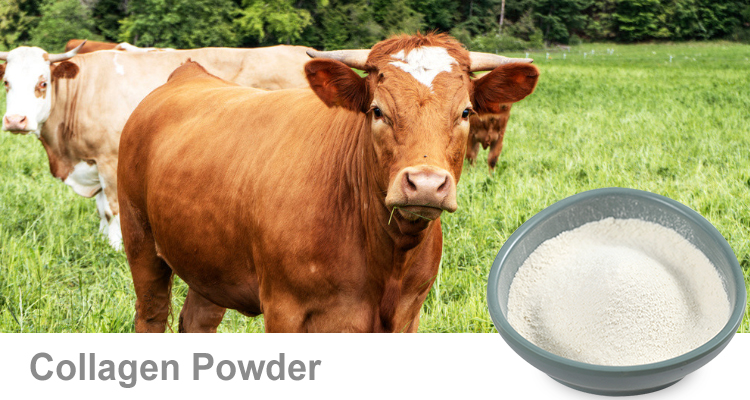



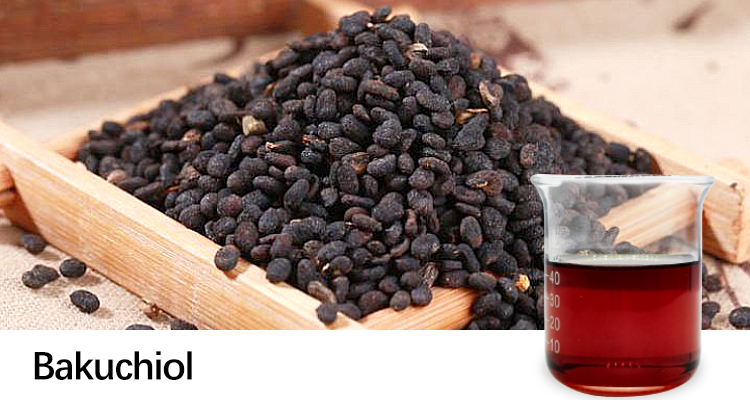 A Versatile Performer in Beauty and Skincare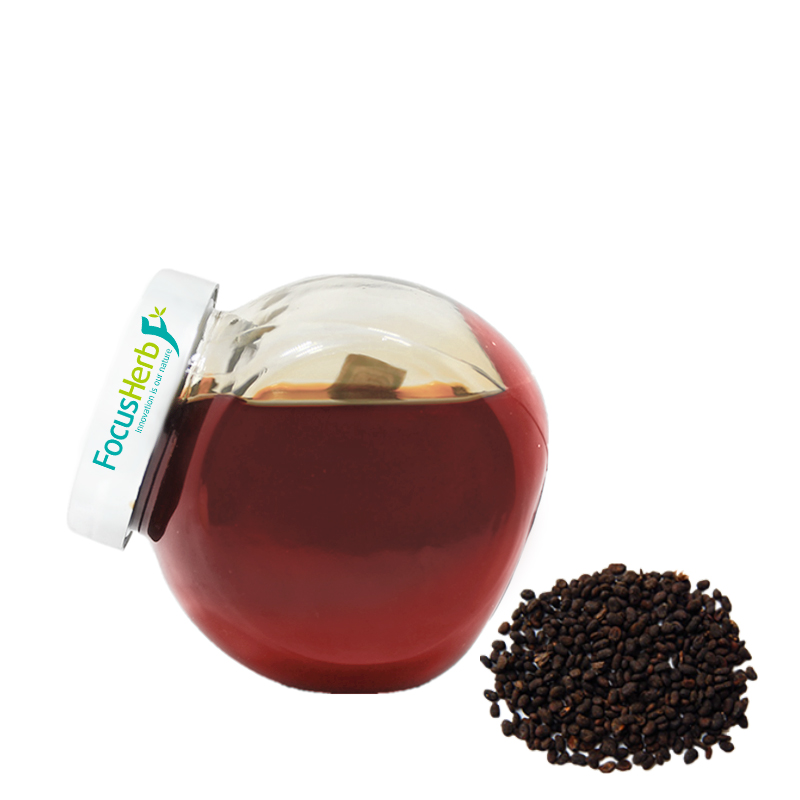
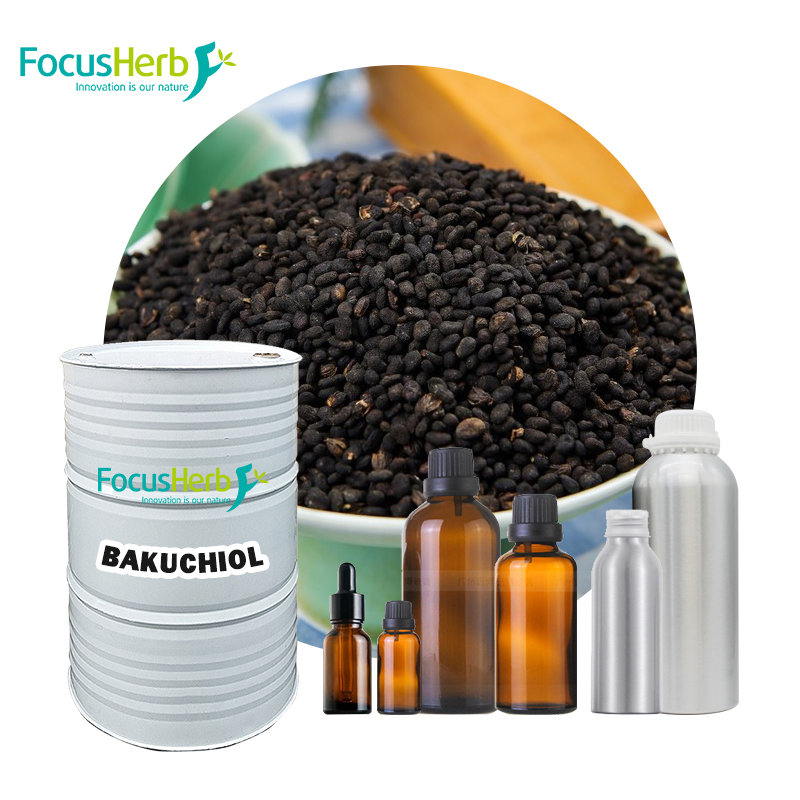



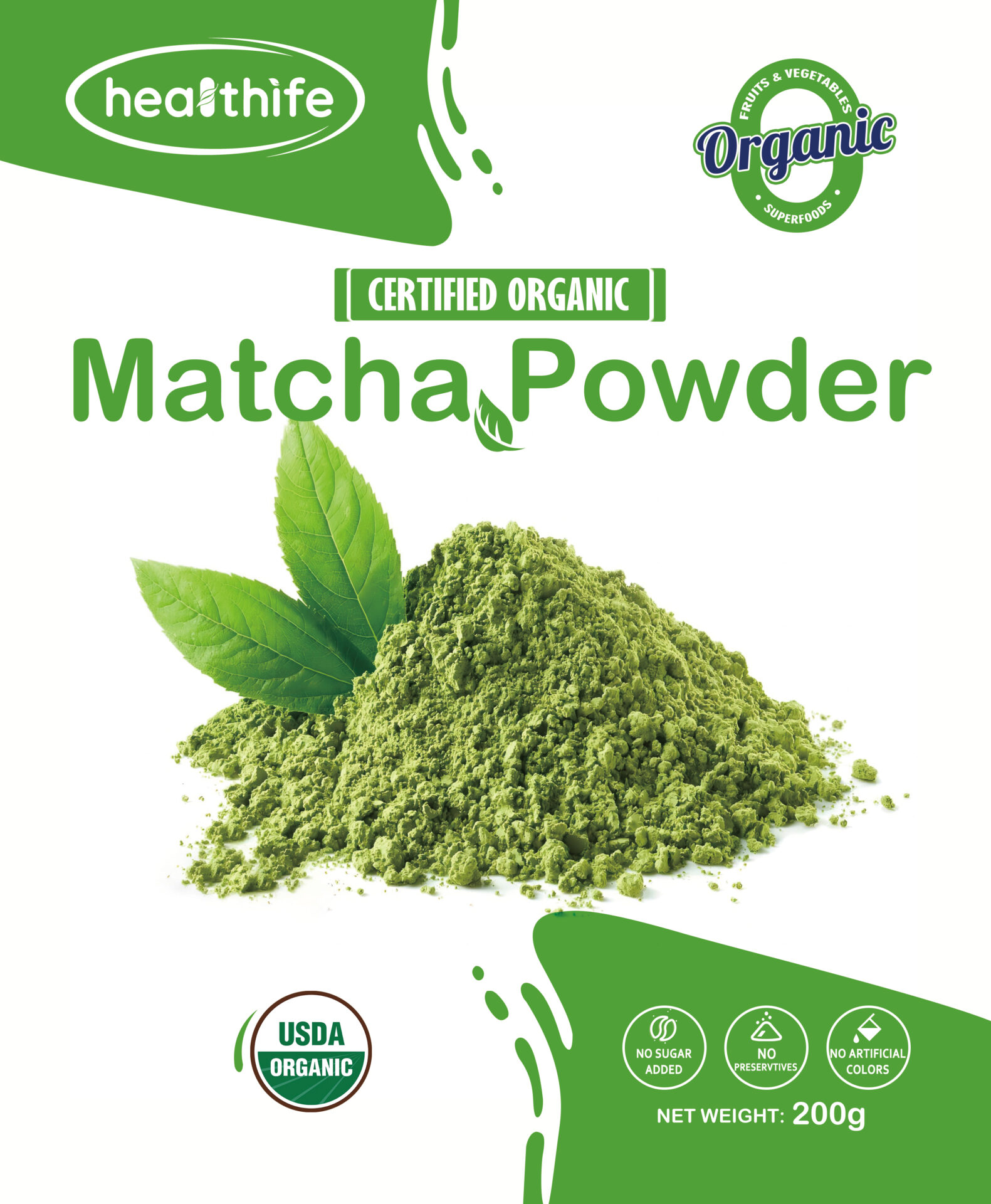
-672x372.jpg)
.jpg)
1.jpg)

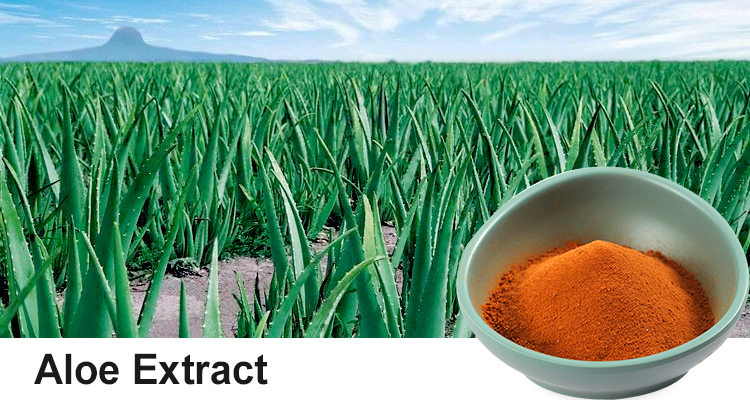
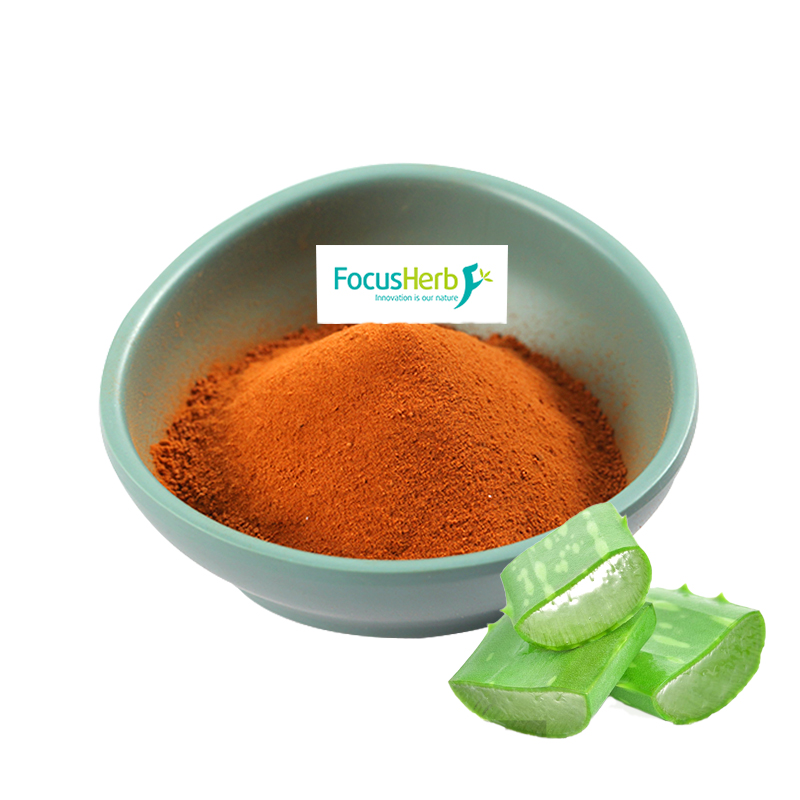 Caution! Aloe-emodin is a “forbidden zone” for certain groups
 Safety Usage Guidelines
 Suitable Candidates Overview


 Spermidine, an extract from wheat germ, demonstrates significant value in multiple health fields due to its unique bioactivity. It has positive effects on the elderly, those with weakened immunity, those with poor liver function, those at high risk of cardiovascular disease, those experiencing hair loss, and sports enthusiasts, providing strong support for improving their physical condition and quality of life. With ongoing research and technological advancements, the application prospects of spermidine in the health field will become even broader.
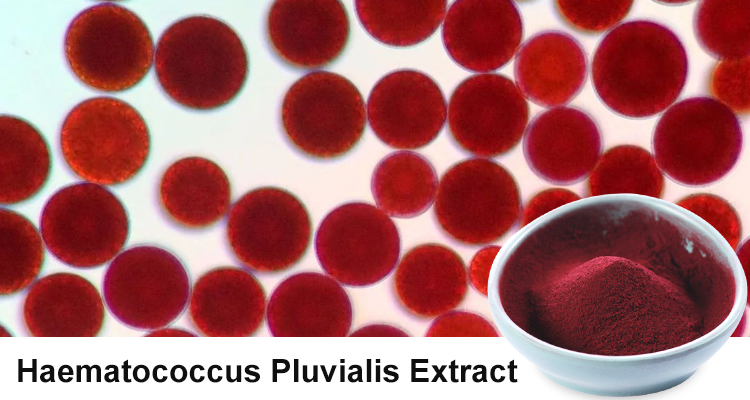
 Astaxanthin, a powerful natural antioxidant, boasts remarkable efficacy in multiple areas, including anti-oxidation, anti-inflammation, cardiovascular protection, immune system enhancement, fatigue relief, vision protection, and skincare, thanks to its unique molecular structure. It provides comprehensive care for human health. With increasing health awareness and a growing demand for natural and highly effective health products, astaxanthin’s application prospects in the health field are extremely broad.